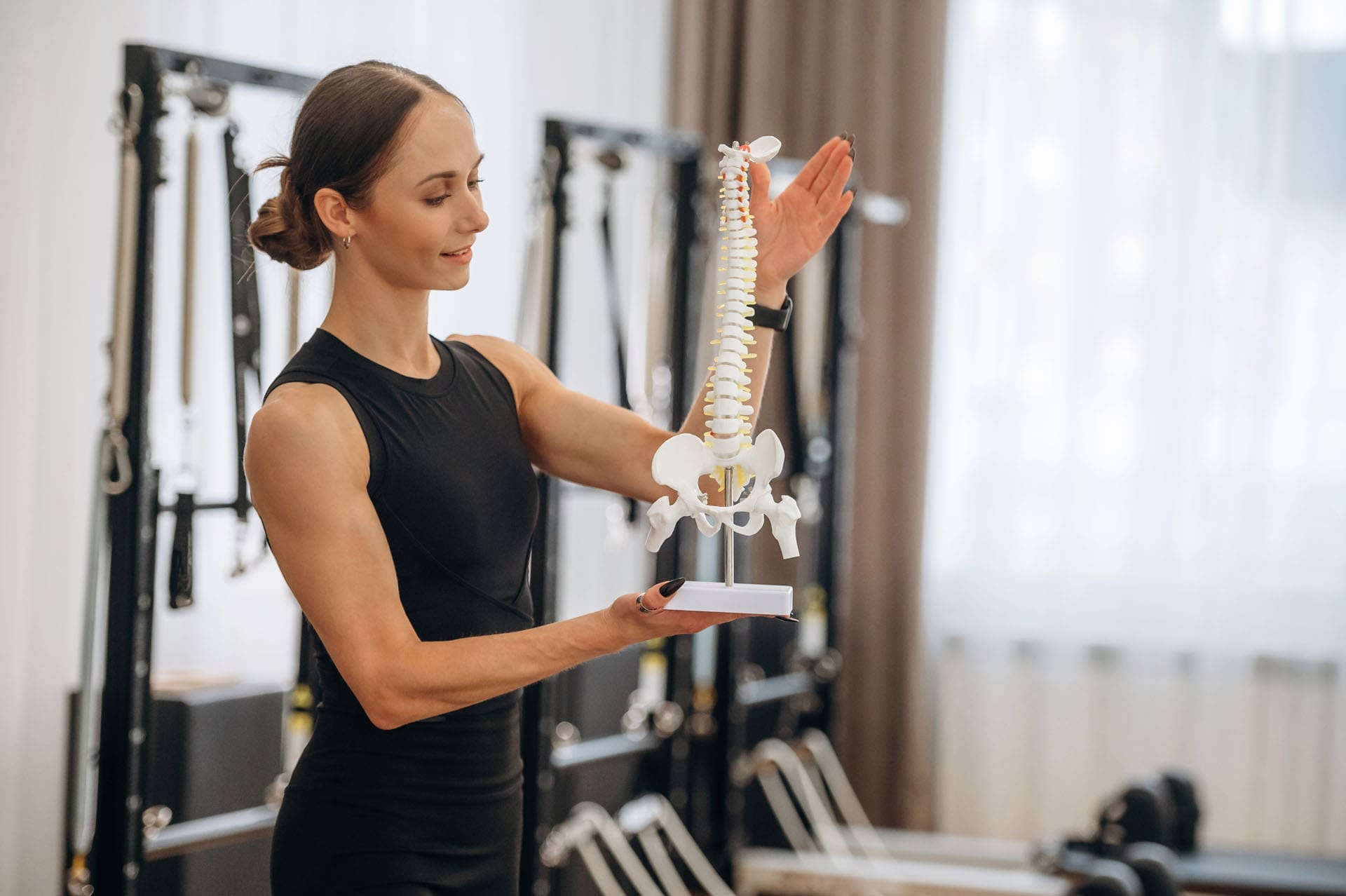
Why Your Back Hurts Monday After a Weekend of Yard Work, Cleaning, or Home Projects
Abstract
You felt fine Friday. By Sunday evening, the yard is clean, the garage is organized, and your lower back remembers every bend, lift, twist, and carry. Often, the issue is not one “bad lift.” It is a sudden workload jump that exceeds what your back, hips, and supporting muscles were prepared to handle. This guide explains why that happens, how to move safely through Monday, and when back pain needs prompt medical evaluation.
The Weekend Workload Jump
Monday through Friday, a desk worker may spend hours sitting. A data center employee may alternate between computer work and equipment checks. An Amazon employee may repeat familiar tasks their body has adapted to.
Then Saturday arrives.
Suddenly, that person spends hours raking, pulling weeds, scrubbing floors, painting, climbing ladders, lifting soil, carrying boxes, or moving furniture. Research links greater exposure to lifting and carrying, non-neutral postures, and combined mechanical demands with increased odds of chronic low-back pain (Jahn et al., 2023). That does not mean bending is dangerous. Dose, repetition, recovery, conditioning, and individual capacity matter.
A weekend project can compress a large amount of unfamiliar work into one afternoon.
Why Your Muscles Feel So Tired
Your spine does not work alone. Muscles of the trunk, hips, abdomen, and legs share the job of controlling movement and transferring force.
When you rake, vacuum, shovel, paint, or lift repeatedly, those muscles produce force again and again. As fatigue builds, movement may become less coordinated. You may reach farther, twist while carrying, rush transitions, or rely more on the lower back because the hips and legs are tired.
Next-day soreness can reflect muscle stress or irritated tissues. It does not automatically mean a disc “slipped” or something is permanently damaged.
Most low-back pain is classified as nonspecific, meaning clinicians cannot tie it to one dangerous structural disease or single injured tissue (World Health Organization [WHO], 2023). A careful examination is more important than guessing based on pain location alone.
Hip Mobility Helps Share the Load
Your hips help you squat, hinge, step, and rotate. If they are stiff after a week of limited movement or unprepared for hours of weekend activity, the body may borrow motion elsewhere.
Imagine lifting a bag of mulch. If your ankles, knees, and hips work comfortably, you share the task. If your legs fatigue, you may bend more through the lumbar spine or hold the load farther away.
That does not make spinal bending inherently harmful. The larger picture includes total workload, task variety, strength, recovery, previous symptoms, and individual response. The goal is enough mobility, strength, and confidence for your whole body to participate.
Monday Morning: Keep Moving, but Scale the Load
When your back feels stiff Monday morning, you may want to barely move. For many uncomplicated episodes, current guidance instead encourages staying active and continuing normal activities as tolerated (National Institute for Health and Care Excellence [NICE], 2016; WHO, 2023).
Try a graded Monday:
Before work, take a short walk and use gentle hip and trunk movements.
During sitting tasks, change position regularly instead of chasing one “perfect” posture.
When standing, shift your stance and take brief walking breaks.
When lifting, temporarily reduce load size, keep objects close when practical, and let your legs and hips share the effort.
Break large jobs into smaller sets instead of testing your back with one heavy effort.
If movement sharply increases leg pain, numbness, or weakness, stop and seek clinical guidance.
What Chiropractic and Rehabilitation Can Add
A useful back evaluation should do more than ask where it hurts. It should examine how you move and what your workday requires.
At El Paso Back Clinic, an integrative examination may include spinal and hip motion, neurological screening, strength, gait, lifting mechanics, symptom behavior, and the activities that triggered the flare. The goal is to identify what can be modified and what needs further medical investigation.
Guidelines support exercise, education, and selected manual therapies for low-back pain. Manual therapy, including spinal manipulation or mobilization, is best used within a broader plan that includes active rehabilitation rather than as a stand-alone solution (George et al., 2021; NICE, 2016).
For the right patient, chiropractic care may reduce pain and restore comfortable movement, making progressive exercise easier. Rehabilitation then builds the capacity that weekends and workdays demand.
Build Capacity, Not Fear
A good recovery plan does not teach you that your back is fragile. It helps you understand current capacity and gradually expand it.
That may include:
hip-hinge and squat patterns;
trunk endurance and control;
progressively heavier carrying;
pushing and pulling;
hip and thoracic mobility;
walking and aerobic conditioning; and
task-specific lifting for home or work.
This is beneficence in practical terms: care should help you function better, not simply chase a pain score. It also supports autonomy. You should understand what clinicians find, what options are available, and what each option can realistically accomplish.
Appropriate non-invasive care may help reduce unnecessary reliance on medications or invasive procedures for some nonspecific cases. Avoiding harm also means recognizing when conservative care is not enough.
Red Flags: When Back Pain Needs Urgent Care
Seek urgent medical evaluation if back pain comes with new or progressive neurological problems, especially:
increasing weakness in one or both legs;
numbness around the groin, inner thighs, or saddle area;
new loss of bladder or bowel control;
severe walking difficulty caused by neurological weakness; or
rapidly worsening numbness or coordination loss.
Suspected cauda equina syndrome requires urgent assessment and typically prompt lumbar MRI because delayed treatment can risk permanent neurological loss (American College of Radiology, 2021).
Back pain after major trauma, pain with fever, unexplained weight loss, a cancer history, significant immune suppression, or other serious systemic symptoms also deserve medical assessment. Red-flag screening separates ordinary mechanical flare-ups from conditions requiring different care.
Prepare for the Next Weekend
Build capacity during the week. Walk. Strength train. Practice lifting. Vary your sitting. Break long chores into shorter blocks. Alternate bending tasks with upright tasks. Use carts or ask for help with unusually heavy objects. Increase workload gradually instead of going from five quiet workdays to six nonstop hours of home renovation.
At Injury Medical Clinic PA in El Paso, Dr. Alex Jimenez, DC, APRN, FNP-BC, CFMP, IFMCP, combines chiropractic structural care, mechanical rehabilitation, and medical assessment as a Doctor of Chiropractic and board-certified Family Practice Nurse Practitioner. Dr. Maria Guadalupe Cardenas, MD, a board-certified Internal Medicine physician with more than 40 years of experience, serves as Medical Director, Clinical Director, and collaborative physician, providing medical oversight when symptoms, medications, metabolic conditions, laboratory findings, or risk factors require broader evaluation.
This integrated model keeps the patient in charge. Chiropractic and rehabilitation can address mechanical problems, while medical evaluation investigates symptoms that do not fit a routine musculoskeletal pattern. Care can coordinate with your existing medical team.
If Monday back pain repeats after active weekends, ask, “What workload am I asking my body to handle, and how can I build the capacity to handle it better?” That conversation can turn a frustrating Monday pattern into a practical plan for stronger lifting, easier sitting, better recovery, and more confidence when the next weekend project arrives again. Schedule a multidisciplinary evaluation if recurring pain is limiting work, home projects, sleep, or confidence.
Sport-Specific Training & Chiropractic in Back Injury Recovery
Introduction
Back injuries—whether from sports, auto accidents, work accidents, or daily strain—present a unique challenge. The spine supports nearly every movement, and when it’s compromised, strength, mobility, and balance suffer. For patients at a clinic offering advanced back care (like El Paso Back Clinic), the integration of sport-specific training with chiropractic and integrative modalities offers a powerful path toward recovery and long-term resilience.
Sport-specific training—customized drills that focus on strength, agility, and coordination—can rebuild function in a way that general rehabilitation often cannot. Paired with structural alignment, nerve health, soft tissue healing, and holistic support, this combination helps patients achieve more than just pain relief. They regain strength, flexibility, and control.
In this article, we will:
Define sport-specific training and its essential components
Show how it applies in a back-injury or spinal-rehab setting
Explain how chiropractic and integrative care complement and enhance outcomes
Illustrate how a multidisciplinary spinal/rehab clinic (such as El Paso Back Clinic) can deploy these strategies for complex cases
What Is Sport-Specific Training?
Sport-specific training consists of exercises and drills designed to mimic or approximate the demands of a particular sport or movement pattern. Rather than simply engaging in general strength training or cardio, the athlete (or rehab patient) practices movements that simulate the activities they actually perform in their sport (or daily life). (Simplifaster, 2023)
For example:
A soccer player might do cone drills, direction changes, and sprint cuts.
A basketball player might do jump-rebound drills, lateral slides, and shot motion under fatigue.
A person recovering from a back injury who intends to return to recreational tennis may benefit from training rotational core stability, hip control, and deceleration drills.
The principle is to condition not just muscles, but neuromuscular coordination, timing, balance, and movement patterns under stress. (Island Sports PT, 2024)
Core Elements of Sport-Specific Training
Strength & Conditioning Focused strength work for sports-relevant muscles. For instance, rotational core strength, hip extensors, and glutes are often critical, especially when the spine is recovering from injury. (Kinetics Performance, 2024)
Power/Explosive Work Plyometric movements, medicine-ball throws, jump training. These train fast-twitch fibers and increase force production. (Keiser, 2024; Physio Jersey, 2024)
Speed, Agility & Quickness Drills with cones, agility ladders, reaction tasks, shuttle runs—all aimed at improving the ability to change direction and speed efficiently. (Sensory Stepping Stones, 2024; Rockstar Academy, 2024)
Endurance/Conditioning Many sports or daily activities require sustained effort. Interval training, circuits, or sport-like conditioning help build stamina. (Adrenaline SPT, 2024)
Skill/Technical Drills Repetition of sport-specific moves—shooting in basketball, footwork in soccer, and throwing motion in baseball. (Island Sports PT, 2024)
Balance, Coordination & Core Stability Single-leg work, balance boards, unstable surfaces, control drills—all to enhance proprioception and stability (TRX Training, 2024).
Adapting Sport-Specific Training in Back Injury/Spinal Rehab
When someone has a back injury, it is not advisable to immediately engage in high-intensity sports drills. The approach must be staged, cautious, and progress gradually. Sport-specific training in this context helps by:
Rebuilding movement patterns in a safe, graduated way
Restoring control under load so that the spine can handle complex tasks
Bridging rehabilitation and performance so patients return stronger
Preventing reinjury by conditioning neuromuscular systems for the true demands of sport
Direction change, agility, weighted movement pattern mimicry
Maintain spinal control, avoid jerky motion
Performance/Return
Full sport drills, high intensity
Cutting, jumping, sprinting, full-range sport tasks
Ensure readiness, maintain recovery support
By layering work progressively, the spine adapts, and the patient regains confidence in movement.
Why Combine Chiropractic & Integrative Care?
Sport-specific training alone is powerful—but when combined with structural and holistic care, the results are far more robust. Particularly for back injuries, the spine, nerves, musculature, and soft tissues must all work in harmony.
1. Structural & Joint Alignment
Spinal misalignments or restricted joints (“subluxations” or hypomobilities) can alter loading patterns, leading to compensations that result in pain or injury. Chiropractic adjustments and mobilizations restore joint mechanics, which help patterns in training translate cleanly into movement (El Paso Back Clinic focus) (ElPasoBackClinic.com, 2024).
2. Soft Tissue Healing & Function
After injury, muscles, ligaments, and fascia often stiffen, scar, or become restricted. Therapies such as myofascial release, instrument-assisted soft tissue techniques, or therapeutic massage break up adhesions, improve circulation, and restore elasticity. This allows better movement and reduces the risk of overuse.
3. Nervous System & Proprioception
The spine is intimately linked to the nervous system. When spinal alignment and joint function are optimal, nerve signals travel more freely, which improves balance, reaction time, coordination, and fine motor control. Chiropractic care supports this neural integrity.
4. Pain Modulation & Inflammation
Manual therapies, acupuncture, electrotherapy, or low-level laser may reduce local inflammation, modulate pain, and speed recovery—allowing patients to train more consistently.
5. Systemic & Functional Health
Recovery is not just local—nutrition, hormonal balance, sleep, metabolic health, and inflammation status all impact tissue healing. Integrative methods (functional medicine, nutritional support, lifestyle modification) optimize these systemic factors, enabling better regeneration.
How El Paso Back Clinic Can Implement This Model
El Paso Back Clinic, as stated in its mission, provides care for back injuries, sports wellness, rehabilitative protocols, chiropractic services, functional medicine, acupuncture, and sports rehabilitation (ElPasoBackClinic.com, 2024). This makes it well-positioned to deploy a combined training and integrative care approach.
Here is how a clinic like this can operationalize the model:
Diagnostic & Assessment Phase
Use advanced imaging, postural and movement analysis, orthopedic tests, and functional assessments
Identify spinal misalignments, joint restrictions, muscular imbalances, and neuromuscular deficits
Use lab panels or metabolic analysis to pick up systemic inhibitors of healing (e.g., inflammation, nutritional deficiencies)
Treatment & Structural Rehabilitation
Begin with chiropractic adjustments and soft tissue work to restore alignment
Address compensatory tight muscles and weak stabilizers
Start with gentle neuromuscular re-education, core work, and movement foundations
Integrative Support
Provide nutritional counseling, anti-inflammatory protocols, and supplementation as needed
Use adjunctive therapies (acupuncture, electrotherapy, cold laser) to accelerate tissue healing
When foundational stability is sufficient, introduce sport-specific drills adapted to the patient’s goals
Progress through staged phases (as shown above)
Monitor compensation, form, pain response, and neuromuscular control
Maintenance & Prevention
Even after returning to activity, periodic check-ups, structural tuning sessions, and movement refreshers help prevent recurrence
Continued integrative support helps sustain joint health, muscular balance, and systemic resilience
Case Example (Hypothetical)
Patient Profile: A 28-year-old recreational soccer player suffered a lumbar disc strain while pivoting mid-game. After several weeks of pain control and basic rehab, she presents to the clinic wanting to return stronger than before.
Protocol:
Assessment: MRI, posture/gait/movement analysis. Detect slight rotational asymmetry in the pelvis and tight hamstrings.
Structural phase: Chiropractic adjustments to lumbar and pelvis, soft tissue work along paraspinals and hamstrings, nerve glides.
Intermediate loading: Hip bridges, split squats, controlled rotational medicine-ball passes
Sport transfer drills: Side shuffles, agility ladder, simple cuts, controlled acceleration
Full application: Simulated soccer drills, jumping, multi-directional change, in-field practice
Maintenance: Structural “tune-up” visits, integrative support, movement habit education
Over months, the patient regains performance while minimizing flare-ups.
Benefits & Outcomes
By integrating sport-specific training and chiropractic/integrative care in a back-focused clinic, patients can expect:
Faster, more complete recovery
Better movement control under stress
Reduced recurrence of back pain or injury
Enhanced performance in sport or daily tasks
A more holistic, systemic healing process
In El Paso Back Clinic’s model, this approach strengthens the spine and the entire neuromuscular system, rather than just patching symptoms.
Conclusion
Back injuries challenge the body’s core systems. Recovery is not just about stopping pain—it’s about restoring function, control, and resilience. Sport-specific training gives patients a roadmap to rebuild movement in a meaningful way. Chiropractic and integrative care corrects structure, optimizes nerve function, treats soft tissue, and supports systemic healing.
At a clinic like El Paso Back Clinic, which already embraces chiropractic, functional medicine, rehabilitative services, and sports wellness, the synergy of these approaches is a natural fit. By walking patients through assessment, structural restoration, staged sport-specific training, and integrative support, the clinic can help them not only return from injury—but come back stronger, more balanced, and more resilient.
How Functional and Integrative Nurse Practitioners Support Environmental Detox and Back Injury Recovery
Introduction: Connecting Detoxification to Injury Recovery
Recovering from back injuries, inflammation, and pain is often more complex than it seems. While chiropractic adjustments, physical therapy, and imaging help restore structure and function, many patients still deal with lingering fatigue, swelling, and pain. One overlooked factor? Toxin overload.
Environmental toxins—whether from pollutants, stress, or processed foods—can silently interfere with the body’s healing processes. This is where functional and integrative medicine nurse practitioners (NPs) play a key role. These advanced practice providers assess the entire person, identify internal stressors like inflammation or toxic buildup, and create personalized detox protocols that accelerate recovery.
This whole-body approach—combining clinical insight, diagnostic tools, and holistic care—helps patients achieve deeper healing from back pain and musculoskeletal injuries.
Every day, people are exposed to harmful substances through air pollution, water contamination, plastics, synthetic materials, household cleaners, and even food packaging. Over time, these toxins build up in the body, straining the liver, kidneys, and lymphatic system—especially after an injury.
When detoxification systems are overwhelmed, healing slows. Patients recovering from herniated discs, nerve irritation, or soft tissue damage may experience:
Chronic inflammation
Hormonal imbalances
Sleep disturbances
Increased sensitivity to pain
Sluggish energy and mood
A functional or integrative NP looks for these connections and helps the body detoxify in ways that support natural recovery.
Back injuries often involve more than bones and muscles. Tissue damage from car accidents, lifting injuries, or poor posture can trigger systemic inflammation—a chemical response that floods the body to begin healing. However, when inflammation lasts too long or combines with high toxin levels, it begins doing more harm than good.
Functional NPs help patients reduce this burden through detoxification, nutrition, and lifestyle changes that reduce oxidative stress and support tissue regeneration. This integrative approach complements chiropractic care and physical therapy by addressing the internal terrain needed for full recovery.
Dr. Alexander Jimenez: Dual-Scope Leadership in Back Pain Recovery
Dr. Alexander Jimenez, DC, APRN, FNP-BC, is a pioneer in combining chiropractic care with integrative nurse practitioner strategies. As a dual-licensed provider in El Paso, he brings together advanced diagnostics, hands-on therapy, personalized detoxification, and legal-medical documentation.
His clinical observations show that patients dealing with trauma-related back injuries often also show signs of toxic overload or metabolic stress. By identifying those obstacles through lab work and history-taking, Dr. Jimenez is able to build targeted plans that include:
Chiropractic spinal adjustments
Nutrient-focused detox protocols
Anti-inflammatory dietary changes
Diagnostic imaging (X-rays, MRIs)
Legal documentation for personal injury cases
Massage and acupuncture referrals
This integrative method helps patients not only feel better faster—but also stay better longer.
The human body is built to detoxify itself. The liver, kidneys, lungs, lymphatic system, and skin all help filter and eliminate waste. However, after an injury, the body also needs to remove metabolic byproducts from tissue breakdown, inflammation, and medication use.
If detox pathways are blocked or overwhelmed, it can result in:
Prolonged inflammation
Stiff joints and tissue congestion
Poor sleep and energy
Slower nerve healing
Gut disturbances
Functional NPs trained in detoxification medicine assess how well a patient’s natural detox pathways are working—and use science-backed therapies to enhance them.
A cookie-cutter approach won’t work for complex injuries or toxin-related symptoms. Functional and integrative NPs use personalized assessments to determine what’s holding each patient back. These may include:
Heavy metal tests
Hormone panels
Nutrient level testing
Stool and microbiome tests
Inflammation markers (CRP, homocysteine)
Detox enzyme analysis (glutathione, methylation)
Once data is collected, the NP builds a targeted detox plan that supports healing without overwhelming the system.
Complementary Therapies That Enhance Detoxification
Back pain recovery isn’t only about spinal alignment—it’s about supporting the whole person. Functional and integrative nurse practitioners (NPs) often collaborate with the following professionals:
Chiropractors: To restore motion and nerve flow
Massage therapists: To reduce muscle tension and boost lymph drainage
Acupuncturists: To balance energy systems and reduce stress
Physical therapists: To retrain muscles and restore function
Dr. Jimenez’s clinic is an example of this team-based approach, where patients receive not just one therapy, but a blend of treatments that promote true recovery—inside and out.
Detox in Personal Injury and Legal Cases
Many patients seen at integrative clinics are recovering from personal injury events, such as vehicle collisions or workplace accidents. These cases require more than care—they require documentation, imaging, and communication with attorneys.
Dr. Jimenez provides:
Accurate musculoskeletal diagnosis
Clinical correlation of symptoms and injuries
Advanced imaging to validate findings
Progress reports for attorneys
Medical-legal support throughout the case
By integrating detoxification with structural recovery and legal readiness, patients can recover physically and protect their case legally.
Lifestyle Changes to Prevent Re-Injury and Toxic Load
The goal isn’t just to detox once—it’s to build resilience. Functional and integrative NPs educate patients on how to reduce their toxin exposure and promote ongoing healing through:
Anti-inflammatory diets
Non-toxic home and body products
Proper ergonomics and posture
Sleep hygiene
Daily stretching or walking routines
Mind-body practices like deep breathing
Patients who implement these practices heal faster, stay healthier, and avoid re-injury.
Back pain and injury recovery require more than structural realignment. In many cases, patients need detoxification support, stress relief, and internal balancing to truly heal.
Nurse practitioners trained in functional or integrative medicine—like Dr. Alexander Jimenez—play a vital role in delivering this advanced level of care. Their ability to combine diagnostics, lifestyle medicine, detoxification, chiropractic, and legal-medical integration provides patients with a complete pathway to healing.
Whether someone is recovering from a disc injury, soft tissue strain, or chronic inflammation, integrative detox can accelerate progress and reduce complications—helping patients return to their desired lifestyle.
IFM's Find A Practitioner tool is the largest referral network in Functional Medicine, created to help patients locate Functional Medicine practitioners anywhere in the world. IFM Certified Practitioners are listed first in the search results, given their extensive education in Functional Medicine