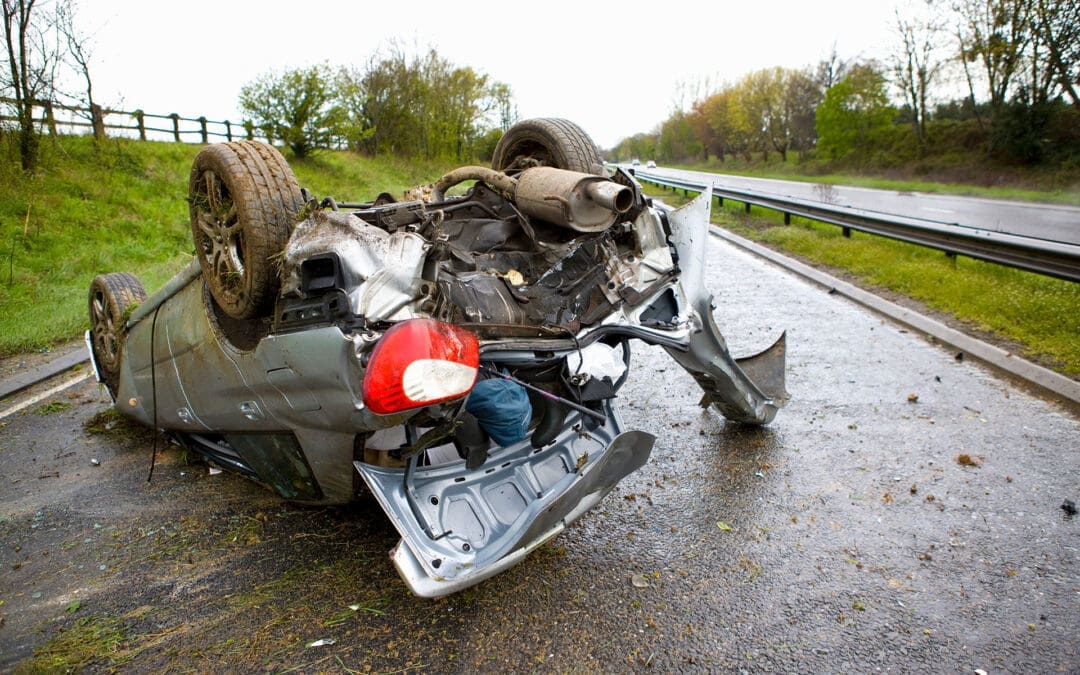
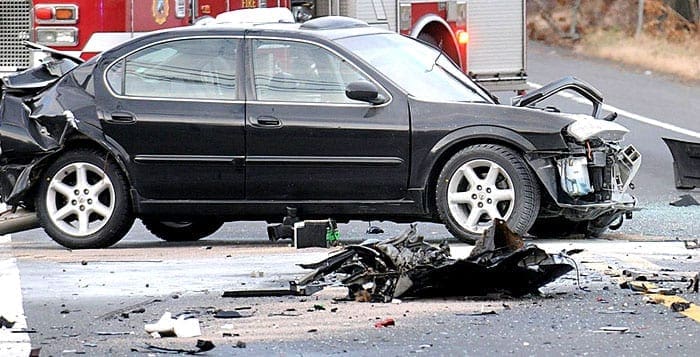
Back Clinic Auto Accident Injuries Chiropractic Physical Therapy Team. Car accidents are one of the leading causes of injuries. Over 30,000 were fatal and another 1.6 million involved other injuries. The damage they cause can be immense. The economic cost of car accidents is estimated to be $277 billion each year or about $897 for every person living in the United States.
Many automobile accidents occur throughout the world every year, affecting individuals both mentally and physically. From neck and back pain to bone fractures, auto injuries can challenge the daily lives of those who are affected. Automobile accidents occur throughout the world every year, affecting a wide number of individuals, both physically and mentally.
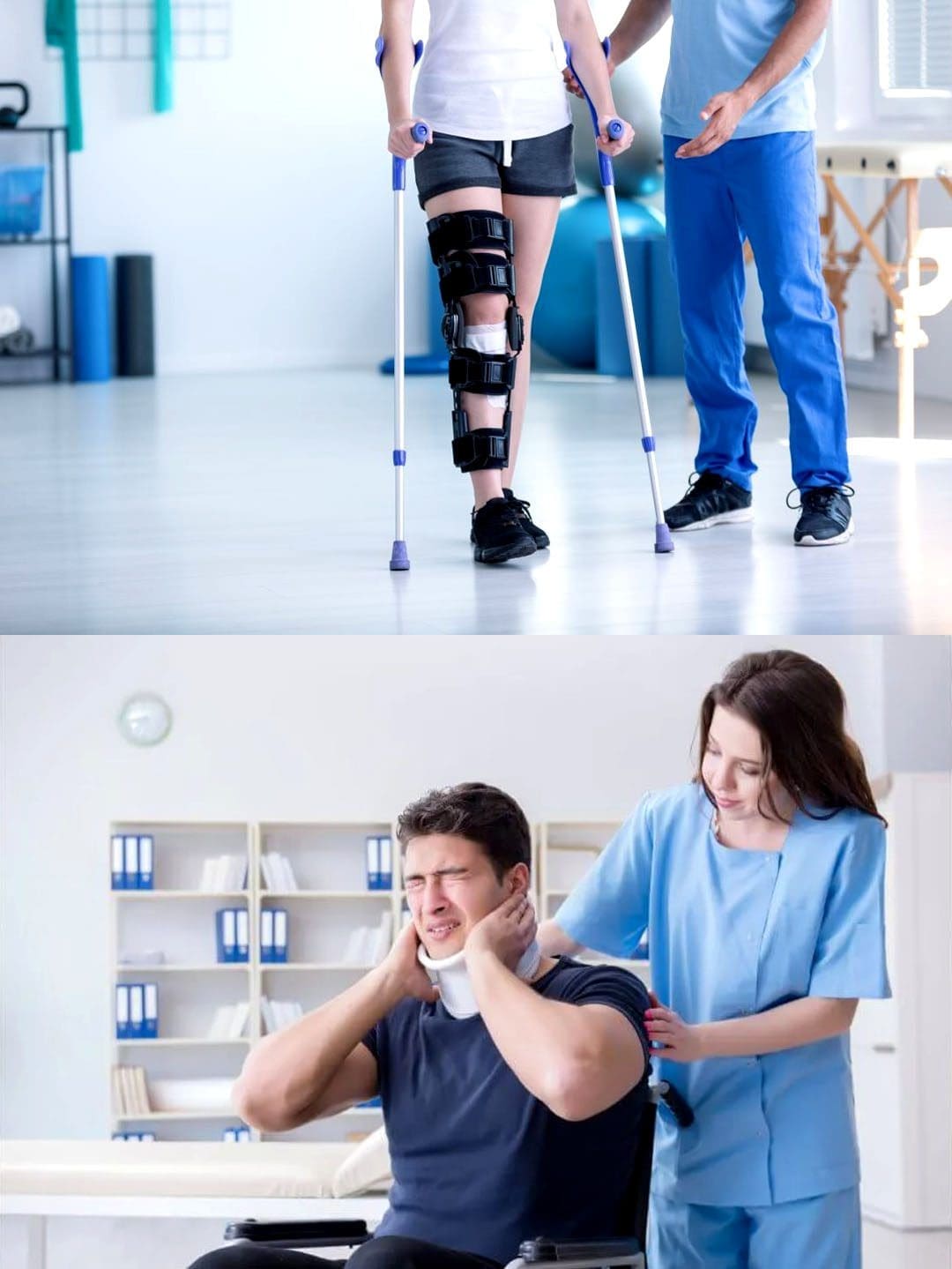
From neck and back pain to bone fractures and whiplash, auto accident injuries and their associated symptoms can challenge the daily lives of those who experienced unexpected circumstances. Dr. Alex Jimenez’s collection of articles discusses auto accident injuries caused by trauma, including which specific symptoms affect the body and the particular treatment options available for each injury or condition resulting from an auto accident.
Being involved in a motor vehicle accident can not only lead to injuries but they can be full of confusion and frustrations. It is very important to have a qualified provider specializing in these matters completely assess the circumstances surrounding any injury. For more information, please feel free to contact us at (915) 850-0900 or text to call Dr. Jimenez personally at (915) 540-8444.
Extreme Temperatures and Car Accident Risks in El Paso
In El Paso, Texas, summer heat often climbs above 100 degrees. This extreme heat does more than make you uncomfortable. It increases the risk of motor vehicle crashes and can worsen injuries. Scientific studies and safety data confirm that hot days and heat waves lead to more accidents and higher severity. On the road, heat creates a dangerous mix of tired drivers, stressed vehicles, and tough conditions.
This article walks you through why heat increases crash risks, how to prepare your vehicle and spot warning signs while driving, and what to do if you are in an accident. You will also learn about helpful integrative care options available right here in El Paso for faster, whole-person recovery.
Why Extreme Heat Leads to More Motor Vehicle Crashes
Research shows a clear link between high temperatures and more crashes. One review of studies found that hotter days are connected to rising numbers of fatal car crashes across the United States and other countries (Valentine, 2023). Another analysis noted a 3.4 percent rise in fatal crashes during heat waves (Adler, n.d.). In places like Texas, summer months often see the highest numbers of deadly wrecks.
Heat affects people, cars, and roads in several ways:
Your body struggles to stay cool. You sweat to cool down, but in extreme heat, you quickly lose water and important salts. This leads to dehydration. Dehydrated drivers often feel tired, have trouble focusing, and react more slowly to traffic lights or sudden stops.
Heat changes your mood and thinking. Many people become irritable or impatient when hot. This can lead to aggressive driving, tailgating, or risky decisions. Studies link heat to slower brain function and poorer judgment (Valentine, 2023; Adler, n.d.).
Your car turns into an oven. Sunlight passes through windows and traps heat inside. On a 100-degree day, the inside of a parked car can reach 130 to 150 degrees in a short time. Even with air conditioning, it takes time to cool down. Drivers in hot cabins feel distracted, sweaty, and less alert.
Vehicles face extra stress. Hot pavement and high temperatures can cause tire blowouts, especially on worn tires. Engines work harder and may overheat if coolant is low. Air conditioning systems strain to keep the cabin comfortable.
More traffic in summer. People drive more for vacations and outdoor plans. Higher traffic volume on hot, sunny days increases the likelihood of collisions (Adler, n.d.).
In El Paso’s desert climate, these factors combine often. Research cited by legal and safety sources shows that crash risks can rise by about 2.9 percent on heat-wave days, with even higher increases for crashes involving driver fatigue or distraction (Callahan Law, n.d.; Martinez, n.d.).
Preparing Your Vehicle for El Paso’s Hot Summers
A well-prepared car helps you avoid breakdowns and stay safer in extreme heat. Take these steps before and during summer:
Check tires carefully. Heat makes air inside tires expand, but worn tread or damage increases the risk of a blowout on hot roads. Check tire pressure when the tires are cool, usually in the morning. Look for cracks, bulges, or low tread. Replace tires that show wear.
Test and service the air conditioning. A strong AC keeps you cool and focused. If the air feels weak or takes too long to cool, have a mechanic check the system. Good cooling fights the greenhouse effect inside your car.
Inspect the cooling system. Make sure the radiator, hoses, and coolant levels are in good shape. Low coolant can cause engine overheating, leaving you stranded in dangerous heat.
Have the battery checked. Extreme heat shortens battery life and can cause sudden failure. Clean any corrosion from terminals and replace old batteries before problems start.
Use simple heat blockers. Keep a windshield sunshade handy. Park in shade or a garage whenever possible. These steps stop the inside of your car from reaching dangerous temperatures.
Carry basic supplies. Keep water bottles, a first-aid kit, a flashlight, and a phone charger in the car. If you break down, you can stay hydrated and call for help safely.
These simple actions reduce mechanical failures that, when combined with driver fatigue, cause crashes.
Spotting Heat-Related Fatigue While Driving
Even with a well-prepared car, long drives or heavy traffic in El Paso’s heat can tire you out quickly. Knowing the early signs lets you act before trouble starts. Common signs include:
Yawning often or feeling your eyelids grow heavy
Trouble staying focused on the road or missing exits and signs
Your vehicle drifting between lanes without you meaning to
Feeling more grumpy or frustrated with other drivers than usual
Headache, dry mouth, thirst, or general sluggishness
Slower reactions, such as braking late or not noticing hazards quickly
If you notice any of these, pull over to a safe spot right away. Drink water, sit in shade or cool air if possible, and rest. Some drivers find that calm music helps them stay relaxed (Martinez, n.d.). Do not try to push through severe tiredness. If you feel unsafe, let someone else drive or stop for the day. Your quick action can prevent a serious crash.
Regular Vehicle Maintenance to Lower Heat Dangers
Ongoing care keeps your car reliable when temperatures soar. Schedule a full inspection before summer begins. Ask a mechanic to check belts, hoses, fluids, and the air conditioning system. Change oil and filters on time so the engine runs cooler under heavy load. Monitor brake, transmission, and power steering fluid because heat makes these systems work harder. Replace wiper blades and ensure all lights work properly for better visibility in bright sunlight or dusty conditions.
Staying ahead on maintenance means fewer surprises and safer drives.
What to Do If You Are in a Motor Vehicle Accident
Even careful drivers can face crashes. In extreme heat, the stress on your body may make symptoms like headaches, back pain, or neck pain feel stronger or last longer. Getting the right care early supports better healing.
Integrative clinics offer a multifaceted approach. These clinics often bring together chiropractors, nurse practitioners, physical therapists, and medical doctors who work as a team. They address pain, movement, inflammation, and overall health instead of treating just one symptom.
How an Integrative Team Supports Recovery in El Paso
Many people involved in motor vehicle accidents deal with whiplash, spinal misalignments, soft tissue strains, headaches, back pain, or neck pain. These injuries happen from the sudden force of impact. An integrative and holistic approach can speed healing by combining treatments that support the whole body.
At Injury Medical Clinic PA (also known as Mission Plaza Injury Medical Clinic) in El Paso, Texas, the team uses this collaborative model. Dr. Alexander Jimenez, DC, APRN, FNP-BC, provides chiropractic care focused on spinal alignment and function. Through his extensive clinical experience treating patients in El Paso, shared on platforms such as dralexjimenez.com and his professional profiles, he has observed that recovery improves when care addresses both spinal issues and the body’s broader healing needs, often using advanced imaging and combined therapies.
Working with him is Dr. Maria Guadalupe Cardenas, MD, Board Certified in Internal Medicine. She brings over 40 years of experience as an internist, holds NPI #1164426749, and maintains Texas MD License #J2933. Dr. Cardenas serves as Medical Director and Collaborative Physician at the practice. This multidisciplinary setup is common in strong integrative and injury care clinics. The MD provides medical direction and oversight for complex cases, while the chiropractor delivers hands-on spinal care. Together, they create safe, coordinated plans.
The team integrates several services:
Chiropractic adjustments to gently realign the spine, relieve nerve pressure, reduce pain and inflammation, and restore mobility. This helps with common post-accident problems such as whiplash-related headaches and neck pain or lower back injuries.
Medical oversight and evaluation by Dr. Cardenas to assess overall health, manage inflammation or other factors, and guide the treatment path.
Functional medicine support, including nutrition and lifestyle guidance, to help the body repair tissues and regain energy.
Rehabilitation and physical therapy to build strength, improve flexibility, and prevent future issues.
Personal injury care that includes proper documentation and coordination for insurance or legal needs.
This combined approach often leads to faster relief, better mobility, and a lower risk of pain becoming chronic. It focuses on root causes rather than only covering symptoms. For anyone in the El Paso area experiencing headaches, back pain, or neck pain after a recent motor vehicle accident, the team can create a personalized recovery plan based on your specific injuries and health background. They may recommend imaging or referrals to other specialists when needed.
Patients frequently report improved comfort and function when care starts soon after an accident and includes this full-team support.
Moving Forward with Safety and Stronger Recovery
Extreme heat clearly raises the risks of motor vehicle crashes in El Paso, but preparation makes a difference. Checking your vehicle, watching for signs of fatigue, and keeping up with maintenance help protect you on the road. If an accident does occur, integrative care that blends chiropractic expertise, medical oversight, and functional support can help you heal more completely and quickly.
In El Paso, teams like the one at Injury Medical Clinic PA, with Dr. Alexander Jimenez and Dr. Maria Guadalupe Cardenas, offer this kind of coordinated, patient-centered care. They focus on restoring function and addressing the whole person so you can return to daily life with less pain and more confidence.
Drive safely, stay cool, and seek professional support when needed. Effective help is available close to home.
Delayed Car Accident Pain and Integrative Recovery
Many people feel fine right after a small car bump or fender bender. They drive away thinking everything is okay. Then, hours or even days later, pain, stiffness, or odd symptoms appear. This happens more often than most expect. Delayed symptoms after minor auto accidents are common because the body initially hides problems. Understanding why this occurs and what to do next can make a big difference in how well and how fast you recover.
Why Symptoms Often Appear Hours or Days Later
During a car accident, even a minor one, your body goes into a high-alert mode. It releases adrenaline to give you energy and focus. At the same time, it pumps out endorphins. These natural chemicals act like pain blockers. They help you stay calm and move if needed. Muscles also tense up and brace for impact. This response can mask damage to ligaments, discs, nerves, or soft tissues.
Once the adrenaline and endorphins fade, usually within 24 to 72 hours, swelling and inflammation begin to show. Hidden strains or small tears start to bother you. In some cases, symptoms wait even longer—weeks after the crash. This delay occurs because other parts of the body compensate at first. Or swelling builds slowly in deeper tissues. Low-speed collisions can still cause real problems because the body may not brace the same way as in bigger crashes. The result is neck pain, backaches, or nerve pain that seems to come out of nowhere.
Ignoring these signs can let small issues turn into bigger ones. Scar tissue may form, movement patterns change, and chronic discomfort can settle in. That is why paying attention early matters.
Common Warning Signs to Watch After a Minor Crash
Delayed symptoms vary from person to person. Some feel them the next day. Others notice changes a week or more later. Here are frequent ones to track:
Headaches that stick around or get worse: These can start from neck strain or small head movements during impact.
Neck or back stiffness and pain: Whiplash often shows up this way, with tightness that makes turning or bending hard.
Numbness, tingling, or radiating pain: This may travel into the shoulders, arms, or legs and may point to nerve irritation or pressure.
Unusual fatigue or low energy: Your body uses extra resources to heal, leaving you drained.
Brain fog, irritability, or trouble focusing: These cognitive changes can follow even mild impacts and affect daily tasks.
Dizziness, balance problems, or vertigo: Inner ear or neck issues sometimes appear later.
Other possible signs include shoulder or hip discomfort, sleep trouble, or mood shifts. If any new symptom starts after an accident, write down when it began, how strong it feels, and what makes it better or worse. This record helps healthcare providers connect it to the event.
Why See a Healthcare Professional Right Away
Even if the crash seemed small and you felt okay at the scene, get checked soon. A healthcare professional or nearby urgent care can spot hidden issues before they grow. They document the link between your symptoms and the accident. This step supports insurance claims and guides proper care. Early evaluation often leads to simpler, non-invasive help that works better than waiting until pain becomes constant.
Seek emergency medical help right away if you notice:
Sudden weakness in arms or legs
Severe vertigo or spinning sensations
Pain that quickly gets much worse
Confusion, vision changes, or slurred speech
Chest pain, shortness of breath, or abdominal swelling
These can signal more serious problems that need immediate attention. For most delayed symptoms from minor accidents, though, a prompt visit to a knowledgeable clinic sets the stage for steady healing.
How Integrative Chiropractic Care Supports the Body’s Natural Healing
Your body has a built-in healing process that works at the cellular level. After injury, it sends signals to reduce inflammation, repair damaged tissue, and rebuild strength. An integrative chiropractic clinic helps this natural cascade along. They combine hands-on biomechanical work with targeted regenerative therapies. The goal is to remove roadblocks so healing happens smoothly and completely.
Chiropractic adjustments gently move spinal joints back into better alignment. This relieves pressure on nerves and improves overall movement. Myofascial release loosens tight bands of tissue around muscles that often form after an accident. These tight spots create compensations—extra strain on other areas as the body tries to avoid pain. By restoring normal motion early, the clinic reduces the chance that old compensations become new long-term problems.
Regenerative Injections and Chiropractic Adjustments: A Strong Team Approach
When used together, regenerative biological injections and chiropractic care give a well-rounded path to recovery. Regenerative injections, such as platelet-rich plasma (PRP), work at the cellular level. A small amount of your blood is processed to concentrate platelets. These platelets release growth factors and signaling proteins. The factors tell local cells to multiply, build new collagen, improve blood supply, and shift from ongoing irritation to active repair. This supports healing of ligaments, tendons, muscles, and joints damaged in the crash.
Chiropractic adjustments and soft tissue work then correct the bigger picture. They restore spinal alignment and smooth movement patterns. Without this step, even repaired tissues can face ongoing stress from poor posture or guarded motions. The injections handle the microscopic repair work. The adjustments ensure the entire structure supports the repair and prevents reinjury. Patients often notice improved mobility, reduced pain, and a faster return to normal activities when both parts work in sequence.
This combined method is well-suited to delayed symptoms. It addresses both the hidden cellular damage and the mechanical changes that develop after the initial shock wears off. Many people find they heal more completely and with fewer setbacks than with either approach alone.
Expert Multidisciplinary Care in El Paso
In El Paso, Texas, Injury Medical Clinic PA—also known as El Paso Back Clinic—offers this kind of integrative care for people dealing with auto accident injuries. Dr. Alexander Jimenez, DC, APRN, FNP-BC, leads the team. He is a chiropractor and board-certified family nurse practitioner with advanced training in functional medicine, spinal trauma, and musculoskeletal care. His clinical observations show that many patients with symptoms that appear days or weeks after minor crashes improve significantly when care targets both alignment and early tissue repair. He notes that addressing compensation and supporting cellular healing help prevent chronic pain and keep people moving well long term.
Working alongside him is Dr. Maria Guadalupe Cardenas, MD. She is Board Certified in Internal Medicine with over 44 years of experience. Dr. Cardenas serves as Medical Director and Collaborative Physician at the clinic (NPI #1164426749, Texas MD License #J2933). Her role brings medical oversight to the practice. She helps ensure adherence to safety protocols, coordinates care for complex health needs, and supports the integration of chiropractic services with broader internal medicine perspectives. This includes attention to chronic conditions, preventive strategies, nutrition, and referrals when needed.
The setup is a common multidisciplinary model in integrative injury clinics. Chiropractic care from Dr. Jimenez focuses on biomechanical correction and rehabilitation. Medical direction from Dr. Cardenas provides an internal medicine lens for whole-person health. The team also incorporates functional medicine principles, personal injury documentation, and regenerative options. Together, they create personalized plans that respect each patient’s unique situation after a car accident. This collaboration helps people recover function while addressing any underlying factors that could slow healing.
Moving Forward After Delayed Symptoms Appear
If you have noticed new stiffness, headaches, nerve feelings, or fatigue following a minor auto accident—recent or even from months ago—consider reaching out for a full evaluation. A clinic experienced with these patterns can assess your spine, soft tissues, and overall function. They can then build a plan that supports your body’s healing steps without jumping straight to heavy medications or surgery.
Keep notes on your symptoms and how they affect daily life. Save records from any visits. These details help the care team connect the dots and may support insurance or legal processes if needed. Recovery does not have to mean living with ongoing discomfort. With the right combination of expert adjustments, regenerative support, and medical guidance, many people regain comfort and mobility.
Delayed symptoms after minor car accidents do not have to control your days. Understanding the timeline, recognizing the signs, and choosing care that works with your body’s natural processes can lead to real improvement. Teams that blend chiropractic precision with regenerative therapies and medical oversight offer a clear path forward—one focused on lasting function and feeling like yourself again.
Memorial Day Weekend Rear-End Car Accidents: Common Causes, Injuries, and How Integrative Chiropractic Care Can Help
Memorial Day weekend marks the unofficial start of summer for many families. Roads fill up fast as people head out for beach trips, barbecues, and long drives to visit loved ones. With millions of cars on the highway at once, traffic slows to a crawl on major routes. This heavy congestion sets the stage for one of the most frequent crashes during holiday weekends: rear-end collisions.
These accidents happen when one vehicle slams into the back of another. They often create chain-reaction pileups because traffic stops suddenly. Even at low speeds, the impact can jolt the body hard. In this article, you will learn why rear-end crashes spike during Memorial Day travel, what distractions play a role, how these crashes injure the neck and spine, and why seeing a chiropractor soon after makes a big difference. The journey from crash to recovery is clearer when you understand the steps.
Why Rear-End Collisions Spike During Memorial Day Weekend
Heavy traffic turns busy highways into parking lots. Drivers brake suddenly for slow traffic ahead. The car behind may not have time to stop safely. According to safety data, rear-end crashes make up about 23 percent of all car accidents in the United States each year.
Holiday weekends like Memorial Day see extra travel volume. More cars mean more stops and starts. Chain-reaction incidents become common when one car hits another, and the force pushes forward through several vehicles.
Congestion on key routes: Interstates and major roads fill quickly with vacationers.
Abrupt halts: Traffic lights, construction zones, or accidents ahead force sudden stops.
Longer drives: Tired drivers on extended trips react more slowly.
These factors turn a relaxing weekend trip into a stressful situation.
Common Causes: Distractions Behind the Wheel
Driver distraction is a leading cause of rear-end crashes. When traffic moves in fits and starts, even a few seconds of lost focus can cause trouble. Common distractions during holiday drives include:
Adjusting a GPS or phone map for the next exit.
Checking mobile devices for texts, calls, or traffic updates.
Attending to passengers—kids asking questions, pets moving around, or family conversations.
Other causes include tailgating (following too closely) and speeding for the conditions. Distracted driving was linked to hundreds of serious crashes in recent state reports. Even hands-free phone use pulls attention from the road.
Simple rule: Keep eyes forward, hands on the wheel, and mind on traffic. A quick glance at a phone can turn a safe gap into a collision.
What Happens to Your Body in a Rear-End Crash
Picture this: Your car sits stopped in traffic. The vehicle behind hits you. Your body snaps backward, then forward, in a split second. This whip-like motion—called whiplash—puts sudden force on the neck and spine.
The head weighs about 10 to 12 pounds. That quick jerk multiplies the stress on soft tissues and bones. Even a 5-mile-per-hour bump can create enough force to stretch or tear ligaments and muscles.
Rear-end impacts affect the cervical (neck) and lumbar (lower back) areas most. The spine tries to absorb the shock, but it often cannot do so without sustaining damage.
Common Injuries from Rear-End Collisions
Rear-end crashes frequently lead to specific injuries because of the forceful jerking. Soft tissues take the biggest hit, but bones and nerves can suffer too. Here are the most reported issues:
Soft tissue sprains and strains: Ligaments and muscles stretch or tear. This causes pain, swelling, and stiffness in the neck and back.
Whiplash: The rapid back-and-forth motion strains neck muscles, tendons, and ligaments. Symptoms include neck pain, headaches starting at the skull base, and limited movement.
Herniated or bulging discs: The force pushes spinal discs out of place. Disc material can press on nerves.
Muscular spasms: Muscles tighten suddenly to protect the area, leading to painful knots and reduced motion.
Nerve impingement: Pinched nerves cause tingling, numbness, or shooting pain down the arms or legs.
These injuries often affect the whole upper body. Shoulders, upper back, and even jaw muscles can ache from the impact.
Many people feel okay right after the crash because adrenaline masks the pain. But stiffness or headaches can show up hours or days later.
Why Symptoms May Appear Later—and Why Early Evaluation Matters
The body’s natural response hides problems at first. Adrenaline surges during the scare, dulling pain signals. Once it fades, inflammation builds, and tissues swell.
A minor headache today might become constant neck pain tomorrow. Small sprains can become chronic issues if left untreated. Experts stress that a full check-up soon after any accident is smart—even if you feel fine. Waiting too long can allow scar tissue to form or cause a posture change for the worse.
Florida law, for example, encourages care within 14 days to protect insurance benefits. The same idea applies everywhere: early action speeds healing.
Integrative Chiropractic Care: Natural Healing for Accident Injuries
Integrative chiropractic care focuses on helping the body heal itself without heavy reliance on drugs or surgery. It targets both the skeleton (bones and joints) and soft tissues (muscles, ligaments, tendons).
Chiropractors use gentle spinal adjustments to realign vertebrae. This takes pressure off nerves and restores normal movement. Soft tissue therapies like massage, trigger-point work, and myofascial release loosen tight muscles and break up scar tissue.
Other helpful tools include:
Therapeutic exercises to strengthen weak areas and improve posture.
Ultrasound or heat/ice therapy to reduce swelling and boost blood flow.
Lifestyle tips on ergonomics, sleep positions, and daily movement.
These methods work together for whole-body recovery. Patients often report less pain, better range of motion, and improved energy after a few sessions.
Chiropractic care shines for whiplash and back sprains because it addresses the root cause—misalignments and muscle imbalances—rather than merely masking symptoms.
Clinical Observations from Dr. Alexander Jimenez
Dr. Alexander Jimenez, DC, APRN, FNP-BC, brings a unique blend of chiropractic expertise and advanced nursing practice to auto accident care. As the founder of Injury Medical Clinic in El Paso, Texas, he specializes in personal injury and multidisciplinary recovery.
Dr. Jimenez observes that many patients arrive weeks or months after a crash, still dealing with lingering neck, back, and shoulder pain. He notes that injuries often affect more than just the spine—they impact joints, nerves, soft tissue, mobility, sleep, and even stress levels. His clinical approach emphasizes natural healing through integrative methods.
He combines traditional chiropractic adjustments with functional medicine, regenerative therapies such as platelet-rich plasma (PRP), nutritional guidance, and rehabilitation exercises. This team-based care helps patients recover faster and avoid long-term complications. Dr. Jimenez stresses thorough evaluations, including imaging when needed, to catch hidden issues early. His patients frequently share stories of regaining mobility and returning to daily life pain-free after following personalized plans.
His work shows that even old or “minor” accident injuries can improve dramatically with the right holistic support.
Steps to Take After a Memorial Day Crash
If you are involved in a rear-end collision this holiday weekend, follow these simple steps:
Check for immediate safety and call for help if needed.
Exchange information and document the scene with photos.
Seek a full medical evaluation right away—even without obvious pain.
Consider integrative chiropractic care as part of your recovery team.
Follow through with recommended therapies and exercises.
Most people recover well when they act early and stay consistent with care.
Safe Driving Tips for Holiday Travel
Prevention beats treatment every time. Keep these habits in mind:
Leave extra space between cars in heavy traffic.
Put phones away and use voice commands only if necessary.
Take breaks on long drives to stay alert.
Watch for sudden braking ahead.
A calm, focused drive keeps everyone safer on the road.
Memorial Day weekend brings fun and family together, but extra traffic raises the risk of rear-end collisions. Understanding the causes—congestion and distractions—helps you stay alert. Knowing how these crashes jolt the neck and spine explains why whiplash, sprains, herniated discs, spasms, and nerve issues are so common. Because symptoms can sneak up later, a prompt check-up is key. Integrative chiropractic care offers a natural path to healing by realigning the body, easing soft-tissue damage, and restoring posture and movement.
Dr. Alexander Jimenez and similar specialists show that combining chiropractic techniques with supportive therapies delivers real results for accident victims. Whether your crash happened this weekend or years ago, relief is possible. Listen to your body, seek care early, and give yourself the best chance at a full, pain-free recovery. Drive safely, enjoy the holiday, and remember—your health comes first after any bump on the road.
Healing Long-Term Pain After a Car Accident: How Chiropractic Care and Regenerative Medicine Can Still Help Years Later
Have you ever walked away from a car crash thinking you were okay, only to feel stiff, sore, or in pain months or even years later? Many people do. A motor vehicle accident (MVA) can leave behind hidden damage that may not appear until long after the wreck. The good news? It is possible to feel better even if your crash happened a while ago. Integrative functional medicine and chiropractic care, combined with treatments such as platelet-rich plasma (PRP), microfragmented adipose tissue (MFAT), MLS laser therapy, and shockwave therapy, can address the underlying causes of ongoing pain rather than merely masking symptoms.
This article walks you through why old injuries continue to hurt, how these modern treatments work, and why they often work so well together. You will see clear steps from the problem to real relief.
Why Old Car Accident Injuries Turn Into Chronic Pain
Right after a crash, your body tries to fix sprains, strains, or torn ligaments. But occasionally the healing process does not finish the job. Months or years later, the area stays weak, inflamed, or stiff. Doctors call this a “latent” or hidden soft-tissue injury. The tissues never fully repaired, so small daily movements keep irritating them.
Cells in the damaged spot can act as if the injury just happened. Scar tissue builds up, blood flow drops, and nerves stay on high alert. This leads to ongoing joint pain, muscle tightness, or back and neck problems that feel like they will never go away. (Nob Hill Chiropractic, n.d.; Push as Rx, n.d.)
The key point is this: the body still wants to heal. Treatments that restart the repair process can make a big difference, even long after the accident.
How Chiropractic Care Helps Long After the Crash
Chiropractors gently adjust the spine and joints to realign them. This takes pressure off nerves, improves blood flow, and lets muscles relax. For people with old MVA injuries, chiropractic care can:
Reduce ongoing stiffness in the neck and back
Improve range of motion so daily tasks feel easier
Ease nerve irritation that causes tingling or shooting pain
Work with your body’s natural healing instead of forcing it
Even if you waited months or years to seek help, chiropractic adjustments can still correct the alignment issues that started in the crash. Many clinics note that proper documentation of your symptoms helps link the pain back to the accident for insurance or legal reasons. (Dallas Accident and Injury Rehab, n.d.)
Regenerative Medicine: PRP and MFAT Jump-Start Real Healing
Regenerative treatments use your body’s building blocks to fix damaged tissue. Two popular options are PRP and MFAT.
Platelet-Rich Plasma (PRP) Doctors draw a small amount of your blood, spin it to concentrate the platelets, and inject the PRP into the painful area. Platelets release growth factors that:
Fight inflammation
Bring in fresh blood and nutrients
Tell your cells to grow new, healthy tissue
Studies show that PRP helps with chronic tendon pain, ligament injuries, and joint problems that stem from trauma. One review found that it improved pain and function in knee, ankle, and back issues better than some traditional shots. People often feel relief that lasts months or longer because PRP treats the damaged tissue, not just the pain. (Thu, 2022; AABP Pain, n.d.)
Micro-Fragmented Adipose Tissue (MFAT) MFAT comes from a small amount of your own fat. The fat is processed into tiny fragments full of stem cells and healing signals, then injected where needed. It acts like a natural bandage, reducing swelling and supporting new tissue growth. MFAT works especially well for joints and ligaments that never healed right after a crash. (New Jersey Regenerative Institute, n.d.; Chiromed, n.d.)
Both PRP and MFAT are minimally invasive, use your own cells, and carry a low risk of side effects.
Cutting-Edge Modalities: MLS Laser and Shockwave Therapy
These painless, high-tech tools speed up repair without surgery or drugs.
MLS Laser Therapy (Multiwave Locked System) uses specific light waves that penetrate deep into tissues. It:
Boosts cell energy so repairs happen faster
Lowers swelling and redness
Eases pain by calming overactive nerves
Improves blood flow to bring oxygen and nutrients
Patients with old whiplash, muscle strains, or ligament sprains often notice reduced stiffness and improved mobility after just a few sessions. The therapy is safe, relaxing, and works well alongside other treatments. (Nob Hill Chiropractic, n.d.; Drelham Nemat, n.d.; CARS Medical, n.d.)
Shockwave Therapy: This uses sound waves to break up scar tissue and stimulate the growth of new blood vessels. When paired with PRP, it can provide faster pain relief and better long-term results in chronic tendon problems. (Jhan et al., 2024)
Why These Treatments Work Best Together
The real magic happens when chiropractic care, regenerative injections, and laser or shockwave therapy team up. Here is why:
Chiropractic aligns the body so the injected healing cells can reach the right spots.
Regenerative medicine (PRP and MFAT) rebuilds the damaged tissue at the cellular level.
MLS laser and shockwave reduce inflammation and scar tissue, so the new repairs can take hold.
Together they address the root cause—poorly healed soft tissue and ligament damage—rather than masking symptoms with pain pills. Many patients report less chronic pain, stronger joints, and a return to normal activities without surgery. (Push as Rx, n.d.; Chiromed, n.d.)
Clinical Observations from Dr. Alexander Jimenez
Dr. Alexander Jimenez, DC, APRN, FNP-BC, sees this pattern every day in his El Paso practice. As a chiropractor and family nurse practitioner trained in functional medicine, he treats hundreds of people with old MVA injuries. His clinical observations show that crashes often create a “chain reaction” of problems: one tight muscle pulls on another, nerves get irritated, and inflammation lingers for years if not fully addressed.
Dr. Jimenez uses a full evaluation—digital motion X-rays, nerve tests, and functional assessments—to identify the exact root causes. He then combines gentle chiropractic adjustments, PRP and shockwave therapy, MLS laser, and personalized nutrition plans. Patients with whiplash, chronic back pain, or unresolved ligament issues often regain mobility and feel stronger months after starting care. He stresses that even long-standing injuries respond when the whole body is supported, not just the painful spot. His approach aligns with research: early, or even delayed, integrative care can prevent arthritis and chronic disability. (Dr. Alexander Jimenez, n.d.)
Real Benefits You Can Expect
Here are some common improvements people notice:
Less daily pain and fewer pain pills needed
Better movement in the neck, back, shoulders, or knees
Stronger ligaments and tendons that feel more stable
Improved sleep because pain no longer keeps you awake
Faster return to work, sports, or family activities
Lower chance of needing surgery later
Results vary from person to person, but starting with a thorough exam helps create a plan that fits your exact needs.
Taking the First Step Toward Lasting Relief
If you have lived with pain from a car accident that happened months or years ago, you do not have to accept it as “just the way it is.” Integrative functional medicine and chiropractic care, paired with PRP, MFAT, MLS laser, and shockwave therapy, give your body the tools to finish the healing it started long ago. These approaches focus on the root cause—unresolved soft tissue and ligament damage—so you can move, work, and live with less pain.
Talk to a qualified provider who understands MVA injuries and regenerative options. A simple consultation can show whether these treatments are right for you. Many people discover that real relief is still possible, no matter how much time has passed.
Chiropractic and Regenerative Care After Car Accidents
Motor vehicle accidents (MVAs) happen fast. One moment you are driving, and the next, sudden forces jolt your body. These impacts often cause soft tissue damage, ligament tears, joint injuries, and spinal trauma. Many people experience pain, stiffness, and limited mobility that can persist for months or years if not treated properly.
Fortunately, a growing number of patients find relief through a mix of regenerative therapies and integrative chiropractic care. Treatments such as Platelet-Rich Plasma (PRP), Platelet-Poor Plasma (PFP), Micro-Fragmented Adipose Tissue (MFAT), shockwave therapy, and chiropractic adjustments work together to support the body’s natural healing processes. These options are especially helpful for people who want to avoid surgery and reduce chronic pain from acute trauma.
Why Early Treatment Matters Most
Experts agree that starting care right after an accident gives the best results. Injuries from crashes can seem minor at first, but swelling, scar tissue, and poor movement patterns often lead to long-term problems. Acting quickly helps stop these issues before they become chronic.
Dr. Alexander Jimenez, DC, APRN, FNP-BC, a leader in El Paso, Texas, stresses this point in his clinical work. With dual training as a chiropractor and nurse practitioner, he sees how prompt integrative care helps patients recover function and avoid surgery. His approach combines detailed exams, advanced imaging, and personalized plans to address both the injury and overall health.
Common Injuries from Motor Vehicle Accidents
Crashes put tremendous stress on the body. Here are some frequent problems:
Soft tissue damage: Muscles, tendons, and ligaments stretch or tear.
Ligament tears: These stabilize joints but can become loose or painful.
Joint injuries: Shoulders, knees, hips, and wrists often sustain impact injuries.
Spinal trauma: Whiplash, herniated discs, and misalignments affect the neck and back.
Nerve issues: Compression or irritation leads to pain, numbness, or tingling.
Without proper care, these injuries can cause ongoing pain, reduced mobility, and even problems with daily tasks like working or driving.
How Regenerative Therapies Support Healing
Regenerative medicine uses the body’s own materials to repair damage. These treatments deliver growth factors, stem cells, and healing signals exactly where they are needed.
Platelet-Rich Plasma (PRP) Therapy
Doctors draw a small amount of your blood and spin it in a machine to concentrate the platelets. These platelets contain growth factors that speed up tissue repair.
PRP helps with:
Whiplash and neck strains
Tendon and ligament injuries
Joint pain
Muscle tears
Patients often notice less pain and better movement after a few sessions. PRP is minimally invasive and uses your own blood, so the risk of reaction is low.
Platelet-Poor Plasma (PFP) and Related Options
PFP focuses on other helpful proteins in blood plasma. Clinics sometimes combine it with PRP for broader healing support. These concentrates create a strong healing environment without surgery.
Micro-Fragmented Adipose Tissue (MFAT)
MFAT uses a small sample of your own fat tissue. Doctors process it gently to keep helpful stem cells and growth factors, then inject it into injured areas.
MFAT offers:
Structural support for damaged tissue
Anti-inflammatory effects
Potential for longer-lasting repair
It shows promise for joint issues, partial tears, and chronic pain after accidents. The procedure is outpatient and involves minimal downtime.
The Power of Shockwave Therapy
Shockwave therapy sends acoustic waves into deep tissues. It breaks up scar tissue, improves blood flow, and stimulates healing cells. Many clinics use it alongside regenerative injections.
Benefits include:
Reduced swelling and pain
Better circulation
Faster recovery from soft tissue injuries
Help for whiplash, tendon problems, and lower back strain
Sessions are short, non-invasive, and require no downtime. Patients often feel relief within a few visits.
Integrative Chiropractic Care: Restoring Alignment and Function
Chiropractic adjustments correct spinal misalignments caused by crashes. Proper alignment takes pressure off the nerves, improves movement, and allows the body to heal more effectively.
Dr. Jimenez’s clinics combine chiropractic with medical oversight. This dual approach includes:
Gentle spinal adjustments
Soft tissue work
Rehabilitation exercises
Nutritional guidance to fight inflammation
Chiropractic care helps prevent chronic issues by fixing movement patterns early.
A Combined Treatment Journey
Many patients follow a clear path to recovery:
Immediate Evaluation – Get imaging and a full exam to understand the injuries.
Pain and Inflammation Control – Use shockwave or gentle therapies first.
Regenerative Injections – PRP, PFP, or MFAT to promote tissue repair.
Chiropractic and Rehab – Adjustments and exercises to restore strength and mobility.
Ongoing Support – Nutrition, lifestyle changes, and follow-up care.
This step-by-step plan helps patients return to normal activities faster and with less pain.
Real-World Benefits for Accident Victims
Avoid Surgery: Many people with ligament tears or joint damage avoid surgery.
Reduce Chronic Pain: Early regenerative care limits scar tissue and long-term issues.
Faster Return to Work and Life: Improved healing leads to quicker recovery of strength and mobility.
Natural Approach: Treatments use your body materials and avoid heavy drugs.
Dr. Jimenez often notes in his clinical observations that patients who receive integrated care report better outcomes in both physical function and quality of life. His focus on legal documentation also helps when building injury claims.
What to Expect During Treatment
Most procedures happen in an office setting. PRP or MFAT involves a quick blood draw or fat harvest under local numbing. Shockwave feels like firm taps but is tolerable. Chiropractic visits are comfortable and relaxing for most people.
Recovery times vary, but many patients resume light activities soon after. Full benefits build over weeks as tissues repair. Doctors tailor plans to each person’s needs, age, and injury severity.
Lifestyle Tips to Support Recovery
Eat anti-inflammatory foods like fruits, vegetables, and healthy fats.
Stay hydrated and get quality sleep.
Follow your exercise plan to rebuild strength safely.
Manage stress, which can slow healing.
Attend all follow-up visits to track progress.
When to Seek Help
See a qualified provider right after any accident, even if you feel okay at first. Delayed symptoms are common. Look for clinics that offer both regenerative options and chiropractic care for the best results.
Conclusion: A Smarter Path to Healing
Soft tissue damage, ligament tears, joint injuries, and spinal trauma from car accidents do not have to define your future. Combining PRP, PFP, MFAT, shockwave therapy, and integrative chiropractic care offers a powerful, natural way to heal. Starting treatment early gives your body the best chance to repair itself and prevents long-term problems.
Clinicians like Dr. Alexander Jimenez show how this whole-person approach works in real life—helping patients move better, feel better, and get back to living fully. If you or a loved one has been in a crash, explore these options with a knowledgeable provider. Recovery is possible, and modern regenerative care makes it more achievable than ever.
El Paso Parking Lot Crashes and Back Pain Recovery: Why They’re So Dangerous and How Integrative Chiropractic Care Can Help You Heal
Parking lots in El Paso feel like safe, everyday spots where you park your car, grab groceries, or drop off kids. But the truth is shocking—these areas are high-risk zones for vehicle accidents. Even though cars move slowly here, parking lots account for almost 20% of all vehicle crashes nationwide. That adds up to tens of thousands of injuries every year, and many happen right here in El Paso.
This article takes you on a clear journey: first, we’ll look at why El Paso parking lots create so many dangers, even at low speeds. Next, we’ll explore the extra headaches that come with accidents on private land, like tricky insurance claims and police response issues. Finally, we’ll show how integrative chiropractic care offers a simple, non-invasive path to real recovery for victims dealing with whiplash, back pain, and more. If you or someone you know has been in a parking-lot crash in El Paso, this guide explains the risks and the potential for healing.
The Shocking Risks in El Paso Parking Lots
You might think low speeds mean low danger. But parking lots mix cars, trucks, and people in tight spaces, and that creates big problems. Nationally, more than 50,000 collisions happen in parking lots and garages each year, leading to over 500 deaths and thousands of serious injuries. Nearly 40% of those fatalities involve pedestrians, especially kids and older adults.
El Paso drivers already face extra challenges. The city ranks 20th on Forbes’ list of U.S. cities with the worst drivers, based on crash rates, distracted driving, and other factors. Distracted behaviors—like texting or checking phones—happen a lot, making small mistakes turn into crashes.
Here are the top dangers you’ll find in any El Paso parking lot:
Lots of pedestrians everywhere: People walk between cars, push carts, or chase kids. Drivers often don’t see them until it’s too late.
Distracted drivers: More than half of people use phones for texts, calls, or social media while parking or backing out.
Poor visibility and blind spots: Tall SUVs, bad lighting, and crowded rows block views. Backing up creates huge “blind zones” where kids or shoppers disappear from sight.
“Blind” backing events: Drivers back out without full checks. These low-speed hits still cause painful injuries because of sudden jolts to the neck and back.
Even at 5–10 mph, the mix of moving cars and walking people makes parking lots riskier than many highways.
Why Accidents on Private Property Add Extra Stress in Texas
When a crash happens in an El Paso parking lot, it’s usually on private land—like at a mall, store, or apartment complex. That changes everything compared to a crash on a public street.
Texas law still applies certain traffic rules in these areas, but police often choose not to respond or file official reports unless someone is seriously injured. Without a police report, proving what happened gets harder. Insurance companies may argue over fault and offer lower settlements.
Texas follows a “modified comparative fault” rule. If you’re found 51% or more at fault, you can’t recover money for your injuries. Fault depends on who had the right of way—cars in the main lane usually win over someone backing out. But shared blame is common, and insurers sometimes split fault 50/50 by default.
Property owners can also share blame under “premises liability” if the lot has potholes, bad lighting, faded lines, or confusing signs that made the crash more likely.
Common crash types in El Paso lots include:
Two cars backing out at once
A forward-moving car hitting someone backing up
Drivers competing for the same spot
Pedestrians hit while crossing lanes
These details matter because they decide who pays for your medical bills and lost work time.
Common Injuries That Sneak Up After a Parking Lot Crash
Even a minor fender-bender in a parking lot can jolt your body. Soft-tissue injuries like whiplash happen when your neck snaps forward and back suddenly. Spinal misalignments press on nerves, causing pain, stiffness, and headaches. Many people feel fine at first because adrenaline hides the damage, but pain shows up hours or days later.
Without care, these issues can turn into long-term problems like chronic back pain or reduced mobility. That’s why quick action matters.
The Power of Integrative Chiropractic Care for Real Recovery
If you’ve been in a parking lot accident in El Paso, integrative chiropractic care offers a gentle, drug-free way to heal. Unlike pills or surgery, this approach treats the root cause—misaligned spine, tight muscles, and inflamed tissues—using natural methods.
Clinics in El Paso combine traditional spinal adjustments with massage, acupuncture, targeted exercises, and lifestyle tips. The goal? Reduce pain, restore movement, and stop small problems from becoming chronic.
Key benefits include:
Pain relief without medication: Adjustments ease pressure on nerves and cut inflammation naturally.
Better range of motion: Gentle techniques unlock stiff joints so you can turn your head or bend again.
Prevention of future issues: Fixing misalignments early stops wear-and-tear that leads to arthritis or ongoing pain.
Early care—within days of the crash—works best. Studies and clinical results show an 85–92% improvement in whiplash and neck pain within weeks when treatment starts early.
Dr. Alexander Jimenez: A Leader in El Paso Integrative Care
Dr. Alexander Jimenez, DC, APRN, FNP-BC, brings special insight to accident recovery. As a chiropractor and board-certified family nurse practitioner in El Paso, he leads a team at clinics like El Paso Back Clinic. His approach blends chiropractic adjustments with functional medicine, rehabilitation, and advanced diagnostics like X-rays and MRIs.
Dr. Jimenez’s clinical observations show that parking lot crashes often create hidden nerve and soft-tissue damage that standard check-ups miss. He notes that integrative care not only relieves immediate pain but also addresses whole-body effects—like stress on posture and energy levels. Patients regain mobility faster and avoid long-term complications through personalized plans that include spinal manipulation, soft-tissue therapy, nutrition guidance, and rehab exercises.
His dual training enables him to coordinate care with attorneys and insurance teams, ensuring that medical records clearly support your recovery needs.
Why Start Chiropractic Treatment Right After Your Accident
Waiting can allow scar tissue to form or joints to stiffen. Starting care early catches problems before they worsen. Many El Paso clinics accept personal injury cases and work with your insurance or PIP coverage (up to $2,500 in Texas for some plans).
Treatment plans usually include:
Spinal adjustments to realign vertebrae
Massage and myofascial release for tight muscles
Gentle exercises to build strength
Acupuncture or TENS therapy for extra pain relief
The result? Less pain, more movement, and a return to normal life without relying on pain pills.
Stay Safe and Take Action if You’re Hurt
Parking lots will always be part of daily life in El Paso. Simple habits help: look both ways, avoid using a phone while driving, and back in when possible to improve visibility. But if an accident happens, know your rights and your options for healing.
Integrative chiropractic care gives El Paso drivers a clear path from pain to progress. By addressing injuries at their source with safe, holistic methods, victims regain confidence and mobility faster.
If you’ve been in a parking lot crash, don’t wait for pain to settle in. Reach out to a qualified El Paso chiropractic team today. Recovery is possible—and it starts with the right care.
El Paso Personal Injury and Work Injury Chiropractor
Abstract
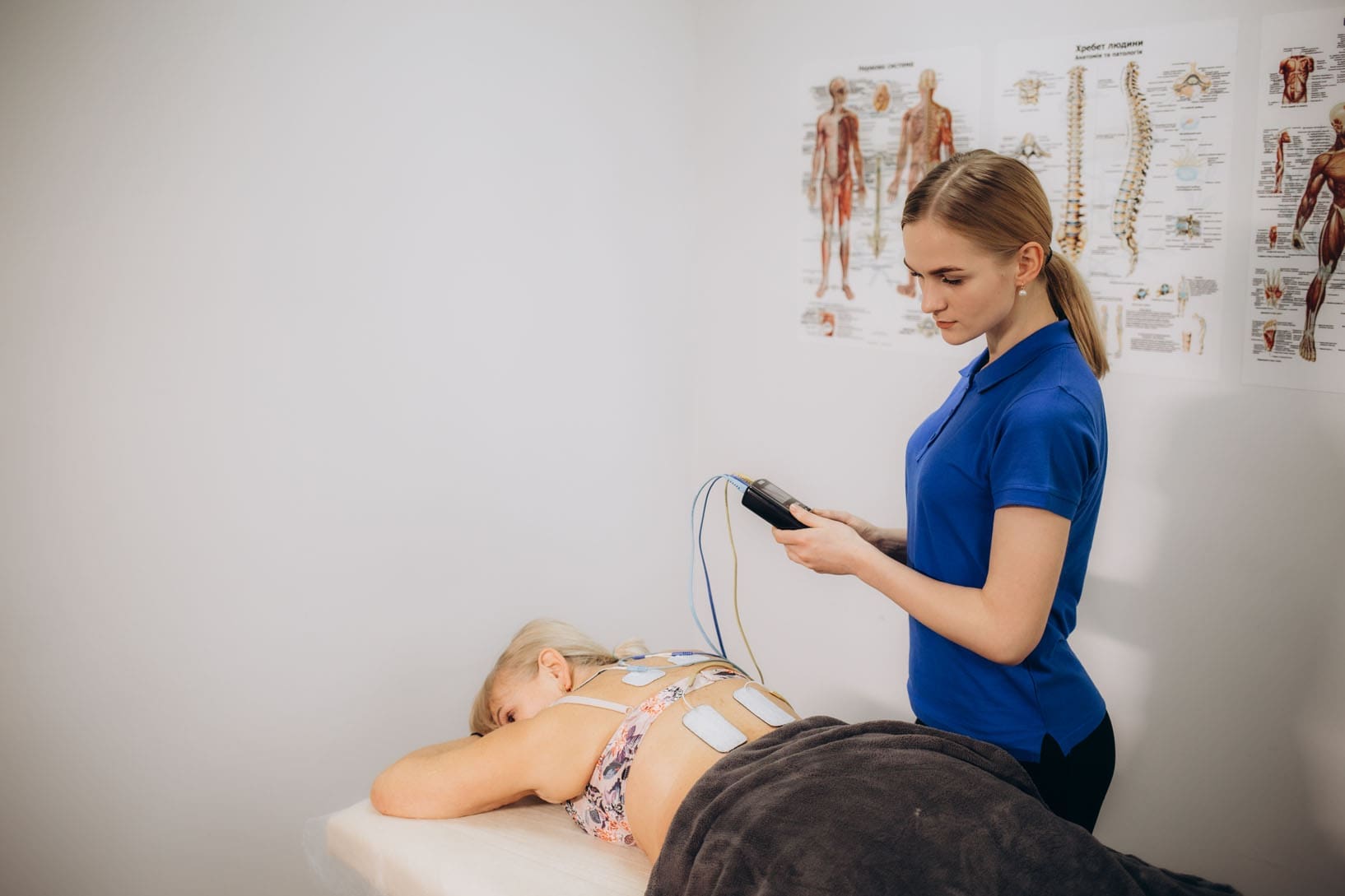
Personal injury and work injury recovery should focus on more than short-term pain relief. At an integrative chiropractic clinic in El Paso, the goal is to help the body heal, restore movement, reduce inflammation, and improve daily function. This article explains how integrative chiropractic care, functional medicine, rehabilitation, soft-tissue therapy, therapeutic ultrasound, and nutritional counseling may support recovery after car accidents, whiplash, slips and falls, work injuries, and muscle or ligament strains. It also explains why proper documentation is important in personal injury cases and why ethical care should always be based on medical need rather than referral pressure. When care is evidence-based, patient-focused, and well-documented, it can support both healing and clear communication between patients, healthcare providers, attorneys, and insurance companies.
El Paso Integrative Chiropractic Care for Injury Recovery
When a person is injured in a motor vehicle accident, workplace incident, or slip and fall, the body often reacts in several ways at once. Pain may start in the neck, back, shoulder, hip, or knee, but the injury can also affect the nervous system, soft tissues, spinal joints, ligaments, and muscles.
At El Paso Back Clinic, the approach to care is based on helping the whole person, not just chasing symptoms. This matters because pain is often only one part of the injury story. A patient may also have stiffness, headaches, poor sleep, muscle weakness, inflammation, nerve irritation, or fear of movement after trauma.
Integrative chiropractic care combines several tools to help the body recover, including:
Chiropractic adjustments to improve joint motion
Rehabilitation exercises to restore strength and coordination
Soft-tissue therapy to reduce muscle tightness and scar-like adhesions
Functional medicine support to address inflammation, nutrition, and recovery health
Nutritional counseling to support tissue healing
Objective documentation to track injuries, progress, and medical needs
El Paso Back Clinic describes integrative chiropractic care as a whole-person model that may include chiropractic care, exercise, nutrition, lifestyle support, and complementary therapies to address the root causes of pain and dysfunction (El Paso Back Clinic, n.d.).
Why Personal Injury and Work Injuries Need a Whole-Body Plan
After trauma, the body often enters a protective state. Muscles tighten to guard injured areas. Joints may stop moving normally. Inflammation increases as the immune system sends repair cells to damaged tissues. Nerves may become more sensitive. This is a normal healing response at first, but when it lasts too long, it may lead to chronic pain and poor movement.
This is why injury care should not only ask, “Where does it hurt?” It should also ask:
What tissue was injured?
What movement is limited?
Is there nerve involvement?
Is the pain caused by inflammation, joint restriction, muscle guarding, or all three?
What daily activities are affected?
What treatment is medically necessary?
Is imaging or referral needed?
In my clinical observations, many patients hurt after crashes or work injuries try to push through pain. Some wait days or weeks before getting evaluated. This can be a problem because untreated injuries may lead to more stiffness, poor posture, weaker muscles, and longer recovery times.
A careful exam helps identify the problem early. This may include checking range of motion, muscle strength, reflexes, sensation, joint movement, posture, walking patterns, and signs of nerve irritation.
Chiropractic Adjustments and Spinal Joint Motion
Chiropractic adjustments are used to help restore motion to spinal and extremity joints that are not moving well. After an injury, a joint may become restricted because of swelling, muscle guarding, or altered body mechanics. When one area stops moving properly, another area may overwork to compensate.
For example, after a rear-end collision, the neck may lose its normal range of motion because the muscles tighten to protect the cervical spine. The upper back may also become stiff. This can lead to headaches, shoulder tension, and pain with turning the head.
A proper chiropractic adjustment is a controlled treatment. The goal is not to “crack the spine” for quick relief. The goal is to improve joint mobility, reduce mechanical stress, and help the nervous system receive better movement signals from the body.
Chiropractic care may help support recovery from:
Whiplash-related neck pain
Low-back pain after a crash
Mid-back pain from seatbelt trauma
Hip or pelvic restriction after a fall
Headaches linked to neck dysfunction
Work-related lifting injuries
Shoulder and extremity movement problems
Research-based guidelines support the use of non-drug treatments, including spinal manipulation, exercise, massage, and multidisciplinary care, for many types of low-back pain when clinically appropriate (American College of Physicians, 2017).
Whiplash Injury Care and Neck Rehabilitation
Whiplash is one of the most common injuries after a motor vehicle accident. It happens when the head and neck move suddenly forward and backward or side to side. This rapid motion can strain muscles, ligaments, joints, discs, and nerves.
Whiplash symptoms may include:
Neck pain
Headaches
Upper-back tightness
Shoulder pain
Dizziness
Jaw tension
Numbness or tingling
Poor sleep
Pain with driving or computer work
Whiplash is not always visible on a basic X-ray. That does not mean the pain is not real. Many whiplash injuries involve soft tissues, which include muscles, ligaments, tendons, fascia, and joint capsules.
A strong whiplash care plan may include:
Gentle chiropractic adjustments or mobilization
Soft-tissue therapy
Neck-specific strengthening exercises
Posture training
Home exercise instruction
Gradual return to normal activity
Monitoring for neurological symptoms
Modern whiplash research supports multimodal care. This means combining manual therapy, exercise, education, and self-management rather than relying on a single treatment method (Bussières et al., 2016). This is important because whiplash recovery requires both pain control and movement retraining.
Soft-Tissue Therapy and Muscle Recovery After Injury
After trauma, muscles often tighten to protect the injured area. This is called muscle guarding. At first, guarding may help prevent further injury. Over time, however, it can create stiffness, trigger points, pain with movement, and poor posture.
Soft-tissue therapy may help improve tissue movement and reduce tightness. This may include hands-on therapy, stretching, myofascial work, instrument-assisted techniques, massage-style therapy, or therapeutic modalities.
Soft-tissue care is often used for:
Muscle strains
Ligament sprains
Scar tissue
Trigger points
Whiplash-related muscle guarding
Work-related overuse injuries
Back and neck stiffness
The goal is to prepare the body for better movement. Soft-tissue therapy may reduce pain enough for the patient to participate in rehabilitation exercises. This is important because long-term recovery depends on restoring strength and control, not only reducing soreness.
Therapeutic Ultrasound in Chiropractic Injury Care
Therapeutic ultrasound is a treatment tool that uses sound-wave energy to support soft-tissue care. It is often used in chiropractic and rehabilitation settings for muscles, tendons, ligaments, and joint stiffness.
The clinical goal of ultrasound may include:
Improving local tissue circulation
Reducing stiffness
Helping tight tissues relax
Supporting soft-tissue healing
Preparing tissues for stretching or movement
Decreasing pain in selected conditions
For personal injury care, therapeutic ultrasound may be considered for soft-tissue injuries such as whiplash strain, muscle spasm, sprains, or tendon irritation.
However, it should be used with clear reasoning. Ultrasound should not be added only to increase billing or create more treatment visits. It should match the patient’s exam findings and recovery goals.
In personal injury cases, ultrasound treatment notes may help show that care was provided and tracked. Still, the strongest documentation comes from the full clinical record, including the injury history, examination findings, diagnosis, functional limits, treatment plan, progress notes, and medical necessity.
Research on therapeutic ultrasound is mixed and depends on the condition being treated. Some studies show benefits for pain and function in certain musculoskeletal conditions, while other studies show limited or uncertain results. This is why ultrasound should be used as part of a broader evidence-informed plan, not as a stand-alone cure.
Functional Medicine and Nutrition for Better Healing
Injury recovery is not only mechanical. It is also biological. The body needs the right internal environment to heal. This includes proper protein, vitamins, minerals, hydration, sleep, and inflammation control.
Functional medicine looks at the body as a connected system. In personal injury care, this may include reviewing:
Inflammation
Blood sugar balance
Nutrient status
Digestive health
Sleep quality
Stress response
Energy levels
Recovery barriers
For example, a patient who eats poorly, sleeps badly, and has high stress may take longer to recover. A patient with low protein intake may struggle to rebuild muscle. A patient with high inflammation may feel more pain and stiffness.
Nutritional support may focus on:
Protein for tissue repair
Vitamin C for collagen support
Omega-3 fatty acids for inflammation balance
Vitamin D for muscle and immune function
Magnesium for muscle and nerve support
Hydration for circulation and tissue health
Whole foods to reduce processed-food inflammation
Clinical nutrition research continues to show that diet can affect immune function, recovery, tissue repair, and rehabilitation outcomes (Kozjek et al., 2025; Turnagöl et al., 2021).
Rehabilitation Exercises and Functional Movement
Pain relief is important, but it is not the final goal. The final goal is better function. A patient should be able to move, work, sleep, drive, lift, walk, and return to daily life with more confidence.
Rehabilitation exercises help rebuild the body after injury. These exercises may focus on:
Core stability
Neck strength
Hip and pelvic control
Balance
Posture
Mobility
Coordination
Safe lifting mechanics
Return-to-work movement patterns
After an injury, the nervous system may avoid certain movements because it expects pain. This can lead to weakness and stiffness. Guided rehabilitation helps the body learn that movement is safe again when done properly.
For example, a patient with low-back pain may need core and hip exercises. A whiplash patient may need deep neck flexor training. A worker with shoulder strain may need scapular stability and rotator cuff control.
This is why rehabilitation is often paired with chiropractic adjustments. The adjustment helps improve motion. The exercise helps the patient keep and control that motion.
Personal Injury Documentation and Attorney Communication
In personal injury cases, proper documentation is very important. Attorneys often look for healthcare providers who can clearly explain what happened, what was injured, what treatment was needed, and how the injury affected the patient’s life.
Strong chiropractic records may include:
Mechanism of injury
Date of injury
Pain location
Functional limitations
Orthopedic test findings
Neurological findings
Range-of-motion measurements
Diagnosis
Treatment plan
Patient response
Progress or setbacks
Referrals or imaging needs
This does not mean the chiropractor works for the attorney. The chiropractor works for the patient’s health. Good documentation simply helps show the truth of the injury and the care provided.
Personal injury attorneys often value chiropractors who use evidence-based care, maintain clear notes, provide objective findings, and develop reasonable treatment plans. These records may help explain the injury claim, but they must always be based on honest clinical findings.
Ethical Chiropractor and Attorney Referral Relationships
Attorney-chiropractor relationships can be helpful when they are built on patient care, communication, and honest documentation. Injured patients may need legal help, and attorneys may need medical records that clearly explain the injury.
But these relationships must be ethical.
A patient should avoid any system where treatment is driven mainly by money, referrals, or inflated bills. Some legal and healthcare experts warn about “settlement mill” patterns. In these situations, patients may be sent to the same providers over and over, receive unnecessary treatment, or end up with high medical bills that do not match their true medical needs.
Ethical care should be based on:
Medical necessity
Patient choice
Accurate diagnosis
Reasonable treatment frequency
Clear documentation
Progress-based care
Referral when needed
No hidden pressure
A reputable attorney may recommend providers, but the patient should still have the right to choose. A reputable chiropractor should make treatment decisions based on the patient’s condition, not because of a referral relationship.
The El Paso Back Clinic Approach to Injury Recovery
The El Paso Back Clinic model fits well with personal injury and work injury care because it focuses on whole-person recovery. A strong injury plan should not be random. It should follow a clear clinical path.
That path may include:
Step One: Careful Evaluation The provider reviews the accident or work injury, symptoms, medical history, movement, neurological signs, pain patterns, and red flags.
Step Two: Diagnosis and Clinical Reasoning The provider identifies likely injured tissues and explains why certain treatments may help.
Step Three: Chiropractic and Soft-Tissue Care Adjustments, mobilization, and soft-tissue therapy may be used to improve motion and reduce guarding.
Step Four: Rehabilitation and Functional Movement Exercises are added to restore strength, posture, balance, and safe movement.
Step Five: Functional Medicine and Nutrition The provider may review diet, inflammation, sleep, hydration, and recovery barriers.
Step Six: Documentation and Progress Tracking The care plan is updated based on patient response, objective findings, and functional improvement.
In my clinical observations, patients often do best when they understand the “why” behind care. When patients understand why they are doing exercises, why nutrition matters, and why follow-up is necessary, they are more likely to stay engaged in their recovery.
Telemedicine and Follow-Up Support in Injury Care
Telemedicine can also support modern injury care. It does not replace hands-on examination or treatment when those are needed, but it can help patients stay connected between visits.
Telemedicine may help with:
Reviewing symptoms
Updating home exercises
Discussing nutrition
Monitoring recovery
Reviewing red flags
Coordinating referrals
Supporting follow-up care
This can be useful for patients with transportation problems, work schedules, or ongoing pain that makes frequent travel difficult. El Paso Back Clinic has discussed telemedicine as part of integrative injury care and patient support (El Paso Back Clinic, n.d.).
Conclusion
Personal injury and work injury recovery should be based on more than short-term pain relief. A strong care plan should help restore movement, strength, nerve function, soft-tissue health, nutrition, and daily function.
At an integrative chiropractic clinic such as El Paso Back Clinic, care may include chiropractic adjustments, rehabilitation, soft-tissue therapy, therapeutic ultrasound when appropriate, functional medicine, and nutritional counseling. This approach helps address both the mechanical and physiological sides of healing.
For patients and attorneys, the best care is honest, ethical, well-documented, and medically necessary. When treatment is based on the patient’s real needs, it can support recovery while also creating clear records that explain the injury and the path toward better function.
IFM's Find A Practitioner tool is the largest referral network in Functional Medicine, created to help patients locate Functional Medicine practitioners anywhere in the world. IFM Certified Practitioners are listed first in the search results, given their extensive education in Functional Medicine