Ergonomic Desk Setup for Better Posture: How Integrative Chiropractic Care and Peptide Support Reduce Physical Strain
Abstract: Poor posture from long hours at a desk or screen often leads to neck, back, and shoulder strain. This article explains simple ergonomic changes to chair, desk, and screen height that protect the body during daily work. It also shows how integrative chiropractic care restores alignment and movement, while certain peptide therapies may support recovery from secondary pain, inflammation, and soft-tissue stress when paired with rehabilitation. The discussion includes the team approach used at Injury Medical Clinic PA in El Paso, Texas, where chiropractic care works alongside medical oversight, functional medicine, and rehabilitation.
Why Poor Posture Creates Ongoing Strain
Many people spend hours sitting with rounded shoulders, forward head posture, and a collapsed lower back. Over time, this creates muscle imbalances. Some muscles become tight and short, while others weaken. The result is extra pressure on joints, reduced blood flow, and pain that can radiate to the neck, upper back, or lower back.
Poor posture is mainly a mechanical and habit problem. Weak postural muscles, stiff joints, and repeated positions keep the pattern going. Simple workstation fixes reduce the spine’s daily load. Professional care then helps the body regain better alignment and strength.
Building an Ergonomic Workstation That Protects Your Body
An effective ergonomic plan starts with three main adjustments: chair height, desk height, and screen position. These changes keep joints in neutral positions and lower physical strain.
Chair Height and Support
Adjust the chair so your feet rest flat on the floor or a footrest.
Knees should bend at about 90 degrees, with thighs roughly parallel to the floor.
Sit all the way back so the chair supports your lower back. Add a lumbar cushion if needed.
Keep a small gap (about two to three fingers) between the front edge of the seat and the back of your knees.
These settings prevent pressure under the thighs and keep the pelvis stable.
Desk and Keyboard Height
Set the desk or keyboard tray so your elbows form a 90-degree angle while typing.
Keep forearms roughly parallel to the floor and shoulders relaxed.
Keep wrists straight and neutral—not bent up or down.
Place the mouse close to the keyboard so you don’t have to reach.
If the desk cannot be lowered, raise the chair and use a footrest so feet stay supported.
Screen Position
Place the top of the screen at or slightly below eye level.
Keep the monitor about an arm’s length away (roughly 20–30 inches).
Center the screen directly in front of you so you do not twist your neck.
Tilt the screen slightly so it is easy to view without tipping your head forward or back.
These positions reduce the need to look down or crane your neck, easing strain on the cervical spine and upper shoulders.
Additional helpful habits include taking short movement breaks every 30–60 minutes, standing or walking briefly, and doing simple stretches for the chest, neck, and hip flexors. Consistent small changes lower cumulative stress on the body.
How Integrative Chiropractic Care Fits Into Posture Improvement
Ergonomic fixes reduce daily strain, but they do not automatically correct existing joint restrictions or muscle imbalances. Integrative chiropractic care addresses the mechanical side of the problem.
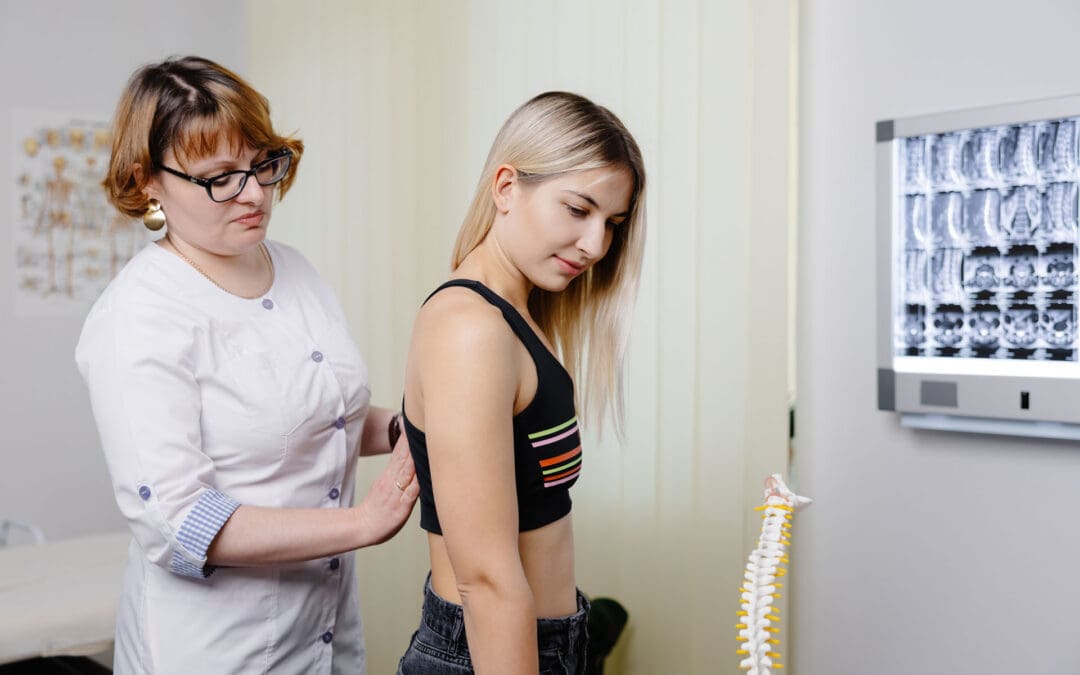
Chiropractic adjustments restore proper motion to spinal joints that have become stiff from prolonged sitting. This reduces nerve irritation and allows surrounding muscles to relax. Soft-tissue work and targeted exercises then retrain the postural muscles that hold the body upright. Many patients also receive guidance on workstation setup and simple home exercises that reinforce better habits.
Clinical observations from Dr. Alexander Jimenez, DC, APRN, FNP-BC, CCST, CFMP, IFMCP, ATN, show that desk workers often present with forward head posture, rounded shoulders, and restricted mid-back motion. Combining spinal adjustments with posture retraining and ergonomic coaching often leads to noticeable improvements in pain and function within several weeks.
At Injury Medical Clinic PA in El Paso, Texas, chiropractic care is part of a broader team model. Dr. Jimenez focuses on spinal alignment, biomechanics, movement, and rehabilitation. The clinic also includes functional medicine evaluation, personal injury care, and rehabilitation services. This coordinated approach treats the mechanical drivers of poor posture while supporting overall recovery.
Peptide Therapies as Supportive Tools—Not a Direct Posture Fix
Peptide therapies cannot directly correct poor posture. Bad posture is a mechanical and behavioral issue driven by weak muscles, tight joints, and daily habits. Peptides do not retrain movement patterns or realign the spine on their own.
However, certain peptides may support recovery from the secondary effects of poor posture—such as back pain, joint inflammation, and soft-tissue irritation—when used under medical supervision and paired with physical rehabilitation. Research and clinical discussion often focus on peptides such as BPC-157 and TB-500. These compounds have been studied for their potential roles in tissue-repair signaling, angiogenesis (new blood vessel growth), inflammation modulation, and support for tendon, ligament, and muscle recovery in preclinical models.
Other peptides, including GHK-Cu, have been explored for collagen-related support and antioxidant effects that may aid soft-tissue resilience. Collagen peptides taken orally can provide the building blocks the body uses to maintain connective tissue.
Important limits must be stated clearly. Many of these peptides remain investigational for musculoskeletal uses. Evidence in humans remains limited, and they are not FDA-approved for back pain or posture correction. Any use requires evaluation by a qualified provider who can assess safety, interactions, sourcing, and monitoring. Peptides work best as one supportive element inside a larger plan that already includes ergonomic changes, movement training, and professional care.
Combining Ergonomics, Chiropractic Care, and Supportive Therapies
An effective plan follows a clear sequence:
Correct the daily environment with proper chair, desk, and screen heights.
Restore joint motion and reduce protective muscle tension through chiropractic care.
Rebuild strength and endurance in the postural muscles with targeted exercises.
Address inflammation and support soft-tissue recovery with nutrition, possible peptide therapies when appropriate, and medical oversight.
Maintain progress through ongoing habit changes and periodic check-ins.
Nutrition supplies the amino acids, vitamins, and anti-inflammatory nutrients the body needs for tissue maintenance. Chiropractic care improves the mechanical environment, making movement easier and less painful. When clinically appropriate and carefully supervised, selected peptide therapies may help the body respond more effectively to rehabilitation.
The Multidisciplinary Team Approach in El Paso
At Injury Medical Clinic PA, care is delivered through a collaborative model common in integrative and injury-focused clinics. Dr. Alexander Jimenez is a Doctor of Chiropractic and a board-certified family nurse practitioner. He offers chiropractic care, functional medicine assessment, rehabilitation guidance, and dual-scope evaluation.
Dr. Maria Guadalupe Cardenas, MD (Board Certified in Internal Medicine, NPI #1164426749, Texas MD License #J2933), brings more than 40 years of experience as an internist. She serves as medical director and collaborative physician. Her role includes medical direction, internal medicine oversight, and safety review of care plans.
This structure allows the clinic to integrate chiropractic adjustments, functional medicine, personal injury documentation and rehabilitation, soft-tissue recovery support, and related services into a single coordinated approach. Patients receive mechanical correction, movement retraining, and medical supervision in the same setting. The model helps people with desk-related strain, personal injury recovery, and chronic musculoskeletal complaints, focusing on non-surgical, function-focused care.
Putting It All Together for Lasting Results
Start with the workstation. Adjust the chair so feet are flat and knees sit at 90 degrees. Set the desk so elbows form a right angle while typing. Raise the top of the screen to eye level. These three steps alone can reduce daily physical strain.
Next, seek integrative chiropractic care to restore joint motion, improve posture awareness, and receive personalized exercise and ergonomic coaching. When secondary pain, inflammation, or soft-tissue irritation persists, a medical provider may discuss whether supportive peptide therapies can be safely incorporated into the recovery plan alongside rehabilitation and nutrition.
Poor posture develops over time through habits and the environment. Lasting improvement also develops over time through consistent ergonomic changes, professional mechanical care, strength building, and whole-person support. Practical workstation adjustments, skilled chiropractic care, medical oversight, and carefully selected supportive therapies together provide a clear, realistic way to reduce strain and improve daily function.
El Paso Chiropractic and Regenerative Medicine Care
Abstract: This article explains how regenerative medicine therapies, such as platelet-rich plasma (PRP) and stem cell treatments, use biological signaling molecules to optimize cellular health and reduce systemic inflammation. These treatments do more than just relieve symptoms; they also activate the body’s natural repair processes by releasing growth factors, regulating immune cell activity, and improving tissue microenvironments. The post also shows how regenerative options such as PRP, PFP, MFAT, and IV infusions work alongside chiropractic care to further improve cellular function, reduce oxidative stress, restore spinal alignment, and lower neuroinflammatory signaling. Readers will learn about the multidisciplinary team in El Paso that coordinates these approaches under medical direction and chiropractic care for practical, whole-person support.
Why Systemic Inflammation Affects Cellular Health
Inflammation is the body’s normal response to injury or stress. In the short term, it helps clear damaged tissue and begin healing. When inflammation continues for a long time, it becomes a problem. It creates oxidative stress—excessive reactive molecules that harm cells—and prevents joints, tendons, nerves, and other tissues from fully recovering.
Many common treatments only temporarily quiet pain or swelling. They do not always restart the body’s own repair systems. Regenerative medicine works differently. It uses concentrated biological signals to guide the body toward real repair and better cellular function.
How Regenerative Therapies Use Biological Signaling Molecules
By using biological signaling molecules, regenerative medicine therapies such as stem cell treatments and platelet-rich plasma (PRP) can optimize cellular health and reduce systemic inflammation. These treatments do more than merely alleviate symptoms; they stimulate the body’s inherent repair mechanisms by releasing growth factors, regulating immune cell activity, and enhancing tissue microenvironments.
In summary, the main actions are:
Growth factors act as messengers that tell cells to grow, move, or rebuild tissue.
Immune cells can be guided away from a constant attack mode and toward a repair mode.
The local tissue environment becomes more supportive, giving healthy cells a better chance to function and damaged areas a better chance to recover.
PRP begins with a small sample of the patient’s own blood. The sample is processed to concentrate the platelets. When platelets are placed near injured tissue, they release growth factors that support repair and help balance inflammation.
Stem-cell-related treatments, including those that use mesenchymal stem cells or adipose tissue products, primarily act through signaling pathways. The cells release molecules that reduce harmful inflammatory signals, protect nearby tissue, and create a more favorable setting for healing.
Practical Regenerative Treatments That Support Repair
Several regenerative options are commonly used in clinical practice:
PRP concentrates the patient’s own platelets and their growth factors, delivering them to the site of repair.
PFP (platelet-fibrin or related plasma products) provides a temporary scaffold so that growth factors can be released more steadily over time.
MFAT (microfragmented adipose tissue) comes from a small amount of the patient’s own fat. The tissue is gently processed into tiny clusters that keep their natural structure. These clusters carry cells and signaling factors that help calm inflammation and support soft-tissue and joint repair.
IV infusions deliver vitamins, minerals, antioxidants, and related nutrients directly into the bloodstream. Common components include vitamin C, glutathione, magnesium, B vitamins, and NAD+. These nutrients help reduce oxidative stress, support cellular energy production, and provide the body with the materials it needs for repair.
Together, these treatments supply concentrated growth factors, reduce oxidative stress, and improve conditions around damaged tissue.
How Integrative Chiropractic Care Fits Into the Plan
When used in conjunction with chiropractic care, regenerative treatments such as platelet-rich plasma (PRP), platelet-free plasma (PFP), microfragmented adipose tissue (MFAT), and intravenous (IV) infusions can optimize cells, decrease oxidative stress, and restore spinal alignment to lower neuro-inflammatory signaling, all while reducing systemic inflammation.
Chiropractic care focuses on the mechanical and neurological side of the problem. When spinal segments or joints lose normal motion, nerves can become irritated. That irritation continues sending signals that maintain inflammation. Precise chiropractic adjustments restore better alignment and joint movement. Improved alignment reduces repeated strain on healing tissues and quiets excess nerve signals that feed inflammation.
The two approaches support each other in a clear way:
Regenerative therapies deliver growth factors and lower oxidative stress at the cellular level.
Chiropractic care restores spinal and joint alignment, reducing mechanical stress and calming neuroinflammatory signaling.
The improved mechanical environment enables biological signals to function more effectively.
Clinical experience shows that patients often achieve more lasting improvement when the cellular signals of regenerative care are combined with the improved movement and reduced nerve irritation provided by integrative chiropractic care.
The Multidisciplinary Team Approach in El Paso
At Injury Medical Clinic PA in El Paso, Texas, care is delivered through a coordinated team. Dr. Alexander Jimenez, DC, APRN, FNP-BC, CCST, CFMP, IFMCP, ATN, provides chiropractic care, regenerative treatment planning, functional medicine insight, personal injury evaluation, and rehabilitation. His clinical observations, shared through practice resources, emphasize that lasting recovery usually requires both tissue-level biological support and optimized spinal and joint mechanics. He notes that regenerative options work best when movement patterns and nerve signaling are also addressed.
Dr. Maria Guadalupe Cardenas, MD, Board Certified in Internal Medicine (NPI #1164426749, Texas MD License #J2933), brings more than 40 years of experience as an internist. She serves as Medical Director and Collaborative Physician. This multidisciplinary setup is common in integrative and injury-care clinics. The MD is in charge of medical care and supervision, while the chiropractor works on spinal alignment, joint mechanics, posture, muscle function, and rehabilitation. The team also integrates functional medicine, personal injury care, rehabilitation, and related services so patients receive coordinated plans that address inflammation, cellular health, structural issues, and overall recovery under proper medical supervision.
What Patients Often Notice Over Time
People who follow a combined regenerative and chiropractic plan frequently report:
Gradual reduction in ongoing swelling and discomfort
Improved joint comfort and easier daily movement
Better energy and recovery after activity
A sense that tissues feel more resilient as time passes
The process is gradual. Growth factors and signaling molecules begin their work soon after treatment. Patients can feel improvements in alignment from chiropractic care relatively quickly. Nutrient support from IV therapy helps the whole system stay ready for repair. Over weeks and months, many patients find that their bodies are no longer fighting themselves as hard and are instead rebuilding.
Bringing the Approaches Together
By using biological signaling molecules, regenerative medicine therapies such as stem cell treatments and platelet-rich plasma (PRP) optimize cellular health and reduce systemic inflammation. These treatments stimulate the body’s inherent repair mechanisms by releasing growth factors, regulating immune cell activity, and enhancing tissue microenvironments rather than merely covering symptoms. When used alongside chiropractic care, regenerative treatments such as PRP, PFP, MFAT, and IV infusions further optimize cellular function, decrease oxidative stress, restore spinal alignment, and lower neuroinflammatory signaling while reducing systemic inflammation.
In the El Paso setting, medical direction from an experienced internist works alongside chiropractic care, functional medicine, personal injury evaluation, and rehabilitation services. This creates a practical path that supports healing from the cellular level outward while addressing the mechanical and neurological factors that perpetuate inflammation.
Anyone dealing with ongoing inflammation or slow-healing tissue injury can benefit from a thorough evaluation to determine whether this combination of approaches is appropriate. Clear information and coordinated care help people move toward lasting recovery.
A motor vehicle accident (MVA) can place sudden and powerful forces on the body. Knees may strike the dashboard, shoulders may be pulled by a seat belt, and the spine may rapidly bend, twist, or compress. These forces can injure cartilage, ligaments, tendons, muscles, bones, and spinal discs. Common joint trauma injuries include ACL or PCL tears, meniscus injuries, shoulder labrum tears, joint dislocations, sprains, and cartilage damage.
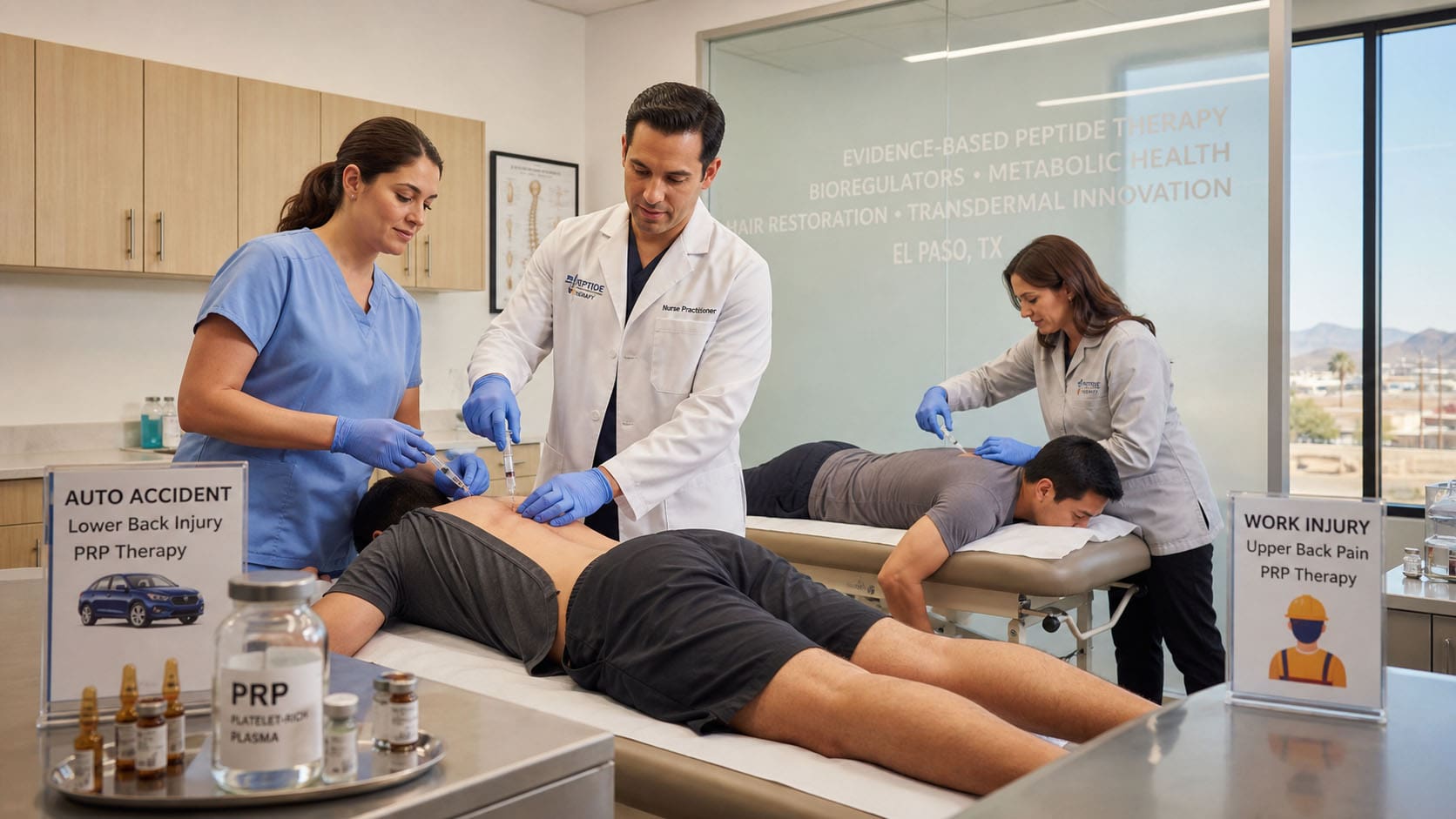
Treatment depends on the type and severity of the injury. Some patients improve with chiropractic care, rehabilitation, exercise, and physical modalities such as shockwave or laser therapy. Others may need targeted pain management or selected orthobiologic procedures, including platelet-rich plasma (PRP), platelet-fibrin products (PFP/PRF), or microfragmented adipose tissue (MFAT). These treatments should be selected after a careful medical and musculoskeletal evaluation because no single therapy is appropriate for every accident injury.
In El Paso, a multidisciplinary approach can bring chiropractic care, medical oversight, functional medicine, personal injury care, rehabilitation, diagnostic testing, and specialty referrals together in one coordinated recovery plan.
What Are Joint Trauma Injuries in a Motor Vehicle Accident?
Joint trauma injuries are sudden injuries caused when crash forces twist, stretch, compress, strike, or dislocate parts of the musculoskeletal system.
A joint is the place where two or more bones meet. Cartilage helps the bones move smoothly. Ligaments connect bone to bone, while tendons connect muscles to bones. When a car crash creates more force than these tissues can safely handle, they may become stretched, torn, bruised, fractured, or displaced.
Common areas affected after an MVA include:
Knees
Shoulders
Hips
Wrists and hands
Ankles
Neck and spinal joints
Lower back
Sacroiliac joints
Spinal discs may also be damaged during an accident. A disc is not technically a joint, but disc injuries often occur together with trauma to the spinal joints, muscles, ligaments, and nerves.
The severity can range from a mild sprain to a complete ligament tear, dislocation, fracture, or complex injury involving several tissues at the same time.
Dashboard Knee Injuries After a Car Accident
The knee is especially vulnerable during a front-end collision.
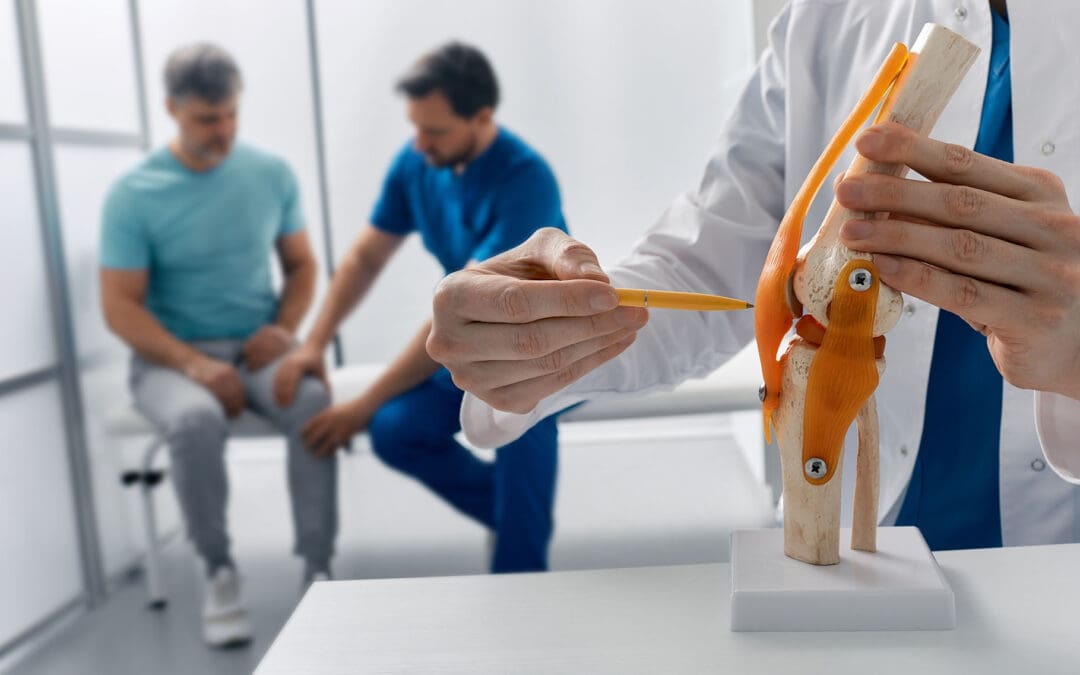
If a person’s bent knee strikes the dashboard, the force may push the shinbone backward. This is a well-known mechanism for injuring the posterior cruciate ligament, or PCL. The American Academy of Orthopaedic Surgeons lists a bent knee striking a dashboard during a motor vehicle collision as a common cause of PCL injury (American Academy of Orthopaedic Surgeons [AAOS], n.d.).
Dashboard trauma can also cause:
PCL tears
ACL or MCL injuries
Meniscus tears
Cartilage damage
Bone bruising
Kneecap fractures
Joint swelling
Reduced range of motion
Knee instability
A direct dashboard impact can even fracture the kneecap. Severe cartilage injury may later contribute to post-traumatic arthritis (AAOS, n.d.).
El Paso educational resources also describe dashboard knee injuries as a combination of ligament, cartilage, meniscus, and bone trauma rather than simply a temporary knee bruise (Jimenez, 2026a).
Shoulder Trauma After an MVA
Shoulders can also absorb major crash forces.
A driver may grip the steering wheel during impact, strike the door, or experience sudden pulling from the seat belt. The arm can be forced backward, upward, or outward.
Possible injuries include:
Rotator cuff strains or tears
Labrum injuries
Shoulder sprains
Tendon injuries
AC joint injuries
Fractures
Partial dislocations
Complete shoulder dislocations
The shoulder labrum is a ring of cartilage that helps stabilize the joint. A traumatic SLAP tear may occur during a motor vehicle collision, and a shoulder dislocation can also result from crash trauma (AAOS, n.d.).
Local El Paso injury resources similarly describe shoulder pain after crashes as potentially involving muscles, tendons, ligaments, nerves, and joint structures.
Hip, Wrist, and Spinal Joint Trauma
An MVA does not affect only the knee and shoulder.
The seat, center console, door, or dashboard may compress the hips. This can lead to strains, joint irritation, cartilage injury, labral damage, or fractures in serious crashes.
When a person braces against the steering wheel or dashboard, the wrists and hands may sustain injuries. Sudden force may cause sprains, tendon injuries, fractures, or joint instability.
The neck and lower back experience a different type of trauma. Rapid acceleration and deceleration can suddenly bend and rotate the spine. This can strain muscles and ligaments, irritate spinal joints, and contribute to disc injury or nerve symptoms.
Because a crash can injure several areas at once, examining only the most painful joint may overlook other injuries.
Symptoms That Should Be Evaluated
Joint trauma does not always cause its worst symptoms immediately. Pain and stiffness can become more noticeable after the initial stress response from the crash fades.
Symptoms may include:
Joint swelling
Bruising
Pain with movement
Reduced range of motion
Clicking, popping, locking, or catching
A feeling that the joint is unstable
Muscle spasms
Weakness
Numbness or tingling
Neck or back stiffness
Pain traveling into an arm or leg
Difficulty walking, climbing stairs, lifting, or working
Obvious deformity, severe swelling, inability to bear weight, new major weakness or numbness, or other severe symptoms require prompt medical evaluation.
Imaging such as X-rays, MRI, CT, or diagnostic ultrasound may be appropriate depending on the suspected injury.
Treating MVA Joint Trauma: More Than Pain Control
The first goal after significant trauma is to determine what was injured.
Treatment may begin with activity changes, bracing when needed, rehabilitation, and methods for controlling pain and swelling. Severe fractures, dislocations, complete ligament tears, or unstable joints may require orthopedic or surgical care.
For other injuries, a coordinated conservative treatment plan may be appropriate.
Integrative Chiropractic Care
Chiropractic care can be one part of MVA rehabilitation when serious fractures, unstable injuries, and other contraindications have been ruled out.
Care may include:
Gentle joint mobilization
Appropriate spinal manipulation
Soft-tissue techniques
Range-of-motion exercises
Posture correction
Corrective exercise
Neuromuscular retraining
Strength and stability work
Clinical guidelines for neck pain and whiplash-associated disorders support multimodal approaches that can include manipulation or mobilization combined with exercise, depending on the patient’s condition and stage of recovery (Bussières et al., 2016).
The purpose is not simply to “put a joint back in place.” The larger goal is to restore safe movement, decrease mechanical stress, improve strength, and help the patient return to normal daily activity.
Regenerative and Orthobiologic Injections
Some patients with persistent joint, ligament, tendon, or cartilage problems may be evaluated for orthobiologic treatment.
Platelet-Rich Plasma
Platelet-rich plasma, or PRP, uses a concentration of platelets prepared from the patient’s own blood. Platelets release signaling proteins involved in tissue repair.
PRP has been studied most strongly for problems such as knee osteoarthritis and several tendon disorders. Research suggests that some patients can experience meaningful improvement in pain and function, although preparation methods, platelet concentrations, and results vary between studies (Berrigan et al., 2024).
PRP should therefore be described as a treatment that may support healing and improve symptoms in selected conditions, rather than a guaranteed way to regenerate every damaged ligament or piece of cartilage.
PFP and Platelet-Fibrin Products
The term PFP may be used in some clinical settings to describe platelet-fibrin products. Related preparations include platelet-rich fibrin, or PRF.
Fibrin creates a matrix that can hold platelets and signaling molecules at the treatment area. Research into these preparations continues, and formulations are not standardized across every clinic or medical study. Reviews of orthobiologic therapies note promising results but also the need for stronger clinical trials and clearer treatment standards (Motejunas et al., 2021).
Microfragmented Adipose Tissue
Microfragmented adipose tissue, or MFAT, is another procedure being studied for musculoskeletal conditions.
Recent research comparing MFAT and PRP for knee osteoarthritis found that both treatments may improve pain and function in selected patients, but researchers also emphasize that the evidence remains limited and further study is needed (Park et al., 2025).
MFAT should not be presented as a proven way to regrow any damaged joint. Patient selection, diagnosis, regulatory requirements, and medical oversight are important. The FDA also warns consumers that many products marketed broadly as “regenerative medicine” are not FDA-approved for treating orthopedic conditions.
Targeted Pain Management
Some MVA injuries involve more than joint damage.
A disc injury may irritate a spinal nerve and cause pain traveling down an arm or leg. In carefully selected patients with radicular pain, an epidural steroid injection may temporarily reduce nerve-root inflammation and pain. Evidence suggests benefits can occur, although the effects and duration vary (Mahmoud et al., 2024).
Trigger point injections may be considered when painful muscle trigger points contribute to myofascial pain. A systematic review found reductions in acute myofascial pain compared with medical management alone, though treatment still needs to be individualized (Hamzoian & Zograbyan, 2023).
These procedures control specific pain generators. They do not replace rehabilitation or correct every damaged structure.
Shockwave and Laser Therapy
Physical modalities can also support selected rehabilitation programs.
Extracorporeal shockwave therapy delivers acoustic energy to targeted tissues and has evidence supporting its use for several chronic tendon problems. It may work best when combined with a progressive exercise program rather than used alone (Elgendy et al., 2024).
Photobiomodulation or therapeutic laser therapy uses light energy. Research suggests it may help reduce pain in some musculoskeletal conditions, although the ideal dose and treatment schedule vary by condition.
Neither therapy replaces proper diagnosis, stabilization of serious injuries, or rehabilitation.
Multidisciplinary MVA Injury Care in El Paso
Joint trauma after a car accident rarely occurs in isolation. A patient may have knee pain, shoulder damage, whiplash, disc irritation, muscle guarding, headaches, weakness, and medical conditions that can affect recovery.
This is where coordinated multidisciplinary care can be useful.
At Injury Medical Clinic PA in El Paso, Texas, practice materials describe Dr. Maria Guadalupe Cardenas, MD, an internal medicine physician, as Medical Director and Collaborative Physician working alongside Dr. Alexander Jimenez, DC, APRN, FNP-BC, CCST, CFMP, IFMCP, ATN. The clinic describes a model that combines medical oversight with chiropractic care, functional medicine, personal injury care, rehabilitation, diagnostic evaluation, pain-management coordination, and related services.
Clinic materials state that Dr. Cardenas is board-certified in internal medicine and has more than 40 years of clinical experience. Independent physician information also identifies her as an internal medicine physician in El Paso, with Texas medical license J2933.
Under this model, Dr. Cardenas provides the medical perspective needed to consider medications, chronic health problems, medical risks, diagnostic findings, and overall patient safety. Dr. Jimenez focuses heavily on the neuromusculoskeletal side of recovery, including spinal and extremity joint function, movement patterns, rehabilitation, and functional health strategies.
Clinical observations published by Dr. Jimenez emphasize examining how an accident affects more than the painful area. His approach looks at joint motion, posture, muscle balance, nerve irritation, gait, strength, flexibility, inflammation, and the patient’s ability to perform everyday activities.
The result is a treatment plan that may move through stages:
Identify the injury and rule out serious damage.
Control pain and inflammation.
Restore joint and spinal movement where appropriate.
Rebuild strength, balance, and stability.
Consider targeted injections or orthobiologic treatment when clinically appropriate.
Track functional improvement and adjust the plan as the patient recovers.
This approach recognizes an important point: reducing pain is valuable, but restoring function is the larger goal.
The Path Forward After an MVA Joint Injury
Motor vehicle accidents can create much more than temporary soreness. Crash forces can tear ligaments, damage cartilage, irritate tendons, dislocate joints, fracture bones, and injure spinal structures.
A successful recovery starts with an accurate diagnosis.
Some patients need orthopedic or surgical care. Others may benefit from chiropractic treatment, rehabilitation, targeted pain management, laser or shockwave therapy, or selected regenerative procedures. PRP, platelet-fibrin preparations, and MFAT may have a role in carefully chosen cases, but they are not universal treatments and should not be marketed as guaranteed tissue regeneration.
For patients in El Paso, multidisciplinary care offers a way to address the medical, mechanical, functional, and rehabilitation sides of an MVA injury within one coordinated plan.
Regenerative Options for Disc Herniations After Car and Work Accidents: How PRP, MFAT, and Integrative Chiropractic Care Support Recovery
Abstract: Car crashes and workplace accidents often damage the soft cushions between the bones of the spine. These injuries can create disc protrusions, extrusions, or tears in the outer ring of the disc. Many people feel sharp pain, numbness, or weakness that travels into the arms or legs. This article explains the most common types of these disc problems. It also shows how regenerative treatments such as platelet-rich plasma (PRP), microfragmented adipose tissue (MFAT), platelet-fibrin products, and supportive IV infusions can help the body repair tissue.
Integrative chiropractic care plays a key role by improving spinal movement and reducing pressure on the injured discs. At Injury Medical Clinic PA in El Paso, Texas, a team led by Dr. Alexander Jimenez and Medical Director Dr. Maria Guadalupe Cardenas combines these approaches for personal injury patients. The goal is clearer healing without jumping straight to surgery when possible.
Understanding Disc Herniations After Accidents:
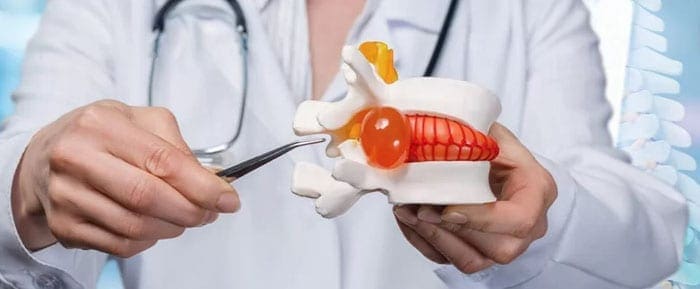
Spinal discs sit between the vertebrae like shock absorbers. Each disc has a tough outer ring called the annulus fibrosus and a soft, gel-like center called the nucleus pulposus. Sudden forces from a motor vehicle accident or a heavy lift at work can crack or push this material out of place. When that happens, the disc may press on nearby nerves and cause pain, tingling, or muscle weakness.
These injuries are common after rear-end collisions, side impacts, or falls at work. The good news is that many people improve with non-surgical care. Regenerative therapies use the patient’s own blood or fat tissue to deliver growth factors that support repair. Integrative chiropractic care helps restore proper joint motion so the disc can heal under less stress. Together they form a practical path for many patients.
Common Types of Disc Injuries from MVAs and Work Accidents:
Doctors describe disc injuries by how far the material has moved and whether the outer ring is torn. The three types most often linked to trauma are protrusions, extrusions, and annular tears.
Disc protrusion: The soft center pushes against the outer ring but stays mostly contained. The base of the bulge is wider than the tip. This creates a localized bump that can still irritate a nerve.
Disc extrusion: The soft material breaks through the outer ring and extends farther into the spinal canal. A narrow neck often connects the extruded piece to the rest of the disc. This type can put stronger pressure on nerves.
Annular tear: A crack forms in the tough outer ring. Even without a large bulge, the tear can leak inflammatory chemicals or allow the soft center to start moving outward. Tears are frequently found with both protrusions and extrusions.
These patterns appear on MRI after many car accidents and workplace injuries. Trauma can happen in a single hard impact or from repeated strain that finally overwhelms the disc.
How Accidents Cause These Injuries:
In a car crash, the body is thrown forward or sideways while the seat belt holds the torso. This rapid bending and twisting loads the discs unevenly. The same forces occur when a worker lifts a heavy object incorrectly or falls from a height. The outer ring can tear, and the soft center can shift. Once the disc is damaged, nearby muscles tighten, and joints lose normal motion. This extra stress can slow natural healing.
Early evaluation with imaging and a full exam helps match the right treatment to the exact type and severity of the injury.
Regenerative Therapies That Support Healing:
Regenerative treatments aim to repair tissue rather than only mask pain. They use concentrated cells and growth factors taken from the patient’s own body.
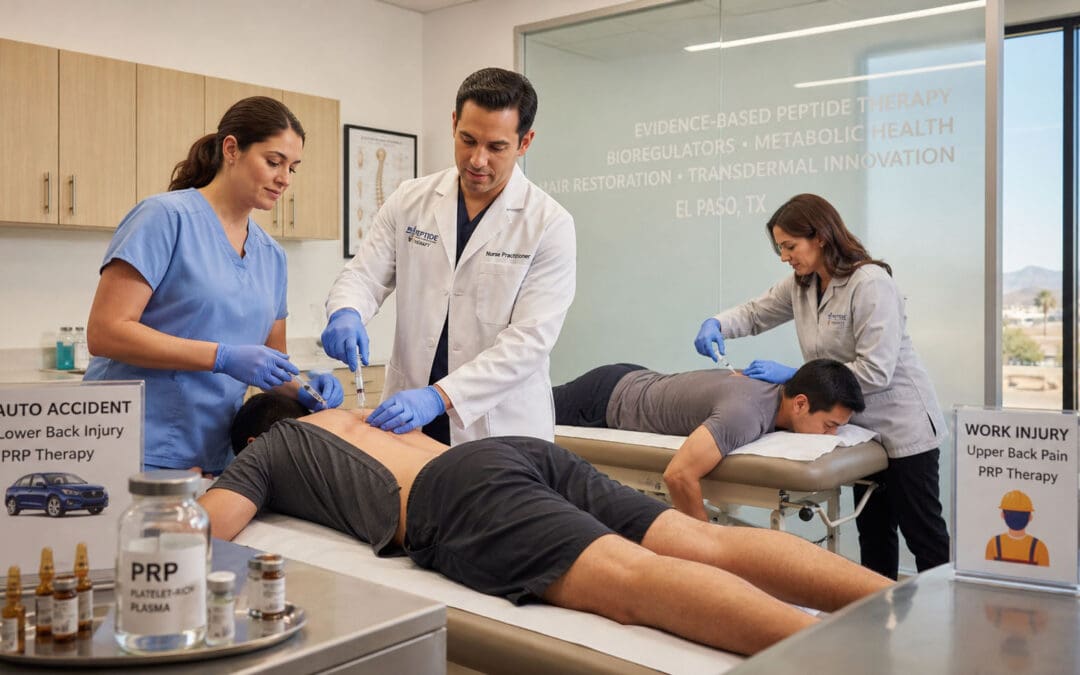
Platelet-Rich Plasma (PRP): A small amount of blood is drawn and spun in a centrifuge to concentrate the platelets. These platelets release growth factors that calm inflammation and encourage collagen production. PRP can be injected near the disc or into the epidural space under imaging guidance. Studies show it can reduce pain and improve function in many people with herniated discs. Results vary with the size of the tear and how long the problem has existed.
Platelet-Fibrin Products (PFP) and Microfragmented Adipose Tissue (MFAT): PFP creates a natural scaffold that holds growth factors in place longer. MFAT is made from a small sample of the patient’s own fat. The fat is processed into tiny pieces that contain supportive cells and signaling molecules. These materials can help larger or more chronic disc problems by providing structure and reducing ongoing inflammation. Early research and clinical use suggest they support matrix repair inside the disc.
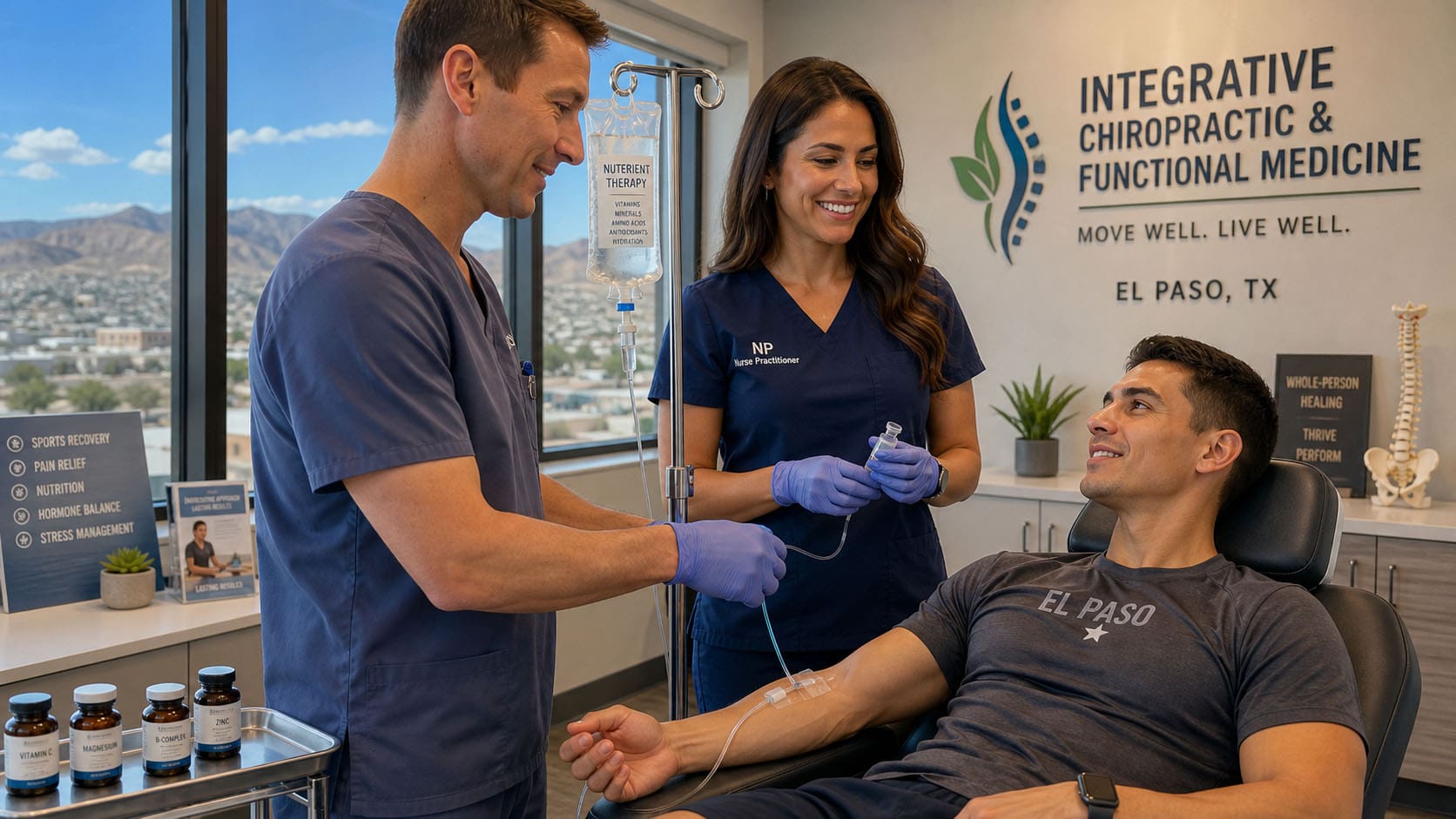
Supportive IV Infusions: Intravenous nutrient and anti-inflammatory infusions deliver vitamins, minerals, and other compounds directly into the bloodstream. They help lower overall inflammation and supply building blocks the body needs for tissue repair. When combined with local regenerative injections, IV support can improve the healing environment for the spine.
Efficacy depends on the severity of the tear, the patient’s overall health, and consistent follow-up care. Mild-to-moderate protrusions and annular tears often respond best. More severe extrusions may still improve enough to avoid or delay surgery.
The Role of Integrative Chiropractic Care:
Chiropractic care restores proper motion to the spinal joints and reduces mechanical stress on the injured disc. Gentle adjustments, spinal decompression, and soft-tissue work help the vertebrae move more freely. This unloading allows the regenerative materials to work in a better environment.
Patients often notice less muscle guarding and improved posture after a series of visits. When chiropractic care is paired with PRP or MFAT, the combination addresses both the biology of the tissue and the biomechanics of the spine. Clinical observations show that many personal-injury patients regain function faster with this dual approach.
A Team Approach at Injury Medical Clinic PA in El Paso.
At Injury Medical Clinic PA, a coordinated team delivers care. Dr. Alexander Jimenez, DC, APRN, FNP-BC, CCST, CFMP, IFMCP, ATN, provides the chiropractic and functional-medicine side of treatment. He focuses on spinal alignment, rehabilitation exercises, and root-cause factors such as inflammation and nutrition.
Dr. Maria Guadalupe Cardenas, MD, Board Certified in Internal Medicine (NPI #1164426749, Texas MD License #J2933), serves as Medical Director and Collaborative Physician. With more than 40 years of experience as an internist, she supplies medical oversight, reviews patient health status, and helps guide the safe use of regenerative procedures. This multidisciplinary model is common in modern injury clinics: the chiropractor restores movement while the medical doctor ensures overall medical safety and coordination.
Together, the team also includes functional-medicine strategies, personal-injury documentation, and rehabilitation services. Patients receive a clear plan that may combine spinal adjustments, imaging-guided injections, supportive IV therapy, and progressive exercise. Dr. Jimenez’s clinical observations, available through his practice sites, note that many accident-related disc patients improve mobility and reduce pain when biomechanics and regenerative support are used together.
What Patients Can Expect:
Most people start with a detailed history, physical exam, and review of imaging. If regenerative therapy is appropriate, the injection is performed under guidance to place the material accurately. Mild soreness can follow for a few days. Improvement often begins within several weeks and continues over months as tissue remodels.
Chiropractic visits continue in parallel to keep the spine moving well. Home exercises and nutrition guidance support the process. Follow-up imaging or exams track progress. Not every disc injury responds the same way, so the team adjusts the plan based on individual response.
Conclusion:
Disc protrusions, extrusions, and annular tears from car and work accidents are serious but often manageable without immediate surgery. Targeted regenerative therapies such as PRP, MFAT, and supportive IV infusions supply the body with tools to repair tissue. Integrative chiropractic care reduces mechanical stress and improves joint function. At Injury Medical Clinic PA in El Paso, the collaboration between Dr. Alexander Jimenez and Dr. Maria Guadalupe Cardenas brings both chiropractic expertise and medical direction under one roof. This combined approach gives many patients a practical path toward reduced pain and restored activity. Anyone dealing with post-accident disc problems should seek a thorough evaluation to learn which options fit their specific injury.
IV Infusion Therapy for Neuropathy Relief in El Paso
Abstract: Neuropathy and nerve pain can cause burning, tingling, numbness, or sharp feelings that interfere with daily life. This article explains how intravenous (IV) infusion therapy may help manage certain symptoms based on the underlying cause. It covers intravenous immunoglobulin (IVIG) for immune-related neuropathies and lidocaine or ketamine infusions that can block ongoing pain signals. Nutrient IVs can also address shortages that affect nerve health. The post shows how integrative chiropractic care reduces mechanical pressure on nerves and improves mobility. Together, these approaches can ease symptoms, though they do not repair the original nerve damage. Readers will also learn about the multidisciplinary team at Injury Medical Clinic PA in El Paso, Texas.
Understanding Neuropathy and Nerve Pain
Neuropathy occurs when nerves outside the brain and spinal cord become damaged or irritated. Common causes include diabetes, vitamin shortages, autoimmune problems, chemotherapy, injuries, or chronic inflammation. People often feel burning, tingling, numbness, weakness, or shooting pain, especially in the hands and feet. These sensations can make walking, sleeping, or everyday tasks more difficult.
Because the causes differ from person to person, treatment must match the specific problem. Care teams review history, symptoms, blood work, and nerve tests before choosing options. For many people, the main goal is better comfort and function, since complete repair of damaged nerves is not always possible.
How IV Infusion Therapy May Help Manage Specific Types of Neuropathy
IV infusion therapy delivers fluids, vitamins, minerals, or medications directly into the bloodstream. This method allows the body to absorb the substances quickly and fully. Depending on the underlying cause, certain IV treatments can temporarily ease nerve-related discomfort.
IVIG for Immune-Mediated Neuropathies: When the immune system attacks the nerves—as in chronic inflammatory demyelinating polyneuropathy (CIDP) or Guillain-Barré syndrome—doctors may use intravenous immunoglobulin (IVIG). IVIG supplies healthy antibodies from donors. These antibodies help calm the overactive immune response, reduce inflammation around the nerves, and can improve strength and comfort for some patients. Sessions usually last several hours and may be repeated according to the care plan. Results vary, and the treatment supports function rather than fully reversing nerve damage (CSP Rx, n.d.).
Lidocaine and Ketamine Infusions to Block Persistent Pain Signals: Lidocaine is a local anesthetic that blocks sodium channels on nerve cells. When given by IV, it can quiet overactive pain signals from damaged nerves. Studies show short-term pain reduction that sometimes lasts days to a few weeks. The benefit is often clearer in conditions such as post-herpetic neuralgia or certain chemotherapy-related neuropathies (Kim et al., 2018; Orthopedic Reviews, 2021).
Ketamine
Ketamine works mainly by blocking NMDA receptors in the central nervous system. It can interrupt the cycle of ongoing pain signals. Some clinics combine low-dose ketamine with lidocaine. Lidocaine often provides quicker relief, while ketamine may help extend the benefit by resetting pain pathways (Charlotte Ketamine Center, n.d.). Both options require careful medical screening and monitoring.
Nutrient Support Through IV Delivery: Many people with neuropathy also have low levels of B vitamins, magnesium, or antioxidants. Vitamin B12 helps maintain the protective covering around nerves. Alpha-lipoic acid acts as an antioxidant that may reduce oxidative stress linked to diabetic neuropathy. Magnesium can calm nerve excitability. Custom or Myers’-style IV formulas deliver these nutrients directly. They support energy, hydration, and nerve comfort as part of a larger plan, especially when oral supplements are poorly absorbed (Purely IV, n.d.; Pain Relief Centers TX, n.d.).
IV therapies do not cure the underlying nerve damage. They can temporarily disrupt pain signaling or correct nutrient shortages so patients feel better while other care continues.
How Integrative Chiropractic Care Fits into Treatment
Integrative chiropractic care focuses on the spine, joints, and soft tissues that can place extra mechanical pressure on nerves. Misalignments or restricted movement in the spine or extremities may irritate nerve roots or reduce healthy blood flow to the nerves. Gentle adjustments, mobilization, soft-tissue work, and guided exercise aim to restore better alignment and motion.
By reducing physical stress on the nervous system, chiropractic techniques can lessen irritation, improve mobility, and support better overall function. Many patients notice less stiffness, better balance, and easier movement. Chiropractic care does not reverse nerve damage either, but it addresses the mechanical side of the problem that medicines alone cannot fix (Pain and Wellness Institute, n.d.; Madisonville, KY, Chiropractor, n.d.).
Combining IV Infusion Therapy and Integrative Chiropractic Care
When used together, IV infusions and chiropractic care create a complementary approach. The IV treatments can temporarily quiet pain signals and supply nutrients that nerves need. At the same time, chiropractic techniques reduce mechanical pressure and improve joint and soft-tissue mobility.
This combination helps many people manage day-to-day symptoms more effectively. Patients often report better comfort, improved energy for activity, and greater ease with rehabilitation exercises. The key point remains: these methods manage symptoms and support function. They do not address the original nerve injury. Progress is usually gradual and works best as part of a full plan that may also include lifestyle changes, physical therapy, and medical monitoring (LI Chiro PT, 2024; Dr. Alex Jimenez, n.d.).
A Multidisciplinary Team Approach in El Paso
At Injury Medical Clinic PA in El Paso, Texas, care is delivered through a coordinated team. Dr. Maria Guadalupe Cardenas, MD, is board-certified in internal medicine. She holds NPI #1164426749 and Texas MD License #J2933. With more than 40 years of experience as an internist, she serves as Medical Director and Collaborative Physician. She provides medical oversight, helps with diagnostic clarity, and ensures treatments stay within safe medical guidelines.
Dr. Alexander Jimenez, DC, APRN, FNP-BC, CCST, CFMP, IFMCP, ATN, leads the chiropractic and integrative side of care. The team blends chiropractic adjustments and rehabilitation with medical direction from Dr. Cardenas. They also include functional medicine strategies, personal injury evaluation, and supportive therapies. This model is common in modern integrative and injury clinics. An MD supplies medical governance while the chiropractor focuses on biomechanics and movement. Together they create individualized plans that address both the medical and mechanical aspects of neuropathy and nerve pain.
Clinical Observations from Dr. Alexander Jimenez
Dr. Jimenez has observed that patients with nerve-related symptoms often benefit when mechanical issues and nutrient or inflammatory factors are handled at the same time. In his clinical experience shared through practice resources, restoring better spinal and joint motion can improve nerve communication and reduce secondary irritation. When IV nutrient support is added under proper medical direction, patients frequently report steadier energy and less intensity of burning or tingling sensations during daily activities. He emphasizes careful evaluation, patient education, and realistic expectations: symptom management and functional gains are the realistic targets, not complete reversal of established nerve damage. These observations align with the multidisciplinary structure at Injury Medical Clinic PA, where medical and chiropractic perspectives inform each plan (Dr. Alex Jimenez, n.d.; LinkedIn profile of Dr. Alexander Jimenez).
Moving Forward with Realistic Expectations
Neuropathy and nerve pain require patient, individualized care. IV infusions such as IVIG, lidocaine, ketamine, or nutrient formulas can interrupt pain signals or correct shortages for some people. Integrative chiropractic care can ease mechanical pressure and support better mobility. Used together under medical and chiropractic guidance, they offer a practical way to manage symptoms and improve quality of life.
Anyone considering these options should start with a thorough evaluation by qualified clinicians. The combination works best as part of a broader strategy that may include exercise, nutrition, and ongoing monitoring. In El Paso, the collaborative model at Injury Medical Clinic PA—led by Dr. Maria Guadalupe Cardenas, MD, as Medical Director and Dr. Alexander Jimenez providing chiropractic and integrative care—illustrates how internal medicine oversight and hands-on musculoskeletal treatment can support patients seeking this balanced path.
Van Den Heuvel, S. A. S., et al. (2017). Intravenous lidocaine for chemotherapy-induced peripheral neuropathy. Related findings summarized in Orthopedic Reviews and PMC sources above.
Potential Benefits of Combining Epidural Spinal Injections with Integrative Chiropractic Care for Back Injuries After a Motor Vehicle Accident
Abstract
Epidural Injections & Chiropractic After Car Accidents: Motor vehicle accidents frequently cause back injuries and trauma that lead to acute nerve inflammation, restricted joint movement, and physical tension. Epidural spinal injections can reduce inflammation around irritated nerves. Integrative chiropractic care can then improve joint mobility and ease muscular tension. When these two approaches work together, patients often experience better symptom relief and improved function. This article explains the potential benefits of the combination, how each method works, and how a coordinated multidisciplinary team supports recovery through functional medicine, personal injury care, and rehabilitation.
Understanding Back Injuries and Trauma from Motor Vehicle Accidents
A sudden collision can force the spine into unnatural positions. This often results in soft-tissue damage, disc irritation, ligament strain, and inflammation around spinal nerves. Pain may appear right away or develop over the following days. Common symptoms include lower back or neck pain that radiates into the arms or legs, stiffness, reduced movement, and ongoing muscular tightness.
Acute nerve inflammation can create sharp, radiating discomfort. At the same time, joints may lose normal motion and surrounding muscles tighten to protect the injured area. These changes can slow recovery and limit daily activities if not addressed properly. Early, coordinated care helps reduce these barriers and supports the body’s natural healing process.
How Epidural Spinal Injections Alleviate Acute Nerve Inflammation
An epidural spinal injection places anti-inflammatory medication and a local anesthetic into the space surrounding the spinal nerves. The anesthetic often provides quick relief. The steroid then works over several days to lower swelling around the irritated nerves.
This reduction in acute nerve inflammation can ease radiating pain and make movement more comfortable. Many people notice less intensity in nerve-related symptoms, which allows them to participate more fully in other forms of care. Results vary from person to person, yet the injection is frequently considered when rest and basic measures have not controlled strong nerve irritation after an accident.
Epidural injections are not a complete solution on their own. Their main value is creating a quieter environment around the nerves so the body can respond better to restorative therapies.
How Integrative Chiropractic Care Improves Joint Mobility and Reduces Tension
Integrative chiropractic care focuses on the spine, joints, and soft tissues. After a motor vehicle accident, spinal joints often become restricted, and muscles remain tight in a protective pattern. These restrictions limit range of motion and maintain extra pressure on already irritated nerves.
Chiropractic adjustments gently restore proper joint motion. Soft-tissue techniques help release physical tension and improve local circulation. Mobilization and specific rehabilitative exercises further expand range of motion in a safe, controlled way. Over time, these steps reduce protective muscle guarding and give the spine a more stable foundation for healing.
Clinical experience shows that restoring alignment and mobility early helps prevent compensatory patterns that can turn short-term injuries into longer-term problems. By improving joint mechanics, chiropractic care lowers ongoing stress on the nerves and supports better overall function.
Potential Benefits of Combining the Two Approaches
Combining integrative chiropractic care with epidural spinal injections may prove advantageous for back injuries and trauma from motor vehicle accidents. The injections alleviate inflammation of the acute nerves, while chiropractic care enhances joint mobility and alleviates physical tension.
When nerve inflammation decreases, patients usually tolerate hands-on care and movement exercises more comfortably. Improved joint motion then reduces the mechanical stress that can keep inflammation active. This creates a supportive cycle that addresses both the chemical side of the injury (nerve swelling) and the mechanical side (restricted joints and tight muscles).
Potential benefits commonly observed include:
Reduced intensity of radiating nerve pain
Greater ability to move the spine through a fuller, more comfortable range of motion
Less muscular tension and protective spasm
Improved comfort during daily activities and rehabilitation
Lower risk of developing chronic compensatory patterns
Support for a more complete return to normal function
Clinical observations from integrative practices note that calming nerve inflammation while restoring joint function produces stronger results than either method used alone. The combination helps create better conditions for healing tissues.
A Multidisciplinary Team Approach in El Paso
At Injury Medical Clinic PA in El Paso, Texas, care for motor vehicle accident injuries follows a coordinated multidisciplinary model. Dr. Alexander Jimenez, DC, APRN, FNP-BC, CCST, CFMP, IFMCP, ATN, provides integrative chiropractic care focused on restoring joint mobility, reducing physical tension, and guiding rehabilitation. He also applies functional medicine principles that examine inflammation patterns, nutrition, and overall recovery capacity. His clinical observations, available through practice resources, emphasize treating the injured area as part of a connected system rather than in isolation.
Working with him is Dr. Maria Guadalupe Cardenas, MD. She is board-licensed in internal medicine, holds NPI #1164426749 and Texas MD License #J2933, and has more than 40 years of experience as an internist. Dr. Cardenas serves as medical director and collaborative physician at the practice. In this role, she provides medical oversight, helps ensure accurate diagnosis, and guides safe care planning for complex injuries.
This multidisciplinary setup is common in integrative and injury care clinics. An MD supplies medical direction while a chiropractor delivers hands-on neuromusculoskeletal care. The team also integrates functional medicine, personal injury documentation and support, rehabilitation exercises, and related services. The result is a coordinated plan that addresses both the local injury and the wider needs of the recovering patient.
Dr. Jimenez’s clinical observations highlight that injection-based approaches work best when mechanical alignment and movement are restored at the same time. This prevents repeated stress on healing tissues and supports more complete recovery from back injuries involving nerve irritation.
What the Recovery Process Often Looks Like
Recovery begins with a thorough evaluation that may include history, physical examination, and imaging when needed. If significant acute nerve inflammation is present, an epidural injection may be recommended first. As symptoms ease, integrative chiropractic care and progressive movement work begin. Functional medicine support and structured rehabilitation help rebuild strength, stability, and coordinated motion.
Progress is monitored through regular re-examinations that track pain levels, joint mobility, muscular tension, and daily function. Patients are encouraged to stay active within safe limits and to follow any nutrition or lifestyle recommendations that support tissue repair. Many people notice steady gains in comfort and mobility over weeks to months as inflammation settles and joint mechanics improve.
Supporting Long-Term Function After Trauma
Back injuries and trauma from motor vehicle accidents affect both nerves and the mechanical structures that support movement. Epidural spinal injections can help reduce inflammation in acute nerves. Integrative chiropractic care can then enhance joint mobility and alleviate physical tension. When these methods are used together under medical oversight, they offer a practical path toward reduced symptoms and restored function.
At Injury Medical Clinic PA, the collaboration between Dr. Alexander Jimenez’s integrative chiropractic and functional expertise and Dr. Maria Guadalupe Cardenas’s medical direction creates a clear, coordinated approach. The team focuses on calming nerve irritation, restoring healthy movement, and supporting the body through rehabilitation and personal injury care so patients can return to their usual activities with greater ease and confidence.
Anyone dealing with ongoing symptoms after a motor vehicle accident can benefit from a thorough evaluation to determine whether this combined approach is appropriate for their specific situation.
A Comprehensive Plan for Long-Term Health: Regenerative Medicine, Integrative Chiropractic, and Functional Medicine for Injury Recovery in El Paso
Abstract: People in El Paso who experience back or joint pain after a vehicle collision, work injury, or sports event often ask whether PRP, PFP, MFAT, or epidural injections can safely work with chiropractic care. This article explains how these regenerative treatments support real tissue healing instead of only covering pain. It covers how they combine with chiropractic adjustments and physical rehabilitation to restore joint movement, what screening is needed, realistic recovery timelines, and whether they help people avoid surgery. Readers will also see how integrative chiropractic, functional medicine, and medical oversight create a complete plan for lasting results.
The Transition from Pain Masking to Real Tissue Repair: An Introduction
Persistent pain in the muscles, spine, and joints is common after an accident, workplace injury, or sports trauma. A sudden force can stretch ligaments, tear tendons, irritate discs, or damage cartilage. Pain medicines and rest sometimes quiet the symptoms for a short time, yet the underlying tissue often stays weak and easily reinjured.
The body needs two things to heal well. First, it needs structural alignment—healthy “soil.” Second, it needs clear biological signals that tell cells to repair—the “seed.” When both are present, recovery has a stronger chance of lasting.
Integrative care brings these pieces together. Chiropractic adjustments improve joint function and reduce stress on injured areas. Regenerative injections deliver growth factors and supportive cells from the patient’s own body. Functional medicine lowers overall inflammation and supports nutrition. Medical oversight keeps every step safe. This approach focuses on the root of the problem rather than temporary relief.
How These Treatments Promote Real Tissue Healing
Many standard treatments simply mask pain. Steroid shots or strong anti-inflammatory pills can reduce swelling quickly, but they do not rebuild torn fibers or strengthen weak ligaments. Once the medicine fades, the same stress returns to the same vulnerable tissue.
Regenerative therapies work differently. They use materials from the patient’s own blood or fat. These materials release signals that attract repair cells, calm harmful inflammation, and support new collagen and blood-vessel growth. The goal is to restart and guide the natural healing process in tissues that recover slowly, such as tendons, ligaments, and discs.
As the tissue strengthens, everyday movement places less strain on the area. Pain often decreases because the structure itself is more stable. This is the difference between covering symptoms and supporting lasting repair.
Highlighting Cutting-Edge Regenerative Choices
PRP (Platelet-Rich Plasma) and PFP (Platelet-Fibrin Products): A small blood sample is drawn and spun in a machine. The process concentrates platelets that carry growth factors. In PRP, these concentrated platelets are injected into the injured area, often with ultrasound guidance. The growth factors call in repair cells, reduce local swelling, and support tendon, ligament, and muscle recovery.
PFP adds a natural fibrin framework. This soft scaffold holds the growth factors in place longer so the signals continue over time. Both options use the patient’s own blood, which lowers the chance of rejection. They are commonly used for soft-tissue damage from vehicle collisions, work strains, or sports injuries.
MFAT (Micro-Fragmented Adipose Tissue): A small amount of fat, usually from the abdomen, is gently processed into tiny fragments. These fragments keep supportive cells and structural material. When injected into a joint or deeper tissue injury, MFAT provides cushioning and ongoing signaling. It is often chosen for larger partial tears, cartilage concerns, or more advanced joint problems that need extra support.
Epidural Spinal Injections: When a disc or joint irritates a spinal nerve, pain can travel into an arm or leg. An epidural places anti-inflammatory medicine or regenerative material near the nerve root under imaging guidance. This calms the acute irritation. Many patients then sleep better, walk more easily, and take part in therapy. Regenerative versions provide growth-factor support, leading to longer-lasting benefits.
Bioidentical Hormone Replacement: Hormones influence tissue repair, muscle strength, and inflammation control. When levels are low, recovery can slow. Restoring balance with carefully monitored bioidentical hormones supports the body’s overall ability to rebuild. This systemic step helps the local regenerative signals work in a healthier environment.
Combination Care: Chiropractic Adjustments, Physical Rehabilitation, and Injections
Injections alone are rarely the full answer. Healing tissue still needs proper movement and controlled load.
Integrative chiropractic care restores biomechanics, corrects spinal subluxations, and unloads strained joints. Adjustments and soft-tissue work create space so the repaired tissue is not constantly pulled or compressed. Physical rehabilitation then builds strength and healthy movement patterns step by step.
A typical sequence might look like this:
An epidural quiets nerve pain so the person can move more freely.
Targeted PRP or PFP supports the damaged ligament or disc area.
Chiropractic care keeps the spine and joints aligned while tissue repairs.
Guided exercises protect the area at first, then gradually increase load.
This combination addresses both the “seed” (biological repair) and the “soil” (structural support). Patients often regain motion and function more steadily than with either approach alone.
Safety and Expectations: Screening, Timeline, and Avoiding Surgery
Before any regenerative procedure, careful screening is required. The team reviews imaging, medical history, current medications, and overall health. Blood work and physical exams help identify risks. Patients are usually asked to stop NSAIDs (such as ibuprofen or naproxen) and steroids for a set time before the procedure because these can interfere with the healing signals. Staying well hydrated and eating nutritious food also support better results.
Recovery is gradual. Many people notice reduced pain and better movement over several weeks as the body responds. Full tissue remodeling can take months. Results vary with age, injury severity, nutrition, sleep, and how consistently a person follows the rehabilitation plan.
These options are not for every case. Severe fractures, major instability, or active infection need different care. When used appropriately, regenerative treatments plus chiropractic and rehab can help many people avoid or delay surgery by restoring function without removing or fusing tissue.
The Interdisciplinary Approach
At Injury Medical Clinic PA in El Paso, care is coordinated by a clear team.
Integrative Chiropractic Care: Dr. Alexander Jimenez, DC, APRN, FNP-BC, CCST, CFMP, IFMCP, ATN, restores biomechanics, corrects spinal subluxations, and unloads strained joints. His clinical observations show that complex injuries often involve connected layers—stretched ligaments, irritated nerves, tight muscles, and changed movement patterns. Addressing all layers produces stronger, longer-lasting results.
Functional Medicine: This part of care reduces systemic inflammation, improves dietary habits, supports metabolic health, and optimizes nutrition so the body has the building blocks it needs for repair.
Medical Oversight: Dr. Maria Guadalupe Cardenas, MD (Board Certified in Internal Medicine, NPI #1164426749, Texas MD License #J2933), serves as Medical Director and Collaborative Physician. With more than 40 years of experience as an internist, she provides safe assessment, accurate diagnosis, and risk monitoring. This multidisciplinary setup is common in integrative injury clinics, where an MD provides medical direction alongside a chiropractor.
The team integrates chiropractic care (Dr. Jimenez) with medical oversight by Dr. Cardenas, functional medicine, personal injury care, rehabilitation, and related services. Together they create a personalized plan that matches the exact injury and the person’s overall health.
The All-Inclusive Road to Recovery
Lasting healing follows a practical sequence:
Thorough evaluation and imaging to identify the precise tissue damage.
Medical clearance and pre-procedure preparation (including stopping NSAIDs and steroids as directed).
Targeted regenerative injection when indicated.
Prompt return to gentle, protected movement under chiropractic and rehab guidance.
Progressive strengthening and functional training.
Ongoing support for nutrition, sleep, and hormone balance when needed.
Active rehabilitation is stressed over passive treatment alone. The body responds best when new tissue is guided by healthy movement.
This integrated model—chiropractic alignment, regenerative signaling, functional medicine support, and medical oversight—gives the body both the structural foundation and the biological tools it needs. For many people recovering from vehicle collisions, work injuries, or sports trauma in El Paso, the combination offers a realistic path toward stronger tissue, better movement, and reduced reliance on long-term medication or surgery.
IFM's Find A Practitioner tool is the largest referral network in Functional Medicine, created to help patients locate Functional Medicine practitioners anywhere in the world. IFM Certified Practitioners are listed first in the search results, given their extensive education in Functional Medicine