Can acupuncture be an effective treatment for anxiety and panic disorders in addition to other treatments, like therapy and/or medication?
Acupuncture For Anxiety and Panic Disorders
Considered one of the most popular types of alternative medicine, acupuncture has grown in popularity as a way to treat a variety of mental health conditions, including depression, post-traumatic stress disorder (PTSD), and other anxiety disorders. With the growth in popularity, more research has been focused on treatment for panic and anxiety symptoms. (Pilkington K. 2010)
Acupuncture can enhance personal wellness.
Acupuncture is generally safe and has few side effects.
It can help reduce physical and mental symptoms like tension, pain, and rapid heart rate.
Other alternative medicine practices include yoga, therapeutic massage, herbal medicines, and aromatherapy.
Traditional Chinese Medicine
Acupuncture is a healing technique originating from traditional Chinese medicine (TCM). The practice is based on the concept that medical conditions and mental health disorders are caused by an imbalance in the energy and circulation of the body’s vital life energy, known as chi or qi (National Institute for Complementary and Integrative Health, 2022). When the body and mind function properly, energy flows optimally through the channels/meridians at certain points throughout the body. Like tight or spasming muscles, energy or circulation becomes congested in different meridian pathways, leading to disease or disorders. The goal of acupuncture is to restore the health and balance of these channels.
How It Works
During acupuncture treatment sessions, small needles are placed along specific body areas, known as acupuncture points. These areas are thought to be where energy blockage occurs. The needles, which come in various thicknesses and lengths, stimulate and open blocked energy channels. Experts have conceptualized acupuncture from a neuroscience perspective, where nerves, muscles, and connective tissues are stimulated, and neurochemicals are released.
Acupuncture can help regulate the nervous system.
It can stimulate the body’s feel-good hormones and reduce stress hormones.
It can help deactivate the analytical brain, which is responsible for anxiety and worries.
Clinical trials examining acupuncture for anxiety and panic disorders have shown some positive results. (Pilkington K. 2010) Acupuncturists and medical professionals are still not clear exactly why it may help with anxiety, but some research has noted that acupuncture appears to have a calming effect. More research studies are needed to prove the effectiveness of acupuncture for anxiety disorders. (Kim Y. K. 2019)
Getting Treated
What it can help with:
Agoraphobia
Generalized anxiety disorder (GAD)
Panic disorder
Phobias
Selective mutism
Separation anxiety disorder
Social anxiety disorder
If you are interested in treating your anxiety and panic symptoms through acupuncture, the first step is to consult your main healthcare provider. Professional acupuncture practitioners are on websites, including the National Certification Commission for Acupuncture and Oriental Medicine and the American Academy of Medical Acupuncture. The use of acupuncture continues to rise, making it more readily available. Since it has been evaluated for effectiveness and is available through many hospitals, some insurance policies may cover some acupuncture treatments.
Injury Medical Chiropractic and Functional Medicine Clinic
Acupuncture can help relieve symptoms of anxiety, stress, pain, discomfort, tightness, and poor circulation. Injury Medical Chiropractic and Functional Medicine Clinic can help individuals recover and build optimal health and wellness solutions with primary healthcare providers and specialists. We focus on what works for you to relieve pain, restore function, prevent injury, and help mitigate issues through adjustments that help the body realign itself. They can also work with other medical professionals to integrate a treatment plan to resolve musculoskeletal problems.
Discovering The Benefits of Chiropractic Care
References
Pilkington K. (2010). Anxiety, depression, and acupuncture: A review of the clinical research. Autonomic neuroscience : basic & clinical, 157(1-2), 91–95. https://doi.org/10.1016/j.autneu.2010.04.002
National Institute for Complementary and Integrative Health. (2022). Acupuncture: Effectiveness and Safety. Retrieved from https://www.nccih.nih.gov/health/acupuncture-effectiveness-and-safety
Kim Y. K. (2019). Panic Disorder: Current Research and Management Approaches. Psychiatry investigation, 16(1), 1–3. https://doi.org/10.30773/pi.2019.01.08
Can individuals find therapeutic ways to reduce restless leg syndrome and improve their sleep quality in their beds?
What Is Restless Leg Syndrome?
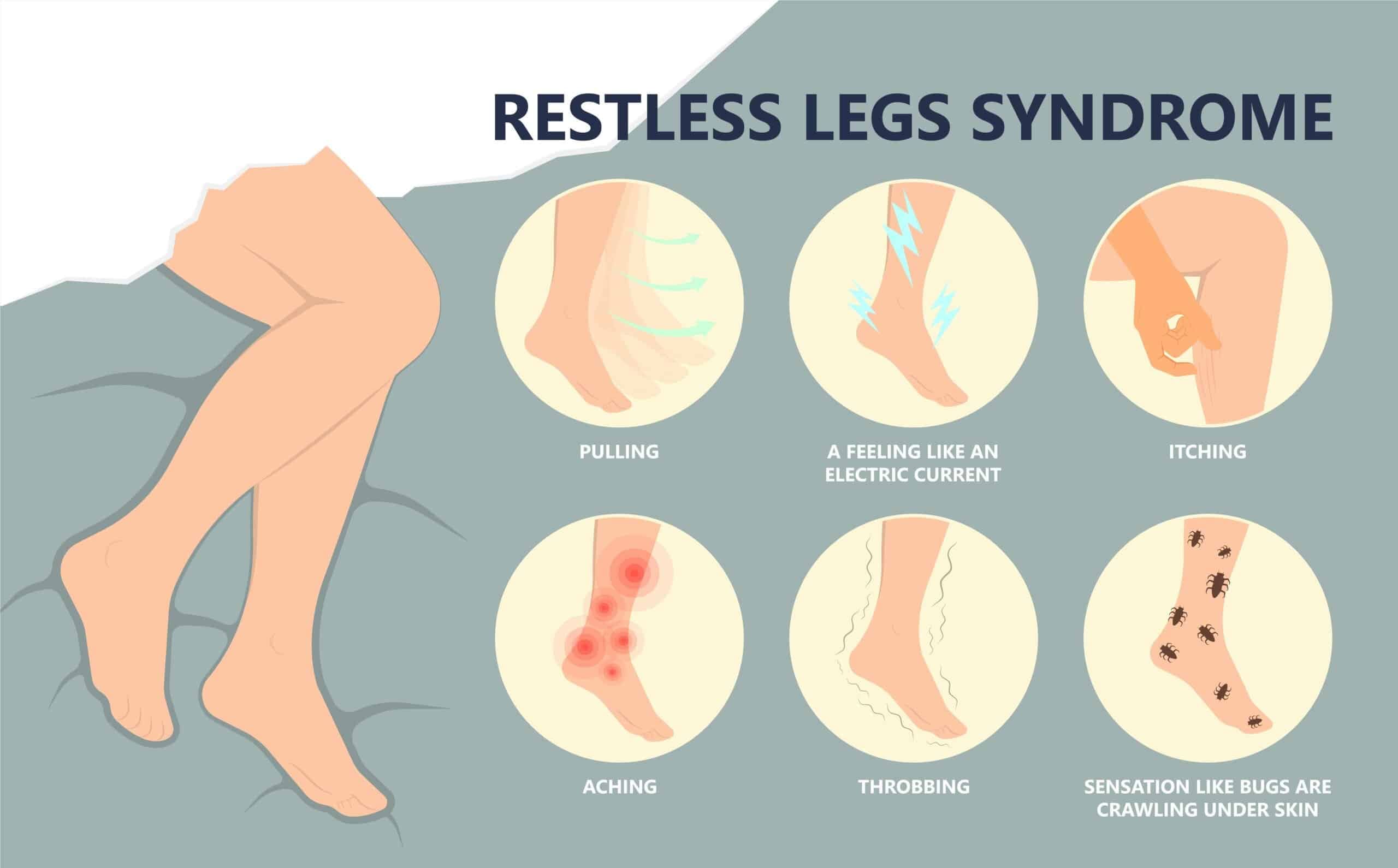
Do you feel general aches or leg pain, causing you to feel restless? Do you experience fatigue throughout the day, making it difficult to fall asleep? Or do you feel uncomfortable sensations in your legs, making falling and staying asleep difficult? Many people worldwide have experienced these issues known as restless leg syndrome. Also known as Willis-Ekbom disease, restless leg syndrome is often characterized by an uncomfortable urge to move legs when a person rests for the night and can be accompanied by unpleasant sensations that cause irresistible restlessness. (Gossard et al., 2021) Restless leg syndrome (RLS) can also be primary or secondary depending on the severity of the issue affecting the individual’s legs. Since the legs allow the individual to be mobile through walking, running, and jumping, the various muscles and tendons that make up the legs can succumb to RLS. As it is a chronic movement disorder, it is common to many individuals. It is associated with abnormal, non-painful sensations that are active when a person rests and relieved when they are in motion. (Mansur et al., 2025) We associate with certified medical providers who inform our patients of how restless leg syndrome affects their legs. While asking important questions to our associated medical providers, we advise patients to incorporate ways to reduce restless leg syndrome and restore their sleep quality. Dr. Alex Jimenez, D.C., envisions this information as an academic service. Disclaimer.
Causes
What causes individuals to develop RLS can often be correlated with environmental factors. Additionally, since RLS can be primary or secondary, the overlapping risk profiles also play a factor. Environmental factors like stress and anxiety can cause the central nervous system to go haywire, causing the sensations to set off and become worse. When RLS is primary, the central nervous system can cause the legs to develop RLS by not getting enough dopamine, which is a neurotransmitter that regulates body movement. The RLS symptoms can worsen when there isn’t enough dopamine in the body. When RLS is secondary, it could be due to iron deficiency that the brain areas have low levels of iron being transported to the blood-brain barrier and not being imported to the neuronal cells. (Vlasie et al., 2022) This can cause numerous symptoms and affect the legs when a person is trying to get a good night’s rest.
Symptoms
Some of the symptoms associated with RLS can affect the circadian rhythm, which can cause the central nervous system to sensitize and hyperarousal, leading to sensory disturbances and frequent awakening periods. (Tang et al., 2023) Other symptoms include:
Crawling/ Itching sensations
Fatigue
Mood changes
Difficulty concentrating
Sleep disruptions
Peripheral Neuropathy & Chiropractic Care-Video
Ways To Reduce Restless Leg Syndrome
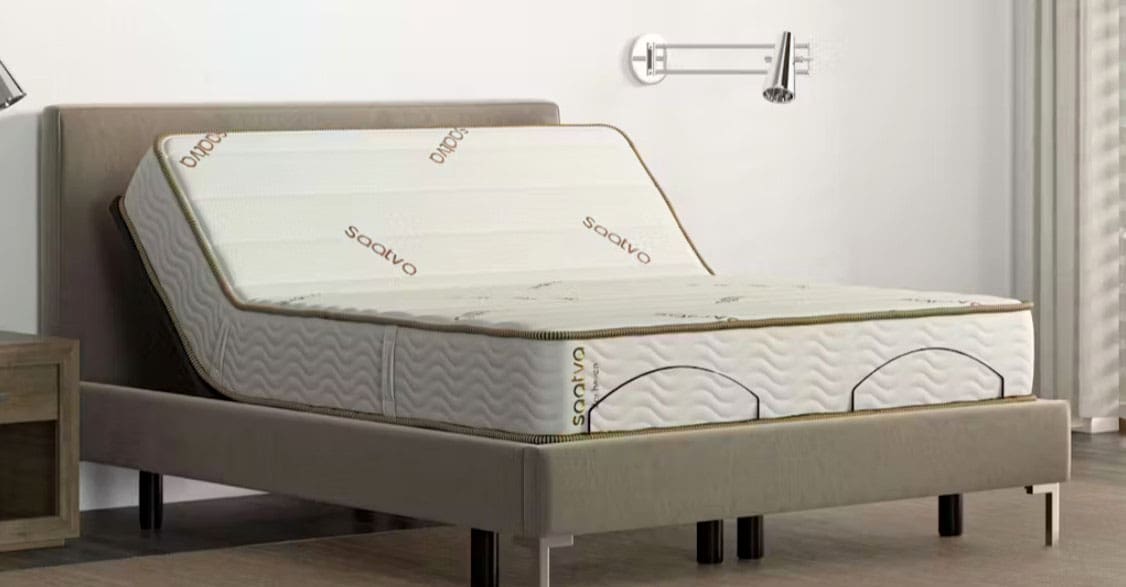
When it comes to reducing restless leg syndrome, many people can find ways to minimize the comorbidities associated with RLS. Many people can sleep with the right mattress and pillows that can help provide them with a restful night. Others may try exercising or meditation to reduce the everyday stress that is affecting them. These small changes can help many people develop healthy sleeping habits that improve sleep quality and incorporate a proper sleeping routine. (Taximaimaiti et al., 2021)
Vitamins & Supplements
Incorporating iron supplements to reduce the effects of restless leg syndrome by replenishing the neurons and cells in the central nervous system. (Elstrott et al., 2020) Combined with magnesium, this can help lower the intensity of the RLS symptoms and even improve sleep quality. (Jadidi et al., 2022) Ask the doctor which iron supplement the body is low on before buying.
Massage
Incorporating massages as part of a routine to reduce restless leg syndrome can benefit the body. Massage therapists can work on the muscles in the lower extremities to manipulate the soft tissues while strengthening the immune system. Massages like reflexology, Swedish, and deep tissue can help reduce stress and anxiety, relieve leg fatigue, improve blood circulation, and reduce sleep disturbances. (Ghanbari et al., 2022)
Conclusion
Incorporating these various techniques and remedies to reduce restless leg syndrome can improve the body and increase sleep quality. Making small changes to these everyday stressors can reduce the chances of restless leg syndrome returning.
References
Elstrott, B., Khan, L., Olson, S., Raghunathan, V., DeLoughery, T., & Shatzel, J. J. (2020). The role of iron repletion in adult iron deficiency anemia and other diseases. Eur J Haematol, 104(3), 153-161. https://doi.org/10.1111/ejh.13345
Ghanbari, A., Shahrbabaki, P. M., Dehghan, M., Mardanparvar, H., Abadi, E. K. D., Emami, A., & Sarikhani-Khorrami, E. (2022). Comparison of the Effect of Reflexology and Swedish Massage on Restless Legs Syndrome and Sleep Quality in Patients Undergoing Hemodialysis: a Randomized Clinical Trial. Int J Ther Massage Bodywork, 15(2), 1-13. https://doi.org/10.3822/ijtmb.v15i2.705
Gossard, T. R., Trotti, L. M., Videnovic, A., & St Louis, E. K. (2021). Restless Legs Syndrome: Contemporary Diagnosis and Treatment. Neurotherapeutics, 18(1), 140-155. https://doi.org/10.1007/s13311-021-01019-4
Jadidi, A., Rezaei Ashtiani, A., Khanmohamadi Hezaveh, A., & Aghaepour, S. M. (2022). Therapeutic effects of magnesium and vitamin B6 in alleviating the symptoms of restless legs syndrome: a randomized controlled clinical trial. BMC Complement Med Ther, 23(1), 1. https://doi.org/10.1186/s12906-022-03814-8
Tang, M., Sun, Q., Zhang, Y., Li, H., Wang, D., Wang, Y., & Wang, Z. (2023). Circadian rhythm in restless legs syndrome. Front Neurol, 14, 1105463. https://doi.org/10.3389/fneur.2023.1105463
Taximaimaiti, R., Luo, X., & Wang, X. P. (2021). Pharmacological and Non-pharmacological Treatments of Sleep Disorders in Parkinson’s Disease. Curr Neuropharmacol, 19(12), 2233-2249. https://doi.org/10.2174/1570159X19666210517115706
Vlasie, A., Trifu, S. C., Lupuleac, C., Kohn, B., & Cristea, M. B. (2022). Restless legs syndrome: An overview of pathophysiology, comorbidities and therapeutic approaches (Review). Exp Ther Med, 23(2), 185. https://doi.org/10.3892/etm.2021.11108
Can non-surgical treatments help individuals with piriformis syndrome reduce referred sciatica pain and help restore hip mobility?
Piriformis Muscle & Piriformis Syndrome
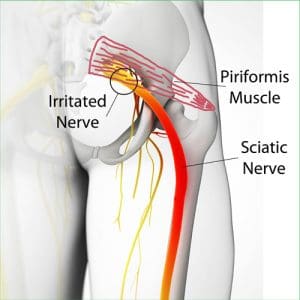
Within the lower extremities, various muscles, ligaments, tendons, and nerve roots allow the legs, hips, and thighs, enabling individuals to be mobile and help with good posture. One of the muscles, known as the piriformis muscle, is located in the gluteal region of the lower body, which helps the major muscles with every movement and allows the individual to walk, run, and rotate at the hips. (Chang et al., 2024) At the same time, the piriformis muscle is over the sciatic nerve, the longest and largest nerve that travels through the lower limbs down to the heel and provides motor-sensory function to the lower limbs. (Giuffre et al., 2024) Environmental factors like physical inactivity, excessive sitting or standing, lifting heavy objects, or improper posture can affect the piriformis muscle and develop musculoskeletal issues in the lower extremities. We associate with certified medical providers who inform our patients of the effects of piriformis syndrome, which affects their lower body extremities and causes pain and discomfort. While asking important questions to our associated medical providers, we advise patients to incorporate various non-surgical therapies to reduce the pain-like symptoms associated with piriformis syndrome. Dr. Alex Jimenez, D.C., envisions this information as an academic service. Disclaimer.
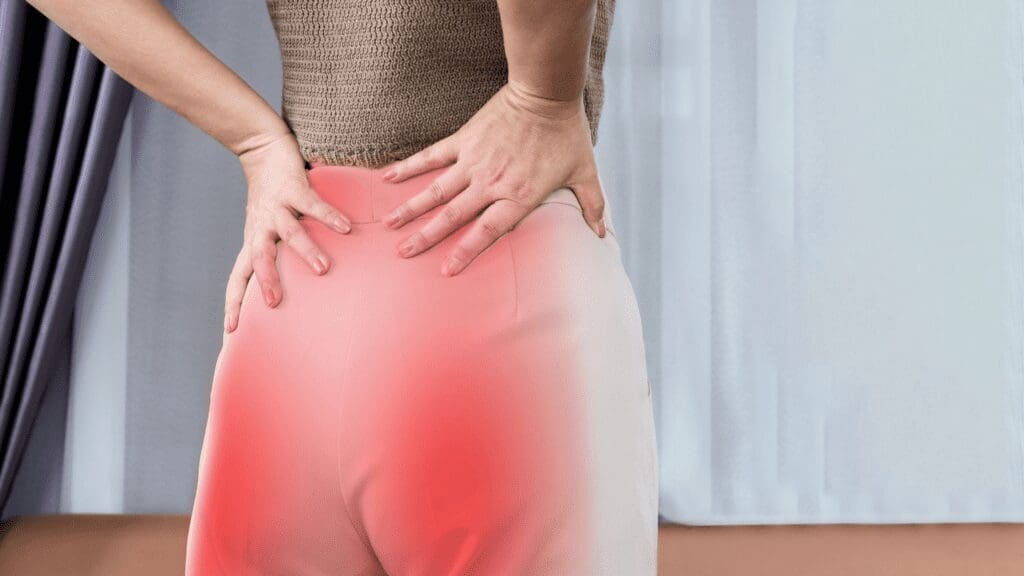
Have you experienced a pins and needles sensation in your hips and thighs that make it unbearable to walk? Do you feel radiating pain that travels down to your feet? Or have you noticed tightness in your hips and glutes region when stretching? When environmental factors impact the body, especially in the upper and lower extremities, they can cause overlapping risk profiles that can develop into chronic conditions. So, environmental factors affecting the piriformis muscle can lead to a musculoskeletal condition called piriformis syndrome. Piriformis syndrome is a somatic and neuropathic musculoskeletal condition caused by excessive or prolonged contraction of the piriformis muscle. (Jankovic et al., 2013) Many individuals who have dealt with piriformis syndrome will begin to report pain in the gluteal region that is causing sensations down the leg that can compress the sciatic nerve. (Hicks et al., 2024)
What Triggers Piriformis Syndrome?
Three causing factors can trigger piriformis syndrome in the lower extremities. Environmental factors like excessive movement, physical inactivity, or musculoskeletal conditions can compress the sciatic nerve over time, entrapping it and causing gradual pain. Additionally, trigger points in the muscles caused by repetitive strain can lead to muscle spasms or inflammation to irritate the sciatic nerve, which may present with a different musculoskeletal condition. (Pfeifer & Fitz, 1989) Finally, many people will begin to think that the pain they are experiencing is sciatica pain instead of piriformis syndrome.
Sciatica-Like Symptoms
Now, sciatica and piriformis syndrome are completely different but have similar symptoms that cause them to correlate. Sciatica is caused by spinal issues affecting the lower back that causes radiating pain down the leg. Piriformis syndrome only involves the piriformis muscle pressing one sciatic nerve area, causing overlapping risk profiles. Some of the common symptoms both sciatica and piriformis are associated with include:
Numbness
Tingling & burning sensations
Inflammation
Muscle spasms & tenderness
Pain & discomfort when sitting or standing
Sciatica: Causes, Symptoms, & Tips- Video
Non-Surgical Treatments For Piriformis
Luckily, numerous treatments are non-surgical and can help many individuals with piriformis syndrome find relief. Non-surgical treatments are affordable and non-invasive, customized to the person’s pain. With piriformis syndrome, non-surgical treatments can help improve pain and functionality back to the lower extremities and provide symptomatic relief from the piriformis muscle. (Vij et al., 2021) Some of the non-surgical treatments that are excellent for reducing pain-like symptoms associated with piriformis include:
Physical Therapy: Physical therapies allow the muscles to be mobilized and stretched and decompress the musculoskeletal structures. (Gandolfi et al., 2023)
Acupuncture: A trained acupuncturist incorporates small needles into the acupoints around the piriformis and provides anti-inflammatory effects. (He et al., 2023)
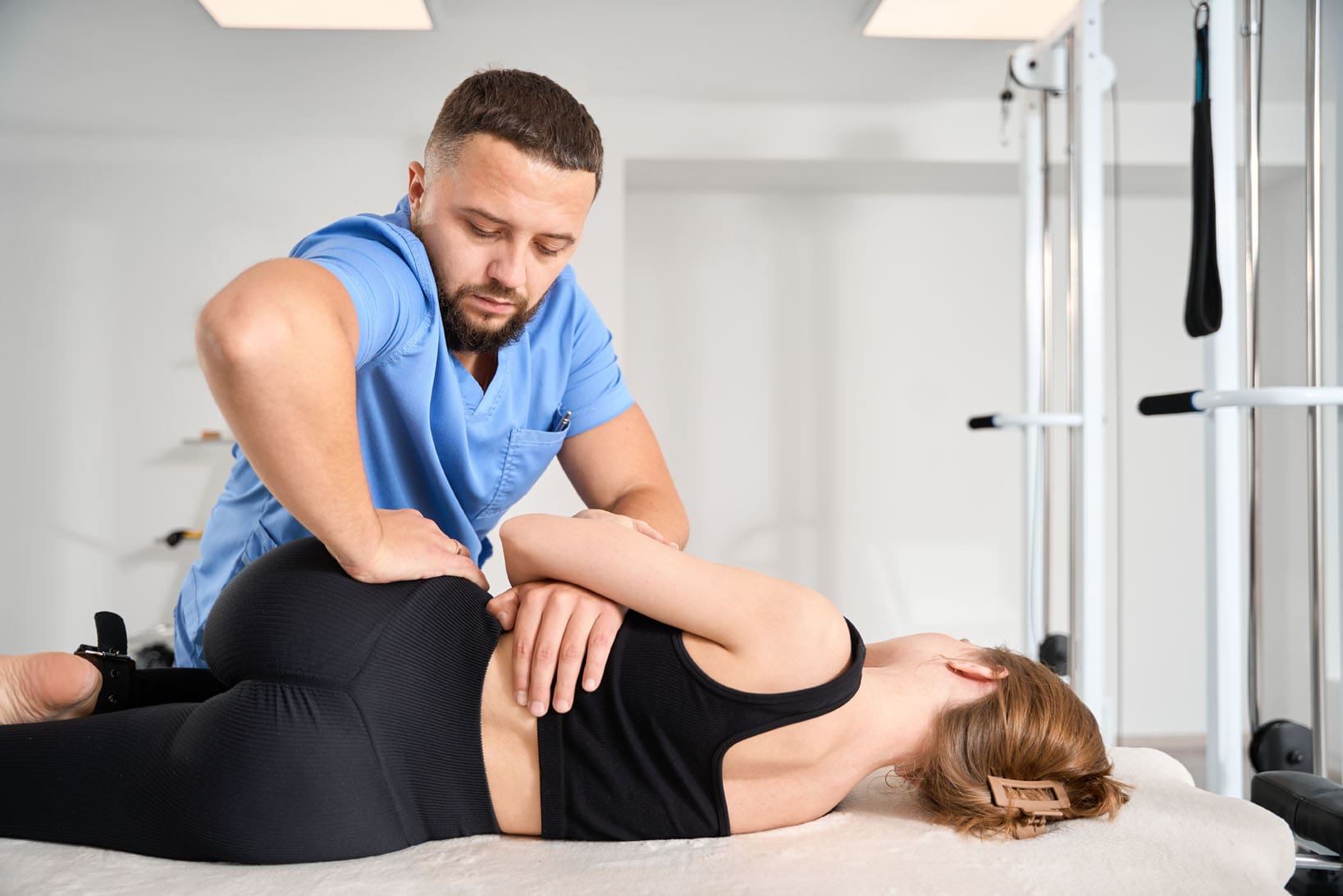
Chiropractic Adjustments: Chiropractors utilize mechanical and manual spinal manipulation to realign the body, stretch and strengthen the affected muscles, and alleviate pain.
Rest: Avoiding strenuous activities and sleeping on the right mattress can help reduce spinal pain associated with piriformis syndrome and improve sleep quality.
Incorporating these non-surgical treatments to reduce piriformis syndrome can help many individuals be more mindful of their bodies daily. They can be part of a daily routine in a person’s health and wellness journey in managing piriformis syndrome and reducing its pain-like symptoms. Doing so allows the lower extremities to be mobile again and the individual to be pain-free.
Gandolfi, M. G., Zamparini, F., Spinelli, A., & Prati, C. (2023). Asana for Back, Hips and Legs to Prevent Musculoskeletal Disorders among Dental Professionals: In-Office Yoga Protocol. J Funct Morphol Kinesiol, 9(1). https://doi.org/10.3390/jfmk9010006
Jankovic, D., Peng, P., & van Zundert, A. (2013). Brief review: piriformis syndrome: etiology, diagnosis, and management. Can J Anaesth, 60(10), 1003-1012. https://doi.org/10.1007/s12630-013-0009-5
Pfeifer, T., & Fitz, W. F. (1989). [The piriformis syndrome]. Z Orthop Ihre Grenzgeb, 127(6), 691-694. https://doi.org/10.1055/s-2008-1040313 (Das Piriformis-Syndrom.)
Vij, N., Kiernan, H., Bisht, R., Singleton, I., Cornett, E. M., Kaye, A. D., Imani, F., Varrassi, G., Pourbahri, M., Viswanath, O., & Urits, I. (2021). Surgical and Non-surgical Treatment Options for Piriformis Syndrome: A Literature Review. Anesth Pain Med, 11(1), e112825. https://doi.org/10.5812/aapm.112825
Can individuals with insomnia find various ways to reduce its effects, such as a full night’s rest and promoting healthy sleep habits?
Insomnia
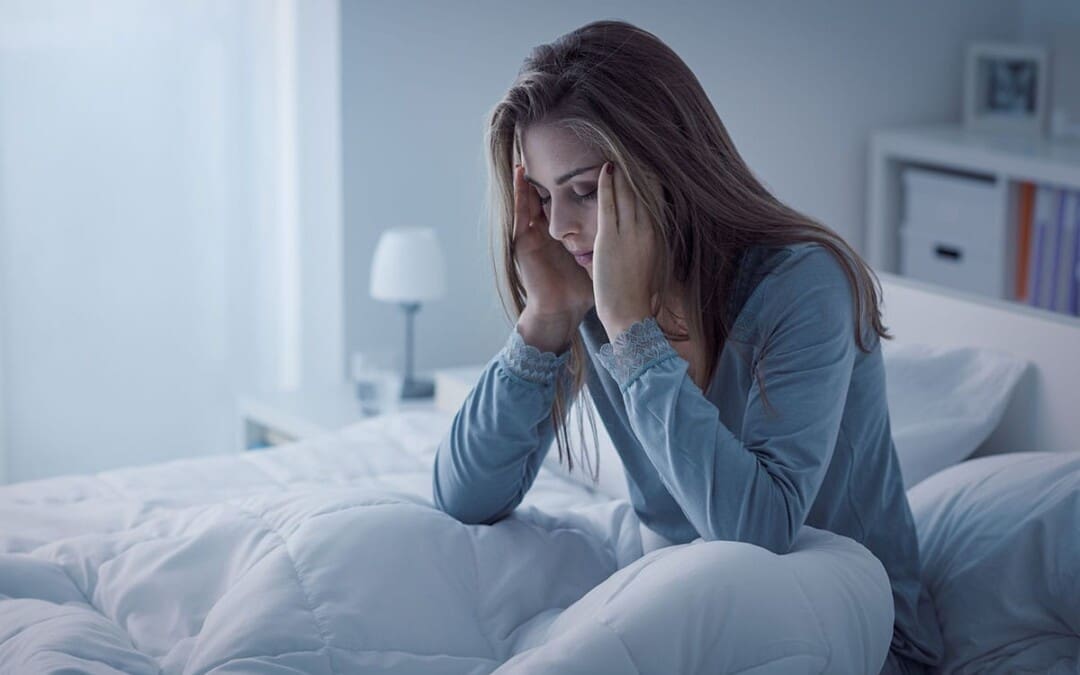
Many people have often struggled to get a full night’s sleep occasionally, as environmental factors can keep them from falling asleep, making them tired throughout the day. In most cases, many individuals sometimes suffer from a chronic condition known as insomnia. Insomnia is a common sleep disorder, whether short-term or chronic, and it can negatively impact a person’s ability to sleep and stay asleep. (Dopheide, 2020) Insomnia can be in two forms: primary and secondary. Primary insomnia is a fairly common condition that can be resolved without treatment, while secondary insomnia is due to medication side effects or neurological issues that are causing sleep issues. Additionally, insomnia can be developed through various environmental factors like genetic variants, early life stress, major life events, and brain functions and structures that can cause individuals to be vulnerable and have insomnia. (Van Someren, 2021) We associate with certified medical providers who inform our patients of the effects of insomnia that can affect the body when they are not getting enough sleep. While asking important questions to our associated medical providers, we advise patients to incorporate healthy sleeping habits into their treatment plan to reduce insomnia and get proper sleep. Dr. Alex Jimenez, D.C., envisions this information as an academic service. Disclaimer.
How It Affects The Body
So, how does insomnia affect the body and a person’s daily routine? Well, when environmental factors start to impact a person, it can cause overlapping risk profiles in the body that can develop into mental disorders like depression. There is a bi-directional relationship between insomnia and depression, as it can cause sleep alterations that can affect the nervous system and develop into chronic conditions. (Riemann et al., 2020) Some of the symptoms that insomnia can affect the body include: (Naha et al., 2024)
Fatigue
Memory impairment
Cardiovascular disorders
Gastrointestinal disorders
PTSD
Daytime napping
However, there are ways to manage insomnia and reduce the co-morbidities.
Exploring Integrative Medicine-Video
Ways To Manage Insomnia
When managing and treating insomnia, many people must recognize the many environmental factors that can lead to its development. Since insomnia is linked with environmental factors, many people start making small routine changes to mitigate its effects. Many people can start by identifying the disorder and other co-morbidities contributing to its development. (Waterman & Selsick, 2023) This, in turn, helps doctors develop a customized treatment plan to manage their insomnia.
Sleep Habits
One of the ways many people deal with insomnia can begin with changing their sleep habits to help reduce the environmental factors affecting their sleep quality. Some of the changes include:
Make sure the bedroom is dark, cool, and has minimal noise
Incorporating these small changes in sleeping habits can help reduce the stressors contributing to insomnia.
Non-Surgical Treatments
Another way for individuals to manage their insomnia is by incorporating non-surgical treatments. Non-surgical treatments like mindfulness meditation, chiropractic care, and acupuncture can help many individuals calm the mind and body by combining deep breathing exercises. (Chan et al., 2021) At the same time, the body and muscles can begin to relax and even help stretch out tense muscles that are affected by insomnia. Many people can utilize non-surgical treatments as part of their routine to live healthy lives and have the best quality of sleep they deserve.
References
Chan, N. Y., Chan, J. W. Y., Li, S. X., & Wing, Y. K. (2021). Non-pharmacological Approaches for Management of Insomnia. Neurotherapeutics, 18(1), 32-43. https://doi.org/10.1007/s13311-021-01029-2
Dopheide, J. A. (2020). Insomnia overview: epidemiology, pathophysiology, diagnosis and monitoring, and nonpharmacologic therapy. Am J Manag Care, 26(4 Suppl), S76-S84. https://doi.org/10.37765/ajmc.2020.42769
Riemann, D., Krone, L. B., Wulff, K., & Nissen, C. (2020). Sleep, insomnia, and depression. Neuropsychopharmacology, 45(1), 74-89. https://doi.org/10.1038/s41386-019-0411-y
Van Someren, E. J. W. (2021). Brain mechanisms of insomnia: new perspectives on causes and consequences. Physiol Rev, 101(3), 995-1046. https://doi.org/10.1152/physrev.00046.2019
Waterman, L., & Selsick, H. (2023). Insomnia and its treatment should be given more importance. Br J Gen Pract, 73(733), 344-345. https://doi.org/10.3399/bjgp23X734421
Can individuals experiencing back pain from various factors incorporate MET (muscle energy techniques) to restore mobility?
Factors That Causes Back Pain
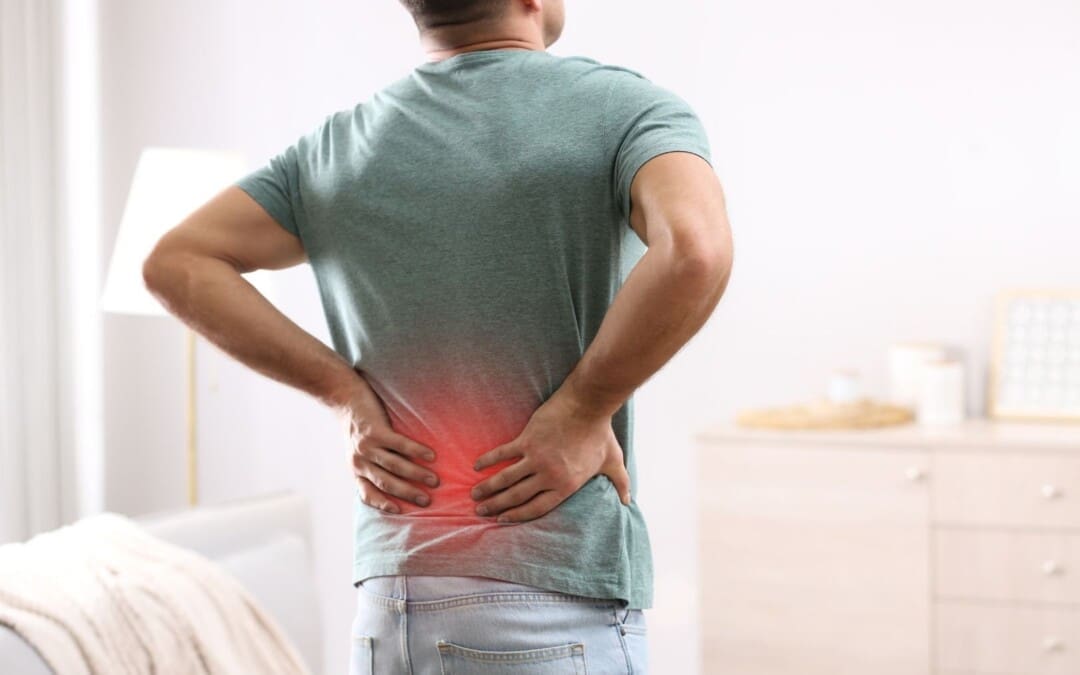
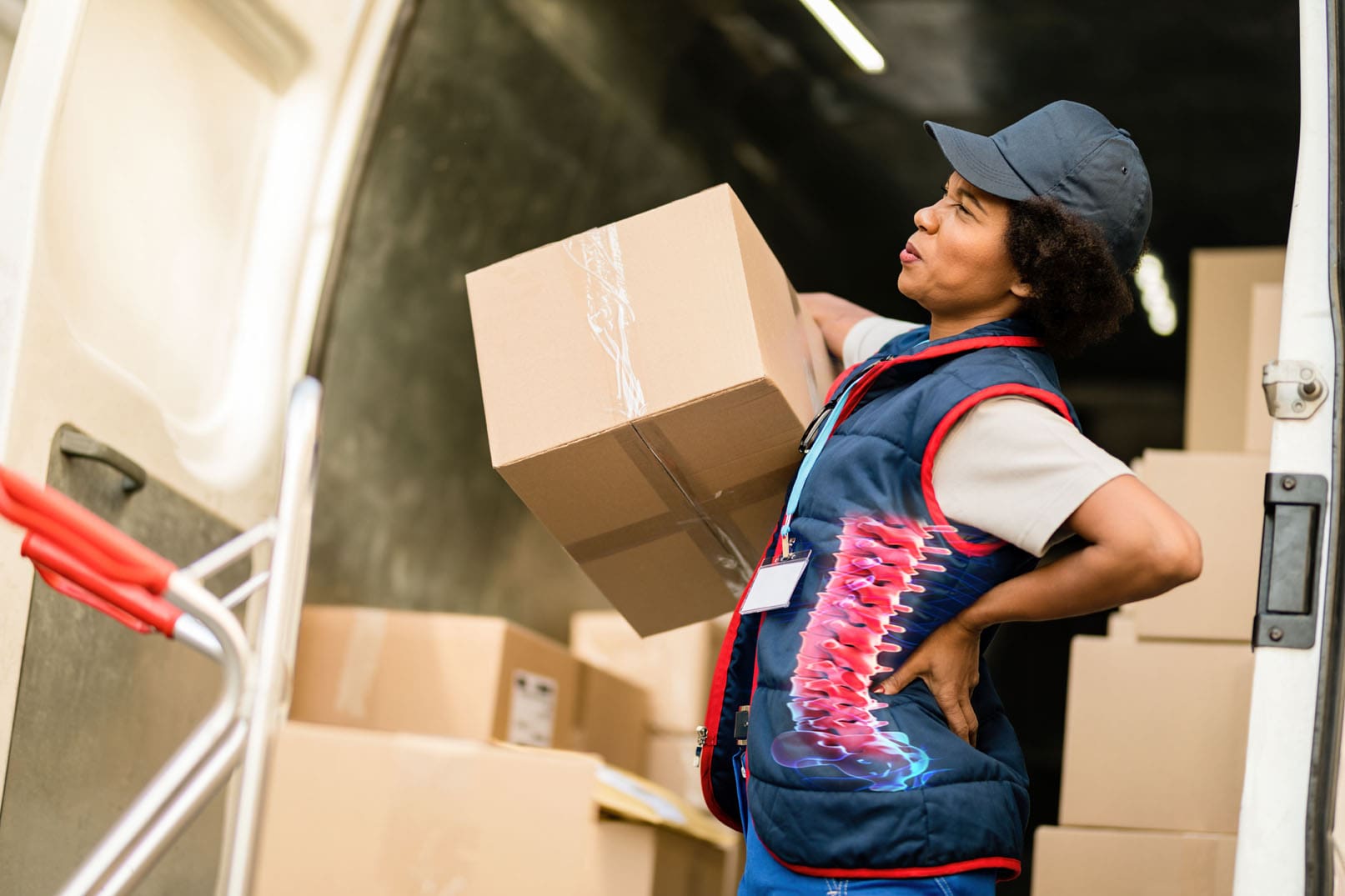
More often than not, many individuals have experienced back pain in various parts of their lives. As one of the leading pains that people have dealt with worldwide, many factors can contribute to the development of back pain, and it can affect different musculoskeletal locations in the upper and lower body quadrants. Back pain has often been associated with the workplace or environmental factors. For back pain, the problem can range from all back sections, affecting the muscles, ligaments, tissues, intervertebral joints, or the bone itself. (Wiberg, 1949) People are constantly in motion, and the muscles can be overstretched and tight over time. When that happens, many people seek treatment to reduce back pain’s overlapping risk profiles and restore mobility. Today’s article focuses on the factors associated with back pain and how non-surgical treatments like MET (muscle energy technique) can help reduce back pain and restore mobility. We discuss with certified medical providers who inform our patients how various environmental factors are correlated with back pain and how it can affect the body. While asking informed questions to our associated medical providers, we advise patients to include various non-surgical treatments like MET to be incorporated to reduce overlapping risk profiles associated with back pain. Dr. Alex Jimenez, D.C., encompasses this information as an academic service. Disclaimer.
How often do you experience pain in different locations in your back after doing some strenuous activities? Do you feel like you are taking many breaks due to feeling tightness or sharp sensations in your back? Or have you felt that your posture is more hunched than normal? Many of these environmental factors scenarios are correlated with back pain, and it can become an issue over time. Back pain can be in two categories: specific and non-specific, and it can impact a person’s quality of life. Non-specific back pain can be associated with mobility impairment in the different back sections, referred to as radiating pain in the lower extremities or musculoskeletal disorders. (Delitto et al., 2012) This causes issues like repetitive loading to the spine and various pain-like symptoms to the back, causing a disbalance to the individual. (Zemková & Zapletalová, 2021) When it comes to environmental factors correlating with back pain, there are numerous ways for it to be developed and, over time, cause discomfort for the individual, as back pain symptoms vary for everyone.
Sleep
When it comes to the connection between sleep and back pain, these two issues can cause a vicious cycle of disturbed sleep and issues like insomnia. (Van Looveren et al., 2021) Now, when it comes to sleep disturbances and back pain, many individuals may be sleeping with the wrong mattress, causing their bodies to can cause pressure on their joints and spinal discs. This causes in-bed sleep behaviors like movements and postures could lead to health complications like pressure sores, apnea, and painful muscle spasms in the back and lower extremities. (Elnaggar et al., 2023) Luckily, there are various ways to reduce back pain, improve sleep quality, and restore body motion.
Understanding Academic Low Back Pain-Video
What Is MET?
When people come in for back pain treatment, non-surgical therapies can help stretch the overworked and tired back muscles and restore mobility to the body’s upper and lower extremities. One of the non-surgical treatments that pain specialists like chiropractors and massage therapists use is MET therapy or muscle energy technique therapy. MET comprises soft tissue manipulation that uses controlled isometric and isotonic contractions. (Sarkar et al., 2021) This helps the body not only improve the physiological function of the muscles but also decrease pain. MET can also be combined with other therapies to help lengthen short muscles, improve the range of motion from the joints, and increase fluid drainage from the body’s peripheral regions. (Batool et al., 2024)
MET Reducing Back Pain
Regarding MET, reducing back pain is possible as MET can be integrated with physical therapy to improve the disability and functionality of the person with back pain. (Wahyuddin et al., 2020) When people start to incorporate MET and non-surgical treatments as part of their routine for their health and well-being, they will begin to notice that the pain they have been experiencing in their back is diminishing over time. This allows them to be more mindful of their backs and bodies while making small changes to their routine. Sleeping better with a correct mattress, exercising more to stretch and strengthen muscles, eating healthier foods, and relaxing more allow people to be pain-free in their health and wellness journey.
References
Batool, K., Mehmood, M., Jafar, M., & Gull, M. (2024). Comparative efficacy of muscle energy technique and Bowen technique on hamstrings muscle tightness in chronic low back pain patients. Pak J Med Sci, 40(9), 2080-2084. https://doi.org/10.12669/pjms.40.9.8517
Delitto, A., George, S. Z., Van Dillen, L., Whitman, J. M., Sowa, G., Shekelle, P., Denninger, T. R., & Godges, J. J. (2012). Low Back Pain. Journal of Orthopaedic & Sports Physical Therapy, 42(4), A1-A57. https://doi.org/10.2519/jospt.2012.42.4.a1
Elnaggar, O., Arelhi, R., Coenen, F., Hopkinson, A., Mason, L., & Paoletti, P. (2023). An interpretable framework for sleep posture change detection and postural inactivity segmentation using wrist kinematics. Sci Rep, 13(1), 18027. https://doi.org/10.1038/s41598-023-44567-9
Sarkar, M., Goyal, M., & Samuel, A. J. (2021). Comparing the Effectiveness of the Muscle Energy Technique and Kinesiotaping in Mechanical Sacroiliac Joint Dysfunction: A Non-blinded, Two-Group, Pretest-Posttest Randomized Clinical Trial Protocol. Asian Spine Journal, 15(1), 54-63. https://doi.org/10.31616/asj.2019.0300
Van Looveren, E., Bilterys, T., Munneke, W., Cagnie, B., Ickmans, K., Mairesse, O., Malfliet, A., De Baets, L., Nijs, J., Goubert, D., Danneels, L., Moens, M., & Meeus, M. (2021). The Association between Sleep and Chronic Spinal Pain: A Systematic Review from the Last Decade. J Clin Med, 10(17). https://doi.org/10.3390/jcm10173836
Wahyuddin, W., Vongsirinavarat, M., Mekhora, K., Bovonsunthonchai, S., & Adisaipoapun, R. (2020). Immediate effects of muscle energy technique and stabilization exercise in patients with chronic low back pain with suspected facet joint origin: A pilot study. Hong Kong Physiother J, 40(2), 109-119. https://doi.org/10.1142/S1013702520500109
Wiberg, G. (1949). Back pain in relation to the nerve supply of the intervertebral disc. Acta Orthop Scand, 19(2), 211-221, illust. https://doi.org/10.3109/17453674908991094
Zemková, E., & Zapletalová, L. (2021). Back Problems: Pros and Cons of Core Strengthening Exercises as a Part of Athlete Training. International Journal of Environmental Research and Public Health, 18(10), 5400. https://doi.org/10.3390/ijerph18105400
Can individuals dealing with scoliosis incorporate various exercises and stretches to improve their posture and reduce pain?
What Is Scoliosis?
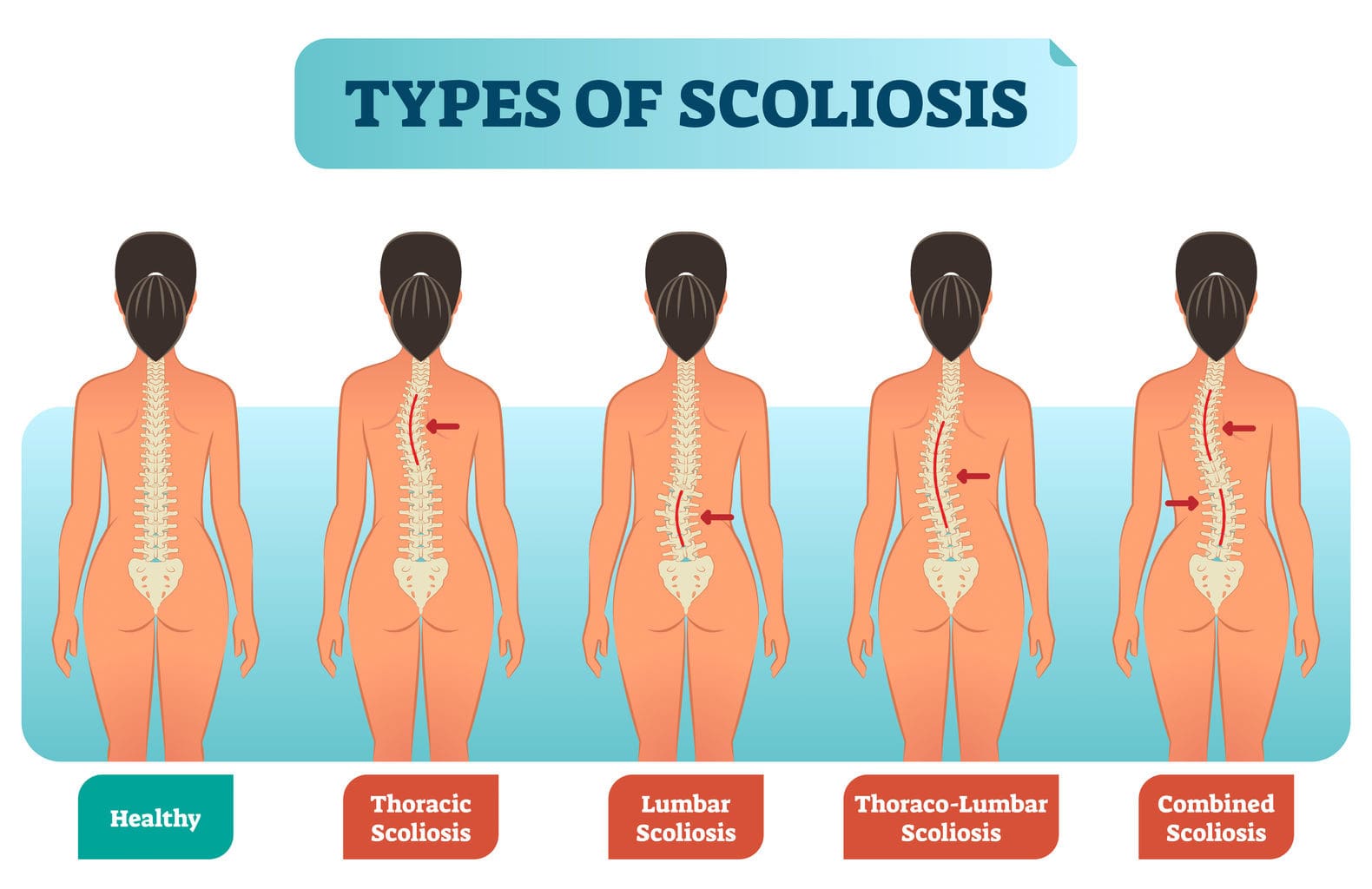
More often than anything, many people have tried to maintain proper posture to prevent musculoskeletal and spinal conditions from forming. However, it can be difficult to maintain an appropriate posture when strenuous environmental factors come into play. This can range from being in a hunched position to developing spinal conditions that can affect the curvature of the spine. One of the most well-known spinal conditions many people can develop through numerous risk factors is spinal scoliosis. Spinal scoliosis is often defined as a curvature deviation in the normal vertical spinal line. (Janicki & Alman, 2007) This causes the spine to develop an S or C curve in the thoracic or lumbar portion of the spine, leading to overlapping risk profiles in the body and causing pain-like symptoms that can make a person feel miserable. Today’s article looks at scoliosis, how it affects the body, and how various exercises can help manage scoliosis. We discuss with certified medical providers who inform our patients how non-surgical treatments, like various exercises, help manage symptoms associated with scoliosis. While asking informed questions to our associated medical providers, we advise patients to include various exercises and pain management techniques to reduce pain-like symptoms correlating with scoliosis. Dr. Alex Jimenez, D.C., encompasses this information as an academic service. Disclaimer.
How Does It Affect The Body?
Since scoliosis is a spinal deformity condition that affects the spine, it can happen at any age and is categorized into four group forms:
Congenital (Presented by birth)
Neuromuscular (Resulted from cerebral palsy or muscular dystrophy)
Idiopathic (The common spinal condition)
Degenerative (Adult-onset scoliosis)
Within these four groups of scoliosis, some of the pain-like symptoms can vary depending on the size of the curve and how far the progression leads to overlapping risk profiles in the thoracic and lumbar spine portions. (Aebi, 2005) Some of the symptoms that are associated with scoliosis are back pain. Many individuals with scoliosis, especially adolescent individuals, have back pain associated with adolescent idiopathic scoliosis due to increasing age, injuries, and how severe the spine is curved. (Achar & Yamanaka, 2020) Additional symptoms that many individuals experience with scoliosis that can affect their bodies have specific features that cause pain. Individuals with scoliosis often have increasing asymmetrical pain when standing for prolonged periods and residing at rest, thus mimicking sciatica pain. (Zaina et al., 2023) This is because pain is one of the biomarkers for scoliosis. When pain starts to affect the body, issues like muscle dysfunction, concave disc pressure, asymmetrical facet joint strains, and a high BMI (body mass index) become the main mechanical parameters in the body. They are assessed by doctors when being examined. (Ilharreborde et al., 2023) When individuals are being assessed by their doctors to manage scoliosis, non-surgical treatments can help manage the pain-like symptoms and restore joint stability and mobility to the body.
Movement Medicine: Chiropractic Care- Video
Various Exercises For Managing Scoliosis
When many individuals dealing with scoliosis go in for non-surgical treatments, they will be assessed and evaluated by pain specialists to determine what the next steps for treatment can be provided for them. For scoliosis, non-surgical treatments like chiropractic care can be provided to reduce the musculoskeletal conditions associated with scoliosis. Chiropractors utilize mechanical and manual spinal manipulation of the spine. They can set the vertebra back in place while restoring the spinal joint with optimal motion, improving the range of motion, and allowing the body to function properly. (Milne et al., 2022) At the same time, chiropractors can recommend various exercises and stretches to help manage symptoms associated with scoliosis as part of their treatment plan. Incorporating various exercises can help rectify spinal deformity, help the different muscle groups become stronger, and allow the individual to work a bit on managing scoliosis symptoms. Below are some of the various exercises and stretches to manage scoliosis.
Practicing Good Posture
Practicing good posture can benefit many individuals with scoliosis, especially young ones. Many people realize that maintaining good posture can help reduce muscle pain and tension in the back. It allows many people to realign their bodies and retrain them to stand with good posture naturally. Maintaining good posture, whether standing or seated, can allow doctors to scan the body for any tension signs. For those with scoliosis, it can gradually strengthen the weak core muscles in their bodies.
Abdominal Presses
Abdominal presses allow the individual to maintain neutral spinal alignment while strengthening the abdominal core muscles. To do this:
Individuals must lie on their backs on a yoga mat, keeping their backs in a neutral, tension-free position with bent knees.
They raise both feet and thighs off the mat to form a 90-degree angle with their knees above the hips. *They can support themselves with a chair or wall.
Next, individuals can use their hands to push and pull the knees with their abdominal muscles.
When doing this static exercise, make sure that they hold for three full breaths in two sets of ten and relax in between.
Bird-Dog
Bird-dog is a yoga move that can help stretch tight and weak muscles in the back and allow the body to balance itself. To do this:
Individuals can be on their hands and knees with a neutral spine position on a yoga mat, ensuring their hands are under their shoulders and their knees are under their hips.
With controlled breathing, extend one arm straight out while extending the opposite leg back.
Maintain the position for five to thirty seconds, andslowly return to the neutral spine.
Repeat the motion with the opposite for 10 to 15 reps.
Incorporating these exercises can help manage pain-like symptoms associated with scoliosis, help many individuals strengthen their weak muscles, and help improve their posture on their health and wellness journey.
Ilharreborde, B., Simon, A. L., Shadi, M., & Kotwicki, T. (2023). Is scoliosis a source of pain? J Child Orthop, 17(6), 527-534. https://doi.org/10.1177/18632521231215861
Janicki, J. A., & Alman, B. (2007). Scoliosis: Review of diagnosis and treatment. Paediatr Child Health, 12(9), 771-776. https://doi.org/10.1093/pch/12.9.771
Milne, N., Longeri, L., Patel, A., Pool, J., Olson, K., Basson, A., & Gross, A. R. (2022). Spinal manipulation and mobilisation in the treatment of infants, children, and adolescents: a systematic scoping review. BMC Pediatr, 22(1), 721. https://doi.org/10.1186/s12887-022-03781-6
Zaina, F., Marchese, R., Donzelli, S., Cordani, C., Pulici, C., McAviney, J., & Negrini, S. (2023). Current Knowledge on the Different Characteristics of Back Pain in Adults with and without Scoliosis: A Systematic Review. J Clin Med, 12(16). https://doi.org/10.3390/jcm12165182
Individuals dealing with fibromyalgia can find natural remedies to reduce the pain-like symptoms and provide relief to their bodies?
Introduction
When it comes to the immune system in the human body, it is the number one defender in healing the body naturally from chronic illness or injuries to which the host has succumbed. When the body is dealing with unwanted pathogens, the immune system sends out inflammatory cytokines to attach to the affected area, allowing the healing process to take effect. However, when environmental factors or pathogens develop inside the body over time, the immune system can become confused and begin to attack healthy cells; when this happens, the body can develop autoimmune diseases. This causes chronic issues and overlapping risk profiles to develop and cause the body to succumb to pain and discomfort. Autoimmune diseases like fibromyalgia can affect the various muscles in the body and cause a person to be in tremendous amounts of pain. Luckily, there are different natural remedies to dampen the pain-like effects of fibromyalgia. In today’s article, we are looking at the impact of fibromyalgia on the body and how various natural remedies can help reduce fibromyalgia flare-ups. We discuss with certified medical providers who inform our patients how fibromyalgia can affect the body and be correlated with pain-like symptoms. While asking informed questions to our associated medical providers, we advise patients to incorporate various natural remedies to reduce the chances of fibromyalgia causing more issues in the body. Dr. Alex Jimenez, D.C., encompasses this information as an academic service. Disclaimer.
How Fibromyalgia Affects The Body
Have you been dealing with pain and discomfort in different areas of your body? Do you feel exhausted throughout the day despite having a good night’s rest? Or have you been dealing with constant migraines that you would rather stay in bed all day? Many pain-like scenarios are associated with musculoskeletal conditions that can affect the entire body through painful sensations. However, musculoskeletal conditions have a casual relationship with not only environmental factors but also with autoimmune diseases like fibromyalgia. Now, fibromyalgia is characterized by chronic and widespread musculoskeletal pain and can be associated with hypersensitivity processing to pain in the brain. (Siracusa et al., 2021) This is because many factors like genetics, environmental, hormonal, neural, and immunological are all associated with fibromyalgia and can cause the neuron signals to be haywire and hypersensitive to the body. (Garcia Rodriguez & Abud Mendoza, 2020) When that happens, the body begins to experience musculoskeletal pain-like symptoms like muscle-joint stiffness and fatigue that can cause the vagus nerve to be in a constant hyperactive state in the body.
Additionally, since fibromyalgia is an autoimmune disease, the role of the immune system and inflammation also come into play as the body produces altered levels of pro-inflammatory cytokines to dysregulate neuro-sensitizing molecules and affect the small nerve fibers in the body (Clauw et al., 2024). Unfortunately, when doctors diagnose fibromyalgia, comorbidities can cause overlapping risk profiles in the body. Fortunately, there are numerous treatments and natural remedies available to reduce and manage pain-like symptoms associated with fibromyalgia.
Fibromyalgia: Food Choices & Neutraceutical Options- Video
Natural Remedies To Reduce Fibromyalgia
When it comes to finding numerous ways to reduce the pain-like effects of fibromyalgia, many people seek out over-the-counter medicine to reduce the musculoskeletal pain associated with fibromyalgia, which can provide temporary relief. Luckily, there are natural remedies that can improve overall fibromyalgia symptoms that can improve the global functioning of the body, pain reduction, psychological relief, and brain activity. (Assavarittirong et al., 2022) Many natural remedies for fibromyalgia include:
Incorporating vitamins and supplements
Making small changes in diet and lifestyle
Utilizing non-surgical treatments
Supplements
When it comes to reducing fibromyalgia flare-ups, many people wonder where to start on their health and wellness journey. The best way to start making small changes to their health and reducing fibromyalgia flare-ups is by incorporating vitamins and supplements. Vitamins and supplements can help the body by incorporating the necessary nutrients that the body needs to provide energy and function to the muscles, tissues, bones, and vital organs. When it comes to incorporating various vitamins and supplements to reduce fibromyalgia symptoms, many people have started incorporating vitamin D to boost the immune system and reduce muscle impairment in tissue structure and function. (Lombardo et al., 2022) This is because when individuals are dealing with fibromyalgia flare-ups, they experience extreme muscle pain, and it spreads throughout the entire body. At the same time, many people can also incorporate magnesium as part of the regime to reduce fibromyalgia. When people start to integrate magnesium, they will experience reduced symptoms of muscle pain, fatigue, anxiety, and improved sleep difficulties. (Boulis et al., 2021) By incorporating vitamins and supplements into individuals with fibromyalgia, they will begin to notice over time that the symptoms associated with fibromyalgia are reduced.
Diet & Lifestyle Changes
Another way for individuals dealing with fibromyalgia is by incorporating a diet that has anti-inflammatory properties and lifestyle changes that can be customized for the person’s treatment plan. When it comes to the diet portion of reducing fibromyalgia, many wonder how to start. Since a healthy diet is crucial for a natural treatment to reduce fibromyalgia, the main goal is to reduce the inflammatory effects associated with fibromyalgia. When people start incorporating fruits and vegetables that have been shown not only to reduce oxidative stress but also to reduce the inflammatory markers caused by fibromyalgia. (Lowry et al., 2020) While incorporating a healthy diet containing anti-inflammatory foods, exercising and utilizing non-surgical treatments also play a crucial role in managing fibromyalgia. When it comes to exercising can be a multimodal treatment as it can help create a physiological response that decreases the sympathetic activity and shifts the parasympathetic activity that relaxes the muscular and nervous system, thus reducing the stress levels of individuals with fibromyalgia. (Metyas et al., 2024) This allows people to manage their symptoms and make small changes in their health and well-being. At the same time, they can incorporate non-surgical treatments like chiropractic care and acupuncture to realign the body and reduce symptoms of stiffness and pain correlated with fibromyalgia. By doing so and managing their fibromyalgia symptoms, many people can begin taking back their health and wellness with these natural remedies for their fibromyalgia.
References
Assavarittirong, C., Samborski, W., & Grygiel-Gorniak, B. (2022). Oxidative Stress in Fibromyalgia: From Pathology to Treatment. Oxid Med Cell Longev, 2022, 1582432. https://doi.org/10.1155/2022/1582432
Boulis, M., Boulis, M., & Clauw, D. (2021). Magnesium and Fibromyalgia: A Literature Review. J Prim Care Community Health, 12, 21501327211038433. https://doi.org/10.1177/21501327211038433
Clauw, D., Sarzi-Puttini, P., Pellegrino, G., & Shoenfeld, Y. (2024). Is fibromyalgia an autoimmune disorder? Autoimmun Rev, 23(1), 103424. https://doi.org/10.1016/j.autrev.2023.103424
Garcia Rodriguez, D. F., & Abud Mendoza, C. (2020). Physiopathology of fibromyalgia. Reumatol Clin (Engl Ed), 16(3), 191-194. https://doi.org/10.1016/j.reuma.2020.02.003 (Fisiopatologia de la fibromialgia.)
Lombardo, M., Feraco, A., Ottaviani, M., Rizzo, G., Camajani, E., Caprio, M., & Armani, A. (2022). The Efficacy of Vitamin D Supplementation in the Treatment of Fibromyalgia Syndrome and Chronic Musculoskeletal Pain. Nutrients, 14(15). https://doi.org/10.3390/nu14153010
Lowry, E., Marley, J., McVeigh, J. G., McSorley, E., Allsopp, P., & Kerr, D. (2020). Dietary Interventions in the Management of Fibromyalgia: A Systematic Review and Best-Evidence Synthesis. Nutrients, 12(9). https://doi.org/10.3390/nu12092664
Metyas, C., Aung, T. T., Cheung, J., Joseph, M., Ballester, A. M., & Metyas, S. (2024). Diet and Lifestyle Modifications for Fibromyalgia. Curr Rheumatol Rev, 20(4), 405-413. https://doi.org/10.2174/0115733971274700231226075717
Siracusa, R., Paola, R. D., Cuzzocrea, S., & Impellizzeri, D. (2021). Fibromyalgia: Pathogenesis, Mechanisms, Diagnosis and Treatment Options Update. Int J Mol Sci, 22(8). https://doi.org/10.3390/ijms22083891
IFM's Find A Practitioner tool is the largest referral network in Functional Medicine, created to help patients locate Functional Medicine practitioners anywhere in the world. IFM Certified Practitioners are listed first in the search results, given their extensive education in Functional Medicine