Learn about kyphosis, its causes and symptoms, and treatment approaches to alleviate discomfort and improve posture.
What Is Kyphosis?
How frequently have you seen that after spending too much time sitting down, your posture has become more hunched? Do you have neck and shoulder strains that are momentarily relieved by stretching? Or do you experience shoulder and back discomfort and tension as a result of bad posture? Frequently, people have experienced musculoskeletal problems that may impact the neck, shoulders, and back—the three most frequent parts of the body. A spinal disorder called kyphosis may result from prolonged hunching. An increase in the forward curve of the spine that affects the thoracic location is known as kyphosis, and it may be brought on by degenerative alterations in the intervertebral discs. (Lam & Mukhdomi, 2025) The development of a hunchback or rounded upper back is a symptom of kyphosis that may impact posture and general musculoskeletal health. Depending on how severe the kyphosis is, the symptoms might vary from severe stiffness and pain to trouble breathing. Finding different treatment choices for this spinal ailment may also be made easier for many people by having a better grasp of the environmental variables that contribute to its development and the symptoms that are connected with it.
Environmental Factors Contributing to Kyphosis
Kyphosis may occur as a result of many environmental factors. This is because a lot of individuals engage in physically demanding activities that put a lot of strain on the spine. On the other hand, kyphosis may occur as a result of the spine’s gradual aging process. Among the environmental elements that cause kyphosis are:
Bad Posture
Living a Sedentary Lifestyle
Overweight Items & Inappropriate Lifting
Osteoporosis
Conditions & Injuries of the Spine
Kyphosis Symptoms & Its Effects on the Musculoskeletal System
Because it may impact both the cervical and thoracic regions of the spine, kyphosis can result in a number of musculoskeletal issues.When kyphosis begins to damage the cervical region, it may result in referred neck pain, which puts more pressure on the soft tissues in the back. This forces the head to cope with a mechanical imbalance, which puts strain on the muscles and creates weariness. (Ogura and others, 2021) At the same time, when kyphosis begins to impact the thoracic spine, other risk factors include poor bone density and dysfunction in the lower extremities in older persons, which may restrict movement. (Lorbergs and others, 2017). Other musculoskeletal problems linked to kyphosis include:
Stiffness & Pain in the Upper Back
Minimal Flexibility & Mobility
Referred pain
Weakness and Muscle Fatigue
Digestive & Breathing Problems
Understanding Long-Lasting Injuries- Video
Treatment Approaches For Kyphosis
If the spinal curvature has become much worse, many people have chosen to undergo surgery to manage the symptoms of kyphosis. Nonetheless, a lot of individuals have chosen nonsurgical treatments since they are less expensive and noninvasive. In order to improve a person’s posture and lessen the difficulties associated with kyphosis, nonsurgical therapies may take many different forms. (Jenkins et al., 2021) When individuals begin using nonsurgical methods to lessen cervical kyphosis, their mobility and postural control will significantly improve. (Oakley and others, 2024)
Chiropractic Care & More
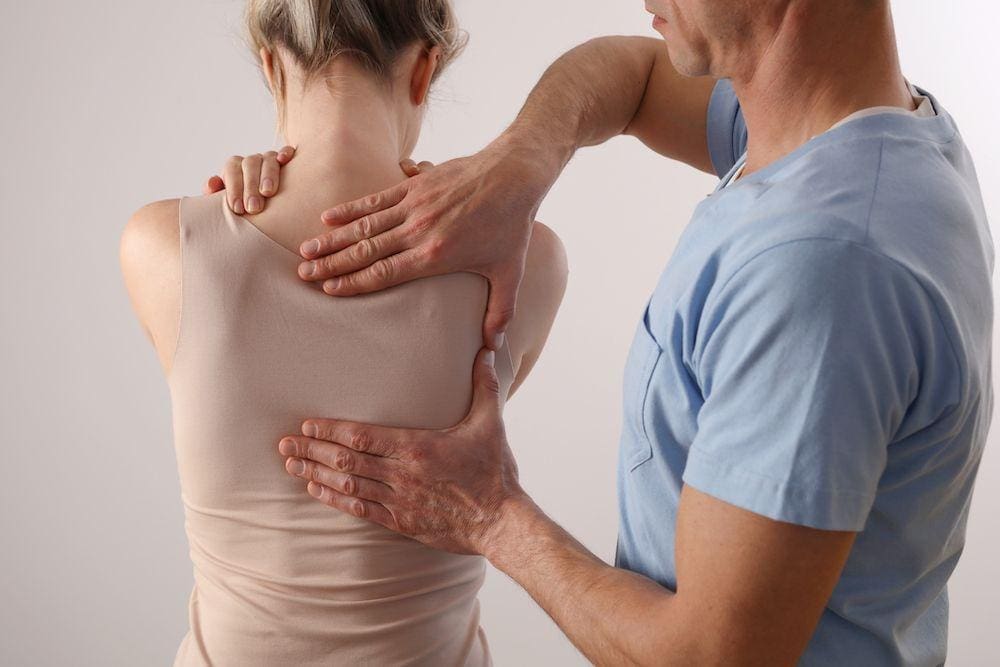
For those with kyphosis, chiropractic adjustments are a non-invasive treatment option that may help reduce pain and realign the spine. The goal of chiropractic therapy is to stretch and strengthen weak, tense muscles while realigning the spine to its natural position. By increasing the range of motion in the neck, chiropractic therapy may alleviate overlapping risk profiles, such as headaches and kyphotic neck discomfort. (Norton and others, 2022) Additionally, in order to avoid a slouched posture, chiropractors may create a personalized treatment plan for those with kyphosis that offers substantial relief from the neck to the back. (Fortner and others, 2017). For those with kyphosis, chiropractic adjustments may provide the following advantages:
Adjustments to the spine may help realign the vertebrae, improve posture, and lessen excessive curvature.
Postural Training: To improve support, chiropractors may provide workouts that build stronger core and back muscles.
Pain management: Spinal decompression methods and manual treatment may ease tense muscles and lessen transferred pain.
Increased Flexibility and Mobility: Mobility exercises and stretching help increase range of motion and avoid stiffness.
Additional Treatments For Kyphosis
In addition to chiropractic treatment, alternative kyphosis management techniques may enhance spinal stability and stop the progression of spine curvature. Among these extra treatments are;
Physical Therapy.
Supporting Postural Ergonomics
Final Thoughts
Although kyphosis may cause pain and suffering, quality of life can be greatly improved with early diagnosis and appropriate therapy. Proactively treating kyphosis may result in improved posture, less discomfort, and more mobility, whether via physical therapy, chiropractic adjustments, or lifestyle changes.
Injury Medical Chiropractic & Functional Medicine Clinic
We associate with certified medical providers who implement the importance of the causes and symptoms of kyphosis. While asking important questions to our associated medical providers, we advise patients to integrate small changes into their daily routine to reduce the effects of kyphosis from affecting the cervical and thoracic areas. Dr. Alex Jimenez, D.C., envisions this information as an academic service. Disclaimer.
References
Fortner, M. O., Oakley, P. A., & Harrison, D. E. (2017). Treating ‘slouchy’ (hyperkyphosis) posture with chiropractic biophysics((R)): a case report utilizing a multimodal mirror image((R)) rehabilitation program. Journal of Physical Therapy Science, 29(8), 1475-1480. https://doi.org/10.1589/jpts.29.1475
Jenkins, H. J., Downie, A. S., Fernandez, M., & Hancock, M. J. (2021). Decreasing thoracic hyperkyphosis – Which treatments are most effective? A systematic literature review and meta-analysis. Musculoskelet Sci Pract, 56, 102438. https://doi.org/10.1016/j.msksp.2021.102438
Lorbergs, A. L., Murabito, J. M., Jarraya, M., Guermazi, A., Allaire, B. T., Yang, L., Kiel, D. P., Cupples, L. A., Bouxsein, M. L., Travison, T. G., & Samelson, E. J. (2017). Thoracic Kyphosis and Physical Function: The Framingham Study. J Am Geriatr Soc, 65(10), 2257-2264. https://doi.org/10.1111/jgs.15038
Norton, T. C., Oakley, P. A., & Harrison, D. E. (2022). Improving the cervical lordosis relieves neck pain and chronic headaches in a pediatric: a Chiropractic Biophysics((R)) (CBP((R))) case report with a 17-month follow-up. Journal of Physical Therapy Science, 34(1), 71-75. https://doi.org/10.1589/jpts.34.71
Oakley, P. A., Gage, W. H., Harrison, D. E., & Mochizuki, G. (2024). Non-surgical reduction in thoracolumbar kyphosis and sagittal vertical axis corresponding with improved sensorimotor control in an older adult with spinal deformity: a Chiropractic Biophysics((R)) case report. Journal of Physical Therapy Science, 36(11), 756-764. https://doi.org/10.1589/jpts.36.756
Ogura, Y., Dimar, J. R., Djurasovic, M., & Carreon, L. Y. (2021). Etiology and treatment of cervical kyphosis: state of the art review-a narrative review. J Spine Surg, 7(3), 422-433. https://doi.org/10.21037/jss-21-54
Gain insights with this overview of Maslow’s hierarchy of needs from a clinical approach, enriching psychological perspectives.
The Humanistic Perspective
Because of behaviorism and psychoanalytic theory, the humanistic viewpoint gained popularity in the middle of the 20th century. Humanism is the term used to describe those who stress human potential and the capacity for change. The notion of biological determinism, which holds that the majority of human traits, both mental and physical, are predetermined from conception, is simultaneously rejected by humanism. The humanistic viewpoint stresses a person’s innate desire for creativity and self-actualization and focuses on how individuals grow. The idea that development is seen as an ongoing process that is influenced more by an individual’s social and environmental conditions than by genetics or other natural causes is also fundamental to the humanistic viewpoint. The use of the human viewpoint in a therapeutic setting was examined by several prominent humanistic thinkers, including Abraham Maslow and Carl Rogers. In addition to enabling a better understanding of pain, suffering, and emotions, this guarantees a more optimistic approach to enhance patient and nurse practitioner results. (Boston-Leary et al., 2024)
The development potential of healthy people was the subject of research by American humanistic psychologist Abraham Maslow (1908–1970). According to him, individuals aspire to self-actualization and begin accepting both themselves and other people for who they are. He saw that a lot of individuals were able to enjoy themselves and live comparatively guilt-free while also losing inhibitions.
Maslow’s hierarchy of needs is a psychological theory that explains a pattern by which human motivations often emerge at the following level by enabling the person to be fully satisfied with the previous level. As a result, many individuals start using it to encourage action. Several distinct underlying systems constitute the basis of motivation in Maslow’s hierarchy of wants; certain motivations are generated and given precedence over others. (Kenrick et al., 2010) Our knowledge of the self has also been substantially enhanced by Maslow’s ideas. The five levels of Maslow’s hierarchy of needs—physiological necessities, safety, love and belonging, esteem, and self-actualization—allow people to evolve. These five phases show how a person develops in order to meet their most basic requirements.
Physiological Needs
The primary physical need for human life, according to Maslow, are physiological needs, which include food, water, sleep, shelter, sex, and maintaining bodily homeostasis. In order to be motivated by the next level of demands, many individuals must have their physiological needs—such as breathing, eating, drinking, or sleeping—met. As they exhibit stability and endurance and adjust to the changing demands of the healthcare system, many nurses in a healthcare context move away from physiological needs and safety. (Hayre-Kwan et al., 2021)
Safety
Safety, the second stage, takes over and becomes a dominating behavior if a person’s physiological demands are addressed and mostly satisfied. This may be achieved via working, saving money, and looking for safe havens. That individual has time to consider their desires once they are content and feel secure. However, many people may experience or re-experience post-traumatic stress disorder (PTSD) or transgenerational trauma when physical safety is lacking due to environmental factors like war, natural disasters, family violence, childhood abuse, or institutional racism. For this reason, safety needs must include mental, emotional, financial, and physical security.
Another example of how environmental variables impact safety is economic safety, which may be impacted by a financial crisis and a lack of employment prospects. In the absence of economic safety, it must show itself in things like a need for work stability, grievance processes to shield individuals from unjustified power, insurance plans, savings accounts, etc. Since children typically need to feel protected, this level of Maslow’s hierarchy of needs tends to prevail in their lives.
Love & Belonging
Maslow’s hierarchy of wants places love and belonging at stage three. Intimacy, companionship, and a sense of belonging are all necessary for love and belonging. Many individuals want to join a club or be a part of a society where they may be near their friends and relatives. Maintaining a positive nurse-patient connection in a healthcare context requires professionals to provide affection and belonging to people who are experiencing pain-like sensations. In addition to giving the person a good outlook to lessen their suffering, this will guarantee that their needs and desires are acknowledged. (Xu et al., 2021) During childhood, the desire for love and belonging is very strong and might take precedence over the need for protection. Children who attach to abusive parents exhibit this as a bad problem. Hospitalization, neglect, shunning, or ostracism are examples of deficiencies in this level of Maslow’s hierarchy that may negatively impact a person’s capacity to establish and sustain emotionally meaningful connections. Furthermore, a person’s growth may be greatly impacted by these adverse events.
Esteem
The fourth level of Maslow’s hierarchy is esteem, which is the universal human need to be respected and accepted by others. Since everyone wants to be someone at this point, a lot of individuals search for peer regard, self-confidence, and esteem. For instance, someone with money would purchase a high-end watch, while someone with a brain would be able to write, ponder, or even work a lot. The drive to compete and achieve at the top level is the cause of this. At the same time, a lot of individuals will often pursue a career or pastime because ego demands like status or respect are met by these pursuits. Since most individuals desire to feel valued, many will worry about receiving respect, prestige, significance, and acknowledgment from others. The desire for self-respect and self-esteem follows from this. Lack of positive reinforcement, however, may have an impact on a person’s self-esteem and their ability to improve. therefore taking care of the fundamental problems that are hurting and upsetting them in 2025. (Carroll et al., 2025)
Self-Actualization
Maslow’s hierarchy of needs places self-actualization at the top. Reaching the lowest levels of needs—such as having the ability to eat, sleep, feel secure, fit in with a group, and yet feel unique—is necessary for individuals to reach the greatest level of their existence. At the greatest level, we are able to relax, be creative, and accept things as they are. Even when there is no longer any pressure on particular requirements, it is still possible for any of the needs at lower levels to stay low. Self-actualization is the drive to become the best version of oneself by completing the tasks at hand. Humanistic theory defines self-actualization as a condition of self-fulfillment when individuals are able to reach their full potential in a way that is unique to them. Many people may have a highly distinct perception of or concentrate on this desire. There are several instances, such as:
Someone who is driven to become the perfect parent
Someone who wants to express themselves via sports
Someone who used their skills and abilities to create art as a means of self-expression.
Questions of the Hierarchal Status
When talking about human behavior, Maslow’s hierarchy of needs serves as a crucial basis for comprehending the relationship between drive and motivation. As one moves up the ladder, each requirement is shown in the levels that call for motivation. Numerous significant problems begin to surface while examining the hierarchical structure.
The first concern is the path of advancement when a person advances both within and between levels. Maslow first highlighted the need of attending to lower-level needs before moving on to higher-level requirements. This original idea gave rise to an understanding of how different people are in how they see and value each fundamental need. For instance, females may prioritize their reproductive requirements above those of other people. According to Maslow, satisfying every need is not a prerequisite for fulfilling needs at a higher level. The next level of demands takes precedence after a person’s fundamental, lower-level wants have been mostly met. Higher-level wants, like self-actualization, might be satisfied before certain lower-level needs are completely satisfied.
Whether a person climbs unidirectionally from the base of the pyramid to the summit is a second, related topic. Multidirectional mobility throughout the phases is conceivable because a person’s requirements at a given period of life may be influenced by a variety of variables. In light of being laid off, an employee who is considering raising a family—the third stage of Maslow’s hierarchy—may need to concentrate on the second level, safety. The second and third levels of Maslow’s hierarchy of needs would take unemployment into account, even if this worker had created a feeling of safety and security. Because human existence and progress are dynamic rather than static, the hierarchy must allow for this fluctuation, which is why it is significant. The main idea behind Maslow’s theory is that because self-actualization is the aim, fundamental needs must be satisfied before one is inspired to pursue higher-level wants. This encourages the person to evaluate every need that must be met in order to achieve self-actualization with a positive connection. (Taormina & Gao, 2013) People will see improvements in their bodies and mentalities as well as better lifestyles as they begin to incorporate Maslow’s hierarchy of needs into their daily routines.
Injury Medical Chiropractic & Functional Medicine Clinic
We collaborate with licensed healthcare professionals who apply Maslow’s hierarchy of needs to our patients’ pain and suffering in a clinical setting. In addition to posing crucial queries to our affiliated healthcare professionals, we counsel individuals to incorporate minor adjustments into their everyday schedules and provide them a secure environment.This material is envisioned as an academic service by Dr. Alex Jimenez, D.C. Disclaimer.
References
Boston-Leary, K., Alexander, G. R., & Davis, S. (2024). Leveraging Maslow’s Hierarchy of Needs to Build Nursing’s More Inclusive Future. Nurs Adm Q, 48(1), 55-64. https://doi.org/10.1097/NAQ.0000000000000613
Carroll, A., Collins, C., & McKenzie, J. (2025). Physician wellbeing in a national rehabilitation hospital, a qualitative study utilizing Maslow’s hierarchy of needs as a framework for analysis. BMC Health Serv Res, 25(1), 175. https://doi.org/10.1186/s12913-025-12310-x
Hayre-Kwan, S., Quinn, B., Chu, T., Orr, P., & Snoke, J. (2021). Nursing and Maslow’s Hierarchy: A Health Care Pyramid Approach to Safety and Security During a Global Pandemic. Nurse Lead, 19(6), 590-595. https://doi.org/10.1016/j.mnl.2021.08.013
Kenrick, D. T., Griskevicius, V., Neuberg, S. L., & Schaller, M. (2010). Renovating the Pyramid of Needs: Contemporary Extensions Built Upon Ancient Foundations. Perspect Psychol Sci, 5(3), 292-314. https://doi.org/10.1177/1745691610369469
Taormina, R. J., & Gao, J. H. (2013). Maslow and the motivation hierarchy: measuring satisfaction of the needs. Am J Psychol, 126(2), 155-177. https://doi.org/10.5406/amerjpsyc.126.2.0155
Xu, J. X., Wu, L. X., Jiang, W., & Fan, G. H. (2021). Effect of nursing intervention based on Maslow’s hierarchy of needs in patients with coronary heart disease interventional surgery. World J Clin Cases, 9(33), 10189-10197. https://doi.org/10.12998/wjcc.v9.i33.10189
Should individuals experiencing lower left back pain see a healthcare provider if it lasts more than a few weeks?
Left Side Lower Back Pain
Lower left back pain can impact your ability to go about your day. If left-side lower back pain lasts longer than a week, it is considered chronic back pain, which can severely impact one’s quality of life. This type of pain has various causes. Muscle or spine and nerve damage, including sciatica, can cause pain. Organs in the lower back, including the kidneys, can cause pain. Pregnancy-related changes, fibromyalgia, and other conditions can cause lower left-side back pain in females.
Causes
Back pain is common and affects almost everyone. (National Institute of Arthritis and Musculoskeletal and Skin Diseases, 2023) Lower left back pain can have many causes, ranging from muscle and spine issues to organ infections. One way to help tell what’s causing the symptoms is to determine whether there is also sciatica, sharp or burning pain that radiates down one side of the body. It happens when the sciatic nerve gets compressed or irritated. Possible causes include (Penn Medicine, 2020)
Muscle Injury
A muscle injury from an accident or injury can be a cause that can appear with or without sciatica.
If this is the cause, you’ll notice that the pain improves with rest but worsens after you’ve sat for a long time or after getting up from sleep.
There may also be a limited range of motion, tenderness, or swelling.
Arthritis or Bone Conditions
Arthritis and bone issues, like osteoporosis, can also be a cause.
This can happen if the arthritis is in the left hip or the root cause is on the right side, but the body compensates by overusing muscles on the left side of the back.
Unhealthy Posture and Body Positioning
Unhealthy postures and body positioning can contribute to back pain and musculoskeletal problems.
To avoid straining the muscles, try sitting and standing straight and keeping all the joints at a 90-degree angle.
Move around every 20-30 minutes and stretch out.
Kidneys
The kidneys are located in the middle back.
Kidney infections or kidney stones could cause pain on the left side.
Other symptoms include pain when urinating, fever, and nausea.
Ulcerative Colitis
Ulcerative colitis, inflammation of the large intestine, can also cause lower left back pain in some cases.
If this is the cause, there may also be abdominal pain, cramping, nausea, and fatigue.
Uterine-Related Pain
Several conditions related to the uterus can cause back pain symptoms, including PMS, period cramps, endometriosis, and more.
Sometimes, these conditions cause pain on both sides, but some individuals may experience pain just on the left side.
Pregnancy
The weight gain, hormonal changes, and limited movement can also contribute to lower left back pain. (Cedars Sinai, 2024)
Spinal Disease
If one of the discs or vertebrae in the spine slips out of place or becomes damaged, this can cause upper, middle, or lower back pain.
In many cases, over-the-counter anti-inflammatory medications can help with sciatica. If it persists, it is recommended to see your healthcare provider to find the root cause. The causes include: (Aguilar-Shea, A. L. et al., 2022)
Herniated disc
A disc that pops out of place can add pressure to the sciatic nerve.
Spinal Stenosis
Spinal stenosis, or spine narrowing, can also cause sciatic symptoms.
Spondylolisthesis
Occurs when vertebrae are out of alignment, leading to sciatic symptoms.
Pregnancy
Pregnancy-related growth and bodily changes oftentimes lead to sciatic nerve symptoms and sensations.
Muscle Spasms
Spasms like piriformis syndrome, a spasm of the muscle in the buttocks, can cause back pain.
Surgery
It’s normal to have back pain for up to six weeks after a back procedure.
However, if there is new or worsening lower left back pain after surgery, consult the healthcare provider. (Penn Medicine, 2017)
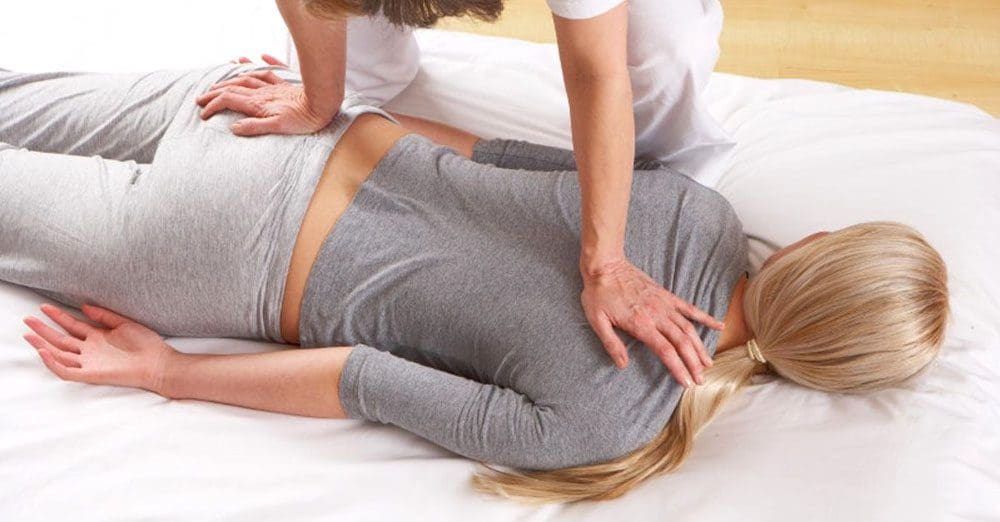
Your healthcare provider may recommend massage, chiropractic care, and acupuncture treatments.
If pain can’t be managed at home, your healthcare provider may suggest prescription medications, including muscle relaxers.
These can allow the tissue to heal and reduce your pain as well.
If you have severe sciatica or vertebrae that have slipped out of place, the healthcare team might recommend a steroid injection into the lower left back to reduce pain by reducing inflammation.
In addition to prescription treatments, your healthcare provider might recommend physical therapy to retrain movements, build strength, and help prevent back pain.
Sleep on a firm mattress that will support your back.
Get a comfortable, ergonomic chair for your job.
If you work on your feet, learn to practice healthy posture and use shoes and insoles to facilitate and maintain correct posture.
Once you’ve healed, building your core strength may help avoid lower back pain in the future.
Injury Medical Chiropractic and Functional Medicine Clinic
Talk with a healthcare provider and request a referral to a specialist who can help with long-term management. Injury Medical Chiropractic and Functional Medicine Clinic works with primary healthcare providers and specialists to build optimal health and wellness solutions. We focus on what works for you to relieve pain, restore function, prevent injury, and mitigate issues through adjustments that help the body realign itself. The clinic can also work with other medical professionals to integrate a treatment plan to resolve musculoskeletal problems.
Lower Back Pain Chiropractor Treatment
References
National Institute of Arthritis and Musculoskeletal and Skin Diseases. (2023). Back pain. Retrieved from https://www.niams.nih.gov/health-topics/back-pain
Penn Medicine, B. T., MD. (2020). 4 reasons you may have back pain on only one side. Penn Medicine. https://www.pennmedicine.org/updates/blogs/musculoskeletal-and-rheumatology/2017/november/back-pain-on-one-side
Cedars Sinai. (2024). Back pain during pregnancy. https://www.cedars-sinai.org/health-library/diseases-and-conditions/b/back-pain-during-pregnancy.html
Aguilar-Shea, A. L., Gallardo-Mayo, C., Sanz-González, R., & Paredes, I. (2022). Sciatica. Management for family physicians. Journal of family medicine and primary care, 11(8), 4174–4179. https://doi.org/10.4103/jfmpc.jfmpc_1061_21
Penn Medicine, V. G., MD. (2017). Back pain that won’t go away—even with surgery. Penn Medicine. https://www.pennmedicine.org/updates/blogs/musculoskeletal-and-rheumatology/2017/november/back-pain-that-wont-go-away
See, Q. Y., Tan, J. B., & Kumar, D. S. (2021). Acute low back pain: diagnosis and management. Singapore Medical Journal, 62(6), 271–275. https://doi.org/10.11622/smedj.2021086
Are individuals with high foot arches or participating in sports involving repetitive ankle motion at risk for developing peroneal tendon injuries?
Peroneal Tendon Injuries
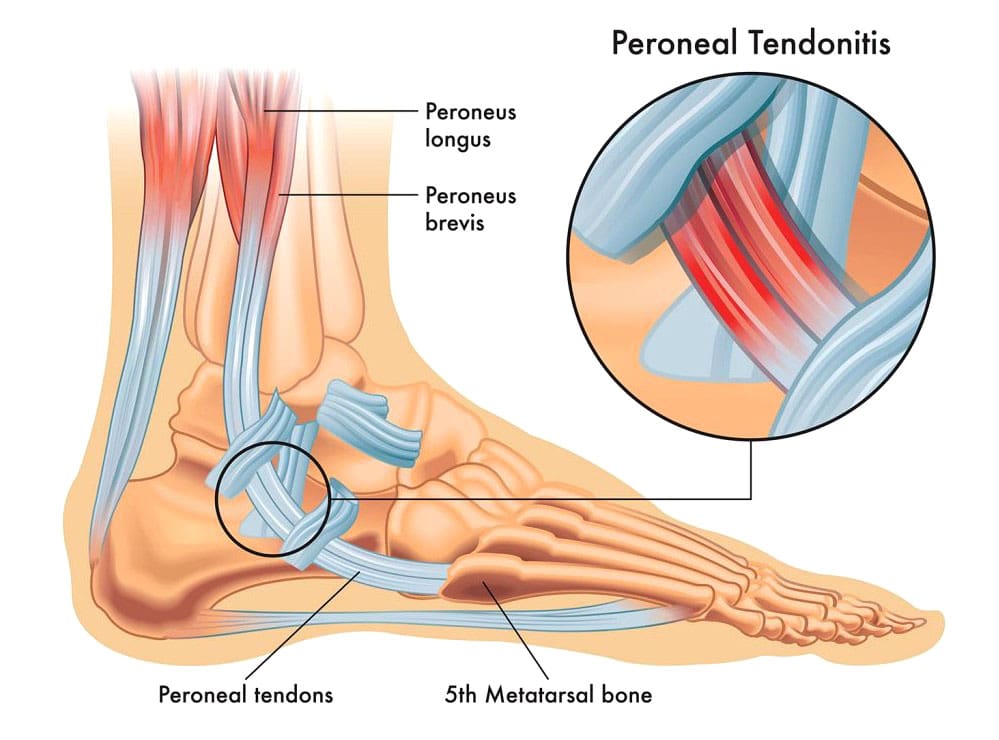
The peroneal tendons connect the muscles of the outer side of the lower leg to the foot. They may be acute—occurring suddenly—or chronic—developing over time. The basic types of peroneal tendon injuries are tendonitis, tears, and subluxation.
Anatomy and Function
The two major peroneal muscles (peroneus longus and peroneus brevis) are outside the lower leg, next to the calf muscles. The peroneal tendons run along the outer side of the ankle and attach to the foot, connecting these muscles to bone. They help stabilize the ankle joint, point the foot downward (plantarflexion), and turn the foot outward (eversion). In normal gait, the motion of the peroneal muscles is balanced by the muscles that invert the foot or rock the foot inward from the ankle. The two peroneal tendons sit one on top of the other right behind the fibula (the smaller lower leg bone). This closeness can contribute to problems with the peroneal tendons, as they rub together behind the ankle.
Tendonitis
The most common problem is inflammation or tendonitis. The tendons are usually inflamed just behind the fibula bone at the ankle joint. This part of the fibula is the bump on the outside of the ankle, and the peroneal tendons are located just behind that bony prominence. Tendonitis can either result from repetitive overuse or an acute injury. Common symptoms of tendonitis include:
Pain behind the ankle
Swelling over the peroneal tendons
Tenderness of the tendons
Pain usually worsens if the foot is pulled down and inwards, stretching the peroneal tendons.
Typical treatment of peroneal tendonitis is accomplished by:
Ice application
Applying ice to the area can help reduce swelling and control pain.
Rest
Resting is important to allow the tendon to heal.
A supportive device (walking boot or ankle brace) or crutches can help in severe cases.
Braces and boots provide support, reduce tendons’ stress, and allow rest and inflammation to subside.
Anti-inflammatory Medications
Motrin or Aleve are anti-inflammatory and can reduce the swelling around the tendon.
Physical Therapy
Physical therapy can help restore normal ankle joint mechanics, help with swelling and pain relief, and correct strength imbalances.
Cortisone Injections
Cortisone injections are low-risk if administered to the area around the tendon and not more often than every three months.
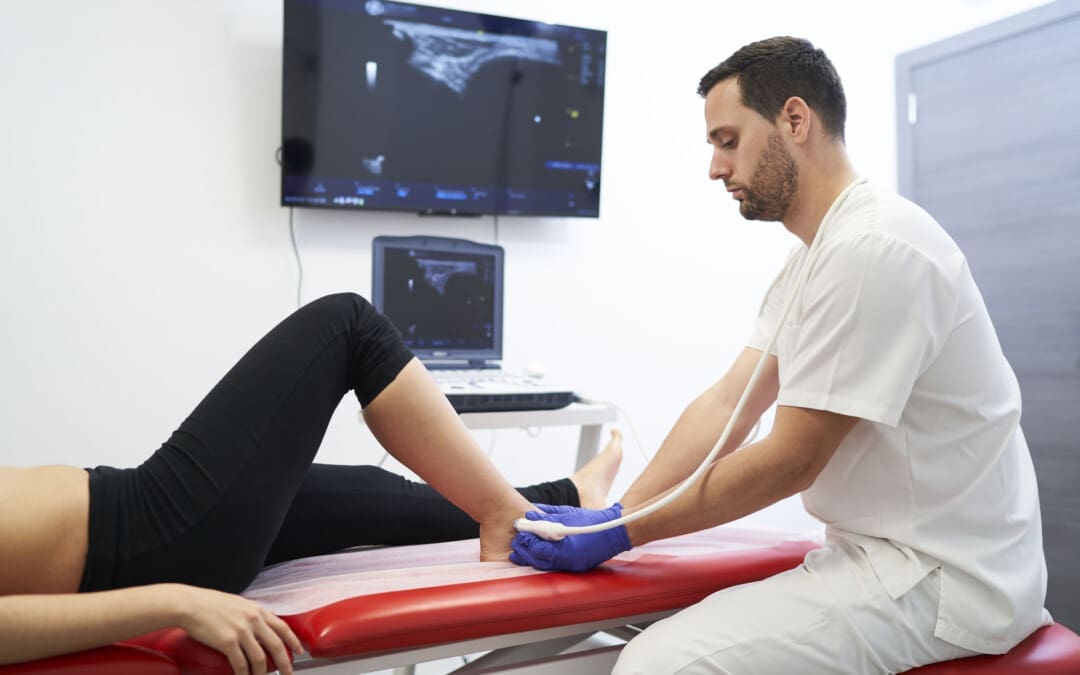
Ultrasound guidance can help ensure the medication is injected into the correct area. (Walt J. & Massey P. 2023)
Tendon Tears
Tears can occur and are more likely to happen in the peroneus brevis tendon. Tears are believed to be the result of two issues with the tendon. One is the blood supply. Tears of the peroneus brevis tendon almost always occur in the area where the blood supply and nutrition of the tendon are the poorest.
The second issue is the closeness between the two tendons, causing the peroneus brevis tendon to be wedged between the peroneus longus tendon and the bone. (Saxena A., & Bareither D. 2001) Tears of the peroneus brevis tendon are often treated with the same treatments for tendonitis. About half of the tears diagnosed by imaging are found to be asymptomatic. For individuals who don’t find lasting relief from symptoms, surgery may be necessary. Surgical options for peroneal tendon tears (Dombek M. F. et al., 2001)
Tendon Debridement and Repair
During a tendon debridement, the damaged tendon and the surrounding inflammatory tissue are removed.
The tear can be repaired, and the tendon can be tubularized to restore its normal shape.
Tenodesis
A tenodesis is a procedure where the damaged area of the tendon is sewn to the normal tendon.
In this case, the damaged segment of the peroneal tendon is removed, and the ends left behind are sewn to the adjacent remaining peroneal tendon.
Tenodesis is often recommended for tears involving more than 50% of the tendon. (Castilho R. S. et al., 2024)
Depending on the surgical procedure, Recovery after surgery can take several weeks of restricted weight-bearing and immobilization. Following immobilization, therapy can begin. Recovery is usually six to 12 weeks, depending on the surgery, but a full return to sports and activities may take several months. Risks of surgery include infection, stiffness, skin numbness near the incision, persistent swelling, and persistent pain.
Injury Medical Chiropractic and Functional Medicine Clinic
Injury Medical Chiropractic and Functional Medicine Clinic works with primary healthcare providers and specialists to build optimal health and wellness solutions. We focus on what works for you to relieve pain, restore function, prevent injury, and help mitigate issues through adjustments that help the body realign itself. They can also work with other medical professionals to integrate a treatment plan to resolve musculoskeletal problems.
The Difference of Using Custom Foot Orthotics
References
Walt, J., & Massey, P. (2025). Peroneal Tendon Syndromes. In StatPearls. https://www.ncbi.nlm.nih.gov/pubmed/31335074
Saxena, A., & Bareither, D. (2001). Magnetic resonance and cadaveric findings of the “watershed band” of the Achilles tendon. The Journal of foot and ankle surgery: official publication of the American College of Foot and Ankle Surgeons, 40(3), 132–136. https://doi.org/10.1016/s1067-2516(01)80078-8
Dombek, M. F., Orsini, R., Mendicino, R. W., & Saltrick, K. (2001). Peroneus brevis tendon tears. Clinics in podiatric medicine and surgery, 18(3), 409–427.
Castilho, R. S., Magalhães, J. M. B., Veríssimo, B. P. M., Perisano, C., Greco, T., & Zambelli, R. (2024). Minimally Invasive Peroneal Tenodesis Assisted by Peroneal Tendoscopy: Technique and Preliminary Results. Medicina (Kaunas, Lithuania), 60(1), 104. https://doi.org/10.3390/medicina60010104
For individuals with shoulder pain and problems, what are the stages of a frozen shoulder, how long do they last, and what can be done to relieve pain?
Frozen Shoulder Stages
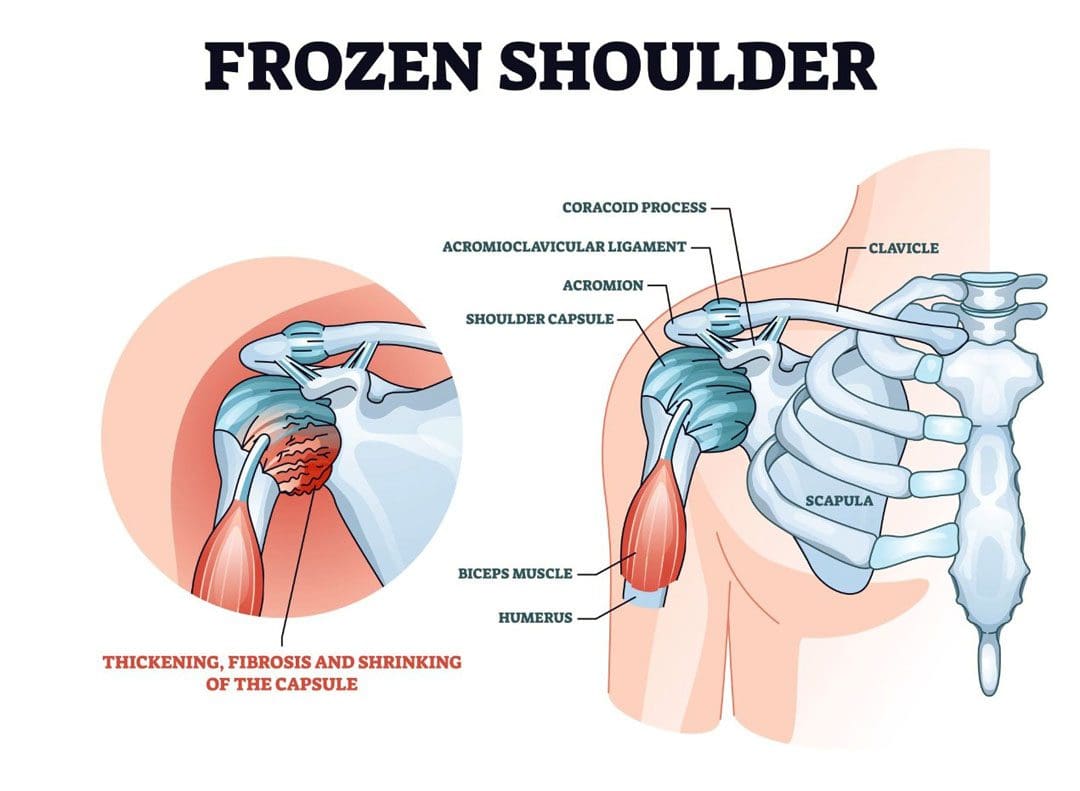
A frozen shoulder, also called adhesive capsulitis, is a very common cause of shoulder pain. It causes severe pain and limited mobility. The condition progresses through stages and can take up to two years to resolve completely. The stages of frozen shoulder include pre-freezing, freezing, freezing, and thawing.
Stage 1
Pre-Freezing – 1 month to 3 months
Pre-freezing describes the earliest stage of a frozen shoulder. This is when individuals first start to notice pain in their shoulder. (Soussahn, S. et al., 2024) Many in this stage will first experience the pain at night while changing sleeping positions. As the condition progresses, individuals may notice pain when they move their shoulders, especially when raising their arms or reaching behind them. Individuals may also find reduced mobility in that shoulder and may ache even when not using it. Because motion may be only slightly restricted in this stage, an early frozen shoulder can be mistaken for a rotator cuff problem. (Chan H. B. Y., Pua P. Y., & How C. H. 2017)
Root Cause
A frozen shoulder happens when there is inflammation in the tissue that surrounds the shoulder joint. Although the specific causes aren’t known, immobilization after an injury and other shoulder conditions, like bursitis, may play a role. (Johns Hopkins Medicine, 2025)
Stage 2
Freezing – 10 weeks to 8 months
The freezing stage is the most painful. The shoulder capsule becomes inflamed and can thicken and stiffen. As this happens, shoulder movements become increasingly difficult and painful. (Soussahn, S. et al., 2024)
Stage 3
Frozen – 4 months to 12 months
The third stage of a frozen shoulder is known as the frozen phase, where the shoulder is stiff. The examination finding confirming the frozen shoulder diagnosis is that neither the individual nor another person can move the shoulder. (UpToDate, 2024) With a rotator cuff issue, a patient cannot move their arm normally, but the healthcare provider can. This distinguishes between a frozen shoulder and a rotator cuff injury. The frozen stage is typically much less painful than freezing, but pain can result from simple activities. (Soussahn, S. et al., 2024) Rotation of the shoulder joint is limited, making activities like washing hair or reaching painful or difficult.
Stage 4
Thawing – 5 months to 2 years
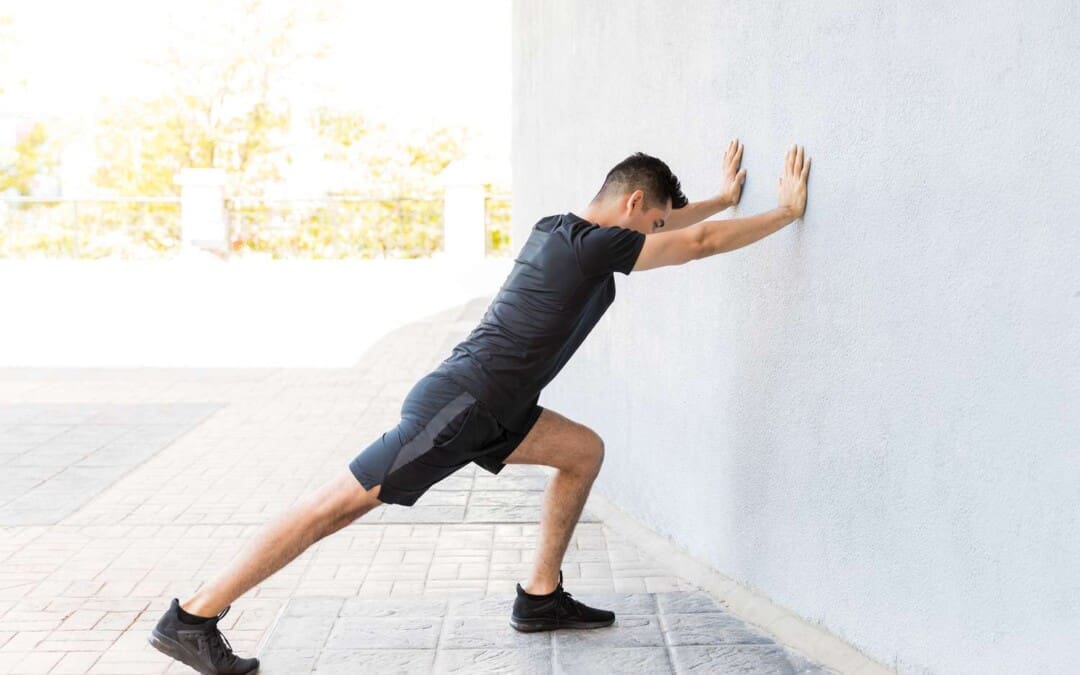
In this phase, the shoulder joint capsule becomes thickened and stiff but gradually loosens with time. (Soussahn, S. et al., 2024) Stretching the shoulder capsule, even allowing for some discomfort, is important to ensure the shoulder joint’s mobility continues to recover. Not having the extreme pain associated with freezing the joint and seeing gradual gains in mobility make this stage tolerable.
Treatment
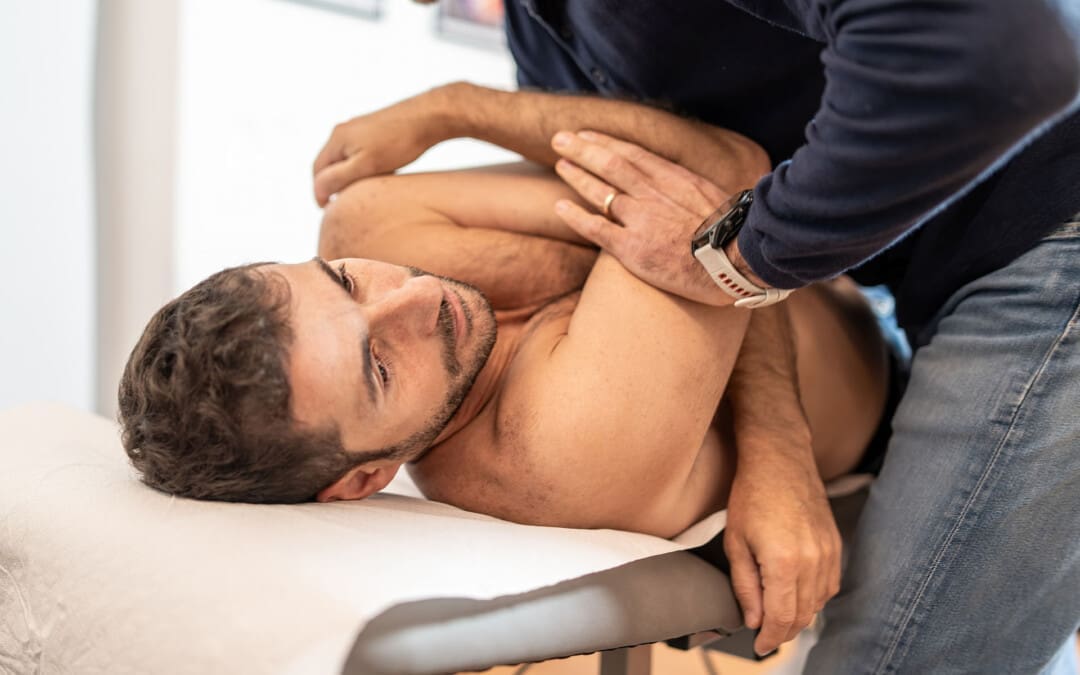
Frozen shoulder treatment starts with physical therapy and joint stretching. Anti-inflammatory medications, ice and heat application, and alternative therapies can all help manage the discomfort. A healthcare provider may also recommend a corticosteroid injection to reduce inflammation, relieve pain, and expedite improved mobility. Redler L. H. & Dennis E. R. 2019)
Surgery is seldom needed but is an option for treating a frozen shoulder. It is usually only considered if prolonged efforts at therapy have failed to improve symptoms. One of the problems is that surgery could worsen shoulder problems. (Le H. V., Lee S. J., Nazarian A., & Rodriguez E. K. 2017)
Prognosis
The timeline for recovery can be long, measured in months and possibly years. (Le H. V., Lee S. J., Nazarian A., & Rodriguez E. K. 2017) Expecting a quick recovery can cause more frustration. However, individuals can take steps to speed their recovery and reduce discomfort. Physical therapy can be beneficial, and a healthcare provider can suggest treatments to help alleviate pain while recovering. Over time, almost all patients will find complete relief and a normal or near-normal range of motion in their shoulder joints.
Injury Medical Chiropractic and Functional Medicine Clinic
Injury Medical Chiropractic and Functional Medicine Clinic works with primary healthcare providers and specialists to build optimal health and wellness solutions. We focus on what works for you to relieve pain, restore function, prevent injury, and help mitigate issues through adjustments that help the body realign itself. They can also work with other medical professionals to integrate a treatment plan to resolve musculoskeletal problems.
Motion Key To Healing
References
Soussahn, S., Hu, D., Durieux, J., Kosmas, C., & Faraji, N. (2024). Adhesive capsulitis: Utility of magnetic resonance imaging as a primary diagnostic tool and clinical management support. Current problems in diagnostic radiology, 53(4), 464–469. https://doi.org/10.1067/j.cpradiol.2024.03.005
Chan, H. B. Y., Pua, P. Y., & How, C. H. (2017). Physical therapy in the management of frozen shoulder. Singapore Medical Journal, 58(12), 685–689. https://doi.org/10.11622/smedj.2017107
UpToDate. (2024). Patient education: Frozen shoulder (beyond the basics). https://www.uptodate.com/contents/frozen-shoulder-beyond-the-basics
Redler, L. H., & Dennis, E. R. (2019). Treatment of Adhesive Capsulitis of the Shoulder. The Journal of the American Academy of Orthopaedic Surgeons, 27(12), e544–e554. https://doi.org/10.5435/JAAOS-D-17-00606
Le, H. V., Lee, S. J., Nazarian, A., & Rodriguez, E. K. (2017). Adhesive capsulitis of the shoulder: review of pathophysiology and current clinical treatments. Shoulder & elbow, 9(2), 75–84. https://doi.org/10.1177/1758573216676786
Can individuals dealing with sciatica incorporate nonsurgical treatments to reduce thigh pain and restore mobility in the legs and hips?
The Tensor Fascia Latae
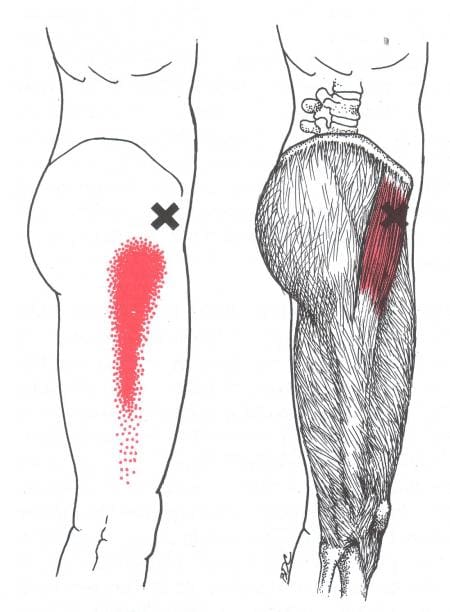
Do you feel stiffness or tightness in your legs, feet, and hips? Have you experienced walking crookedly when running errands? Or have you experienced radiating pain from your gluteal region down to your feet? The hips, thighs, and legs have numerous muscles, tissues, and ligaments surrounding the skeletal bone in the body’s lower extremities. These components allow the lower half of the body to stabilize the upper body’s weight and enable the individual to be mobile throughout the day. One muscle that works together is the tensor fasciae latae (TFL) muscle. The TFL muscle is part of the proximal anterolateral thigh between the deep fibers of the iliotibial (IT) band. It works with the gluteal muscles in various hip movements and assists with the knees. (Trammell et al., 2025) This muscle is poorly misunderstood as it helps with the hips and knee joint and pelvic stability. (Iyengar et al., 2022) At the same time, it has a casual relationship with the IT band.
The Iliotibial Band (ITB)
The iliotibial (IT) band is part of the lower extremities as it is a tough, fibrous fascial tissue that works together with the TFL muscle and has various functional roles that are dependent on posture and allows the individual to be mobile via walking, sprinting, and running. (Hutchinson et al., 2022) However, this muscle’s main function is knee flexion. When environmental factors affect the body, it can cause irritation and inflammation to the IT band, causing knee pain. (Martinez-Velez et al., 2020) When dealing with issues within their lower extremities, they affect the IT band, TFL muscle, and the thighs. Environmental factors can also affect the lower extremities as the surrounding muscles can aggravate the nerve roots, thus leading to sciatica pain. We associate with certified medical providers who inform our patients of how sciatica can negatively impact the lower extremities, especially the thighs. While asking important questions to our associated medical providers, we advise patients to integrate various non-invasive treatments to reduce sciatica and help regain mobility back to the lower body. Dr. Alex Jimenez, D.C., envisions this information as an academic service. Disclaimer.
Reclaim Your Mobility: Chiropractic Care For Sciatica Recovery-Video
Sciatica & Thigh Pain
When the general population hears about sciatica, it is a frequent diagnosis associated with low back pain, which causes discomfort within the lower extremities, especially in the thighs. Sciatica is a debilitating condition where the sciatic nerve is often compressed and irritated, causing pain. (Davis et al., 2025) Many influences cause sciatica to develop, and it can cause the individual to deal with a spinal imbalance, which correlates with walking incorrectly, causing the accessory muscles to work overtime and compressing the sciatic nerve, causing thigh pain. (Wang et al., 2022) With thigh pain correlating with sciatica, many symptoms can range from muscle weakness, absence of tendon reflexes to the knees, and sensory deficit. (Fairag et al., 2022) Luckily, treatments are available to reduce thigh pain associated with sciatica and regain mobility back to the lower extremities.
Treatments For Sciatica-Thigh Pain
When treating the lower extremities, especially when experiencing sciatica-thigh pain, many individuals with thigh pain associated with sciatica can incorporate non-invasive treatments to reduce the pain. Many athletic and non-athletic individuals can utilize PRICE (protection, rest, ice, compression, and elevation) to the affected muscles that can minimize the injuries causing pain. (Lempainen et al., 2022) This can help reduce the inflammatory effects causing issues to the thighs and lower extremities. Many non-surgical treatments like physio-exercise therapy, massages, stretching, and spinal stabilization therapies can improve core strength and posture and help with range of motion to relieve sciatica pain affecting the lower extremities. (Aguilar-Shea et al., 2022) Other non-surgical treatments like yoga, physical therapy, and chiropractic care can help improve joint and lower extremity motions, stretch and strengthen weak muscles surrounding the thighs, and relieve sciatic nerve pain. (Kim & Yim, 2020) When people start thinking about their bodies and how pain is affecting their quality of life, many can incorporate non-surgical treatments to reduce the pain associated with sciatica. Many people can make small positive changes in their routine by becoming more physically active, stretching more, eating healthier, and being more mindful of what they are doing, which can reduce the chances of sciatica returning and affecting the lower extremities. This can help them achieve a healthier, better life.
References
Aguilar-Shea, A. L., Gallardo-Mayo, C., Sanz-Gonzalez, R., & Paredes, I. (2022). Sciatica. Management for family physicians. J Family Med Prim Care, 11(8), 4174-4179. https://doi.org/10.4103/jfmpc.jfmpc_1061_21
Fairag, M., Kurdi, R., Alkathiry, A., Alghamdi, N., Alshehri, R., Alturkistany, F. O., Almutairi, A., Mansory, M., Alhamed, M., Alzahrani, A., & Alhazmi, A. (2022). Risk Factors, Prevention, and Primary and Secondary Management of Sciatica: An Updated Overview. Cureus, 14(11), e31405. https://doi.org/10.7759/cureus.31405
Hutchinson, L. A., Lichtwark, G. A., Willy, R. W., & Kelly, L. A. (2022). The Iliotibial Band: A Complex Structure with Versatile Functions. Sports Med, 52(5), 995-1008. https://doi.org/10.1007/s40279-021-01634-3
Iyengar, K. P., Azzopardi, C., Kiernan, G., & Botchu, R. (2022). Isolated pathologies of Tensor Fasciae Latae: Retrospective cohort analysis from a tertiary referral centre. J Clin Orthop Trauma, 29, 101870. https://doi.org/10.1016/j.jcot.2022.101870
Kim, B., & Yim, J. (2020). Core Stability and Hip Exercises Improve Physical Function and Activity in Patients with Non-Specific Low Back Pain: A Randomized Controlled Trial. Tohoku J Exp Med, 251(3), 193-206. https://doi.org/10.1620/tjem.251.193
Lempainen, L., Mecho, S., Valle, X., Mazzoni, S., Villalon, J., Freschi, M., Stefanini, L., Garcia-Romero-Perez, A., Burova, M., Pleshkov, P., Pruna, R., Pasta, G., & Kosola, J. (2022). Management of anterior thigh injuries in soccer players: practical guide. BMC Sports Sci Med Rehabil, 14(1), 41. https://doi.org/10.1186/s13102-022-00428-y
Can individuals incorporate these simple but effective exercise routines to reduce pain and discomfort in their spine and back?
Why It’s Important To Keep The Back Mobile
When many individuals are dealing with back pain from their upper, middle, and lower portions, it can put a halt to a person’s routine. When back pain becomes present, it causes the person to find a comfortable place like a couch or a bed and lie down. However, this can cause more issues than the original one, affecting the individual. Back pain is a common worldwide problem and is the leading issue of disability associated with a high socio-economic cost. (Chou, 2021) Additionally, when a person is dealing with back pain, they are also dealing with degenerative issues that are also affecting their spines, thus causing problems to their joints, discs, and bones. (Hauser et al., 2022) This is because back pain is a multifactorial musculoskeletal disorder that can cause referred pain to different body locations. So when a person dealing with back pain rests, it can become an issue as inflammation builds up and swelling in the affected areas. Hence, many doctors, chiropractors, physical therapists, and spine specialists recommend keeping mobile to allow blood flow and the body’s natural healing response to reduce pain and speed up recovery. Since back pain relief is challenging through visceral-somatic disturbances, it is important to find various treatment options to aid the person’s specific condition. As a person goes to get treatment for their back pain, it is important to note that the causes of their back pain can help determine which exercises can be most effective within their treatment plan. We associate with certified medical providers who inform our patients of the benefits of incorporating simple but effective exercises for their back pain. While asking important questions to our associated medical providers, we advise patients to integrate an exercise routine to reduce the chances of environmental factors causing back pain to return. Dr. Alex Jimenez, D.C., envisions this information as an academic service. Disclaimer.
Understanding Academic Low Back Pain- Video
Effective But Simple Exercises For The Back
Many people often wonder, “If I am dealing with back pain, why should I exercise to reduce this pain?” The answer is simple: since the affected back muscles are tight and weakened, simple but effective exercises can help recover. Exercise therapy can help increase muscle-joint strength in the body while improving muscle function and increasing range of motion. This boosts a speedy recovery and allows the individual to return to their usual activities. (Hayden et al., 2021) At the same time, with a customized treatment plan, exercise therapy can incorporate other non-surgical treatments with one goal: to restore normal musculoskeletal function and reduce the pain caused by environmental factors, diseases, or injuries. (Karlsson et al., 2020) Now, depending on the severity of the back pain, there are simple but effective exercises below to help reduce the pain and restore mobility to the back.
Physical Therapy & At-Home Workouts
Physical therapy and at-home exercises can help many individuals with back pain. They can help figure out which position can help centralize the pain and correct any restricted motions. Many physical therapists incorporate the McKenzie method to strengthen and support the spine while decreasing pain and inflammation. At-home exercises can be combined with a series designed to be practical, assessable, and feasible for therapeutic gain or even to improve physical capacity to maximum effort. (Quentin et al., 2021)
Water Exercises
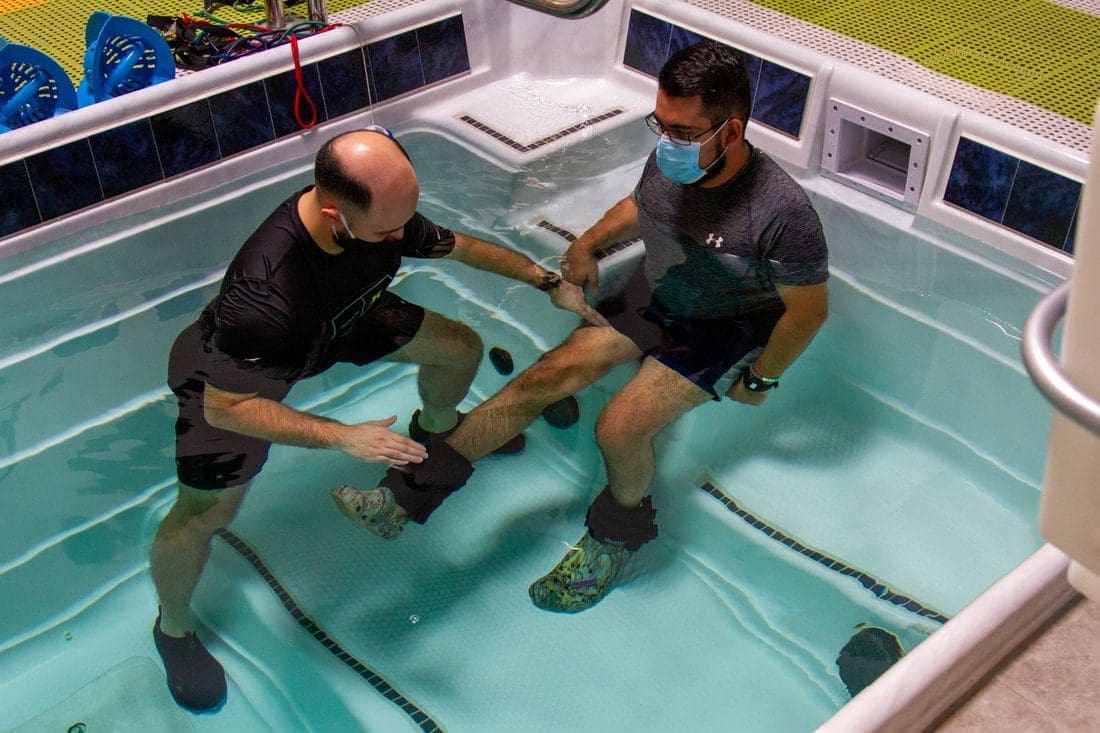
Water exercises are amazing exercises that can help lessen the body’s weight to take pressure and stress off the spine. This is because water is supposed to help cleanse and rejuvenate the body. When individuals are experiencing chronic back pain, aquatic physical therapy can help relieve pain intensity, relax the aching muscles, and even promote a positive workout experience for the individual. (Ma et al., 2022) After a few consecutive sessions, many individuals can see improvement in pain intensity and restored mobility function in their routines.
Tai Chi & Stabalizing Exercises
Now, another simple and effective exercise routine can help stabilize the surrounding muscles in the back and spine and become effective as part of a health and well-being routine. Tai chi and Qigong practices can help the individual emphasize stillness and controlled movements to promote calmness, resilience, body awareness, and relaxation for proper body alignment. (Yang et al., 2024) Tai chi and Qigong can also help support immune function in the body while regulating inflammation, which can help reduce and prevent diseases. (Oh et al., 2020) At the same time, yoga can help improve flexibility, mobility, and stability within the muscles and joints while also improving spinal alignment, which can help many individuals have proper posture. (Zhu et al., 2020) Depending on which exercise a person prefers for their treatment plan and to reduce their back pain; it is important to make these small changes to achieve optimal results. Making these small changes can help many individuals reduce the chances of their back pain returning and help them along with their health and wellness journey.
Hauser, R. A., Matias, D., Woznica, D., Rawlings, B., & Woldin, B. A. (2022). Lumbar instability as an etiology of low back pain and its treatment by prolotherapy: A review. J Back Musculoskelet Rehabil, 35(4), 701-712. https://doi.org/10.3233/BMR-210097
Hayden, J. A., Ellis, J., Ogilvie, R., Malmivaara, A., & van Tulder, M. W. (2021). Exercise therapy for chronic low back pain. Cochrane Database Syst Rev, 9(9), CD009790. https://doi.org/10.1002/14651858.CD009790.pub2
Karlsson, M., Bergenheim, A., Larsson, M. E. H., Nordeman, L., van Tulder, M., & Bernhardsson, S. (2020). Effects of exercise therapy in patients with acute low back pain: a systematic review of systematic reviews. Syst Rev, 9(1), 182. https://doi.org/10.1186/s13643-020-01412-8
Ma, J., Zhang, T., He, Y., Li, X., Chen, H., & Zhao, Q. (2022). Effect of aquatic physical therapy on chronic low back pain: a systematic review and meta-analysis. BMC Musculoskelet Disord, 23(1), 1050. https://doi.org/10.1186/s12891-022-05981-8
Oh, B., Bae, K., Lamoury, G., Eade, T., Boyle, F., Corless, B., Clarke, S., Yeung, A., Rosenthal, D., Schapira, L., & Back, M. (2020). The Effects of Tai Chi and Qigong on Immune Responses: A Systematic Review and Meta-Analysis. Medicines (Basel), 7(7). https://doi.org/10.3390/medicines7070039
Quentin, C., Bagheri, R., Ugbolue, U. C., Coudeyre, E., Pelissier, C., Descatha, A., Menini, T., Bouillon-Minois, J. B., & Dutheil, F. (2021). Effect of Home Exercise Training in Patients with Nonspecific Low-Back Pain: A Systematic Review and Meta-Analysis. Int J Environ Res Public Health, 18(16). https://doi.org/10.3390/ijerph18168430
Yang, Y., McCluskey, S., Bydon, M., Singh, J. R., Sheeler, R. D., Nathani, K. R., Krieger, A. C., Mehta, N. D., Weaver, J., Jia, L., DeCelle, S., Schlagal, R. C., Ayar, J., Abduljawad, S., Stovitz, S. D., Ganesh, R., Verkuilen, J., Knapp, K. A., Yang, L., & Hartl, R. (2024). A Tai chi and qigong mind-body program for low back pain: A virtually delivered randomized control trial. N Am Spine Soc J, 20, 100557. https://doi.org/10.1016/j.xnsj.2024.100557
Zhu, F., Zhang, M., Wang, D., Hong, Q., Zeng, C., & Chen, W. (2020). Yoga compared to non-exercise or physical therapy exercise on pain, disability, and quality of life for patients with chronic low back pain: A systematic review and meta-analysis of randomized controlled trials. PLOS ONE, 15(9), e0238544. https://doi.org/10.1371/journal.pone.0238544
IFM's Find A Practitioner tool is the largest referral network in Functional Medicine, created to help patients locate Functional Medicine practitioners anywhere in the world. IFM Certified Practitioners are listed first in the search results, given their extensive education in Functional Medicine