Is applying ice the best option for individuals who experience an acute back strain injury?
Temperature Treatment
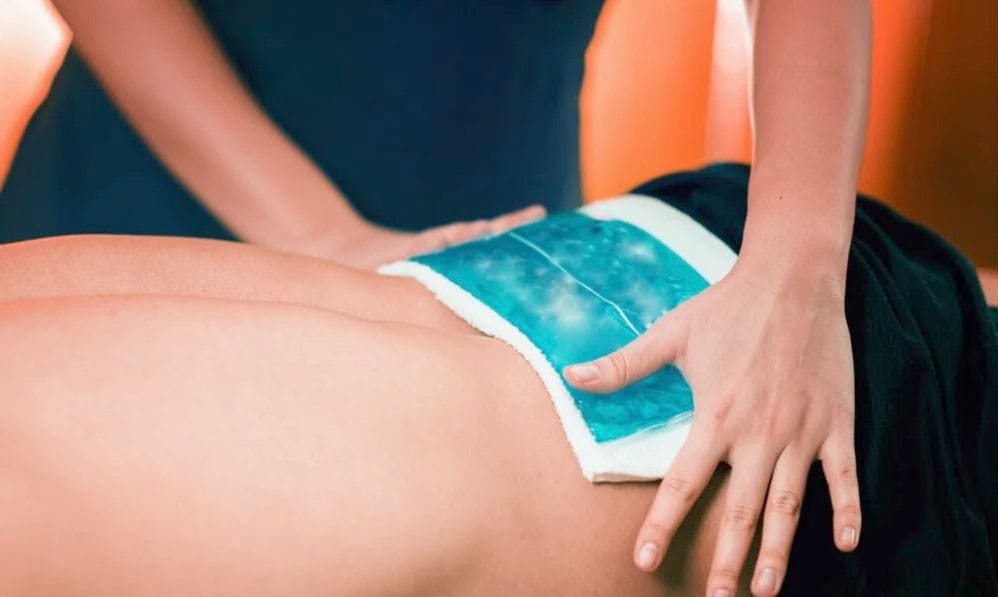
Ice temperature treatment, also known as cryotherapy or cold therapy, is a treatment that uses freezing temperatures to reduce pain and swelling. It can be applied in a variety of ways, including:
Ice packs:
Ice massage
Coolant sprays
Whirlpools
Ice baths
Ice is usually recommended for acute injuries and is a common and simple way to treat pain and swelling. Individuals can buy freezable gel packs or make their own with ice cubes in a plastic bag or towel. Heat therapy tends to be used more with chronic issues involving muscle spasms to increase blood circulation.
How Ice Relieves Pain and Reduces Inflammation
Ice temperature treatment works by:
Narrowing blood vessels slows blood circulation to the injured area and soft tissues and reduces swelling.
Reduced blood flow also helps control excessive swelling.
Ice has a short-term analgesic-numbing effect. The coldness numbs nerve endings, relieving pain symptoms.
Relieving the pain allows the muscles to relax.
Controlling blood circulation helps control pain by reducing the flow of irritating chemicals that can inundate the injury site. These chemicals are a natural and the correct response to inflammation, but the ice keeps them in check to help control pain.
After a Back Injury
For a back strain injury, ice and anti-inflammatory medication like NSAIDs are the first line of treatment during the inflammatory phase, which usually lasts 24 to 72 hours. Because heat can increase inflammation by increasing blood circulation, it is not recommended as an initial treatment. After the first few days, most doctors and pain specialists recommend using ice or heat, depending on the individual’s preference. While researchers continue to investigate the best ways to treat acute injuries, most doctors still recommend ice as the first line of defense for back injuries.
A review of studies evaluated 20 different treatment categories to learn about their safety and effectiveness. (McIntosh G. & Hall H. 2011) Treatments included over-the-counter pain medications, acupuncture, McKenzie exercises, other back exercises, and temperature treatments. Regarding temperature treatment, the review found moderate evidence that using a heat wrap 5 days after the injury could help relieve pain. However, there was not enough evidence to support the effectiveness of any of the temperature treatments, necessitating more research. (McIntosh G. & Hall H. 2011)
Physical Therapy and Activity
The review found that prolonged rest should be avoided, and gentle exercise and a progressive return to physical activity should be encouraged to achieve the best outcomes for pain relief and restoring function. Staying active significantly reduces time off from work and chronic disability for up to 1 year compared to traditional medical treatment. (McIntosh G. & Hall H. 2011) Research also found that introducing physical therapy early on could expedite recovery. Mobility work, targeted exercises, and strengthening exercises have been shown to relieve pain, reduce injury recurrence, and improve overall function. More research supports physical activity and exercise as effective treatment options for acute lower back strains. However, further research regarding temperature treatments is required. (French S. D. et al., 2006) (See Q. Y. et al., 2021)
Injury Medical Chiropractic and Functional Medicine Clinic
It is important to talk with a healthcare provider to determine the cause and extent of the injury to provide individualized patient education regarding treatment. This can include physical therapy, rest, health coaching, medication, and surgery, which may be recommended in certain cases. Overcoming these limitations is possible. Injury Medical Chiropractic and Functional Medicine Clinic works with primary healthcare providers and specialists to develop an optimal health and wellness solution. We focus on what works for you to relieve pain, restore function, prevent injury, and help mitigate the pain through spinal adjustments that help the body realign itself. They can also work with other medical professionals to integrate a treatment plan to resolve musculoskeletal issues.
Beyond the Surface: Understanding the Effects of Personal Injury
References
McIntosh, G., & Hall, H. (2011). Low back pain (acute). BMJ clinical evidence, 2011, 1102.
French, S. D., Cameron, M., Walker, B. F., Reggars, J. W., & Esterman, A. J. (2006). A Cochrane review of superficial heat or cold for low back pain. Spine, 31(9), 998–1006. https://doi.org/10.1097/01.brs.0000214881.10814.64
See, Q. Y., Tan, J. B., & Kumar, D. S. (2021). Acute low back pain: diagnosis and management. Singapore Medical Journal, 62(6), 271–275. https://doi.org/10.11622/smedj.2021086
Can individuals dealing with psoriatic arthritis find non-surgical treatments to reduce joint pain and improve skin health?
Introduction
The body is a complex machine with a communal relationship with the joints, organs, bones, muscles, and tissues, each of which has a specific function to ensure the host is alive. The brain is the main control system that gives each body’s systems, organs, muscles and joints a job. When environmental factors or pathogens enter the body, the immune system is the first one to defend the body and eliminate the pathogens to initiate the natural healing process. However, when the immune system is attacking the body constantly, over time, it can lead to autoimmunity and cause overlapping risk profiles in the body. This, in turn, can lead the development of chronic conditions and cause individuals pain and discomfort. In today’s article, we look at an autoimmune disorder known as psoriatic arthritis, its causes and symptoms, and how treatment can help reduce its pain like effects. We discuss with certified medical providers who inform our patients how psoriatic arthritis can affect the joints. While asking informed questions to our associated medical providers, we advise patients to incorporate various non-surgical treatments to reduce psoriatic arthritis symptoms and help manage joint pain that affects a person’s quality of life. Dr. Alex Jimenez, D.C., encompasses this information as an academic service. Disclaimer.
What Is Psoriatic Arthritis?
Do you experience swelling in your joints that causes pain and discomfort when moving? Do you feel your skin itchier and warmer than usual? Or have you noticed that everyday tasks are more difficult now than before? Many of these pain-like scenarios are associated with joint pain associated with an autoimmune or musculoskeletal condition. Since autoimmunity is developed when environmental factors cause the immune system to attack healthy cells, it can envoke pain and discomfort to the body. When a person is dealing with an autoimmune condition, it can impact not only the individual but also the rest of the body’s system. For instance, if a person is dealing with an autoimmune condition, they could be dealing with skin issues that can cause them to develop scaly, itchy, red skin patches known as psoriasis. If they have joint pain combined with psoriasis, it can develop into psoriatic arthritis. (Skornicki et al., 2021) Now psoriatic arthritis is a heterogeneous autoimmune condition with musculoskeletal involvement that can manifest various symptoms including inflammation and arthritis. (Hackett et al., 2022) This in turn causes many individuals to think they are dealing with rheumatoid factors.
Causes & Symptoms
As a multifactorial pathology, psoriatic arthritis causes care often influenced by a complex interplay of immunological, environmental, and genetic factors that cause its development. (Zalesak et al., 2024) When the immune system starts to attack the healthy cells in the body, the inflammatory cytokines can become haywire and attack the “problem,” causing the development of autoimmunity. Within this integration, some of the causes can include predisposing genetic backgrounds with the presence of environmental factors that can activate the innate immune system precipitate the onset of psoriatic arthritis. (Azuaga et al., 2023) Some of the symptoms can many individuals with psoriatic arthritis can include:
Tendon tenderness
Joint pain
Stiffness
Fatigue
Joint swelling
Skin rash
Musculoskeletal pain
However, there are ways to manage psoriatic arthritis, reduce joint pain from affecting a person, and help them manage the symptoms.
Arthritis Explained-Video
Treatments For Psoriatic Arthritis
When it comes to treating psoriatic arthritis, healthcare professionals need to develop therapeutic options to educate the individual and develop a treatment plan that can include conventional therapies and non-pharmacological therapies that are affordable and customized with the individual’s condition. (Ogdie et al., 2020) Since psoriatic arthritis is a complex inflammatory musculoskeletal condition and skin disease, individuals must try to find ways to reduce the inflammatory effects of causing more joint issues. Non-surgical treatments like chiropractic care, physical therapy, and diet changes can help mitigate the burden of psoriatic arthritis by reducing the complications and the socio-economic impact. (McGonagle et al., 2022)
Another way individuals can reduce the inflammatory effects of psoriatic arthritis is by consuming anti-inflammatory foods to dampen the inflammatory cytokines attacking the joints and going to physical therapy sessions like water aerobics to help stabilize the joints and help people be more mindful about their bodies. Since psoriatic arthritis can be managed through non-surgical therapy, low-weight bearing exercise regimes and incorporating anti-inflammatory foods to reduce inflammation can help people minimize psoriatic arthritis symptoms from impacting their health and wellness journey.
References
Azuaga, A. B., Ramirez, J., & Canete, J. D. (2023). Psoriatic Arthritis: Pathogenesis and Targeted Therapies. Int J Mol Sci, 24(5). https://doi.org/10.3390/ijms24054901
Hackett, S., Ogdie, A., & Coates, L. C. (2022). Psoriatic arthritis: prospects for the future. Ther Adv Musculoskelet Dis, 14, 1759720X221086710. https://doi.org/10.1177/1759720X221086710
McGonagle, D. G., Zabotti, A., Watad, A., Bridgewood, C., De Marco, G., Kerschbaumer, A., & Aletaha, D. (2022). Intercepting psoriatic arthritis in patients with psoriasis: buy one get one free? Ann Rheum Dis, 81(1), 7-10. https://doi.org/10.1136/annrheumdis-2021-221255
Ogdie, A., Coates, L. C., & Gladman, D. D. (2020). Treatment guidelines in psoriatic arthritis. Rheumatology (Oxford), 59(Suppl 1), i37-i46. https://doi.org/10.1093/rheumatology/kez383
Skornicki, M., Prince, P., Suruki, R., Lee, E., & Louder, A. (2021). Clinical Burden of Concomitant Joint Disease in Psoriasis: A US-Linked Claims and Electronic Health Records Database Analysis. Adv Ther, 38(5), 2458-2471. https://doi.org/10.1007/s12325-021-01698-7
Zalesak, M., Danisovic, L., & Harsanyi, S. (2024). Psoriasis and Psoriatic Arthritis-Associated Genes, Cytokines, and Human Leukocyte Antigens. Medicina (Kaunas, Lithuania), 60(5). https://doi.org/10.3390/medicina60050815
Can individuals relieve back pain by incorporating core strength training to reduce pain and discomfort in their lower backs?
Introduction
Many individuals worldwide have dealt with back issues that make it difficult to complete any task that they are doing. Many often feel pain and discomfort radiating from the three sections of the back and can radiate from the neck, shoulders, and hips. When these areas of the musculoskeletal system are being affected, it can lead to a life of pain and chronic conditions that cause overlapping risk profiles. At the same time, some causes of back pain often correlate with environmental factors and weak core muscles. When a person is dealing with weak core muscles, they will experience instability and pain when they are mobile, leading to back pain. In today’s article, we look at what the core muscles are, how they are connected to back pain, and how strengthening them can reduce the effects of back pain. We discuss with certified medical providers who inform our patients how strengthening the core muscles can reduce back pain. While asking informed questions to our associated medical providers, we advise patients to incorporate various core strengthening exercises to prevent overlapping risk profiles correlated with back pain. Dr. Alex Jimenez, D.C., encompasses this information as an academic service. Disclaimer.
What Are The Core Muscles?
Do you feel a constant ache or pain in your back after lifting or carrying objects in a hunched position? Do you experience muscle weakness in your torso that you can’t stay in a plank position for a few seconds? Or do you experience radiating pain from your lower back to your leg? The core muscles are a group of muscles wrapped around the torso like a support belt that helps with stability, balance, and protecting the lumbar from injuries. The core muscles are found in the lower body’s front, back, and sides. At the same time, the core muscles can help generate intrabdominal pressure while moving the vertebral column. (Flynn & Vickerton, 2024) In the core muscles, the transverse abdominis muscle or the seatbelt muscle. This muscle works with the inspiratory muscles through elastic loading to evoke transversus expiratory activity when breathing and functioning in motion. (De Troyer et al., 1990)
Core Muscles & Back Pain
The core muscles, especially the transverse abdominis muscles, are often overlooked as many individuals frequently deal with numerous factors that cause low back pain. Common core muscles are associated with back pain because environmental factors can neglect the transverse abdominis muscles. Fatigue in the core muscles can cause repetitive asymmetric loading on the spine, which enhances susceptibility to back pain and other injuries. (Zemkova & Zapletalova, 2021) Since back pain is a multifactorial condition that is one of the leading causes of hospital visits and socio-economic issues, many individuals start to neglect the core muscles over time, causing them to be weak. Some symptoms correlated with weak core muscles include:
When this happens, many people start looking for treatment to reduce their back pain and help strengthen their core muscles.
Discover The Benefits Of Chiropractic Care- Video
Strengthening Core Muscles
Before people reduce their back pain and return to their daily routine, they would have to be assessed by a pain specialist like a chiropractor to assess fully what environmental factors are causing the back pain. After the assessment, a chiropractor can work with a physical therapist to reduce back pain and strengthen the core muscles to prevent back pain from returning. When it comes to core strengthening exercises, they focus on either the deep or superficial muscles of the torso, which might produce different effects on lumbar motion. (Puntumetakul et al., 2021) Additionally, core stability exercises can reduce pain in the back and disability reduction and improve a person’s quality of life. (Kanwal et al., 2021) Engaging the muscles through core strengthening exercises can help achieve optimal strength with twisting and side-bending movements to reduce back pain.
Pay Attention To Engaged Core Muscles
However, individuals need to pay attention to engaging their core muscles while maintaining a neutral spine position for stability and preventing back pain. (Cigdem Karacay et al., 2022) This allows individuals to be consistent with strengthening their core and to commit to short workouts incorporated as part of not only their routine but also as part of their customized treatment plan. When it comes to reducing back pain, it is important to ensure that the core muscles are engaged to help build strength and stability, decrease back pain, and improve functionality. When people start strengthening their core muscles, they will be able to be more mindful about how to present themselves and live healthier lives.
References
Cigdem Karacay, B., Sahbaz, T., Gurtekin, B., Yildiz, S., & Ozcan, E. (2022). Effectiveness of whole-body vibration exercise and core stabilization exercise in chronic non-specific low back pain: A randomized-controlled study. Turk J Phys Med Rehabil, 68(2), 184-194. https://doi.org/10.5606/tftrd.2022.7060
De Troyer, A., Estenne, M., Ninane, V., Van Gansbeke, D., & Gorini, M. (1990). Transversus abdominis muscle function in humans. J Appl Physiol (1985), 68(3), 1010-1016. https://doi.org/10.1152/jappl.1990.68.3.1010
Kanwal, S., Yaqoob, I., Shakil-Ur-Rehman, S., Ghous, M., Ghazal, J., & Namroz, N. (2021). Effects of core muscle stability on low back pain and quality of life in post-menopausal women: A comparative study. J Pak Med Assoc, 71(1(A)), 37-40. https://doi.org/10.47391/JPMA.151
Puntumetakul, R., Saiklang, P., Tapanya, W., Chatprem, T., Kanpittaya, J., Arayawichanon, P., & Boucaut, R. (2021). The Effects of Core Stabilization Exercise with the Abdominal Drawing-in Maneuver Technique versus General Strengthening Exercise on Lumbar Segmental Motion in Patients with Clinical Lumbar Instability: A Randomized Controlled Trial with 12-Month Follow-Up. Int J Environ Res Public Health, 18(15). https://doi.org/10.3390/ijerph18157811
Wattananon, P., Sinsurin, K., & Somprasong, S. (2020). Association between lumbopelvic motion and muscle activation in patients with non-specific low back pain during forward bending task: A cross-sectional study. Hong Kong Physiother J, 40(1), 29-37. https://doi.org/10.1142/S1013702520500043
Zemkova, E., & Zapletalova, L. (2021). Back Problems: Pros and Cons of Core Strengthening Exercises as a Part of Athlete Training. Int J Environ Res Public Health, 18(10). https://doi.org/10.3390/ijerph18105400
Can individuals with nerve injuries incorporate non-surgical treatments to reduce pain sensations and restore motor function to their bodies?
Introduction
The human body is a complex machine of nerves, bones, organs, tissues, and muscles that help the individual be mobile, flexible, and stable during various activities without pain and discomfort. However, when numerous factors start to hurt the body, it can lead to multiple overlapping risk profiles that can affect the body’s extremities and nerve injuries. Dealing with nerve injuries can lead to referred pain in the musculoskeletal system, and many people think it is muscle pain instead of nerve injury. When that happens, many individuals will begin to seek treatment to reduce not only the symptoms of nerve injuries but also reduce the pain associated with the nerves. In today’s article, we will look at what causes nerve injuries and how non-surgical treatments like chiropractic care and acupuncture can help with reducing the overlapping symptoms of nerve injuries and provide relief to the body. We discuss with certified medical providers who inform our patients about how nerve injuries can impact the musculoskeletal system. While asking informed questions to our associated medical providers, we advise patients to incorporate non-surgical treatments like chiropractic care and acupuncture to restore motor function to the body. Dr. Alex Jimenez, D.C., encompasses this information as an academic service. Disclaimer.
What Causes Nerve Injuries?
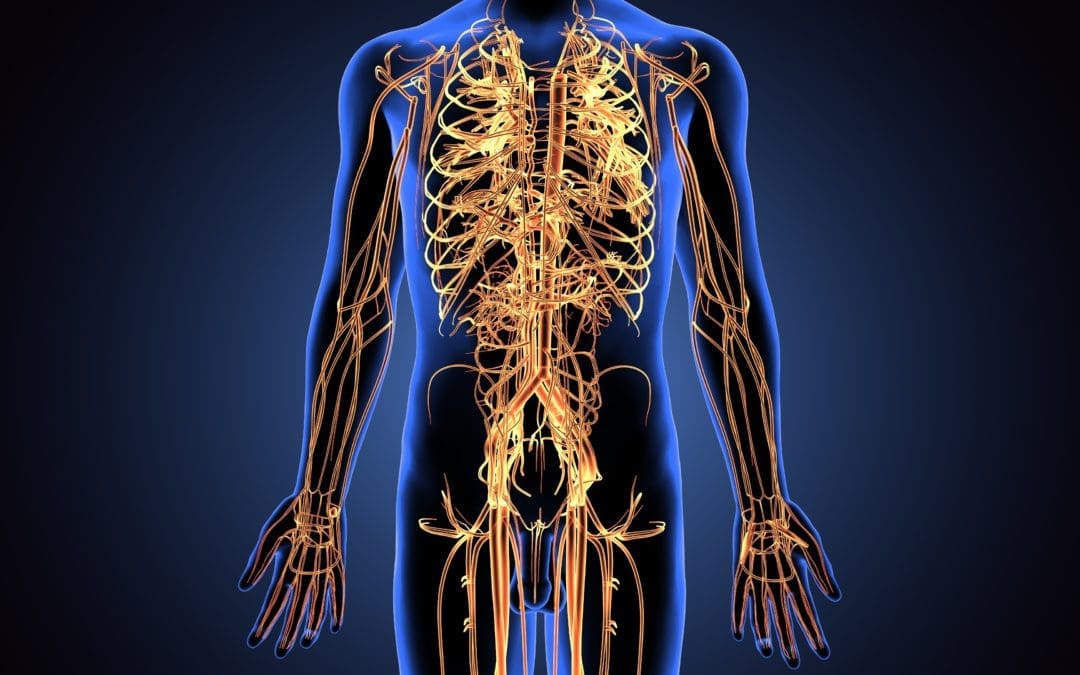
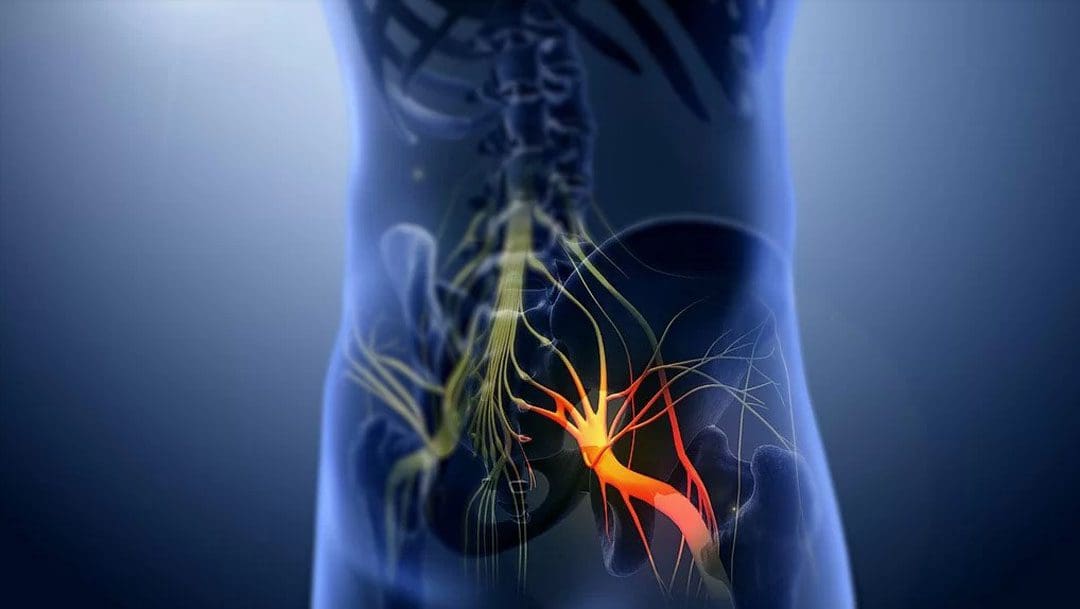
Do you constantly feel tingling or numbness in your legs, arms, feet, and hands? Do your muscles feel so weak that holding objects seems difficult? Or do you feel pain in your extremities, making it difficult to do everyday tasks? The body has trillions of nerves that branch out from the central nervous system and are intertwined with the muscles, tissues, and organs for motor-sensory function. Traumatic injuries, accidents, and normal environmental factors impact the nerves and cause overlapping risk profiles. More often than not, many individuals deal with non-mechanical and mechanical nerve injuries that can occur to the body. With nerve injuries, many individuals can feel various symptoms depending on the severity. Neuropraxia, a moderate form of nerve injury, causes nerve compression in the upper and lower extremities that causes motor dysfunction. (Carballo Cuello & De Jesus, 2024)
Additionally, neuropraxia can lead to functional impairment to the motor-sensory dysfunction that disrupts the peripheral nervous system, signaling this blocks nerve conduction and transient weakness or paresthesia. (Biso & Munakomi, 2024) When this happens, many individuals dealing with peripheral nerve injury that is associated with neuropraxia can experience structural and functional impairment to the sensory-motor skills in the extremities, which leads to physical disability and neuropathic pain, thus affecting a person’s quality of life. (Lopes et al., 2022) Many individuals dealing with nerve injuries can have various recovery periods depending on the severity. Many people often think they are dealing with musculoskeletal pain in their neck, shoulders, back, and extremities, but it is associated with nerve injury. When this happens, many individuals can seek out treatment to reduce the pain-like symptoms from nerve injuries.
Is Motion The Key To Healing?- Video
Non-Surgical Treatments For Nerve Injuries
When it comes to treating nerve injuries, it depends on the severity of the symptoms they cause. Surgical options are recommended to restore motor-sensory function if severe mechanical factors cause nerve injury. However, many individuals will opt out of surgical treatments due to their high cost and will often take over-the-counter medication to ease the pain. However, if the nerve injury is non-mechanical, many individuals can seek non-surgical treatments to reduce the nerve injury affecting the musculoskeletal system. Many non-surgical treatments are preferable to many people because they are cost-effective and can ultimately enhance a person’s care and improve their recovery outcome. (El Melhat et al., 2024) Non-surgical treatments can come in many forms, from chiropractic care to acupuncture, to help reduce the effects of non-mechanical nerve injuries and help restore the sensory-motor function of the musculoskeletal system.
Chiropractic Care
Chiropractic care is one of the many non-surgical therapies that use mechanical and manual manipulation of the spine to realign the body and help restore the sensory-motor function to the extremities. With nerve injuries, chiropractic care can help with neural mobilization to release trapped nerves in the affected muscle areas, thus reducing pain-like symptoms of tingling sensations. (Jefferson-Falardeau & Houle, 2019) Additionally, chiropractic care can help increase ROM (range of motion) in the extremities and reduce numbing and tingling sensations.
Acupuncture
Acupuncture is another non-surgical treatment that can also help reduce non-mechanical nerve injuries to the body. When a professional acupuncturist uses small, thin needles at different pressure points to rewire the neuron signaling and restore the body’s energy flow, acupuncture can help improve the clinical efficacy of nerve pain intensity and help enhance the person’s quality of life. (Li et al., 2023) Additionally, acupuncture can help improve nerve injury’s emotional and cognitive function and can be combined with other non-surgical treatments. (Jang et al., 2021) When it comes to reducing pain-like symptoms correlated with nerve injury, non-surgical treatments can provide the relief many individuals seek and lead to a happier, healthier life.
El Melhat, A. M., Youssef, A. S. A., Zebdawi, M. R., Hafez, M. A., Khalil, L. H., & Harrison, D. E. (2024). Non-Surgical Approaches to the Management of Lumbar Disc Herniation Associated with Radiculopathy: A Narrative Review. J Clin Med, 13(4). https://doi.org/10.3390/jcm13040974
Jang, J. H., Song, E. M., Do, Y. H., Ahn, S., Oh, J. Y., Hwang, T. Y., Ryu, Y., Jeon, S., Song, M. Y., & Park, H. J. (2021). Acupuncture alleviates chronic pain and comorbid conditions in a mouse model of neuropathic pain: the involvement of DNA methylation in the prefrontal cortex. Pain, 162(2), 514-530. https://doi.org/10.1097/j.pain.0000000000002031
Jefferson-Falardeau, J., & Houle, S. (2019). Chiropractic Management of a Patient With Radial Nerve Entrapment Symptoms: A Case Study. J Chiropr Med, 18(4), 327-334. https://doi.org/10.1016/j.jcm.2019.07.003
Li, X., Liu, Y., Jing, Z., Fan, B., Pan, W., Mao, S., & Han, Y. (2023). Effects of acupuncture therapy in diabetic neuropathic pain: A systematic review and meta-analysis. Complement Ther Med, 78, 102992. https://doi.org/10.1016/j.ctim.2023.102992
Lopes, B., Sousa, P., Alvites, R., Branquinho, M., Sousa, A. C., Mendonca, C., Atayde, L. M., Luis, A. L., Varejao, A. S. P., & Mauricio, A. C. (2022). Peripheral Nerve Injury Treatments and Advances: One Health Perspective. Int J Mol Sci, 23(2). https://doi.org/10.3390/ijms23020918
Can individuals with body pain incorporate Pilates to reduce general aches and pains while strengthening muscles in the body?
Introduction
Environmental factors like poor posture, improper steps, mechanical overload, physical inactivity, and poor dieting can affect a person’s health and wellness, leading to body pains in the neck, shoulders, and back. When this happens, the surrounding muscles become weak and overstretched over time, causing pain and discomfort in different body areas. However, many individuals thinking about their health and wellness can seek various treatment options to reduce the pain and discomfort in their bodies and help improve their muscle strength. Today’s article looks at how body pain can affect posture, what Pilates is, how this exercise regime can be incorporated for body pain, and its benefits. We talk with certified associated medical providers who inform our patients about how incorporating Pilates can reduce body pain. While asking associated medical providers intricate questions, we advise patients to incorporate Pilates as part of their routine and how it can improve their muscle strength. Dr. Alex Jimenez, D.C., includes this information as an academic service. Disclaimer.
How Body Pain Can Affect Posture
Do you experience stiffness or general aches and pains in different muscle areas? Do you often feel constantly tired throughout the entire day? Or do you notice your posture worsening after looking at a computer or phone screen? Many of these environmental factors can lead to pain and discomfort in the body, which then can cause issues that many individuals will tend to ignore until it becomes too much. For instance, environmental factors like obesity are commonly associated with musculoskeletal problems and incorrect body posture, which can be represented as a causal factor for impairment to the body. (Calcaterra et al., 2022) This is because many individuals don’t realize that improper posture can be associated with body pain and, if not corrected, can lead to overlapping risk factors in the musculoskeletal system. Hence, many individuals start seeking treatments to improve postural alignment, but it can also be used to prevent and treat musculoskeletal pain. (Matsutani et al., 2023)
The Non-Surgical Approach To Wellness- Video
What Is Pilates?
While many people seek treatment for their body pain and improve muscle strength, many have started exercising to reduce the stress and discomfort caused by body pains associated with the musculoskeletal system. Since everyone knows that exercising is excellent for health and wellness, it can also help make the body healthier. Many individuals looking for an exercise routine have various options, including Pilates.
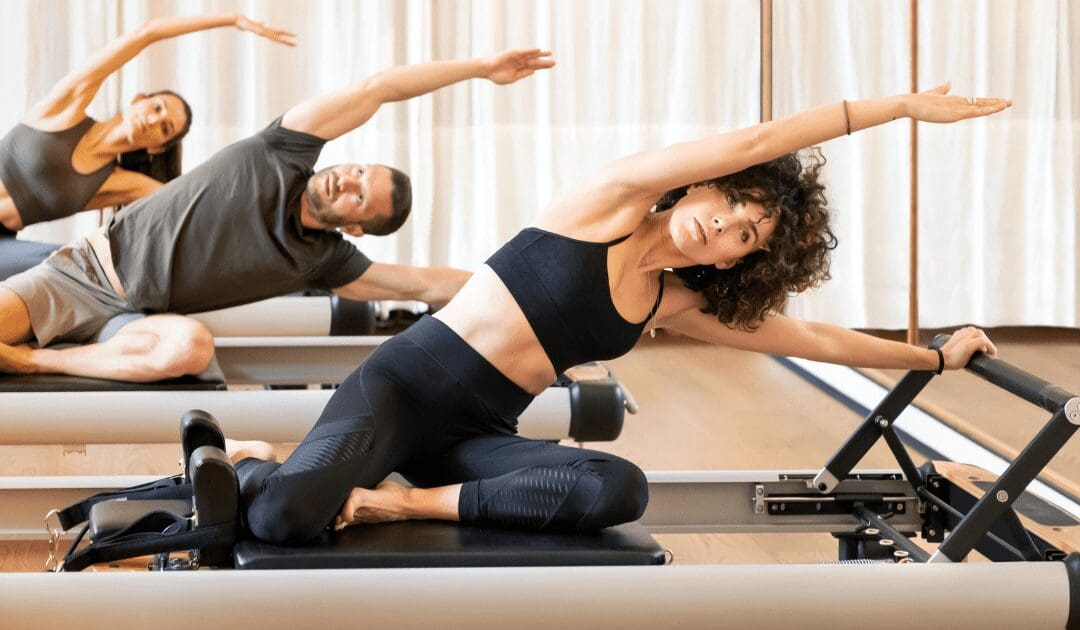
Developed in the early 20th century, Joseph Pilates created a system of exercises primarily focused on controlled muscle movement, stretching, and breathing known as Pilates. It has become popular later in the years not only as a physical fitness routine but also as a rehabilitation program. (Byrnes et al., 2018) Pilates uses a combination of repetitive exercises to create muscular exertion and is designed to increase muscle strength and endurance, enhance flexibility, and improve posture and balance. (Kloubec, 2011)
How Is It Incorporated For Body Pain?
While many people are dealing with body pain, some may wonder how Pilates is incorporated into a health and wellness treatment plan. Well, when environmental factors like poor posture and body pain associated with the musculoskeletal system start to cause pain and discomfort to the body. At the same time, that pain and discomfort, if not treated, will also affect the spine’s alignment, causing more musculoskeletal problems. (Shadi et al., 2024) Additionally, Pilates can be combined with non-surgical treatments like chiropractic care to help improve musculoskeletal pain and restore a person’s strength, flexibility, and mobility. This, in turn, promotes mindfulness and a faster recovery. Many individuals will begin to notice that combining a therapeutic exercise method like Pilates and non-surgical treatments can allow the individual to be pain-free and experience additional benefits. This will enable people to understand the impact of stretching exercises caused by Pilates on the components of musculoskeletal fitness aimed at rehabilitation or physical conditioning. (Dos Reis et al., 2024)
The Benefits Of Pilates
Many people will notice how Pilates can help their bodies through these benefits. This includes:
Adapting Pilates to your fitness level and needs: Anyone can start Pilates at any fitness level and go at their own pace.
Core strength increases: Pilates can help strengthen the core muscles, which correlates to improved posture and a strong body.
Strengthening muscles: Pilates can help strengthen and elongate muscles to help individuals look toned.
Natural energy booster: Like many exercise routines, Pilates can give people an energy boost through focus breathing. This increases circulation, stimulating the muscles and spine.
Utilizing Pilates for rehabilitation combined with non-surgical treatment can allow individuals to be more mindful of their bodies and to make tiny changes in their routines. This allows the chances of pain and discomfort from returning, allowing individuals to have a healthier lifestyle.
References
Byrnes, K., Wu, P. J., & Whillier, S. (2018). Is Pilates an effective rehabilitation tool? A systematic review. J Bodyw Mov Ther, 22(1), 192-202. https://doi.org/10.1016/j.jbmt.2017.04.008
Calcaterra, V., Marin, L., Vandoni, M., Rossi, V., Pirazzi, A., Grazi, R., Patane, P., Silvestro, G. S., Carnevale Pellino, V., Albanese, I., Fabiano, V., Febbi, M., Silvestri, D., & Zuccotti, G. (2022). Childhood Obesity and Incorrect Body Posture: Impact on Physical Activity and the Therapeutic Role of Exercise. Int J Environ Res Public Health, 19(24). https://doi.org/10.3390/ijerph192416728
Dos Reis, A. L., de Oliveira, L. C., & de Oliveira, R. G. (2024). Effects of stretching in a pilates program on musculoskeletal fitness: a randomized clinical trial. BMC Sports Sci Med Rehabil, 16(1), 11. https://doi.org/10.1186/s13102-024-00808-6
Matsutani, L. A., Sousa do Espirito Santo, A., Ciscato, M., Yuan, S. L. K., & Marques, A. P. (2023). Global posture reeducation compared with segmental muscle stretching exercises in the treatment of fibromyalgia: a randomized controlled trial. Trials, 24(1), 384. https://doi.org/10.1186/s13063-023-07422-w
Shadi, N., Khalaghi, K., & Seyedahmadi, M. (2024). Comparing the effects of Pilates, corrective exercises, and Alexander’s technique on upper cross syndrome among adolescent girls student (ages 13-16): a six-week study. BMC Sports Sci Med Rehabil, 16(1), 143. https://doi.org/10.1186/s13102-024-00933-2
Can individuals incorporate ways to increase their vitamin C levels to boost their immune system against cold and flu season?
Introduction
When it comes to the cold and flu season, the weather gets colder, and the immune system will flare up as numerous pathogens enter the body. Many individuals will begin to notice their bodies aching and deal with congestion and upper respiratory symptoms. This is due to viral infections that compromise the immune system and cause individuals to be sick. However, numerous ways exist to combat cold and flu season while boosting their immune system by increasing their vitamin C levels. Today’s article looks at how the immune system and pain correlate, how healthy nutrition relates to the immune system, and how people can naturally increase their vitamin C levels to fight cold and flu season. We talk with certified associated medical providers who inform our patients about how the immune system can be impacted by various pathogens that cause overlapping risk profiles associated with pain. While asking their associated medical provider intricate questions, we advise patients to incorporate ways to increase their vitamin C intake to boost the immune system and prevent cold and flu season from impacting the body. Dr. Alex Jimenez, D.C., includes this information as an academic service. Disclaimer.
The Immune System & Pain
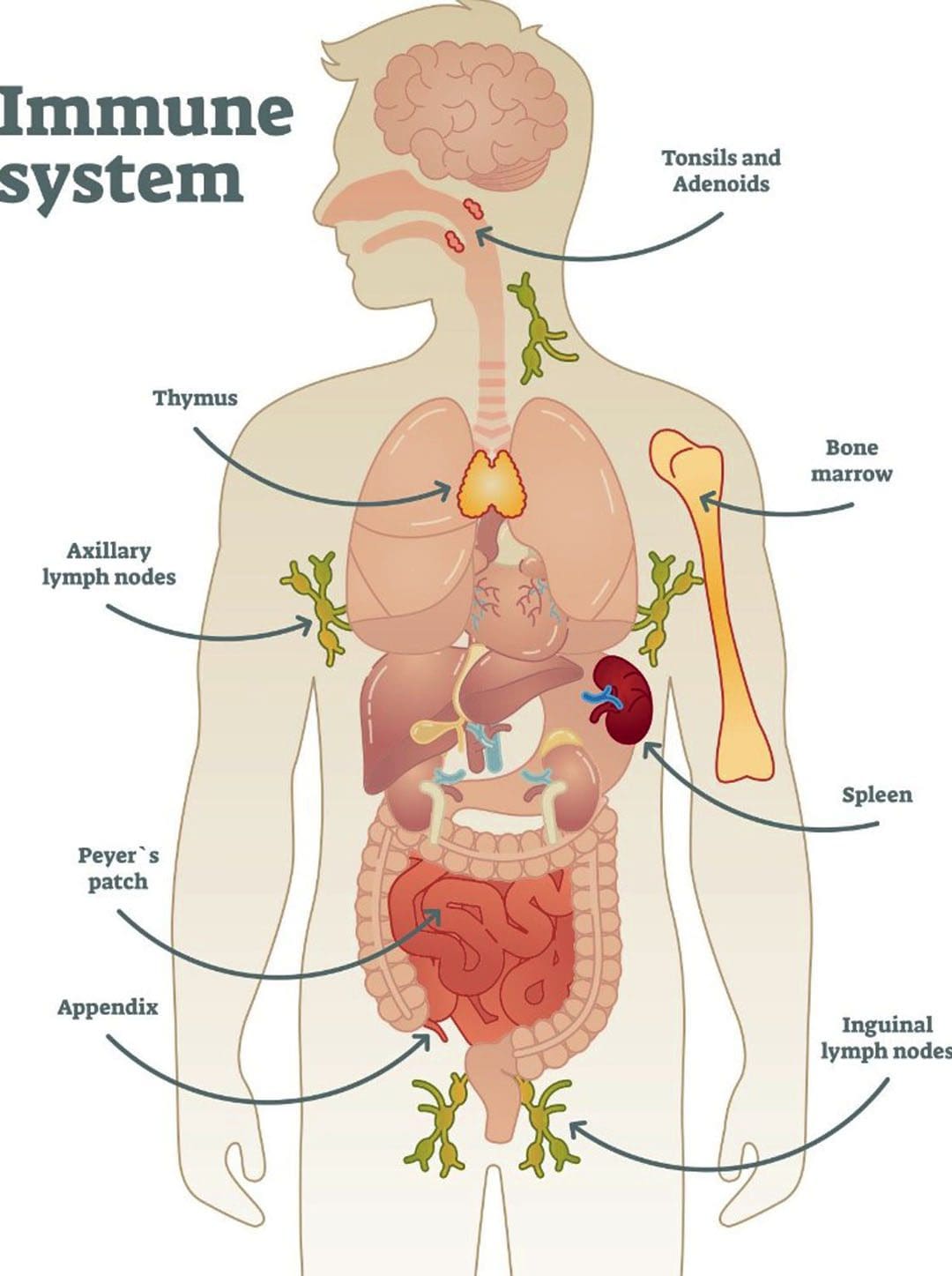
How often do you feel so congested that your head is filled with cotton? Do you feel general aches and pains in your muscles that cause you to feel discomfort? Or have you noticed that your energy is lower than usual and is stressing you out? More often than not, many people who have dealt with these situations have often correlated with their immune systems. The immune system has a large network in the body that helps protect the individual from germs, heal the body from any infections and injuries, and develop antibodies to fight off pathogens. Sometimes, when the immune system becomes weak, it can lead to the development of autoimmune. This is because when pathogens compromise the immune system, they can adapt their response to modulate oxidative stress and trigger inflammation by enhancing the protein secretion towards the intra- and extra-cellular pathogens to enhance infections. (Iddir et al., 2020)
Additionally, when the immune system is compromised, it can cause the immune system to overproduce inflammatory cytokines and attack healthy cellular activities, leading to the development of autoimmune conditions and symptoms of musculoskeletal pain. When individuals with weak immune systems are dealing with musculoskeletal pain, some of the biomarkers that can contribute to its development include environmental factors (smoking, physical inactivity, obesity, etc.), chronic inflammation, and vitamin deficiency that can cause individuals to be in constant pain and discomfort. (Djade et al., 2022) Hence, boosting vitamin levels can benefit the immune system and body.
Optimizing Your Wellness- Video
Nutrition & The Immune System Connection
When boosting the immune system, many individuals can start slowly by changing their nutritional intake. As one of the strongest and adjustable environmental factors, having a proper dietary mindset can help many people reduce the burdens of chronic issues from reappearing. (Kiani et al., 2022) This is due to people who want to make small changes in their daily routine, who can start by eating nutritional foods that can help boost their immune system and bodies. This is because a bidirectional relationship between the duet and the immune system can be utilized in multiple approaches. (Venter et al., 2020) One of the best ways many individuals can improve their immune system during cold and flu season is by increasing and boosting their vitamin C levels.
How Vitamin C Can Help With Cold/Flu
Boosting vitamin C levels is an excellent way to help jumpstart the immune system. Vitamin C is hugely important in normal immune system functioning and has been used to prevent or treat viral infections. (Cerullo et al., 2020) This is because people can’t produce vitamin C naturally, so it has to be consumed for the body to maintain healthy vitamin levels. Additionally, vitamin C is a plant-based ingredient that promotes healing and provides immune-boosting properties that augment the chemotaxis and phagocytosis in the body while generating free radicals in the immune cells. (Gasmi et al., 2023) Another great thing about vitamin C is that it can be combined with vitamin D to reduce the load of the cytokine storm in the body and the viral load of the cold and flu. (Ish et al., 2020)
Ways To Increase Vitamin C Levels
There are ways to increase vitamin C levels in the body, which can benefit people who want to reduce the chances of cold and flu season impacting their routine.
Reduce sugar intake: Reduce excessive sugar intake by following a nutritional plan from a healthcare professional, which is customizable to the individual.
Incorporating Vitamin C: Many people can load up on high-quality Vitamin C containing bioflavonoids that can help decrease pro-inflammatory cytokines in the body. (Ramon et al., 2023)
Vitamin C-rich foods: Adding whole foods of Vitamin C like bell peppers, broccoli, citrus, and green leafy veggies can help boost vitamin C levels
Intermittent Fasting: Combining Vitamin C-infused lemon water with intermittent fasting can help the body boost immunity and improve blood sugar regulation.
Glutathione Boost: Incorporating vitamin C with glutathione can help recycle vitamin C into the body, boosting vitamin and supplement levels.
Incorporating these ways to boost vitamin C levels in the immune system can provide beneficial results during the cold and flu season while improving a person’s health and wellness journey.
References
Cerullo, G., Negro, M., Parimbelli, M., Pecoraro, M., Perna, S., Liguori, G., Rondanelli, M., Cena, H., & D’Antona, G. (2020). The Long History of Vitamin C: From Prevention of the Common Cold to Potential Aid in the Treatment of COVID-19. Front Immunol, 11, 574029. https://doi.org/10.3389/fimmu.2020.574029
Djade, C. D., Diorio, C., Laurin, D., & Dionne, C. E. (2022). An exploratory identification of biological markers of chronic musculoskeletal pain in the low back, neck, and shoulders. PLOS ONE, 17(4), e0266999. https://doi.org/10.1371/journal.pone.0266999
Gasmi, A., Shanaida, M., Oleshchuk, O., Semenova, Y., Mujawdiya, P. K., Ivankiv, Y., Pokryshko, O., Noor, S., Piscopo, S., Adamiv, S., & Bjorklund, G. (2023). Natural Ingredients to Improve Immunity. Pharmaceuticals (Basel), 16(4). https://doi.org/10.3390/ph16040528
Iddir, M., Brito, A., Dingeo, G., Fernandez Del Campo, S. S., Samouda, H., La Frano, M. R., & Bohn, T. (2020). Strengthening the Immune System and Reducing Inflammation and Oxidative Stress through Diet and Nutrition: Considerations during the COVID-19 Crisis. Nutrients, 12(6). https://doi.org/10.3390/nu12061562
Kiani, A. K., Dhuli, K., Donato, K., Aquilanti, B., Velluti, V., Matera, G., Iaconelli, A., Connelly, S. T., Bellinato, F., Gisondi, P., & Bertelli, M. (2022). Main nutritional deficiencies. J Prev Med Hyg, 63(2 Suppl 3), E93-E101. https://doi.org/10.15167/2421-4248/jpmh2022.63.2S3.2752
Ramon, R., Holguin, E., Chiriboga, J. D., Rubio, N., Ballesteros, C., & Ezechieli, M. (2023). Anti-Inflammatory Effect of Vitamin C during the Postoperative Period in Patients Subjected to Total Knee Arthroplasty: A Randomized Controlled Trial. J Pers Med, 13(9). https://doi.org/10.3390/jpm13091299
Venter, C., Eyerich, S., Sarin, T., & Klatt, K. C. (2020). Nutrition and the Immune System: A Complicated Tango. Nutrients, 12(3). https://doi.org/10.3390/nu12030818
The iliacus muscle is a triangle-shaped muscle in the pelvic bone that flexes and rotates the thigh bone. It works with the other muscles in the hip and thigh to help bend, run, walk, sit, and maintain correct posture. Injuries and common medical conditions can affect its function, causing pain and stiffness. Can physical therapy help?
The Iliacus Muscle
The iliacus is one of the body’s most important hip flexor muscles. The iliacus and surrounding muscles work together to produce the stability and range of motion required for bending, dancing, sitting, and walking.
Anatomy
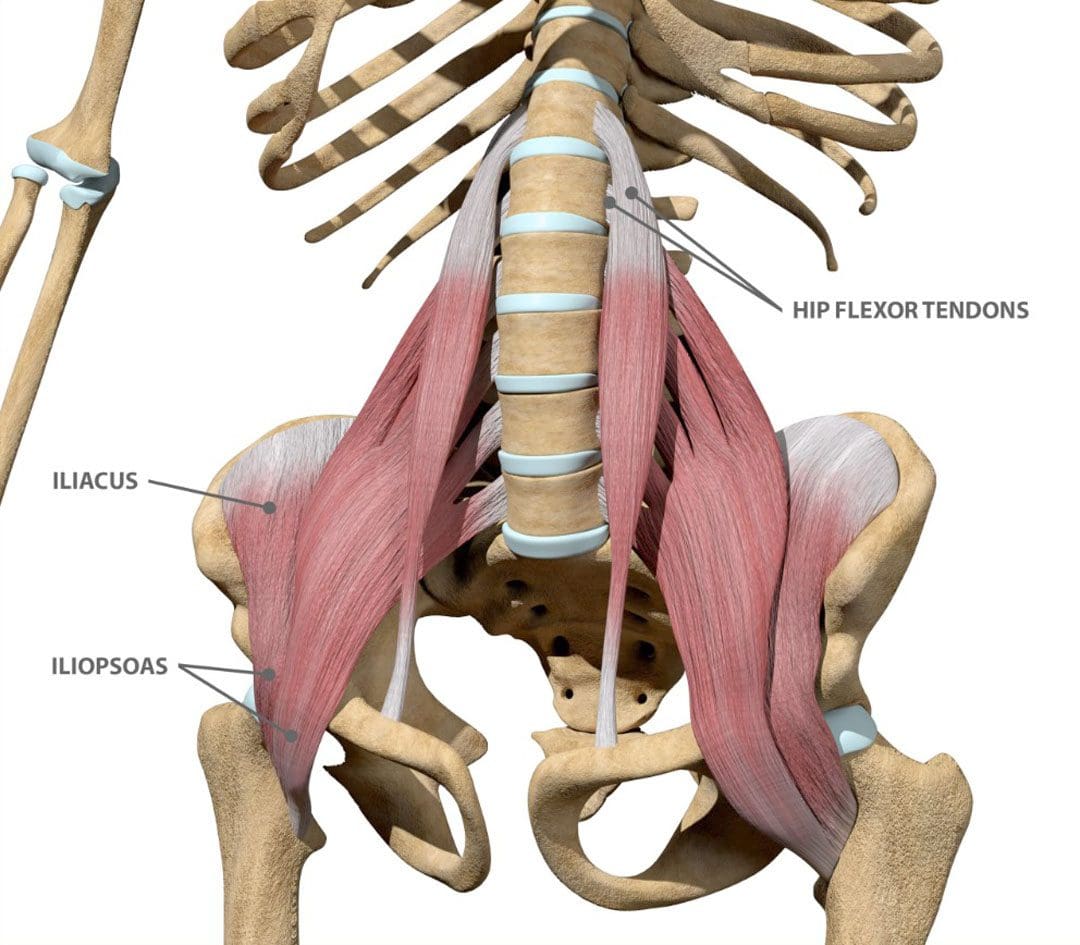
The iliacus muscle is part of a complex muscle system in the hip and pelvis. Two iliacus muscles on each side of the pelvic bone enable the thigh to flex and rotate. They are innervated by the femoral nerve, which provides movement and sensation to the lower limbs. (Bordoni B. and Varacallo M. 2023) The iliacus muscle sits on the wing-shaped ilium and fits into the curved surface of the ilium, called the iliac fossa. The top of the muscle is attached to the upper wings of the ilium or iliac crest. It extends past the hip joint, which connects to the upper thigh bone/femur at the lesser trochanter protrusion. The iliacus is part of a major trio of muscles called the iliopsoas, including the major psoas and minor psoas muscles. These muscles are also attached to the upper femur but extend upward, connecting to the lumbar/lower spine at several attachment points. The iliopsoas also interact with the quadratus lumborum muscle, the deepest muscle of the lower back that starts at the iliac crest and attaches to the lumbar spine at several points. The quadratus lumborum enables flexion and elevation of the spine, while the iliopsoas enable the flexion and rotation of the hip and thigh.
Functions
The iliacus muscle has many functions that include: (Physiopedia, 2024)
Flexing and rotating the femur.
Helps maintain proper body posture while standing and sitting.
Produces hip movement that enables walking, running, and climbing stairs.
Provides hip flexion – bringing the knee to the chest.
Enables the forward tilt of the pelvis and side-bending.
Conditions
Several conditions can affect the iliacus muscle, specifically from under and/or overuse injuries. These conditions, collectively known as Iliopsoas syndrome, are typically the result of overuse/repetitive strain or injuries. These include:
Iliopsoas tendinopathy – which affects tendons.
Iliopsoas bursitis – which affects cushioning sacs known as bursae.
Iliopsoas syndrome can affect anyone but is common in:
Individuals and athletes who repeatedly use movements that flex the hips.
Track-and-field athletes
Gymnasts
Dancers
Iliopsoas Bursitis
This is the inflammation of the cushioning sac or bursa under the iliacus muscle, which helps the muscle slide over the pelvic bone. Symptoms can range from mild discomfort to pain that radiates through parts of the leg and hips. Runners, skiers, and swimmers are commonly affected, and individuals who regularly have tight hips and individuals with different forms of arthritis can also be affected. Early treatment can prevent the symptoms from worsening. Mild cases can be treated with self-care and stretching to help relieve tightness, rest, ice application, and over-the-counter nonsteroidal anti-inflammatory drugs. In severe cases, treatment options that may be recommended include: (Physiopedia, 2024)
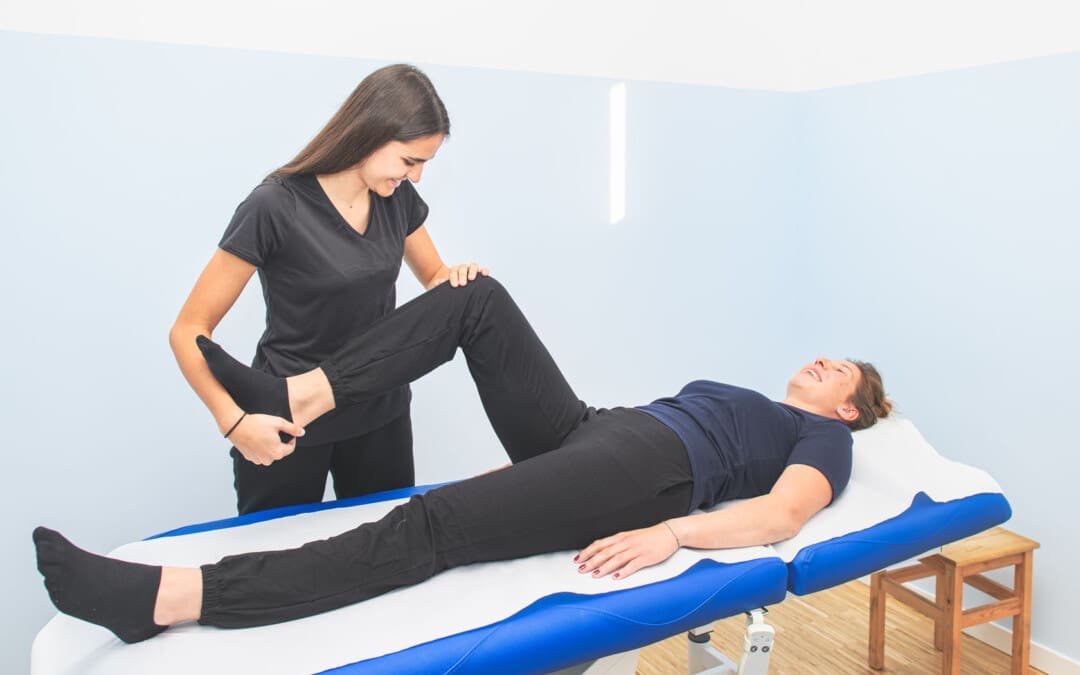
Physical therapy
Assistant walking devices to relieve pressure – for example, a cane.
Corticosteroid steroid injections
Prescription anti-inflammatory medications
Iliopsoas Tendinopathy
Another condition affecting the iliacus muscles is iliopsoas tendinopathy, sometimes called snapping hip syndrome, because individuals can hear an audible snapping sound (Davenport KL. 2019). The condition is often experienced by dancers who repeatedly flex and hyperextend their hips and can result in hip and groin pain that gets worse with kicking or rotation. Treatment of iliopsoas tendinopathy can include:
Retraining muscle imbalances with strengthening and stretching exercises.
If these fail to provide relief, corticosteroid injections may be used. A saline hydro dissection can relieve stress around the tendon by injecting fluids that cushion and release trapped tissues.
Tendon release surgery may be recommended when all other options have failed. The surgical release involves severing the tendon to reduce pain and improve the range of motion.
Rehabilitation
Core muscle strengthening is essential to the rehabilitation of iliacus muscle injuries. The iliopsoas is an integral component of the core group and can benefit from stretching and strengthening exercises (Yogateket, 2019)
Lunge stretches
Straight leg raises
Knee-to-chest stretches
Standing hip flexion with resistance bands
Certain yoga poses can also help and include variations on the bridge pose that encourage hip flexion. (Yoga International, 2024)
Injury Medical Chiropractic and Functional Medicine Clinic
Iliopsoas pain is often felt at the front of the hips, thigh, mid-back, and lower back. Chiropractic care can help with iliacus muscle injuries through:
Evaluation
A chiropractor can evaluate the condition and determine if the iliacus muscle is causing pain.
Treatment plan
A chiropractor can create a personalized treatment plan that may include exercise instructions, manipulation, and other therapies.
Rehabilitation
A chiropractor can create a rehabilitation program to expedite healing.
Injury Medical Chiropractic and Functional Medicine Clinic works with primary healthcare providers and specialists to develop an optimal health and wellness solution. We focus on what works for you to relieve pain, restore function, and prevent injury. Regarding musculoskeletal pain, specialists like chiropractors, acupuncturists, and massage therapists can help mitigate the pain through spinal adjustments that help the body realign itself. They can also work with other medical professionals to integrate a treatment plan to resolve musculoskeletal issues.
Hip Labral Tear and Chiropractic Care
References
Bordoni, B., & Varacallo, M. (2024). Anatomy, Bony Pelvis, and Lower Limb, Iliopsoas Muscle. In StatPearls. https://www.ncbi.nlm.nih.gov/pubmed/30285403
Davenport KL. (2019). The professional dancer’s hip. Performing Arts Medicine, 77-87. https://doi.org/https://doi.org/10.1016/B978-0-323-58182-0.00009-2
Yogateket. Lizette Pompa. (2019). Essential yoga body parts. Hip flexor/psoas and yoga. Yogateket. https://www.yogateket.com/blog/hip-flexor-psoas-and-yoga
IFM's Find A Practitioner tool is the largest referral network in Functional Medicine, created to help patients locate Functional Medicine practitioners anywhere in the world. IFM Certified Practitioners are listed first in the search results, given their extensive education in Functional Medicine