Is It Safe to Wear a Backpack? Expert Tips on Spinal Health and Back Pain Prevention in the US and El Paso, TX
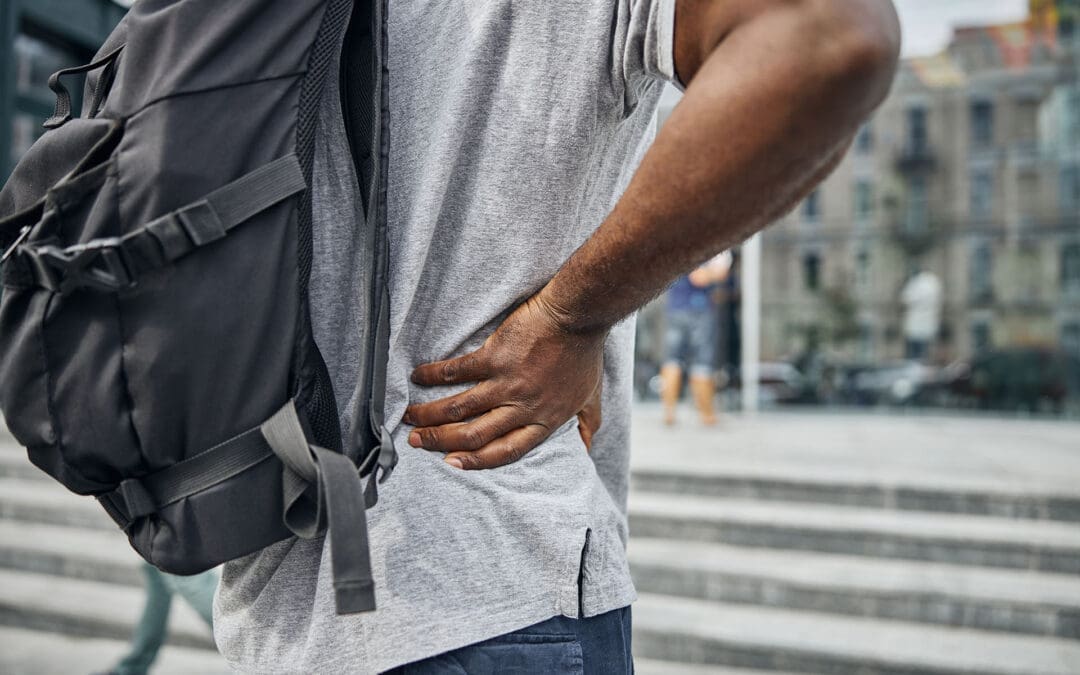
A woman walking, wearing a backpack with the recommended weight, and maintaining correct posture to prevent back pain and problems.
Back pain is a big issue for many people in the United States
Up to 80% of adults face low back pain at some point in their lives. This is one of the top reasons for doctor visits and missed workdays. The cost is huge too, with over $100 billion spent on spine problems each year. In El Paso, Texas, where people often have active jobs like industrial work or lots of driving, back pain questions focus on things like sciatica, herniated discs, and spinal stenosis. A common concern across the country, including in places like El Paso, is whether wearing a backpack is safe for the spine. The good news is that it can be safe if you follow some simple rules. This article focuses on backpack safety and then addresses other key questions about managing back pain, treatment options, and daily habits to keep your spine healthy.
Understanding Backpack Safety and Spinal Health
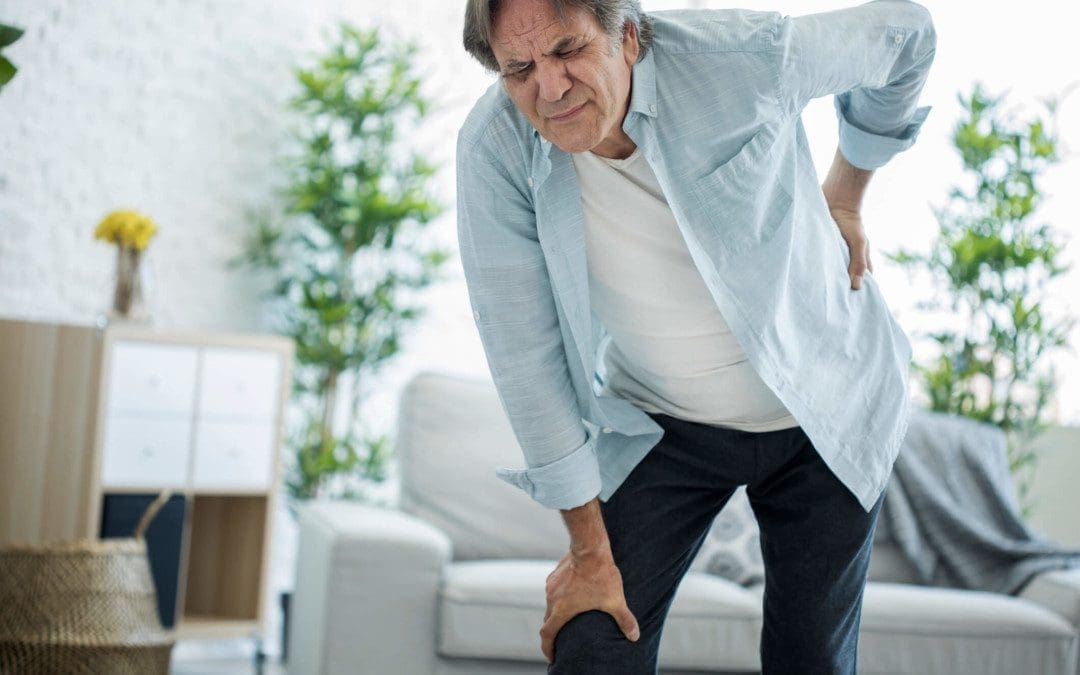
Wearing a backpack is common for carrying things, but if it’s too heavy or worn incorrectly, it can hurt your back. Heavy backpacks can strain muscles and joints in your back, neck, and shoulders. This might lead to pain or bad posture over time. However, backpacks do not cause scoliosis, a spinal curvature that affects about 2% to 3% of people. Scoliosis often starts in teens and is more common in girls, but it’s not linked to backpacks.
Is it safe? Yes, as long as you distribute the weight right and follow the tips to avoid strain. Improper use can cause muscle fatigue, poor posture (such as slouching), and even chronic pain if left unaddressed. In El Paso, where people might carry tools or bags for work, this is especially important to prevent issues such as sciatica, where pain radiates down the leg due to nerve pressure.
Here are some key tips for safe backpack use:
Choose the right backpack: Pick one with wide, padded straps and a padded back. It should fit your body size and have a waist strap for heavy loads. Lightweight materials help too.
Limit the weight: Keep the backpack under 10-15% of your body weight. For example, if you weigh 150 pounds, aim for no more than 15-22.5 pounds.
Distribute weight evenly: Put heavier items at the bottom and close to your back. Use compartments to balance things and stop shifting.
Wear it correctly: Always use both straps. Adjust them so the pack sits in the middle of your back, not sagging low. Bend your knees to lift it.
Make smart choices: Remove extra items often. Use lockers or storage if possible. For very heavy loads, try a rolling backpack or crossbody bag.
These steps help distribute the load across your strong back muscles and keep your spine aligned. If you feel pain, stop and adjust. In places like El Paso, with busy lifestyles, following these can help prevent accidents from becoming long-term back issues.
Common Causes of Back Pain in the US
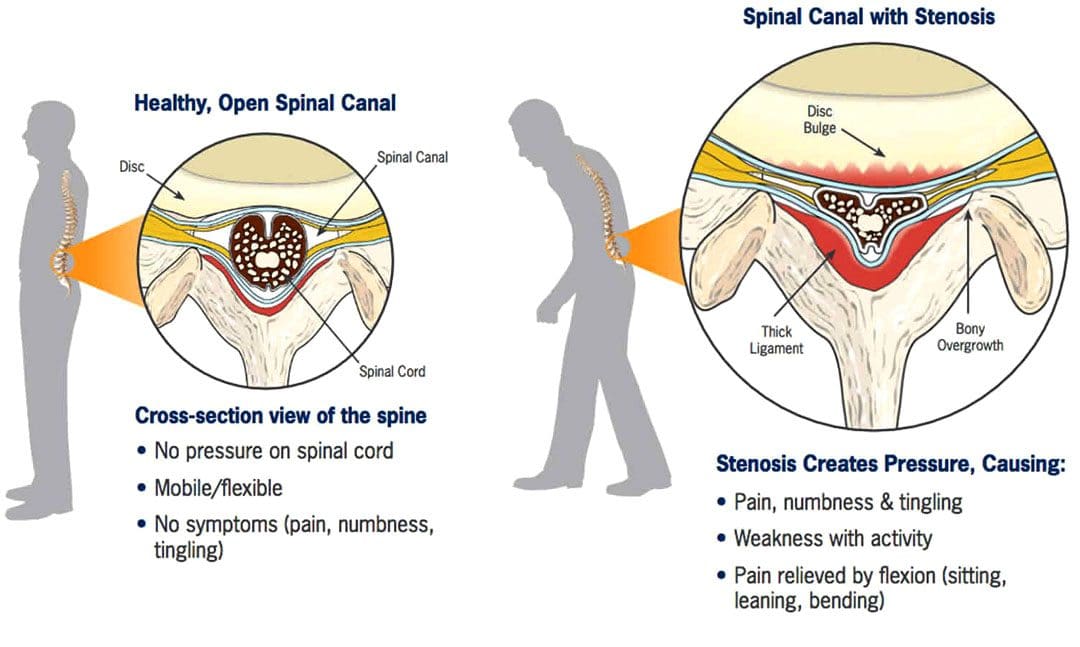
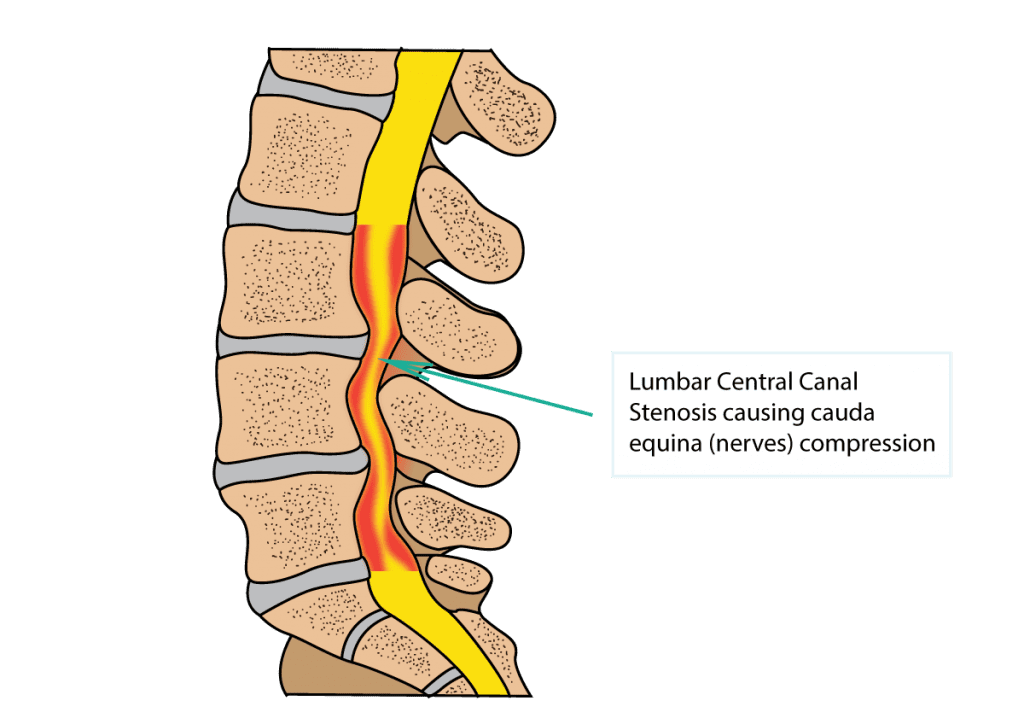
Back pain affects millions. In the US, about 26% of adults have it at any time, and it’s more common after age 45. Among adults aged 50 and older, up to 45.6% experience it. Causes include muscle strains, ligament injuries, herniated discs (where the disc’s soft center protrudes), arthritis, and spinal stenosis (where the spinal canal narrows). Stress can make it worse by causing muscle spasms. Even factors such as obesity or infections can play a role.
Chronic back pain lasts more than 3 months and affects 8% of adults. It often comes from wear and tear on discs or joints. Poor sleep makes it worse because pain disrupts rest, and lack of sleep raises inflammation. In the US, this results in high costs, such as lost work and medical bills.
Symptoms vary. You might feel an ache in your lower back or sharp pain if it’s sciatica. Numbness, tingling, or weakness in the legs are red flags. Scoliosis, which affects 7 million Americans, can cause symptoms such as uneven shoulders or back pain; most cases are mild.
Muscle or ligament strain: From lifting incorrectly or sudden moves.
Disc problems: Bulges or herniations press on nerves.
Arthritis: Joint wear is common in older people.
Stenosis: Narrowing squeezes nerves, causing leg pain.
Stress and lifestyle: Tension builds up, leading to spasms.
Knowing these helps prevent pain. For example, strengthening your core muscles supports your spine and reduces strain from daily activities like wearing a backpack.
Managing Chronic Back Pain
Chronic back pain needs long-term plans. First, see if it’s new or ongoing. Most cases improve with rest and simple fixes, but if it lasts, get checked. Avoid bed rest; gentle movement helps recovery faster.
Daily habits matter. Exercise like walking or swimming builds strength. Maintain a healthy weight to reduce spinal load. Quit smoking, as it negatively affects spinal tissues and raises surgery risk by up to 50%. Good posture and ergonomic setups at work prevent strain.
In El Paso, with industrial jobs and driving, pain from accidents is common. Recovery focuses on building habits to avoid re-injury.
Stay active: Low-impact exercises like yoga or Pilates.
Watch your diet: Healthy foods reduce inflammation.
Manage stress: Deep breathing or mindfulness helps.
Sleep well: Use pillows to maintain spinal alignment.
Stretch daily: Loosen tight muscles, such as the hamstrings.
These steps reduce pain and improve quality of life.
Treatment Options: Surgery vs. Conservative Care
When pain doesn’t go away, choices include conservative care or surgery. Conservative means non-surgical options such as physical therapy, medications, injections, chiropractic care, or massage. These are tried first for 8-12 weeks. Surgery is indicated for severe cases, such as nerve damage or instability.
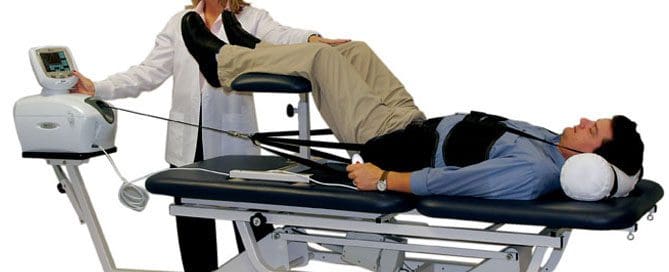
Ask your doctor: What causes my pain? What tests do I need? What are the risks and benefits? For surgery, ask about the surgeon’s experience, recovery time, and whether you’ll need help at home. Alternatives like spinal decompression stretch the spine to ease disc pressure.
Chiropractic vs. orthopedic: Chiropractors focus on spinal adjustments to realign the spine and relieve pain without medication. Orthopedists may recommend surgery for significant issues. Both can help, but chiropractic care is well-suited to conservative care.
In El Paso, many choose chiropractic for herniated discs or sciatica. It’s safe and effective for back pain, reducing symptoms by fixing alignment and boosting blood flow.
Spinal Health in El Paso, TX
El Paso has unique needs. Active lives, work injuries, and car accidents lead to questions about sciatica, where nerve pain goes down the leg, or spinal stenosis with leg weakness. Herniated discs are common from lifting or falls.
Lumbar stenosis FAQs: It causes leg pain or numbness when walking. Avoid high-impact exercises like running; try swimming instead. Treatments include therapy or decompression.
Local care often combines chiropractic and orthopedic care. Dr. Alexander Jimenez, a chiropractor in El Paso with over 30 years of experience, notes that integrative care is most effective. He uses adjustments, nutrition, and therapy for root causes. For example, a worker’s back pain improved by 50% within weeks with his plan. He stresses non-surgical options for sciatica and injuries, helping people stay active in El Paso’s environment.
Sciatica: From disc pressure; chiropractic eases it.
Chiropractic: Aligns the spine, safe for all ages.
Dr. Jimenez’s work shows personalized plans reduce pain without surgery.
Daily Habits to Prevent Spinal Injury
Preventing pain starts with habits. Lift by bending knees, not back. Stand every 15 minutes if sitting for long. For driving in El Paso, take breaks to stretch.
Core strength is key. Exercises like planks support your spine. Avoid smoking for better healing. Ergonomics: Screen at eye level, chair with back support.
For backpacks, combine with these: Even weight helps posture.
Lift right: Knees bent, close to body.
Posture: Stand tall, no slouch.
Exercise: Core and back focus.
Weight control: Less strain on the spine.
Breaks: Move often.
These reduce the risk of injury and tie into backpack safety.
Conclusion
Wearing a backpack is safe when done properly, with proper weight distribution and habits. This fits into broader questions about spinal health in the US and El Paso. Manage chronic pain with conservative care first, like chiropractic, and build daily routines to prevent issues. Experts like Dr. Jimenez show that integrative approaches work. Stay active, ask questions, and protect your spine for a better life.
Understanding Nerve Conditions of the Spine: Causes, Symptoms, and Treatments
The spine is a critical part of the body, serving as a highway for nerves that transmit signals between the brain and the rest of the body. When something goes wrong with these nerves—whether they’re compressed, irritated, or damaged—it can lead to a range of uncomfortable symptoms like pain, numbness, tingling, or weakness. These issues, known as nerve-related spine conditions, can affect the back, arms, or legs and stem from various causes, including injuries, degenerative conditions, or infections. In this article, we’ll explore these conditions, their symptoms, causes, and how they’re diagnosed and treated, with a special focus on integrative approaches like those used by Dr. Alexander Jimenez, a chiropractor and nurse practitioner in El Paso, Texas. We’ll also look at how chiropractic care, targeted exercises, massage therapy, acupuncture, and integrative medicine can promote healing and prevent long-term problems.
What Are Nerve-Related Spine Conditions?
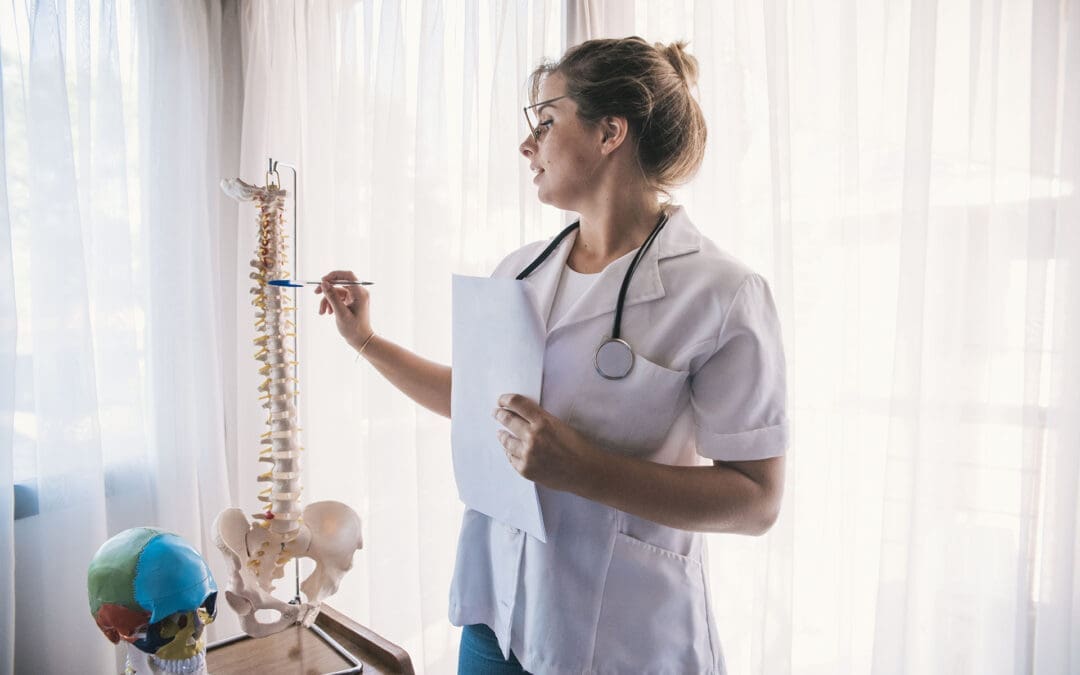
Nerve-related spine conditions happen when the spinal nerves or spinal cord are compressed, irritated, or damaged. The spine is made up of bones called vertebrae, which protect the spinal cord—a bundle of nerves that carries messages to and from the brain. Between the vertebrae are intervertebral discs, which act as cushions, and small openings called foramina, where nerve roots exit the spinal cord to connect to other parts of the body. When these nerves or the spinal cord itself are affected, it can disrupt the signals, leading to symptoms like pain, numbness, tingling, or weakness (Mayo Clinic Health System, n.d.).
Some of the most common nerve-related spine conditions include:
Radiculopathy: Often referred to as a “pinched nerve,” this condition occurs when a nerve root is compressed or irritated as it exits the spine. It can cause pain, numbness, or weakness that radiates along the nerve’s path. For example, lumbar radiculopathy can lead to sciatica, a condition characterized by pain that shoots from the lower back down the leg (Cleveland Clinic, n.d.).
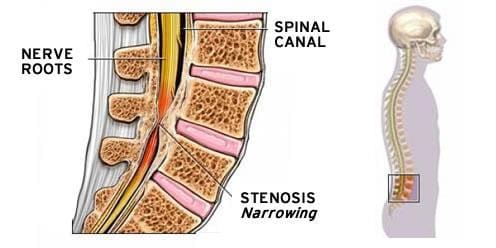
Spinal stenosis refers to the narrowing of the spinal canal, which puts pressure on the spinal cord or nerve roots. It’s often caused by aging or degenerative changes and can lead to symptoms like back pain, numbness, or difficulty walking (HSS Education, n.d.).
Herniated or Bulging Discs: Discs can bulge or herniate (when the inner gel-like material pushes out), pressing on nearby nerves. This can cause pain, tingling, or weakness in the arms or legs, depending on where the disc is located (Penn Medicine, n.d.).
Degenerative Conditions: Conditions like arthritis or bone spurs can narrow the spaces where nerves travel, causing compression and symptoms like pain or stiffness (Health Central, n.d.).
Trauma or Injury: Accidents, such as car crashes or falls, can damage the spine and compress nerves, leading to immediate or delayed symptoms (Verywell Health, n.d.).
Infections or Structural Abnormalities: Infections, tumors, or abnormal spine alignment (like scoliosis) can also press on nerves, causing similar symptoms (MSD Manuals, n.d.).
These conditions can range from mild annoyances to serious issues requiring immediate medical attention, especially if they cause severe symptoms like loss of bladder or bowel control, which may indicate cauda equina syndrome, a medical emergency (Verywell Health, n.d.).
Symptoms of Nerve-Related Spine Conditions
The symptoms of nerve-related spine conditions depend on where the nerve compression or damage occurs and the severity of the condition. Common symptoms include:
Pain: This can be sharp, burning, or aching and may stay in one spot (like the neck or lower back) or radiate to other areas, such as the arms, buttocks, or legs. For example, sciatica often causes burning pain that travels from the lower back to the legs (Penn Medicine, n.d.).
Numbness or Tingling: These sensations, often described as “pins and needles,” can occur in the hands, arms, feet, or legs, depending on the affected nerve (Cleveland Clinic, n.d.).
Weakness: Muscle weakness in the arms, hands, or legs can make it hard to lift objects, walk, or maintain balance. In severe cases, it can cause issues like foot drop, where a person struggles to lift their foot while walking (Johns Hopkins Medicine, n.d.).
Loss of Coordination: Compression of the spinal cord (myelopathy) can affect fine motor skills, making tasks like buttoning a shirt or writing difficult (Verywell Health, n.d.).
Balance Issues: Spinal stenosis or myelopathy can cause trouble walking or maintaining balance, sometimes described as feeling like “walking through mud” (Spine-health, n.d.).
Loss of Bladder or Bowel Control: This is a rare but serious symptom that requires immediate medical attention, as it may signal cauda equina syndrome (HSS Education, n.d.).
Symptoms can develop suddenly, like after an injury, or gradually, as with degenerative conditions like arthritis. If you experience severe or worsening symptoms, especially loss of bladder or bowel control, seek medical care right away.
Causes of Nerve-Related Spine Conditions
Nerve-related spine conditions can have many causes, ranging from natural aging to sudden injuries. Here are some of the main culprits:
Degenerative Changes: As people age, the spine can undergo wear and tear. Osteoarthritis can cause bone spurs, and degenerative disc disease can lead to bulging or herniated discs, both of which can press on nerves (Mayo Clinic Health System, n.d.).
Herniated or Bulging Discs: When a disc’s inner material bulges or herniates, it can push against nearby nerves, causing pain or numbness. This is a common cause of radiculopathy, including sciatica (Penn Medicine, n.d.).
Spinal Stenosis: The spinal canal can narrow due to thickened ligaments, bone spurs, or other changes, putting pressure on the spinal cord or nerve roots (Cleveland Clinic, n.d.).
Trauma: Car accidents, sports injuries, or falls can fracture vertebrae, dislocate joints, or cause swelling that compresses nerves, leading to severe consequences. For example, a car crash can lead to whiplash, which may cause nerve damage in the neck (Solomon Law, n.d.).
Infections: Spinal infections, like abscesses, can press on the spinal cord or nerves, causing pain and neurological symptoms (MSD Manuals, n.d.).
Structural Abnormalities: Conditions like scoliosis (abnormal spine curvature) or tumors can compress nerves, leading to symptoms like pain or weakness (Johns Hopkins Medicine, n.d.).
Inflammatory or Autoimmune Conditions: Diseases like rheumatoid arthritis can cause inflammation that compresses nerves, contributing to symptoms (OrthoTOC, n.d.).
Each cause can lead to different symptoms and requires specific diagnostic and treatment approaches to address the root issue.
Diagnosing Nerve-Related Spine Conditions
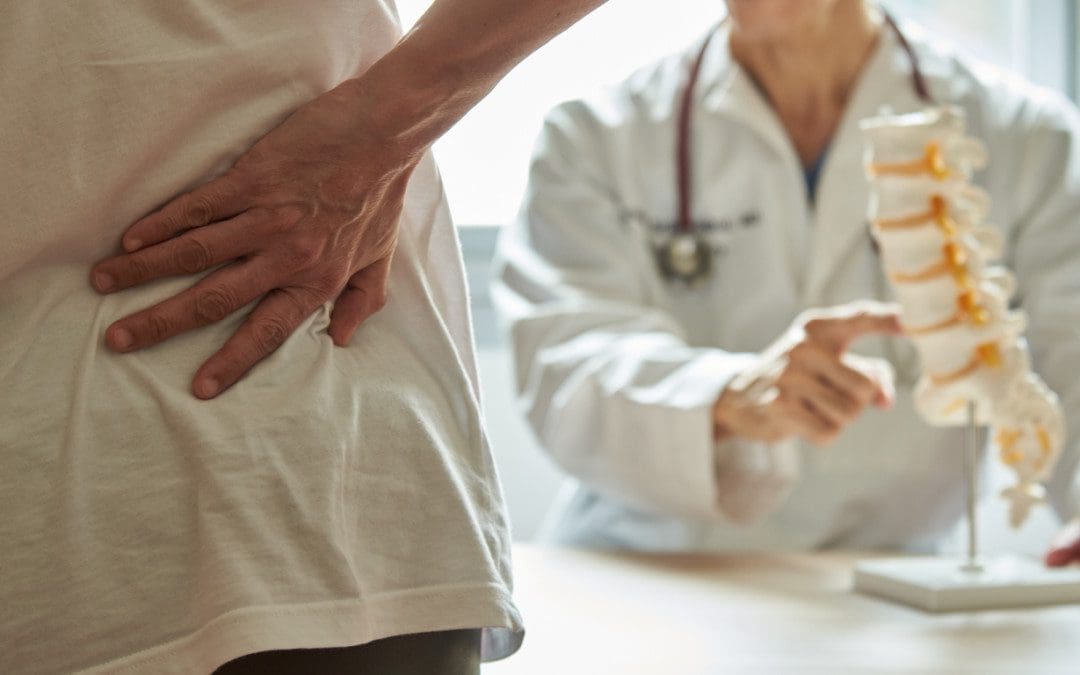
Diagnosing nerve-related spine conditions starts with a doctor asking about your symptoms and medical history, followed by a physical exam to check for numbness, weakness, reflexes, and posture. Depending on the findings, additional tests may be needed to pinpoint the cause (Penn Medicine, n.d.). Common diagnostic tools include:
Imaging tests, such as X-rays, CT scans, or MRIs, can reveal the spine’s structure, including bones, discs, and nerves, to identify compression or damage (Spine Info, n.d.).
Nerve Conduction Studies (NCS) and Electromyography (EMG): These tests assess the function of nerves and muscles, and can help confirm nerve damage (Spine Info, n.d.).
Myelogram: A special X-ray or CT scan with contrast dye can highlight pressure on the spinal cord or nerves (Spine Info, n.d.).
Dr. Alexander Jimenez, a chiropractor and nurse practitioner in El Paso, Texas, uses a dual-scope approach to diagnosis, combining his expertise in chiropractic care and advanced nursing. His clinic utilizes advanced neuromusculoskeletal imaging techniques, such as MRIs and CT scans, to obtain a clear picture of the spine’s condition. Dr. Jimenez correlates patient injuries—whether from work, sports, car accidents, or personal incidents—with clinical findings to create a precise diagnosis. This approach ensures that the treatment plan targets the specific cause of the nerve issue, whether it’s a herniated disc, spinal stenosis, or trauma-related damage (Jimenez, n.d.).
Treatment Options for Nerve-Related Spine Conditions
Treatment for nerve-related spine conditions depends on the cause, severity, and symptoms. Most doctors start with conservative (non-surgical) treatments, moving to surgery only if needed. Here’s an overview of common treatments:
Non-Surgical Treatments
Medications: Over-the-counter pain relievers, such as ibuprofen, or prescription medications, like gabapentin, can help manage pain and inflammation (Spine Info, n.d.).
Physical Therapy: Targeted exercises can strengthen muscles, improve posture, and reduce pressure on nerves. Physical therapy is often effective for radiculopathy and spinal stenosis (Cleveland Clinic, n.d.).
Epidural Steroid Injections: These deliver anti-inflammatory medication directly to the affected nerve root, reducing pain and swelling (Penn Medicine, n.d.).
Chiropractic Care: Adjustments and manipulations can realign the spine, relieving pressure on nerves. Dr. Jimenez’s clinic utilizes chiropractic techniques to treat conditions such as sciatica and herniated discs, with a focus on restoring spinal alignment (Jimenez, n.d.).
Massage Therapy: This can relax tight muscles, improve blood flow, and reduce nerve irritation, especially for conditions caused by muscle tension or spasms (Inova, n.d.).
Acupuncture: By stimulating specific points, acupuncture can reduce pain and promote natural healing, often used alongside other treatments (Total Spine Ortho, n.d.).
Activity Modification: Avoiding activities that worsen symptoms, like heavy lifting, can help the spine heal (Penn Medicine, n.d.).
Surgical Treatments
If conservative treatments are not effective, surgery may be necessary. Common procedures include:
Laminectomy: Removes part of a vertebra to create more space for nerves, often used for spinal stenosis (Spine Info, n.d.).
Microdiscectomy: Removes part of a herniated disc that’s pressing on a nerve, commonly used for radiculopathy (Spine Info, n.d.).
Spinal Fusion: Fuses vertebrae together to stabilize the spine, used for severe degenerative conditions or trauma (Inova, n.d.).
Dr. Jimenez’s clinic takes an integrative approach, combining chiropractic care with targeted exercises, massage therapy, and acupuncture to treat nerve-related spine conditions. For example, a patient with sciatica resulting from a herniated disc may receive spinal adjustments to realign the spine, exercises to strengthen core muscles, and acupuncture to alleviate pain. This holistic approach addresses the root cause while promoting long-term healing and preventing future problems (Jimenez, n.d.).
Dr. Alexander Jimenez’s Integrative Approach in El Paso
Dr. Alexander Jimenez, a chiropractor and nurse practitioner in El Paso, Texas, has extensive experience treating nerve-related spine conditions caused by work, sports, personal, or motor vehicle accident injuries. His clinic uses a dual-scope approach, blending chiropractic expertise with advanced medical knowledge to provide comprehensive care. Here’s how his clinic handles these cases:
Treating Different Types of Injuries
Work Injuries: Repetitive motions or heavy lifting at work can lead to conditions like herniated discs or radiculopathy. Dr. Jimenez uses spinal adjustments, targeted exercises, and ergonomic advice to relieve nerve compression and prevent recurrence (Jimenez, n.d.).
Sports Injuries: Athletes may suffer nerve compression from trauma or overuse. The clinic employs chiropractic care, physical therapy, and massage to restore function and reduce pain, helping athletes return to their activities (Jimenez, n.d.).
Personal Injuries: Falls or other accidents can cause nerve damage. Dr. Jimenez’s team uses advanced imaging to assess the injury and creates personalized treatment plans, often including acupuncture and exercise (Jimenez, n.d.).
Motor Vehicle Accident (MVA) Injuries: Car crashes can cause whiplash or other trauma that compresses nerves. The clinic provides detailed diagnostic assessments, including MRIs, to identify nerve damage and offers treatments like spinal adjustments and massage to promote healing (Solomon Law, n.d.; Jimenez, n.d.).
Medical Care and Legal Documentation
Dr. Jimenez’s clinic is skilled in handling the medical and legal aspects of injury cases, especially for MVAs. They provide thorough documentation of injuries, diagnoses, and treatments, which is critical for insurance claims or legal cases. For example, if a patient has radiculopathy from a car accident, the clinic documents the injury’s impact on their daily life, the diagnostic findings (like MRI results), and the treatment plan. This detailed paperwork supports patients in legal proceedings while ensuring they receive proper medical care (Jimenez, n.d.).
Integrative Medicine for Healing and Prevention
Dr. Jimenez’s approach emphasizes integrative medicine, combining chiropractic care with other therapies to address the cause of nerve issues and enhance overall health. For instance:
Chiropractic Adjustments: Realign the spine to relieve nerve pressure, effective for conditions like sciatica or herniated discs.
Targeted Exercises: Strengthen muscles around the spine to improve stability and prevent future injuries.
Massage Therapy: Reduces muscle tension and improves circulation, aiding in nerve healing.
Acupuncture: Stimulates natural pain relief and promotes recovery, especially for chronic pain.
Lifestyle Changes: Advice on posture, ergonomics, and nutrition helps prevent long-term problems (Jimenez, n.d.).
This integrative approach not only treats the immediate symptoms but also focuses on long-term health, reducing the risk of chronic pain or recurring issues.
How Integrative Medicine Promotes Healing
Integrative medicine, as practiced by Dr. Jimenez, combines conventional medical treatments with complementary therapies to address the whole person, not just the symptoms. For nerve-related spine conditions, this approach offers several benefits:
Natural Healing: Chiropractic care and acupuncture stimulate the body’s natural healing processes, reducing reliance on medications (Total Spine Ortho, n.d.).
Pain Reduction: Therapies such as massage and acupuncture can help reduce pain levels, thereby improving quality of life (Inova, n.d.).
Improved Function: Exercises and adjustments restore mobility and strength, helping patients return to normal activities (Cleveland Clinic, n.d.).
Prevention: By addressing underlying causes, like poor posture or weak muscles, integrative medicine reduces the risk of future nerve problems (Jimenez, n.d.).
For example, a patient with spinal stenosis might receive adjustments to improve spinal alignment, exercises to strengthen their core, and massage to relax tight muscles. Over time, these treatments can reduce nerve compression, improve mobility, and prevent the condition from worsening.
Preventing Long-Term Problems
Preventing long-term nerve-related spine issues involves addressing the root causes and maintaining spinal health. Here are some strategies:
Maintain Good Posture: Proper posture reduces strain on the spine and nerves (Mayo Clinic Health System, n.d.).
Stay Active: Regular exercise, especially core-strengthening workouts, supports the spine and prevents injuries (Cleveland Clinic, n.d.).
Utilize ergonomics: Adjust workstations or lifting techniques to prevent repetitive strain (Jimenez, n.d.).
Manage Weight: Excess weight can put pressure on the spine, worsening nerve conditions (Health Central, n.d.).
Seek Early Treatment: Addressing symptoms early with chiropractic care or physical therapy can prevent conditions like radiculopathy from becoming chronic (Spine Info, n.d.).
Dr. Jimenez’s clinic emphasizes these preventive measures, educating patients on lifestyle changes to keep their spines healthy and reduce the risk of future nerve issues.
Conclusion
Nerve-related spine conditions, like radiculopathy, spinal stenosis, and herniated discs, can cause significant discomfort and disrupt daily life. These conditions stem from various causes, including degenerative changes, trauma, infections, or structural issues, and lead to symptoms like pain, numbness, tingling, and weakness. Through proper diagnosis using imaging and clinical assessments, doctors can pinpoint the cause and recommend treatments, ranging from medications and physical therapy to surgery in severe cases. Integrative approaches, like those used by Dr. Alexander Jimenez in El Paso, combine chiropractic care, targeted exercises, massage therapy, and acupuncture to treat injuries from work, sports, or accidents while promoting natural healing. By addressing the root cause and focusing on prevention, these methods can help patients recover and avoid long-term problems. If you’re experiencing symptoms of a nerve-related spine condition, consult a healthcare provider to explore your treatment options and start your journey to recovery.
18-Wheeler Accidents and Their Impact on Musculoskeletal and Spinal Health
Introduction
18-wheeler accidents are among the most severe types of vehicle collisions due to the massive size and weight of these trucks, which can weigh up to 80,000 pounds. These accidents often result in devastating injuries, particularly to the musculoskeletal system and spine. Victims may suffer from a range of ailments, from mild sprains to severe spinal cord damage, which can drastically affect their quality of life. This article explores the musculoskeletal and spinal injuries caused by 18-wheeler accidents, including spinal fractures, cord damage, herniated discs, and conditions like sciatica. It also examines the expertise of Dr. Alexander Jimenez, a chiropractor and nurse practitioner in El Paso, Texas, who specializes in treating such injuries. His unique approach combines medical care, chiropractic techniques, and legal documentation to support recovery and personal injury cases.
Musculoskeletal and Spinal Injuries from 18-Wheeler Accidents
18-wheeler accidents often cause significant trauma due to the immense force involved. The musculoskeletal system, which includes muscles, tendons, ligaments, and bones, is particularly vulnerable. Common injuries include:
Soft Tissue Injuries: Sprains (injured ligaments) and strains (torn muscles or tendons) can occur when the body is jolted during a collision. These injuries cause swelling, bruising, and limited mobility, often requiring weeks or months to heal (Roden Law, n.d.).
Fractures: High-impact crashes can lead to broken bones, especially in the spine, arms, legs, or ribs. Spinal fractures, such as compression fractures, can cause severe pain and reduced mobility, particularly in individuals with conditions like osteoporosis (Complete Injury Management, n.d.).
Herniated Discs: A herniated disc occurs when the soft inner material of a spinal disc pushes through its tough outer layer, often due to sudden trauma. This can press on nearby nerves, causing pain, numbness, or weakness (Complete Injury Management, n.d.).
Spinal Cord Injuries (SCIs): SCIs range from contusions (bruising) to complete transections (severing) of the spinal cord. These injuries can result in partial or complete paralysis, such as paraplegia (affecting the lower body) or quadriplegia (affecting all four limbs). According to the Mayo Clinic, nearly 40% of spinal cord injuries are caused by vehicle accidents, with trucks contributing significantly due to their size (Mayo Clinic, 2025).
Whiplash: This common injury occurs when the neck is forcefully whipped back and forth, often in rear-end collisions. Whiplash can damage muscles, ligaments, and nerves, leading to pain, stiffness, and sometimes nerve compression (Victimslawyer.com, n.d.).
These injuries can have immediate or delayed symptoms, making prompt medical attention critical to prevent long-term complications (Cesak Chiropractic, n.d.). For example, nerve injuries may not manifest until days or weeks after the accident, emphasizing the need for early intervention (Jimenez, 2025).
References
Cesak Chiropractic. (n.d.). How chiropractic care can help after an auto accident injury. Retrieved from [source link not provided in search results].
Sciatica is a condition often linked to 18-wheeler accidents, characterized by pain radiating from the lower back down one or both legs. It occurs when the sciatic nerve, which runs from the lower spine to the legs, is compressed or irritated. Common causes include:
Herniated Discs: A herniated disc can press on the sciatic nerve, causing sharp, burning pain, numbness, or tingling in the leg (Chiropractic Tucker, n.d.).
Spinal Stenosis: This condition involves the narrowing of the spinal canal, which puts pressure on the spinal cord or nerves. It can result from trauma or degenerative changes aggravated by an accident, leading to sciatica symptoms (Spine-health, n.d.).
Nerve Compression: Trauma from a truck accident can cause swelling or structural damage that compresses nerves, leading to radiating pain or weakness (Yourpghlawyer.com, n.d.).
Sciatica is particularly common in middle-aged adults and can significantly impair mobility and quality of life. For instance, a case study by Dr. Jimenez describes a 50-year-old male who developed sciatica after a motor vehicle accident. After three months of spinal decompression and functional medicine, his pain reduced significantly, allowing him to resume normal activities (Jimenez, 2025).
Dr. Alexander Jimenez: A Dual Expertise in Chiropractic and Nursing
Dr. Alexander Jimenez, based in El Paso, Texas, is a board-certified chiropractor and Family Nurse Practitioner (FNP-C) with over 30 years of experience. His dual licensure allows him to address both the physical and systemic aspects of injuries from 18-wheeler accidents. At his Injury Medical & Chiropractic Clinic, Dr. Jimenez employs a holistic approach that combines chiropractic care, functional medicine, and advanced diagnostics to treat complex injuries, including herniated discs, sciatica, and spinal cord damage (El Paso Back Clinic, 2025).
Clinical Correlation and Treatment
Dr. Jimenez’s approach involves correlating patient symptoms with objective findings from diagnostic tools. He uses:
X-rays and MRIs: These identify spinal misalignments, disc herniations, and fractures, providing evidence for treatment and legal claims (Jimenez, 2025).
Functional Lab Testing: This assesses metabolic, hormonal, and nutritional status, which can influence recovery. For example, nutritional deficiencies can slow the healing process in musculoskeletal injuries (El Paso Back Clinic, n.d.).
Dual-Scope Procedures: Combining chiropractic and nurse practitioner expertise, Dr. Jimenez conducts comprehensive evaluations to address both biomechanical and systemic health issues (Jimenez, 2025).
His treatments include:
Spinal Decompression: A non-surgical therapy that relieves pressure on spinal discs, effective for herniated discs and sciatica (El Paso Back Clinic, 2025).
Manual Adjustments: These correct spinal misalignments, reduce nerve compression, and restore mobility, particularly in cases of whiplash and scoliosis (El Paso Back Clinic, 2025).
Functional Strength Training: Tailored programs enhance recovery and prevent re-injury by improving mobility and strength (Jimenez, 2025).
Legal Paperwork and Personal Injury Cases
Dr. Jimenez’s dual expertise is invaluable in personal injury cases. His detailed intake process, including multipage questionnaires, captures the mechanism of injury, biomechanics, and medical history, which are critical for insurance claims and legal proceedings. Advanced imaging, such as MRIs, provides objective evidence of injuries, including herniated discs, which supports compensation claims (Jimenez, 2025). His ability to bridge the gap between medical and legal documentation ensures that victims receive appropriate care and fair settlements.
References
El Paso Back Clinic. (n.d.). El Paso, TX wellness chiropractic care clinic. Retrieved from https://elpasobackclinic.com/
Jimenez, A. (2025). Dr. Alex Jimenez chiropractor and injury recovery. Retrieved from https://dralexjimenez.com/
Chiropractic and Integrative Medicine for Recovery
Chiropractic care and integrative medicine play a crucial role in recovering from 18-wheeler accident injuries. These approaches focus on addressing the root causes of injuries rather than just symptoms, promoting overall health. Key methods include:
Chiropractic Adjustments: These realign the spine, reducing nerve compression and pain. Studies show spinal manipulative therapy significantly reduces pain and disability in chronic low back pain (Rubinstein et al., 2020, as cited in El Paso Back Clinic, 2025).
Acupuncture and Massage Therapy: These reduce inflammation and muscle tension, aiding recovery from soft tissue injuries and whiplash (Personalinjurydoctorgroup.com, 2025).
Functional Medicine: By addressing metabolic and nutritional imbalances, this approach supports healing of musculoskeletal and nerve injuries (Jimenez, 2025).
Rehabilitation Exercises: These improve mobility and strength, preventing chronic conditions like osteoarthritis or pain syndromes (Solutions Physical Therapy, n.d.).
Integrative care is particularly effective for complex injuries. For example, Dr. Jimenez’s case studies show patients with sciatica and herniated discs achieving significant pain reduction through combined chiropractic and functional medicine protocols (Jimenez, 2025). This holistic approach not only alleviates pain but also enhances long-term resilience and quality of life.
References
El Paso Back Clinic. (2025). El Paso, TX wellness chiropractic care clinic. Retrieved from https://elpasobackclinic.com/
Jimenez, A. (2025). Dr. Alex Jimenez chiropractor and injury recovery. Retrieved from https://dralexjimenez.com/
Solutions Physical Therapy. (n.d.). [Source link not provided in search results].
The Importance of Prompt Medical and Legal Action
After an 18-wheeler accident, immediate medical attention is critical. Symptoms of spinal injuries, such as numbness or paralysis, may not appear right away but can worsen without treatment (Mayo Clinic, 2025). Early intervention, such as chiropractic care within 72 hours, can help reduce inflammation and improve outcomes (Cesak Chiropractic, n.d.). Legally, prompt action preserves evidence, such as truck driver logs or black-box data, which can disappear quickly (Westlooplaw.com, 2025). Firms like Horst Shewmaker emphasize the importance of early consultation with a truck accident attorney to navigate complex regulations and secure compensation for medical bills, lost wages, and pain (Horst Shewmaker, 2024).
References
Cesak Chiropractic. (n.d.). How chiropractic care can help after an auto accident injury. Retrieved from [source link not provided in search results].
Westlooplaw.com. (2025). 18 wheeler accident attorneys: Top 5 experts. Retrieved from https://westlooplaw.com/
Conclusion
18-wheeler accidents can cause a wide range of musculoskeletal and spinal injuries, from mild sprains to severe spinal cord damage. Conditions like herniated discs and spinal stenosis can lead to sciatica, causing debilitating pain and nerve issues. Dr. Alexander Jimenez’s dual expertise as a chiropractor and nurse practitioner enables him to provide comprehensive care, utilizing advanced diagnostics and integrative medicine to address both symptoms and their underlying causes. His ability to handle medical treatment and legal documentation makes him a key ally for accident victims seeking recovery and justice. By combining chiropractic care, functional medicine, and timely legal action, victims can achieve better outcomes and reclaim their quality of life.
References
Cesak Chiropractic. (n.d.). How chiropractic care can help after an auto accident injury. Retrieved July 16, 2025, from [source link not provided in search results]
Personalinjurydoctorgroup.com. (2025). Motor vehicle accident recovery and integrative care. Retrieved July 16, 2025, from https://personalinjurydoctorgroup.com/
The discs between the spine’s vertebrae provide cushioning and shock absorption in the spine and the rest of the body. Degenerative changes to the discs are believed to be the start of spinal stenosis. When the discs lack sufficient hydration/water and disc height decreases over time, the cushioning and shock absorption becomes less and less effective. The vertebrae can then become compressed, causing friction. Degenerative spinal stenosis can also develop from excess scar tissue and bone spurs (growth that develops on the edge of a bone) that can form after injury or spinal surgery.
Assessment
A physician will make a diagnosis of spinal stenosis. The doctor will take an imaging scan of the spine to determine the exact location of the degeneration and to measure how narrow the openings have become. Pain, stiffness, limited mobility, and loss of range of motion are often present. If spinal stenosis has caused nerve compression, there may also be pain, numbness, tingling, or weakness in the buttocks (sciatica), thighs, and lower legs. A physical therapist will determine the degree by assessing the following:
Vertebrae mobility – how the spine bends and twists in different directions.
Ability to change positions.
The strength of the core, back, and hip muscles.
Balance
Posture
Gait pattern
Nerve compression to determine if there are any symptoms in the legs.
Milder cases usually do not involve nerve compression, as back stiffness is more common.
In more severe cases, there may be significant pain, limited mobility, and nerve compression, causing leg weakness.
The most common symptom of spinal stenosis is increased pain with backward bending or extension of the lumbar spine. This includes positions that extend the spine, such as standing, walking, and lying on the stomach. Symptoms usually improve when bending forward and when the spine is positioned more into a flexed or bent position, like when sitting and reclining. These body positions open up the spaces in the central spinal canal.
Surgery
Spinal stenosis is the most common reason for undergoing surgery in adults 65 and older. However, surgery is almost always performed as a last resort if pain, symptoms, and disability persist after trying conservative therapies, including chiropractic, non-surgical decompression, and physical therapy, for months or years. The severity of symptoms and current state of health will determine whether a doctor will recommend surgery. (Zhuomao Mo, et al., 2018). Conservative measures can be safer and just as effective. A systematic review or study based on all available primary research found that physical therapy and exercise resulted in similar outcomes to surgery for improving pain and disability. (Zhuomao Mo, et al., 2018). Except for severe cases, surgery is often not necessary.
Physical Therapy for Spinal Stenosis
The objective of physical therapy includes:
Decreasing pain and joint stiffness.
Relieving nerve compression.
Reducing tightness in the surrounding muscles.
Improving the range of motion.
Improving postural alignment.
Strengthening the core muscles.
Improving leg strength to help with balance and overall function.
Stretching of the back muscles, including those running vertically along the spine and those running diagonally from the pelvis to the lumbar spine, helps relieve muscle tightness and pain and can improve overall mobility and range of motion of the lumbar spine.
Stretching the hip muscles, including the hip flexors in the front, the piriformis in the back, and the hamstrings that run from the back of the hip down the leg to the knee, is also important as these muscles are attached to the pelvis, which directly connects to the spine.
Exercises for strengthening the abdominal core muscles, including the muscles in the trunk, pelvis, lower back, hips, and abdomen, help stabilize the spine and protect it from excessive movement and compressive forces.
With spinal stenosis, the core muscles often become weak and inactive and unable to do their job to support the spine. Core exercises often begin by activating the deep abdominal muscles while lying flat on the back with the knees bent.
Exercises will progress as the individual gains more strength and control as the spine stabilizes.
Spinal stenosis physical therapy will also involve balance training and glute exercises for strengthening the leg muscles.
Prevention
Working with a physical therapist can help prevent future problems by maintaining spinal mobility, keeping the individual active, and exercising to maintain strength and stability to provide a solid foundation to support the lower back and prevent symptoms from worsening.
Severe Spinal Stenosis Physical Therapy
Physical therapy usually involves performing stretches for the lower back, hips, and legs, mobility exercises, and core strengthening exercises to improve spinal support and decrease pain. Treatments like heat or electrical stimulation may also be used on a case-by-case basis if there is significant pain or tightness in the back muscles. However, there is not enough clinical evidence to support that there are additional benefits. (Luciana Gazzi Macedo, et al., 2013) The effectiveness of physical therapy is high because surgery alone cannot strengthen the muscles that stabilize the spine, increase the mobility or flexibility of the surrounding muscles, and improve postural alignment.
The Root Causes of Spinal Stenosis
References
Lurie, J., & Tomkins-Lane, C. (2016). Management of lumbar spinal stenosis. BMJ (Clinical research ed.), 352, h6234. https://doi.org/10.1136/bmj.h6234
Mo, Z., Zhang, R., Chang, M., & Tang, S. (2018). Exercise therapy versus surgery for lumbar spinal stenosis: A systematic review and meta-analysis. Pakistan journal of medical sciences, 34(4), 879–885. https://doi.org/10.12669/pjms.344.14349
Macedo, L. G., Hum, A., Kuleba, L., Mo, J., Truong, L., Yeung, M., & Battié, M. C. (2013). Physical therapy interventions for degenerative lumbar spinal stenosis: a systematic review. Physical therapy, 93(12), 1646–1660. https://doi.org/10.2522/ptj.20120379
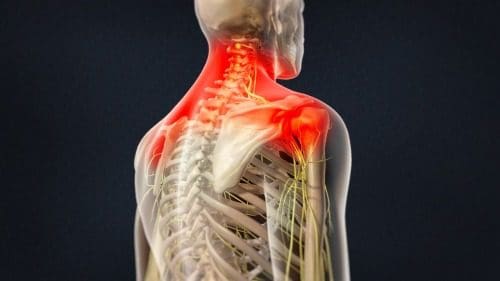
The neck can make sure that the head doesn’t flop around by letting the muscles, ligaments, and the spine hold the head upright. The neck is responsible for twisting and turning the head in all directions without the feeling of discomfort. However, the neck also has soft tissues, and nerve roots spread out from the cervical area of the spine that helps control the shoulders, arms, and hands. When a person suffers from a neck injury, it can cause unwanted pain and discomfort to the neck muscles and disrupt the motor functions in the upper body. Luckily, some treatments help alleviate the pain and restore motor function to the neck. Today’s article post will examine how cervical stenosis affects the neck and the cervical spine and how traction therapy can help alleviate cervical stenosis for many suffering individuals. Patients are referred to qualified, skilled providers who specialize in spinal decompression therapy. We go hand in hand with our patients by referring them to our associated medical providers based on their examination when it’s appropriate. We find that education is valuable for asking crucial questions to our providers. Dr. Jimenez DC provides this information as an educational service only. Disclaimer
Can my insurance cover it? Yes, it may. If you are uncertain, here is the link to all the insurance providers we cover. If you have any questions or concerns, please call Dr. Jimenez at 915-850-0900.
How Does Cervical Stenosis Affect The Neck?
Has your neck been feeling stiff lately? Do you suffer from any pain in your neck after stretching from side to side? How about feeling discomfort after being hunched over for an extended period? All these issues are due to neck pain, and if a traumatic event or injury affects the neck even more, it can lead to the development of cervical stenosis. Like the lower back, the neck can also be injured as the soft tissues, and nerve roots spread out from the cervical area are compressed and aggravated. Research studies have found that cervical stenosis develops when the spinal column in the cervical spine becomes narrow due to either degenerative spinal changes or traumatic incidents. When the spinal canal becomes more limited, it can cause unwanted neck issues like cervical herniation and neck pain. If the nerve roots are aggravated due to being compressed, it can disrupt the sensory-motor function of the shoulders and arms, and hands. Additional information has shown that the symptoms of cervical stenosis symptoms develop gradually over time as there is no pain in the early stages. However, as cervical stenosis begins to progress in compressing the spinal canal and provoking the nerve roots, motor functions in the hands will start to lose their function in writing or grasping items. This can become a problem for many individuals if cervical stenosis is not treated immediately.
What Other Causes Does It Do To The Cervical Spine?
Since cervical stenosis progresses gradually without any pain symptoms in the early stages and becomes worse in the advanced settings, other causes can start affecting the neck and cervical spine. One of them is cervical myelopathy. Research studies have shown that it is a condition where the spinal cord becomes compressed and causes a disturbance in the upper extremity portions. When the upper part of the body begins to feel sharp electric sensations radiating from the neck down to the hands, it can cause muscle weakness and numbness in each section of the upper body. Other causes like natural degenerative issues can also result from cervical stenosis occurring in the cervical spine. Other research studies have shown that degenerative causes associated with cervical stenosis can activate pro-inflammatory factors in the spinal joints and cause excruciating swelling and pain-like symptoms along the spine. However, there are treatments to help reduce the pro-inflammatory markers and alleviate spinal cord compression along the cervical spine.
Traction Therapy For Cervical Stenosis-Video
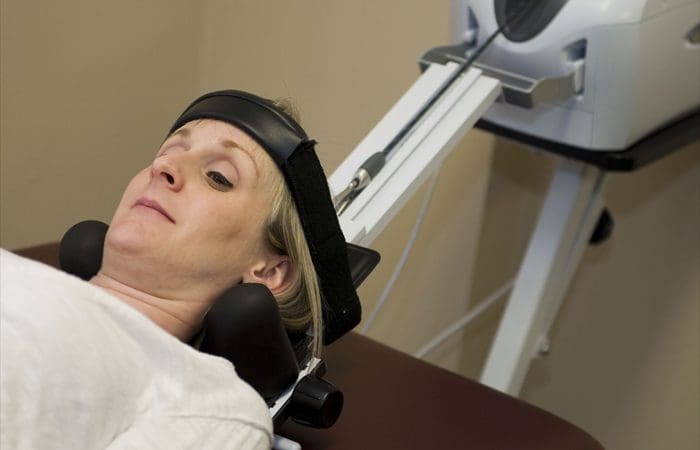
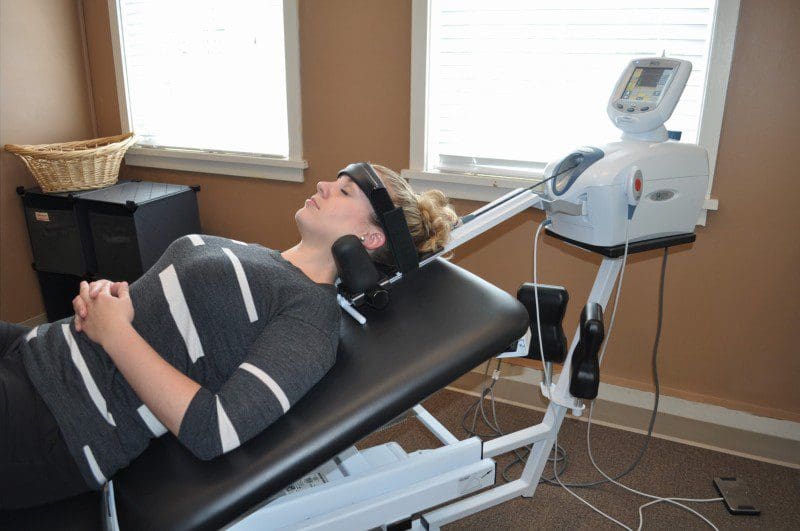
Do you have neck pain? Do your shoulders feel tight and tense? Have you lost the sensation in your hands? Traction therapy alleviates spinal stenosis in the cervical area and has given many beneficial factors for people who need neck pain relief. Experiencing cervical stenosis can dampen a person’s day and progressively worsen if it is not treated right away; traction therapy can help alleviate cervical stenosis. The video above shows how traction therapy works using the cervical mechanics from the Chatanooga decompression table. Cervical traction helps loosen up the tight muscle tissues and resets the cervical spine by setting it back in its proper alignment. This allows the spinal cord and nerve roots to feel relief from the pressure they’ve been under. Cervical traction also helps rehydrate the dry spinal discs with the nutrients beneficial to the body. This link will explain what traction has to offer and the impressive results for many individuals who suffer from cervical spinal stenosis or other issues that occur in the neck.
Traction Therapy To Alleviate Cervical Stenosis
Many treatments associated with neck pain do have beneficial results when people are trying to relieve the pain. Some people use ice/hot packs to ease tense neck muscles, while others take over-the-counter medicine to stop the pain for the remainder of the day. Traction therapy is one treatment that seems to alleviate the pain and help restore the cervical spine. Research studies have mentioned that cervical traction is a non-surgical procedure that uses a tension pull on the cervical spine to increase the height of the spinal disc and take the pressure off the spinal cord and surrounding nerve roots. Traction on the cervical spine helps relax the neck muscles while also providing much-needed relief to the cervical spine. Additional research mentioned the beneficial properties that cervical traction offers to help separate the vertebral bodies while providing movement on the facet joints and gently stretching the soft tissues.
Conclusion
The neck makes sure that the head stays upright and can make everyday motions without feeling pain or discomfort. When traumatic events or injuries affect the sensory-motor functions of the neck, it can narrow the spinal canal in the cervical spine and cause many unwanted symptoms like cervical stenosis. Cervical stenosis can develop over time and can progressively become worse if it is not treated right away. Some of the symptoms can induce muscle weakness, numbness, and pain along the neck, shoulders, arms, and hands in the body’s upper portion. Traction therapy for the cervical spine can help ease the painful symptoms by taking the pressure off the spinal canal and help reset the spine back in alignment. Incorporating cervical traction for neck pain can help many suffering individuals become pain-free on their health and wellness journey.
References
Abi-Aad, Karl R, and Armen Derian. “Cervical Traction – Statpearls – NCBI Bookshelf.” In: StatPearls [Internet]. Treasure Island (FL), StatPearls Publishing, 1 May 2022, https://www.ncbi.nlm.nih.gov/books/NBK470412/.
Bjerke, Benjamin. “Cervical Stenosis with Myelopathy.” Spine, Spine-Health, 10 July 2017, https://www.spine-health.com/conditions/spinal-stenosis/cervical-stenosis-myelopathy.
Burns, Stephen P, et al. “Cervical Stenosis in Spinal Cord Injury and Disorders.” The Journal of Spinal Cord Medicine, Taylor & Francis, July 2016, https://www.ncbi.nlm.nih.gov/pmc/articles/PMC5102300/.
Donnally III, Chester J, et al. “Cervical Myelopathy.” In: StatPearls [Internet]. Treasure Island (FL), StatPearls Publishing, 6 Mar. 2022, https://www.ncbi.nlm.nih.gov/books/NBK482312/.
Meyer, Frerk, et al. “Degenerative Cervical Spinal Stenosis: Current Strategies in Diagnosis and Treatment.” Deutsches Arzteblatt International, Deutscher Arzte Verlag, May 2008, https://www.ncbi.nlm.nih.gov/pmc/articles/PMC2696878/.
Rulleau, Thomas, et al. “Effect of an Intensive Cervical Traction Protocol on Mid-Term Disability and Pain in Patients with Cervical Radiculopathy: An Exploratory, Prospective, Observational Pilot Study.” PloS One, Public Library of Science, 11 Aug. 2021, https://www.ncbi.nlm.nih.gov/pmc/articles/PMC8357129/.
The spine is located in the back of the body, ensuring that it’s standing, on the move constantly, and resting when needed. This S-shaped curve helps protect the spinal cord from various injuries and helps transmit the signals from the brain and throughout the rest of the body. When injuries start to affect the spinal cord, it can lead to many chronic issues affecting the spine, neck, and lower back. Fortunately, there are available treatments that help alleviate spinal problems in the body, therefore providing relief for the individual. Today’s article emphasizes spinal stenosis, how it affects the spine, and how decompression can help restore the spine for many suffering individuals. Patients are referred to qualified, skilled providers who specialize in spinal decompression therapy. We go hand in hand with our patients by referring them to our associated medical providers based on their examination when it’s appropriate. We find that education is valuable for asking crucial questions to our providers. Dr. Jimenez DC provides this information as an educational service only. Disclaimer
Can my insurance cover it? Yes, it may. If you are uncertain, here is the link to all the insurance providers we cover. If you have any questions or concerns, please call Dr. Jimenez at 915-850-0900.
What Is Spinal Stenosis?
Have you felt radiating pain traveling along your back? How about muscle weakness in certain parts of your body? Do you feel weird sensations on your legs, neck, or lower back? These are signs that you could be encountering spinal stenosis along your spine, causing these symptoms. Research studies have defined spinal stenosis as a frequent condition in the cervical and lumbar portions of the spine that compressed the nerve roots connected to the spinal column. Spinal stenosis usually occurs when a person has experienced traumatic injuries and degenerative changes that affect the spinal canal either with mechanical force or spinal issues like disc herniation. Additional information has found that when many people are suffering from spinal stenosis, it can become progressively worse if it is not treated beforehand and can cause symptoms affecting the spine. Some of the signs that spinal stenosis can cause to a person depending on how severe it has affected their spine; which can include:
Radiating pain goes from dull to electric-shooting pain depending on the area in which spinal stenosis occurs.
Pins and needles sensations run from the legs, arms, or neck that occasionally flare-up.
Numbness that affects the arms and legs
Muscle weakness reduces the motor functions of the legs and arms while causing coordination problems to the person.
How Does It Affect The Spine?
Since spinal stenosis causes nerve root compression and narrowing of the spinal canal, it can affect many people dealing with excruciating pain along their spine. Research studies have shown that when spinal stenosis affects the spine, it causes degeneration of the spinal discs between the spinal joints to become unstable, hypermobile, and even hypertrophy. What this does is that it reduces the spinal canal, causing intermittent neurogenic claudication, which makes a person lose their balance and fall. Additional research has shown that when intermittent neurogenic claudication is associated with spinal stenosis, it affects the nerve roots through mechanical compression. This results in factors like venous congestion, diminished arterial blood flow to the spine, and even decreased nerve root impulse conduction to the spinal column. All is not lost as there are available treatments for many people who suffer from spinal stenosis.
An Overview On Spinal Stenosis-Video
Have you been feeling various pains that range from dull to excruciating along your back? Do you feel muscle weakness located in the arms or legs? Or have you been experiencing weird tingling sensations that cause numbness to your arms or legs? These are symptoms of spinal stenosis and can affect your overall health while causing you pain. Fortunately, spinal decompression might be the answer that you are seeking. The video above explains the causes of spinal stenosis and how to treat them non-surgical. Spinal decompression helps the spinal column gently move and stretch the spinal discs back to their position and restore their original functionality. This will cause the spinal canal to be relieved and alleviate the symptoms affecting the spine’s motor functions. Not only that, but many suffering individuals will notice that other issues like back, neck, and leg pain are reduced in their bodies. Spinal decompression for alleviating spinal stenosis has given many beneficial factors for people that need relief. This link will explainhow spinal decompression offers impressive results for many individuals who suffer from spinal stenosis or other spinal issues.
How Decompression Help Restore The Spine
With many treatments available for relieving spinal stenosis, research shows that non-surgical treatments like physiotherapy and spinal decompression can help reduce the pain symptoms caused by spinal stenosis and help improve the functionality back to the legs and lower back. Decompression does to the spine because it uses mechanical and manual traction to help loosen the stiff muscles and cause tension to reset the spinal discs back in place. Additional research has also shown that laminectomy, a form of surgical decompression, has been used to alleviate spinal stenosis by releasing the neural structures affected along the spine. With these treatments, many suffering individuals will feel much better and slowly regain their sense of purpose in the world without being in pain.
Conclusion
The spine helps the body protect the spinal cord while keeping it standing straight. When some injuries or issues affect the spine, it can lead to spinal problems like spinal stenosis. Spinal stenosis occurs when the nerve roots are compressed and narrow the spinal canal. The symptoms that spinal stenosis causes to the body can affect the sensory and motor functions to cause numbness and various pain ranging from dull to sudden sharp pain. Therefore, with decompression therapy, many individuals will feel relief from spinal stenosis as the spinal column becomes wider and allows the spinal discs to return to their proper position. Many people who use decompression treatments will feel much better and notice that their functionality is coming back, so they can keep on moving.
Estefan, Martin, and Gaston O Camino Willhuber. “Laminectomy.” In: StatPearls [Internet]. Treasure Island (FL), StatPearls Publishing, 1 May 2022, https://www.ncbi.nlm.nih.gov/books/NBK542274/.
Lee, Seung Yeop, et al. “Lumbar Stenosis: A Recent Update by Review of Literature.” Asian Spine Journal, Korean Society of Spine Surgery, Oct. 2015, https://www.ncbi.nlm.nih.gov/pmc/articles/PMC4591458/.
Lurie, Jon, and Christy Tomkins-Lane. “Management of Lumbar Spinal Stenosis.” BMJ (Clinical Research Ed.), British Medical Journal Publishing Group, 4 Jan. 2016, https://www.ncbi.nlm.nih.gov/pmc/articles/PMC6887476/.
Munakomi, Sunil, et al. “Spinal Stenosis And Neurogenic Claudication.” In: StatPearls [Internet]. Treasure Island (FL), StatPearls Publishing, 12 Feb. 2022, https://www.ncbi.nlm.nih.gov/books/NBK430872/.
The spine has the primary function where it makes sure that the entire body structure can stay upright, move around, bend and twist without feeling any sort of pain from these activities. The ligaments, soft tissues from the musculoskeletal system, the spinal cord, the nerve roots, and the spinal disc help protect the spine from an injury that a person has been into. When the body suffers from a back injury or a pulled muscle, it can cause stress on the spinal disc and nerve roots, causing a wide variety of symptoms that can aggravate the spine and cause the individual to be suffering in pain. Luckily many treatments can help alleviate painful symptoms from spinal and back injuries and even help reduce the symptoms from other chronic issues that the body is suffering. Today’s article will focus on chronic spinal stenosis and its symptoms and how decompression therapy can help alleviate chronic spinal stenosis for many individuals. By referring patients to qualified and skilled providers specializing in spinal decompression therapy. To that end, and when appropriate, we advise our patients to refer to our associated medical providers based on their examination. We find that education is the key to asking valuable questions to our providers. Dr. Alex Jimenez DC provides this information as an educational service only. Disclaimer
Can my insurance cover it? Yes, it may. If you are uncertain, here is the link to all the insurance providers we cover. If you have any questions, please call Dr. Jimenez at 915-850-0900.
What Is Chronic Spinal Stenosis?
Have you ever felt any neck or back pain that seems to come and go throughout the entire day? Does your back or neck start to feel weird sensations that cause your arms and legs to feel numb? How about a radiating dull ache that feels better by leaning forward? If you are experiencing this, then it might be spinal stenosis. Research studies have stated that spinal stenosis is a condition that compresses the surrounding nerve roots from the cervical and lumbar areas of the spine. Spinal stenosis is a gradual condition that narrows the spinal canal causing painful symptoms. If left untreated, it can become chronic spinal stenosis and cause severe and permanent damage to the spine in both the cervical and lumbar areas.
Research studies have found that since spinal stenosis is a gradual condition on the spine, wear and tear from conditions like disc degeneration, osteoarthritis, or even herniated discs can narrow the spinal canals and compress the nerve roots. When the nerve roots are squeezed and irritated, it can radiate pain from the neck or the lower back. For the cervical spinal canal, research shows that chronic spinal stenosis can progress disc degeneration further with disc protrusion and cause the ligaments to be thick, thus resulting in chronic neck pain. Now for the lumbar spinal canal, other research studies have found that chronic lumbar spinal stenosis is responsible for being the source of leg and back pain. When lumbar spinal stenosis becomes severe when it starts to compress on the nerve roots, especially the sciatic nerve, it can cause individuals to develop sciatica.
The Symptoms
Now, since the spine has three parts: the cervical, thoracic, and lumbar, when spinal stenosis starts to narrow the spinal canal and cause issues to the spine over time, some of the symptoms will pop up. Research studies have found that when a person has spinal stenosis, they feel pain when walking for long distances causing them to lean forward to relieve the pain or even have numbness on their legs and arms. Spinal stenosis can cause one problem in one area of the spine but can cause other issues in the rest of the body. Other symptoms that spinal stenosis causes to the spine include:
Feeling random pains pop up on your back or neck? How about a dull ache that causes a numbness or tingling sensation that affects your arms or legs? Or how about sharp radiating pain on your sciatic nerve? You might be suffering from chronic spinal stenosis, and non-surgical decompression therapy might be the answer that you seek. The video above explains how decompression therapy can help alleviate pain in the neck, back, and spine through gently stretching using a traction machine. This allows herniated spinal discs to be taking their pressure off the compressed nerve root and alleviate the pain that the person is in. Decompression therapy allows the individual to get back their quality of life pain-free. If you want to learn more about decompression therapy, this link will explain its benefits and how it can alleviate symptoms caused by chronic spinal stenosis.
With many treatments beneficial to low back and neck pain, people can use a wide variety to lower the symptoms. Some people use medicine to reduce the inflammation of the injured area, others use ice and heat compresses to bring down the swelling, and some use non-surgical treatments like chiropractic and physical therapy to alleviate the tension. One of the non-surgical treatments that can help with chronic spinal stenosis is decompression therapy. Research studies have found that when individuals suffer from spinal stenosis and have herniated discs pressing the compressed nerve roots, decompression therapy can help reduce the pressure. Decompression therapy uses negative pressure on the spine, causing it to be gently stretched and relieving the nerve root. The intervertebral herniated disc is supplied with nutrients and increases its hydration through traction. Not only that, but the soft tissues, muscles, and ligaments are relaxed on both the lower back and the neck.
Conclusion
Overall, spinal stenosis is a gradually progressive condition that causes herniated discs to irritate and compress the spinal nerve roots on the cervical and lumbar areas of the spine. When spinal stenosis starts to become chronic over time, it can cause permanent severe damage and cause radiating pain to both the legs and arms of the body. Luckily, treatments like decompression therapy can help alleviate the painful symptoms caused by spinal stenosis and restore spinal discs’ health by increasing their disc height. Utilizing decompression therapy and physical therapy is beneficial for spinal health. Both can dampen the effects of many painful symptoms caused by spinal stenosis, and many individuals can continue on their wellness journey.
References
Choi, Jioun, et al. “Influences of Spinal Decompression Therapy and General Traction Therapy on the Pain, Disability, and Straight Leg Raising of Patients with Intervertebral Disc Herniation.” Journal of Physical Therapy Science, The Society of Physical Therapy Science, Feb. 2015, https://www.ncbi.nlm.nih.gov/pmc/articles/PMC4339166/.
Meyer, Frerk, et al. “Degenerative Cervical Spinal Stenosis: Current Strategies in Diagnosis and Treatment.” Deutsches Arzteblatt International, Deutscher Arzte Verlag, May 2008, https://www.ncbi.nlm.nih.gov/pmc/articles/PMC2696878/.
Staff, Mayo Clinic. “Spinal Stenosis.” Mayo Clinic, Mayo Foundation for Medical Education and Research, 24 Oct. 2020, https://www.mayoclinic.org/diseases-conditions/spinal-stenosis/symptoms-causes/syc-20352961.
Wu, Lite, and Ricardo Cruz. “Lumbar Spinal Stenosis – Statpearls – NCBI Bookshelf.” In: StatPearls [Internet]. Treasure Island (FL), StatPearls Publishing, 25 Aug. 2021, https://www.ncbi.nlm.nih.gov/books/NBK531493/.
IFM's Find A Practitioner tool is the largest referral network in Functional Medicine, created to help patients locate Functional Medicine practitioners anywhere in the world. IFM Certified Practitioners are listed first in the search results, given their extensive education in Functional Medicine