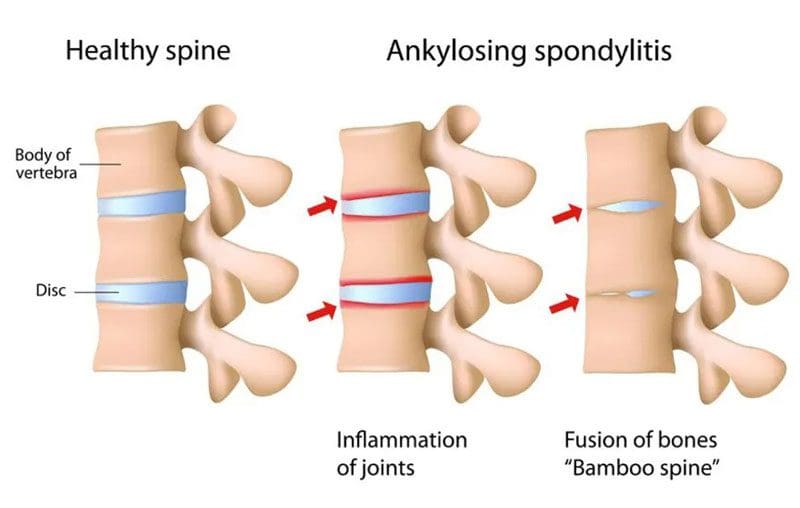
Spondylitis Anti-Inflammation Diet: Individuals who have a chronic back pain condition can be recommended to have two or more vertebrae fused to correct the problem/s and alleviate the pain. However, a form of inflammatory spinal arthritis can cause the vertebrae to fuse by themselves, known as ankylosing spondylitis. One recommended way to bring pain relief is by eating an anti-inflammatory diet. Studies have shown that a low-inflammatory diet can help improve spondylitis symptoms.
Spondylitis Anti-Inflammation Diet
Ankylosing spondylitis is a progressive inflammatory disease that primarily affects the spine; however, individual symptoms vary. Symptoms include stiffness and pain in the neck, hips, low back, and fatigue. There is no definite pattern meaning:
Symptoms can improve.
Symptoms can worsen or flare up.
Symptoms can stop for a period of time.
Women are affected more often than men with no known cause. There is no cure for ankylosing spondylitis, but treatments and self-care can slow down the disease’s progression and help manage symptoms.
Diet and Inflammation
Diet is not the root cause of inflammatory disease, but eating inflammation-causing foods can worsen symptoms. Reducing inflammation can help alleviate pain.
Eliminating foods that cause or increase inflammation is recommended to help the body become stronger and manage symptoms.
Functional medicine practitioners can help guide individuals on maximizing healthy nutrition and using it to reduce pain and symptoms.
If an individual has a genetic predisposition, their diet can be crucial to calm down the symptoms and help turn the autoimmune disease around.
A spondylitis anti-inflammation diet should be rich in vegetables, fruit, whole grains, and omega-3 fatty acids. Evidence shows that a diet low in starches can lead to less ankylosing spondylitis activity. Low-starch can also help limit the presence of Klebsiella pneumoniae, a bacteria that feeds on starch and is a known trigger for the onset and development of ankylosing spondylitis.
Foods To Eat
Leafy greens
These include spinach, kale, Swiss chard, and collard greens containing magnesiumand polyphenols that reduce inflammation.
These can be raw or cooked with garlic and olive oil added to maximize benefits.
Cruciferous vegetables
These contain sulforaphane, anantioxidantthat includes broccoli cauliflower and can be eaten raw or cooked, roasted with olive oil, sauteed, and stir-fried.
Allium Vegetables
These contain sulfuric compounds and quercetin,a flavonoidthat helps reduce inflammation.
These include red and yellow onions, leeks, garlic, and shallots.
They can be eaten raw or cooked in salads, stir-frys, and sandwiches.
Berries
These contain anthocyanin,an antioxidant flavonoid, and other antioxidants and polyphenols that help with inflammation.
These include strawberries, raspberries, blueberries, blackberries and can be eaten raw, in smoothies, in salads, with oatmeal, or mixed in unsweetened yogurt.
Fruits
Certain fruits contain quercetin and polyphenols to help with inflammation.
These include apples, cherries, oranges.
Healthy oils
Contain oleocanthalwhich acts similar to nonsteroidal anti-inflammatory medications and contains various antioxidants.
These include olive oil for low heat cooking and avocado oil for high heat cooking to replace butter and margarine.
It can be served in dressings and drizzled on foods.
Examples include walnuts, almonds, peanuts, pistachios, chia seeds, and ground flaxseeds.
These can be served as snacks, salads, mixed in side dishes, topping, or added to unsweetened yogurt or oatmeal.
Fatty fish
Omega-3 fatty acids help reduce inflammation.
Examples include salmon, cod, rainbow trout, mackerel, and sardines.
These can be baked, sauteed, grilled, mixed into salads, and stir fry.
Avoid These Foods
When making lifestyle adjustments for a spondylitis anti-inflammation diet, focus on reducing or removing processed foods and saturated fats. These include:
Sugars from all sources like soda, sugary drinks, shakes, candy, and desserts.
Trans fats, like those in fried foods like chips and fries.
Individuals may not be symptomatic with certain foods, but that doesn’t mean the foods should be consumed. Gluten, dairy, and eggs can cause potential problems as they compromise the gut and the immune system. These can set back the individual’s healing or remission.
Body Composition
What Happens To The Body When Eating Fruit
Fruit is made up of simple sugar called fructose, providing the body with a carbohydrate energy source. The natural sugar the body gets from a piece of fruit is not the same as processed fructose added to processed products like fructose corn syrup. Processed products are typically filled with empty calories and very little nutrition. When the body has fruit, the liver processes fructose before getting absorbed through the small intestine. Research shows that exposing the gut to more fiber-rich foods like fruit helps the gut achieve an anti-obese condition by increasing the good bacteria and reducing the obese bacteria. Essential nutrients from fruit include:
Folate
Vitamin C
Vitamin B1
The USDA recommends making half of each meal/plate be fruit and vegetables.
References
Harvard Health Publishing. (November 16, 2021) “Foods that Fight Inflammation.” https://www.health.harvard.edu/staying-healthy/foods-that-fight-inflammation
Macfarlane, Tatiana V et al. “Relationship between diet and ankylosing spondylitis: A systematic review.” European journal of rheumatology vol. 5,1 (2018): 45-52. doi:10.5152/eurjrheum.2017.16103
Nielsen, Forrest H. “Magnesium deficiency and increased inflammation: current perspectives.” Journal of inflammation research vol. 11 25-34. January 18 2018, doi:10.2147/JIR.S136742
Rashid T, Wilson C, Ebringer A. The Link between Ankylosing Spondylitis, Crohn’s Disease, Klebsiella, and Starch Consumption. Clin Dev Immunol. 2013;2013:872632. doi: 10.1155/2013/872632.
Sharma, Satya P et al. “Paradoxical Effects of Fruit on Obesity.” Nutrients vol. 8,10 633. 14 Oct. 2016, doi:10.3390/nu8100633
van Buul, Vincent J et al. “Misconceptions about fructose-containing sugars and their role in the obesity epidemic.” Nutrition research reviews vol. 27,1 (2014): 119-30. doi:10.1017/S0954422414000067
As individual bodies age, the nerves and muscles begin to degenerate, especially in the lower spinal region. This can cause sciatic pain and muscle weakness. Elderly sciatica is very common as the nerves and muscles have gone through a lot. Bending, lifting, carrying, reaching, twisting, and natural wearing and tearing make the sciatic nerve and surrounding muscles prone to injury. For overweight seniors, the risk of developing sciatica is higher.
Elderly Sciatica
The main reason for elderly sciatica is that as the body ages, the discs/cartilage between the vertebrae/bones in the spine dry out, losing their cushioning ability, which can lead to the bones shifting out of place more easily, rubbing against each other, and compressing nerves. On average, the body loses about 1 centimeter in height every ten years after 40.
Risk Factors
Diabetes
Diabetes affects the entire body.
Not keeping blood sugar in check can cause widespread symptoms that affect the nerves and organs.
Individuals with diabetes have an increased risk of developing sciatica and other nerve-damaging disorders.
Genetics
If spinal conditions are part of family medical history, there is an increased risk of developing sciatica.
With chiropractic, elderly individuals can attain better quality sleep, improved mood, and increased energy levels.
A chiropractic physical therapy team can develop a specialized/customized treatment plan for preventive and palliative care.
Body Composition
Sarcopenia
Sarcopenia affects the elderly population’s mortality, cognitive function, and quality of life. As the elderly population is living longer, preservation of lean mass becomes an integral part of maintaining an individual’s independence. Loss of muscle in the arms and legs is linked to decreased mobility, increased risk of falls, and prolonged hospital stays. Falls and fractures often result in a cycle of muscle deterioration. InBody can help track body composition changes and help to minimize muscle wasting and risk of impaired mobility.
References
Aggarwal, Sameer, and Nityanand. “Calcium and vitamin D in postmenopausal women.” Indian journal of endocrinology and metabolism vol. 17,Suppl 3 (2013): S618-20. doi:10.4103/2230-8210.123549
Dougherty, Paul E et al. “The role of chiropractic care in older adults.” Chiropractic & manual therapies vol. 20,1 3. 21 Feb. 2012, doi:10.1186/2045-709X-20-3
Ferreira, Manuela L, and Andrew McLachlan. “The Challenges of Treating Sciatica Pain in Older Adults.” Drugs & aging vol. 33,11 (2016): 779-785. doi:10.1007/s40266-016-0404-z
Kherad, Mehrsa et al. “Risk factors for low back pain and sciatica in elderly men-the MrOS Sweden study.” Age and aging vol. 46,1 (2017): 64-71. doi:10.1093/ageing/afw152
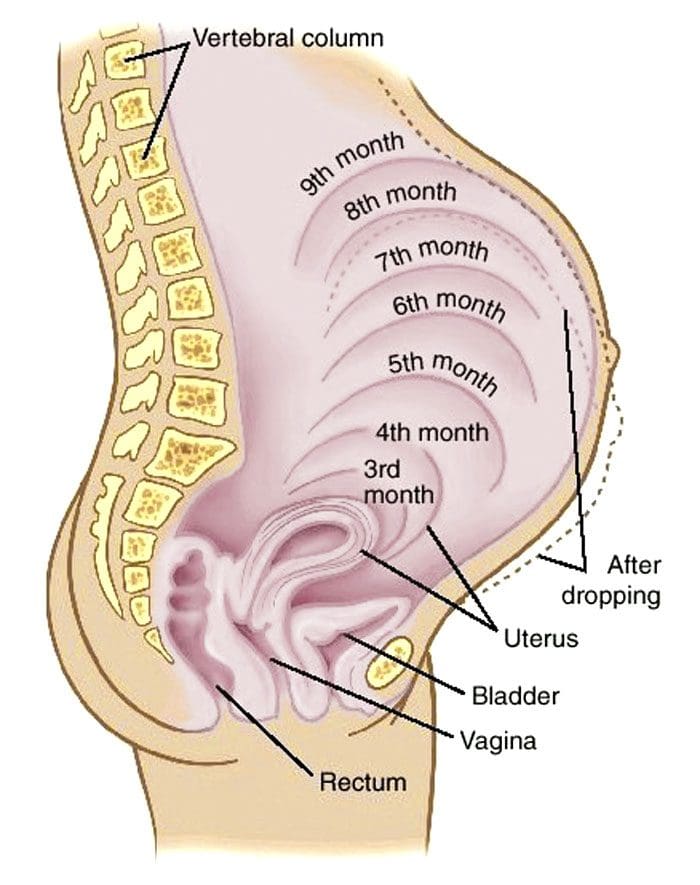
Pregnant and Chiropractic: Many women experience back/pelvis/leg/feet swelling, soreness, achiness, and pain during pregnancy. A growing belly added weight and changes in connective tissue can cause a variety of musculoskeletal strains and misalignments. Chiropractic care provides health maintenance of the spinal column, discs, nerves, joints, muscles, and bones. It is an art and science of adjusting a misaligned body, reducing stress, and promoting health throughout the body.
Pregnant and Chiropractic
With a primary doctor’s clearance, chiropractic can provide safe adjustments. Chiropractors trained to work with pregnant women utilize techniques that avoid applying pressure on or around the abdomen. Benefits of chiropractic during pregnancy include:
Restores and maintains spinal alignment and balance.
Helps control symptoms of nausea.
Improves energy levels.
Relieves body pain.
Helps reduce labor time and delivery.
Restores pelvic positioning and balance, improving standing, sitting, and walking mechanics.
A chiropractor trained in the needs of pregnant women will also provide exercises and stretches that are safe during pregnancy. A chiropractor will discuss/recommend treatment options, patient concerns, and a complete medical history assessment. They will monitor symptoms to customize treatments to the individual’s specific needs to get the most relief.
Body Composition
Gestational Hypertension
Gestational hypertension develops during pregnancy. It is not preventable and returns to normal levels postpartum. However, there is an increased risk of developing chronic hypertension later if gestational hypertension begins to develop. According to Mayo Clinic, gestational hypertension is diagnosed by the following:
Blood pressure is higher than 140/90 on at least two occasions.
Must be more than four hours apart.
There is no other organ damage present.
References
Gutke, Annelie et al. “Treatments for pregnancy-related lumbopelvic pain: a systematic review of physiotherapy modalities.” Acta Obstetricia et Gynecologica Scandinavica vol. 94,11 (2015): 1156-67. doi:10.1111/aogs.12681
Poděbradská, R et al. “The effect of physiotherapy intervention on the load of the foot and low back pain in pregnancy.” “Vliv fyzioterapeutických postupů na zatížení plosky a bolesti zad v těhotenství.” Ceska gynekologie vol. 84,6 (2019): 450-457.
Schreiner, Lucas et al. “Systematic review of pelvic floor interventions during pregnancy.” International journal of gynecology and obstetrics: the official organ of the International Federation of Gynaecology and Obstetrics vol. 143,1 (2018): 10-18. doi:10.1002/ijgo.12513
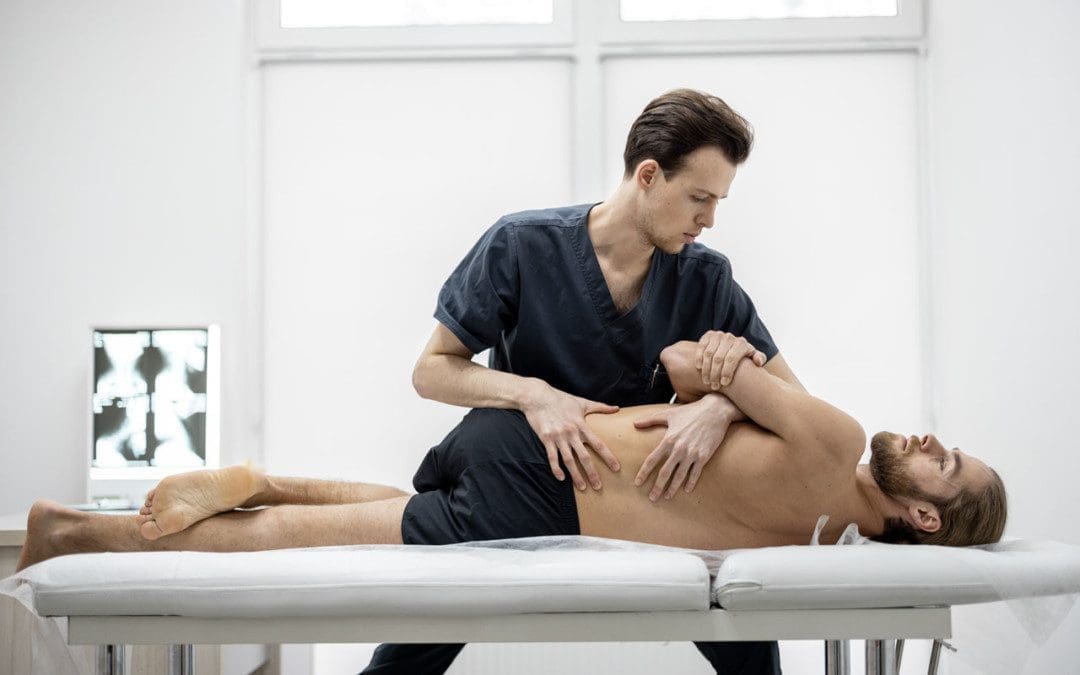
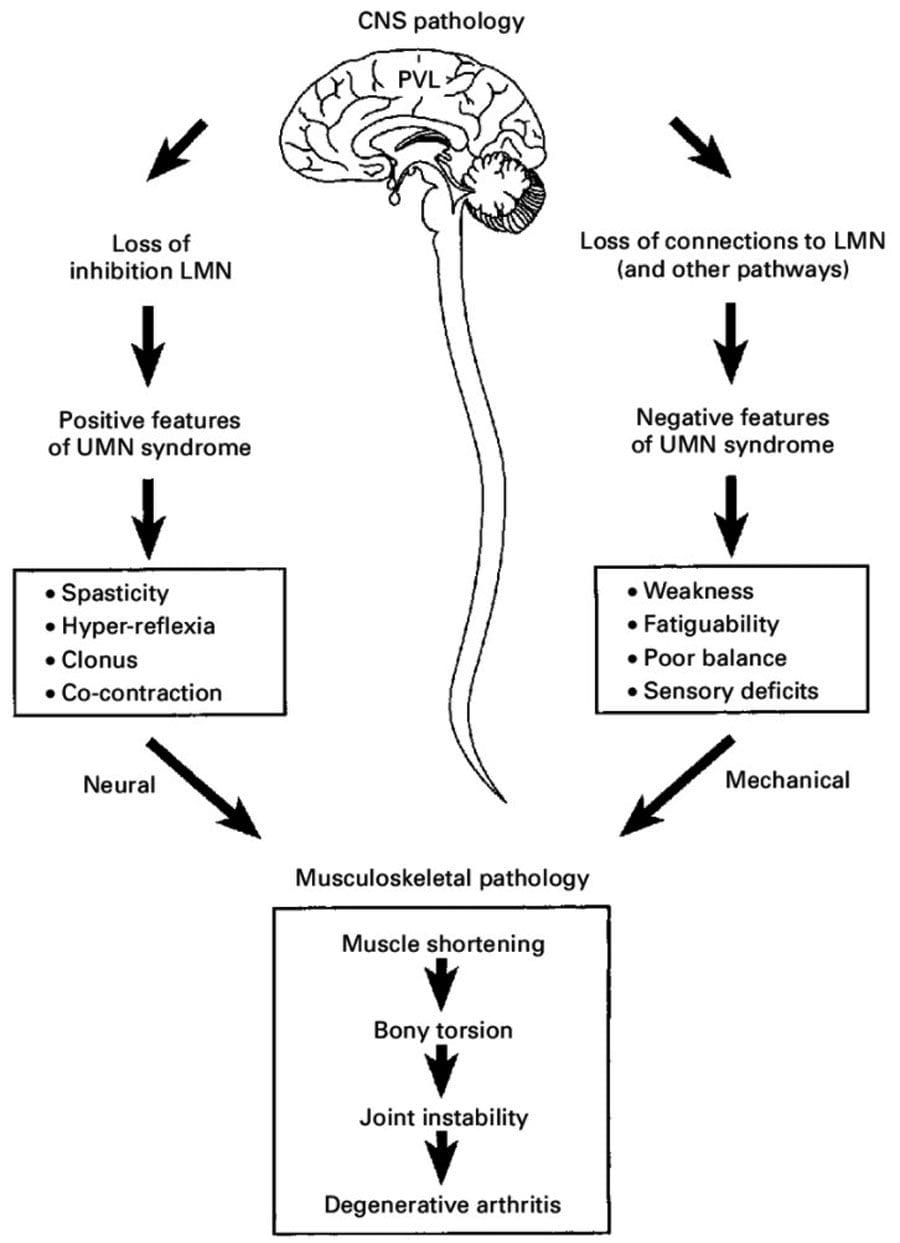
Chiropractic is a form of neuromusculoskeletal care that repairs and re-optimizes the nervous system that helps to relieve tension, inflammation, pain and restore body health. Like any piece of machinery that requires regular maintenance to operate correctly without issues, so too is the body an exquisite machine that needs regular maintenance. Treatment restores and maintains optimal function to the nervous system, muscles, bones, tendons, ligaments, and joints.
Neuromusculoskeletal Care
Central Nervous System – CNS
The Central Nervous System or CNS is the body’s computer.
It processes functions in the body and mind.
It s made up of the brain and spinal cord.
It helps process external information through sight, sound, touch, smell, and taste.
The CNS interprets sensory information that goes through the spinal cord to the brain, and the body responds accordingly.
It controls voluntary movements like walking, talking, exercising.
It controls involuntary movements like blinking, breathing, digestion.
It allows thoughts, emotions, and perceptions to be created and expressed.
When the Central Nervous System works correctly, the body is coordinated, all senses send and receive information effectively, and cognition/thinking is clear.
Peripheral Nervous System – PNS
The Peripheral Nervous System or PNS transmits signals from the outside to the Central Nervous System.
The PNS is comprised of all the nerve bundles that run throughout the body.
The PNS is responsible for transmitting information back and forth from the CNS to the rest of the body by electrical impulses and current.
When the PNS is functioning correctly, and there is thorough nerve circulation throughout the body, there are no issues like numbness, weakness, pain, and digestion is in top form.
Enteric Nervous System – ENS
The Enteric Nervous System or ENS is a branch of the peripheral nervous system that signals the digestive system.
It comprises nerves that stretch across the entire gastrointestinal tract.
It allows the nervous system to communicate with the digestive tract and regulate activity.
It can stop the digestive process when the body is under stress or strain, i.e., fight or flight response.
Inflammation and stress can cause the enteric system to disrupt and cause digestive problems.
Pain Relief
Body pain can be an indication of an imbalance in the nervous system. Misalignment from work, home activities, trauma, injury, or posture problems, a subluxation/misalignment can turn into discomfort that leads to pain and neuromusculoskeletal system issues. Pain in the neuromusculoskeletal system can result from spinal misalignment and a shifting skeletal structure. The joints and misaligned bones compress the surrounding nerves and tissue, causing inflammation that results in pain symptoms. This causes the muscular system to compensate for the lack of stability support from the skeletal structure causing awkward body posturing. A chiropractor realigns the spinal structure, removing the compression/pressure from the nerves, tissues, muscles, ligaments, and tendons.
Body Composition
Chiropractic Medicine
The nervous system is highly responsive to chiropractic care because of chiropractic’s focus on the spine, which restores and rejuvenates. Chiropractic medicine and a properly aligned spine:
Reduces and eliminates pain.
Reduces and eliminates headaches and migraines.
Improves balance and coordination.
Improves digestive function.
Improves quality of sleep.
Increases energy.
Increases flexibility and mobility.
Enhances cognition and clear thinking.
References
Goudman, Lisa et al. “The Link Between Spinal Cord Stimulation and the Parasympathetic Nervous System in Patients With Failed Back Surgery Syndrome.” Neuromodulation: journal of the International Neuromodulation Society vol. 25,1 (2022): 128-136. doi:10.1111/ner.13400
Gyer, Giles et al. “Spinal manipulation therapy: Is it all about the brain? A current review of the neurophysiological effects of manipulation.” Journal of integrative medicine vol. 17,5 (2019): 328-337. doi:10.1016/j.joim.2019.05.004
Millet, Guillaume Y et al. “The role of the nervous system in neuromuscular fatigue induced by ultra-endurance exercise.” Applied physiology, nutrition, and metabolism = Physiologie appliquee, nutrition et metabolisme vol. 43,11 (2018): 1151-1157. doi:10.1139/apnm-2018-0161
Stoll, T et al. “Physiotherapie bei lumbaler Diskushernie” [Physiotherapy in lumbar disc herniation ]. Therapeutische Umschau. Revue therapeutique vol. 58,8 (2001): 487-92. doi:10.1024/0040-5930.58.8.487
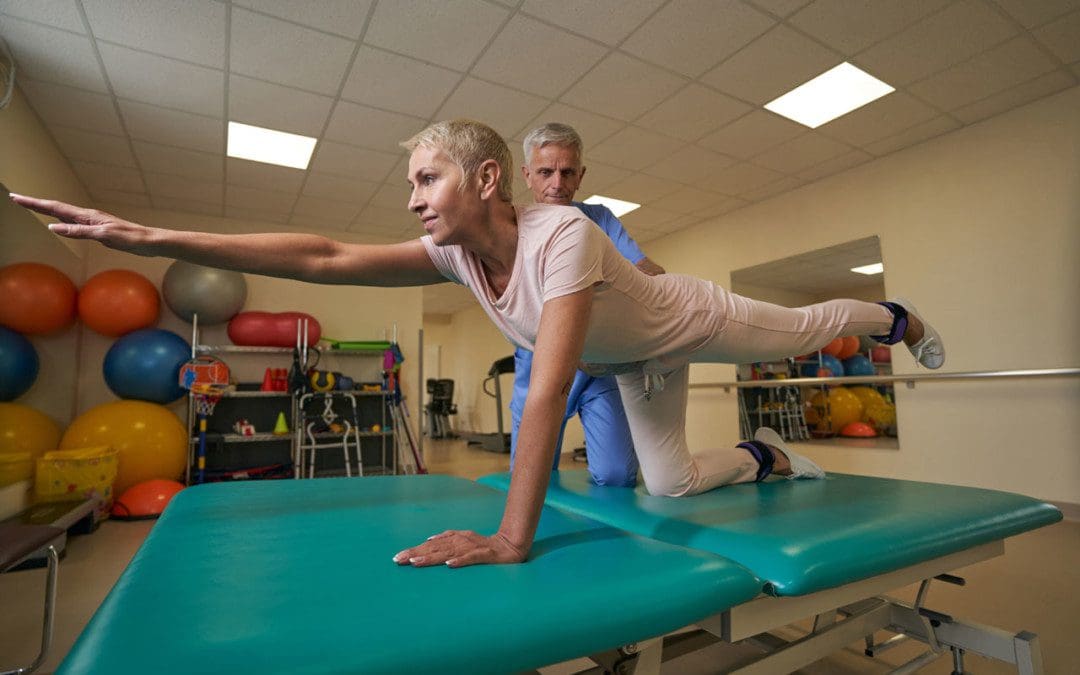
Post spine surgery physical therapy or PT is the next phase after a discectomy, laminectomy, fusion, etc., to gain optimal mobility and ease the transition for a full recovery. A chiropractor and physical therapist team will help with proper muscle training and activation, pain and inflammation relief, postural training, exercises, stretches, and educate the individual on an anti-inflammatory diet. Physical therapy post spine surgery reduces:
Scar tissue
Inflammation
Muscle weakness
Muscle tightness
Joint stiffness
The therapy also identifies and treats any issues that caused or contributed to the spinal damage/injury. A study found physical therapy to improve postoperative ambulation, pain, disability, and decreased surgical complications.
Post Spine Surgery Physical Therapy Goals
Physical therapy goals are to return the individual to full function before chronic pain or injury. These include:
Decrease pain and stress around the surgical site.
Loosen and stretch the muscles surrounding the surgical site.
Strengthen the back and neck muscles.
Stabilize the back and neck muscles.
Learn to move around safely.
Prepare for everyday physical activities like standing up or sitting down, lifting, and carrying objects.
Improve posture.
The therapy team will develop a customized treatment/rehabilitation plan as well as post-surgical recovery at home to help the individual and family to understand what to expect, including psychological factors like not wanting to perform the exercises or stretches to avoid pain, frustration, anger, depression, and wanting to give up. However, individuals can maximize the benefits to ensure an optimal outcome before surgery by pre-conditioning identifying structural and functional issues contributing to the injury.
Physical Therapy Involves
Therapy can be done at home, in a hospital or rehab setting, or at a chiropractic/physical therapy clinic. Therapists use:
A physical therapy session can last 45 minutes to an hour. It’s essential to discuss hopes and expectations post-surgery and after the therapy has finished. The therapists will explain the healing process, the treatment progression, and any questions a patient may have. Understanding the treatment process will help the individual want to engage in the treatment plan. The therapist team will also interface with the surgeon to prevent adverse outcomes.
Optimal Health
The physical therapy team will help the individual feel better with each session and stay motivated. Having a solid relationship with the therapy team makes it easier to share goals, worries, and challenges that the team can adapt to as progress is made. To gain the most from the therapy:
Try working with a therapist that the surgeon recommends can be helpful as they already have a working relationship.
Keep communication open between the surgeon and team.
Adhere to any precautions and restrictions set by the surgeon and therapy team.
Maintain recommended exercises at home between sessions.
Ease into activity and avoid overexertion.
Post spine surgery physical therapy helps accelerate the healing process and serves to help individuals regain their quality of life.
Body Composition
Power Of Protein
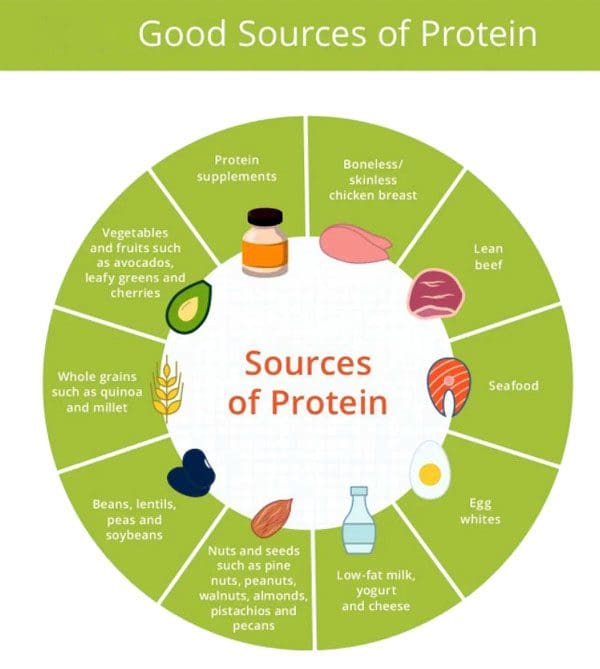
Protein is an essential component of muscle development, bone density, muscle mass, and lean tissue when building a healthy body. Protein is necessary for all the body’s physiological functions.
References
Adogwa, Owoicho et al. “Assessing the effectiveness of routine use of postoperative in-patient physical therapy services.” Journal of spine surgery (Hong Kong) vol. 3,2 (2017): 149-154. doi:10.21037/jss.2017.04.03
Atlas, S J, and R A Deyo. “Evaluating and managing acute low back pain in the primary care setting.” Journal of general internal medicine vol. 16,2 (2001): 120-31. doi:10.1111/j.1525-1497.2001.91141.x
Gellhorn, Alfred Campbell et al. “Management patterns in acute low back pain: the role of physical therapy.” Spine vol. 37,9 (2012): 775-82. doi:10.1097/BRS.0b013e3181d79a09
Jack, Kirsten et al. “Barriers to treatment adherence in physiotherapy outpatient clinics: a systematic review.” Manual therapy vol. 15,3 (2010): 220-8. doi:10.1016/j.math.2009.12.004
Lindbäck, Yvonne et al. “PREPARE: Pre-surgery physiotherapy for patients with degenerative lumbar spine disorder: a randomized controlled trial protocol.” BMC musculoskeletal disorders vol. 17 270. 11 Jul. 2016, doi:10.1186/s12891-016-1126-4
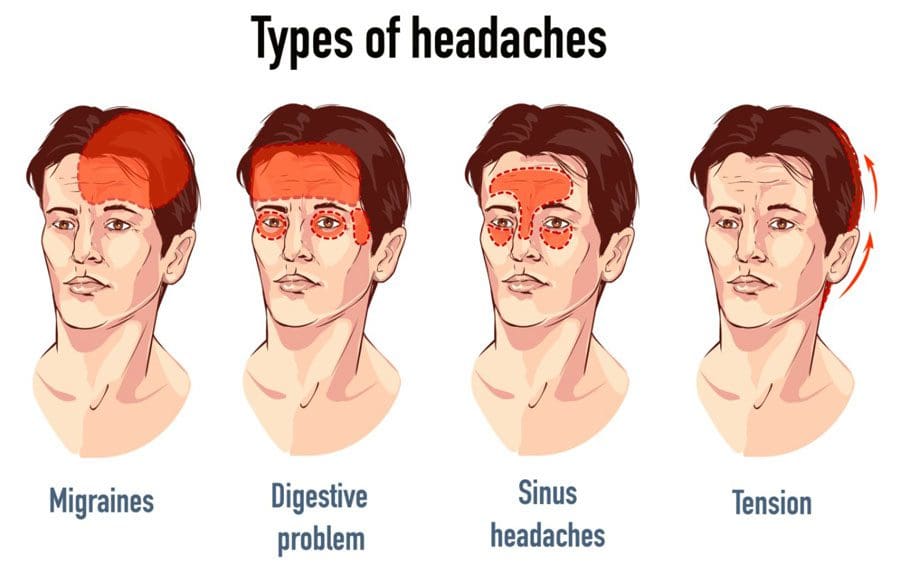
The most common form of pain is the headache. Whether dealing with a mild, dull ache, severe throbbing, or painful tension along the scalp and neck, headaches can disrupt and get in the way of everyday life. Over-the-counter pain medications can offer temporary relief, but they don’t get to the root and solve the cause. Chiropractic is a safe and effective treatment option that will bring head pain relief and treat what is causing the headache/s.
Triggers
Individuals engage in more sedentary activities, and more hours spent in one fixed position combined with poor posture can increase joint irritation and muscle tension in the neck, upper back, and scalp. Headaches can have a variety of causes or triggers. These can include:
Stress is the most common trigger
Muscle tension
Insomnia
Environmental stimuli – noises, lights, smells
Dehydration
Weather changes
Foods
Blood sugar changes
Excessive exercise
Most Common Types
There are two main categories: primary and secondary headaches.
Primary headaches
Primary headaches are when the headache itself is the main problem and is not a symptom of underlying diseases or conditions. These include:
Headache pain comes from interacting signals in the brain, blood vessels, and nerves. A mechanism activates specific nerves that affect the muscles and blood vessels, sending pain signals back to the brain. If any of the following is occurring it is recommended to contact a doctor, headache specialist, or chiropractor.
Three or more headaches a week.
Headaches that get worse or don’t go away.
Having to take a pain reliever every day or almost every day.
Need more than 2-3 doses of over-the-counter medications a week to relieve symptoms.
Headaches triggered by strenuous activity, hard work/exertion, bending, coughing.
What time of day/night the headache usually occurs?
How long does the headache last?
Where the pain is located?
Type of pain – throbbing, comes and goes, dull aching, one-sided, etc.
Does the headache come on suddenly without warning or slowly progress?
Are there other symptoms like weakness, nausea, sensitivity to light or noise, decreased appetite, changes in attitude or behavior?
Chiropractic
A chiropractor will assess, diagnose, conduct a physical examination to determine the cause and develop a personalized treatment plan to alleviate the pain and help to manage and prevent headaches. Treatment approaches include:
A combination of chiropractic manipulative therapy.
Activate trigger points to release tension and allow for optimal nerve and blood circulation.
Active and passive exercises.
Massage.
Health coaching.
Body Composition
Water
Most of the body is made up of water with the percentage of body composition that is water changing based on individual functional needs. Essential functions of water include:
Help to build/repair almost every cell in the body.
Regulating body temperature through sweating and respiration.
Energy from carbohydrates and proteins is transported by water through the blood.
Assists in the removal of metabolic waste through urination.
Acts as a shock absorber to protect the brain and spinal cord.
Creates saliva/fluids to lubricate the joints.
The amount of water in the body depends on various factors that include:
The most common water comes from lean body mass. This includes blood, organs, and muscle. Major body organs’ water content:
Lungs – 83%
Muscles and kidneys – 79%
Brain and heart – 73%
Skin – 64%
Bones – 31%
References
Bryans, Roland et al. “Evidence-based guidelines for the chiropractic treatment of adults with headache.” Journal of manipulative and physiological therapeutics vol. 34,5 (2011): 274-89. doi:10.1016/j.jmpt.2011.04.008
Tyagi, Alok. “New daily persistent headache.” Annals of Indian Academy of Neurology vol. 15,Suppl 1 (2012): S62-5. doi:10.4103/0972-2327.100011
Improving posture can be challenging. Poor posture is often the source of various musculoskeletal issues like chronic pain throughout the body. Poor posture can be so ingrained in the brain that it becomes an unconscious positioning reflex that feels right but could be worsening spinal, hip, and leg problems. The Alexander Technique could be a treatment option that could help long-term.
Alexander Technique
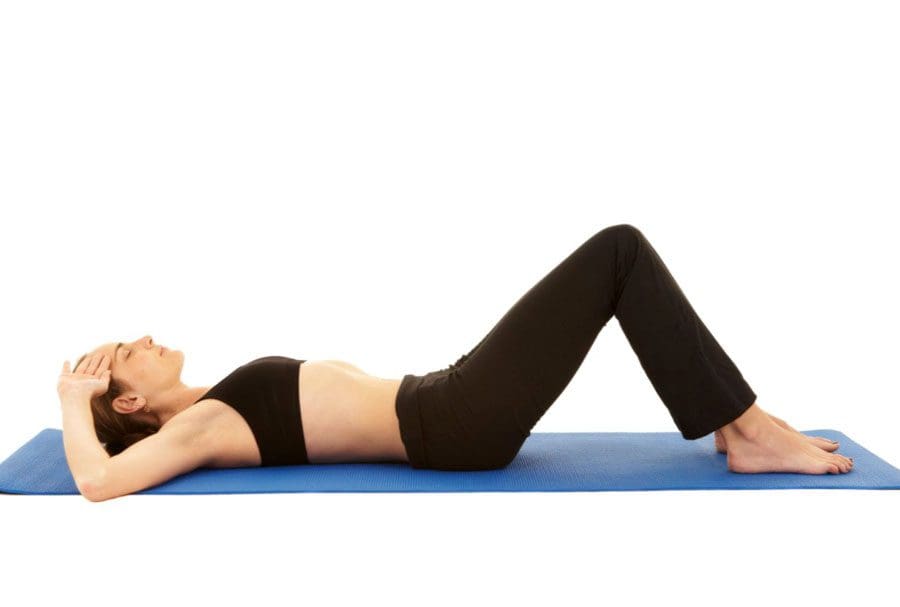
The approach focuses on learning mind-body awareness. It is an educational process to teach individuals to become aware of their body positioning and change unhealthy posture/movement habits into healthy ones. The objective is learning to utilize sufficient levels of muscle tension for everyday activities, like sitting, standing up, and walking in a healthy way to maintain optimal health of the musculoskeletal system.
The theory is that less tension minimizes wear and tear on the muscles and structures of the spine vulnerable to compression.
The fundamental goal of the Alexander Technique is to undo all the unhealthy tension habits to decompress the spine and retrain the mind and body to approach movement and body positioning in a new and healthy way.
Teachings
The technique can be done in a class setting or one-on-one teaching because everyone’s postural and movement habits are unique. A teacher helps identify the tension-inducing postures and educates the individual on how to correct them. Human touch is an integral part of the Alexander Technique. Using their hands gently to adjust the individual to a proper upright position, a teacher helps release pressure from the head, neck, shoulders, and upper back. The individual learns to release the tension throughout their body. The Alexander Technique is a type of hands-on therapy; it is not manipulation or massage. It uses a light touch with no risk of injury to the spine, allowing anyone to participate. However, individuals must be willing to participate/engage in the process to get the benefits. Most individuals can tell if it’s right for them during the first lesson.A typical program teaches:
Staying alert to the body’s warning of tension and compression.
Tension Build Up
Individuals usually don’t even realize they’re constantly placing pressure on their spine from unhealthy postural habits, building up muscular tension they never knew they created. For example, unhealthy neck position habits include:
Pushing the head forward
Slumping over
Pinning the shoulders back
These postures generate/build pressure and tension that radiates outward and down to the large muscles of the spine.
Habitual downward pressure can pull and change the spine’s shape, leading to degenerative forms of spinal deformity in severe cases.
When the tension is released, the neck and body begin to stand upright comfortably, without pulling down or pulling back.
Frederick Matthias Alexander
Developed the technique in the 1890s to help his muscle tension problems affecting his acting career. When performing, he would stiffen his neck and pull his head back and up, building tension that caused him to tighten his throat and lose his voice. He did not know he was doing this until he performed in front of a mirror and saw his awkward positioning. He realized this and retrained himself to pose naturally, stay relaxed, and be aware of any tension building in the muscles to release it immediately. Alexander Technique educators/practitioners practice all over the world. The American Society for the Alexander Technique or AmSAT website has a Find A Teacher Tool that connects individuals to AmSAT-approved teachers.
Body Composition
Practicing Mindfulness
Developing a mindfulness practice can help identify triggers of negative behavior or thoughts. Just like diet and exercise, practicing mindfulness is unique to everyone. It is recommended to try different things like:
Journaling is another way to tune into oneself. Grab a pen and paper, a computer, tablet, or phone, and take a few minutes to write every day.
Write one thing that makes you happy.
One thing you want to improve.
One goal you want to accomplish that day or that week.
Mindful music listening can help reduce stress by allowing the individual to focus their attention when their mind is going in all directions.
Instead of turning to the news or email when waking up, grab a cup of coffee or tea and listen to a favorite podcast or music.
Put the phone away and listen to your mind and self.
Try to meditate in the morning when waking up. This helps set the day’s goals/plans. Goal-setting mindfulness has been shown to reduce stress levels and anxiety. However, if the morning is not possible then at night before bed can be used to reflect on the day’s activities, what went well, what didn’t, how to improve something, whatever the case, the point is to make time for yourself to reflect, set goals, and develop a plan to achieve those goals.
References
Becker, Jordan J et al. “Preliminary evidence for feasibility, efficacy, and mechanisms of Alexander technique group classes for chronic neck pain.” Complementary therapies in medicine vol. 39 (2018): 80-86. doi:10.1016/j.ctim.2018.05.012
Cacciatore et al., Improvement in automatic postural coordination following Alexander technique lessons in a person with low back pain. Physical Therapy Journal, 2005; 85:565-578. Accessed January 5, 2011
Chin, Brian et al. “Psychological mechanisms driving stress resilience in mindfulness training: A randomized controlled trial.” Health psychology: official journal of the Division of Health Psychology, American Psychological Association vol. 38,8 (2019): 759-768. doi:10.1037/hea0000763
Little P, Lewith G, Webley F, et al. Randomised controlled trial of Alexander technique lessons, exercise, and massage (ATEAM) for chronic and recurrent back pain. The BMJ. 2008;337:a884. doi: https://doi.org/10.1136/bmj.a884.
Paolucci, Teresa et al. “Chronic low back pain and postural rehabilitation exercise: a literature review.” Journal of pain research vol. 12 95-107. December 20 2018, doi:10.2147/JPR.S171729
IFM's Find A Practitioner tool is the largest referral network in Functional Medicine, created to help patients locate Functional Medicine practitioners anywhere in the world. IFM Certified Practitioners are listed first in the search results, given their extensive education in Functional Medicine