Athletes and fitness enthusiasts work hard to stay in shape, but they are also at an increased risk for a lumbar hyperextension injury. Lumbar hyperextension injuries happen when the low back is bent backward repeatedly or overarches repeatedly. The repetitive stress can lead to severe complications and damage the nerves, vertebrae, and backbones. Motorized decompression therapy could be a treatment option.
Lumbar Hyperextension Injury
Injuries can be caused by overuse, improper mechanics and technique, lack of proper conditioning, insufficient stretching, or trauma. When looking for symptoms of lumbar hyperextension injuries, the first is low back pain that is severe and lasts at least a few days while becoming more intense with time. The lower back pain that worsens when extending, or arching the back, in addition to stiffness, muscle spasms, radiating buttock and thigh pain, tight hamstrings, and difficulty standing or walking, can be indicators of a lumbar hyperextension injury. However, this could be difficult to distinguish from other injuries like muscle strain, disc herniation, and stenosis; this is why a proper examination by a medical professional is recommended.
Treatment
Initial treatment consists of resting, sitting out from the sport, and other activities that could aggravate the back.
A doctor may recommend over-the-counter non-steroidal anti-inflammatory medications.
Heat and ice can also be used to increase circulation and relieve pain.
If hyperextension of the back continues even after rest, it could signify a stress fracture in the vertebrae. This condition is referred to as spondylolysis.Spondylolysis is an overuse injury. It occurs in individuals who participate in sports like gymnastics, diving, volleyball, football, and weight lifting. Spondylolysis and spondylolisthesis are common in adolescent athletes experiencing lower back pain.
A doctor may assign a back brace to prevent movement, allowing the bone to heal back together.
A doctor could also recommend physical therapy for 6-12 weeks after the diagnosis and once the bones have had time to heal.
Rehabilitation exercises focus on improving back flexibility and strength.
Athletes can be cleared to return to their sport within 3-6 months.
Surgery is rarely necessary and only looked into if the individual continues to have persistent pain after 6-12 months of treatment.
This changes the spine’s position, takes the pressure off the nerves and discs, and restores the cushioning.
As the machine pulls the body, a vacuum effect fills the discs with oxygen and nutrients to stimulate healing.
Computer technology controls treatment duration, angle, intensity, and relaxation.
Prevention
Athletes and fitness enthusiasts are recommended to seek professional help to retrain how they perform repetitive and excessive high-impact activities. Specifically, those involving hyperextension movements like kicking, jumping, running, and back bending help minimize the risk of developing a back injury. They are also recommended to maintain body conditioning, back and hamstring flexibility, core muscle strength and endurance, cardiovascular fitness, and properly warming up and stretching before and after the physical activities.
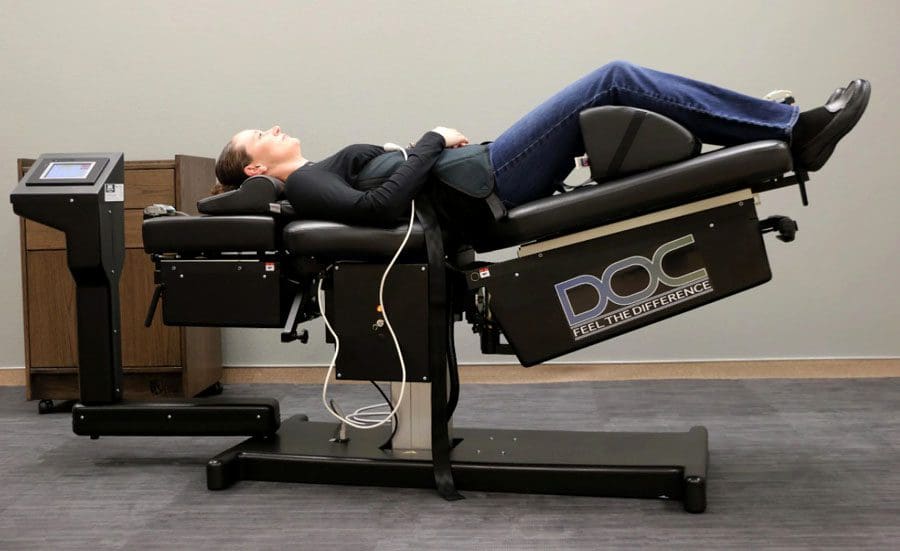
DOC Decompression Table
References
Ball, J.R., Harris, C.B., Lee, J. et al. Lumbar Spine Injuries in Sports: Review of the Literature and Current Treatment Recommendations. Sports Med – Open 5, 26 (2019). https://doi.org/10.1186/s40798-019-0199-7
Carter, D R, and V H Frankel. “Biomechanics of hyperextension injuries to the cervical spine in football.” The American journal of sports medicine vol. 8,5 (1980): 302-9. doi:10.1177/036354658000800502
Goetzinger, Sara, et al. “Spondylolysis in Young Athletes: An Overview Emphasizing Nonoperative Management.” Journal of sports medicine (Hindawi Publishing Corporation) vol. 2020 9235958. 21 Jan. 2020, doi:10.1155/2020/9235958
Lawrence, Kevin J et al. “Lumbar spondylolysis in the adolescent athlete.” Physical therapy in sport: official journal of the Association of Chartered Physiotherapists in Sports Medicine vol. 20 (2016): 56-60. doi:10.1016/j.ptsp.2016.04.003
Low Back Pain: Could it be a Spondy? Nationwide Children’s Hospital. (n.d.). https://www.nationwidechildrens.org/specialties/sports-medicine/sports-medicine-articles/low-back-pain-could-it-be-a-spondy.
Injury Medical Chiropractic Functional Medicine and Spinal Decompression Institute offer progressive technology to treat neck and back-related injuries, conditions, and disorders. We utilize a non-surgical spinal decompression system combined with chiropractic adjustments and therapeutic massage that combats back and neck pain. These combined techniques relieve nerve compression and separate the vertebrae in the back or neck to allow for optimal healing. Individuals suffering from herniated discs, sciatica, spinal stenosis, or pinched nerves can undergo decompression treatment to slow, stop, and reverse back issues.
Spinal Decompression Institute
The spine/back is a complex structure of joints, bones, ligaments, and muscles. Individuals can sprain ligaments, strain muscles, rupture disks, and irritate joints, leading to back issues and pain. Injuries from work, school, automobile accidents, and sports can lead to health issues that can become chronic and cause permanent damage.
Motorized mechanical decompression separates the vertebrae and discs, allowing them to realign and reset properly while increasing circulation, hydration, and oxygenation into the discs to heal fully.
This removes the compression on pinched nerves.
This is spinal retraining so the spine can remember a new healthy position.
What A Session Consists Of
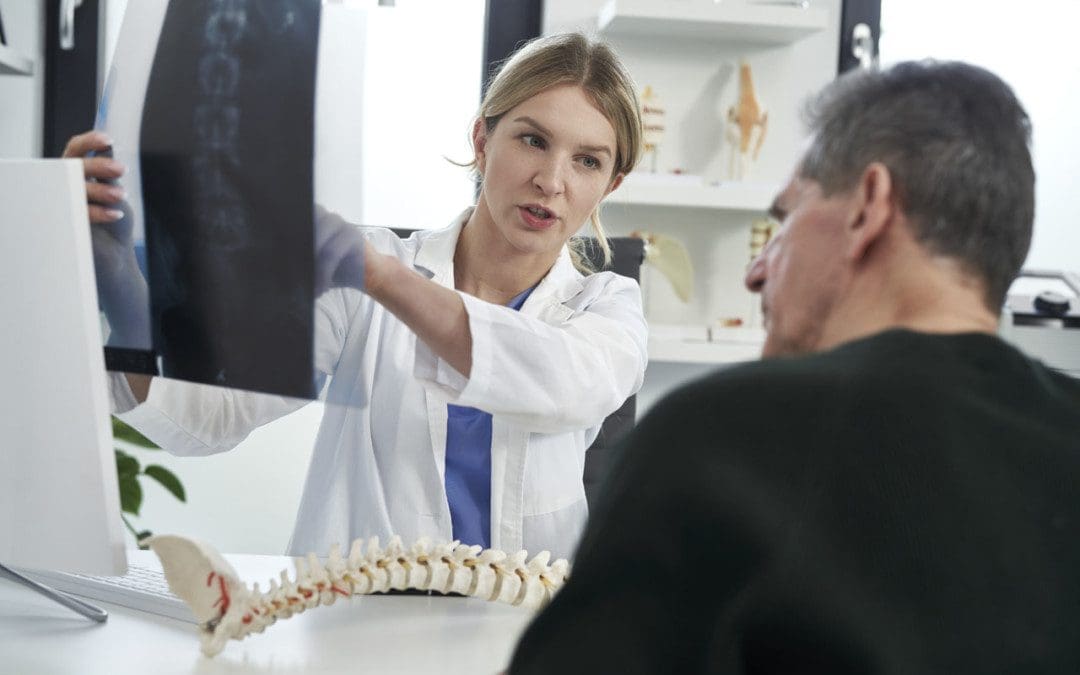
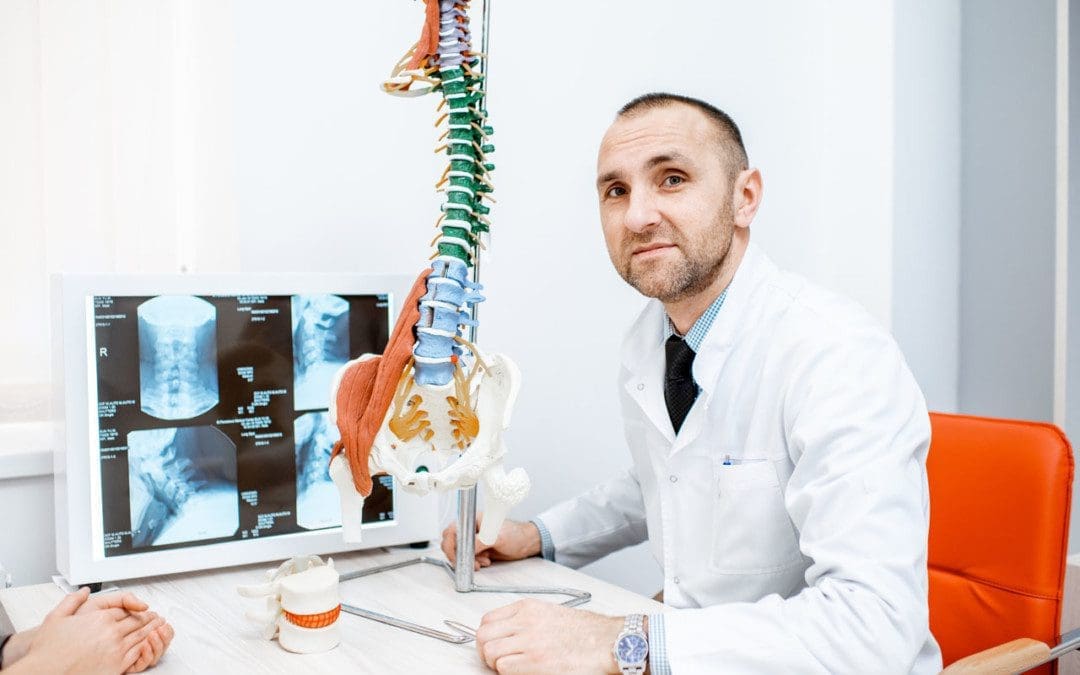
The individual’s doctor, spine specialist, or chiropractor will determine the treatment plan after their in-person physical evaluation and review of imaging scans like X-rays and/or MRI.
Every case is different, but a session typically requires 20-30 minutes.
Treatment plans differ in the number of sessions per week and the number of weeks necessary.
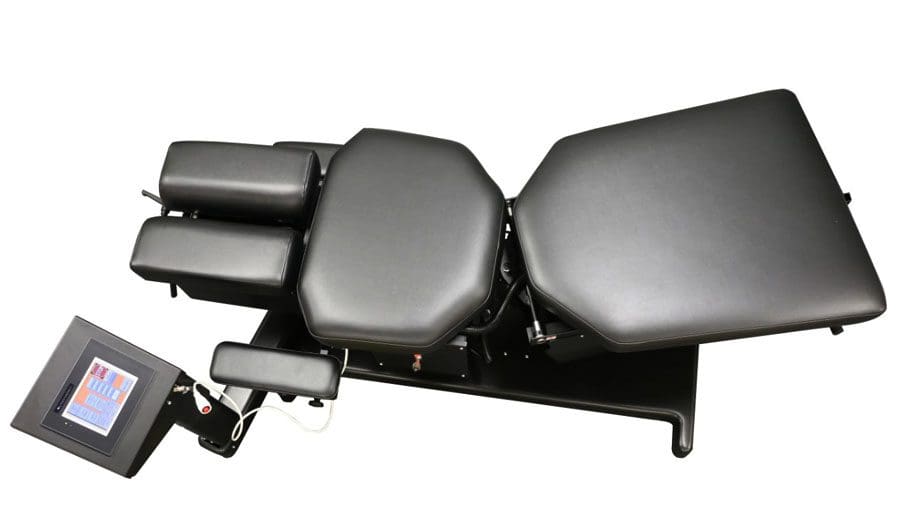
Patients remain clothed during a spinal decompression therapy session and lie on a motorized table.
Depending on the condition or injury, the patient could be in the prone position lying face down or lying supine face up.
A harness is placed around the hips or neck.
The technician/therapist sets up the program.
The table will move slowly back and forth and/or to the sides to provide spinal traction, release the compression, and promote relaxation.
There is no pain during or after the decompression therapy, but the patient will feel their spine stretch.
To avoid any discomfort, the system has emergency stop switches for the patient and the therapist technician.
The switches terminate the treatment immediately if the patient experiences pain or discomfort.
Physiological Well Being
Increases blood circulation and promotes nutrient supply through the spine.
At the Spinal Decompression Institute, we offer total care for complete health and well-being. Our goal is to thoroughly investigate the body’s health and determine the root cause of the pain. A successful spinal decompression program will help identify what led to the problem/s to prevent and avoid a recurrence of symptoms.
DRX9000 Non-Surgical Spinal Decompression System
References
Apfel, Christian C et al. “Restoration of disk height through non-surgical spinal decompression is associated with decreased discogenic low back pain: a retrospective cohort study.” BMC musculoskeletal disorders vol. 11 155. 8 Jul. 2010, doi:10.1186/1471-2474-11-155
Daniel, Dwain M. “Non-surgical spinal decompression therapy: does the scientific literature support efficacy claims made in the advertising media?.” Chiropractic & osteopathy vol. 15 7. 18 May. 2007, doi:10.1186/1746-1340-15-7
Koçak, Fatmanur Aybala et al. “Comparison of the short-term effects of the conventional motorized traction with non-surgical spinal decompression performed with a DRX9000 device on pain, functionality, depression, and quality of life in patients with low back pain associated with lumbar disc herniation: A single-blind randomized controlled trial.” Turkish Journal of physical medicine and rehabilitation vol. 64,1 17-27. 16 Feb. 2017, doi:10.5606/tftrd.2017.154
Macario, Alex, and Joseph V Pergolizzi. “Systematic literature review of spinal decompression via motorized traction for chronic discogenic low back pain.” Pain practice: the official journal of World Institute of Pain vol. 6,3 (2006): 171-8. doi:10.1111/j.1533-2500.2006.00082.x
Non-surgical spinal decompression relieves pain related to spinal conditions, injuries, and disorders that provides a comfortable, affordable alternative treatment option to costly and invasive surgical procedures. Non-surgical spinal decompression can also relieve pain associated with post-surgical rehabilitation. A key to successful outcomes is including added components of the treatment that includes spinal decompression nutrition.
Spinal Decompression Nutrition
Proper nutrition and a balanced diet are essential elements of overall health. Individuals suffering from herniated discs, bulging discs, degenerated discs, sciatica, and chronic low back and neck pain are often deficient in vitamins and minerals, leading to inflammation and pain. These deficiencies can cause or exacerbate the pain and prevent or slow down healing. The bones, muscles, and other structures in the spine need proper nutrition to be strong enough to support the body and perform functions optimally. A health coach and nutritionist can recommend the proper diet and supplements to expedite healing, depending on the patient, the circumstances, and the individual situation. A non-inflammatory diet can make a big difference in patients’ symptoms and the effectiveness of decompression therapy.
The Right Foods
Eating a balanced diet with the right amount and variety of vitamins and nutrients can reduce back problems by nourishing the spine’s bones, muscles, discs, and other structures. While a healthy diet calls for various vitamins and nutrients, several healthy choices can directly benefit the spine. First and foremost is:
Sugar and Nitrate Reduction
High sugar diets lack the nutrients needed to prevent the release of inflammatory mediators.
The average individual consumes around 100 lbs of sugar per year.
Dessert foods are high infatty acids, which increase inflammation.
Any foods containing high fructose corn syrup like salad dressings and sodas.
Processed foods high in nitrates like hot dogs, sausage, and lunch meats.
Super Foods
Increase healing of the spine at the cellular level with superfoods that include:
Water – maintaining hydration is important for re-hydrating degenerated, dried-out discs.
Pre Spinal Decompression Nutrition
The human body was created to heal itself; however, getting the proper nutrition can be difficult as circulation is impeded/blocked when going through a back injury or spinal condition. Eating and/or supplementing with essential nutrients and minerals could be recommended to encourage and engage the healing process. Using nutrients to improve recovery and healing is known as immunonutrition. Pre-decompression allows the tissues to begin healing. Then the chiropractic health team can prepare the tissues for decompression through therapeutic massage, heat, low-level laser therapy, and ultrasound.
DRX9000 Explained by a Neurosurgeon
References
Calder, Philip C. “Fatty acids and inflammation: the cutting edge between food and pharma.” European journal of pharmacology vol. 668 Suppl 1 (2011): S50-8. doi:10.1016/j.ejphar.2011.05.085
Gay R. “All About Spinal Decompression Therapy.” Spine-health. http://www.spine-health.com/treatment/chiropractic/all-about-spinal-decompression-therapy. Published September 2013. Accessed April 2015.
InformedHealth.org [Internet]. Cologne, Germany: Institute for Quality and Efficiency in Health Care (IQWiG); 2006-. What is inflammation? 2010 Nov 23 [Updated 2018 Feb 22]. Available from: https://www.ncbi.nlm.nih.gov/books/NBK279298/
Innes, Jacqueline K, and Philip C Calder. “Omega-6 fatty acids and inflammation.” Prostaglandins, leukotrienes, and essential fatty acids vol. 132 (2018): 41-48. doi:10.1016/j.plefa.2018.03.004
Whenever stepping out onto a playing field or gym, there is a risk of suffering sports back injuries. Back pulls, strain and sprain injuries are the most common. Low back pain is one of the most prevalent complaints at all levels of competition. 90% of these acute back injuries will heal on their own, usually in about three months. However, sometimes these injuries can be more severe and require professional medical care. Treatment options for different groups of athletes include nonsurgical motorized spinal decompression.
Sports Back Injuries
Injury mechanisms vary from sport to sport, but there are recommendations regarding spinal decompression treatment for these injuries and return to play. Chiropractic healthcare specialists understand the sport-specific injury patterns and treatment guidelines for athletes following a back injury. Spinal decompression treatments are beneficial and result in higher rates of return to play depending on the specific sport of the injured athlete. A chiropractor will create a personalized spinal decompression treatment plan for the sport-specific context to meet the athlete’s short and long-term needs.
An estimated 10–15% of athletes will experience low back pain.
All types of sports place increased stress on the lumbar spine through physically demanding and repetitive movements/motions.
The repetitive shifting, bending, twisting, jumping, flexion, extension, and spinal axial loadingmotions contribute to low back pain even though the athletes are in top shape with increased strength and flexibility.
Injury patterns demonstrate the increased stresses that athletes place on the lumbar spine.
Common Spine Sports Injuries
Cervical Neck Injuries
Stingers are a type of neck injury.
A stinger is also known as a burner is an injury that happens when the head or neck gets hit to one side, causing the shoulder to be pulled in the opposite direction.
These injuries manifest as numbness or tingling in the shoulder from stretching or compressing the cervical nerve roots.
Lumbar Lower Back Sprains and Strains
When trying to lift too much weight or using an improper lifting technique when working out with weights.
Fast running, quick stopping, and shifting can cause the low back and hip muscles to get overly pulled/stretched.
Staying low to the ground and springing/jumping up can cause abnormal stretching or tearing of the muscle fibers.
Fractures and Injuries to the Supporting Spinal Structures
In sports that involve repetitive extension movements, spinal stress fractures are relatively common.
Excessive and repeated strain to the spinal column area leads to low back pain and injury.
Nonsurgical Spinal Decompression
Nonsurgical spinal decompression is motorized traction that is used to relieve compression pressure, restore spinal disc height, and relieve back pain.
Spinal decompression works to gently stretch the spine changing the force and position of the spine.
The gel-like cushions between the vertebrae are pulled to open up the spacing taking pressure off nerves and other structures.
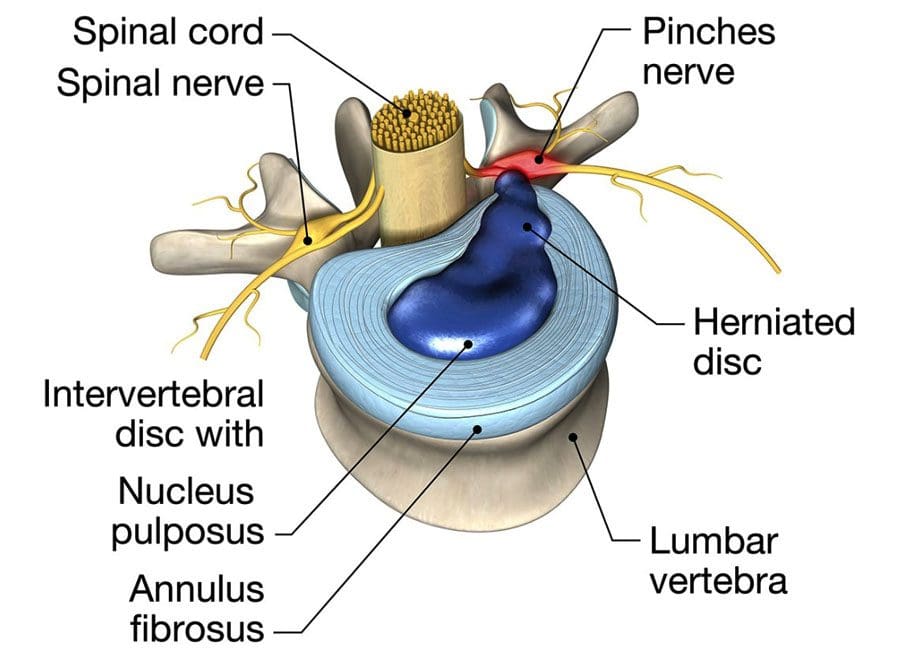
This allows bulging or herniated discs to return to their normal position and promotes optimal circulation of blood, water, oxygen, and nutrient-rich fluids into the discs to heal, as well as, injured or diseased spinal nerve roots.
DRX 9000 Decompression
References
Ball, Jacob R et al. “Lumbar Spine Injuries in Sports: Review of the Literature and Current Treatment Recommendations.” Sports medicine – open vol. 5,1 26. 24 Jun. 2019, doi:10.1186/s40798-019-0199-7
Jonasson, Pall et al. “Prevalence of joint-related pain in the extremities and spine in five groups of top athletes.” Knee surgery, sports traumatology, arthroscopy: official journal of the ESSKA vol. 19,9 (2011): 1540-6. doi:10.1007/s00167-011-1539-4
Lawrence, James P et al. “Back pain in athletes.” The Journal of the American Academy of Orthopaedic Surgeons vol. 14,13 (2006): 726-35. doi:10.5435/00124635-200612000-00004
Petering, Ryan C, and Charles Webb. “Treatment options for low back pain in athletes.” Sports health vol. 3,6 (2011): 550-5. doi:10.1177/1941738111416446
Sanchez, Anthony R 2nd et al. “Field-side and prehospital management of the spine-injured athlete.” Current sports medicine reports vol. 4,1 (2005): 50-5. doi:10.1097/01.csmr.0000306072.44520.22
Individuals with chronic back and/or leg pain are encouraged to try spinal decompression. Non-surgical spinal decompression is a treatment option therapy that has been proven to be safe, gentle, and successful. This therapy is motorized traction that takes the pressure off the spinal discs and stretches out the spine to its correct position. It is highly effective, comfortable, affordable, and a safe alternative to surgery. At Injury Medical Chiropractic and Functional Medicine Clinic, our spinal decompression team/tables effectively treat:
Neck pain
Chronic back pain
Sciatica
Bulging discs
Herniated discs
Degenerated discs
Whiplash
Try Spinal Decompression
The vertebral bones protect the spinal cord. Everyday wear-and-tear, improper posture and injury can cause parts of the vertebrae to compress the spinal cord’s nerves, leading to pain, numbness, or tingling. Non-surgical spinal decompression therapy is also known as NSSD or SDT/Spinal Decompression Therapy. The goal of the treatment is to restore optimal health to the spine. Pain-causing conditions can be reversed or healed, and discs can be normalized through the decompression process as it encourages spinal repositioning to promote optimal healing.
Decompression Table
The spinal decompression table may consist of a manually operated cable and pulley system or a computerized table segmented by the upper and lower body.
The angle and pressure applied depend on the type of injury and the individual’s needs.
Each procedure is carefully calculated to reposition the spinal discs and disc material to alleviate pain.
How It Works
Spinal decompression is a mechanized version of a chiropractic adjustment. By gently stretching and moving the spine, the vertebrae have proper alignment restored, restoring range of motion, decreasing or eliminating pain, and improving mobility and function.
The individual is strapped to the machine with a harness that helps position the back for optimal decompression.
Depending on the condition and severity, the therapist will choose from a list of decompression programs.
Slowly, the spine is stretched and lengthened, relieving pressure.
The spine’s stretching and repositioning are different from standard physical therapy and manual manipulation treatment.
It is a gradual process to prevent the body from muscle guarding as the natural response to avoid injury.
Treatment Benefits
An examination is required to see if an individual meets the criteria. Non-surgical spinal decompression therapy has been shown to:
Reduce or eliminate pain.
Rehydrate spinal discs.
Reduce disc bulging/herniation.
Improve functional abilities.
Decrease the need for surgery.
DRX9000
References
Apfel, Christian C et al. “Restoration of disk height through non-surgical spinal decompression is associated with decreased discogenic low back pain: a retrospective cohort study.” BMC musculoskeletal disorders vol. 11 155. 8 Jul. 2010, doi:10.1186/1471-2474-11-155
Koçak, Fatmanur Aybala et al. “Comparison of the short-term effects of the conventional motorized traction with non-surgical spinal decompression performed with a DRX9000 device on pain, functionality, depression, and quality of life in patients with low back pain associated with lumbar disc herniation: A single-blind randomized controlled trial.” Turkish Journal of physical medicine and rehabilitation vol. 64,1 17-27. 16 Feb. 2017, doi:10.5606/tftrd.2017.154
Macario, Alex, and Joseph V Pergolizzi. “Systematic literature review of spinal decompression via motorized traction for chronic discogenic low back pain.” Pain practice: the Official Journal of World Institute of Pain vol. 6,3 (2006): 171-8. doi:10.1111/j.1533-2500.2006.00082.x
Any vehicle crash, collision, or accident can cause various injuries, with back pain issues as a primary injury or a side effect from other injuries. Usually, injury symptoms begin right after the collision, but in other cases, individuals may not start experiencing symptoms until hours, days, or even weeks later. This is from the adrenaline that rushes throughout the body during the collision/fight or flight response delaying the injury symptoms. There are reports of individuals who walk away from an accident unscathed but require urgent medical treatment a short while later. Chiropractic care can provide manual and spinal motorized decompression benefits.
Decompression Benefits
Head Injuries
Head injuries occur when drivers and/or passengers hit their heads on the steering wheel, windows, dashboard, metal frame, and sometimes each other.
A head injury is considered a severe condition that can cause concussions, skull fractures, comas, hearing loss, cognitive and memory issues, and vision problems.
A significant head injury can cause extensive and costly medical treatment with the possibility of long-term medical care.
Neck Injuries
Neck injuries are common in vehicle collisions.
The most common is whiplash, with the head and neck-snapping from indirect blunt force, like being rear-ended.
Whiplash can cause significant damage to the ligaments and muscles, like swelling and neck pain, and temporary paralysis of the vocal cords.
Injury patterns of whiplash can differ depending on the speed, force, and overall health of the individual involved.
Back Injuries
Back injuries can range in severity from sprains to significant damage involving the nerves and/or the spinal cord.
If the damage is severe, it can lead to loss of sensation in the body, loss of limb control, or permanent paralysis.
Disc herniation/s can lead to disability, muscle weakness, tingling and numbness in the limbs, and radiating body pain.
Chest and Torso Injuries
Vehicle collision forces can result in severe chest injuries that include broken ribs.
Broken ribs might not sound dangerous by themselves; they can puncture the lungs leading to other injuries and internal bleeding.
The legs, feet, arms, and hands are frequently injured, broken, and sometimes dislocated.
Motorcyclists are also at a higher risk for significant injury that includes:
Multiple fractures, internal injury, head injuries, and severe ligament damage.
Pedestrians struck by a vehicle have an increased risk for a combination of all injuries at once.
Non-Surgical Decompression Benefits
Chiropractors are trained to identify and treat injuries from vehicle collisions.
Non-surgical spinal decompression gently stretches the spine using a motorized traction device to help reposition the spine and remove the pressure.
As the pressure is taken off, the spinal discs regain their natural height, relieving the pressure on the nerves and other spinal structures.
Optimal healing is promoted by an improved circulation of nutrients, water, and oxygen to the injury site.
Decompression helps to strengthen the muscles in the affected area.
It provides positive spinal structural changes.
Improves nervous system function.
Non-surgical decompression is a tool for correcting injuries and relieving pain, allowing optimal health for the individual.
DOC Decompression Table
References
Apfel, Christian C et al. “Restoration of disk height through non-surgical spinal decompression is associated with decreased discogenic low back pain: a retrospective cohort study.” BMC musculoskeletal disorders vol. 11 155. 8 Jul. 2010, doi:10.1186/1471-2474-11-155
Koçak, Fatmanur Aybala et al. “Comparison of the short-term effects of the conventional motorized traction with non-surgical spinal decompression performed with a DRX9000 device on pain, functionality, depression, and quality of life in patients with low back pain associated with lumbar disc herniation: A single-blind randomized controlled trial.” Turkish Journal of physical medicine and rehabilitation vol. 64,1 17-27. 16 Feb. 2017, doi:10.5606/tftrd.2017.154
Macario, Alex, and Joseph V Pergolizzi. “Systematic literature review of spinal decompression via motorized traction for chronic discogenic low back pain.” Pain practice: the Official Journal of World Institute of Pain vol. 6,3 (2006): 171-8. doi:10.1111/j.1533-2500.2006.00082.x
Restaurant work takes a toll on the body with the repetitive moving, bending, twisting, reaching, prepping, cutting, serving, and washing. This is especially true of the shoulders, arms, and hands. When individuals avoid treating their aches and pains, this can lead to chronic pain conditions that can cause severe and permanent damage to the musculoskeletal system. Chiropractic can alleviate the tingling and pain by removing the compression, re-stretching/lengthening, and strengthening the muscles and nerves to perform at optimal levels.
Restaurant Work
The arms and hands are designed to accomplish various tasks. When functioning normally, tasks can be performed flawlessly. Repetitive/Overuse or trauma can cause nerve compression, stiffness, and pain, decreasing function and affecting daily routines.
Carpal Tunnel
Carpal tunnel syndrome is one of the most common disorders that affect the arm and hands.
The carpal tunnel is a space where a nerve and several tendons pass. If the nerve becomes compressed, it can cause numbness, tingling in the fingers, pain, and muscle weakness, making it difficult to grip objects.
Discomfort and pain start gradually in one or both hands.
It can cause tightness and pain in the shoulder, forearm, wrist, and hand.
It can also cause numbness in the palm and fingers.
Avoid scheduling multiple consecutive long shifts for jobs that require repetitive hand motions.
Body Composition
Sticking To A Meal Plan
Identify personal motivation to stick to a meal plan other than improving body composition. To keep motivation high, individuals need to identify other reasons behind goals. This could be:
Saving money from the food budget.
Spending time with loved ones preparing a healthy recipe.
Setting an example to family and friends.
It can be whatever motivates you.
Reassess and tweak the meal plan as needed.
Nutritional needs or dietary preferences change.
Meal planning should be a dynamic process.
Don’t get disappointed if not going as planned.
Refocus by making changes as needed.
References
Gentzler, Marc D, and Janan A Smither. “Using practical ergonomic evaluations in the restaurant industry to enhance safety and comfort: a case study.” Work (Reading, Mass.) vol. 41 Suppl 1 (2012): 5529-31. doi:10.3233/WOR-2012-0872-5529
Laperrière, Ève et al. “Work activity in foodservice: The significance of customer relations, tipping practices and gender for preventing musculoskeletal disorders.” Applied ergonomics vol. 58 (2017): 89-101. doi:10.1016/j.apergo.2016.05.013
Masear, V R et al. “An industrial cause of carpal tunnel syndrome.” The Journal of hand surgery vol. 11,2 (1986): 222-7. doi:10.1016/s0363-5023(86)80055-7
IFM's Find A Practitioner tool is the largest referral network in Functional Medicine, created to help patients locate Functional Medicine practitioners anywhere in the world. IFM Certified Practitioners are listed first in the search results, given their extensive education in Functional Medicine