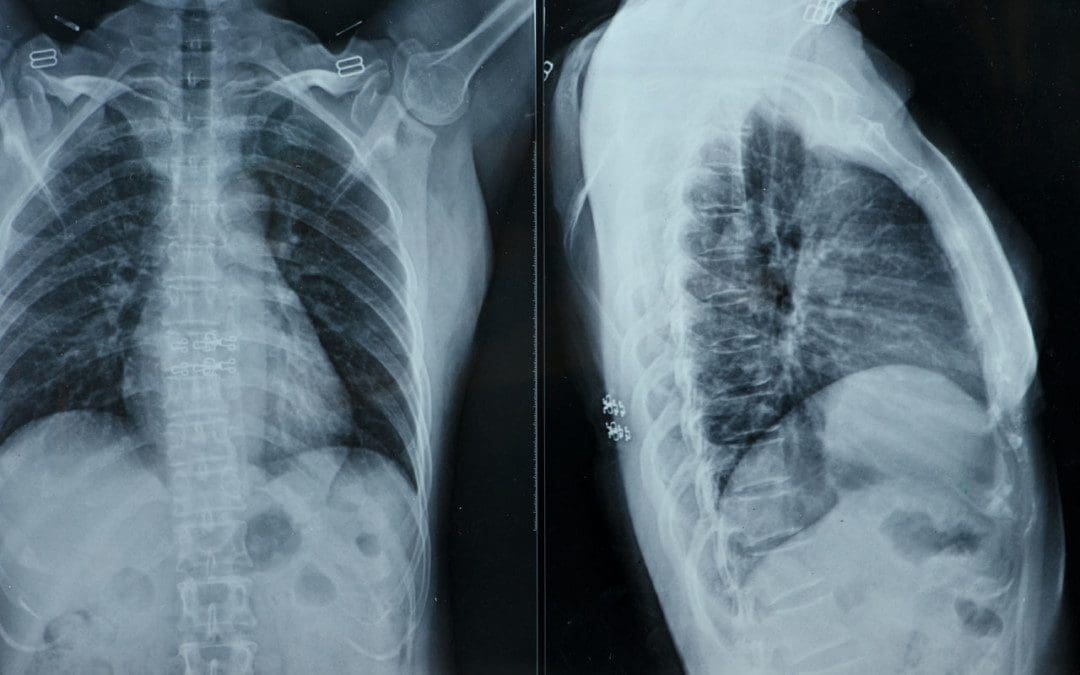
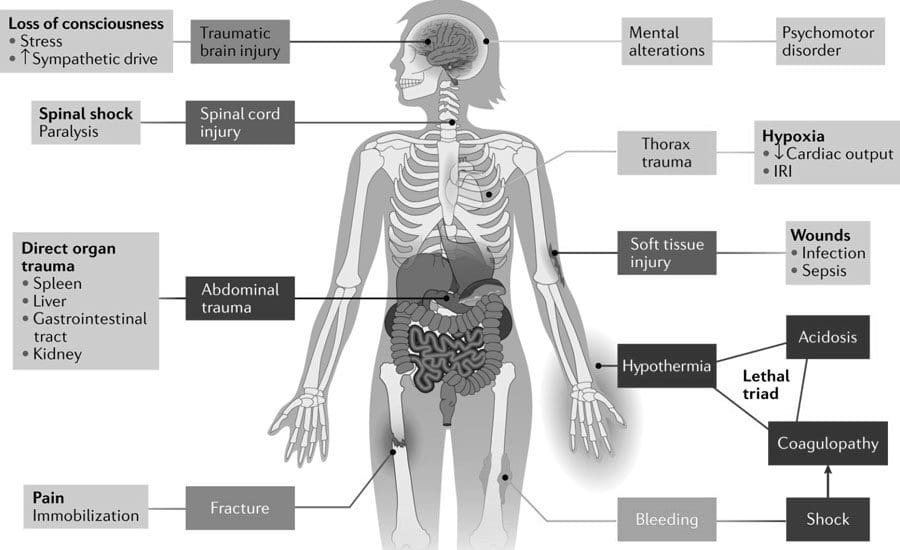
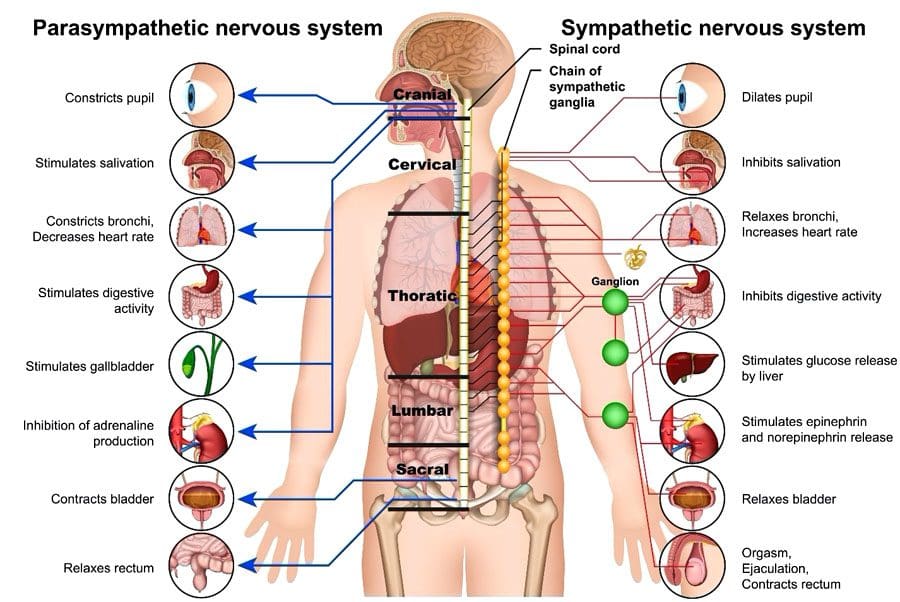
Internal injuries occur under the skin and muscle tissues. Internal organ damage occurs when an organ’s structure becomes altered or begins to malfunction and can be brought on by trauma or disease. Sympathetic nerves send and receive messages, including pain signals, from the brain through the spinal cord. Chiropractors understand the spine and internal organ connection. For example, the splanchnic nerves connect to the stomach, originating between thoracic vertebra six and ten.
Internal Organ Damage
Blunt Trauma
Blunt trauma/Non-penetrating trauma happens when a forceful impact strikes the body.
A car accident, hard fall, or getting hit by a dull object qualifies as blunt trauma.
Blunt trauma can rupture the blood vessels and organs.
Organs most likely to experience damage include the spleen and liver.
Penetrating Trauma
Penetrating trauma happens when an object enters the body.
The object can bruise, slice, and pierce organs.
Internal bleeding can occur if blood vessels are torn or cut.
Compartment syndrome occurs when swelling restricts blood circulation to and from the organ to the circulatory and nervous systems, causing pain and further damage to the organ tissues.
If circulation is not restored, the organs may fail.
Severe swelling of the organs can cause heart and lung problems, as the swollen organs leave no room for the lungs to expand or for the heart to pump blood.
Emergency Treatment and Rehabilitation
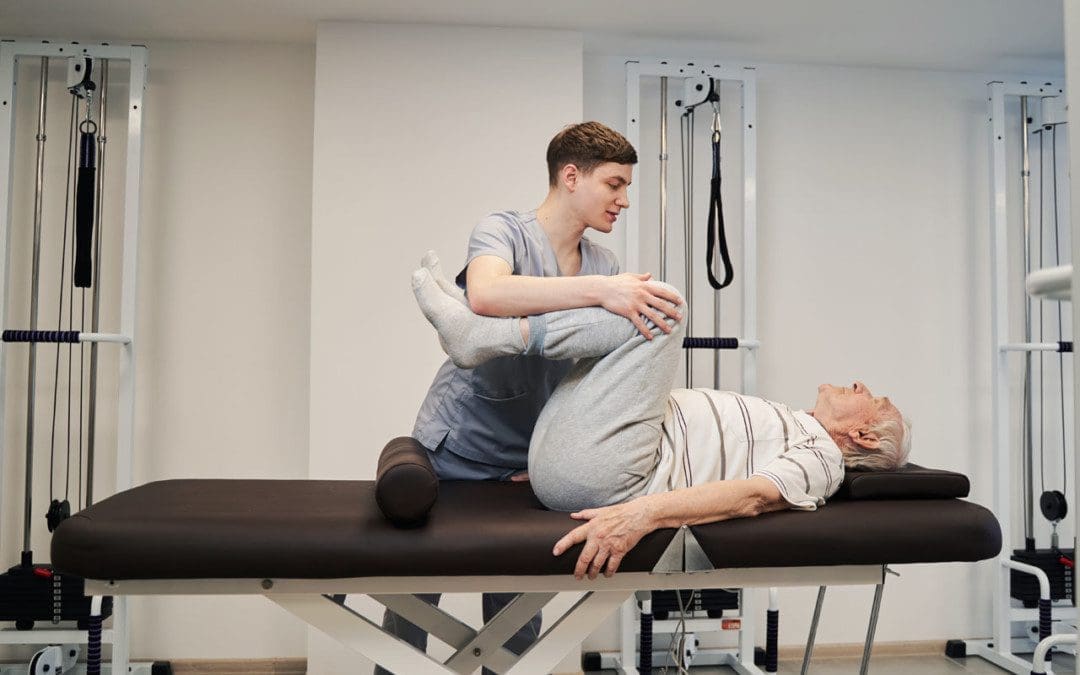
Blunt force injuries that produce significant organ impact, bleeding, and penetrating injuries may require surgery to repair or remove damaged organs. Doctors may keep the injured individual under observation for minor internal bleeding to see if surgery is needed. Minor internal bleeding often heals on its own without surgery. Injury Medical Chiropractic and Functional Medicine Clinic offer rehabilitation after surgery as a thorough way to expedite healing and recovery.
Chiropractic manages pain without medications that can interfere with the ability to perform simple tasks.
The body’s functions and biochemical responses from the trauma and surgery are addressed.
Inflammation and swelling are alleviated, and prevention is done through adjustments, massage, diet, and health coaching.
Severe Back Pain Chiropractic
References
Iheozor-Ejiofor, Zipporah, et al. “Negative pressure wound therapy for open traumatic wounds.” The Cochrane database of systematic reviews vol. 7,7 CD012522. 3 Jul. 2018, doi:10.1002/14651858.CD012522.pub2
McCausland C, Sajjad H. Anatomy, Back, Splanchnic Nerve. [Updated 2021 Aug 11]. In: StatPearls [Internet]. Treasure Island (FL): StatPearls Publishing; 2022 Jan-. Available from: https://www.ncbi.nlm.nih.gov/books/NBK549856/
Newman RK, Dayal N, Dominique E. Abdominal Compartment Syndrome. [Updated 2022 Apr 21]. In: StatPearls [Internet]. Treasure Island (FL): StatPearls Publishing; 2022 Jan-. Available from: https://www.ncbi.nlm.nih.gov/books/NBK430932/
Risselada, Marije. “Perforating Cervical, Thoracic, and Abdominal Wounds.” The Veterinary clinics of North America. Small animal practice vol. 47,6 (2017): 1135-1148. doi:10.1016/j.cvsm.2017.06.002
Shaheen, Aisha W et al. “Abdominal compartment syndrome in trauma patients: New insights for predicting outcomes.” Journal of emergencies, trauma, and shock vol. 9,2 (2016): 53-7. doi:10.4103/0974-2700.179452
Sikka, Rishi. “Unsuspected internal organ traumatic injuries.” Emergency medicine clinics of North America vol. 22,4 (2004): 1067-80. doi:10.1016/j.emc.2004.05.006
Practicing improper/unhealthy postures throughout the day can severely fatigue the mind and body. Children’s postural health is vital to their overall health and energy levels to perform tasks, school work, and play. An unhealthy posture causes the body to lose its ability to dissipate forces evenly and correctly. Symptoms like soreness, pain, tightness, and irritability can begin to present, which is the body’s way of letting the individual know something is off. When the body is in proper alignment, the spine disperses body weight correctly and efficiently. Chiropractic adjustments can effectively counter the unhealthy posture effects, and simple postural exercises can strengthen the body, increasing healthy posture habits.
Children’s Posture Health
Healthy posture is more than simply sitting and standing up straight. It is how the body is positioned, meaning the head, spine, and shoulders, and how it moves unconsciously like a walking gait. An uneven gait or awkward body position can indicate a problem and cause long-term consequences to a child’s health.
Challenges
Kids and children are constantly hunched, slumped, and slouched over device screens. This constant awkward positioning adds weight to the spine, increasing the pressure, which can cause issues ranging from headaches, mild neck pain, low back pain, and sciatica. Severe health effects from poor posture include:
Shoulder problems.
Chronic pain.
Nerve damage.
Difficulty breathing from prolonged hunching-over.
Spinal joint degeneration.
Vertebral compression fractures.
Poor alignment of the muscles begins to restrict postural muscles from relaxing correctly, making the muscles stay stretched or slightly flexed, causing strain and pain. As a child’s body grows, practicing unhealthy postures can drive continued awkward positioning, abnormal spine growth, and an increased risk for arthritis later in life.
Chiropractic Adjustments
A chiropractor will check for any imbalances, like a hunched back, one shoulder higher than the other, or a pelvic tilt/shift. Through a series of adjustments, chiropractic releases the muscles, relieves pressure on ligaments, allows the postural muscles to relax and realign to their proper position, prevents further muscle overuse, strain, abnormal joint wear, and helps reduce fatigue by conserving/utilizing energy as the muscles are functioning correctly and efficiently.
Exercises
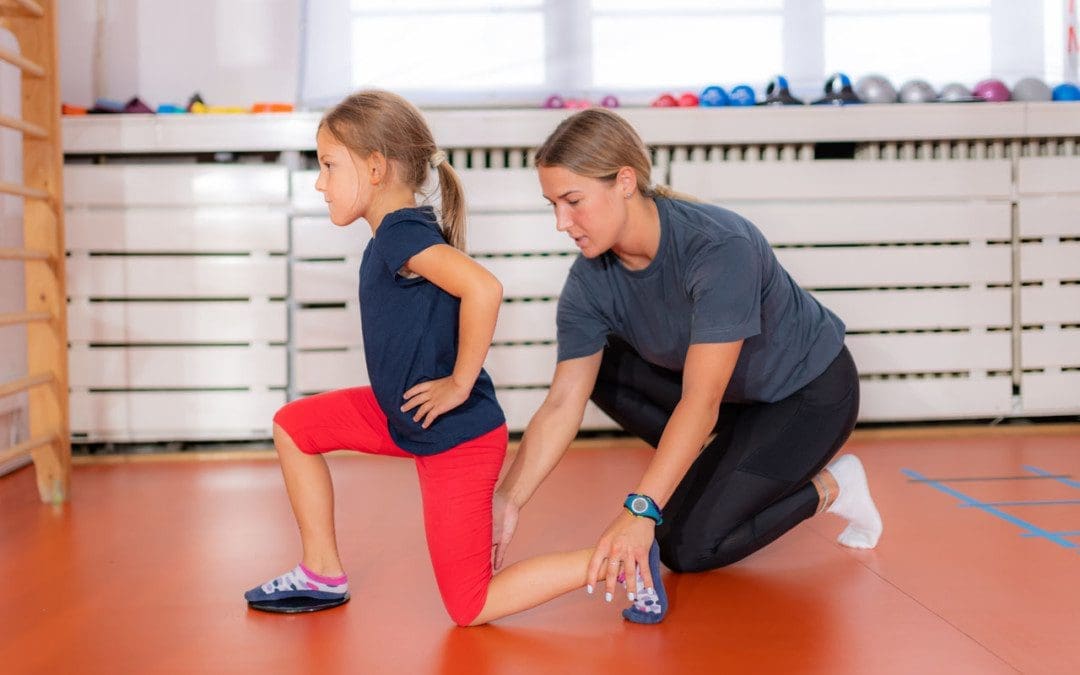
Simple postural exercises can help maintain children’s postural health.
Place hands next to the chest so that they are underneath the shoulders.
Gently press the chest upward.
Keeping the legs on the ground.
Look straight ahead.
They only take a few minutes, but the objective is consistency. Doing the poses for one week won’t immediately change unhealthy posture habits. It is developing consistent healthy postural habits that generate improvement. They should be done at least three times weekly to build strength and endurance.
Kids and Chiropractic
References
Achar, Suraj, and Jarrod Yamanaka. “Back Pain in Children and Adolescents.” American family physician vol. 102,1 (2020): 19-28.
Baroni, Marina Pegoraro, et al. “Factors associated with scoliosis in schoolchildren: a cross-sectional population-based study.” Journal of epidemiology vol. 25,3 (2015): 212-20. doi:10.2188/jea.JE20140061
da Rosa, Bruna Nichele et al. “Back Pain and Body Posture Evaluation Instrument for Children and Adolescents (BackPEI-CA): Expansion, Content Validation, and Reliability.” International journal of environmental research and public health vol. 19,3 1398. 27 Jan. 2022, doi:10.3390/ijerph19031398
King, H A. “Back pain in children.” Pediatric clinics of North America vol. 31,5 (1984): 1083-95. doi:10.1016/s0031-3955(16)34685-5
The sciatic nerve is the longest in the body and is the central nerve in the leg. A critical nerve that comes off the spine runs through the pelvis, into the buttocks, down the back of each thigh, and finally into the feet. It is a mixed nerve meaning it is made up of both motor/movement) and sensory/sensation fibers. The nerves merge with the spinal nerve roots before they enter the spinal cord, where the sensory information travels to and from the brain. If the nerve is inflamed, compressed, twisted, damaged, or injured, this can negatively affect the muscles’ function, leading to chronic pain conditions. Injury Medical Function Restoration Chiropractors will do precisely that for the sciatic nerve and the rest of the body.
Nerve Roots and Branches
Different nerve roots make up the sciatic nerve, with two starting in the lower back and three at the bottom of the spine or sacrum. At the knees, the nerve splits into two branches:
The peroneal nerve runs from the knee’s outer part to the foot’s outer part and splits into two main branches below the knee.
The tibial nerve goes down the back of the calf, extending to the heel and sole.
There are smaller branches at the:
Hips
Inner thighs
Calves
Feet
Sciatic Nerve Function
The sciatic nerve’s purpose serves motor functions by assisting the muscles in the legs and feet to move, walk, run, and stand. And for the sensory function of feeling sensations in the legs and feet includes pain, numbness, burning, and electrical sensations.
Motor Functions
The nerve provides motor functions that power movement to the muscles that move the thighs, legs, and feet. Essential motor functions:
Motor function signs of sciatic nerve problems include difficulty or inability to walk, bend the leg, and/or stand on tiptoe or the heel.
Sensory Functions
The nerve provides sensation to the different areas; when the nerve is injured, the corresponding area may feel unique/abnormal sensations with differing degrees of numbness, pins-and-needles, and pain. Commonly affected areas include:
Front, back, and outside the thigh.
Front, back, and outside the lower leg.
The top and outer side of the foot.
Bottom of the foot.
Between the toes.
Like motor function disruption, sensory impairment is determined by where the problems are occurring.
Function Restoration Chiropractor
Affected, reduced, and inhibited motor and sensory functions can lead to muscle weakness, chronic pain, and permanent nerve damage. Function restoration chiropractor and physical therapeutic massage can help manage nerve compression and irritation. Spinal manipulations restore misaligned vertebral discs taking the pressure off the nerve relieving the pain, and regaining nerve signal flow and mobility. Chiropractic will induce deep muscle relaxation to stop muscle spasms, release tension, soothe the nerve, release endorphins, and restore sciatic nerve function.
Spinal Decompression
References
Bouche, P. “Compression and entrapment neuropathies.” Handbook of clinical neurology vol. 115 (2013): 311-66. doi:10.1016/B978-0-444-52902-2.00019-9
Cook, Chad E et al. “Risk factors for first-time incidence sciatica: a systematic review.” Physiotherapy research international: the journal for researchers and clinicians in physical therapy vol. 19,2 (2014): 65-78. doi:10.1002/pri.1572
Giuffre BA, Jeanmonod R. Anatomy, Sciatic Nerve. [Updated 2021 Jul 29]. In: StatPearls [Internet]. Treasure Island (FL): StatPearls Publishing; 2022 Jan-. Available from: https://www.ncbi.nlm.nih.gov/books/NBK482431/
The body needs protein which is essential in building muscle, repairing tissue, producing enzymes and hormones and is a source of energy. Whey is a complete protein source that provides all the essential amino acids, vitamins, minerals, and other nutrients that increase anabolism, also known as muscle growth. It is used for various reasons. Some individuals want to build muscle mass and gain strength, while others want to lose weight and achieve improved results from working out. Even individuals who don’t exercise can benefit from the supplement as it supports immune function, helps reduce blood pressure, and improves insulin response.
Whey Protein
Whey protein is made from the liquid produced during the cheese-making process.
Milk comprises two forms of protein: casein (80%) and whey (20%).
It contains less than 0.5 g of fat and only 5 mg of cholesterol per serving.
Pure whey does not contain any gluten.
It is referred to as the most nutritious protein available.
It’s easy to digest.
Incorporating whey into a healthy diet can help lower the risk of diabetes.
Types
There are three primary types of whey protein in supplements.
Hydrolysate is a form that has already gone through partial hydrolysis, a process so the body can absorb protein.
It is considered pre-digested, so it gets absorbed quicker.
Concentration is the most popular and least expensive option that retains the most nutrients. However, some individuals can tolerate isolate and hydrolysate a lot better and are ideal for those trying to cut down on carbs and fats.
Benefits
Increased Strength and Muscle
Helps to increase protein consumption.
Most brands contain 80 to 90 percent without added carbs or fats.
Helps to build muscle and increase strength after physical activity/exercise recovery.
Can Help Burn Fat
A study found a group of adults that supplemented their diet with whey protein experienced a decrease in body fat and weight.
Combining whey protein and resistance training, participants found their weight and fat loss were even higher.
Can Help Stabilize Blood Sugar
Consuming whey protein with a high glycemic index before a meal can help stimulate insulin production while preventing spikes in blood sugar levels.
The protein naturally reduces blood sugar levels after meals when consumed before the meal.
Improves Heart Health
It can help reduce blood pressure and arterial stiffness.
It has been linked to improving individual lipid profiles.
Promotes heart health by building muscle and helping with weight loss.
Increased Immunity
It can help encourage glutathione synthesis, which increases immune system function.
It is also rich in vitamins and minerals that promote immune function.
It helps the body recover from oxidative stress and inflammation.
Improves Energy Levels
It helps to increase glycogen, a source of energy during exercise or other physical activities.
It also increases leptin which helps balance the body’s energy levels.
Whey is easily digested, which can be quickly converted to energy.
Factors to Consider When Choosing
Flavor
The flavor is crucial because nobody wants to drink a daily protein shake they cannot enjoy.
Options like chocolate and vanilla are usually safe.
If experimenting, get a small container to start.
Mixability
Not all supplements mix properly or thoroughly.
Find a brand that dissolves quickly and has little clumping.
Container Size
Most protein supplements are available in 1 lb, 2 lb, 5 lb, or 10 lb containers.
Larger sizes are more cost-effective.
One 5 lb package is cheaper than buying five 1 lb containers.
Everything You Need To Know
References
Ebaid, Hossam et al. “Whey protein enhances normal inflammatory responses during cutaneous wound healing in diabetic rats.” Lipids in health and disease vol. 10 235. 14 Dec. 2011, doi:10.1186/1476-511X-10-235
Hashemilar, Mazyar, et al. “Effect of Whey Protein Supplementation on Inflammatory and Antioxidant Markers, and Clinical Prognosis in Acute Ischemic Stroke (TNS Trial): A Randomized, Double-Blind, Controlled, Clinical Trial.” Advanced pharmaceutical bulletin vol. 10,1 (2020): 135-140. doi:10.15171/apb.2020.018
Kim, Jooyoung, et al. “Effect of timing of whey protein supplement on muscle damage markers after eccentric exercise.” Journal of exercise rehabilitation vol. 13,4 436-440. 29 Aug. 2017, doi:10.12965/jer.1735034.517
Marshall K. Therapeutic applications of whey protein. Alternative Medicine Review. 2004;9(2):136-156.
Pradhan, Geetali, et al. “Ghrelin: much more than a hunger hormone.” Current opinion in clinical nutrition and metabolic care vol. 16,6 (2013): 619-24. doi:10.1097/MCO.0b013e328365b9be
Volek, Jeff S et al. “Whey protein supplementation during resistance training augments lean body mass.” Journal of the American College of Nutrition vol. 32,2 (2013): 122-35. doi:10.1080/07315724.2013.793580
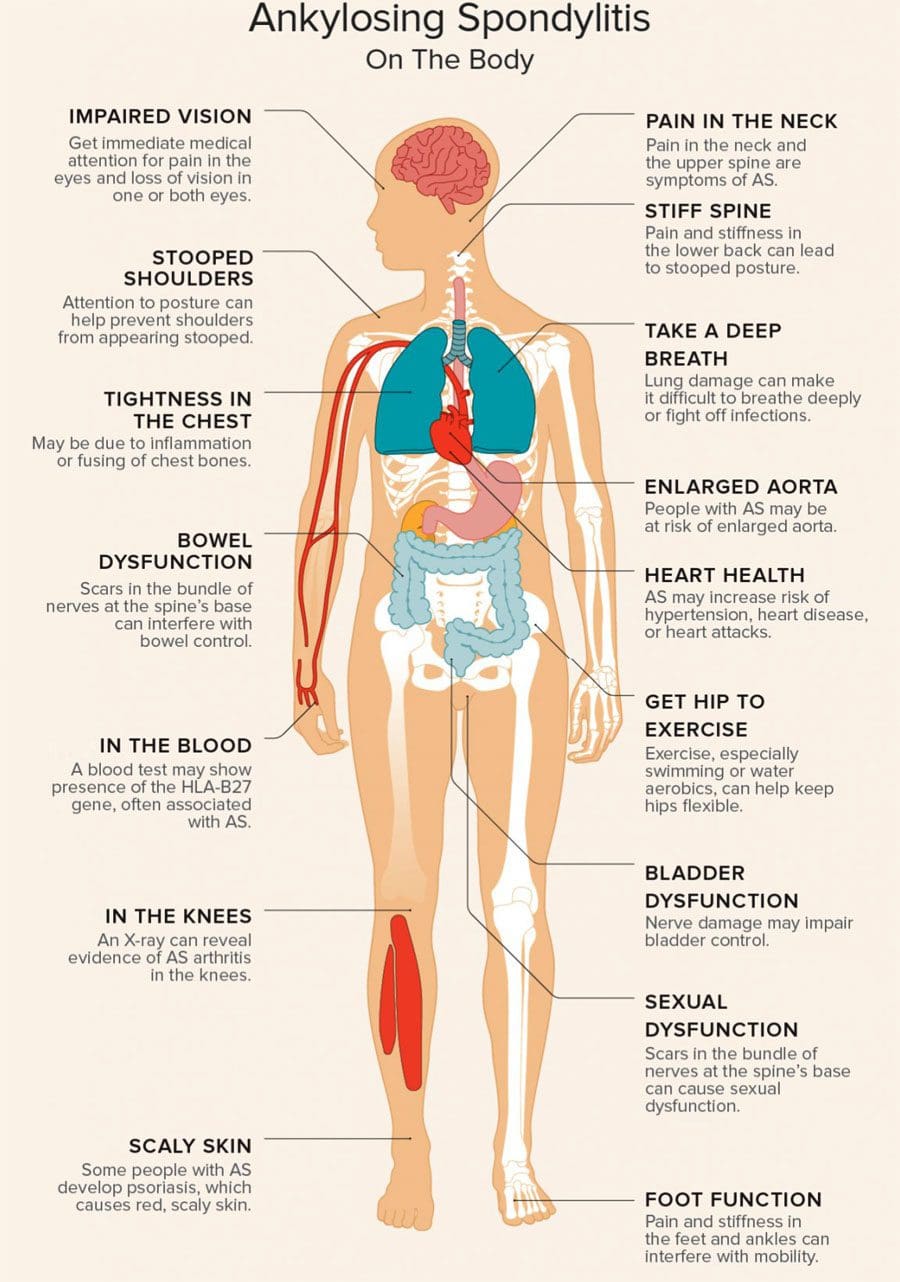
Fatigue Ankylosing Spondylitis: Fatigue is a significant complaint for individuals dealing with ankylosing spondylitis. Ankylosing spondylitis is chronic inflammation of the spine’s joints that can cause them to become fused or locked up. The process can cause the spine to stiffen, limiting movement, reducing flexibility, and generating a severe hunched posture. Symptoms can include back pain, stiffness, and the inability to take a deep breath if the ribs are involved. Fatigue can have a variety of causes, but in ankylosing spondylitis, inflammation and cytokines play a significant role. The underlying cause of ankylosing spondylitis is still being researched, but it currently affects around 300,000 Americans.
Fatigue Ankylosing Spondylitis
Most individuals with ankylosing spondylitis experience pain in the lower back but can also feel pain in their hips and neck, have abdominal pain, or experience problems with vision. Inflammatory back pain is usually strongest in the morning but can also come from inactivity.
Spinal Condition and Extreme Exhaustion
The inability to move along with a decreased spinal range of motion impacts body functionality, sleep quality, and respiratory function affecting energy levels and leading to mild to severe fatigue. Studies have shown that 50% – 85% of individuals with ankylosing spondylitis experience fatigue.
Fatigue is brought on by inflammation, as the body generates the same chemicals when fighting a cold or flu; an individual’s body constantly works to reduce inflammation, leaving them drained and unable to perform ordinary tasks. Inflammatory diseases take a significant toll on the whole body, leading to an increased risk of depression and increased fatigue levels.
Exercise, Massage, and Diet
Many individuals find that their symptoms flare up after long periods of inactivity, like sleeping. This can make wanting to fall and stay asleep complicated, exacerbating fatigue and vice versa, creating a vicious cycle. Even though it can be challenging to move, gentle exercise is recommended. Exercise can help slow the disease progression, build muscle, and improve sleep. It is recommended to speak with a spine specialist, doctor, chiropractor, physical therapist, or exercise trainer about a customized exercise treatment program.
Many individuals with ankylosing spondylitis find therapeutic massage helpful in temporarily relieving pain, and stiffness, reducing stress and improving flexibility from increased blood circulation. A combination of gentle chiropractic massage, exercise, ergonomic adjustments, and rheumatology treatment is recommended for many cases. An anti-inflammatory diet comprised of foods like fatty fish, fruits, nuts, and leafy green vegetables can fight inflammation and decrease fatigue.
AS Causes, Symptoms, Diagnosis, Treatment, and Pathology
References
Cornelson, Stacey M et al. “Chiropractic Care in the Management of Inactive Ankylosing Spondylitis: A Case Series.” Journal of chiropractic medicine vol. 16,4 (2017): 300-307. doi:10.1016/j.jcm.2017.10.002
Li, Ting, et al. “Fatigue in Ankylosing Spondylitis Is Associated With Psychological Factors and Brain Gray Matter.” Frontiers in medicine vol. 6 271. 21 Nov. 2019, doi:10.3389/fmed.2019.00271
Zhang, Jun-Ming, and Jianxiong An. “Cytokines, inflammation, and pain.” International anesthesiology clinics vol. 45,2 (2007): 27-37. doi:10.1097/AIA.0b013e318034194e
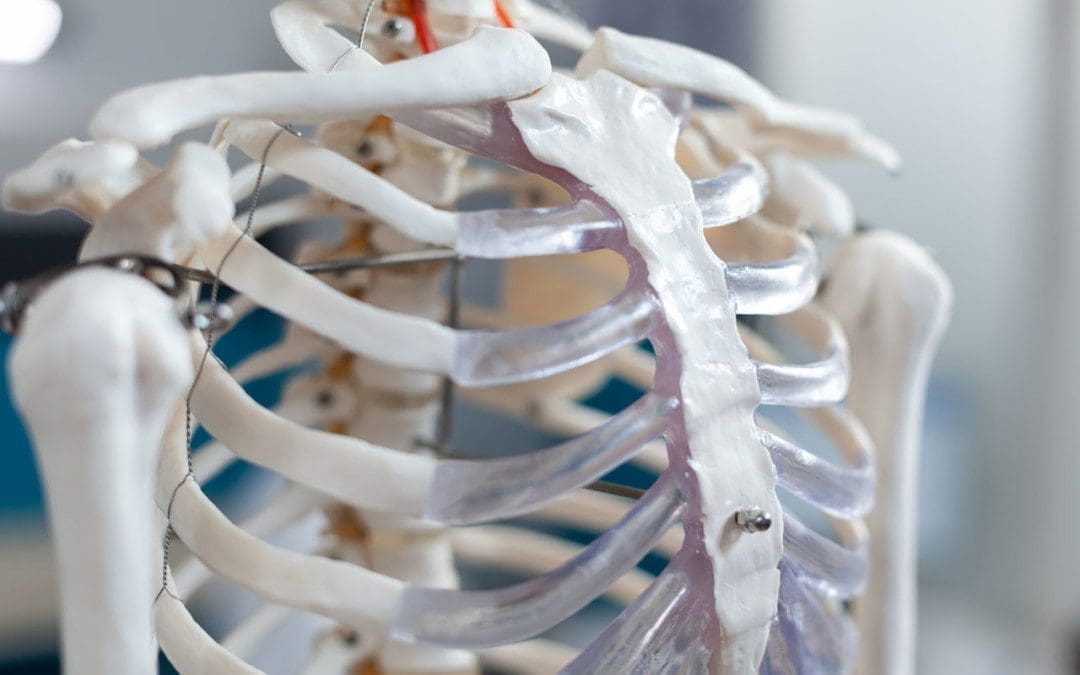
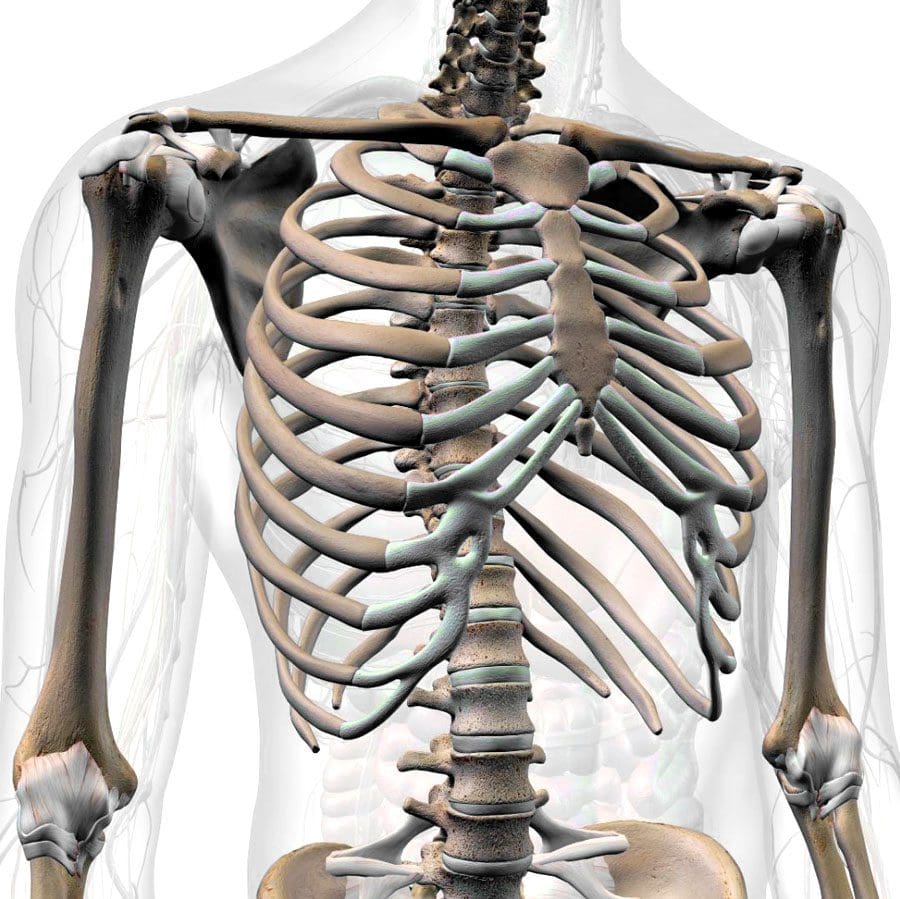
The ribs are designed to protect the lungs and heart and assist breathing. Twenty-four ribs start at the shoulders in the thoracic spine region and run down the mid-back covering the front, back, and side of the chest. Almost all ribs are attached in two places, including the spine in the back and the sternum in the front of the chest, by cartilage joints. Trauma, poor posture, intense coughing, sneezing, and heaving are a few factors that can cause mechanical rib dysfunction or rib misalignment.
Rib dysfunction and misalignment are typically caused by unhealthy postures like slumped back and rounded shoulders, weakened posterior muscles, and repetitive stress from work, sports, and intense physical activity. Any ribs can become misaligned, causing dysfunction and stress on the body. A chiropractor can adjust and reset the rib as they do for misaligned and compressed spinal joints.
Rib Cage Design
The ribcage is flexible and expands when inhaling. Each rib is attached to the spine by three joints in the back and the breastbone in the front. Breathing is an involuntary reflex that is impossible to avoid movement in these joints. The joints are small but allow flexing, so the ribs rise and fall with each breath. These rib joints can become inflamed from rib misalignment causing movement problems that can restrict breathing.
Rib Misalignment
Rib misalignment symptoms can include:
Difficulty breathing.
Difficulty when trying to sit up.
Dull, achy, deep pain next to the spine or under the shoulder blade.
Unexplained back pain.
Pain when moving or walking.
Painful sneezing and/or coughing.
Tenderness and pain in the front of the chest.
The formation of a lump over the affected rib.
Swelling and/or bruising in the region.
Numbness in nearby or surrounding ribs.
Radiating pain from the back to the front and vice versa.
Improvement when pressure is applied to the affected rib.
Rib Dysfunction
Up to 50% of emergency room visits for chest pain symptoms result from non-cardiac factors, with the majority being rib misalignment and the muscles and joints around the rib cage becoming irritated/inflamed.
Causes
There can be several reasons for a misaligned rib. The more common causes include:
Unhealthy Postures
Unhealthy postures stress the body that can place pressure on the posterior portion of the ribcage.
With time, the ribs can start to shift out of alignment.
Physical Activity, Exercise, and Sports
Working out intensely can cause the ribs to shift out of position.
Weight lifting improperly can cause the body to shift along with the muscles involved not being strong enough to handle the added weight and movement, causing rib misalignment.
Pregnancy
As a woman’s body changes, the weight shifts to the front.
This can create a downward pull on the rib cage, increasing misalignment risk.
Intense Coughing or Sneezing
Excessive or severe coughing, associated with asthma, bronchitis, or pneumonia, can significantly strain the ribcage.
Coughing from a common cold can generate stress to cause a rib to dislocate.
Sneezing hard can also cause a rib to shift out of place.
Illnesses associated with constant coughing and sneezing can increase an individual’s susceptibility to rib misalignment because of the weakened state of the muscles.
Intense Vomiting
Vomiting intensely or heaving can cause the condition.
Vomiting does not necessarily involve the lungs, but the convulsive action can cause a rib shift/pop out.
Chiropractic Treatment
Chiropractic can diagnose and treat rib misalignment/dysfunction by using various stretching or massage techniques to loosen the area, making the muscles more flexible, then applying firm pressure to realign the rib back. The treatment plan will include specific stretches, postural exercises, diet, and other recommendations to prevent rib problems.
Spinal Decompression In 90 Seconds
References
Flodine TE, Thomas M. Osteopathic Manipulative Treatment: Inhaled Rib Dysfunction. [Updated 2021 Aug 15]. In: StatPearls [Internet]. Treasure Island (FL): StatPearls Publishing; 2022 Jan-. Available from: https://www.ncbi.nlm.nih.gov/books/NBK560751/
Jawed, Muzamil. and Bruno Bordoni. “Osteopathic Manipulative Treatment: Muscle Energy Procedure – Exhaled Ribs.” StatPearls, StatPearls Publishing, 19 February 2022.
Experiencing low back pain and diarrhea can be a symptom of a viscerosomatic reflex,somatovisceral reflex, or a combination. A reflex is an involuntary response to nervous system stimulation. A doctor tapping below the knee causes the foot to kick forward is a basic example of a reflex. This is a somatovisceral or body organ reflex. Back pain could be from awkward posture, repetitive motions like bending or twisting, or injury that affects the spinal column. The effects could cause nerve compression and damage that can cause firing misinterpreted signals impacting/damaging internal organ function, causing pain and other symptoms.
However, the damage caused to the compressed/injured organ nerves can also cause back pain symptoms. This is a viscerosomatic or organ body reflex. One study found that a group of chiropractic patients dealing with low back pain also had increased bowel problems, even though there was no specific cause, link, or association between the two. Lower back pain and diarrhea may be completely unrelated, but if symptoms are recurring, there is an increased chance of an underlying medical issue.
Chiropractic Medicine
Chiropractic medicine is founded on the nervous system’s control of the body’s organ systems, whose impulse signals travel through the spinal cord. Body systems include the muscles, bones, and all organs. Any problems with the spine and/or nerve changes from normal wear and tear, injury, or infection can affect signal transmissions that can alter system functions. Altered nerve conduction can impact overall health and is referred to as reflex pathways in the nervous system. A somatovisceral reflex is where the musculoskeletal system causes altered nerve conduction creating organ system dysfunction and/or illness. Diarrhea brought on by back pain is an example.
Causes Of Back Pain and Diarrhea
Appendicitis
The appendix extends from the colon in the lower right abdomen. Appendicitis is inflammation of the appendix. The pain usually appears near the belly button and spreads to the right side of the stomach. Some individuals’ appendix extends behind the colon, which can also cause low back pain. Symptoms include:
Loss of appetite
Inability to relieve gas
Constipation
Abdominal pain – Moderate to severe
Diarrhea
Fever
Nausea
Vomiting
Appendicitis can be life-threatening and requires immediate treatment; if left untreated, the condition can worsen within hours, causing a rupture that can leak through the abdominal cavity.
Fecal impaction
Fecal impaction is stools that have become hard, dry, and stuck in the rectum and can cause abdominal and low back pressure and pain. It is commonly caused by chronic constipation, which can be associated with dehydration, lack of fiber, physical inactivity, medication side effects, or long-term use of laxatives. Taking laxatives for a long time can cause the intestines to shut off automatic evacuation of the bowels. Although the condition is common in older individuals, it can happen to individuals of any age who experience chronic constipation. Symptoms can include:
Bloating
Cramping
Bladder pressure
Bladder incontinence
Leakage or sudden diarrhea after long-term constipation.
Rectal bleeding
Enteropathic arthritis
Enteropathic arthritis is a chronic inflammatory arthritis associated with inflammatory bowel disease or IBD. Types include:
Ulcerative colitis
Crohn’s disease
Different arthritic diseases like ankylosing spondylitis and psoriatic arthritis can cause symptoms like diarrhea and abdominal pain or be associated with developing inflammatory bowel disease. Varying symptoms depend on the bowel disease and arthritis type and include:
Fatigue
Cramping
Joint pain
Joint stiffness
Loss of appetite
Bloody diarrhea
Pancreatic Cancer
The symptoms of pancreatic cancer vary depending on the type, location, and cancer stage. Pancreatic cancers in the early stages usually don’t cause signs or symptoms. Possible symptoms can include:
Chiropractic is ideal for addressing reflex issues. A doctor of chiropractic adjusts the spine to improve alignment, joint motion, and nerve energy transmission, improving nerve circulation/signal flow, which can help with unrelated health conditions. A chiropractor will locate any areas of spinal misalignment; once identified, a personalized treatment plan will return the correct alignment to the spine, enabling the nervous system to return to optimal function.
Sengupta, Jyoti N. “Visceral pain: the neurophysiological mechanism.” Handbook of experimental pharmacology,194 (2009): 31-74. doi:10.1007/978-3-540-79090-7_2
Walden, Anna L et al. “Bladder and bowel symptoms among adults presenting with low back pain to an academic chiropractic clinic: results of a preliminary study.” Journal of chiropractic medicine vol. 13,3 (2014): 178-87. doi:10.1016/j.jcm.2014.07.006
Wood, Jackie D. “Neuropathophysiology of functional gastrointestinal disorders.” World journal of gastroenterology vol. 13,9 (2007): 1313-32. doi:10.3748/wjg.v13.i9.1313
IFM's Find A Practitioner tool is the largest referral network in Functional Medicine, created to help patients locate Functional Medicine practitioners anywhere in the world. IFM Certified Practitioners are listed first in the search results, given their extensive education in Functional Medicine