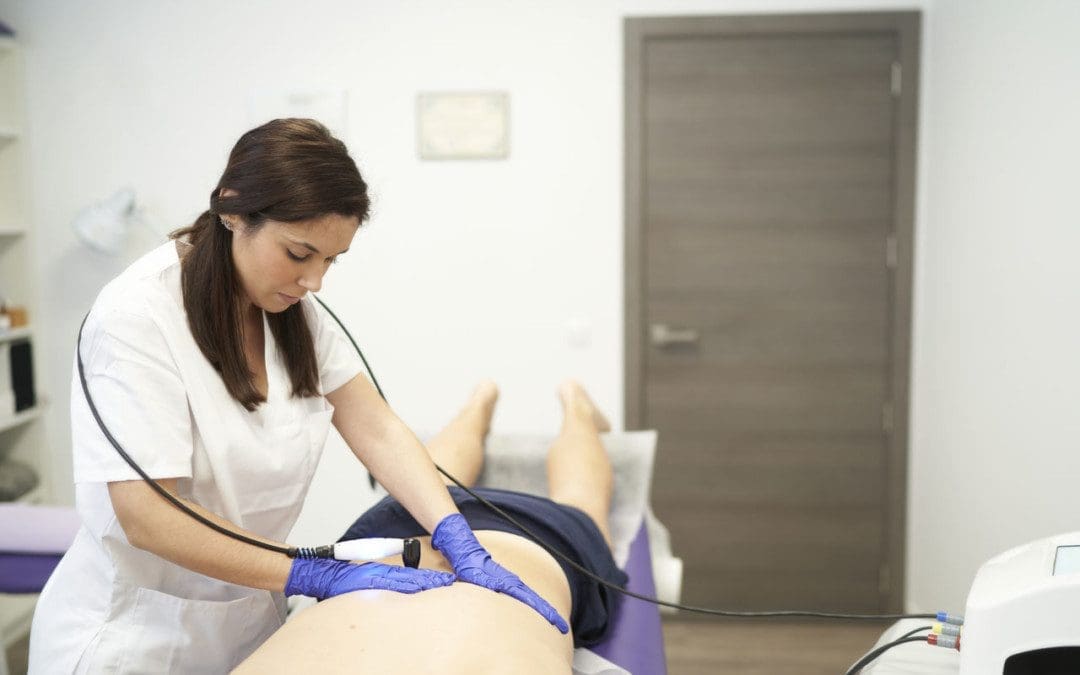
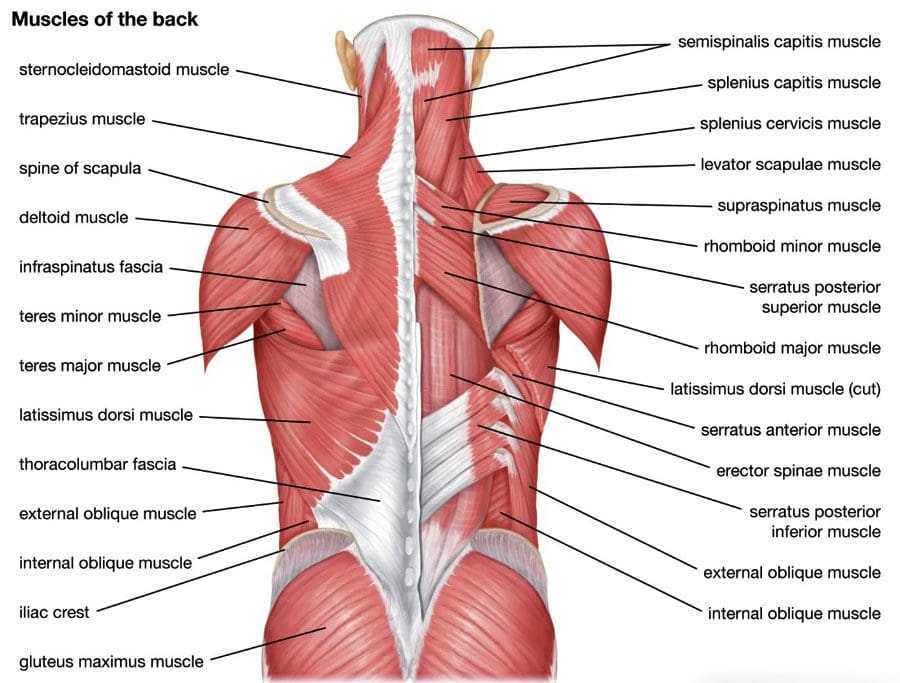
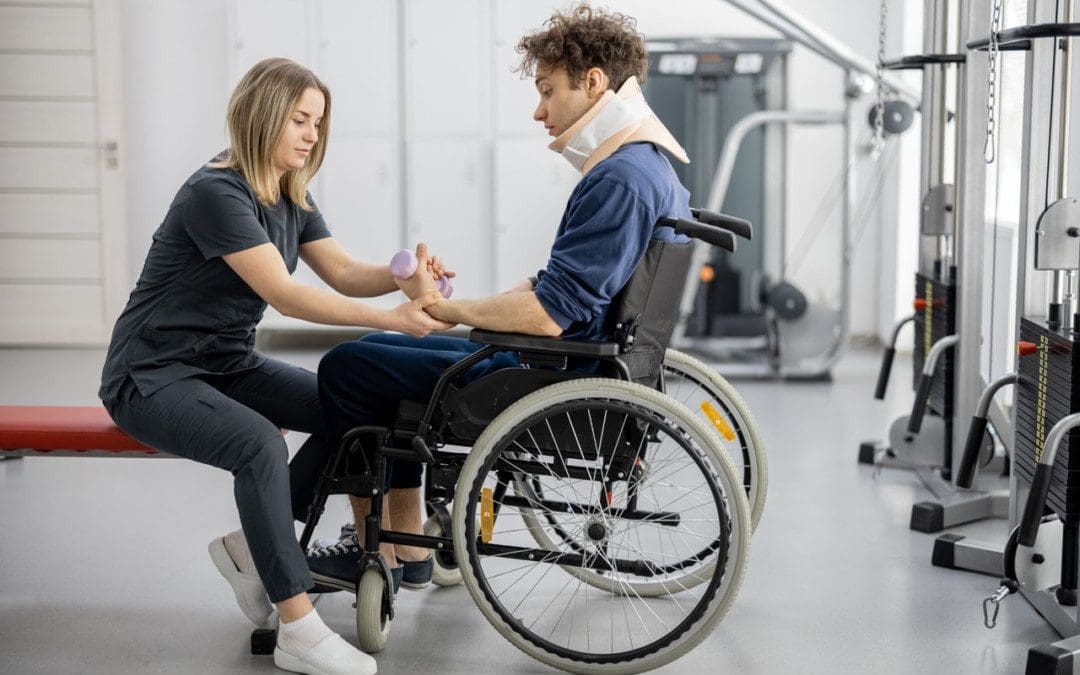
Muscle tension happens when the muscles stay contracted after working, sports, exercise, and stress, presenting with stiffness and achiness that progresses to chronic myofascial pain. Myofascial is used to describe the connective tissues throughout the body. Myo refers to the muscles, and fascia refers to the body tissues. Myofascial pain syndrome describes muscle pain in various forms. Most individuals have experienced chronic muscle tension in muscle pain or tension headaches. Myofascial pain can vary, ranging from mild to severe. Chiropractic can provide treatment and post-prevention plans to eliminate the pain and strengthen the body.
Connective Tissue
Myofascial pain syndrome is a complex condition that could be repetitive stress injuries on the muscles or nervous system malfunction and is often characterized by symptoms like:
Each symptom is not a sign of the condition, but it could be myofascial pain syndrome when combined and does not resolve with some time. This chronic pain disorder is associated with referred pain that appears in one part of the body but the root cause in another region.
Chiropractic Care
Chiropractic medicine will get to the root of the problem with a thorough diagnosis. This will be done through physical examination, medical history, and symptom review. The chiropractor will perform a detailed exam of the affected muscles, including a range of motion test, strength test, and palpations of suspected trigger points to see how the muscles respond, twitch, and/or cause pain in a specific pattern or region. Sometimes blood tests are ordered to look for other causes, like vitamin D deficiency or hypothyroidism. Chiropractic can combine treatment therapies that include:
Massage therapy
Therapeutic massage will loosen the tight, knotted muscles and relieve cramping and/or spasms.
Physical Therapy
Includes stretching, postural, and strengthening exercises.
Pain medications are directly injected into the trigger points.
Chiropractic physicians work on the whole body and not just the hurting areas. Chiropractors are trained to incorporate treatment with primary care and specialists. Patients receive education in exercise programs, corrective exercises, nutritional recommendations, and health coaching.
Spine Decompression
References
American Chronic Pain Association. Resource Guide to Chronic Pain Management. (https://www.theacpa.org/wp-content/uploads/2018/05/ACPA_Resource_Guide_2018-Final_Feb.pdf) Accessed 4/17/2019.
Lavelle, Elizabeth Demers, et al. “Myofascial trigger points.” Anesthesiology clinics vol. 25,4 (2007): 841-51, vii-iii. doi:10.1016/j.anclin.2007.07.003
Stults-Kolehmainen, Matthew A et al. “Chronic psychological stress impairs recovery of muscular function and somatic sensations over a 96-hour period.” Journal of strength and conditioning research vol. 28,7 (2014): 2007-17. doi:10.1519/JSC.0000000000000335
Tantanatip A, Chang KV. Myofascial Pain Syndrome. [Updated 2021 Aug 14]. In: StatPearls [Internet]. Treasure Island (FL): StatPearls Publishing; 2022 Jan-. Available from: https://www.ncbi.nlm.nih.gov/books/NBK499882/
Vernon, Howard, and Michael Schneider. “Chiropractic management of myofascial trigger points and myofascial pain syndrome: a systematic review of the literature.” Journal of manipulative and physiological therapeutics vol. 32,1 (2009): 14-24. doi:10.1016/j.jmpt.2008.06.012
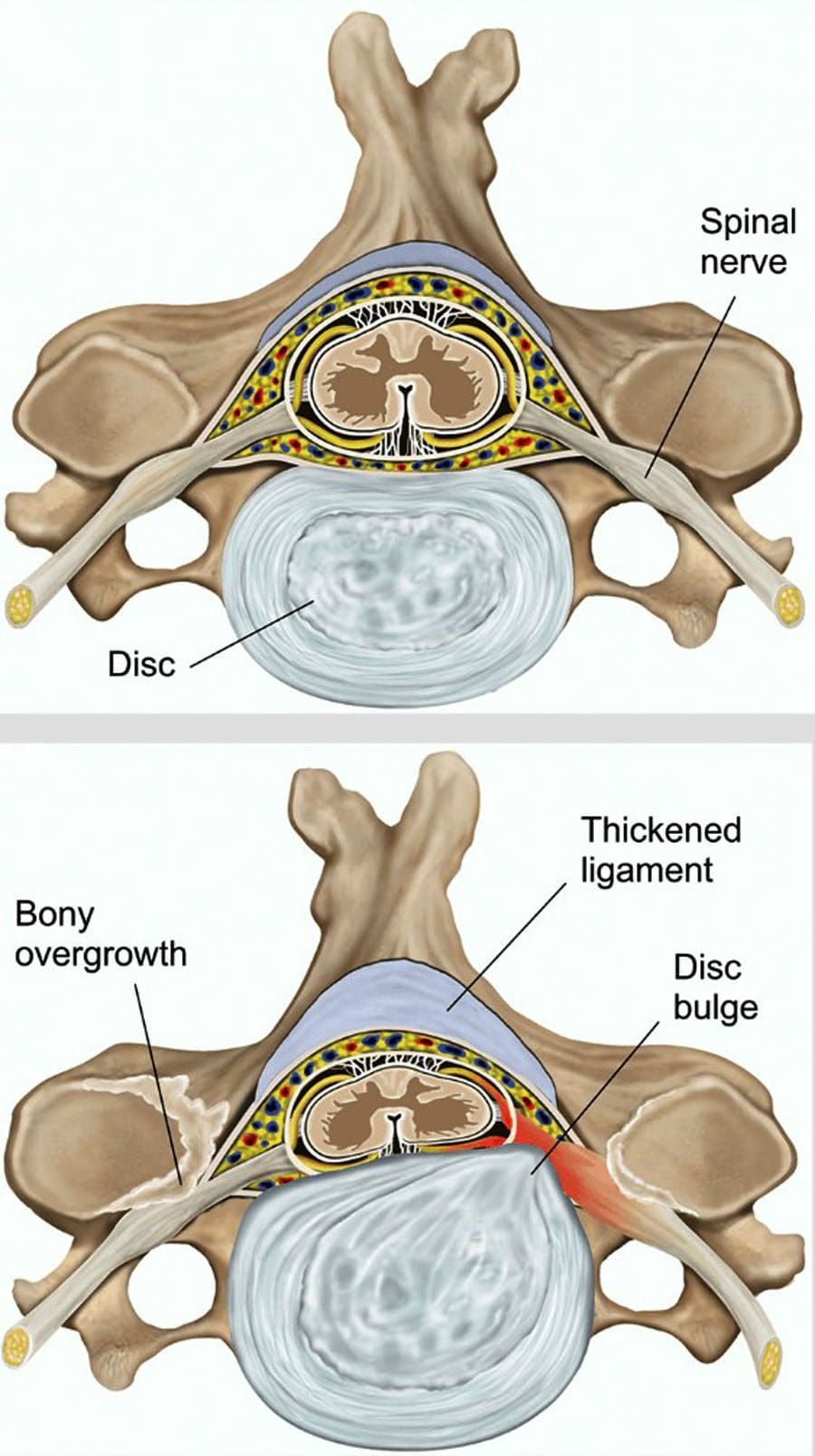
Cervical spinal stenosis is a condition that causes narrowing of the neck region of the spine. This narrowing can compress the nerves causing pain and discomfort. The symptoms are caused by the misalignment/subluxation of the neck, which is usually the c1 and c2 vertebrae. Misalignments can be caused by daily wear and tear; injuries and tumors can cause or worsen the condition. Cervical spinal stenosis is a severe condition that worsens as time progresses and can cause permanent damage and paralysis. Chiropractor recommendations and non-invasive techniques can alleviate the symptoms, along with therapeutic stretches and exercises, and diet is all part of a personalized treatment plan.
Stenosis Symptoms
The most common symptom is neck pain. Doctors recommend avoiding all activities that worsen the pain; however, chiropractors suggest remaining as active as possible to keep the muscles strong. This is because inactivity over time can lead to muscular deterioration around the neck. Other symptoms besides neck pain include:
Neck discomfort and pain
Headaches
Numbness, tingling in the shoulder, arm, hand
Difficulty maintaining balance
Walking problems
Chiropractor Recommendations
Pain Or Stiffness In The Neck Should Not Be Ignored
Pain or stiffness in the neck that worsens rapidly or does not ease up or go away after two weeks requires medical attention.
Ignoring or dismissing the pain or stiffness can worsen the condition.
Looking Down At A Phone Too Long
Looking down too long increases the strain on the neck.
Keeping the head forward for extended periods increases the chances of pinching/compressing nerves and causing radiculopathy.
Exercises That Roll The Neck Around
Exercises that roll or pull the neck are not advised as they can exacerbate the condition.
A chiropractor will recommend specific neck stretches and exercises on a case-by-case basis.
Heavy Bag, Purse, BackPack On One Shoulder
It is recommended to carry a backpack with both shoulders to distribute the weight evenly.
Over time, a backpack, bag, or purse on the same shoulder will disrupt the walk cycle and pull down on one side of the neck, exacerbating cervical spinal stenosis.
For bags and purses with one strap, it is recommended to alternate shoulders or use a crossbody strap.
Sleeping On The Stomach
Sleeping on the stomach means having to turn the neck to one side.
This stresses and aggravates cervical stenosis.
It is recommended to sleep on the side or back.
Treatment, Therapy, and Rehabilitation
Chiropractic is recommended for spinal stenosis because it corrects and re-aligns dislocated and herniated discs and decompresses the spine.
Treatment reduces pressure on the spinal cord and its joints and nerve networks.
Various techniques include physiotherapeutic massage, spinal adjustments, cervical traction, spinal decompression, and flexion-distraction, which will address stenosis symptoms, treat pain, reduce inflammation, numbness, and restore muscle function.
Non-Surgical Cervical Decompression
References
Clark, Aaron J et al. “Cervical spinal stenosis and sports-related cervical cord neurapraxia.” Neurosurgical focus vol. 31,5 (2011): E7. doi:10.3171/2011.7.FOCUS11173
Kukurin, George W. “The amelioration of symptoms in cervical spinal stenosis with spinal cord deformation through specific chiropractic manipulation: a case report with long-term follow-up.” Journal of manipulative and physiological therapeutics vol. 27,5 (2004): e7. doi:10.1016/j.jmpt.2004.04.009
Isaac Z. Evaluation of the patient with neck pain and cervical spine disorders. UpToDate. https://www.uptodate.com/contents/evaluation-of-the-patient-with-neck-pain-and-cervical-spine-disorders. Last updated May 2, 2016. Accessed February 25, 2018.
Motor vehicle crashes and accidents cause significant trauma in a few seconds changing an individual’s life completely. Severe injuries include traumatic brain injury, spinal cord damage, fractures, and amputations. Many individuals experience post-traumatic stress disorder – PTSD after a vehicle collision; even a minor accident can cause emotional trauma symptoms. PTSD commonly presents with other symptoms that range from depression to heart disease, and the most frequent symptom is physical pain. Chiropractic decompression, physical therapy, and therapeutic massage can help alleviate physical pain.
PTSD Physical Pain
Physical trauma can cause immediate physical effects and injury, as well as physical symptoms that present later on.
Trying not to talk or think about the crash or accident with friends, family, places, or anything associated with the trauma.
Avoiding activities.
Emotional numbness.
Detachment.
All can generate physical muscle tension and chronic stress, leading to headaches, migraines, back pain, stomach pain, and body aches. Long-term physical pain symptoms can turn chronic pain and medication dependency into a vicious cycle.
Chiropractic Therapy
Chiropractic care diagnoses and treats disorders of the musculoskeletal system. Chiropractic treatment is recommended to help alleviate the physical symptoms of PTSD. Trauma causes individuals to store intense emotions in their bodies. Chiropractic manipulation and decompression release the tension in the muscles caused by the trauma and the emotional stress. Adjustments restore the body’s alignment and open the nervous system circulation, allowing signals to flow freely, leading to a healthier mind-body connection.
Non-Surgical Spinal Decompression Therapy
References
Beck, J Gayle, and Scott F Coffey. “Assessment and treatment of PTSD after a motor vehicle collision: Empirical findings and clinical observations.” Professional psychology, research, and practice vol. 38,6 (2007): 629-639. doi:10.1037/0735-7028.38.6.629
Elder, Charles et al. “Comparative Effectiveness of Usual Care With or Without Chiropractic Care in Patients with Recurrent Musculoskeletal Back and Neck Pain.” Journal of general internal medicine vol. 33,9 (2018): 1469-1477. doi:10.1007/s11606-018-4539-y
Hu, JunMei, et al. “Chronic widespread pain after motor vehicle collision typically occurs through immediate development and nonrecovery: results of an emergency department-based cohort study.” Pain vol. 157,2 (2016): 438-444. doi:10.1097/j.pain.0000000000000388
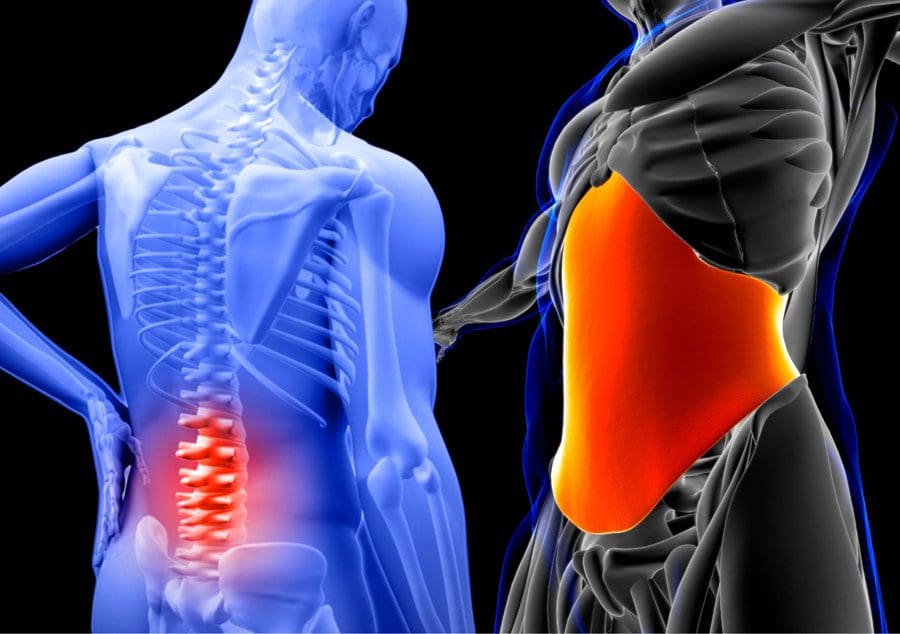
The lower back core muscles initiate and control movement and posture. Total body movements start at the pelvis and are carried out by the low back and abdominal muscles. These core muscles provide control and stability when moving. When the body is not moving, standing and sitting posture habits (healthy and unhealthy) develop based on how an individual controls/holds their pelvis posture. The lower back muscles are in constant demand for performing repetitive motions or forceful actions. The muscles become chronically tight and sore, joints and nerves get compressed, and bones and connective tissue stay in a stressed state, causing intense pain and damage to the body’s structure. These problems can result from muscle memory, the nervous system’s operating procedure to make movements automatic.
Muscle Memory
The nervous system controls the movement and contraction in the muscles and constantly reinforces and learns new movement patterns to become more efficient through muscle memory. However, this learning process allows for the development of healthy muscle habits and unhealthy muscular habits. An example is sitting using a slouching posture. The nervous system will store that posture data and subconsciously contract the abdominal and pectoral muscles, so the slouched posture takes over. Because of the continual usage and compromised postures, various muscles start to tighten up. Individuals are typically not aware of the gradual tightening until stiffness, soreness, and pain sets in. Tight muscles pull the skeleton in awkward ways that cause body misalignments, causing:
Individuals develop unique muscle patterns and tension levels throughout the body due to repetitive daily activities, stress responses, injuries sustained, and physical activities. Muscle memory issues can contribute to chronic back pain and sciatica. Unhealthy muscle memory causes the muscles not to return to their natural state but to the awkward position and makes that the natural state. Healthy muscle memory leads to instant reflexes that make movements smooth and effortless.
Chiropractic will relieve back and sciatica pain by inducing deep muscle relaxation that releases endorphins. The soreness and tension will be massaged, and mechanical decompression if necessary. Massage and stretching will help retrain muscle and movement memory, along with exercises to reinforce the retraining.
Spinal Decompression Therapy
References
Campbell, James N, and Richard A Meyer. “Mechanisms of neuropathic pain.” Neuron vol. 52,1 (2006): 77-92. doi:10.1016/j.neuron.2006.09.021
Wilder, David G et al. “Effect of spinal manipulation on sensorimotor functions in back pain patients: study protocol for a randomized controlled trial.” Trials vol. 12 161. 28 Jun. 2011, doi:10.1186/1745-6215-12-161
Nutrition is how the body utilizes consumed food. Nutrition plays a role in chronic pain; lifestyle behaviors can influence how food contributes to illness/diseases. A common cause of chronic pain is chronic systemic inflammation. Inflammation plays a role in many chronic disease conditions, including diabetes, heart disease, and cancer. Reducing inflammation can be achieved by adjusting diet to get individuals back to feeling better quickly and to aid them in maintaining and improving their overall health. Injury Medical Chiropractic and Functional Medicine Clinic offer diet and nutritional supplements guidance as part of a personalized treatment plan.
Inflammation
The purpose of the inflammatory response includes:
Isolate the dangerous bacteria, viruses, or damaged cells.
Flush out the dead cells and other damaging substances.
Reductions of comorbidities like obesity and cardiovascular disease.
Reducing healthcare costs.
Vitamin and Mineral Supplements
Diet and nutritional supplements provide added essential nutrients to a damaged, inflamed, or injured body. Dietary supplements improve overall health and wellness.
Vitamin D and calcium tablets help maintain optimal bone health, as low vitamin D levels can lead to back pain.
Vitamins E and C, combined with copper, help with blood production, tissue repair, and brain and skin health.
Folic acidcan help with joint pain and myofascial pain.
B Vitamins can help with pain and prevent liver dysfunction.
Nutritional supplements support the body until the body and/or organs have correctly healed. Recovery from an injury could cause body stress that can interfere with the healing process. Diet and nutritional supplements expedite the healing and recovery process by:
Helping overcome dietary deficiencies.
Improving immune system function.
Detoxifying toxins.
Contain antioxidants that help the body stay toxin-free.
Chiropractic restores and realigns the body by incorporating supplements to nourish the body tissues and recover optimally from injury.
InBody Nutrition
References
Dragan, Simona, et al. “Dietary Patterns and Interventions to Alleviate Chronic Pain.” Nutrients vol. 12,9 2510. 19 Aug. 2020, doi:10.3390/nu12092510
Lee, Mi Kyung, et al. “The use of nutritional guidance within chiropractic patient management: a survey of 333 chiropractors from the ACORN practice-based research network.” Chiropractic & manual therapies vol. 26 7. 20 Feb. 2018, doi:10.1186/s12998-018-0175-1
Li, Chuan, et al. “Macrophage polarization and meta-inflammation.” Translational research: the journal of laboratory and clinical medicine vol. 191 (2018): 29-44. doi:10.1016/j.trsl.2017.10.004
Nutrition and Chronic Pain https://www.iasp-pain.org/resources/fact-sheets/nutrition-and-chronic-pain/
Pahwa R, Goyal A, Jialal I. Chronic Inflammation. [Updated 2021 Sep 28]. In: StatPearls [Internet]. Treasure Island (FL): StatPearls Publishing; 2022 Jan-. Available from: https://www.ncbi.nlm.nih.gov/books/NBK493173/
Reflex pain is a complex condition that involves the body’s pain withdrawal reflexfailing to turn off after the event that triggered the pain, so the pain sensations continue. This is a neurological condition known as the withdrawal reflex. It occurs when the body and brain undergo a chain of reactions to remove an affected body part from dangerous situations/stimuli. A typical example is a vehicle crash or accident. During the process, the body’s reflex muscle\s in the injured area tighten to protect the specific body part/s from further damage.
The reflex can feel like a muscle spasm that goes away over time. However, in the case of reflex pain, the signals keep firing. Reflex pain can occur all over the body as the muscles overcompensate to handle the prolonged pain; secondary injuries often develop. An example could be reflex pain in the ankle caused by injury or problems in the hips and back, where the individual tries to avoid moving the ankle in a specific way to prevent and avoid the pain symptoms. Individuals with reflex pain also experience headaches and referred spine and extremity pain. Reflex pain can become a cycle of symptoms that include:
Unusual tightness
Stiffness
Pain
Contracture – hardening or shortening of the affected muscles, tendons, or other tissues.
Decreased functional abilities.
Somatic Pain
Somatic pain causes receptors in tissues including the skin, muscles, connective tissues, joints, and skeleton to be activated. Stimuli like force trauma, vibration, extreme temperature, or inflammation/swelling activate these receptors. The pain is often described as:
Aching
Gnawing
Cramping
Sharp
Somatic pain is often localized to a particular area that is constant and stimulated by movement. There are two types.
Superficial painoccurs when everyday injuries activate pain receptors in the skin and mucous membranes.
Deep somatic pain occurs when stimuli activate pain receptors deeper in the body, including the tendons, joints, bones, and muscles. Deep body pain usually feels more like aching.
Pain can be confined to a local area or radiate to other areas of the body, depending on the extent of the injury.
Somatic pain can come from a variety of different potential causes that include:
Injury to joints or bones.
Trauma.
Fall or collision that damages connective tissues.
Sometimes these reflexes can stay in the on position and keep the body from achieving full relaxation.
In the nervous system, a body part is stimulated, and the message travels through the spinal cord and into the brain. The information is processed, then sent back through the spinal cord to the level that activates the specific body part. The reflexes transmit faster staying at the same spinal level without having to travel to the brain and back again.
During reflex pain, the body’s muscles are unable to relax, which is necessary for motion/movement. This prolonged contraction generates added pain and causes imbalances that can decrease excitabilityin the muscles. This can increase the activation of brain receptors that receive pain signals to respond by telling them to shorten and contract.
Therapy
Body misalignment can cause muscles to spasm, causing the nerves to stretch in an awkward way, compress, and get twisted and tangled around other nerves or other tissues. This disrupts communication resulting in pain, illness, and ailments that can lead to other health problems. Chiropractic care can address reflex pain by realigning the spine and improving joint motion and nerve conduction.
Chiropractic restores the body to its full and proper function by activating the natural healing abilities. Manual and mechanical spinal decompression realigns the vertebrae, reducing swelling, blockages, and nerve stress. A comprehensive examination will identify potential dysfunctional areas of the body using palpitations to identify which muscles are involved. Once identified, chiropractic, massage, and physical therapy options can be prescribed to rebalance the body’s muscles, and restore their ability to contract and relax normally.
Patient education will be provided concerning self-assessment techniques, instruction on how to treat pain, and an anti-inflammatory diet.
An exercise and stretching program will help maintain the adjustments, keep the body flexible, and strengthen the body.
Patients are helped to understand how to take control of their pain.
Spinal Decompression Testimonials
References
Biurrun-Manresa J, Neziry A, Curatolo M, Arendt-Nielson L, Anderson O. Test-retest reliability of the nociceptive withdrawal reflex and electrical pain thresholds after single and repeated stimulation in patients with chronic low back pain. Eur J Appl Physiol. 2011;111:83-92
Derderian C, Tadi P. Physiology, Withdrawal Response. [Updated 2021 Nov 12]. In: StatPearls [Internet]. Treasure Island (FL): StatPearls Publishing; 2022 Jan-. Available from: https://www.ncbi.nlm.nih.gov/books/NBK544292/
Muir, J M, and H Vernon. “Complex regional pain syndrome and chiropractic.” Journal of manipulative and physiological therapeutics vol. 23,7 (2000): 490-7. doi:10.1067/mmt.2000.108816
Neziri A, Haesler S, Steen P, et al. Generalized expansion of nociceptive reflex receptive fields in chronic pain patients. Pain. 2010;151(3):798-805
Szynkowicz, Peter, and Anthony Petrucci 4th. “Chiropractic Care of a Patient With Complex Regional Pain Syndrome Type 1 (CRPS-1): A Case Report.” Journal of chiropractic medicine vol. 19,2 (2020): 145-151. doi:10.1016/j.jcm.2020.05.001
Yezierski R, Vierck C. Reflex and pain behaviors are not equivalent: Lessons from spinal cord injury. Pain. 2010;151(3):569-577
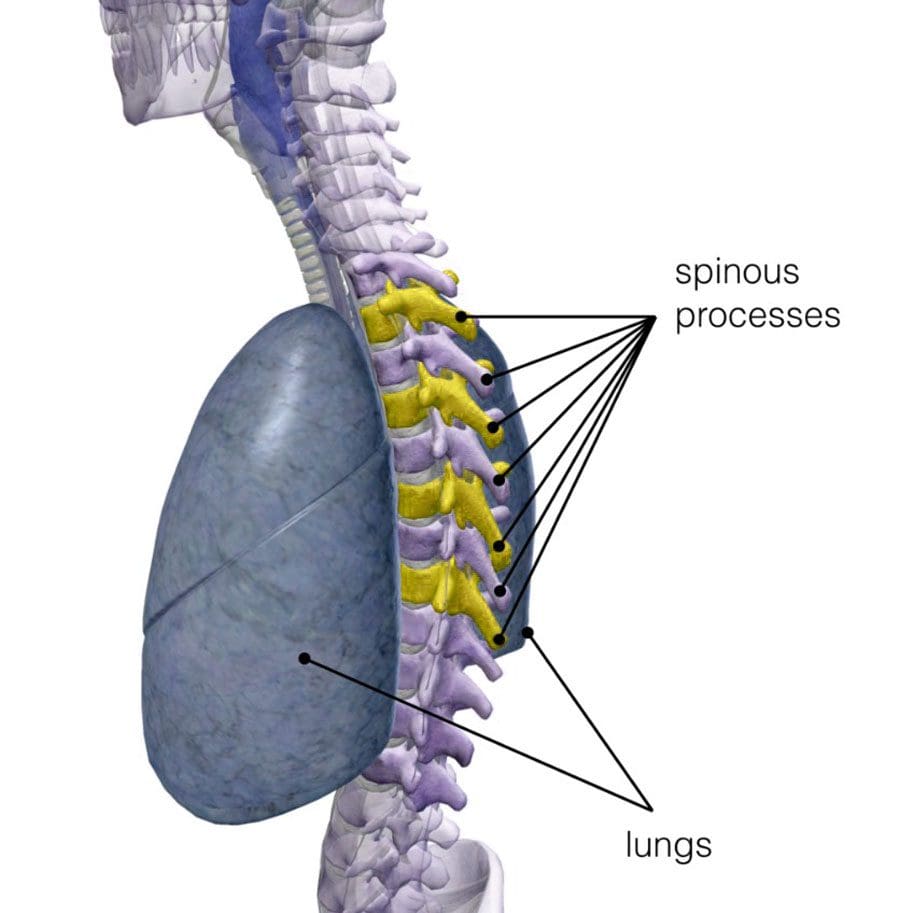
The body is a set of complex systems, including bones, organs, nerves, muscles, and tissue. Breathing disorders are increasing, including chronic bronchitis, asthma, emphysema, and other conditions. Viscerosomatic reflexes include poor breathing quality brought on by allergies, breathing disorders like COPD that can cause intense coughing, sneezing, hunching, arching of the back, and heaving that causes back pain and referred pain.
The brain sends electronic impulses to the different areas of the body through the spine/nervous system. If the nerves get shifted, stretched, compressed, or knocked out of position, the brain could start sending messages of pain and discomfort, which can also cause other body systems to malfunction. If the body is constantly transmitting pain signals, it can disrupt sleep, dietary habits, and overall well-being. Misalignment can disrupt the information delivered by the nervous system, leading to inflammation, irritation, and imbalances in the body.
Regular chiropractic maintains the nervous system to operate the way it was designed. Proper alignment of the spine and body will improve the nervous system’s health and function, encouraging the brain to release endorphins achieving pain relief, and leading to optimal health. When the nervous system performs optimally, the other systems will follow, including better breathing quality.
Poor Breathing
Breathing difficulties are widespread with various causes that include:
Allergies
Environmental pollutants
Viral and bacterial infections that cause inflammation
An overactive immune response can all contribute to poor breathing quality.
Individuals might not notice that their breathing quality is poor but instead notice they are:
Frequent exhaustion
Having to stop constantly in the middle of activities.
Experience brain fog.
Memory issues/forgetfulness.
Physical performance – endurance, flexibility, and muscle is deteriorating.
The breathing quality impacts how well the body’s systems can carry out their essential functions and be prepared for unexpected events. The body adjusts oxygen intake capacity in line with the energy required to perform physical activity. All bodily systems, including the cardiovascular, immune, and muscular systems, depend on the respiratory system to generate energy.
Immune protection against viruses, bacteria, fungi, and other diseases.
Chiropractic
A crucial part of the respiratory system’s function is transporting nutrients and oxygen throughout the body. Chiropractic treatment releases tension by moving muscle fascia and the spine that may have become stuck, compressed, or shifted out of position, causing poor posture and injury. Chiropractic eliminates toxins and cellular waste from tight, knotted areas by breaking up stagnant tissues.
Circulation Improvement
Chiropractic increases circulation, allowing fresh blood, lymphatic fluid, nutrients, and oxygen to enter the deprived tissues. These regions include:
Muscles in the shoulder, neck, back
Bones and joints across the spine
Body tissues
Ligaments
Tendons
Chiropractic treatment can be manual/mechanical traction/decompression, combined with therapeutic tissue massage, exercise, and diet recommendations.
Decompression De La Espalda
References
McCarty, Justin C, and Berrylin J Ferguson. “Identifying asthma triggers.” Otolaryngologic clinics of North America vol. 47,1 (2014): 109-18. doi:10.1016/j.otc.2013.08.012
Purnomo, Ariana Tulus, et al. “Non-Contact Monitoring and Classification of Breathing Pattern for the Supervision of People Infected by COVID-19.” Sensors (Basel, Switzerland) vol. 21,9 3172. 3 May. 2021, doi:10.3390/s21093172
Schend, Jason, et al. “An Osteopathic Modular Approach to Asthma: A Narrative Review.” The Journal of the American Osteopathic Association vol. 120,11 (2020): 774-782. doi:10.7556/jaoa.2020.121
IFM's Find A Practitioner tool is the largest referral network in Functional Medicine, created to help patients locate Functional Medicine practitioners anywhere in the world. IFM Certified Practitioners are listed first in the search results, given their extensive education in Functional Medicine