The skeletal joints can keep the body upright and stabilized while protecting the internal organs. The skeletal joints also are at risk of factors (normal and traumatic) that can impact the body, thus potentially causing painful symptoms to affect different body areas. Hip pain is among the most common complaints for many individuals, especially the elderly. To that point, when the body suffers from hip pain, it may involve pelvic pain and associated symptoms that mimic other issues within the body. Today’s article examines the causes of hip and pelvic pain, the symptoms related to hip and pelvic pain, and how chiropractic care may relieve hip and pelvic pain. We refer patients to certified providers specializing in osteopathic treatments to help many individuals with hip and pelvic pain. We also guide our patients by referring to our associated medical providers based on their examination when it’s appropriate. We find that education is the solution to asking our providers insightful questions. Dr. Alex Jimenez DC provides this information as an educational service only. Disclaimer
The Causes Of Hip & Pelvic Pain
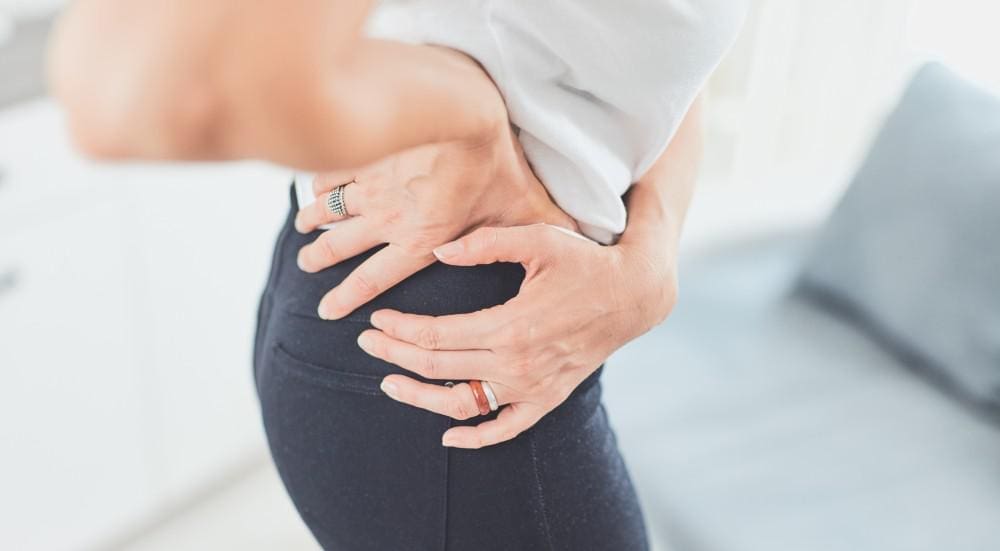
Do you experience stiffness located on your low back or hips? What about sciatic nerve pain that travels down your legs? Or have you been experiencing cramping around the pelvic regions of your body? Experiencing these symptoms may be the potential cause that you might be dealing with hip and pelvic pain. Even though hip pain is often associated with older individuals, it can affect many individuals of different ages. Studies reveal that the pathologies outside the hips may be the cause and referred pain, making diagnosing hip pain difficult. Hip pain causes could be overused joints and soft tissues that support the hips due to repetitive motions, strain from the multiple muscles that support the hips, or arthritic symptoms. Studies reveal that individuals who work in a desk job will potentially develop low back pain due to prolonged sitting, thus becoming associated with excessive mobility of the lumbar spine and decreased hip joint mobility.
Individuals with hip pain could risk developing pelvic pain associated with the overuse of joints and soft tissues. Now how pelvic pain correlates with hip pain, and what’s the causation? Studies reveal that the stabilizing muscles (iliopsoas, pectineus, obturator externus, gluteus minimus, and piriformis muscles) are overworked and become consequent hip and joint destabilization. This causes the affected muscles to become tired and weak and triggers sciatic nerve compression along the piriformis muscle. Pelvic pain associated with hip pain may cause dysfunctional musculoskeletal symptoms along the lower abdominals, hips, and lumbosacral back.
The Associated Symptoms Of Hip & Pelvic Pain
The factors involved with hip and pelvic pain could potentially have associated symptoms that might affect the body’s lower extremities. One of the most prominent symptoms of hip pain is groin pain, which could possibly be involved with pelvic pain since the ligaments and muscles that encompass the hips and groin may be weak and overused. Sometimes various underlying causes do contribute to hip and pelvic pain, causing associated symptoms that may confuse the individual in pain. Hip and pelvic pain may refer to low back and sciatic nerve pain since the lower spine and hips are close together; thus, pinpointing where the true source of pain is in the body’s lower half makes it confusing. Some of the symptoms associated with hip and pelvic pain include:
Low back pain
Muscle weakness
Sacroiliac joint dysfunction
Bladder issues
Sciatic nerve pain
Piriformis syndrome
The 3 Common Causes Of Hip Pain-Video
Have you been dealing with muscle stiffness around or along your hips and lower back? Do you have bladder issues? Or have you experienced muscle weakness in the lower extremities of your body? Some of these symptoms could be associated with hip and pelvic pain. The video above explains the three common causes of hip pain, and interestingly, one of the causes of hip pain could potentially involve the lower back. Studies reveal that since the low back and hips are close to each other, alterations in the lumbopelvic region could potentially be involved with low back pain. Some of the issues associated with the alterations in the lumbopelvic area include:
Limited range of motion on hip rotation
Tissue injury
Stiff joint capsules
Micro/macro trauma
Fortunately, hip and pelvic pain management may help alleviate referred pain issues through chiropractic care.
Chiropractic Relief For Hip & Pelvic Pain
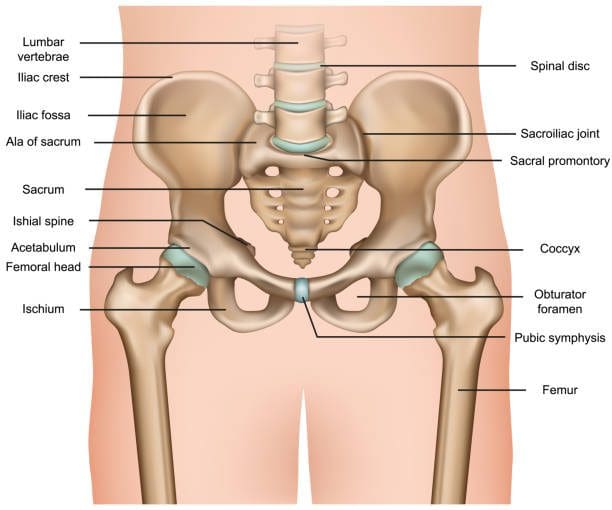
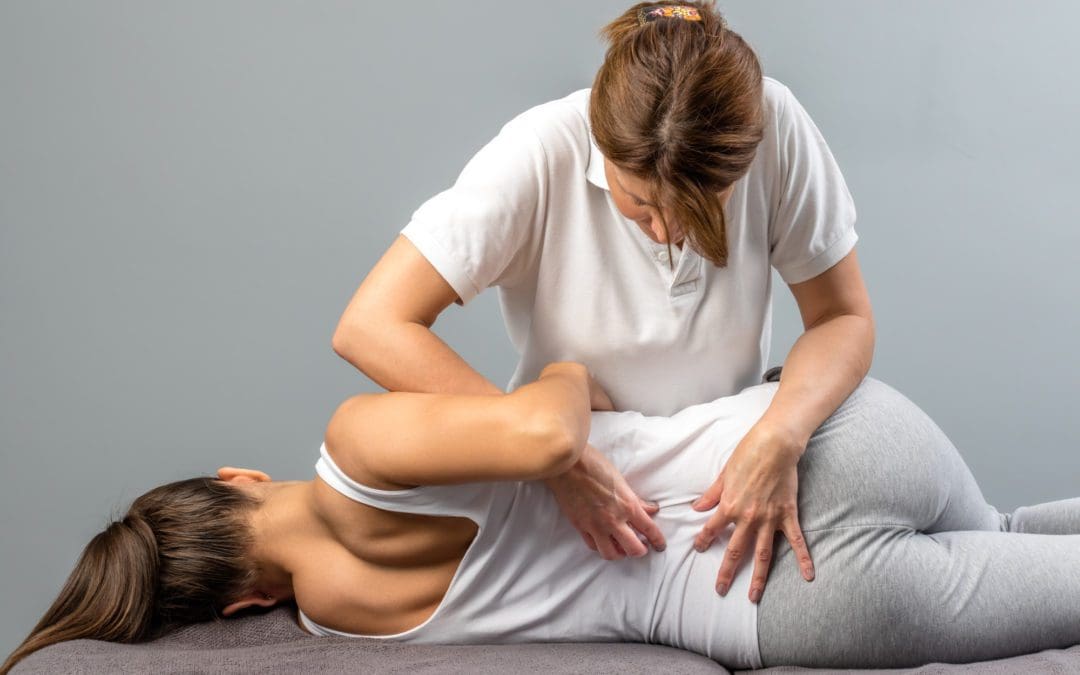
Individuals dealing with hip and pelvic pain may find relief through chiropractic care. The pelvis is a direct continuation of the spine as the sacrum (the five lowest fused vertebrae) and the pelvic girdle complex interact with the joints from the lower skeletal system. If there is pain in the lower body and the individual is unsure whether it is their back or hips, their first course of action is to visit their primary doctor or a chiropractor. Afterward, they will review the individual’s medical history while performing a series of physical exams like various movements to make an accurate diagnosis. Once the pain diagnosis is identified, chiropractors utilize total body alignment by restoring balance in the pelvis and the spine through manipulation. When the spine and hips suffer from a subluxation, it can cause unnecessary strain on the surrounding muscles around the spine and hips. To that point, realigning the spine from a chiropractic adjustment could reduce or eliminate the excessive stress affecting the surrounding muscles. Chiropractic care can also promote various therapies that increase balance along the hips and pelvic region, which include:
Stretching
Therapeutic massage
Physical activities/Exercise therapy
Nutrition
Whether the pain is located in the hips, low back, or pelvic regions, chiropractic care can help restore, address, and alleviate the pain while maintaining optimal long-lasting results.
Conclusion
The skeletal joints can help keep the body upright and stabilized while protecting the internal organs from normal and traumatic factors. When these factors begin to cause an impact on the body, the skeletal joints are at risk of developing pain along the musculoskeletal structure. Hip and pelvic pain have an overlapping relationship as they are amongst the most common complaints for many individuals. To that point, pain from the hips or the pelvic may mimic other issues associated with chronic disorders. Incorporating treatments like chiropractic care can help alleviate, address, and restore the body through spinal manipulation. This allows individuals to be pain-free and help restore balance in their joints.
References
Harris-Hayes, Marcie, et al. “Relationship between the Hip and Low Back Pain in Athletes Who Participate in Rotation-Related Sports.” Journal of Sport Rehabilitation, U.S. National Library of Medicine, Feb. 2009, https://www.ncbi.nlm.nih.gov/pmc/articles/PMC2699456/.
Lee, Dae Wook, et al. “Chronic Pelvic Pain Arising from Dysfunctional Stabilizing Muscles of the Hip Joint and Pelvis.” The Korean Journal of Pain, The Korean Pain Society, Oct. 2016, https://www.ncbi.nlm.nih.gov/pmc/articles/PMC5061646/.
Luthra, Jatinder Singh, et al. “Understanding Painful Hip in Young Adults: A Review Article.” Hip & Pelvis, Korean Hip Society, Sept. 2019, https://www.ncbi.nlm.nih.gov/pmc/articles/PMC6726866/.
Nishimura, Takaaki, and Ryo Miyachi. “Relationship between Low Back Pain and Lumbar and Hip Joint Movement in Desk Workers.” Journal of Physical Therapy Science, The Society of Physical Therapy Science, Oct. 2020, https://www.ncbi.nlm.nih.gov/pmc/articles/PMC7590845/.
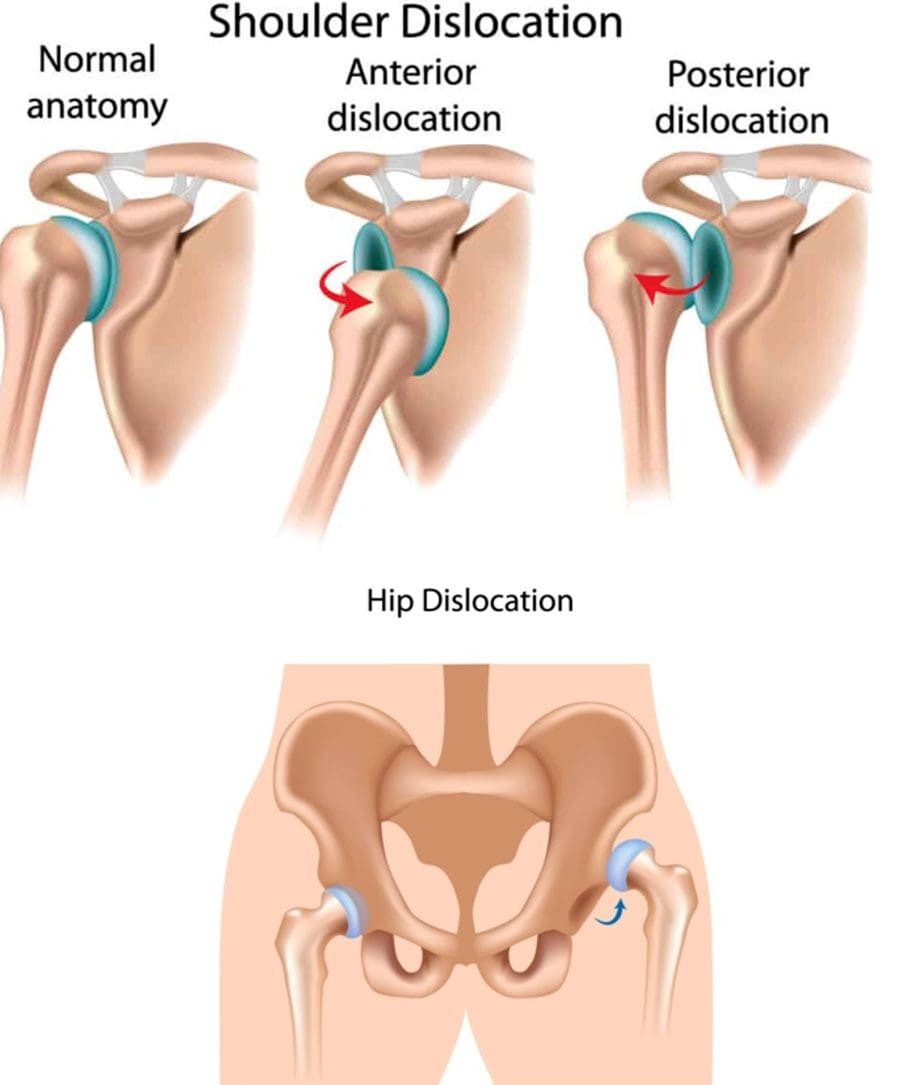
Dislocations impact the joint and are injuries that force/knock the bones out of position. Dislocations can be caused by a motor vehicle collision, falls, sports trauma, or weakened muscles and tendons. However, less impact/force is needed to dislocate smaller joints. Dislocations commonly occur at the shoulders, ankles, knees, hips, elbows, fingers and toes, and the jaw. The experience causes swelling, inability to move, and pain. A joint dislocation chiropractor can manipulate, reset, rehabilitate and strengthen the affected area and rebalance the body.
Joint Dislocation
The region where two or more bones come together is a joint. Each has a primary function, but their functions overlap. The joints allow the bones to move/articulate the skeletal system. Maintaining the body’s balance requires mobility and stability.
Mobility is the ability to move the body without restriction.
Stability is maintaining equilibrium, healthy posture, and support during movement.
The stable joints do not dislocate easily because their structures are not as flexible.
Mobile joints are at an increased risk, as they can move in almost any direction.
The kinetic chain is a sequence of joints forming an alternating pattern of stability and mobility that create a solid platform for dynamic movement. However, any joint can become dislocated, causing the affected area to become unsteady or immobile, strain or tear the surrounding muscles, nerves, and tendons which are the tissues that connect the bones to a joint.
A joint can be partially dislocated/subluxation or fully dislocated.
Joints dislocated previously have an increased risk of re-dislocating because the surrounding tissues that hold the joint have been torn or overly stretched.
Symptoms
Symptoms vary depending on the severity and location of the injury. Common symptoms include:
Instability
Loss of ability to move
Swelling
Bruising
Pain
Visible deformation
Increased Risk
Various factors can lead to joint dislocation, including:
Weakness of the supporting ligaments and muscles from natural wear and tear/age or lack of physical conditioning.
Older individuals with poor balance are more vulnerable to falls that can knock joints out of place.
Young children developing have more elastic supporting ligaments and are prone to falls, collisions, and other injuries.
Previous dislocations with overstretched or torn supporting tissues.
Repeated dislocations are likely to follow the shoulder, knee, and hip.
Physical activities like extreme sports, contact sports, or sports that involve quick body shifts, twists, and turns on the feet.
Physically demanding job.
Operating heavy machinery/equipment.
Joint hypermobility is common in children and around 5% of adults. It can be caused by weak or loose ligaments, weak or loose muscles, and/or shallow joint sockets.
Joint Dislocation Chiropractic
Treatment will vary based on the severity of the injury and the dislocated joint. Depending on the location and severity, a chiropractor will perform different movements/manipulations to realign the joint and strengthen the area.
Significant force could be necessary to pull the bones apart to realign them back into their proper position.
The joint may need to be pulled out and rotated slightly before being put back.
The focus is on increasing ligament strength.
Once the joint is back in place, it may need to remain immobile, possibly using a sling or splint to help fully heal the injury.
Physical therapy exercises will be recommended to strengthen the muscles and ligaments around the joint to support it optimally.
Shoulder Pain Chiropractic
References
Dizdarevic, Ismar, et al. “Epidemiology of Elbow Dislocations in High School Athletes.” The American journal of sports medicine vol. 44,1 (2016): 202-8. doi:10.1177/0363546515610527
Hodge, Duncan K, and Marc R Safran. “Sideline management of common dislocations.” Current sports medicine reports vol. 1,3 (2002): 149-55. doi:10.1249/00149619-200206000-00005
Prechel, Ulla et al. “The Treatment of Temporomandibular Joint Dislocation.” Deutsches Arzteblatt international vol. 115,5 (2018): 59-64. doi:10.3238/arztebl.2018.0059
Skelley, Nathan W et al. “In-game Management of Common Joint Dislocations.” Sports health vol. 6,3 (2014): 246-55. doi:10.1177/1941738113499721
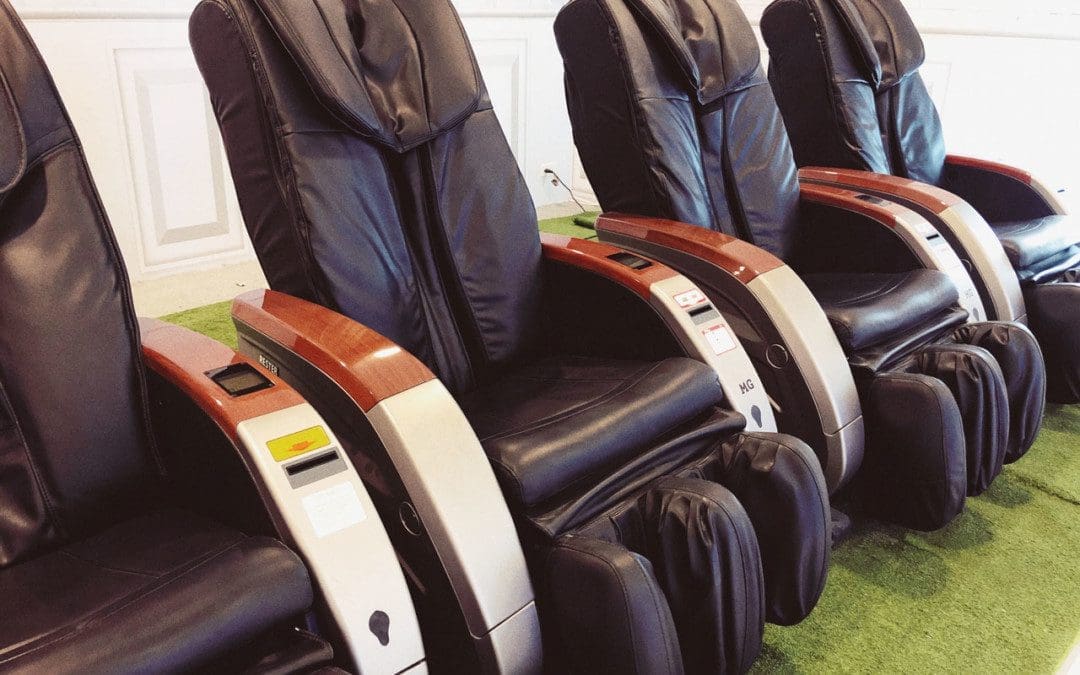
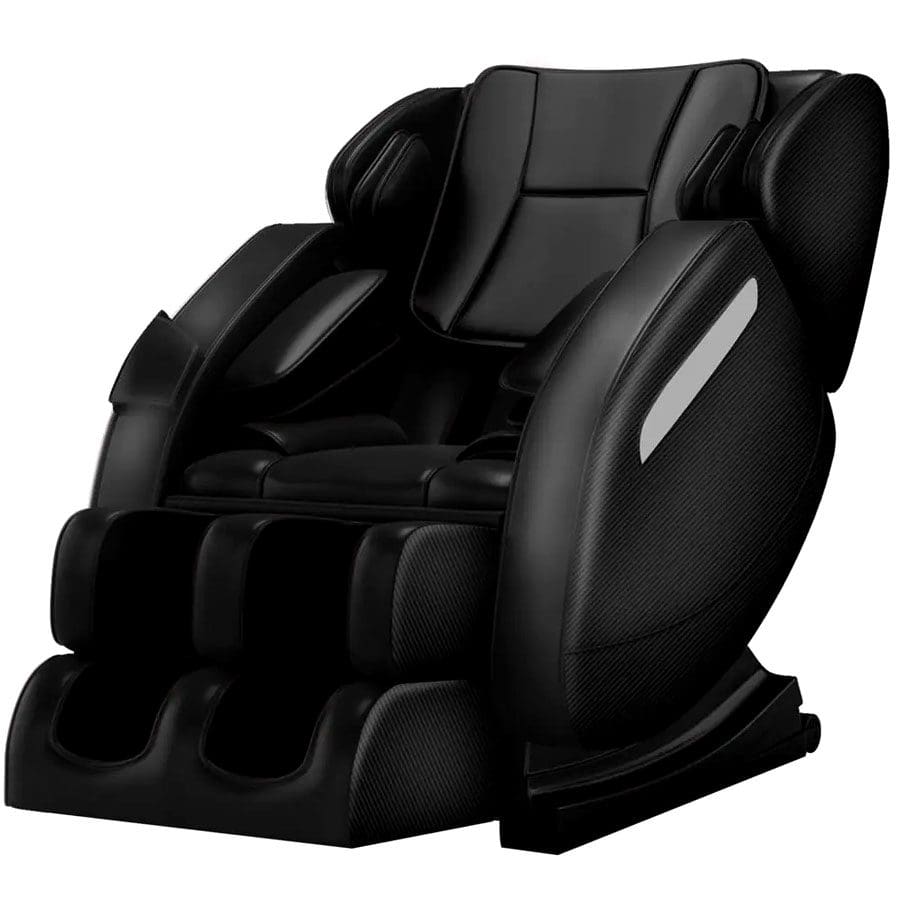
Many individuals deal with sciatic nerve discomfort and pain that radiates from the lower back down through the glutes, legs, and feet. It can affect anyone and be challenging to deal with because it can be sudden and unpredictable. A professional hands-on therapeutic massage can play a vital role in alleviating back and sciatic pain but is not always available. This is when a quality massage chair can provide pain relief and relaxation at home.
Sciatica
Not everyone who has sciatica will have the same symptoms. But common symptoms include:
Tingling, numbing sensations in the lower back and down the leg.
Electrical sensations running down the leg.
Lower back pain that spreads into the buttocks, thighs, calves, and feet.
Pain may be described as mild, dull, achy, and sharp.
Sneezing or coughing can increase the pain.
Weakness in the leg.
Massage Chair
A massage chair can assist with sciatic pain by soothing tense muscles and relieving the pressure on the surrounding tissues. When the back muscles are tense, they contract and compress down on the nerves, including the sciatic nerve. Massaging the tight muscles minimizes the pressure on the sciatic nerve and helps alleviate pain. Research has shown the main reasons why massage is beneficial:
Improves Circulation
Massaging the muscles increases blood flow.
Increasing blood circulation facilitates the absorption of nutrients into the muscles and tissues.
Choosing one will be based on specific needs and budget. Some tips to help figure out which is the most beneficial massage chair include:
Consult A Doctor
A doctor, spine specialist, or chiropractor can recommend the best type of massage chair for the individual’s specific injury, condition, and/or disorder.
A doctor will inform the individual if a massage chair is a safe option for their sciatica pain if they have health conditions like high blood pressure or neuropathy.
Chair Objectives
Figure out what the chair will help with short and long-term before shopping.
For example, if the goal is to relieve sciatica and lower back tension, an L-Track massage chair can go further down the spine to the glutes and hamstrings.
Injury Medical DOC Spinal Decompression Table
References
Cygańska, Anna, et al.” Impact of Exercises and Chair Massage on Musculoskeletal Pain of Young Musicians” International journal of environmental research and public health vol. 17,14 5128. 16 Jul. 2020, doi:10.3390/ijerph17145128
de Souza, Talita Pavarini Borges et al.”“The effectiveness of Chair Massage on Stress and Pain in Oncology” International journal of therapeutic massage & bodywork vol. 14,3 27-38. 2 Sep. 2021, doi:10.3822/ijtmb.v14i3.619
Hand, Mary et al.” “Massage Chair Sessions: Favorable Effects on Ambulatory Cancer Center Nurse” Perceived Level of Stress, Blood Pressure, and Heart Rate” Clinical journal of oncology nursing vol. 23,4 (2019): 375-381. doi:10.1188/19.CJON.375-381
Kim, Seung-Kook, et al.” “Clinical outcomes and cost-effectiveness of massage chair therapy versus basic physiotherapy in lower back pain patients: A randomized controlled trial.” Medicine vol. 99,12 (2020): e19514. doi:10.1097/MD.0000000000019514
Kumar, Saravana, et al. “The effectiveness of massage therapy for the treatment of nonspecific low back pain: a systematic review of systematic reviews.” International journal of general medicine vol. 6 733-41. 4 Sep. 2013, doi:10.2147/IJGM.S50243
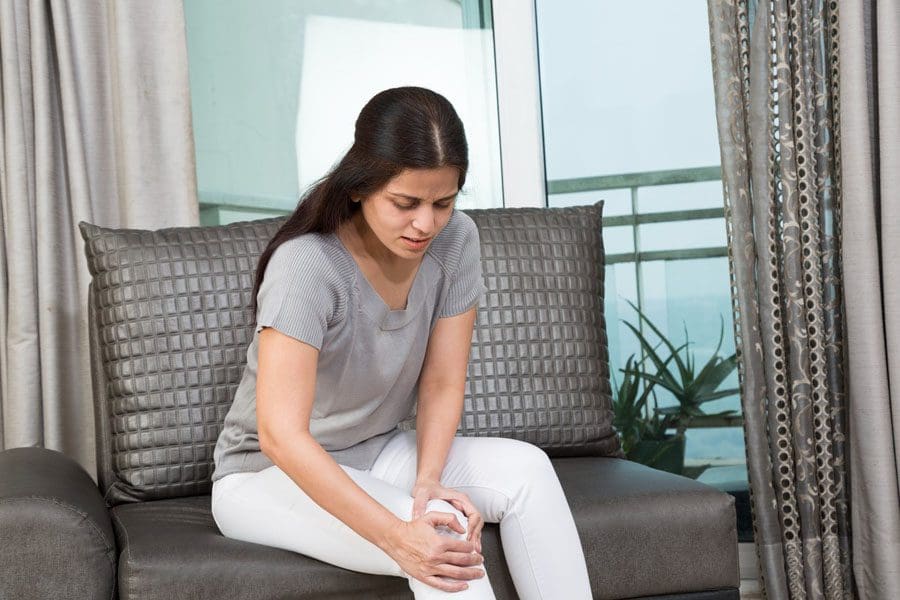
Many live with chronic discomfort and pain regularly in one or both knees. This could be from past injuries, being overweight, lack of physical conditioning, degeneration, or arthritis. Many take prescription or over-the-counter pain medication to deal with the discomfort. Pain medications only dull and mask the pain and discomfort associated with the symptoms. As a result, living with masked knee pain can worsen the condition, and the surrounding bones, joints, and tissues can begin to deteriorate. Chiropractic combined with massage, decompression, and traction therapy can significantly reduce or eliminate knee pain.
Knee Discomfort and Pain
The knee’s joint and ligaments need to be strong and healthy to support activities. The most common issues that individuals develop include:
Acute Injuries
Knee injuries can be caused by auto accidents, physical strain, playing sports, work accidents, workplace ergonomics, and walking up and down stairs.
Chronic or inflammatory medical conditions can wear down the cartilage cushion between the upper and lower leg bones.
Most common include gout, septic arthritis, osteoarthritis, and rheumatoid arthritis.
Unhealthy postures and obesity can also contribute to the chronic degradation of the knee joint.
Knee discomfort and pain can present in various ways. Some might hear an acute popping in the knee followed by swelling. Others might notice the gradual development of stiffness and weakness over time. When injured or compromised, localized pain is one of the first indicators. Chronic knee and joint pain can lead to weakness, nerve damage, or create new injuries/problems. Not all knee pain is caused by injury; in many cases, a triggering incident, like an awkward step or misstep, a stretch that went too far, or a walk, can create an injury. Even a sedentary lifestyle can contribute to knee degeneration as the surrounding muscles can lose strength, placing unnecessary strain on the joints when movement is necessary.
Chiropractic
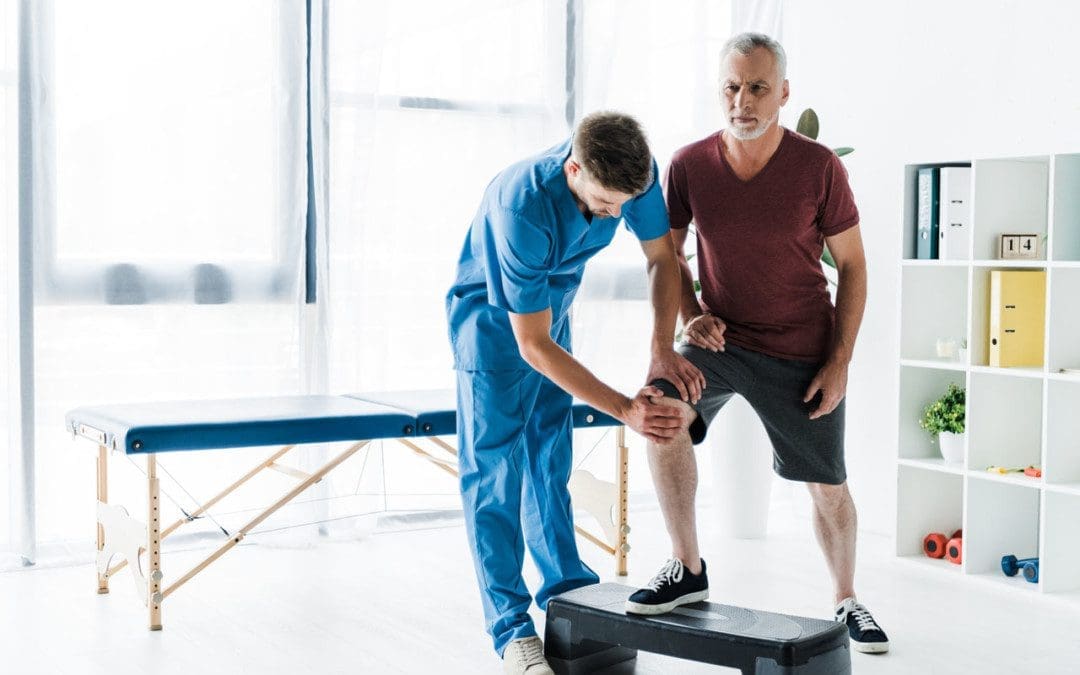
A chiropractor will examine the knee through a series of analyses, including x-rays, digital imaging, and a physical exam. The chiropractor will develop a personalized treatment plan to treat, rehabilitate, and strengthen the knee. The treatment can include:
Posture correction to distribute body weight evenly, lessening the stress on an affected knee.
Targeted exercises and nutritional recommendations will ensure long-term healing.
Q Angle of the Knee
References
Cimino, Francesca, et al. “Anterior cruciate ligament injury: diagnosis, management, and prevention.” American family physician vol. 82,8 (2010): 917-22.
Donnell-Fink, Laurel A et al. “Effectiveness of Knee Injury and Anterior Cruciate Ligament Tear Prevention Programs: A Meta-Analysis.” PloS one vol. 10,12 e0144063. 4 Dec. 2015, doi:10.1371/journal.pone.0144063
Hoskins, Wayne, et al. “Chiropractic treatment of lower extremity conditions: a literature review.” Journal of manipulative and physiological therapeutics vol. 29,8 (2006): 658-71. doi:10.1016/j.jmpt.2006.08.004
Neogi, Tuhina, et al. “Sensitivity and sensitization in relation to pain severity in knee osteoarthritis: trait or state?.” Annals of the rheumatic diseases vol. 74,4 (2015): 682-8. doi:10.1136/annrheumdis-2013-204191
Around 60% of individuals have a condition caused by or complicated by chronic inflammation. The body reacts with acute inflammation, which is beneficial as the immune system fights off bacteria that could infect the injury. Examples could be getting a cut on the finger that swells for a day or so to repair the wound or catching a cold and coughing up mucus to expel the germs. However, acute inflammation only lasts as long as necessary; chronic inflammation can last for weeks, months, and years. Individuals can have chronic inflammation and not know the damage being done to arteries and organs until pain or other issues begin to present. There are a few anti-inflammatory diets, which are nutrition plans that can help reduce inflammation.
Anti-Inflammatory Diets
Health-promoting substances include vitamins, minerals, fiber, omega-3 fatty acids, flavan-3-ols in tea and cocoa, and anthocyanins in blueberries, strawberries, raspberries, and other red and purple plant foods. Certain chemicals in the body cause inflammation, and naturally-occurring chemicals in foods, can prevent and combat inflammation by providing essential nutrients.
Nordic Diet
This includes Denmark, Sweden, and Finland, which each have different cuisines, but traditionally, they share healthy foods that provide anti-inflammatory benefits, including:
Rye is a grain shown to help reduce blood sugar, the inflammatory marker C-reactive protein. Individuals that follow this way of eating have lower blood levels of C-reactive protein and other inflammation markers. A randomized study was done in various Nordic countries and lasted six to 24 weeks. One group was assigned a healthy Nordic diet while the other stayed on the country’s modern, less healthy diet. The studies found that individuals that practiced a healthy Nordic diet even for a short while improved inflammatory markers and lost weight.
Mexican Diet
Research has linked a traditional Mexican diet to lower inflammation. Staple foods of a traditional Mexican diet include:
Cheese
Corn tortillas
Fruits and vegetables, including hot peppers
Rice – brown and white
Legumes/Beans
Legumes/beans are linked to protection from inflammatory-related conditions that include:
Obesity
High blood pressure
High blood cholesterol
Type 2 diabetes
Cardiovascular disease
Legumes are high in fiber, which helps:
Reduce inflammation
Reduce unhealthy cholesterol
Reduce blood sugar spikes after a meal, which helps prevent type 2 diabetes and inflammation.
A National Cancer Institute study of post-menopausal women of Mexican descent living in the U.S. found that those following a more traditional Mexican diet averaged 23% lower C-reactive protein levels.
Nutritionist Health Coach and Chiropractic
In some instances, chronic inflammation can come from acute inflammation that does not turn off, which can happen when the body does not make enough chemical substances responsible for turning off the immune response. Blood tests for inflammation can include tests that detect the C-reactive protein and the erythrocyte sedimentation rate, which measures the speed red blood cells settle in a test tube that shows if more inflammatory compounds are present. A combined approach and team of medical professionals, including chiropractic, massage therapy, health coaching, and nutrition, can help relieve and prevent inflammation.
Nutritionist
Consulting a nutritionist is recommended to figure out and determine the best diet/nutrition plan for the individual.
A nutritionist may also suggest supplementation like vitamin D, magnesium, and fish oil supplements.
Body composition analysis breaks down the body elements of water, protein, minerals, and fat that can also discover inflammation markers.
Chiropractic
Chiropractic adjustments help reduce the production of cytokines or proteins that regulate the cells of the immune system. Overproduction of cytokines can cause a severe inflammatory response. Chiropractic’s purpose is to rebalance the body by realigning the vertebrae to reduce pressure on the nerves and promote a healthy nervous system. When the spine and other joints are correctly aligned, the nerves function correctly, returning the body’s biomechanics to normal.
InBody Results
References
Galbete C, Kröger J, Jannasch F, et al. Nordic diet, Mediterranean diet, and the risk of chronic diseases: the EPIC-Potsdam study. BMC Med. 2018;16(1):99.
Lankinen M, Uusitupa M, Schwab U. Nordic Diet and Inflammation-A Review of Observational and Intervention Studies. Nutrients. 2019;11(6):1369.
Ricker MA, Haas WC. Anti-Inflammatory Diet in Clinical Practice: A Review. Nutrition in Clinical Practice. 2017;32(3):318-325.
Santiago-Torres M, Tinker LF, Allison MA, et al. Development and Use of a Traditional Mexican Diet Score in Relation to Systemic Inflammation and Insulin Resistance among Women of Mexican Descent. J Nutr. 2015;145(12):2732-2740.
Valerino-Perea, Selene, et al. “Definition of the Traditional Mexican Diet and Its Role in Health: A Systematic Review.” Nutrients vol. 11,11 2803. 17 Nov. 2019, doi:10.3390/nu11112803
Yang, Yoon Jung, et al. “Dietary flavan-3-ols intake and metabolic syndrome risk in Korean adults.” Nutrition research and practice vol. 6,1 (2012): 68-77. doi:10.4162/nrp.2012.6.1.68
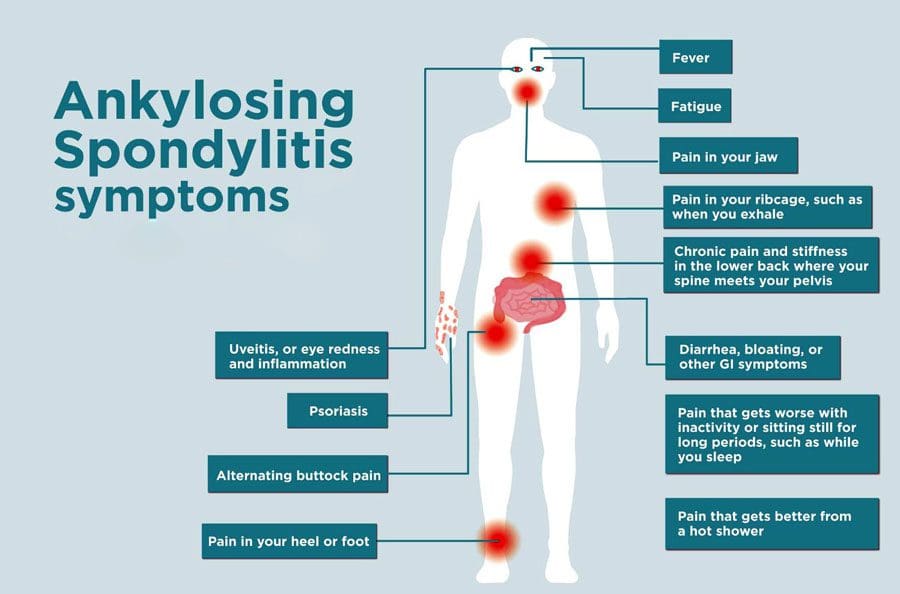
Ankylosing spondylitis/AS is a common type of arthritis that can cause damage to spinal structures, body parts, and organs. Ankylosing spondylitis causes inflammation in the spine’s ligaments and joints which can cause affected vertebrae to fuse, but other symptoms/complications are skin disorders. Ankylosing spondylitis flare-ups can present with skin disorders like rashes and the possible development of skin diseases like psoriasis.
Ankylosing Spondylitis
The inflammation causes back stiffness and pain that causes the spine to become inflexible and rigid. The vertebrae can fuse in extreme cases.
It is typically seen in the early adult population as back pain and hip pain.
Symptoms are more common in individuals between 17 and 45.
Men are more likely to be affected than women.
Genetics can play a role in this condition.
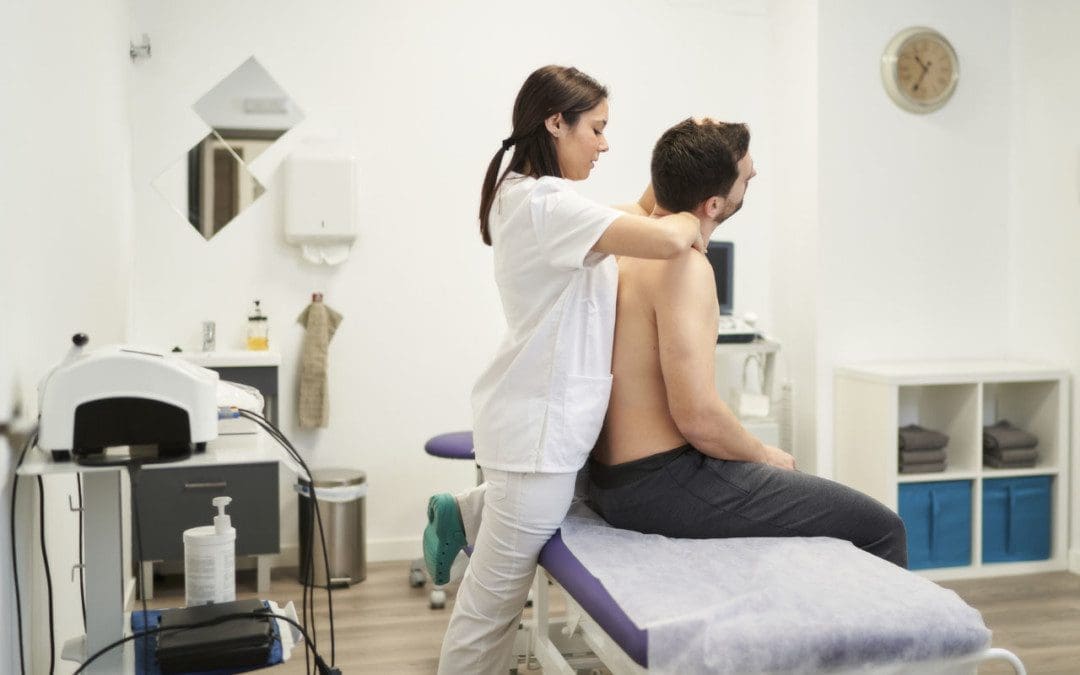
Doctors utilize multiple approaches to relieve symptoms and manage the condition through combined exercise, chiropractic, physical therapy, diet, and stress management to help improve quality of life.
Skin Disorders
A flare-up can present as a skin rash but can also affect the skin in other ways that include:
Rashes brought on by medication treatments.
Trouble healing from incisions after surgery.
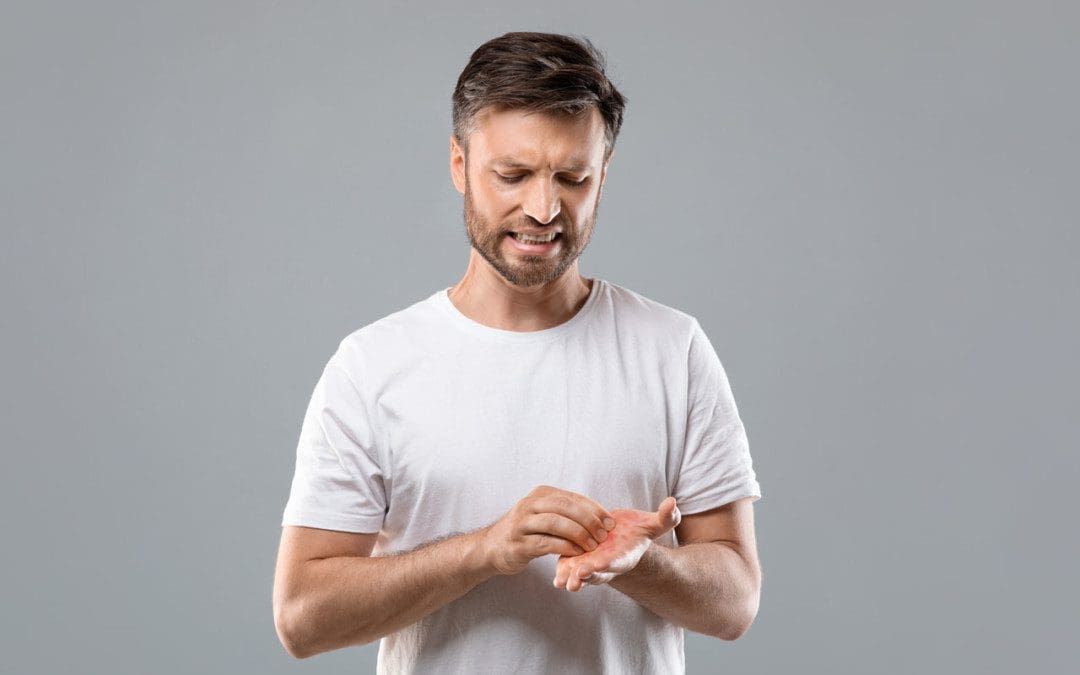
Psoriasis
Psoriasis presents as red skin patches appearing anywhere on the body.
The most common areas are the scalp, palms, elbows, and knees.
The affected skin can itch, become tender, and can also sting and burn.
Some psoriasis outbreaks result in lesions or blisters.
Ankylosing Spondylitis vs. Psoriatic Arthritis
Ankylosing spondylitis and psoriatic arthritis are related and come under spondyloarthritis/SpA rheumatic disease.
Ankylosing spondylitis is typically localized to the spine, whereas psoriatic arthritis can affect almost any joint in the body and presents with tendinopathy.
Some individuals with AS can begin to develop psoriasis.
Medications can also help but can produce side effects.
Ankylosing spondylitis skin disorders present ongoing challenges. However, increasing treatment options are helping to minimize the condition’s impact on a better quality of life.
AS Causes, Symptoms, Diagnosis, Treatment
References
Meier, Katharina, et al. “Skin manifestations in spondyloarthritis.” Therapeutic advances in musculoskeletal disease vol. 12 1759720X20975915. 8 Dec. 2020, doi:10.1177/1759720X20975915
Myers, Elisha et al. “An Update on Narrowband Ultraviolet B Therapy for the Treatment of Skin Diseases.” Cureus vol. 13,11 e19182. 1 Nov. 2021, doi:10.7759/cureus.19182
National Institutes of Health. (n.d.) “Ankylosing spondylitis.” https://www.niams.nih.gov/health-topics/ankylosing-spondylitis
Ye, Chao, and Wenyuan Li. “Cutaneous vasculitis in a patient with ankylosing spondylitis: A case report.” Medicine vol. 98,3 (2019): e14121. doi:10.1097/MD.0000000000014121
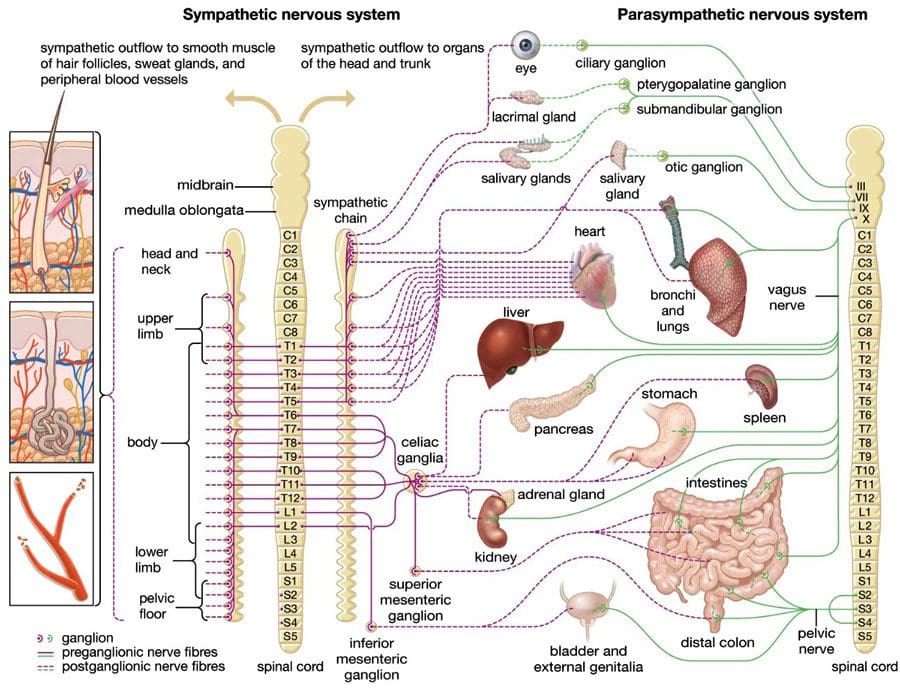
The neuromusculoskeletal system refers to the nerves, muscles, and bones. Nerve messages flow through the nervous system to coordinate and control every bodily function. Nerve interference causes an imbalance in this system, compromising body function. Uncoordinated or reduced nerve function over time can result in an unhealthy state or disease development. Complex or puzzling symptoms can include:
The nerves in the body are linked to the spinal cord, and when the spinal joints shift out of position, they can compress or kink the nerves, causing malfunction. Even a minor misalignment can create nerve, joint, and muscle tightness that travels throughout the body. This causes imbalances in nearly every other bodily system, forcing it to change in negative ways and typically becomes worse with time. Injuries from slips and falls, playing sports, accidents, unhealthy ergonomics, and repetitive/overuse motions can cause nerve injuries. Nerve dysfunction or damage can irritate the nerves causing nerve irritation that leads to nerve interference. Nerve damage can cause numbness, tingling, discomfort, and pain.
Dizziness and Mental Fog
Nerve interference can cause brain fog, sluggishness, dizziness, and anxiety.
If the brain and nervous system’s communication is disrupted by damage or injury to the nerves, mental ability may become confused and muddled.
Negatively Affect Sleep
Nerve interference can produce discomfort all over the body, causing sleep problems.
During restorative sleep, nerve interference can interrupt memory and cognitive function.
Gastrointestinal symptoms like indigestion, acid reflux, constipation, diarrhea, GERD, and nausea can present suddenly.
Back Pain
Back discomfort and pain can be caused by nerve issues.
Nerve pain can be aching, pinching, throbbing, or stabbing in the upper, middle, and lower back areas.
Numbness
Nerve signals can get mixed up or sent to the wrong areas.
Nerve interference reduces nerve energy circulation, causing tingling and numbing sensations in different body regions.
Recovery Problems
Pain could result from a past injury making injuries more difficult to heal.
Nerve interference can cause the body to become stiff, immobile, and numb, depleting the body’s energy.
Nerve energy transmission is required so the body can react to its surroundings and function correctly.
Chiropractic
Nerve blockage can be cleared through functional chiropractic medicine.
The nerve/s that are blocked or restricted are worked on through therapeutic percussive massage, manual adjustments, decompression, and stretching exercises.
Therapeutic deep tissue stimulation with or without heat is applied directly to the nerve region to increase circulation.
Proper function of nerves is restored and allows for increased blood circulation that provides increased oxygenated nutrients expediting the healing process.
Discomfort and pain are relieved.
Range of motion increases.
Restoration of muscle function and joint stability.
Tissue repair improves through treatment and nutrition.
Spinal Decompression Therapy
References
Crawford, J P. “Chiropractic intervention in the treatment of joint and soft tissue disorders.” Canadian journal of applied physiology = Revue canadienne de physiologie appliquee vol. 24,3 (1999): 279-89. doi:10.1139/h99-023
Gu, Xiaosong, et al. “Neural tissue engineering options for peripheral nerve regeneration.” Biomaterials vol. 35,24 (2014): 6143-56. doi:10.1016/j.biomaterials.2014.04.064
Mackinnon, Susan E. “Pathophysiology of nerve compression.” Hand clinics vol. 18,2 (2002): 231-41. doi:10.1016/s0749-0712(01)00012-9
Norton, Charles E et al. “Role of perivascular nerve and sensory neurotransmitter dysfunction in inflammatory bowel disease.” American journal of physiology. Heart and circulatory physiology vol. 320,5 (2021): H1887-H1902. doi:10.1152/ajpheart.00037.2021
T Francio, Vinicius. “Chiropractic care for foot drop due to peroneal nerve neuropathy.” Journal of bodywork and movement therapies vol. 18,2 (2014): 200-3. doi:10.1016/j.jbmt.2013.08.004
IFM's Find A Practitioner tool is the largest referral network in Functional Medicine, created to help patients locate Functional Medicine practitioners anywhere in the world. IFM Certified Practitioners are listed first in the search results, given their extensive education in Functional Medicine