Can older people who exercise regularly lessen their risk of dementia and enhance their overall health?
Exercise and the Prevention of Dementia
Dementia, a term used to cover several conditions that impact memory and cognition, is currently the seventh leading cause of mortality worldwide. (World Health Organization, 2025) More than 10 million new cases of dementia are found around the world each year. (J.H. Yoon et al., 2023) Research investigating the relationship between exercise and insulin in the brain suggests that regular exercise may improve brain function and decrease the prevalence of dementia. Scientists have discovered that variables, such as.
Muscles must be exercised and mobilized. People who do not engage in physical activity have rigid muscles, which impede the effectiveness of insulin. The body’s sensitivity to insulin is improved by the contraction and relaxation of the muscles during movement. Dementia can be prevented by understanding how to decrease the body’s insulin resistance.
Physical Activity and Lower Risk
Over two weeks, researchers examined 21 older adults with prediabetes and found that exercise enhances cognitive performance by aiding the brain in insulin regulation. They conducted twelve supervised training sessions of moderate to extreme intensity. (Malin S. K. et al., 2025)
The results indicated that brain-derived extracellular vesicles containing insulin-related proteins had significantly increased.
These microscopic messengers are essential for brain maintenance and aid in neuronal communication.
Three serine/threonine-specific protein kinases known as AKT (protein kinase B, or PKB) are essential for several cellular functions, such as cell growth, survival, metabolism, and cell cycle control.
The protein affects the development and health of neuronal cells and is thought to play a significant role in insulin signaling.
The notion that exercise might help prevent dementia by potentially enhancing insulin signaling is important since poor insulin response can result in dementia.
Even while further research is needed, these findings prove that physical activity could be a cost-effective and easily accessible way to improve long-term brain health. To better understand how insulin affects brain activity, researchers will use MRIs and an insulin spray in the study’s next phase. To learn more about the effects of the insulin spray, they will compare the blood flow in the brain before and after it is administered.
Insulin and Exercise Are Essential for Brain Health
Insulin is a hormone that the pancreas makes. It controls blood sugar levels. But it’s just as vital for the health of the brain. Insulin binds to many receptors in the brain, which makes synaptic connections stronger and makes it easier for neurons to talk to each other. Both of these things help with memory and learning. (Gray, S. M., Meijer, R. I., & Barrett, E. J. 2014)
Type 2 diabetes, which impairs insulin transmission, increases the risk of cognitive impairment. (Yoon J.H. et al., 2023) Research has demonstrated that insulin resistance exacerbates tau tangles and amyloid-beta plaques, which are two critical characteristics of Alzheimer’s disease. (Hong, S., Han, K., & Park, C. Y. 2021) Increasing insulin sensitivity may slow down or even stop these changes in the brain. Working out, especially aerobic exercise, is good for the brain. According to earlier research, exercise can help people maintain or enhance their memory and brain function. (Rosenberg A. et al., 2020) Other ways to increase brain health include:
Maintaining social interaction
Challenging the mind
Getting a good night’s sleep
Controlling stress
A nutritious diet
Maintaining an active lifestyle
Controlling diabetes
Controlling blood pressure
To achieve the greatest possible effect, dementia prevention in the future will likely involve integrating lifestyle modifications, such as exercise, with medications. In individuals with diabetes or prediabetes, the risk of dementia is significantly reduced, and frequent exercise can assist in the preservation of optimal brain function.
Chiropractic and Functional Medicine Clinic
As a family nurse practitioner, Dr. Jimenez uses the latest medical expertise and chiropractic therapy to address many problems. Our clinic uses functional medicine, acupuncture, electro-acupuncture, and sports medicine to create individualized care plans that improve movement, encourage long-term health, and speed up the body’s natural healing process. We focus on strength, agility, and flexibility to help our patients thrive, regardless of age or health problems. At El Paso’s Chiropractic Rehabilitation Clinic & Integrated Medicine Center, we want to help people with chronic pain syndromes and injuries. We focus on improving flexibility, mobility, and agility through programs suitable for people of all ages and abilities. We ensure that each patient gets personalized care and reaches their health objectives through detailed care plans and health coaching in person and online.
Is Movement Essential to Recovery?
References
World Health Organization. (2025). “Dementia.” World Health Organization. from https://www.who.int/news-room/fact sheets/detail/dementia#:~:text=Alzheimer%20disease%20is%20the%20most,60%E2%80%9370%25%20of%20cases.
Yoon, J. H., Hwang, J., Son, S. U., Choi, J., You, S. W., Park, H., Cha, S. Y., & Maeng, S. (2023). How Can Insulin Resistance Cause Alzheimer’s Disease?. International Journal of Molecular Sciences, 24(4), 3506. https://doi.org/10.3390/ijms24043506
Malin, S. K., Battillo, D. J., Beeri, M. S., Mustapic, M., Delgado-Peraza, F., & Kapogiannis, D. (2025). Two weeks of exercise alters neuronal extracellular vesicle insulin signaling proteins and pro-BDNF in older adults with prediabetes. Aging cell, 24(1), e14369. https://doi.org/10.1111/acel.14369
Gray, S. M., Meijer, R. I., & Barrett, E. J. (2014). Insulin regulates brain function, but how does it get there?. Diabetes, 63(12), 3992–3997. https://doi.org/10.2337/db14-0340
Hong, S., Han, K., & Park, C. Y. (2021). The insulin resistance by triglyceride glucose index and risk for dementia: population-based study. Alzheimer’s research & therapy, 13(1), 9. https://doi.org/10.1186/s13195-020-00758-4
Rosenberg, A., Mangialasche, F., Ngandu, T., Solomon, A., & Kivipelto, M. (2020). Multidomain Interventions to Prevent Cognitive Impairment, Alzheimer’s Disease, and Dementia: From FINGER to World-Wide FINGERS. The Journal of Prevention of Alzheimer’s disease, 7(1), 29–36. https://doi.org/10.14283/jpad.2019.41
Can the Oswestry Low Back Pain Disability Questionnaire help assess how low back pain impacts individuals’ ability to perform everyday tasks and activities and help physical therapists incorporate the outcome measure into an effective treatment plan?
Oswestry Disability Questionnaire
The Oswestry Disability Questionnaire, also known as the Oswestry Disability Index, provides objective data about an individual’s lower back pain. It determines the severity of the pain and how much it limits their daily activities. The questionnaire is a validated measure backed by research that can be used to justify the need for medical treatment. It includes questions regarding the symptoms and severity of low back pain and how these symptoms interfere with regular activities. Lower back pain can result from various causes (National Institute of Neurological Disorders and Stroke, 2020)
Arthritis, including inflammatory types of arthritis like psoriatic arthritis and ankylosing spondylitis.
Lumbar vertebrae compression fractures – usually from trauma or osteoporosis.
Low back surgery – including spinal fusions, discectomies, and laminectomies.
Spinal stenosis
Spondylolisthesis
Scoliosis
How The Questionnaire Works
The Oswestry Disability Questionnaire consists of 10 questions about the impact of lower back pain on daily life. The questions are divided into the following categories: (American Academy of Orthopedic Surgeons, N.D.)
Pain Intensity
How intense is the pain?
If painkillers are used, how much symptom relief do they provide?
Personal Care
Can the patient perform self-care activities like bathing and dressing when experiencing significant pain or limitations?
Whether physical assistance from another person is needed?
Lifting
Can the patient lift objects like weights with or without pain?
Can lifting be performed from the floor or a higher surface like a table if the objects are light, moderate, or heavy?
Walking
If and to what extent does the pain limit the patient’s walking distance and independence?
If an assistive device like a cane or crutches are needed?
Sitting
If so, how much pain limits the patient’s sitting tolerance?
Standing
If so, how much pain limits the patient’s standing tolerance?
Sleeping
If so, how much pain limits a patient’s sleeping duration?
Whether pain medication is needed to help the patient sleep comfortably?
Social Life
If and to what extent a patient’s social activities are limited because of pain symptoms?
Traveling
If so, to what extent does pain limit a patient’s ability to travel?
Employment and/or Homemaking Duties
Does pain limit a patient’s ability to perform job-related and/or household activities, including physically demanding and light duties?
Patients self-report the information and complete it on their own based on their understanding of the extent of their lower back pain and disability.
Each question can be scored between 0 and 5, with 0 indicating no limitations and 5 indicating complete disability.
The scores from all the questions are added together for a cumulative total score of 50 points.
Scores
The Oswestry Disability Questionnaire assesses how much a patient’s lower back pain limits daily activities. This information is used in clinical documentation for medical services. A higher score indicates a greater level of disability, according to the following scoring criteria:
0–4: No disability
5–14: Mild disability
15–24: Moderate disability
25–34: Severe disability
35–50: Completely disabled
Physical therapists must create individualized goals for each patient to develop a treatment plan and receive authorization from insurance companies. One of the most important aspects of a physical therapy goal is that it must be measurable. The Oswestry Disability Questionnaire provides a numerical score to track functional limitations and monitor the range of motion and strength testing. A baseline measurement is taken at the beginning of treatment, and progress is tracked in follow-up visits. A new score is used as a treatment goal. According to a study, the minimal clinically important difference (MCID) for the Oswestry Disability Questionnaire is 12.88. The MCID is the minimum score healthcare providers need to confirm a patient’s progress in function due to treatment. (Johnsen, L. G. et al., 2013)
By tracking changes in the total score before, during, and after treatment, healthcare providers can better assess whether treatment improves symptoms. A decrease in total score by 13 points or more would indicate that treatment is helping to improve a patient’s lower back pain and level of disability. Along with physical examination results, the patient’s score and the severity of symptoms can help healthcare providers determine an appropriate treatment plan.
No Disability
Treatment is unnecessary other than providing advice for lifting mechanics and general physical activity to maintain health.
Mild Disability
Conservative measures, such as physical therapy, exercise, hot or cold therapy, pain medication, and rest, are needed to help alleviate symptoms.
Moderate Disability
More aggressive intervention is needed, which can include extensive physical therapy services and pain management.
Severe Disability
Significant medical intervention is needed, including surgery, pain management, equipment like wheelchairs, and help from a caretaker.
Completely Disabled
Patients are either bedbound or have worsening symptoms, and a caretaker is needed to complete daily activities and self-care tasks.
Injury Medical Chiropractic and Functional Medicine Clinic
Improvements in range of motion, strength, and quality of movement and a decrease in total score can help show the treatment’s positive impact in managing lower back pain. A thorough medical exam and diagnostic tests, such as X-ray, MRI, or EMG, can help determine the underlying causes, discover the cause of the problem, and develop an effective treatment plan. Injury Medical Chiropractic and Functional Medicine Clinic works with primary healthcare providers and specialists to develop personalized treatment programs. Using an integrated approach to treating injuries and chronic pain syndromes to improve flexibility, mobility, and agility and help individuals return to normal activities. Our providers use Functional Medicine, Acupuncture, Electro-Acupuncture, and Sports Medicine principles. If other treatments are needed, Dr. Jimenez has teamed up with top surgeons, clinical specialists, medical researchers, and rehabilitation providers.
Optimizing Your Wellness
References
National Institute of Neurological Disorders and Stroke. (2020). Low Back Pain Fact Sheet. Retrieved from https://www.ninds.nih.gov/sites/default/files/migrate-documents/low_back_pain_20-ns-5161_march_2020_508c.pdf
American Academy of Orthopedic Surgeons. (N.D.). Oswestry Low Back Pain Disability Questionnaire. https://www.aaos.org/globalassets/quality-and-practice-resources/patient-reported-outcome-measures/spine/oswestry-2.pdf
Johnsen, L. G., Hellum, C., Nygaard, O. P., Storheim, K., Brox, J. I., Rossvoll, I., Leivseth, G., & Grotle, M. (2013). Comparison of the SF6D, the EQ5D, and the oswestry disability index in patients with chronic low back pain and degenerative disc disease. BMC musculoskeletal disorders, 14, 148. https://doi.org/10.1186/1471-2474-14-148
“Can understanding moderate exercise and how to measure the amount of exercise help expedite individuals’ health goals and well-being?”
Moderate Exercise
Various physical activity guidelines recommend regular, moderate exercise for achieving and maintaining health and wellness. Getting the minimum, moderate weekly physical activity can help prevent disease, increase mental well-being, support weight loss and maintenance, and improve quality of life.
Moderate-intensity cardiovascular exercise includes – brisk walking, yard work, mopping, vacuuming, and playing various sports that require consistent movement.
When engaged in moderate exercise, individuals should breathe harder but still be able to carry a conversation. (American Heart Association, 2024)
The talk test is a way to monitor whether the exercise is at moderate intensity.
A heart rate chart or calculator can determine an individual’s maximum heart rate.
To measure heart rate mid-exercise, individuals can take their pulse or use a heart rate monitor, app, fitness tracker, or smartwatch to ensure they stay at a moderate intensity.
MET
M.E.T. stands for Metabolic Equivalent for Task and refers to the amount of oxygen the body uses during physical activity.
Assigning METs to an activity allows individuals to compare the amount of exertion an activity takes.
This works for individuals with different weights.
During moderate physical activity, breathing and heart rate increase, and the body burns around 3.5 to 7 calories a minute.
The actual number burned depends on your weight and fitness level.
The body uses 1 MET for basic functions like breathing.
Grades of activity:
1 MET – Body at rest
2 METs – Light activity
3-6 METs – Moderate activity
7 or more METs – Vigorous activity
Perceived Exertion Scale
Individuals can also check their activity level using the Borg Rating of Perceived Exertion scale/RPE. (Centers for Disease Control and Prevention, 2022) Using this scale involves monitoring how an individual feels about how hard their body is working during physical activity. The scale starts at 6 and ends at 20. A perceived exertion between 11 and 14 is considered moderate physical activity.
6 – No exertion – sitting still or sleeping
7-8 – Extremely light exertion
9-10 – Very light exertion
11-12 – Light exertion
13-14 – Somewhat hard exertion
15-16 – Heavy exertion
17-18 – Very heavy exertion
20 – Maximum exertion
Examples
Many activities are counted as moderate-intensity exercise. Choose some appealing and learn to add them to a weekly routine.
Ballroom dancing
Line dancing
Gardening
House chores that get the heart pumping.
Softball
Baseball
Volleyball
Doubles tennis
Brisk walking
Light jogging
Walking or jogging on a treadmill
Using an elliptical trainer
Bicycling under 10 miles an hour on ground level
Leisurely swim
Water aerobics
Mobility Challenges
Individuals with mobility issues can achieve moderate intensity using a manual wheelchair or a handcycle and swimming or water aerobics.
Individuals who can use their legs but can’t tolerate walking or jogging can try bicycling or swimming.
Getting More Exercise
There are different ways to incorporate and increase moderate physical activities. These include:
10-minute Activity Bursts
Walk briskly for at least 10 minutes at a time.
Walk at an easy pace for a couple of minutes.
Pick up the pace for 10 minutes.
Try to walk during work breaks or lunch and/or before or after work.
Walking Workouts
Individuals can walk indoors, outdoors, or on a treadmill.
Proper posture and walking techniques make it easier to achieve a brisk pace.
Once comfortable walking briskly for 10 minutes, begin to extend walking time.
Try different walking workouts that offer fast walks, jogging intervals, and/or adding hills or treadmill inclines.
New Activities
Individuals are recommended to experiment with various exercises to find what works for them.
Consider roller skating, blading, or skateboarding to increase heart rate.
Moderate physical activity will get and keep the body in shape. Individuals should not become distressed if they can only do a little at first. Allow time to build endurance and gradually make time each day for enjoyable physical activities.
Transform Your Body
References
U.S. Department of Health & Human Services. (2018). Physical Activity Guidelines for Americans, 2nd edition. Retrieved from https://health.gov/sites/default/files/2019-09/Physical_Activity_Guidelines_2nd_edition.pdf
American Heart Association. (2024). American Heart Association recommendations for physical activity in adults and kids. (Healthy Living, Issue. https://www.heart.org/en/healthy-living/fitness/fitness-basics/aha-recs-for-physical-activity-in-adults
Centers for Disease Control and Prevention. (2022). Target heart rate and estimated maximum heart rate. Retrieved from https://www.cdc.gov/physicalactivity/basics/measuring/heartrate.htm
Centers for Disease Control and Prevention. (2022). Perceived exertion (Borg Rating of Perceived Exertion Scale). Retrieved from https://www.cdc.gov/physicalactivity/basics/measuring/exertion.htm
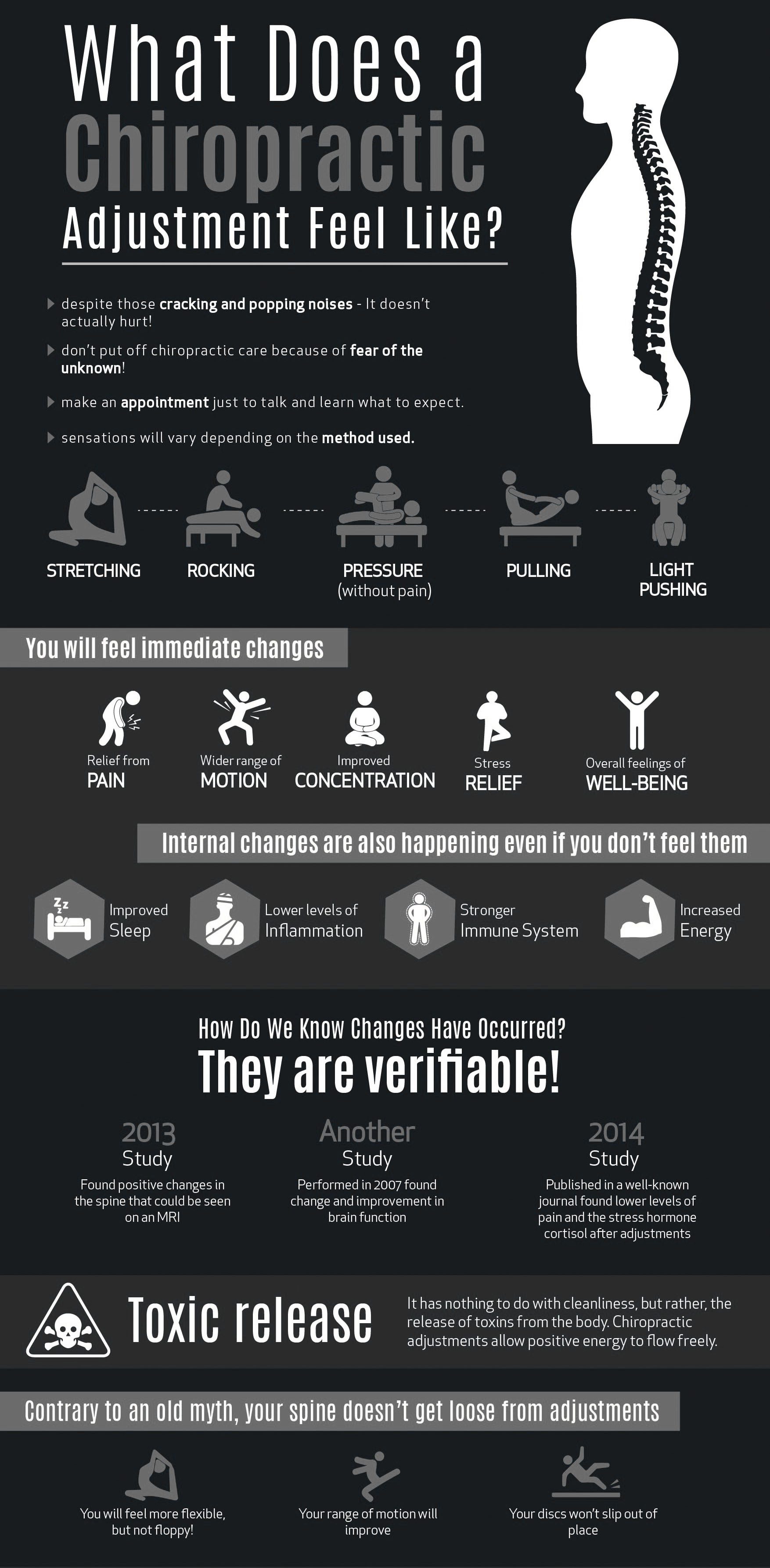
Chiropractic and spinal health. Most individuals seek out chiropractic care only after an injury and when pain presents. Because traditional medical care tends to focus on treating disorders and diseases, individuals are used to seeking care only when something is imbalanced. For many, chiropractic is known for its ability to resolve back and neck pain, correct postural misalignments, manage acute or chronic conditions and accelerate the healing of injuries. Chiropractic is different in that it is a tool for increasing overall wellness and vitality when no injury or imbalance is present.
Chiropractic and Spinal Health
Chiropractic is an invaluable treatment that raises the baseline of an individual’s health by:
Increasing performance
Extending lifespan and longevity
Improving overall comfort
Increasing agility in the body
Chiropractic helps to achieve these transformational results by improving the function of the:
Circulatory system
Immune system
Respiratory system
Muscular system
Nervous system
Skeletal system
Circulation Increased
The circulation system includes the heart and its chambers, arteries, veins, lungs, lobes, and capillaries. The structures within this system move blood, nutrients, and waste throughout the body. The quality of health and life depends on the level of functioning in this system. The better and more efficient the tissues receive clean blood, nutrients, and oxygen, the better the body is able to utilize these building blocks to achieve whatever function is required. The slower and more unclean these building blocks, the lower quality of function. The nervous system is the communication system that includes the brain, spinal cord, and nerves that run throughout the body. Everything in the body and the work functions as a result of this communication system.
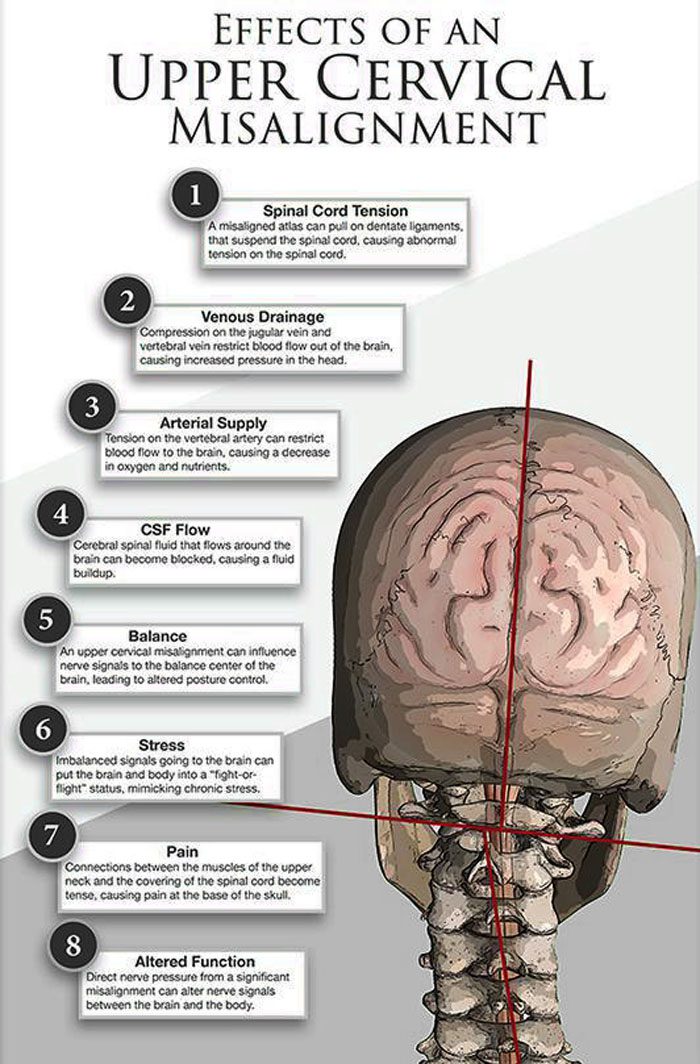
The circulatory system relies on the communication that runs through the nervous system, which is housed in the spine. If the spine is misaligned, moving improperly, or sustaining an injury, it can interfere with the function of the communication. Regular chiropractic care increases the health levels of the nervous system by keeping the spine as healthy and flexible as possible. The muscles are kept loose, which promotes blood flow, and the flow and movement of waste in the lymphatic system. Individuals that receive regular adjustments report:
Enhanced perception of sensations in their extremities.
Warmer hands and feet.
Improved cognitive response and clarity.
Decrease or eliminate tingling and numbness.
Maintaining the proper range of motion of the spine also facilitates better function and movement of the whole body.
Immune Response Improvement
Regular chiropractic improves immune responses that leads to improved response against foreign invaders and disease,fewer instances of illness, exhaustion, fatigue, and inflammation. When expert chiropractic and spinal health intervention is delivered it helps to realign bones and joints, alleviate muscle tension, and restore nerve function. The body immediately experiences a decrease in stress, downregulation of stress hormones and chemicals in the body leads to a reduction in inflammation.
Increased Mobility & Flexibility
Chiropractic helps to improve physical mobility and flexibility in the muscular and skeletal systems. This is accomplished through manual manipulation to restore ideal posture and achieve a balanced skeletal structure. Manual manipulation is also used to soften and relax tense muscles which have developed abnormalities to compensate for incorrect posture. When skeletal structure, muscular imbalances, and strain are corrected, the result is improved mobility and flexibility.
Pain Symptoms Are Decreased
Pain originates from the nervous, muscular, and skeletal systems. Chiropractic can help with back pain, neck pain, shoulder pain, migraines, nerve and sciatic pain, and other conditions and forms of discomfort. The origin of the pain can include:
Postural imbalance
Muscle tension
Damage from accident or injury
Spinal degeneration
Chiropractic and spinal health care helps soothe and de-inflame the comprised areas, allowing the natural healing systems to intervene and promote long-term reduction of discomfort and pain.
Bending, Standing, Sitting Activities Improve
For many individuals, bending, standing, and sitting are normal movements they engage in every day. This can be part of work occupation, school, house chores, etc, and for many these movements and positions can become painful over long durations of time and when it is repetitive. Regular chiropractic and spinal health treatment can restore optimal posture in the body, soothe strained and tense muscles, and resolve disrupted nerve energy flow which often leads to nerve pain like sciatica.
Body Composition
Pregnancy Hypertension
Hypertension in pregnancy falls into one of three categories. It can range from benign and easily controlled to serious with increased medical risks. This makes monitoring blood pressure important to individual health risks. The risks for hypertension in pregnancy include:
Preeclampsia develops after 20 weeks of pregnancy and is associated with a sharp spike in blood pressure levels. Notable symptoms include:
Sudden fluid swelling
Chronic headaches
Changes in vision
Nausea
Vomiting
Weight gain
References
Brown, Richard A. “Spinal Health: The Backbone of Chiropractic’s Identity.” Journal of chiropractic humanities vol. 23,1 22-28. 8 Sep. 2016, doi:10.1016/j.echu.2016.07.002
Bussières, André E et al. “Spinal Manipulative Therapy and Other Conservative Treatments for Low Back Pain: A Guideline From the Canadian Chiropractic Guideline Initiative.” Journal of manipulative and physiological therapeutics vol. 41,4 (2018): 265-293. doi:10.1016/j.jmpt.2017.12.004
Maher, Jennifer L et al. “Exercise and Health-Related Risks of Physical Deconditioning After Spinal Cord Injury.” Topics in spinal cord injury rehabilitation vol. 23,3 (2017): 175-187. doi:10.1310/sci2303-175
Meeker, William C, and Scott Haldeman. “Chiropractic: a profession at the crossroads of mainstream and alternative medicine.” Annals of internal medicine vol. 136,3 (2002): 216-27. doi:10.7326/0003-4819-136-3-200202050-00010
Chiropractic medicine specializes in the musculoskeletal system. It treats the whole body because if one area of the body is inflamed, swollen, out of place, or damaged, it affects other areas. Chiropractic’s goals are to bring the body back into balance and get it functioning at an optimal level. Achieving overall health and wellness requires an individual’s body to be at its appropriate weight.
Obesity and Pain
Chronic pain and obesity are linked, according to various studies. Individuals dealing with chronic pain are more likely to become obese, and those who are obese have an increased risk of developing a chronic pain condition. Research studies also show that individuals that lose weight have a reduction to complete alleviation of pain.
The Pain Gain Cycle
The goal is to break the cycle. When an individual is dealing with pain symptoms, eating foods high in sugars and starches can be comforting. However, unhealthy food is fueling the pain and causing inflammation. Back pain commonly occurs in individuals that are obese. Chiropractic helps kickstart the weight loss process by relieving pain naturally and safely.
Spinal Alignment and Weight Loss
Spinal alignments go beyond relieving pain to help with weight loss. Adjustments improve the body’s ability to burn fat and maintain overall health. A spine that is out of alignment can affect the nerve pathways of the central nervous system and the communication signals affecting nearly every aspect of the body. Problems with the central nervous system can affect how the whole body burns fat and the metabolic system.
Hormone Regulation
Spinal misalignments can affect the body’s hormone regulation. These hormones include those for breaking down foods during digestion. Affected hormones can contribute to weight gain and prevent weight loss. Chiropractic corrects the nerve’s pathways, allowing for proper hormone regulation, which can help with weight loss.
Pain Relief and Exercise
Exercise is pivotal to losing weight, building muscle, and maintaining health. The problem for overweight individuals is that they are in too much pain to exercise. With back pain, just walking a quarter of a mile can become excruciating, and this is where chiropractic care for pain relief comes in. When managing pain through chiropractic, individuals can exercise regularly.
Nutrition and Lifestyle
The whole body is a unit where everything affects something else. Chiropractors are becoming or teaming up with certified nutritionists and health coaches. Part of a treatment plan includes nutritional recommendations personalized to individual needs and weight loss goals. They also recommend:
Specific exercises
Lifestyle adjustments
Third-party support
Whole Body Composition
Weight Loss and Cheat Meals/Days
A cheat day or meal every once in a while will not undo weeks and months of regular workouts and eating healthy. Cheat days can help individuals stay motivated for the long term. But this does not mean getting carried away and going on a bender or making cheat days a routine. The goal is to develop healthy eating habits that become the norm while decreasing the craving for junk food. Changing body composition and losing weight is a long-term journey, but done correctly and with support turns into a healthy body.
References
DeMaria, Anthony, et al. “A weight loss program in a chiropractic practice: a retrospective analysis.” Complementary therapies in clinical practice vol. 20,2 (2014): 125-9. doi:10.1016/j.ctcp.2013.11.007
James M Whedon, DC, MS, Andrew W J Toler, MS, Louis A Kazal, MD, Serena Bezdjian, Ph.D., Justin M Goehl, DC, MS, Jay Greenstein, DC, Impact of Chiropractic Care on Use of Prescription Opioids in Patients with Spinal Pain, Pain Medicine, Volume 21, Issue 12, December 2020, Pages 3567–3573, https://doi.org/10.1093/pm/pnaa014
Okifuji, Akiko, and Bradford D Hare. “The association between chronic pain and obesity.” Journal of pain research vol. 8 399-408. 14 Jul. 2015, doi:10.2147/JPR.S55598
Individuals tend to think of chiropractic treatment for pain relief, injury recovery, and help with poor posture. This is correct, but regular chiropractic spinal adjustments can provide numerous benefits to feel your absolute best and improve an individual's quality of life. Doctors of chiropractic/DCs perform a thorough physical and neurological evaluation of the individual to diagnose the root cause of spine pain. The proper diagnosis is essential to the individual's customized treatment plan.
Benefits of Regular Chiropractic Spinal Adjustments
Chiropractic spinal adjustments address a variety of health-related issues. A chiropractor will work with the individual to determine the most beneficial treatment possible. This includes posture training, exercise, stretching, massage therapy, and more. Below are a few of the benefits of chiropractic spinal adjustments:
Better joint health and mobility
Enhances physical and athletic abilities
Restores muscle balance which is secondary to alignment and loosens/releases tight muscles and resets loose/misaligned muscles
Risk of spine and other conditions is reduced
The body's natural healing potential is increased along with blood and nerve circulation
Organ function is improved
Sense of well-being increases through:
Symptom management of depression, anxiety, and hyperactivity symptoms
Overall Energy is increased
Sleep improves from the realignment and tension release
Brain fog clears up along with improved concentration
Body’s immune response increases
From the reset blood and nerve circulation, the immune system's response time improves
This helps prevents the onset of disease and illness
Symptoms of pain are alleviated
Chronic pain conditions are avoided
Highly beneficial for prenatal care
Reduces body discomfort
Helps maintain a healthy posture
Prepares the body for labor
Doctors of Chiropractic
Chiropractors are trained in musculoskeletal treatment and dedicated to providing the best possible. Spinal misalignment is often at the root of body dysfunction and poor health. Contact Injury Medical Chiropractic and Functional Medicine Clinic today with your health goals and see how we can help achieve them.
Body Composition
Complex Carbs Help Build Muscle
Carbs help regulate muscle glycogen repletion. Glycogen is a form of glucose that gets stored for later use. When the body needs energy, the glycogen activates and is ready as a fuel source. Carbohydrates are stored as glycogen. When the body's carbohydrates are low, glycogen stores are low. When carbohydrates are taken in the glycogen stores are refilled. Because glycogen is used for energy the replenishment of those stores is important. This is why it is recommended to take in carbs immediately after exercising/physical activity. This replenishes glycogen stores for later.
Carbohydrates prevent muscle degradation
Low-carb diets and muscle loss. A study compared a low-carb diet to other diets and found the restriction of carbs resulted in protein loss. Restricting carbohydrates causes an increase in the amount of nitrogen that gets excreted. Nitrogen is a component of amino acids that forms muscle proteins. Loss of nitrogen indicates the muscles are breaking down.
Disclaimer
The information herein is not intended to replace a one-on-one relationship with a qualified health care professional, licensed physician, and is not medical advice. We encourage you to make your own health care decisions based on your research and partnership with a qualified health care professional. Our information scope is limited to chiropractic, musculoskeletal, physical medicines, wellness, sensitive health issues, functional medicine articles, topics, and discussions. We provide and present clinical collaboration with specialists from a wide array of disciplines. Each specialist is governed by their professional scope of practice and their jurisdiction of licensure. We use functional health & wellness protocols to treat and support care for the musculoskeletal system’s injuries or disorders. Our videos, posts, topics, subjects, and insights cover clinical matters, issues, and topics that relate to and support, directly or indirectly, our clinical scope of practice.* Our office has made a reasonable attempt to provide supportive citations and has identified the relevant research study or studies supporting our posts. We provide copies of supporting research studies available to regulatory boards and the public upon request. We understand that we cover matters that require an additional explanation of how it may assist in a particular care plan or treatment protocol; therefore, to further discuss the subject matter above, please feel free to ask Dr. Alex Jimenez or contact us at 915-850-0900.
Dr. Alex Jimenez DC, MSACP, CCST, IFMCP, CIFM, CTG* email: [email protected] phone: 915-850-0900 Licensed in Texas & New Mexico
References
Dubinsky RM, Miyasaki J.Assessment: Efficacy of transcutaneous electric nerve stimulation in the treatment of pain in neurologic disorders (an evidence-based review). Report of the Therapeutics and Technology Assessment Subcommittee of the American Academy of Neurology. Neurology. 2010;74:173-176.
Fritz JM, Lindsay W, Matheson JW, Brennan GP, Hunter SJ, Moffit SD, et al. Is there a subgroup of patients with low back pain likely to benefit from mechanical traction? Results of a randomized clinical trial and subgrouping analysis. Spine. 2007 Dec 15;32(26):E793-800.
Seeing A Chiropractor Regularly for Injury Prevention and Maintenance. A common question that comes up is how often is it necessary to visit a chiropractor? Everyone is different and the frequency of treatment depends on each individual's specific situation/condition, health goals, and needs. Here are a few guidelines to keep in mind that can help get an idea of what to expect.
Seeing a Chiropractor
Chiropractors are the top experts in addressing underlying issues concerning the spine and musculoskeletal system. The most common reasons for seeking chiropractic treatment are musculoskeletal:
As an example, back pain is one of the top causes of disability. The workforce and medical community are seeing the effectiveness of chiropractic in reducing medical costs and loss of productivity. Spinal misalignment is an overlooked problem that can lead to a variety of health issues, including chronic pain and poor blood and nerve circulation. Restoring alignment is the first step in building sustainable health and achieving optimal quality of life.
Effective Treatment
Chiropractic treatment follows three stages. There is an emphasis on each stage and a specific focus for working toward long-lasting optimal health. Each phase is also associated with a different range of treatment protocols to achieve the best results.
Stage 1 Pain Relief
Starting treatment when the pain is at its most intense means the first step is bringing relief as quickly as possible. This is accomplished through:
Adjustments
Ultrasound
Heat and Ice
Massage
T.E.N.S
Stretching
Exercise
Other techniques to stabilize the individual
Stage 2 Restorative Care
Once the pain is relieved, the focus turns to long-term healing of affected tissues like the:
Muscles
Ligaments
Neural tissues
This helps with long-term recovery while reducing the risk of worsening or creating further injury/s.
Stage 3 Maintenance Care
This final stage is the monitoring stage. The chiropractic provider understands how important it is to regularly monitor an individual's health and alignment to address any issues that come up and deal with them before they worsen or lead to other problems. Monitoring prevents unnecessary distress and helps the individual get back to their normal life.
Optimal Results
Achieving lasting results for symptoms cannot be done with a quick one size fits all treatment. With the guidance of a chiropractor, the individual will learn to recognize subtle changes in their body to alert them to adjusting lifestyle habits. Contact Injury Medical Chiropractic and Functional Medicine Clinic to determine what treatment and frequency offer the best results.
Body Composition
Inflammation That Can Become Permanent
When white blood cells cause inflammation, this is a sign that the body’s immune system is properly functioning. Inflammation starts, the white blood cells attack the invader, it is neutralized, and the inflammation recedes. This is how the body’s defense system works naturally. But the white blood cells are not the only type of cell that has the ability to release cytokines. A second type of cell that can release cytokines and cause inflammation are adipocytes/fat cells. The body stores excess calories as fat so that the body can use it later for energy.
Scientists have learned that fat is an active endocrine organ. It can secrete a host of proteins and chemicals, including inflammatory cytokines. When the body keeps adding more and more adipose tissue cytokines are released by the fat cells, triggering inflammation. Obesity is characterized as a state of low-grade, chronic inflammation.This means that increased fat cells put the body in a constant state of stress and immune response.This means that the body is always in a state of inflammation and the immune system is permanently switched on. Perpetual, never-ending inflammation is not healthy for the body.
Disclaimer
The information herein is not intended to replace a one-on-one relationship with a qualified health care professional, licensed physician, and is not medical advice. We encourage you to make your own health care decisions based on your research and partnership with a qualified health care professional. Our information scope is limited to chiropractic, musculoskeletal, physical medicines, wellness, sensitive health issues, functional medicine articles, topics, and discussions. We provide and present clinical collaboration with specialists from a wide array of disciplines. Each specialist is governed by their professional scope of practice and their jurisdiction of licensure. We use functional health & wellness protocols to treat and support care for the musculoskeletal system’s injuries or disorders. Our videos, posts, topics, subjects, and insights cover clinical matters, issues, and topics that relate to and support, directly or indirectly, our clinical scope of practice.* Our office has made a reasonable attempt to provide supportive citations and has identified the relevant research study or studies supporting our posts. We provide copies of supporting research studies available to regulatory boards and the public upon request. We understand that we cover matters that require an additional explanation of how it may assist in a particular care plan or treatment protocol; therefore, to further discuss the subject matter above, please feel free to ask Dr. Alex Jimenez or contact us at 915-850-0900.
Dr. Alex Jimenez DC, MSACP, CCST, IFMCP, CIFM, CTG* email: [email protected] phone: 915-850-0900 Licensed in Texas & New Mexico
References
Hadler, N M. “Chiropractic.” Rheumatic diseases clinics of North America vol. 26,1 (2000): 97-102, ix. doi:10.1016/s0889-857x(05)70123-x
Iben, Axén, et al. “Chiropractic maintenance care - what's new? A systematic review of the literature.” Chiropractic & manual therapies vol. 27 63. 21 Nov. 2019, doi:10.1186/s12998-019-0283-6
Goertz, Christine M et al. “Effect of Usual Medical Care Plus Chiropractic Care vs Usual Medical Care Alone on Pain and Disability Among US Service Members With Low Back Pain: A Comparative Effectiveness Clinical Trial.” JAMA network open vol. 1,1 e180105. 18 May. 2018, doi:10.1001/jamanetworkopen.2018.0105
IFM's Find A Practitioner tool is the largest referral network in Functional Medicine, created to help patients locate Functional Medicine practitioners anywhere in the world. IFM Certified Practitioners are listed first in the search results, given their extensive education in Functional Medicine