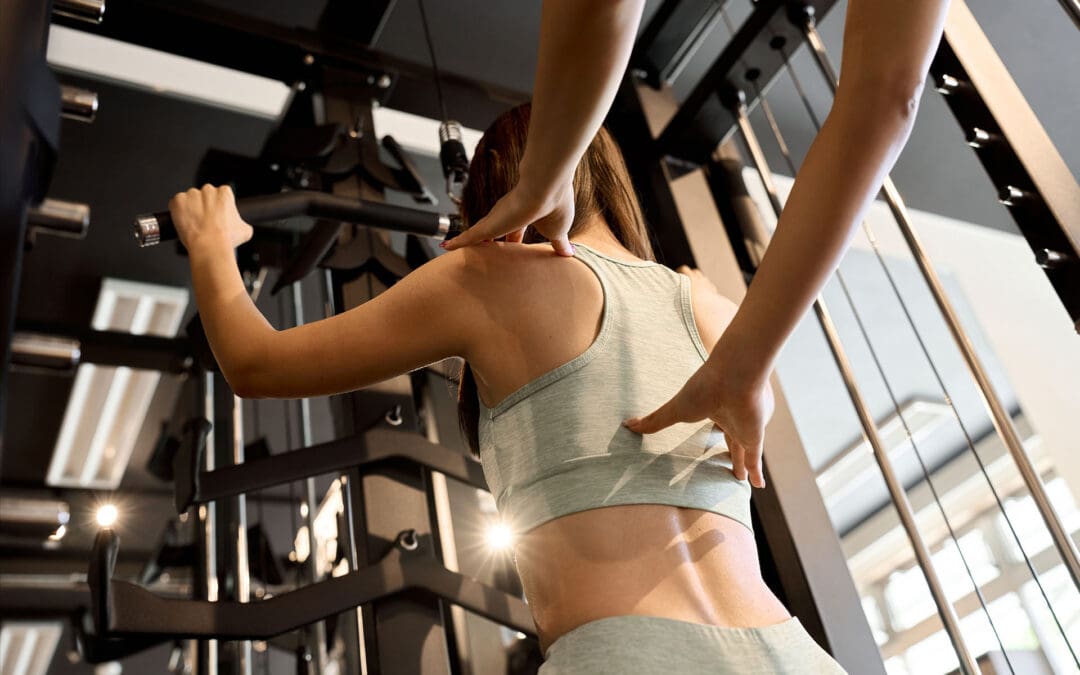
Why Poor Posture Habits Develop and How Integrating Chiropractic Care Can Help Restore Alignment
Poor posture is one of the most common physical problems in modern life. It often starts quietly. A person looks down at a phone for hours, leans forward at a desk, drives long distances, or relaxes in a slouched position at home. At first, it may not seem serious. Over time, however, these repeated positions can train the body into unhealthy movement patterns. What feels normal after months or years of slouching may actually be a sign that the muscles, joints, and spine are no longer working in balance.
At El Paso Back Clinic, posture problems are often viewed as more than a simple bad habit. They are usually the result of repeated stress on the body, weak supporting muscles, muscle tension, and changes in how the spine and joints move. Integrative chiropractic care can help address these root causes by improving spinal mobility, reducing soft-tissue tension, and teaching patients how to move, sit, stand, and work in healthier ways. This kind of approach does not just cover up symptoms. It helps restore a more natural, upright, and pain-free posture over time (Harvard Health Publishing, 2025a; OAA Orthopaedic Specialists, 2025).
Poor Posture Usually Develops Slowly
Most people do not suddenly wake up one day with poor posture. It usually develops gradually through daily routines. Modern life encourages a posture pattern that pulls the body forward. Many people spend hours doing the following:
Looking down at smartphones
Leaning toward computer screens
Sitting for long periods without breaks
Driving with rounded shoulders
Carrying tension in the neck and shoulders
Avoiding regular exercise or strength training
These habits can make the body adapt to a slouched position. Muscles in the chest, neck, and hip flexors often become tight, while the core, glutes, and upper back muscles grow weaker. This creates an imbalance. As a result, the head shifts forward, the shoulders round, and the spine loses some of its natural support and alignment (Better Health Channel, n.d.; Brown University Health, 2024).
Technology Has Changed the Way People Hold Their Bodies
One of the primary causes of poor posture today is the constant use of technology. Phones, tablets, and laptops often pull the head and shoulders forward. This forward-leaning pattern is commonly called “text neck” or “tech neck.” The neck must then support the weight of the head in a less efficient position, placing extra strain on the muscles, joints, and ligaments.
Brown University Health explains that looking down at a phone or tablet for long periods is a major contributor to bad posture. Harvard Health also notes that prolonged use of a computer or smartphone can lead to postural changes, muscle fatigue, and pain. These habits do not just affect the neck. They can also influence the shoulders, upper back, mid-back, and even the lower back because the body functions as a single, interconnected system (Brown University Health, 2024; Harvard Health Publishing, 2025a).
Sedentary Living Weakens the Body’s Support System
Poor posture is not only about how someone sits or stands. It is also about whether the body has enough strength and endurance to maintain healthy alignment. Sitting for long periods can weaken the muscles that support posture, especially the deep core muscles, glutes, and upper back stabilizers. When these muscles weaken, the body often relies on passive structures such as ligaments and joint surfaces rather than active muscular support.
This is one reason why slouching can start to feel easier than sitting upright. Slumping reduces the need for muscles to stay active, at least for a short time. However, that temporary comfort can lead to long-term strain. Harvard Health explains that poor posture habits can overstretch some muscles while shortening others, leading to pain and loss of function. Better Health Channel also notes that incorrect posture is often linked with inactivity, muscle fatigue, and poor physical conditioning (Harvard Health Publishing, 2025b; Better Health Channel, n.d.).
Stress and Tension Also Affect Posture
Posture is not only physical. It is also influenced by mental and emotional stress. When people feel stressed, they often tighten their shoulders, clench their jaw, and brace their upper body without realizing it. Over time, that tension pattern can become part of their normal posture. Instead of standing tall with relaxed shoulders and balanced breathing, the body stays guarded and compressed.
Stress-related tension can make it harder to maintain a neutral spine and relaxed shoulder position. It can also reduce normal breathing mechanics, especially when the chest feels tight, and the upper body remains rounded. This may help explain why poor posture is sometimes linked with headaches, neck tension, and fatigue (OrthoCarolina, 2025; Brown University Health, 2024).
The Body Adapts to What It Repeats
A key reason poor posture becomes difficult to fix is that the body adapts to repeated positions. If someone spends enough time in a slouched posture, the body begins to accept that shape as normal. Tight muscles stay tight. Weak muscles stay weak. Joint restrictions may develop. A person may even feel uncomfortable when trying to stand taller because upright posture now feels unfamiliar.
This process helps explain why poor posture is more than a simple choice. It becomes a learned physical pattern. Better Health Channel explains that repeated poor positioning and inactivity can lead to muscle fatigue and strain. Harvard Health also reports that poor posture can contribute to back pain, neck pain, headaches, difficulty breathing, and, in more serious cases, difficulty walking (Better Health Channel, n.d.; Harvard Health Publishing, 2025a).
Common Signs of Poor Posture
Poor posture can show up in many ways. Some signs are easy to see, while others are felt more than seen.
Common visual signs include:
Forward head posture
Rounded shoulders
A slouched upper back
An exaggerated low back arch
Uneven shoulders or hips
A tendency to lean to one side
Common symptoms may include:
Neck pain
Shoulder tightness
Upper back stiffness
Low back discomfort
Headaches
Muscle fatigue
Reduced range of motion
Pain after sitting for long periods
Feeling stiff when standing up after sitting
At El Paso Back Clinic, these patterns would typically be viewed as functional problems that affect more than appearance. They can change the way a person moves, breathes, works, and recovers from daily stress.
Why Integrative Chiropractic Care Can Help
Integrative chiropractic care focuses on the mechanical and functional causes of poor posture. Instead of just telling a patient to “sit up straight,” this approach examines why the posture problem developed in the first place. That may include joint restriction, muscle imbalance, repetitive strain, weak stabilizing muscles, and daily habits that continue to stress the spine.
Chiropractic adjustments can help restore motion in spinal and joint segments that are not moving well. OAA Orthopaedic Specialists explains that adjustments may improve spinal alignment and joint mobility, helping reduce compensatory patterns that contribute to poor posture. When joints move more freely, the body often has an easier time maintaining a more natural posture (OAA Orthopaedic Specialists, 2025).
Soft Tissue Work Helps Reduce Tension
Posture problems often involve more than the spine itself. Tight muscles in the chest, neck, shoulders, and hips can continue to pull the body forward even after a spinal correction. That is why integrative chiropractic care often includes soft tissue work, such as manual therapy, myofascial release, stretching, and mobility work.
This is important because posture is controlled by both joints and muscles. If the muscles remain tight and overactive, it becomes harder to maintain better alignment. Releasing muscle tension can make posture correction feel more natural and less forced. Many chiropractic posture-focused sources describe soft tissue therapy as a helpful component in improving posture and reducing pain associated with muscle imbalances (DE Integrative Healthcare, 2025; Zaker Chiropractic, 2025).
Corrective Exercises Support Long-Term Change
Posture usually does not improve for long unless the body becomes stronger and more aware. Corrective exercises help retrain the muscles that support healthy alignment. This may include exercises for the core, glutes, shoulder blades, upper back, and deep neck stabilizers.
Helpful exercise goals often include:
Strengthening the upper back
Activating the deep core
Improving glute strength
Stretching the chest
Opening tight hip flexors
Training shoulder blade control
Improving balance and body awareness
Harvard Health recommends strengthening the upper back, chest, and core while also reducing the activities that contribute to poor posture. This is one reason why posture care works best when treatment and exercise are combined rather than used alone (Harvard Health Publishing, 2025a).
Ergonomic Education Helps Prevent Recurrence
Even the best treatment plan can lose momentum if a person returns to the same habits that caused the problem. That is why ergonomic education is a major part of posture care. Patients need to understand how they sit, stand, lift, sleep, and use technology during the day.
Simple posture-friendly changes may include:
Raising a screen to eye level
Keeping feet flat while sitting
Taking standing or walking breaks every 20 to 30 minutes
Avoiding long periods of looking down at a phone
Using lumbar support when needed
Keeping shoulders relaxed instead of lifted
Changing positions often instead of holding one posture too long
Brown University Health and Better Health Channel both emphasize that work setup, movement breaks, and body awareness are important in preventing and correcting posture problems (Brown University Health, 2024; Better Health Channel, n.d.).
Clinical Observations from Dr. Alexander Jimenez
The public clinical information shared by Dr. Alexander Jimenez, DC, APRN, FNP-BC, reflects an integrative view of posture-related problems. His materials describe how posture issues are often connected to spinal stress, muscle imbalance, functional movement problems, and broader lifestyle factors. His clinical approach emphasizes looking beyond symptoms alone and considering biomechanics, rehabilitation, and whole-person recovery.
That approach aligns well with posture correction, as poor posture is rarely caused by a single factor. It is usually a combination of sedentary habits, repetitive stress, tight muscles, weak stabilizers, and poor body mechanics. Dr. Jimenez’s public educational content supports a model in which chiropractic care, movement correction, rehabilitation, and lifestyle guidance work together to improve long-term outcomes (DrAlexJimenez.com, 2026a, 2026b).
Better Posture Is About Function, Not Perfection
Proper posture does not mean being rigid or stiff. It means that the body is aligned well enough to move efficiently, breathe more easily, and reduce unnecessary strain. The goal is not to maintain perfect posture every second of the day. The goal is better support, better awareness, and better function.
When posture improves, people may notice benefits such as:
Less neck and back pain
Less tension in the shoulders
Easier breathing
Better movement quality
Less fatigue while sitting or standing
Improved comfort during work and daily life
At El Paso Back Clinic, a posture-centered message would likely focus on helping patients restore natural alignment by addressing the causes of dysfunction rather than only reacting to pain after it appears.
Final Thoughts
People develop poor posture habits mainly because modern life pulls the body into repeated forward, slouched positions. Sitting too much, using phones and computers for long hours, carrying stress, and having weak support muscles all contribute to muscle imbalance and joint strain. Over time, the body adapts to these unhealthy positions until they begin to feel normal.
Integrative chiropractic care can help break that cycle. By improving spinal motion, reducing muscle tension, guiding corrective exercise, and teaching better ergonomic habits, this type of care addresses the root causes of poor posture. That makes it more likely that changes will last. When posture improves, patients often feel better, move better, and place less daily stress on the body.
That “Reset Pain” After You Sit or Hold a Weird Position: What It Is and How El Paso Back Clinic Approaches It
Have you ever held your body in an awkward position—like slouching on a couch, twisting in a chair, leaning on one hip, or sleeping with your neck turned—then you stand up and feel a sharp ache, tightness, or a “catch”? Sometimes it feels like a joint or muscle has to “reset” before you feel normal again. You might even feel clumsy for a minute, then things settle down.
At El Paso Back Clinic, this pattern is commonly discussed as a mix of postural strain, muscle guarding, myofascial tightness (trigger points), and sometimes joint restriction—especially when movement has been limited for too long or posture has been stressing the same tissues over and over.
This article explains what that “reset” feeling usually means, why it happens, and how integrative chiropractic care—like the approach described at El Paso Back Clinic—can help restore smoother motion and reduce the chances of it happening again.
What Do You Call This “Reset” Feeling?
There isn’t one single official name that covers every case, because different tissues can create the same sensation. But the most common clinical labels include:
Postural strain (tissues overloaded by a sustained position)
Muscle stiffness (tightness and reduced ease of motion)
Muscle guarding (protective tension driven by the nervous system)
Myofascial trigger points (irritable “knots” in muscle/fascia)
Joint restriction / joint dysfunction (a joint that temporarily doesn’t glide well)
Many people casually call it a “stuck joint” or “something out of place.” In reality, it’s often less dramatic than it feels—more like a temporary movement problem plus a protective muscle response.
Why It Often Hurts When You Return to Neutral (Not While You’re Sitting)
This surprises many people: “If the posture was the problem, why didn’t it hurt until I moved?”
Because your body adapts to the position you hold. While you’re still:
Your muscles settle into a holding pattern
Your joints move less
Your fascia (connective tissue) can get less “slippery” with inactivity or repeated stress
Your nervous system may “turn down” certain signals until movement starts again
Then you stand, rotate, or straighten up—and your tissues have to slide, load, and coordinate again. That’s when you feel the catch, the sting, or the awkward “reset” moment.
What’s Actually Happening: 5 Common Mechanisms Behind the “Reset”
Most cases are a combo, not just one thing.
Postural Strain: You Overloaded a Region
When you hold a position that isn’t friendly to your body—like forward head posture, slumped sitting, or a rotated spine—you can stress:
muscles
ligaments
joint capsules
fascia
Over time, those tissues complain when you ask them to move again. El Paso Back Clinic describes how repetitive positions and mechanical issues can contribute to stiffness and restriction patterns.
Muscle Guarding: Your System “Braces” for Safety
Muscle guarding is your nervous system’s way of saying, “I’m not sure this movement is safe, so I’m going to tighten things up.” It can feel like:
locked
braced
hard to relax
stiff even when you try to stretch
El Paso Back Clinic notes that pain patterns can keep muscles guarded and that stiffness may involve more than “tight muscles.”
Trigger Points: The “Knot” That Bites When You Move
Trigger points are sensitive spots in tight muscle bands. When you change position, those fibers stretch and can cause sharp, deep, or referred pain.
Fascia health is closely tied to this, because fascia surrounds muscle and helps movement feel smooth. Johns Hopkins Medicine explains that fascia can become “gummy,” stiff, and painful with limited movement, repetitive movement, or trauma.
Fascial Stiffness: The “Gummy Tissue” Effect
Fascia is like a body-wide web. When you don’t move much or repeat the same posture all day, fascia can get less elastic and less hydrated. That can make motion feel “sticky.”
Johns Hopkins Medicine specifically lists limited activity, repetitive movement, and trauma as factors that can contribute to fascia adhesions and stiffness.
Joint Cavitation: The Pop or Release
Sometimes the reset comes with a pop. A well-known imaging study found evidence that joint cracking is linked to cavity formation in the joint fluid (not bones grinding).
A pop isn’t automatically “good” or “bad.” What matters more is:
Do you move more easily afterward?
Does pain decrease?
Or does pain increase and function drop?
Why You Feel Awkward for a Bit After the “Reset”
That lingering weirdness—seconds to minutes—is often your body downshifting from protection back into normal movement.
Common reasons include:
muscles slowly letting go of guarding
irritated tissue calming down
fascia rehydrating and sliding better with movement
your brain re-mapping posture and balance (proprioception “recalibration”)
This is one reason many people feel better after a short walk post-sitting.
A Quick Self-Check: Is This Normal Stiffness or Something More?
Muscle stiffness is common and often improves with gentle movement and better posture habits. The Cleveland Clinic notes that stiffness often improves without medical treatment, but it should be taken more seriously if it comes with concerning symptoms such as fever, weakness, swelling, or persistent worsening.
Consider getting evaluated if you notice:
pain that’s getting worse over days/weeks
tingling, numbness, or weakness
pain that wakes you up repeatedly
symptoms after a significant fall or crash
the “reset pain” keeps happening in the exact same spot
What You Can Do Right Away (Safe, Simple, and Usually Helpful)
The 2–3 minute “reset without forcing it”
Stand up and walk 30–90 seconds
Do small, slow movements in a pain-free range
Try a long exhale breathing pattern (relaxes guarding)
Use gentle heat if it helps you relax
Simple posture habits that reduce repeat episodes
Change position every 30–60 minutes
Avoid “camping” in end-range posture (deep slouch, deep twist)
Use a supportive setup for workstations when possible
Build basic endurance in the muscles that hold posture (core, glutes, upper back)
How El Paso Back Clinic Approaches This Pattern (Integrative Chiropractic Style)
El Paso Back Clinic describes an integrative model that blends chiropractic care with rehab-style strategies and multidisciplinary support for spine and soft tissue problems.
Identify what’s actually driving the “reset”
Sometimes stiffness isn’t just “tight muscles.” It may involve:
joint restrictions
spine or pelvis mechanics
inflammation around a joint
pain patterns that keep muscles guarded
nerve-related problems
That’s why an exam matters—so the plan matches the cause.
Restore motion with chiropractic adjustments or mobilization
A chiropractic adjustment is a controlled force applied to a spinal joint to improve motion and movement ability.
When a joint isn’t moving well, nearby muscles often overwork and tighten. Improving joint motion can reduce the need for your body to “force” a painful reset.
Address myofascial tightness (muscle + fascia)
Because fascia can become stiff due to limited movement or repetitive strain, integrative care often includes hands-on work and guided movement to improve tissue glide.
Stabilize the area so it doesn’t keep “getting stuck”
If a joint repeatedly feels like it “locks,” the missing piece is often:
strength
endurance
timing/control
movement habits
El Paso Back Clinic frequently emphasizes rehabilitation and conditioning alongside chiropractic care to restore normal function after spine and soft-tissue issues.
A “Stop the Reset Cycle” Plan (2–3 Weeks)
These are general strategies that many patients tolerate well. Keep it gentle and pain-free.
Daily (2–5 minutes, 1–2 times/day)
1 minute easy walking
5 slow neck turns each side (easy range)
8 shoulder blade squeezes (2–3 sec hold)
8 hip hinges (small, smooth)
3 slow breaths with long exhale
During the day (30–60 seconds every hour)
stand up
10–20 steps
reset your sitting position (hips back, chest relaxed, neck tall)
3 days/week (10–15 minutes)
core stability (dead bug / modified plank)
glute strength (bridges / step-ups)
upper back endurance (band rows)
If stretching makes symptoms worse, or if stiffness keeps returning the same way, that’s a good reason to get assessed—El Paso Back Clinic even notes that persistent stiffness may signal joint restrictions or mechanics issues beyond “tight muscles.”
When to Reach Out to El Paso Back Clinic
If your “reset pain” is frequent, sharp, or starting to change your daily routine, it’s reasonable to get an evaluation—especially if you suspect joint restriction, posture-related mechanics, or muscle guarding patterns.
El Paso Back Clinic lists multiple El Paso locations and a main phone line for help and questions.
Phone: (915) 850-0900
Location (example listing): 11860 Vista Del Sol, Ste 128, El Paso, TX 79936
Key Takeaway
The experience of “I held a posture → now it hurts → then it resets” usually indicates that your body is showing a predictable pattern:
posture overloads tissues
fascia and muscle tension increase
a joint may move less smoothly
the nervous system guards
returning to neutral triggers a brief recalibration
The goal isn’t to chase pops or force releases. The goal is to restore smooth motion + stable control, so your body doesn’t keep needing that painful “reset.”
Weekend Athletes Injury Solutions: A Simple, Evidence-Based Guide for Safer Play and Faster Recovery
A handsome, muscular man in sportswear is stretching his muscles in a sunny park.
Who this is for: adults who sit most of the week and then go hard on the weekend (a.k.a. “weekend warriors”). What you’ll get: clear reasons these injuries happen, what to do first, how to prevent them, and how integrative chiropractic care—like the approach used in El Paso—helps you recover and return to activity safely.
Weekend warriors 101
A weekend warrior is someone who does most of their intense activity on one or two days after a mostly sedentary week. That pattern can still deliver strong health benefits if you meet weekly exercise targets, but the sudden spike in effort raises the risk of sprains, strains, and overuse problems—especially when you skip warm-ups or jump in too fast (Riverside Health System, 2025; Weill Cornell Medicine, 2024). (riversideonline.com)
Large studies show that “condensed” exercisers can gain health benefits similar to those who spread workouts throughout the week—as long as the total weekly minutes reach the recommended amounts. The catch: your muscles, tendons, and joints still need gradual loading to stay injury-resistant (American Heart Association News, 2024; Shiroma et al., 2019). (www.heart.org)
Why weekend athletes get hurt
Most weekend injuries come down to three drivers:
Overuse: repeating motions your tissues aren’t ready for (long runs, repetitive swings).
Sudden movement: fast cuts, awkward landings, or twisting under load.
Poor preparation: no warm-up, weak stabilizers, and worn-out shoes.
These factors underlie many musculoskeletal problems seen by orthopedic and emergency clinicians (Aligned Orthopedic Partners, 2024; Weill Cornell Medicine, 2024). (Aligned Orthopedic Partners)
What typically gets injured (and what it feels like)
Emergency physicians most often treat injuries to the knees, shoulders, and ankles, with sprains and strains outnumbering fractures (Weill Cornell Medicine, 2024). (weillcornell.org)
Ankle sprain (ligament): twist/roll, swelling, tenderness, sometimes bruising.
Knee sprain/overuse pain: instability, joint-line pain, and pain after cutting or pivoting.
Achilles tendinopathy: stiff, sore area above the heel (often worse in the morning).
Rotator cuff irritation: pain with overhead reach or lying on the shoulder.
Shin splints: aching along the shin after running on hard surfaces (Riverside Health System, 2025). (riversideonline.com)
Sprain vs. strain (plain words): Sprain = ligament (joint stabilizer). Strain = muscle or tendon (mover). Sprains can feel unstable and bruise; strains feel like a pull with spasm or weakness (Aligned Orthopedic Partners, 2024). (Aligned Orthopedic Partners)
Your job habits shape your weekend risk
Repetitive tasks and long sitting can irritate tissues before you ever play. Those weekday loads stack with Saturday’s game and can tip you into pain. Tendinitis, for example, often develops from repeated motions (MyShortlister, 2023). Short micro-breaks, posture changes, and light mid-week movement help. (Shortlister)
First aid: what to do in the first 24–72 hours
For many fresh soft-tissue injuries, start with the PRICE method: Protect, Rest, Ice (20 minutes on), Compress, Elevate. Don’t push through sharp pain. Seek urgent care for a “pop,” severe swelling, numbness/weakness, deformity, or inability to bear weight (Weill Cornell Medicine, 2024). (weillcornell.org)
When imaging is useful (and what usually comes first)
You don’t need an MRI for every sprain. Clinicians begin with a history and examination; an X-ray is often the first test if a fracture is suspected. Musculoskeletal ultrasound or MRI follows when soft-tissue damage is suspected, symptoms persist, or nerve signs appear (Weill Cornell Medicine, 2024). (weillcornell.org)
In work, sport, or motor-vehicle accident (MVA) cases, advanced imaging also supports clear medical-legal documentation—a key part of comprehensive injury care (El Paso Back Clinic; Dr. Jimenez). (elpasobackclinic.com)
Practical prevention that actually works
Warm up and cool down. Do 5–10 minutes of light cardio and dynamic moves (leg swings, lunges, and arm circles). Ease into slow stretches after play (Riverside Health System, 2025; Appleton Chiropractic Center, n.d.). (riversideonline.com)
Build up gradually. Increase time or intensity by ~10% per week. Rotate high- and low-impact days (Center for Orthopedic Surgery & Sports Medicine, n.d.). (COSM)
Use the right gear. Replace worn shoes; match footwear to your sport (Riverside Health System, 2025). (riversideonline.com)
Hydrate, fuel, and sleep. Under-fueling and short sleep increase the risk of cramps and strains (Riverside Health System, 2025). (riversideonline.com)
Add two short mid-week sessions. Even 20–30 minutes of exercise twice a week improves tissue tolerance and reduces the risk of weekend injuries (Mayo Clinic Sports Medicine, n.d.). (sportsmedicine.mayoclinic.org)
Simple self-care roadmaps
Ankle sprain
Days 0–2: PRICE, gentle ankle pumps, compression sleeve.
Days 3–7: pain-free range of motion; start weight bearing as tolerated.
Weeks 2–4: add balance drills and band work.
See a clinician if you can’t bear weight or feel instability (Weill Cornell Medicine, 2024). (weillcornell.org)
Achilles tendinopathy
Reduce jumping/sprinting while painful.
Begin slow calf raises (progress to eccentrics); increase load gradually (Aligned Orthopedic Partners, 2024). (Aligned Orthopedic Partners)
Shoulder soreness (rotator cuff pattern)
Short rest (not total rest), then scapular control and light external-rotation drills; limit overhead volume and improve thoracic mobility (Aligned Orthopedic Partners, 2024). (Aligned Orthopedic Partners)
Low-back strain
After 24–48 hours, try gentle mobility exercises (such as pelvic tilts and cat-camel), followed by core endurance exercises (like planks) and hip-hinge practice. If pain persists or travels below the knee or you notice weakness, seek evaluation (Weill Cornell Medicine, 2024). (weillcornell.org)
2 rounds: push-ups 8–12; band rows 12–15; band “T” raises 10–12
Dead bug 6/side; bird-dog 6/side
3–5 min pec stretch + thoracic rotations
Short “bridge” sessions like these raise tissue tolerance and make weekend play safer (Center for Orthopedic Surgery & Sports Medicine, n.d.). (COSM)
How integrative chiropractic care supports weekend athletes
Integrative chiropractic care blends joint-specific manual therapy with targeted exercise, soft-tissue work, and—when indicated—acupuncture, bracing/taping, and coordinated medical evaluation. The goal is to improve mechanics (how you move) and capacity (what your tissues can handle), so you heal and resist re-injury (Radiant Life Chiropractic, 2024; Aligned Orthopedic Partners, 2024). (Radiant Life Chiropractic)
At El Paso Back Clinic, this approach is paired with a dual-scope model (chiropractic plus nurse practitioner care) for sports, work, personal, and MVA injuries. The team can:
Perform focused orthopedic and neurological exams.
Order X-ray, MRI, CT, or musculoskeletal ultrasound when the exam suggests more than a simple sprain.
Coordinate medical-legal documentation (mechanism, findings, imaging, functional limits, and response to care) for injury cases.
Guide progressive rehab and return-to-play plans based on pain-free motion, strength, and sport-specific tasks (El Paso Back Clinic; Jimenez, 2025). (elpasobackclinic.com)
Local context: Recent clinic articles from El Paso highlight dual-scope evaluation, the role of advanced imaging, and clear documentation for personal-injury cases—useful if your injury involves work or an auto crash (El Paso Back Clinic). (elpasobackclinic.com)
A smarter return-to-play checklist (advance only when all are true)
Daily tasks are pain-free, and you’re sleeping normally.
Full, pain-free range of motion for the injured area.
Strength feels symmetrical from side to side in simple tests.
You can do basic sport drills (jog-cut-jog; easy swings/serves) without symptoms.
If a step hurts, back up, adjust the load, and rebuild capacity (Weill Cornell Medicine, 2024). (weillcornell.org)
Key takeaways
Weekend-only training can be beneficial—the total weekly activity level matters most—but spikes in workload increase the risk of injury (AHA News, 2024; Riverside Health System, 2025). (www.heart.org)
Most common issues include sprains, strains, and overuse injuries in the ankle, knee, and shoulder (Weill Cornell Medicine, 2024). (weillcornell.org)
Warm up, build gradually, and add two short mid-week sessions to cut risk (Riverside Health System, 2025; Center for Orthopedic Surgery & Sports Medicine, n.d.). (riversideonline.com)
Integrative chiropractic care—with exam, imaging when needed, progressive exercise, and thorough documentation—helps you recover and return to play stronger and safer (El Paso Back Clinic; Radiant Life Chiropractic, 2024). (elpasobackclinic.com)
IFM's Find A Practitioner tool is the largest referral network in Functional Medicine, created to help patients locate Functional Medicine practitioners anywhere in the world. IFM Certified Practitioners are listed first in the search results, given their extensive education in Functional Medicine