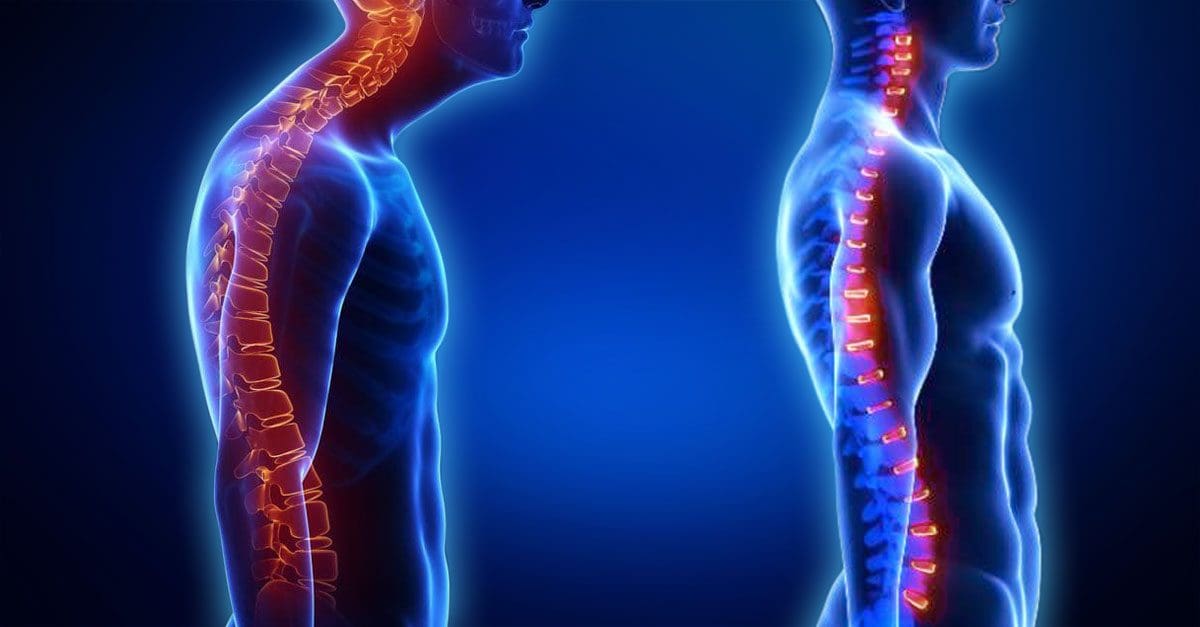
Why Poor Posture Habits Develop and How Integrating Chiropractic Care Can Help Restore Alignment
Poor posture is one of the most common physical problems in modern life. It often starts quietly. A person looks down at a phone for hours, leans forward at a desk, drives long distances, or relaxes in a slouched position at home. At first, it may not seem serious. Over time, however, these repeated positions can train the body into unhealthy movement patterns. What feels normal after months or years of slouching may actually be a sign that the muscles, joints, and spine are no longer working in balance.
At El Paso Back Clinic, posture problems are often viewed as more than a simple bad habit. They are usually the result of repeated stress on the body, weak supporting muscles, muscle tension, and changes in how the spine and joints move. Integrative chiropractic care can help address these root causes by improving spinal mobility, reducing soft-tissue tension, and teaching patients how to move, sit, stand, and work in healthier ways. This kind of approach does not just cover up symptoms. It helps restore a more natural, upright, and pain-free posture over time (Harvard Health Publishing, 2025a; OAA Orthopaedic Specialists, 2025).
Poor Posture Usually Develops Slowly
Most people do not suddenly wake up one day with poor posture. It usually develops gradually through daily routines. Modern life encourages a posture pattern that pulls the body forward. Many people spend hours doing the following:
Looking down at smartphones
Leaning toward computer screens
Sitting for long periods without breaks
Driving with rounded shoulders
Carrying tension in the neck and shoulders
Avoiding regular exercise or strength training
These habits can make the body adapt to a slouched position. Muscles in the chest, neck, and hip flexors often become tight, while the core, glutes, and upper back muscles grow weaker. This creates an imbalance. As a result, the head shifts forward, the shoulders round, and the spine loses some of its natural support and alignment (Better Health Channel, n.d.; Brown University Health, 2024).
Technology Has Changed the Way People Hold Their Bodies
One of the primary causes of poor posture today is the constant use of technology. Phones, tablets, and laptops often pull the head and shoulders forward. This forward-leaning pattern is commonly called “text neck” or “tech neck.” The neck must then support the weight of the head in a less efficient position, placing extra strain on the muscles, joints, and ligaments.
Brown University Health explains that looking down at a phone or tablet for long periods is a major contributor to bad posture. Harvard Health also notes that prolonged use of a computer or smartphone can lead to postural changes, muscle fatigue, and pain. These habits do not just affect the neck. They can also influence the shoulders, upper back, mid-back, and even the lower back because the body functions as a single, interconnected system (Brown University Health, 2024; Harvard Health Publishing, 2025a).
Sedentary Living Weakens the Body’s Support System
Poor posture is not only about how someone sits or stands. It is also about whether the body has enough strength and endurance to maintain healthy alignment. Sitting for long periods can weaken the muscles that support posture, especially the deep core muscles, glutes, and upper back stabilizers. When these muscles weaken, the body often relies on passive structures such as ligaments and joint surfaces rather than active muscular support.
This is one reason why slouching can start to feel easier than sitting upright. Slumping reduces the need for muscles to stay active, at least for a short time. However, that temporary comfort can lead to long-term strain. Harvard Health explains that poor posture habits can overstretch some muscles while shortening others, leading to pain and loss of function. Better Health Channel also notes that incorrect posture is often linked with inactivity, muscle fatigue, and poor physical conditioning (Harvard Health Publishing, 2025b; Better Health Channel, n.d.).
Stress and Tension Also Affect Posture
Posture is not only physical. It is also influenced by mental and emotional stress. When people feel stressed, they often tighten their shoulders, clench their jaw, and brace their upper body without realizing it. Over time, that tension pattern can become part of their normal posture. Instead of standing tall with relaxed shoulders and balanced breathing, the body stays guarded and compressed.
Stress-related tension can make it harder to maintain a neutral spine and relaxed shoulder position. It can also reduce normal breathing mechanics, especially when the chest feels tight, and the upper body remains rounded. This may help explain why poor posture is sometimes linked with headaches, neck tension, and fatigue (OrthoCarolina, 2025; Brown University Health, 2024).
The Body Adapts to What It Repeats
A key reason poor posture becomes difficult to fix is that the body adapts to repeated positions. If someone spends enough time in a slouched posture, the body begins to accept that shape as normal. Tight muscles stay tight. Weak muscles stay weak. Joint restrictions may develop. A person may even feel uncomfortable when trying to stand taller because upright posture now feels unfamiliar.
This process helps explain why poor posture is more than a simple choice. It becomes a learned physical pattern. Better Health Channel explains that repeated poor positioning and inactivity can lead to muscle fatigue and strain. Harvard Health also reports that poor posture can contribute to back pain, neck pain, headaches, difficulty breathing, and, in more serious cases, difficulty walking (Better Health Channel, n.d.; Harvard Health Publishing, 2025a).
Common Signs of Poor Posture
Poor posture can show up in many ways. Some signs are easy to see, while others are felt more than seen.
Common visual signs include:
Forward head posture
Rounded shoulders
A slouched upper back
An exaggerated low back arch
Uneven shoulders or hips
A tendency to lean to one side
Common symptoms may include:
Neck pain
Shoulder tightness
Upper back stiffness
Low back discomfort
Headaches
Muscle fatigue
Reduced range of motion
Pain after sitting for long periods
Feeling stiff when standing up after sitting
At El Paso Back Clinic, these patterns would typically be viewed as functional problems that affect more than appearance. They can change the way a person moves, breathes, works, and recovers from daily stress.
Why Integrative Chiropractic Care Can Help
Integrative chiropractic care focuses on the mechanical and functional causes of poor posture. Instead of just telling a patient to “sit up straight,” this approach examines why the posture problem developed in the first place. That may include joint restriction, muscle imbalance, repetitive strain, weak stabilizing muscles, and daily habits that continue to stress the spine.
Chiropractic adjustments can help restore motion in spinal and joint segments that are not moving well. OAA Orthopaedic Specialists explains that adjustments may improve spinal alignment and joint mobility, helping reduce compensatory patterns that contribute to poor posture. When joints move more freely, the body often has an easier time maintaining a more natural posture (OAA Orthopaedic Specialists, 2025).
Soft Tissue Work Helps Reduce Tension
Posture problems often involve more than the spine itself. Tight muscles in the chest, neck, shoulders, and hips can continue to pull the body forward even after a spinal correction. That is why integrative chiropractic care often includes soft tissue work, such as manual therapy, myofascial release, stretching, and mobility work.
This is important because posture is controlled by both joints and muscles. If the muscles remain tight and overactive, it becomes harder to maintain better alignment. Releasing muscle tension can make posture correction feel more natural and less forced. Many chiropractic posture-focused sources describe soft tissue therapy as a helpful component in improving posture and reducing pain associated with muscle imbalances (DE Integrative Healthcare, 2025; Zaker Chiropractic, 2025).
Corrective Exercises Support Long-Term Change
Posture usually does not improve for long unless the body becomes stronger and more aware. Corrective exercises help retrain the muscles that support healthy alignment. This may include exercises for the core, glutes, shoulder blades, upper back, and deep neck stabilizers.
Helpful exercise goals often include:
Strengthening the upper back
Activating the deep core
Improving glute strength
Stretching the chest
Opening tight hip flexors
Training shoulder blade control
Improving balance and body awareness
Harvard Health recommends strengthening the upper back, chest, and core while also reducing the activities that contribute to poor posture. This is one reason why posture care works best when treatment and exercise are combined rather than used alone (Harvard Health Publishing, 2025a).
Ergonomic Education Helps Prevent Recurrence
Even the best treatment plan can lose momentum if a person returns to the same habits that caused the problem. That is why ergonomic education is a major part of posture care. Patients need to understand how they sit, stand, lift, sleep, and use technology during the day.
Simple posture-friendly changes may include:
Raising a screen to eye level
Keeping feet flat while sitting
Taking standing or walking breaks every 20 to 30 minutes
Avoiding long periods of looking down at a phone
Using lumbar support when needed
Keeping shoulders relaxed instead of lifted
Changing positions often instead of holding one posture too long
Brown University Health and Better Health Channel both emphasize that work setup, movement breaks, and body awareness are important in preventing and correcting posture problems (Brown University Health, 2024; Better Health Channel, n.d.).
Clinical Observations from Dr. Alexander Jimenez
The public clinical information shared by Dr. Alexander Jimenez, DC, APRN, FNP-BC, reflects an integrative view of posture-related problems. His materials describe how posture issues are often connected to spinal stress, muscle imbalance, functional movement problems, and broader lifestyle factors. His clinical approach emphasizes looking beyond symptoms alone and considering biomechanics, rehabilitation, and whole-person recovery.
That approach aligns well with posture correction, as poor posture is rarely caused by a single factor. It is usually a combination of sedentary habits, repetitive stress, tight muscles, weak stabilizers, and poor body mechanics. Dr. Jimenez’s public educational content supports a model in which chiropractic care, movement correction, rehabilitation, and lifestyle guidance work together to improve long-term outcomes (DrAlexJimenez.com, 2026a, 2026b).
Better Posture Is About Function, Not Perfection
Proper posture does not mean being rigid or stiff. It means that the body is aligned well enough to move efficiently, breathe more easily, and reduce unnecessary strain. The goal is not to maintain perfect posture every second of the day. The goal is better support, better awareness, and better function.
When posture improves, people may notice benefits such as:
Less neck and back pain
Less tension in the shoulders
Easier breathing
Better movement quality
Less fatigue while sitting or standing
Improved comfort during work and daily life
At El Paso Back Clinic, a posture-centered message would likely focus on helping patients restore natural alignment by addressing the causes of dysfunction rather than only reacting to pain after it appears.
Final Thoughts
People develop poor posture habits mainly because modern life pulls the body into repeated forward, slouched positions. Sitting too much, using phones and computers for long hours, carrying stress, and having weak support muscles all contribute to muscle imbalance and joint strain. Over time, the body adapts to these unhealthy positions until they begin to feel normal.
Integrative chiropractic care can help break that cycle. By improving spinal motion, reducing muscle tension, guiding corrective exercise, and teaching better ergonomic habits, this type of care addresses the root causes of poor posture. That makes it more likely that changes will last. When posture improves, patients often feel better, move better, and place less daily stress on the body.
Poor posture is more than a back or neck problem. It can also affect how well you breathe and how well your digestive system works. When a person slouches, hunches forward, or carries the head too far in front of the shoulders, the rib cage and abdomen lose space. That change can make it harder for the diaphragm to move well, which may lead to shallow breathing and lower oxygen intake. It can also place extra pressure on the stomach and intestines, which may contribute to reflux, bloating, and constipation (UCLA Health, 2024; Harvard Health Publishing, 2023).
This article is written for the El Paso Back Clinic audience and follows the clinic’s integrative approach: look at posture, spinal alignment, breathing mechanics, mobility, and daily habits together. The clinic and Dr. Alexander Jimenez frequently discuss posture and breathing as a functional pattern, not just a pain issue, on their educational pages. In other words, how you hold your body can shape how your lungs, core, and digestive system work throughout the day (Jimenez, n.d.; El Paso Back Clinic, n.d.).
Why Posture Matters for Breathing
Your diaphragm is the main muscle used for breathing. It sits below the lungs and helps pull air in when it moves downward. For that to happen easily, your rib cage and abdomen need enough room to expand.
When posture collapses (slouching, rounded shoulders, forward head posture), several things can happen:
The chest may cave inward
The upper back may round more
The ribs may not expand as well
The diaphragm may not move as freely
The body may rely more on neck and shoulder muscles to breathe
UCLA Health explains that poor posture can cause the chest to cave in, affecting breathing mechanics (UCLA Health, 2024). Harvard also lists breathing difficulties among the less obvious problems linked to poor posture (Harvard Health Publishing, 2023).
A research article on head-neck posture and respiratory function also found that posture changes can alter normal breathing mechanics, including diaphragm function. This matters because many people spend hours sitting at a desk, driving, or looking down at phones, which can reinforce forward head posture and rounded shoulders (Zafar et al., 2018).
Common signs that posture may be affecting your breathing
You may not always say, “I can’t breathe.” Instead, people often describe it like this:
“I can’t take a full deep breath”
“My chest feels tight when I sit”
“My neck and shoulders always feel tense”
“I sigh a lot”
“I feel winded faster than I should”
Sources on physical therapy and posture education also note a connection between poor posture and reduced diaphragm mobility, poor chest expansion, and shallow breathing (Capital Area PT, 2025; Total Health Chiropractic, 2022).
How Poor Posture Can Affect Digestion
Most people think digestion is only about food choices, enzymes, or stomach acid. Those are important, but body position matters too.
When you slouch, your abdomen compresses. That pressure can affect the stomach and intestines. UCLA Health notes that poor posture can slow digestion and increase abdominal pressure, which may trigger heartburn and acid reflux (UCLA Health, 2024).
BreatheWorks and other posture-focused digestive resources describe similar patterns: slouched alignment can increase abdominal pressure, affect swallowing and breathing coordination, and make reflux or bloating worse for some people (BreatheWorks, 2023a, 2023b).
Digestive symptoms that may be worse with slouching
Some common examples include:
Heartburn after meals
Acid reflux (GERD) symptoms when sitting or bending
Bloating or pressure in the upper abdomen
Feeling overly full
Constipation (especially with long periods of sitting)
Chiropractic and posture education sources (including Nolensville Chiropractic and BreatheWorks) often describe poor posture as a “compression” problem that can interfere with comfortable digestion and gut motility (Nolensville Chiropractic, 2025; BreatheWorks, 2023a).
The Breathing–Digestion Connection
Breathing and digestion are closely linked, and posture affects both simultaneously.
Here’s why:
The diaphragm supports both breathing and abdominal pressure control
The diaphragm is not just a breathing muscle. It also helps regulate pressure in the trunk. If it cannot move well, breathing becomes less efficient, and pressure control in the abdomen may change.
Poor posture can encourage shallow chest breathing
When breathing shifts more into the upper chest and neck, the body often feels more tense. In many people, this goes along with stress and “fight-or-flight” patterns, which can make digestion feel worse.
Slouching compresses the digestive area
A flexed, collapsed posture can reduce the space available to the stomach and intestines. That can be especially noticeable after eating.
BreatheWorks specifically describes how breathing coordination, alignment, and digestive comfort are connected, especially in people with reflux and bloating symptoms (BreatheWorks, 2023a, 2023b). El Paso Back Clinic and Dr. Jimenez’s educational content also emphasize this whole-body view, especially in patients with both musculoskeletal complaints and gut-related symptoms (Jimenez, n.d.; El Paso Back Clinic, n.d.).
Posture Patterns That Commonly Cause Problems
At El Paso Back Clinic, many patients dealing with neck, upper back, or shoulder pain also show posture patterns that can affect breathing and digestion. Dr. Jimenez’s educational content often highlights the same patterns in functional assessments (Jimenez, n.d.).
Forward head posture
This happens when the head moves in front of the shoulders. It increases neck strain and often leads to upper-chest breathing.
Rounded shoulders
Rounded shoulders can limit chest expansion and change rib cage motion.
Excessive upper-back rounding (kyphotic posture)
This can reduce thoracic mobility (mid-back motion), which is important for full breathing.
Slumped sitting posture
A tucked pelvis, a collapsed lower back, and a caved chest can increase abdominal pressure, making both breathing and digestion less efficient.
Why Integrative Chiropractic Care Can Help
A strong posture plan usually needs more than a quick reminder to “sit up straight.” Many people need a combination of mobility work, spinal/rib movement restoration, soft-tissue care, breathing retraining, and strength work to build lasting change.
That is why the El Paso Back Clinic approach is helpful for many people. The clinic’s posture and rehabilitation content describes a broader plan that can include:
Spinal adjustments
Mobility and stretching
Movement retraining
Soft-tissue care
Posture-focused exercises
Health coaching (El Paso Back Clinic, n.d.)
How this may improve breathing
When spinal and rib mobility improve, the chest can move more naturally during breathing. That can support deeper, more efficient breaths and reduce overuse of neck muscles.
How this may improve digestion
When posture improves, abdominal compression may decrease. Better alignment can also make it easier to breathe diaphragmatically, which may support calmer, more comfortable digestion in some patients.
Dr. Jimenez’s educational pages also describe the importance of posture, breathing mechanics, rib mobility, and functional movement in patients with reflux, bloating, and related complaints (Jimenez, n.d.).
Practical Steps to Improve Posture, Breathing, and Digestion
The good news is that small daily changes can make a real difference.
Reset your sitting posture
Try this simple “stacking” setup:
Feet flat on the floor
Hips level (not rolled backward)
The rib cage is stacked over the pelvis
Shoulders relaxed (not rounded forward)
Chin level (not poking forward)
Even a few posture resets per day can help reduce the long stretches of slouching that many people fall into while working or driving (UCLA Health, 2024).
Use posture breaks every 30–60 minutes
Long sitting is a major factor in the worsening of posture over time. A short break helps.
Quick break routine (2 minutes)
Stand up
Roll your shoulders back gently
Take 5 slow breaths
Walk for 1 minute
Reset your sitting position
This kind of movement break can reduce stiffness and help restore better breathing mechanics. General health and posture guidance consistently supports frequent movement to reduce the effects of prolonged sitting (Harvard Health Publishing, 2023; UCLA Health, 2024).
Practice diaphragmatic breathing
Diaphragmatic breathing can help train the body away from shallow chest breathing.
Simple drill (1–2 minutes)
Sit upright or lie on your back
Place one hand on your chest and one on your belly/ribs
Breathe in through your nose
Try to expand the lower ribs and belly gently
Exhale slowly and fully
Keep shoulders relaxed
Posture-focused breathing resources often recommend this type of drill to improve breathing efficiency and reduce tension (Capital Area PT, 2025; Total Health Chiropractic, 2022).
Improve meal posture
How you sit while eating matters, especially if you have reflux.
Better meal posture tips
Sit upright when eating
Avoid eating while slouched on a couch
Chew slowly
Stay upright after meals
Take a light walk after eating if possible
BreatheWorks and UCLA Health both discuss how posture can affect reflux and digestive comfort, especially in people who slouch during or after meals (BreatheWorks, 2023b; UCLA Health, 2024).
When to Get Medical Care Right Away
Posture can affect breathing and digestion, but some symptoms require medical evaluation and should not be blamed solely on posture.
Seek prompt medical care if you have:
Chest pain
Severe shortness of breath
Trouble swallowing
Vomiting blood
Black/tarry stools
Severe abdominal pain
Unexplained weight loss
Ongoing reflux that is not improving
These can be signs of a more serious condition and need a full medical workup (UCLA Health, 2024; Harvard Health Publishing, 2023).
Clinical Perspective from Dr. Alexander Jimenez, DC, APRN, FNP-BC
For the El Paso Back Clinic audience, the key message is simple: posture problems are often functional problems. In Dr. Jimenez’s educational content, posture is not treated as an isolated issue. It is part of a bigger clinical picture that includes spinal mechanics, rib motion, breathing patterns, stress load, and daily movement habits (Jimenez, n.d.).
That is why many patients feel better when care is more comprehensive. Instead of only focusing on pain, an integrative plan may help by:
Improving spinal and rib mobility
Restoring more natural breathing mechanics
Reducing neck and shoulder overuse
Addressing posture during work and meals
Supporting better movement and daily function
The El Paso Back Clinic posture and rehabilitation pages also describe a personalized approach using adjustments, exercise, stretching, and movement retraining, which fits well with this type of whole-body care model (El Paso Back Clinic, n.d.).
Final Takeaway
Poor posture can affect much more than the spine. Slouching and forward head posture can limit diaphragm movement, reduce chest expansion, and lead to shallow breathing. At the same time, abdominal compression can make digestion less comfortable and may worsen reflux, bloating, and constipation in some people.
The good news is that posture can improve. With the right plan—especially one that includes posture correction, breathing retraining, and integrative chiropractic care—many people can breathe better, move better, and feel more comfortable after meals.
For readers of El Paso Back Clinic, this is an important reminder: posture is not just about standing tall. It is about giving your body the space and mechanics it needs to function well.
Improve your well-being by addressing back pain with good posture tips on maintaining proper alignment throughout your day.
Chiropractic Care for Low Back Pain and the Power of Good Posture
Key Points
Prevalence of Low Back Pain (LBP): Research suggests that up to 80% of adults experience LBP at some point, making it a leading cause of disability worldwide (World Health Organization, 2023).
Chiropractic Effectiveness: Evidence indicates chiropractic care, particularly spinal manipulation, may be as effective as conventional treatments for LBP, often with fewer side effects (Goertz et al., 2018).
Posture’s Role: Poor posture can contribute to LBP by increasing stress on the lumbar spine, while maintaining good posture may help prevent and alleviate pain (Kendall et al., 2005).
Dr. Alexander Jimenez’s Expertise: Dr. Jimenez, a chiropractor and nurse practitioner in El Paso, TX, combines advanced diagnostics with chiropractic techniques to treat LBP and personal injury cases effectively.
Personal Injury Care: Chiropractic care, as practiced by Dr. Jimenez, can aid in recovery from injuries such as those resulting from motor vehicle accidents, with thorough documentation for legal purposes.
Complexity and Controversy: While chiropractic care is widely supported, some debate exists regarding its efficacy for specific conditions, and it’s not universally recommended for all LBP cases.
Understanding Low Back Pain
Low back pain (LBP) is a common condition that can make everyday tasks, such as sitting, bending, or lifting, feel like climbing a mountain. The lumbar spine, made up of five vertebrae (L1 to L5), supports your upper body and allows for movement, but it’s also prone to injury due to its load-bearing role. Common causes include muscle strains, herniated discs, degenerative disc disease, and poor posture. LBP can disrupt daily life, causing discomfort, reduced mobility, and even sleep issues. Understanding its causes is the first step to finding relief.
The Importance of Good Posture
Think of your spine as the foundation of a house—if it’s not aligned properly, the whole structure suffers. Good posture helps maintain your spine’s balance, reducing strain on muscles and ligaments. Slouching or hunching can misalign your spine, leading to pain over time. Simple habits like sitting up straight, standing tall, and using ergonomic furniture can make a big difference in preventing LBP.
Chiropractic Care: A Non-Invasive Solution
Chiropractic care focuses on aligning the spine to relieve pain and improve function, without the need for drugs or surgery. Techniques like spinal manipulation, mobilization, and trigger point therapy can reduce LBP and enhance mobility. Studies suggest chiropractic care is effective for acute and chronic LBP, often matching or surpassing other treatments in outcomes (Rubinstein et al., 2019).
Dr. Alexander Jimenez’s Approach
In El Paso, TX, Dr. Alexander Jimenez stands out as a leader in chiropractic care. With dual qualifications as a chiropractor and nurse practitioner, he uses advanced imaging (like X-rays and MRIs) to diagnose LBP accurately. His holistic approach encompasses spinal adjustments, physical therapy, and personalized nutritional advice tailored to each patient’s specific needs. Dr. Jimenez also excels in personal injury cases, providing detailed assessments and legal documentation for accident victims.
Personal Injury and Chiropractic Care
For those recovering from injuries, such as from car accidents, chiropractic care can be a game-changer. Dr. Jimenez’s expertise in El Paso makes him a go-to practitioner for personal injury cases, offering treatments that address pain and restore function while providing critical documentation for legal claims.
Comprehensive Guide to Chiropractic Care for Low Back Pain and Posture
Introduction
Low back pain (LBP) is a global health issue, affecting an estimated 619 million people and ranking as the leading cause of disability worldwide (World Health Organization, 2023). It can range from a dull ache to sharp, debilitating pain, affecting daily activities such as walking, working, or even sleeping. While treatments vary, chiropractic care has gained recognition as a non-invasive, drug-free approach to managing LBP. In El Paso, TX, Dr. Alexander Jimenez, a chiropractor and board-certified family nurse practitioner, combines advanced diagnostics with chiropractic expertise to offer personalized care for LBP and personal injury cases.
This comprehensive guide explores the clinical rationale for chiropractic care in reducing LBP, the role of the lumbar spine, the importance of good posture, and Dr. Jimenez’s unique contributions, particularly in personal injury cases. Drawing on insights from scientific literature and incorporating a touch of humor to keep the content engaging, this post aims to inform and empower readers to take control of their spinal health.
Understanding Low Back Pain
Anatomy of the Lumbar Spine
The lumbar spine, located in the lower back, consists of five vertebrae (L1 to L5) that bear the weight of the upper body and enable movements like bending and twisting. These vertebrae are the largest in the spine, designed to absorb shock and provide flexibility. Intervertebral discs act as cushions between the vertebrae, while ligaments and muscles, such as the quadratus lumborum and multifidi, stabilize the spine (Cleveland Clinic, 2023). The lumbar spine’s natural inward curve, known as lordosis, helps maintain balance and distribute stress evenly.
However, this region is prone to injury due to its load-bearing role. The L4-L5 and L5-S1 segments, in particular, endure the most stress, making them common sites for pain and degeneration (Spine-Health, 2020).
Common Causes of Low Back Pain
LBP can stem from various sources, including:
Muscle or Ligament Strains: Often caused by heavy lifting, sudden movements, or repetitive stress.
Herniated or Bulging Discs: When a disc protrudes or ruptures, it can press on nerves, causing pain.
Degenerative Disc Disease: Age-related wear and tear of the discs.
Spinal Stenosis: Narrowing of the spinal canal, compressing nerves.
Facet Joint Dysfunction: Irritation or arthritis in the joints connecting vertebrae.
Poor Posture: Prolonged slouching or improper body mechanics can strain the spine.
Approximately 90% of LBP cases are non-specific, meaning that no clear structural cause is identified; however, mechanical issues such as poor posture or muscle imbalances often contribute (WHO, 2023).
Impact on Daily Life
LBP can turn simple tasks into challenges. Imagine trying to tie your shoes when your back feels like it’s staging a protest! It can limit mobility, disrupt sleep, and reduce productivity at work or school. Chronic LBP, lasting over 12 weeks, can also lead to psychological distress, such as anxiety or depression, further impacting quality of life (Hartvigsen et al., 2018).
Cause of LBP
Description
Impact on Daily Life
Muscle/Ligament Strain
Overstretching or tearing of muscles/ligaments due to sudden or repetitive movements
Difficulty bending, lifting, or sitting for long periods
Herniated Disc
Disc protrusion pressing on nerves
Sharp pain, numbness, or weakness in the legs
Degenerative Disc Disease
Wear and tear of spinal discs over time
Chronic ache, reduced flexibility
Spinal Stenosis
Narrowing of the spinal canal, compressing nerves
Pain during walking, numbness in the legs
Poor Posture
Misalignment from slouching or improper ergonomics
Frymoyer, J. W. (1991). Back pain and sciatica. New England Journal of Medicine, 325(21), 1501-1507.
Hartvigsen, J., Hancock, M. J., Kongsted, A., et al. (2018). What low back pain is and why we need to pay attention. The Lancet, 391(10137), 2356-2367.
Picture your spine as the foundation of a skyscraper. If the base is off-kilter, the whole building wobbles. Similarly, poor posture can misalign your spine, increasing stress on muscles, ligaments, and discs, leading to LBP. Good posture aligns your ears, shoulders, hips, knees, and ankles in a straight line when standing, and keeps your back supported when sitting. This balance reduces strain and promotes efficient movement (Kendall et al., 2005).
Poor posture, such as slouching at a desk or hunching over a phone, can flatten or exaggerate the spine’s natural curves, leading to muscle fatigue and joint irritation. Over time, this can lead to chronic pain or even structural changes like disc degeneration (Swain et al., 2020).
Postural Assessment
Postural assessment is like a detective game for your spine. It involves evaluating your body’s alignment from multiple angles to spot deviations that might contribute to pain. Chiropractors and therapists use tools like inclinometers or visual observation to assess posture, checking for issues like forward head posture, uneven shoulders, or pelvic tilt (Park et al., 2023).
Postural Component
Ideal Alignment
Common Deviations
Head and Neck
Ears aligned with shoulders
Forward head posture
Shoulders
Level, relaxed, not elevated
Uneven or hunched shoulders
Spine
Natural curves (cervical, thoracic, lumbar)
Excessive lordosis or kyphosis
Pelvis
Level, aligned with hips
Anterior or posterior pelvic tilt
Knees and Ankles
Slightly bent knees, straight ankles
Locked knees, uneven weight distribution
Tips for Maintaining Good Posture
Improving posture is like training for a marathon—it takes practice but pays off. Here are some tips:
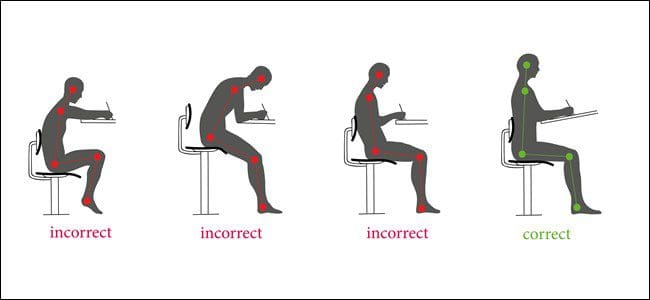
Sit Smart: Use a chair with lumbar support, keep feet flat, and avoid crossing legs.
Stand Tall: Imagine a string pulling your head upward, with shoulders back and weight evenly distributed.
Move Often: Take breaks every 30 minutes to stretch and reset your posture.
Strengthen Your Core: Exercises like planks or bridges support spinal alignment.
Ergonomic Workspace: Adjust your desk, chair, and monitor to promote neutral spine alignment.
And here’s a light-hearted tip: next time you’re slouching, imagine your spine whispering, “Stand up straight, or I’ll make you regret it!” A little posture TLC can go a long way in keeping LBP at bay.
References
Kendall, F. P., McCreary, E. K., & Provance, P. G. (2005). Muscles: Testing and Function with Posture and Pain. Lippincott Williams & Wilkins.
Park, S. C., Kang, M. S., Yang, J. H., & Kim, T. H. (2023). Assessment and nonsurgical management of low back pain: A narrative review. The Korean Journal of Internal Medicine, 38(1), 16-26. https://www.kjim.org/journal/view.php?doi=10.3904/kjim.2022.250
Swain, C. T., Pan, F., Owen, P. J., Schmidt, H., & Belavy, D. L. (2020). No consensus on causality of spine postures or physical exposure and low back pain: A systematic review of systematic reviews. Journal of Biomechanics, 102, 109312.
Chiropractic Care for Low Back Pain
What is Chiropractic Care?
Chiropractic care is a holistic approach that focuses on aligning the spine to promote healing without the use of drugs or surgery. By addressing misalignments (subluxations), chiropractors aim to restore proper nerve function and reduce pain. It’s like giving your spine a tune-up to keep it running smoothly.
Common Chiropractic Techniques
Chiropractors use various techniques to treat LBP:
High-Velocity, Low-Amplitude (HVLA) Thrust: A quick, precise push to realign joints, often producing a “pop” as gas escapes the joint.
Mobilization: Gentle, repetitive movements to stretch and strengthen joints.
Flexion-Distraction Technique: A non-thrust method using a specialized table to stretch the spine, ideal for disc issues.
Trigger Point Therapy: Targeted pressure to release muscle tension.
These techniques aim to improve spinal mobility, reduce inflammation, and enhance overall function (Spine-Health, 2011).
Clinical Evidence
Research supports chiropractic care’s effectiveness for LBP. A 2018 study found that adding chiropractic care to usual medical care reduced pain and disability in military personnel with LBP (Goertz et al., 2018). A Cochrane review also concluded that spinal manipulative therapy is effective for acute LBP, with benefits comparable to other treatments like physical therapy (Rubinstein et al., 2019). For chronic LBP, combining spinal manipulation with exercise can further improve outcomes (Lawrence et al., 2008).
However, some controversy exists. While many guidelines endorse chiropractic care, critics argue that evidence for its long-term benefits is limited, and it may not be suitable for all LBP cases, particularly those with serious underlying conditions (Park et al., 2023).
References
Goertz, C. M., Long, C. R., Vining, R. D., & Rubinstein, S. M. (2018). Effect of usual medical care plus chiropractic care vs usual medical care alone on pain and disability among US service members with low back pain: A comparative effectiveness clinical trial. JAMA Network Open, 1(1), e180002. https://jamanetwork.com/journals/jamanetworkopen/fullarticle/2680417
Lawrence, D. J., Meeker, W., Branson, R., et al. (2008). Chiropractic management of low back pain and low back-related leg complaints: A literature synthesis. Journal of Manipulative and Physiological Therapeutics, 31(9), 659-674. https://pubmed.ncbi.nlm.nih.gov/19028250/
Rubinstein, S. M., Terwee, C. B., Assendelft, W. J., de Boer, M. R., & van Tulder, M. W. (2019). Spinal manipulative therapy for acute low-back pain. Cochrane Database of Systematic Reviews, (9), CD008880. https://www.bmj.com/content/364/bmj.l689
Dr. Alexander Jimenez: A Leader in Chiropractic Care
Background and Qualifications
Dr. Alexander Jimenez, DC, APRN, FNP-BC, is a chiropractor and board-certified family nurse practitioner based in El Paso, TX. With over 25 years of experience, he graduated from the National University of Health Sciences in 1991 and is affiliated with The Hospitals of Providence-Memorial Campus. His dual licensure allows him to integrate chiropractic and medical perspectives, offering comprehensive care for LBP and personal injury cases (Healthgrades, 2025).
Approach to Low Back Pain
At Injury Medical & Chiropractic Clinic, Dr. Jimenez employs a patient-centered approach, combining spinal adjustments with advanced diagnostic tools such as X-rays, MRIs, and CT scans. His treatment plans often include physical therapy, nutritional counseling, and lifestyle modifications to address the root causes of pain. He emphasizes education, teaching patients about posture and ergonomics to prevent recurrence (El Paso Back Clinic, 2016).
Community Impact
Dr. Jimenez is a pillar in the El Paso community, providing workshops on spinal health and injury prevention. His clinic is the largest mobility, flexibility, and agility center in the region, integrating chiropractors, nurse practitioners, and physical trainers to deliver personalized care (A4M, 2025).
Dr. Jimenez employs a range of evidence-based techniques:
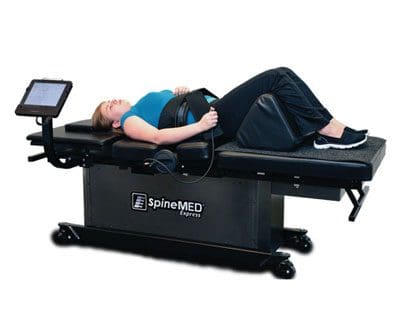
Spinal Decompression Therapy utilizes a traction table to relieve disc and nerve pressure, making it effective for herniated discs and spinal stenosis.
Myofascial Release: Targets connective tissue to reduce tension and improve mobility.
Electrotherapy: Includes TENS or interferential therapy to reduce pain and promote healing.
Nutritional Support: Personalized dietary plans to support spinal health and reduce inflammation.
Advanced Diagnostics
Dr. Jimenez’s use of advanced imaging (X-rays, MRIs, CT scans) and dual-scope procedures (combining chiropractic and medical assessments) ensures precise diagnosis. This approach allows him to tailor treatments to the specific needs of each patient, enhancing outcomes (Jimenez, 2024).
Clinical Insights
His practice is informed by the latest research, emphasizing non-pharmacologic approaches as first-line treatments for LBP (Park et al., 2023). By integrating functional medicine, Dr. Jimenez addresses underlying factors, such as inflammation and metabolic issues, promoting long-term wellness.
Park, S. C., Kang, M. S., Yang, J. H., & Kim, T. H. (2023). Assessment and nonsurgical management of low back pain: A narrative review. The Korean Journal of Internal Medicine, 38(1), 16-26. https://www.kjim.org/journal/view.php?doi=10.3904/kjim.2022.250
Personal Injury and Chiropractic Care
Role in Recovery
Chiropractic care is vital for personal injury victims, particularly those involved in motor vehicle accidents (MVAs) or workplace injuries. Dr. Jimenez’s treatments address soft tissue injuries, whiplash, and spinal misalignments, helping patients regain mobility and reduce pain. His holistic approach includes physical therapy and exercise to restore function (Jimenez, 2024).
Legal Documentation
Dr. Jimenez’s expertise in advanced imaging and diagnostics enables him to provide detailed injury assessments, which are crucial for legal cases. His reports document the extent of injuries, supporting compensation claims. As a liaison between medical and legal systems, he ensures patients receive comprehensive care while meeting legal requirements (Personal Injury Doctor Group, 2017).
Case Example
Consider a patient like Leticia, who struggled with daily tasks after an MVA. Dr. Jimenez’s chiropractic care restored her mobility, allowing her to care for her family again. Such success stories highlight his impact in El Paso (LinkedIn, 2018).
Chiropractic care provides a safe, effective, and non-invasive approach to managing low back pain, supported by research demonstrating its benefits for both acute and chronic cases. Dr. Alexander Jimenez’s expertise in El Paso, TX, combines chiropractic techniques with advanced diagnostics, providing personalized care for LBP and personal injury patients. Good posture plays a critical role in preventing and alleviating LBP, and Dr. Jimenez’s holistic approach emphasizes education and lifestyle changes to support long-term spinal health.
For those struggling with LBP or recovering from injuries, consulting a qualified chiropractor like Dr. Jimenez can be transformative. However, this information should not be used as a substitute for professional medical advice. Always consult a healthcare provider for personalized treatment advice.
Disclaimer
This blog post is for informational purposes only and should not be considered medical advice. The content is based on research available up to July 25, 2025. Consult a qualified healthcare professional for diagnosis and treatment of any medical condition.
Frymoyer, J. W. (1991). Back pain and sciatica. New England Journal of Medicine, 325(21), 1501-1507.
Goertz, C. M., Long, C. R., Vining, R. D., & Rubinstein, S. M. (2018). Effect of usual medical care plus chiropractic care vs usual medical care alone on pain and disability among US service members with low back pain: A comparative effectiveness clinical trial. JAMA Network Open, 1(1), e180002. https://jamanetwork.com/journals/jamanetworkopen/fullarticle/2680417
Hartvigsen, J., Hancock, M. J., Kongsted, A., et al. (2018). What low back pain is and why we need to pay attention. The Lancet, 391(10137), 2356-2367.
Kendall, F. P., McCreary, E. K., & Provance, P. G. (2005). Muscles: Testing and Function with Posture and Pain. Lippincott Williams & Wilkins.
Lawrence, D. J., Meeker, W., Branson, R., et al. (2008). Chiropractic management of low back pain and low back-related leg complaints: A literature synthesis. Journal of Manipulative and Physiological Therapeutics, 31(9), 659-674. https://pubmed.ncbi.nlm.nih.gov/19028250/
Park, S. C., Kang, M. S., Yang, J. H., & Kim, T. H. (2023). Assessment and nonsurgical management of low back pain: A narrative review. The Korean Journal of Internal Medicine, 38(1), 16-26. https://www.kjim.org/journal/view.php?doi=10.3904/kjim.2022.250
Rubinstein, S. M., Terwee, C. B., Assendelft, W. J., de Boer, M. R., & van Tulder, M. W. (2019). Spinal manipulative therapy for acute low-back pain. Cochrane Database of Systematic Reviews, (9), CD008880. https://www.bmj.com/content/364/bmj.l689
Swain, C. T., Pan, F., Owen, P. J., Schmidt, H., & Belavy, D. L. (2020). No consensus on causality of spine postures or physical exposure and low back pain: A systematic review of systematic reviews. Journal of Biomechanics, 102, 109312.
From a young age, parents will always tell their kids to sit up straight or else they will have bad posture. As kids, we would tend to recline on the couch or chair, which would not affect our backs in the long run. However, as we age, move around more, and have jobs that require prolonged sitting or constantly looking down at our phones, our bodies are hunched or slouched for long periods. When the upper extremities, like the neck, shoulders, and thoracic region of the back, are hunched over, it can develop into future issues that cause musculoskeletal symptoms over time. When this happens, the muscle tissues begin to be overstretched. They could lead to overlapping problems that can cause many individuals to be dealing with upper back pain and areas of complaint. Today we are looking at the effects of poor posture, how prolonged sitting causes numerous symptoms, and how the MET technique relieves poor posture. We provide valuable information about our patients to certified medical providers offering available therapy treatments like the MET technique for individuals with poor posture and neck and back pain due to prolonged sitting. We encourage each patient appropriately by referring them to our associated medical providers based on their diagnosis results. We accept that education is a spectacular way when asking our providers the most crucial questions at the patient’s acknowledgment. Dr. Alex Jimenez, D.C., assesses this information as an educational service. Disclaimer
The Effects Of Poor Posture
Have you been dealing with muscle strains in your upper back, neck, and shoulders? Are you constantly hunched over at your desk or looking down at your phone? Or are you experience sciatic nerve pain from sitting down always? Many of these issues from prolonged sitting can rapidly develop into poor posture and affect the musculoskeletal system and the spine. Studies reveal that when many individuals spend a significant amount of time sitting, especially in an awkward position, which can cause an increased risk of spinal pain and other effects on the various muscle groups in the shoulders, neck, and thoracic region. Not only that but according to the book written by Leon Chaitow, N.D, D.O., and Judith Walker DeLany, L.M.T, “Clinical Application of Neuromuscular Techniques,” mentioned the muscles in the cervical, thoracic, and lumbar region of the body are among the first to be showing signs of changes in response to postural defects. To that point, when a person is slumped in a sitting position will cause strain to each muscle group in the back and affect both the upper and lower extremities of the body.
Prolonged Sitting & Symptoms
When many individuals are sitting down constantly, whether at a desk job or driving in a vehicle, it can take a toll on the entire body. When the body hasn’t been moving for a long time, it cause the individual to feel muscle strain and tightness in their upper body and a nagging sensation in their lower body. Studies reveal that prolonged sitting can cause discomfort in the lower back and causes reduced muscle endurance in the lower back, and could cause an increased risk of musculoskeletal disorders like sciatic nerve pain, where the gluteal muscles irritate the sciatic nerve causing radiating pain to travel down the legs. Another research study also reveals that being in a forced position for an extended period can cause an impact on the seating position of the upper body and can be associated with upper musculoskeletal disorders causing an area of complaints in the chin, back, neck, shoulders, arms, and hands. When a person has been sitting for an extended amount of time without taking a stretch break, the muscles begin to be in a constant state of contraction and become short and tense.
The Benefits Of Good Posture-Video
Have you noticed that you have been leaning forward when walking from one location to another? Do you feel muscle tightness or irritating pain in your shoulders or legs? Or have you been experiencing unwanted pain in your neck and lower back? Many of these issues are due to having a slouched or hunched-over posture that can develop neck and back pain. Poor posture can lead to unwanted symptoms affecting the muscles and joints. Poor posture is due to everyday factors like being hunched over, looking down at the phone, or leaning forward to the computer. These little actions may not initially cause muscle pain but will cause issues over time. Luckily, there are various treatments to reduce the effects of poor posture and help restore the body. The video above explains the benefits of having good posture and trying to prevent future injuries and muscle strain from returning.
The MET Technique For Poor Posture
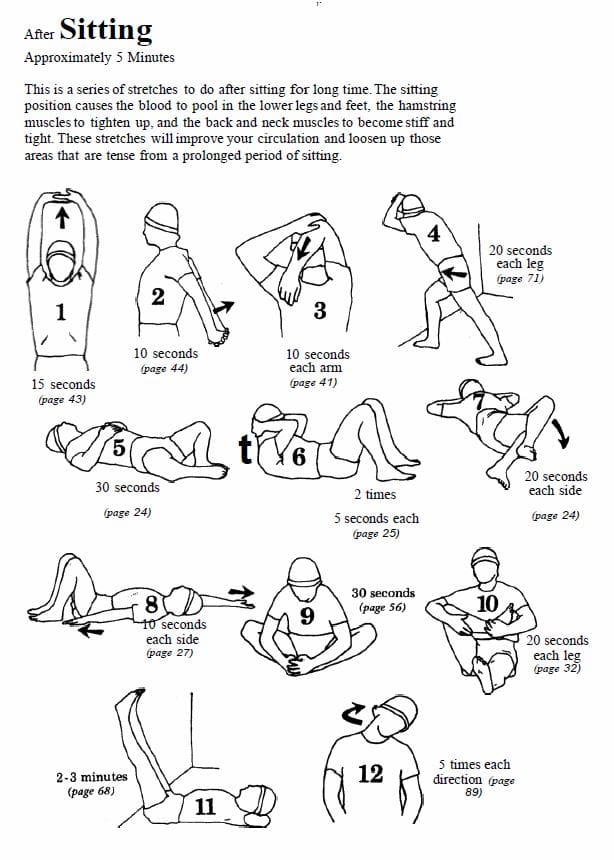
There are numerous ways to reduce the effects of poor posture from further affecting the body and reducing pain in the various muscles and joints. A good way to relieve stiffness in the neck and back is to do multiple stretches to restore blood flow back to the muscles. Another way to prevent neck and back pain is to incorporate MET (muscle energy treatment) techniques. Studies reveal that when individuals utilize MET treatments combined with posture correction exercises and stretches, it can significantly decrease pain in the neck and back while improving the range of motion to the muscles and soft tissues. Doing light stretches can help relieve tense muscles and promote good posture, as many individuals are becoming more aware of how they present themselves when they are not hunched over.
Conclusion
When it comes to our bodies, it is important to know that being hunched over can lead to poor posture, and sitting down for an extended period can develop neck and back pain associated with overlapping symptoms. Poor posture can cause the muscles to become tense, short, and stiff, and when a person stretches from being hunched over will experience pain. Luckily, incorporating various stretches and using the MET technique allows the muscles to be stretched and prevent future injuries from reoccurring while allowing the individual to be more aware of their posture.
References
Chaitow, Leon, and Judith Walker DeLany. Clinical Application of Neuromuscular Techniques. Churchill Livingstone, 2002.
Joshi, Reema, and Nishita Poojary. “The Effect of Muscle Energy Technique and Posture Correction Exercises on Pain and Function in Patients with Non-Specific Chronic Neck Pain Having Forward Head Posture-a Randomized Controlled Trail.” International Journal of Therapeutic Massage & Bodywork, U.S. National Library of Medicine, 1 June 2022, https://www.ncbi.nlm.nih.gov/pmc/articles/PMC9134480/.
Jung, Kyoung-Sim, et al. “Effects of Prolonged Sitting with Slumped Posture on Trunk Muscular Fatigue in Adolescents with and without Chronic Lower Back Pain.” Medicina (Kaunas, Lithuania), U.S. National Library of Medicine, 23 Dec. 2020, https://www.ncbi.nlm.nih.gov/pmc/articles/PMC7822118/.
Kuo, Yi-Liang, et al. “Sitting Posture during Prolonged Computer Typing with and without a Wearable Biofeedback Sensor.” Int J Environ Res Public Health, 19 May 2021, ncbi.nlm.nih.gov/pmc/articles/PMC8161121/.
Ohlendorf, Daniela, et al. “Influence of Ergonomic Layout of Musician Chairs on Posture and Seat Pressure in Musicians of Different Playing Levels.” PloS One, U.S. National Library of Medicine, 11 Dec. 2018, https://www.ncbi.nlm.nih.gov/pmc/articles/PMC6289455/.
The body is a fine-tuned machine that is on the move constantly. Whether it is everyday movements, lifting objects, going to work, or doing some sort of physical activity, the body is on the move and needs to rest when it is tired. Sometimes different scenario factors can affect the body like an injury, a condition that can cause autoimmune responses, or ordinary factors like reading a book, texting, or working with a computer can cause the body to slouch or develop poor posture. Luckily all is not lost as there are ways to help alleviate poor posture through non-surgical treatments. Today’s article focuses on poor posture, how it affects the back, and how decompression therapy can help individuals in correcting their poor posture. By referring patients to qualified and skilled providers specializing in spinal decompression therapy. To that end, and when appropriate, we advise our patients to refer to our associated medical providers based on their examination. We find that education is the key to asking valuable questions to our providers. Dr. Alex Jimenez DC provides this information as an educational service only. Disclaimer
Can my insurance cover it? Yes, it may. If you are uncertain, here is the link to all the insurance providers we cover. If you have any questions, please call Dr. Jimenez at 915-850-0900.
What Is Poor Posture?
Have you ever felt a dull ache around your shoulders and neck? How about hunching forward while working on the computer and feeling a pulled muscle on the side of your back? Or how about walking with a slouch? These types of scenario factors are all examples of poor posture. Research studies have found that when individuals do a combination of everyday actions, it can develop over time into a poor posture in the future. Poor posture does to the body is that it starts to weaken the lower back tissues and causes the back muscles, spinal discs, and joints to be pushed over the limit. This causes discomfort and pain to the body and the back.
Other research studies have found that the effects of poor posture cause a disturbance in the symmetry body axis that causes the body to develop poor posture. It also stated that when a person has developed poor posture and continues to perform work-related tasks in a slouch or hunched position, it can increase their chances of having back pain.
How Does Poor Posture Affect The Back?
Since poor posture happens unintentionally to everybody. It causes them to hunch forward for long periods while they are texting, reading a book, or working on their laptop, which can cause the neck and back muscles to strain. Research studies have shown that people who have poor posture and chronic low back pain have altered activation muscle patterns in their trunk muscles. What this does, is that it causes the trunk muscles that are around the body to decrease their movement, become stiff and rigid, and causes postural instability. Other research studies have stated that poor posture can contribute to prolonged sitting and standing, awkward positions, and heavy physical work can cause low back pain. Luckily there are ways to correct poor posture while also alleviating low back pain on the body.
DRX9000 Decompression Therapy For Poor Posture-Video
Do you feel intense pain in your neck and shoulders after working on the computer all day? How about stiffness around your torso area? How about aches on your lower back? This could be due to poor posture, and spinal decompression therapy can help alleviate that. The video above shows how the DRX9000, a decompression therapy machine, can help with poor posture and alleviate low back pain symptoms. Research studies have stated that when individuals sit for more extended periods, it can cause discomfort to the lower back muscles and cause the individual to be in a slouched sitting position. Decompression therapy helps the individual find relief by gently pulling on the spine and allowing the necessary nutrients to return to the spine. This causes the tense back muscles to relax and increases the spinal discs’ height. Suppose you want to learn more about how decompression therapy can benefit you. In that case, this link will explain what spinal decompression therapy does to help correct poor posture.
How Decompression Therapy Can Help With Poor Posture
Even though it is natural for people to develop a hunched position while doing everyday activities, this can lead to poor posture if not corrected right away. Sometimes it can happen naturally as the body ages causing the muscles to hunch over and straining the back muscles. Luckily there are ways to help many individuals that have developed poor posture. Some people do physical activities to strengthen the back muscles by working in their correct forms. Others go to chiropractic therapy to have their spine realigned, and some go to spinal decompression therapy to relieve back pain and get their spine gently pulled. Research studies have found that decompression therapy uses non-gravity to adjust the direction angle of how the traction will ease the pressure of the intervertebral disc on the spine. This will help many individuals who have suffered from poor posture. Other studies have shown that decompression therapy can also reduce the ligament stenosis around the spine, decrease the pressure on the spinal disc and nerve roots, and slowly help correct the individual’s posture. This allows many individuals to feel an instant relief on their back and become more mindful of their posture.
Conclusion
Having a correct posture can prevent back issues like low back pain, stiff muscles, and compressed nerves that can cause pain to an individual. Naturally, as the body age, it causes the back muscles to lean forward and cause strain on the lower back, shoulders, and neck. This causes discomfort and muscle weakness that can hinder a person’s daily life. Luckily, treatments like spinal decompression can help individuals slowly get their posture back and alleviate their lower back pain. Spinal decompression allows the spine to be stretched out gently and causes an increase in the height of the spinal disc. This allows the individual to be feeling instant relief on their back and continue on their wellness journey.
References
Vad, Vijay. “Is Poor Posture Causing Your Back Pain?” Spine, Spine-Health, 9 Jan. 2020, https://www.spine-health.com/blog/poor-posture-causing-your-back-pain.
Choi, Jioun, et al. “Effects of Flexion-Distraction Manipulation Therapy on Pain and Disability in Patients with Lumbar Spinal Stenosis.” Journal of Physical Therapy Science, The Society of Physical Therapy Science, June 2015, https://www.ncbi.nlm.nih.gov/pmc/articles/PMC4500015/.
Cramer, Holger, et al. “Postural Awareness and Its Relation to Pain: Validation of an Innovative Instrument Measuring Awareness of Body Posture in Patients with Chronic Pain.” BMC Musculoskeletal Disorders, BioMed Central, 6 Apr. 2018, https://www.ncbi.nlm.nih.gov/pmc/articles/PMC5889545/.
Jung, Kyoung-Sim, et al. “Effects of Prolonged Sitting with Slumped Posture on Trunk Muscular Fatigue in Adolescents with and without Chronic Lower Back Pain.” Medicina (Kaunas, Lithuania), MDPI, 23 Dec. 2020, https://www.ncbi.nlm.nih.gov/pmc/articles/PMC7822118/.
Nowotny, Janusz, et al. “Body Posture and Syndromes of Back Pain.” Ortopedia, Traumatologia, Rehabilitacja, U.S. National Library of Medicine, 2011, https://pubmed.ncbi.nlm.nih.gov/21393649/.
Swain, Christopher T V, et al. “No Consensus on Causality of Spine Postures or Physical Exposure and Low Back Pain: A Systematic Review of Systematic Reviews.” Journal of Biomechanics, U.S. National Library of Medicine, 26 Mar. 2020, https://pubmed.ncbi.nlm.nih.gov/31451200/.
IFM's Find A Practitioner tool is the largest referral network in Functional Medicine, created to help patients locate Functional Medicine practitioners anywhere in the world. IFM Certified Practitioners are listed first in the search results, given their extensive education in Functional Medicine