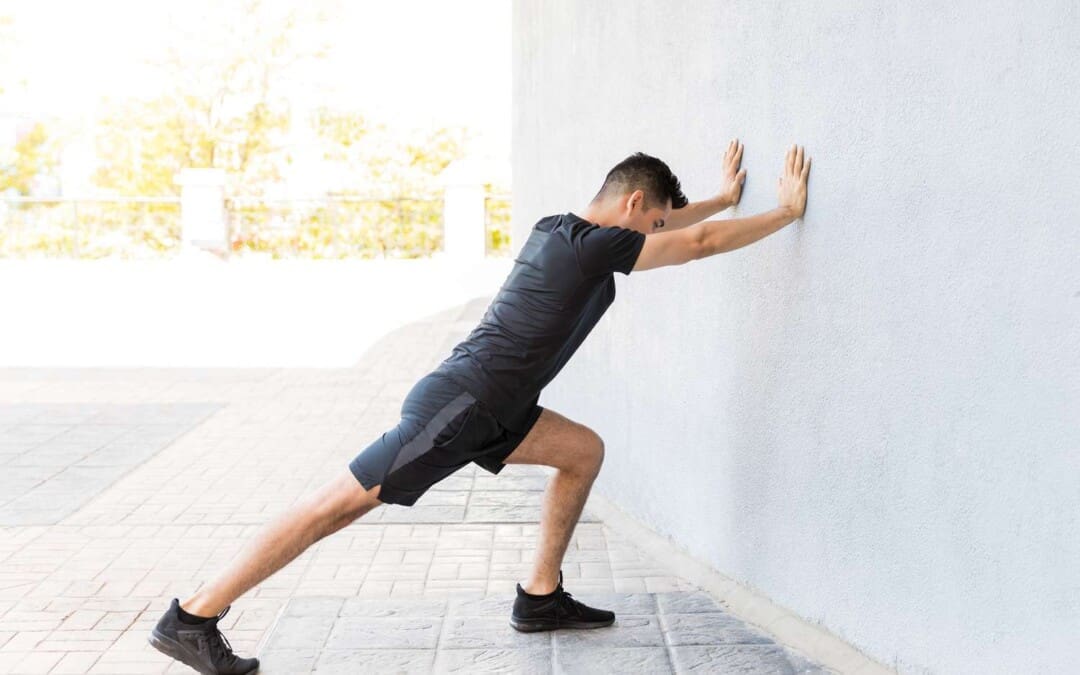
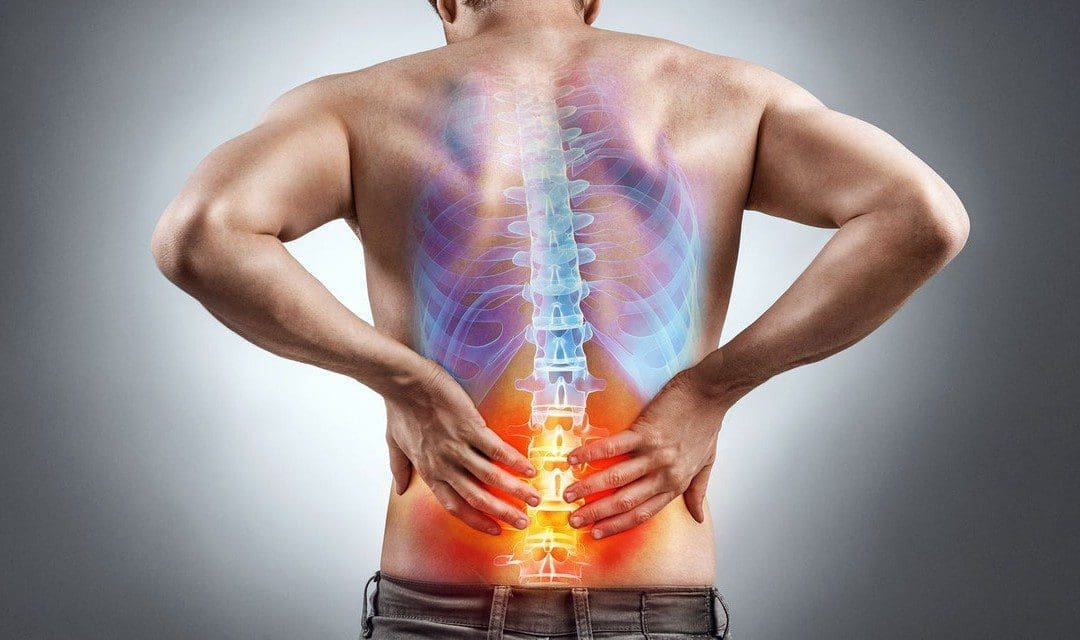
Can individuals incorporate these simple but effective exercise routines to reduce pain and discomfort in their spine and back?
Why It’s Important To Keep The Back Mobile
When many individuals are dealing with back pain from their upper, middle, and lower portions, it can put a halt to a person’s routine. When back pain becomes present, it causes the person to find a comfortable place like a couch or a bed and lie down. However, this can cause more issues than the original one, affecting the individual. Back pain is a common worldwide problem and is the leading issue of disability associated with a high socio-economic cost. (Chou, 2021) Additionally, when a person is dealing with back pain, they are also dealing with degenerative issues that are also affecting their spines, thus causing problems to their joints, discs, and bones. (Hauser et al., 2022) This is because back pain is a multifactorial musculoskeletal disorder that can cause referred pain to different body locations. So when a person dealing with back pain rests, it can become an issue as inflammation builds up and swelling in the affected areas. Hence, many doctors, chiropractors, physical therapists, and spine specialists recommend keeping mobile to allow blood flow and the body’s natural healing response to reduce pain and speed up recovery. Since back pain relief is challenging through visceral-somatic disturbances, it is important to find various treatment options to aid the person’s specific condition. As a person goes to get treatment for their back pain, it is important to note that the causes of their back pain can help determine which exercises can be most effective within their treatment plan. We associate with certified medical providers who inform our patients of the benefits of incorporating simple but effective exercises for their back pain. While asking important questions to our associated medical providers, we advise patients to integrate an exercise routine to reduce the chances of environmental factors causing back pain to return. Dr. Alex Jimenez, D.C., envisions this information as an academic service. Disclaimer.
Understanding Academic Low Back Pain- Video
Effective But Simple Exercises For The Back
Many people often wonder, “If I am dealing with back pain, why should I exercise to reduce this pain?” The answer is simple: since the affected back muscles are tight and weakened, simple but effective exercises can help recover. Exercise therapy can help increase muscle-joint strength in the body while improving muscle function and increasing range of motion. This boosts a speedy recovery and allows the individual to return to their usual activities. (Hayden et al., 2021) At the same time, with a customized treatment plan, exercise therapy can incorporate other non-surgical treatments with one goal: to restore normal musculoskeletal function and reduce the pain caused by environmental factors, diseases, or injuries. (Karlsson et al., 2020) Now, depending on the severity of the back pain, there are simple but effective exercises below to help reduce the pain and restore mobility to the back.
Physical Therapy & At-Home Workouts
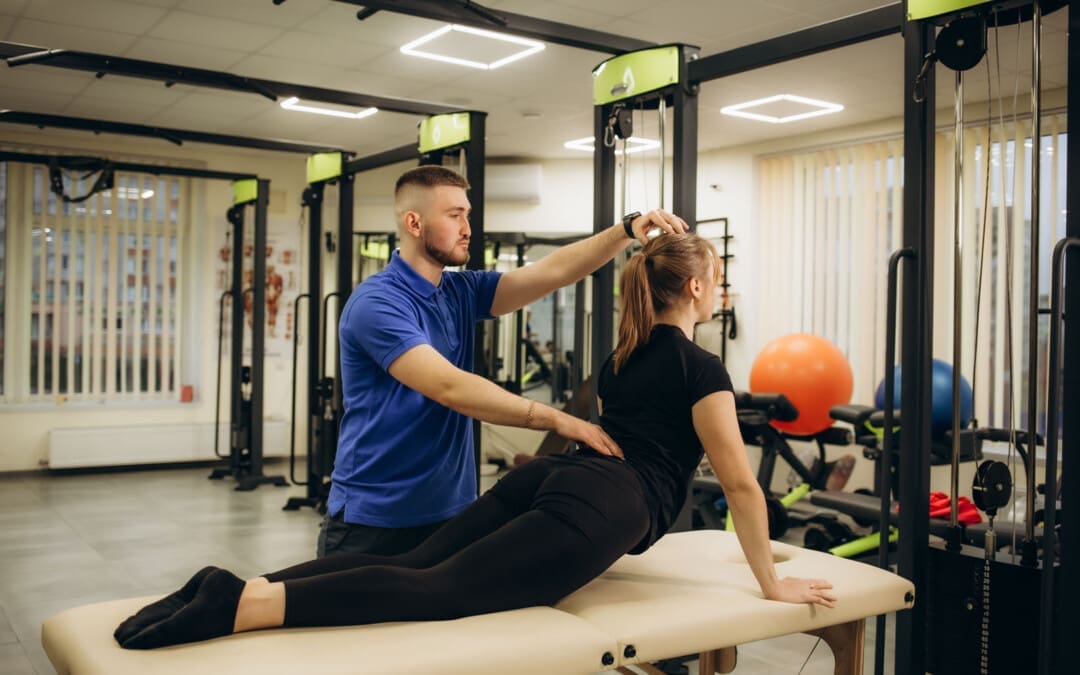
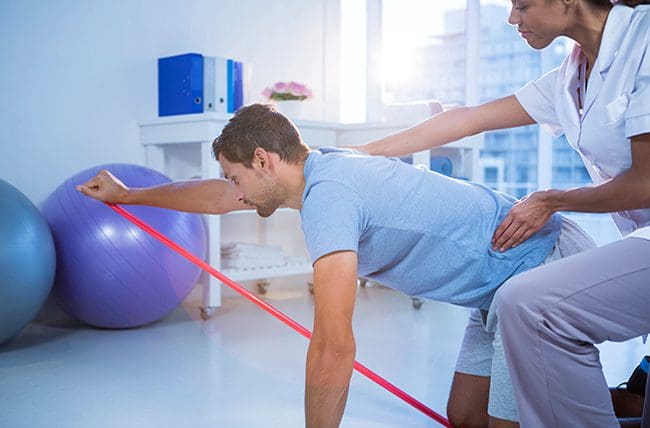
Physical therapy and at-home exercises can help many individuals with back pain. They can help figure out which position can help centralize the pain and correct any restricted motions. Many physical therapists incorporate the McKenzie method to strengthen and support the spine while decreasing pain and inflammation. At-home exercises can be combined with a series designed to be practical, assessable, and feasible for therapeutic gain or even to improve physical capacity to maximum effort. (Quentin et al., 2021)
Water Exercises
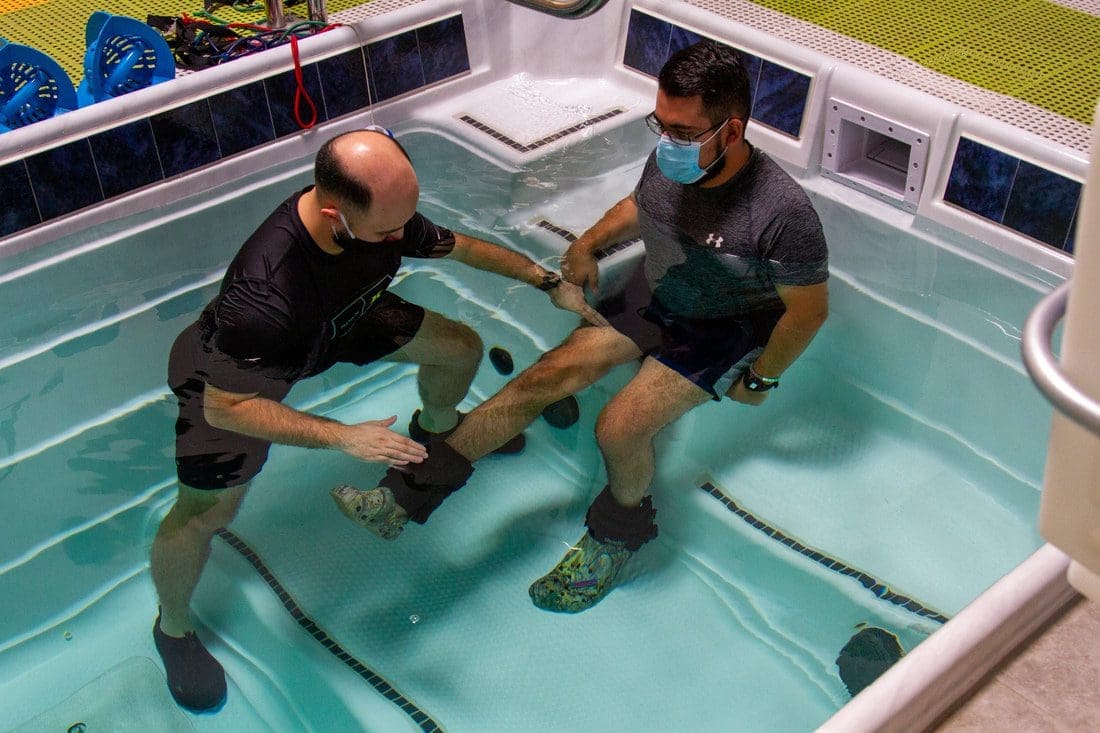
Water exercises are amazing exercises that can help lessen the body’s weight to take pressure and stress off the spine. This is because water is supposed to help cleanse and rejuvenate the body. When individuals are experiencing chronic back pain, aquatic physical therapy can help relieve pain intensity, relax the aching muscles, and even promote a positive workout experience for the individual. (Ma et al., 2022) After a few consecutive sessions, many individuals can see improvement in pain intensity and restored mobility function in their routines.
Tai Chi & Stabalizing Exercises
Now, another simple and effective exercise routine can help stabilize the surrounding muscles in the back and spine and become effective as part of a health and well-being routine. Tai chi and Qigong practices can help the individual emphasize stillness and controlled movements to promote calmness, resilience, body awareness, and relaxation for proper body alignment. (Yang et al., 2024) Tai chi and Qigong can also help support immune function in the body while regulating inflammation, which can help reduce and prevent diseases. (Oh et al., 2020) At the same time, yoga can help improve flexibility, mobility, and stability within the muscles and joints while also improving spinal alignment, which can help many individuals have proper posture. (Zhu et al., 2020) Depending on which exercise a person prefers for their treatment plan and to reduce their back pain; it is important to make these small changes to achieve optimal results. Making these small changes can help many individuals reduce the chances of their back pain returning and help them along with their health and wellness journey.
Hauser, R. A., Matias, D., Woznica, D., Rawlings, B., & Woldin, B. A. (2022). Lumbar instability as an etiology of low back pain and its treatment by prolotherapy: A review. J Back Musculoskelet Rehabil, 35(4), 701-712. https://doi.org/10.3233/BMR-210097
Hayden, J. A., Ellis, J., Ogilvie, R., Malmivaara, A., & van Tulder, M. W. (2021). Exercise therapy for chronic low back pain. Cochrane Database Syst Rev, 9(9), CD009790. https://doi.org/10.1002/14651858.CD009790.pub2
Karlsson, M., Bergenheim, A., Larsson, M. E. H., Nordeman, L., van Tulder, M., & Bernhardsson, S. (2020). Effects of exercise therapy in patients with acute low back pain: a systematic review of systematic reviews. Syst Rev, 9(1), 182. https://doi.org/10.1186/s13643-020-01412-8
Ma, J., Zhang, T., He, Y., Li, X., Chen, H., & Zhao, Q. (2022). Effect of aquatic physical therapy on chronic low back pain: a systematic review and meta-analysis. BMC Musculoskelet Disord, 23(1), 1050. https://doi.org/10.1186/s12891-022-05981-8
Oh, B., Bae, K., Lamoury, G., Eade, T., Boyle, F., Corless, B., Clarke, S., Yeung, A., Rosenthal, D., Schapira, L., & Back, M. (2020). The Effects of Tai Chi and Qigong on Immune Responses: A Systematic Review and Meta-Analysis. Medicines (Basel), 7(7). https://doi.org/10.3390/medicines7070039
Quentin, C., Bagheri, R., Ugbolue, U. C., Coudeyre, E., Pelissier, C., Descatha, A., Menini, T., Bouillon-Minois, J. B., & Dutheil, F. (2021). Effect of Home Exercise Training in Patients with Nonspecific Low-Back Pain: A Systematic Review and Meta-Analysis. Int J Environ Res Public Health, 18(16). https://doi.org/10.3390/ijerph18168430
Yang, Y., McCluskey, S., Bydon, M., Singh, J. R., Sheeler, R. D., Nathani, K. R., Krieger, A. C., Mehta, N. D., Weaver, J., Jia, L., DeCelle, S., Schlagal, R. C., Ayar, J., Abduljawad, S., Stovitz, S. D., Ganesh, R., Verkuilen, J., Knapp, K. A., Yang, L., & Hartl, R. (2024). A Tai chi and qigong mind-body program for low back pain: A virtually delivered randomized control trial. N Am Spine Soc J, 20, 100557. https://doi.org/10.1016/j.xnsj.2024.100557
Zhu, F., Zhang, M., Wang, D., Hong, Q., Zeng, C., & Chen, W. (2020). Yoga compared to non-exercise or physical therapy exercise on pain, disability, and quality of life for patients with chronic low back pain: A systematic review and meta-analysis of randomized controlled trials. PLOS ONE, 15(9), e0238544. https://doi.org/10.1371/journal.pone.0238544
Can individuals dealing with scoliosis incorporate various exercises and stretches to improve their posture and reduce pain?
What Is Scoliosis?
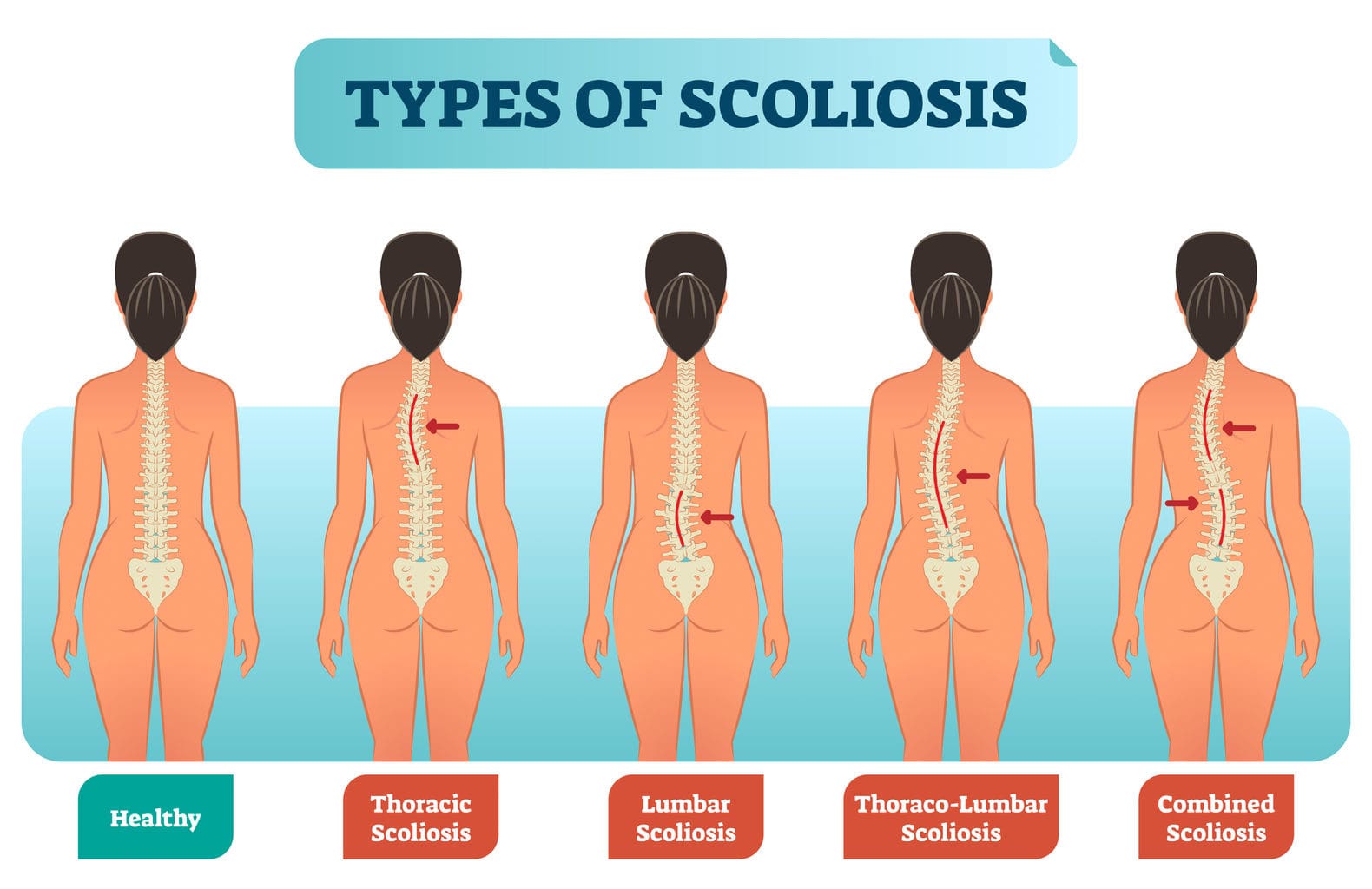
More often than anything, many people have tried to maintain proper posture to prevent musculoskeletal and spinal conditions from forming. However, it can be difficult to maintain an appropriate posture when strenuous environmental factors come into play. This can range from being in a hunched position to developing spinal conditions that can affect the curvature of the spine. One of the most well-known spinal conditions many people can develop through numerous risk factors is spinal scoliosis. Spinal scoliosis is often defined as a curvature deviation in the normal vertical spinal line. (Janicki & Alman, 2007) This causes the spine to develop an S or C curve in the thoracic or lumbar portion of the spine, leading to overlapping risk profiles in the body and causing pain-like symptoms that can make a person feel miserable. Today’s article looks at scoliosis, how it affects the body, and how various exercises can help manage scoliosis. We discuss with certified medical providers who inform our patients how non-surgical treatments, like various exercises, help manage symptoms associated with scoliosis. While asking informed questions to our associated medical providers, we advise patients to include various exercises and pain management techniques to reduce pain-like symptoms correlating with scoliosis. Dr. Alex Jimenez, D.C., encompasses this information as an academic service. Disclaimer.
How Does It Affect The Body?
Since scoliosis is a spinal deformity condition that affects the spine, it can happen at any age and is categorized into four group forms:
Congenital (Presented by birth)
Neuromuscular (Resulted from cerebral palsy or muscular dystrophy)
Idiopathic (The common spinal condition)
Degenerative (Adult-onset scoliosis)
Within these four groups of scoliosis, some of the pain-like symptoms can vary depending on the size of the curve and how far the progression leads to overlapping risk profiles in the thoracic and lumbar spine portions. (Aebi, 2005) Some of the symptoms that are associated with scoliosis are back pain. Many individuals with scoliosis, especially adolescent individuals, have back pain associated with adolescent idiopathic scoliosis due to increasing age, injuries, and how severe the spine is curved. (Achar & Yamanaka, 2020) Additional symptoms that many individuals experience with scoliosis that can affect their bodies have specific features that cause pain. Individuals with scoliosis often have increasing asymmetrical pain when standing for prolonged periods and residing at rest, thus mimicking sciatica pain. (Zaina et al., 2023) This is because pain is one of the biomarkers for scoliosis. When pain starts to affect the body, issues like muscle dysfunction, concave disc pressure, asymmetrical facet joint strains, and a high BMI (body mass index) become the main mechanical parameters in the body. They are assessed by doctors when being examined. (Ilharreborde et al., 2023) When individuals are being assessed by their doctors to manage scoliosis, non-surgical treatments can help manage the pain-like symptoms and restore joint stability and mobility to the body.
Movement Medicine: Chiropractic Care- Video
Various Exercises For Managing Scoliosis
When many individuals dealing with scoliosis go in for non-surgical treatments, they will be assessed and evaluated by pain specialists to determine what the next steps for treatment can be provided for them. For scoliosis, non-surgical treatments like chiropractic care can be provided to reduce the musculoskeletal conditions associated with scoliosis. Chiropractors utilize mechanical and manual spinal manipulation of the spine. They can set the vertebra back in place while restoring the spinal joint with optimal motion, improving the range of motion, and allowing the body to function properly. (Milne et al., 2022) At the same time, chiropractors can recommend various exercises and stretches to help manage symptoms associated with scoliosis as part of their treatment plan. Incorporating various exercises can help rectify spinal deformity, help the different muscle groups become stronger, and allow the individual to work a bit on managing scoliosis symptoms. Below are some of the various exercises and stretches to manage scoliosis.
Practicing Good Posture
Practicing good posture can benefit many individuals with scoliosis, especially young ones. Many people realize that maintaining good posture can help reduce muscle pain and tension in the back. It allows many people to realign their bodies and retrain them to stand with good posture naturally. Maintaining good posture, whether standing or seated, can allow doctors to scan the body for any tension signs. For those with scoliosis, it can gradually strengthen the weak core muscles in their bodies.
Abdominal Presses
Abdominal presses allow the individual to maintain neutral spinal alignment while strengthening the abdominal core muscles. To do this:
Individuals must lie on their backs on a yoga mat, keeping their backs in a neutral, tension-free position with bent knees.
They raise both feet and thighs off the mat to form a 90-degree angle with their knees above the hips. *They can support themselves with a chair or wall.
Next, individuals can use their hands to push and pull the knees with their abdominal muscles.
When doing this static exercise, make sure that they hold for three full breaths in two sets of ten and relax in between.
Bird-Dog
Bird-dog is a yoga move that can help stretch tight and weak muscles in the back and allow the body to balance itself. To do this:
Individuals can be on their hands and knees with a neutral spine position on a yoga mat, ensuring their hands are under their shoulders and their knees are under their hips.
With controlled breathing, extend one arm straight out while extending the opposite leg back.
Maintain the position for five to thirty seconds, andslowly return to the neutral spine.
Repeat the motion with the opposite for 10 to 15 reps.
Incorporating these exercises can help manage pain-like symptoms associated with scoliosis, help many individuals strengthen their weak muscles, and help improve their posture on their health and wellness journey.
Ilharreborde, B., Simon, A. L., Shadi, M., & Kotwicki, T. (2023). Is scoliosis a source of pain? J Child Orthop, 17(6), 527-534. https://doi.org/10.1177/18632521231215861
Janicki, J. A., & Alman, B. (2007). Scoliosis: Review of diagnosis and treatment. Paediatr Child Health, 12(9), 771-776. https://doi.org/10.1093/pch/12.9.771
Milne, N., Longeri, L., Patel, A., Pool, J., Olson, K., Basson, A., & Gross, A. R. (2022). Spinal manipulation and mobilisation in the treatment of infants, children, and adolescents: a systematic scoping review. BMC Pediatr, 22(1), 721. https://doi.org/10.1186/s12887-022-03781-6
Zaina, F., Marchese, R., Donzelli, S., Cordani, C., Pulici, C., McAviney, J., & Negrini, S. (2023). Current Knowledge on the Different Characteristics of Back Pain in Adults with and without Scoliosis: A Systematic Review. J Clin Med, 12(16). https://doi.org/10.3390/jcm12165182
An annular fissure is caused by age-related changes to the spine, which often do not cause symptoms but can cause back pain. Can understanding the causes help individuals manage lower back pain and help healthcare providers develop an effective treatment program?
Annular Fissure
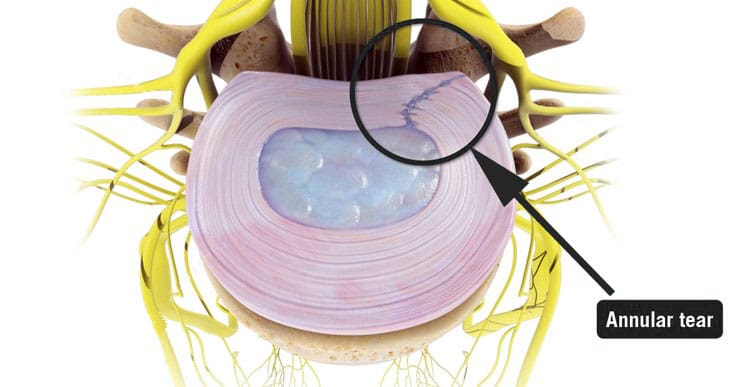
An annular fissure is a discogenic condition that affects the spine and can cause lower back pain. Also called an annular tear, it’s usually a wear-and-tear condition that happens over time rather than a condition caused by trauma. It usually happens when the fibers that make up the annulus or the tough outer covering of the intervertebral disc break or separate. To manage it, healthcare providers may recommend:
Making lifestyle changes.
Staying aware of how you go about daily activities and take steps to make adjustments, such as being mindful of unhealthy posture.
Start doing exercises that help make the back stronger.
Medical care if pain and other symptoms need to be managed.
Symptoms
Lower back pain may be a sign of an annular fissure, or there may be no symptoms. Symptoms can include:
Pain
Weakness
Numbness
Electrical sensations travel down one leg or arm if a cervical/neck tear is present.
Numbness and weakness may be caused by the nerves getting irritated or compressed near an annular tear. (Stadnik, T. W. et al., 1998)
These symptoms can also be similar to a herniated disc, which can be a complication of an annular fissure.
However, studies have shown that annular tears and herniated discs often go unnoticed because they have few obvious symptoms. (Jarvik, J. G. et al., 2005)
Annulus Function
The annulus comprises several layers of tough fibers/fibrocartilage that surround, contain, and protect the soft, liquid nucleus inside the disc. The layers of the annulus fibrosus crisscross to provide support. The nucleus is a shock absorber cushions the body’s weight on the spinal joints when sitting, standing, or moving. Its strength also allows the disc to buffer the jolts and jars it experiences. It also helps maintain the integrity of the intervertebral joint by supporting the space between the two vertebrae. When an annular fissure occurs, the fibers separate or tear off from insertion on the nearby spinal bone. A fissure can also be a break in the fibers of one or more layers. (Jarvik, J. G. et al., 2005)
Causes
An annular tear is not the standard term medical professionals use to describe or diagnose a fissure because the word tear suggests that trauma has led to the separation or break in the fibers. While an injury can cause an annular fissure, it’s usually caused by long-term wear and tear. (Guterl, C. C. et al., 2013) The tears are typically caused by age-related degenerative changes in the disc, which can also lead to degeneration in other areas of the spine. Wear and tear are caused by annular fissures due to an individual’s daily living habits, such as sitting, standing, walking, climbing stairs, and performing other routine movements.
Treatment
While a large annular fissure is not likely to improve without treatment, a small one could heal independently. However, once an area has torn, it becomes more likely to continue tearing. (Virginia Spine Institute, N.D.) Conservative treatment is usually enough to control pain and symptoms. Physical therapy and anti-inflammatory medication are the first line of treatment. (Cheng, J. et al., 2019) Medication can be over-the-counter or prescription. Physical therapy treatment includes exercises, traction, and other therapies. If these do not help with the symptoms, the provider may suggest a steroid injection to reduce inflammation and pain. It can take three to six months to recover from degenerative disc problems if doing a standard treatment plan that includes rest, low-impact therapy exercises, and anti-inflammatory treatments. (Cheng, J. et al., 2019)
In severe cases, surgery may be recommended, including disc replacement surgery. An annular tear is not a reason to have disc replacement surgery alone; it is only when there are degenerative changes in the vertebral disc that surgery might be necessary. (Yue, J. J. et al., 2012)
Improving Body Alignment
Not paying attention and being aware of how the body performs everyday activities can, over time, set the stage for an annular fissure and other musculoskeletal injuries. However, fixing daily movement and posture habits to prevent injuries can be done through simple adjustments. For example, strengthening the core and back muscles can reduce pressure on the spine and help prevent injuries. (Camp, C. L. et al., 2016) The idea is to improve joint and overall body alignment. Activities can include:
Strength training
Walking
Pilates classes
Yoga
Tai chi
Somatic exercises
These activities help with muscle balance and joint alignment, which are recommended prevention strategies that physical therapists use when working with individuals who need help with spinal problems.
Visiting a chiropractic and physical therapy team can help treat injuries and chronic pain syndromes, relieve pain, resolve musculoskeletal issues, and prevent future symptoms. Injury Medical Chiropractic and Functional Medicine Clinic works with primary healthcare providers and specialists to develop a personalized care program for each patient through an integrated approach to treating injuries, improving flexibility, mobility, and agility to help return to normal and optimal function. If other treatments are needed, Dr. Jimenez has teamed up with top surgeons, clinical specialists, medical researchers, and rehabilitation providers to provide the most effective treatments.
Back Pain Specialist
References
Stadnik, T. W., Lee, R. R., Coen, H. L., Neirynck, E. C., Buisseret, T. S., & Osteaux, M. J. (1998). Annular tears and disk herniation: prevalence and contrast enhancement on MR images in the absence of low back pain or sciatica. Radiology, 206(1), 49–55. https://doi.org/10.1148/radiology.206.1.9423651
Jarvik, J. G., Hollingworth, W., Heagerty, P. J., Haynor, D. R., Boyko, E. J., & Deyo, R. A. (2005). Three-year incidence of low back pain in an initially asymptomatic cohort: clinical and imaging risk factors. Spine, 30(13), 1541–1549. https://doi.org/10.1097/01.brs.0000167536.60002.87
Guterl, C. C., See, E. Y., Blanquer, S. B., Pandit, A., Ferguson, S. J., Benneker, L. M., Grijpma, D. W., Sakai, D., Eglin, D., Alini, M., Iatridis, J. C., & Grad, S. (2013). Challenges and strategies in the repair of ruptured annulus fibrosus. European cells & materials, 25, 1–21. https://doi.org/10.22203/ecm.v025a01
Virginia Spine Institute. (N.D.). Annular disc tear Understanding the Symptoms, Causes, and Treatments. https://www.spinemd.com/conditions/annular-disc-tear/
Cheng, J., Santiago, K. A., Nguyen, J. T., Solomon, J. L., & Lutz, G. E. (2019). Treatment of symptomatic degenerative intervertebral discs with autologous platelet-rich plasma: follow-up at 5-9 years. Regenerative medicine, 14(9), 831–840. https://doi.org/10.2217/rme-2019-0040
Yue, J. J., Telles, C., Schlösser, T. P., Hermenau, S., Ramachandran, R., & Long, W. D., 3rd (2012). Do presence and location of annular tear influence clinical outcome after lumbar total disc arthroplasty? A prospective 1-year follow-up study. International journal of spine surgery, 6, 13–17. https://doi.org/10.1016/j.ijsp.2011.09.001
Camp, C. L., Conti, M. S., Sgroi, T., Cammisa, F. P., & Dines, J. S. (2016). Epidemiology, Treatment, and Prevention of Lumbar Spine Injuries in Major League Baseball Players. American journal of orthopedics (Belle Mead, N.J.), 45(3), 137–143.
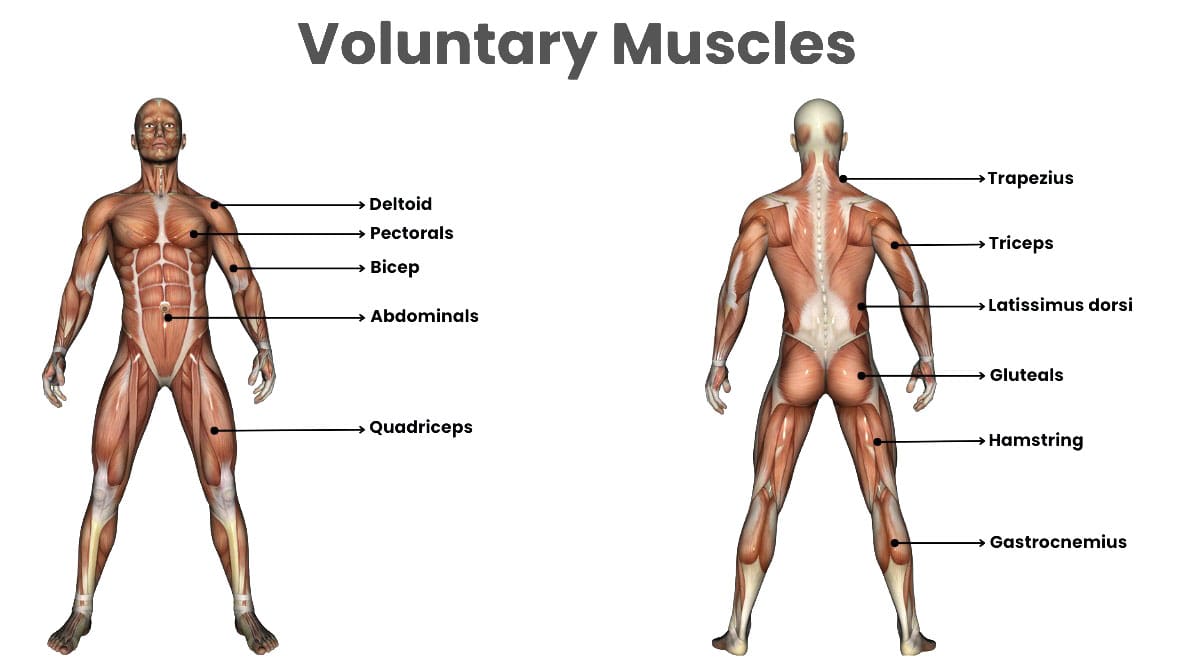
Skeletal muscles attached to the arms, legs, neck, back, and trunk bones are voluntary and consciously controlled. Weakness or inability to control these muscles can signal a health issue like a neuromuscular disorder or electrolyte imbalance. Can recognizing the symptoms can help healthcare providers develop effective treatment programs?
Voluntary Muscles
Voluntary muscles are the skeletal muscles that attach to bones and control movement of the limbs, head, neck, and body under an individual’s conscious control. Skeletal muscles are controlled by neuromuscular signals from the brain that communicate with individual muscle fibers and cause them to contract.
Difference
Voluntary muscles are skeletal muscles that contract and relax under conscious control.
These muscles attach to bones and regulate movement of the body.
Involuntary muscles are not under conscious control.
Involuntary muscles involve automatic internal processes needed for survival, like controlling blood vessels and organs like the heart, lungs, and digestive system.
They contract and relax automatically and receive signals from the autonomic nervous system, which regulates internal bodily functions.
Voluntary
Voluntary muscles are skeletal muscles that comprise 40% of the body’s weight and 50% to 75% of the body’s proteins. These muscles can convert chemical and mechanical energy to cause voluntary muscle contraction and movement. (Trovato F.M. et al., 2016) Skeletal muscle comprises fascicles or bundled units of multiple muscle fibers or muscle cells. Each muscle fiber consists of a cross-banded structure further divided into myofibrils containing thick myosin and thin actin myofilaments, which give the muscle its stripe appearance, and the structure gives the characteristic striated structure. (Trovato F.M. et al., 2016) Muscle contraction occurs when these myofilaments move closer together, stimulated by the release of the neurotransmitter acetylcholine from nerve cells that communicate with the muscle fiber.
Involuntary
The autonomic nervous system controls involuntary muscles, regulating their contraction and relaxation. This system also controls the activity of organs and blood vessels for essential daily functions, including breathing, circulation, digestion, heartbeat regulation, and urination. Most involuntary muscles are composed of smooth muscles. Smooth muscles do not have the striated structure of skeletal muscles and consist of sheets or layers of smooth muscle cells. When the autonomic nervous system stimulates these muscle cells to contract by releasing hormones or other chemical signals, smooth muscle cells shorten through the movement of actin and myosin myofilaments. Involuntary smooth muscles include the blood vessel walls, diaphragm, intestines, and bladder. (Webb R. C. 2003) One exception of an involuntary muscle is the myocardium, or heart muscle. The myocardium comprises a specialized cardiac muscle cell found only in the heart. Cardiac muscle is striated like skeletal muscle but is controlled by the autonomic nervous system and pacemaker cells, causing it to contract automatically and rhythmically.
Weakened Voluntary Muscles
Skeletal muscle diseases, neuromuscular disorders, and other causes can weaken muscles. Neuromuscular or skeletal muscle disorders affect the nerves that send electrical signals to voluntary skeletal muscles to control movement. When the nerves are damaged, communication between the nerves and muscles becomes disrupted. This can result in significant muscle weakness, atrophy, and loss of function. Most neuromuscular disorders are genetic or caused by issues with the immune system. Nerves communicate with muscles through the release of neurotransmitters at the neuromuscular junction, which is the space between a nerve cell and muscle fiber. Neuromuscular disorders can damage the nerve or the neuromuscular junction. Neuromuscular disorder symptoms can include: (Cleveland Clinic, 2023)
Numbness and tingling
Muscle weakness
Muscle twitches, cramps, or spasms
Muscle pain
Muscle atrophy
Decreased coordination
Balance problems
Drooping eyelids and double vision from eye muscle weakness.
Difficulty swallowing due to weakness of the pharynx.
Difficulty breathing due to weakness of the diaphragm.
Common Neuromuscular Disorders
Amyotrophic Lateral Sclerosis – ALS
More commonly known as Lou Gehrig’s disease, it is a genetic disorder that results from hardening of the spinal cord.
It causes damage to the nerves that control muscles and voluntary movement.
Charcot-Marie-Tooth Disease
This is a class of peripheral nerve disorders that cause muscle weakness, atrophy, and loss of sensation, most commonly in the legs and feet.
It is a genetic disorder caused by a gene mutation that damages myelin, or the insulating sheath that surrounds all nerves and supports the conduction of electrical signals.
Multiple Sclerosis – MS
MS causes degeneration of the myelin sheath surrounding nerves, decreasing the impulses along the nerves to muscles.
It can result in muscle weakness, which is often more severe on the dominant side of the body.
There are different forms of MS, but the condition is often progressive and gets worse over time if left untreated.
Muscular Dystrophies
These are genetic diseases characterized by gradual loss of motor function, muscle weakness and atrophy, walking gait problems, progressive respiratory failure, and cardiomyopathy.
There are nine types of muscular dystrophy, all caused by genetic mutations.
Myasthenia Gravis
This is an autoimmune disease that causes inflammation throughout the body.
An autoimmune disease occurs when the immune system attacks healthy cells by mistake.
With myasthenia gravis, the body produces antibodies that attack the receptors for acetylcholine, reducing the body’s ability to contract muscles.
This leads to muscle weakness, atrophy, and fatigue.
Myopathies
These are diseases of muscles that cause muscle weakness and atrophy.
Depending on the type, they may progress and get worse over time.
Electrolyte Imbalances
Muscle weakness can result from altered sodium, potassium, calcium, or magnesium levels.
Always seek immediate medical attention for any sudden, unexplained muscle weakness. Individuals who experience skeletal muscle weakness should discuss the type and duration of symptoms with their doctor, specialist, physical therapist, or chiropractor, as this might be a sign of a medical condition such as a neuromuscular disorder. Working with a chiropractic team can help expedite healing. Injury Medical Chiropractic and Functional Medicine Clinic works with primary healthcare providers and specialists to develop a personalized treatment program through an integrated approach to treat injuries and chronic pain syndromes, improving flexibility, mobility, and agility, relieving pain, and helping individuals return to normal activities. If other treatments are needed, Dr. Jimenez has teamed up with top surgeons, clinical specialists, medical researchers, and rehabilitation providers to provide the most effective treatments.
Chiropractic Massage Therapy
References
Trovato FM, I. M., Conway N, Castrogiovanni P. (2016). Morphological and functional aspects of human skeletal muscle. J Funct Morphol Kinesiol., 1(3), 289-302. https://doi.org/https://doi.org/10.3390/jfmk1030289
Webb R. C. (2003). Smooth muscle contraction and relaxation. Advances in physiology education, 27(1-4), 201–206. https://doi.org/10.1152/advan.00025.2003
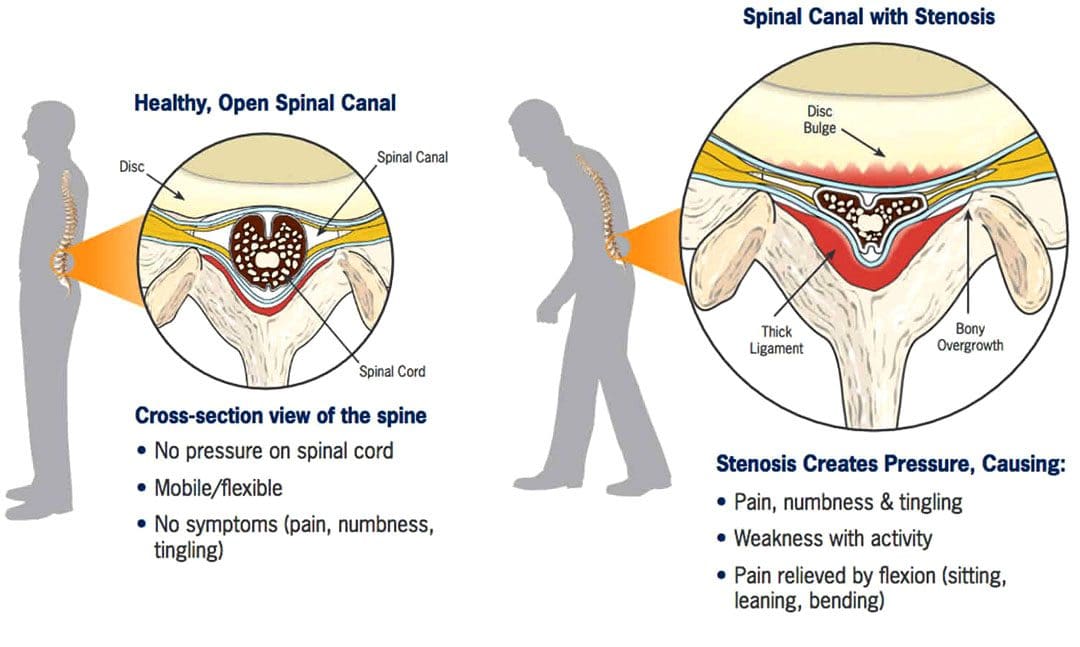
The discs between the spine’s vertebrae provide cushioning and shock absorption in the spine and the rest of the body. Degenerative changes to the discs are believed to be the start of spinal stenosis. When the discs lack sufficient hydration/water and disc height decreases over time, the cushioning and shock absorption becomes less and less effective. The vertebrae can then become compressed, causing friction. Degenerative spinal stenosis can also develop from excess scar tissue and bone spurs (growth that develops on the edge of a bone) that can form after injury or spinal surgery.
Assessment
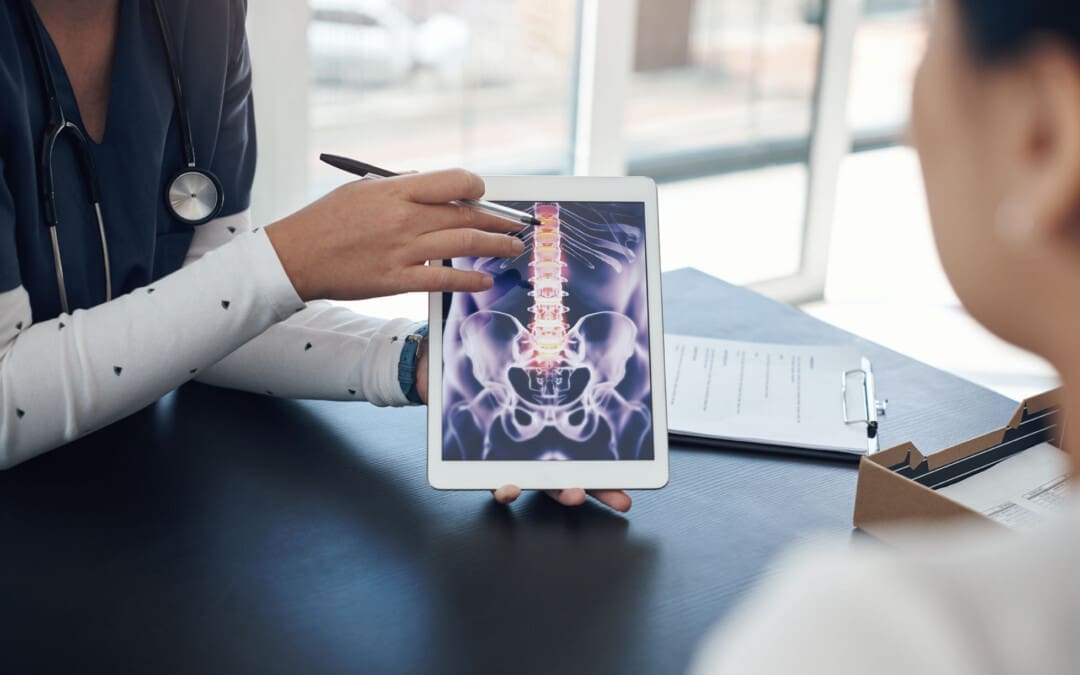
A physician will make a diagnosis of spinal stenosis. The doctor will take an imaging scan of the spine to determine the exact location of the degeneration and to measure how narrow the openings have become. Pain, stiffness, limited mobility, and loss of range of motion are often present. If spinal stenosis has caused nerve compression, there may also be pain, numbness, tingling, or weakness in the buttocks (sciatica), thighs, and lower legs. A physical therapist will determine the degree by assessing the following:
Vertebrae mobility – how the spine bends and twists in different directions.
Ability to change positions.
The strength of the core, back, and hip muscles.
Balance
Posture
Gait pattern
Nerve compression to determine if there are any symptoms in the legs.
Milder cases usually do not involve nerve compression, as back stiffness is more common.
In more severe cases, there may be significant pain, limited mobility, and nerve compression, causing leg weakness.
The most common symptom of spinal stenosis is increased pain with backward bending or extension of the lumbar spine. This includes positions that extend the spine, such as standing, walking, and lying on the stomach. Symptoms usually improve when bending forward and when the spine is positioned more into a flexed or bent position, like when sitting and reclining. These body positions open up the spaces in the central spinal canal.
Surgery
Spinal stenosis is the most common reason for undergoing surgery in adults 65 and older. However, surgery is almost always performed as a last resort if pain, symptoms, and disability persist after trying conservative therapies, including chiropractic, non-surgical decompression, and physical therapy, for months or years. The severity of symptoms and current state of health will determine whether a doctor will recommend surgery. (Zhuomao Mo, et al., 2018). Conservative measures can be safer and just as effective. A systematic review or study based on all available primary research found that physical therapy and exercise resulted in similar outcomes to surgery for improving pain and disability. (Zhuomao Mo, et al., 2018). Except for severe cases, surgery is often not necessary.
Physical Therapy for Spinal Stenosis
The objective of physical therapy includes:
Decreasing pain and joint stiffness.
Relieving nerve compression.
Reducing tightness in the surrounding muscles.
Improving the range of motion.
Improving postural alignment.
Strengthening the core muscles.
Improving leg strength to help with balance and overall function.
Stretching of the back muscles, including those running vertically along the spine and those running diagonally from the pelvis to the lumbar spine, helps relieve muscle tightness and pain and can improve overall mobility and range of motion of the lumbar spine.
Stretching the hip muscles, including the hip flexors in the front, the piriformis in the back, and the hamstrings that run from the back of the hip down the leg to the knee, is also important as these muscles are attached to the pelvis, which directly connects to the spine.
Exercises for strengthening the abdominal core muscles, including the muscles in the trunk, pelvis, lower back, hips, and abdomen, help stabilize the spine and protect it from excessive movement and compressive forces.
With spinal stenosis, the core muscles often become weak and inactive and unable to do their job to support the spine. Core exercises often begin by activating the deep abdominal muscles while lying flat on the back with the knees bent.
Exercises will progress as the individual gains more strength and control as the spine stabilizes.
Spinal stenosis physical therapy will also involve balance training and glute exercises for strengthening the leg muscles.
Prevention
Working with a physical therapist can help prevent future problems by maintaining spinal mobility, keeping the individual active, and exercising to maintain strength and stability to provide a solid foundation to support the lower back and prevent symptoms from worsening.
Severe Spinal Stenosis Physical Therapy
Physical therapy usually involves performing stretches for the lower back, hips, and legs, mobility exercises, and core strengthening exercises to improve spinal support and decrease pain. Treatments like heat or electrical stimulation may also be used on a case-by-case basis if there is significant pain or tightness in the back muscles. However, there is not enough clinical evidence to support that there are additional benefits. (Luciana Gazzi Macedo, et al., 2013) The effectiveness of physical therapy is high because surgery alone cannot strengthen the muscles that stabilize the spine, increase the mobility or flexibility of the surrounding muscles, and improve postural alignment.
The Root Causes of Spinal Stenosis
References
Lurie, J., & Tomkins-Lane, C. (2016). Management of lumbar spinal stenosis. BMJ (Clinical research ed.), 352, h6234. https://doi.org/10.1136/bmj.h6234
Mo, Z., Zhang, R., Chang, M., & Tang, S. (2018). Exercise therapy versus surgery for lumbar spinal stenosis: A systematic review and meta-analysis. Pakistan journal of medical sciences, 34(4), 879–885. https://doi.org/10.12669/pjms.344.14349
Macedo, L. G., Hum, A., Kuleba, L., Mo, J., Truong, L., Yeung, M., & Battié, M. C. (2013). Physical therapy interventions for degenerative lumbar spinal stenosis: a systematic review. Physical therapy, 93(12), 1646–1660. https://doi.org/10.2522/ptj.20120379
Individuals with digestive problems that cannot be diagnosed could be experiencing functional gastrointestinal disorders. Could understanding the types help in developing effective treatment plans?
Functional Gastrointestinal Disorders
Functional gastrointestinal disorders, or FGDs, are disorders of the digestive system in which the presence of structural or tissue abnormality cannot explain symptoms. Functional gastrointestinal disorders lack identifiable biomarkers and are diagnosed based on symptoms. (Christopher J. Black, et al., 2020)
Rome Criteria
FGDs used diagnoses of exclusion, meaning that they could only be diagnosed after organic/identifiable disease was ruled out. However, in 1988, a group of researchers and healthcare providers met to devise strict criteria for the diagnosis of the various types of FGDs. The criteria is known as the Rome Criteria. (Max J. Schmulson, Douglas A. Drossman. 2017)
Vomiting and Aerophagia – cyclic vomiting syndrome, adolescent rumination syndrome, and aerophagia
Abdominal Pain-Related Functional GI Disorders include:
functional dyspepsia
IBS
Abdominal migraine
Childhood functional abdominal pain
Childhood functional abdominal pain syndrome
Constipation – functional constipation
Incontinence – nonretentive fecal incontinence
Diagnosis
Although the Rome criteria allow the diagnosis of FGDs to be symptom-based, a healthcare provider may still run standard diagnostic tests to rule out other diseases or look for structural problems resulting in symptoms.
Treatment
Although no visible signs of disease or structural problems may be identified as causing the symptoms, it does not mean that they are not treatable and manageable. For individuals who suspect they may have or have been diagnosed with a functional gastrointestinal disorder, it will be essential to work with a healthcare provider on a working treatment plan. Treatment options can include: (Asma Fikree, Peter Byrne. 2021)
Physical therapy
Nutritional and dietary adjustments
Stress management
Psychotherapy
Medication
Biofeedback
Eating Right To Feel Better
References
Black, C. J., Drossman, D. A., Talley, N. J., Ruddy, J., & Ford, A. C. (2020). Functional gastrointestinal disorders: advances in understanding and management. Lancet (London, England), 396(10263), 1664–1674. https://doi.org/10.1016/S0140-6736(20)32115-2
Schmulson, M. J., & Drossman, D. A. (2017). What Is New in Rome IV. Journal of neurogastroenterology and motility, 23(2), 151–163. https://doi.org/10.5056/jnm16214
Sperber, A. D., Bangdiwala, S. I., Drossman, D. A., Ghoshal, U. C., Simren, M., Tack, J., Whitehead, W. E., Dumitrascu, D. L., Fang, X., Fukudo, S., Kellow, J., Okeke, E., Quigley, E. M. M., Schmulson, M., Whorwell, P., Archampong, T., Adibi, P., Andresen, V., Benninga, M. A., Bonaz, B., … Palsson, O. S. (2021). Worldwide Prevalence and Burden of Functional Gastrointestinal Disorders, Results of Rome Foundation Global Study. Gastroenterology, 160(1), 99–114.e3. https://doi.org/10.1053/j.gastro.2020.04.014
Hyams, J. S., Di Lorenzo, C., Saps, M., Shulman, R. J., Staiano, A., & van Tilburg, M. (2016). Functional Disorders: Children and Adolescents. Gastroenterology, S0016-5085(16)00181-5. Advance online publication. https://doi.org/10.1053/j.gastro.2016.02.015
Fikree, A., & Byrne, P. (2021). Management of functional gastrointestinal disorders. Clinical medicine (London, England), 21(1), 44–52. https://doi.org/10.7861/clinmed.2020-0980
Throughout the entire world, the body is in constant motion and has to have the ability to do everyday movements. For the body, the back and the spine make sure that the body is upright, can do certain things like bend and twist, and even do everyday activities. When the back and spine get injured, it can cause unwanted symptoms like low back pain to occur and if not treated right away, it can turn into chronic low back pain over time. Sometimes the injuries could also be due to other factors that are ordinary actions like poor posture, lifting heavy objects, or overusing the soft tissues in the lower back can cause low back pain to occur and hinder a person. Fortunately, there are treatments that can help alleviate low back pain and reduce the pain that the person is in. Today’s article looks at how physical and decompression therapy can help alleviate low back pain and get back a person’s quality of life. By referring patients to qualified and skilled providers specializing in spinal decompression therapy. To that end, and when appropriate, we advise our patients to refer to our associated medical providers based on their examination. We find that education is the key to asking valuable questions to our providers. Dr. Alex Jimenez DC provides this information as an educational service only. Disclaimer
Can my insurance cover it? Yes, it may. If you are uncertain, here is the link to all the insurance providers we cover. If you have any questions, please call Dr. Jimenez at 915-850-0900.
How Does Physical Therapy Help With Low Back Pain?
Ever feel muscle tightness around your lower back? How about a dull ache when you wake up and stretch? How about muscle strain from your torso when you are bent over working at your desk? This could be low back pain, and some treatments can help alleviate low back pain as research has stated that low back is common for many individuals worldwide at some point in their lives and is the most expensive to treat. When individuals suffer from low back pain, it causes them to miss out on work and try to find ways to alleviate low back pain. Luckily treatments like physical therapy can help alleviate low back pain and allow individuals to prevent it.
Incorporating physical therapy as part of recovery for low back pain is beneficial for many individuals that want to strengthen their back muscles. Research studies have found that individuals suffering from low back pain will go to physical therapy to alleviate the pain symptoms and increase the functionality of the back. Utilizing physical therapy for individuals suffering from low back pain can help strengthen the surrounding muscles on the back and provide less stress on the spine’s disc and joints since it is a non-surgical treatment. Other research studies have found that when individuals suffering from chronic low back pain do physical therapy, the exercises used to improve the back muscles can help produce a considerable reduction in low back disability and pain.
How Does Spinal Decompression Help With Low Back Pain?
As part of the various non-surgical therapies out there to help alleviate low back pain, spinal decompression can help reduce the symptoms of low back pain for many suffering individuals. Like chiropractic therapy and physical therapy, spinal decompression helps relax the tense back muscles and ligaments and decompresses the spinal discs on the spine. Research studies have shown that spinal decompression helps decrease the intensity of low back pain symptoms by reducing the back’s disability to function, increasing its endurance, and even improving the lumbar muscles’ range of motion. Incorporating spinal decompression can even help reduce symptoms of other issues that are associated with low back pain, like sciatica, herniated discs, DDD (degenerative disc disease), and pinched nerves.
Spinal Decompression & Low Back Pain-Video
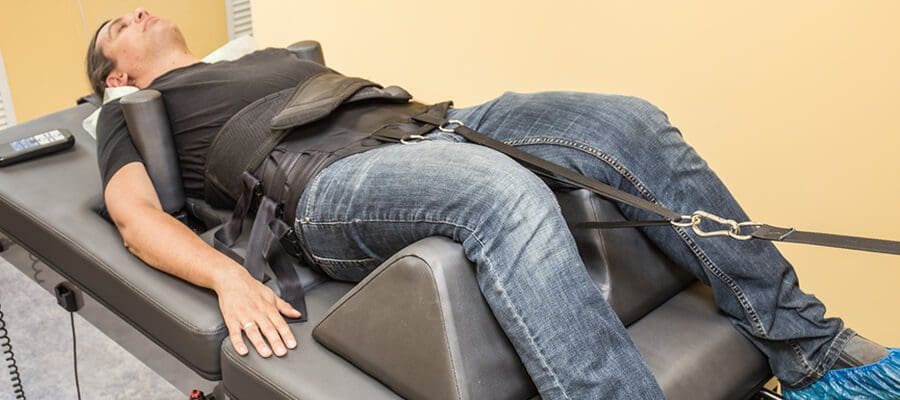
Does twisting your body from side to side feel sore? How about feeling a dull, mild ache on your lower back when you bend over to pick something up? Or how about feeling numbness or a tingling sensation that travels from the lower back down to the feet? You might be experiencing low back pain, and spinal decompression may be the answer to alleviate these symptoms. The video above shows and explains how the DRX9000, a spinal decompression machine, is used to help individuals suffering from lower back pain. Spinal decompression does to the lower back is that it incorporates traction when a person lays down on the DRX9000 and is strapped in. This allows the person’s spine to be gently stretched and causes the compressed spinal discs to take pressure off the nerve roots spread out throughout the spine. This treatment provides instant relief to the back and spine while the necessary nutrients traveling throughout the body return to the spine to re-hydrate the spinal discs. Suppose you want to learn more about how decompression therapy can benefit you. In that case, this link will explain what spinal decompression therapy does to help reduce low back pain.
How Physical & Decompression Alleviate Low Back Pain Together?
Since mostly everybody suffers from low back pain at some point, it can develop into chronic low back pain when it is not treated right away. If it progresses gradually, it can cause degenerative lumbar spinal stenosis and cause many issues for the individual. Fortunately, low back pain treatments that are non-surgical can help the lower back and reduce the symptoms. Since physical and decompression therapy work together to alleviate low back pain, research studies have found that combining these two can reduce low back pain in many individuals. It is essential to know that after doing a spinal decompression treatment, it is best to wait for a few weeks before getting back into physical therapy. This allows the spine to recuperate before doing an intense workout out. However, research studies showed that combined physical and decompression treatment reduces the pain and disability of chronic pain on the lumbar discs for individuals.
Conclusion
Overall, the combination of physical and decompression therapy can help many individuals suffering from low back pain. Each of the treatments alone can treat low back pain symptoms and reduce the pain, but when combined, it can help with the longevity of the spine and back muscles. Having low back pain is common for many individuals and can cause them to go to their primary physicians to get time off work. Utilizing non-surgical treatments for low back pain allows individuals to get their lives back together pain-free.
References
Amjad, Fareeha, et al. “Effects of Non-Surgical Decompression Therapy in Addition to Routine Physical Therapy on Pain, Range of Motion, Endurance, Functional Disability and Quality of Life versus Routine Physical Therapy Alone in Patients with Lumbar Radiculopathy; a Randomized Controlled Trial.” BMC Musculoskeletal Disorders, BioMed Central, 16 Mar. 2022, https://www.ncbi.nlm.nih.gov/pmc/articles/PMC8924735/.
Casiano, Vincent E, et al. “Back Pain – Statpearls – NCBI Bookshelf.” StatPearls [Internet]. Treasure Island (FL), StatPearls Publishing, 22 Feb. 2022, https://www.ncbi.nlm.nih.gov/books/NBK538173/.
Dickerman, Rob. “Physical Therapy for Low Back Pain Relief.” Spine, Spine-Health, 20 Dec. 2005, https://www.spine-health.com/treatment/physical-therapy/physical-therapy-low-back-pain-relief.
F;, Gaowgzeh RAM;Chevidikunnan MF;BinMulayh EA;Khan. “Effect of Spinal Decompression Therapy and Core Stabilization Exercises in Management of Lumbar Disc Prolapse: A Single Blind Randomized Controlled Trial.” Journal of Back and Musculoskeletal Rehabilitation, U.S. National Library of Medicine, 2020, https://pubmed.ncbi.nlm.nih.gov/31282394/.
Hoffman, Haydn, et al. “Minimally Invasive Decompression and Physiotherapy for Lumbar Spinal Stenosis in Geriatric Patients.” Cureus, Cureus, 11 June 2018, https://www.ncbi.nlm.nih.gov/pmc/articles/PMC6089476/.
Maher, C G. “Effective Physical Treatment for Chronic Low Back Pain.” The Orthopedic Clinics of North America, U.S. National Library of Medicine, Jan. 2004, https://pubmed.ncbi.nlm.nih.gov/15062718/.
IFM's Find A Practitioner tool is the largest referral network in Functional Medicine, created to help patients locate Functional Medicine practitioners anywhere in the world. IFM Certified Practitioners are listed first in the search results, given their extensive education in Functional Medicine