Optimizing Recovery from Work-Related Back Injuries: The Interdisciplinary Approach of Dr. Alexander Jimenez, DC, APRN, FNP-BC
Introduction
Back injuries sustained at work are a leading cause of disability and lost productivity, affecting diverse professions such as truck drivers, construction workers, healthcare providers, and office employees. These injuries often result from improper lifting, repetitive motions, or prolonged sitting, leading to conditions like herniated discs, muscle strains, or chronic pain. For those injured, securing workers’ compensation benefits and accessing effective treatment are critical steps toward recovery. Dr. Alexander Jimenez, a dual-licensed chiropractor and nurse practitioner with over three decades of experience, specializes in treating work-related back injuries, particularly those from personal injury cases and auto accidents. His integrative approach, detailed on www.dralexjimenez.com and www.chiromed.com, combines chiropractic care, advanced medical interventions, and collaboration with trusted medical and legal professionals to deliver comprehensive care.
This article outlines the benefits of chiropractic care in managing work-related back injuries, the expanded treatment options enabled by Dr. Jimenez’s nurse practitioner licensure, and the interdisciplinary strategies that optimize recovery. It also highlights how Dr. Jimenez collaborates with legal providers to ensure patients receive the support needed to navigate workers’ compensation claims effectively.
The Burden of Work-Related Back Injuries
Work-related back injuries are prevalent across industries, with the Bureau of Labor Statistics reporting over 900,000 cases of nonfatal occupational injuries involving the back in 2020. High-risk occupations include:
Truck Drivers: Prolonged sitting and unloading heavy cargo increase spinal stress.
Construction Workers: Lifting, twisting, and repetitive motions contribute to injury.
Healthcare Workers: Patient handling and prolonged standing elevate risk.
Manual Laborers: Heavy lifting and improper techniques lead to strains.
Office Workers: Poor posture and sedentary behavior cause chronic pain.
These injuries often result from improper lifting, repetitive turning, twisting while lifting, or holding heavy objects overhead. Symptoms may include acute pain, limited mobility, or chronic conditions requiring long-term management. Workers’ compensation programs exist to cover medical expenses and lost wages, but the process can be complex, necessitating expert medical and legal guidance.
Benefits of Chiropractic Care for Work-Related Back Injuries
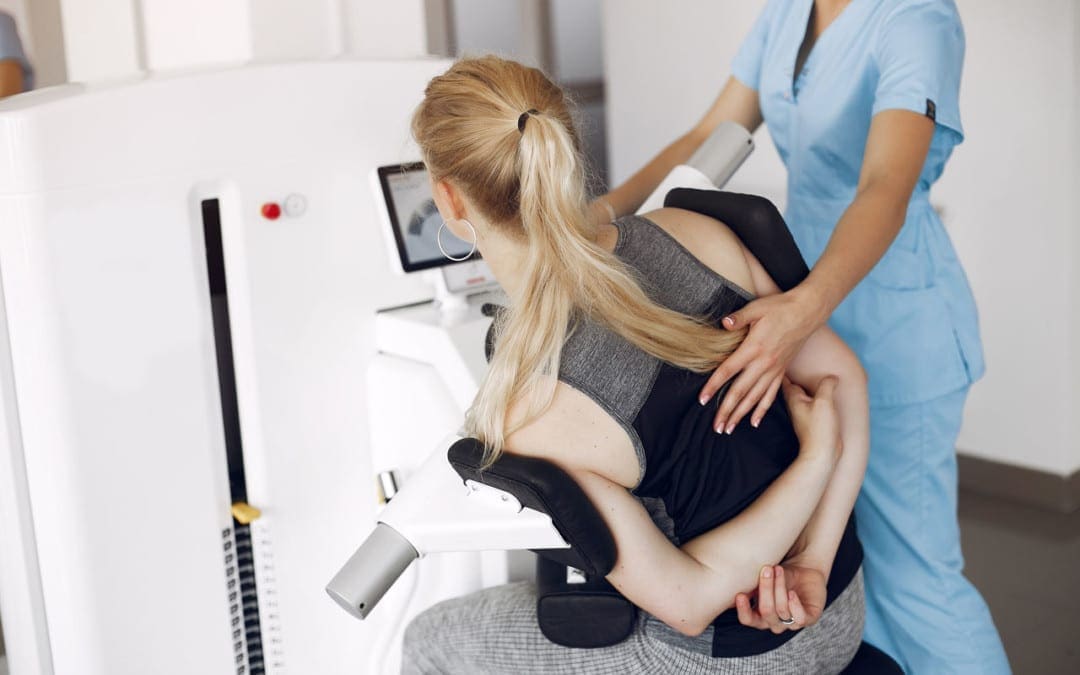
Chiropractic care is a cornerstone of non-invasive treatment for back injuries, focusing on restoring spinal alignment, reducing pain, and improving function. Dr. Jimenez leverages evidence-based chiropractic techniques to address work-related injuries, supported by randomized controlled trials (RCTs) and cohort studies.
Pain Reduction and Functional Improvement
Chiropractic adjustments, or spinal manipulations, realign the spine to alleviate pressure on nerves and muscles. A 2018 RCT published in The Spine Journal (Goertz et al.) found that chiropractic care combined with usual medical care significantly reduced pain and disability in patients with low back pain compared to medical care alone. Dr. Jimenez employs manual adjustments, flexion-distraction techniques, and soft tissue therapies to target specific injury sites, promoting natural healing.
Non-Invasive and Drug-Free Approach
Chiropractic care offers a drug-free alternative to pain management, reducing reliance on opioids, which is critical given the opioid crisis. A 2020 cohort study in Pain Medicine (Whedon et al.) demonstrated that patients receiving chiropractic care for low back pain had a lower likelihood of opioid prescriptions compared to those receiving only medical care. Dr. Jimenez integrates therapies like myofascial release and therapeutic exercises to manage pain without pharmacological interventions.
Prevention of Chronic Conditions
Early chiropractic intervention can prevent acute injuries from becoming chronic. A 2019 study in Journal of Manipulative and Physiological Therapeutics (Eklund et al.) showed that maintenance chiropractic care reduced the recurrence of low back pain episodes. Dr. Jimenez designs personalized treatment plans that include corrective exercises and ergonomic counseling to minimize re-injury risk.
Support for Workers’ Compensation Claims
Chiropractors play a vital role in documenting injuries for workers’ compensation claims. Dr. Jimenez provides detailed clinical notes and treatment plans, ensuring compliance with workers’ compensation requirements. His expertise in occupational health allows him to assess whether injuries are work-related, facilitating accurate reporting to employers and insurance carriers.
Expanded Scope of Practice: Nurse Practitioner Expertise
As a board-certified Family Nurse Practitioner (FNP-BC), Dr. Jimenez’s dual licensure enhances his ability to provide comprehensive care, particularly in personal injury and auto accident cases. Nurse practitioners (NPs) have an expanded scope of practice, allowing them to diagnose, treat, and prescribe medications, which complements chiropractic interventions.
Advanced Diagnostics and Treatment
NPs can order and interpret diagnostic imaging, such as X-rays, MRIs, and CT scans, to assess the extent of spinal injuries. A 2021 study in Journal of General Internal Medicine (Mafi et al.) highlighted the accuracy of NPs in managing musculoskeletal conditions through diagnostics and treatment planning. Dr. Jimenez uses these tools to develop precise treatment strategies, ensuring timely interventions for conditions like herniated discs or vertebral fractures.
Medication Management
In cases where pain or inflammation requires pharmacological support, Dr. Jimenez can prescribe medications like non-steroidal anti-inflammatory drugs (NSAIDs) or muscle relaxants. His NP training ensures judicious use of medications, aligning with evidence-based guidelines to avoid over-reliance. This is particularly beneficial in auto accident cases, where soft tissue injuries often require short-term pharmacological support alongside chiropractic care.
Coordination of Multidisciplinary Care
NPs are trained to coordinate care across specialties, making Dr. Jimenez uniquely positioned to oversee interdisciplinary treatment plans. For complex injuries, he collaborates with orthopedic surgeons, neurologists, and physical therapists to ensure holistic care. A 2020 RCT in BMJ Open (Côté et al.) demonstrated improved outcomes when NPs coordinated multidisciplinary care for back pain, reducing recovery time and costs.
Enhanced Patient Education
NPs emphasize patient education, empowering individuals to manage their recovery. Dr. Jimenez provides guidance on posture, lifting techniques, and lifestyle modifications, drawing on his NP training to address comorbidities like obesity or diabetes that may complicate recovery. This integrative approach aligns with the philosophies outlined on www.chiromed.com, emphasizing patient-centered care.
Interdisciplinary Treatment Strategies
Dr. Jimenez’s practices integrate chiropractic and NP services with interdisciplinary treatments tailored to work injury trauma and auto accident cases. These strategies address the physical, emotional, and legal challenges of recovery.
Comprehensive Treatment Modalities
Chiropractic Adjustments: Correct spinal misalignments to reduce pain and restore mobility.
Physical Therapy: Strengthen core muscles and improve flexibility through targeted exercises.
Hydrotherapy: Use water-based therapies to reduce inflammation and enhance circulation.
Spinal Injections: Administer corticosteroid injections for severe inflammation, guided by diagnostic imaging.
Rehabilitation Programs: Design long-term plans to restore function and prevent re-injury.
A 2017 cohort study in Spine (Blanchette et al.) found that multidisciplinary care combining chiropractic, physical therapy, and medical interventions resulted in faster return-to-work rates for back injury patients. Dr. Jimenez’s integrative approach mirrors these findings, ensuring patients receive tailored care.
Focus on Personal Injury and Auto Accidents
Personal injury cases, including auto accidents, often involve whiplash, soft tissue injuries, and spinal trauma. Dr. Jimenez’s dual expertise allows him to address these conditions comprehensively. For example, whiplash may require chiropractic adjustments to restore cervical alignment, physical therapy to strengthen neck muscles, and short-term NSAIDs to manage pain. His ability to order MRIs ensures accurate diagnosis of soft tissue damage, which is critical for workers’ compensation and insurance claims.
Collaboration with Medical Specialists
Dr. Jimenez collaborates with a network of trusted medical providers, including:
Orthopedic Surgeons: For surgical interventions like discectomy or spinal fusion.
Neurologists: To address nerve-related symptoms like radiculopathy.
Pain Management Specialists: For advanced pain relief techniques, such as epidural injections.
This collaborative model ensures seamless care, with Dr. Jimenez overseeing the treatment plan to maintain continuity. His practice websites emphasize this integrative philosophy, highlighting partnerships with specialists who share a commitment to patient outcomes.
Collaboration with Trusted Legal Providers
Navigating workers’ compensation and personal injury claims requires legal expertise, particularly when employers or insurance carriers dispute claims. Dr. Jimenez partners with trusted legal providers specializing in workers’ compensation and personal injury law to support his patients.
Role of Legal Providers
Legal providers assist with:
Claim Filing: Ensuring timely and accurate submission of workers’ compensation claims, adhering to state-specific statutes of limitations (e.g., one year in many states).
Dispute Resolution: Representing patients in disputes over injury causation or benefit denials.
Maximizing Benefits: Advocating for coverage of all necessary treatments, including chiropractic care, diagnostics, and rehabilitation.
Auto Accident Claims: Handling insurance negotiations and litigation for injuries sustained in work-related auto accidents.
Dr. Jimenez refers patients to attorneys who understand the medical complexities of back injuries, ensuring alignment between clinical documentation and legal arguments. This collaboration is critical in gray-area cases, such as injuries sustained at work-related events or while working from home.
Streamlined Communication
Dr. Jimenez maintains active communication with legal providers, sharing clinical notes and treatment plans to substantiate claims. Workers’ compensation is exempt from HIPAA privacy regulations for injury-related records, allowing seamless information exchange. This ensures legal providers have the evidence needed to advocate effectively, reducing delays in treatment or compensation.
Patient Advocacy
By connecting patients with reputable attorneys, Dr. Jimenez empowers them to focus on recovery without the stress of legal battles. His websites, www.dralexjimenez.com and www.chiromed.com, emphasize this patient-centered approach, highlighting resources for legal support alongside medical care.
Workers’ Compensation: Coverage and Process
Workers’ compensation is an employer-funded insurance program that covers medical expenses and lost wages for work-related injuries. Coverage typically includes:
Emergency department visits
Diagnostic testing (e.g., X-rays, MRIs)
Follow-up care with specialists
Surgical interventions
Rehabilitation and physical therapy
Dr. Jimenez ensures patients understand their rights under workers’ compensation, advising them to report injuries immediately to their employer’s human resources department. Prompt reporting strengthens claims and prevents disputes over injury causation.
Challenges and Solutions
Challenges in securing workers’ compensation include:
Gray-Area Injuries: Injuries at work-related events or while working remotely may be contested. Dr. Jimenez provides detailed documentation to clarify work-related causation.
Employer Pressure: Some employers may pressure workers to return before medical clearance. Dr. Jimenez collaborates with legal providers to protect patients’ rights.
Wage Replacement Issues: Workers reliant on overtime may face reduced compensation. Dr. Jimenez advises patients to consult attorneys to maximize benefits.
A 2019 study in Journal of Occupational and Environmental Medicine (Mueller et al.) found that early legal intervention improved outcomes in contested workers’ compensation cases, underscoring the value of Dr. Jimenez’s legal partnerships.
Maximizing Recovery: Patient-Centered Strategies
Dr. Jimenez’s integrative approach prioritizes patient compliance and transparency to optimize recovery. Key strategies include:
Adherence to Treatment Plans: Keeping appointments and following recommendations ensures consistent progress.
Open Communication: Patients are encouraged to report symptoms accurately, enabling adjustments to treatment plans.
Ergonomic Training: Guidance on posture, lifting, and workplace modifications reduces re-injury risk.
Holistic Care: Addressing comorbidities and mental health to support overall well-being.
His websites provide resources like exercise guides and ergonomic tips, reinforcing these strategies and empowering patients to take an active role in their recovery.
Conclusion
Work-related back injuries and auto accident trauma require a comprehensive, interdisciplinary approach to achieve optimal recovery. Dr. Alexander Jimenez, DC, APRN, FNP-BC, combines his expertise as a chiropractor and nurse practitioner to deliver evidence-based treatments, from spinal adjustments to advanced diagnostics and medication management. His collaboration with trusted medical and legal providers ensures patients receive holistic care and robust support through the workers’ compensation process. By integrating chiropractic care, medical interventions, and legal advocacy, Dr. Jimenez empowers patients to recover fully and return to work with confidence. Visit www.dralexjimenez.com and www.chiromed.com to learn more about his integrative approach and commitment to patient-centered care.
References
Goertz, C. M., et al. (2018). Effect of usual medical care plus chiropractic care vs usual medical care alone on pain and disability among US service members with low back pain: A comparative effectiveness clinical trial. The Spine Journal, 18(8), 1391–1399.
Whedon, J. M., et al. (2020). Association between chiropractic care and use of prescription opioids among patients with low back pain. Pain Medicine, 21(6), 1087–1095.
Eklund, A., et al. (2019). The Nordic maintenance care program: Effectiveness of chiropractic maintenance care versus symptom-guided treatment for recurrent and persistent low back pain. Journal of Manipulative and Physiological Therapeutics, 42(7), 477–487.
Mafi, J. N., et al. (2021). Nurse practitioners and physician assistants in primary care: A systematic review of scope of practice and patient outcomes. Journal of General Internal Medicine, 36(5), 1423–1432.
Côté, P., et al. (2020). Management of neck pain and associated disorders: A clinical practice guideline from the Ontario Protocol for Traffic Injury Management (OPTIMa) Collaboration. BMJ Open, 10(3), e035366.
Blanchette, M. A., et al. (2017). Effectiveness of multidisciplinary rehabilitation programs for work-related low back pain: A systematic review. Spine, 42(13), 1007–1016.
Mueller, K. L., et al. (2019). Impact of early legal representation on workers’ compensation claim outcomes. Journal of Occupational and Environmental Medicine, 61(4), 312–318.
Find essential information on whiplash, including signs, prevention tips, and recovery strategies for optimal health.
Introduction
An abrupt impact, whether from a vehicle accident, sports injury, or fall, may cause symptoms that start off as a small shock and progress to crippling pain and functional impairment. Whiplash is one such ailment that often lacks recognition due to its intricacy. Although it is often linked to rear-end crashes, whiplash is a complex injury that, if ignored, may have long-term consequences for the musculoskeletal system and cervical spine. Have you had shoulder and neck stiffness before? Do you have persistent, chronic headaches? Or does it seem like your neck’s range of motion is limited? We’ll talk about whiplash’s frequent origins, symptoms, effects on the cervical spine and musculoskeletal system, and evidence-based therapy options to lessen the pain-like symptoms in today’s post.
What Is Whiplash?
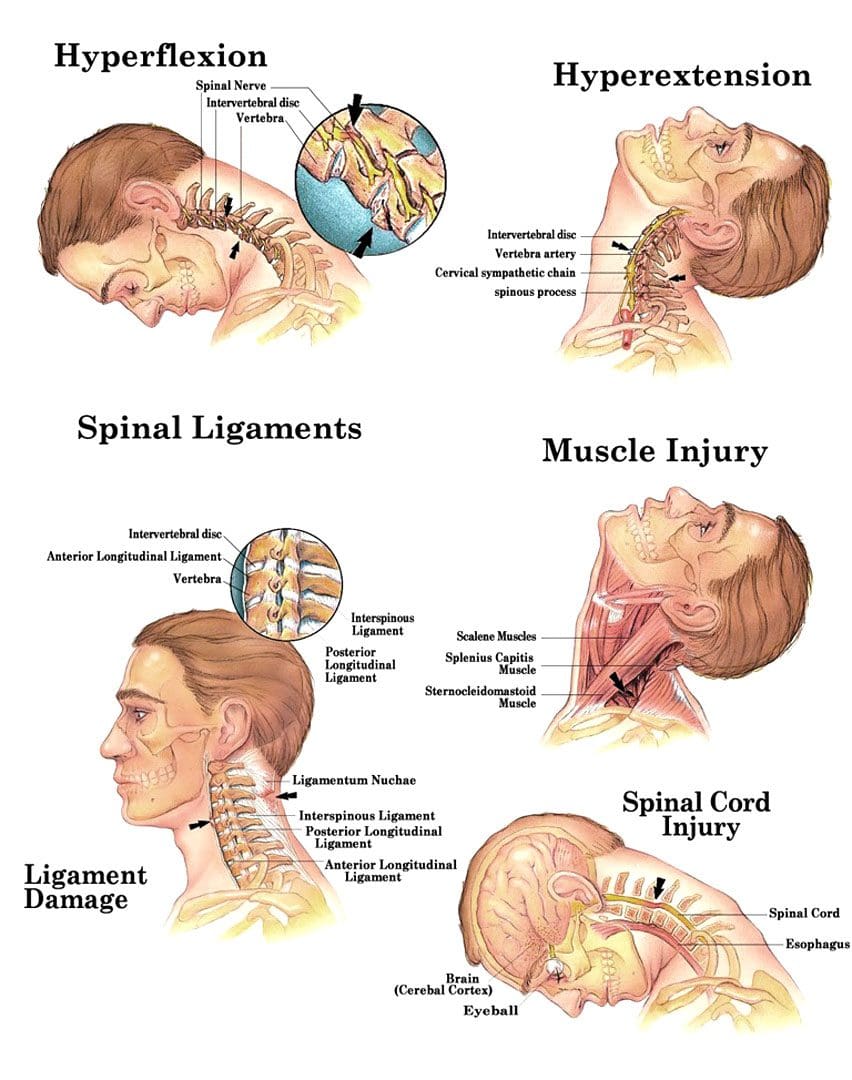
Whiplash is a type of neck injury associated with a rapid back-and-forth head-and-neck motion, mimicking the crack of a whip, hence the name. This causes persistent physical complaints and disability, and complaints when left untreated. (Mayou & Radanov, 1996) Medically, it is categorized under cervical acceleration-deceleration (CAD) injuries. This abrupt motion can damage muscles, ligaments, intervertebral discs, and even the neural structures of the cervical spine.
Common Causes Of Whiplash
While motor vehicle accidents are the most recognized cause, many mechanisms can precipitate a whiplash injury:
Even minor collisions at speeds as low as 5–10 mph can produce enough force to cause whiplash symptoms in vulnerable individuals.
Symptoms of Whiplash
When individuals are experiencing whiplash, the symptoms can appear immediately or may be delayed for 24–72 hours post-injury. Additionally, whiplash injuries are considered soft tissue injuries to the neck with various clinical symptoms that vary in severity and may include: (Chen et al., 2009)
Neck pain and stiffness
Reduced range of motion
Shoulder and upper back pain
Headaches, especially originating at the base of the skull
Jaw pain or temporomandibular joint (TMJ) dysfunction
Dizziness or visual disturbances
Tingling or numbness sensations in the arms (cervical radiculopathy)
Fatigue and cognitive issues (“whiplash-associated disorders” or WAD)
How Whiplash Affects the Cervical Spine and Musculoskeletal System
Whiplash is more than just a soft tissue injury, as it impacts several interconnected systems:
1. Cervical Spine
The rapid motion during a whiplash injury can lead to:
Cervical facet joint irritation
Intervertebral disc compression or herniation
Muscle strain or ligamentous sprain
Altered cervical lordosis, leading to chronic postural imbalances
This causes pain, stiffness, and tenderness in the neck area due to injuries within the bony, muscular, and ligamentous regions. (Alektoroff & Papanagiotou, 2021)
2. Musculoskeletal Dysfunction
Whiplash often initiates a cascade of biomechanical issues:
Myofascial pain syndromes, especially in the trapezius, levator scapulae, and sternocleidomastoid muscles
Compensatory thoracic or lumbar strain
Poor proprioception and neuromuscular control
Chronic trigger points and fibrotic tissue development
The longer these musculoskeletal imbalances persist, the more likely they will evolve into chronic pain syndromes and central sensitization.
Why Choose Chiropractic?-Video
Diagnosing Whiplash
Diagnosis is largely clinical, supported by a thorough history and physical exam. Imaging may be required to rule out more severe pathology:
X-rays: To rule out fractures or malalignment
MRI: For soft tissue or disc pathology
CT scans: If fracture or serious trauma is suspected
Functional assessments: Range of motion, palpation, neurologic evaluation
Evidence-Based Treatments for Whiplash
Treatment for whiplash should be multimodal and individualized, focusing on restoring function, reducing inflammation, and promoting healing. (Bussieres et al., 2016)
1. Chiropractic Care
Chiropractic adjustments can offer significant benefits in managing whiplash-associated disorders:
Myofascial release and soft tissue mobilization: Target muscle tension, trigger points, and fascial restrictions.
Postural retraining and ergonomic correction: Essential for long-term resolution.
Additionally, chiropractic patients experienced significant improvements in neck pain and function.
2. Physical Therapy
Individuals dealing with neck pain associated with whiplash can benefit from physical therapy to improve neck pain and disability. (Chrcanovic et al., 2022) Rehabilitative exercises are fundamental:
Neck range-of-motion drills
Isometric strengthening
Scapular stabilization and postural correction
Proprioceptive neuromuscular facilitation (PNF)
3. Functional Medicine Approach
From a functional medicine standpoint, addressing systemic inflammation, nutritional deficiencies, and stress response can enhance recovery:
Magnesium and B-complex supplementation for nerve healing
Sleep optimization and cortisol balance
4. Other Complementary Treatments
Acupuncture: Improves blood flow and pain modulation while alleviating pain and promoting relaxation. (Moon et al., 2014)
Gua Sha or cupping therapy: Relieves muscular tension
Dry needling: Effective for persistent trigger points
Manual lymphatic drainage: For patients experiencing edema or prolonged inflammation
Recovery and Prognosis
With consistent and proper treatment, many individuals recover within a few weeks. However, approximately 30–50% of individuals may develop chronic symptoms if not properly managed early on. Factors predicting prolonged recovery include:
High initial pain intensity
Poor coping mechanisms
History of prior neck injury
Psychosocial stressors
Early intervention using a holistic, integrative care model offers the best outcomes in preventing chronic whiplash-associated disorders.
Final Thoughts
Beyond the common “neck strain” classification, whiplash is a complicated neuromusculoskeletal injury that requires careful consideration by both patients and medical experts. Accurate diagnosis and successful treatment depend on an understanding of the complex effects on the cervical spine, neurology, and musculoskeletal function. Reducing symptoms and improving quality of life may be achieved by combining non-surgical treatments as part of a personalized treatment strategy.
Injury Medical & Personal Injury Clinic
We associate certified medical providers who understand the importance of assessing individuals with whiplash associated with their necks. When asking important questions to our associated medical providers, we advise patients to incorporate customized treatment plans for their pain associated with whiplash. Dr. Alex Jimenez, D.C., uses this information as an academic service. Disclaimer
References
Alektoroff, K., & Papanagiotou, P. (2021). [Whiplash injury of the cervical spine]. Radiologe, 61(8), 710-713. https://doi.org/10.1007/s00117-021-00877-5 (Schleudertrauma der Halswirbelsaule.)
Bussieres, A. E., Stewart, G., Al-Zoubi, F., Decina, P., Descarreaux, M., Hayden, J., Hendrickson, B., Hincapie, C., Page, I., Passmore, S., Srbely, J., Stupar, M., Weisberg, J., & Ornelas, J. (2016). The Treatment of Neck Pain-Associated Disorders and Whiplash-Associated Disorders: A Clinical Practice Guideline. J Manipulative Physiol Ther, 39(8), 523-564 e527. https://doi.org/10.1016/j.jmpt.2016.08.007
Chrcanovic, B., Larsson, J., Malmstrom, E. M., Westergren, H., & Haggman-Henrikson, B. (2022). Exercise therapy for whiplash-associated disorders: a systematic review and meta-analysis. Scand J Pain, 22(2), 232-261. https://doi.org/10.1515/sjpain-2021-0064
Moon, T. W., Posadzki, P., Choi, T. Y., Park, T. Y., Kim, H. J., Lee, M. S., & Ernst, E. (2014). Acupuncture for treating whiplash associated disorder: a systematic review of randomised clinical trials. Evid Based Complement Alternat Med, 2014, 870271. https://doi.org/10.1155/2014/870271
Learn everything about histamine intolerance and its effects on your health. Discover symptoms and dietary tips to manage it.
Introduction
How often does eating cause discomfort or a burning feeling in your stomach? After consuming a certain dish, does your skin get heated and irritated? Or have you seen that your upper muscles begin to hurt as a result of your frequent sneezing? A histamine assault that affects the body and immune system may be the cause of these circumstances for many people. The function of histamine in the body, its symptoms, the reasons of histamine intolerance, and potential dietary strategies to lessen histamine-related bodily responses will all be covered in today’s article.
What Is Histamine?
The immune system serves as the body’s first line of defense against any external invaders found within the human body. The human body needs histamine to function. As a chemical messenger, it functions as a neurotransmitter in the brain and aids in controlling inflammatory and immunological responses as well as the production of stomach acid. In addition to being present in many foods, it is naturally created by mast cells, basophils, and certain neurons. Throughout the body, histamine attaches itself to histamine receptors (H1, H2, H3, and H4). (Patel & Mohiuddin, 2025) These receptors mediate the following processes:
Vasodilation, or blood vessel widening
Secretion of gastric acid
Contraction of smooth muscles
Signaling in the nervous system
Activation of the immune system
To put it briefly, histamine is necessary for preserving homeostasis and protecting the body from infections. But balance is essential. Excess histamine causes symptoms that are frequently confused with allergies, gastrointestinal issues, or hormone imbalances, particularly when the body is unable to effectively break it down.
What Is Histamine Intolerance
An actual allergy is not histamine intolerance. Rather, it describes a diminished capacity of the body to metabolize histamine, frequently as a result of low levels of the enzymes histamine-N-methyltransferase (HNMT) and diamine oxidase (DAO), which are both involved in this process. (Comas-Baste et al., 2020) Histamine builds up when these enzymes are compromised or overloaded, leading to a series of symptoms that can be transient, sporadic, or chronic, contingent on hormone levels, gut health, food consumption, and environmental circumstances.
Symptoms of Histamine Intolerance
Since histamine intolerance impacts several systems, it is frequently challenging to identify when a patient is receiving treatment. This is because histamine is a strong inflammatory mediator linked to allergic reactions that alters the body’s tissues and arteries. (Branco et al., 2018) The following symptoms can range in severity from mild to severe:
Dermatological:
Flushing or redness of the skin
Hives (urticaria)
Eczema or unexplained itching
Gastrointestinal:
Bloating, gas, or abdominal pain
Diarrhea or constipation
Nausea or vomiting
Heartburn (due to increased stomach acid)
Respiratory:
Nasal congestion or a runny nose
Asthma-like symptoms
Difficulty breathing (in severe cases)
Cardiovascular:
Low blood pressure
Dizziness or lightheadedness
Rapid or irregular heartbeat
Neurological:
Headaches or migraines
Anxiety
Insomnia or sleep disturbances
Brain fog or difficulty concentrating
Reproductive:
Menstrual irregularities
Worsened symptoms during estrogen surges (e.g., ovulation, PMS)
If symptoms improve with a low-histamine diet or DAO supplementation, this may point toward histamine intolerance.
Causes and Risk Factors of Histamine Intolerance
1. Enzyme Deficiency
The most direct cause is a deficiency or dysfunction in the enzymes DAO (in the gut) or HNMT (in tissues), which are responsible for breaking down histamine.
2. Gut Dysbiosis
When the gut microbiome becomes imbalanced with environmental factors, it can lead to increased histamine production by certain bacteria and reduced DAO activity, especially in cases of:
Small Intestinal Bacterial Overgrowth (SIBO)
Inflammatory bowel disease (IBD)
Leaky gut syndrome
This is because gut bacteria play a crucial role in the body, providing food digestion and immune activation, and regulating the entero-endocrine signaling pathways to ensure the body works properly. (Dicks, 2022)
3. Genetic Polymorphisms
Variants in genes encoding DAO or HNMT enzymes may reduce their function, increasing susceptibility to histamine intolerance.
4. Nutritional Deficiencies
Vitamin B6, copper, and vitamin C deficiency—all cofactors for DAO activity—can impair histamine metabolism.
5. Medications
Several medications are known to block DAO or trigger histamine release, such as:
NSAIDs (ibuprofen, aspirin)
Antidepressants (SSRIs, MAO inhibitors)
Muscle relaxants
Diuretics
Certain antibiotics
6. Hormonal Fluctuations
Estrogen can inhibit DAO, which explains why many women experience worsened histamine symptoms during PMS, pregnancy, or estrogen-dominant conditions like PCOS or endometriosis.
Fighting Inflammation Naturally-Video
High-Histamine Foods to Avoid
To manage histamine intolerance, a low-histamine diet is often a first-line approach. Common high-histamine or histamine-liberating foods include:
This is because environmental factors like eating various foods can lead to food intolerances, thus causing histamine accumulation. (Jochum, 2024)
Foods That May Help Reduce Histamine Reactions
A well-structured anti-histamine diet should include foods that are low in histamine and support DAO activity and gut health. A low histamine diet can reduce the chances of histamine reactions by eliminating foods that contain histamine and cause responses in the body. (Sanchez-Perez et al., 2021) Here are some food categories that may help minimize histamine burden:
1. DAO-Supportive Nutrients
Vitamin C: Bell peppers, broccoli, kiwi, strawberries
These help stabilize mast cells and reduce histamine release:
Quercetin-rich foods: Apples (peeled), onions, kale, green tea
Turmeric: Contains curcumin, which has mast-cell-stabilizing properties
Ginger: Helps with nausea and inflammation
Holy basil (tulsi): Adaptogen and natural antihistamine
3. Gut-Healing Foods
Bone broth (if tolerated; avoid long cooking times to reduce histamine)
Fresh meats and poultry (cooked and eaten immediately)
Non-citrus fruits like pears, blueberries, and watermelon
Gluten-free whole grains (quinoa, rice, millet)
Functional Medicine Approach to Histamine Intolerance
When finding a holistic approach for reducing histamine intolerance, many healthcare professionals can devise a customized treatment plan to assess the individual. Histamine intolerance often exists alongside broader systemic dysfunctions such as:
Chronic stress
Heavy metal toxicity
Hormonal imbalance
Environmental triggers
Autoimmune conditions
In addressing histamine intolerance, it’s important to:
Identify underlying triggers using functional lab testing (e.g., gut microbiome panels, food sensitivity testing, genetic SNP analysis).
Rebuild DAO capacity with nutrient repletion and, if necessary, temporary DAO supplementation.
Support detoxification pathways, especially the liver and gut.
Heal the gut barrier through probiotics (non-histamine producing), prebiotics, and anti-inflammatory foods.
Final Thoughts: Empowering Healing Through Nutrition and Insight
Histamine intolerance may have a significant impact on many people’s quality of life, although it is often misdiagnosed or ignored. Many people find great comfort by comprehending the symptoms, identifying the underlying causes, and implementing thoughtful food and lifestyle adjustments. Like any chronic illness, bio-individuality is important. One person’s triggers could be quite harmless to another. Trial and error, close observation, and sometimes expert advice are all common steps on the road to recovery. A personalized holistic treatment plan may help people with histamine intolerance regain equilibrium and enhance their overall health.
Injury Medical & Functional Medicine Clinic
We associate with certified medical providers who understand the importance of assessing individuals with histamine intolerances affecting their bodies. When asking important questions to our associated medical providers, we advise patients to incorporate small changes in their routine to reduce the chances of aggravating histamine symptoms from affecting the body. Dr. Alex Jimenez, D.C., uses this information as an academic service. Disclaimer.
References
Branco, A. C. C. C., Yoshikawa, F. S. Y., Pietrobon, A. J., & Sato, M. N. (2018). Role of Histamine in Modulating the Immune Response and Inflammation. Mediators of Inflammation, 2018, 1-10. https://doi.org/10.1155/2018/9524075
Comas-Baste, O., Sanchez-Perez, S., Veciana-Nogues, M. T., Latorre-Moratalla, M., & Vidal-Carou, M. D. C. (2020). Histamine Intolerance: The Current State of the Art. Biomolecules, 10(8). https://doi.org/10.3390/biom10081181
Sanchez-Perez, S., Comas-Baste, O., Veciana-Nogues, M. T., Latorre-Moratalla, M. L., & Vidal-Carou, M. C. (2021). Low-Histamine Diets: Is the Exclusion of Foods Justified by Their Histamine Content? Nutrients, 13(5). https://doi.org/10.3390/nu13051395
Learn about the relationship between migraines associated with neck pain and how to alleviate discomfort through various techniques.
Introduction
Having a busy day with routine may lead to a number of problems, including headaches, stress, and physical exhaustion in the many parts of the body, including the skeletal system, muscles, and organs. The combination of pain and discomfort may result in overlapping risk profiles linked to long-term problems. Do you, for instance, get headaches that throb in different parts of your brain all the time, making it hard to focus on your task? Does moving your shoulders or neck provide momentary relief from stiffness? Or do you need a dark, quiet environment to feel better because you have sensitive light or sound issues? Many people who have neck discomfort and headaches may also be suffering from migraines that affect their lifestyles. In this post, we’ll examine the relationship between migraines and neck pain, the relationship between migraines and fibromyalgia, and holistic approaches to migraine symptom management.
The Migraine & Neck Connection
When it comes to headaches and migraines, many people will begin to feel tension in their heads from various areas and notice that their neck is stiff. This unilateral pain usually starts in the neck and then is accompanied by a reduced range of motion called a cervicogenic headache that can be confused with a migraine. (Al Khalili et al., 2025) Migraines are often a full-body experience with numerous symptoms that can make anybody’s daily life feel unmanageable. This is because the extra-cranial autonomic nervous system activates the trigeminal autonomic reflex, which is a physiological response that follows harmful stimuli that cause migraines to develop. (Vicente et al., 2023) Additionally, migraines can cause the individual to develop increased pain sensitivity and cervical musculoskeletal impairments like neck pain correlating with environmental factors that lead to its development. (Di Antonio et al., 2023) Many environmental factors can trigger migraines associated with neck pain, including:
Poor posture
Cervical spine misalignment
Muscle tension from stress or overuse
TMJ dysfunction
Inadequate sleep
How Fibromyalgia Connects With Migraines
Now, how would fibromyalgia be correlated with migraines for individuals? Since this link is a bit complex, both fibromyalgia and migraines are due to mitochondrial dysfunction that causes the body not to function properly. Fibromyalgia is a condition that causes the central nervous system to be affected chronically and is frequently present with other chronic pain syndromes like migraines. (Janssen et al., 2021) Fibromyalgia is often characterized by widespread pain and heightened pain sensitivity from central sensitization, causing the central nervous system to become hyperresponsive. Migraines are familial, episodic, and complex sensory processing disturbances associated with various symptoms mimicking fibromyalgia. (Aguilar-Shea et al., 2022) However, many individuals with fibromyalgia can experience the following symptoms:
Intense and frequent migraines
Musculoskeletal tenderness in the neck and upper back
Amplified severity and frequency of migraine attacks
When this happens, many people who are dealing with migraines associated with fibromyalgia will seek essential integrative treatments to manage the symptoms and find relief.
Tension Headaches Explained- Video
Holistic & Functional To Reduce Migraine Symptoms
When it comes to looking for treatments that can help reduce migraine symptoms, a holistic functional treatment approach is often the best approach. By incorporating this approach, many healthcare professionals can look beyond and understand the root causes of migraines. Many migraine treatments are cost-effective and non-surgical and can help reduce the pain-like symptoms associated with migraines and help restore neck functionality.
Chiropractic Care & Manual Therapies
When the body is dealing with misalignment from the cervical area of the spine, neck pain and migraines can develop. Many individuals take chiropractic care to help with cervical mobilization and suboccipital release, which reduces tension in the muscles while increasing the range of motion in the neck. Chiropractors utilize manual and mechanical manipulation to help realign the spine and help stretch and strengthen weak muscles. Chiropractors also incorporate myofascial release and MET maneuvers to help release tension and reduce inflammation affecting the body’s soft tissue, especially within the muscles and fasciae, by allowing contraction and relaxation methods to improve somatic dysfunction within the cervical spinal area. (Jara Silva et al., 2022) Additionally, cervical spinal manipulation can be effective by reducing the pain intensity of migraines and improving the symptomatic days when individuals are experiencing migraine associated with neck pain. (Mayo & Keating, 2023)
Postural & Ergonomic Interventions
Many individuals don’t realize that some of the sources that cause their neck pain could be due to everyday motions that can lead to poor posture. Being hunched from looking down at their phones or leaning forward to look at the computer can strain the neck muscles, thus compressing the cervical nerves, leading to migraines and headaches. Incorporating craniocervical exercises can provide beneficial results for individuals with migraines correlated with neck pain, therefore reducing the frequency and improving disability that is affecting the body. (de Almeida Tolentino et al., 2021) When people start doing postural retraining and neck mobility exercises as part of their daily routine, they reduce the chances of migraines returning.
Anti-Inflammatory & Nutritional Support
Migraines can be triggered or worsened by inflammation and blood sugar instability through improper dieting. When it comes to dieting, many individuals can often see that certain foods can trigger different reactions in the body. Certain foods can trigger migraines to develop; however, by figuring out which food causes the triggers that lead to the migraine to establish, many individuals can make various changes in what they eat. Many people are encouraged to try the elimination diet to identify the food trigger causing the migraines and avoid it. (Gazerani, 2020) Hence why, incorporating foods rich in omega-3s can help not only reduce migraine headaches but also reduce chronic inflammation that is affecting the body.
Additionally, many individuals can incorporate magnesium supplements, which can help decrease migraine attacks by altering the neurotransmitter secretion in the central nervous system (Shin et al., 2020). This can help many individuals feel better over time.
Final Thoughts
There is a common route between migraines and neck pain when determining the relationship between the two conditions. Many people might have a personalized treatment strategy to control migraine symptoms and regain neck mobility by comprehending this overlapping link. The objective is to provide patients with resources that will lessen the frequency and intensity of migraines, increase energy, and enhance their quality of life, whether this is accomplished by physical treatments, dietary assistance, or lifestyle modifications.
Injury Medical & Functional Medicine Clinic
We associate with certified medical providers who understand the importance of assessing individuals dealing with neck pain associated with migraines. When asking important questions to our associated medical providers, we advise patients to incorporate numerous techniques to reduce migraines from reappearing and causing neck pain. Dr. Alex Jimenez, D.C., uses this information as an academic service. Disclaimer.
References
Aguilar-Shea, A. L., Membrilla Md, J. A., & Diaz-de-Teran, J. (2022). Migraine review for general practice. Aten Primaria, 54(2), 102208. https://doi.org/10.1016/j.aprim.2021.102208
de Almeida Tolentino, G., Lima Florencio, L., Ferreira Pinheiro, C., Dach, F., Fernandez-de-Las-Penas, C., & Bevilaqua-Grossi, D. (2021). Effects of combining manual therapy, neck muscle exercises, and therapeutic pain neuroscience education in patients with migraine: a study protocol for a randomized clinical trial. BMC Neurol, 21(1), 249. https://doi.org/10.1186/s12883-021-02290-w
Di Antonio, S., Arendt-Nielsen, L., & Castaldo, M. (2023). Cervical musculoskeletal impairments and pain sensitivity in migraine patients. Musculoskelet Sci Pract, 66, 102817. https://doi.org/10.1016/j.msksp.2023.102817
Janssen, L. P., Medeiros, L. F., Souza, A., & Silva, J. D. (2021). Fibromyalgia: A Review of Related Polymorphisms and Clinical Relevance. An Acad Bras Cienc, 93(suppl 4), e20210618. https://doi.org/10.1590/0001-3765202120210618
Jara Silva, C. E., Joseph, A. M., Khatib, M., Knafo, J., Karas, M., Krupa, K., Rivera, B., Macia, A., Madhu, B., McMillan, M., Burtch, J., Quinonez, J., Albert, T., & Khanna, D. (2022). Osteopathic Manipulative Treatment and the Management of Headaches: A Scoping Review. Cureus, 14(8), e27830. https://doi.org/10.7759/cureus.27830
Mayo, Z., & Keating, C. (2023). Manual Therapy and Exercise for the Management of Chronic Neck Pain With Multiple Neurovascular Comorbidities: A Case Report. Cureus, 15(3), e36961. https://doi.org/10.7759/cureus.36961
Vicente, B. N., Oliveira, R., Martins, I. P., & Gil-Gouveia, R. (2023). Cranial Autonomic Symptoms and Neck Pain in Differential Diagnosis of Migraine. Diagnostics (Basel), 13(4). https://doi.org/10.3390/diagnostics13040590
For individuals experiencing back pain, can lying in the supine position help bring relief?
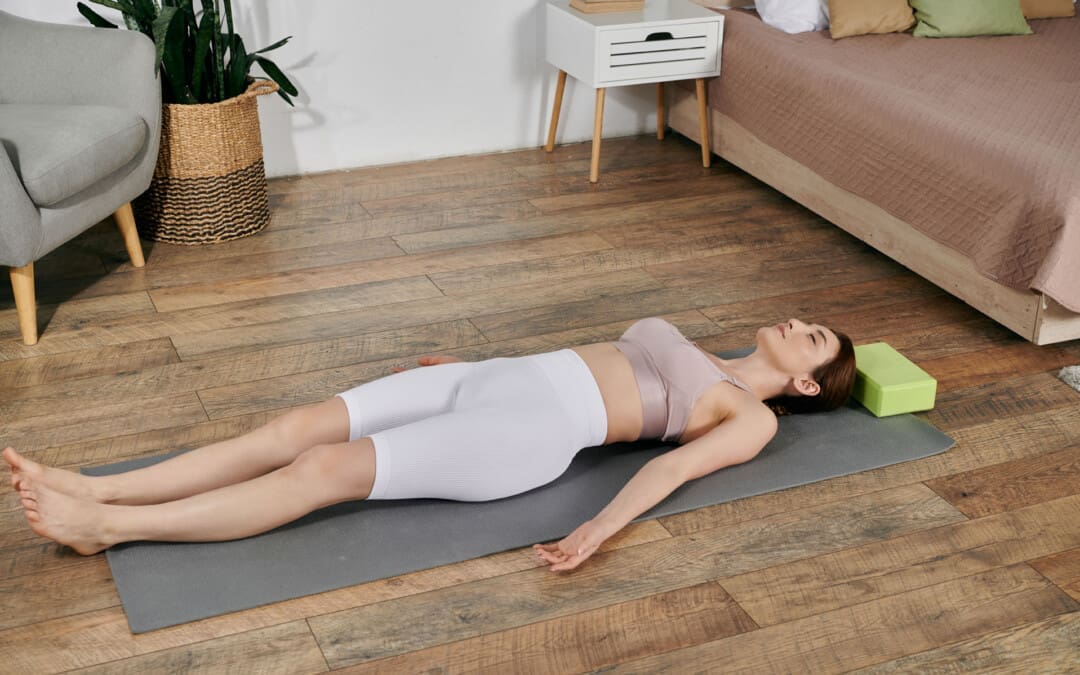
Supine Position
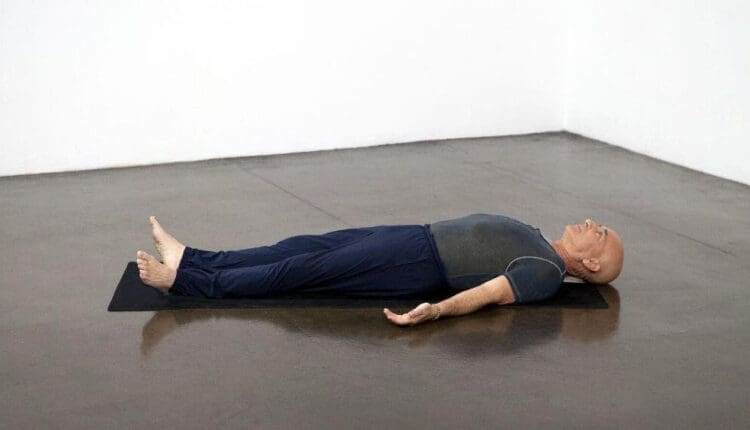
The supine position describes the body’s position when lying on your back with your face up. The individual is flat on their back with no incline, arms at their sides or bent at a 90-degree angle. It’s commonly used in medical settings for examinations, surgeries, and procedures, particularly when access to the anterior/front of the body is needed. It can benefit certain conditions, like helping relieve pain, but exacerbate others, like acid reflux. The term is also used as a modifier for exercises and stretches that begin with the individual on their back. (ScienceDirect Topics, 2009)
Medical Uses
Examinations
Healthcare providers often use the supine position for physical examinations, including vital signs, palpation of the abdomen, and chest inspection. (Nurse.com, 2024)
Procedures
It’s also used for various procedures, such as lumbar punctures and injections. (Steris Healthcare, 2025)
Surgery
Due to its accessibility to the front of the body, the supine position is frequently used for surgeries such as cardiac, abdominal, thoracic, and cranial procedures.
It allows for easy access to the airway, facilitates anesthesia choices, and can be readily converted to an open procedure if necessary. ScienceDirect Topics, 2009)
Overall Health
Natural Position
Many individuals naturally fall asleep in the supine position, finding it comfortable and conducive to spinal alignment.
Back Pain Relief
Sometimes, lying supine with proper support can relieve back pain, particularly in individuals with lumbar spinal issues. (MedicalNewsToday, 2022)
Acid Reflux
However, the supine position can exacerbate acid reflux, as gravity allows stomach acid to travel up the esophagus. (MedicalNewsToday, 2022)
Sleep Apnea
The supine position can worsen sleep apnea in some individuals.
Clinical Uses
A physical therapist, trainer, or clinician may use supine to describe positions used for manual therapy or when having the patient do stretching and back exercises as part of a home exercise program.
If the therapist or personal trainer is training the individual on core stabilization exercises for the first time, the individual will most likely start in the supine position.
This is because when the body is supine, the muscles have the least work to do to maintain correct posture and position against the force of gravity.
Many bed exercises begin in this position for rehabilitation.
Back Care
Here are a few recommendations to relieve low back pain using the supine position.
First, individuals can release the tension in the back by assuming the hook-lying position, a modification of the supine position in which the knees are bent and the feet are resting flat on the floor (Aurora BayCare Medical Center, N.D.).
Start breathing and relaxing, allowing the tension to drain out of the muscles.
In a hook-lying position with the fingertips on the lower belly, inhale deeply, then exhale naturally and puff out the remaining air.
At that point, the fingertips should feel the transverse abdominal muscle engage.
Release and repeat 10 times.
After the body is warmed up, move on to actual exercise. For example, beginners may be given hip stretches to help relieve back pain. These might be done to maintain or prevent back pain. Individuals can do yoga for their back while in the supine position. As with any exercise program, not all yoga poses involve lying on the back, but many beginners and restorative ones do.
For example, the supine spinal twist involves lying on the back, bending the knees, and gently placing them to one side. The idea is to stay in that position for a few moments—and breathe—to allow the oblique abdominal and back muscles to release.
Variations
Lawn Chair Position
This variation involves slightly bending the hips and knees and elevating them above the heart, which can help relieve lower back pain.
Frog-Leg Position
The frog-leg position involves lying on the back with bent knees pushed out to the sides, providing access to the groin and perineum. (Steris Healthcare, 2025)
Injury Medical Chiropractic & Functional Medicine Clinic
Injury Medical Chiropractic and Functional Medicine Clinic works with primary healthcare providers and specialists to develop an optimal health and wellness solution. We focus on what works for you to relieve pain, restore function, and prevent injury. Regarding musculoskeletal pain, specialists like chiropractors, acupuncturists, and massage therapists can help mitigate the pain through spinal adjustments that help the body realign itself. They can also work with other medical professionals to integrate a treatment plan to resolve musculoskeletal issues.
Thoracic Spine Pain
References
ScienceDirect. (2009). Supine Position. Morrey’s The Elbow and Its Disorders (Fourth Edition), 567-577. https://doi.org/https://doi.org/10.1016/B978-1-4160-2902-1.50042-5
Nurse.com. (2024). What Is Supine Position? https://www.nurse.com/nursing-resources/definitions/what-is-supine-position/#:~:text=During%20routine%20physical%20examinations%2C%20the,easier%20to%20perform%20comprehensive%20assessments.
STERIS. (2025). The Complete Guide to Patient Positioning. https://www.steris.com/healthcare/knowledge-center/surgical-equipment/complete-guide-to-patient-positioning#:~:text=The%20most%20common%20position%20used,and%20elevating%20the%20sternal%20notch.
MedicalNewsToday. (2022). What is the supine position? https://www.medicalnewstoday.com/articles/supine-position
Aurora BayCare Medical Center. (N.D.). Lumbar stabilization hooklying position. https://ahc.aurorahealthcare.org/fywb/baycare/x06913bc.pdf
Can understanding the mechanics of the throwing motion help to understand why it may cause shoulder pain, the symptoms of a shoulder problem, the diagnosis, and the treatment options available?
Throwing a Ball and Shoulder Pain
The throwing motion is a complex shoulder movement that requires the mechanics of muscles, tendons, joints, ligaments, and bones. They all must move in a synchronized and stable pattern to move the shoulder joint. When these mechanics are interrupted or altered, inflammation can result in pain symptoms. (Wardell M., Creighton D., & Kovalcik C., 2022)
The labrum stabilizes the ball in the socket of the shoulder.
The shoulder blade rotation coordinates with the arm to ensure mobility. (Itoigawa Y. et al., 2023)
The throwing motion generates high torque and acceleration forces acting on the shoulder joint and the surrounding muscles, ligaments, and tendons.
Causes of Pain
Pain when throwing can come from the:
Shoulder blade
Shoulder joint – cartilage and labrum
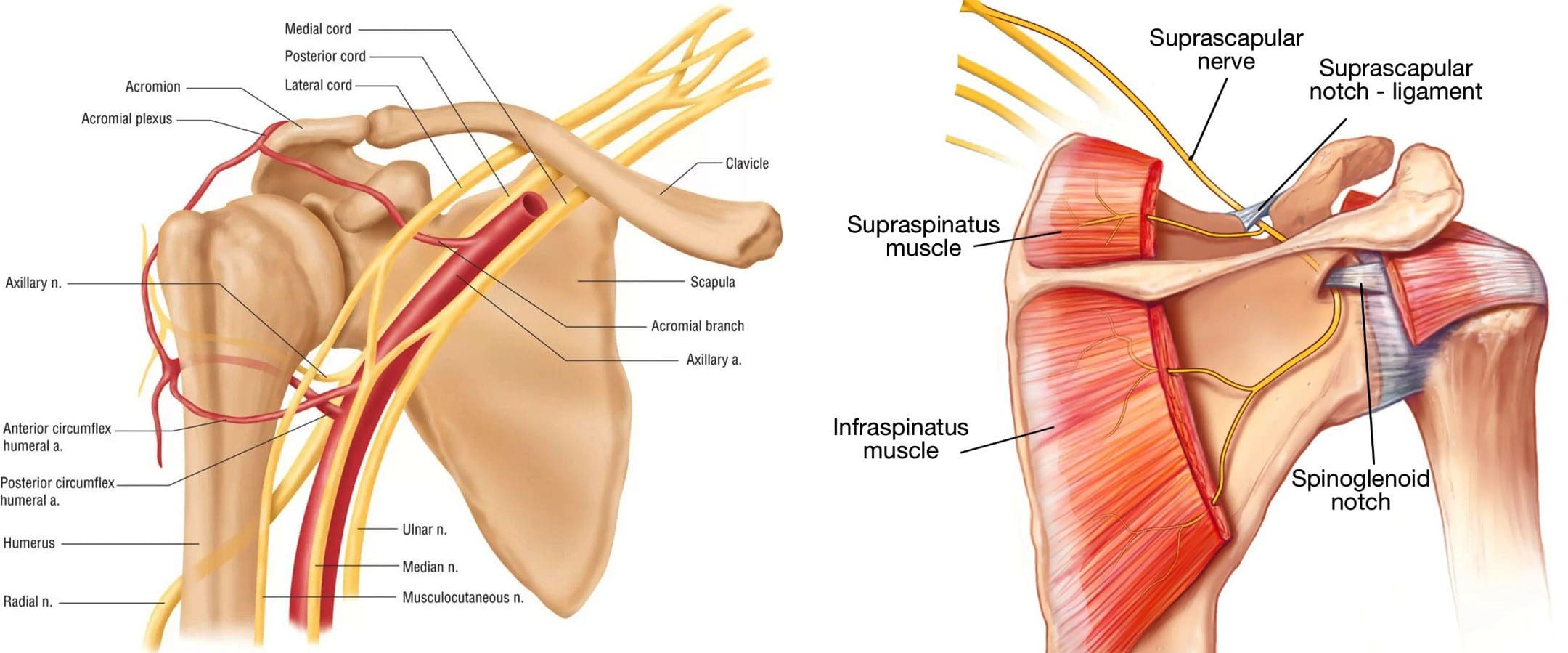
Rotator cuff muscles and tendons
Nerves that control the muscles’ function
The shoulder blade is attached to the upper back by ligaments, muscles, and tendons. The various muscles and tendons that control the movement of the shoulder blade impact movements. Abnormalities of any area can lead to shoulder dysfunction and pain when throwing. (Wardell M., Creighton D., & Kovalcik C., 2022) The most common is the tightness of the posterior shoulder capsule, causing a loss of normal internal rotation of the shoulder. If this is causing pain, individuals may notice that they can’t reach up as high on the side with the painful shoulder when reaching behind their back.
Symptoms
Whether an athlete or playing catch in the backyard, shoulder function abnormalities can cause significant pain. Some symptoms include.
Aching Pain
Often deep in the shoulder or extending down the upper arm.
Dead Arm
Lack of strength in the throwing motion.
Pain at Night
Pain can awaken you from sleep.
Diagnosis
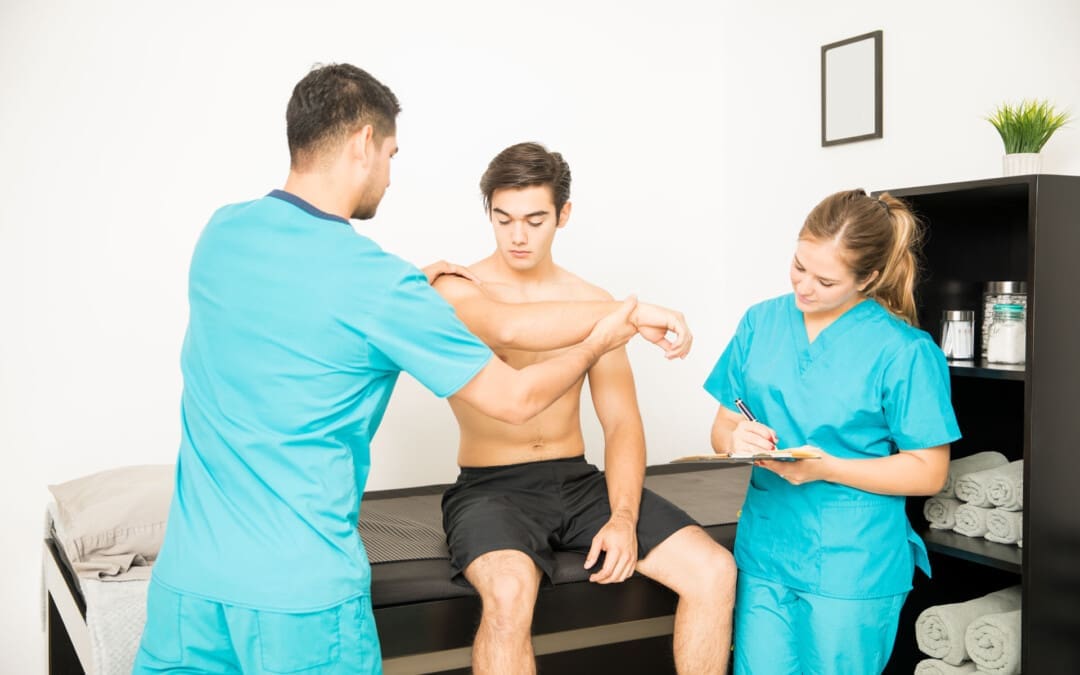
Finding a healthcare provider familiar with sports injuries can be helpful. They can best determine if a structural abnormality needs to be addressed. (American Academy of Orthopaedic Surgeons, 2021)
Treatment
Most can improve with nonsurgical treatments. The earliest phase of treatment is resting the joint and reducing inflammation. Treatments can include:
Ice
Anti-inflammatory medications
Cortisone injection
Once the inflammation has subsided, the source of the discomfort can be addressed.
Physical Therapy
Therapy can include:
A structured shoulder stretching and strengthening program will help.
The physical therapist will focus on scapular mobility when managing shoulder joint problems.
Stretching to improve internal rotation or any other lost motion can help allow a more normal throwing motion.
Strength exercises are often aimed at the rotator cuff, as these muscles initiate proper shoulder movements and stabilize the shoulder joint.
Maintaining flexibility and strength of the periscapular muscles (muscles that attach to the scapula bone) is important to ensure that the scapular movements are coordinated with the throwing motion.
If improvements are not made within three months of therapy, or individuals can’t return to competitive sports within six months. In that case, the individual may need to return to their healthcare provider or see an orthopedic specialist who may recommend surgery. (American Academy of Orthopaedic Surgeons, 2024)
Injury Medical Chiropractic and Functional Medicine Clinic
As a Family Practice Nurse Practitioner, Dr. Jimenez combines advanced medical expertise with chiropractic care to address various conditions.
Wellness & Nutrition: Personalized plans to optimize health and prevent disease.
Chronic Pain Management: Non-invasive solutions for fibromyalgia, sciatica, and low back pain.
Personal Injury & Auto Accident Care: Tailored rehabilitation for whiplash, soft tissue injuries, and more.
Sports Injuries & Orthopedic Care: Treatment for sprains, strains, and complex injuries.
Functional Medicine: Root-cause analysis for chronic disorders, incorporating nutrition, lifestyle, and environmental factors.
Neuromusculoskeletal Health: Care for neck pain, migraines, herniated discs, and scoliosis.
Our clinic integrates Functional Medicine, Acupuncture, Electro-Acupuncture, and Sports Medicine to create customized care plans that promote natural healing, mobility, and long-term wellness. By focusing on flexibility, agility, and strength, we empower patients to thrive, regardless of age or health challenges.
At El Paso’s Chiropractic Rehabilitation Clinic & Integrated Medicine Center, we passionately focus on treating patients after frustrating injuries and chronic pain syndromes. We focus on improving your ability through flexibility, mobility, and agility programs tailored for all age groups and disabilities. We use in-person and virtual health coaching and comprehensive care plans to ensure every patient’s personalized care and wellness outcomes.
Lumbar Spine Injuries in Sports: Chiropractic Healing
References
Wardell, M., Creighton, D., & Kovalcik, C. (2022). Glenohumeral Instability and Arm Pain in Overhead Throwing Athletes: A Correlational Study. International journal of sports physical therapy, 17(7), 1351–1357. https://doi.org/10.26603/001c.39800
Itoigawa, Y., Koga, A., Morikawa, D., Kubota, A., Uehara, H., Maruyama, Y., Takazawa, Y., & Ishijima, M. (2023). Posterior shoulder stiffness was associated with shoulder pain during throwing in college baseball players: assessment of shear wave elastography. European journal of orthopaedic surgery & traumatology: orthopedie traumatologie, 33(4), 1237–1244. https://doi.org/10.1007/s00590-022-03286-z
American Academy of Orthopaedic Surgeons. (2021). Shoulder Injuries in the Throwing Athlete. https://orthoinfo.aaos.org/en/diseases–conditions/shoulder-injuries-in-the-throwing-athlete/
American Academy of Orthopaedic Surgeons. (2024). Shoulder Impingement/Rotator Cuff Tendinitis. https://orthoinfo.aaos.org/en/diseases–conditions/shoulder-impingementrotator-cuff-tendinitis
Join the calisthenics movement and experience a versatile approach to fitness designed for all skill levels.
Introduction
Many people might suffer musculoskeletal ailments due to their stressful schedules and habits. Anyone at any age may be affected by it, from muscular imbalances to low back discomfort; therapy is required when people have overlapping risk profiles. Many patients begin seeking therapy for musculoskeletal diseases to lessen the pain they experience. Many would choose surgical treatment to alleviate the overlapping risk profiles depending on the degree. Others, conversely, could attempt non-surgical methods to alleviate musculoskeletal discomfort. Since musculoskeletal issues are one of the main causes of disability, non-surgical therapies may safely and affordably relieve the body’s misdirected pain. By aligning the spine and extending the afflicted muscles, non-surgical therapies such as chiropractic adjustments may help alleviate musculoskeletal problems. However, to assist patients in healing over the long term, chiropractors will create a personalized treatment plan that includes active movement exercises—where calisthenics comes in—to help rebuild muscle strength and mobility function.
What is Calisthenics?
Also known as bodyweight training, calisthenics utilizes the person’s body to build muscle strength and increase flexibility while enhancing neuromuscular control. When people start incorporating regular physical activity into their routine, they will notice their health and quality of life improved, their fitness levels will increase, and the risk of several chronic diseases associated with the musculoskeletal body will be reduced. (Bellissimo et al., 2022) The best way to think about calisthenics is to think like push-ups, planks, squats, and dynamics stretches when working out. Additionally, calisthenics can be scalable and adaptable to any person’s fitness level without heavy gym equipment or HIIT workouts. For individuals dealing with musculoskeletal conditions like low back pain or associated pain symptoms, calisthenics is a safer and more effective option. Calisthenics can even help with cognitive decline associated with musculoskeletal disorders by reducing comorbidities correlated with the muscles and cognitive function. (Osuka et al., 2020)
How It Supports Musculoskeletal Health?
Musculoskeletal pain is a multi-factorial condition that involves environmental factors that cause long-term pain and disability. (Caneiro et al., 2021) Everyday motions can cause strain and fatigue to the various muscle groups and, over time, can affect the joints in the extremities. For individuals dealing with musculoskeletal disorders, calisthenics can offer numerous benefits to reduce pain-like symptoms associated with the musculoskeletal system:
Improved Core Stability: Calisthenics can help strengthen the core muscles, providing the necessary stability to reduce low back pain. (Zemkova & Zapletalova, 2022)
Enhanced Mobility: Calisthenics can utilize gentle functional movements within the upper and lower extremities to help preserve the joint’s range of motion.
Injury Prevention: Individuals incorporating calisthenics for muscle pain will notice that their postural muscles are getting stronger, thus improving body biomechanics and reducing compensatory movements.
Neuromuscular Re-education: Calisthenic exercises help retrain muscles to fire appropriately, which is excellent for individuals with a sedentary lifestyle. Individuals with a sedentary lifestyle who start doing calisthenic exercises will notice a positive effect on energy expenditure, endothelial function, and muscle improvement. (Mear et al., 2022)
Can Core Exercises Help With Back Pain?-Video
Calisthenics Integrated With Chiropractic Care
When it comes to incorporating non-surgical treatment with calisthenics, chiropractic care can help many individuals deal with overlapping pain symptoms associated with musculoskeletal disorders. Chiropractic care incorporates mechanical and manual spinal manipulation to help realign the spine and remobilize the body while reducing muscle pain. (Coulter et al., 2018) When chiropractors address the structural misalignment of the person’s spine through adjustments, they can pinpoint the causes and start to assess the individual by coming up with a personalized treatment plan that includes calisthenics as part of their active rehabilitation to reengage their musculoskeletal system to maintain the improvements. In chiropractic and functional medicine settings, calisthenics is often prescribed as part of active rehabilitation. After addressing structural misalignments through manual adjustments, patients are encouraged to reengage their musculoskeletal system to maintain improvements.
Here’s how calisthenics fits in:
Post-Adjustment Stabilization: Exercises help “lock in” structural corrections by reinforcing proper posture and movement.
Corrective Exercise Protocols: Practitioners may prescribe targeted calisthenics to improve muscular imbalances contributing to pain.
Home Programs: These exercises are ideal for patients to perform safely at home with little to no equipment.
Calisthenic Exercises For Low Back Pain
For individuals dealing with acute or chronic low back pain, these beginner-friendly calisthenics exercises can help relieve muscle tension in the lower back while promoting postural stability. It is always important to consult a doctor before starting a new exercise routine.
Glute Bridge
Glute bridges can help decompress the lumbar spine while strengthening the glutes and hamstrings.
How to do it:
Laying down on your back with knees bent and feet flat on the floor.
By engaging the core muscles, lift the hips towards the ceiling.
Hold the position for 5 seconds, then lower slowly.
Repeat 10–15 times for three sets.
Bird-Dog
Bird-Dog can be an excellent exercise to help individuals improve their spinal stability by engaging their core and multifidus muscles to reduce back pain.
How to do it:
Be on a mat on your hands and knees to have a neutral spine alignment.
Simultaneously extend the right arm and left leg while keeping your spine neutral.
Hold the position for 5-10 seconds, then slowly switch sides.
Perform 10 reps per side for three sets.
Wall Sit
Wall sit exercises are excellent for individuals with low back pain. They help strengthen the surrounding muscles in the lumbar spine and activate the quadriceps to support neutral pelvic alignment.
How to do it:
Stand up straight with your back against a wall and slide to a seated position with the thighs parallel to the floor
Engage the core muscles and hold between 10-30 seconds. Tip: Gradually increase the time for an effective workout.
Repeat 3–5 times for three sets.
Pelvic Tilt
For individuals dealing with tension and low back pain in their lumbar spine, pelvic tilts can help provide relief while improving core muscle control.
How to do it:
Lay on your back with bent knees on a mat.
Gently lower your lower back into the mat while engaging the core muscles.
Hold the position for 10 seconds before relaxing.
Repeat the motion for 10–15 times for three sets.
Conclusion
Calisthenics is more than simply a bodyweight exercise; it’s a fantastic therapeutic technique that can be used in conjunction with chiropractic adjustments. By using exercises to reenergize the musculoskeletal system and lessen muscular soreness, calisthenics may motivate people to take charge of their health and wellbeing. Calisthenic exercises may hasten rehabilitation, avert more injuries, and enhance general functional ability since the body’s primary function is mobility. People who begin using calisthenics into their everyday practice will see that their movement improves and that their fitness objectives are met.
Injury Medical & Functional Medicine Clinic
We associate with certified medical providers who understand the importance of assessing individuals with musculoskeletal disorders affecting their daily routines. When asking important questions to our associated medical providers, we advise patients to incorporate exercises like calisthenics to help reengage the musculoskeletal system while reducing muscle pain within the lumbar region. Dr. Alex Jimenez, D.C., uses this information as an academic service. Disclaimer.
References
Bellissimo, G. F., Ducharme, J., Mang, Z., Millender, D., Smith, J., Stork, M. J., Little, J. P., Deyhle, M. R., Gibson, A. L., de Castro Magalhaes, F., & Amorim, F. (2022). The Acute Physiological and Perceptual Responses Between Bodyweight and Treadmill Running High-Intensity Interval Exercises. Front Physiol, 13, 824154. https://doi.org/10.3389/fphys.2022.824154
Caneiro, J. P., Bunzli, S., & O’Sullivan, P. (2021). Beliefs about the body and pain: the critical role in musculoskeletal pain management. Braz J Phys Ther, 25(1), 17-29. https://doi.org/10.1016/j.bjpt.2020.06.003
Coulter, I. D., Crawford, C., Hurwitz, E. L., Vernon, H., Khorsan, R., Suttorp Booth, M., & Herman, P. M. (2018). Manipulation and mobilization for treating chronic low back pain: a systematic review and meta-analysis. Spine J, 18(5), 866-879. https://doi.org/10.1016/j.spinee.2018.01.013
Mear, E., Gladwell, V. F., & Pethick, J. (2022). The Effect of Breaking Up Sedentary Time with Calisthenics on Neuromuscular Function: A Preliminary Study. Int J Environ Res Public Health, 19(21). https://doi.org/10.3390/ijerph192114597
Osuka, Y., Kojima, N., Sasai, H., Ohara, Y., Watanabe, Y., Hirano, H., & Kim, H. (2020). Exercise Types and the Risk of Developing Cognitive Decline in Older Women: A Prospective Study. J Alzheimers Dis, 77(4), 1733-1742. https://doi.org/10.3233/JAD-200867
Zemkova, E., & Zapletalova, L. (2022). The Role of Neuromuscular Control of Postural and Core Stability in Functional Movement and Athlete Performance. Front Physiol, 13, 796097. https://doi.org/10.3389/fphys.2022.796097
IFM's Find A Practitioner tool is the largest referral network in Functional Medicine, created to help patients locate Functional Medicine practitioners anywhere in the world. IFM Certified Practitioners are listed first in the search results, given their extensive education in Functional Medicine


 Common Causes Of Whiplash