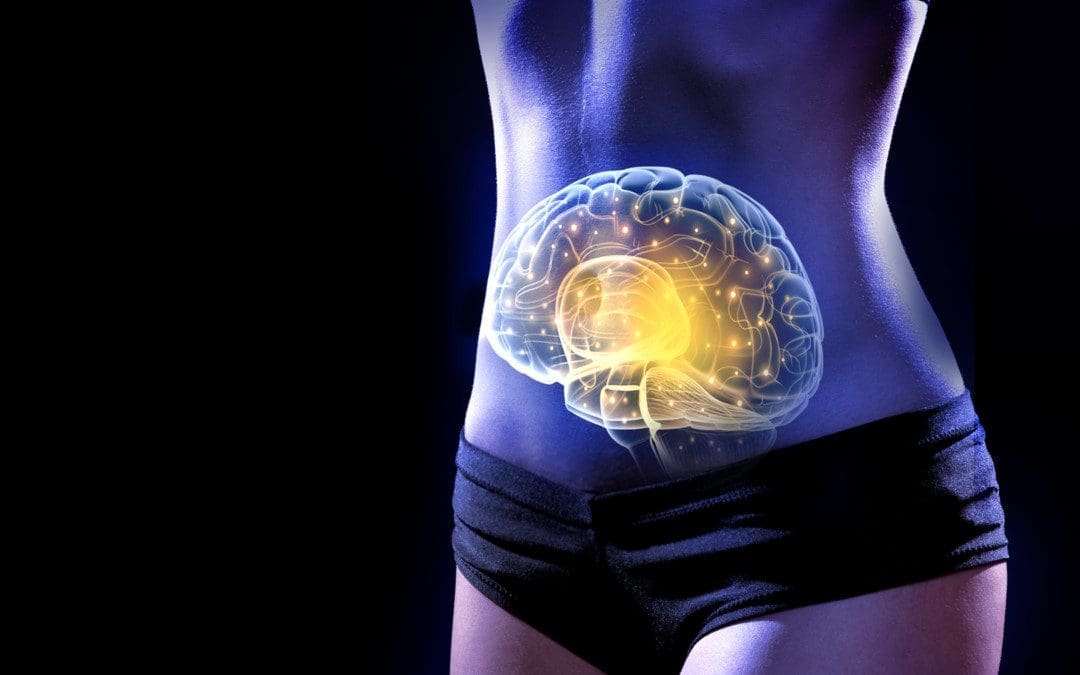
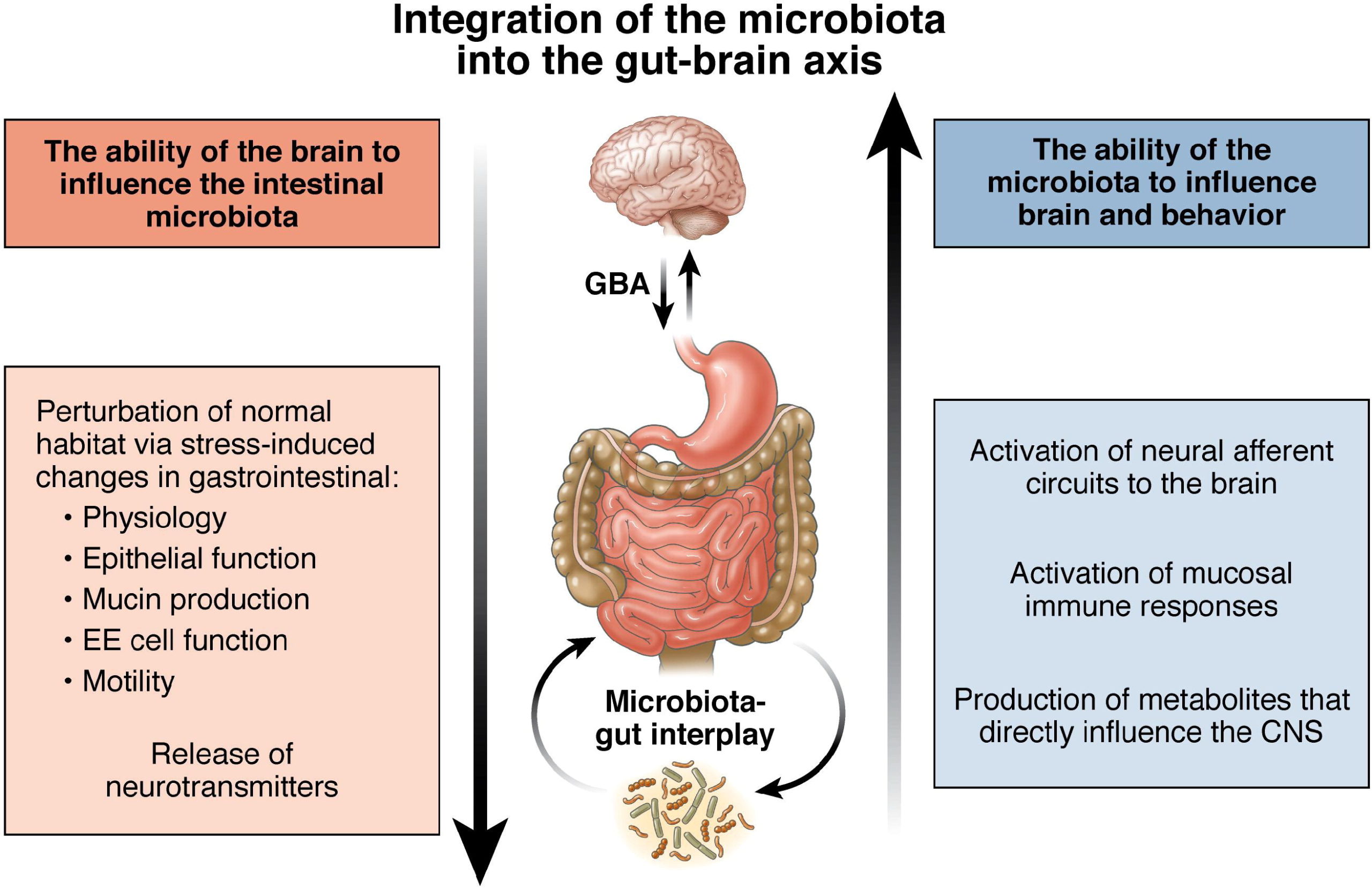
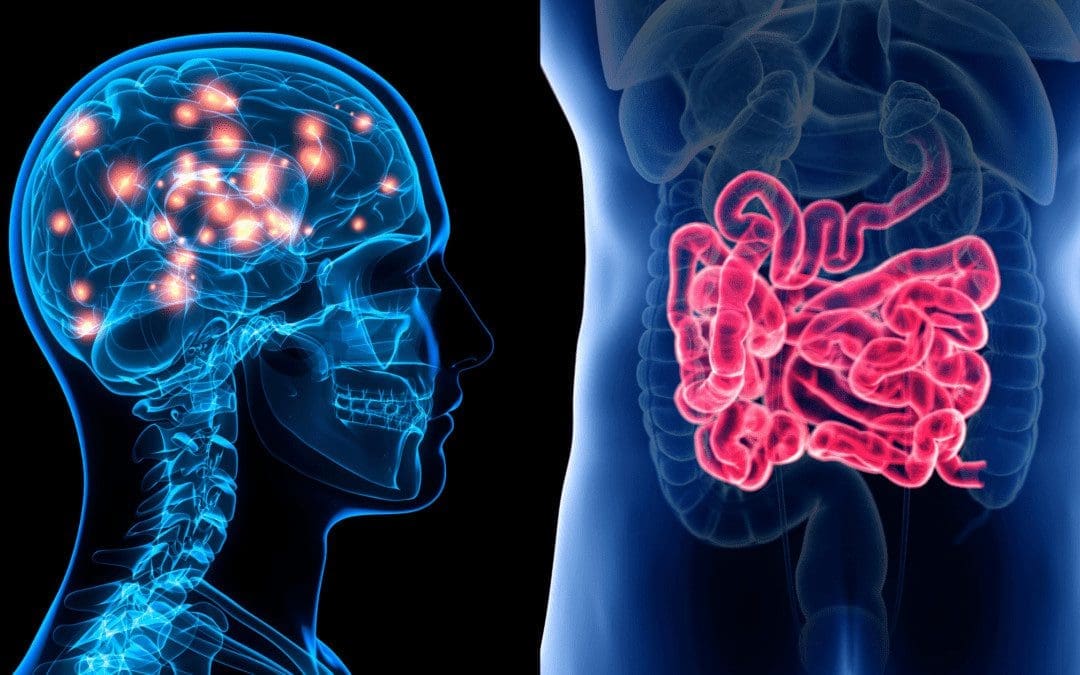
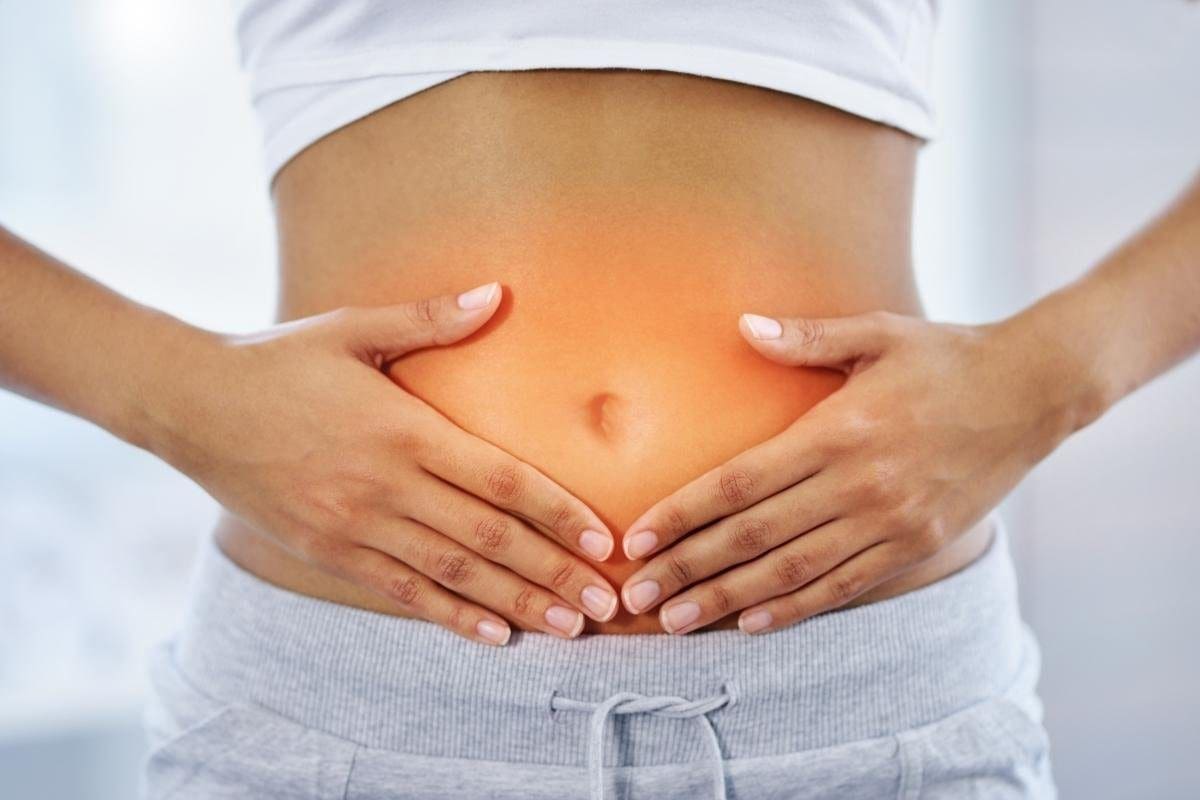
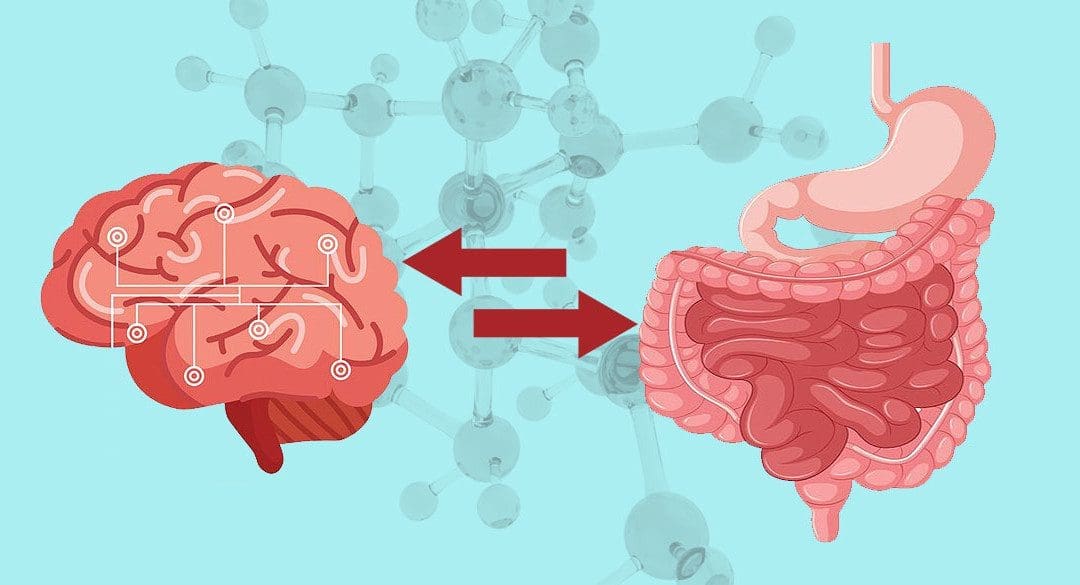
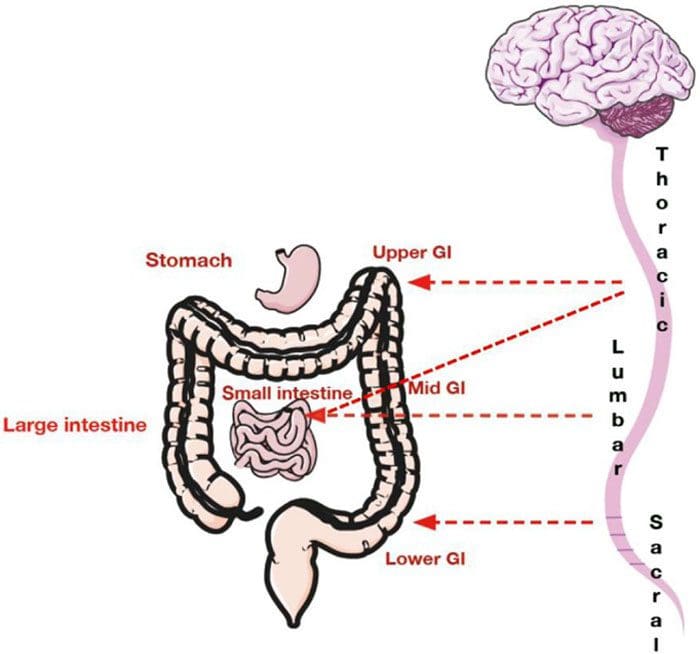
The gut-brain axis is fundamental to the body as it communicates bi-directional with the brain and the gut. Separately they provide different functions that are required of the body. The brain, part of the central nervous system, allows the neurons to travel to each overlapping nerve root while having a causal relationship with different muscles and organs connected to the spinal cord. While the gut, which is part of the gastrointestinal and digestive system, helps modulate the body’s homeostasis and regulates the immune system. The nerves, muscles, and organs correspond as the nerve pathways interconnect to the spinal cord. When injuries or traumatic events affect the body, it can lead the individual to suffer from pain affecting their body while increasing the risk associated within different locations. For example, chronic stress causing gut inflammation is associated with headaches or neck and back pain. Today’s article focuses on the gut-brain axis, what happens when chronic issues affect the gut-brain axis, and how somatovisceral pain affects the gut-brain axis. We refer patients to certified providers specializing in gastroenterology treatments that help those with issues that affect the gut-brain axis and overlapping problems impacting the body. We also guide our patients by referring to our associated medical providers based on their examination when it’s appropriate. We find that education is the solution to asking our providers insightful questions. Dr. Alex Jimenez DC provides this information as an educational service only. Disclaimer
How Does The Gut & Brain Work Together?
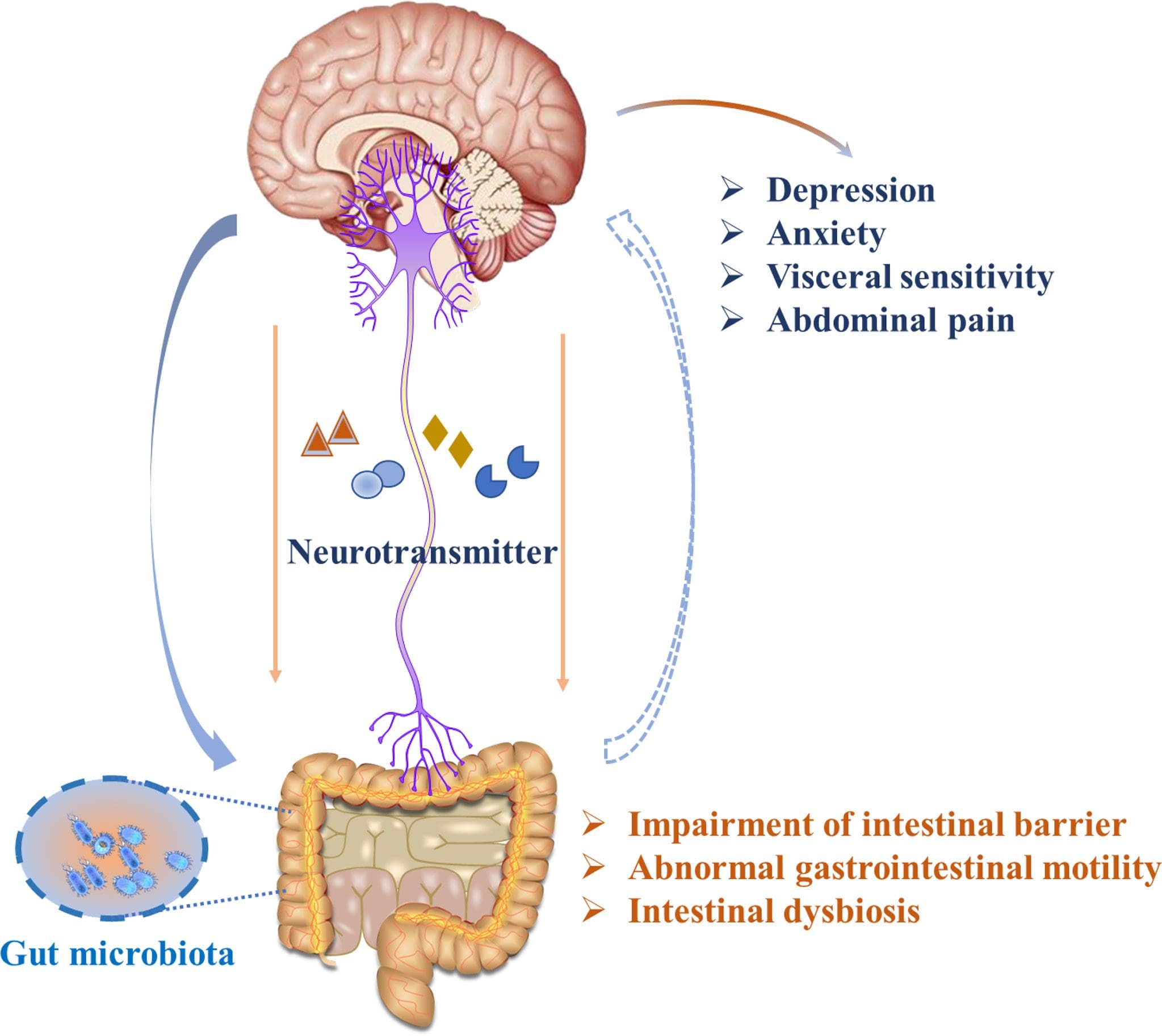
The way the gut and brain correlate together is quite remarkable. The gut allows food to be digested in the stomach to be bio-transformed into nutrients the body needs to function. While the brain sends neuron signals through the spinal cord, those signals help provide the sensory-motor functions to make the body move. Now, how do the brain and gut work together in the body? Well, studies reveal that the gut-brain axis correlates to the various systems like the autonomic nervous system, the HPA axis, and the nerves surrounding the gastrointestinal tract help the brain influence intestinal activity and regulate cognitive function. Each of these vital organs has a causal relationship where they:
Help with sleep regulation
Improve memory functionality
Helps coordinate physical and emotional well-being
Regulating inflammatory responses
When chronic issues affect the gut-brain axis, it can cause an overlap in risk profiles that rise in the body and not just in the brain or the gut. Studies reveal that issues that begin to affect the gut-brain axis can cause alteration within the bi-directional pathway and trigger other problems that correlate to the body.
Chronic Issues Affecting The Gut-Brain Axis
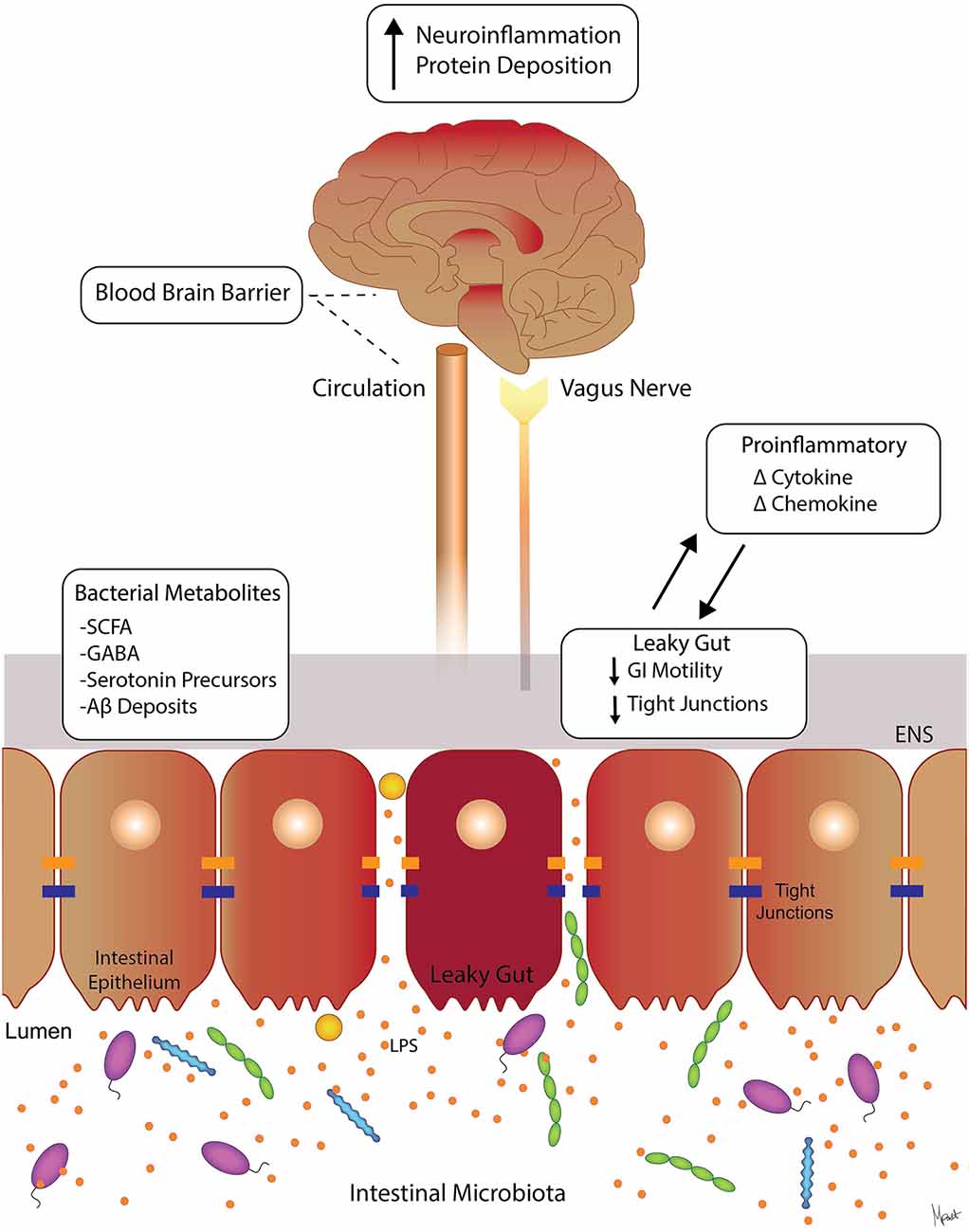
Have you been suffering from fatigue? How about reoccurring headaches that never seem to go away? Do digestive complaints like IBS, GERD, or gut inflammation affect more than your gut? These chronic issues can be various factors that impact the bi-directional connection of the gut-brain axis. Stress, gut inflammation, traumatic events, food allergens, autoimmunity, and metainflammation are some overlapping risk profiles associated with neck and back pain. Studies reveal that chronic stress in the brain can affect the gut’s composition and functionality by alternating intestinal permeability. When the gut microbiome is being affected, the harmful bacteria begin to overproduce and trigger the sympathetic branch of the nervous system to cause an imbalance of hormones to be released and be associated with stress-related muscle dysfunction in the body. So what does this implicates to the body? Let’s say, for example, that you have been experiencing pain in the cervical region of the spine, but your brain is telling the body that it is a headache. This is known as somato-visceral pain.
An Overview Of Somatosensory Tract-Video
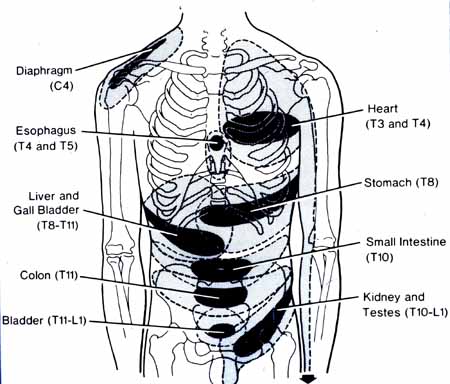
Have you been suffering from cognitive and memory dysfunction? How about experiencing gastrointestinal issues that are affecting your gut? Or have you experienced any cramping, gnawing, or sharp pain that seems to be triggered by movement and appears in one area of the body? This is known as somato-visceral pain and is defined as soft tissues and muscles experiencing pain that can affect the internal organs. Somato-visceral pain is much easier to identify than viscero-somatic pain because visceral pain is caused by damaged internal organs associated with distress in different body locations. At the same time, somato-visceral pain is often associated with musculoskeletal pain. The video above explains the somatosensory tract that is in the body and how the body responds to the somatosensory system. The somatosensory system is located within the peripheral and central nervous systems. It is responsible for modulating the body’s sense of touch, vibration, temperature, and pain receptors that are located in the body. When traumatic events affect the somatic nerves, they can trigger changes in the gut-brain axis and cause alterations to the affected organs.
Somatovisceral Pain Affecting The Gut-Brain Axis
When dealing with chronic stress, the effects cause a dysfunctional gut-brain axis and cause issues affecting the two organs. Studies reveal that when chronic stress becomes an associated mediator for gut disturbances and dysregulation of the gut-brain axis, it can cause an overlap in risk profiles in the body. So what does this mean, and how is the body affected by somato-visceral pain? First, let’s look at what happens when the body is affected by chronic stress. When stress affects the gut and the brain, it can cause issues like IBS (irritable bowel syndrome) or headaches. Studies reveal that IBS is one of the most common gastrointestinal disorders that trigger visceral and somatic hypersensitivity on the sensory nerves. So the body experiencing sharp pain in the back or neck may be associated with IBS.
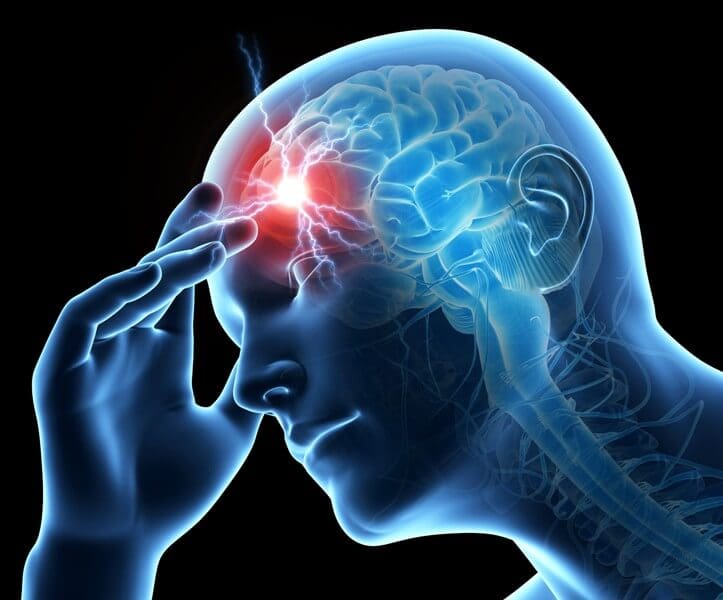
Now looking at headaches and their causes on the body, it is one example of somato-visceral pain. When a person is dealing with neck trauma due to an auto accident that causes whiplash can trigger cervicogenic headache. How do the two correlate with somato-visceral pain? Well, somato-visceral pain is when soft muscles and tissues are affected and can cause an impact on the internal organs. For cervicogenic headaches may trigger mechanical pain along the cervical spine to be aggravated by movement and be associated with musculoskeletal issues like rheumatoid arthritis, ankylosing spondylitis, or muscle strain on the upper cervical spine. Many individuals go to available treatments that can help them better understand the issue that is causing them to be in pain and how to alleviate them.
Conclusion
The gut-brain axis is fundamental in the body as it communicates bi-directional with the brain and the gut. These two organs help keep the body functioning as the brain provides neuron signals while the gut regulates homeostasis. The gut-brain axis helps the body by correlating with the various systems that help influence intestinal activity and control cognitive function. When traumatic factors affect the body’s soft tissues and muscles and trigger organ issues, this is known as somato-visceral pain. Somato-visceral pain is when the muscles are affecting the organs, and an example is cervical muscle strain associated with headaches. Providing much-needed information on available treatments can help many individuals when being examined by their physicians.
References
Appleton, Jeremy. “The Gut-Brain Axis: Influence of Microbiota on Mood and Mental Health.” Integrative Medicine (Encinitas, Calif.), InnoVision Health Media Inc., Aug. 2018, https://www.ncbi.nlm.nih.gov/pmc/articles/PMC6469458/.
Carabotti, Marilia, et al. “The Gut-Brain Axis: Interactions between Enteric Microbiota, Central and Enteric Nervous Systems.” Annals of Gastroenterology, Hellenic Society of Gastroenterology, 2015, https://www.ncbi.nlm.nih.gov/pmc/articles/PMC4367209/.
Martin, Clair R, et al. “The Brain-Gut-Microbiome Axis.” Cellular and Molecular Gastroenterology and Hepatology, Elsevier, 12 Apr. 2018, https://www.ncbi.nlm.nih.gov/pmc/articles/PMC6047317/.
Suslov, Andrey V, et al. “The Neuroimmune Role of Intestinal Microbiota in the Pathogenesis of Cardiovascular Disease.” Journal of Clinical Medicine, MDPI, 6 May 2021, https://www.ncbi.nlm.nih.gov/pmc/articles/PMC8124579/.
Yuan, Yao-Zong, et al. “Functional Brain Imaging in Irritable Bowel Syndrome with Rectal Balloon-Distention by Using Fmri.” World Journal of Gastroenterology, Baishideng Publishing Group Inc, June 2003, https://www.ncbi.nlm.nih.gov/pmc/articles/PMC4611816/.
One of the unique features of the body is when the gut and nervous systems have this communication partnership where information is transported back and forth throughout the entire body. The data transmitted to the brain and the gut travels through the nerve roots spread throughout the muscles, tissues, and ligaments that control the motor-sensory functions of the body. When the nerve roots become damaged or when there are gut issues affecting the organs in the gut system or even neurological disorders can cause the body to become dysfunctional and result in other matters affecting the muscles in the legs, arms, back, and neck. Today’s article looks at the functionality of the gut-brain axis, how this connection helps the body, and how disorders like inflammation and gut dysbiosis cause problems to the body and the gut-brain axis. Refer patients to certified, skilled providers specializing in gut treatments for individuals that suffer from gut dysbiosis and chronic inflammation. We guide our patients by referring to our associated medical providers based on their examination when it’s appropriate. We find that education is critical for asking insightful questions to our providers. Dr. Alex Jimenez DC provides this information as an educational service only. Disclaimer
Can my insurance cover it? Yes, it may. If you are uncertain, here is the link to all the insurance providers we cover. If you have any questions or concerns, please call Dr. Jimenez at 915-850-0900.
The Functionality Of The Gut-Brain Axis
Have you been experiencing inflammation in your gut? How about feeling tired constantly throughout the entire day? Do any of your joints or muscles ache or feel stiff? Many of these are signs that the gut-brain axis is affected by common factors that the body has encountered. There is evidence that the bi-directional signaling between the gastrointestinal tract and the brain is connected with the vagus nerve. Research studies have mentioned that the vagus nerve is the modulator of the gut-brain axis and is considered the primary component in the parasympathetic nervous system that is vital for maintaining homeostasis in the body. The vagus nerve helps the body by overseeing every bodily function like heart rate, digestion responses, immune responses, and sending the brain information about the state of the inner organs. The vagus nerve is also involved in the etiology of several metabolic and mental dysfunctions/disorders that the body encounters that affect the muscles and internal organs. Additional research studies have shown that the vagus nerve has anti-inflammatory properties that are activated from the HPA axis and release the hormone cortisol in the body. The macrophages in the spleen make tumor necrosis factor (TNF) a potent inflammation-producing molecule when the vagus nerve is stimulating the TNF production in the spleen, causing it to decrease. At the same time, the survival portion increases in the body.
How Does The Gut-Brain Axis Help The Body?
With the bi-directional that the gut and brain have on the body, it is evident that environmental factors like oxidative stress, inflammation, and mood disorders cause changes in the glutamatergic pathways and neurotrophins in the body. Research studies have mentioned that the gut-brain axis helps influence the autonomic nervous system by activating the immune system. When the immune system is activated, the body can generally function like muscle endurance, provide microbiota-derived SCFAs to the blood-brain barrier, and regulate the body’s homeostasis. When the gut-brain axis starts to become dysfunctional, the immune system will begin to increase its production of cortisol which can cause muscle stiffness and spasms to affect the body. When there is inflammation in the gut system, it can cause the muscles in the body to become weak, and it can affect the spine causing low back pain issues to develop over time. Whenever the gut-brain axis is affected by environmental factors, the body will begin to start causing trouble with these symptoms and making the individual miserable.
The Microbiome Being Affected By Inflammation-Video
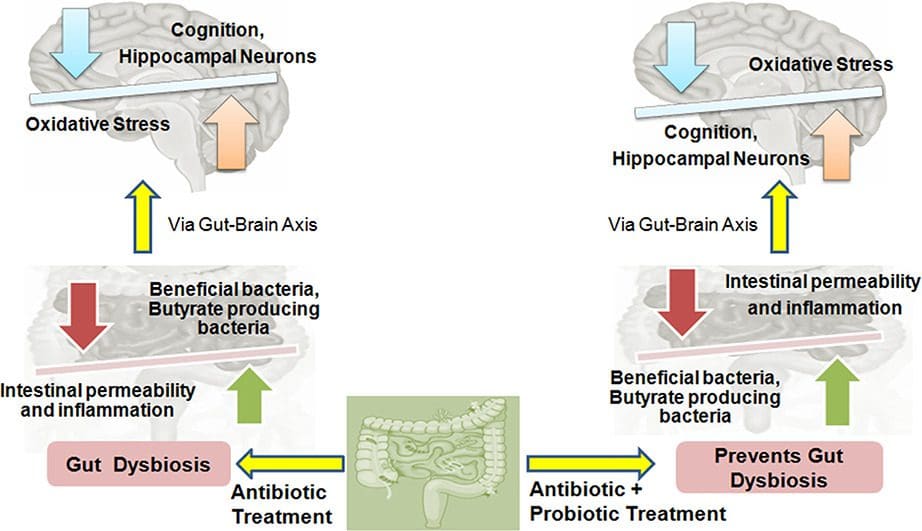
Are you experiencing muscle stiffness or weakness in your lower back, neck, or other body parts? Have you experienced mood swings or felt anxious constantly? Many of these symptoms you are experiencing are dysfunctional gut-brain axis affecting your body. The video above explained what happens when the gut microbiome is affected by inflammatory factors causing gut dysbiosis and neurological disorders. Research studies have mentioned that the composition between the gut and the brain as they communicate helps shape the body. When a person starts changing their dietary habits and lifestyle, their gut composition will not only be affected, but their nervous system begins to change too. Unwanted factors can cause many disturbances in the body and, if not treated right away, can develop into chronic issues that affect the joints, muscles, and tissues.
Inflammation And Gut-Brain Dysbiosis
When the gut-brain system is affected by unwanted factors, various symptoms will begin to rise in the body and start wreaking havoc on specific organs, tissues, muscles, and joints that need the gut-brain axis to keep the body functioning. Not only can inflammation cause these unwanted factors, but gut dysbiosis can also affect the T-cells in the immune system. Research studies have mentioned that when inflammatory markers start to translocate harmful bacteria across the gut-epithelial barrier to the blood-brain barrier, it can contribute to multiple sclerosis on the spine. Additional research studies have found that a stroke-induced gut dysfunction in the body allows the commensal bacteria to infect the peripheral tissue, causing infections like pneumonia and urinary tract infections. When individuals start to figure out what is causing their gut-brain axis to become dysfunctional, they can begin to heal their bodies.
Conclusion
The gut and nervous systems have a special bi-directional connection known as the gut-brain axis. The gut-brain axis helps the body function by metabolizing the immune system and regulating homeostasis with the vagus nerve. The vagus nerve is part of the parasympathetic nervous system that allows every bodily function like heart rate, digestion, and immune response while sending information about the state of the inner organs to the brain. The vagus nerve also makes sure that the inner organs are functioning correctly. When unwanted environmental factors like inflammation or gut dysbiosis start to affect the gut-brain axis, it can wreak havoc on the internal organs and cause the body to become dysfunctional. When people notice that their body becomes dysfunctional, they will find treatments available to relieve these issues in their bodies and continue on their health and wellness journey.
References
Appleton, Jeremy. “The Gut-Brain Axis: Influence of Microbiota on Mood and Mental Health.” Integrative Medicine (Encinitas, Calif.), InnoVision Health Media Inc., Aug. 2018, https://www.ncbi.nlm.nih.gov/pmc/articles/PMC6469458/.
Bonaz, Bruno, et al. “Vagus Nerve Stimulation at the Interface of Brain-Gut Interactions.” Cold Spring Harbor Perspectives in Medicine, Cold Spring Harbor Laboratory Press, 1 Aug. 2019, https://www.ncbi.nlm.nih.gov/pmc/articles/PMC6671930/.
Breit, Sigrid, et al. “Vagus Nerve as Modulator of the Brain-Gut Axis in Psychiatric and Inflammatory Disorders.” Frontiers in Psychiatry, Frontiers Media S.A., 13 Mar. 2018, https://www.ncbi.nlm.nih.gov/pmc/articles/PMC5859128/.
Gwak, Min-Gyu, and Sun-Young Chang. “Gut-Brain Connection: Microbiome, Gut Barrier, and Environmental Sensors.” Immune Network, The Korean Association of Immunologists, 16 June 2021, https://www.ncbi.nlm.nih.gov/pmc/articles/PMC8263213/.
Günther, Claudia, et al. “The Gut-Brain Axis in Inflammatory Bowel Disease-Current and Future Perspectives.” International Journal of Molecular Sciences, MDPI, 18 Aug. 2021, https://www.ncbi.nlm.nih.gov/pmc/articles/PMC8396333/.
Stopińska, Katarzyna, et al. “The Microbiota-Gut-Brain Axis as a Key to Neuropsychiatric Disorders: A Mini Review.” Journal of Clinical Medicine, MDPI, 10 Oct. 2021, https://www.ncbi.nlm.nih.gov/pmc/articles/PMC8539144/.
The gut microbiome is “the second brain” in the body as it helps regulate homeostasis and metabolize the immune system for functionality and to keep the body in motion. The brain is part of the nervous system, providing neuron signals constantly traveling all over the body. The brain and the gut have a communication partnership where they send information back and forth for the body to function normally. When the body gets injured, either the brain, the gut, or both can be affected, causing dysfunction and unwanted symptoms that can cause other issues to affect the other systems in the body. One of these injuries can affect the brain in a traumatic way, which can disturb the signaling to the gut microbiota and affect an individual’s quality of life. Today’s article looks at a traumatic brain injury known as a concussion, its symptoms, and how it affects the gut-brain axis in the body. Refer patients to certified, skilled providers specializing in gut treatments for individuals that suffered from concussions. We guide our patients by referring to our associated medical providers based on their examination when it’s appropriate. We find that education is critical for asking insightful questions to our providers. Dr. Alex Jimenez DC provides this information as an educational service only. Disclaimer
Can my insurance cover it? Yes, it may. If you are uncertain, here is the link to all the insurance providers we cover. If you have any questions or concerns, please call Dr. Jimenez at 915-850-0900.
What Is A Concussion?
Have you been headaches that pop out of nowhere and affect you daily? Have you been experiencing leaky gut or other gut disorder issues causing problems? Do you have trouble concentrating on the simple tasks at hand? Many of these symptoms are signs that you might be suffering from a concussion. Research studies have defined a concussion as a transient disturbance that traumatically induces brain function in the body. Concussions can vary depending on the severity of the injury. When a person suffers from a concussion, the neurotransmitters get disrupted as the brain’s electrolytes go through neurological dysfunction, and blood glucose metabolism decreases cerebral blood flow. Other research studies have found that a concussion does an axial rotation to the brain, which results in the brain jiggling and causes whiplash to the neck. This disruption will cause a biochemical injury that either alters the blood glucose metabolism or can cause derangement of the adenine nucleotides of the nervous system.
Its Symptoms
Research studies have found that when a person suffers from a concussion, the symptoms in its acute phase can drastically change and evolve into a chronic situation over time. Concussions usually occur in individuals that play a contact sport, where they bump each other in the heads, auto accidents that causes severe injuries that affect the neck and brain, or even a simple blow to the head. Other research studies have stated that the symptoms of a concussion can include:
Blurry vision
Headaches
Dizzyness
Mood changes
Light sensitivity
Concentration and memory complications
Additional research studies have mentioned that neuronal dysfunction can occur when a person suffers from a concussion as there are ionic shifts, impaired connectivity to the brain, and changes in the neurotransmitters from completing their jobs to provide sensory-motor functions to the entire body. When this happens, not only does the nervous system gets affected, but the gut system gets affected as well.
An Overview Of Leaky Gut & Concussions-Video
Do gut disorder symptoms seem to be affecting your quality of life? Have you become sensitive to light? Have you felt muscle stiffness in your neck? Or have you been suffering from frequent headaches? If you are experiencing any of these symptoms, it might be due to a concussion affecting your gut microbiota. The video above explains how a concussion and a leaky gut are linked. In an average functioning body, the gut and the brain have a bi-directional connection as they help send the neuron signals to each of the body systems and muscle tissues that make the body move. When traumatic forces like a concussion affect the brain, it can disrupt and change the neurotransmitters signals that can cause gut disorders in the microbiota. When gut disorders affect the gut microbiota, it can cascade a series of inflammatory effects that can affect the body’s homeostasis and immune function. Experiencing these symptoms in the body can drastically affect a person’s mood and quality of life if it is not taken care of immediately.
How The Gut-Brain Axis Is Affected By A Concussion?
Since the gut-brain axis has a communication partnership, this axis helps the body’s immunity, homeostasis, and metabolism function. When a concussion starts to affect the gut-brain axis, research studies have shown that the communication pathways are affected in the gut-brain axis as tit incorporates the afferent and efferent signals. The signals involved in the gut-brain axis include the hormones, neurons, and immune pathways that can result in chronic gastrointestinal dysfunction and disability to the body. Since the gut helps keep the body functional through homeostasis, the brain helps the neuron signals provide sensory functions. With a concussion, these signals are disrupted, affecting the body’s functionality and causing a change in a person’s mood.
Conclusion
Overall the gut-brain axis provides functionality to the body by maintaining the homeostasis and metabolism of the immune system. A person’s involvement in a traumatic accident can lead to brain injuries like a concussion that can impair the gut and brain relationship. A concussion can become severe when it is not treated right away and can affect a person’s quality of life in their health and wellness journey.
Giza, Christopher C., and David A. Hovda. “The Neurometabolic Cascade of Concussion.” Journal of Athletic Training, National Athletic Trainers’ Association, Inc., Sept. 2001, https://www.ncbi.nlm.nih.gov/pmc/articles/PMC155411/.
Mann, Aneetinder, et al. “Concussion Diagnosis and Management: Knowledge and Attitudes of Family Medicine Residents.” Canadian Family Physician Medecin De Famille Canadien, College of Family Physicians of Canada, June 2017, https://www.ncbi.nlm.nih.gov/pmc/articles/PMC5471087/.
Staff, Mayo Clinic. “Concussion.” Mayo Clinic, Mayo Foundation for Medical Education and Research, 17 Feb. 2022, https://www.mayoclinic.org/diseases-conditions/concussion/symptoms-causes/syc-20355594.
Tator, Charles H. “Concussions and Their Consequences: Current Diagnosis, Management and Prevention.” CMAJ : Canadian Medical Association Journal = Journal De L’Association Medicale Canadienne, Canadian Medical Association, 6 Aug. 2013, https://www.ncbi.nlm.nih.gov/pmc/articles/PMC3735746/.
Zhu, Caroline S, et al. “A Review of Traumatic Brain Injury and the Gut Microbiome: Insights into Novel Mechanisms of Secondary Brain Injury and Promising Targets for Neuroprotection.” Brain Sciences, MDPI, 19 June 2018, https://www.ncbi.nlm.nih.gov/pmc/articles/PMC6025245/.
The gut system is home to trillions of beneficial bacteria that helps biotransformed food into nutrients for the body to function correctly. The gut is also in constant communication with the brain as the neuron signals are in a bi-directional wavelength that helps move the nutrients to their designated areas in the body. These designated areas help the body as well, as they have their own set of instructions to work correctly while the body is in motion. When gut disorders like metainflammation start to disrupt the signals going back and forth between the brain and gut, it can cause various issues that can cause the body to become dysfunctional and progress into chronic inflammation. Today’s article discusses what metainflammation does to the gut-brain axis and how inflammasomes play their role in the gut-liver axis in the body. Referring patients to qualified, skilled providers who specialize in gastroenterology treatments. We provide guidance to our patients by referring to our associated medical providers based on their examination when it’s appropriate. We find that education is critical for asking insightful questions to our providers. Dr. Alex Jimenez DC provides this information as an educational service only. Disclaimer
Can my insurance cover it? Yes, it may. If you are uncertain, here is the link to all the insurance providers we cover. If you have any questions or concerns, please call Dr. Jimenez at 915-850-0900.
Metainflammation Affecting The Gut-Brain Axis
Have you been noticing an increase in food allergies or intolerances affecting you? How about feeling digestive problems rise on multiple occasions? Many of these symptoms are due to gut disorders like metainflammation, which can also affect the gut-brain axis in the body. Research studies have mentioned that the nervous system directly influences the gut through endocrine mediators interacting with microbial receptors. When metainflammation begins to affect the gut, it becomes the result of various gut dysbiosis like:
Increased sleep and mood disturbances
Fatigue
Decreased performance and exercise ability
Nutrient deficiencies – vitamin D, B vitamins
Thyroid imbalance
Other research studies have shown that since inflammation is a common factor for various disorders affecting the body, it can do much damage when the inflammatory cytokines affect the gut-brain axis and the immune system. Meta inflammation causes a decrease in intestinal absorption and contractility, but it can also increase the defective tight junctions and intestinal permeability. This causes gut issues like Crohn’s and celiac disease to rise, causing increased insulin and immune dysregulation and brain issues like sleep, cognition, mood disturbances, anxiety, and psychiatric disorders.
An Overview On The Gut-Brain-Axis-Video
Have you been experiencing weight gain around your mid section? How about an increase in memory and cognitive decline? Have you felt a rise in chronic inflammation or immune problems? All these symptoms are signs that you could be experiencing metainflammation that affects the gut-brain axis in your body. The video above explains the gut-brain axis and how neurodevelopment disorders can affect the brain. Research studies have found that a mixture of dysbiosis and inflammation affects the gut, and it can cause the brain to be linked to many neurological disorders. With the bi-directional connection that the brain and gut have, many factors are constantly challenging both microbiomes that can progress inflammatory markers to rise in the body.
What Are Inflammasomes?
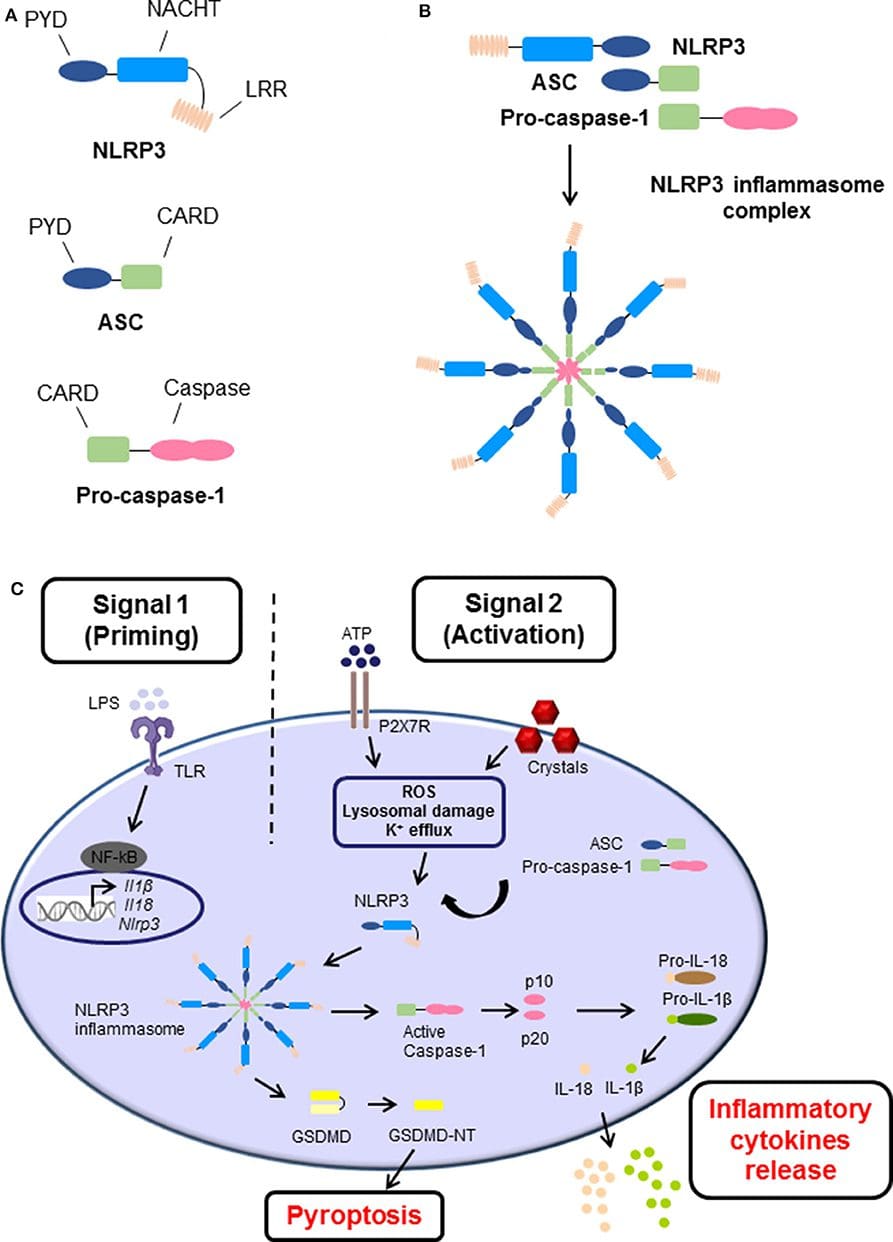
Inflammasomes are a family of proteins in charge of initiating the inflammatory process during the innate immune response. Inflammasomes are defensive microbes that cause inflammatory effects against infections and can even affect the gut-liver axis in the body if it turns chronic. What inflammasomes does is that they help pattern recognition receptors to know when the body is feeling stressed or in danger, as they are significant actors in the metaflammation construct. Research studies have shown that inflammasomes in the body can help secrete toxins into the invading microbes causing gut disorders.
How Does Inflammasome Affect The Gut-Liver Axis?
The gut-liver axis is connected with the intestines via bile acid metabolism. Bile acid dysregulation can lead to intestinal dysbiosis, which allows the gram-negative erogenous pathogenic bacteria and LPS to enter the liver. When this happens, it triggers hepatic inflammation via inflammasomes. Research studies have shown that chronic inflammation affecting the gut-liver axis can cause the inflammasomes to affect the epithelial wall integrity and even induce pro-inflammatory cytokine production, causing more issues in the body. In contrast, the NLRP3 inflammasome primarily induces IL‐1beta by causing bile acids to activate the NLRP3 inflammasome in macrophages. This induces bacterial translocation to allow pathogens, i.e., Bacteroidetes (Gram‐negative bacteria) and LPS, into the liver.
Conclusion
Overall, the gut-brain axis allows bi-directional communication to the entire body as the gut help regulates the metabolic function of the body. At the same time, the brain controls the signals and processes that the body encounters. When chronic issues like metainflammation or chronic inflammasomes begin to affect the gut, it can disrupt the bidirectional communication to the brain, causing the body to become dysfunctional. Incorporating small changes to confident life choices like adding supplements and nutraceuticals to dampen inflammation, eating healthier, and exercising can help relieve the gut. When many individuals make these small changes in their health and wellness journey, they can feel themselves have more energy, feel less inflammation affecting their gut, and move around more.
References
Clapp, Megan, et al. “Gut Microbiota’s Effect on Mental Health: The Gut-Brain Axis.” Clinics and Practice, PAGEPress Scientific Publications, Pavia, Italy, 15 Sept. 2017, https://www.ncbi.nlm.nih.gov/pmc/articles/PMC5641835/.
de Zoete, Marcel R, et al. “Inflammasomes.” Cold Spring Harbor Perspectives in Biology, Cold Spring Harbor Laboratory Press, 16 Oct. 2014, https://www.ncbi.nlm.nih.gov/pmc/articles/PMC4292152/.
Herradon, Gonzalo, et al. “Connecting Metainflammation and Neuroinflammation through the PTN-Mk-Rptpβ/ζ Axis: Relevance in Therapeutic Development.” Frontiers in Pharmacology, Frontiers Media S.A., 12 Apr. 2019, https://www.ncbi.nlm.nih.gov/pmc/articles/PMC6474308/.
Osadchiy, Vadim, et al. “The Gut-Brain Axis and the Microbiome: Mechanisms and Clinical Implications.” Clinical Gastroenterology and Hepatology : the Official Clinical Practice Journal of the American Gastroenterological Association, U.S. National Library of Medicine, Jan. 2019, https://www.ncbi.nlm.nih.gov/pmc/articles/PMC6999848/.
Wang, Junfeng, et al. “Roles of the Inflammasome in the Gut‑Liver Axis (Review).” Molecular Medicine Reports, D.A. Spandidos, Jan. 2019, https://www.ncbi.nlm.nih.gov/pmc/articles/PMC6297761/.
Anybody can become dehydrated if they don’t take care of themselves and drink plenty of water. Being dehydrated happens when there is insufficient water in the body or increased water loss through sweating, vomiting, and/or diarrhea, along with certain medications, can increase urination and dehydration. Older adults have an increased risk of dehydrating because their body’s fluid reserves decrease, and their body’s ability to signal that they are thirsty does not work as effectively, especially those with memory problems.
Dehydrated Symptoms
Signs of dehydration include:
Muscle cramps.
Dry mouth
Dry cough.
Tiredness/fatigue.
Flushed red skin.
Swollen feet.
High heart rate but low blood pressure.
Dizziness, weakness, light-headedness.
Headache, delirium, confusion.
Loss of appetite with a sugar craving.
Heat intolerance or chills.
Constipation.
Dark-colored urine. Urine should be a pale clear color.
Dehydration Levels
Dehydration is categorized as:
Mild
The body needs more fluids to be taken in.
Drink water
Drinks containing electrolytes are recommended if experiencing significant sweating or fluid losses from vomiting and diarrhea.
The body should feel better after five or ten minutes.
Bhave, Gautam, and Eric G Neilson. “Volume depletion versus dehydration: how understanding the difference can guide therapy.” American journal of kidney diseases: the official journal of the National Kidney Foundation vol. 58,2 (2011): 302-9. doi:10.1053/j.ajkd.2011.02.395
Centers for Disease Control and Prevention. Drinking-Water. (https://www.cdc.gov/healthywater/drinking/nutrition/index.html)
HealthFirst. What Happens to Your Body When You’re Dehydrated? (https://healthyliving.healthfirst.org/happens-body-youre-dehydrated/)
Kenefick, Robert W, and Michael N Sawka. “Hydration at the worksite.” Journal of the American College of Nutrition vol. 26,5 Suppl (2007): 597S-603S. doi:10.1080/07315724.2007.10719665
Thomas, David R et al. “Understanding clinical dehydration and its treatment.” Journal of the American Medical Directors Association vol. 9,5 (2008): 292-301. doi:10.1016/j.jamda.2008.03.006
Tremors are extremely rare, but they can result from spinal compression and not necessarily a brain condition like Parkinson’s disease. Tremors are abnormal, involuntary body movements with various causes, most of which are connected to the brain and not the spine. A study reports that more than 75% of individuals with Parkinson’s experienced a resting tremor, and about 60% experience tremors while moving. Sometimes the spine is the contributor caused by compression of the spinal cord.
Spinal Compression Study
A 90-year-old man was hospitalized after having tremors, with Parkinson’s being the initial diagnosis. The tremors progressed to the point where the man could not feed himself or walk without support. The case became the focus of a medical report published by physicians in the Department of Orthopaedic Surgery, Division of the Spine, Singapore Tan Tock Seng Hospital. Along with the tremors, symptoms progressed to:
Difficulty with fine motor skills like buttoning a shirt.
However, it was ruled out because the patient was not presenting with other Parkinson’s symptoms.
For individuals with cervical spondylotic myelopathy tremors, surgery can be used to help the condition. However, with cervical myelopathy, there is often some permanent damage. Individuals have shown that post-surgery and decompression, symptoms still present, maybe not as much, but there will be a need for a symptom management plan.
Prevention
The best way to prevent tremors associated with cervical spondylotic myelopathy is to minimize the strain on the spine that can lead to herniated discs and/or other spinal injuries. The discs in the spine degenerate, dry out and start cracking with age, increasing the risk of rupture. If a tremor develops, contact a doctor, spine specialist, or chiropractor to help diagnose the condition. These doctors can perform physical and neurological tests to determine the cause and treatment options.
Body Composition
Aging Health
Steady weight gain throughout life can lead to adult-onset diabetes. This is partly caused by having more body fat and progressive muscle loss. Loss of skeletal muscle mass is linked to insulin resistance that involves:
The less muscle is available, the less insulin sensitive the body becomes.
As insulin sensitivity decreases, the body becomes more resistant, increasing risk factors for type II diabetes.
This can lead to osteoporosis, where the old bone is reabsorbed more and less new bone is created.
Both men and women can experience decreased muscle mass that can lead to:
Thinner bones
Weaker bones
Increased risk of osteoporosis and severe injury from falls.
To help prevent these issues, it is recommended to:
It is recommended to space out protein intake across meals rather than consuming it all at once. This helps to ensure the proper amount is acquired.
Monitoring body composition regularly can help minimize muscle mass loss and fat mass gain as the body ages.
A regular strength training routine will help strengthen bones muscles and maintain optimal circulation.
References
Heusinkveld, Lauren E et al. “Impact of Tremor on Patients With Early Stage Parkinson’s Disease.” Frontiers in neurology vol. 9 628. 3 Aug. 2018, doi:10.3389/fneur.2018.00628
Jancso, Z et al. “Differences in weight gain in hypertensive and diabetic elderly patients primary care study.” The Journal of nutrition, health & aging vol. 16,6 (2012): 592-6. doi:10.1007/s12603-011-0360-6
Srikanthan, Preethi, and Arun S Karlamangla. “Relative muscle mass is inversely associated with insulin resistance and prediabetes. Findings from the third National Health and Nutrition Examination Survey.” The Journal of clinical endocrinology and metabolism vol. 96,9 (2011): 2898-903. doi:10.1210/jc.2011-0435
Tapia Perez, Jorge Humberto et al. “Treatment of Spinal Myoclonus Due to Degenerative Compression Myelopathy with Cervical Spinal Cord Stimulation: A Report of 2 Cases.” World neurosurgery vol. 136 (2020): 44-48. doi:10.1016/j.wneu.2019.12.170
All of these can deplete the body of nutrients and drain the body’s energy. As a result, individuals can be distracted throughout the day, unable to leave the house, and unable to accomplish regular tasks. Gastrointestinal stress can be caused by a variety of factors, including:
Unhealthy diet
Interrupted sleep patterns
Work/school changes
Headaches
Medications
Fibromyalgia
Digestive issues are commonly associated with poor nutrition, but there could be an underlying cause in the spine and nervous system. Chiropractic can help manage gastrointestinal stress and stomach problems.
Spinal Subluxation and Gastrointestinal Stress
The nervous system controls every function that the body performs, including digestion. The spine communicates with the stomach directly. The thoracic mid-back and lumbar low-back regions of the spine are responsible for regulating the rate of how food is physically broken down and digested. A subluxation or spinal misalignment can interfere with vital information transmissions from the brain to the digestive tract compromising digestive function.
Subluxation
Subluxation refers to a misalignment of the vertebrae that can cause health issues with the nerves in the spine, directly affecting digestion. If the vertebrae are out of alignment, this causes a misfire in the signals being sent to the nerves of the digestive system. This can cause problems for the body absorbing nutrients, vitamins, and minerals from food. Because of this, no matter how healthy the diet is, individuals can still suffer from digestive issues.
Chiropractic
Many individuals deal with stress through meditation, breathing exercises, physical activity/exercise, and diet adjustments.
Lifestyle adjustments help counter the effects of stress, but if the nervous system is blocked from spinal misalignment, disrupting vital nerve flow through the body, specifically the digestive tract, gastrointestinal stress will continue to cause damage and malfunction. Individuals with:
Have experienced how chiropractic treatment corrects and helps manage symptoms.
Body Composition
Viscous and Nonviscous Fiber
Another way of classifying fiber is by its viscosity or thickness. Certain types of soluble fiber are thicker and are more likely to form firmer, stickier gels when mixed with water. When digesting food that consists of thick fiber it increases the thickness of the gel substance that passes through the gut. As a result, it reduces appetite because it makes the body feel fuller longer. Viscous fibers include:
Angus, Katherine et al. “What effect does chiropractic treatment have on gastrointestinal (GI) disorders: a narrative review of the literature.” The Journal of the Canadian Chiropractic Association vol. 59,2 (2015): 122-33.
Qu, Liuxin et al. “Irritable bowel syndrome treated by traditional Chinese spinal orthopedic manipulation.” Journal of traditional Chinese medicine = Chung i tsa chih ying wen pan vol. 32,4 (2012): 565-70. doi:10.1016/s0254-6272(13)60072-2
IFM's Find A Practitioner tool is the largest referral network in Functional Medicine, created to help patients locate Functional Medicine practitioners anywhere in the world. IFM Certified Practitioners are listed first in the search results, given their extensive education in Functional Medicine