The brain is one of the most powerful organs providing somatic and peripheral signals throughout the body. The brain ensures that the body stays functional and sends the right amount of neurons and other necessary substances to the various muscles, vital organs, tendons, and ligaments so that the host can continue to move, whether in an active or resting state. However, as the body ages naturally, so does the brain, as numerous factors can affect the body in multiple ways. Chronic conditions like neurodegenerative disorders can affect how the brain functions in the body and can cause a cascading effect on the body that affects not only the motor skills but the muscles, ligaments, and vital organs. Today’s article looks at one of the neurodegenerative disorders known as Parkinson’s disease, how it affects the body, and how to manage Parkinson’s early on to prevent it from affecting the brain. We refer our patients to certified providers that incorporate techniques and various therapies for many individuals from Parkinson’s disease and its correlating symptoms that can affect the musculoskeletal system. We encourage and appreciate each patient by referring them to associated medical providers based on their diagnosis when it is appropriate. We understand that education is a fantastic way when asking our providers intricated questions at the patient’s request and understanding. Dr. Jimenez, D.C., only utilizes this information as an educational service. Disclaimer
What Is Parkinson’s Disease?
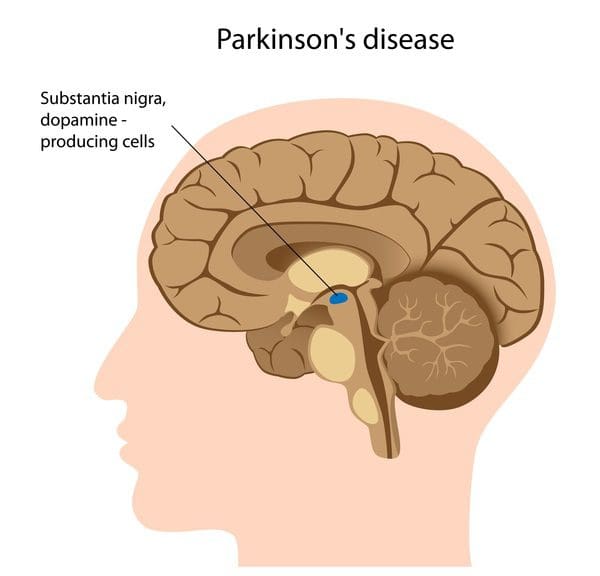
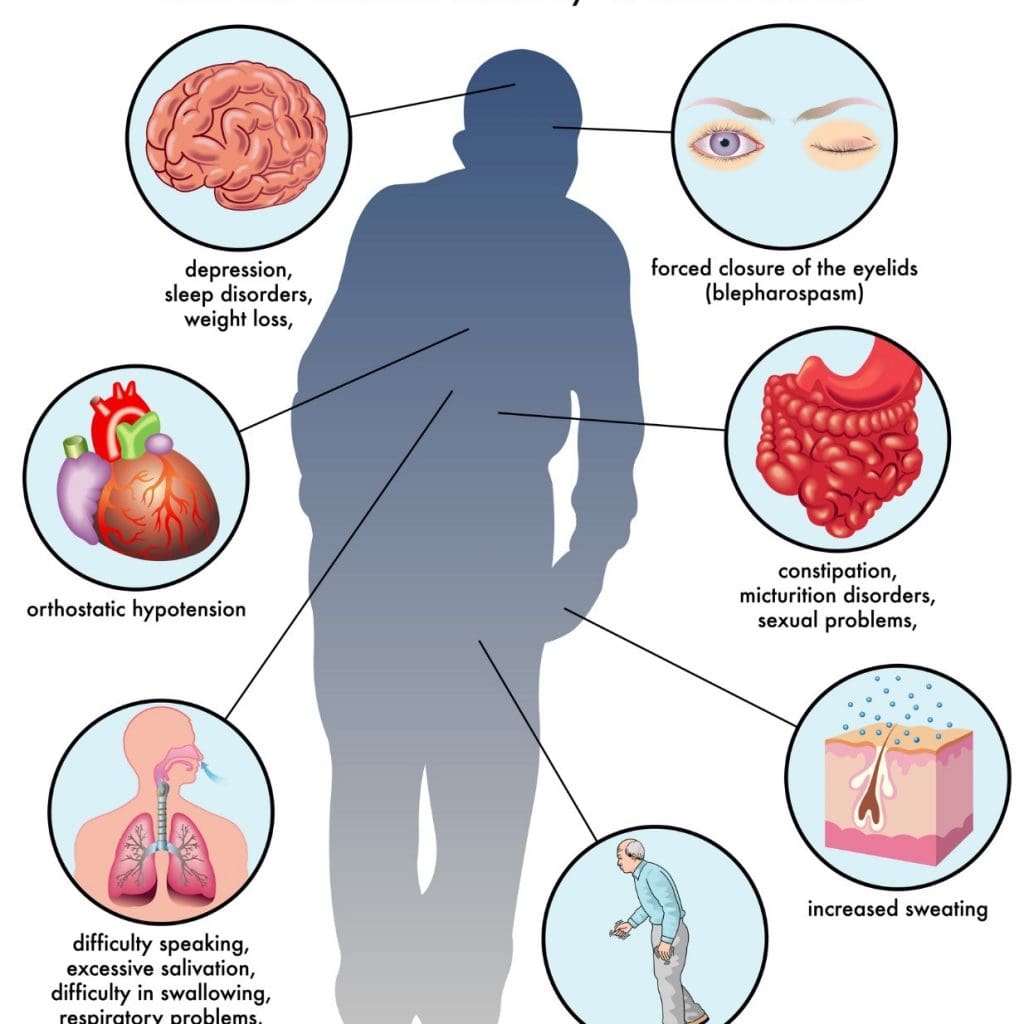
Do you often find yourself slurring your words? Have you been noticing you’ve constantly been slouching over, and it is affecting your posture? Or have you been dealing with stiffness in different muscle areas? If you have been experiencing any of these symptoms, it could correlate to the early signs of Parkinson’s disease. Studies reveal that Parkinson’s disease is a slow, progressive neurodegenerative disorder affecting about 1% of the world population over 60. This neurological disorder is common, and while it commonly affects men more than women, it causes the basal ganglia to deteriorate over time and causes numerous symptoms to affect the body’s motor function. Additional studies reveal that environmental influences like smoking and endocrine factors could potentially cause overlapping risk profiles that cause early development of Parkinson’s disease. Some of the symptoms that are most common with Parkinson’s disease include:
Loss of motor function in the hands and feet
Body Tremors when resting
Muscle stiffness
Unstable posture
Unable to write, speak or swallow
Sleep issues
Cognitive dysfunction
Urinary disturbances
These various symptoms cause body dysfunction in the multiple muscles and vital organs and can lead to overlapping risk issues that can mask Parkinson’s disease.
How Does Parkinson’s Affect The Body?
When Parkinson’s disease affects how the brain sends neuron signals to allow the body’s motor skills to function in each muscle group, the signs and symptoms can vary for each individual. Early symptoms are mild and go unnoticed. However, since Parkinson’s disease affects the body’s motor skills, muscle weakness fits in the symptoms associated with Parkinson’s. Studies reveal that Parkinson’s is a neurodegenerative disorder often characterized by different motor symptoms; a muscular deficiency could cause joint and muscle instability and torque. Muscular deficiency in the body could cause the brain to signal the immune system to send out inflammatory cytokines to the various muscles and vital organs and cause abnormality in the body, which then affects the gut-brain connection and leads to gut dysbiosis associated with muscle stiffness.
Understanding Parkinson’s Disease- Video
Have you been experiencing muscle weakness in different areas of your body? Do you feel constipated constantly? Or have you been dealing with cognitive issues affecting your quality of life? Many of these signs and symptoms are associated with a neurodegenerative disorder known as Parkinson’s disease. The video above explains what Parkinson’s disease is and how it affects the brain. Studies reveal that the association between the brain’s structure and Parkinson’s disease correlates to muscle deficiency in the body. Since Parkinson’s is a slow, progressive neurodegenerative disorder, one of the symptoms is muscle weakness. Muscle weakness does occur in the body when Parkinson’s disease starts to progress further and causes a deficit in the central activation of each muscle group. When this happens, numerous issues will begin to develop over time alongside Parkinson’s. On the bright side, there are various ways to slow the progression of Parkinson’s disease and restore the body’s functionality.
How To Manage Parkinson’s Disease Early
There are numerous ways that many individuals can slow the progression of Parkinson’s disease early on to prevent more issues from affecting the body’s motor skills. Getting enough exercise can help improve a person’s well-being and motor skills. Incorporating healthy foods and supplements that can improve brain function and reduce other symptoms like inflammation can help improve muscle and organ functionality. And finally, finding hobbies and setting boundaries can lower cortisol levels and decrease stress can be a positive impact on the brain; managing the progression of Parkinson’s can ensure a person’s well-being while making the brain from rewiring those neuron signals from going haywire.
Conclusion
Parkinson’s disease is a slow, progressive disorder that causes the brain’s basal ganglia to deteriorate and cause dysfunction in the body’s motor skills. When the brain’s neuron signals become haywire due to Parkinson’s, it can lead to muscle weakness in the body, and that can cause overlapping risk profiles in the body, causing more symptoms to mask Parkinson’s disease. Fortunately, there are numerous ways to slow the progression of Parkinson’s disease early on can reduce the symptoms of Parkinson’s:
Eating nutritious food for the brain
Exercising
Being mindful
When people incorporate these techniques into their lifestyle, they can regain their quality of life.
References
Frazzitta, Giuseppe, et al. “Differences in Muscle Strength in Parkinsonian Patients Affected on the Right and Left Side.” PloS One, U.S. National Library of Medicine, 25 Mar. 2015, https://www.ncbi.nlm.nih.gov/pmc/articles/PMC4373899/.
Winter is when most children and adults are prone to catching colds, the flu, etc. The excitement of the holiday season can also take a toll on the body’s neuromusculoskeletal system, leaving the individual more susceptible to illness. Digestive issues such as bloating, cramping, and constipation are also common. Certain supplements can help maintain body, gut, and brain holiday health. Here are a few recommended supplements to take during the holidays.
Holiday Health
To help fill in the gaps from the holiday foods and increase energy, holiday health supplements to consider adding include:
Probiotics
Probiotics are healthy bacteria and microbes that populate the gut or microbiome.
They help digest nutrients, support proper digestion and elimination, and manage appetite and mood.
A quality probiotic supplement supports healthy digestion and immune health.
It can help reduce diarrhea, constipation, gas, and bloating while protecting the immune system against pathogens.
For the most benefits, it is recommended to take a supplement with a high CFU count, diverse probiotic strains, and a delivery method that ensures the probiotics will survive once consumed.
The body produces melatonin naturally, especially at night, since this promotes sleep.
Melatonin is a hormone that helps regulate the body’s circadian rhythm, which makes you feel tired or alert at the right times of the day.
Taking melatonin can help decrease jet lag symptoms.
Consider taking melatonin to help promote healthy sleep.
However, it’s usually only recommended for short-term use, so consult your doctor.
Vitamin D
During the winter, when less sunlight is available, low vitamin D levels are very common among adults.
The body naturally makes vitamin D when the skin is exposed to the sun’s UV light rays; however, most spend nearly all their time indoors once the weather becomes cold.
Vitamin D is responsible for hundreds of reactions related to brain function, hormone production, and immune defenses.
A vitamin D supplement can help maintain healthy levels, which is important for maintaining a strong immune system, cardiovascular and bone health, and mood.
Magnesium
Magnesium is a mineral and electrolyte providing cardiovascular and bone support, improved sleep, healthy muscle and nerve function, and healthy digestion.
A magnesium supplement can help with aches and pains, restlessness, headaches, and constipation.
Vitamin C
Vitamin C intake protects against colds and other illnesses.
It supports healthy immune defenses, healthy nervous system function, antioxidant activity, neuron function, and skin health.
A vitamin C supplement combined with probiotics further helps support healthy gastrointestinal function and absorption.
Chiropractic For Digestive Health
Chiropractic care supports the healthy functioning of the nervous system.
The vagus nerve extends from the brain stem and innervates digestive system organs.
Sympathetic nerves in the thoracic and lumbar regions and the parasympathetic nerves near the sacrum also support digestion.
Decompressing the spine and correcting posture allow room for the muscles to contract, open up the spine to circulate fluids throughout the body, and expand and properly circulate food and waste.
Ernst, Edzard. “Chiropractic treatment for gastrointestinal problems: a systematic review of clinical trials.” Canadian journal of gastroenterology = Journal canadien de gastroenterology vol. 25,1 (2011): 39-40. doi:10.1155/2011/910469
Govender, Mershen et al. “A review of the advancements in probiotic delivery: Conventional vs. non-conventional formulations for intestinal flora supplementation.” AAPS PharmSciTech vol. 15,1 (2014): 29-43. doi:10.1208/s12249-013-0027-1
Leboeuf-Yde, Charlotte, et al. “Self-reported nonmusculoskeletal responses to chiropractic intervention: a multination survey.” Journal of manipulative and physiological therapeutics vol. 28,5 (2005): 294-302; discussion 365-6. doi:10.1016/j.jmpt.2005.04.010
Peterson, Caroline. “A case study of chiropractic management of pregnancy-related heartburn with postulated fetal epigenome implications.” Explore (New York, N.Y.) vol. 8,5 (2012): 304-8. doi:10.1016/j.explore.2012.06.001
Qu, Liuxin, et al. “Irritable bowel syndrome treated by traditional Chinese spinal orthopedic manipulation.” Journal of traditional Chinese medicine = Chung i tsa chih ying wen pan vol. 32,4 (2012): 565-70. doi:10.1016/s0254-6272(13)60072-2
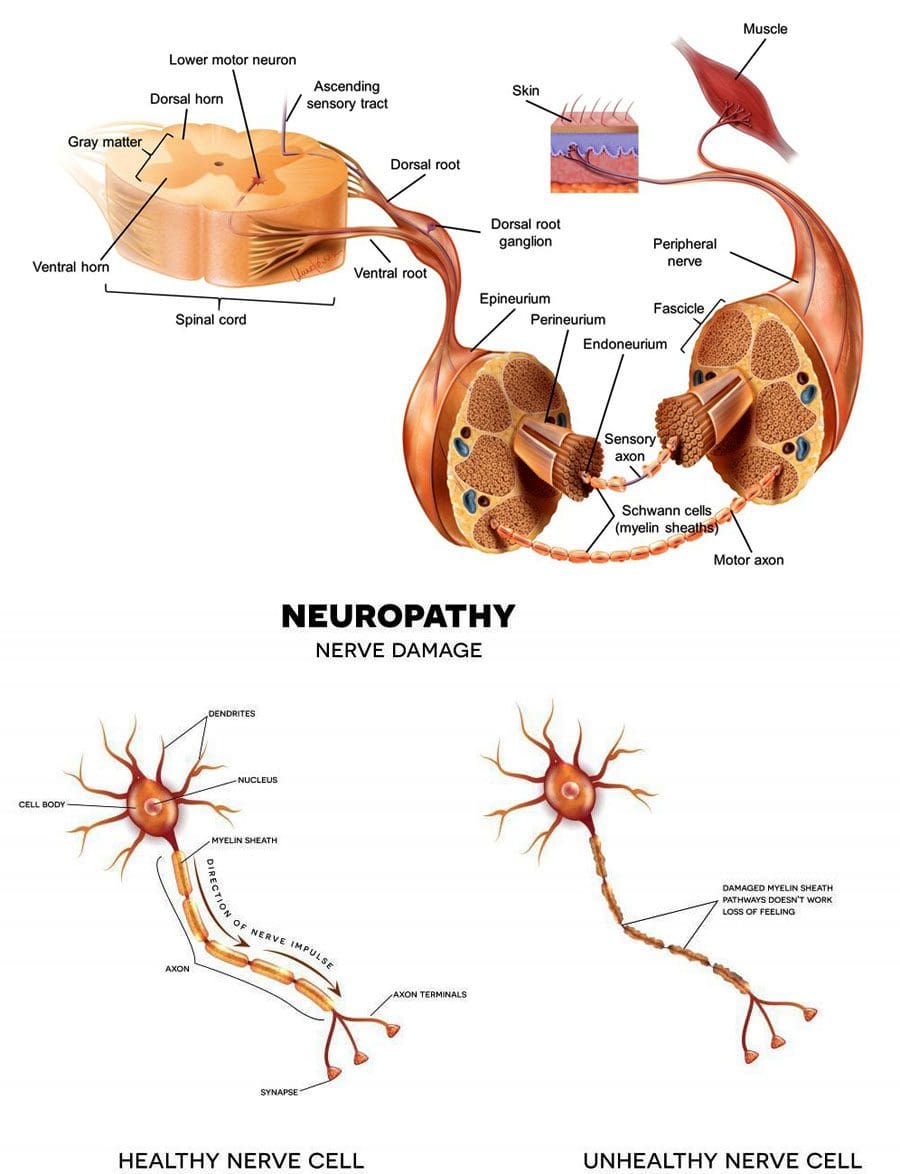
Nerve damage is also known as peripheral neuropathy. Peripheral nerves transmit information to and from the brain through the spinal cord to the rest of the body. Nerve damage symptoms are common in the neck, arms, hands, low back, legs, and feet. Communication becomes weakened, interrupted, or no longer transmits sensation signals. Nerve damage can be a complication from conditions like diabetes or present after an injury. Injury Medical Chiropractic and Functional Medicine Clinic recognize the symptoms and can treat the injuries rehabilitating the nerves back to functional health.
Nerve Damage Symptoms
Nerve damage symptoms can happen to a single nerve or a group of nerves that can affect the rest of the body. Damage depends on the severity of the condition or injury.
Partially damaged nerves can heal on their own with minimal treatment to ensure they heal correctly.
The fibers are covered with tissues that are a type of insulation.
Sometimes only the fibers get damaged.
Sometimes a nerve gets stuck or jammed inside a tight space, causing irritation and, over time, scarring.
Severe nerve damage can involve the fibers and tissues and often require surgery.
Symptoms can range from mild to severe and depend on which nerve fibers are damaged. These could be the following:
Motor nerves
These nerves regulate all the muscles under conscious control.
These control motor functions like walking, talking, and grabbing and holding objects.
Damage to these nerves usually causes muscle weakness, cramps, and uncontrollable muscle twitching or spasms.
Sensory nerves
These nerves relay sensory information, including touch, taste, smell, vision, temperature, and pain.
Symptoms can include numbness or tingling.
There can also be difficulties:
Sensing pain
Sensing temperature changes.
Walking
Maintaining balance with your eyes closed.
Working with the hands.
Autonomic nerves
This group of nerves regulates unconscious actions, including breathing, heart and thyroid function, and digestion.
Symptoms include excessive sweating, blood pressure variations, inability to tolerate heat, and gastrointestinal issues.
Various symptoms can be experienced as many peripheral nerve injuries affect more than one type of nerve.
Signs
Improperly functioning nerves can cause uncomfortable or painful sensations because the nerves cannot carry the correct signals from the brain to the spinal cord. The signs of nerve damage include the following:
Feeling like you’re wearing an overly tight glove or sock constricting circulation and movement.
Numbness or tingling.
Pins and needles or what feels like mild electrical sensations.
Specific body/limb positions can cause or decrease numbness, tingling, or pins and needles.
Muscle weakness.
Dropping objects regularly.
Sharp pains in the hands, arms, low back, legs, or feet.
Restoring Function
Chiropractic treatments can help restore function and include:
Therapeutic Massage
Therapeutic massage will promote circulation to relieve numbness and tightness and help restore function and feeling.
Chiropractic
Chiropractic adjustments will realign the body and keep affected muscles and joints active.
Electrical Stimulation
Stimulators can activate injured nerves and muscles while the nerve regenerates and recovers.
Braces or Splints
These devices could be used to maintain the position of the affected limb, fingers, hand, or foot to improve muscle function and promote healing.
Exercise
Specifically, prescribed exercises will improve muscle strength, help to maintain range of motion, and reduce muscle cramps.
Diet
A nutritionist will develop a personalized anti-inflammatory diet to expedite healing.
Peripheral Therapy
References
Chen, Zhengrong. “Progress of peripheral nerve repair.” Chinese Journal of traumatology = Zhonghua Chuang Shang za Zhi vol. 5,6 (2002): 323-5.
Gordon, Tessa. “Electrical Stimulation to Enhance Axon Regeneration After Peripheral Nerve Injuries in Animal Models and Humans.” Neurotherapeutics: the journal of the American Society for Experimental NeuroTherapeutics vol. 13,2 (2016): 295-310. doi:10.1007/s13311-015-0415-1
WEBB, E M. “Peripheral nerve injuries; early surgical treatment.” California medicine vol. 80,3 (1954): 151-3.
Welch, J A. “Peripheral nerve injury.” Seminars in veterinary medicine and surgery (small animal) vol. 11,4 (1996): 273-84. doi:10.1016/s1096-2867(96)80020-x
Chiropractic treatment focuses on the musculoskeletal and nervous systems. As with all body systems, specific nutrients protect and increase their functional strength. Various chiropractic-recommended supplements can help in the treatment of musculoskeletal issues and help transform an individual’s health.
Chiropractic Education
Chiropractors study food-based supplements that are bio-available to cells and are easily absorbed by the body. These food-based supplements and vitamins are seen as food by the body. Supplements are used in detoxification to overcome nutritional deficiencies and enhance an individual’s diet by taking nutrients to optimum levels. Immune system health can also be strengthened by keeping the body resistant to diseases.
Functional Nutrition
Chiropractic medicine study’s all the building blocks of the body that, include:
Holistic nutrition teaches that the body heals from within, which is why healing the gut first, is essential to healing the rest of the body and maintaining health.
Recommended Chiropractic Supplements
Dietary supplements that directly impact the health of the musculoskeletal and the nervous system.
Potassium
Potassium is an important regulator of nerve impulses.
Electrochemical signals or action potentials use potassium and sodium to generate responses from cells in the nervous system.
Potassium is necessary for turning off nerve impulses and preventing the uncontrolled signaling of nerves.
Uncontrolled signaling can lead to movement disorders.
Calcium
Calcium is necessary for the regulation of the action potentials throughout the body.
Calcium helps initiate action potentials and helps the cells return to a normal state afterward.
Calcium contributes to the development of the nervous system helping guide the nerve cells.
Calcium is a major element of bone health to repair bones’ and facilitate regrowth.
The body will take the calcium from the bones if there is a calcium deficiency.
Vitamin D
One of the most important nutrients for bone health.
Vitamin D helps promote bone development and growth.
Facilitates calcium absorption helping the body process and absorb the calcium.
B12 is essential to the function of the nervous system and the body’s metabolism.
B12 breaks complex carbohydrates into more simplistic glucose for basic functions.
B12 helps maintain the nerve insulator myelin, which is necessary for nerve transmission.
B12 deficiency has been linked to the loss of myelin and can lead to serious conditions like Alzheimer’s.
B12 shots deliver the nutrient directly to the bloodstream bypassing the absorption process necessary for oral supplements.
Vitamin K
Vitamin K helps balance and facilitate calcium absorption.
Vitamin K helps strengthen bones and increase bone density.
Often recommended for individuals with osteopenia and osteoporosis to help prevent fractures.
How To Choose Supplements
References
Lee, Mi Kyung, et al. “The use of nutritional guidance within chiropractic patient management: a survey of 333 chiropractors from the ACORN practice-based research network.” Chiropractic & manual therapies vol. 26 7. 20 Feb. 2018, doi:10.1186/s12998-018-0175-1
Nguyen, Douglas L. “Guidance for supplemental enteral nutrition across patient populations.” The American journal of managed care vol. 23,12 Suppl (2017): S210-S219.
Pludowski, Pawel, et al. “Vitamin D effects on musculoskeletal health, immunity, autoimmunity, cardiovascular disease, cancer, fertility, pregnancy, dementia and mortality-a review of recent evidence.” Autoimmunity reviews vol. 12,10 (2013): 976-89. doi:10.1016/j.autrev.2013.02.004
Song, Yong-Ak, et al. “Electrochemical activation and inhibition of neuromuscular systems through modulation of ion concentrations with ion-selective membranes.” Nature materials vol. 10,12 980-6. 23 Oct. 2011, doi:10.1038/nmat3146
The brain sends neuron signals to the body to function for everyday movements like walking, running, or resting. These signals travel from the spinal cord through the numerous nerve roots connected to the muscles, tissue, and ligaments that support the joints and organs from multiple factors. However, these factors do affect the body over time, triggering issues that cause pain and discomfort to the body. When this happens, it disrupts the signals from traveling to and forth in the brain, causing dysfunction in the body and leading to neurological disorders associated with neuroinflammation. Today’s article looks at neuroinflammation, how it affects the body, and what is the link between neuroinflammation and neurodegenerative diseases. We refer patients to certified providers specializing in neurological treatments to help many individuals dealing with neuroinflammation associated with neurodegenerative diseases. We also guide our patients by referring to our associated medical providers based on their examination when it’s appropriate. We find that education is the solution to asking our providers insightful questions. Dr. Alex Jimenez DC provides this information as an educational service only. Disclaimer
What Is Neuroinflammation?
Are you experiencing fatigue and losing focus from your brain? Do you constantly feel stressed or overworked? Or how about developing the risk of Alzheimer’s or other neurological diseases? Many of these symptoms are correlated with neuroinflammation in the brain. Neuroinflammation is defined as an inflammatory response that affects either the brain or the spinal cord. The body has an extensive network known as the immune system, which produces cytokines, antibodies, white blood cells, and other chemicals that protect the body from foreign invaders. Producing cytokines triggers inflammation in the body where the alien invaders are eliminated. The brain surprisingly has its immune system, which provides maintenance and plasticity. When traumatic factors begin to affect the brain’s immune system, the nociceptors become hypersensitive and overexcited due to the results of tissue injuries and inflammation in the peripheral nervous system. Studies reveal that inflammation in the peripheral nervous system results from hyperactivity in the nervous system, which implicates either a positive or negative outcome for the brain.
How Does Neuroinflammation Affect The Body?
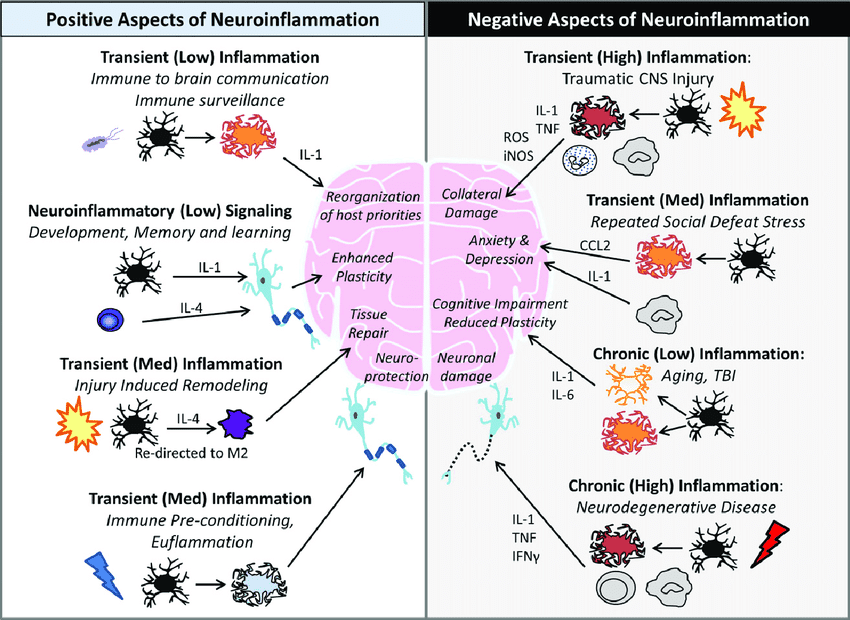
Since neuroinflammation has positive or negative outcomes in the nervous system, it can also trigger the body, making it dysfunctional. Studies reveal that neuroinflammation is mediated by the production of cytokines, ROS (reactive oxygen species), and secondary messengers that becomes the consequences of neuroinflammatory responses. This means that the inflammatory effects are taken into account depending on the intensity and duration of the immune signals in the nervous system, which can be either negative or positive. The positive aspects of neuroinflammation include:
Reorganization of host priorities (immune-brain communication)
While the negative aspects of neuroinflammation include:
Cognitive impairment (aging)
Collateral damage( traumatic injuries)
Neuronal damage (neurodegenerative diseases)
Repeated social defeat stress (anxiety, depression)
Simplified Explanation On Neuroinflammation-Video
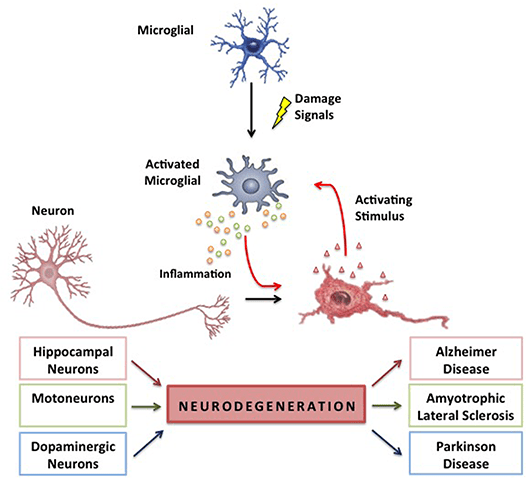
Have you been feeling anxious or depressed? Have you been forgetful as of late? Are you experiencing inflammatory effects in your brain? Many of these symptoms are signs that you could suffer from neuroinflammation in the brain. The video above explains neuroinflammation and how it is linked to the immune system affecting the body. Since neuroinflammation may cause various health issues such as anxiety, stress, depression, and other well-known symptoms, studies reveal that neuroinflammation is a common feature of neurodegenerative diseases. To that point, the relationship between neuroinflammation and neurodegenerative diseases shows that neuroinflammation has been responsible for the abnormal secretion of proinflammatory cytokines to trigger the signaling pathways to the brain, making it dysfunctional.
The Link Between Neuroinflammation & Neurodegenerative Diseases
Since the brain is the primary command center for the body, the link between neurodegenerative diseases and neuroinflammation overlap and cause havoc in the body. Studies reveal that inflammatory and neurotoxic mediators are released in the brain, thus viciously triggering neuroinflammation and neurodegeneration in the body. When the body is dealing with neuroinflammation, one of the symptoms that are prominent in the body is chronic oxidative stress. Research studies have revealed that neuroinflammation has been associated with chronic oxidative stress, a vital feature of all neurodegenerative diseases causing genetic structural alterations. To that point, it results in neurodegeneration. Fortunately, there are ways to lower neuroinflammation associated with neurodegenerative diseases. Some of the ways that many people utilize to reduce neuroinflammation include:
All these small changes are remarkable in reducing neuroinflammation and managing neurodegenerative diseases in the body. This will help many individuals dealing with neuroinflammation associated with neurodegenerative diseases and can regain their health and wellness by managing it.
Conclusion
The brain is the primary command center that sends neuron signals to the body to function in everyday movement. The neuron signals travel from the brain to the spinal cord through the numerous nerve roots connected to the muscles, tissues, and ligaments to support the organs and joints. When environmental factors affect the body over time, it risks developing neuroinflammation associated with neurodegenerative diseases. Neuroinflammation is when the inflammatory mediators start to affect the brain, it can make the brain disrupt the neuron signals from traveling to the body and cause issues associated with neurodegeneration. Fortunately, incorporating different ways to reduce neuroinflammation can help manage neurodegenerative diseases and benefit the body.
References
Chen, Wei-Wei, et al. “Role of Neuroinflammation in Neurodegenerative Diseases (Review).” Molecular Medicine Reports, D.A. Spandidos, Apr. 2016, https://www.ncbi.nlm.nih.gov/pmc/articles/PMC4805095.
DiSabato, Damon J, et al. “Neuroinflammation: The Devil Is in the Details.” Journal of Neurochemistry, U.S. National Library of Medicine, Oct. 2016, https://www.ncbi.nlm.nih.gov/pmc/articles/PMC5025335/.
Guzman-Martinez, Leonardo, et al. “Neuroinflammation as a Common Feature of Neurodegenerative Disorders.” Frontiers in Pharmacology, Frontiers Media S.A., 12 Sept. 2019, https://www.ncbi.nlm.nih.gov/pmc/articles/PMC6751310/.
Kempuraj, D, et al. “Neuroinflammation Induces Neurodegeneration.” Journal of Neurology, Neurosurgery and Spine, U.S. National Library of Medicine, 2016, https://www.ncbi.nlm.nih.gov/pmc/articles/PMC5260818/.
Matsuda, Megumi, et al. “Roles of Inflammation, Neurogenic Inflammation, and Neuroinflammation in Pain.” Journal of Anesthesia, U.S. National Library of Medicine, Feb. 2019, https://www.ncbi.nlm.nih.gov/pmc/articles/PMC6813778/.
The brain and the spinal cord have a casual relationship in the nervous system as they help transport neuron signals to the rest of the body. These neuron signals travel through the various nerve pathways that provide motor-sensory functions to the arms, legs, neck, and back that help keep the body upright and function properly. When natural causes or traumatic issues affect the spinal cord, it can cause pain symptoms associated with nerve compression that overlaps with different chronic problems. When there is spinal nerve compression in the back, it may potentially involve low back or neck pain. Today’s article looks at a condition known as Chiari malformation, its associated symptoms with the spine, and how decompression and chiropractic care manage Chiari malformation. We refer patients to certified providers specializing in neurological treatments to help many individuals with Chiari malformation. We also guide our patients by referring to our associated medical providers based on their examination when it’s appropriate. We find that education is the solution to asking our providers insightful questions. Dr. Alex Jimenez DC provides this information as an educational service only. Disclaimer
What Is Chiari Malformation?
Have you been experiencing chronic headaches that are triggering neck stiffness? What about uncontrollable bladder issues? Are you feeling tingling sensations down your fingers and toes? Some of these symptoms are signs that you might risk developing Chiari malformation. Chiari malformation is uncommon when parts of the brain tissue extend into the spinal canal. This condition is a cluster of abnormalities that involves parts of the brain and cervical cord. The brain consists of 6 pieces that have different functions; they are:
Parietal lobe (Sense of touch, visual perception, differentiation, etc.)
Temporal lobe (Memory, understanding languages)
Occipital lobe (Vision)
Cerebellum (Balance, motor activity, coordination)
The brain stem (spinal cord, breathing, sleep and wake cycles, etc.)
These different brain sections have a casual relationship with their correlated organs and muscles to keep the body moving. When there are deformities affecting the brain from Chiari malformation, studies reveal that the cerebellum is leaking out of the skull and pressing against the surrounding spinal canal, triggering symptoms along the spine.
The Symptoms Associated With Chiari Malformation & The Spine
The symptoms associated with Chiari malformation do affect the spine in the body. The symptoms vary from each individual, ranging from none to severe. The most common sign that is associated with Chiari malformation is a headache. Studies reveal that symptomatic cluster-like headaches are related to various diseases, including Chiari malformation. When dealing with a headache that radiates pain along the neck and shoulders, this is known as somato-visceral pain, where the affected muscle affects the organ, causing pain associated with a chronic issue. Let’s look at another symptom related to the presence of Chiari malformation. Scoliosis is when there is a sideways curvature in the thoracic or lumbar regions of the spine. So how is scoliosis associated with Chiari malformation? When skeletal maturity and age are affected by scoliosis, studies show that neural axis abnormalities correlate with curve progression, causing the risk of Chiari malformation to develop. Other symptoms that are associated with Chiari malformation include:
Muscle weakness (coordination issues, loss of balance)
Have you been experiencing bladder issues out of nowhere? Do you feel tingling, burning sensations along your arms and legs? Has your neck and upper back been feeling stiff? These are some of the symptoms associated with Chiari malformation in the cervical region. The video above gives an overview of Chiari malformation, its diagnosis, and how it’s treated. Chiari malformation has multiple causes, but the most common cause is when the cerebellum develops downward and compresses the spinal canal. This causes painful issues on the neck and affects the visceral organs and muscles, causing painful symptoms that potentially involve other parts of the body. Fortunately, treatments are available to manage Chiari malformation and its associated symptoms.
Decompression & Chiropractic Care For Chiari Malformation
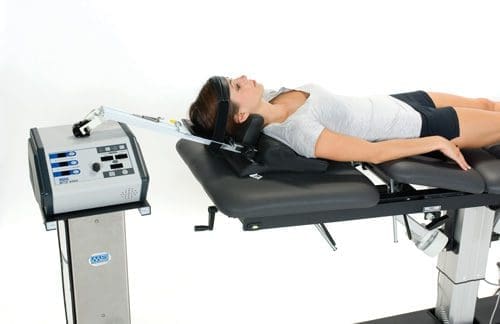
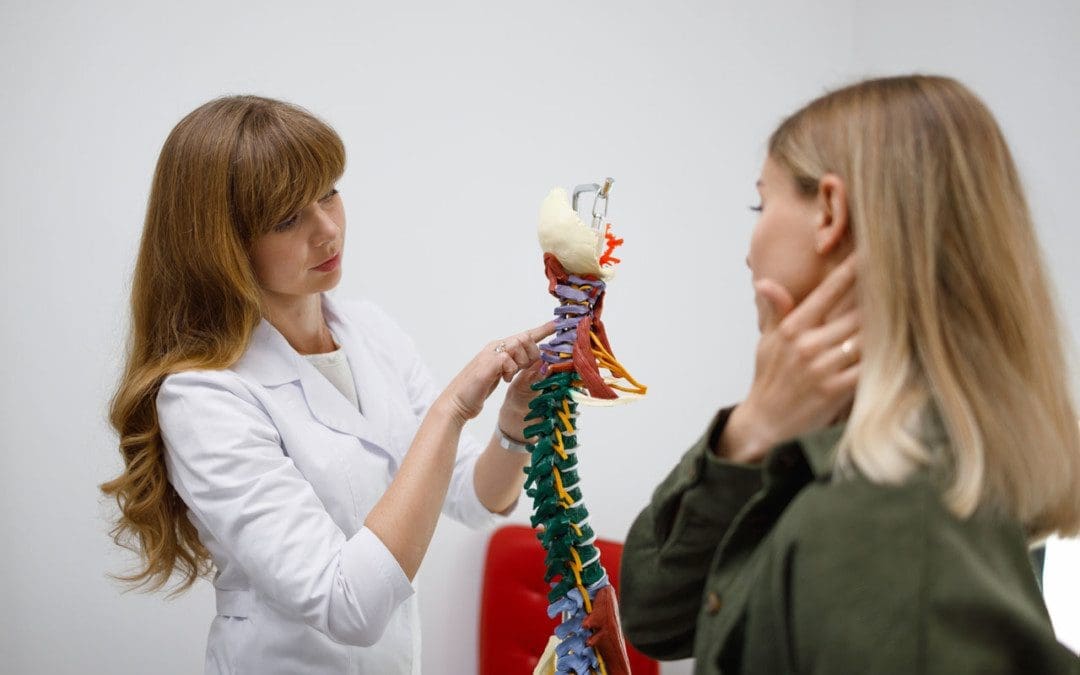
Chiari malformation is treatable through decompression and chiropractic care by managing the associated symptoms. Studies show that decompression may improve the symptoms associated with Chiari malformation and regain motor functions in the neck and range of motion in the arms. Decompression for the cervical region allows gentle traction on the neck to elongate the compressed spinal disc to release the pressure off the nerve root. For chiropractic care, spinal manipulation on the upper back may help alleviate headaches due to subluxation or spinal misalignment. Utilizing these two treatments allows many individuals to find the relief they are looking for and help manage the symptoms associated with their chronic issues.
Conclusion
Overall, the brain and spinal cord have a casual relationship in the nervous system as they help transport the neuron signals to each body part to be functional. Traumatic issues or injuries to the spine can cause pain in the cervical, thoracic, and lumbar regions while potentially being involved with chronic issues. Chiari malformation is a chronic condition where the cerebellum develops downwards and compresses the spinal canal. This causes associated symptoms in the cervical region that can drastically affect the upper half of the body. Treatments like decompression and chiropractic care help manage the associated symptoms that are caused by Chiari malformation through non-invasive ways. Incorporating these treatments allow the individual to be pain-free.
References
Goldschagg, Nicolina, et al. “Decompression in Chiari Malformation: Clinical, Ocular Motor, Cerebellar, and Vestibular Outcome.” Frontiers in Neurology, Frontiers Media S.A., 22 June 2017, https://www.ncbi.nlm.nih.gov/pmc/articles/PMC5479925/.
Hidalgo, Joaquin A, et al. “Arnold Chiari Malformation – Statpearls – NCBI Bookshelf.” In: StatPearls [Internet]. Treasure Island (FL), StatPearls Publishing, 1 May 2022, https://www.ncbi.nlm.nih.gov/books/NBK431076/.
Kaplan, Yüksel, and Özden Kamişli. “Cluster-like Headache Associated with Symptomatic Chiari Type 1 Malformation.” Noro Psikiyatri Arsivi, Turkish Neuropsychiatric Society, Mar. 2014, https://www.ncbi.nlm.nih.gov/pmc/articles/PMC5370268/.
Kelly, Michael P, et al. “Spinal Deformity Associated with Chiari Malformation.” Neurosurgery Clinics of North America, U.S. National Library of Medicine, Oct. 2015, https://www.ncbi.nlm.nih.gov/pmc/articles/PMC4584090/.
Staff, Mayo Clinic. “Chiari Malformation.” Mayo Clinic, Mayo Foundation for Medical Education and Research, 24 Sept. 2021, https://www.mayoclinic.org/diseases-conditions/chiari-malformation/symptoms-causes/syc-20354010.
The brain’s main job is to keep the body moving and provide functionality to all the major organs through neuro signaling from the numerous nerve roots surrounding the entire body. As part of the central nervous system in the body, the brain has a casual relationship with the spinal cord, immune system, and gut system. However, as the body ages naturally, so does the brain, as many pathogens that affect the body over time affect the brain and its associates. Harmful pathogens that affect the body can disrupt the brain’s signaling process, causing the body to be at risk of developing neurodegenerative disorders. Today’s article looks at neurodegeneration, how it affects the body and the brain, and ways to improve brain health. We refer patients to certified providers specializing in neurological therapies to help many individuals dealing with neurodegeneration. We also guide our patients by referring to our associated medical providers based on their examination when it’s appropriate. We find that education is the solution to asking our providers insightful questions. Dr. Alex Jimenez DC provides this information as an educational service only. Disclaimer
What Is Neurodegeneration?
Have you been suffering from inflammation in your gut? How feeling aches and pains all over your body? Are you experiencing muscle stiffness in certain areas along your spine? Many of these issues are signs of many individuals at risk of developing neurodegeneration. Neurodegeneration is an age-dependent disorder affecting many individuals, especially the elderly. Many factors allow the progression of neurodegenerative disorders to affect the brain and body. Some of the common neurodegenerative disorders that do affect a person are:
Alzheimer’s Disease
Parkinson’s Disease
Huntington’s Disease
Dementia
Multiple and lateral sclerosis
These common neurodegenerative disorders affect the body over time by triggering inflammation and disrupting the brain signal to the different body locations.
How Does It Affect The Brain & The Body?
So how does neurodegeneration affects both the brain and the body? As stated earlier, the brain has a causal relationship with the gut, spinal cord, and immune system. The brain projects out neuron signals to ensure that the immune system is defending the body, the spinal cord provides the sensory-motor function to the spine, and the gut system regulates and maintains the body. When the body suffers from injuries or harmful pathogens are causing the neuron signals to go haywire, it can affect many different areas and even cause referred pain to the vital organs and associated muscles. An example will be if an individual suffers from traumatic brain injury associated with gut issues and inflammation. When the brain suffers from trauma or injury, many factors are potentially involved with the gut, causing numerous issues that can affect the body. Some of the problems associated with traumatic brain injury may cause:
Acute changes in intestinal permeability
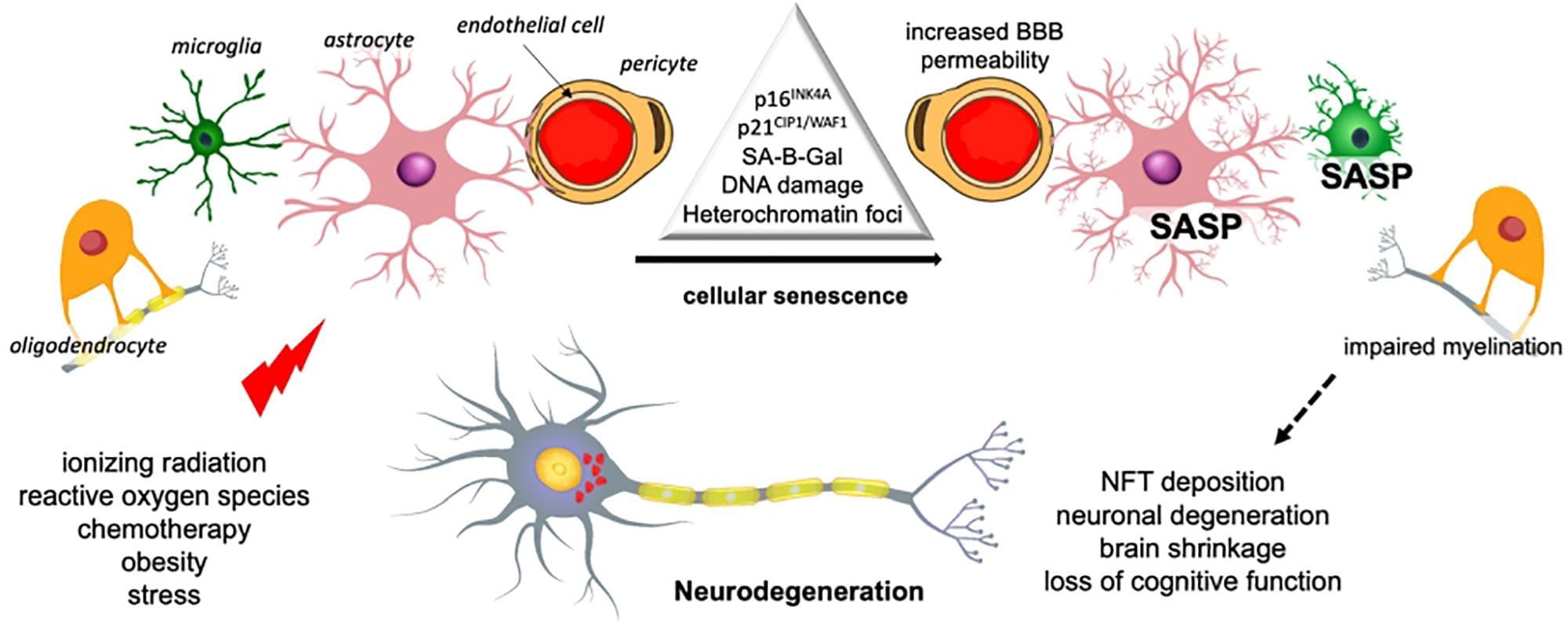
Increases permeability in the blood-brain barrier (BBB)
Continued and progressive neurobehavioral symptoms
Risk for hormonal compromise
Studies reveal that the pathology of neurodegenerative disorders remains unknown; however, many have considered that environmental factors may play a causal role. Environmental factors like lifestyle choices, eating habits, and physical activity impact a person’s life. When these factors harm the body, they may become the mediator for neurodegenerative disorders to progress and trigger issues in the body.
An Overview Of Neurodegenerative Diseases-Video
Are you experiencing brain fog more often than usual? Are you feeling inflammatory issues affecting your gut? What about feeling pain or muscle stiffness affecting your neck or back? Some of these issues are associated with neurodegenerative diseases affecting the body. The video above gives an overview of neurodegenerative diseases and how it affects the body. The pathway of neurodegenerative diseases is unknown, but environmental factors do cause an impact on the body, causing an overlap of risk profiles associated with many chronic issues. Luckily, there are many ways to potentially dampen the effects of neurodegenerative diseases from progressing further in the body.
Ways To Improve Brain Health
When it comes to brain health and preventing neurodegenerative disorders from progressing further, many people have found ways to improve their brain and their body. Studies reveal that providing potential therapeutic approaches for neurological conditions can help the brain intake new information and help the body function. The six pillars that are considered for brain health include:
Physical activity
Mental exercises
Healthy diet and nutrition
Social interaction
Ample sleep
Controlling vascular risk factors
Each pillar provides optimal brain health by making the individual look at their situation differently. For example, a person with gut issues associated with brain inflammation might change their dietary habits and incorporate more fruits and vegetables. Studies reveal that when individuals are associated with a sense of stress and loss from an impactful event tend to manage their stress levels. Incorporating healthy boundaries to lower stress levels can positively impact the brain by taking in a new hobby, talking with an old friend, and doing things that bring people joy, which could manage the progression of neurodegenerative disorders and provide optimal happiness.
Conclusion
The brain is the central controller of the body as it provides neuron signals to each of the major organs and muscles through neuro signaling from the surrounding nerve roots. When the body suffers from injuries or trauma from harmful pathogens, it can affect the brain’s health by disrupting the neuron signals. Other times, it could just be natural aging that affects the brain, causing neurodegenerative disorders. Neurodegenerative disorders associated with chronic issues may cause dysfunction in the body, causing an overlap of risk profiles of chronic diseases. Incorporating beneficial factors to promote brain health positively impacts keeping the brain healthy and slowing the progression of neurodegenerative disorders in the brain.
References
Brown, Rebecca C, et al. “Neurodegenerative Diseases: An Overview of Environmental Risk Factors.” Environmental Health Perspectives, National Institute of Environmental Health Sciences, Sept. 2005, https://www.ncbi.nlm.nih.gov/pmc/articles/PMC1280411/.
Gitler, Aaron D, et al. “Neurodegenerative Disease: Models, Mechanisms, and a New Hope.” Disease Models & Mechanisms, The Company of Biologists Ltd, 1 May 2017, https://www.ncbi.nlm.nih.gov/pmc/articles/PMC5451177/.
Mintzer, Jacobo, et al. “Lifestyle Choices and Brain Health.” Frontiers in Medicine, Frontiers Media S.A., 4 Oct. 2019, https://www.ncbi.nlm.nih.gov/pmc/articles/PMC6787147/.
Wang, Yongjun, et al. “What Is Brain Health and Why Is It Important?” BMJ (Clinical Research Ed.), BMJ Publishing Group Ltd., 9 Oct. 2020, https://www.ncbi.nlm.nih.gov/pmc/articles/PMC7555053.
IFM's Find A Practitioner tool is the largest referral network in Functional Medicine, created to help patients locate Functional Medicine practitioners anywhere in the world. IFM Certified Practitioners are listed first in the search results, given their extensive education in Functional Medicine






 Chiropractic Education