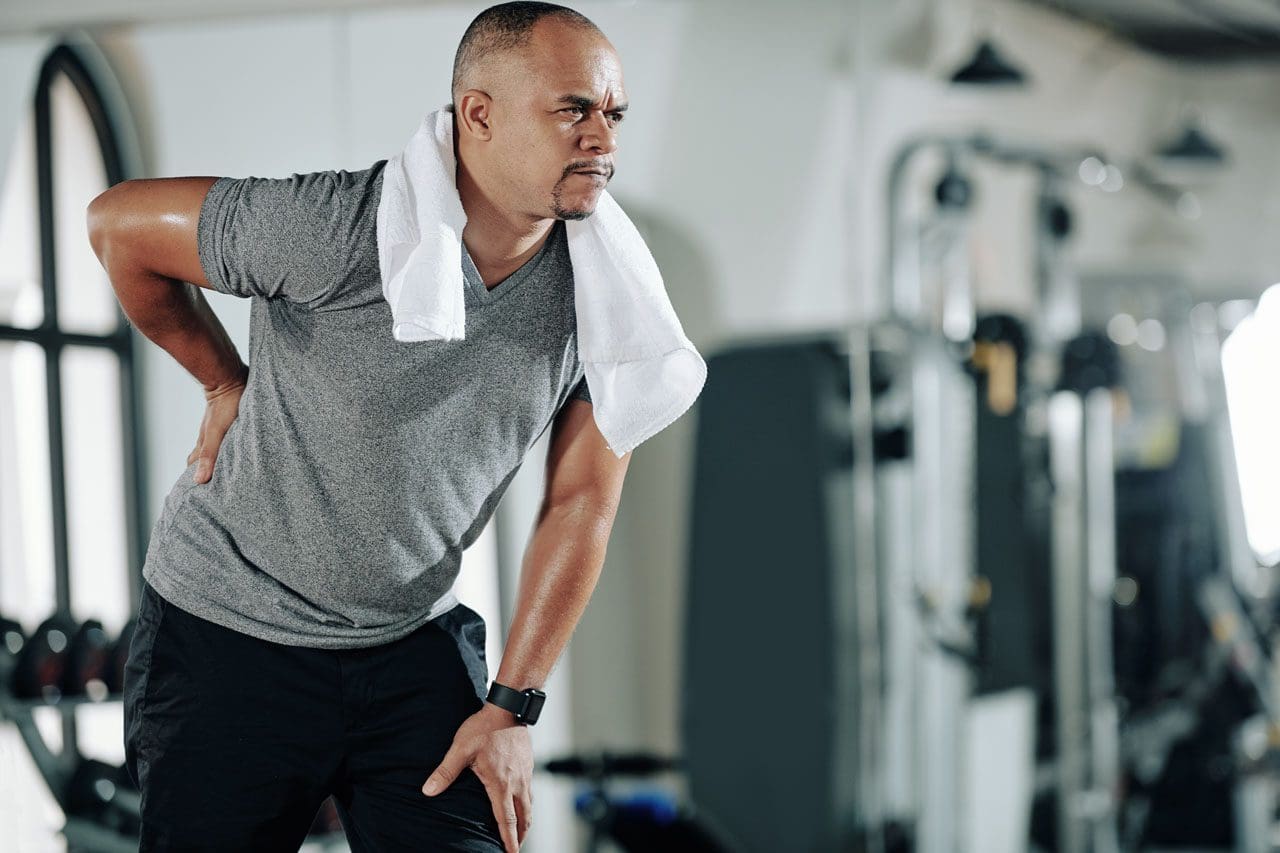
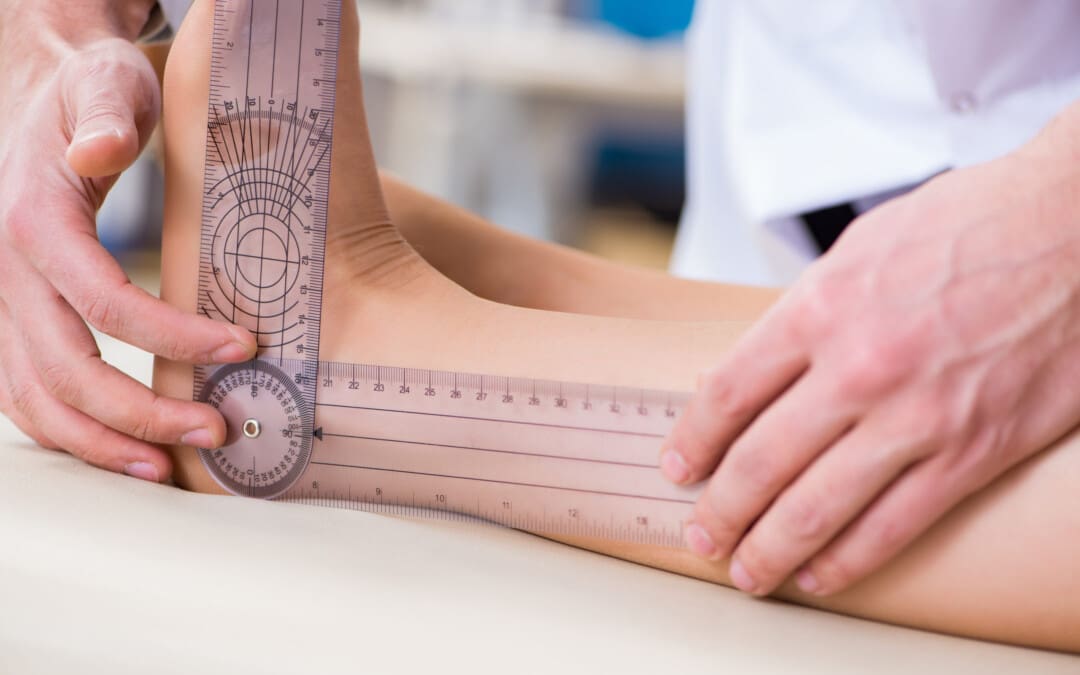
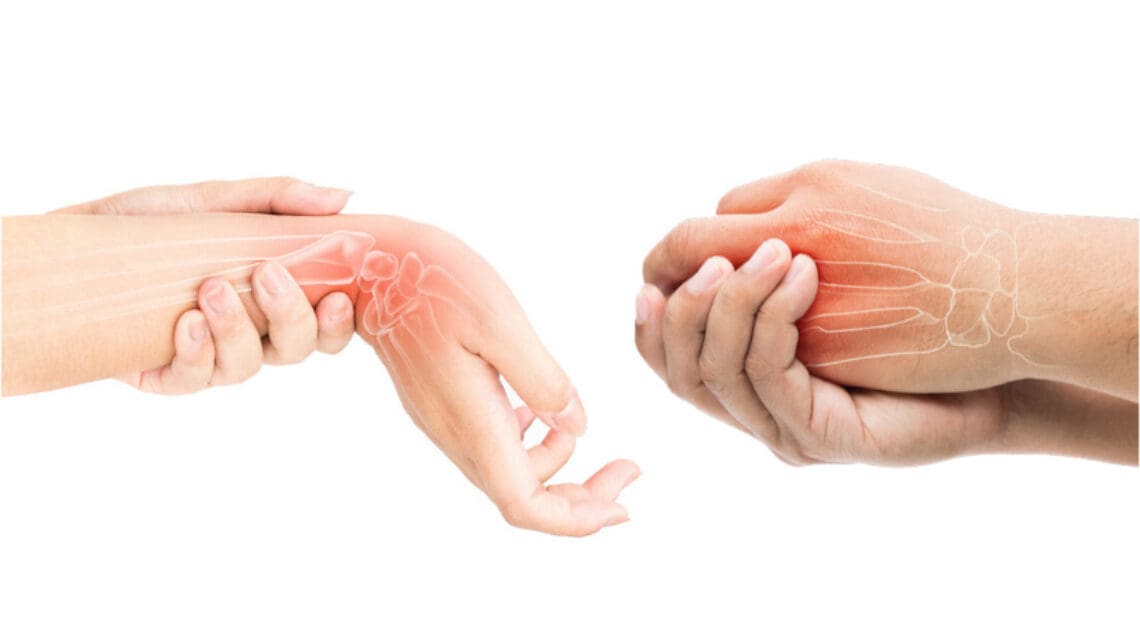
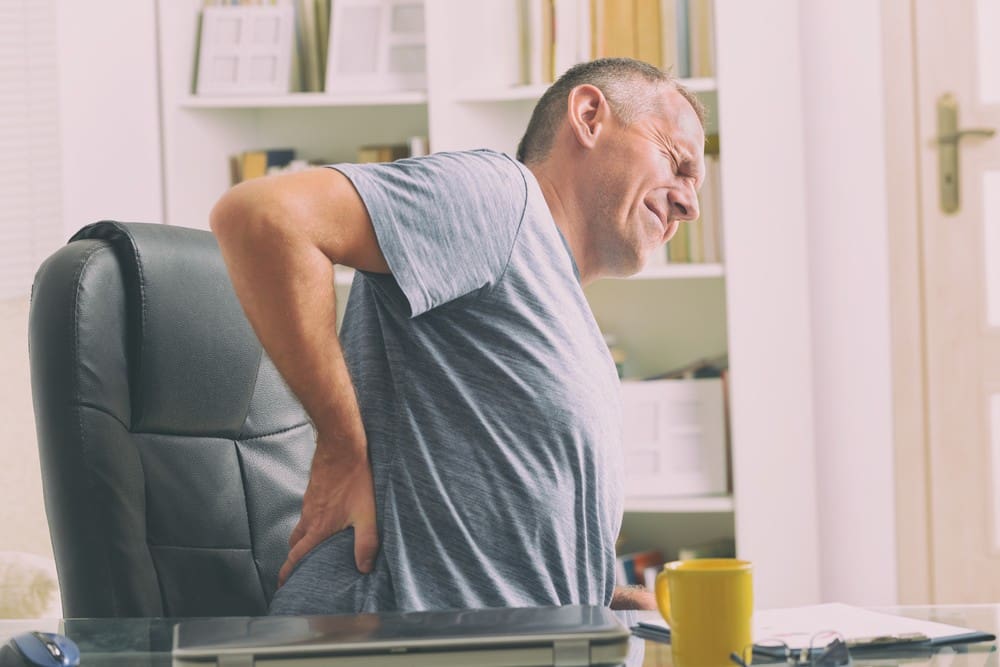
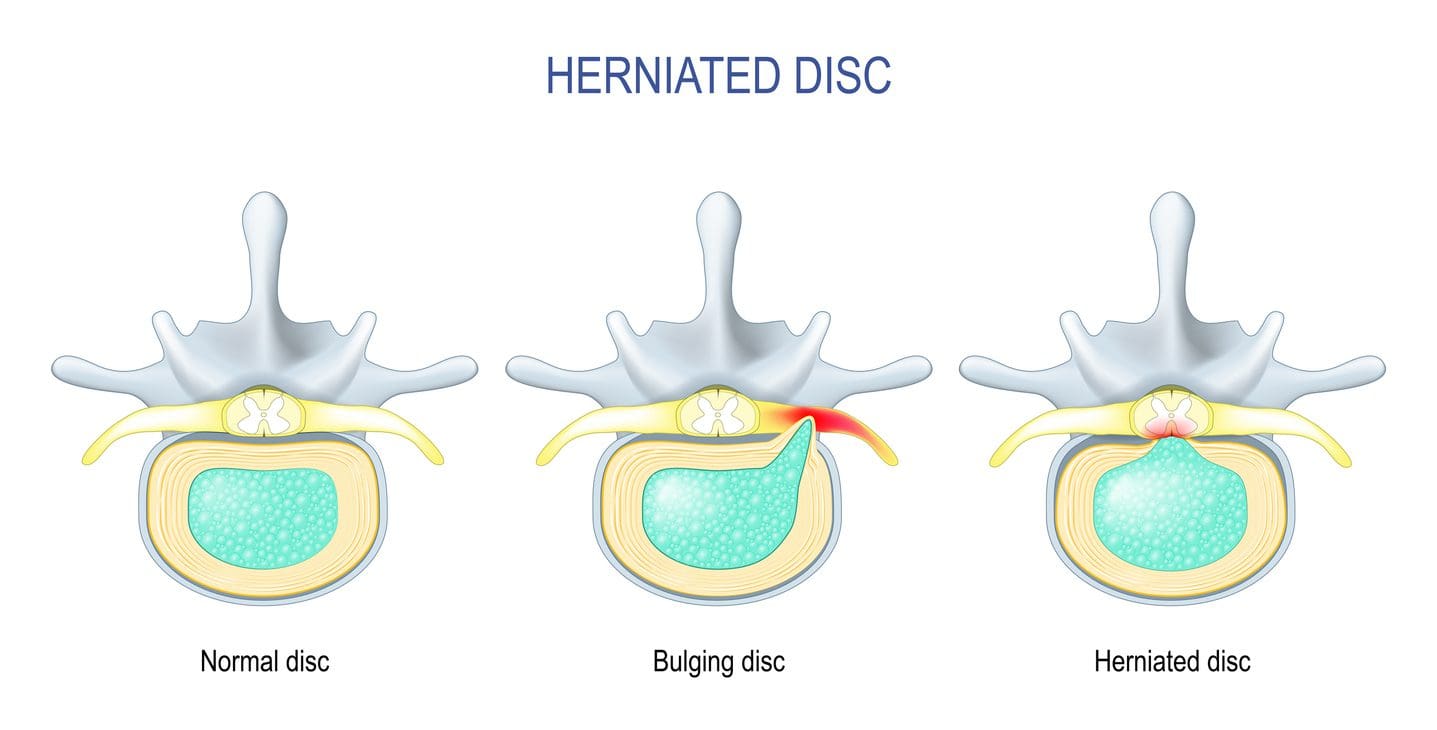
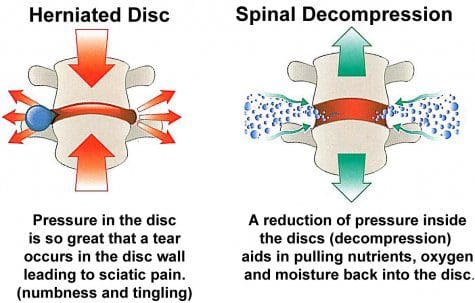
For individuals who are dealing with back pain and problems, could knowing how to improve and maintain intervertebral disc health help alleviate symptoms?
Intervertebral Disc Health
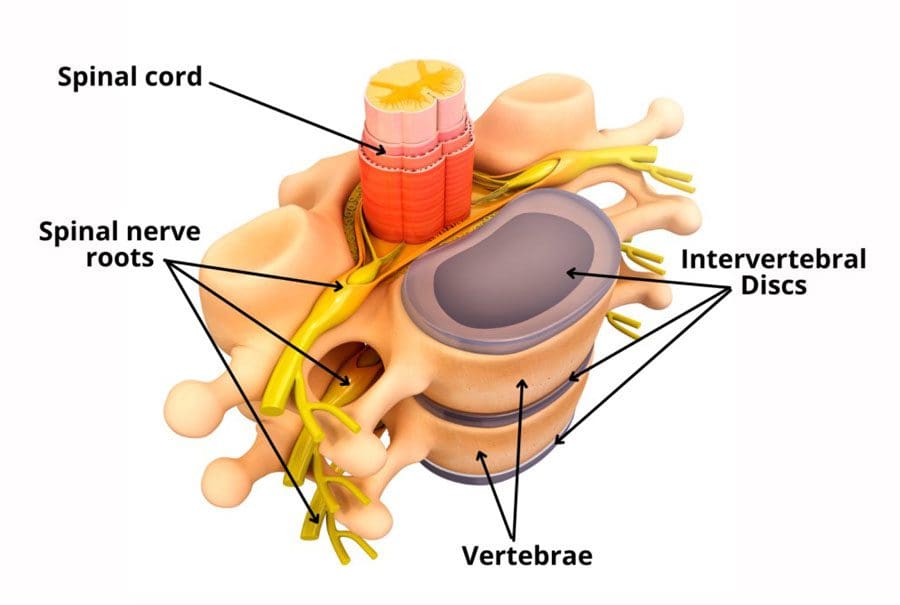
The spinal column comprises 24 movable bones and 33 bones called vertebrae. The vertebral bones are stacked on top of each other. The intervertebral disc is the cushioning substance between the adjacent bones. (Dartmouth. 2008)
Bones
The vertebral bones are small and round in an area called the vertebral body. In the back is a bony ring from which protrusions extend and arches and pathways are formed. Each structure has one or more purposes and includes: (Waxenbaum JA, Reddy V, Williams C, et al., 2023)
Stabilizing the spine.
Providing a space for the connective tissue and back muscles to attach.
Providing a tunnel for the spinal cord to pass through cleanly.
Providing a space where nerves exit and branch out to all areas of the body.
Structure
The intervertebral disc is the cushioning that sits between the vertebrae. The design of the spine allows it to move in various directions:
Flexion or bending
Extension or arching
Tilting and rotation or twisting.
Powerful forces act upon and influence the spinal column to produce these movements. The intervertebral disc absorbs shock during movement and protects the vertebrae and spinal cord from injury and/or trauma.
Ability
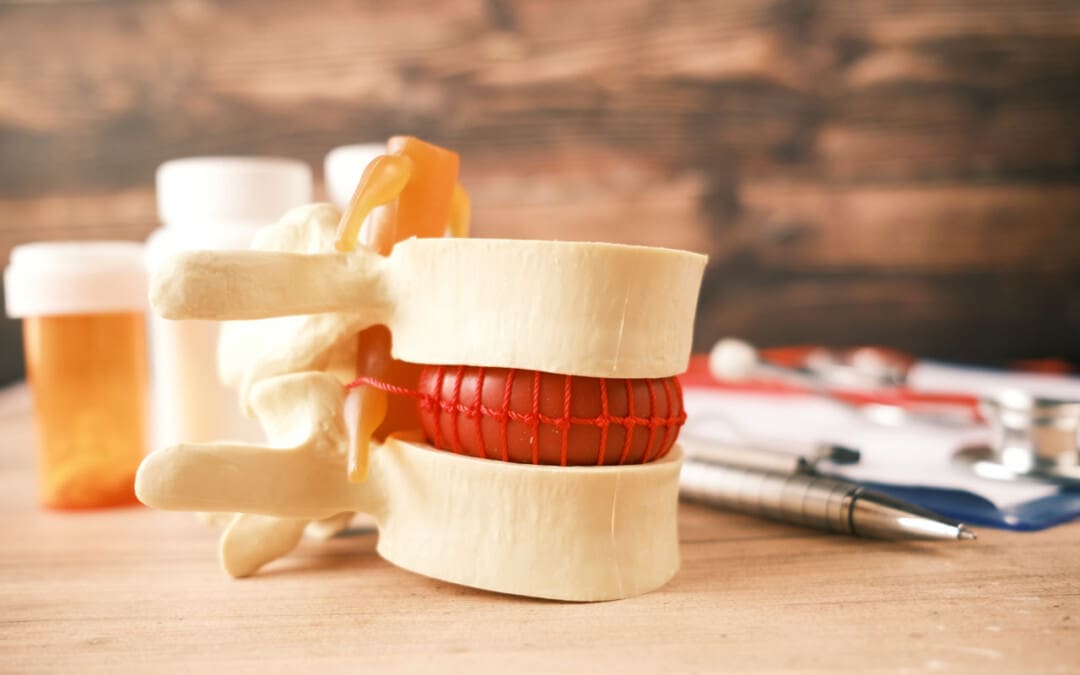
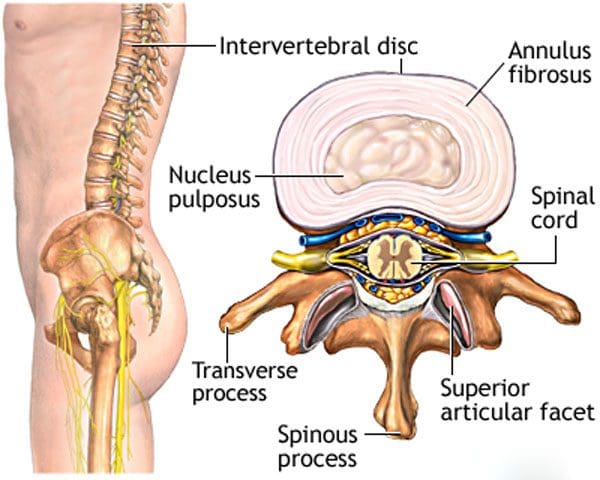
On the outside, strong woven fiber tissues form an area called the annulus fibrosis. The annulus fibrosis contains and protects the softer gel substance in the center, the nucleus pulposus. (Y.S. Nosikova et al., 2012) The nucleus pulposis provides shock absorption, flexibility, and pliability, especially under pressure during spinal movement.
Mechanics
The nucleus pulposus is a soft gel substance located in the center of the disc that allows elasticity and flexibility under stress forces to absorb compression. (Nedresky D, Reddy V, Singh G. 2024) The swivel action alters the tilt and rotation of the vertebra above and below, buffering the effects of spinal motion. The discs swivel in response to the direction the spine moves. The nucleus pulposus is made mostly of water, which moves in and out through small pores, acting as byways between the vertebra and disc bone. Body positions that load the spine, like sitting and standing, push the water out of the disc. Lying down on the back or in a supine position facilitates water restoration into the disc. As the body ages, the discs lose water/dehydrate, leading to disc degeneration. The intervertebral disc has no blood supply, which means that for a disc to receive necessary nutrition and for waste removal, it must rely on water circulation to stay healthy.
Care
Some ways of maintaining intervertebral disc health include:
Paying attention to posture.
Changing positions frequently throughout the day.
Exercising and moving around.
Applying correct body mechanics to physical activities.
Sleeping on a supportive mattress.
Drinking plenty of water.
Eating healthy.
Maintaining a healthy weight.
Drinking alcohol in moderation.
Quitting smoking.
At Injury Medical Chiropractic and Functional Medicine Clinic, we treat injuries and chronic pain syndromes by improving an individual’s ability through flexibility, mobility, and agility programs tailored for all age groups and disabilities. Our chiropractic team, care plans, and clinical services are specialized and focused on injuries and the complete recovery process. Our areas of practice include Wellness & Nutrition, Acupuncture, Chronic Pain, Personal Injury, Auto Accident Care, Work Injuries, Back Injury, Low Back Pain, Neck Pain, Migraine Headaches, Sports Injuries, Severe Sciatica, Scoliosis, Complex Herniated Discs, Fibromyalgia, Chronic Pain, Complex Injuries, Stress Management, Functional Medicine Treatments, and in-scope care protocols. If other treatment is needed, individuals will be referred to a clinic or physician best suited to their injury, condition, and/or ailment.
Beyond the Surface: Understanding the Effects of Personal Injury
References
Dartmouth Ronan O’Rahilly, MD. (2008). Basic Human Anatomy. Chapter 39: The vertebral column. In D. Rand Swenson, MD, PhD (Ed.), BASIC HUMAN ANATOMY A Regional Study of Human Structure. W.B. Saunders. https://humananatomy.host.dartmouth.edu/BHA/public_html/part_7/chapter_39.html
Waxenbaum, J. A., Reddy, V., Williams, C., & Futterman, B. (2024). Anatomy, Back, Lumbar Vertebrae. In StatPearls. https://www.ncbi.nlm.nih.gov/pubmed/29083618
Nosikova, Y. S., Santerre, J. P., Grynpas, M., Gibson, G., & Kandel, R. A. (2012). Characterization of the annulus fibrosus-vertebral body interface: identification of new structural features. Journal of anatomy, 221(6), 577–589. https://doi.org/10.1111/j.1469-7580.2012.01537.x
Nedresky D, Reddy V, Singh G. (2024). Anatomy, Back, Nucleus Pulposus. In StatPearls. https://www.ncbi.nlm.nih.gov/pubmed/30570994
Can incorporating acupressure provide effective relief and benefits for individuals looking to try natural treatments for common health ailments?
Acupressure
Acupressure is a type of complementary medicine that is rising in popularity due to its simplicity and accessibility. It can assist in treating various diseases and conditions. (Piyush Mehta et al., 2016) Anyone can learn it, and no special equipment is required. It is an effective and safe therapeutic option with no known side effects. (Youngmi Cho et al., 2021) It is a cost-effective intervention similar to acupuncture. (Lukas Israel et al., 2021)
What Is It?
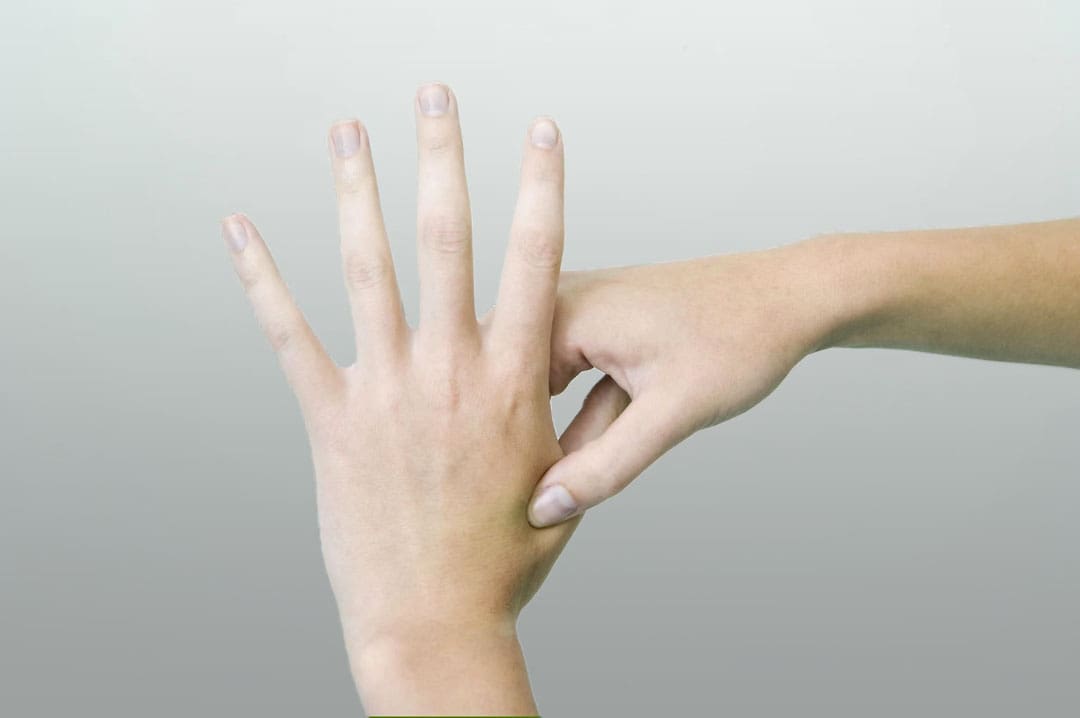
The concept of acupressure activates acupoints or pressure points across meridians or channels connected to various organs to balance energy and promote health. Practitioners believe that the quality or state of a person’s energy determines their health. (Piyush Mehta et al., 2016) Acupressure is the stimulation of acupoints using either the fingers or a tool. Massage techniques like Amma, Shiatsu, Tui Na, and Thai massage incorporate acupressure in their treatments and follow the same energy channels as acupuncture.
The Way It Works
Acupressure works similarly to acupuncture. The Gate Control Theory theorizes that pleasure impulses reach the brain four times faster than pain impulses. Continuous pleasurable impulses close the neural gates and block slower messages, like pain. According to this theory, acupressure improves the pain perception threshold. (Piyush Mehta et al., 2016) Stimulating acupoints activates functional responses, like releasing hormones. These hormones serve various functions, physical, like regulating organ function, and mental, like regulating emotions, and releasing them can help improve health and well-being. (Piyush Mehta et al., 2016)
Acupressure is a simple and effective intervention that can be self or professionally administered.
Acupoints are activated in the elbows, fingers, feet, knuckles, palms, or thumbs.
Though acupressure doesn’t require specialized tools, they are available for convenience.
Some practitioners used Bian stones to activate acupoints.
Acupressure is often used alongside modern medicine, as it treats common or coexisting symptoms, such as anxiety or stress. Some of the conditions for which acupressure may be effective include.
Stress and Fatigue Reduction
Stress and fatigue are common but often arise alongside other ailments or conditions if persistent or severe, anxiety and fatigue can significantly affect quality of life by reducing an individual’s ability to participate in daily activities. In a study looking at shift work nurses who experience stress and fatigue from the intensity of their work, acupressure significantly reduced their symptoms. (Youngmi Cho et al., 2021) In studies with breast cancer survivors, acupressure was also used to decrease fatigue levels and was shown to be an effective and low-cost option for managing persistent fatigue alongside standard care for breast cancer. (Suzanna Maria Zick et al., 2018) (Suzanna M Zick et al., 2016)
Can Help With Anxiety and Depression
Depression and anxiety can be part of a disorder or exist on their own. Acupressure may help alleviate some of the anxiety and depression that arise as part of a condition or ailment. In the shift work nurses study, acupressure helped decrease anxiety levels. (Youngmi Cho et al., 2021) In other studies, acupressure reduced anxiety scores and improved depressive symptoms in individuals with mild to moderate symptoms. (Elizabeth Monson et al., 2019) (Jingxia Lin et al., 2022) (Suzanna Maria Zick et al., 2018)
Pain Reduction
Individuals experience physical pain for a variety of reasons. Pain can come from temporary sports injuries, work, sudden awkward movements, and/or chronic illness. Acupressure can effectively reduce pain as a complementary therapy. (Elizabeth Monson et al., 2019) In a study, athletes who had a musculoskeletal sports injury reported decreased pain intensity after three minutes of acupressure therapy. (Aleksandra K Mącznik et al., 2017) In another study, breast cancer survivors showed significant improvements with acupressure. (Suzanna Maria Zick et al., 2018)
Nausea Relief
Nausea and vomiting are conditions that are common for those who are pregnant or undergoing chemotherapy. It also can be a medication side effect or arise with migraine or indigestion. There is evidence that acupressure may be effective in alleviating symptoms. Some researchers believe a particular type of acupressure known as auricular acupressure is the most effective for treating chemotherapy-induced nausea and vomiting alongside standard treatment. (Jing-Yu Tan et al., 2022) However, further research is needed to determine whether this is a viable, ongoing option for treating nausea and vomiting. (Heather Greenlee et al., 2017)
Sleep Better
Acupressure can be an effective and low-cost option for managing breast cancer symptoms. One study found relaxing acupressure techniques improved sleep quality and quality of life in breast cancer survivors. Additionally, researchers note that relaxing acupressure is more effective for improving sleep and quality of life than stimulating acupressure. (Suzanna M Zick et al., 2016)
Allergy Reduction
Allergic rhinitis is inflammation caused by an allergic reaction. Previous trials have found that acupressure could improve overall health by reducing seasonal allergic rhinitis symptoms and the need for allergy medication. (Lukas Israel et al., 2021) Researchers also noted that individuals are likely to adhere to self-applied acupressure therapy as a form of self-massage. (Lukas Israel et al., 2021)
Always consult a healthcare provider before starting acupressure treatments, especially if you have any pre-existing health conditions. At Injury Medical Chiropractic and Functional Medicine Clinic, we treat injuries and chronic pain syndromes by developing personalized treatment plans and specialized clinical services focused on injuries and the complete recovery process. Flexibility, mobility, and agility programs are tailored for all age groups and disabilities. If other treatment is needed, individuals will be referred to a clinic or physician best suited to their injury, condition, and/or ailment.
Enhance Performance with Functional Foot Orthotics
References
Mehta, P., Dhapte, V., Kadam, S., & Dhapte, V. (2016). Contemporary acupressure therapy: Adroit cure for painless recovery of therapeutic ailments. Journal of traditional and complementary medicine, 7(2), 251–263. https://doi.org/10.1016/j.jtcme.2016.06.004
Cho, Y., Joo, J. M., Kim, S., & Sok, S. (2021). Effects of Meridian Acupressure on Stress, Fatigue, Anxiety, and Self-Efficacy of Shiftwork Nurses in South Korea. International journal of environmental research and public health, 18(8), 4199. https://doi.org/10.3390/ijerph18084199
Israel, L., Rotter, G., Förster-Ruhrmann, U., Hummelsberger, J., Nögel, R., Michalsen, A., Tissen-Diabaté, T., Binting, S., Reinhold, T., Ortiz, M., & Brinkhaus, B. (2021). Acupressure in patients with seasonal allergic rhinitis: a randomized controlled exploratory trial. Chinese medicine, 16(1), 137. https://doi.org/10.1186/s13020-021-00536-w
Zick, S. M., Sen, A., Hassett, A. L., Schrepf, A., Wyatt, G. K., Murphy, S. L., Arnedt, J. T., & Harris, R. E. (2018). Impact of Self-Acupressure on Co-Occurring Symptoms in Cancer Survivors. JNCI cancer spectrum, 2(4), pky064. https://doi.org/10.1093/jncics/pky064
Zick, S. M., Sen, A., Wyatt, G. K., Murphy, S. L., Arnedt, J. T., & Harris, R. E. (2016). Investigation of 2 Types of Self-administered Acupressure for Persistent Cancer-Related Fatigue in Breast Cancer Survivors: A Randomized Clinical Trial. JAMA oncology, 2(11), 1470–1476. https://doi.org/10.1001/jamaoncol.2016.1867
Monson, E., Arney, D., Benham, B., Bird, R., Elias, E., Linden, K., McCord, K., Miller, C., Miller, T., Ritter, L., & Waggy, D. (2019). Beyond Pills: Acupressure Impact on Self-Rated Pain and Anxiety Scores. Journal of alternative and complementary medicine (New York, N.Y.), 25(5), 517–521. https://doi.org/10.1089/acm.2018.0422
Lin, J., Chen, T., He, J., Chung, R. C., Ma, H., & Tsang, H. (2022). Impacts of acupressure treatment on depression: A systematic review and meta-analysis. World journal of psychiatry, 12(1), 169–186. https://doi.org/10.5498/wjp.v12.i1.169
Mącznik, A. K., Schneiders, A. G., Athens, J., & Sullivan, S. J. (2017). Does Acupressure Hit the Mark? A Three-Arm Randomized Placebo-Controlled Trial of Acupressure for Pain and Anxiety Relief in Athletes With Acute Musculoskeletal Sports Injuries. Clinical journal of sport medicine : official journal of the Canadian Academy of Sport Medicine, 27(4), 338–343. https://doi.org/10.1097/JSM.0000000000000378
Tan, J. Y., Molassiotis, A., Suen, L. K. P., Liu, J., Wang, T., & Huang, H. R. (2022). Effects of auricular acupressure on chemotherapy-induced nausea and vomiting in breast cancer patients: a preliminary randomized controlled trial. BMC complementary medicine and therapies, 22(1), 87. https://doi.org/10.1186/s12906-022-03543-y
Greenlee, H., DuPont-Reyes, M. J., Balneaves, L. G., Carlson, L. E., Cohen, M. R., Deng, G., Johnson, J. A., Mumber, M., Seely, D., Zick, S. M., Boyce, L. M., & Tripathy, D. (2017). Clinical practice guidelines on the evidence-based use of integrative therapies during and after breast cancer treatment. CA: a cancer journal for clinicians, 67(3), 194–232. https://doi.org/10.3322/caac.21397
Ho, K. K., Kwok, A. W., Chau, W. W., Xia, S. M., Wang, Y. L., & Cheng, J. C. (2021). A randomized controlled trial on the effect of focal thermal therapy at acupressure points treating osteoarthritis of the knee. Journal of orthopaedic surgery and research, 16(1), 282. https://doi.org/10.1186/s13018-021-02398-2
For individuals suffering from neck pain and headaches, can craniosacral head massage therapy help provide relief?
Craniosacral Therapy
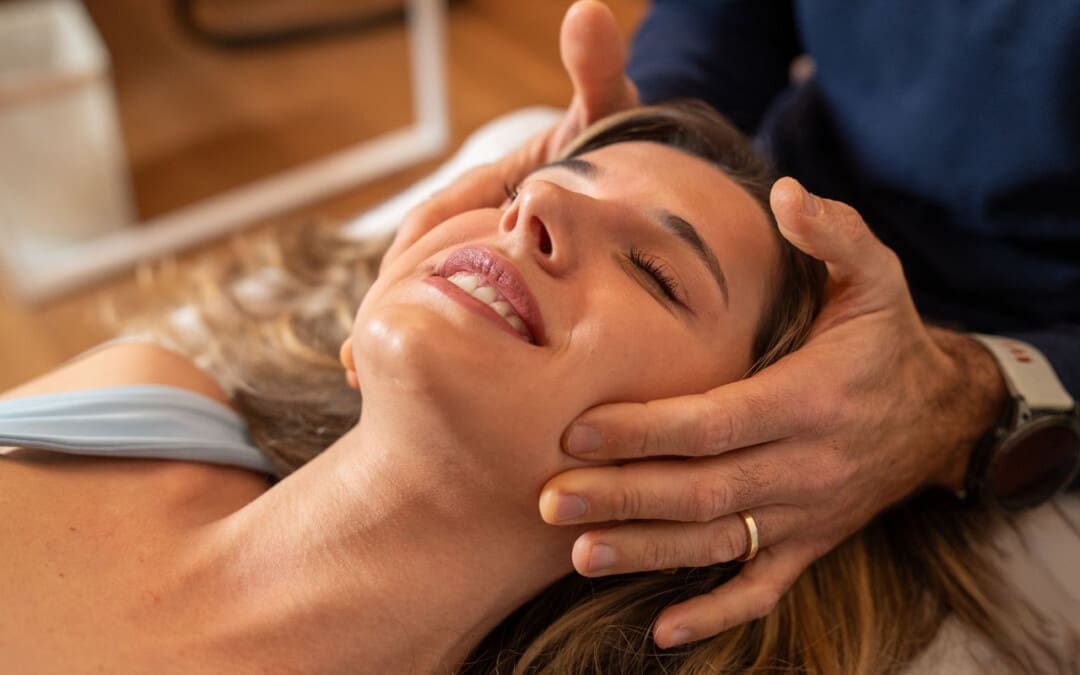
Craniosacral therapy is a gentle massage to release fascia or connective tissue network tension. The therapy is not new but has gained new attention because of the public interest in natural pain treatments and therapies. Studies are limited, but clinical research is ongoing to see if the therapy can become a mainstream treatment option. The therapy aims to alleviate the symptoms of various health ailments and conditions, including:
By relieving compression in the lower back, head, and spinal column, cerebrospinal fluid circulation is restored, and the body rhythms within the nervous system are reset. This provides pain relief, lowers stress, and improves overall well-being.
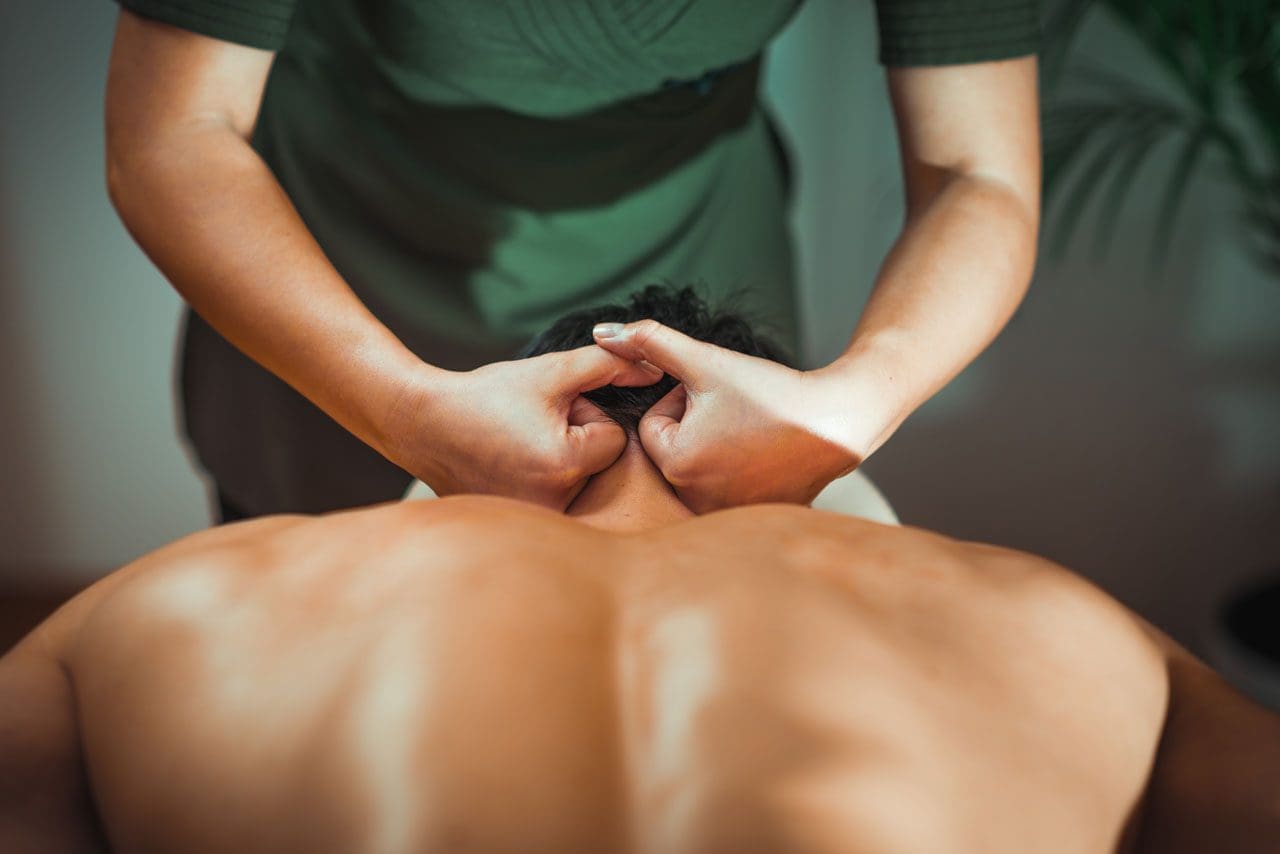
The focus areas are those along the fascia, the connective tissue that holds organs, blood vessels, bones, nerve fibers, and muscles in place. By working this tissue through gentle-pressure massage, practitioners help to calm the fight-or-flight response by relaxing the sympathetic nervous system. The symptoms will determine what areas of the body necessitate craniosacral therapy. Individuals with headaches will be given a head or neck massage. Other areas involved in craniosacral therapy include: (Heidemarie Haller, Gustav Dobos, and Holger Cramer, 2021)
Back
Around the spinal column.
Other areas like the joints or muscles.
The pressure applied during craniosacral therapy is light and not the same as a deep tissue massage.
The parasympathetic and sympathetic nervous systems control various body responses.
The parasympathetic nervous system supports proper rest and digestive functions, and the sympathetic nervous system regulates the body’s fight-or-flight response. (Cleveland Clinic. 2022)
Therapy Techniques
The massage techniques used in craniosacral therapy rely on low pressure intended to be as gentle as possible. The fingertips are often used to avoid applying too much pressure. Healthcare providers work the areas between the skull and the bottom of the spine to identify and reset imbalances within the body and the cerebrospinal fluid. If there is an imbalance in cerebrospinal fluid, the massage therapist will reposition the individual or press on the area to release and/or increase circulation. The techniques work to improve the body’s ability to regulate physiological responses. (Heidemarie Haller et al., 2019) During and after the session, individuals may experience different sensations, including: (Biodynamic Craniosacral Therapy Association of North America, 2024)
Relaxation.
Feeling like being in a meditative state.
Sleepiness.
Energized.
Feeling a sense of warmth.
Deeper breathing.
Feeling the body is straighter and taller.
Individuals Who Should Not Receive Craniosacral Therapy
Craniosacral therapy is considered safe; however, some individuals should avoid it or consult a healthcare provider before trying it. Those recommended not to receive the treatment include individuals with the following ailments or disorders:
Concussion or other traumatic brain injuries.
Blood clots.
Brain swelling.
Brain aneurysm – a blood-filled bulge in a blood vessel in or around the brain.
Conditions that cause cerebrospinal fluid buildup.
Treatment
Craniosacral therapy is offered by several healthcare providers, including:
Craniosacral therapy licensed massage therapists
Physical therapists
Occupational therapists
Osteopaths
Chiropractors
These professionals know how to perform the massage technique correctly.
Tension Headaches
References
Haller, H., Lauche, R., Sundberg, T., Dobos, G., & Cramer, H. (2019). Craniosacral therapy for chronic pain: a systematic review and meta-analysis of randomized controlled trials. BMC musculoskeletal disorders, 21(1), 1. https://doi.org/10.1186/s12891-019-3017-y
Haller, H., Dobos, G., & Cramer, H. (2021). The use and benefits of Craniosacral Therapy in primary health care: A prospective cohort study. Complementary therapies in medicine, 58, 102702. https://doi.org/10.1016/j.ctim.2021.102702
Biodynamic Craniosacral Therapy Association of North America. (2024). What is a session like? https://www.craniosacraltherapy.org/what-is-a-session-like-
“For individuals who want to exercise but have fears or concerns, can understanding what they are scared of help ease their minds?”
Overcoming Exercise Fears
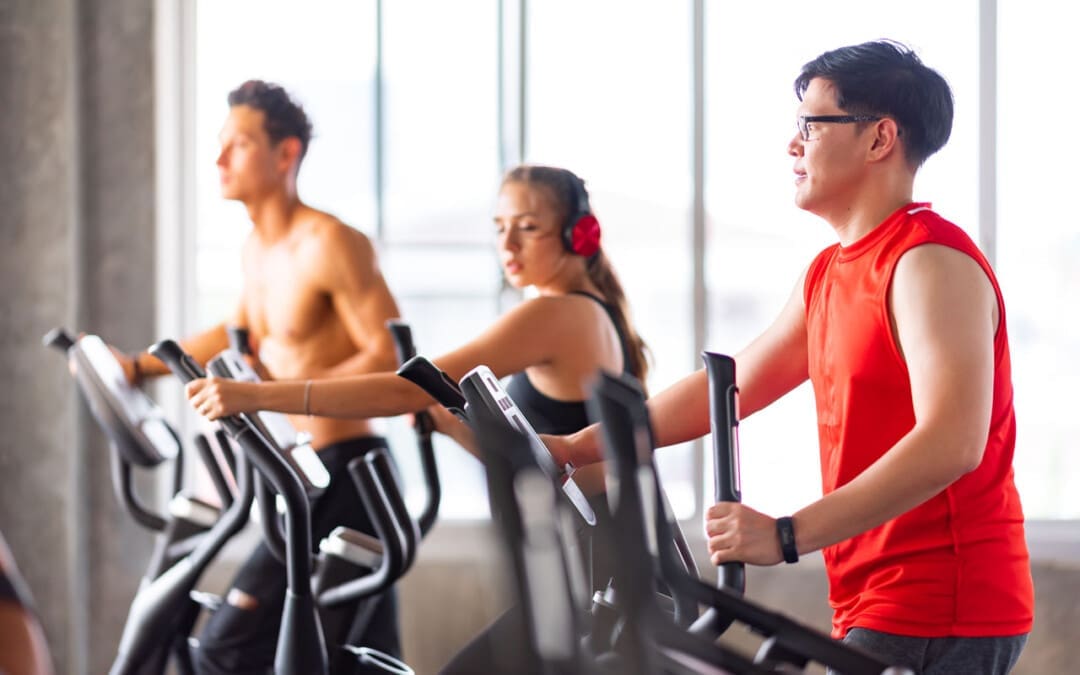
One reason for the ongoing weight problem is that individuals don’t move around enough, and one reason individuals don’t exercise is fear (Craig M. Hales et al., 2020). For individuals, physical exertion and moving the body to the point of increased heart rate, heavy breathing, and excessive sweating can cause anxiety and be scary when they haven’t done it in a while or have never worked out. Some anxieties and fears individuals may experience include the following:
Looking Foolish
Anything can happen when exercising. When individuals can’t figure out how a machine works or aren’t sure if they’re doing an exercise correctly, falling off a machine or dropping a weight can cause a feeling of foolishness. Knowing how to use machines and weights takes practice. Ask a gym employee or personal trainer for guidance, as educating individuals on doing exercises correctly and safely is their job. And most individuals working out are happy to help as well.
Experiencing Pain
Some avoid exercise, fearing intense pain. Exercise is not supposed to be painful, but it will cause soreness because individuals use muscles that they haven’t used for a while or at all. For instance, the muscles will experience a slight burning sensation when lifting weights. The body reacts to the workout and adapts to exercise. As the body gets stronger, individuals recognize their body’s response and are able to challenge themselves with heavier weights, longer runs, walks, and workouts. When beginning an exercise program, start slow. Some trainers recommend doing slightly less than an individual thinks they can for the first weeks. This helps to build a habit without the risk of burnout.
Injuries
When starting an exercise program, individuals can feel changes all over their bodies, like everything is pulling and tearing apart. Individuals who haven’t exercised much may be unable to distinguish between the normal discomfort from exercising for the first time and pain from an injury. Shin splints, side stitches, or other common side effects may develop from beginning an exercise program. Individuals may need to stop exercising, treat the injury, and start again.
If there are sharp pains in the joints, tearing in the muscles or ligaments, or anything else that doesn’t feel normal, stop and seek medical attention.
Exercise Mindfulness
The body will feel something while exercising, but separating real injury pain from normal sensations is important.
Be aware of how the body feels throughout the workout.
Follow instructions and pay attention to proper form to minimize the risk of injury.
Proper Footwear
Wearing the right workout shoes is a good idea to avoid and prevent injuries.
Invest in a quality pair of shoes to give the body the support it needs.
Proper Form
If lifting weights, one way to sustain an injury is using incorrect form or posture.
If you are unsure how to do the exercises, consult a trainer or gym employee to explain how the machine works.
Warm Up
Jumping into a workout without warming up can lead to injuries that can lead to chronic pain conditions.
If lifting weights, do a little cardiovascular exercise first or a warm-up set with lighter weights.
Workout Within Fitness Levels
Injuries happen when trying to do too much too soon.
Start with a light program.
Work up to more intense and frequent workouts.
For example, if only able to walk for 10 minutes, start there and increase gradually.
Failure
When it comes to exercise, failure can be experienced in different ways, like losing weight, failing to make it through a workout, being unable to stick to an exercise program, etc. This is part of the process, but individuals can overcome exercise fears through perseverance.
Setting the bar too high can become an excuse to quit.
A simple way to deal with this is to set a reachable goal.
Long-term goals can be set to work toward.
Do what you can handle now.
Individuals take risks whenever they do something out of their comfort zone. However, taking risks may be necessary to overcome exercise fears, keep going, and achieve success.
Weight Loss Techniques
References
Hales CM, C. M., Fryar CD, Ogden CL. (2020). Prevalence of obesity and severe obesity among adults: United States, 2017–2018. NCHS Data Brief, no 360. Hyattsville, MD: National Center for Health Statistics. Retrieved from https://www.cdc.gov/nchs/products/databriefs/db360.htm#Suggested_citation
Can individuals with joint hypermobility find relief through nonsurgical treatments in reducing pain and restoring body mobility?
Introduction
When a person moves their body, the surrounding muscles, joints, and ligaments are incorporated into various tasks that allow them to stretch and be flexible without pain or discomfort. Many repetitive motions enable the individual to continue their routine. However, when the joints, muscles, and ligaments are stretched farther than normal in the upper and lower extremities without pain, it is known as joint hypermobility. This connective tissue disorder can correlate with other symptoms that affect the body and cause many people to seek treatment to manage joint hypermobility symptoms. In today’s article, we will look at joint hypermobility and how various non-surgical treatments can help reduce pain caused by joint hypermobility and restore body mobility. We talk with certified medical providers who consolidate our patients’ information to assess how their pain may be associated with joint hypermobility. We also inform and guide patients on how integrating various non-surgical treatments can help improve joint function while managing the associated symptoms. We encourage our patients to ask their associated medical providers intricate and insightful questions about incorporating non-surgical therapies as part of their routine to reduce pain and discomfort from joint hypermobility. Dr. Jimenez, D.C., includes this information as an academic service. Disclaimer.
What Is Joint Hypermobility?
Do you often feel your joints locked up in your hands, wrists, knees, and elbows? Do you experience pain and fatigue in your joints when your body feels constantly tired? Or when you stretch your extremities, do they extend farther than usual to feel the relief? Many of these various scenarios are often correlated with individuals experiencing joint hypermobility. Joint hypermobility is an inherited disorder with autosomal dominant patterns that characterize joint hyperlaxity and musculoskeletal pain within the body extremities. (Carbonell-Bobadilla et al., 2020) This connective tissue condition is often related to the flexibility of the connected tissues like ligaments and tendons in the body. An example would be if a person’s thumb is touching their inner forearm without feeling pain or discomfort, they have joint hypermobility. Additionally, many individuals dealing with joint hypermobility will often have a difficult diagnosis as they will develop skin and tissue fragility over time, causing musculoskeletal complications. (Tofts et al., 2023)
When individuals deal with joint hypermobility over time, many often have symptomatic joint hypermobility. They will present with musculoskeletal and systemic symptoms that lead to displaying skeletal deformities, tissue and skin fragility, and structural differences in the body’s system. (Nicholson et al., 2022) Some of the symptoms that joint hypermobility are shown in a diagnosis include:
Muscle pain and joint stiffness
Clicking joints
Fatigue
Digestive issues
Balance issues
Luckily, there are various treatments that many people can use to help restrengthen the surrounding muscles around the joints and reduce the correlating symptoms caused by joint hypermobility.
Movement As Medicine-Video
Nonsurgical Treatments For Joint Hypermobility
When dealing with joint hypermobility, many individuals need to seek treatments to reduce the correlating pain-like symptoms of joint hypermobility and help relieve the body’s extremities while restoring mobility. Some excellent treatments for joint hypermobility are non-surgical therapies that are non-invasive, gentle on the joints and muscles, and cost-effective. Various non-surgical treatments can be customized for the individual depending on how severe their joint hypermobility and comorbidities affect the person’s body. Non-surgical treatments can relieve the body from joint hypermobility by treating the causes of the pain through reduction and maximizing functional capacity and restoring a person’s quality of life. (Atwell et al., 2021) The three non-surgical treatments that are excellent for reducing pain from joint hypermobility and helping strengthen the surrounding muscles are below.
Chiropractic Care
Chiropractic care utilizes spinal manipulation and helps restore joint mobility in the body to reduce the effects of joint hypermobility by stabilizing the affected joints from the hypermobile extremities. (Boudreau et al., 2020) Chiropractors incorporate mechanical and manual manipulation and various techniques to help many individuals improve their posture by being more mindful of their bodies and work with multiple other therapies to emphasize controlled movements. With other comorbidities associated with joint hypermobility, like back and neck pain, chiropractic care can reduce these comorbidity symptoms and allow the individual to regain their quality of life.
Acupuncture
Another non-surgical treatment that many individuals can incorporate to reduce joint hypermobility and its comorbidities is acupuncture. Acupuncture utilizes small, thin, solid needles that acupuncturists use to block pain receptors and restore the body’s energy flow. When many individuals are dealing with joint hypermobility, their extremities in the legs, hands, and feet are in pain over time, which can cause the body to be unstable. What acupuncture does is help reduce the pain caused by joint hypermobility associated with the extremities and restore balance and functionality to the body (Luan et al., 2023). This means that if a person is dealing with stiffness and muscle pain from joint hypermobility, acupuncture can help rewire the pain by placing the needles in the body’s acupoints to provide relief.
Physical Therapy
Physical therapy is the last non-surgical treatment many people can incorporate into their daily routine. Physical therapy can help manage joint hypermobility that are tailored to help strengthen weak muscles that are surrounding the affected joints, improving a person’s stability and helping reduce the risk of dislocation. Additionally, many individuals can use low-impact exercise to ensure optimal motor control when doing regular exercises without putting excessive strain on the joints. (Russek et al., 2022)
By incorporating these three non-surgical treatments as part of a customized treatment for joint hypermobility, many individuals will begin to feel a difference in their balance. They will not experience joint pain by being more mindful of the body and incorporating small changes in their routine. Even though living with joint hypermobility can be a challenge for many individuals, by integrating and utilizing the right combination of non-surgical treatments, many can begin to lead active and fulfilling lives.
References
Atwell, K., Michael, W., Dubey, J., James, S., Martonffy, A., Anderson, S., Rudin, N., & Schrager, S. (2021). Diagnosis and Management of Hypermobility Spectrum Disorders in Primary Care. J Am Board Fam Med, 34(4), 838-848. https://doi.org/10.3122/jabfm.2021.04.200374
Boudreau, P. A., Steiman, I., & Mior, S. (2020). Clinical management of benign joint hypermobility syndrome: a case series. J Can Chiropr Assoc, 64(1), 43-54. https://www.ncbi.nlm.nih.gov/pubmed/32476667
Carbonell-Bobadilla, N., Rodriguez-Alvarez, A. A., Rojas-Garcia, G., Barragan-Garfias, J. A., Orrantia-Vertiz, M., & Rodriguez-Romo, R. (2020). [Joint hypermobility syndrome]. Acta Ortop Mex, 34(6), 441-449. https://www.ncbi.nlm.nih.gov/pubmed/34020527 (Sindrome de hipermovilidad articular.)
Luan, L., Zhu, M., Adams, R., Witchalls, J., Pranata, A., & Han, J. (2023). Effects of acupuncture or similar needling therapy on pain, proprioception, balance, and self-reported function in individuals with chronic ankle instability: A systematic review and meta-analysis. Complement Ther Med, 77, 102983. https://doi.org/10.1016/j.ctim.2023.102983
Nicholson, L. L., Simmonds, J., Pacey, V., De Wandele, I., Rombaut, L., Williams, C. M., & Chan, C. (2022). International Perspectives on Joint Hypermobility: A Synthesis of Current Science to Guide Clinical and Research Directions. J Clin Rheumatol, 28(6), 314-320. https://doi.org/10.1097/RHU.0000000000001864
Russek, L. N., Block, N. P., Byrne, E., Chalela, S., Chan, C., Comerford, M., Frost, N., Hennessey, S., McCarthy, A., Nicholson, L. L., Parry, J., Simmonds, J., Stott, P. J., Thomas, L., Treleaven, J., Wagner, W., & Hakim, A. (2022). Presentation and physical therapy management of upper cervical instability in patients with symptomatic generalized joint hypermobility: International expert consensus recommendations. Front Med (Lausanne), 9, 1072764. https://doi.org/10.3389/fmed.2022.1072764
Tofts, L. J., Simmonds, J., Schwartz, S. B., Richheimer, R. M., O’Connor, C., Elias, E., Engelbert, R., Cleary, K., Tinkle, B. T., Kline, A. D., Hakim, A. J., van Rossum, M. A. J., & Pacey, V. (2023). Pediatric joint hypermobility: a diagnostic framework and narrative review. Orphanet J Rare Dis, 18(1), 104. https://doi.org/10.1186/s13023-023-02717-2
Can individuals with herniated discs find the relief they are looking for from traction therapy or decompression to provide pain relief?
Introduction
The spine allows the individual to be mobile and flexible without feeling pain and discomfort when a person is on the move. This is because the spine is part of the musculoskeletal system that consists of muscles, tendons, ligaments, the spinal cord, and spinal discs. These components surround the spine and have three regions to allow the upper and lower extremities to do their jobs. However, the spine also ages when the body starts to age naturally. Many movements or routine actions can cause the body to be stiff and, over time, can cause the spinal disc to herniate. When this happens, a herniated disc can lead to pain and discomfort in the extremities, thus making individuals deal with a reduced quality of life and pain in three spinal regions. Luckily, there are numerous treatments, like traction therapy and decompression, to alleviate the pain and discomfort associated with herniated discs. Today’s article looks at why herniated discs cause issues in the spine and the effects of how these two treatments can help reduce herniated discs. We talk with certified medical providers who consolidate our patients’ information to assess how a herniated disc in the spine may be the issue causing musculoskeletal pain. We also inform and guide patients on how integrating spinal decompression and traction therapy can help realign the spine and reduce disc herniation that is causing spinal issues. We encourage our patients to ask their associated medical providers intricate and important questions about incorporating non-surgical treatments as part of their routine to reduce pain and discomfort in their bodies. Dr. Jimenez, D.C., includes this information as an academic service. Disclaimer.
Why Herniated Discs Causes Issues In The Spine?
Have you been experiencing constant discomfort in your neck or back that doesn’t allow you to relax? Do you feel tingling sensations in your upper and lower extremities, making grasping objects or walking difficult? Or have you noticed that you are hunching over from your desk or standing and that stretching causes pain? As the spine keeps the body upright, its main components include the moveable vertebrae, the nerve root fibers, and spinal discs to help send neuron signals to the brain to allow movement, cushion the shocked forces on the spine, and be flexible. The spine allows the individual to perform various tasks without pain and discomfort through repetitive movements. However, when the body ages, it can lead to degenerative changes in the spine, causing the spinal disc to herniate over time. A herniated disc is a common degenerative musculoskeletal condition that causes the nucleus pulposus to break through any weak region of the annulus fibrosus and compress the surrounding nerve roots. (Ge et al., 2019) Other times, when repetitive motions start to cause a developing herniated disc, the inner portion of the disc can become desiccated and brittle. In contrast, the outer portion becomes more fibrotic and less elastic, causing the disc to shrink and be narrow. A herniated disc can affect young and old populations as they can have a multifactorial contribution that causes proinflammatory changes to the body. (Wu et al., 2020)
When many people are dealing with pain associated with a herniated disc, the disc itself goes through morphological change through the characterization of the disc being partial damage, which is then followed by the displacement and herniation of the inner disc portion in the vertebral canal to compress the spinal nerve roots. (Diaconu et al., 2021) This causes symptoms of pain, numbness, and weakness in the upper and lower body portions through nerve impingement. Hence why, many individuals are dealing with referred pain symptoms from their arms and legs that are radiating pain. When nerve compression associated with herniated discs starts to cause pain and discomfort, many individuals begin to seek out treatment to reduce the pain that the herniated disc is causing to provide relief for their bodies.
Spinal Decompression In Depth-Video
The Effects Of Traction Therapy In Reducing Herniated Disc
Many people who are suffering from pain that is being affected by herniated discs in their spines can seek out treatments like traction therapy to alleviate pain. Traction therapy is a non-surgical treatment that stretches and mobilizes the spine. Traction therapy can be mechanically or manually done by a pain specialist or with the help of mechanical devices. The effects of traction therapy can reduce the compression force on the spinal disc while reducing nerve root compression by expanding the disc height within the spine. (Wang et al., 2022) This allows the surrounding joints within the spine to be mobile and positively affect the spine. With traction therapy, intermittent or steady tension forces help stretch the spine, reduce pain, and improve functional outcomes. (Kuligowski et al., 2021)
The Effects Of Spinal Decompression In Reducing Herniated Disc
Another form of non-surgical treatment is spinal decompression, a sophisticated version of traction that uses computerized technology to help apply controlled, gentle pulling forces to the spine. Spinal decompression does is that it can help decompress the spinal canal and help pull the herniated disc back to its original position while stabilizing the spine and keeping the vital bones and soft tissues safe. (Zhang et al., 2022) Additionally, spinal decompression can create negative pressure on the spine to allow the flow of nutritional fluids and blood oxygen back to the discs while creating an inverse relationship when tension pressure is introduced. (Ramos & Martin, 1994) Both spinal decompression and traction therapy can offer many therapeutic pathways to provide relief to many individuals dealing with herniated discs. Depending on how severe the herniated disc has caused issues to the person’s spine, many can rely on non-surgical treatments due to its customizable plan that is personalized to the person’s pain and can be combined with other therapies to strengthen the surrounding muscles. By doing so, many people can be pain-free over time while being mindful of their bodies.
References
Diaconu, G. S., Mihalache, C. G., Popescu, G., Man, G. M., Rusu, R. G., Toader, C., Ciucurel, C., Stocheci, C. M., Mitroi, G., & Georgescu, L. I. (2021). Clinical and pathological considerations in lumbar herniated disc associated with inflammatory lesions. Rom J Morphol Embryol, 62(4), 951-960. https://doi.org/10.47162/RJME.62.4.07
Ge, C. Y., Hao, D. J., Yan, L., Shan, L. Q., Zhao, Q. P., He, B. R., & Hui, H. (2019). Intradural Lumbar Disc Herniation: A Case Report and Literature Review. Clin Interv Aging, 14, 2295-2299. https://doi.org/10.2147/CIA.S228717
Kuligowski, T., Skrzek, A., & Cieslik, B. (2021). Manual Therapy in Cervical and Lumbar Radiculopathy: A Systematic Review of the Literature. Int J Environ Res Public Health, 18(11). https://doi.org/10.3390/ijerph18116176
Ramos, G., & Martin, W. (1994). Effects of vertebral axial decompression on intradiscal pressure. J Neurosurg, 81(3), 350-353. https://doi.org/10.3171/jns.1994.81.3.0350
Wang, W., Long, F., Wu, X., Li, S., & Lin, J. (2022). Clinical Efficacy of Mechanical Traction as Physical Therapy for Lumbar Disc Herniation: A Meta-Analysis. Comput Math Methods Med, 2022, 5670303. https://doi.org/10.1155/2022/5670303
Wu, P. H., Kim, H. S., & Jang, I. T. (2020). Intervertebral Disc Diseases PART 2: A Review of the Current Diagnostic and Treatment Strategies for Intervertebral Disc Disease. Int J Mol Sci, 21(6). https://doi.org/10.3390/ijms21062135
Zhang, Y., Wei, F. L., Liu, Z. X., Zhou, C. P., Du, M. R., Quan, J., & Wang, Y. P. (2022). Comparison of posterior decompression techniques and conventional laminectomy for lumbar spinal stenosis. Front Surg, 9, 997973. https://doi.org/10.3389/fsurg.2022.997973
Can individuals with spinal pain in their necks and back utilize decompression therapy to restore spinal disc height and find relief?
Introduction
Many people don’t realize that as the body ages, so does the spine. The spine is part of the musculoskeletal system and provides structural support, keeping the body upright. The muscles, ligaments, and tissues around the spine help with stability and mobility, while the spinal discs and joints provide shock absorption from the sheer vertical weight. When a person is on the move in their daily activities, the spine allows them to move without pain or discomfort. However, as time passes, the spine undergoes degenerative changes that can cause pain and discomfort, leaving the individual to contend with overlapping risk profiles affecting the neck and back. To that point, many people seek treatments to reduce pain in their spine and restore disc height. Today’s article looks at how spinal pain affects the neck and back, and how treatments like spinal decompression can reduce pain and restore disc height. We speak with certified medical providers who consolidate our patients’ information to assess how spinal pain can significantly impact a person’s well-being and quality of life in their bodies. We also inform and guide patients on how integrating spinal decompression can help reduce spinal pain and restore spinal disc height. We encourage our patients to ask their associated medical providers detailed, important questions about incorporating non-surgical treatments into a health and wellness routine to relieve spinal pain and improve their quality of life. Dr. Jimenez, D.C., includes this information as an academic service. Disclaimer.
How Spinal Pain Affects A Person’s Neck & Back
Do you feel constant muscle aches and pains in your neck and back? Have you experienced stiffness and limited mobility when you are twisting and turning? Or do heavy objects cause muscle strain when moving from one location to another? Many individuals will be on the move and in weird positions without experiencing pain or discomfort in the spine. This is due to the surrounding muscles and tissues being stretched and the spinal discs taking on the vertical pressure on the spine. However, when environmental factors, traumatic injuries, or natural aging start to affect the spine, it can lead to the development of spinal pain. This is because the outer portion of the spinal disc is intact, while the inner portion is affected. When abnormal stresses reduce water intake within the disc, they can internally stimulate pain receptors without nerve root symptoms. (Zhang et al., 2009) This causes many individuals to deal with neck and back pain in their bodies and reduces their quality of life.
Spinal pain can lead to overlapping risk profiles that cause many individuals to deal with severe low back pain and neck pain, which then causes the surrounding muscles to become weak, tight, and overstretched. At the same time, the surrounding nerve roots are also affected, as the nerve fibers surround the outer and inner parts of the spinal disc, which causes nociceptive pain in the neck and back regions and leads to discogenic pain. (Coppes et al., 1997) When many individuals are dealing with muscle pain related to the spinal discs, it creates a pain-spasm-pain cycle that can affect their bodies due to reduced movement and lead to painful muscle activity when trying to be mobile. (Roland, 1986) When a person has limited mobility cause they are experiencing spinal pain, their natural disc height slowly degenerates, causing more issues to their bodies and socioeconomic burdens. Fortunately, when many individuals are dealing with spinal pain, numerous treatments can reduce spinal pain and restore their disc height.
How Spinal Decompression Reduces Spinal Pain
When people are seeking treatments for their spinal pain, many will seek surgical treatments to reduce their pain, but it can be a bit pricey. However, many individuals will opt for non-surgical treatments due to their affordability. Non-surgical treatments are cost-effective and customizable to a person’s pain and discomfort. From chiropractic care to acupuncture, depending on the severity of the person’s pain, many will find the relief they seek. One of the most innovative treatments for reducing spinal pain is spinal decompression. Spinal decompression allows the individual to be strapped to a traction table. This is because it gently pulls on the spine, realigning the spinal disc and reducing pressure to invoke the body’s natural healing process and relieve pain. (Ramos & Martin, 1994) Additionally, when many individuals undergo spinal decompression, the gentle traction provides a motorized distraction to the spine that may induce physical changes in the spinal disc and help restore a person’s range of motion, flexibility, and mobility. (Amjad et al., 2022)
Spinal Decompression Restoring Spinal Disc Height
When a person is strapped into the spinal decompression machine, the gentle traction helps the spinal disc return to its normal position, allowing fluids and nutrients to rehydrate the disc and increase disc height. This is because spinal decompression creates negative pressure on the spine, allowing the spinal disc to return to its original height and providing relief. Plus, the amazing thing about spinal decompression is that it can be combined with physical therapy to help stretch and strengthen the muscles surrounding the spine, providing more stability and flexibility. (Vanti et al., 2023) This allows the individual to be more mindful of their bodies and to start incorporating small habit changes to reduce the likelihood of pain returning. When many people begin to think about their health and wellness by going to treatment, they will regain their quality of life and return back to their daily routine without the issues affecting their spine.
References
Amjad, F., Mohseni-Bandpei, M. A., Gilani, S. A., Ahmad, A., & Hanif, A. (2022). Effects of non-surgical decompression therapy in addition to routine physical therapy on pain, range of motion, endurance, functional disability and quality of life versus routine physical therapy alone in patients with lumbar radiculopathy; a randomized controlled trial. BMC Musculoskelet Disord, 23(1), 255. https://doi.org/10.1186/s12891-022-05196-x
Coppes, M. H., Marani, E., Thomeer, R. T., & Groen, G. J. (1997). Innervation of “painful” lumbar discs. Spine (Phila Pa 1976), 22(20), 2342-2349; discussion 2349-2350. https://doi.org/10.1097/00007632-199710150-00005
Ramos, G., & Martin, W. (1994). Effects of vertebral axial decompression on intradiscal pressure. J Neurosurg, 81(3), 350-353. https://doi.org/10.3171/jns.1994.81.3.0350
Roland, M. O. (1986). A critical review of the evidence for a pain-spasm-pain cycle in spinal disorders. Clin Biomech (Bristol, Avon), 1(2), 102-109. https://doi.org/10.1016/0268-0033(86)90085-9
Vanti, C., Saccardo, K., Panizzolo, A., Turone, L., Guccione, A. A., & Pillastrini, P. (2023). The effects of the addition of mechanical traction to physical therapy on low back pain? A systematic review with meta-analysis. Acta Orthop Traumatol Turc, 57(1), 3-16. https://doi.org/10.5152/j.aott.2023.21323
Zhang, Y. G., Guo, T. M., Guo, X., & Wu, S. X. (2009). Clinical diagnosis for discogenic low back pain. Int J Biol Sci, 5(7), 647-658. https://doi.org/10.7150/ijbs.5.647
IFM's Find A Practitioner tool is the largest referral network in Functional Medicine, created to help patients locate Functional Medicine practitioners anywhere in the world. IFM Certified Practitioners are listed first in the search results, given their extensive education in Functional Medicine

 Ability