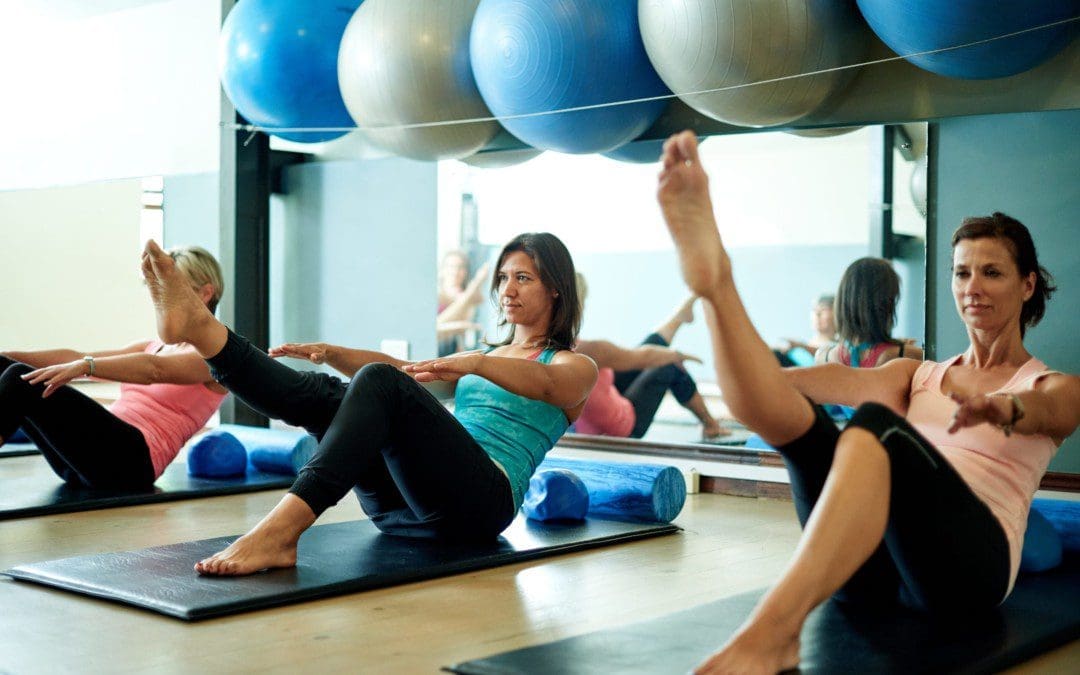
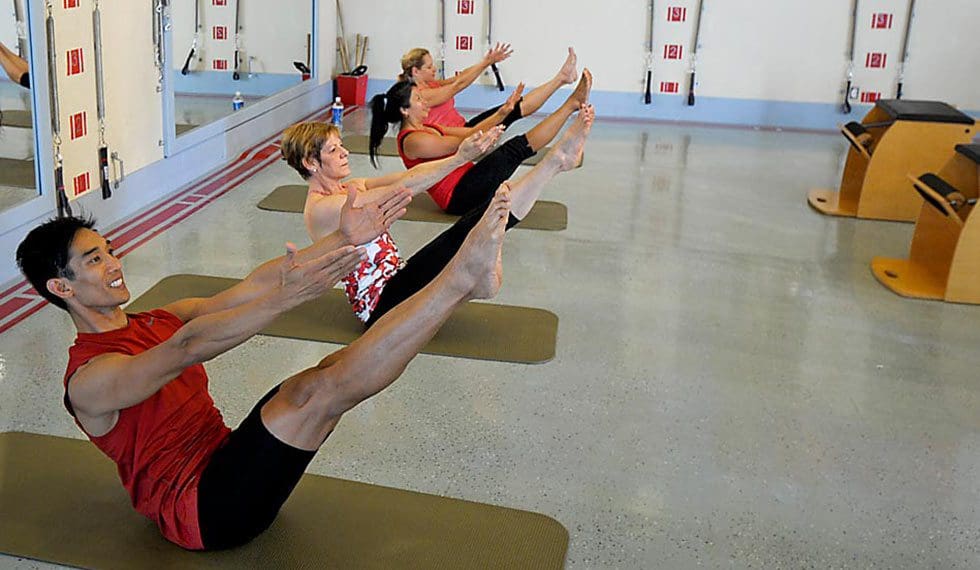
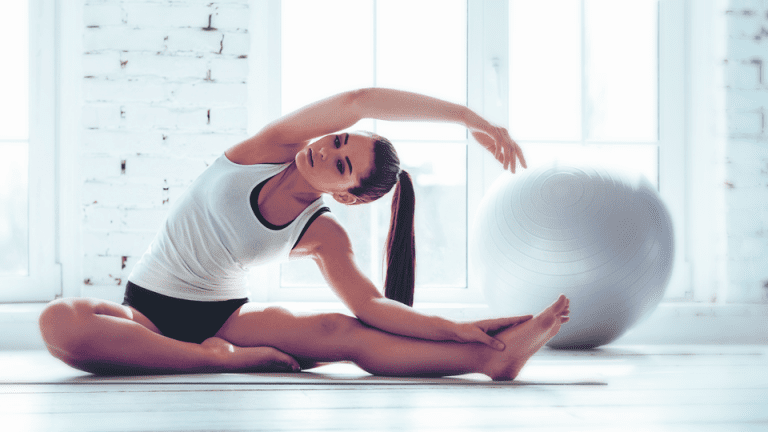
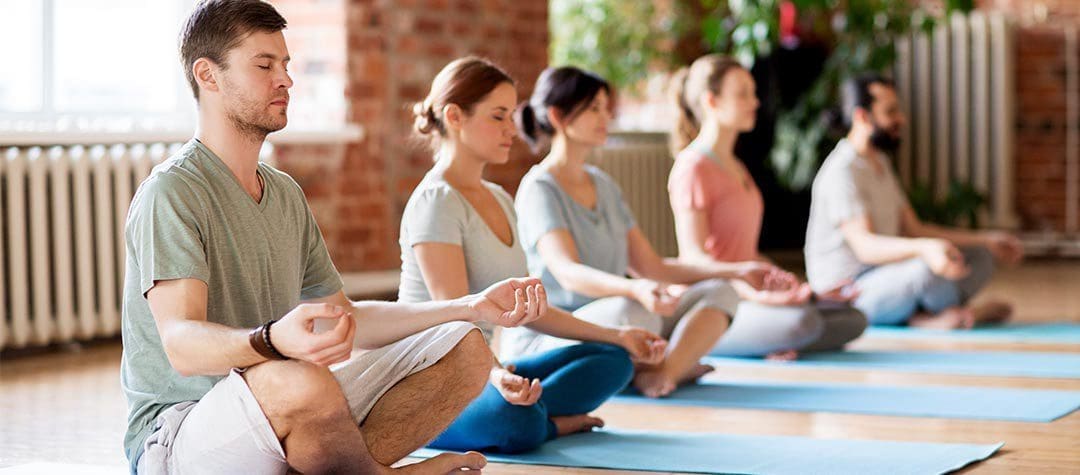
Many people worldwide know that exercising has impressive benefits that help improve the body’s overall wellness. The body has different muscle groups that have a casual relationship with the vital organs inside the body. Organs like the heart, lungs, gut, and bladder correlate with the different muscles through the nerve roots that connect them. When the body suffers from various factors that affect it, it causes referred pain to the body where one pain is at one location but radiates from the other side. Exercising can help the body recover through physical rehabilitation by reducing inflammation and scarring on the muscle tissues. One of the many exercises that helps strengthen the muscles, increase flexibility, and even improve posture is Pilates. Today’s article looks at Pilates, its benefits, and how it can help alleviate back pain. We refer patients to certified providers specializing in musculoskeletal treatments to help many individuals with low back pain issues affecting their bodies. We also guide our patients by referring to our associated medical providers based on their examination when it’s appropriate. We find that education is the solution to asking our providers insightful questions. Dr. Alex Jimenez DC provides this information as an educational service only. Disclaimer
What Is Pilates?
Have you been feeling sluggish or having low energy throughout the entire day? What about experiencing pain in your lower back? Have you experienced muscle stiffness in certain areas around your body? Many of these symptoms are associated with musculoskeletal issues that correlate with different factors that affect the body; why not try an exercise regime like Pilates? Pilates is a system of exercises that uses a particular machine or body to improve a person’s physical strength and posture while increasing the body’s flexibility and enhancing mental awareness. Joseph Pilates developed Pilates in the early 20th century as an exercise program to help World War I soldiers improve their physical fitness levels. Pilates was used as rehabilitation therapy for injured individuals by incorporating resistance, stretching, and target muscle strengthening. Pilates is now utilized for all individuals with different bodies and fitness levels and can provide tremendous benefits.
What Are The Benefits?
Pilates, like any other form of exercise, has many beneficial properties that help improve a person’s health and wellness. Studies reveal that Pilates helps many individuals, including older adults, by improving their posture by decreasing thoracic flexion while increasing lumbar extension for pain relief. Some of the beneficial properties that Pilates offer to the body include:
Increasing core strength: The deep muscles in the abdomen, back, and pelvic regions become stronger and help stabilize the body more.
Strengthen muscle groups: Pilates helps make the muscles not only strong but also helps stretch them so that they can look long and lean. This makes the individual look toned.
It’s a whole body workout: As many exercises work on specific body parts, Pilates focuses on each muscle part of the body and helps muscle development.
Posture Improvement: Pilates help keep the spine aligned while strengthening the body and core. Over time a person’s posture will improve naturally, making them stand taller, stronger, and even more graceful.
Increases energy: Like all exercises, Pilates will give a person the energy boost they need. This is due to the focused breathing and increased blood circulation that stimulates the muscles and the spine.
Pilates Exercises For Back Pain-Video
Are you looking for a new exercise to tone your muscles? Have you been dealing with pain in your lower back? Do you have muscle weakness in some regions of your body? If you have been experiencing pain-related issues, why not try Pilates? The video above goes through a 10-minute Pilates workout for back pain. Studies reveal that non-specific low back pain is a highly prevalent condition many individuals associate with disability and work absence worldwide. Many environmental factors affect many individuals, causing them to suffer back issues. Pilates can help encourage many individuals to regain their health and wellness by incorporating core strength and stability while improving their posture.
Pilates Alleviate Back Pain
Many people don’t realize that some low back pain symptoms are related to poor posture. Poor posture can lead to associated symptoms of headaches, back pain, improper balance, and pelvic issues. What Pilates does is that it creates body awareness and helps improve the lower back muscles by strengthening them and relaxing the stiff muscles. Studies reveal that incorporating Pilates as physical therapy for individuals suffering from low back pain can help address the mental and physical pain aspects with core strengthening, flexibility, and relaxing the tense muscles. Many individuals should never put off exercising when it comes to back pain. Incorporating an exercise routine can benefit the body and prevent future injuries.
Conclusion
An exercise regime can provide many beneficial results for those looking for ways to be healthy, those suffering from injuries, or those who want to add something else to their workout routine. Pilates is one of those exercises that incorporates resistance, stretching, and muscle targeting as it is a full-body workout. Pilates is used in rehabilitation therapy for injured individuals and can provide tremendous benefits. Pilates can help many individuals with back issues associated with environmental factors like poor posture. Many individuals that utilize Pilates as part of their exercise regime will begin to feel stronger and healthier as their backs will thank them.
References
Baker, Sara. “Pilates Exercise for a Healthy Spine – Spineuniverse.” Spineuniverse, 28 Dec. 2019, https://www.spineuniverse.com/wellness/exercise/pilates-exercise-healthy-spine.
Kuo, Yi-Liang, et al. “Sagittal Spinal Posture after Pilates-Based Exercise in Healthy Older Adults.” Spine, U.S. National Library of Medicine, 1 May 2009, https://pubmed.ncbi.nlm.nih.gov/19404180/.
Sorosky, Susan, et al. “Yoga and Pilates in the Management of Low Back Pain.” Current Reviews in Musculoskeletal Medicine, Humana Press Inc, Mar. 2008, https://www.ncbi.nlm.nih.gov/pmc/articles/PMC2684152/.
Yamato, Tiê P, et al. “Pilates for Low Back Pain.” The Cochrane Database of Systematic Reviews, John Wiley & Sons, Ltd, 2 July 2015, https://www.ncbi.nlm.nih.gov/pmc/articles/PMC8078578/.
When many individuals look for ways to relax after a stressful event in their daily lives, many people have an exercise regime that allows them to take their minds off of their hectic lives. When finding the proper exercise, it is best to consider that everybody is different and has different fitness levels. Many individuals could be dealing with chronic issues that affect them drastically and with so much pain in their bodies. When these chronic issues overlap with muscle and joint pain, it can make the body dysfunctional while potentially being involved in environmental factors. Yoga is a low-impact exercise that helps tone muscles, relax tension in the body, and focus on deep breathing. Today’s article looks at the benefits of yoga for the body, how chiropractic care works together with yoga, and different yoga poses can help manage various chronic issues. We refer patients to certified providers specializing in musculoskeletal treatments to help many individuals with musculoskeletal problems affecting their bodies. We also guide our patients by referring to our associated medical providers based on their examination when it’s appropriate. We find that education is the solution to asking our providers insightful questions. Dr. Alex Jimenez DC provides this information as an educational service only. Disclaimer
The Benefits of Yoga For The Body
Have you been dealing with chronic stress affecting your quality of life? Have you been dealing with bladder or gut issues constantly? What about feeling muscle stiffness in your back, neck, shoulders, or pelvic regions? Some of these symptoms are signs that you could risk developing musculoskeletal problems associated with pain. Dealing with musculoskeletal issues related to pain can make a person feel miserable and have stress affecting their bodies. Yoga is a low-impact exercise that doesn’t put pressure on the joints and will provide a full-body workout through strengthening and stretching weak muscles. Yoga has many benefits for many individuals that are dealing with the following:
Studies reveal that environmental factors are involved in non-specified chronic pain in the spine, overlapping musculoskeletal disorders causing many individuals to try to find relief. Many individuals incorporate yoga because it is a safe and effective way to alleviate various forms of back, neck, or pelvic pain causing issues to the body. Yoga utilizes gentle stretching and strengthening of weak, injured muscles while increasing blood circulation to promote healing in the body.
Chiropractic Care & Yoga
When people are dealing with health conditions or injuries that have affected their bodies, it can make them feel frustrated and think their injuries are taking forever to heal. Many individuals don’t realize that incorporating yoga practices provides impressive health benefits while mirroring the similar foundations of chiropractic care. Both chiropractic care and yoga provide many beneficial results to an aching body that needs a good stretch and ready the body to heal itself naturally. Chiropractic care includes spinal manipulation to the spinal joints while reducing inflammation and strengthening weak muscles. Yoga allows the body to increase its flexibility and stamina, reduces stress and blood pressure, and provides a better sense of breathing and balance.
Yoga For Chronic Pain-Video
Have you felt muscle stiffness in your neck, back, or body? Have you felt sluggish or overly stressed from your day-to-day lives? Do you want to improve your balance? If you have been experiencing these issues affecting your quality of life, why not incorporate yoga as part of your exercise regime? The video above shows that yoga poses for chronic pain affect the body, including the neck, back, and pelvic regions. Studies reveal that yoga can help relieve intense neck pain while improving pain-related function disability. Yoga allows the muscles to not only relax but strengthen them as well. Yoga can also help improve the body’s range of motion through deep breathing and give more awareness of how the body holds tension in places a person hasn’t realized they were holding onto.
Yoga Poses For Different Issues
When a person does yoga, they will go through various poses and repeat them constantly as their body begins to get used to the movements. This allows the body to challenge itself and helps the individual focus more on deep breathing. A good example would be an individual taking a yoga class due to experiencing pelvic pain. By going through each yoga pose, many individuals suffering from pelvic pain will reduce the pain intensity while improving their quality of life. Below are some yoga poses that anyone can do to reduce pain associated with their back, neck, or pelvis.
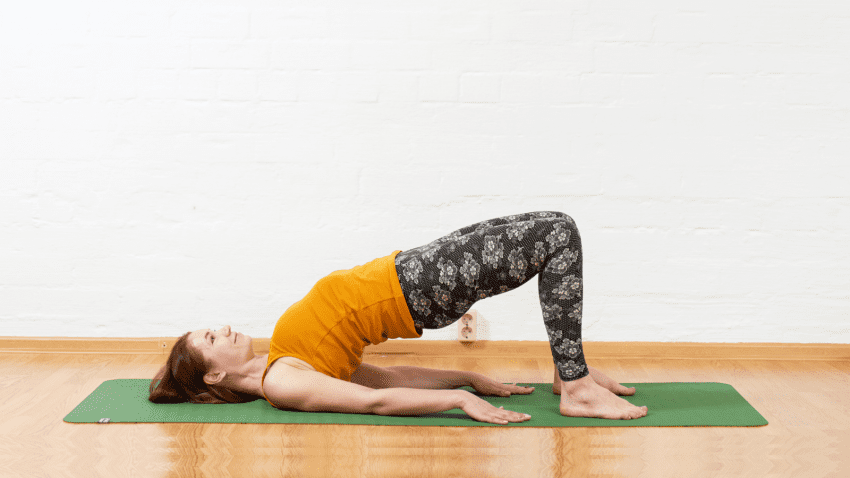
Bridge Pose
Lie on your back
Bend both knees while placing the feet on the floor at hip-width apart
Arm on the sides with palms facing down
Press feet to the floor and lift the hips as you inhale
Engage the legs and buttock
Hold 4-8 breaths and exhale to lower the hips back to the ground slowly
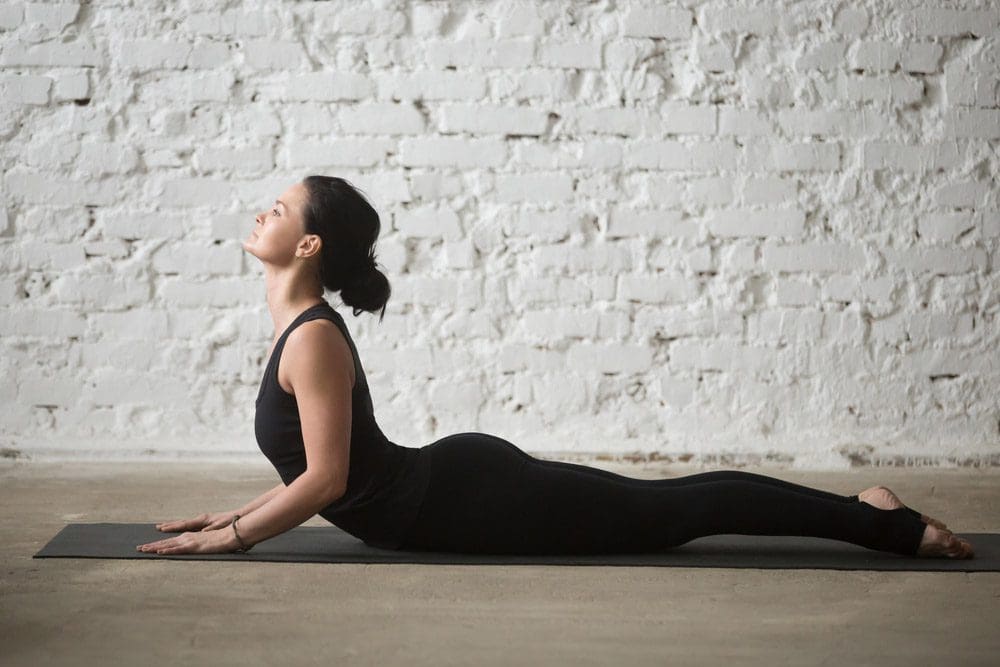
Cobra Pose
Lie on your stomach with hands near the chest just under the shoulders and fingers facing forward
Keep elbows close to sides
Press hands on the floor and slowly lift your head, chest, and shoulders while slightly bending the elbows by inhaling
Exhale to go back down slow and rest your head
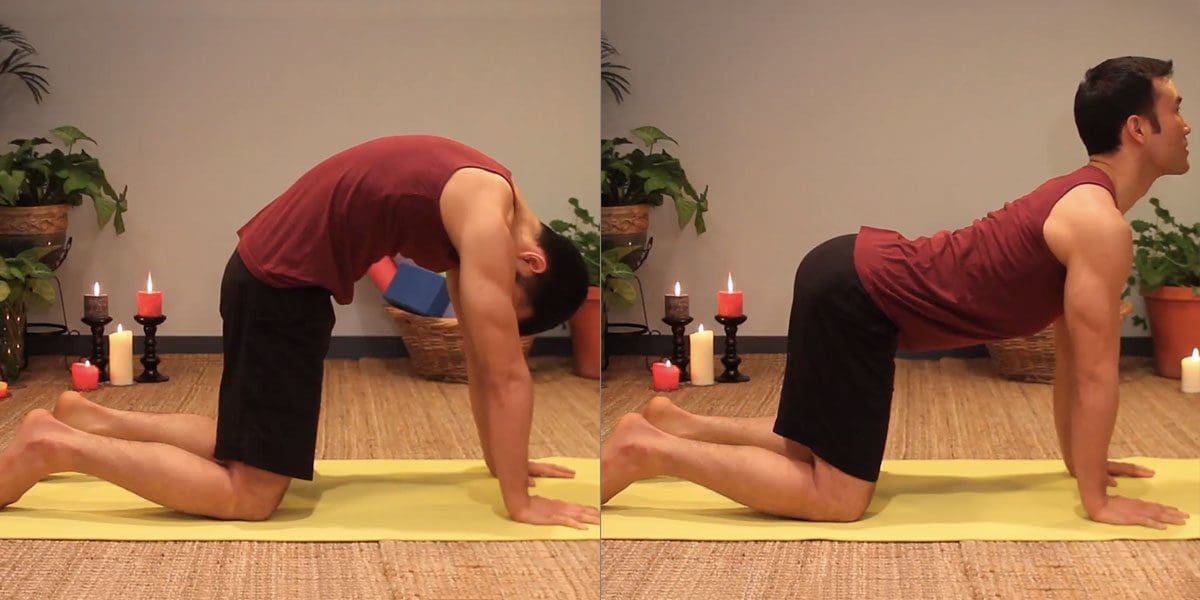
Cat-Cow
Be on all fours, hands under the shoulders and knees under hips (Think like a table)
Inhale to lower your core to the floor as your head looks up to the sky
Exhale slowly to lower your chin to the chest as you round your back
Continue fluid motion for a minute
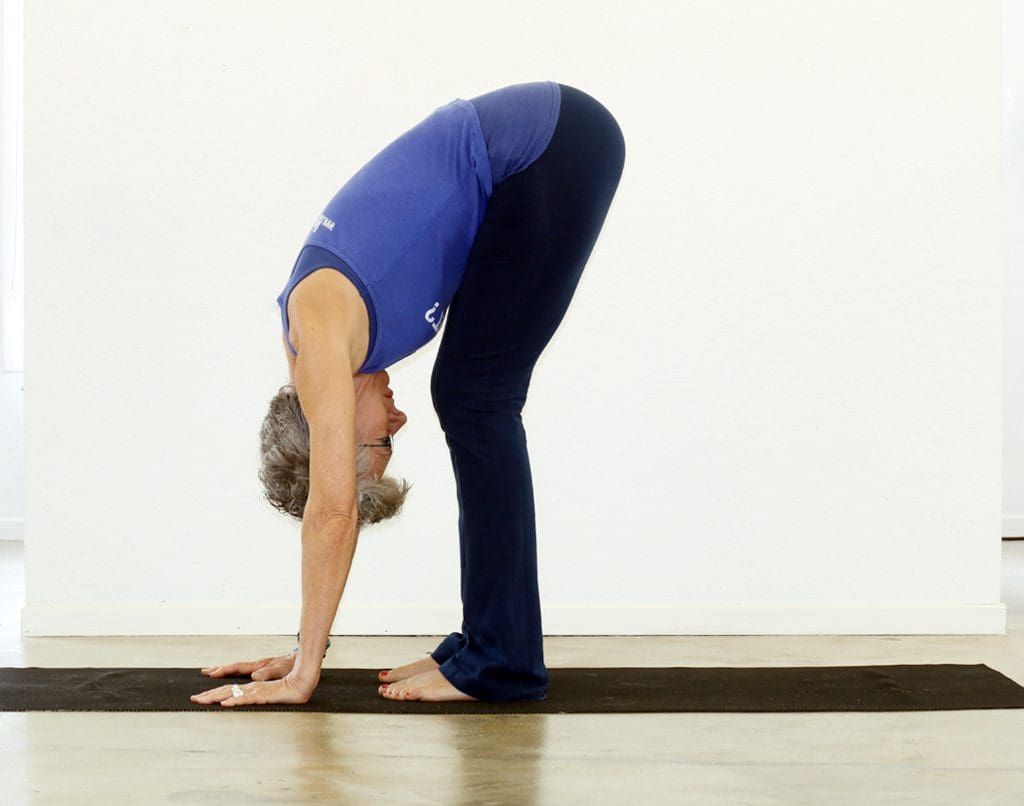
Forward Bend
Be in a standing position, and feet are at a hip distance apart
Lengthen the body as you lean forward while keeping the knees slightly bended
Place hands on either legs, yoga block, or the floor (Whichever makes you comfortable)
Tuck the chin into the chest, letting the neck and head relax
Gently rock your head side to side to relieve tension in the neck and shoulders
Slowly roll up to a standing position allowing the arms and head to be the last to rise
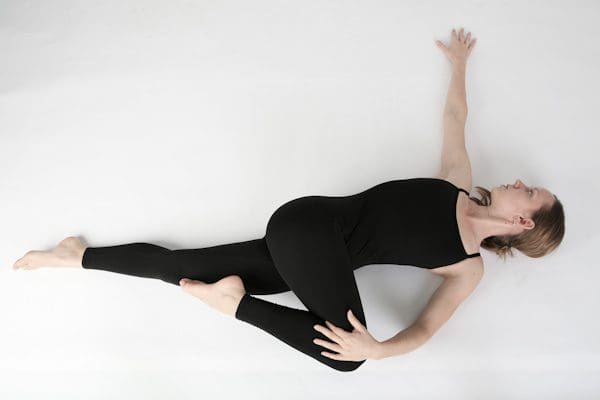
Supine Spinal Twist
Lie on your back while your knees bent and feet flat on the floor
Extend arms out of the side and place palms down on the floor
As you inhale, breathe into the gut and lower limbs
Exhale to lower knees on the left side (Look at the opposite way to slowly stretch the neck and shoulder muscles)
Pay attention to the stretches for 5 breathes as well as the lengthening sensations on the ribs
Return the knees to the middle and repeat on the right side
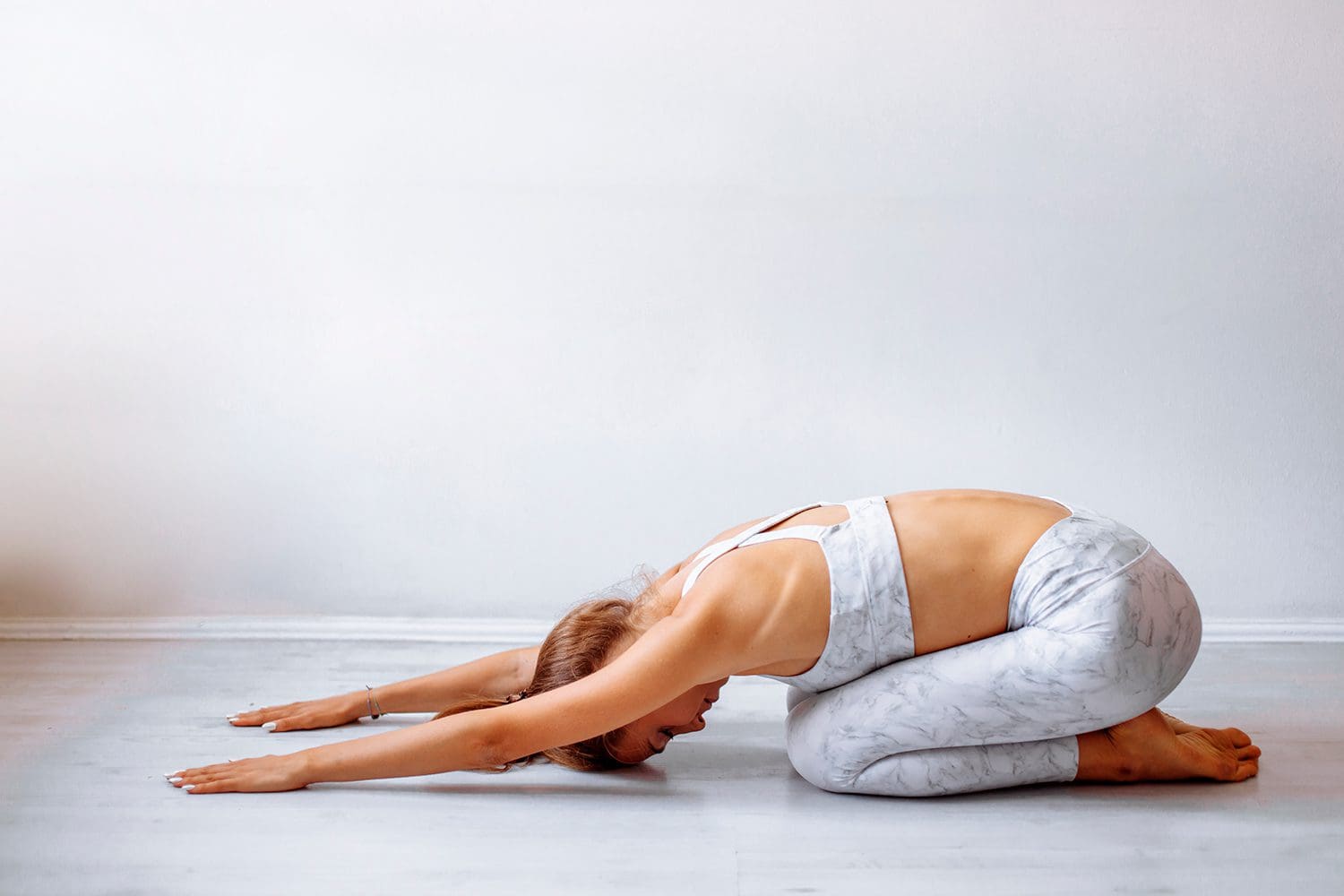
Child’s Pose
Sit back on the heels with the knees together (For added support, you can use a rolled-up blanket under your knees)
Bend forward and walk hands in front of you
Gently rest your forehead on the floor
Keep arms extended in the front while focusing on relieving tension in the back as the upper body falls to the knees
Stay in that pose for 5 minutes
Conclusion
Incorporating yoga as part of an exercise regime allows the individual to focus on deep breathing while calming the mind. Yoga is a low-impact exercise that helps strengthen weak muscles associated with pain and inflammation. Yoga provides a full-body workout that benefits many people dealing with chronic pain. Utilizing yoga as part of a daily practice might help individuals learn to be calm and practice mindfulness.
Crow, Edith Meszaros, et al. “Effectiveness of Iyengar Yoga in Treating Spinal (Back and Neck) Pain: A Systematic Review.” International Journal of Yoga, Medknow Publications & Media Pvt Ltd, Jan. 2015, https://www.ncbi.nlm.nih.gov/pmc/articles/PMC4278133/.
Li, Yunxia, et al. “Effects of Yoga on Patients with Chronic Nonspecific Neck Pain: A Prisma Systematic Review and Meta-Analysis.” Medicine, Wolters Kluwer Health, Feb. 2019, https://www.ncbi.nlm.nih.gov/pmc/articles/PMC6407933/.
Saxena, Rahul, et al. “Effects of Yogic Intervention on Pain Scores and Quality of Life in Females with Chronic Pelvic Pain.” International Journal of Yoga, Medknow Publications & Media Pvt Ltd, 2017, https://www.ncbi.nlm.nih.gov/pmc/articles/PMC5225749/.
Practicing improper/unhealthy postures throughout the day can severely fatigue the mind and body. Children’s postural health is vital to their overall health and energy levels to perform tasks, school work, and play. An unhealthy posture causes the body to lose its ability to dissipate forces evenly and correctly. Symptoms like soreness, pain, tightness, and irritability can begin to present, which is the body’s way of letting the individual know something is off. When the body is in proper alignment, the spine disperses body weight correctly and efficiently. Chiropractic adjustments can effectively counter the unhealthy posture effects, and simple postural exercises can strengthen the body, increasing healthy posture habits.
Children’s Posture Health
Healthy posture is more than simply sitting and standing up straight. It is how the body is positioned, meaning the head, spine, and shoulders, and how it moves unconsciously like a walking gait. An uneven gait or awkward body position can indicate a problem and cause long-term consequences to a child’s health.
Challenges
Kids and children are constantly hunched, slumped, and slouched over device screens. This constant awkward positioning adds weight to the spine, increasing the pressure, which can cause issues ranging from headaches, mild neck pain, low back pain, and sciatica. Severe health effects from poor posture include:
Shoulder problems.
Chronic pain.
Nerve damage.
Difficulty breathing from prolonged hunching-over.
Spinal joint degeneration.
Vertebral compression fractures.
Poor alignment of the muscles begins to restrict postural muscles from relaxing correctly, making the muscles stay stretched or slightly flexed, causing strain and pain. As a child’s body grows, practicing unhealthy postures can drive continued awkward positioning, abnormal spine growth, and an increased risk for arthritis later in life.
Chiropractic Adjustments
A chiropractor will check for any imbalances, like a hunched back, one shoulder higher than the other, or a pelvic tilt/shift. Through a series of adjustments, chiropractic releases the muscles, relieves pressure on ligaments, allows the postural muscles to relax and realign to their proper position, prevents further muscle overuse, strain, abnormal joint wear, and helps reduce fatigue by conserving/utilizing energy as the muscles are functioning correctly and efficiently.
Exercises
Simple postural exercises can help maintain children’s postural health.
Place hands next to the chest so that they are underneath the shoulders.
Gently press the chest upward.
Keeping the legs on the ground.
Look straight ahead.
They only take a few minutes, but the objective is consistency. Doing the poses for one week won’t immediately change unhealthy posture habits. It is developing consistent healthy postural habits that generate improvement. They should be done at least three times weekly to build strength and endurance.
Kids and Chiropractic
References
Achar, Suraj, and Jarrod Yamanaka. “Back Pain in Children and Adolescents.” American family physician vol. 102,1 (2020): 19-28.
Baroni, Marina Pegoraro, et al. “Factors associated with scoliosis in schoolchildren: a cross-sectional population-based study.” Journal of epidemiology vol. 25,3 (2015): 212-20. doi:10.2188/jea.JE20140061
da Rosa, Bruna Nichele et al. “Back Pain and Body Posture Evaluation Instrument for Children and Adolescents (BackPEI-CA): Expansion, Content Validation, and Reliability.” International journal of environmental research and public health vol. 19,3 1398. 27 Jan. 2022, doi:10.3390/ijerph19031398
King, H A. “Back pain in children.” Pediatric clinics of North America vol. 31,5 (1984): 1083-95. doi:10.1016/s0031-3955(16)34685-5
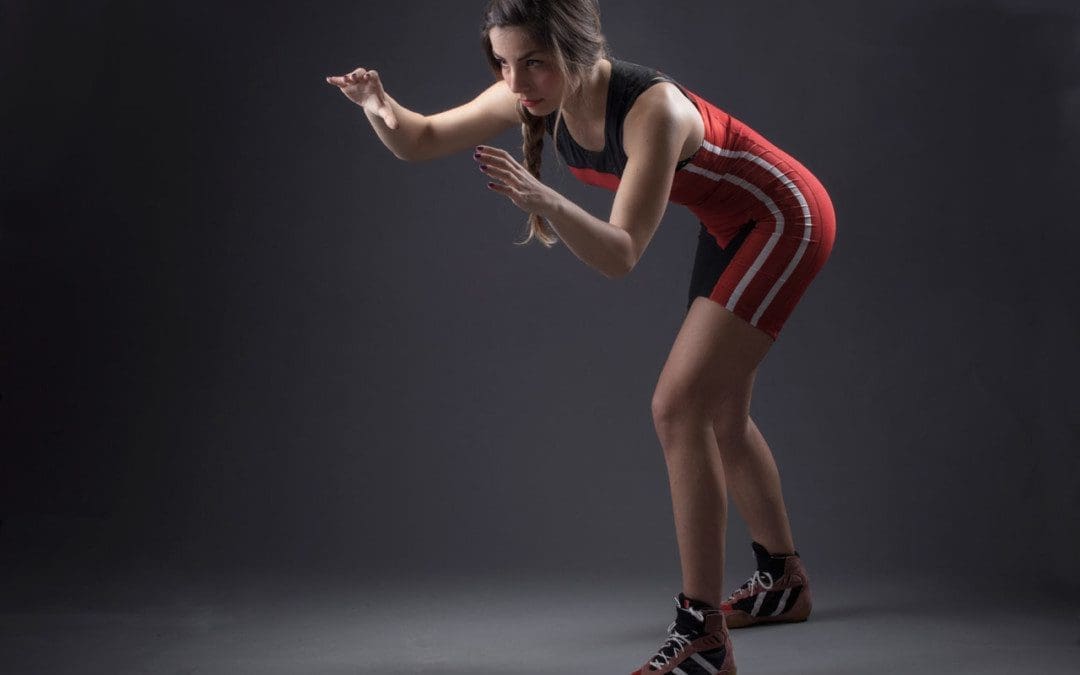
Wrestling is a sport that requires speed, strength, and endurance that involves intense physical contact, pushing and pulling the muscles, tendons, ligaments, and joints to their limits. Wrestlers’ are constantly contorting their bodies. Pushing the body to its limits increases the risk of developing wrestling injuries that include:
The most common injuries usually occur from forceful contact or twisting forces. And if a wrestler has been injured, there is an increase for re-injury. Wrestling tournaments typically take place over days, often with back-to-back matches, which significantly fatigues the body and increases injury risk. The most common wrestling injuries include:
Muscle strains of the lower extremities and/or the back.
Chronic problems can result from hours in the forward stance posture and repetitive motions.
Dislocations and sprains of the elbow or shoulder from take-downs.
Cauliflower ear – is a condition that can cause ear deformity and develops from friction or blunt trauma to the ears.
Skin infections occur from constant contact, sweating, bleeding, and rolling on the mats. Infections include herpes gladitorium, impetigo, folliculitis, abscesses, and tinea/ringworm.
Concussions are usually caused by hard falls/slams or violent collisions with the other wrestler.
Injuries can cause wrestlers to alter/change their technique, exacerbating the existing damage and potentially creating new injuries.
Chiropractic Rehabilitation and Strengthening
There can be a variety of pain generators/causes when it comes to wrestling injuries. Joints and muscles can get overstretched, muscles can spasm, and nerves can become compressed and/or irritated. For example, a neck muscle spasm could be caused by nerve irritation from a shifted vertebrae. To determine the specific cause or causes of the injury/pain, a detailed chiropractic examination will be performed that includes:
Range of motion testing
Ligament tests
Muscle palpation
Gait testing
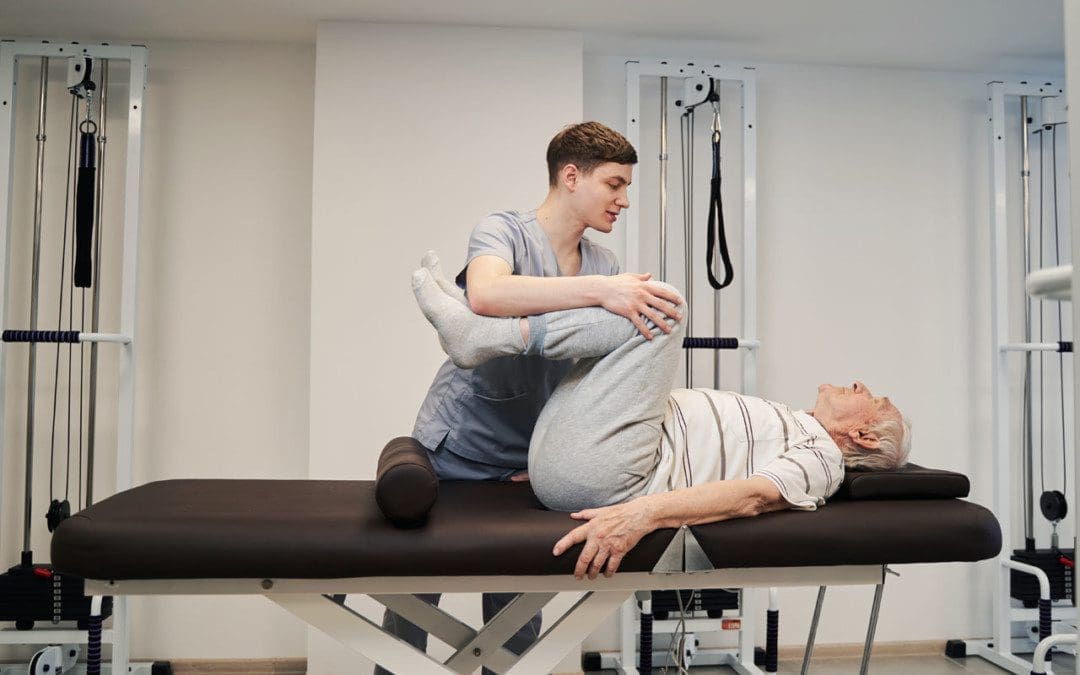
Injuries often relate to the proper weight, neuromuscular control, core strength, proper technique, hygiene, and hydration management. Successful treatment depends on identifying the root cause of the wrestling injury. Chiropractic restores proper alignment through massage, specific manual adjustments, decompression, and traction therapies. Adjustments can include the back, neck, shoulder, hips, elbows, knees, and feet. Once correct body alignment is achieved, rehabilitative exercises and stretches are implemented to correct and strengthen muscle function. We work with a network of regional medical doctors specializing in referral situations and strive to return the athlete to their sport as soon as possible.
Wrestling Match
References
Boden, Barry P, and Christopher G Jarvis. “Spinal injuries in sports.” Neurologic clinics vol. 26,1 (2008): 63-78; viii. doi:10.1016/j.ncl.2007.12.005
The sciatic nerve is the longest in the body and is the central nerve in the leg. A critical nerve that comes off the spine runs through the pelvis, into the buttocks, down the back of each thigh, and finally into the feet. It is a mixed nerve meaning it is made up of both motor/movement) and sensory/sensation fibers. The nerves merge with the spinal nerve roots before they enter the spinal cord, where the sensory information travels to and from the brain. If the nerve is inflamed, compressed, twisted, damaged, or injured, this can negatively affect the muscles’ function, leading to chronic pain conditions. Injury Medical Function Restoration Chiropractors will do precisely that for the sciatic nerve and the rest of the body.
Nerve Roots and Branches
Different nerve roots make up the sciatic nerve, with two starting in the lower back and three at the bottom of the spine or sacrum. At the knees, the nerve splits into two branches:
The peroneal nerve runs from the knee’s outer part to the foot’s outer part and splits into two main branches below the knee.
The tibial nerve goes down the back of the calf, extending to the heel and sole.
There are smaller branches at the:
Hips
Inner thighs
Calves
Feet
Sciatic Nerve Function
The sciatic nerve’s purpose serves motor functions by assisting the muscles in the legs and feet to move, walk, run, and stand. And for the sensory function of feeling sensations in the legs and feet includes pain, numbness, burning, and electrical sensations.
Motor Functions
The nerve provides motor functions that power movement to the muscles that move the thighs, legs, and feet. Essential motor functions:
Motor function signs of sciatic nerve problems include difficulty or inability to walk, bend the leg, and/or stand on tiptoe or the heel.
Sensory Functions
The nerve provides sensation to the different areas; when the nerve is injured, the corresponding area may feel unique/abnormal sensations with differing degrees of numbness, pins-and-needles, and pain. Commonly affected areas include:
Front, back, and outside the thigh.
Front, back, and outside the lower leg.
The top and outer side of the foot.
Bottom of the foot.
Between the toes.
Like motor function disruption, sensory impairment is determined by where the problems are occurring.
Function Restoration Chiropractor
Affected, reduced, and inhibited motor and sensory functions can lead to muscle weakness, chronic pain, and permanent nerve damage. Function restoration chiropractor and physical therapeutic massage can help manage nerve compression and irritation. Spinal manipulations restore misaligned vertebral discs taking the pressure off the nerve relieving the pain, and regaining nerve signal flow and mobility. Chiropractic will induce deep muscle relaxation to stop muscle spasms, release tension, soothe the nerve, release endorphins, and restore sciatic nerve function.
Spinal Decompression
References
Bouche, P. “Compression and entrapment neuropathies.” Handbook of clinical neurology vol. 115 (2013): 311-66. doi:10.1016/B978-0-444-52902-2.00019-9
Cook, Chad E et al. “Risk factors for first-time incidence sciatica: a systematic review.” Physiotherapy research international: the journal for researchers and clinicians in physical therapy vol. 19,2 (2014): 65-78. doi:10.1002/pri.1572
Giuffre BA, Jeanmonod R. Anatomy, Sciatic Nerve. [Updated 2021 Jul 29]. In: StatPearls [Internet]. Treasure Island (FL): StatPearls Publishing; 2022 Jan-. Available from: https://www.ncbi.nlm.nih.gov/books/NBK482431/
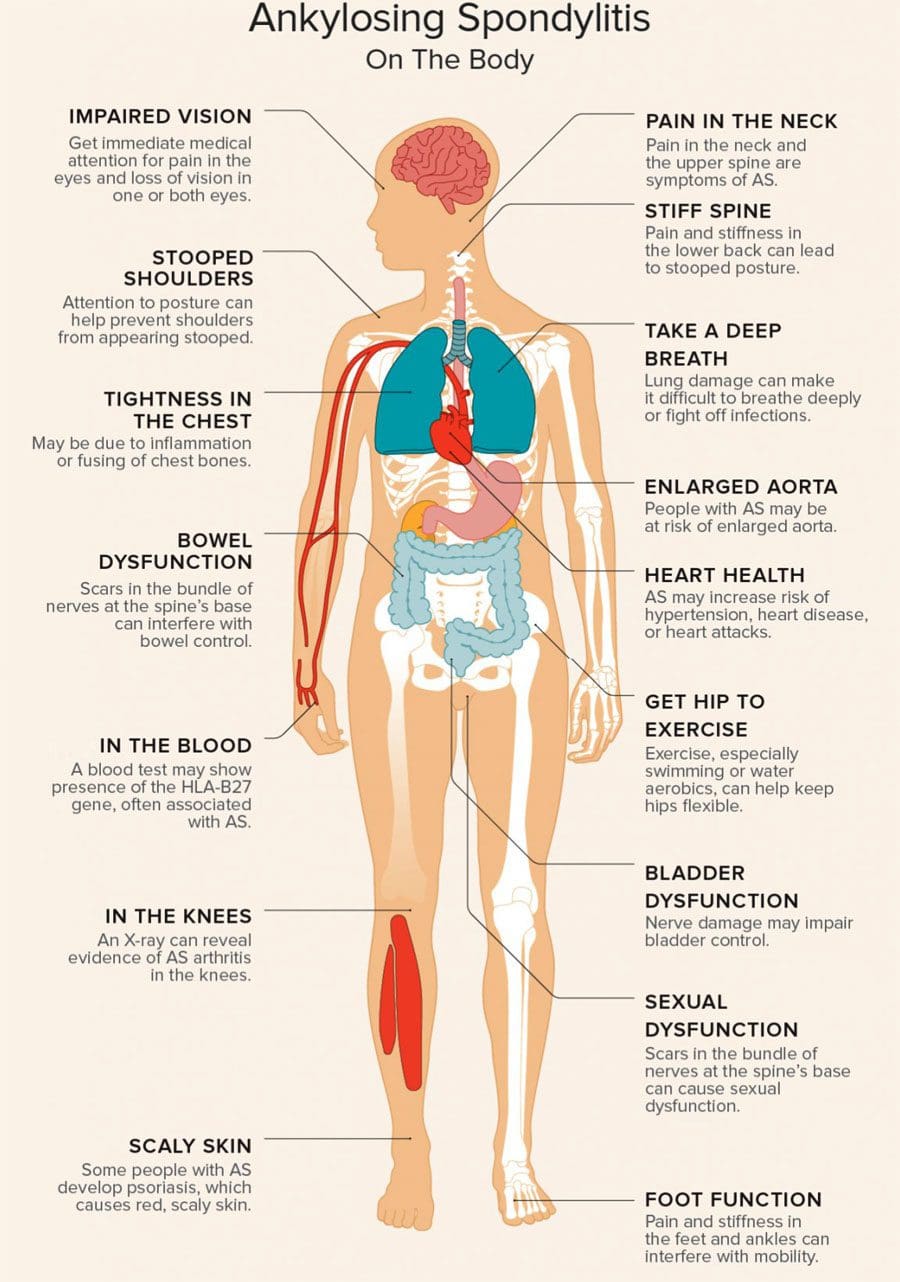
Fatigue Ankylosing Spondylitis: Fatigue is a significant complaint for individuals dealing with ankylosing spondylitis. Ankylosing spondylitis is chronic inflammation of the spine’s joints that can cause them to become fused or locked up. The process can cause the spine to stiffen, limiting movement, reducing flexibility, and generating a severe hunched posture. Symptoms can include back pain, stiffness, and the inability to take a deep breath if the ribs are involved. Fatigue can have a variety of causes, but in ankylosing spondylitis, inflammation and cytokines play a significant role. The underlying cause of ankylosing spondylitis is still being researched, but it currently affects around 300,000 Americans.
Fatigue Ankylosing Spondylitis
Most individuals with ankylosing spondylitis experience pain in the lower back but can also feel pain in their hips and neck, have abdominal pain, or experience problems with vision. Inflammatory back pain is usually strongest in the morning but can also come from inactivity.
Spinal Condition and Extreme Exhaustion
The inability to move along with a decreased spinal range of motion impacts body functionality, sleep quality, and respiratory function affecting energy levels and leading to mild to severe fatigue. Studies have shown that 50% – 85% of individuals with ankylosing spondylitis experience fatigue.
Fatigue is brought on by inflammation, as the body generates the same chemicals when fighting a cold or flu; an individual’s body constantly works to reduce inflammation, leaving them drained and unable to perform ordinary tasks. Inflammatory diseases take a significant toll on the whole body, leading to an increased risk of depression and increased fatigue levels.
Exercise, Massage, and Diet
Many individuals find that their symptoms flare up after long periods of inactivity, like sleeping. This can make wanting to fall and stay asleep complicated, exacerbating fatigue and vice versa, creating a vicious cycle. Even though it can be challenging to move, gentle exercise is recommended. Exercise can help slow the disease progression, build muscle, and improve sleep. It is recommended to speak with a spine specialist, doctor, chiropractor, physical therapist, or exercise trainer about a customized exercise treatment program.
Many individuals with ankylosing spondylitis find therapeutic massage helpful in temporarily relieving pain, and stiffness, reducing stress and improving flexibility from increased blood circulation. A combination of gentle chiropractic massage, exercise, ergonomic adjustments, and rheumatology treatment is recommended for many cases. An anti-inflammatory diet comprised of foods like fatty fish, fruits, nuts, and leafy green vegetables can fight inflammation and decrease fatigue.
AS Causes, Symptoms, Diagnosis, Treatment, and Pathology
References
Cornelson, Stacey M et al. “Chiropractic Care in the Management of Inactive Ankylosing Spondylitis: A Case Series.” Journal of chiropractic medicine vol. 16,4 (2017): 300-307. doi:10.1016/j.jcm.2017.10.002
Li, Ting, et al. “Fatigue in Ankylosing Spondylitis Is Associated With Psychological Factors and Brain Gray Matter.” Frontiers in medicine vol. 6 271. 21 Nov. 2019, doi:10.3389/fmed.2019.00271
Zhang, Jun-Ming, and Jianxiong An. “Cytokines, inflammation, and pain.” International anesthesiology clinics vol. 45,2 (2007): 27-37. doi:10.1097/AIA.0b013e318034194e
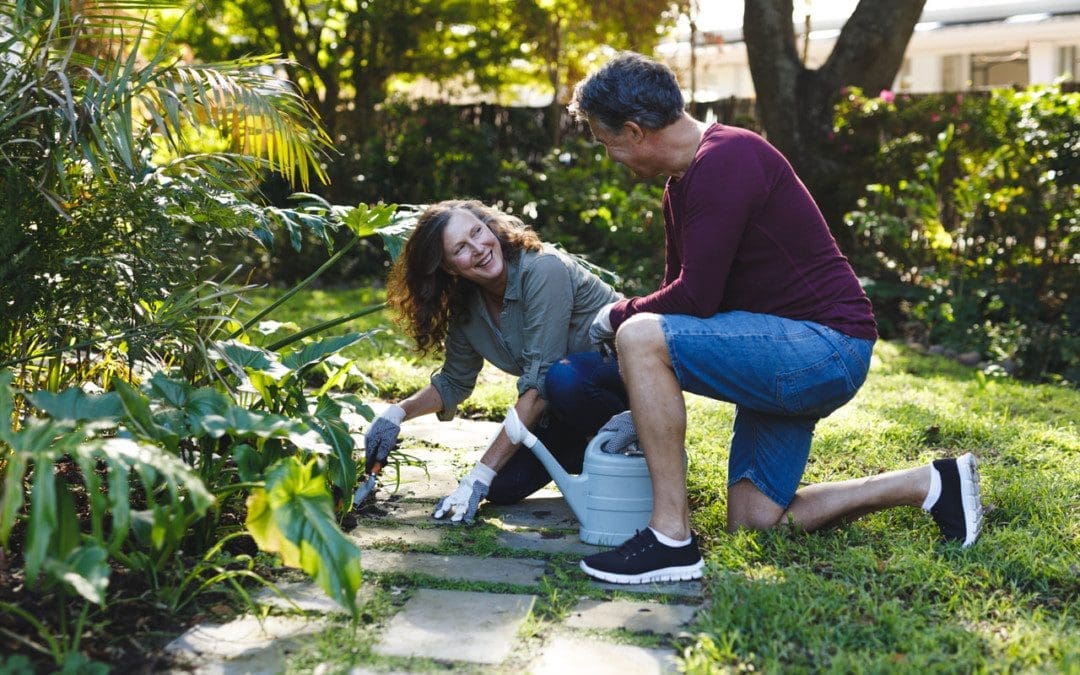
Gardening is healthy for the body and does count as exercise, which works the major muscle groups that include the neck, shoulders, arms, abdomen, back, glutes, and legs. However, gardening can cause stress to the body with unhealthy posture/positioning, not using proper lifting techniques, using the wrong tools, and not taking breaks to stretch out the body, move around, and rehydrate. This can lead to body soreness, pain, and injuries. Here are some recommended gardening tips and stretches for pain prevention.
Gardening Tips and Stretches
A sore back and body can stem from staying in a single posture for too long and repetitive motions/movements. Here are a few tips to help maintain musculoskeletal health while gardening:
Tools
Choosing the right garden tools can spare a lot of pain and money.
Focus on the fundamental tools and purchase the best quality tools that the budget will allow.
Size weight, task level, material, grips, handle length, and attachments are things to consider
This includes using proper arm positioning with a slight bend at the elbow and the mower handle at a comfortable level.
Take Breaks
Do not push through; take a break even if the body feels great.
Every half hour, the body needs to rest.
Try to work in 30-minute increments then break to move around, stretch, relax, and rehydrate.
Squatting, bending, digging, lifting bags, and pushing wheelbarrows is a form of strength training that helps achieve stronger muscles, healthier bones, and joints.
But if there are no breaks, the chances for pain and injuries increase.
Stretches
Simple stretches can reduce the strain and pain of gardening. Stretching before, during, and after the gardening session is recommended.
Cat Stretch
This is a simple yoga pose that helps with back soreness.
On your hands and knees, keep the hands at shoulder distance and the knees at hip distance.
Pull the navel up to the spine and arch/round the back.
Lay down with the legs at a 45-degree angle and the arms out to the sides.
Twist the legs to one side and look in the opposite direction.
Hold the pose until the stretch is felt, and then move back to the starting point.
Repeat on the opposite side.
Chiropractic
Chiropractic medicine can help alleviate aches and pains and rehabilitate, realign, and strengthen the body to optimal health. Individuals are educated on the musculoskeletal system, injury prevention, nutrition, and exercise to maintain wellness and a pain-free lifestyle.
Pain-Free Gardening Tips and Stretches
References
Howarth, Michelle et al. “What is the evidence for the impact of gardens and gardening on health and well-being: a scoping review and evidence-based logic model to guide healthcare strategy decision making on the use of gardening approaches as a social prescription.” BMJ open vol. 10,7 e036923. 19 Jul. 2020, doi:10.1136/bmjopen-2020-036923
Masashi Soga A et al. “Gardening is beneficial for health: A meta-analysis” https://www.ncbi.nlm.nih.gov/pmc/articles/PMC5153451/pdf/main.pdf.
Scott, Theresa L et al.”Positive aging benefits of home and community gardening activities: Older adults report enhanced self-esteem, productive endeavors, social engagement, and exercise” SAGE open medicine vol. 8 2050312120901732. 22 Jan. 2020, doi:10.1177/2050312120901732
IFM's Find A Practitioner tool is the largest referral network in Functional Medicine, created to help patients locate Functional Medicine practitioners anywhere in the world. IFM Certified Practitioners are listed first in the search results, given their extensive education in Functional Medicine