Back Clinic Health News El Paso Functional Medicine Team. Chiropractor Dr. Alex Jimenez brings the latest articles, blog posts, technology, and advancements in health for the El Paso, TX. community. Dr. Jimenez follows health science, which is the protection and improvement of the health of families and communities through the promotion of healthy lifestyles. Combined with this comes research for disease and injury prevention and detection and control of infectious diseases. In addition, we take a global functional fitness treatment approach to regain complete functional health.
Dr. Jimenez presents health news El Paso articles from his own experience and various sources on a healthy lifestyle or general health issues. I have spent over 30+ years researching and testing methods with thousands of patients and understand what truly works. Health professionals try to prevent problems from happening or recurring through implementing educational programs, recommending policies, and administering services. A big part of public health involves the promotion of health care equity, quality, and accessibility.
Evidence-Based Excision of a Dysplastic Nevus With Integrative Chiropractic and Functional Medicine Support
Abstract
In this educational post, I guide you through a precise, evidence-based approach to excising a dysplastic nevus with moderate atypia using a pain-free field block technique and narrow margins. I explain my step-by-step method, the anatomical and physiological rationale for local anesthesia and intradermal infiltration, and the clinical decision-making behind margin selection. I also introduce our multidisciplinary model in El Paso, Texas, where I work alongside Dr. Maria Guadalupe Cardenas, MD, our internal medicine medical director, to integrate chiropractic care, functional medicine, personal injury care, rehabilitation, and patient-centered follow-up. Throughout, I present the latest findings from leading dermatologic surgery and pain science researchers, connect these principles to chiropractic neurophysiology, and describe how integrative chiropractic care fits into peri-procedural and long-term outcomes.
Dysplastic Nevus Excision: My First-Person Clinical Approach
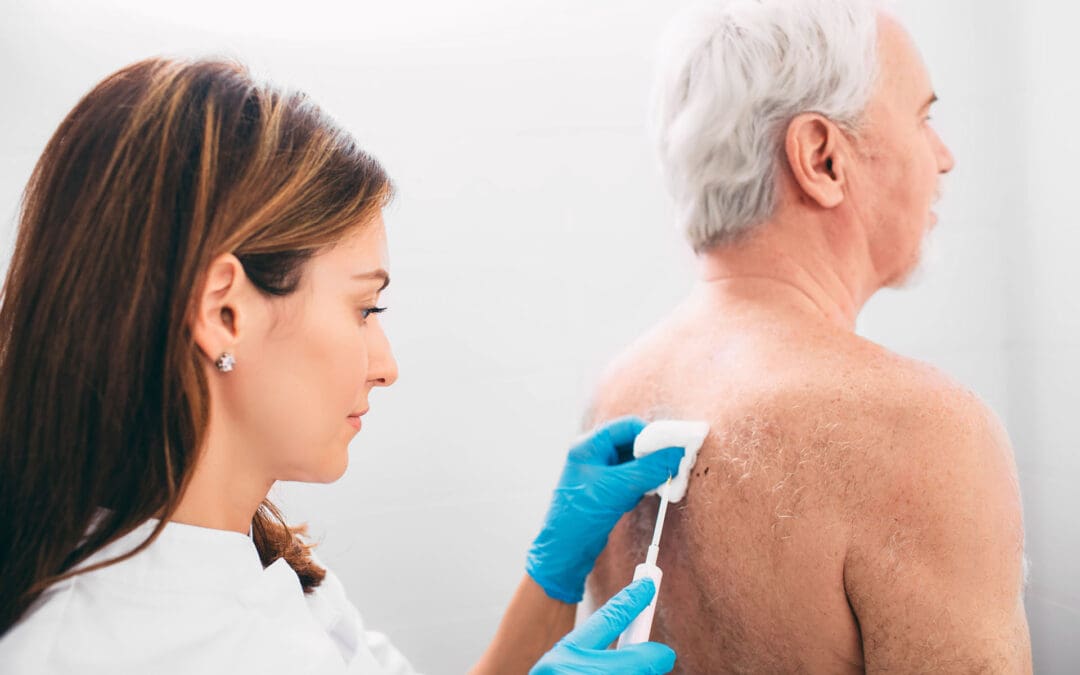
I am Dr. Alexander Jimenez, DC, APRN, FNP-BC, CFMP, IFMCP, ATN, CCST. Today, I share my clinical approach to excising a dysplastic nevus with moderate atypia—an area previously shaved and biopsied about one month prior—using narrow but appropriate margins and a meticulous, pain-minimizing anesthesia technique. As the patient sits comfortably, I begin by cleaning the site with alcohol, re-prepping to reduce transient skin flora before marking the excision plan.
Clinical context: The original lesion measured approximately 5 by 6 millimeters. With moderate atypia, evidence supports complete removal with narrow margins when severe atypia or melanoma features are absent.
Excision planning: I use a sterile template to visualize an elliptical excision, aiming for about 2-millimeter margins around the residual scar. Because the original lesion was 5 x 6 mm, the post-biopsy excision boundary effectively spans about 5 mm beyond the original footprint to ensure complete removal of dysplastic tissue, both visible and microscopic, along the shave plane.
Creating a Pain-Free Field Block: Technique and Rationale
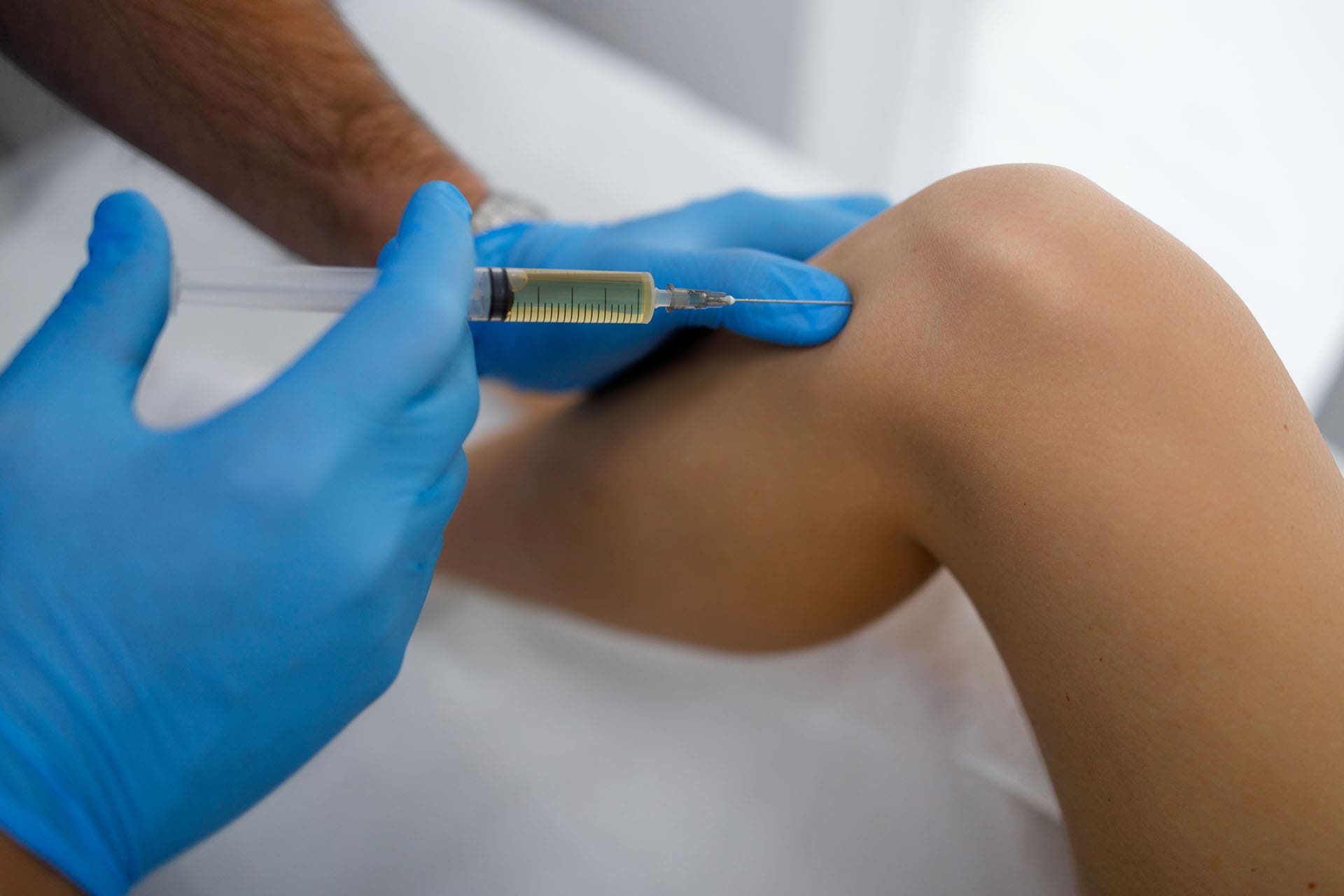
My goal in minor surgical procedures is a pain-free patient experience. I set up a field block—a circumferential ring of local anesthetic that interrupts sensory nerve conduction—so the patient does not feel the needle or the intradermal distension.
Anesthetic choice: I use 1% lidocaine with epinephrine.
Lidocaine blocks voltage-gated sodium channels on nociceptive and mechanoreceptive fibers, preventing depolarization and conduction of pain signals.
Epinephrine induces local vasoconstriction via alpha-adrenergic receptors, prolonging lidocaine’s residence time, reducing bleeding, and minimizing systemic absorption, thereby extending anesthesia duration and improving hemostasis.
Spray analgesia: Before needle entry points, I apply a brief vapocoolant “freeze spray.” The cold exposure rapidly reduces superficial nociceptor firing (TRPM8-mediated cold sensing and transient gating of pain fibers), ensuring the patient feels no needle prick. He confirms: “No pain.” This instant desensitization is especially helpful in field blocks that require multiple passes.
Needle Control, Intradermal, and Subcutaneous Delivery: Why It Works
I insert the needle at a chosen point, advance subcutaneously, and inject as I withdraw. Before exiting the skin, I rotate the bevel and repeat on the opposite side. This “inject-on-withdrawal” method creates an even distribution of anesthetic parallel to dermal nerve plexuses.
Physiological basis:
The dermis contains a dense network of free nerve endings and mechanoreceptors. Intradermal distension with anesthetic rapidly silences A-delta and C-fiber nociceptors via sodium channel blockade.
Subcutaneous infiltration saturates the tissue beneath the lesion, interrupting deeper cutaneous nerve branches that feed the operative field.
Technique advantages:
By threading the needle just past midline and injecting on withdrawal, a visible wheal forms—a sign of intradermal spread.
Slightly bending a longer needle allows steering to contour around the template. This helps me remain just outside the marked ellipse, preventing anesthetic pooling in the incision path while fully covering perilesional innervation.
Multiple entry points may be necessary for large or anatomically curved sites. With cooling spray and prior subcutaneous saturation, new entry points remain pain-free.
The patient confirms repeatedly: no pain. This validates that the circumferential anesthetic fence is intact and effective.
Margin Selection for Moderate Atypia: Evidence-Based Considerations
A dysplastic nevus with moderate atypia warrants complete excision, but the margin need not be wide if there is no severe atypia or melanoma in situ. Contemporary studies suggest that 2 mm clinical margins often achieve histologic clearance for moderate atypia, particularly when initial shave biopsy delineated architecture and ruled out more aggressive pathology (Kittler et al., 2020; Swetter et al., 2019).
Why narrow margins:
Preserve healthy tissue and reduce scarring while achieving oncologic adequacy for moderate atypia.
Epinephrine-assisted hemostasis reduces bleeding and improves visibility, allowing precise adherence to planned margins.
Post-excision pathology:
We send the specimen for histologic assessment to confirm clear margins and exclude residual atypia. If margins are positive or close, we discuss re-excision based on the pathologist’s recommendations and the patient’s goals.
Step-by-Step Workflow: From Prep to Incision
Second prep: I re-clean the site and confirm sterile field integrity.
Template marking: I trace an ellipse aligned with skin tension lines (Langer lines) to enhance cosmetic outcomes and minimize wound tension.
Field block completion: Intradermal wheals surround the template; subcutaneous anesthesia saturates the bed beneath the lesion.
Patient check-in: I ask about sensation; he reports no pain.
Incision and removal: With a sharp blade, I incise along the outside of the template, dissect through the dermis and minimal subcutis to remove the lesion and scar bed en bloc. I maintain hemostasis with epinephrine and use meticulous cautery only when appropriate for the site.
Layered closure: Where needed, I approximate with deep absorbable sutures to reduce tension, then close the epidermis with fine non-absorbable sutures aligned to natural creases. This supports rapid healing and improved cosmesis.
Integrative Chiropractic Care in Dermatologic Procedures: Why It Matters
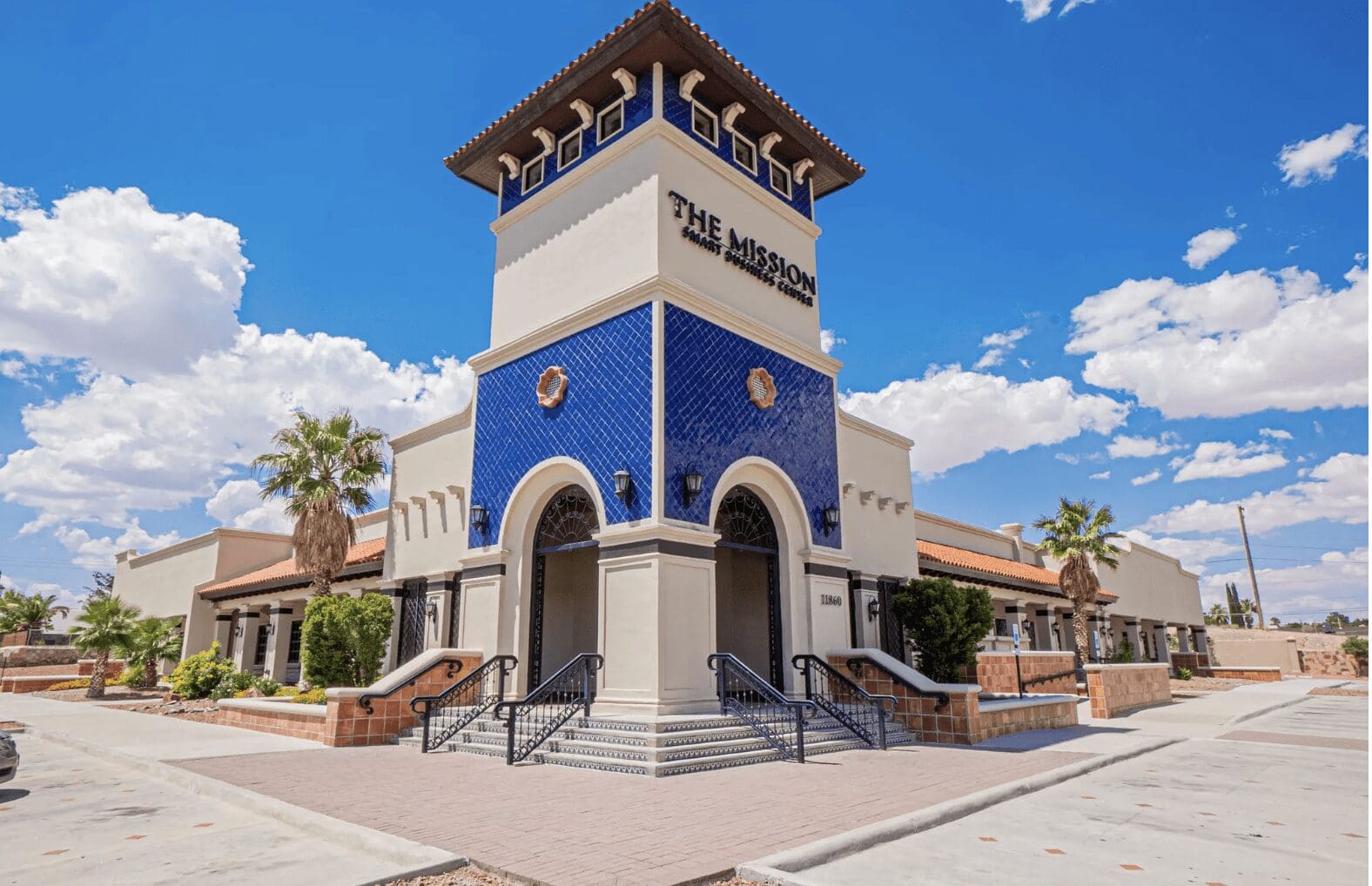
While excising a skin lesion may seem purely dermatologic, integrative chiropractic care supports peri-procedural comfort, autonomic regulation, and recovery. At Injury Medical Clinic PA (Mission Plaza Injury Medical Clinic) in El Paso, I collaborate closely with Dr. Maria Guadalupe Cardenas, MD (Board Certified Internal Medicine; NPI #1164426749; Texas License #J2933). Our model leverages chiropractic neurophysiology, functional medicine, and internal medicine oversight to optimize patient outcomes.
Chiropractic neurophysiology:
Gentle cervical and thoracic mobility work can reduce sympathetic overactivity and anxiety, thereby lowering perceived pain via descending inhibitory pathways (periaqueductal gray modulation).
Soft tissue techniques around the shoulder girdle and thoracic cage relieve myofascial tension that can amplify cutaneous pain through central sensitization.
Autonomic balance:
Breathing mechanics, rib cage mobility, and vagal tone optimization help stabilize heart rate and blood pressure during minor procedures. Patients report better comfort and less discomfort from injections when sympathetic tone is moderated.
Functional ergonomics:
Post-procedure, appropriate postures and scapular mechanics reduce strain on healing sites in the back, shoulder, or trunk areas, decreasing shear forces across the incision and promoting better scar formation.
Internal Medicine Oversight: Safety, Risks, and Comorbidities
Dr. Cardenas provides medical direction and co-management for patients with complex medical histories. Together, we tailor anesthesia choices, wound plans, and follow-up based on comorbidities.
Hypertension and cardiovascular disease:
Epinephrine in lidocaine is generally safe for small dermatologic fields, but we confirm medication lists (beta-blockers, MAO inhibitors) and assess cardiovascular stability. Internal medicine oversight ensures risk stratification and informed consent aligned with the patient’s health status.
Diabetes and wound healing:
Glycemic control is vital to prevent infection and optimize collagen synthesis and cross-linking in the wound. We coordinate glucose monitoring and provide nutrition guidance consistent with functional medicine principles that support wound healing (adequate protein, vitamin C, and zinc).
Anticoagulants and antiplatelets:
For patients on warfarin, DOACs, or aspirin, we plan hemostasis strategies, pressure dressings, and post-op monitoring. Most dermatologic excisions proceed without stopping therapy, but Dr. Cardenas ensures that decisions align with evidence and safety.
Functional Medicine and Nutritional Support for Skin Healing
As a Certified Functional Medicine Practitioner (CFMP, IFMCP), I incorporate nutritional and lifestyle strategies to enhance skin repair.
Nutrient optimization:
Protein targets (1.2–1.6 g/kg/day in older adults during recovery) support fibroblast activity and collagen deposition.
Vitamin C and zinc are essential cofactors in collagen hydroxylation and DNA synthesis; deficiencies prolong healing time.
Omega-3 fatty acids can modulate inflammatory cytokines, promoting resolutive healing without impairing necessary inflammatory phases.
Glycemic control and inflammation:
Stable blood sugar reduces advanced glycation end-products that stiffen collagen and impair tensile strength of healing tissue.
Sleep and stress:
Adequate sleep supports growth hormone and tissue repair, while stress reduction techniques blunt cortisol’s catabolic effects on skin.
Personal Injury Care Integration: Biomechanics and Scar Protection
In personal injury cases, excision sites often lie across regions of high biomechanical load. Our integrative chiropractic and rehabilitation approach minimizes scar widening and pain flares.
Biomechanics:
Assess regional movement patterns to reduce shear across the healing incision.
Educate on movement strategies—log-rolling, hip hinge, and scapular setting—to protect the site in the first 1–2 weeks.
Myofascial release:
Gentle, indirect techniques adjacent to the excision (not on the wound) decompress fascial layers that, if tight, can pull on the scar and provoke pain.
Graded activity:
As collagen matures (weeks 3–6), we introduce light isometrics and, later, controlled mobility to align collagen fibers along lines of stress and improve scar pliability.
Keep the area clean and protected for the first 24–48 hours; petrolatum-based occlusion maintains moisture and accelerates re-epithelialization.
Scar modulation:
Silicone sheets or gels reduce hypertrophic scarring by regulating hydration and fibroblast activity.
Gentle massage after complete epithelialization (usually after suture removal) remodels scar tissue, improving mobility and sensation.
Sun protection:
UV exposure can cause hyperpigmented scars; broad-spectrum SPF 30+ prevents cosmetic discoloration and protects collagen integrity.
Collaborative Model at Injury Medical Clinic PA: Roles and Workflow
Our El Paso clinic exemplifies integrative care, common in injury and functional medicine settings, where an MD provides medical direction alongside a chiropractor. Dr. Cardenas, MD, serves as the medical director and collaborative physician, and I lead integrative chiropractic and functional care.
Pre-procedure:
Medical review: Dr. Cardenas assesses comorbidities, medications, and risk factors.
Chiropractic preparation: I provide autonomic regulation techniques and positioning strategies to enhance comfort and reduce nociception.
Procedure:
Evidence-based anesthesia and excision: I perform a field block and precise excision, with hemostasis and ongoing patient communication.
Post-procedure:
Follow-up: Internal medicine oversight ensures safe healing. Functional medicine guidance supports nutrition and lifestyle modifications.
Rehabilitation: Chiropractic-directed movement strategies, scar protection, and graded return to activity.
Clinical Observations from Practice: Patient Comfort and Outcomes
Across my clinical work in El Paso, patients often report extraordinarily low pain during our field blocks. As reflected in today’s case, the patient experienced no pain during multiple entries and intradermal distension—exactly the outcome we aim for.
Patient Education and Safety: What to Expect After Excision
Normal sensations: Mild tightness or itch as healing progresses; avoid scratching.
Red flags: Excessive bleeding, spreading redness, purulent discharge, fever, or severe pain—contact us immediately.
Activity:
Keep the area dry for the first day unless instructed otherwise.
Avoid stretching or heavy lifting that places tension across the excision line until cleared.
Follow-up:
Suture removal typically occurs within 5–14 days depending on body location and tension.
Pathology results guide any additional steps. If margins are clear, we move to standard surveillance; if not, we discuss re-excision.
Latest Research Insights Supporting This Approach
Local anesthesia with epinephrine is safe and effective for most dermatologic procedures, enhancing duration and hemostasis without increasing necrosis when used within recommended doses (Krunic et al., 2004; Alam & Dover, 2008).
Narrow margins for moderate atypia in dysplastic nevi can be appropriate when clinical-pathologic correlation rules out severe atypia or melanoma (Swetter et al., 2019; Kittler et al., 2020).
Vapocoolant sprays reduce injection pain by activating cutaneous cold receptors and transiently inhibiting nociception (Gallagher et al., 2009).
Layered closure aligned with tension lines optimizes cosmetic outcome and reduces dehiscence risk (Borges, 1984; Alam & Wrone, 2007).
Integrative care models with chiropractic and internal medicine collaboration can improve patient satisfaction, reduce pain, and support functional recovery via autonomic modulation and biomechanical optimization (Goertz et al., 2018; Schneider et al., 2015).
Why Integrative Chiropractic Care Fits in This Treatment Plan
Whole-person care: Skin health intersects with systemic physiology—autonomic tone, metabolic status, and biomechanics. Chiropractic and functional medicine address these intersections.
Peri-procedural calm: Breathing and gentle mobilization improve patient comfort and experience during minor surgery.
Long-term outcomes: Scar integrity and function rely on movement patterns, tissue nutrition, and stress regulation—core areas where chiropractic and functional medicine strategies excel.
Our Commitment to Modern, Evidence-Based, Patient-Centered Care
At Injury Medical Clinic PA, our mission is to provide modern, evidence-based care that respects the patient’s experience, safety, and long-term health. By integrating internal medicine oversight from Dr. Cardenas with chiropractic and functional medicine strategies, we ensure that each procedure—from a simple excision to complex injury rehabilitation—benefits from rigorous science and compassionate execution.
Unlocking Tendon Healing: An Inside Look at Percutaneous Tenotomy
Abstract
Chronic tendon pain, or tendinopathy, can be debilitating and significantly affect quality of life. Traditional treatments often provide only temporary relief, leaving patients searching for more definitive solutions. In this educational post, I will explore a groundbreaking, minimally invasive procedure known as percutaneous tenotomy. We will get into the science behind this ultrasound-guided technique, which removes damaged tendon tissue to stimulate the body’s natural healing processes. Specifically, we will examine the two leading methods, Tenex and TenJet, and discuss their applications for conditions like tennis elbow, Achilles tendinopathy, and plantar fasciitis. As we explore the mechanics of this procedure, I will also explain how we at Injury Medical Clinic integrate this advanced medical intervention into our comprehensive, multidisciplinary approach. This includes integrative chiropractic care, functional medicine, and personalized rehabilitation, all under the medical direction of Dr. Maria Guadalupe Cardenas, MD, to ensure our patients achieve optimal, long-lasting recovery.
As a practitioner with dual credentials in chiropractic (DC) and as an advanced practice registered nurse (APRN), I have dedicated my career to bridging gaps between medical disciplines. My goal has always been to find the most effective, evidence-based solutions for my patients. Today, I want to share insights into a fascinating procedure that has revolutionized how we treat chronic tendon pain: percutaneous tenotomy. This technique, once confined to surgical suites, is now a powerful tool accessible in an office setting, offering hope to those suffering from persistent tendinopathies.
At our practice, Injury Medical Clinic, we pride ourselves on a collaborative, integrative model. Our medical director and collaborative physician, Dr. Maria Guadalupe Cardenas, MD, an internist with over 40 years of experience, provides essential medical oversight. This partnership allows us to combine my expertise in chiropractic, functional medicine, and rehabilitation with her deep knowledge of internal medicine. This combination ensures that when we recommend and facilitate a procedure like percutaneous tenotomy, it is part of a holistic and well-managed treatment plan designed for comprehensive healing.
Understanding Chronic Tendinopathy: When Rest Isn’t Enough
Before we explore the solution, let’s understand the problem. Tendinopathy is not simply inflammation, as the term “tendinitis” might suggest. It’s a degenerative condition where the collagen fibers that make up the tendon begin to break down. This often happens with repetitive overuse, which prevents the tendon from healing properly. Instead of organized, strong collagen, the body lays down a disorganized, weak, and painful matrix of scar tissue. This abnormal tissue is metabolically inactive, has a poor blood supply, and doesn’t respond well to conservative treatments like rest, ice, or stretching.
Clinically, I see patients who have been struggling for months, or even years, with conditions such as:
Tennis Elbow (Lateral Epicondylitis or Extensor Carpi Radialis Brevis Tendinopathy)
Golfer’s Elbow (Medial Epicondylitis)
Jumper’s Knee (Patellar Tendinopathy)
Achilles Tendinopathy
Plantar Fasciitis (Plantar Fasciopathy)
These individuals often report a cycle of pain, temporary relief, and frustrating recurrence. This is precisely where a more targeted intervention becomes necessary.
Percutaneous Tenotomy: A Minimally Invasive Revolution
Percutaneous tenotomy is a cutting-edge, FDA-approved procedure designed to precisely remove the damaged, degenerative tissue from a tendon under ultrasound guidance. The term “percutaneous” means “through the skin,” highlighting its minimally invasive nature. Unlike open surgery, which requires large incisions and longer recovery times, percutaneous tenotomy is performed through a very small entry point, often requiring just a sterile bandage afterward.
The core principle is simple but powerful: by selectively debriding (removing) the diseased tissue, we create a controlled injury that triggers the body’s natural inflammatory and healing cascade. This process brings fresh blood, growth factors, and specialized cells to the area, encouraging new, healthy tendon tissue to grow.
Leading researchers in musculoskeletal medicine have shown that this targeted debridement is key to breaking the cycle of chronic pain and dysfunction (Knutsen et al., 2023). It’s a precise and elegant solution that addresses the root cause of the problem.
The Two Leading Techniques: Tenex and TenJet
Two primary technologies currently dominate the market for percutaneous tenotomy. While both achieve the same goal, they use different mechanisms.
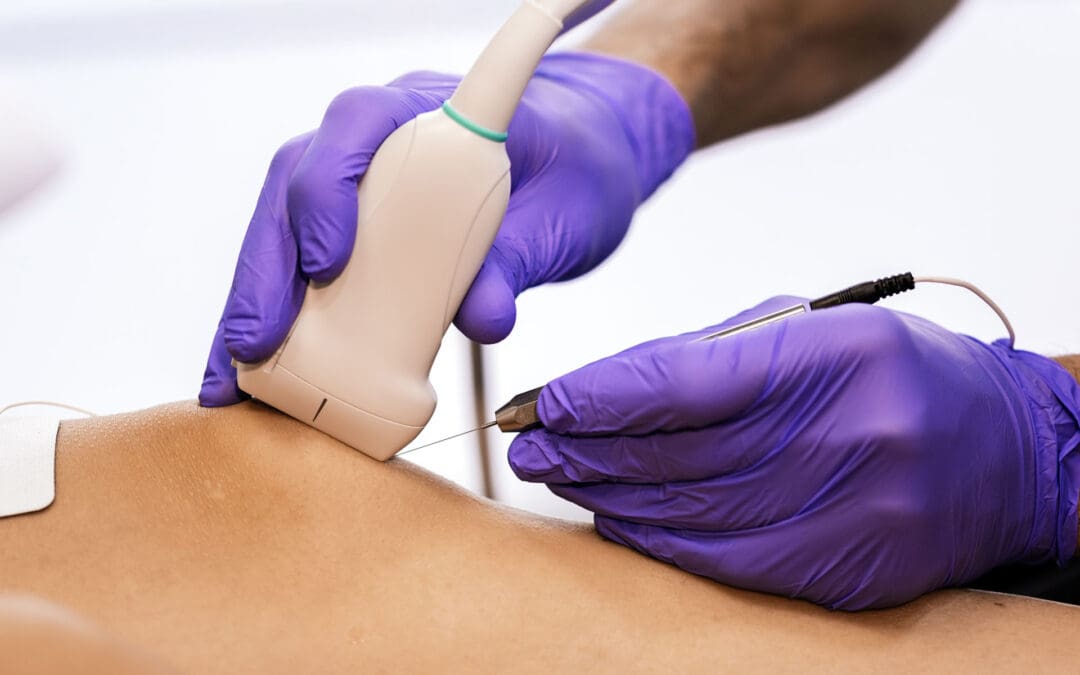
Tenex Health TX System: This technique relies on phacoemulsification, the same ultrasonic energy used in modern cataract surgery. A specialized handheld instrument uses a small, 18-gauge double-lumen needle. The needle tip vibrates at an ultrasonic frequency, emulsifying (liquefying) the targeted pathologic tissue. At the same time, a second lumen within the needle suctions the emulsified debris out of the body. This is performed in real time under direct ultrasound visualization, ensuring that only damaged tissue is removed while the surrounding healthy tendon is preserved.
TenJet System: This technology offers an alternative to ultrasonic energy. It uses a high-velocity, pressurized stream of saline to create a “cutting” effect. The focused water jet precisely dissects and removes the degenerated tissue, which is then aspirated away through the same instrument.
In our collaborative network, we often use the Tenex device for its precision and effectiveness. The procedure is typically performed in an office or a minor procedure suite, making it incredibly convenient for patients. A foot pedal controls the device, and the settings are calibrated for the specific tendon and severity of the condition.
A Glimpse into the Procedure: Debriding Tennis Elbow
To help you visualize how the device works, let’s walk through a typical procedure for extensor carpi radialis brevis tendinopathy, commonly known as tennis elbow. This is one of the most common and well-studied applications for percutaneous tenotomy.
Preparation and Sterilization: The patient is positioned comfortably, and the area is prepped using a sterile technique. The ultrasound probe itself is covered with a sterile sheath to maintain a clean field. Local anesthetic numbs the area completely, ensuring the procedure is painless.
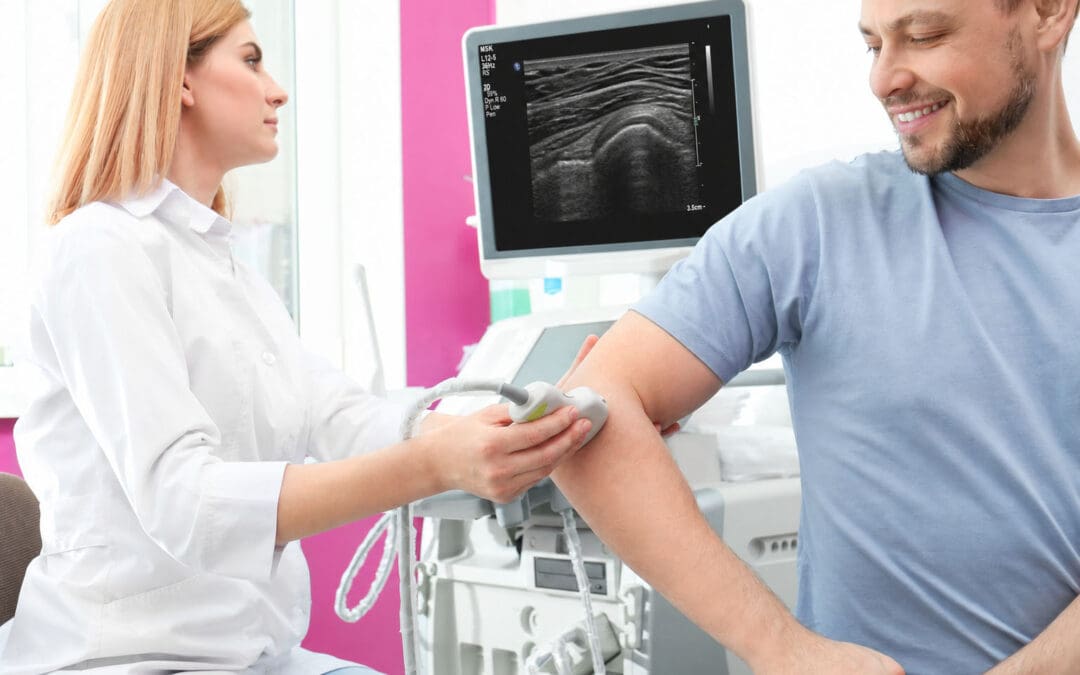
Ultrasound Visualization: The first and most critical step is using the ultrasound to identify the exact location and extent of the tendinopathy. The damaged tissue appears distinct on the screen—often hypoechoic (darker) and thickened compared with the bright, organized fibers of a healthy tendon.
Needle Insertion: Under continuous ultrasound guidance, the provider carefully inserts the Tenex needle through the skin and advances it directly into the degenerated tissue. Real-time imaging lets the provider see the needle tip at all times, ensuring pinpoint accuracy.
Debridement: The provider activates the device with the foot pedal. The ultrasonic tip begins to vibrate, and the provider moves the needle back and forth through the diseased tissue in a technique similar to fenestration (a needling procedure that promotes bleeding and healing). You can often hear a subtle hum as the device works. The device simultaneously suctioned away the emulsified, unhealthy tissue.
Completion: The entire “cutting time” is remarkably short, typically ranging from 30 seconds to two minutes. Once the provider has sufficiently debrided the pathologic area, they remove the needle and apply a small bandage.
This removes the source of pain and creates fertile ground for true healing to begin. Studies have demonstrated significant improvements in pain and function following this procedure for various tendinopathies (Seng et al., 2016).
Our Integrative Approach: Beyond the Procedure
At Injury Medical Clinic, performing a procedure like percutaneous tenotomy is just one part of a larger, more comprehensive approach. True and lasting recovery requires a multi-faceted approach that supports the body’s healing journey from every angle. This is where our unique integrative model, supervised by Dr. Cardenas, truly shines.
1. The Role of Integrative Chiropractic Care
As a chiropractor, I focus on the biomechanical integrity of the entire musculoskeletal system. The tendon issue didn’t arise in isolation. It often results from underlying biomechanical faults, postural imbalances, or compensatory movement patterns. My role, both before and after the tenotomy procedure, is to:
Assess and Correct Joint Dysfunction: I perform specific chiropractic adjustments to the elbow, wrist, shoulder, and even the spine to restore proper joint mechanics. If the joints don’t move correctly, the attached tendons remain under abnormal stress, hindering recovery and increasing the risk of reinjury.
Address Myofascial Restrictions: Using techniques like Active Release Technique (ART) and Graston Technique, we break down adhesions in the muscles and fascia surrounding the affected tendon. This improves flexibility, reduces muscle tension, and helps the tendon glide smoothly.
Prescribe Rehabilitative Exercises: After the procedure, a carefully graded exercise program is crucial. We start with gentle range-of-motion exercises and progress to eccentric loading exercises. Eccentric exercises (lengthening the muscle-tendon unit under load) are scientifically proven to stimulate collagen production and help the new tendon fibers align correctly, making them strong and resilient (Alfredson, 2005).
2. Functional Medicine and Nutritional Support
Healing is a metabolically demanding process. As a Certified Functional Medicine Practitioner (CFMP), I consider the biochemical factors that can support or hinder tissue repair. We may assess for and address:
Systemic Inflammation: Chronic inflammation can impede healing. We recommend anti-inflammatory diets rich in omega-3 fatty acids, antioxidants, and phytonutrients.
Nutrient Deficiencies: Key nutrients like Vitamin C, zinc, manganese, and certain amino acids (proline, glycine) are essential building blocks for collagen. We may recommend targeted supplementation to ensure the body has the raw materials it needs to build a strong new tendon.
Gut Health: Emerging research shows a strong link between gut health and systemic inflammation. Optimizing the gut microbiome can profoundly affect the body’s ability to heal.
3. Medical Oversight and Comprehensive Care
Having Dr. Cardenas as our medical director is invaluable. Her internal medicine expertise ensures we consider all aspects of the patient’s health. She provides medical clearance for procedures, manages any co-existing medical conditions (like diabetes or hypertension) that could affect healing, and can prescribe medications for pain management if necessary. This collaborative oversight ensures patient safety and a truly integrated standard of care that addresses the whole person, not just the injured tendon.
A New Era in Tendon Treatment
Percutaneous tenotomy represents a significant leap forward from older, more invasive methods. When skilled providers use it and integrate it into a comprehensive rehabilitation plan, this powerful tool delivers remarkable outcomes. It bridges the gap between failed conservative care and major surgery.
At our clinic, we use the latest evidence-based research to guide our practice. By combining advanced medical procedures like percutaneous tenotomy with the foundational principles of chiropractic care, functional medicine, and targeted rehabilitation, we create a synergistic healing environment. Our goal is to eliminate your pain, restore your function, strengthen your body, and empower you to return to the activities you love, stronger and more resilient than before.
If you have been struggling with chronic tendon pain, know that there are innovative and effective options available. It may be time to explore a more definitive solution that addresses the true source of your condition.
References
Alfredson, H. (2005). The chronic painful Achilles and patellar tendon: Research on basic biology and treatment. Scandinavian Journal of Medicine & Science in Sports, 15(4), 252–259. https://doi.org/10.1111/j.1600-0838.2005.00478.x
Seng, K., Mohan, P. C. S., & Koh, J. S. B. (2016). Percutaneous ultrasonic tenotomy for chronic tendinopathies: A systematic review. Journal of Orthopaedic Surgery, 24(1), 92–97. https://doi.org/10.1177/160240021602400120
Clinical Walkthrough: Ultrasound-Guided Hydrodissection for Radial Tunnel Pain
Abstract
In this educational post, I present a clear, evidence-based walkthrough of ultrasound-guided hydrodissection for radial tunnel–related lateral elbow pain, grounded in modern musculoskeletal research and my clinical observations.
I explain why patients with forearm-burning pain aggravated by pronation and supination often benefit from targeted nerve hydrodissection, how we safely perform perineural injections under ultrasound guidance, and where integrative chiropractic care and rehabilitation accelerate functional recovery.
I also describe our multidisciplinary workflow at Injury Medical Clinic PA (Mission Plaza Injury Medical Clinic) in El Paso, Texas, where I collaborate with Dr. Maria Guadalupe Cardenas, MD, to combine medical oversight with integrative chiropractic, functional rehabilitation, and personal injury care.
My focus here is on chiropractic and physical therapy–driven strategies, using medications and hormones only as background support when necessary.
By the end, you will understand the physiologic rationale for hydrodissection, how it reduces nerve irritation and restores movement, and how a coordinated plan supports lasting outcomes.
Hydrodissection For Radial Tunnel–Related Lateral Elbow Pain: A First-Person Clinical Walkthrough
As Dr. Alex Jimenez, DC, APRN, FNP-BC, CFMP, IFMCP, ATN, CCST, I routinely evaluate persistent lateral elbow and dorsal forearm pain—especially when classic “tennis elbow” does not fit the picture. When a patient reports a dull, burning discomfort in the dorsum of the forearm, worsened by pronation and supination, and tenderness is distal to the lateral epicondyle, I consider involvement of the deep branch of the radial nerve (posterior interosseous nerve) near the radial tunnel and the arcade of Frohse over the supinator muscle.
In the case described below, the patient experienced more than six months of pain. A 1 mL lidocaine test injection delivered to the vicinity of the radial nerve temporarily improved symptoms, corroborating a nerve-entrapment pain generator. From there, we proceeded with ultrasound-guided hydrodissection—a perineural technique using carefully controlled fluid volumes to free and “float” the nerve away from surrounding fascial planes, adhesions, and compressive interfaces.
Why Hydrodissection? Physiologic Rationale And Evidence
Entrapment physiology:
The radial tunnel is a tight anatomical corridor where fascial thickening, muscle hypertonicity, or micro-adhesions can compress the deep branch of the radial nerve.
This compression causes ischemia, mechanical deformation, and neurogenic inflammation—manifesting as burning pain, weakness in wrist or finger extension, and symptom provocation with forearm rotation.
Perineural hydrodissection mechanism:
Using ultrasound guidance, a needle is advanced to the perineural plane—never intraneural—and small, pulsed injections of fluid are delivered circumferentially.
The fluid creates a “halo” effect around the nerve, gently separating it from tight fascial envelopes and adjacent tissues, reducing local mechanical stress and improving microvascular perfusion.
The result is decreased nociceptor activation, improved axoplasmic flow, and the potential restoration of normal neurodynamics during movement (Brown et al., 2022; Cass et al., 2021).
Evidence-based insight:
Ultrasound-guided perineural hydrodissection has been studied in peripheral nerve entrapments, showing favorable short- and mid-term outcomes, especially when combined with rehabilitation to address root causes and movement patterns (Wu et al., 2017; Lam et al., 2021).
The superiority of ultrasound guidance lies in precise needle visualization, reduced risk of intraneural placement, and real-time confirmation of fluid spread (Özçakar et al., 2018).
Clinical Orientation: What I See On Ultrasound
Landmarks:
Brachioradialis lies superficially and laterally; the supinator wraps around the proximal radius; the deep branch of the radial nerve courses between them, just proximal to the arcade of Frohse.
The neurovascular bundle is identified between the brachioradialis and supinator, with the nerve appearing as a honeycomb structure in short axis.
Approach:
I position a linear ultrasound probe for a short-axis view of the deep branch of the radial nerve.
Using an in-plane technique, I introduce a fine needle (often a 25-gauge) under ultrasound visualization, advancing through the brachioradialis toward the perineural space around the nerve.
Confirmation:
I watch for muscle twitching when passing through contractile tissue—expected and typically benign—and constantly verify needle-tip location relative to the nerve.
The target is the perineural plane. We avoid the nerve fascicles themselves. The goal is a circumferential fluid halo that elevates and frees the nerve from adhered tissue.
Step-By-Step Hydrodissection: Perineural, Not Intraneural
Preparation and safety:
Anesthetize the skin with a cold spray or local infiltration.
Strict sterile technique with probe cover and sterile gel.
Real-time ultrasound ensures continuous visualization of the needle path and the nerve.
We check for prior response to diagnostic local anesthetic—useful for confirming the pain generator.
Needle movement and fluid delivery:
I make very small, subtle adjustments of the needle tip while keeping the ultrasound beam aligned.
I pulse small aliquots of fluid—often lidocaine with a minute dose of corticosteroid or buffered saline—to create gentle blunt dissection around the nerve.
I rotate the needle around the nerve’s perimeter (above, lateral, and below) to complete the halo, avoiding direct nerve penetration.
Why these choices?
Lidocaine provides immediate analgesia, facilitating comfortable movement post-procedure.
A small corticosteroid component may reduce perineural inflammation for several weeks, giving tissue time to remodel and patients time to implement corrective rehabilitation (Chang et al., 2019).
The hydrodissection itself is the primary mechanical solution—releasing entrapment and normalizing glide.
Integrative Chiropractic Care: How We Restore Function After Hydrodissection
Hydrodissection relieves the mechanical compression, but patients achieve durable results when we address biomechanics and neuromuscular control. At El Paso’s Injury Medical Clinic PA (Mission Plaza Injury Medical Clinic), I integrate chiropractic, functional rehabilitation, and physical therapy to correct movement patterns that feed radial tunnel stress.
Chiropractic neuro-biomechanical assessment:
I evaluate cervical and thoracic alignment, scapular mechanics, first rib mobility, and radial head mechanics.
Dysfunctions at the cervical spine (particularly C5–C7) can alter motor patterns through the radial nerve distribution; thoracic stiffness can disrupt scapulothoracic rhythm, increasing demand on forearm musculature.
Specific chiropractic techniques and reasoning:
Radial head mobilization: Restores proximal radio-ulnar mechanics, reducing supinator strain on the deep radial nerve during pronation-supination cycles.
Cervical and thoracic adjustments: Improve segmental mobility, reduce aberrant muscle guarding, and normalize descending motor control—beneficial for forearm extensor loading.
First rib and scapular mobilization: Optimizes scapular upward rotation and reduces compensatory forearm overuse.
Physical therapy integration:
Nerve gliding for the radial nerve: Gentle, pain-free sliders that encourage normal neural excursion and reduce post-procedure adhesiogenesis. We avoid aggressive tensioners early to protect the perineural interface (Shacklock, 2005).
Isometric extensor loading: Early-stage isometrics reduce pain via central modulation and prepare tissues for progressive strengthening.
Eccentric-concentric forearm training: Targets extensor carpi radialis brevis/longus and supinator-pronator balance, gradually building resilience.
Proprioceptive and motor control drills: Wrist stabilization, scapular setting, and kinetic chain integration to reduce forearm overload during work or sport.
Soft tissue and myofascial methods:
Instrument-assisted soft tissue mobilization and precise myofascial release around the supinator-brachioradialis interval can complement hydrodissection by promoting glide and lymphatic flow.
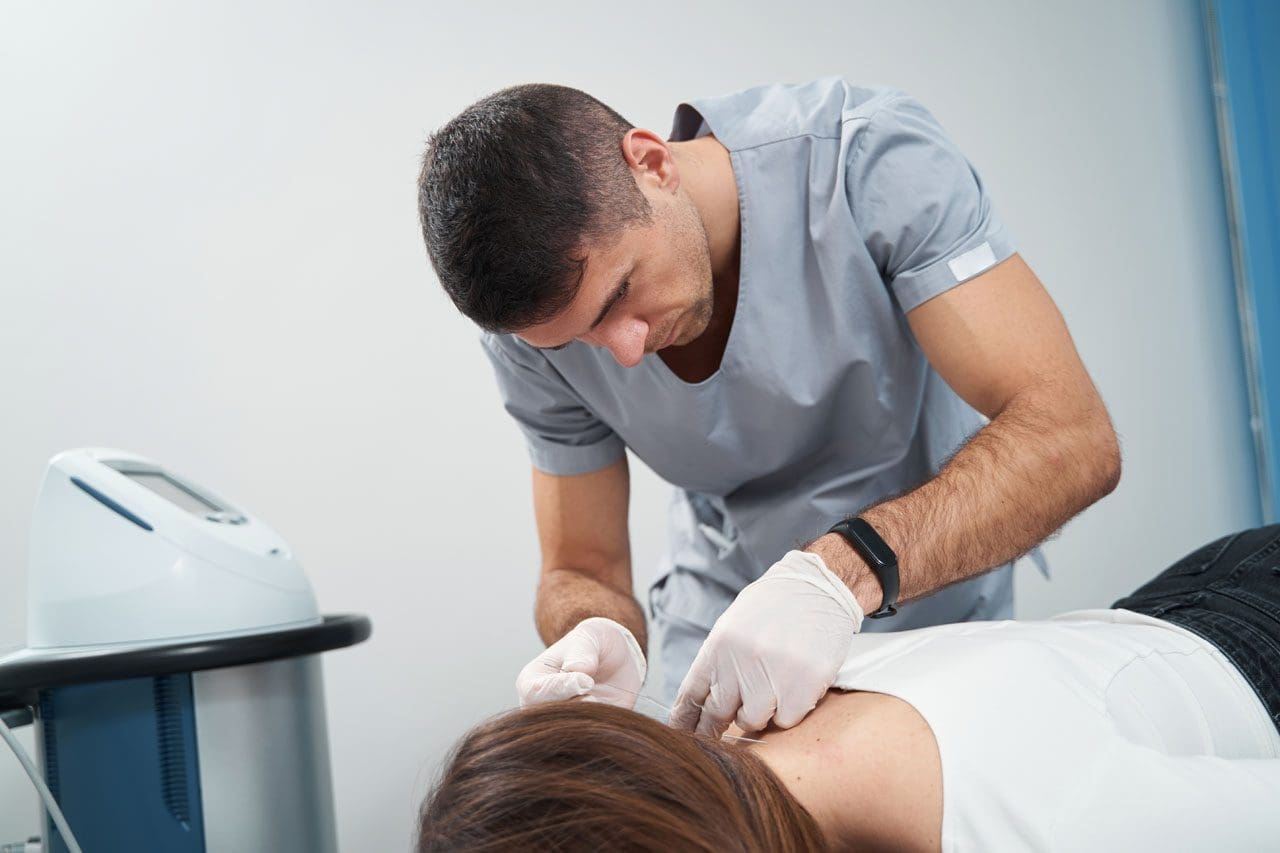
Dry needling may be considered for myofascial trigger points, performed conservatively to avoid nerve irritation.
Medical Oversight With Dr. Maria Guadalupe Cardenas, MD: Safety And Coordination
Our multidisciplinary clinic benefits from the seasoned medical direction of Dr. Maria Guadalupe Cardenas, MD (Board Certified in Internal Medicine, NPI #1164426749, Texas MD License #J2933), who has practiced internal medicine for over 40 years. She collaborates with me across personal injury, musculoskeletal pain, and functional recovery settings.
Role of medical oversight:
Ensures patient selection, contraindication screening (e.g., bleeding disorders, anticoagulant use, active infection), and medically appropriate use of local anesthetics and corticosteroids during hydrodissection.
Coordinates diagnostic frameworks and follow-up schedules, including consideration of imaging if atypical features emerge (e.g., profound weakness suggesting true posterior interosseous nerve palsy).
Provides backup strategies for complex cases where systemic factors—like diabetes or inflammatory conditions—increase neuropathic vulnerability.
Why this matters:
Interprofessional collaboration increases procedural safety and supports evidence-based care—from diagnosis to post-procedure rehabilitation—while keeping medication and hormonal therapy in the background unless clearly indicated for comorbidities.
Functional Medicine In Context: Keeping It Focused On Movement
Although my credentials include advanced functional medicine training, at El Paso Back Clinic we focus on movement-based solutions and reserve metabolic or hormonal interventions for select cases. Where appropriate:
We may recommend anti-inflammatory nutrition basics to support tissue healing.
We prioritize sleep optimization, stress modulation, and graded activity, all shown to affect pain perception and recovery trajectories (Clarke et al., 2023).
Supplements, if used, are adjuncts—not replacements—for chiropractic and physical therapy.
Personal Injury Care: Documentation And Recovery Pathways
In personal injury cases, clear causation and precise documentation are crucial:
High-resolution ultrasound documentation of nerve appearance, surrounding fascial tightness, and fluid spread during hydrodissection.
Objective measures: Grip strength, dynamometry, range-of-motion in pronation-supination, and functional tests tied to occupational demands.
Return-to-work plans: Staged exposure with ergonomic coaching and task modifications to prevent recurrence.
My Clinical Observations: What Patients Experience And Why
Drawing from years of care at El Paso Back Clinic and my clinical notes shared via our platforms, including our website and professional profiles:
Patients with dorsal forearm burning pain often report rapid reduction in symptoms after hydrodissection, particularly when the fluid halo is well established and the radial tunnel is decompressed.
Those who adhere to nerve glides, proximal kinetic chain correction, and graded strengthening experience more durable outcomes.
When cervical or scapular mechanics are neglected, symptoms tend to creep back during high-repetition tasks. Addressing the whole chain prevents over-reliance on the forearm extensors.
Safety Considerations And How We Minimize Risk
Perineural, not intraneural: We never inject directly into the nerve fascicles; ultrasound confirms placement.
Conservative volumes: Adequate to create separation without excessive tissue pressure.
Real-time visualization: The needle tip is visible throughout the procedure; we observe and respect tissue twitch.
Post-procedure monitoring: We encourage gentle movement the same day to promote neural glide and reduce stiffness. We advise patients on transient numbness from lidocaine and set expectations for gradual improvement over days to weeks.
When Hydrodissection Is Appropriate—And When It’s Not
Appropriate when:
Pain localizes distally in the dorsal forearm, worse with rotation, and examination indicates radial tunnel irritation.
The patient demonstrates temporary relief with a diagnostic local anesthetic block.
There is no frank motor deficit suggesting a complete posterior interosseous nerve palsy requiring surgical evaluation.
Consider alternatives or adjuncts when:
Pure lateral epicondylitis without nerve involvement is present—then tendinopathy protocols dominate the plan (eccentric loading, manual therapy).
Systemic neuropathies or inflammatory arthropathies are the primary drivers—then medical and rheumatologic collaboration guides care.
Putting It All Together: A Patient-Centered Care Pathway
Initial visit:
Thorough history, functional assessment, and targeted ultrasound of the radial tunnel.
Rule in nerve involvement with examination maneuvers and consider a small test lidocaine injection.
Procedure day:
Ultrasound-guided perineural hydrodissection using a fine needle and pulsed fluid delivery.
Immediate post-procedure instructions: gentle range of motion; avoid aggressive loading on day one.
Rehabilitation phase:
Begin radial nerve sliders, isometric extensor work, and scapular posture drills.
Progress to eccentric-concentric strengthening and functional task replication.
Maintenance:
Address workstation ergonomics, grip variation strategies, and sport technique refinements.
Periodic rechecks to ensure sustained neurodynamics and joint mechanics.
Summary
Today’s post provides a transparent, first-person account of how I identify and treat radial tunnel–related lateral elbow pain using ultrasound-guided hydrodissection, followed by integrative chiropractic and physical therapy. The core physiologic goals are to reduce perineural compression, normalize nerve glide, and retrain movement patterns across the kinetic chain. With medical oversight by Dr. Maria Guadalupe Cardenas, MD, we execute a safe, coordinated plan that emphasizes manual care, exercise therapy, and patient education—keeping medications and hormones in the background unless clinically necessary. This integrated approach delivers rapid symptom relief and durable function for forearm-burning pain aggravated by pronation and supination.
Key Takeaways
Hydrodissection creates a perineural fluid halo that frees the deep branch of the radial nerve in the radial tunnel.
Ultrasound guidance improves safety and precision and confirms fluid spread.
Integrative chiropractic and physical therapy restore biomechanics, ensuring durable results.
Medical oversight ensures appropriate selection, safety, and follow-up, especially in complex cases.
As a practitioner dedicated to the forefront of integrative and functional medicine, I constantly seek the latest evidence-based research to better serve my patients. It is also my privilege to share the work of leading researchers. I translate their advanced findings into practical, understandable knowledge for you.
My name is Dr. Alex Jimenez, and I hold several credentials, including DC, APRN, FNP-BC, CFMP, IFMCP, ATN, and CCST. At our clinic, Injury Medical Clinic PA, we pride ourselves on a multidisciplinary approach. This means we combine various specialties in one location to provide comprehensive care. Furthermore, our team is under the medical direction of Dr. Maria Guadalupe Cardenas, MD, an internist with over 40 years of experience. This team integrates chiropractic care, functional medicine, rehabilitation, and medical oversight to create personalized treatment plans. Today, I want to share insights into an advanced technique for treating chronic tendinopathy. We often see this condition in our practice.
Understanding Brisement and High-Volume Injections for Tendinopathy
Abstract
This educational post discusses a minimally invasive procedure called brisement, or high-volume injection (HVI), for treating chronic tendinopathies like Achilles and patellar tendinopathy. As Dr. Jimenez, I will guide you through the physiological basis of this technique and explain how it differs from other treatments like fenestration. We will also cover the procedure itself, from patient positioning to the injection process. We use insights from leading researchers like Dr. Fran O’Connor. The focus is on the mechanical and physiological effects of the injection, particularly hydrostatic decompression and the disruption of problematic neovessels and neonerves that contribute to chronic tendon pain. We will also discuss how this innovative medical procedure integrates seamlessly with our chiropractic and rehabilitative care at Injury Medical Clinic. This promotes optimal healing, restores function, and provides long-term relief for our patients.
What Is Tendinopathy, and Why Does It Become Chronic?
Before we dive into the specifics of the procedure, let’s understand the condition it treats: tendinopathy. Many people use the term “tendinitis,” which implies inflammation. However, in chronic cases, we often find not active inflammation but degeneration and a failed healing response within the tendon. This is more accurately called tendinopathy.
In a healthy healing process, the body repairs damaged tissue. However, with chronic tendinopathy, this process goes awry. The body attempts to heal the area by growing new, disorganized blood vessels and nerve endings. This process is called neovascularization and neoinnervation. These new structures, or neovessels and neonerves, are not beneficial. In fact, they are often the primary source of the persistent pain that patients experience. The disorganized tissue and these new nerve endings create a cycle of pain and dysfunction. This cycle is difficult to break with conventional treatments alone.
At our clinic, we often see athletes, laborers, and individuals with chronic tendon pain from repetitive strain. My clinical observations have shown that conditions like Achilles tendinopathy can be incredibly stubborn, significantly impacting a person’s ability to walk, run, or even stand comfortably. This is where advanced interventions become necessary.
Introducing Brisement: A Targeted Hydrostatic Approach
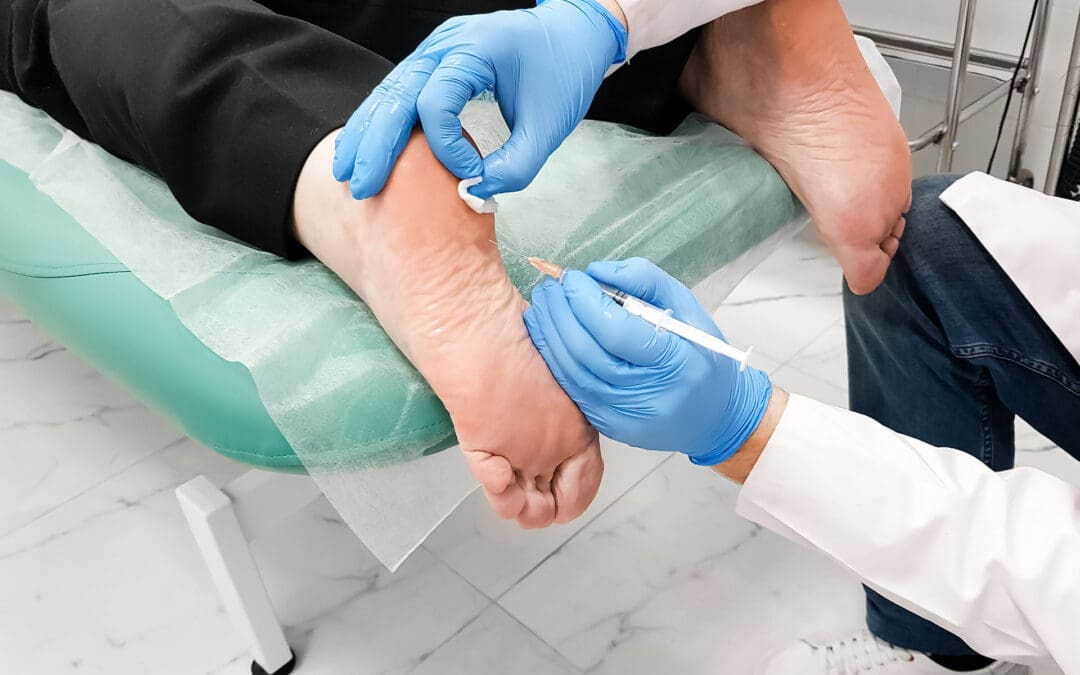
So, what is brisement, also called a high-volume injection (HVI)? It’s an advanced, ultrasound-guided technique designed to address the root cause of chronic tendon pain. The term “brisement” is French for “breaking” or “disruption.” This procedure is distinct from other needle-based treatments like fenestration or tenotomy. In those treatments, the goal is to repeatedly puncture the tendon itself to stimulate a healing response.
With brisement, the focus is entirely different. We are not targeting the tendon directly. Instead, the needle is carefully guided to the space next to the tendon—specifically, the interface between the tendon and adjacent soft tissues, like the paratenon (the sheath around the tendon) or a nearby fat pad (such as Kager’s fat pad behind the Achilles tendon).
The goal of brisement is twofold:
Mechanical Disruption: To physically break up the fine, pain-causing neovessels and neonerves that have grown into the area.
Hydrostatic Decompression: To use the pressure of the injected fluid to separate tissues that have become adhered or scarred together, freeing the tendon and relieving compressive forces.
Think of it as using a precise stream of fluid to gently peel apart layers of tissue that are stuck together. At the same time, we wash away the very structures that transmit pain signals.
The Brisement Procedure: A Step-by-Step Journey
Drawing from the work of experts like Dr. O’Connor, let’s walk through how this procedure is performed, illustrating the precision and care required. For this example, we’ll focus on Achilles tendinopathy, a common and challenging condition.
1. Patient Preparation and Imaging
The first step is proper positioning. The patient is typically placed prone (lying face down), with their feet hanging off the edge of the treatment table. This position provides excellent access to the Achilles tendon. The area is then meticulously prepped and draped to maintain sterility.
Next, we use a high-frequency ultrasound probe to visualize the tendon. This is not just a preliminary step; ultrasound guidance is critical throughout the entire procedure. We examine the tendon in both long-axis (lengthwise) and short-axis (cross-section) views. This allows us to:
Pinpoint the exact area of tendinopathy, which often appears as a thickened, disorganized, and sometimes darker region on the ultrasound image.
Identify the crucial interface between the anterior (front) border of the Achilles tendon and the underlying Kager’s fat pad, which is our target zone.
2. Anesthesia
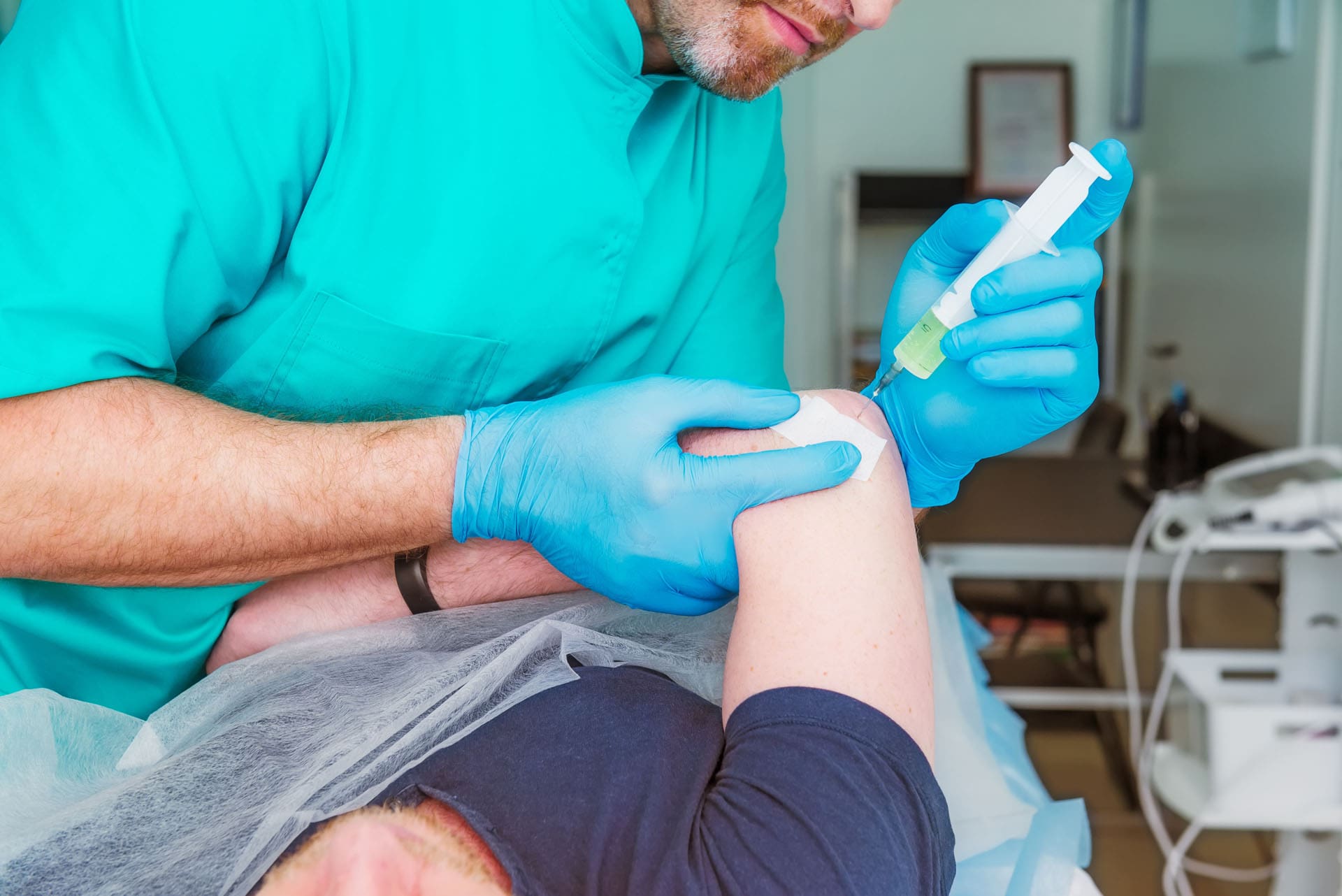
Once the target is identified, we ensure the patient’s comfort. A very fine needle (typically 25- or 27-gauge) is used to administer a local anesthetic, such as lidocaine, to numb the skin and the subcutaneous tissues along the planned needle path. This helps keep the main part of the procedure as painless as possible.
3. The High-Volume Injection
With the area anesthetized, the main procedure begins. A slightly larger needle (21- or 22-gauge) is used for the high-volume injection. The injectate is a combination of a local anesthetic (like lidocaine, for continued pain control) and a large volume of sterile normal saline.
Under continuous ultrasound guidance, the needle is advanced to the target space—the potential space anterior to the Achilles tendon. What happens next is the core of the brisement technique.
As the fluid is injected, we can see it in real-time on the ultrasound screen. The fluid begins to spread, creating a visible separation between the tendon and the adjacent fat pad. This is hydrostatic decompression in action. You can literally watch the layers of tissue peel apart.
The pressure and volume of the fluid mechanically “strip” or disrupt the delicate neovessels and neonerves that have infiltrated this space. By breaking these connections, we are directly targeting the source of the pain.
The amount of fluid used can vary significantly, with literature describing volumes anywhere from 5 to 100 cc. The endpoint is determined by either patient tolerance or when we feel significant resistance to further injection. This indicates the space has been sufficiently filled and decompressed. While large volumes are effective, caution is necessary to avoid complications like tendon rupture or compartment syndrome. Therefore, precise, real-time guidance is non-negotiable.
The Integrative Approach: How Chiropractic Care Complements Brisement
A procedure like brisement is a powerful tool. However, in our integrative model at Injury Medical Clinic, it’s one part of a larger, more comprehensive recovery strategy. This is where our expertise in chiropractic, physical therapy, and functional medicine comes into play. Dr. Cardenas provides essential medical oversight for these procedures. Meanwhile, my role focuses on restoring the body’s biomechanical function.
Here’s how we integrate this care:
Addressing the Root Biomechanical Cause: Why did the tendinopathy develop in the first place? Often, it’s due to underlying biomechanical imbalances. This could be poor foot mechanics (like overpronation), pelvic misalignment, or muscular imbalances in the kinetic chain (the interconnected system of the feet, ankles, knees, hips, and spine). As a chiropractor, my first step is to perform a thorough biomechanical assessment. I use techniques like spinal and extremity adjustments, soft tissue mobilization, and myofascial release to correct these imbalances. By restoring proper joint alignment and muscle function, we reduce abnormal load on the healing tendon and help prevent re-injury.
Post-Procedure Rehabilitation: After the brisement procedure has disrupted the pain-generating tissues, the body needs to heal correctly. This is where a structured rehabilitation program is crucial. Our physical therapy team designs a progressive loading program. This starts with gentle range-of-motion exercises to maintain mobility without stressing the tendon. It then progresses to eccentric exercises (lengthening the muscle-tendon unit under load), which have been shown to stimulate proper collagen remodeling and strengthen the tendon (Alfredson, H., Pietilä, T., Jonsson, P., & Lorentzon, R., 1998).
Enhancing Healing with Functional Medicine: From a functional medicine perspective, we look at the body’s internal environment. Healing requires the right nutrients. We may recommend specific supplements like Vitamin C, manganese, zinc, and certain amino acids (proline, glycine) that are essential building blocks for collagen, the primary protein in tendons. We also focus on reducing systemic inflammation through diet and lifestyle modifications, which creates a more favorable environment for tissue repair.
Pain and Inflammation Management: In the initial phases after the procedure, we use non-pharmacological methods to manage discomfort and support healing. This can include modalities like laser therapy or acoustic wave therapy, which can help modulate inflammation and enhance cellular repair processes. Chiropractic adjustments also strongly affect the nervous system, helping downregulate pain signals and improve overall function.
By combining the targeted medical intervention of brisement with holistic chiropractic and rehabilitative care, we create a powerful synergy. The injection provides the “reset” by eliminating the chronic pain source. Meanwhile, our therapies address the underlying cause and guide the body through a robust, complete healing process. This integrated model, overseen by Dr. Cardenas and implemented by our dedicated team, ensures that we are not just treating a symptom. We are restoring the patient to full, pain-free function.
Gut Repair From the Inside Out: Regenerative Therapies, BPC-157, and Integrative Care in El Paso
Abstract
This article asks whether regenerative therapies can help gut health. Regenerative therapies show potential to improve gut health by repairing damaged intestinal tissue and restoring the integrity of the mucosal lining. The post then investigates BPC-157 (Body Protection Compound) and its studied role in cytoprotective recovery of the epithelial lining, lower hyperpermeability (leaky gut), and integrative peptide therapy aimed at reducing full-body inflammatory loads. It also explains how integrative chiropractic care fits this plan and how Dr. Alexander Jimenez, DC, APRN, FNP-BC, works with Medical Director Dr. Maria Guadalupe Cardenas, MD, at Injury Medical Clinic PA in El Paso, Texas.
A Simple Answer With a Bigger Story
Yes. Regenerative therapies show potential to enhance gut health by repairing damaged intestinal tissue and restoring the integrity of the mucosal lining. That sentence is the scientific hope in plain language. The lining is not a passive tube. It is a living wall. When the wall is strong, food becomes fuel. When the wall is worn or open, the immune system stays busy, and pain in the back, neck, joints, or head can last longer than expected (Sikiric et al., 2020; Chang et al., 2025).
Many people treat digestion and spine pain as two different problems. In clinical practice, they often travel together. Stress, poor sleep, pain pills, and limited movement after injury can all irritate the same barrier that is supposed to keep the inside of the gut where it belongs.
Meet the Mucosal Lining
The innermost layer of the intestine is called the mucosa. New cells rise from intestinal stem cells that live in small pockets called crypts. Tight-junction proteins then fasten neighboring cells together, like a zipper.
A healthy lining does three jobs at once:
Absorbs vitamins, minerals, amino acids, and water
Keeps most bacteria, toxins, and large food bits out of the blood
Talks to the immune system so it does not overreact
If the zipper loosens, extra material slips through. Researchers call this hyperpermeability. Patients often hear “leaky gut.” The immune system then treats ordinary contents as a threat. Inflammation can spread. People may notice bloating, food reactions, fatigue, brain fog, or joints that stay hot after a strain (Park et al., 2020; Vida Revival, n.d.).
That is why gut repair isn’t just a stomach issue. It is a whole-body load topic.
How Regenerative Therapies Approach the Gut
Regenerative care tries to help tissue rebuild instead of only quieting a symptom for a few hours.
For the intestine, that work may include:
Protecting surface cells from further injury
Helping epithelium close gaps
Improving blood flow to the mucosa
Supporting stem cells that replace worn lining
Lowering inflammatory signals that keep the barrier open
The microbiome is part of this story. Gut bacteria can speed or slow intestinal stem-cell aging. In animal research, restoring a healthier microbial pattern improved stem-cell function and healing after injury (International Society for Stem Cell Research [ISSCR], 2025). A microbial metabolite called desaminotyrosine has also been shown to strengthen the barrier and drive stem-cell repair after severe gut stress (Leibniz Institute for Immunotherapy, 2025).
Other studies look even further upstream. Scientists found that clearing worn-out senescent cells helped aging mouse guts regenerate, reduced inflammation, and improved nutrient handling (Cold Spring Harbor Laboratory, 2026). California’s stem-cell agency has funded work to grow intestinal tissue and explore cell therapy for inflammatory bowel disease, where the lining is chronically damaged (California Institute for Regenerative Medicine [CIRM], n.d.). Clinics studying mesenchymal stem cells for delayed stomach emptying describe a similar aim: less inflammation, better nerve and muscle support, and improved local circulation (Stemwell, n.d.).
These paths are not identical, and none are ready as everyday treatments. They point in one direction. The gut can be helped toward repair when the right signals return.
Targeting Leaky Gut With Gastric-Protective Peptides
BPC-157 is a lab-made chain of 15 amino acids modeled on a protective fragment found in human gastric juice. That origin is why researchers first asked whether it could shield and rebuild digestive tissue (Sikiric et al., 2020; Yoo Direct Health, 2025).
The current investigation has three parts.
Cytoprotective recovery of the epithelial lining
In animal and lab models, BPC-157 has protected the stomach and intestine against injury from NSAIDs, alcohol, stress, and experimental colitis. Reports also include better healing of ulcers and surgical connections in the gut. Proposed actions include cell survival, cell migration, new vessel growth, and nitric oxide pathway effects that improve local blood flow (Sikiric et al., 2020; Chang et al., 2025).
Reduction of hyperpermeability
Park and colleagues reported that BPC-157 helped stabilize intestinal permeability after NSAID injury. The work was linked with higher tight-junction support, including ZO-1, and with lower activity of several inflammatory messengers (Park et al., 2020). In everyday words, the zipper may get help staying closed.
Interaction with integrative peptide therapy
BPC-157 is often discussed with other short signaling peptides, such as KPV, that are studied for calming immune activity in the mucosa (Yoo Direct Health, 2025; Laser Skin Solutions, n.d.). Integrative peptide therapy, in this setting, means using selected signals to help the barrier recover so the inflammatory load on the rest of the body can fall. That load can affect joints, nerves, skin, energy, and recovery speed after injury.
What the evidence does not yet prove
Most BPC-157 gut data remain preclinical. Human trials are still limited. Reviews describe promise and then call for stronger controlled studies in people (Chang et al., 2025). BPC-157 is not FDA-approved for leaky gut, IBD, ulcers, pain, or any other human use. Products sold outside a regulated clinical pathway can vary in quality. Unapproved peptides also carry legal and professional risk. Competitive athletes should know WADA lists BPC-157 as a prohibited non-approved substance (PortraitCare, 2026; Holt, n.d.; Yoo Direct Health, 2026).
Interest is fair. Internet certainty is not.
From Gut Load to Spine Pain
When the barrier leaks, the immune system stays on alert. That alert can make an injured neck, disc, or sciatic nerve feel louder. Pain pills taken for the spine can then irritate the lining again. Sleep drops. Walking drops. The cycle tightens.
Dr. Alexander Jimenez, DC, APRN, FNP-BC, CCST, CFMP, IFMCP, ATN, has described this as a biology-and-mechanics problem. Regenerative tools try to improve the healing environment around tissue. Chiropractic care and rehabilitation try to restore motion so repaired tissue is not asked to live in a locked or twisted frame (Jimenez, 2025a, 2025b). His published observations and public professional profile also connect gut health, inflammation, autoimmunity, peptide discussions, IV recovery, and integrative chiropractic care as one clinical map (Jimenez, n.d.).
That map helps explain a common clinic pattern: the MRI shows a strain, but the person feels system-wide fatigue and slow progress until food, sleep, motion, and barrier health are addressed together.
How Integrative Chiropractic Care Fits the Treatment
Integrative chiropractic care does not claim to sew the intestinal lining with an adjustment. It supports the nervous system, posture, and movement that surround digestion and healing.
The mid-back, ribs, and diaphragm affect breathing and abdominal pressure. The vagus nerve and spinal pathways help set gut motion and stress tone. After injury or years of desk work, people often brace. The head drifts forward. The ribs stiffen. Bowel rhythm and sleep suffer.
In a coordinated plan, chiropractic care and rehab may:
Restore spinal and rib motion
Improve breathing mechanics
Reduce protective muscle guarding around the trunk
Retrain posture and walking
Prepare the body for strengthening and daily work
Better motion can lower fight-or-flight load. A calmer stress response gives the gut a better chance to repair. Functional medicine then looks at nutrition, sleep, blood sugar, and gut-immune clues. Personal injury care documents trauma and stages of return to activity. Regenerative options, if discussed at all, come after that foundation and under medical review.
A Multidisciplinary Clinic Model in El Paso
Persistent gut and pain cases require more than one perspective. At Injury Medical Clinic PA in El Paso, Texas, chiropractic and advanced practice care from Dr. Alex Jimenez are paired with medical direction from Dr. Maria Guadalupe Cardenas, MD.
Dr. Cardenas is board-certified in internal medicine (NPI #1164426749; Texas MD License #J2933). She has more than 40 years of experience as an internist and serves as medical director and collaborative physician. This multidisciplinary setup is common in integrative and injury care clinics. An MD provides medical direction, internal medicine judgment, and safety oversight. A chiropractor evaluates the spine, nerves, and movement. Together they can separate urgent digestive disease from functional barrier problems and connect both to back pain, sciatica, sports injury, or delayed recovery after a crash.
The same team plan may include:
Functional medicine and nutrition
Rehabilitation and posture training
Personal injury evaluation and documentation
Regenerative discussions under medical oversight
Nurse-practitioner care coordinated with the medical director
The benefit is not a trendy product name. The benefit is a group that sees the lining, the spine, and the person who has to get through the day.
A Clear Path Readers Can Follow
A careful sequence looks like this:
Seek care for warning signs such as bleeding, black stools, vomiting, fever, or unexplained weight loss.
Rebuild daily basics: protein, plants you can tolerate, water, walking, and sleep.
Restore motion with integrative chiropractic care and rehabilitation.
Support the barrier with food and targeted nutrients when indicated.
Consider advanced regenerative options only after diagnosis, informed consent, and legal clinic-based oversight.
Regenerative therapies show potential to enhance gut health by repairing damaged intestinal tissue and restoring mucosal lining integrity. BPC-157 is being investigated for cytoprotective epithelial recovery, reduced leaky-gut changes, and a lighter full-body inflammatory load when placed inside a broader integrative plan. The research is encouraging. Human proof and FDA approval are not complete. The most useful next step in El Paso is still a full evaluation with a team that treats both the barrier and the frame around it.
Park, J. M., Lee, H. J., Sikiric, P., & Hahm, K. B. (2020). BPC 157 rescued NSAID-cytotoxicity via stabilizing intestinal permeability and enhancing cytoprotection. Current Pharmaceutical Design, 26(26), 2971–2981. https://doi.org/10.2174/1381612826666200523180301
Faster Injury Recovery in El Paso: Pairing IV Infusion Therapy with Spinal Adjustments
IV infusion therapy and spinal adjustments can work together to help the body heal from injuries faster. This article explains what each treatment does, why they work together, and how they relax tense muscles, reduce joint inflammation, and speed tissue repair. You will also see how integrative chiropractic care belongs in the plan, how the El Paso medical and chiropractic team works, and what a personal recovery path can look like.
What IV Infusion Therapy Does
IV infusion therapy sends fluids, vitamins, minerals, and other nutrients straight into the bloodstream through a small vein. Because the nutrients skip the stomach and intestines, the body can use nearly all of them right away. This is often called 100 percent bioavailability.
A typical recovery mix includes fluids for hydration, magnesium to help muscles relax, B vitamins for energy and nerve support, vitamin C to fight inflammation and help build collagen, and sometimes antioxidants. These ingredients reach cells quickly. The result is better hydration at the cellular level, less oxidative stress, and faster new tissue building.
People often notice less muscle tightness and more energy within hours. The session itself usually lasts 30 to 45 minutes and is done in a comfortable clinic setting under medical supervision.
How Spinal Adjustments Support Healing
Spinal adjustments, also called chiropractic manipulations, gently restore proper alignment to the spine and other joints. When bones sit in the right place, nerves can send clearer signals, muscles can fire more evenly, and blood flow improves around injured areas.
Misalignment from a car accident, sports strain, or everyday wear can keep muscles in a protective spasm and limit the nutrients that reach damaged tissue. An adjustment reduces that mechanical stress. It also helps the nervous system settle, which can lower the body’s overall pain response.
Integrative chiropractic care looks at the whole person. It does not stop at the adjustment. It includes movement exercises, posture work, and coordination with other therapies so the structural change lasts.
Why the Two Treatments Work Better Together
IV infusion therapy complements spinal adjustments by delivering 100 percent bioavailable fluids, magnesium, and vitamins directly into the bloodstream. This rapid cellular hydration and nutrient delivery, bypassing the digestive system, relaxes tense muscles, reduces joint inflammation, and speeds tissue repair, optimizing the body for structural healing.
Think of the adjustment as resetting the frame of a house and the IV as delivering the right building materials and water to every room at once. Once the spine is better aligned, circulation and nerve signals improve. The nutrients from the IV can then travel more easily to the exact spots that need repair. Spinal adjustments combined with IV infusion therapy help the body recover faster by treating structural misalignment while delivering nutrients directly to cells to fight inflammation. This integrated approach improves nutrient bioavailability and accelerates tissue repair, reducing the chronic pain associated with musculoskeletal injuries. If you’re in El Paso and want a full, tailored recovery plan, contact Injury Medical & Chiropractic Clinic.
Magnesium in the IV mix helps muscles release extra tension after an adjustment. Vitamin C and antioxidants help quiet the inflammatory chemicals that often linger after a sprain, strain, or disc injury. Better hydration also keeps joints moving more freely, so the benefits of the adjustment last longer.
Key Benefits for Musculoskeletal Injuries
Patients with back pain, neck pain, whiplash, sports injuries, or post-accident stiffness often see these improvements when the two therapies are used together:
Faster drop in muscle spasm and stiffness
Less swelling around joints and soft tissue
Quicker return of energy and daily function
Better collagen formation for ligaments and tendons
Reduced need for extra pain medication in many cases
Support for the immune system so healing is not delayed by extra stress
These effects are especially helpful after auto accidents or when recovery has stalled. Direct nutrient delivery can reach areas that have limited blood flow, such as some tendons and spinal discs.
How Integrative Chiropractic Care Fits the Picture
Integrative chiropractic care is more than a single adjustment. It includes a full assessment of posture, movement patterns, and how the injury affects the rest of the body. The chiropractor addresses the structural side, while the IV provides biochemical support.
This combination is common in clinics that treat personal-injury cases and chronic musculoskeletal problems. The adjustment improves joint motion and nerve function. The IV then gives the cells the raw materials they need to rebuild. Functional medicine principles—looking at nutrition, inflammation, and lifestyle—tie the two together so the plan is personalized.
Dr. Alexander Jimenez, DC, APRN, FNP-BC, CCST, CFMP, IFMCP, ATN, has observed that patients recover more completely when structural care and cellular nutrition are addressed at the same time. His clinical work in El Paso focuses on non-invasive, root-cause approaches that restore function after trauma rather than just masking symptoms.
The Team at Injury Medical Clinic PA
Injury Medical Clinic PA in El Paso uses a multidisciplinary model. Dr. Alex Jimenez provides chiropractic and functional medicine expertise. Dr. Maria Guadalupe Cardenas, MD, board-certified in internal medicine (NPI #1164426749, Texas MD License #J2933), serves as medical director and collaborative physician. She has more than 40 years of experience as an internist.
This setup is typical in integrative injury-care clinics. The MD oversees medical safety, reviews lab work when needed, and ensures IV therapies are appropriate. The chiropractor handles spinal and musculoskeletal alignment. Together, they also coordinate rehabilitation, personal-injury documentation, and functional-medicine testing.
The team treats auto-accident injuries, sports strains, work-related pain, and chronic conditions such as sciatica or disc problems. Patients receive a plan that can include adjustments, targeted IV infusions, movement therapy, and nutrition guidance—all under one roof.
What a Typical Recovery Journey Looks Like
A first visit usually starts with a history and exam. Imaging or labs may be ordered if needed. The doctors then decide which IV formula (hydration, Myers’-style cocktail, or recovery blend) matches the injury and which adjustment techniques will help most.
Treatments are often scheduled close together at first—sometimes the same day or within 24–48 hours—so the nutrients and the alignment change can reinforce each other. Follow-up visits track pain levels, range of motion, and energy. Frequency is adjusted as healing progresses.
Safety is a priority. Trained staff administers IVs in a sterile setting. Patients are screened for any conditions that would make an infusion unsuitable.
Taking the Next Step in El Paso
If you are dealing with lingering pain, slow healing after an injury, or muscle tightness that will not ease, the combination of IV infusion therapy and spinal adjustments offers a practical, evidence-informed option. The goal isn’t just short-term relief, but a body that can repair itself more efficiently.
If you’re in El Paso and want a full, tailored recovery plan, contact Injury Medical & Chiropractic Clinic. The team can review your history, explain the options, and design a program that fits your needs.
Abstract: When hormone levels decline with age or menopause, bioidentical hormone replacement therapy (BHRT) can help compensate by easing tight joints, safeguarding bone density, and bolstering muscular strength. Those changes can support better mobility and flexibility. BHRT will not magically make a person more flexible. It may help by lowering joint inflammation, supporting cartilage health, and easing muscle stiffness that often comes with low estrogen or testosterone. Integrative chiropractic care can amplify those advantages by restoring joint motion, reducing nervous-system stress, and improving movement mechanics. This article explains how hormones affect movement, what BHRT can and cannot do, and how a medical doctor and chiropractor work together in El Paso.
Start With What People Usually Feel
Many people notice the same shift. The body feels tighter than it used to. The first steps in the morning take longer. Bending to tie shoes, turning to check a blind spot, or reaching into a high cabinet does not feel as easy.
Some of that comes from less activity, old injuries, or weaker muscles. Hormones also play a role. Estrogen and testosterone do more than affect mood, sleep, and energy. They also affect joints, bones, cartilage, and muscle.
When those hormone levels fall, joints can feel tighter. Bones can lose density. Muscles may not support movement as well. That is why the question isn’t only, “Do I need to stretch more?” It is also “What is happening inside the body that makes stretching harder?”
How Hormone Decline Changes Joints, Bones, and Muscles
Estrogen helps keep joints quieter. It can lower inflammatory signals and help cartilage stay healthier and better lubricated. After menopause, estrogen drops. Joints may then become more prone to swelling and stiffness. The fluid that helps joints glide can decrease. Bone density often declines at the same time, which puts extra stress on the joints (Mobility Bone & Joint Institute, 2025).
Testosterone supports collagen and muscle mass. Collagen is a building block of cartilage, tendons, and ligaments. Muscle acts like a natural brace around a joint. When testosterone is low, repair can slow, muscles can weaken, and joints can feel less stable (BodyLogicMD, 2025; Sota Wellness, n.d.).
People may notice:
Tight hips, shoulders, neck, or knees
Longer morning stiffness
Less energy for walking or exercise
Weaker support around the joints
A higher chance of bone loss
These changes can feed on each other. Pain reduces activity. Less activity weakens muscle. Weaker muscle loads the joints more. Hormone balance may help interrupt that cycle, but movement still has to be restored.
What Bioidentical Hormone Therapy Is
BHRT uses hormones that match the ones the body makes. They are often made from plant sources and then chemically altered to match human estradiol, progesterone, or testosterone.
A clinician usually reviews symptoms and lab work before choosing a plan. Forms can include creams, patches, pellets, or other methods. The dose is meant to be personal, not one-size-fits-all.
It is important to stay careful. Mayo Clinic notes that bioidentical hormones are not proven safer or more effective than standard hormone therapy. Compounded products can also vary in quality (Mayo Clinic, 2024). Hormone therapy is a medical decision. It should be supervised, monitored, and based on a person’s health history. It is not right for everyone.
How BHRT May Support Mobility and Flexibility
BHRT does not stretch a tight muscle or unlock a restricted joint. It can help compensate for hormone decline in ways that make movement easier.
It may ease tight joints. Restoring estrogen and testosterone can reduce inflammatory activity that makes joints ache and feel stiff (BodyLogicMD, 2025; Renew Health & Wellness, 2021).
It may safeguard bone density. Stronger bones provide a more stable base for joints and can lower fracture risk (Balance Hormone Center, n.d.; Desert Sands Aesthetics, n.d.).
It may bolster muscular strength. Better muscle support can make daily movement safer and more controlled (Charleston Pain Relief Center, n.d.; Sota Wellness, n.d.).
It may support cartilage health. Estrogen helps joint lubrication and may slow some cartilage wear. Testosterone can support collagen (BodyLogicMD, 2025).
It may raise energy for activity. When fatigue eases, people can walk, stretch, and train more often. That extra movement can improve flexibility.
Some reports show less joint pain in people using hormone therapy. A few studies have linked estrogen therapy with slower osteoarthritis progression in some groups. Other evidence is mixed. Medical groups do not list joint pain as a main reason to start hormone therapy (Maven Clinic, n.d.). Results vary from person to person.
Why BHRT Will Not Magically Make You More Flexible
Flexibility is the ability of a muscle and joint to move through a useful range. Mobility is a bigger idea. It is flexibility plus strength, control, and healthy connective tissue (Essentrics, 2026).
Hormones can make that range more comfortable. They cannot create it by themselves. People still need:
Regular movement through the full range
Strength around the hips, spine, shoulders, and knees
Better posture and joint mechanics
Enough sleep and recovery
Care for old injuries that never fully resolved
If someone only uses hormone therapy and never addresses stiff joints or weak muscles, flexibility often stays limited. BHRT may lower the background tightness. The body still has to relearn easier movement.
How Integrative Chiropractic Care Fits Into This Treatment
This is where integrative chiropractic care becomes useful. Chiropractic care does not replace estrogen, progesterone, or testosterone. It does not change hormone levels on its own. It can restore the motion that stiffness and poor mechanics have taken away.
Gentle adjustments and soft-tissue work can help joints move again. Better joint motion often means less guarding and less pain. That can lower nervous-system stress. Pain and poor sleep raise cortisol. High cortisol can increase inflammation and make recovery harder (Nightlight Chiropractic, 2025).
Integrative chiropractic care can:
Restore motion in stiff spinal and extremity joints
Reduce muscle tightness around painful areas
Improve posture so joints are not loaded in a crooked way
Lower physical stress on the nervous system
Make walking, stretching, and rehab more comfortable
When joints move better, people can use the muscle and bone support that BHRT may provide. Hormone therapy works on the internal environment. Chiropractic care works on movement mechanics. Together, they can amplify results more than either one alone (Wellness Doctor RX, 2026).
Functional Medicine, Rehabilitation, and Injury Care
Hormone changes are not isolated. Sleep, stress, nutrition, weight, and old injuries all affect how stiff a person feels. Functional medicine looks at those layers. Rehabilitation rebuilds strength and range of motion. Personal injury care addresses the extra tightness that can follow a car accident or work strain.
A useful plan often includes:
A review of symptoms, injury history, and labs
Medical oversight when hormone therapy is being considered
Chiropractic care to restore joint motion
Rehab to build strength through the new range
Nutrition and lifestyle support for bone, muscle, and inflammation
The goal is not to stack random treatments. The goal is to help the body move with less pain and more control.
A Team Approach at Injury Medical Clinic PA
At Injury Medical Clinic PA in El Paso, Texas, this kind of layered care is built into the clinic model. Dr. Maria Guadalupe Cardenas, MD, is board-certified in internal medicine. She has more than 40 years of experience as an internist (NPI #1164426749, Texas MD License #J2933). Serves as medical director and collaborative physician. Provides medical evaluation, diagnosis, and oversight, including review of hormone-related concerns.
Dr. Alexander Jimenez, DC, APRN, FNP-BC, CCST, CFMP, IFMCP, ATN, provides chiropractic care and integrative clinical support. He is a chiropractor and board-certified family nurse practitioner. His work includes spinal care, functional medicine, personal injury rehabilitation, and wellness protocols.
This setup is common in integrative and injury-care clinics. An MD provides medical direction. A chiropractor restores joint motion and movement mechanics. The same team can also include functional medicine, rehabilitation, and related services. When appropriate, hormone optimization is paired with alignment work, soft-tissue care, and guided activity so patients can regain motion more safely.
Clinical Observations From Dr. Jimenez
Dr. Jimenez’s clinical observations point to the same idea. Hormone health and musculoskeletal care work better together. Integrative chiropractic care can restore spinal and pelvic alignment, reduce muscle tightness, and improve autonomic balance. That may help patients sleep better, stay more active, and tolerate other therapies more easily (Jimenez, n.d.).
He has noted that pelvic and low-back care can improve hip mechanics. Better hip motion often makes walking and daily tasks feel less restricted. Movement then supports bone health, insulin sensitivity, and mood. In practice, care isn’t just about a single adjustment or a single hormone prescription. It looks at inflammation, nutrition, sleep, alignment, and how the person actually moves (El Paso Back Clinic, n.d.; Jimenez, n.d.).
Patients often do best with a stepwise plan. First, reduce pain and stiffness. Next, restore joint motion. Then build strength and control through that new range.
What to Keep in Mind Before Starting
BHRT is one possible tool, not a flexibility program. A careful clinician will review risks, benefits, labs, and medical history. People with certain health conditions may not be appropriate candidates. Stretching, strength work, and chiropractic care still matter even if hormone levels improve.
A practical next step is a full evaluation. That means looking at how the joints move, how strong the supporting muscles are, and whether hormone changes are part of the picture. From there, the plan can be personal.
The Bottom Line
Can bioidentical hormone therapy help with mobility and flexibility? It can help compensate for hormone decline by easing tight joints, safeguarding bone density, and bolstering muscular strength. It may also lower inflammation, support cartilage, and ease muscle stiffness. It will not magically make someone more flexible.
Integrative chiropractic care can amplify those advantages. It restores joint motion, reduces nervous-system tension, and improves movement mechanics. Together, the two approaches address both the body’s internal chemistry and how it moves.
In El Paso, Injury Medical Clinic PA offers a multidisciplinary model in which Dr. Cardenas provides medical direction, and Dr. Jimenez provides chiropractic and integrative care. That combination is designed to help people move with more comfort, strength, and control.
IFM's Find A Practitioner tool is the largest referral network in Functional Medicine, created to help patients locate Functional Medicine practitioners anywhere in the world. IFM Certified Practitioners are listed first in the search results, given their extensive education in Functional Medicine