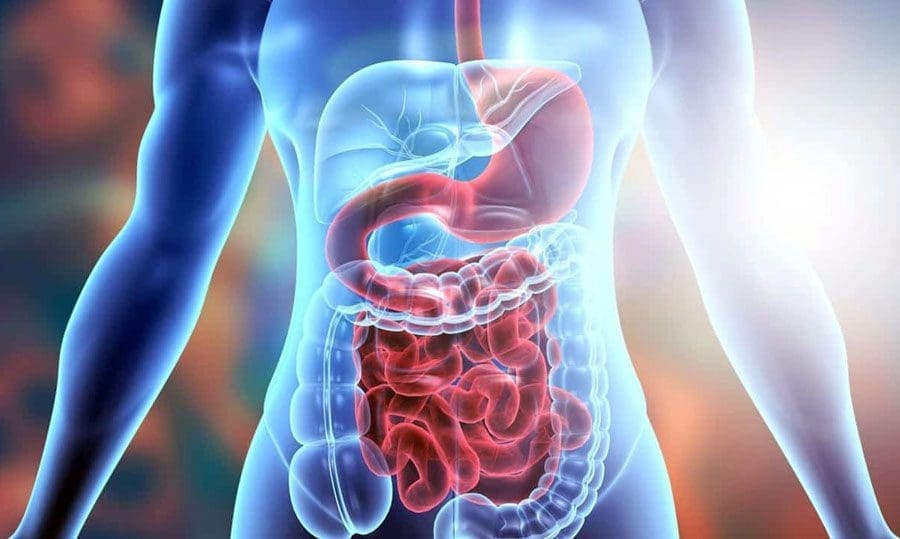
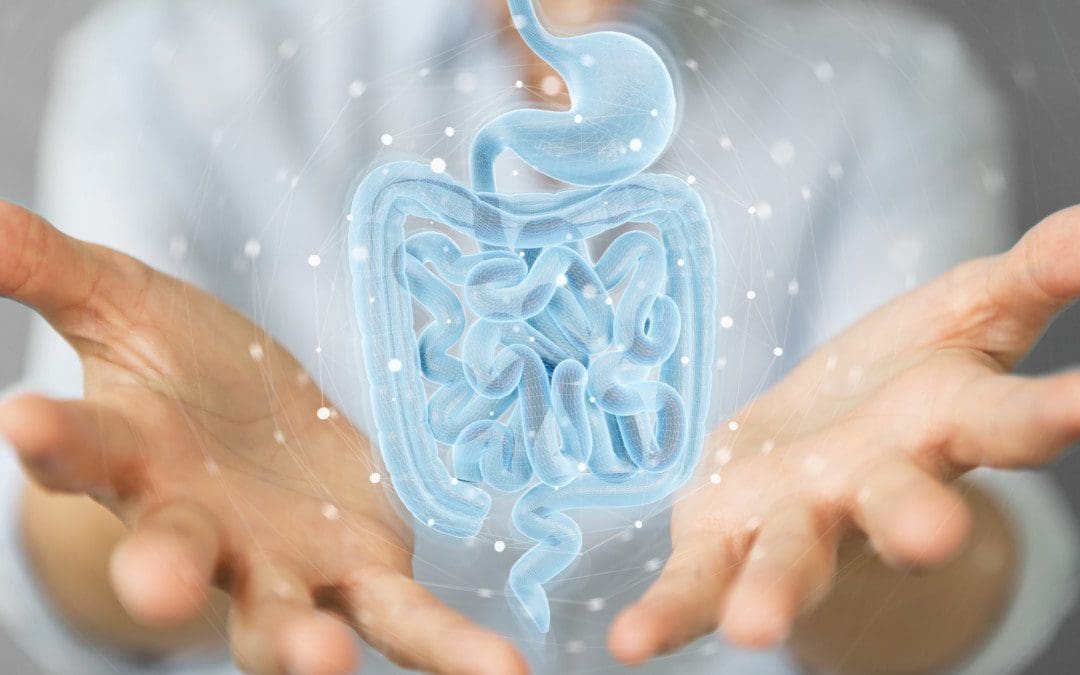
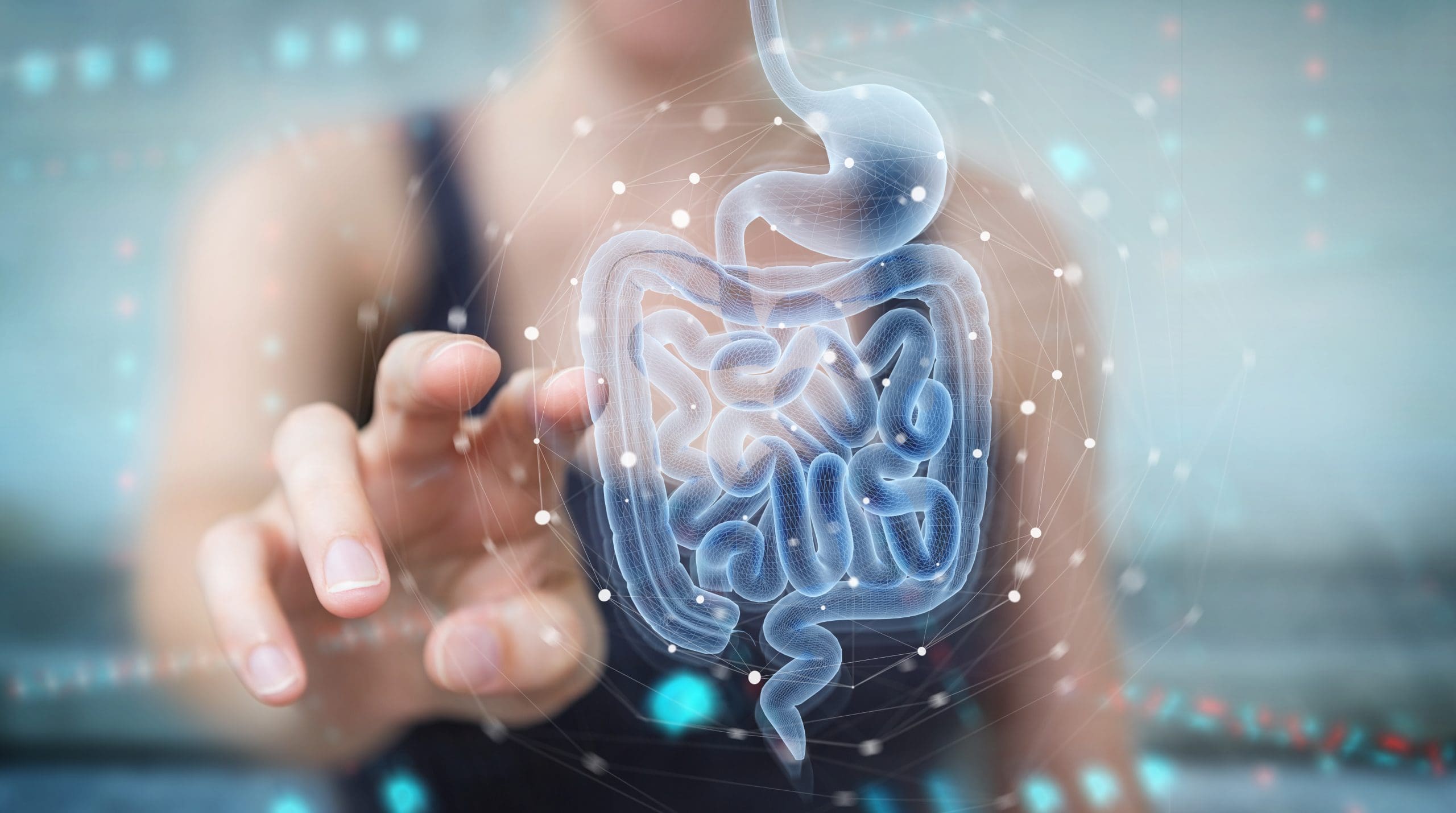
Leaky gut is a medical condition that creates gaps/openings in the lining of the intestines. The intestines have an essential role in protecting the body from harmful bacteria and toxins. The gastrointestinal or GI tract is a tube of connected organs. They include:
Esophagus
Stomach
Small and large intestines
Enzymes in the stomach and small intestine digest and break down nutrients from the foods and drinks that the body uses for energy, growth, and repair. There are openings in the walls that allow water and nutrients to pass into the bloodstream while the toxic/harmful substances are kept inside. Theopenings begin to widen with a leaky gut and allow food particles, bacteria, and toxins to enter directly into the blood.
Microbiota
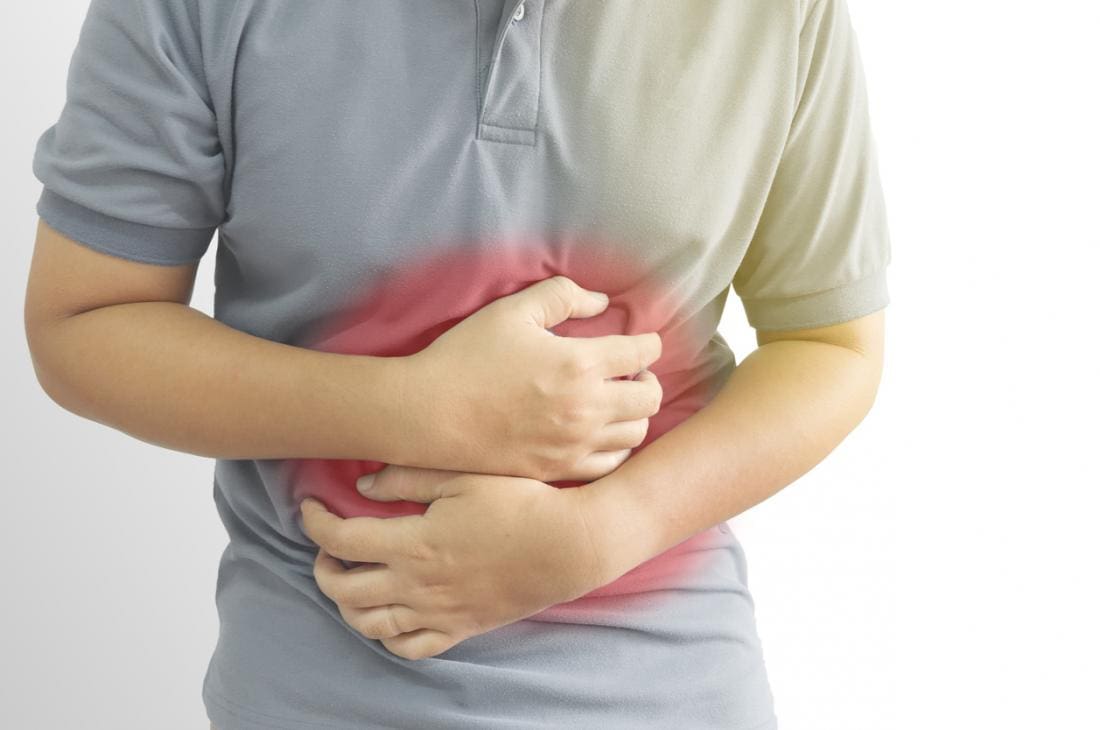
There is also a wide array of bacteria known as gut microbiota. These bacteria help with digestion, protect the walls, and support immune function. Research has found that imbalances in the gut microbiota can trigger an immune system response. The response causes inflammation and a higher probability of intestinal permeability or IP. Intestinal permeability looks at the ease of substances leaking out of the intestines and into the blood. Symptoms of leaky gut can include:
Diarrhea
Constipation
Gas
Bloating
Nutrition issues
Poor immune system
Headaches
Brain fog
Memory loss
Fatigue
Skin rashes
Microbiota Disruption
Various risk factors can disrupt the gut microbiota and contribute. Examples include:
Healing a leaky gut involves making dietary adjustments and removing the foods that the body sees as toxic. Lifestyle changes and support for a healthy gut:
The healthcare field realizes that leaky gut syndrome is interconnected to many other chronic health conditions. This issue can be tested for and corrected, aiding professionals to catch diseases early and slow the progression.
Gut Repair From the Inside Out: Regenerative Therapies, BPC-157, and Integrative Care in El Paso
Abstract
This article asks whether regenerative therapies can help gut health. Regenerative therapies show potential to improve gut health by repairing damaged intestinal tissue and restoring the integrity of the mucosal lining. The post then investigates BPC-157 (Body Protection Compound) and its studied role in cytoprotective recovery of the epithelial lining, lower hyperpermeability (leaky gut), and integrative peptide therapy aimed at reducing full-body inflammatory loads. It also explains how integrative chiropractic care fits this plan and how Dr. Alexander Jimenez, DC, APRN, FNP-BC, works with Medical Director Dr. Maria Guadalupe Cardenas, MD, at Injury Medical Clinic PA in El Paso, Texas.
A Simple Answer With a Bigger Story
Yes. Regenerative therapies show potential to enhance gut health by repairing damaged intestinal tissue and restoring the integrity of the mucosal lining. That sentence is the scientific hope in plain language. The lining is not a passive tube. It is a living wall. When the wall is strong, food becomes fuel. When the wall is worn or open, the immune system stays busy, and pain in the back, neck, joints, or head can last longer than expected (Sikiric et al., 2020; Chang et al., 2025).
Many people treat digestion and spine pain as two different problems. In clinical practice, they often travel together. Stress, poor sleep, pain pills, and limited movement after injury can all irritate the same barrier that is supposed to keep the inside of the gut where it belongs.
Meet the Mucosal Lining
The innermost layer of the intestine is called the mucosa. New cells rise from intestinal stem cells that live in small pockets called crypts. Tight-junction proteins then fasten neighboring cells together, like a zipper.
A healthy lining does three jobs at once:
Absorbs vitamins, minerals, amino acids, and water
Keeps most bacteria, toxins, and large food bits out of the blood
Talks to the immune system so it does not overreact
If the zipper loosens, extra material slips through. Researchers call this hyperpermeability. Patients often hear “leaky gut.” The immune system then treats ordinary contents as a threat. Inflammation can spread. People may notice bloating, food reactions, fatigue, brain fog, or joints that stay hot after a strain (Park et al., 2020; Vida Revival, n.d.).
That is why gut repair isn’t just a stomach issue. It is a whole-body load topic.
How Regenerative Therapies Approach the Gut
Regenerative care tries to help tissue rebuild instead of only quieting a symptom for a few hours.
For the intestine, that work may include:
Protecting surface cells from further injury
Helping epithelium close gaps
Improving blood flow to the mucosa
Supporting stem cells that replace worn lining
Lowering inflammatory signals that keep the barrier open
The microbiome is part of this story. Gut bacteria can speed or slow intestinal stem-cell aging. In animal research, restoring a healthier microbial pattern improved stem-cell function and healing after injury (International Society for Stem Cell Research [ISSCR], 2025). A microbial metabolite called desaminotyrosine has also been shown to strengthen the barrier and drive stem-cell repair after severe gut stress (Leibniz Institute for Immunotherapy, 2025).
Other studies look even further upstream. Scientists found that clearing worn-out senescent cells helped aging mouse guts regenerate, reduced inflammation, and improved nutrient handling (Cold Spring Harbor Laboratory, 2026). California’s stem-cell agency has funded work to grow intestinal tissue and explore cell therapy for inflammatory bowel disease, where the lining is chronically damaged (California Institute for Regenerative Medicine [CIRM], n.d.). Clinics studying mesenchymal stem cells for delayed stomach emptying describe a similar aim: less inflammation, better nerve and muscle support, and improved local circulation (Stemwell, n.d.).
These paths are not identical, and none are ready as everyday treatments. They point in one direction. The gut can be helped toward repair when the right signals return.
Targeting Leaky Gut With Gastric-Protective Peptides
BPC-157 is a lab-made chain of 15 amino acids modeled on a protective fragment found in human gastric juice. That origin is why researchers first asked whether it could shield and rebuild digestive tissue (Sikiric et al., 2020; Yoo Direct Health, 2025).
The current investigation has three parts.
Cytoprotective recovery of the epithelial lining
In animal and lab models, BPC-157 has protected the stomach and intestine against injury from NSAIDs, alcohol, stress, and experimental colitis. Reports also include better healing of ulcers and surgical connections in the gut. Proposed actions include cell survival, cell migration, new vessel growth, and nitric oxide pathway effects that improve local blood flow (Sikiric et al., 2020; Chang et al., 2025).
Reduction of hyperpermeability
Park and colleagues reported that BPC-157 helped stabilize intestinal permeability after NSAID injury. The work was linked with higher tight-junction support, including ZO-1, and with lower activity of several inflammatory messengers (Park et al., 2020). In everyday words, the zipper may get help staying closed.
Interaction with integrative peptide therapy
BPC-157 is often discussed with other short signaling peptides, such as KPV, that are studied for calming immune activity in the mucosa (Yoo Direct Health, 2025; Laser Skin Solutions, n.d.). Integrative peptide therapy, in this setting, means using selected signals to help the barrier recover so the inflammatory load on the rest of the body can fall. That load can affect joints, nerves, skin, energy, and recovery speed after injury.
What the evidence does not yet prove
Most BPC-157 gut data remain preclinical. Human trials are still limited. Reviews describe promise and then call for stronger controlled studies in people (Chang et al., 2025). BPC-157 is not FDA-approved for leaky gut, IBD, ulcers, pain, or any other human use. Products sold outside a regulated clinical pathway can vary in quality. Unapproved peptides also carry legal and professional risk. Competitive athletes should know WADA lists BPC-157 as a prohibited non-approved substance (PortraitCare, 2026; Holt, n.d.; Yoo Direct Health, 2026).
Interest is fair. Internet certainty is not.
From Gut Load to Spine Pain
When the barrier leaks, the immune system stays on alert. That alert can make an injured neck, disc, or sciatic nerve feel louder. Pain pills taken for the spine can then irritate the lining again. Sleep drops. Walking drops. The cycle tightens.
Dr. Alexander Jimenez, DC, APRN, FNP-BC, CCST, CFMP, IFMCP, ATN, has described this as a biology-and-mechanics problem. Regenerative tools try to improve the healing environment around tissue. Chiropractic care and rehabilitation try to restore motion so repaired tissue is not asked to live in a locked or twisted frame (Jimenez, 2025a, 2025b). His published observations and public professional profile also connect gut health, inflammation, autoimmunity, peptide discussions, IV recovery, and integrative chiropractic care as one clinical map (Jimenez, n.d.).
That map helps explain a common clinic pattern: the MRI shows a strain, but the person feels system-wide fatigue and slow progress until food, sleep, motion, and barrier health are addressed together.
How Integrative Chiropractic Care Fits the Treatment
Integrative chiropractic care does not claim to sew the intestinal lining with an adjustment. It supports the nervous system, posture, and movement that surround digestion and healing.
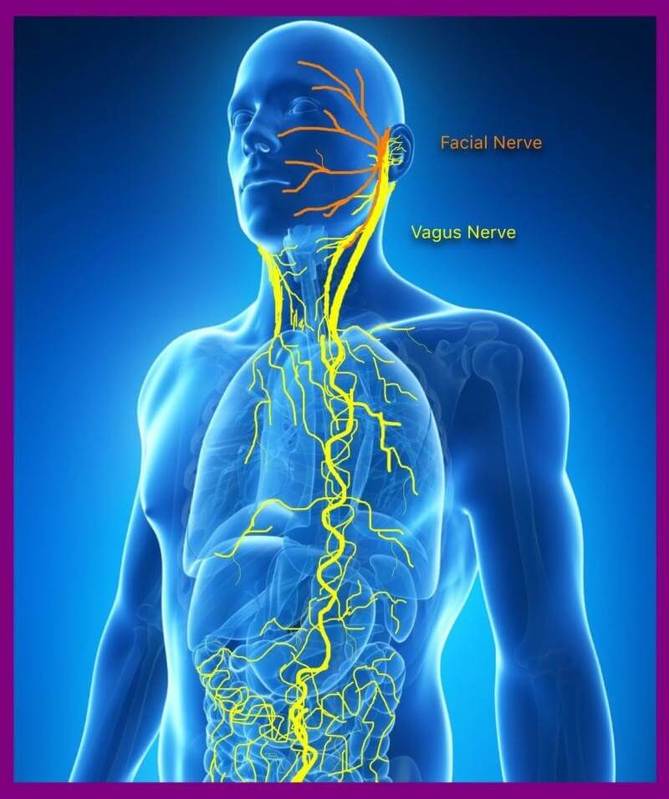
The mid-back, ribs, and diaphragm affect breathing and abdominal pressure. The vagus nerve and spinal pathways help set gut motion and stress tone. After injury or years of desk work, people often brace. The head drifts forward. The ribs stiffen. Bowel rhythm and sleep suffer.
In a coordinated plan, chiropractic care and rehab may:
Restore spinal and rib motion
Improve breathing mechanics
Reduce protective muscle guarding around the trunk
Retrain posture and walking
Prepare the body for strengthening and daily work
Better motion can lower fight-or-flight load. A calmer stress response gives the gut a better chance to repair. Functional medicine then looks at nutrition, sleep, blood sugar, and gut-immune clues. Personal injury care documents trauma and stages of return to activity. Regenerative options, if discussed at all, come after that foundation and under medical review.
A Multidisciplinary Clinic Model in El Paso
Persistent gut and pain cases require more than one perspective. At Injury Medical Clinic PA in El Paso, Texas, chiropractic and advanced practice care from Dr. Alex Jimenez are paired with medical direction from Dr. Maria Guadalupe Cardenas, MD.
Dr. Cardenas is board-certified in internal medicine (NPI #1164426749; Texas MD License #J2933). She has more than 40 years of experience as an internist and serves as medical director and collaborative physician. This multidisciplinary setup is common in integrative and injury care clinics. An MD provides medical direction, internal medicine judgment, and safety oversight. A chiropractor evaluates the spine, nerves, and movement. Together they can separate urgent digestive disease from functional barrier problems and connect both to back pain, sciatica, sports injury, or delayed recovery after a crash.
The same team plan may include:
Functional medicine and nutrition
Rehabilitation and posture training
Personal injury evaluation and documentation
Regenerative discussions under medical oversight
Nurse-practitioner care coordinated with the medical director
The benefit is not a trendy product name. The benefit is a group that sees the lining, the spine, and the person who has to get through the day.
A Clear Path Readers Can Follow
A careful sequence looks like this:
Seek care for warning signs such as bleeding, black stools, vomiting, fever, or unexplained weight loss.
Rebuild daily basics: protein, plants you can tolerate, water, walking, and sleep.
Restore motion with integrative chiropractic care and rehabilitation.
Support the barrier with food and targeted nutrients when indicated.
Consider advanced regenerative options only after diagnosis, informed consent, and legal clinic-based oversight.
Regenerative therapies show potential to enhance gut health by repairing damaged intestinal tissue and restoring mucosal lining integrity. BPC-157 is being investigated for cytoprotective epithelial recovery, reduced leaky-gut changes, and a lighter full-body inflammatory load when placed inside a broader integrative plan. The research is encouraging. Human proof and FDA approval are not complete. The most useful next step in El Paso is still a full evaluation with a team that treats both the barrier and the frame around it.
Park, J. M., Lee, H. J., Sikiric, P., & Hahm, K. B. (2020). BPC 157 rescued NSAID-cytotoxicity via stabilizing intestinal permeability and enhancing cytoprotection. Current Pharmaceutical Design, 26(26), 2971–2981. https://doi.org/10.2174/1381612826666200523180301
Integrative Chiropractic Care for Gut-Hormone Health
Abstract
In this educational post, we embark on a journey deep into the intricate systems that govern our health, exploring the profound and often overlooked influence of the gut microbiome and key nutrients on our overall well-being, particularly hormone metabolism and systemic inflammation. Drawing on my years of clinical practice, I will share the latest findings from leading researchers, translated into practical insights for your health journey. We will demystify complex concepts such as gut dysbiosis and leaky gut, explaining their physiological underpinnings and how they can manifest as common conditions like PCOS, endometriosis, autoimmune disorders, and even mood changes. This post will illuminate the intricate process of estrogen metabolism and how an imbalanced gut can disrupt it, potentially increasing health risks. We’ll then bridge this knowledge to practical, evidence-based strategies, emphasizing how integrative chiropractic care, combined with targeted nutritional support and lifestyle adjustments, provides a powerful framework for restoring gut health, optimizing hormonal balance, and enhancing your body’s natural healing capabilities.
Unlocking Systemic Wellness By Understanding The Gut Microbiome
Welcome. For years, in my clinical practice at the El Paso Back Clinic, I have observed patients with chronic musculoskeletal issues who also struggle with seemingly unrelated problems—fatigue, hormonal imbalances, and persistent inflammation. This led me, nearly a decade ago, to delve deeper into the science of the gut. What I discovered, and what is now being robustly confirmed by leading researchers, is that the root cause of many metabolic and hormonal disruptions lies within our digestive system. My goal today is not to overwhelm you, but to raise awareness of key concepts that can significantly impact your health outcomes.
The gut microbiome is a complex ecosystem comprised of trillions of microorganisms—bacteria, viruses, fungi, and more—residing primarily in our large intestine. These microbes are not passive bystanders; they are crucial for:
Digestion and Nutrient Absorption: Breaking down food components that our bodies cannot.
Immune System Regulation: Training and modulating our immune responses.
Hormone Metabolism: Playing a direct role in regulating hormones like estrogen through a process known as enterohepatic circulation.
This intricate internal world is influenced by our diet, lifestyle, stress levels, medications, and even genetics. The gut’s influence extends far beyond digestion, affecting everything from brain function (the gut-brain axis) to cardiovascular health.
Gut Dysbiosis: When The Internal Ecosystem Is Disrupted
One of the most critical concepts in gut health is dysbiosis. This term describes an imbalance in the gut’s microbial community, specifically an overgrowth of “bad” or pathogenic bacteria at the expense of beneficial, or commensal, bacteria.
Why is this imbalance so problematic? One major reason is the production of lipopolysaccharides (LPS). LPS are endotoxins found in the outer membrane of certain pathogenic bacteria. When these bacteria proliferate, more LPS is released. If the gut lining is compromised, these inflammatory molecules can enter the bloodstream, triggering a systemic inflammatory response. This low-grade, chronic inflammation is a known driver of numerous conditions, including:
Cardiovascular disease
Neuropathology
Polycystic Ovary Syndrome (PCOS)
Autoimmune conditions like Hashimoto’s thyroiditis
As an integrative clinician, I’ve learned that addressing the gut is non-negotiable for achieving lasting results. By restoring the dominance of beneficial bacteria, which can help manage and clear pathogenic strains, we can significantly reduce the body’s inflammatory load and improve clinical outcomes, whether we’re treating chronic back pain, metabolic syndrome, or hormonal disruption.
Leaky Gut (Intestinal Permeability): The Breach In The Barrier
Hand in hand with dysbiosis is the concept of leaky gut, or increased intestinal permeability. While they are distinct, they often occur together and fuel each other in a vicious cycle.
Imagine the lining of your intestines as a tightly controlled barrier, made up of a single layer of cells joined by structures called tight junctions. These junctions act as gatekeepers, allowing micronutrients to pass into the bloodstream while blocking larger, undigested food particles, toxins, and microbes.
Leaky gut occurs when these tight junctions loosen and become “leaky”. This allows substances that should remain confined to the gut to enter the systemic circulation, where the immune system identifies them as foreign invaders and launches an inflammatory response. This process is a primary mechanism behind food sensitivities, allergies, and autoimmune reactions.
Common Causes of Leaky Gut:
Poor Diet: The Standard American Diet (SAD), high in processed foods, sugar, and unhealthy fats, is a major contributor.
Chronic Stress: Both mental and physical stress elevate cortisol, a hormone that can degrade the integrity of the gut lining.
Toxin Overload: Environmental toxins, alcohol, and certain medications can damage intestinal cells.
Physical Trauma: Research has shown that a break in these tight junctions can occur within just 20 minutes of a traumatic brain injury (TBI) or concussion. This highlights the profound and immediate connection between physical trauma and gut integrity, a key consideration in our chiropractic and physical therapy practice.
Because we live in a society filled with these triggers, many of us are likely experiencing some degree of intestinal permeability. Recognizing the signs is the first step toward healing.
The Gut-Hormone Axis: PCOS, Endometriosis, And Estrogen
The connection between gut health and hormonal balance is one of the most exciting frontiers in medicine. Recent studies are cementing the gut’s role as a central regulator of our endocrine system.
The PCOS and Endometriosis Connection
For conditions like Polycystic Ovary Syndrome (PCOS) and endometriosis, the current literature increasingly points to gut dysbiosis as a foundational root cause.
PCOS: Gut dysbiosis can drive the pathophysiology of PCOS by worsening inflammation and insulin resistance—two key features of the syndrome. The inflammatory cascade initiated by LPS directly contributes to these metabolic disruptions, as detailed in a comprehensive 2025 review (He & Li, 2025).
Endometriosis: An imbalanced gut microbiome can increase the levels of circulating estrogen metabolites that stimulate the growth of endometrial lesions. The link is so strong that studies show a 50% increased risk of Inflammatory Bowel Disease (IBD) in individuals with endometriosis, underscoring the shared inflammatory pathway originating in the gut (Jiang et al., 2021).
How The Gut Directly Metabolizes Estrogen
The gut’s role in hormone regulation is not just indirect; it’s a direct, biochemical process. Here’s how it works:
Liver Conjugation: Hormones like estrogen are sent to the liver for detoxification. The liver attaches a molecule to estrogen metabolites to neutralize them and tag them for excretion.
Excretion via the Gut: This “packaged” or conjugated estrogen is then sent to the gut for elimination from the body.
The Role of Beta-Glucuronidase: This is where gut health becomes critical. If you have dysbiosis, unhealthy bacteria produce an enzyme called beta-glucuronidase.
Recirculation of “Bad” Estrogen: Beta-glucuronidase acts like a pair of scissors, “un-packaging” the estrogen. This frees the potentially harmful estrogen to be reabsorbed back into the bloodstream, where it can increase the risk for estrogen-dominant conditions and hormone-related cancers (Plottel & Blaser, 2011).
This is a powerful example of how addressing gut health can directly mitigate hormonal risks. By fostering a healthy microbiome, we reduce beta-glucuronidase levels, ensuring that harmful estrogen metabolites are safely excreted.
The Synergistic Power of Essential Vitamins
While gut health is foundational, a body’s ability to use hormones correctly also depends on crucial vitamin cofactors. The assumption that symptoms like fatigue or depression automatically signal low hormone levels can be misleading.
I recall a case from over a decade ago involving an 18-year-old male presenting with depression, obesity, and profound fatigue. His labs revealed a robust testosterone level of 900 ng/dL but critically low Vitamin B12 and nearly non-existent Vitamin D. Instead of hormones, we used a simple, powerful regimen: a high-quality B-complex, a blend of vitamins A, D, and K, and iodine. The transformation was remarkable. This illustrates a key principle: hormones are useless if your cells lack the cofactors to utilize them.
The Critical Link Between Vitamin D, A, and K2
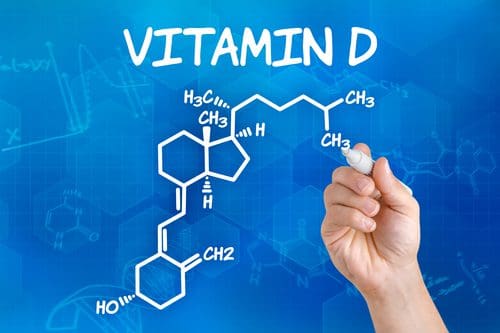
The connection between Vitamin D and testosterone is well-documented (Wehr et al., 2010). In my clinical observation, I aim for patients’ Vitamin D levels to be in the optimal range of 60-80 ng/mL to support endocrine function, immune health, and disease prevention.
However, Vitamin D supplementation must be balanced:
Vitamin D3 raises serum calcium. This is beneficial, but without proper direction, calcium can accumulate in arteries and soft tissues.
Vitamin K2 (Menaquinone) is the “calcium shuttle.” It activates proteins that direct calcium into bones and teeth, preventing arterial calcification (Shearer & Newman, 2008).
Vitamin A (Retinol) works with D and K2. It helps the body excrete any excess calcium, completing this tightly regulated system. It’s also essential for activating receptors for both Vitamin D and thyroid hormone.
If a patient on a high dose of oral Vitamin D isn’t seeing their levels rise, it’s a strong indicator of potential gut malabsorption issues, which then becomes a primary focus of our investigation.
The Universal Importance of Iodine and Selenium
Iodine is a critical mineral for thyroid hormone production, but it’s also vital for the health of breast, ovarian, and prostate tissues. Low iodine status is strongly linked to an increased risk of hormone-sensitive cancers (Eskin, 1977). This systemic deficiency is why I consider iodine a crucial part of a comprehensive health strategy.
A persistent myth suggests that individuals with Hashimoto’s thyroiditis should avoid iodine. The actual issue is not iodine but a selenium deficiency. The thyroid uses iodine to make hormones, producing hydrogen peroxide as a byproduct. Selenium is the key antioxidant needed to neutralize this byproduct. Insufficient selenium increases oxidative stress, damaging the thyroid and triggering an autoimmune attack. Therefore, many researchers now consider Hashimoto’s to be, at its core, a selenium deficiency state until proven otherwise.
The Role of Integrative Chiropractic and Functional Medicine
At our clinic, we believe in a multifaceted strategy that combines physical medicine with functional nutrition to address these core issues. A healthy gut and balanced nutritional status are foundational to reducing systemic inflammation, which in turn helps alleviate musculoskeletal pain and improves the body’s ability to heal from injury.
The Chiropractic Foundation for Systemic Health
Your nervous system is the master control system for your entire body, including your endocrine (hormonal) system and your digestive tract. The brain communicates with your glands and organs via the spinal cord and peripheral nerves.
Structural Alignment and Nerve Function: If there are misalignments in the spine, known as vertebral subluxations, they can interfere with this communication pathway. This is like having static on the phone line between your brain and your gut or hormone-producing glands. By performing specific chiropractic adjustments, we can restore proper alignment and mobility, which may improve nerve flow to the digestive organs, potentially enhancing absorption and overall gut health.
Stress Reduction: Chiropractic adjustments have been shown to have a powerful effect on the autonomic nervous system, helping to shift the body from a “fight-or-flight” (sympathetic) state to a “rest-and-digest” (parasympathetic) state. Chronic stress is a major driver of hormonal imbalance and leaky gut. By reducing neurological stress, chiropractic care helps create a more favorable internal environment for both hormonal balance and gut healing.
Enhanced Healing and Physical Therapy: A body that is not fighting a constant internal battle against inflammation caused by a leaky gut is one that can heal from a spinal injury more quickly and respond better to therapeutic exercise. By addressing the body’s internal environment, we enhance the effectiveness of our core chiropractic and physical therapy services. This allows us to create personalized, effective treatment plans that not only alleviate symptoms but also build a resilient foundation for long-term health and wellness.
A Comprehensive “4R” Gut Healing Program
For patients with significant gut-related symptoms, we implement a structured “4R” program alongside our physical medicine protocols:
Remove: The first step is to remove the triggers damaging the gut. This involves identifying and eliminating inflammatory foods, infections, and other toxins.
Replace: Next, we replace what’s missing for proper digestion, such as digestive enzymes or hydrochloric acid (HCI), to reduce the burden on the gut.
Reinoculate: This involves reintroducing beneficial bacteria using high-quality, multi-strain probiotics and feeding them prebiotics, such as fiber and polyphenols.
Repair: Finally, we provide key nutrients to help heal and seal the gut lining. L-glutamine is the primary fuel for intestinal cells and is critical for repairing leaky gut. Other powerful anti-inflammatory and healing nutrients include berberine, zinc, and marshmallow root.
By integrating these functional medicine principles with our core chiropractic and physical therapy services, we create a truly holistic and powerful approach. This comprehensive model addresses the body as an interconnected system, leading to more profound and lasting health transformations.
Why Gut Pain Persists Even When Eating Healthy: Root Causes and Integrative Chiropractic Solutions at El Paso Back Clinic
Many people switch to salads, fresh fruits, whole grains, and lean proteins, hoping their stomach troubles will finally end. They cut out fast food and feel optimistic. Yet the bloating, cramps, and pain often continue or even worsen. At El Paso Back Clinic in El Paso, Texas, Dr. Alex Jimenez, DC, APRN, FNP-BC, CFMP, IFMCP, sees this pattern daily. As a leading injury specialist and scientific chiropractor, he explains that persistent gut pain often stems from underlying issues such as leaky gut, hidden food sensitivities, low stomach acid, and insufficient digestive enzymes. The clinic’s integrative chiropractic approach identifies and addresses these root causes rather than just masking symptoms. They blend gentle spinal adjustments, functional medicine testing, and targeted nutrition for real, lasting relief.
Leaky gut, also known as increased intestinal permeability, is a common hidden reason why pain lingers. The lining of the small intestine should work like a smart filter. It lets nutrients pass into the bloodstream while keeping out bacteria, toxins, and undigested food. When the lining gets damaged, tiny gaps form. Harmful particles slip through and trigger immune responses. This creates inflammation that shows up as gut pain, fatigue, brain fog, or skin problems.
Here are key factors that can weaken the gut lining:
Frequent use of pain relievers like ibuprofen or antibiotics
Too much alcohol or processed foods
Ongoing stress that keeps the body in fight-or-flight mode
Dysbiosis, an imbalance of good and bad gut bacteria
Environmental toxins or past infections
These triggers break the tight junctions between cells, allowing leaks that spark body-wide inflammation.
Hidden food sensitivities make the problem even trickier
You might eat what seems like healthy food—avocados, chicken, or broccoli—yet still feel discomfort hours later. These are often delayed reactions, unlike the rapid swelling seen in true allergies. Once particles leak through a damaged gut, the immune system makes antibodies. This leads to constant low-level irritation and pain in the intestines.
Low stomach acid and insufficient digestive enzymes add to the struggle. Stomach acid normally breaks down food and kills harmful germs. Enzymes from the pancreas chop proteins, fats, and carbs into pieces the body can absorb. Stress, aging, or antacid medicines lower acid levels, so food sits half-digested. Undigested bits then feed harmful bacteria, create gas, and irritate the lining. Healthy meals alone cannot fix this cycle.
The spine plays a surprising role in gut health, which is why El Paso Back Clinic specializes in connecting back care to digestion. The vagus nerve runs from the brain through the neck and spine down to the stomach and intestines. It controls acid production, enzyme release, and proper gut movement. Misalignments in the upper back or neck tension from poor posture, injuries, or desk work can pinch or irritate this nerve. When vagus signaling slows, digestion lags, bacteria overgrow, and leaky gut worsens. Many patients who come in for back pain or sciatica also report stubborn gut issues that improve once spinal alignment is restored.
Dr. Alex Jimenez has observed these spine-gut connections for years in his clinical practice at El Paso Back Clinic
His dual training as a Doctor of Chiropractic and a Family Nurse Practitioner allows him to treat both structural problems and functional imbalances. Gentle chiropractic adjustments restore proper nerve flow, reduce inflammation, and support better digestion. Patients with chronic back pain, bloating, and fatigue often see major improvements when the clinic addresses the full picture. Dr. Jimenez uses advanced testing and personalized plans that include nutrition, supplements, and spinal care to resolve symptoms standard diets miss.
Dysbiosis and chronic stress frequently hide behind “healthy” eating struggles. Dysbiosis means the trillions of gut microbes get out of balance. Helpful bacteria that digest fiber and make vitamins decline, while harmful ones produce gas and toxins. Stress keeps the body from entering the calm “rest-and-digest” mode. The vagus nerve cannot function well, so acid and enzymes stay low, and the gut lining stays irritated.
Small Intestinal Bacterial Overgrowth (SIBO) takes this further. When nerve interference or low acid slows movement, bacteria that belong in the large intestine migrate upward. They ferment food too early in the small intestine, causing pressure, bloating, and pain. Even a vegetable-rich diet can feed SIBO if the root spinal or nerve issue remains untreated.
El Paso Back Clinic stands out because they treat the whole person. They do not simply hand out another diet sheet. Instead, the team listens to your full story—back pain history, stress levels, sleep, past injuries, and posture. They order precise functional tests and combine them with chiropractic adjustments for a custom plan.
Here are common steps in a gut-healing protocol used at the clinic:
Temporarily remove irritants while testing to find exact triggers
Add bone broth, fermented foods like sauerkraut, and fiber-rich vegetables to feed good bacteria
Use digestive enzymes and herbal bitters before meals to boost acid and break down
Sip warm ginger or chamomile tea to calm the nervous system and improve motility
Practice slow, mindful eating with deep breaths to activate the vagus nerve
Include supportive herbs like marshmallow root and calendula to repair the lining
These steps work best when paired with spinal adjustments and lab results
Testing matters more than guessing. Simply changing diets without knowing the cause often fails. One person might need extra acid support. Another might fight SIBO linked to vagus nerve pressure from neck strain. A third could have a hidden sensitivity to gluten or dairy. Functional labs check stool microbes, measure gut permeability, or scan for food antibodies. Dr. Jimenez and the El Paso Back Clinic team use these tools, plus chiropractic exams, to build plans that last.
The nervous system strongly affects digestion. Eating while stressed or in a rush keeps the body in fight-or-flight. Digestion slows, food sits longer, and the gut lining stays open. Simple daily habits help: take five slow breaths before meals, chew thoroughly, and eat without distractions. These cues tell the vagus nerve it is safe to produce acid, release enzymes, and move food smoothly.
Healing takes time
The gut lining renews every few days, but full repair often needs weeks or months of consistent care. Professional guidance at a clinic like El Paso Back Clinic prevents wasted effort on random changes. Many patients feel surprised when pain fades once the real issue is fixed. One client who ate only clean foods still had daily cramps until tests revealed SIBO and low enzymes. After chiropractic adjustments, targeted nutrition, and stress work, digestion normalized. Another person who had ongoing back pain and bloating felt better when integrated care fixed hidden sensitivities and tension in the vagus nerve.
El Paso Back Clinic also links low secretory IgA—a key gut defense—to leaky gut and autoimmunity. Their approach combines stress reduction, anti-inflammatory eating, and supplements to rebuild defenses. The team emphasizes functional nutrition that heals from the inside out while keeping the spine aligned to optimize nerve flow.
In the end, ongoing gut pain despite healthy eating is your body’s way of asking for help. It often points to leaky gut, sensitivities, poor digestion, dysbiosis, or nerve interference due to spinal issues. Targeted testing and root-cause care at El Paso Back Clinic deliver real results. Dr. Alex Jimenez and the team show how chiropractic science, functional medicine, and personalized protocols turn pain into steady wellness. Listen to the signals, get evaluated, and take step-by-step action. Your gut—and your back—will thank you.
Maintaining Gut Health During the Holidays: Causes, Symptoms, and Integrative Solutions
A woman grates cheese for a holiday meal.
The holiday season brings joy, family time, and lots of food. But it can also lead to stomach problems. Many people face issues like bloating, gas, indigestion, heartburn, diarrhea, and constipation. These happen because of rich foods, extra drinks, stress, and changes in daily habits. All this can upset your digestive system and the good bacteria in your gut. This can cause reflux, cramps, or even make conditions like IBS worse.
During holidays, people often eat more fatty, sugary, and heavy meals. They might drink more alcohol, too. Stress from planning and less sleep add to the mix. Diets may have less fiber from fruits and veggies. These factors strain the gut and change its bacterial balance. This leads to swelling in the stomach. Integrative health experts, like chiropractors and nurse practitioners, can help. They examine the main causes and offer ways to address them. This includes managing stress with mindfulness and exercise, giving diet tips for more fiber and water, and using supplements like probiotics and Vitamin D. They might also use hands-on therapy to calm the nervous system. This helps control symptoms and boosts long-term gut health.
Common Causes of Holiday Gut Issues
Holidays change how we eat and live. Large, rich meals with lots of fat and spice can trigger acid reflux. This causes stomach acid to flow back into the esophagus, causing heartburn. Overeating and indulgent foods add to discomfort. Foods high in fat, sugar, and alcohol can cause gas and bloating.
Stress plays a big role, too. High stress can slow or speed up digestion. It releases hormones, such as cortisol, that slow blood flow to the gut and cause swelling. Holiday stress affects the gut-brain link, making issues like IBS or GERD worse.
Alcohol and fizzy drinks are common triggers. They can lead to bloating and cramps. In winter, cold weather slows digestion and reduces blood flow to the gut. Less thirst means people drink less water, causing dehydration and constipation.
Diets shift to more sugary and processed foods. This harms the gut microbiome, the beneficial bacteria that help digest food. Low fiber from missing fruits and veggies adds to constipation.
Overindulgence in food and drink: 61% of people link issues to this.
Eating different foods: 59% say this worsens symptoms.
Stress and low moods: 50% eat more due to winter blues.
Specific items like Brussels sprouts, cream, or fizzy drinks.
These causes combine to make gut problems common. About 67% of adults face issues like reflux or indigestion during the holidays. A third say symptoms get worse at Christmas.
Symptoms to Watch For
Gut troubles show up in many ways. Bloating feels like fullness or pressure from overeating or fatty meals. Gas comes from swallowed air, carbonated drinks, or certain foods. Indigestion and heartburn happen when acid backs up.
Constipation is common due to low fiber intake and reduced activity. Diarrhea might be caused by food poisoning or by rich foods. Cramps and pain can signal IBS flare-ups.
Other signs include:
Abdominal pain or excessive gas.
Loss of appetite or overeating.
Reflux or GERD symptoms, such as chest burning.
Changes in bowel habits lasting more than a few days.
If symptoms last for more than 2 weeks or include blood, weight loss, or severe pain, see a doctor.
How Holidays Affect the Gut Microbiome
The gut microbiome is trillions of bacteria that help digest food and keep you healthy. Holidays can disrupt this balance. Sugary and fatty foods alter the types of bacteria, leading to inflammation.
Stress reduces the number of good bacteria and allows bad bacteria to grow. Alcohol harms the gut lining and bacteria. Low fiber starves beneficial bacteria.
This imbalance causes:
Slower digestion and bloating.
Weakened immune system.
More inflammation that lasts into the new year.
Winter adds to this with fewer diverse foods and more indoor time.
The Role of Integrative Practitioners
Integrative experts focus on whole-body health. They identify root causes such as stress or diet. Chiropractors and nurse practitioners use natural ways to help.
The brain-gut connection explains why. Stress affects the gut, and gut issues affect mood. Treatments calm the stress response and reduce swelling.
Dr. Alexander Jimenez, a chiropractor and nurse practitioner, observes that gut health links to inflammation and chronic issues. He uses functional medicine to assess diet, lifestyle, and genes. In his practice, he combines adjustments with nutrition to restore balance. He notes that holiday eating causes dysbiosis, leading to fatigue and pain. His approach includes supplements and lifestyle changes for long-term health.
Stress Management Techniques
Stress worsens gut issues, so managing it helps. Try mindfulness practices, such as deep breathing or meditation. Yoga calms the nervous system.
Take walks after meals to aid digestion.
Plan ahead to avoid rushing.
Get 7–9 hours of sleep a night.
Use apps for breathing exercises.
These boost the “rest and digest” response.
Dietary Advice for Better Gut Health
Eat more fiber to keep things moving. Choose fruits, veggies, and whole grains. Stay hydrated with at least 8 cups of water daily.
Tips include:
Use smaller plates for portion control.
Eat slowly and chew well.
Add fermented foods like yogurt or kimchi for probiotics.
Limit sugar, fat, and alcohol.
Follow the 80/20 rule: be healthy 80% of the time and indulge 20%.
Supplements like probiotics help restore gut bacteria. Vitamin D supports immune and gut health, especially in winter.
Manual therapy, such as chiropractic adjustments, helps balance the nervous system. This reduces inflammation and aids digestion. Dr. Jimenez uses this in his integrative practice for post-holiday recovery.
Probiotics from food or pills.
Digestive enzymes for heavy meals.
Fiber supplements, if needed.
Preventing Issues and Long-Term Health
Prevent problems by planning meals and staying active. Avoid trigger foods like dairy or gluten if sensitive.
For the long term, keep healthy habits year-round. This reduces inflammation and boosts energy. Integrative care helps maintain balance.
Dr. Jimenez sees that addressing gut health prevents chronic diseases. His observations show nutrition and adjustments improve outcomes.
Holidays don’t have to hurt your gut. With smart choices and expert help, you can enjoy the season and feel satisfied.
Delve into the gut-liver connection with chiropractic care and find out how it benefits your health and vitality.
Understanding the Gut-Liver Axis: How It Influences Back Pain and the Role of Chiropractic Care in Holistic Recovery
In our busy lives, back pain is a common complaint that can disrupt daily activities, from sitting at a desk to enjoying a walk. But what if some of that discomfort stems from deeper issues, like problems in your digestive system or liver? The gut-liver axis represents a vital link in the body, where imbalances can lead to widespread effects, including musculoskeletal pain, such as backaches. This article explores this connection in depth, explaining how the gut supports overall body function, why environmental factors can disrupt it, and how these issues might manifest as overlapping symptoms affecting not just the abdomen but also the spine and muscles. We’ll also discuss the clinical reasons why chiropractic care can be beneficial, alongside other nonsurgical treatments such as targeted exercises, massage therapy, acupuncture, and integrative medicine approaches that promote natural healing and prevent long-term complications.
Back pain affects millions, often linked to poor posture or injuries, but emerging research suggests that internal factors also play a role. By understanding the gut-liver relationship, you can take steps toward better health. This guide draws on scientific insights to provide clear, actionable information. While it’s based on reliable sources, consulting a healthcare provider is key for individual needs.
Decoding the Gut-Liver Axis: A Foundation for Health
The gut-liver axis is an interactive system in which the intestines and liver constantly communicate. Food digested in the gut sends nutrients via the portal vein to the liver for processing, detoxification, and distribution. In turn, the liver produces bile to help the gut break down fats and maintain a balance of bacteria. This partnership ensures that the body handles toxins and absorbs essential nutrients efficiently.
Disruptions here can ripple out, potentially contributing to conditions like inflammation that affect distant areas, such as the back. For instance, gut bacteria imbalances might lead to liver strain, triggering signals that heighten pain sensitivity in the spine (Wang et al., 2021). This axis is essential because it influences energy levels, immune responses, and even pain perception. Practitioners in functional medicine, such as Dr. Alexander Jimenez, often evaluate this link to address hidden causes of chronic discomfort, using tools to restore harmony without resorting to surgery.
The Gut’s Essential Role in Body Function and Pain Management
Your gut is more than a food processor—it’s a powerhouse for health. Housing trillions of microbes, it digests meals, extracts nutrients like vitamins and minerals, and produces compounds that fuel cells. A balanced gut microbiome supports immunity by warding off pathogens and reducing inflammation, which can otherwise spread and aggravate conditions such as back pain.
Beyond digestion, the gut influences nerve signals through the vagus nerve, affecting stress and mood, which in turn can cause muscle tension and exacerbate back pain. When functioning properly, it promotes better sleep and increased energy, helping the body recover from physical strains. However, imbalances—known as dysbiosis—can lead to issues like bloating or fatigue, sometimes referring pain to the musculoskeletal system. Dr. Jimenez notes in his practice that assessing gut health via functional tests reveals connections to persistent back issues, allowing tailored plans that enhance recovery (Jimenez, n.d.).
The Interconnected Gut and Liver: Why They Rely on Each Other
The gut and liver are closely linked by both anatomy and function. Absorbed gut contents flow directly to the liver, where they’re metabolized. The liver reciprocates by sending bile to regulate gut bacteria and aid digestion. This cycle protects against toxins, but problems in one organ stress the other.
For example, poor gut health can lead to the liver being flooded with harmful substances, resulting in inflammation or fatty buildup. Studies link this to diseases where gut permeability allows bacterial products to irritate the liver, potentially amplifying body-wide signals that manifest as pain (Federico et al., 2017). In back health contexts, this might involve viscerosomatic reflexes, where organ distress refers pain to the spine. Research highlights how alcohol or infections exacerbate this, damaging gut barriers and overburdening the liver (Chae et al., 2024). Dr. Jimenez emphasizes evaluating these ties in patients with unexplained back pain, using integrative methods to break the cycle.
Environmental Influences: Disrupting the Gut and Triggering Musculoskeletal Symptoms
Everyday surroundings shape gut health, often leading to issues that overlap with back problems. Diets high in processed foods feed harmful bacteria, which can thin the gut lining and cause a condition known as “leaky gut.” This allows toxins to enter the blood, triggering inflammation that can sensitize nerves in the spine (Di Vincenzo et al., 2023).
Stress compounds this by altering gut movement, increasing permeability, and potentially referring pain to the back via neural pathways (Konturek et al., 2011). Toxins like pollutants or medications disrupt microbes, while alcohol harms both gut and liver, leading to fatigue and muscle tension (Konturek et al., 2011). Infections add to the mix, wiping out beneficial bacteria and allowing inflammation to spread.
These factors create overlapping symptoms: gut distress might mimic or worsen back pain through viscerosomatic mechanisms, where internal irritation signals to muscles and joints (Farmer et al., 2009). For instance, abdominal inflammation could tighten lower back muscles, causing chronic aches. Risk factors like poor sleep or trauma heighten this in adults and children (Zia et al., 2022). Environmental exposures, including chemicals, further imbalance the microbiome, linking to systemic pain (Nicholson et al., 2012).
Dr. Jimenez uses detailed histories to identify these triggers, crafting plans that rebuild gut integrity and ease back strain.
Table: Environmental Factors and Their Effects on Gut Health and Back Pain
Environmental Factor
How It Disrupts the Gut
Potential Overlapping Symptoms in Back/Muscles
Processed Diets
Promotes bad bacteria, leaky gut
Inflammation leading to spinal pain, stiffness
Chronic Stress
Slows digestion, increases permeability
Muscle tension, referred to as lower back aches
Alcohol and Toxins
Damages lining, alters microbiome
Fatigue, liver strain, causing widespread pain
Medications/Infections
Kills good bacteria, causes dysbiosis
Systemic inflammation, joint/muscle discomfort
Pollutants
Disrupts bacterial balance
Chronic fatigue, heightened pain sensitivity
This overview illustrates how daily exposures can lead to back-related issues, underscoring the need for comprehensive interventions.
Clinical Insights: Why Chiropractic Care Supports the Gut-Liver Axis and Back Health
Chiropractic care targets spinal alignment to optimize nerve function, which can indirectly benefit the gut-liver axis. Subluxations—misalignments—may interfere with autonomic nerves that regulate digestion and detoxification, contributing to imbalances that can refer pain to the back.
The rationale lies in neurology: adjustments restore communication, potentially reducing inflammation and improving gut motility (Elsenbruch et al., 2015). For back pain tied to visceral issues, this addresses viscerosomatic reflexes, easing referred discomfort. Emerging evidence suggests that probiotics, when combined with chiropractic care, enhance liver function by balancing the microbiome (Hojsak, 2024).
Dr. Jimenez, with extensive experience in functional medicine, integrates this for patients with back pain from gut-liver sources. His approach utilizes adjustments to calm overactive nerves, promoting natural healing and preventing escalations such as disc degeneration (Jimenez, n.d.).
It’s about holistic balance, not just force—clear patient discussions ensure understanding, fostering adherence for lasting relief.
The Healing Diet: Combat Inflammation, Embrace Wellness: Video
Nonsurgical Pathways: Exercises, Therapies, and Integrative Medicine for Healing
For gut-liver-related back issues, nonsurgical options are often the preferred choice. Targeted exercises, such as core strengthening or yoga, improve posture and support spinal health, while also aiding digestion. Massage therapy relaxes muscles, boosting circulation to organs and reducing tension.
Acupuncture stimulates specific points to balance energy, alleviating pain and inflammation, and offering benefits for gut disorders. Integrative medicine combines nutrition—specifically, anti-inflammatory diets rich in fiber—with herbs to heal the gut lining and support liver detoxification.
These foster the body’s innate repair, preventing chronic back problems. Dr. Jimenez’s clinic protocols emphasize this, utilizing electro-acupuncture and rehabilitation to address the root causes, with patients reporting reduced pain and improved function.
Expert Perspectives from Dr. Alexander Jimenez on Back-Focused Care
Dr. Alexander Jimenez, DC, APRN, FNP-BC, leads the way in blending chiropractic with functional medicine for optimal back health. His credentials include advanced training in clinical physiology and integrative protocols. In practice, he tackles viscerosomatic links, where gut-liver issues manifest as back pain, using assessments to create custom plans.
He shares via podcasts and resources how nutrition and adjustments resolve inflammation, aiding recovery from injuries. Patients value his empathetic communication, explaining connections simply to empower self-care (Jimenez, n.d.).
Practical Steps for Integrating Gut-Liver Health into Back Pain Management
Begin with lifestyle audits: track your diet, stress levels, and activity. Seek professional evaluations for personalized advice. Incorporate habits such as consuming probiotic foods, taking gentle walks, and practicing stress-reduction techniques.
Combine therapies: regular adjustments, daily stretches, and nutritional tweaks. Consistency yields results, as evidenced by the outcomes in functional medicine.
This exploration reveals the profound impact of the gut-liver axis on back health. Through chiropractic and integrative methods, you can harness natural healing for a pain-free life.
References
Chae, Y.-R., et al. (2024). Diet-Induced Gut Dysbiosis and Leaky Gut Syndrome. Journal of Microbiology and Biotechnology, 34(4), 747-756. https://pubmed.ncbi.nlm.nih.gov/38321650/
Di Vincenzo, F., et al. (2023). Gut microbiota, intestinal permeability, and systemic inflammation: a narrative review. Internal and Emergency Medicine, 19(2), 275-293. https://pubmed.ncbi.nlm.nih.gov/37505311/
Farmer, A. D., et al. (2009). Visceral pain hypersensitivity in functional gastrointestinal disorders. British Medical Bulletin, 91, 123-136. https://pubmed.ncbi.nlm.nih.gov/19620136/
Hojsak, I. (2024). Probiotics in Functional Gastrointestinal Disorders. Advances in Experimental Medicine and Biology, 1449, 157-174. https://pubmed.ncbi.nlm.nih.gov/39060737/
Konturek, P. C., et al. (2011). Stress and the Gut: Pathophysiology, Clinical Consequences, Diagnostic Approach, and Treatment Options. Journal of Physiology and Pharmacology, 62(6), 591-599. https://pubmed.ncbi.nlm.nih.gov/22314561/
Xie, C., & Halegoua-DeMarzio, D. (2019). Role of Probiotics in Nonalcoholic Fatty Liver Disease: Does Gut Microbiota Matter? Nutrients, 11(11), 2837. https://www.mdpi.com/2072-6643/11/11/2837
Zia, J. K., et al. (2022). Risk Factors for Abdominal Pain-Related Disorders of Gut-Brain Interaction in Adults and Children: A Systematic Review. Gastroenterology, 163(4), 995-1023.e3. https://pubmed.ncbi.nlm.nih.gov/35716771/
The previous article talked about how photobiomodulation or low laser therapy can help improve the gut microbiome. Today’s article gives an in-depth look at how photobiomics can provide the therapeutic potential to the gut. When it comes to the gut, an individual must take care of it. Supplying it with wholesome, nutritional food feeding the good bacteria will provide outstanding results like more energy throughout the day, the feeling of being full, weight loss, and healthy brain function. By eating these nutritional foods, the body can feel good; however, when harmful bacteria come into play and starts attacking the gut, it causes the gut microbiome to have all sorts of problems that can turn into chronic pain. Some of the ailments can be leaky gut, IBS, and inflammation, to name a few. When these harmful pathogens affect the gut, it can cause the body not to function correctly and dampen a person’s ability to go about their everyday life.
Photobiomodulation Works With The Gut
So how does photobiomodulation work with the gut microbiota? Research studies show that when photobiomics are being applied to the gut, the low laser wavelength can help rebalance what is happening to the gut and maintain diversity in the gut microbiota. It can sustain a healthy production of vital metabolites, and the diversity can help the gut from getting many harmful bacteria from causing too much trouble in the gut. Not only that, but photobiomodulation therapy affecting the gut, directly and indirectly, gives it a mimicry of the circadian clock from the brain. Since the brain and gut are connected with the brain giving signals to the gut microbiota to regulate and produce the bacterial metabolites.
The Brain-Gut Connection
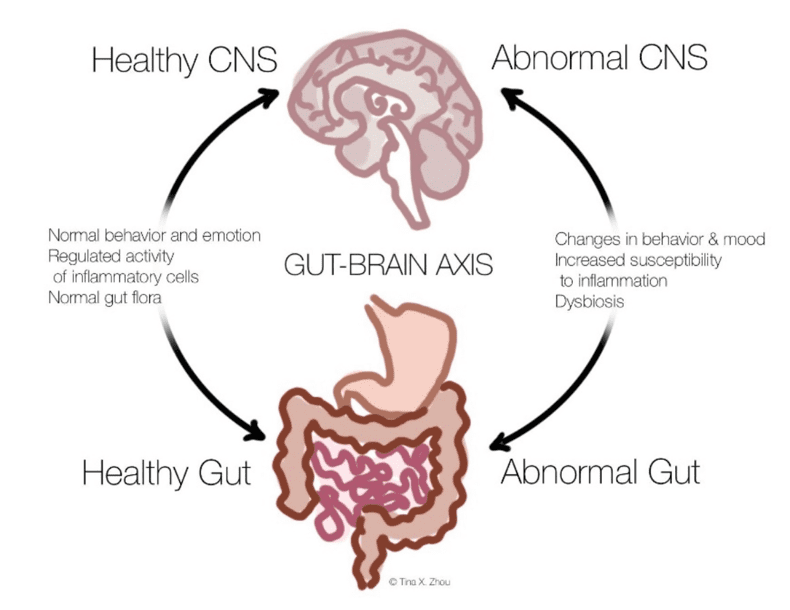
The brain and gut connection is more of consistent bidirectional communication between the brain and gut. Studies show that the gut and brain connection ensures the proper maintenance of gastrointestinal homeostasis and has multiple effects on motivation and cognitive functions in the body. When inflammation comes to play in the gut; however, it can affect the gut to not work properly and disrupt the signals it is receiving from the brain and vice versa. When there is a disruption in the bacterial diversity in the gut, it can decrease the brain’s circadian rhythm. The disruption of the bacterial diversity of the gut can even reduce vitamin D absorption in the gastrointestinal tract, causing inflammation and heightening the effects of autoimmune properties that the body is experiencing.
Vitamin D and Photobiomics
Studies have shown that vitamin D plays an essential role in bone health and regulating gastrointestinal inflammation. This is huge since vitamin D has anti-inflammatory properties and can dampen the effects of Crohn’s disease, ulcerative colitis, and IBD or inflammatory bowel diseases. Vitamin D has many beneficial properties since it can help improve the body’s immune system and has anti-inflammatory properties. Anyone who takes vitamin D in supplement form or food form as part of their daily ritual will notice that they have more energy in their system and feel good overall. That is because vitamin D can modify the integrity of the epithelial cell in the gut and increase the composition and immune response to the gut microbiome. When vitamin D and photobiomics are combined, it can restore the vitamin D receptors in the gut and cause improvements to body immunity and bone health and dampen the inflammatory effects that were causing harm to the body.
The Vagus Nerve
Another unique fact that photobiomodulation can help is that it can improve low vagus nerves in the brain. Since the brain and gut are connected, it shows that photobiomics can help the brain by decreasing the inflammation receptors that are disrupting the brain-gut connection and causing problems to the body. The vagus nerve is a part of this connection since it sends the information back and forth from the brain to the gut. Studies show that the vagus nerve is represented as the main component of the parasympathetic nervous system. This means that the vagus nerve can oversee many crucial bodily functions, including sending information between the brain and gut. Not only that, but the vagus nerve represents an essential link to neurological and inflammatory responses to the body. When inflammation affects the gut and the vagus nerves, it can disrupt the signals to the brain, causing the inflammation to become worse and hurting the body. Treatments like photobiomodulation can target the vagus nerve and help increase the vagal tone in the body and inhibit cytokine productions.
The 4 R’s
When the body is being affected by inflammation, treatments can help the body feel a bit better and start recovering. With photobiomodulation therapy and natural foods that are beneficial to the gut can bring the balance of a healthy lifestyle back to a person. For a better gut, doctors have recommended the 4’s for gut health.
The First R: Remove
REMOVE– Removing foods that a person has a food sensitivity or allergic reaction to can help dampen the effects of inflammation to the gut. These can be common foods like dairy and wheat or processed food containing high fats and added sugars.
The Second R: Replace
REPLACE– By replacing processed food with wholesome, nutritional food that is chalked up with the necessary vitamins and minerals can give the body more energy and put the person in a good mood. Thus, helping the gut produce more enzymes to digest the nutritional foods.
The Third R: Reinoculate
REINOCULATE– Adding prebiotics and probiotics into your recovery process can help improve the beneficial bacteria in the gut. Fermented food is a great way to get the necessary probiotics and prebiotics into the gut.
The Fourth R: Repair
REPAIR– Eating certain food that can help repair the gut lining in the gut microbiota ensures that inflammation won’t flare up due to gut stress. Adding fermented foods, butyric acid, L-glutamine, and aloe vera into a person’s diet is excellent in gut repair.
Conclusion
Overall, gut health is essential to the human body as it helps the body function properly. With the help of photobiomodulation, it can help the recovery process. Since photobiomics are still providing excellent results to treat patients with inflammation, it is necessary to combine whole, nutritional foods and the proper supplements into the everyday lifestyle so the body doesn’t have specific ailments like inflammation. This new combination has opened the doors to many new avenues of effective treatments for inflammation and improving overall body health and wellness.
References:
Breit, Sigrid, et al. “Vagus Nerve as Modulator of the Brain-Gut Axis in Psychiatric and Inflammatory Disorders.” Frontiers in Psychiatry, Frontiers Media S.A., 13 Mar. 2018, https://www.ncbi.nlm.nih.gov/pmc/articles/PMC5859128/.
Carabotti, Marilia, et al. “The Gut-Brain Axis: Interactions between Enteric Microbiota, Central and Enteric Nervous Systems.” Annals of Gastroenterology, Hellenic Society of Gastroenterology, 2015, https://www.ncbi.nlm.nih.gov/pmc/articles/PMC4367209/.
Craig, Ian. “The 4 R’s of Gut Health.” The Nutritional Institute, 28 May 2018, https://thenutritionalinstitute.com/resources/blog/292-the-4-r-s-of-gut-health.
Silverman, Robert G. “Photobiomics: A Look to the Future of Combined Laser and Nutrition Therapy.” Chiropractic Economics, 5 Oct. 2021, https://www.chiroeco.com/photobiomics/.
Tabatabaeizadeh, Seyed-Amir, et al. “Vitamin D, the Gut Microbiome and Inflammatory Bowel Disease.” Journal of Research in Medical Sciences: The Official Journal of Isfahan University of Medical Sciences, Medknow Publications & Media Pvt Ltd, 23 Aug. 2018, https://www.ncbi.nlm.nih.gov/pmc/articles/PMC6116667/.
The body has a variety of functions that work simultaneously to make sure that it’s working correctly. From the musculoskeletal system all the way to the endocrine system, the body has good bacteria that cause each system to work as it should be. However, sometimes an injury or autoimmune factor comes to play when it affects the body, causing a person to feel pain or not function properly. Many remedies and treatments can help the body by dampening the harmful effects that trigger various problems like inflammation, IBS, leaky gut, and much more. One of the treatments that physicians have used to help patients is photobiomodulation or low laser therapy.
Photobiomodulation Explained
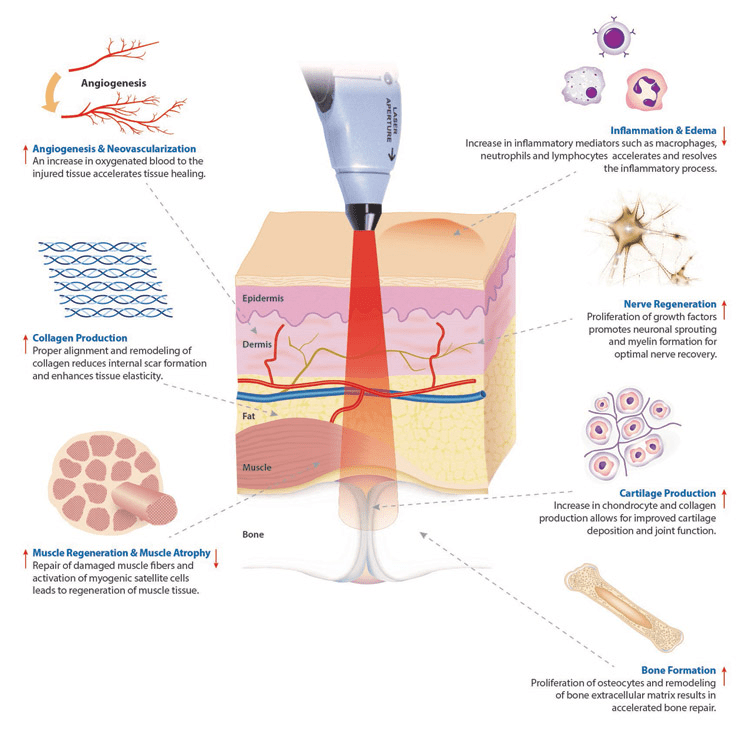
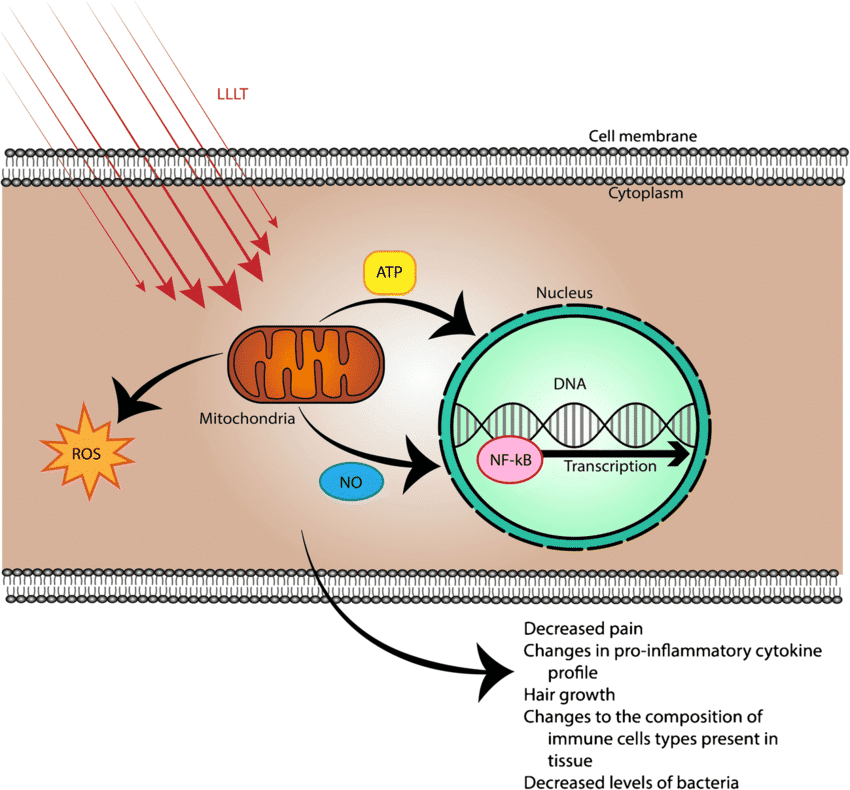
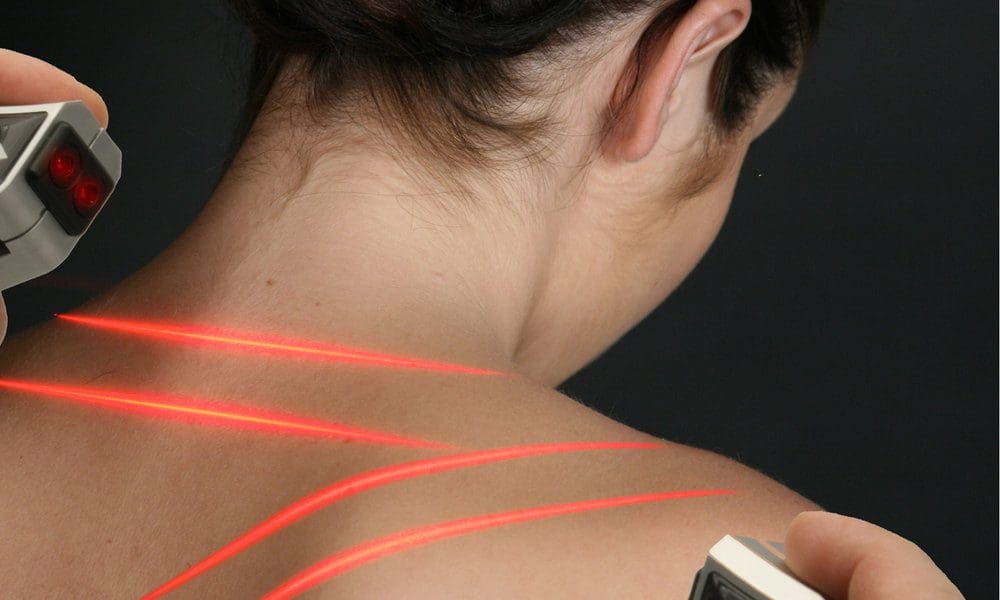
Low laser therapy or photobiomodulation is when the body is exposed to a cold laser in the affected area. The laser wavelength targets the area through the skin to the mitochondrial. Studies have shown that photobiomodulation mechanics can help the body at the molecular, cellular, and tissue-based level causing therapeutic relief. When exposed through treatment, the laser wavelength can help give the injured area of the body relief that can last for hours to months with regular treatment.
Photobiomodulation Benefits
Another study found that photobiomodulation can heal and stimulate body tissue, thus relieving pain and inflammation, causing the microbiome to alter in the body. The study also mentions that photobiomics can indirectly affect the microbiome and cause harmful bacteria or inflammation to halt, causing the body to boot its immune system. One study has even found that even though photobiomodulation has been widely accepted to treat low-back pain, it can be highly effective when modulating the gut microbiome. This means that when photobiomodulation and nutritional therapy are combined, they can help treat gut issues, low vagal tone, and autoimmunity in the body.
The Gut System
The gut microbiome is one of the important biomes in the body that plays a huge role. The gut microbiota can help the body internally by regulating its metabolism and protecting itself from harmful pathogens; thus, a healthy gut flora is mainly responsible for an individual’s overall health. Studies have shown that the gut microbiota comprises two significant phyla, which are Bacteroidetes and Firmicutes. The study also mentions that a normal gut microbiome can help maintain the structural integrity of the gut mucosal barrier, immunomodulation, and metabolize xenobiotics.
The Microbiome of the Gut
Since the gut microbiome makes sure that the body is healthy, sometimes unwanted pathogens can affect the gut, disrupting the body. Studies show that the gut microbiota can ensure homeostasis while recognizing bacterial epitopes in intestinal epithelial and the mucosal immune cells. But when harmful bacterias invade the gut, either by food sensitivity or autoimmune factors, the gut takes a heavy toll, causing the body to feel unwell. These factors can cause body inflammation, leaky gut, or IBS, thus making the individual feel pain if it’s not treated, causing more problems.
Conclusion
Overall, doctors using photobiomodulation on the gut is beneficial in the overall wellness of the body. The photobiomics have proven extraordinary therapeutic effects by targeting the inflamed area and improving the area by raising the antibodies to combat the inflammation and reducing gastrointestinal wall damage. By utilizing photobiomodulation and natural food therapy together, the body can recover quickly and achieve overall wellness.
References:
Hamblin, Michael R. “Photobiomodulation or Low-Level Laser Therapy.” Journal of Biophotonics, U.S. National Library of Medicine, Dec. 2016, https://www.ncbi.nlm.nih.gov/pmc/articles/PMC5215795/.
Jandhyala, Sai Manasa, et al. “Role of the Normal Gut Microbiota.” World Journal of Gastroenterology, U.S. National Library of Medicine, 7 Aug. 2015, https://pubmed.ncbi.nlm.nih.gov/26269668/.
Liebert, Ann, et al. “‘Photobiomics’: Can Light, Including Photobiomodulation, Alter the Microbiome?” Photobiomodulation, Photomedicine, and Laser Surgery, Mary Ann Liebert, Inc., Publishers, Nov. 2019, https://www.ncbi.nlm.nih.gov/pmc/articles/PMC6859693/.
Sekirov, Inna, et al. “Gut Microbiota in Health and Disease.” Physiological Reviews, U.S. National Library of Medicine, 9 July 2010, https://pubmed.ncbi.nlm.nih.gov/20664075/.
Silverman, Robert G. “Photobiomics: A Look to the Future of Combined Laser and Nutrition Therapy.” Chiropractic Economics, 5 Oct. 2021, https://www.chiroeco.com/photobiomics/.
IFM's Find A Practitioner tool is the largest referral network in Functional Medicine, created to help patients locate Functional Medicine practitioners anywhere in the world. IFM Certified Practitioners are listed first in the search results, given their extensive education in Functional Medicine