Can Athletes Keep Training with Integrative Chiropractic Care at El Paso Back Clinic? Safe Modifications for Faster Recovery
Athletes in El Paso often worry when pain slows them down
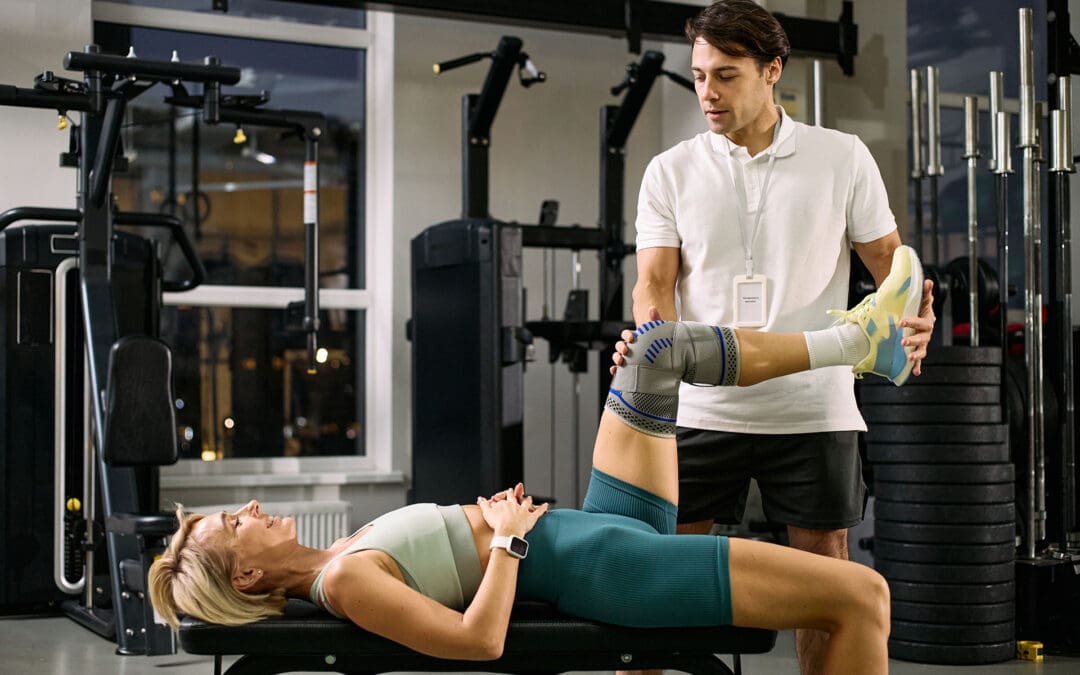
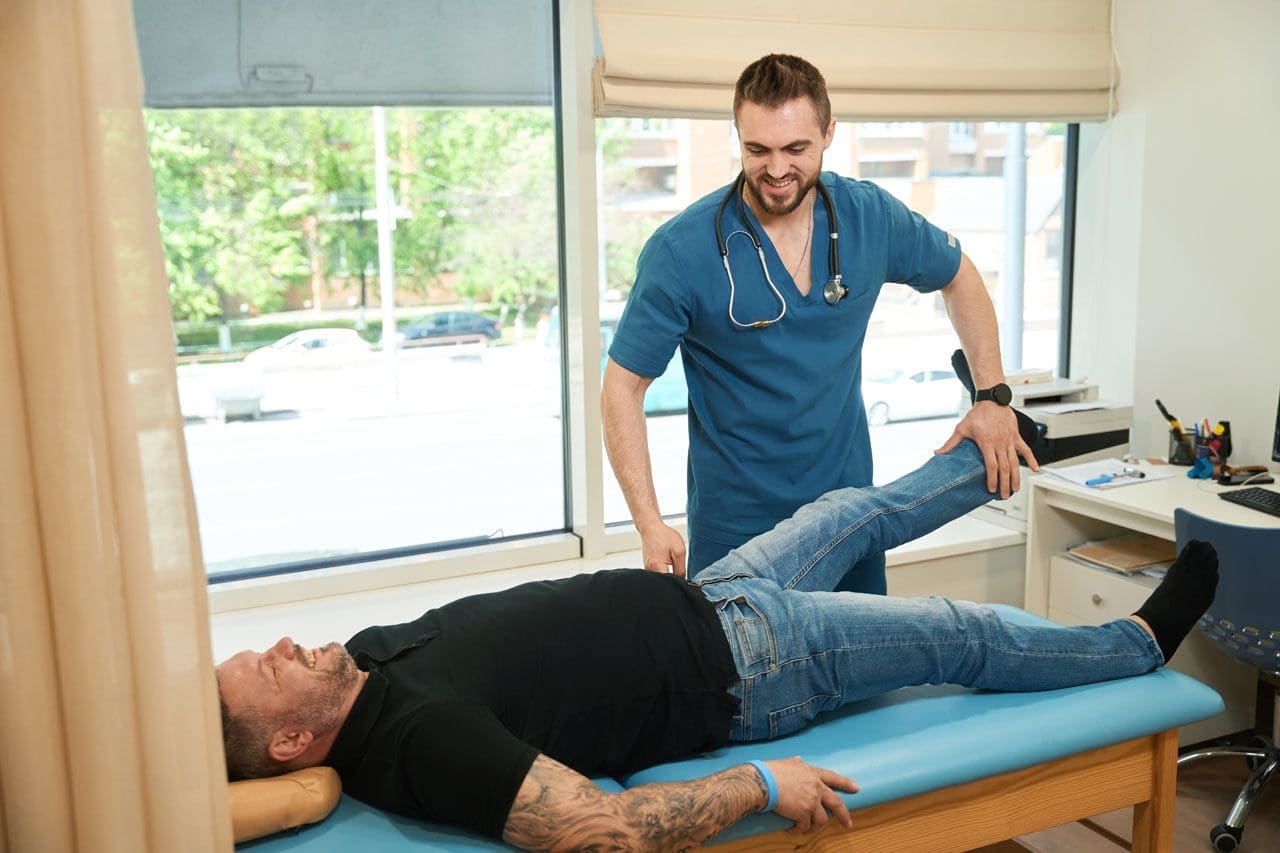
They do not want to lose strength or miss games. The good news is clear. While receiving treatment from an integrative chiropractor at El Paso Back Clinic, athletes can usually continue training or participating in sports; however, activity modification is often necessary to promote healing and prevent further injuries. “Complete rest is rarely the answer,” according to an integrative approach, which promotes “optimal loading”—applying just enough stress to promote healing without overtaxing injured structures.
To recover to full, pain-free performance more quickly, the athlete should see the chiropractor as a partner who offers a customized, structured strategy that shifts the goal from “complete rest” to “controlled, modified training.” At El Paso Back Clinic, led by Dr. Alexander Jimenez, DC, APRN, FNP-BC, this teamwork happens every day. The clinic blends chiropractic adjustments, functional medicine, sports rehab, and the PUSH Functional Fitness System to keep athletes moving safely while their bodies heal.
El Paso Back Clinic sits right here in El Paso, Texas. The team treats back pain, sports injuries, and chronic issues with a whole-person plan. Dr. Jimenez and his staff check posture, movement, and daily habits. They create plans that fit each athlete’s sport and life. Adjustments ease joint pressure. Nutrition tips fight swelling. Light fitness drills keep strength high. The result is faster healing and stronger returns to the field or court.
Many athletes fear losing fitness during recovery
At El Paso Back Clinic, modified training transforms that fear into steady progress. Gentle movement helps deliver blood and nutrients to injured areas. This speeds repair and stops muscles from getting weak. Clinic experience and research show athletes who stay active the smart way return sooner and stay healthier longer.
• Check how your body feels before and after activity
• Warm up with five minutes of easy walking every time
• Keep pain mild—no more than a 2 out of 10
• Write down small daily improvements
• Meet with your provider each week to adjust the plan
These simple steps make recovery feel active and hopeful instead of frustrating
Optimal loading is the heart of care at El Paso Back Clinic. Tissues heal best with the right amount of stress. No stress slows rebuilding. Too much stress causes new problems. Dr. Jimenez guides athletes to that perfect balance. A runner with knee pain might skip long runs but keep swimming and light cycling. A football player with a shoulder issue might pause heavy lifts but continue band work and core drills. This method protects overall fitness while targeted areas mend.
One trusted guide notes that gradually reintroducing exercise helps avoid high-impact or strenuous moves at first. Athletes who follow this advice stay ready for their sport instead of starting over later.
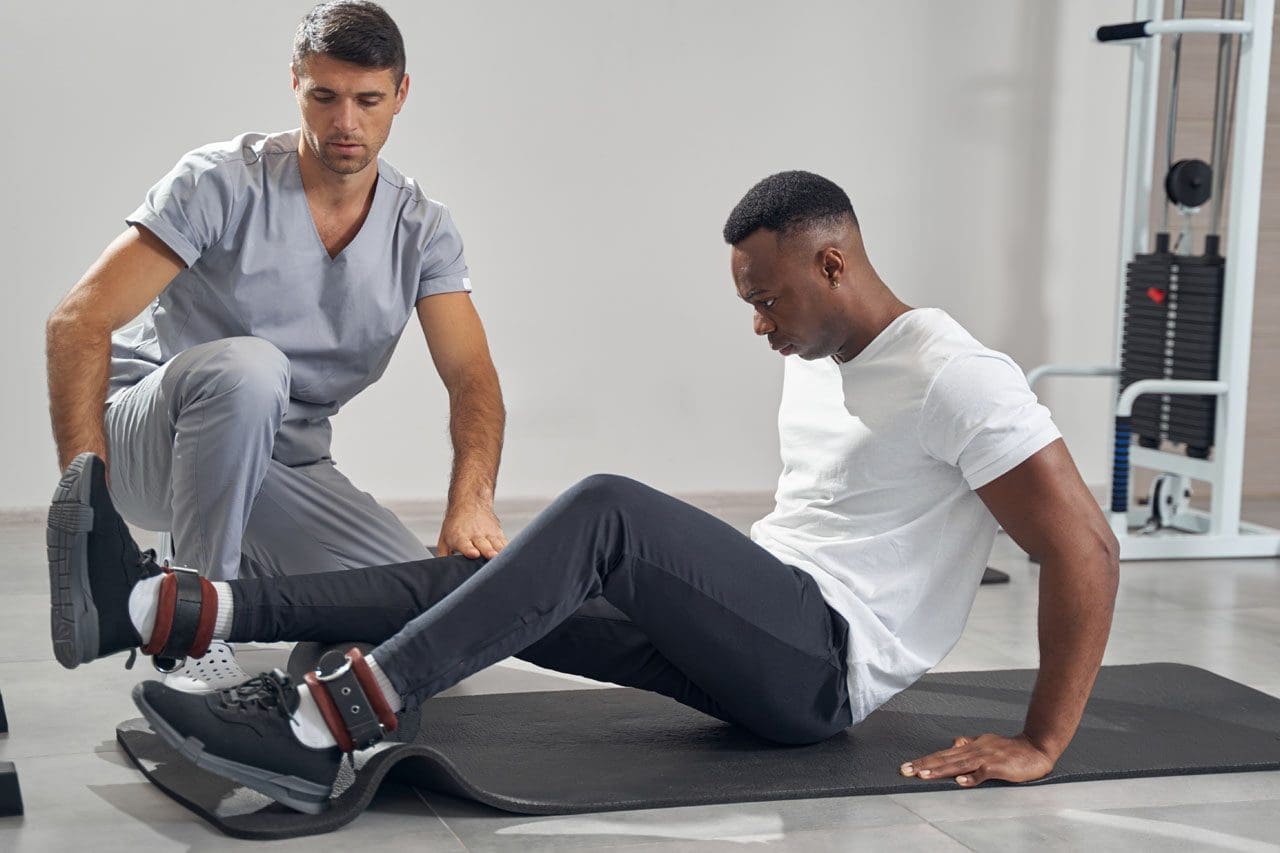
Chiropractic adjustments at the clinic realign the spine and joints, so nerves fire cleanly, and pain drops fast. Sessions often add soft-tissue release, stretches, and in-office exercises. These steps make everyday movement smoother. Many patients notice less stiffness after just a few visits. The clinic’s sports rehab programs incorporate mobility-agility training and the PUSH Functional Fitness System to safely rebuild power.
• Use ice for ten minutes on swollen areas
• Drink plenty of water to keep joints flexible
• Try low-impact cardio like pool walking or biking
• Stretch tight muscles each morning
• Choose meals high in protein and colorful vegetables
These easy habits work with the clinic’s functional medicine approach and boost results between visits
A clear step-by-step return plan keeps everything safe. Experts recommend building activity in stages. Begin with light aerobic moves that gently raise your heart rate. Add moderate effort next. Then move to sport-specific drills without contact. A full return occurs only after pain-free testing.
The Centers for Disease Control and Prevention outlines a similar graduated path that fits many injuries. Each stage lasts at least twenty-four hours. If symptoms flare, step back and rest briefly. This safety net stops athletes from rushing and builds real confidence.
• Stage 1: Short walks or stationary bike sessions
• Stage 2: Light jogging plus easy resistance moves
• Stage 3: Faster drills and full weights with no contact
• Stage 4: Skill practice by yourself
• Stage 5: Full practice or competition
Athletes at El Paso Back Clinic who follow these stages often feel stronger and more prepared when they return to games
Personalized plans set the clinic apart. No two athletes are the same. A soccer player’s ankle plan looks different from a weightlifter’s back plan. Dr. Jimenez reviews movement patterns, lab results, and daily routines. Then he builds a custom roadmap. Weekly check-ins let the plan grow with healing.
Clinical observations from Dr. Alexander Jimenez, DC, APRN, FNP-BC, demonstrate powerful real-world results. At El Paso Back Clinic, he sees athletes recover fastest when chiropractic care teams up with functional fitness and whole-body support. Instead of ordering full rest, Dr. Jimenez uses tailored rehab that mixes mobility drills, core stability, light conditioning, and nutrition guidance. His patients return to sport more quickly because the plans address root causes and keep controlled training alive. Many gain better movement habits that last long after recovery (Jimenez, n.d.).
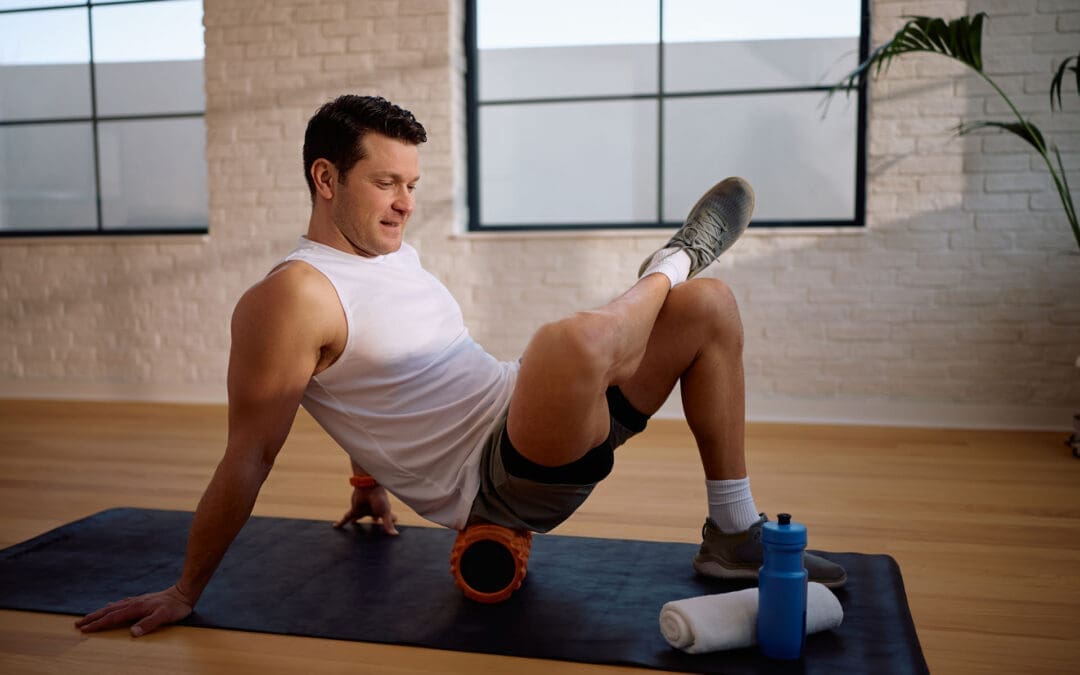
Active recovery days keep momentum going. Light walks, foam rolling, or gentle yoga replace couch time. These sessions improve blood flow, clear muscle waste, and keep nerve pathways sharp. One recovery tip explains that active recovery involves engaging in low-intensity activities to promote blood flow and reduce muscle soreness. Staying hydrated makes these sessions even better.
• Foam roll tight spots for five minutes daily
• Stretch big muscle groups after light work
• Add simple balance drills
• Use compression sleeves for mild swelling
• Aim for seven to nine hours of sleep each night
Small actions like these prevent weakness and support the clinic’s goal of optimal mobility and fitness
Nutrition plays a huge role at El Paso Back Clinic. Food acts as fuel for repair. Protein rebuilds tissue. Anti-inflammatory choices calm swelling. The team shares easy meal ideas that fit busy training schedules. When athletes eat and drink right, soreness drops, and progress speeds up between appointments.
Early inflammation needs smart handling. Light ice and compression calm the area at first. Gentle motion then keeps fluids moving. Adjustments improve circulation and ease nerve pressure. The focus stays on guiding healing with the right activity.
Timing after an adjustment matters. Most athletes can start light movement soon, but waiting 20 to 30 minutes lets the joints settle. Begin easy and build slowly. Pain stays the guide—keep it low and slow down if needed.
• Warm up lightly before every session
• Focus on perfect form over heavy weights
• Cross-train to rest injured areas
• Log workouts in a simple notebook
• Celebrate wins like easier daily movement
These habits turn recovery into real progress
Beyond healing, care at El Paso Back Clinic lifts performance. Adjustments improve range of motion, balance, and power. Many athletes notice faster speed and better endurance after regular visits. The same tools that fix today’s injuries also prevent tomorrow’s.
Knowing when to pause is key. Sharp pain, growing swelling, or numbness means you should rest that spot. The team teaches self-checks so athletes stay safe between visits. Plans work for every sport—runners cut miles but add hills slowly, contact athletes drill form with lighter loads, swimmers focus on technique.
The biggest shift is mental. Athletes stop fearing rest and start partnering with experts for smart progress. The goal moves from “complete rest” to “controlled, modified training.” This builds trust and keeps the drive high.
Results show quickly. Shorter breaks mean more practice time and better seasons. Lower re-injury rates extend careers. Many athletes learn smarter movement habits that help them reach new levels.
El Paso Back Clinic welcomes players of all levels
—from weekend players to serious competitors. Plans adjust for age, background, and goals. The integrative style fits busy lives in El Paso and beyond, with clear in-person and follow-up support.
Modern research confirms smart loading beats total rest for most injuries. The clinic stays current by mixing classic chiropractic with functional science and sports medicine. Athletes gain body knowledge that lasts a lifetime. Dr. Jimenez and his team become ongoing partners for wellness and peak performance.
Recovery no longer means sitting out. With guidance from El Paso Back Clinic, athletes train smarter, heal naturally, and return stronger. Optimal loading, custom plans, and whole-person support turn every setback into a powerful comeback.
ESWT for Car Accident Injuries in El Paso: How El Paso Back Clinic Uses Shockwave Therapy With Integrative Chiropractic + NP Care
Motor vehicle accidents (MVAs) can cause injuries that do not always show up clearly on basic imaging. You might be told, “Nothing is broken,” but still feel real pain, stiffness, tightness, and limited movement. That is because many car accident injuries involve soft tissue injuries such as muscle strains, tendon irritation, ligament sprains, fascia tightness, and painful scar tissue (adhesions). These injuries can lead to chronic pain when tissues remain inflamed, circulation remains poor, and the body continues to guard the area.
At El Paso Back Clinic, an integrative approach can help people recover more completely. The clinic’s content emphasizes non-invasive care, structural assessment, chiropractic and rehab, and broader healing support as part of a multi-disciplinary recovery plan. This matters because post-MVA pain is rarely caused by just one issue. It is often a combination of tissue injury, movement dysfunction, and ongoing sensitivity.
One tool that can make a big difference in stubborn cases is genuine Extracorporeal Shockwave Therapy (ESWT). True ESWT delivers therapeutic acoustic waves into injured tissues to help break down tight scar tissue, reduce pain signaling, improve circulation, and stimulate tissue repair. Mayo Clinic describes shockwave therapy as a noninvasive option used in musculoskeletal care with generally minimal adverse effects when appropriately applied.
This article explains, in plain language, how genuine ESWT can help with MVA injuries and why it works even better when combined with integrative chiropractic care and nurse practitioner (NP) oversight, a care model frequently discussed across El Paso Back Clinic content.
What “genuine ESWT” means (and why it matters)
Not all “shockwave” or “acoustic wave” treatments are the same. Real ESWT is designed to deliver a measurable therapeutic dose of acoustic energy into tissue. In simple terms, it is meant to do more than feel like a massage tool. The goal is to create a controlled mechanical stimulus that tells your body, “Restart repair here.”
A major review in the medical literature describes ESWT as working through mechanotransduction, meaning the mechanical stimulus triggers biological healing responses in the tissue. These responses can include improved signaling for healing, pain modulation, and tissue remodeling.
At El Paso Back Clinic, ESWT is presented as a non-surgical option that can be especially useful for deeper, stubborn pain patterns and chronic soft tissue problems.
Why car accident injuries can linger for months
After an accident, your body tries to protect you. It tightens muscles, limits motion, and increases inflammation around the injured area. That is normal at first. The problem happens when this protective pattern sticks around too long.
Common reasons MVA injuries become chronic include:
Scar tissue and adhesions that limit motion and pull on pain-sensitive tissue
Poor micro-circulation around the injury, slowing repair
Trigger points and muscle guarding that keep joints stiff
Altered biomechanics (compensation patterns) that overload nearby areas
Nervous system sensitivity, where pain signals stay “turned up”
El Paso Back Clinic’s approach highlights that many chronic pain cases improve when you combine structural assessment, conservative care, and a plan that supports true recovery rather than temporary relief.
How ESWT helps MVA injuries heal
Genuine ESWT can help through several overlapping effects. Think of it as improving the tissue environment so your body can complete the healing process.
It helps break down thick, painful scar tissue
Many chiropractic and rehab clinics describe shockwave therapy as useful for breaking down scar tissue and adhesions that form after injuries, especially when those tissues stay tight and painful.
It increases circulation to injured tissue
Better blood flow helps deliver oxygen and nutrients needed for repair. This is one reason ESWT is often used for chronic injuries that feel “stuck.” UCHealth describes shockwave therapy as promoting a reparative healing process that includes changes in circulation and tissue response.
It stimulates tissue remodeling and collagen repair
Tendons, ligaments, and fascia rely heavily on collagen structure. ESWT is commonly discussed as supporting tissue regeneration and collagen-related remodeling in musculoskeletal injuries.
It can reduce pain signaling
Pain relief from ESWT is not just “numbing.” Research reviews describe pain reduction effects that may involve changes in nerve sensitivity and local biochemical signaling.
It can support recovery in stubborn muscle injuries
Some reviews describe ESWT as associated with improvements in pain and function in certain muscle injury contexts (including sports-related muscle injuries), which can be relevant when car accidents result in deep strains and protective tightness.
MVA conditions that may respond well to ESWT
ESWT is commonly used for soft tissue and chronic pain patterns. In post-accident care, it may be considered for:
Whiplash-related muscle strain patterns (neck/upper back tightness)
Shoulder strain and rotator cuff irritation
Thoracic and rib region soft tissue pain and stiffness
Low back sprains/strains and persistent tight bands
Hip and glute strain patterns (piriformis-type tightness, trigger points)
Hamstring and calf strains from bracing during impact
Tendon irritation that does not respond well to rest alone
Chronic “knots” and trigger points that restrict motion
El Paso Back Clinic’s ESWT-focused content specifically points toward accident-related soft tissue injury and stubborn pain that has not improved as situations where this approach may fit well.
How many sessions does ESWT usually take?
Many patients report improvement early, but full remodeling can take time. A common pattern described in clinic-based educational resources is:
Noticeable changes often occur within 2–3 sessions
Full treatment plans commonly range from 4 to 12 sessions, depending on severity and how long the injury has been present
What often improves first:
Reduced sharpness or intensity at the worst pain points
Better range of motion (turning the neck, lifting the shoulder, bending)
Less stiffness the next morning
Improved tolerance to rehab exercises and daily activities
Why ESWT works best when paired with integrative chiropractic + NP care
ESWT helps tissue repair, but most MVA injuries also involve movement dysfunction. If a joint is not moving well, the tissue around it can stay irritated. That is why combining tissue work and structural care often produces better results.
Clear documentation of progress and functional improvement
El Paso Back Clinic’s content highlights the value of an integrated chiropractic + nurse practitioner approach.
Why the combination accelerates healing
When ESWT improves tissue quality and pain sensitivity, it often becomes easier to:
Move better
Accept and benefit from adjustments and mobility work
Build strength and stability through rehab
Return to work, training, and daily life with fewer flare-ups
Some integrative therapy articles describe combining chiropractic care with shockwave therapy (and sometimes laser therapy or rehab) to address both tissue injury and mechanical contributors.
What an ESWT session is like at a practical level
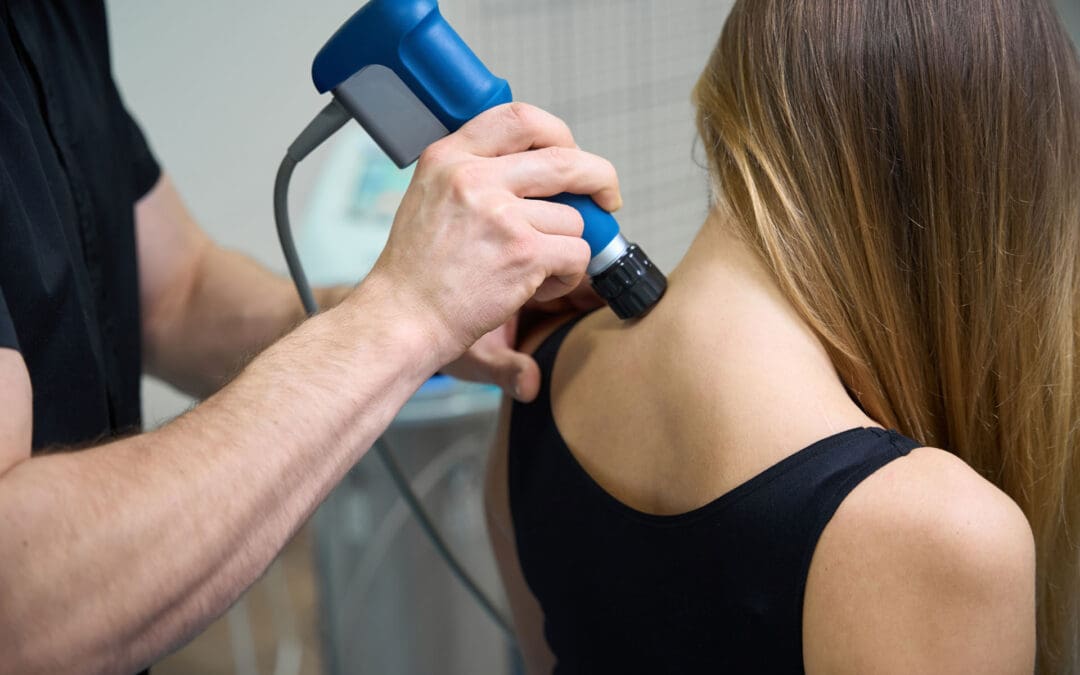
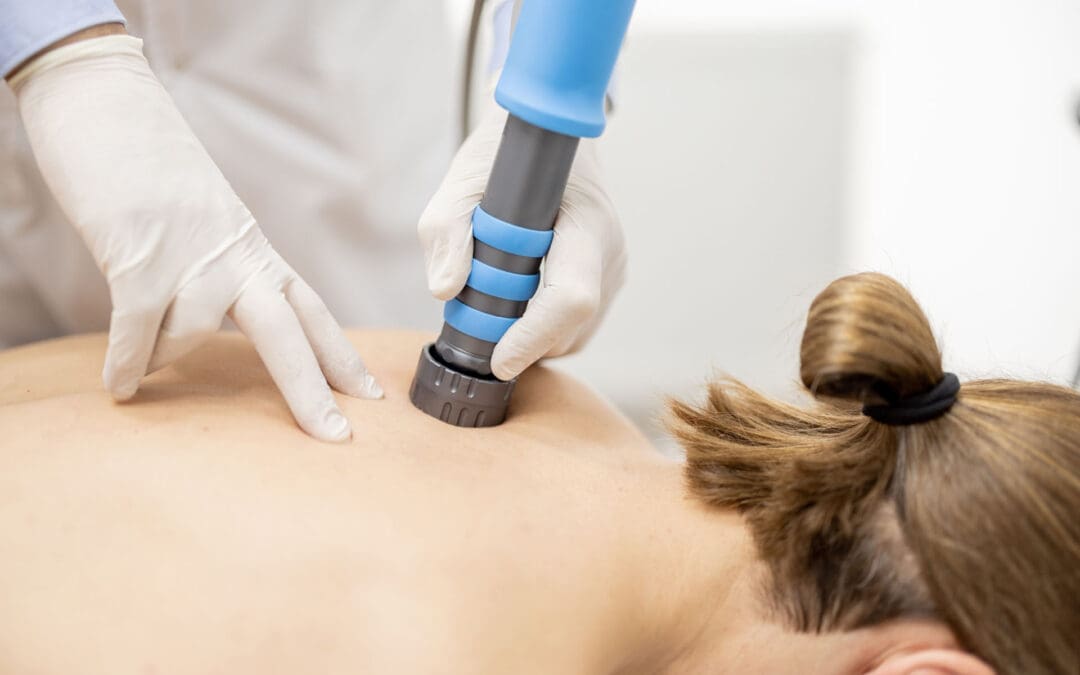
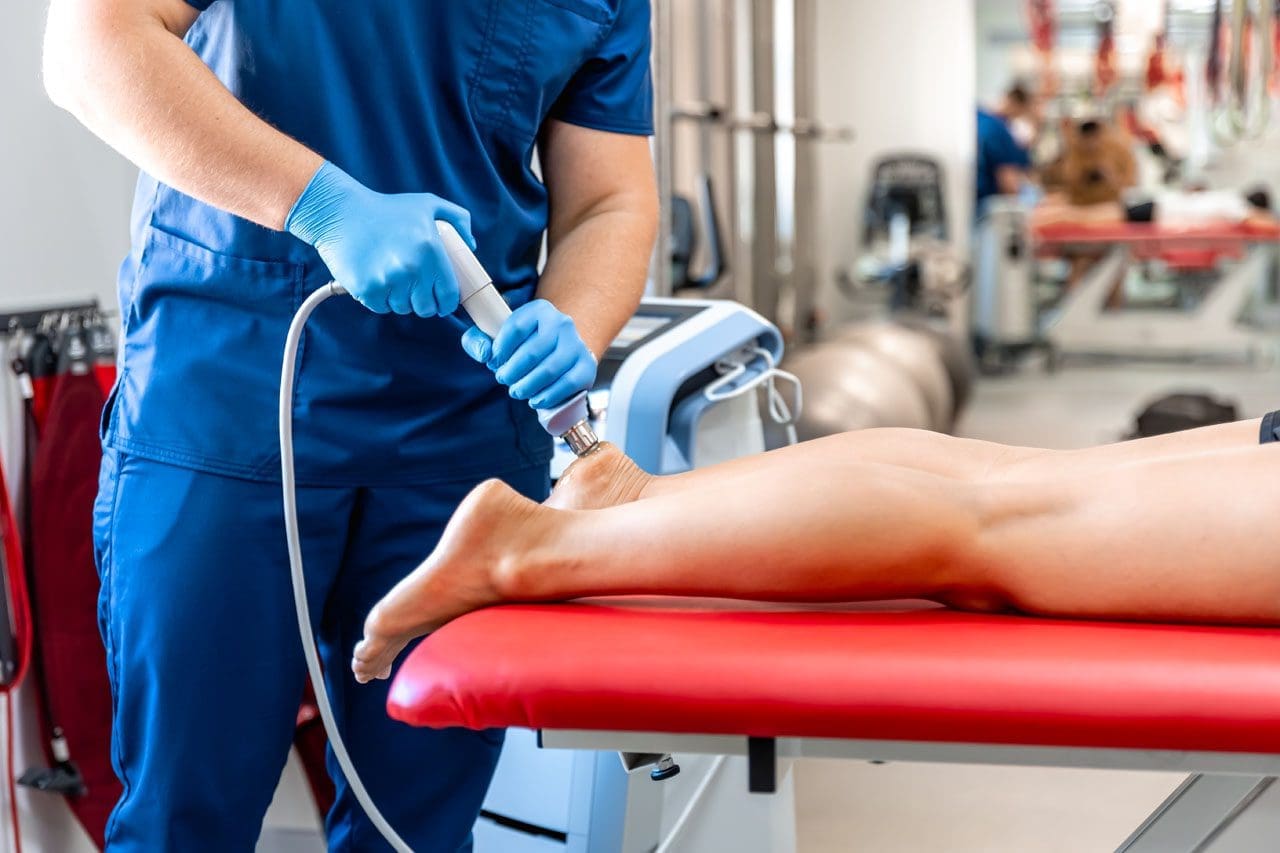
ESWT is typically done with a handheld applicator placed on the skin over the injured area. You may feel a tapping or pulsing sensation that can be intense in tight spots.
Many people experience:
Mild soreness afterward (similar to deep tissue work)
Temporary redness or sensitivity
A sense of looseness or improved motion over the next day or two
Mayo Clinic notes that shockwave therapy is generally associated with minimal adverse effects when used appropriately in musculoskeletal care.
Simple ways to get more out of ESWT after a car accident
ESWT is not magic by itself. It works best as part of a plan. Helpful steps often include:
Hydrate and walk after treatment (gentle circulation support)
Avoid overloading the area the same day (do not “test it” aggressively)
Track function, not just pain (turning your neck, lifting, walking, sitting tolerance)
Signs your plan is working:
You can do more with less flare-up
Your range of motion is improving
Pain is less frequent or less intense
Rehab feels more doable and less aggravating
Clinical perspective aligned with Dr. Alexander Jimenez’s educational approach
Across El Paso Back Clinic’s content, Dr. Alexander Jimenez presents a multidisciplinary, evidence-informed style that connects tissue healing, biomechanics, rehab, and whole-person factors. In this framework, ESWT fits as a regenerative tool that supports deeper tissue recovery, while chiropractic and rehab restore movement quality.
The practical takeaway is simple:
ESWT supports tissue repair and pain reduction
Chiropractic care supports structure and motion
NP oversight supports safer decision-making and whole-body recovery planning
That combination is often what helps MVA patients move from “surviving day to day” to building a stable recovery.
El Paso Back Clinic Shockwave Therapy: A Non-Surgical Option for Chronic Pain
Why Real ESWT Matters for Deep Healing at an Integrative El Paso Back Clinic
When people hear the term shockwave therapy, they often assume every machine is the same. It is not.
Some devices are true medical Extracorporeal Shockwave Therapy (ESWT) systems. Other devices are weaker radial pressure wave tools that are sometimes marketed as shockwave devices, even though they work differently. That difference matters if your goal is real tissue healing, not just short-term soreness relief. Mayo Clinic explains that focused shockwave (FSW) and radial pressure wave (RPW) are distinct waveforms, and only FSW is considered a “true shockwave” in a strict physical sense.
For a clinic like El Paso Back Clinic, where patients often come in with chronic pain, sports injuries, auto injuries, soft-tissue damage, and complex back conditions, the type of device and the treatment plan can make a big difference. The clinic’s site emphasizes multidisciplinary care, non-surgical recovery, and an integrative model that includes chiropractic, rehab, and functional medicine support.
This article explains, in plain language, what “real” shockwave therapy is, why focused shockwave is different from weaker devices, and how it fits into a complete recovery program in an integrative chiropractic setting.
What Is Real Shockwave Therapy?
Extracorporeal Shockwave Therapy (ESWT) is a non-invasive treatment that sends acoustic energy (sound waves) into injured tissue from outside the body. It is used in musculoskeletal care to help reduce pain and support healing in stubborn injuries. UCHealth describes ESWT as a noninvasive option for people who have not responded well to more conventional treatments, noting that it delivers high-energy acoustic waves to injured areas.
Mayo Clinic also describes shockwave therapy as a growing tool in physical medicine and sports medicine, especially for tendon and fascia problems.
In simple terms
Shockwave therapy is used to help the body “restart” healing in tissue that has been painful or stuck for a long time, such as:
tendons
fascia
ligaments
some chronic soft-tissue injuries
certain bone healing problems (in selected cases)
Mayo Clinic lists many musculoskeletal uses, including plantar fasciitis, Achilles tendinopathy, patellar tendinopathy, and lateral epicondylitis (tennis elbow).
Not All “Shockwave” Machines Are the Same
This is the most important part of the topic.
Many clinics use the word shockwave, but there are two main categories of devices used in musculoskeletal care:
Focused Shockwave (FSW / F-ESWT)
Radial Pressure Wave (RPW / radial therapy)
Mayo Clinic clearly explains that these are different technologies and should not be treated as identical. In fact, Mayo states that only focused shockwave generates a true shockwave, while radial devices generate a radial pressure wave.
Why that matters
The difference is not just marketing. It affects:
how deep the energy goes
how precise the treatment is
how much energy reaches the target tissue
what conditions may respond best
If a patient has a deep tendon problem, scar tissue, or a stubborn chronic injury, the provider should know exactly what machine is being used and why.
Focused Shockwave vs. Radial Pressure Wave
Here is the practical difference in plain language.
Focused Shockwave (FSW)
Focused shockwave is designed to deliver energy to a specific target depth. It is more precise and is often the better choice when the provider wants to treat a deeper structure or a smaller, more exact area. Mayo Clinic notes that focused shockwave has different physical properties and can be used alone or in combination with radial treatment, depending on the condition.
Radial Pressure Wave (RPW)
Radial therapy spreads energy more broadly and is often more surface-level. Mayo Clinic explains that radial devices generate pressure waves and notes tissue penetration of about 4 to 5 cm in its 2022 discussion of radial ESWT.
That does not mean radial is “bad.” It means it is different. In many cases, radial therapy remains helpful. But if a clinic claims “shockwave” and the patient expects high-energy focused treatment, the patient should ask which device is being used.
Quick comparison
Focused shockwave
More precise targeting
True shockwave physics
Often used for deeper or more exact lesions
Better fit for some regenerative goals
Radial pressure wave
Broader spread
Pressure-wave technology
Often, more superficial or diffuse treatment
Can still be useful in the right case
Why Energy Dose Matters
Real ESWT is not just “machine on, machine off.” It is dosed.
One of the main ways clinicians describe ESWT dose is Energy Flux Density (EFD), and the standard unit is mJ/mm² (millijoules per square millimeter). A PubMed Central review explains that EFD is the professional parameter used to describe shockwave energy flow through tissue, and specifically notes the unit of measurement as mJ/mm².
This is important because:
stronger energy is not always better
tissue type matters
the diagnosis matters
different injuries need different treatment settings
A quality clinic should be able to explain the treatment plan in a way that matches your condition, rather than using the same approach for every patient.
Does Shockwave Therapy Create “Microtrauma”?
Many people explain shockwave therapy by saying it creates “microtrauma” that triggers healing. That is a common explanation, and Mayo Clinic Sports Medicine uses this language in a patient-friendly way, noting that acoustic waves can create microtrauma to help reinitiate a healing response in tendons.
That said, many experts also describe the process in a more modern way as mechanotransduction—meaning the waves create a mechanical signal that helps cells activate repair pathways. Mayo Clinic’s 2025 article also highlights mechanotransduction and regenerative effects like cellular signaling and neovascular changes.
A simple way to think about it
Shockwave therapy helps by:
stimulating local tissue response
improving healing signaling
reducing pain pathways over time
helping stubborn tissue become more “active” in repair
So the short answer is:
Yes, “microtrauma” is a common way to explain it.
But the bigger idea is that the shockwave creates a healing signal, not uncontrolled tissue damage.
FDA Regulation and Why It Matters
Another reason patients should ask questions is that regulatory status matters.
The FDA has approved/cleared specific extracorporeal shockwave devices for specific uses. For example, the FDA PMA listing for the OrthoSpec Extracorporeal Shock Wave Therapy device states that it is indicated for adults with proximal plantar fasciitis (with or without a heel spur) who have had symptoms for 6 months or more and have failed conservative treatment.
That helps patients understand two important points:
real ESWT is a recognized medical technology
device claims should match actual indications and training
If a clinic says “shockwave,” it is fair to ask:
What exact device is this?
Is it focused or radial?
Is it FDA-cleared/approved for a musculoskeletal indication?
These are smart questions, not rude questions.
Why Real ESWT Is Useful in an Integrative Chiropractic Clinic
Shockwave therapy can be very effective, but it works best when the diagnosis is correct, and the rest of the care plan supports healing.
That is where an integrative clinic model is helpful.
The El Paso Back Clinic describes on its website a multidisciplinary, non-surgical, and functional recovery approach that includes chiropractic care, rehab, and broader wellness support. It also describes care for back, auto, and sports injuries, tendinopathy-related issues, and chronic pain.
Why this pairing makes sense
Shockwave therapy targets soft tissue and the healing response.
Chiropractic and rehab help restore:
joint motion
spinal alignment
posture
movement control
load tolerance
When these are combined, the patient gets a more complete plan.
Example of an integrative recovery setup
A patient with chronic Achilles pain, plantar fasciitis, or post-accident scar tissue restriction may benefit from:
Focused shockwave or radial therapy (depending on the tissue depth and goal)
Chiropractic adjustments to improve joint mechanics
Mobility work to reduce compensation patterns
Strength training/rehab exercise to improve tissue tolerance
Lifestyle support (sleep, inflammation control, nutrition)
This is especially important for back and soft-tissue injuries, as pain often has multiple causes. The tissue may be irritated, but there may also be a movement issue, posture problem, or old compensation pattern keeping it from healing.
Clinical Observations in Dr. Alexander Jimenez’s Integrative Model
Public information on dralexjimenez.com and El Paso Back Clinic describes Dr. Alexander Jimenez as a Doctor of Chiropractic and board-certified Family Nurse Practitioner (DC, APRN, FNP-BC) who uses a multidisciplinary, integrative approach focused on non-surgical recovery, diagnostics, and personalized care.
His El Paso Back Clinic content also emphasizes:
advanced injury rehabilitation
chronic pain care
sports injury care
auto injury care
functional medicine support
team-based recovery planning
These clinic observations support the idea that shockwave therapy should not be used as a stand-alone “gadget” treatment. Instead, it fits best within a broader care plan that includes biomechanics, rehab, and whole-person recovery.
Why dual training matters in this setting
In a clinic model that blends chiropractic and nurse practitioner perspectives, the provider can often look at a case more completely, including:
musculoskeletal pain drivers
nerve irritation patterns
inflammation
healing delays
activity limitations
overall recovery readiness
That type of clinical reasoning is helpful when deciding whether a patient should receive:
focused shockwave
radial therapy
chiropractic and rehab only
imaging first
referral or co-management
What Conditions Often Respond to Shockwave Therapy?
Shockwave therapy is often used for chronic injuries that have not improved enough with standard care.
Mayo Clinic and UCHealth commonly describe these types of cases:
Plantar fasciitis
Tennis elbow (lateral epicondylitis)
Achilles tendinopathy
Patellar tendinopathy
Shoulder tendinopathy
Other chronic tendon or fascia pain problems
Mayo’s clinical articles also note that ESWT has roles in treating tendons, ligaments, fascia, and even in selected bone-healing situations.
It may be especially helpful when:
pain has lasted for months
the patient plateaued in regular therapy
surgery is being considered, but not yet desired
the injury is painful with loading (walking, running, lifting, gripping)
the provider wants a non-invasive option
How to Tell if a Clinic Is Offering “Real” Shockwave Therapy
Because the market uses confusing language, patients should ask direct questions before paying for treatment.
Ask these questions
Is this focused shockwave (FSW) or radial pressure wave (RPW)?
What condition are you treating, and why is this device the right choice?
How do you set the energy dose (EFD/mJ/mm2)?
How many sessions are usually recommended for my condition?
Will I also get rehab or movement treatment?
If my pain is deep, how will you target it?
Is the device FDA-cleared/approved for musculoskeletal use?
A strong clinic should be comfortable answering these questions in simple language.
Why Device Hype Alone Is Not Enough
Some clinics advertise shockwave therapy as a miracle treatment. That is not the best way to present it.
Shockwave therapy can be a powerful tool, but results depend on:
Even the best technology will not work well if the diagnosis is wrong or if the patient returns to the same harmful movement pattern right away.
This is one reason integrated care models, like the one described at El Paso Back Clinic and Dr. Jimenez’s clinical sites, can be so useful for complex injuries: patients receive more than one treatment option and more than one clinical lens.
Bottom Line: Focused ESWT Is the Better Choice for True Regenerative Shockwave Goals
If your goal is real regenerative shockwave therapy, focused shockwave (FSW/F-ESWT) is usually the benchmark because it is the true shockwave form and offers more precise targeting. Mayo Clinic makes this distinction very clearly.
Radial devices can still be helpful in many cases, but they are not the same technology. Patients should not be told they are identical.
For patients in El Paso dealing with:
chronic tendon pain
back-related soft tissue problems
sports injuries
accident-related soft tissue injury
stubborn pain that has not improved
An integrative clinic model like El Paso Back Clinic can be a strong fit because it combines:
non-invasive care
structural assessment
chiropractic and rehab
broader healing support
multidisciplinary planning
That is often what it takes to move from “temporary pain relief” to true recovery.
Sciatica Self-Massage at Home (The El Paso Back Clinic Approach to Safer Relief)
Sciatica is a nerve irritation pattern, not just a tight muscle. It often feels like burning, aching, tingling, or “electric” pain that can start in the low back or buttock and travel into the thigh, calf, and foot. Many people in El Paso experience sciatica after long hours of sitting, driving, or heavy lifting, or after an old injury that never fully healed. At El Paso Back Clinic, sciatica care is commonly described as integrative—meaning hands-on chiropractic care plus soft-tissue work, rehab, and (when appropriate) decompression strategies to reduce nerve pressure and help the body heal instead of just “chasing symptoms.”
Self-massage can be an effective home tool when done correctly. The goal is to relax the tissues around the irritated nerve pathway—especially the glutes, piriformis, low back muscles, hamstrings, and sometimes the calf—without smashing the nerve itself.
The safety rule that matters most: don’t “dig into” the sciatic nerve
If you press directly on the most “zappy” spot, you can flare symptoms. Instead, aim for gentle, targeted pressure that feels like a controlled release.
Use the “hurts good” rule:
Keep pressure 0–3 out of 10 (mild to moderate discomfort)
Avoid 4–10 out of 10 (too aggressive)
If symptoms worsen, stop right away and reduce pressure next time
Tools that work well at home
You do not need expensive equipment. These basic tools are enough for most people:
Tennis ball (beginner-friendly pressure)
Foam roller (great for slow myofascial release)
Two tennis balls taped together or in a sock (to work beside the spine more safely)
Heat pack (before or after)
Many sciatica massage guides recommend simple tools like tennis balls and foam rollers because they help you reach deep glute and hip muscles without overworking your hands.
Step-by-step: a simple self-massage routine for sciatica relief
Start with heat (optional, but helpful)
Apply heat to the lower back or glutes for 10–15 minutes. Heat can help muscles relax, so you do not need to apply as much pressure during a massage.
Tip: Heat should feel soothing, not scorching.
Trigger point release for the glutes and piriformis (tennis ball)
This is one of the most helpful self-massage steps because the piriformis and nearby glute muscles can tighten and irritate the sciatic nerve pathway.
How to do it:
Sit on the floor (or a firm bed) and place a tennis ball under one buttock.
Lean your weight into the ball until you find a tender “knot.”
Hold steady pressure for 20–45 seconds while breathing slowly.
Move the ball 1–2 inches and repeat on 2–4 spots.
Keep it safe:
If pain becomes sharp, numbness increases, or symptoms travel farther down the leg, stop immediately.
Low back muscle release (two tennis balls—NOT on the spine)
At El Paso Back Clinic, massage and soft-tissue work are considered a key part of sciatica treatment because relaxing tight tissues can reduce pressure on irritated structures. A safe home approach is to use two tennis balls so that pressure is applied beside the spine.
How to do it:
Tape two tennis balls together (or place them in a sock).
Lie on your back with knees bent.
Place the balls on either side of the spine, not on the bone.
Make tiny shifts and pauses—no fast rolling.
Work for 1–2 minutes, then rest.
Myofascial release for hamstrings (foam roller)
If your hamstrings are tight, they can “pull” on the pelvis and keep the low back and hip region tense. Slow foam rolling is often described as a form of self-myofascial release that warms and loosens tissue over time.
How to do it:
Sit with the roller under the back of your thigh.
Roll slowly and pause on tight spots for 20–30 seconds.
Don’t chase pain—stay in the 0–3/10 range.
Calf massage for referred pain (hands or roller)
Some sciatica patterns show up strongly in the calf or foot. Gentle calf work may help reduce guarding and improve comfort.
How to do it:
Use your hands to squeeze and glide from ankle toward knee.
Pause on a tender spot and breathe.
Keep pressure light to moderate.
What to avoid (so you don’t flare symptoms)
Heavy pressure on the “electric” pain spot
Fast rolling over the lower back or buttocks
Long sessions that leave you sore for 1–2 days
Pressing on the bone (spine, sacrum ridge, hip bone)
If you feel worse after self-massage, your body is telling you the dose was too high. Reduce pressure and shorten the next session.
Why chiropractic + massage often works better than either alone
Self-massage can help relieve muscle tension, but some cases of sciatica also involve spinal joint restriction, disc irritation, or nerve root pressure. That is why integrative chiropractic care is often paired with soft-tissue work.
On El Paso Back Clinic, sciatica care is described as focusing on addressing sources of pain (not only masking it), and the clinic also highlights combining chiropractic adjustments with therapeutic massage and non-surgical decompression options.
Common integrative components include:
Targeted chiropractic adjustments to improve motion and reduce irritation
Myofascial release/therapeutic massage to reduce spasms and improve circulation
Non-surgical spinal decompression (when appropriate) to reduce pressure on discs/nerve roots
Clinical observations from Dr. Alexander Jimenez
Across sciatica-focused education on the clinic’s site, the recurring theme is that lasting relief often improves when care addresses both sides of the problem:
tissue tension (glutes/piriformis/low back tightness), and
spinal mechanics (how joints/discs and nerve pathways are loading under stress).
When to stop home care and get evaluated quickly
Get urgent medical evaluation if you have:
New or worsening leg weakness
Loss of bowel or bladder control
Numbness in the saddle area
Severe pain with fever, unexplained weight loss, or major trauma
These may indicate a condition requiring immediate care beyond self-massage.
Neuropathy Pain: “What’s the Best Medication?” And How El Paso Back Clinic Uses a Team Approach
Neuropathy is a common reason people contact El Paso Back Clinic®. The most common question sounds simple: “What’s the best medication for this pain?” But neuropathy is not one single problem. It is a symptom pattern (burning, tingling, numbness, electric shocks, sensitivity) that can result from various causes, such as diabetes, vitamin deficiencies, nerve compression, medication side effects, or past injuries. Getting the “best” treatment usually means combining the right medical plan with the right hands-on and movement-based care, plus lifestyle steps that protect nerves over time.
At El Paso Back Clinic, the care model described in their neuropathy education includes integrative chiropractic care coordinated with nurse practitioner (NP) oversight, aiming to improve function and quality of life while also looking for root causes.
What Peripheral Neuropathy Really Means
Peripheral neuropathy means the nerves outside the brain and spinal cord are irritated or damaged. These nerves help with:
Feeling (touch, pain, temperature)
Movement (muscle control)
Automatic body functions (sweating, digestion, blood pressure)
When signals get disrupted, symptoms can include burning pain, numbness, tingling, cramps, and weakness—often starting in the feet or hands.
Why cause matters: Treatment works best when you address both the pain and the underlying cause of the nerve’s discomfort. Primary care guidance emphasizes a careful history, exam, and targeted lab testing to look for common causes (diabetes, alcohol use, nutritional issues, toxins, nerve compression, and more).
The “Best Medication” for Neuropathy Pain: What Most Guidelines Start With
There isn’t a single perfect medication for everyone. Most major guidance starts with a few first-line options because they can reduce abnormal nerve pain signaling:
Common first-line medication groups
Gabapentinoids:gabapentin or pregabalin
SNRIs (a type of antidepressant used for nerve pain):duloxetine
TCAs (older antidepressants used for nerve pain):amitriptyline (used more often at night due to sedation)
This is consistent across multiple evidence summaries and public clinical guidance.
What patients usually want to know (in plain language)
These medicines do not “fix” the nerve overnight.
They aim to reduce the volume of nerve pain messages reaching the brain.
Many people need dose adjustments or a different medication to get the best balance of relief and side effects.
Side Effects to Expect (And Why NPs Help So Much Here)
A big reason people stop neuropathy meds is side effects—especially in the first 1–3 weeks. The NHS lists these as commonly used neuropathic pain medicines, and side effects are a key part of safe prescribing decisions.
Typical side effects patients report
Gabapentin/pregabalin: sleepiness, dizziness, “brain fog,” swelling, weight gain (for some)
Amitriptyline: dry mouth, constipation, grogginess, dizziness (often taken at night)
How an NP helps (practical, real-world):
Reviews your full medication list to avoid risky combos
Adjusts timing (for example, shifting sedating doses toward evening)
Watches for issues like fall risk, daytime sleepiness, and mood changes
Checks labs or contributing problems (blood sugar, B12, thyroid, kidney function when relevant)
Plans step-by-step changes instead of guessing
NPs are also well-positioned to manage chronic pain patterns and medication decision-making over time, because neuropathy often requires follow-up and fine-tuning.
“Are There Non-Drug Treatments?” Yes—And They Matter
Most people with neuropathy want conservative options first, or at least options that let them use less medication. The El Paso Back Clinic neuropathy education highlights several non-surgical strategies commonly used in integrative care.
Integrative chiropractic care focused on movement, joint mechanics, and nerve irritation patterns
Footwear, balance support, and fall prevention
Sleep and stress strategies (very underrated for nerve pain)
Patient-facing education materials often encourage asking about topical options, TENS, and PT because neuropathy increases fall risk and balance issues.
A safety point that matters in real life
When numbness is present, people may not notice small injuries—especially on the feet. Major cancer center patient education emphasizes routine skin checks (hands/feet) and lifestyle habits that support nerve health and safety.
How Integrative Chiropractic Care Can Help Neuropathy Symptoms
Not all neuropathy pain is the same. Some nerve pain is driven by systemic issues (like diabetes). Other nerve pain can be worsened by biomechanics—for example, irritation at the spine, pelvis, or along nerve pathways that changes movement and increases sensitivity.
The El Paso Back Clinic neuropathy resource outlines an approach focused on non-invasive, whole-person strategies and coordination with NP oversight.
What integrative chiropractic care may focus on
Finding patterns of nerve compression/irritation linked to posture or movement
Improving joint motion to reduce “mechanical stress” on sensitive areas
Corrective exercises to support better balance and gait
Soft tissue work and mobility strategies to reduce protective tension
Coordinating with medical care when neuropathy is linked to diabetes, medication effects, or other systemic causes
Important note: Chiropractic and integrative therapies should be framed as part of a broader plan—not a stand-alone “cure.” A careful diagnostic workup is still key, especially if symptoms are new, worsening, one-sided, or include weakness.
“Why Is My Neuropathy Worse at Night?”
This is one of the most common questions. Nighttime can amplify nerve pain for several reasons:
Less distraction: your brain has fewer competing signals
Stress/emotions: the day catches up, and pain feels louder
Temperature changes: some people notice symptoms more when cooler
Cleveland Clinic’s patient education explains several of these factors and also notes that approaches like PT, mindfulness, and medication adjustments may help when pain spikes at night.
Nighttime tips that are often helpful
Keep a steady sleep schedule (even on weekends)
Avoid alcohol excess (it can worsen neuropathy for some people)
Review medication timing with your NP
Use foot/hand warmth if cold triggers symptoms (not hot enough to burn)
This is where a stepwise plan matters. Many people either give up too early or keep escalating one med until side effects take over.
Evidence-based reviews emphasize recognizing when treatment is not effective and switching earlier, and they also note that combination therapy can help some patients (using moderate doses instead of maxing out on a single drug).
Common next steps an NP may consider
Confirm the diagnosis (is it neuropathy, radiculopathy, vascular, or something else?)
Adjust dose timing or switch to a different first-line option
Consider combination therapy when appropriate and safe
Severe pain with fever, unexplained weight loss, or a cancer history
Primary care guidance recommends referral for electrodiagnostic studies when symptoms are concerning (e.g., rapid progression, asymmetry, motor/autonomic issues) or when the initial workup is normal but symptoms persist.
The “Two Lanes” of Neuropathy Care at El Paso Back Clinic: Medical + Mechanical
A practical way to think about neuropathy treatment is two lanes running together:
Support nerve health with lifestyle and risk-factor control
Coordinate referrals for testing if needed
Lane 2: Integrative chiropractic + rehab
Address movement patterns that keep pain “turned up”
Improve mobility, balance, and function
Reduce mechanical stress and improve daily tolerance
Build a home plan you can actually follow
This is the kind of “integrative” model described in El Paso Back Clinic’s neuropathy content—conservative, coordinated, and focused on quality of life.
Smart Questions to Ask at Your Neuropathy Visit
Patients often feel more confident when they come in with clear questions. These are consistent with neuropathy question guides and clinical evaluation principles:
Medication questions
“What is the first medicine you recommend, and what side effects should I expect?”
“If that doesn’t work, what’s next?”
“Are topical lidocaine patches or creams right for me?”
Diagnosis and cause questions
“What type of neuropathy do I have?”
“What do you think is the most likely cause for me?”
“Will we check for diabetes/prediabetes, vitamin levels, or thyroid issues?”
“Do my symptoms suggest inherited, toxic, inflammatory, or metabolic patterns?”
Function and safety questions
“What can I do to improve balance and prevent falls?”
“What should I do for foot care if I can’t feel injuries well?”
“Which exercises are safe for me right now?”
Bottom Line
The “best medication” for neuropathy pain is the one that reduces pain enough to help you function without side effects that wreck your day. For many people, that means starting with gabapentin, pregabalin, duloxetine, or amitriptyline, and then adjusting based on response and tolerability.
At El Paso Back Clinic, the integrative approach outlined in their neuropathy resources emphasizes coordinated care—NP oversight of medical management and integrative chiropractic strategies to support mobility, comfort, and daily life.
Sciatica Numbness in the Hamstring and Foot (Without Low Back Pain): An El Paso Back Clinic Guide to What It Means and What to Do
Patient with sciatica symptoms but no back pain, only leg and foot numbness and pain, lies supine on the examination table while the chiropractor/nurse practitioner lifts his extended leg with resistance.
If your hamstring feels numb or your foot feels tingly or “asleep,” it’s easy to think you pulled a muscle. But many people in El Paso are surprised to learn that sciatica can show up as leg numbness without much (or any) low back pain. That pattern is common—and it’s one reason sciatica can get missed at first. (Yale Medicine, n.d.; Penn Medicine, n.d.; AMA, 2024)
At El Paso Back Clinic, we often see this exact concern:
“My lower back doesn’t hurt… so how can this be sciatica?”
“Why is there numbness in my hamstring and foot?”
“Is this a hamstring strain or a nerve issue?”
“When should I worry and get checked?”
This article explains the “why,” helps you distinguish between muscle and nerve pain, and shows how an integrative chiropractic approach may reduce sciatica-related numbness by addressing the spine, hips, soft tissues, and movement habits that keep the nerve irritated. (HSS, 2024; Fletcher Family Chiropractic, 2025; Auburn Hills Chiropractic, n.d.)
Important: Numbness can have several causes. A careful evaluation matters—especially if symptoms persist or worsen.
What Sciatica Really Is (And Why It Can Feel Like a Hamstring/Foot Problem)
Sciatica is a set of symptoms caused by irritation or compression of nerve roots in the lower back or of the sciatic nerve pathway itself. The sciatic nerve is the largest nerve in the body. It starts in the lower back and travels through the buttocks, down the back of the thigh, and into the lower leg and foot. (Yale Medicine, n.d.; Penn Medicine, n.d.; HSS, 2024)
That pathway explains a big point:
You can feel the problem far away from where it starts. So even if your low back feels “fine,” the nerve signals going into your hamstring, calf, or foot can still be affected. (Yale Medicine, n.d.; Mayo Clinic, 2025)
Common sciatica symptoms include:
Pain that travels down the leg
Tingling (“pins and needles”)
Numbness in the thigh, leg, or foot
Burning or electric-like feelings
Weakness in the leg or foot (Mayo Clinic, 2025; Penn Medicine, n.d.)
Why Sciatica Can Cause Hamstring and Foot Numbness Without Back Pain
The nerve is irritated “upstream,” but you feel it “downstream”
A nerve can be irritated near the spine, but the symptoms often show up where the nerve travels—like the hamstring or foot. This is one reason people feel confused: the pain isn’t always in the back. (Yale Medicine, n.d.; Penn Medicine, n.d.)
Some sciatica patterns are leg-dominant
Some people mainly feel sciatica below the knee (calf/foot) with little low back pain. That’s still consistent with nerve involvement. (AMA, 2024; Mayo Clinic, 2025)
The irritation may be outside the spine (hip/buttock region)
Not every case is a disc issue. Sometimes the sciatic nerve becomes irritated where it passes through the buttocks. Tight, overworked muscles can compress or irritate the nerve, leading to numbness down the leg. (Total Ortho Sports Med, 2025; HSS, 2024)
Common Causes of Sciatica-Like Numbness (Even When the Low Back Doesn’t Hurt)
Think of these as the “usual suspects.” A proper exam helps pinpoint which one fits your pattern.
A) Lumbar nerve root irritation (radiculopathy)
A disc bulge/herniation, arthritic changes, or narrowing of the spaces in the spine can irritate nerve roots. You may feel numbness in the legs even if the back pain is mild. (Mayo Clinic, 2025; Penn Medicine, n.d.)
Clues that this may be happening:
Symptoms travel below the knee
Sitting makes it worse (especially long drives)
Coughing/sneezing increases symptoms
You notice weakness or heaviness in the foot (Mayo Clinic, 2025; Goodman Campbell, 2025)
B) Piriformis syndrome / deep buttock compression
When the buttock area is the main source of compression, you may feel:
Buttock tightness or a deep ache
Symptoms worsen with sitting
Numbness/tingling down the leg with minimal back pain (Total Ortho Sports Med, 2025)
C) Mobility and movement problems that keep the nerve irritated
Even when the “main” cause is a disc or nerve root, symptoms can stick around if:
The hips don’t move well
The pelvis is rotating during walking
The core and glutes aren’t supporting the spine
Work and driving keep you in nerve-irritating positions (HSS, 2022; Mayo Clinic, 2025)
In clinical settings like El Paso Back Clinic, we often see a pattern where spine mechanics + hip tension + repeated sitting/positioning team up to keep the nerve cranky. (Jimenez, n.d.)
D) Non-sciatica causes that mimic sciatica
Some issues look like sciatica but are different, such as:
Peripheral neuropathy
Other nerve entrapments lower in the leg
Vascular problems (circulation)
Rare but serious spinal conditions (AMA, 2024; Mayo Clinic, 2025)
That’s why ongoing numbness deserves a focused exam.
Sciatica vs. Hamstring Strain: How to Tell the Difference
This is one of the biggest “either/or” questions.
Hamstring strain is usually a muscle problem
Hamstring strains often occur during sprinting, sudden acceleration, or deep stretching. (Ducker Physio, 2025)
Typical hamstring strain signs:
Local pain in the back of the thigh
Tenderness to touch in the muscle
Pain with resisted knee bending or stretching the hamstrings
Usually no tingling or numbness in the foot (Ducker Physio, 2025)
Sciatica is a nerve problem
Sciatica symptoms often behave differently.
Typical sciatica signs:
Tingling, numbness, burning, or electric sensations
Symptoms can travel below the knee into the foot
Sitting, bending, or twisting can trigger it
The sensation may come and go with certain positions (Mayo Clinic, 2025; Yale Medicine, n.d.)
Quick comparison (simple and practical)
Hamstring strain: muscle pain, tender spot, worse with stretch/strength work, no foot numbness (Ducker Physio, 2025)
Sciatica: numbness/tingling, traveling symptoms, position-sensitive, may include weakness (Mayo Clinic, 2025)
Why You Can Have Foot Numbness and Not Much Pain
People often say, “It doesn’t hurt that badly, it’s just numb.” That can still be significant.
Numbness can happen when nerve signals are disrupted. Instead of sharp pain, your body gives you:
Reduced sensation
Tingling
A “sock-like” strange feeling
A foot that feels off when you walk (Mayo Clinic, 2025)
If numbness persists, spreads, or is accompanied by weakness, it’s a strong reason to get evaluated. (AMA, 2024; Mayo Clinic, 2025)
When to Get Help: Red Flags You Shouldn’t Ignore
Get urgent care if you have:
New or worsening leg weakness
Trouble lifting the foot (or frequent tripping)
Loss of bowel or bladder control
Numbness in the groin/saddle area
Severe symptoms after trauma (AMA, 2024; Mayo Clinic, 2025)
Schedule an evaluation soon if:
Numbness lasts more than 1–2 weeks
Symptoms keep returning
Numbness is moving farther down the leg
Pain/numbness is affecting sleep or walking
Home care isn’t working (Mayo Clinic, 2025; Goodman Campbell, 2025)
How El Paso Back Clinic Approaches Sciatica-Related Numbness (Integrative Chiropractic Perspective)
In Dr. Alexander Jimenez’s clinical observations, leg-dominant sciatica symptoms often improve best when care focuses on more than one area:
Spine mechanics (how the lumbar joints and discs are loading)
Hip and pelvis motion (how the leg is moving under the trunk)
Soft tissue tension (especially deep gluteal and posterior chain tightness)
Movement habits (sitting, driving posture, bending technique, sports training patterns) (Jimenez, n.d.)
This integrative approach aims to answer a simple question:
“Where is the nerve being stressed, and why is it staying stressed?” (Jimenez, n.d.)
Orthopedic tests (to reproduce or reduce symptoms)
Movement checks (hip hinge, gait, pelvic control)
Posture and work/drive habit review If findings suggest serious compression or a non-spine cause, referral or imaging may be appropriate. (Mayo Clinic, 2025; Penn Medicine, n.d.)
How Integrative Chiropractic Therapy May Help Reduce Hamstring and Foot Numbness
Sciatica-related numbness can improve when you reduce mechanical stress and calm irritation around the nerve.
Spinal and pelvic adjustments (when appropriate)
Chiropractic adjustments are often used to improve joint motion and reduce mechanical irritation patterns. Many chiropractic resources describe symptom improvement by addressing mobility restrictions and reducing stress on sensitive tissues. (Auburn Hills Chiropractic, n.d.; Alliance Ortho, 2024)
Soft tissue therapy for buttock/hip and posterior chain tension
Soft-tissue methods can help when muscle tension and fascial tightness contribute to irritation—especially in the deep gluteal region. (AFCadence, n.d.; Collective Chiro, 2024)
Common tools include:
Myofascial release
Trigger point work
Targeted stretching (symptom-guided)
Gentle mobilization
Rehab exercises that “retrain” movement, not just stretch
When numbness is linked to nerve irritation, the goal is often:
Better hip mobility without nerve flare-ups
Stronger glute support and core stability
Improved walking mechanics and posture
Gradual return to bending and lifting patterns (HSS, 2022; Mayo Clinic, 2025)
Technique options like flexion-distraction (case-by-case)
Some clinics use flexion-distraction approaches for certain disc-related patterns to reduce irritation and improve movement tolerance. (Fletcher Family Chiropractic, 2025; Spinal Recovery Center, n.d.)
The best plan depends on the pattern. If numbness is your main symptom, a clinician should check for weakness, reflex changes, and other signs that require faster escalation of care. (AMA, 2024; Mayo Clinic, 2025)
Practical Self-Care Tips for Sciatica Numbness (Simple, Safe, and Nerve-Friendly)
These are general strategies commonly recommended in conservative sciatica care.
Helpful basics
Take walking breaks if walking helps
Avoid long sitting without standing up
Use heat or ice based on what feels better
Don’t force stretches that shoot symptoms into the foot (Mayo Clinic, 2025; HSS, 2022)
If symptoms are not improving—or if weakness is appearing—get reassessed.
Key Takeaways
Sciatica can cause hamstring and foot numbness without back pain, because nerve irritation is often felt along the nerve’s path. (Yale Medicine, n.d.; Penn Medicine, n.d.)
It’s important to tell nerve symptoms apart from a hamstring strain, since numbness/tingling usually points to nerve involvement. (Ducker Physio, 2025)
An integrative chiropractic plan often combines mobility care, soft tissue work, and rehab exercises to reduce irritation and restore movement. (HSS, 2022; Alliance Ortho, 2024; Jimenez, n.d.)
Red flags like weakness or bowel/bladder changes require urgent evaluation. (AMA, 2024; Mayo Clinic, 2025)
If you’re dealing with hamstring or foot numbness—especially if it’s lingering—getting a focused evaluation can help you figure out whether it’s sciatica or something else and build a plan that fits your life in El Paso.
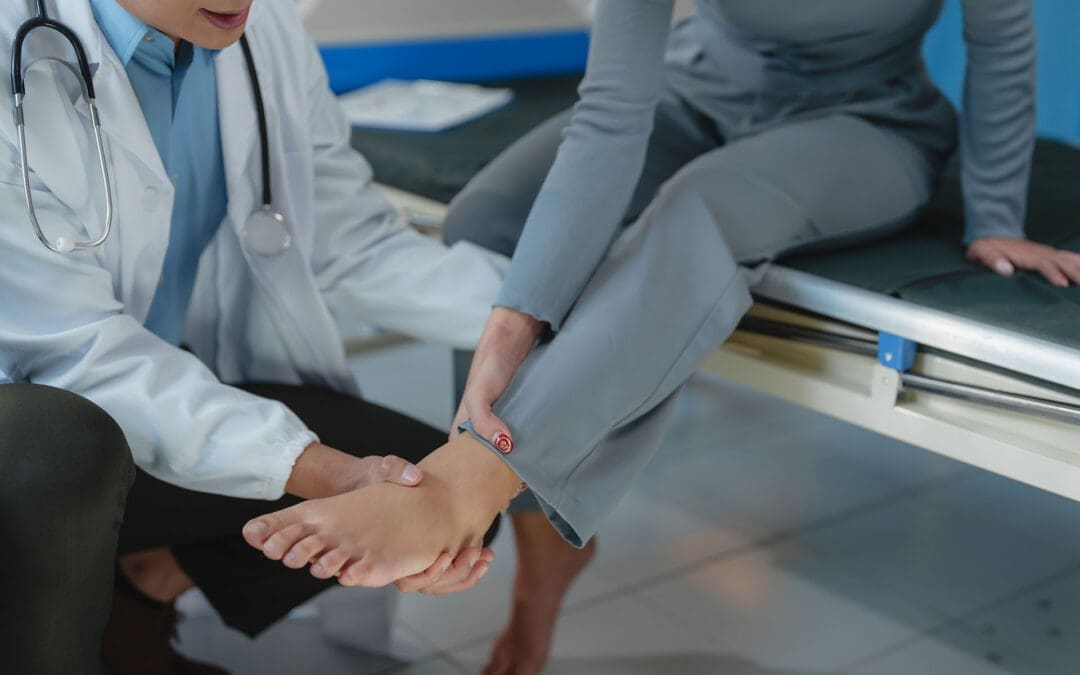
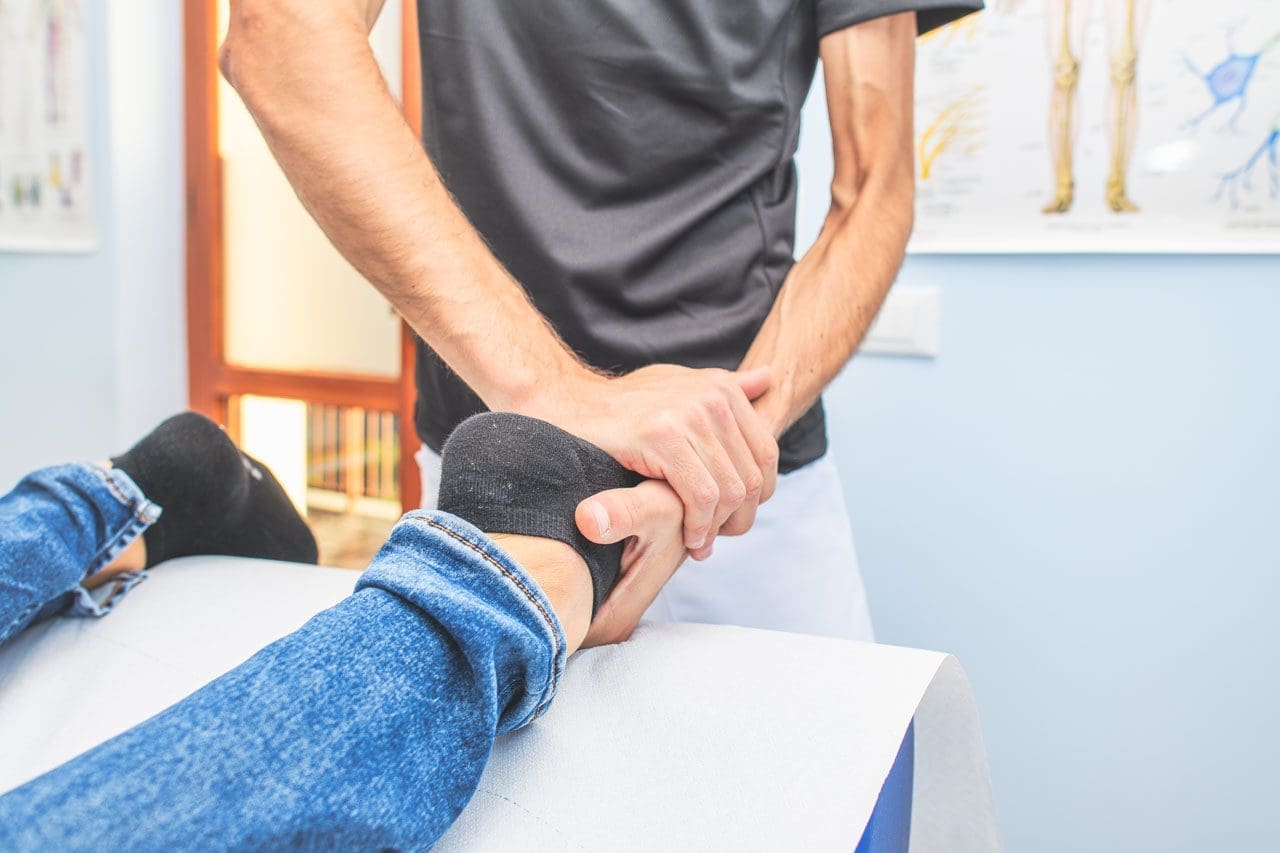
A physiotherapist works on a patient’s foot as part of their neuropathy treatment in the clinic
A Local, Integrative Approach from El Paso Back Clinic
Peripheral neuropathy is a common concern for many people in El Paso. Questions usually center on why symptoms are happening, how diabetes and spine health are connected, and what can be done beyond medication. At El Paso Back Clinic, care focuses on non-invasive, whole-person strategies that improve nerve function, movement, and daily quality of life.
This article answers the most common local questions in clear language and explains how integrative chiropractic care—coordinated with nurse practitioner (NP) oversight—addresses neuropathy by treating both symptoms and root causes. Clinical insights reflect the experience of Dr. Alexander Jimenez, DC, APRN, FNP-BC.
What Is Peripheral Neuropathy?
Peripheral neuropathy happens when nerves outside the brain and spinal cord are damaged or irritated. These nerves help you feel sensation, move muscles, and regulate automatic body functions like sweating and digestion. When nerve signals are disrupted, symptoms can feel burning, sharp, numb, or electric (West Texas Pain Institute, n.d.; Frontier Neurology, n.d.).
Most Common Neuropathy Symptoms We See in El Paso
People in El Paso often describe similar patterns:
Burning or throbbing pain (especially at night)
Tingling or “pins and needles”
Numbness in the feet or hands
Electric or shooting pain
Muscle weakness or cramping
Balance problems or frequent trips
Sensitivity to touch
In more advanced cases, symptoms can involve digestion, bladder control, or sweating (Frontier Neurology, n.d.).
Why Neuropathy Is So Common in This Region
A major driver locally is diabetes and prediabetes. High blood sugar can injure small blood vessels that feed nerves, leading to poor nerve signaling over time.
Other contributors include:
Spine and posture problems that stress nerve roots
Vitamin deficiencies (especially B vitamins)
Circulation issues
Prior injuries or repetitive strain
Certain medications or alcohol overuse
Inflammatory or autoimmune conditions
Many patients have multiple contributing factors, which is why a full evaluation is important (Medicos Family Clinic, n.d.; West Texas Pain Institute, 2023).
How Diabetic Neuropathy Affects Daily Life
Diabetic neuropathy often begins in the feet and slowly progresses upward. Common concerns include:
Burning feet at night
Loss of protective sensation
Higher risk of cuts, sores, and ulcers
Changes in walking or posture
Increased fall risk
Early integrative care can slow progression and reduce complications (El Paso Feet, n.d.; iVascular Center, n.d.).
How Neuropathy Is Evaluated at El Paso Back Clinic
Diagnosis is not based solely on symptoms. A complete assessment looks at the whole person.
Evaluation commonly includes:
Detailed health and symptom history
Review of blood sugar control and medications
Neurological and sensory testing
Posture and movement analysis
Spinal and joint evaluation
Imaging when nerve compression is suspected
Dr. Jimenez emphasizes that neuropathy symptoms often overlap with spinal nerve irritation or biomechanical stress, making dual-scope evaluation especially valuable (Jimenez, n.d.-a; Nonsurgical Spine Center, n.d.).
Can Neuropathy Improve Without Surgery?
For many people, yes. Most patients want conservative options before considering surgery or long-term medication use.
Non-surgical strategies may include:
Chiropractic care
Targeted exercise and physical therapy
Lifestyle and nutrition guidance
Laser therapy
Nerve stimulation techniques
Footwear and balance support
Stress and sleep optimization
Combining approaches is often more effective than relying on just one method (P3 Physical Therapy, n.d.; El Paso Feet, n.d.).
How Chiropractic Care Supports Nerve Health
Chiropractic care focuses on restoring healthy movement in the spine and joints, thereby reducing stress on nerves.
At El Paso Back Clinic, care may include:
Gentle spinal adjustments
Joint mobilization
Postural correction
Nerve decompression strategies
Soft tissue techniques
Guided movement and mobility work
Clinical observations show that improving spinal mechanics can enhance nerve signaling and reduce irritation—especially when neuropathy overlaps with back or neck problems (Jimenez, n.d.-b; El Paso Back Clinic, n.d.).
The Role of Nurse Practitioners in Neuropathy Care
Nurse practitioners (NPs) are essential for addressing medical and metabolic contributors to nerve damage.
NP-guided support may involve:
Lab testing and result interpretation
Diabetes and metabolic management
Identifying vitamin or nutrient deficiencies
Reviewing medication side effects
Monitoring nerve-related complications
Dr. Jimenez’s dual licensure allows structural findings and medical factors to be evaluated together, helping patients understand why symptoms are happening—not just where they hurt (Jimenez, n.d.-c).
Why an Integrative Approach Works Best
Neuropathy rarely has a single cause. Integrative care addresses multiple systems at once.
Benefits include:
More accurate diagnosis
Personalized care plans
Reduced dependence on pain medications
Improved balance, strength, and confidence
Better long-term nerve health
This approach is especially helpful for people with diabetes, chronic back pain, or long-standing symptoms (HealthCoach Clinic, n.d.; Pain and Wellness Institute, n.d.).
Physical Therapy and Movement for Nerve Recovery
Physical therapy complements chiropractic care by retraining safe movement and improving circulation.
Physical therapy may help by:
Strengthening supportive muscles
Improving balance and coordination
Reducing fall risk
Teaching nerve-friendly movement patterns
When coordinated with chiropractic and NP care, recovery is often faster and more sustainable (P3 Physical Therapy, n.d.).
Lifestyle Habits That Matter for Neuropathy
Daily habits can either protect or irritate nerves.
Helpful habits include:
Keeping blood sugar stable
Wearing supportive footwear
Limiting alcohol and avoiding smoking
Staying physically active
Managing stress
Prioritizing sleep
Small, consistent changes can reduce flare-ups and improve comfort over time (Modern Pain Houston, n.d.; Dr. Dennis Harris, n.d.).
Emotional and Community Support
Living with nerve pain can affect mood and sleep. Support makes a difference.
Education and coaching
Stress-management strategies
Peer or virtual support groups
Family involvement in care plans
Support resources help patients feel informed and empowered (Foundation for Peripheral Neuropathy, n.d.).
When to Seek Professional Help
Consider an evaluation if you notice:
Persistent tingling or numbness
Burning or electric pain
Muscle weakness
Balance problems or frequent falls
Foot wounds that heal slowly
Early care can help prevent progression and complications (West Texas Pain Institute, n.d.; Frontier Neurology, n.d.).
The El Paso Back Clinic Difference
At El Paso Back Clinic, neuropathy care is centered on conservative, patient-focused solutions. By combining chiropractic care with nurse practitioner oversight and lifestyle strategies, patients receive practical, non-invasive options designed to improve nerve function and daily life.
IFM's Find A Practitioner tool is the largest referral network in Functional Medicine, created to help patients locate Functional Medicine practitioners anywhere in the world. IFM Certified Practitioners are listed first in the search results, given their extensive education in Functional Medicine