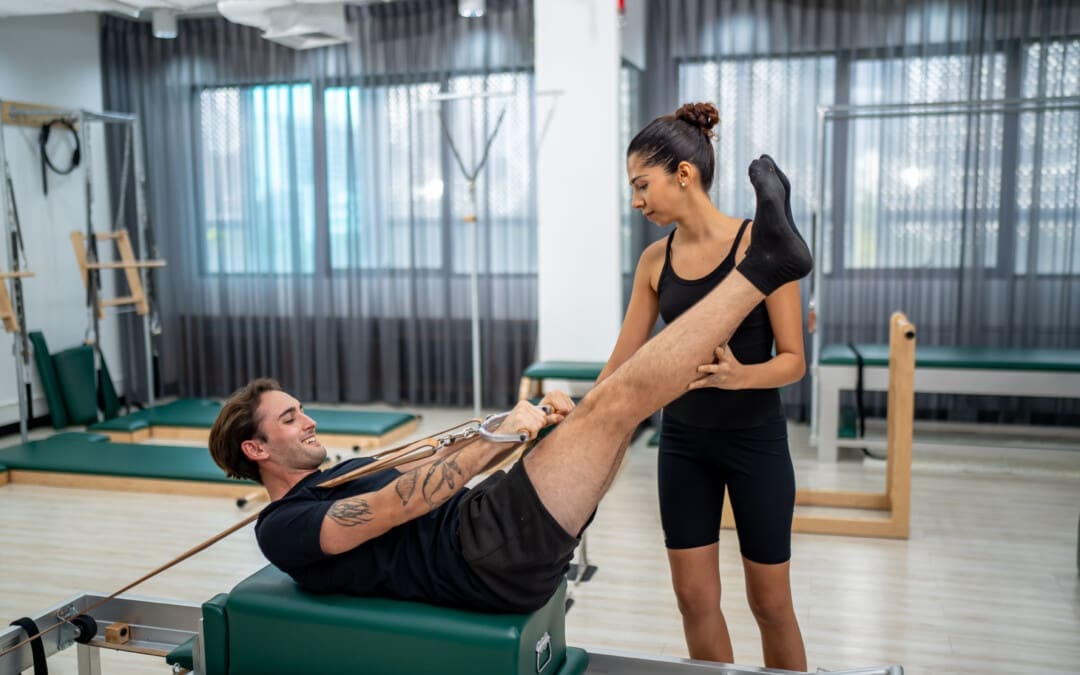
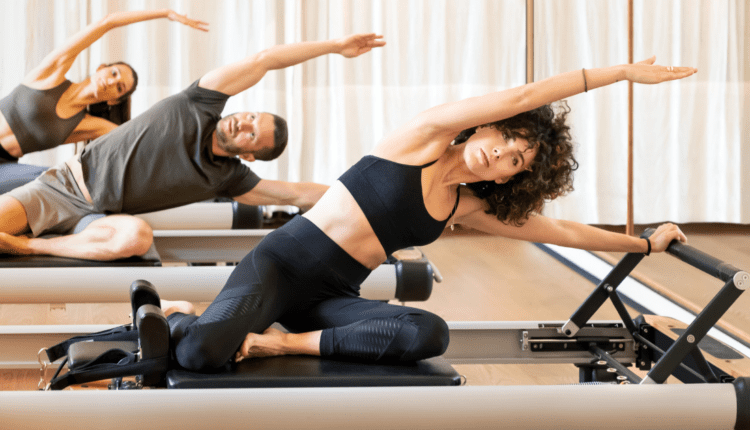
Many ask, what and when should you eat before, during, and after engaging in Pilates exercises?
Pilates Nutrition Plan
Pilates involves a lot of core work on the mat. However, it does not require a special diet. To fully utilize Pilates nutrition, individuals should consider what foods keep their bodies feeling the most balanced. A balanced nutrition plan can enhance Pilates practice by:
Providing sustained energy
Supporting muscle recovery
Promoting overall well-being
Pre-Pilates
Timing
Eat a light meal or snack 2-3 hours before a class or a smaller snack 30 minutes before.
Food Options
Eat complex carbohydrates like whole grains, fruits, and vegetables for sustained energy.
Avoid
Heavy, greasy, or spicy foods may cause discomfort during exercise.
Foods that will make you gassy or cause queasiness.
During the Workout
Complex carbohydrates and lean proteins, with a little healthy fat, are good pre-Pilates meals, as they sustain energy better than simple carbs or sugary snacks. (American Heart Association, 2024) Suggestions for a pre-Pilates meal.
Individuals can adjust the portion size.
A protein shake that uses fruit can be convenient.
Peanut butter on whole-grain bread offers a quick source of complex carbohydrates and protein.
Yogurt with fruit.
Small portion of oatmeal.
Because Pilates emphasizes using the abdominal muscles, individuals will want to ensure that any food they’ve eaten before their session is fully digested. Try to eat light before, like snacking on a banana or sipping on a smoothie for some carbohydrates for energy. Regardless of what is eaten, nutrition experts recommend waiting two to three hours after eating before exercising.
Maintain Hydration
Drink water and/or eat hydrating fruits throughout the day, especially before and during the workout or class.
After Working Out
Individuals want to ensure their bodies have enough nutrients to strengthen their muscles and replenish their energy. Try a protein green smoothie afterward or a light snack with lean protein like fish or chicken and carbohydrates like whole grains. The diet between workouts will depend on weight loss goals.
Timing
Consume a protein-rich snack or meal within 30-60 minutes after your class to aid muscle recovery.
Food Choices
Focus on protein for muscle repair and carbohydrates to replenish energy stores.
Hydration
Continue to hydrate to replenish fluids lost through perspiration.
While Pilates can complement cardiovascular exercise as part of a fat-burning workout program, health experts advise that losing weight will not come from exercise alone. Individuals will need to work on reducing their calorie intake overall. (Centers for Disease Control and Prevention, 2023)
Injury Medical Chiropractic and Functional Medicine Clinic
As a Family Practice Nurse Practitioner, Dr. Jimenez combines advanced medical expertise with chiropractic care to address various conditions.
Wellness & Nutrition: Personalized plans to optimize health and prevent disease.
Sports Injuries & Orthopedic Care: Treatment for sprains, strains, and complex injuries.
Chronic Pain Management: Non-invasive solutions for fibromyalgia, sciatica, and low back pain.
Personal Injury & Auto Accident Care: Tailored rehabilitation for whiplash, soft tissue injuries, and more.
Functional Medicine: Root-cause analysis for chronic disorders, incorporating nutrition, lifestyle, and environmental factors.
Neuromusculoskeletal Health: Care for neck pain, migraines, herniated discs, and scoliosis.
Our clinic integrates Functional Medicine, Acupuncture, Electro-Acupuncture, and Sports Medicine to create customized care plans that promote natural healing, mobility, and long-term wellness. By focusing on flexibility, agility, and strength, we empower patients to thrive, regardless of age or health challenges. At El Paso’s Chiropractic Rehabilitation Clinic & Integrated Medicine Center, we passionately focus on treating patients after injuries and chronic pain syndromes. We focus on improving your ability through flexibility, mobility, and agility programs tailored for all age groups and disabilities. We use in-person and virtual health coaching and comprehensive care plans to ensure every patient’s personalized care and wellness outcomes.
Home Exercises for Pain Relief
References
American Heart Association. (2024). Food as fuel before, during, and after workouts. https://www.heart.org/en/healthy-living/healthy-eating/eat-smart/nutrition-basics/food-as-fuel-before-during-and-after-workouts
Centers for Disease Control and Prevention. (2023). Tips for Maintaining Healthy Weight. Retrieved from https://www.cdc.gov/healthy-weight-growth/about/tips-for-balancing-food-activity.html?CDC_AAref_Val=https://www.cdc.gov/healthyweight/calories/index.html
Dr. Alex Jimenez: Pioneering Integrative Care as a Chiropractor and Nurse Practitioner
Dr. Alex Jimenez, a licensed chiropractor and board-certified nurse practitioner based in El Paso, Texas, brings over 25 years of expertise to his Injury Medical & Chiropractic Clinic practice. His dual licensure provides unique insights into the etiologies, pathogenesis, and treatment of complex clinical conditions, enabling him to deliver patient-centered, integrative care that bridges physical medicine, functional medicine, and advanced diagnostics. Combining chiropractic expertise with nurse practitioner-driven medical management, Dr. Jimenez offers comprehensive treatment protocols tailored to acute and chronic conditions, promoting metabolic resilience, longevity, and whole-person wellness.
Dual Expertise: Chiropractic and Nurse Practitioner Roles
Dr. Jimenez’s practice stands out due to his ability to integrate the biomechanical focus of chiropractic care with a nurse practitioner’s diagnostic and therapeutic scope. As a chiropractor, he specializes in restoring musculoskeletal function, particularly after trauma, neck, back, spine, and soft tissue injuries. His chiropractic interventions emphasize non-invasive techniques, such as spinal decompression, manual adjustments, and functional rehabilitation, to alleviate pain and enhance mobility.
As a board-certified nurse practitioner, Dr. Jimenez employs evidence-based medicine to address systemic and metabolic dysfunctions. His expertise extends to managing chronic degenerative disorders, hormonal imbalances, weight loss, sexual health, and pain syndromes. This dual perspective allows him to identify underlying disease causes, from biomechanical misalignments to physiological imbalances, and design treatment regimens that address symptoms and root causes.
The synergy of these roles enables Dr. Jimenez to offer a holistic approach that is particularly effective for complex conditions such as sciatica, fibromyalgia, disc herniation, spondylolisthesis, and chronic neck or back pain. His integrative protocols combine functional medicine assessments, lifestyle interventions, and advanced diagnostics to achieve homeostasis and physiological balance.
Treatment Protocols: Evidence-Based and Patient-Centered
Drawing from integrative protocols outlined on his website, www.chiromed.com, Dr. Jimenez employs a multidisciplinary approach to patient care. His treatment plans are grounded in evidence-based medicine, functional medicine, and lifestyle wellness strategies, tailored to each patient’s unique health profile, lifestyle, and medical history. Below are key components of his integrative care model:
1. Chiropractic Care and Functional Rehabilitation
Spinal Decompression: Non-surgical decompression therapy is used to relieve pressure on spinal discs, addressing conditions like disc herniation, sciatica, and spinal stenosis. This modality promotes healing by improving blood flow and nutrient delivery to affected areas.
Manual Adjustments: Targeted adjustments correct spinal misalignments, reduce nerve compression, and restore joint mobility. These are particularly effective for whiplash, scoliosis, and poor posture.
Functional Strength Training: Dr. Jimenez designs conditioning programs to enhance recovery and prevent re-injury. These programs are tailored for athletes and individuals seeking optimal performance and incorporate mobility, flexibility, and agility training.
2. Functional Medicine Assessments
Functional medicine tools evaluate metabolic, hormonal, and nutritional status. These assessments identify the root causes of conditions such as fatigue, weight gain, or chronic pain, enabling precise interventions.
Advanced diagnostic protocols, including blood panels and imaging, provide data-driven insights into etiologies and pathogenesis. This allows Dr. Jimenez to address underlying dysfunctions rather than merely masking symptoms.
3. Lifestyle and Nutritional Interventions
Weight Loss and Metabolic Resilience: Dr. Jimenez integrates nutritional counseling and metabolic optimization strategies to support sustainable weight loss and prevent chronic diseases like diabetes or cardiovascular disorders.
Hormone and Sexual Health: Personalized regimens address hormonal imbalances and sexual dysfunction, improving quality of life and overall wellness.
Pain Management: Nutritional and lifestyle modifications complement physical therapies to manage chronic pain syndromes, reducing reliance on pharmaceuticals.
4. Specialized Care for Complex Conditions
Sciatica and Disc Injuries: Dr. Jimenez employs targeted decompression and rehabilitation protocols to alleviate nerve compression and restore function.
Chronic Degenerative Disorders: Conditions like fibromyalgia, arthritis, and spondylolisthesis are managed through integrative plans that combine physical therapy, nutritional support, and metabolic optimization.
Sports and Auto Accident Injuries: Tailored rehabilitation programs address soft tissue damage, shoulder injuries, and whiplash, ensuring rapid recovery and long-term resilience.
5. Advanced Wellness Programs
Dr. Jimenez’s clinic offers comprehensive wellness programs on longevity, skin care, and hair loss. These programs integrate nutritional supplementation, lifestyle coaching, and cutting-edge therapies to promote vitality and aesthetic health.
High-level conditioning programs optimize performance for athletes, incorporating functional strength training and recovery-focused interventions.
Integrative Team and Clinic Highlights
Injury Medical & Chiropractic Clinic is El Paso’s largest mobility, flexibility, and agility center, integrating chiropractors, nurse practitioners, registered nurses, nutritionists, and physical performance trainers. The clinic’s multidisciplinary team collaborates to deliver personalized care, ensuring patients achieve measurable health outcomes. Key services include:
Acupuncture: A Complementary therapy to reduce pain and promote relaxation.
Advanced Nutritional Programs: Evidence-based dietary plans to support metabolic health and recovery.
Physical Performance Training: Programs to enhance fitness, prevent injuries, and optimize athletic performance.
The clinic accepts major insurances, including Aetna, Blue Cross Blue Shield, Cigna, and First Health, making care accessible to a broad patient base.
Insights from Dual Licensure
Dr. Jimenez’s licensure as both a chiropractor and nurse practitioner provides him with a comprehensive understanding of disease processes and treatment modalities. His chiropractic training equips him to address biomechanical dysfunctions, while his nurse practitioner expertise allows him to manage systemic conditions with a medical lens. This dual perspective enhances his ability to:
Clarify Etiologies: By combining musculoskeletal assessments with metabolic and hormonal evaluations, Dr. Jimenez identifies multifactorial causes of conditions, ensuring targeted interventions.
Understand Pathogenesis: His knowledge of disease progression informs proactive treatment plans that halt or reverse degenerative processes.
Design Appropriate Regimens: Integrating physical, nutritional, and medical therapies, Dr. Jimenez creates synergistic treatment plans that address both symptoms and underlying dysfunctions.
This integrative approach is particularly valuable for patients with chronic or multifactorial conditions, as it addresses the interplay between physical, metabolic, and lifestyle factors.
Patient-Centered Care: In-Person and Online
Dr. Jimenez’s practice emphasizes personalized attention, whether patients visit in person at 11860 Vista Del Sol, Suite 128, El Paso, TX 79936, or engage through telehealth. His functional medicine series, accessible via www.dralexjimenez.com, educates patients on holistic health principles, covering topics from spinal health to metabolic optimization. The website features:
Informative Content: Blog posts, articles, and videos provide insights into chiropractic care, functional medicine, and injury rehabilitation.
Patient Testimonials: Success stories highlight the transformative impact of Dr. Jimenez’s care, showcasing outcomes for conditions like sciatica, sports injuries, and chronic pain.
Appointment Booking: A user-friendly interface allows patients to schedule in-person or online consultations, with clear guidance on what to expect during their first visit.
Commitment to Education and Community Health
Dr. Jimenez is dedicated to empowering patients through education. His website is comprehensive, offering evidence-based information on health conditions, treatment options, and wellness strategies. By fostering health literacy, Dr. Jimenez enables patients to make informed decisions and take charge of their well-being.
His commitment extends to the El Paso community, where he aims to expand access to integrative care. Dr. Jimenez promotes proactive health management and preventive care through workshops, online content, and community outreach.
Conclusion
Dr. Alex Jimenez’s dual expertise as a chiropractor and nurse practitioner positions him as a leader in integrative medicine. His ability to bridge physical medicine with systemic health management allows him to address complex clinical issues with precision and compassion. Dr. Jimenez delivers personalized care that promotes healing, resilience, and longevity by leveraging evidence-based protocols, advanced diagnostics, and lifestyle interventions.
For more information or to schedule an appointment, visit www.dralexjimenez.com or contact the clinic at +1-915-412-6677.
For individuals dealing with digestive issues and conditions, can incorporating Tai Chi help improve gut health?
Tai Chi For Gut Health
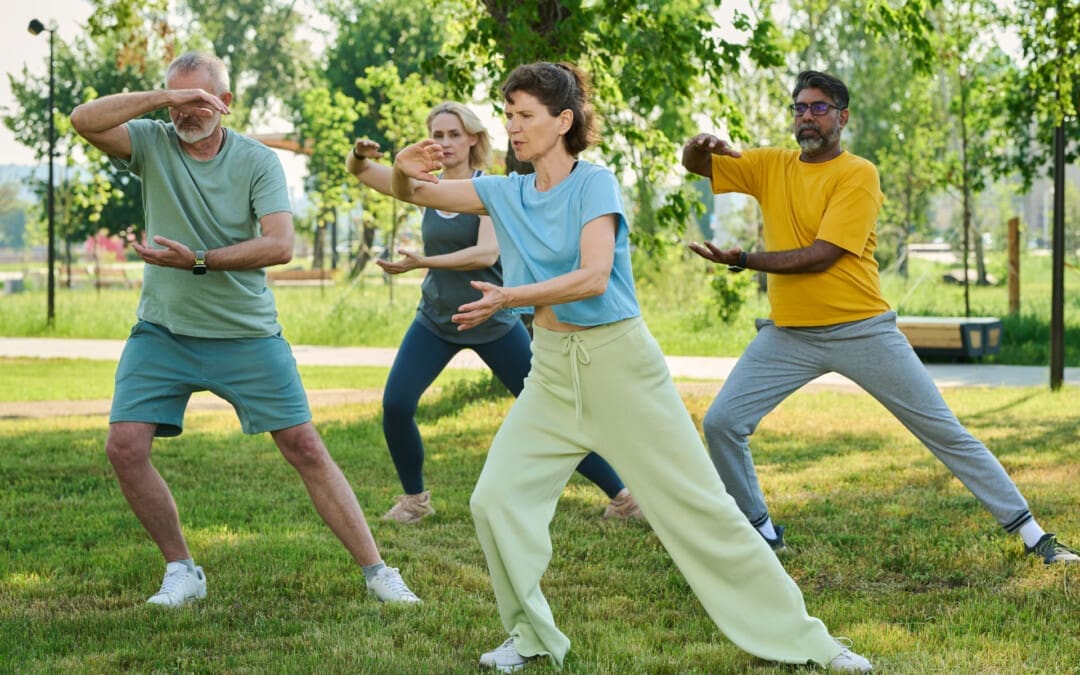
Tai Chi is an exercise that has been referred to as moving meditation. The practice is rooted in Chinese medicine, which fuses martial arts and meditation. The art of Tai Chi is used to improve physical health. It can also positively impact gut health by improving digestive function, reducing inflammation, and influencing the gut microbiota composition. The slow, controlled movements and deep breathing can stimulate abdominal and pelvic organs, promoting digestion. Additionally, it has been shown to reduce inflammation in the gut and increase the diversity of gut bacteria, including beneficial butyrate-producing bacteria. (Kang D., Wang X., & Wang J., 2023)
Types
The idea is to slow down your mind and body by repeating rhythmic choreography and breathwork for about 30 to 60 minutes, culminating in finding a sense of inner peace and tranquility.
Primary Forms/Styles
These include Chen, Yang, Wu, Sun, and Wu/Hao. Each follows the same origins and principles with variations. (Tai Chi for Health Institute, 2007)
Chen Style
Considered the oldest and original style, the Chen style is characterized by explosive power, low stances, and a combination of fast and slow movements, including jumping, kicking, and striking.
Chen also utilizes a movement called “silk reeling,” a spiral-esque, flowing movement that starts at the feet and moves into the hands.
Yang Style
Yang is often considered the most popular form of Tai Chi and is practiced worldwide.
Yang Tai Chi focuses more on improving flexibility through grand, sweeping movements executed slowly and gracefully.
Wu Style
Wu Tai Chi emphasizes small, compact movements and a medium stance. Its focus is on extending the body by leaning forward and backward.
Sun Style
Sun Tai Chi combines elements of Tai Chi, Xing Yi, and Ba Gua, resulting in a unique style with fluid, circular movements.
Hao Style
This style is characterized by small-frame movements focusing on accurate position and internal strength.
Tai Chi can indirectly benefit gut health by reducing stress levels.
Its emphasis on slow movements and deep breathing can help reduce stress.
Combining meditative practices with physical movement can help calm the mind, improve focus, and even trigger the release of endorphins.
Improved Digestion
Gentle, flowing movements, particularly those involving the diaphragm, can massage and stimulate the abdominal and pelvic organs, aiding the digestive process.
Reduced Inflammation
Tai Chi can help reduce gut inflammation, a common issue in conditions like inflammatory bowel disease (IBD).
Gut Microbiota Changes
Tai Chi has been found to positively influence the gut microbiota composition, increasing the diversity and abundance of beneficial bacteria.
Improved Gut Barrier Function
Tai Chi may help improve the integrity of the gut barrier, which is essential for preventing harmful substances from entering the bloodstream and causing inflammation.
Increased Butyrate Production
Tai Chi can promote the growth of butyrate-producing bacteria, which are important for intestinal health and can reduce inflammation.
Overall Health Benefits
Increases Cognitive Function
In addition to improving your mental well-being, Tai Chi has also been found to boost cognitive abilities.
A meta-analysis stated that physical exercise, in general, improves cognitive function, and researchers specifically recommended Tai Chi for elderly individuals since it’s a gentler and more accessible form of physical exercise that also combines mental exercises through repeated choreography. (Yin Wu, et al., 2013)
Increases Flexibility and Agility
Similar to yoga, Tai Chi often involves body extensions that can improve flexibility and agility.
This is useful in daily activities and makes you more agile and capable in other sports.
Improves Balance and Coordination
In addition to improving flexibility and agility, the intricate movements can help balance and coordination.
This skill is useful in daily life.
It can help with fine motor skills and even prevent trips, stumbles, falls, and other sports.
Enhances Strength and Stamina
As with any form of physical exercise, Tai Chi can build upon existing strength and stamina.
With ongoing practice, individuals become leaner, their muscles are more defined, and they can exercise longer.
Injury Medical Chiropractic & Functional Medicine Clinic
Talk to a healthcare provider to learn what interventions would help the most. Injury Medical Chiropractic and Functional Medicine Clinic works with primary healthcare providers and specialists to develop an optimal health and wellness solution. We focus on what works for you to relieve pain, restore function, and prevent injury. Regarding musculoskeletal pain, specialists like chiropractors, acupuncturists, and massage therapists can help mitigate the pain through spinal adjustments that help the body realign itself. They can also work with other medical professionals to integrate a treatment plan to resolve musculoskeletal issues.
Body Maintenance
References
Kang, D., Wang, X., & Wang, J. (2023). Intervention study of tai chi training on the intestinal flora of college student basketball players. Medicine, 102(36), e35044. https://doi.org/10.1097/MD.0000000000035044
Wu Y, W. Y., Burgess EO, Wu J. (2013). The effects of Tai Chi exercise on cognitive function in older adults: A meta-analysis. Journal of Sport and Health Science, 2(4), 193-203. https://doi.org/https://doi.org/10.1016/j.jshs.2013.09.001
Tai Chi for Health Institute. (2018). History of Tai Chi. https://taichiforhealthinstitute.org/history-of-tai-chi/#:~:text=Based%20on%20Qigong%20and%20martial%20art%20techniques,It%20contains%20explosive%20power%20and%20low%20stances.
Join the calisthenics movement and experience a versatile approach to fitness designed for all skill levels.
Introduction
Many people might suffer musculoskeletal ailments due to their stressful schedules and habits. Anyone at any age may be affected by it, from muscular imbalances to low back discomfort; therapy is required when people have overlapping risk profiles. Many patients begin seeking therapy for musculoskeletal diseases to lessen the pain they experience. Many would choose surgical treatment to alleviate the overlapping risk profiles depending on the degree. Others, conversely, could attempt non-surgical methods to alleviate musculoskeletal discomfort. Since musculoskeletal issues are one of the main causes of disability, non-surgical therapies may safely and affordably relieve the body’s misdirected pain. By aligning the spine and extending the afflicted muscles, non-surgical therapies such as chiropractic adjustments may help alleviate musculoskeletal problems. However, to assist patients in healing over the long term, chiropractors will create a personalized treatment plan that includes active movement exercises—where calisthenics comes in—to help rebuild muscle strength and mobility function.
What is Calisthenics?
Also known as bodyweight training, calisthenics utilizes the person’s body to build muscle strength and increase flexibility while enhancing neuromuscular control. When people start incorporating regular physical activity into their routine, they will notice their health and quality of life improved, their fitness levels will increase, and the risk of several chronic diseases associated with the musculoskeletal body will be reduced. (Bellissimo et al., 2022) The best way to think about calisthenics is to think like push-ups, planks, squats, and dynamics stretches when working out. Additionally, calisthenics can be scalable and adaptable to any person’s fitness level without heavy gym equipment or HIIT workouts. For individuals dealing with musculoskeletal conditions like low back pain or associated pain symptoms, calisthenics is a safer and more effective option. Calisthenics can even help with cognitive decline associated with musculoskeletal disorders by reducing comorbidities correlated with the muscles and cognitive function. (Osuka et al., 2020)
How It Supports Musculoskeletal Health?
Musculoskeletal pain is a multi-factorial condition that involves environmental factors that cause long-term pain and disability. (Caneiro et al., 2021) Everyday motions can cause strain and fatigue to the various muscle groups and, over time, can affect the joints in the extremities. For individuals dealing with musculoskeletal disorders, calisthenics can offer numerous benefits to reduce pain-like symptoms associated with the musculoskeletal system:
Improved Core Stability: Calisthenics can help strengthen the core muscles, providing the necessary stability to reduce low back pain. (Zemkova & Zapletalova, 2022)
Enhanced Mobility: Calisthenics can utilize gentle functional movements within the upper and lower extremities to help preserve the joint’s range of motion.
Injury Prevention: Individuals incorporating calisthenics for muscle pain will notice that their postural muscles are getting stronger, thus improving body biomechanics and reducing compensatory movements.
Neuromuscular Re-education: Calisthenic exercises help retrain muscles to fire appropriately, which is excellent for individuals with a sedentary lifestyle. Individuals with a sedentary lifestyle who start doing calisthenic exercises will notice a positive effect on energy expenditure, endothelial function, and muscle improvement. (Mear et al., 2022)
Can Core Exercises Help With Back Pain?-Video
Calisthenics Integrated With Chiropractic Care
When it comes to incorporating non-surgical treatment with calisthenics, chiropractic care can help many individuals deal with overlapping pain symptoms associated with musculoskeletal disorders. Chiropractic care incorporates mechanical and manual spinal manipulation to help realign the spine and remobilize the body while reducing muscle pain. (Coulter et al., 2018) When chiropractors address the structural misalignment of the person’s spine through adjustments, they can pinpoint the causes and start to assess the individual by coming up with a personalized treatment plan that includes calisthenics as part of their active rehabilitation to reengage their musculoskeletal system to maintain the improvements. In chiropractic and functional medicine settings, calisthenics is often prescribed as part of active rehabilitation. After addressing structural misalignments through manual adjustments, patients are encouraged to reengage their musculoskeletal system to maintain improvements.
Here’s how calisthenics fits in:
Post-Adjustment Stabilization: Exercises help “lock in” structural corrections by reinforcing proper posture and movement.
Corrective Exercise Protocols: Practitioners may prescribe targeted calisthenics to improve muscular imbalances contributing to pain.
Home Programs: These exercises are ideal for patients to perform safely at home with little to no equipment.
Calisthenic Exercises For Low Back Pain
For individuals dealing with acute or chronic low back pain, these beginner-friendly calisthenics exercises can help relieve muscle tension in the lower back while promoting postural stability. It is always important to consult a doctor before starting a new exercise routine.
Glute Bridge
Glute bridges can help decompress the lumbar spine while strengthening the glutes and hamstrings.
How to do it:
Laying down on your back with knees bent and feet flat on the floor.
By engaging the core muscles, lift the hips towards the ceiling.
Hold the position for 5 seconds, then lower slowly.
Repeat 10–15 times for three sets.
Bird-Dog
Bird-Dog can be an excellent exercise to help individuals improve their spinal stability by engaging their core and multifidus muscles to reduce back pain.
How to do it:
Be on a mat on your hands and knees to have a neutral spine alignment.
Simultaneously extend the right arm and left leg while keeping your spine neutral.
Hold the position for 5-10 seconds, then slowly switch sides.
Perform 10 reps per side for three sets.
Wall Sit
Wall sit exercises are excellent for individuals with low back pain. They help strengthen the surrounding muscles in the lumbar spine and activate the quadriceps to support neutral pelvic alignment.
How to do it:
Stand up straight with your back against a wall and slide to a seated position with the thighs parallel to the floor
Engage the core muscles and hold between 10-30 seconds. Tip: Gradually increase the time for an effective workout.
Repeat 3–5 times for three sets.
Pelvic Tilt
For individuals dealing with tension and low back pain in their lumbar spine, pelvic tilts can help provide relief while improving core muscle control.
How to do it:
Lay on your back with bent knees on a mat.
Gently lower your lower back into the mat while engaging the core muscles.
Hold the position for 10 seconds before relaxing.
Repeat the motion for 10–15 times for three sets.
Conclusion
Calisthenics is more than simply a bodyweight exercise; it’s a fantastic therapeutic technique that can be used in conjunction with chiropractic adjustments. By using exercises to reenergize the musculoskeletal system and lessen muscular soreness, calisthenics may motivate people to take charge of their health and wellbeing. Calisthenic exercises may hasten rehabilitation, avert more injuries, and enhance general functional ability since the body’s primary function is mobility. People who begin using calisthenics into their everyday practice will see that their movement improves and that their fitness objectives are met.
Injury Medical & Functional Medicine Clinic
We associate with certified medical providers who understand the importance of assessing individuals with musculoskeletal disorders affecting their daily routines. When asking important questions to our associated medical providers, we advise patients to incorporate exercises like calisthenics to help reengage the musculoskeletal system while reducing muscle pain within the lumbar region. Dr. Alex Jimenez, D.C., uses this information as an academic service. Disclaimer.
References
Bellissimo, G. F., Ducharme, J., Mang, Z., Millender, D., Smith, J., Stork, M. J., Little, J. P., Deyhle, M. R., Gibson, A. L., de Castro Magalhaes, F., & Amorim, F. (2022). The Acute Physiological and Perceptual Responses Between Bodyweight and Treadmill Running High-Intensity Interval Exercises. Front Physiol, 13, 824154. https://doi.org/10.3389/fphys.2022.824154
Caneiro, J. P., Bunzli, S., & O’Sullivan, P. (2021). Beliefs about the body and pain: the critical role in musculoskeletal pain management. Braz J Phys Ther, 25(1), 17-29. https://doi.org/10.1016/j.bjpt.2020.06.003
Coulter, I. D., Crawford, C., Hurwitz, E. L., Vernon, H., Khorsan, R., Suttorp Booth, M., & Herman, P. M. (2018). Manipulation and mobilization for treating chronic low back pain: a systematic review and meta-analysis. Spine J, 18(5), 866-879. https://doi.org/10.1016/j.spinee.2018.01.013
Mear, E., Gladwell, V. F., & Pethick, J. (2022). The Effect of Breaking Up Sedentary Time with Calisthenics on Neuromuscular Function: A Preliminary Study. Int J Environ Res Public Health, 19(21). https://doi.org/10.3390/ijerph192114597
Osuka, Y., Kojima, N., Sasai, H., Ohara, Y., Watanabe, Y., Hirano, H., & Kim, H. (2020). Exercise Types and the Risk of Developing Cognitive Decline in Older Women: A Prospective Study. J Alzheimers Dis, 77(4), 1733-1742. https://doi.org/10.3233/JAD-200867
Zemkova, E., & Zapletalova, L. (2022). The Role of Neuromuscular Control of Postural and Core Stability in Functional Movement and Athlete Performance. Front Physiol, 13, 796097. https://doi.org/10.3389/fphys.2022.796097
The American College of Obstetricians and Gynecologists, or ACOG, advises pregnant individuals to exercise regularly during pregnancy. (The American College of Obstetricians and Gynecologists, 2024) The guidelines indicate that individuals who regularly engage in vigorous-intensity aerobic exercise before pregnancy should continue these activities during their pregnancy. (Syed H., Slayman T., & DuChene Thoma K. 2021) According to ACOG, observational studies of pregnant individuals who exercise show benefits such as:
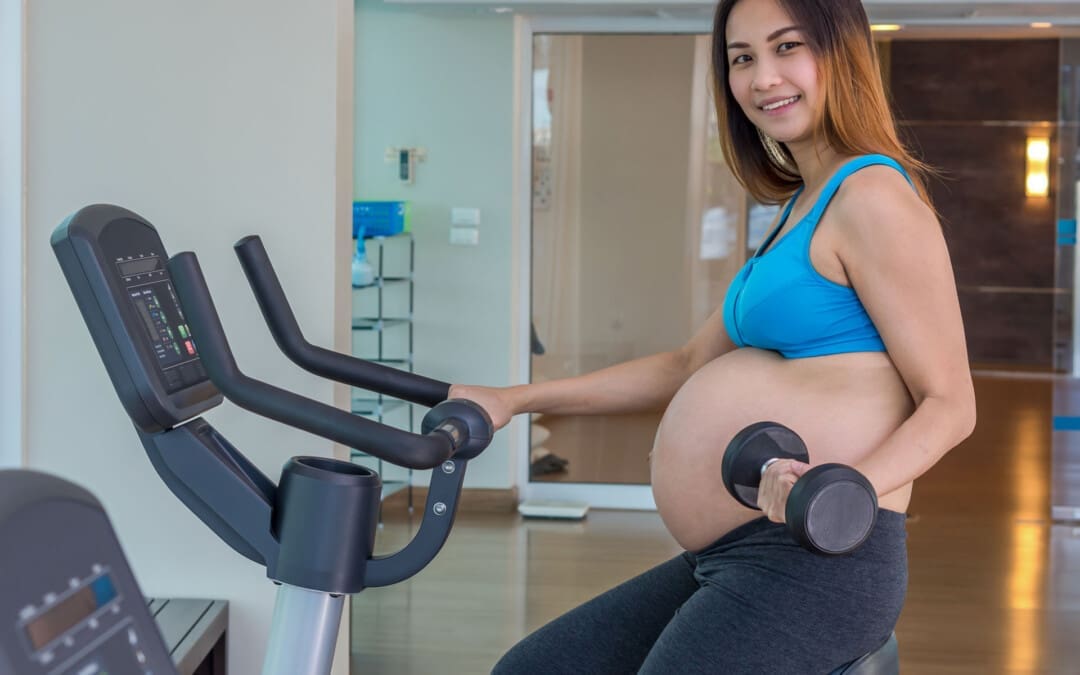
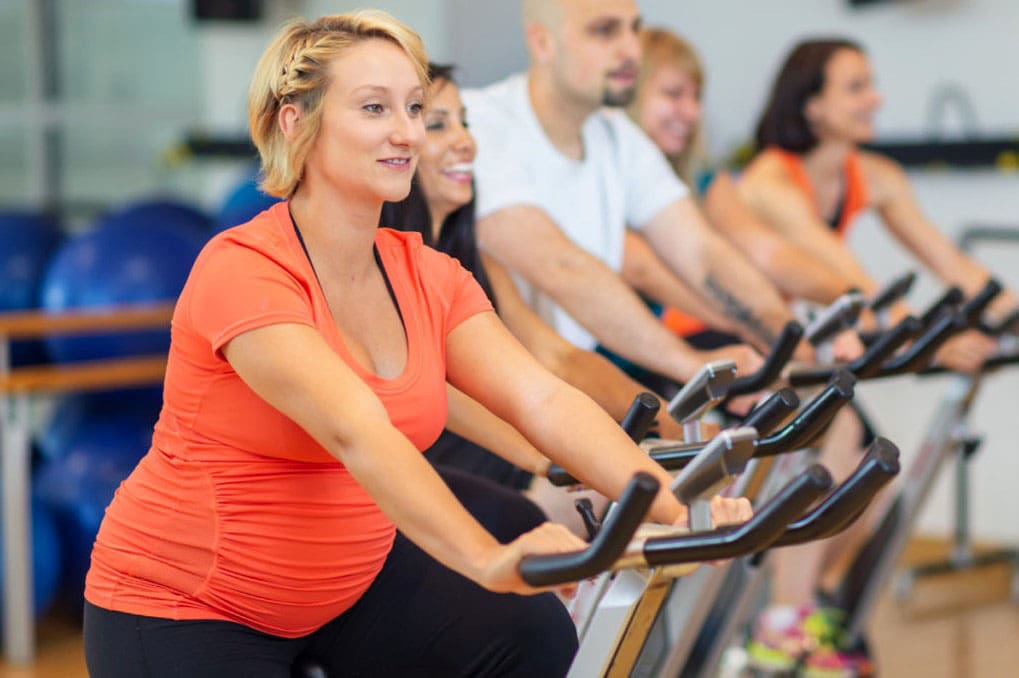
Indoor cycling is ideal because individuals won’t have to deal with balance challenges or generate a heavy impact on their joints. There are many indoor cycling workouts to try, whether spin or on-demand classes. Indoor cycling is safer during pregnancy than outdoor cycling, which is not recommended because of the risk of falls from traffic and weather conditions. Although indoor cycling is generally considered safe during pregnancy, individuals should get clearance from their OB/GYN if they have any underlying medical conditions that might limit physical activity options.
Cycling Classes
Taking cycling classes during pregnancy is safe if a healthcare provider has no concerns. It’s important to take precautions.
It’s recommended to continue with any exercise you were doing before pregnancy rather than start a new routine.
Remember that this is an exercise for two, so the heart rate will elevate quickly and become overheated more easily.
Take it easier on the bike, and don’t push too hard.
Consult With the Instructor
It’s recommended to seek out an instructor with some prenatal exercise training. Individuals may benefit from sticking with the same instructor whenever possible to get to know them and familiarize themselves with their modifications and needs. Whether or not you’re showing, tell the instructor that you’re pregnant before the class starts. This way, they can monitor progress and will not push too hard. The instructor can also give important pointers on modifying the ride to suit your needs.
Modify Bike Set-Up
Individuals may need to adjust the saddle position and raise the handlebars to stay comfortable as their bodies change. Sitting more upright is recommended to relieve strain on the lower back, and increasing the handlebars and bringing them closer instead of leaning forward is another goal. Another goal is to keep the weight more evenly distributed between the hands and body. Also, avoid movable indoor bikes that mimic outdoor riding. They can lean sideways, which might cause a fall.
Dial Down Intensity
With indoor cycling, it’s best to exercise moderately during pregnancy. Consider wearing a heart rate monitor to ensure a safe intensity. It’s also helpful to pay attention to the Rating of Perceived Exertion scale/RPE. Even if the heart rate isn’t too high, slow down or stop exercising immediately if you’re gasping for breath or feeling lightheaded. ACOG guidelines indicate that 13-14 “somewhat hard” on the Borg RPE scale is a safe and acceptable level of exertion. The guidelines also state that RPE is a better gauge of exertion than heart rate and that the talk test (holding a conversation while exercising) can indicate safe workout intensity.
Stay Cool and Properly Hydrated
Wear comfortable, breathable clothing to help you stay cool and a bra with plenty of support. Drink lots of water throughout the workout, actually more than usual. Overheating and dehydration are common during pregnancy and can be dangerous for both parents and babies. Carrying an extra 20 to 30 pounds and having 40% more blood pumping through the body toward the end of pregnancy makes you likely to sweat more and can easily lead to dehydration. Using a fan for home gyms is highly recommended.
Avoid Standing and Stay In a Seated Position
During the early months, you may be able to ride in a standing position without any problems. But as the belly grows, it changes the body’s center of gravity, putting more pressure on the joints and making it difficult to ride standing. Joints are looser or more flexible during pregnancy, which makes standing while cycling more difficult and risky. It is still a healthy workout if you stay seated the whole time—and, most importantly, avoid overdoing it or injuring yourself.
Body Signs
Listen to the body while exercising. If you get winded, dizzy, or unwell while riding, take a break or reduce your effort by a few notches. If a 45-to-60-minute class is too intense, feel free to depart early; just let the instructor know you’re OK. Energy will likely ebb and flow during pregnancy, so pay attention to the body’s signals and take care of them accordingly. Stop exercising if you experience any of the following (Syed H., Slayman T., & DuChene Thoma K. 2021)
Abdominal pain
Dyspnea: shortness of breath before exertion
Headache
Dizziness
Calf pain or swelling
Muscle weakness affects balance
Chest pain
Amniotic fluid leakage
Regular painful contractions
Vaginal bleeding
Call your doctor if you experience sharp pain, contractions, a surge of fluid, a sudden severe headache, prolonged swelling, or decreased baby movement.
Injury Medical Chiropractic & Functional Medicine Clinic
It’s important to exercise wisely during the nine months to accommodate body changes, the extra weight, the increasingly relaxed ligaments, and the shift in the center of gravity. The stationary bike provides a personalized, low-impact workout. You get to control the intensity and the duration of the ride. Monitor your heart rate and/or RPE to avoid overdoing it. Injury Medical Chiropractic and Functional Medicine Clinic works with primary healthcare providers and specialists to develop an optimal health and wellness solution. We focus on what works for you to relieve pain, restore function, and prevent injury. Regarding musculoskeletal pain, specialists like chiropractors, acupuncturists, and massage therapists can help mitigate the pain through spinal adjustments that help the body realign itself. They can also work with other medical professionals to integrate a treatment plan to resolve musculoskeletal issues.
Chiropractic Lower Back Pain Pregnancy Treatment
References
Hinman, S. K., Smith, K. B., Quillen, D. M., & Smith, M. S. (2015). Exercise in Pregnancy: A Clinical Review. Sports Health, 7(6), 527–531. https://doi.org/10.1177/1941738115599358
The American College of Obstetricians and Gynecologists. (2024). Exercise during pregnancy. https://www.acog.org/womens-health/faqs/exercise-during-pregnancy?utm_source=redirect&utm_medium=web&utm_campaign=int
Syed, H., Slayman, T., & DuChene Thoma, K. (2021). ACOG Committee Opinion No. 804: Physical Activity and Exercise During Pregnancy and the Postpartum Period. Obstetrics and gynecology, 137(2), 375–376. https://doi.org/10.1097/AOG.0000000000004266
Can stretching quadriceps help relieve stiffness and pain and improve flexibility for individuals with consistently tight quadriceps?
Quadriceps Stretches
Walking, running, biking, and other daily activities can tighten the quadriceps muscles. The quadriceps are four muscles in the front of the thigh that extend the leg and strengthen the knee. Stretching the quadriceps may be a part of a home or gym exercise program or physical therapy treatment to maintain quadricep flexibility. Resting the quadriceps with an exercise program can greatly maximize mobility and prevent injury.
Tight quadriceps may sometimes result from injuries such as patellofemoral stress syndrome or iliotibial band friction syndrome. The quads may also become tight for individuals with spinal stenosis or other related problems with the lower back. (International Sports Sciences Association, 2023) Ely’s test, also known as the Duncan-Ely test, is one way to determine whether your quadriceps are tight. It is a physical examination used to assess the flexibility and potential spasticity of the rectus femoris muscle (a quadriceps muscle) by passively flexing the patient’s knee. Lie on your stomach and try to touch your foot to your buttocks. If you can’t, the rectus femoris, one of the main muscles, may be tight and benefit from quadricep stretches. (Olivencia, O. et al., 2020)
Safety and Precautions
Before trying this or any other exercise program, consult a healthcare provider to ensure exercise is safe for you and your conditions. A professional can help diagnose any overuse injury that might be causing tight quadriceps. Quadriceps stretches will be a little more comfortable after warming up. A few minutes of walking or biking will warm the quadriceps muscles to stretch more easily.
Stretches
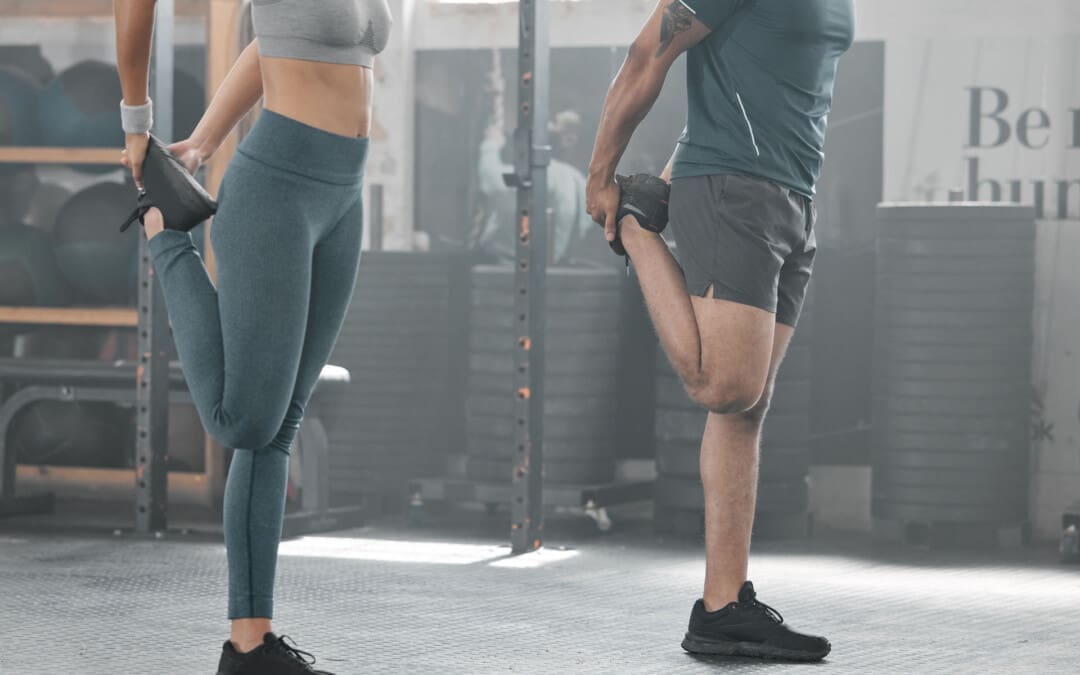
To stretch the quadriceps, try the standing, side-lying, and prone quadriceps stretch once fully warmed up and after a workout. Individuals who frequently experience quadriceps tightness should stretch them daily. Incorporate all or some of these stretches into a cool-down or off-day flexibility routine.
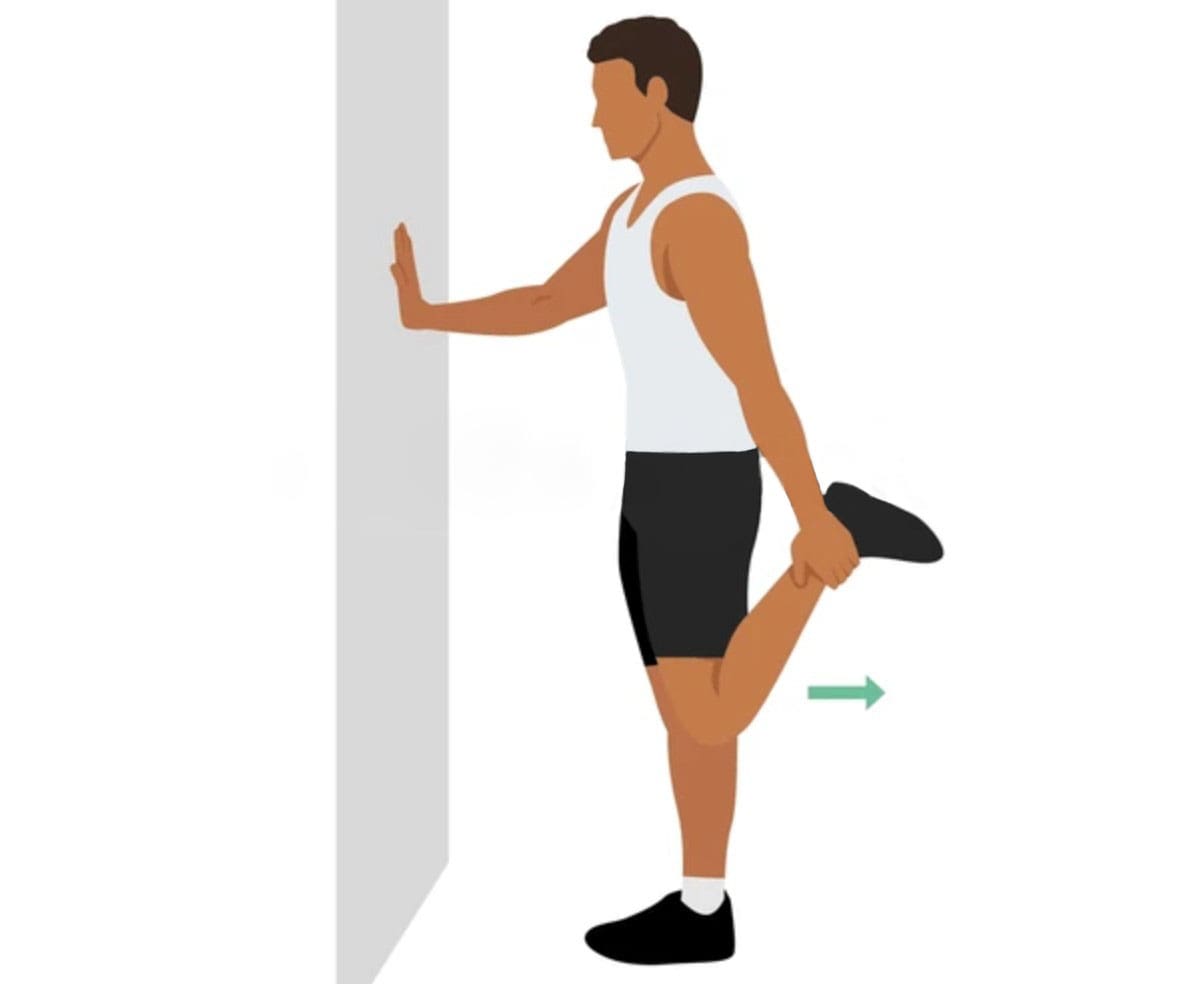
Standing Stretch
The standing quadriceps stretch can be done anywhere in the office, gym, or outside. All you need is a place to stand. Here is how:
While standing, hold onto a countertop or back of a chair to help with balance.
Bend your knee by grasping your ankle.
Move your foot toward your buttocks.
Gently pull on your ankle to bend your knee as far as possible.
Maintain position for 30 seconds.
Return to the standing position.
Repeat the exercise 3 to 5 times with each leg.
Stop stretching if there are any sharp pains.
Side-Lying Stretch
The side-lying quad stretch lengthens the quadriceps. On the floor in a supported position can help focus on the stretch. Here’s how:
Lie on your side.
Bend the knee of your top leg as far as you can, gently pulling with your hand.
Maintain position for 30 seconds.
Return to the starting position.
Repeat the exercise 3 to 5 more times with each leg.
Prone Stretch
Stretch the quadriceps while lying on your stomach. In this position, the floor helps to stabilize the pelvis, minimizing rocking and maximizing the stretch. To do the stretch:
Lie on your stomach.
Bend your knee back as far as you are able.
Grab your ankle to pull your foot toward your buttocks.
Maintain position for 30 seconds.
Return to the starting position.
Repeat the exercise 3 to 5 more times with each leg.
If you have difficulty reaching your ankle, pull the leg up, wrap a towel or strap around the ankle, and use it to pull. This can help stretch the quadriceps effectively even if you cannot reach the ankle easily.
Injury Medical Chiropractic & Functional Medicine Clinic
Consult a healthcare provider or physical therapist to learn the recommended quadriceps stretches or other strengthening exercises. Keeping the quadriceps healthy will help keep the knees moving and maximize functional mobility. Injury Medical Chiropractic and Functional Medicine Clinic works with primary healthcare providers and specialists to develop an optimal health and wellness solution. We focus on what works for you to relieve pain, restore function, and prevent injury. Regarding musculoskeletal pain, specialists like chiropractors, acupuncturists, and massage therapists can help mitigate the pain through spinal adjustments that help the body realign itself. They can also work with other medical professionals to integrate a treatment plan to resolve musculoskeletal issues.
Chiropractic Care For Leg Instability
References
International Sports Sciences Association. (2023). How to Release Tight Quads in 2 Simple Steps. ISSA. https://www.issaonline.com/blog/post/how-to-release-tight-quads-in-2-simple-steps
Olivencia, O., Godinez, G. M., Dages, J., Duda, C., Kaplan, K., Kolber, M. J., Kaplan, & Kolber (2020). THE RELIABILITY AND MINIMAL DETECTABLE CHANGE OF THE ELY AND ACTIVE KNEE EXTENSION TESTS. International journal of sports physical therapy, 15(5), 776–782. https://doi.org/10.26603/ijspt20200776
Can converting a bicycle into a stationary bike be a way for individuals to exercise more while still enjoying cycling?
Bicycle Stationary Conversion
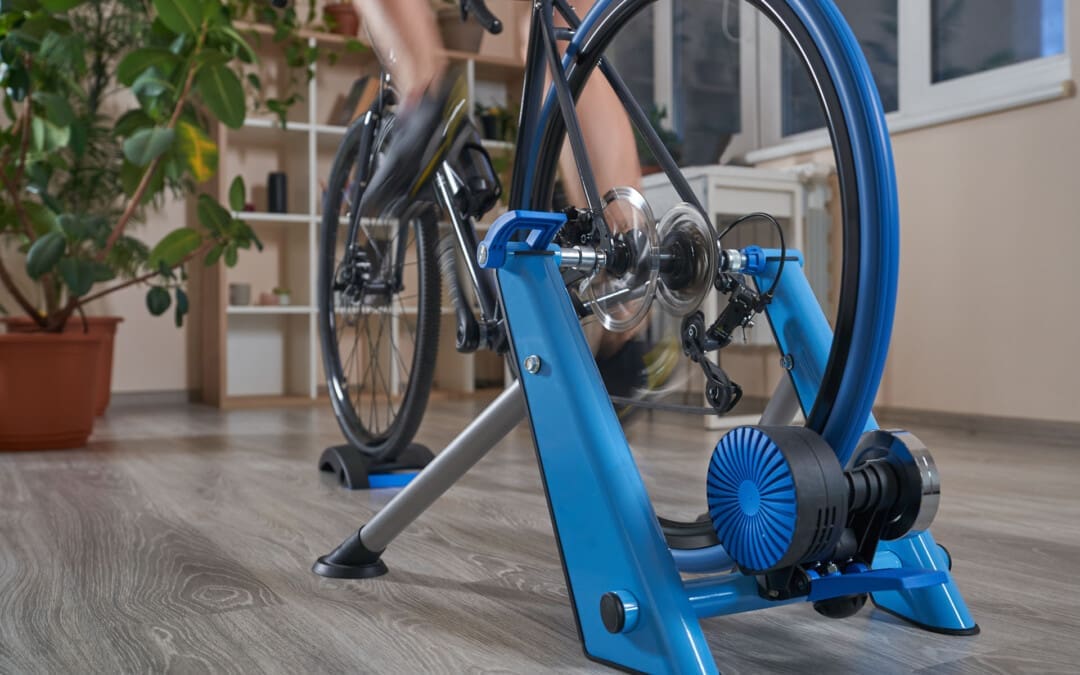
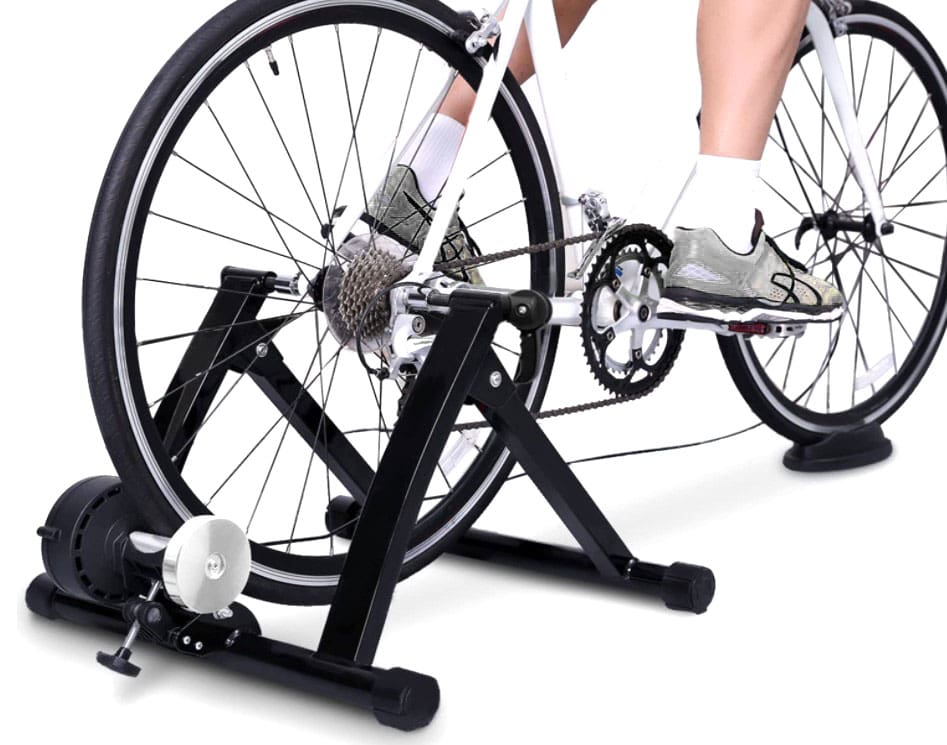
Is your bike collecting dust in the garage? Do you miss riding, but the weather or temperatures keep you indoors? Why not quickly and painlessly turn your bike into a stationary bike? An indoor stationary bike is a great way to maintain physical activity while avoiding inclement weather and outdoor elements. Plus, bicycle stationary conversion in your home, office, or garage is quick and straightforward. A bike trainer or roller is needed to convert a bicycle into a stationary bike. The bike is mounted onto the trainer stand, and its rear axle is replaced with a special axle provided with the trainer kit to secure it and hold the wheel in place while allowing you to pedal, creating resistance for indoor cycling.
Cycling
Bicycle stationary conversion isn’t only for die-hard cyclists. Research shows indoor cycling is a great way to stay healthy and consistent with your workouts. One study showed that indoor cycling improves aerobic capacity, blood pressure, lipid profile, and body composition. (Chavarrias, M. et al., 2019)
Stationary Bikes Types
For those who don’t have the space or know that they won’t regularly use a stationary bike, indoor bike trainers and rollers can provide convenient, economical, and compact options. Whether individuals want to exercise more, maintain a riding schedule, or train for an event, trainers and rollers can be highly effective tools for any cyclist. However, choosing between a bike trainer and rollers varies depending on the pros and cons. Selecting the right equipment depends on several factors, including:
Personal needs
Space – indoor or garage.
Cycling experience
Most cyclists, even hobbyists, prefer indoor cycling bikes over traditional stationary bikes because they are riding a real bicycle, including the positioning and pedaling, compared to upright, air, or recumbent bikes.
Trainer
A bike trainer is a stand that lets an individual ride a regular bicycle while stationary. Cyclists often use it to warm up before races, and it comes in handy when weather conditions or time constraints prevent riding outdoors. Most trainer stands can accommodate bicycles. Trainers are suitable for beginners and professional riders. There are two types of indoor bike trainers.
Direct-drive
Direct-drive trainers attach to the bike’s rear dropouts, replacing the wheel and providing a direct connection to the resistance unit.
These can cost more, but they’re worth the investment because they’re more accurate and deliver the highest resistance levels.
Friction
A small roller is installed against the rear wheel with friction trainers, which use magnetic or fluid resistance.
These are typically lighter and easier to transport than direct-drive trainers but are less accurate and provide less resistance.
Rollers
Rollers are the most basic type of indoor stationary bike but may not be the best option for individuals new to indoor cycling. This is because it requires advanced cycling techniques, such as balancing and keeping the front tire straight while riding. The cycle is on rollers instead of being fixed, allowing the resistance to range from zero to the equivalent of a direct-drive trainer. Rollers help refine pedaling technique and improve cycling form because you balance and stabilize while riding.
Conversion – What Is Needed
The most important equipment needed to convert the cycle is a bike stand, which will be the foundation of the stationary bike setup. (Bike To Work Day, 2025) There are two-piece stands and one-piece stands. (Bike To Work Day, 2025) Tools like an Allen wrench may be needed. Various bike trainer kits contain all the parts needed for this conversion, but extra standard tools may be required to remove the back wheel and replace the axle.
Choose the right trainer: Consider your bike type, desired resistance levels, and budget.
Install the trainer: Follow the manufacturer’s instructions to position and secure the trainer properly.
Mount the bike: Remove the rear wheel quick release, insert the trainer’s axle, and tighten it securely.
Adjust resistance: Most trainers have a knob or lever to control the difficulty level.
If you are uncertain whether your bike stand is set up correctly or having issues with the installation, contact a professional bike mechanic. They can help get the stationary bike up and running properly.
Considerations
Tire wear: Using a dedicated trainer tire for the rear wheel can minimize wear and tear.
Noise level: Some trainers can be noisy, especially wheel-on types.
Stability: Ensure the bike is properly secured on the trainer and your training area is stable.
Injury Medical Chiropractic and Functional Medicine Clinic
Injury Medical Chiropractic and Functional Medicine Clinic works with primary healthcare providers and specialists to build optimal health and wellness solutions. Regarding musculoskeletal pain, specialists like chiropractors, acupuncturists, and massage therapists can help mitigate the pain through spinal adjustments that help the body realign itself. The clinic can also work with other medical professionals to integrate a treatment plan to resolve musculoskeletal problems.
Body In Balance: Chiropractic, Fitness, and Nutrition
References
Chavarrias, M., Carlos-Vivas, J., Collado-Mateo, D., & Pérez-Gómez, J. (2019). Health Benefits of Indoor Cycling: A Systematic Review. Medicina (Kaunas, Lithuania), 55(8), 452. https://doi.org/10.3390/medicina55080452
Bike To Work Day. (2025). How to turn a bike into a stationary bike: Things to know. https://biketoworkday.us/turn-a-bike-into-a-stationary-bike/#Setting_up_Your_Stationary_Bike
IFM's Find A Practitioner tool is the largest referral network in Functional Medicine, created to help patients locate Functional Medicine practitioners anywhere in the world. IFM Certified Practitioners are listed first in the search results, given their extensive education in Functional Medicine