Football season is here, and the sport demands healthy, strong bodies. It is explosive, with high-intensity plays lasting between 2-15 seconds. Strength and power are put out in a few moments then the player rests up and does it again. A football training chiropractor can take players to another level with therapeutic massage, body strengthening, and rehabilitation so that players can enjoy a healthy injury-free season.
Football Training
Stretching and Warm-Up
Stretching and a dynamic warm-up are essential to strengthening the body and preventing injury. Stretching is necessary to increase the range of motion in the muscles, especially when the body is in an awkward position; it can adapt. A dynamic warm-up increases the core temperature of the muscles and prepares the muscles, joints, and nervous system for the physical event. The critical muscles are the hip flexors, hamstrings, and calves. The warm-up consists of a series of progressive movement drills that include:
Proper stretching, followed by a dynamic warm-up, will maximize performance.
Cardio, Aerobic, and Anaerobic Fitness
Cardio training increases oxygen and blood circulation to play for a long time without getting tired.
Aerobic fitness increases oxygen and provides endurance to break through or enhance tackles, sustained effort, and strength.
Anaerobic fitness utilizes high-intensity exercises to challenge the body without using a lot of oxygen like cardio and aerobics do.
All are important, especially for players playing the whole or most of the game.
Core Strength
The core is where power and strength come from. It refers to the muscles around the trunk and pelvis, including the diaphragm, abdominal wall, low back, and hips. Reinforcing the core will enhance balance, stability, and efficiency and reduce the risk of injury. The core muscles under the washboard abs link upper-body power with lower-body torque. In-season strength training provides a progressive buildup to optimal fitness and performance. The focus is on the following:
Speed maintenance.
Aerobic and anaerobic fitness.
Strength and power.
Emphasis on injury prevention training stabilizer muscles for balance and agility.
It is recommended to allow at least two days between training sessions and games. Avoid strength training on the same day as working out on the field.
Rest entirely from strength training for one week in five.
Light workouts are fine.
Hydration
Football players have unique hydration needs due to the exposure to extreme heat or cold while wearing heavy equipment. Top-rated athletic trainers monitor weather conditions, length and time of day at practice and games, and the hydration levels of each player. Hydration recommendations include:
Hydrate before, during, and after practices and games.
Two to three hours before the game, drink 17 to 20 fluid ounces of water or a sports drink.
Ten to 20 minutes before the game, drink seven to 10 fluid ounces of water or a sports drink.
During practices, drink seven to 10 fluid ounces of water or sports drink every 10 to 20 minutes with the helmet off.
Post-practice/game, correct any fluid loss, ideally within two hours.
The hydration should contain water to restore hydration, carbohydrates to replenish glycogen stores, and electrolytes to speed the recovery process.
Football Training Chiropractic
Chiropractic care has become integral to NFL players’ health and training programs. All 32 teams have a chiropractor, and according to the Professional Football Chiropractic Society, the average NFL team chiropractor gives 30-50 treatments a week. Chiropractic treats conditions like neuromusculoskeletal strain injuries, neck pain, back pain, strains to the hamstring and quadriceps, and injuries caused by whiplash-like movements. Benefits include:
Iaia, F Marcello, et al. “High-intensity training in football.” International journal of sports physiology and performance vol. 4,3 (2009): 291-306. doi:10.1123/ijspp.4.3.291
Lorenz, Daniel, and Scot Morrison. “CURRENT CONCEPTS IN PERIODIZATION OF STRENGTH AND CONDITIONING FOR THE SPORTS PHYSICAL THERAPIST.” International journal of sports physical therapy vol. 10,6 (2015): 734-47.
Robbins, Daniel W. The Normalization of Explosive Functional Movements in a Diverse Population of Elite American Football Players. Journal of Strength and Conditioning Research: April 2012 – Volume 26 – Issue 4 – p 995-1000
doi: 10.1519/JSC.0b013e31822d53b7
Stump, John L, and Daniel Redwood. “The use and role of sports chiropractors in the national football league: a short report.” Journal of manipulative and physiological therapeutics vol. 25,3 (2002): E2. doi:10.1067/mmt.2002.122326
Zein MI, Saryono S, Laily I, Garcia-Jimenez JV. The effect of high-intensity circuit training-modified FIFA 11+ program on physical fitness among young football players. J Sports Med Phys Fitness 2020;60:11-6. DOI: 10.23736/S0022-4707.19.09813-X
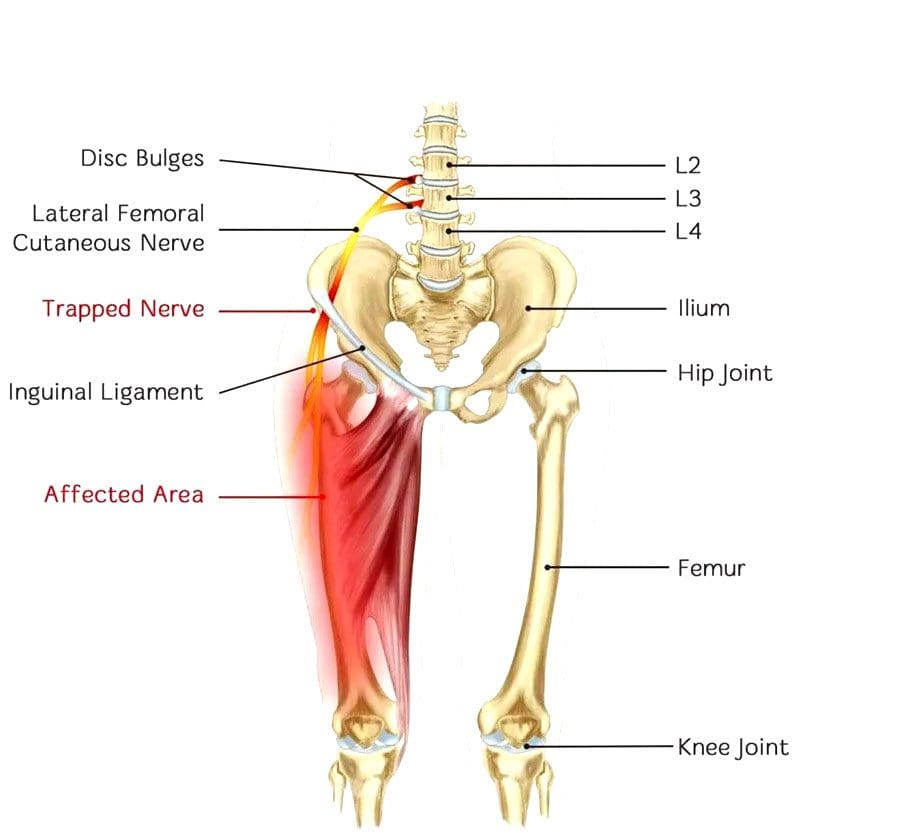
A pinched nerve in the hip can cause numbness, tingliness, weakness, and pain. A pinched/compressed nerve creates pressure that can result from a bone structural issue like hip misalignment or the nerve getting overly stretched, stuck, twisted, or kinked. The pressure obstructs the neural pathways and decreases neural activity. This causes pain. If discomfort or pain is present, chiropractic, physical rehabilitation, rest, exercise, and ice and heat can release and reset the nerve and help prevent re-injury.
Pinched Nerve In The Hip
A pinched or compressed nerve results from pressure being applied to the nerve. A pinched nerve in the hip often causes pain in the groin region, radiating down the inner thigh to the knee. The pain can feel like a dull ache or a sharp, burning pain. Individuals also report tightness, numbness, or a tingling sensation in the buttocks. The most common causes include:
Unhealthy posture.
Sitting for too long without moving around.
Misaligned bone or cartilage.
Muscle strain.
Pregnancy.
Obesity.
Inflamed tissue.
Herniated disc.
Arthritis.
Bone spurs.
Chiropractic
Different causes require different treatment approaches. For example, an obese individual could require chiropractic adjustments, specific exercises/stretches, and diet adjustments to address the whole body. The recommended treatment plans can vary but usually include:
Physical therapeutic massage.
Manipulative therapies of the joints and muscles.
Mobilization of the joints.
Soft tissue treatments.
Spinal decompression.
Exercise.
Walking and activity can worsen the pain when the hip presents with pain. This can cause the rest of the body to compensate by shifting the weight to the healthy side, which can cause even more pain in the back or legs or cause another injury. Regular chiropractic hip adjustments will improve posture, maintaining muscle and skeleton alignment that will prevent pinching nerves in the hip.
Chiropractic Hip Treatment
References
Ahuja, Vanita, et al. “Chronic hip pain in adults: Current knowledge and future prospective.” Journal of anaesthesiology, clinical pharmacology vol. 36,4 (2020): 450-457. doi:10.4103/joacp.JOACP_170_19
Christmas, Colleen, et al. “How common is hip pain among older adults? Results from the Third National Health and Nutrition Examination Survey.” The Journal of family practice vol. 51,4 (2002): 345-8.
“Free Communications: Case Reports: Hip.” Journal of Athletic Training vol. 38,2 Suppl (2003): S.73–S.74.
Maintaining a healthy weight is challenging, especially Fridays, Saturdays, Sundays, and extended weekends, increasing the risk of binge eating and weight gain. This is where healthy cheat meals and snacks come into play to help individuals stick to their diet while enjoying healthy junk food. Plus, finding the proper high-calorie carb-packed meal can help optimize the body’s hormones to prevent adverse effects on metabolism and hunger.
Cheat Meals
One way to look at a diet and still have the flexibility for sweet or savory foods is to set up the flexibility. To maintain health, practice portion control and eat healthy foods 80% of the time, allowing a 20% margin for the junk foods. To improve health, eat healthy foods 90% of the time, and allow a 10% margin until a health goal is reached.
Cheeseburger without the Buns and Sweet Potato Fries
They can be made healthy with lean ground beef, beans, peppers, cheese, avocado, tomatoes, and jalapeños for a meal that incorporates quality protein and healthy fats.
It can be made vegetarian by removing the meat and adding more beans and vegetables.
Dark chocolate contains monounsaturated fats that can help improve cholesterol, blood sugar, and insulin levels.
Dark chocolate also supplies vitamins, minerals, and antioxidants for heart and brain health.
Dietician Nutritionist
These are a few examples; the objective is to get individuals to learn to create their healthy cheat meals A diet or adjusting for a more nutritional food plan should always start with a nutritionist, dietician, or health care provider. They can help develop a customized plan that fits an individual’s specific needs. It is about finding the balance and creating a positive relationship with food.
Fibromyalgia Food Choices Nutraceutical Options
References
Coelho de Vale R, et al. (2016). The benefits of behaving badly on occasion: Successful regulation by planned hedonic deviations.
doi.org/10.1016/j.jcps.2015.05.001
Kuijer RG, et al. (2014). Chocolate cake. Guilt or celebration? Associations with healthy eating attitudes, perceived behavioral control, intentions, and weight loss. DOI:
10.1016/j.appet.2013.11.013
Murray SB, et al. (2018). Cheat meals: A benign or ominous variant of binge eating behavior? DOI:
10.1016/j.appet.2018.08.026
Warren JM, et al. (2017). A structured literature review on the role of mindfulness, mindful eating, and intuitive eating in changing eating behaviors: Effectiveness and associated potential mechanisms. DOI:
10.1017/S0954422417000154
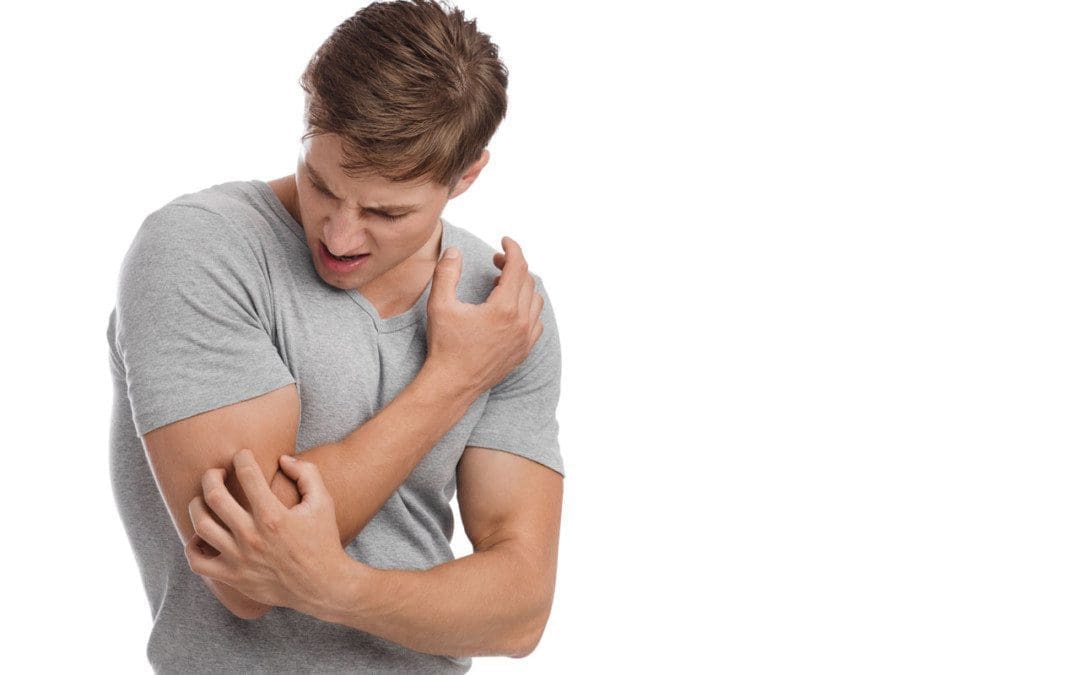
Delayed Onset Muscle Soreness – DOMS is when muscle pain or stiffness develops a day or two after playing sports, weight lifting, exercise, or work that involves concentrated physical activity like lifting and carrying objects. DOMS is considered a normal response to extended exertion and is part of the adaptation process that the recovering muscles experience as they undergo hypertrophy or an increase in muscle size. It is common in individuals who have just started exercising, increased the duration or intensity of their workouts, or just beginning a physically demanding job.
DOMS
When muscle contracts as it lengthens is known as eccentric muscle contractions, which is most associated with DOMS. It is related to increased stress in muscle fibers as they are exerted excessively. This also happens when engaging in movements the muscles are not used to, like a new exercise or helping a friend move heavy boxes, furniture, etc. Examples include:
Individuals will not feel DOMS during the workout or physical activity. Delayed symptoms include:
Swelling in the affected muscles.
Muscles feel tender to the touch.
Muscle fatigue.
Reduced range of motion and movement.
Pain and stiffness when moving.
Decreased muscle strength.
Treatment Options
Time and waiting for the muscles to repair themselves is the natural healing process, but steps can be taken to ease the soreness, stiffness, and pain. This includes:
It is different for everybody; personal experience will determine which works best for the individual.
Active Recovery
Active recovery is a technique that uses low-impact aerobic exercise right after a workout to increase blood flow to the muscles.
The increased blood supply can help relieve the inflammation.
RICE
This technique is used for acute injuries but can be applied to delayed onset muscle soreness. It stands for:
Rest
Ice
Compression
Elevation
Chiropractic
A chiropractic massage is for healing sore muscles, tendons, ligaments after an intense game, workout, etc. Chiropractic increases the blood and nerve circulation around the muscles delivering added oxygen and nutrients. This type of massage helps loosen the muscles/connecting tissues allowing the body to recover and heal quicker.
Body Composition
When Muscles Are Not Rested
Not taking time to recover because of overtraining/working can have consequences on the body. Inflammation that is not given the time to heal can lead to:
Injuries.
Weakened immune system.
Muscle mass loss.
Mental health issues.
The body’s immune system cannot function at total capacity during intense physical stress. This causes difficulty when trying to fight off germs and viruses. Studies have found preventing inflammation and injury requires prioritizing rest. Constantly being on the go and under intense physical stress can take a toll not only on the body but the brain as well. This can lead to irritability, frustration, anger, which leads to other health problems generating a vicious cycle.
References
Cheung, Karoline et al. “Delayed onset muscle soreness: treatment strategies and performance factors.” Sports medicine (Auckland, N.Z.) vol. 33,2 (2003): 145-64. doi:10.2165/00007256-200333020-00005
Guo, Jianmin et al. “Massage Alleviates Delayed Onset Muscle Soreness after Strenuous Exercise: A Systematic Review and Meta-Analysis.” Frontiers in physiology vol. 8 747. 27 Sep. 2017, doi:10.3389/fphys.2017.00747
Reinke, Simon et al. “The influence of recovery and training phases on body composition, peripheral vascular function and immune system of professional soccer players.” PloS one vol. 4,3 (2009): e4910. doi:10.1371/journal.pone.0004910
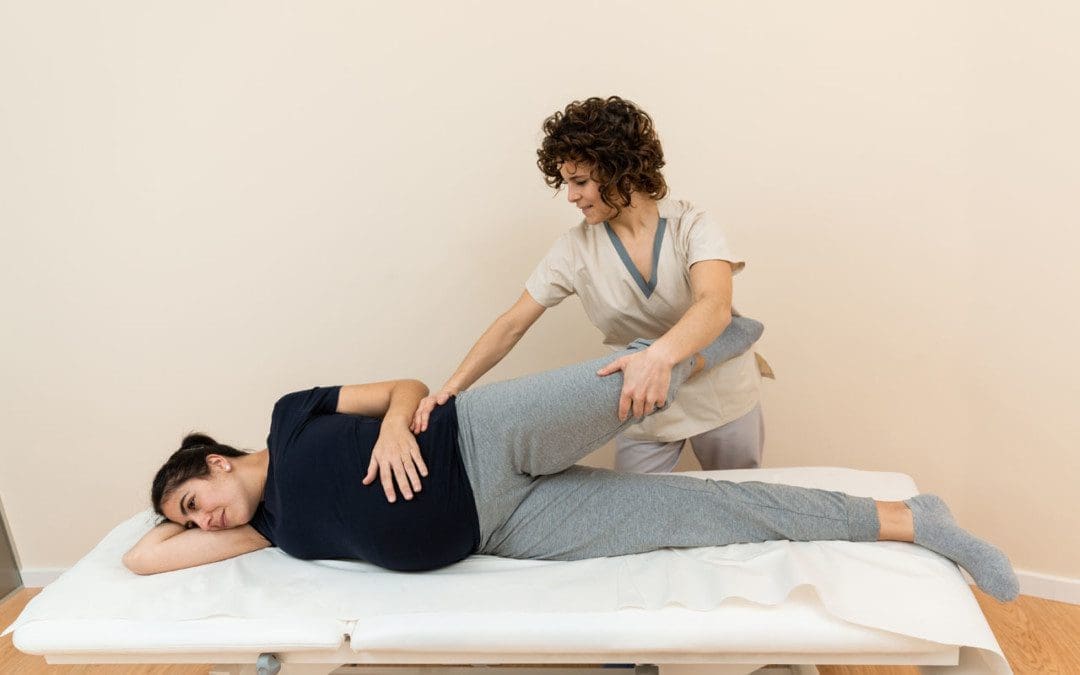
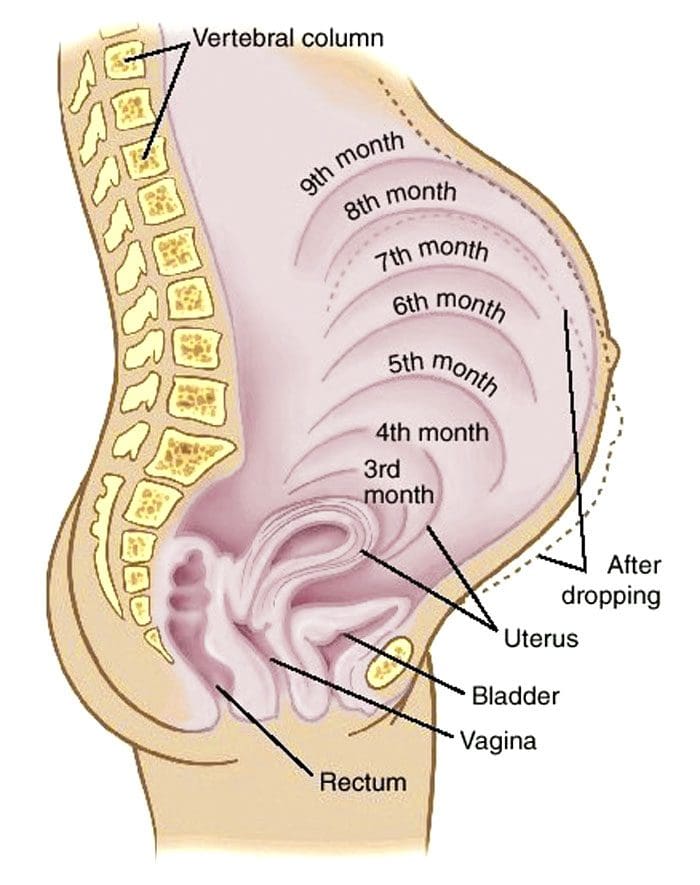
Pregnant and Chiropractic: Many women experience back/pelvis/leg/feet swelling, soreness, achiness, and pain during pregnancy. A growing belly added weight and changes in connective tissue can cause a variety of musculoskeletal strains and misalignments. Chiropractic care provides health maintenance of the spinal column, discs, nerves, joints, muscles, and bones. It is an art and science of adjusting a misaligned body, reducing stress, and promoting health throughout the body.
Pregnant and Chiropractic
With a primary doctor’s clearance, chiropractic can provide safe adjustments. Chiropractors trained to work with pregnant women utilize techniques that avoid applying pressure on or around the abdomen. Benefits of chiropractic during pregnancy include:
Restores and maintains spinal alignment and balance.
Helps control symptoms of nausea.
Improves energy levels.
Relieves body pain.
Helps reduce labor time and delivery.
Restores pelvic positioning and balance, improving standing, sitting, and walking mechanics.
A chiropractor trained in the needs of pregnant women will also provide exercises and stretches that are safe during pregnancy. A chiropractor will discuss/recommend treatment options, patient concerns, and a complete medical history assessment. They will monitor symptoms to customize treatments to the individual’s specific needs to get the most relief.
Body Composition
Gestational Hypertension
Gestational hypertension develops during pregnancy. It is not preventable and returns to normal levels postpartum. However, there is an increased risk of developing chronic hypertension later if gestational hypertension begins to develop. According to Mayo Clinic, gestational hypertension is diagnosed by the following:
Blood pressure is higher than 140/90 on at least two occasions.
Must be more than four hours apart.
There is no other organ damage present.
References
Gutke, Annelie et al. “Treatments for pregnancy-related lumbopelvic pain: a systematic review of physiotherapy modalities.” Acta Obstetricia et Gynecologica Scandinavica vol. 94,11 (2015): 1156-67. doi:10.1111/aogs.12681
Poděbradská, R et al. “The effect of physiotherapy intervention on the load of the foot and low back pain in pregnancy.” “Vliv fyzioterapeutických postupů na zatížení plosky a bolesti zad v těhotenství.” Ceska gynekologie vol. 84,6 (2019): 450-457.
Schreiner, Lucas et al. “Systematic review of pelvic floor interventions during pregnancy.” International journal of gynecology and obstetrics: the official organ of the International Federation of Gynaecology and Obstetrics vol. 143,1 (2018): 10-18. doi:10.1002/ijgo.12513
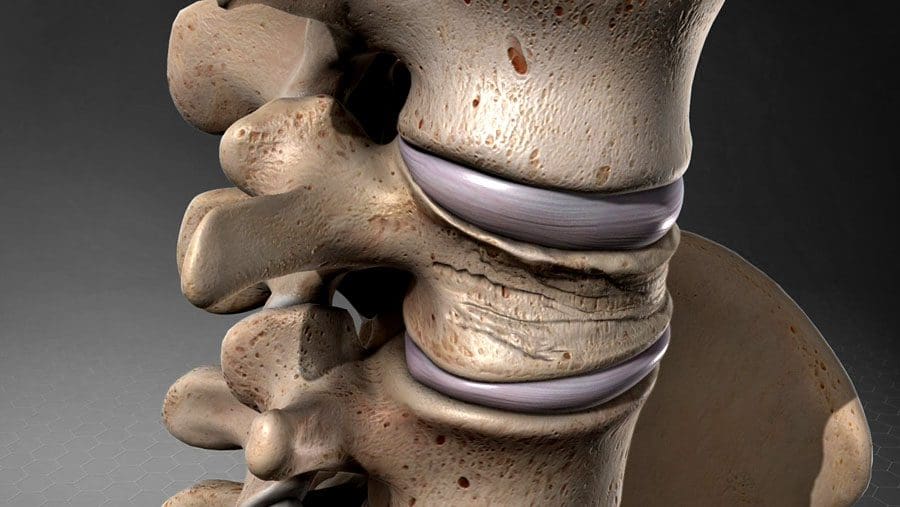
Sometimes the bones or vertebrae of the spine can crack and collapse under their weight. This is known as a compression fracture, vertebral compression fracture, or VCF. There are almost 1 million compression fractures every year, usually because the bones become weakened and crack under the weight of the vertebrae above them. These fractures can cause spinal weakness affect posture and the ability to stand up straight. They are often the cause for individuals to hunch over, also called kyphosis.
Compression Fracture
Compression fractures are small breaks or cracks in the vertebrae. The breaks occur in the vertebral body, the thick rounded part on the front of each vertebra. These fractures cause the spine to weaken and collapse. With time, these fractures affect posture as the spine curves forward. The fractures are often found in the middle/thoracic spine in the lower area. They often result from osteoporosis but can also happen after a trauma like an automobile accident, work, sports injury, or a tumor on the spine.
Symptoms
Compression fracture symptoms range from mild to severe or no symptoms. Many individuals can stand or walk without pain. They are often discovered when X-rays are taken for another condition. Symptoms include:
Back pain can come on suddenly and last for a significant time, often diagnosed as chronic back pain.
It usually develops between the shoulders and the lower back.
The pain and discomfort decrease when lying down and worsen when standing or walking.
Decreased mobility or flexibility in the spine. Individuals are unable to twist or bend.
Hunched over appearance, known as dowager’s hump or hunchback.
Loss of height from the vertebrae compression and the spine curving.
Pinched nerves
Nerve damage can cause tingling, numbness, and difficulty walking.
Loss of bladder or bowel control with severe, untreated fractures.
Individuals At Risk
Individuals who have had a compression fracture are more likely to have another one.
Women over 50 have a higher risk due to osteoporosis.
With age, the risk increases for men and women.
Diagnosis
A doctor will perform an examination and ask about symptoms. The exam will include:
Checking spinal alignment.
Posture analysis.
Gently palpates different areas of the back to identify the source of pain.
Examine for signs of nerve damage that include numbness, tingling, or muscle weakness.
A doctor will order imaging studies to examine the backbones, muscles, and soft tissues. Imaging studies include:
CT scan, X-ray, or MRI of the spine.
DEXA scan is a type of X-ray that measures bone loss bone density.
A myelogram is a procedure used along with imaging studies. A contrast dye is injected into the spine before the scan making the images easier to see.
Compression fracture treatment focuses on relieving pain, stabilizing the vertebrae, and ongoing fracture prevention. Treatment depends on the severity of the fracture and the individual’s overall health. Treatment can include:
Pain Medication
A doctor can recommend over-the-counter non-steroidal anti-inflammatory medication.
A doctor may prescribe muscle relaxers or prescription medication.
Follow instructions carefully when taking medications.
Back Brace
A special type of back brace helps to support the vertebrae.
The brace can also relieve pain by reducing how much the spine moves.
Strengthening Meds
Medications known as bisphosphonates can help slow down bone loss, stabilize the bones and prevent fractures.
This minimally invasive procedure relieves pain, stabilizes the bones, and improves mobility.
During vertebroplasty, the doctor inserts a needle in the vertebra and injects bone cement.
During kyphoplasty, the doctor inserts an inflatable device that they fill with cement.
Both are outpatient procedures allowing the individual to go home the same day.
Individuals over 65 or that have osteoporosis or a history of cancer are recommended to see their doctor. Individuals who present with sudden back pain that doesn’t get better after a day or two are advised to see a doctor and evaluate for back pain so the doctor can determine the cause and develop a treatment plan.
Body Composition
Vitamin D To Build Muscle
Skeletal Muscle Mass decreases as the body ages, primarily due to decreased physical activity. Vitamin D has been reported to influence muscle quality. This could be helpful for adults as they age. Muscle loss diminishes functional performance on activities that require strength and coordination. When this loss of muscle mass becomes significant, it becomes a condition known as sarcopenia. Treatments include:
All were found to slow down muscle loss and help regain muscle mass and strength.
Vitamin D supplementation is effective, especially in older adults whose blood levels are low.
References
American Academy of Orthopaedic Surgeons. Osteoporosis and Spinal Fractures. (https://orthoinfo.aaos.org/en/diseases–conditions/osteoporosis-and-spinal-fractures/) Accessed 10/25/2021.
American Association of Neurological Surgeons. Vertebral Compression Fractures. (https://www.aans.org/en/Patients/Neurosurgical-Conditions-and-Treatments/Vertebral-Compression-Fractures) Accessed 10/25/2021.
Bischoff-Ferrari, H A et al. “Vitamin D receptor expression in human muscle tissue decreases with age.” Journal of bone and mineral research: the official journal of the American Society for Bone and Mineral Research vol. 19,2 (2004): 265-9. doi:10.1359/jbmr.2004.19.2.265
Donnally III CJ, DiPompeo CM, Varacallo M. Vertebral Compression Fractures. [Updated 2021 Nov 21]. In: StatPearls [Internet]. Treasure Island (FL): StatPearls Publishing; 2022 Jan-. Available from: https://www.ncbi.nlm.nih.gov/books/NBK448171/
Hassan-Smith, Zaki K et al. “25-hydroxyvitamin D3, and 1,25-dihydroxyvitamin D3 exert distinct effects on human skeletal muscle function and gene expression.” PloS one vol. 12,2 e0170665. 15 Feb. 2017, doi:10.1371/journal.pone.0170665
McCarthy, Jason, and Amy Davis. “Diagnosis and Management of Vertebral Compression Fractures.” American family physician vol. 94,1 (2016): 44-50.
With a growing belly and changes in connective tissue, many pregnant women are unable to stay comfortable. A pregnancy chiropractor is safe and effective in helping manage pain in the back, hips, legs, joints and establish pelvic balance. This can provide the baby with space to grow and move throughout the pregnancy and lead to faster, easier labor and delivery. Relief and better symptom management are possible with a pregnancy chiropractor.
Chiropractic Is Safe During Pregnancy
Before engaging in any treatment during pregnancy, consult a doctor. For the most part, non-invasive chiropractic is considered safe for healthy, low-risk pregnancies and even higher-risk pregnancies once cleared by a doctor. Because pregnant women cannot take medications or undergo other invasive treatment options for pain, chiropractic treatment is recommended for sore, tight muscles, irritability, and pain management.
How A Pregnancy Chiropractor Can Help
What a chiropractor can offer includes:
Restore pelvic balance.
Improve mechanics for standing, sitting, and walking that could otherwise cause pain.
Pain management through therapeutic massage and adjustments.
Optimize the pelvic position to allow for an easier birth; evidence indicates a shorter labor time thanks to an optimal pelvic position.
Clinic Appointment
The pregnancy chiropractor begins with an initial consultation. Here the patient asks questions, discusses any concerns, along with a full assessment of medical history. They will suggest various treatment options to restore the body to its optimal balance. The chiropractor will continually monitor the patient to tailor the treatments to their specific needs and achieve the most relief.
Body Composition
Impact of Breastfeeding and Body Composition
It turns out that breastfeeding and weight loss are showing that there could be a relationship. A study suggested that breastfeeding could eliminate weight gain during six months. These findings are corroborated by another study comparing body fat loss between exclusively breastfeeding and mixed feeding mothers. The researchers found that exclusively breastfeeding promotes more significant body fat loss than mixed feeding among mothers during the first 12 weeks after childbirth. A weight loss of approximately about a pound per week between 4 and 14 weeks after delivery in overweight, lactating women who were exclusively breastfeeding showed no adverse effect on the growth and development of their newborns.
References
Bernard, Maria, and Peter Tuchin. “Chiropractic Management of Pregnancy-Related Lumbopelvic Pain: A Case Study.” Journal of chiropractic medicine vol. 15,2 (2016): 129-33. doi:10.1016/j.jcm.2016.04.003
Borggren, Cara L. “Pregnancy and chiropractic: a narrative review of the literature.” Journal of chiropractic medicine vol. 6,2 (2007): 70-4. doi:10.1016/j.jcme.2007.04.004
Weis, Carol Ann et al. “Chiropractic Care for Adults With Pregnancy-Related Low Back, Pelvic Girdle Pain, or Combination Pain: A Systematic Review.” Journal of manipulative and physiological therapeutics vol. 43,7 (2020): 714-731. doi:10.1016/j.jmpt.2020.05.005
IFM's Find A Practitioner tool is the largest referral network in Functional Medicine, created to help patients locate Functional Medicine practitioners anywhere in the world. IFM Certified Practitioners are listed first in the search results, given their extensive education in Functional Medicine