Individuals who don’t get enough sleep at night can feel it in many ways. Can sleep deprivation or other sleep disorders contribute to an accumulated sleep debt?
Sleep Debt
Sleep debt is the difference between the amount of sleep an individual needs and the amount they get. It can accumulate over time and can negatively impact physical and mental health.
What Is It?
Regardless of the cause, sleep debt, also called a sleep deficit, is the accumulated amount of sleep loss from insufficient sleep. (Harvard Health Publishing, 2019) For example, if the body needs eight hours of sleep a night but only gets six, it has accumulated two hours of sleep debt for that particular night. This can occur due to sleep restriction, in which too few hours are spent sleeping, which can have significant consequences, especially if the debt builds.
The Effects
Sleep deprivation is linked to various mental and physical health problems, including:
Other possible causes of poor sleep quality can include individuals who have a sleep disorder such as insomnia, sleep apnea, or circadian rhythm disorders, which could lead to symptoms that are similar to those that occur with a sleep debt. (Columbia University Department of Neurology, 2022) Even though enough sleep hours were obtained, it could be fragmented, resulting in daytime sleepiness and other health issues. Some signs of sleep debt include:
Feeling tired throughout the day.
Having trouble focusing and reacting.
Feeling frustrated, cranky, or worried in social situations.
Having difficulty judging others’ emotions.
Even after sufficient sleep hours, individuals who wake up feeling unrefreshed may need to see a sleep physician or specialist for sleep testing.
Getting Out of Sleep Debt
Fortunately, the short-term effects of sleep deprivation can be reversed with sufficient rest. To recover from sleep debt, individuals can try: (Harvard Health Publishing, 2019)
Getting into a normal bedtime routine.
Using afternoon naps in moderation.
Avoiding stimulants, especially in the afternoon or evening.
Although sleep deprivation affects everyone, older adults seem to rebound quicker than young adults. Individuals may initially require sleeping longer than average to compensate for the recent losses. That’s why meeting daily sleep needs and following better sleep guidelines to preserve health and well-being are important. (Colten H. R., Altevogt B. M., & Institute of Medicine (US) Committee on Sleep Medicine and Research, 2006)
Injury Medical Chiropractic and Functional Medicine Clinic
Individuals who struggle with insomnia or other sleep disorders that impact their ability to get restful sleep should consult with their healthcare provider about getting an assessment and treatment to sleep well, avoid deprivation side effects, and restore health. Through healthy sleep practices and lifestyle accommodations, individuals can recover from sleep debt and regain the benefits of quality rest. A chiropractic therapy team can assess your condition and develop a customized treatment plan. Injury Medical Chiropractic and Functional Medicine Clinic works with primary healthcare providers and specialists to build optimal health and wellness solutions. We focus on what works for you to relieve pain, restore function, prevent injury, and help mitigate issues through adjustments that help the body realign itself. They can also work with other medical professionals to integrate a treatment plan to resolve musculoskeletal problems.
Move Better, Live Better, Chiropractic Care
References
Harvard Health Publishing. (2019). Weekend catch-up sleep won’t fix the effects of sleep deprivation on your waistline. Harvard Health Blog. https://www.health.harvard.edu/blog/weekend-catch-up-sleep-wont-fix-the-effects-of-sleep-deprivation-on-your-waistline-2019092417861
Colten, H. R., Altevogt, B. M., & Institute of Medicine (US) Committee on Sleep Medicine and Research (Eds.). (2006). Sleep Disorders and Sleep Deprivation: An Unmet Public Health Problem. National Academies Press (US).
Columbia University Department of Neurology. (2024). Sleep Disorders. https://www.neurology.columbia.edu/patient-care/specialties/sleep-disorders?id=42069
Tennis requires strength, power, and endurance. Can combining tennis weight training into a player’s fitness regimen that is broken up into phases achieve optimal results?
Tennis Weight Training
In professional sports that utilize weight lifting, the training is often broken up into seasonal phases. (Daniel S Lorenz, Michael P Reiman, John C Walker. 2010) Each phase consists of specific objectives that contribute to and build upon the previous phase. This is known as periodization. Tennis is played year-round indoors and outdoors. This is an example of a tennis weight training program to build up strength.
Pre-Season
In the early pre-season, players prepare to rebuild their strength after a break.
The emphasis is on building functional strength and some muscle.
Late Pre-Season
In late pre-season, players workout to get ready for the start of the season.
Here, the emphasis is on building maximum power.
In Season
In season, regular practice, play, and competition get underway and players are in top condition.
In this phase, strength and power maintenance is the focus.
Season Break
This is when players need to relax for a while.
However, players need to keep active if they want to maintain some level of fitness.
The emphasis is on rest and recovery with the maintenance of light activity, like cross-training and light gym workouts.
Research has shown that taking a break from serious strength training does help the body recover and rebuild. (Daniel Lorenz, Scot Morrison. 2015)
This is a three-phase all-around program.
The first phase concentrates on building basic strength and muscle
The second phase on power delivery.
Players who play year-round can continue with the power program once they build the basics.
Players who take a break for longer than six weeks should start again with the strength program.
Pre-Season – Phase One
Strength and Muscle
The focus is on lifting heavy weights, but not going full force to begin training the nervous system to work with the muscle fibers.
Some muscle building or hypertrophy/building muscle size will happen during strength development.
Strength is the foundation for the power development phase.
Exercises:
Duration: 6-8 weeks
Workout Days: 2-3, with at least one day, however, two are recommended between sessions.
Reps: 8-10
Sets: 2-4
Rest between sets: 1-2 minutes
Barbell squat, dumbbell squat, or sled hack squat
Romanian deadlift
Dumbbell bent-over row
Dumbbell triceps extension or machine pushdown
Cable wood chop
Lat pulldown to the front with a wide grip
Reverse crunch
Things to Remember
Use the Proper Weight
Adjust the weight so that the last reps are heavy but don’t cause a complete failure.
Balance the Lower Half
The posterior chain of the hips, the gluteals/buttocks, the upper legs, and the abdominals are of equal importance and require equal attention. (Eline Md De Ridder, et al., 2013)
Squats and deadlifts build strength and power in this region.
Follow Proper Form
For upper body exercises like the dumbbell press, lat pulldown, and wood chops the proper form needs to be followed.
Keep the forearms in a vertical plane with the upper arms.
Do not extend excessively at the bottom of the movement.
Remember to protect the vulnerable shoulder joint.
Listen to The Body
Strength training is physically and mentally challenging.
Individuals who are not able to recover from a session with only one rest day are recommended to move the program to two sessions per week.
Muscle soreness or delayed onset muscle soreness – DOMS – is normal, however, joint pain is not.
Monitor arm and shoulder reactions during this phase.
Stop if any joint pain or discomfort is felt.
Late Pre-Season – In-Season – Phase Two
Power
Power is the ability to move the heaviest loads in the shortest time and is the combination of strength and speed. In this phase, the player builds on the strength developed in phase one with tennis weight training that will increase the ability to move a load at high velocity.
Power training requires lifting weights at high velocity and with explosiveness.
The body needs to rest adequately between repetitions and sets so that each movement is done as fast as possible.
The number of sets can be less than phase one because there is no point in training at this level when the body is fatigued.
Exercises
Duration: Ongoing
Days per week: 2
Reps: 8 to 10
Sets: 2-4
Rest between repetitions: 10 to 15 seconds
Rest between sets: at least 1 minute or until recovered
Barbell or dumbbell hang clean
Cable push-pull
Cable wood chop
One arm cable raises
Medicine ball push press
Medicine ball standing twist with a partner or alone – 6×15 repetitions fast and recover between sets.
Reminders When Preparing For the Season
Recovery Time
In power training, it’s important that the body has relatively recovered for each repetition and set so that the individual can maximize the movement.
The weights should not be as heavy and the rest periods sufficient.
Push When Possible
Rest is important, at the same time, the player needs to push through reasonably heavy loads to develop power against significant resistance.
When doing medicine ball twists, do a full set at maximum, then sufficiently rest before the next one.
If doing the medicine ball exercises alone, use a lighter ball and keep the ball in your hands while twisting.
In Season – Phase Three
When the season begins training does not stop in order to help maintain strength and power.
Strength and Power Maintenance
Alternate phase one and phase two for a total of two sessions each week.
Every fifth week, skip weight training to achieve optimal recovery.
Key Points
Things to keep in mind during the season.
Avoid Overscheduling
Avoid strength training on the same day when practicing on the court.
If the weight training has to be both on the same day, try to separate the workouts into morning and afternoon sessions.
Plan Time
Rest completely from strength training one week out of every six.
Light gym work is fine.
During the season, use intuition when it comes to working out at the gym.
Individuals with limited time, stick to court skills training instead of tennis weight training.
Off Season
If there is an off-season, this is the time for emotional and physical decompression and full-body recovery.
For several weeks, forget about weight training and do other things.
Stay fit and active with cross-training or other physical activities but keep it light to prevent injuries.
It is recommended to consult a coach, trainer, sports chiropractor, and/or physical therapist to develop a program specific to an individual’s needs, fitness goals, and access to resources.
Spine Injuries In Sports
References
Lorenz, D. S., Reiman, M. P., & Walker, J. C. (2010). Periodization: current review and suggested implementation for athletic rehabilitation. Sports health, 2(6), 509–518. https://doi.org/10.1177/1941738110375910
Lorenz, D., & Morrison, S. (2015). CURRENT CONCEPTS IN PERIODIZATION OF STRENGTH AND CONDITIONING FOR THE SPORTS PHYSICAL THERAPIST. International journal of sports physical therapy, 10(6), 734–747.
De Ridder, E. M., Van Oosterwijck, J. O., Vleeming, A., Vanderstraeten, G. G., & Danneels, L. A. (2013). Posterior muscle chain activity during various extension exercises: an observational study. BMC musculoskeletal disorders, 14, 204. https://doi.org/10.1186/1471-2474-14-204
Waking up with neck soreness, stiffness, achiness, and pain can take a toll throughout the day. Individuals, that experience this regularly wonder what happened while laying down in bed? Individuals can wake up with one or a combination of these symptoms after sleeping. A few ways to prevent neck pain after sleeping and self-care to relieve any symptoms.
What Is Happening?
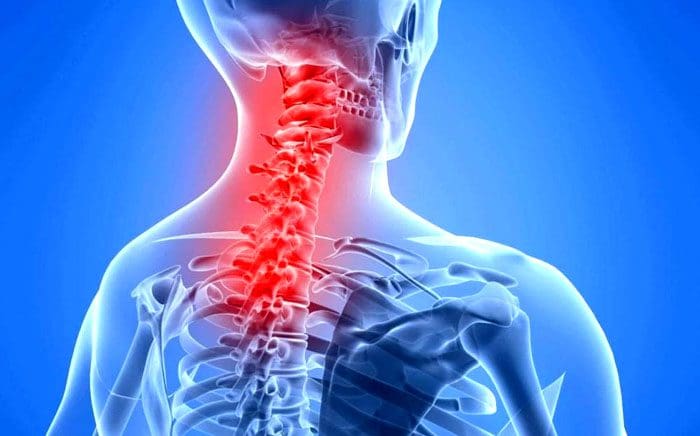
The spine keeps the body upright and moving and regularly resists gravity and other forces acting upon it. The neck, aka the cervical spine, is a little more delicate. The neck has the important job of holding up the head. The human head weighs around 10 to 12 lbs, and that’s using proper posture. According to a study, the head’s weight can increase up to 60 lbs. with a 60-degree tilt. This can happen from looking down at a phone for too long. All that weight makes the muscles that support the head and neck work overtime contributing to fatigued muscles.
Then when sleeping, cervical spinal misalignment starts to set in, producing torticollis. Torticollis, aka wry neck, is a condition where the neck gets twisted or tilted at an awkward angle. Babies can be born with it, known as congenital torticollis, and individuals can develop it from various sources. It can be temporary, chronic, and it can be caused by acute trauma. Torticollis is not considered a condition like ankylosing spondylitis but more like a symptom with overlapping sources.
The neck’s ligaments can become irritated and inflamed.
Neck muscle spasms can cause soreness and inflammation.
Either of these can be caused by sleeping in an awkward position or by using the wrong pillow.
Waking With Neck Pain
When waking up with neck pain, it could be that the pillow no longer provides sufficient support, the pillow is too thick, placing the neck in an awkward position, the individual’s sleeping position strains the muscles and ligaments, or a combination. It is usually a pillow that is too soft with no support that causes neck pain. Maintaining spinal alignment when sleeping is just as crucial as during the day, as it helps to prevent overly taxing the muscles and ligaments.
How to control posture when sleeping?
The pillow could be the answer. A firm pillow will keep the spine in a straight line from the atlas, which is the first cervical vertebra/C1, down to the coccyx or the tailbone. The way an individual sleeps also affects how they wake up. The most recommended sleeping position for individuals with morning neck pain is on the back. Back sleeping might not work for everyone as it can aggravate conditions like sleep apnea. If that is the case, sleeping on the side is the next recommended position. It is recommended to avoid sleeping on the stomach. The head could slip down the pillow edge causing the head to be in a tilted position. This can place added pressure on the nerves that start in the neck, leading to further neck pain or radiculopathy pain that spreads out to the arms or legs.
What To Do?
If neck pain presents after waking, get some ice or a cold pack on it. Try 20 minutes on, 20 minutes off. This will reduce inflammation. Also, over-the-counter nonsteroidal anti-inflammatory medications like ibuprofen can help. If neck pain continues, switch from ice to heat also 20 minutes on, 20 off. If the pain is caused by spasming muscle/s, heat can relax the area and increase blood circulation. A gentle massage on and around the area can help spread the circulation and ease the spasm.
Stretching the neck
Stretching the neck will keep the muscles loose and reduce the risk of ligament, muscle and tendon strains, and torticollis.
Body composition change and losing fat mass are also related to sleep. Losing fat requires the body to be in a caloric deficit. This means having the body use more energy than the body takes in. This is accomplished by restricting calories through diet or increasing calories used through physical activity/exercise. However, most individuals utilize a combination. This can be referred to as calories in/calories out. Losing sleep can sabotage fat loss goals by stealing both the calories in and calories out.
References
Hansraj, Kenneth K. “Assessment of stresses in the cervical spine caused by posture and position of the head.” Surgical technology international vol. 25 (2014): 277-9.
Preventing Neck Pain from Sleeping: National Sleep Foundation. (n.d.) “How to Prevent Neck Pain While Sleeping.” sleep.org/articles/prevent-neck-pain-while-sleeping/
Rain generally comes with a drop in barometric pressure. A low-pressure system you may have heard from the local weather forecast. Lower pressure outside can cause tissues inside the body to swell and irritate sensitive nerves. For those who have sciatic nerve pain, rainy, hot, humid weather can cause the nerve tissues to expand causing increased compression, inflammation, and pain.
Rainy Weather
For anyone who is prone to inflammation, there are ways to cope with rainy weather-related symptoms, including:
Stay inside air-conditioned areas where the humidity level is lower.
Use a dehumidifier to keep the indoor air at 40-60% relative humidity for comfort.
Utilize vent fans in the kitchen and in laundry areas and after baths/showers in bathrooms.
Easy Physical Activity
Easing the pain can also be done through:
At work, school, home adjust the seat to work for you. Individuals with sciatic nerve pain already know how to make adjustments to chairs and other places for sitting.
If you’re heading out to a baseball or soccer game, you may want to use a comfortable sideline seat that provides cushion and support. If attending a pro game, check online or call to see if you can bring a therapeutic seat cushion.
Going on a trip whether road or flight, seats might not be comfortable or supportive. Tips that can help maintain comfort to mitigate the pain, include:
Adjust the seat for proper posture to maintain spinal curvature
Use lumbar support
Maintaining a workout routine is key leading up to your trip. If the body is inactive for a period of time, the back muscles are more likely to spasm when having to sit in tight quarters.
Don’t overpack. Carrying around heavy luggage increases the risk of straining the muscles.
Pack pain medication or anti-inflammatories on hand in case of a flare-up.
Inflammation
Target inflammation with ice therapy
Using topical heat or a heating pad can get the blood circulation flowing through the area
Wear compression garments over the affected areas to bring down swelling and promote blood and nerve circulation.
Chiropractic Rainy Day Relief
Chiropractors know the whole musculoskeletal system. Chiropractic massage therapy induces deep muscles relaxation and the release of endorphins/natural painkillers. A regular spa massage can release sore muscles and tension, chiropractic massage focuses on soothing and healing sciatica. Adjustments or spinal manipulations allow the disc/s rest back into position and relieve the pressure on the sciatic nerve. This will lessen the pain and generate nerve signal flow and mobility.
Spinal decompression relieves the compression of the nerves that are causing sciatica pain. This includes techniques to lengthen the spine and enhance the space between the vertebrae.
A chiropractor will recommend exercises to prevent nerve aggravation and help release the pressure that comes from the inflamed and tight muscles.
Exercises include stretching programs that can be done at home to release pressure on the nerve and ease irritations.
Body Composition
About Fat
Fat, also known as adipose tissue, contributes to overall body weight. This is also the type that individuals want to get rid of when talking about weight loss. Two different kinds of fat:
Subcutaneous fat is the fat that is beneath the skin.
Visceral fat lies deep in the abdominal cavity and surrounds the organs.
Having a certain amount of fat tissue is necessary for a healthy body.
The body stores unused energy from food as fat. This is to provide a reliable source of fuel when the body needs it.
Fat tissue acts as insulation to keep the body warm and as a cushion to protect the vital organs.
The problem/issue is excess body fat. This is what leads to higher body weight and altered hormone release that can make the excess weight condition worse.
References
National Institutes of Health. (2019.) “Sciatica.” medlineplus.gov/sciatica.html.
Zwart, J A et al. “Warm and cold sensory thresholds in patients with unilateral sciatica: C fibers are more severely affected than A-delta fibers.” Acta neurologica Scandinavica vol. 97,1 (1998): 41-5. doi:10.1111/j.1600-0404.1998.tb00607.x
Zwart, John-Anker, and Trond Sand. “Repeatability of dermatomal warm and cold sensory thresholds in patients with sciatica.” The European spine journal: official publication of the European Spine Society, the European Spinal Deformity Society, and the European Section of the Cervical Spine Research Society vol. 11,5 (2002): 441-6. doi:10.1007/s005860100333
Many individuals will be looking up at the fireworks this 4th of July weekend. A word of caution when keeping the neck in one position for too long can cause neck discomfort and/or pain. Neck discomfort and pain can cause significant disruption with everyday activities. The neck is an area that is constantly in motion. Keeping it in one position for an extended period can cause damage/injury and spinal misalignment. Although neck pain often resolves on its own in a few days. However, it can lead to headaches or an inability to concentrate, affecting an individual’s quality of life. Here are some potential causes and remedies for decreasing neck discomfort and pain.
Keeping The Neck In One Position For Too Long Can Cause
Mechanical issues and imbalances in the upper spine, known as the cervical spine
Muscle tension
Muscle strain
Spinal misalignment
Poor posture
Sleeping problems
Injury or trauma to the neck from the force and weight
Chronic neck misalignment
If symptoms come on suddenly, are severe, or result in neurological issues like severe shooting pain, tingling, numbness, or sudden loss of arm strength, seek medical attention immediately.
Treatment
When the neck is strained or out of alignment, it disrupts nerve circulation integrity. Spinal misalignment is subtle in nature and can be difficult to detect without a professional examination. A chiropractor is trained to recognize any underlying issues to reset/realign the entire spine to optimal form. They will assess, guide, and treat the issue/s specific to the individual’s needs. Once the nerves are working uninhibited, a chiropractor can recommend neck exercises, stretches, and more to strengthen and prevent neck problems. When spinal alignment is restored, the body will begin to operate at full potential.
Healthy Body Composition
Meal Prep to Success
For individuals that want to eat less and change eating habits, change up the approach.
Meal prepping is a healthy habit that many have had success with because it helps achieve sustainable outcomes in weight loss. Every meal plan will vary for everyone.
First, individuals have different health goals.
Second, everyone has a different approach to their diet choices. For example, an individual might want to go low-carb and goes with the ketogenic diet. In comparison, some individuals are comfortable planning a week in advance and freezing labeled plastic containers.
Regardless of goals, dietary, or fitness preferences, a workable meal plan is recommended. The ultimate goal is to prevent feeling overwhelmed about planning the next healthy meal and resort to a junk food meal. To steer clear of unhealthy food choices and achieve a healthy body composition, here is a real-world tip to create and stick to a healthy meal plan.
Have a well-stocked fridge and pantry
Keeping to a meal plan is easier with a well-stocked fridge and pantry. Ensure to keep a list of essential groceries whenever going to the store to ensure plenty. This list of staples includes:
Having these ingredients ready to go means a healthy meal can be quickly put together when short on time.
Be realistic and make room for crazy days
You don’t have to come up with a seven-day weekly meal plan. It is important to change up the routine, so boredom doesn’t set in. Before planning and prepping several meals, double-check the calendar. Allow yourself some slack. This could be one or two lunches or dinners in a week just in case something comes up. If batch cooking, even schedule days for leftovers for that extra flexibility.
References
BMJ. 2017 Advances in the diagnosis and management of neck pain. Available at: https://pubmed.ncbi.nlm.nih.gov/28807894/
Mayo Clin Proc. 2015. Epidemiology, diagnosis, and treatment of neck pain. Available at: https://pubmed.ncbi.nlm.nih.gov/25659245/
Open Orthop J. 2016. A Qualitative Description of Chronic Neck Pain has Implications for Outcome Assessment and Classification. Available at: https://www.ncbi.nlm.nih.gov/pmc/articles/PMC5301418/
Phys Ther. 2018. A Mechanism-Based Approach to Physical Therapist Management of Pain. Available at: https://www.ncbi.nlm.nih.gov/pmc/articles/PMC6256939/
Sciatica is a very common and painful issue. Keeping it in check can be difficult especially with various causes that can generate flare-ups. Individuals managing sciatica need to pay attention and be vigilant of the negative activities/movements that could cause symptoms to reappear. A few common causes include:
Excessively tight-fitting pants
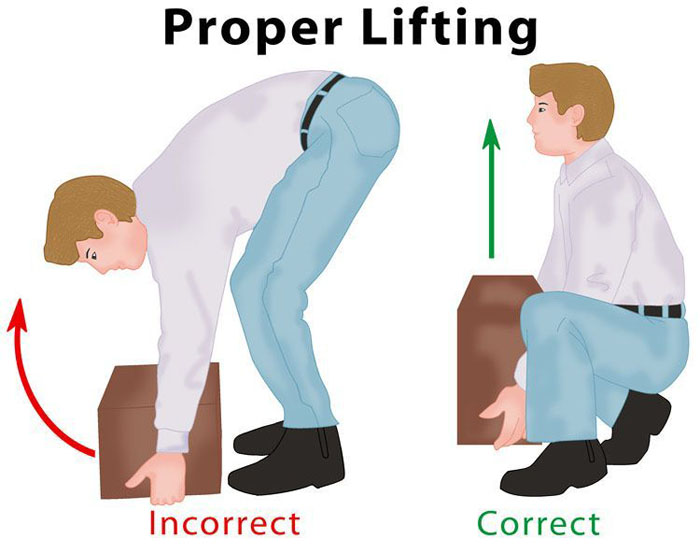
Improperly lifting heavy objects
Poor posture
Weight gain
Not stretching out
Wearing the wrong shoes
Knowing what not to do is just as effective for helping sciatica flare-ups as knowing what is best.
Sciatica Causes
The sciatic nerve is the longest nerve. It comes out the spine through the pelvis, down the leg to the foot. There is one sciatic nerve on each side of the body, and either can become irritated, injured, and inflamed. However, it�s rare that both are irritated at the same time. The underlying causes can vary. Most of the time the cause is a herniated disc that presses against the nerve, causing the pain. Even though this happens in the lower back, an individual might only feel pain in the buttocks and the back of the leg. Other causes of sciatic nerve pain include:
What makes sciatica worse depends on the underlying cause. For most, this is a herniated or bulging disc that presses against the nerve. With this type of case, any increase in pressure on the discs can worsen the symptoms. Sitting down in fact puts more pressure on the spinal discs, worsening the pain. Lying down can also worsen symptoms. When the pain is peaking, lying down for a little while can help, but for too long can worsen symptoms. Standing with a neutral spine, and walking around a bit, can help with nerve pain relief and the healing process.
Improper/Poor Posture
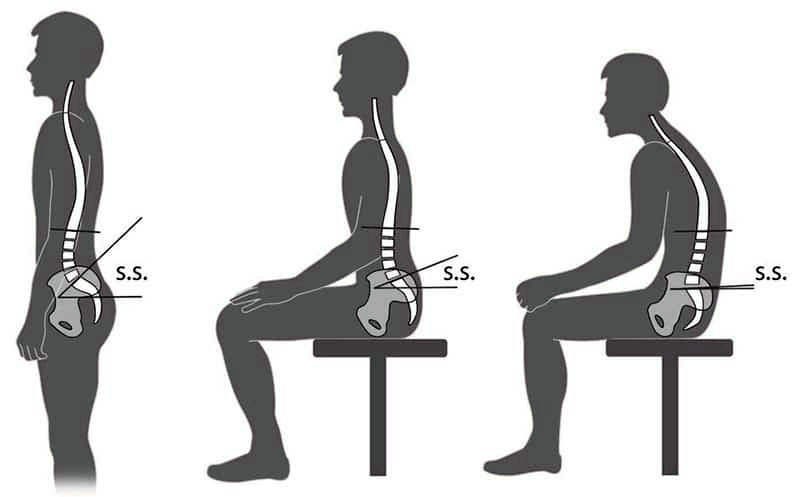
Poor posture, especially the rounding of the lower back. This usually happens when sitting. The rounded low back becomes a bad habit that individuals think will help with the pain. This can cause a flare-up. The spine has a natural S-curve and the more an individual can maintain that natural curve, the better off they will be.
Weight Gain
Too much weight can cause flare-ups with added stress/pressure on the spine, especially the low back. Maintaining a healthy weight will help relieve the added pressure, however, many who experience sciatica have trouble exercising. This is where a physical therapist and chiropractor can assist an individual with customized exercise and diet programs to overcome this obstacle. Eating is a way that individuals deal with pain, anxiety, and depression. But weight gain and poor health can worsen sciatica. Individuals that are overweight tend to experience more inflammation throughout the body, making sciatica even worse.
Stretching
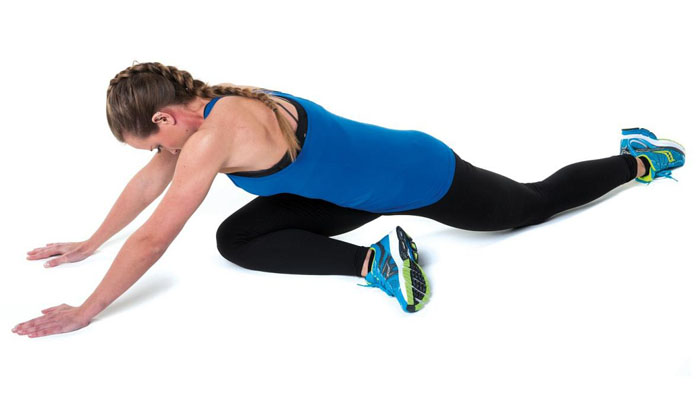
Not stretching, especially as the body gets older tightens the muscles, ligaments, and tendons. And stretching improperly can injure these areas. There are recommended and non-recommended stretches for individuals dealing/managing sciatica. Stretches that require bending the low back can place added pressure on the lumbar spine, causing sciatica flare-ups.
Lifting Heavy Things
Lifting and improperly lifting heavy objects can worsen sciatica. This has to do with the rounding of the low back. Any time the spine is taken out of its natural S-curve, there is undue pressure on the joints and discs. When lifting heavy objects in this position the problem is worsened. When possible avoid lifting anything heavy while dealing with sciatica. It�s healthy to stay active, but there is no need to do intense workouts at home or the gym, especially heavy lifting.
Tight Pants
Tight pants can contribute to sciatica. Whether shorts, jeans, or skirts, wearing overly-tight, form-fitting pants should be avoided until the sciatica is gone. And even after it is not recommended to wear overly tight-fitting clothing, as this can cause blood and nerve circulation problems.
Shoes
Like tight pants, the wrong shoes without adequate support can cause flare-ups. For example, high heels force weight distribution to the front of the feet. For the body to compensate, it�s normal to push the pelvis and hips forward. When the body is in this position for a long time it starts to place stress on the hamstrings, which will exacerbate sciatica. Shoes without adequate support place added stress on the feet, which gets transferred up the leg to the hamstrings. Customized shoe inserts designed especially for individuals with sciatica can help in preventing symptoms.
Improvement
Sciatica takes time to heal. Avoiding making it worse and taking all the steps to help it heal, can bring the body back to normal within 2 weeks. For most, it takes around 4 weeks for the pain to go away. This depends on various factors. For example, if sciatica develops during pregnancy, it could take longer to get rid of the pain. One sign that shows improvement is called centralization meaning the pain is moving out of the leg and into the spine. This is a good sign that the individual is on the right track.
Body Composition
Meal Planning
The convenience of food delivery is wonderful, but remember that frequently eating food prepared away from home increases the risk of weight gain and obesity. Restaurants tend to serve oversized portions and prepare meals with excessive calories, sodium, and sugar. The benefit of eating from home is that individuals have more control over the ingredients and cooking methods used to prepare the food. It helps to plan meals and snacks in advance to make sure they are balanced. Here are the types of foods that should be included in a balanced meal plan:
A variety of whole fruits
Non-starchy vegetables – leafy greens, red and orange veggies
Starchy vegetables – potatoes, green peas, legumes, winter squash
Grains, with the goal to make at least � from whole-grain sources
Low-fat or fat-free dairy milk, yogurt, cheese
Protein from various sources – lean meats, seafood, eggs, nuts & seeds, and soy products
Healthy cooking oils – olive oil or canola oil
Nuts and nut butter
Fresh or frozen fruits
Dried herbs and spices
Dr. Alex Jimenez�s Blog Post Disclaimer
The scope of our information is limited to chiropractic, musculoskeletal, physical medicines, wellness, and sensitive health issues and/or functional medicine articles, topics, and discussions. We use functional health & wellness protocols to treat and support care for injuries or disorders of the musculoskeletal system. Our posts, topics, subjects, and insights cover clinical matters, issues, and topics that relate and support directly or indirectly our clinical scope of practice.*
Our office has made a reasonable attempt to provide supportive citations and has identified the relevant research study or studies supporting our posts. We also make copies of supporting research studies available to the board and or the public upon request. We understand that we cover matters that require an additional explanation as to how it may assist in a particular care plan or treatment protocol; therefore, to further discuss the subject matter above, please feel free to ask Dr. Alex Jimenez or contact us at 915-850-0900. The provider(s) Licensed in Texas& New Mexico*
References
Sciatica. MedlinePlus. https://medlineplus.gov/sciatica.html. Accessed November 29, 2018.
Sciatica Sciatic Nerve Pain During Pregnancy. babyMed. https://www.babymed.com/pregnancy/sciatica-pain-during-pregnancy. Updated on August 29, 2018. Accessed November 29, 2018.
Shiel WC. Degenerative Disc Disease and Sciatica. MedicineNet. https://www.medicinenet.com/degenerative_disc/article.htm#what_are_the_symptoms_of_radiculopathy_and_sciatica. Last reviewed August 10, 2018. Accessed November 29, 2018.
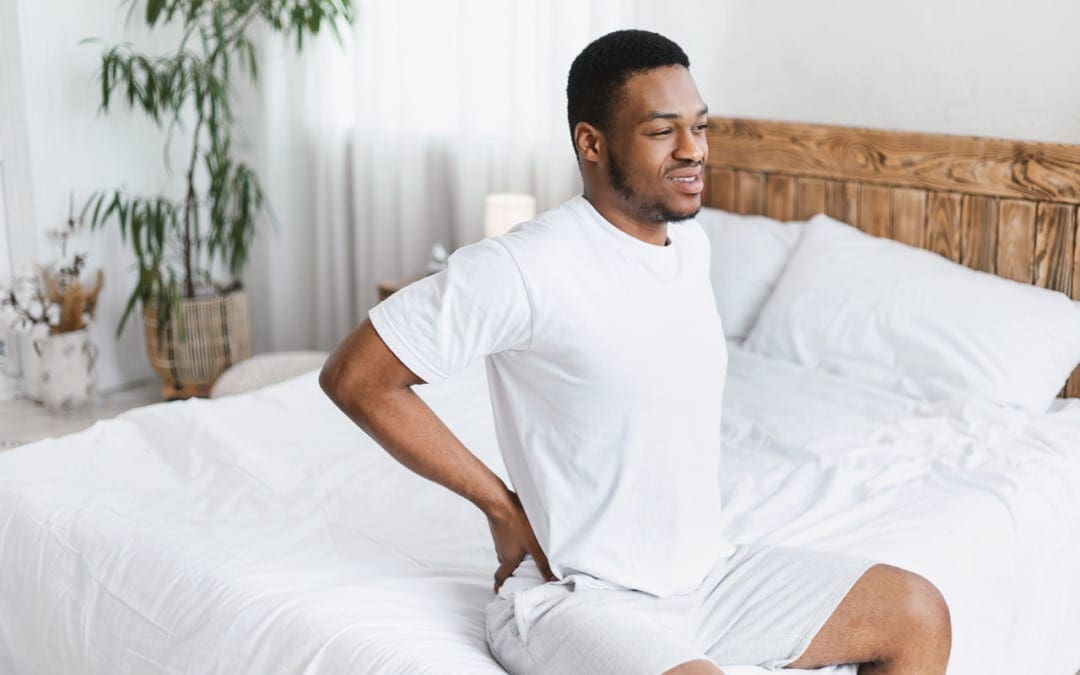
For individuals getting up with pain and stiffness in the back, neck, shoulders practically every morning becomes frustrating and depressing. For most, the pain wears off throughout the day but having to deal with it at the start of the day. Dr. Jimenez of Injury Medical Chiropractic and Functional Medicine Clinic offers some suggestions for pain reduction and prevention.
The body spends around a third of each night sleeping because it is a vital part of life. Sleeping means it is time to relax and prepare for the next day. For many, sleeping can be uncomfortable and can be a cause of back and neck pain when getting up. There are steps an individual can take to ensure that correct sleep is achieved while preventing neck and back pain.
Sleep Position Is Important
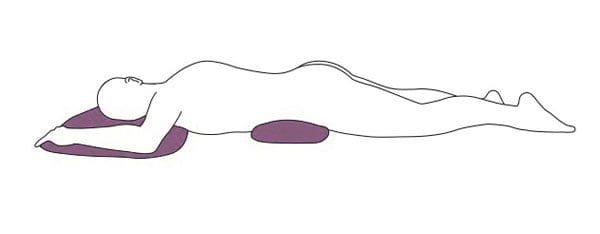
Sleeping in a position that maintains the natural curves of the spine is essential. It is recommended not to sleep on the stomach, as this places the spine in an unnatural position and allows the pelvis and lower back to sink into the mattress with no support. This position can also cause neck pain and headaches when getting up. If this is a position that can’t be changed from years of practice, place a pillow under the stomach and or pelvis to keep the lower back and pelvis straight.
Sleeping on the side or back is highly recommended.
Side sleepers should also place a pillow between the knees.
Back sleepers should place a pillow underneath the knees.
Placing a pillow between and underneath the knees gives the spine proper support to maintain the natural curves.
Check How The Bed Is Set Up
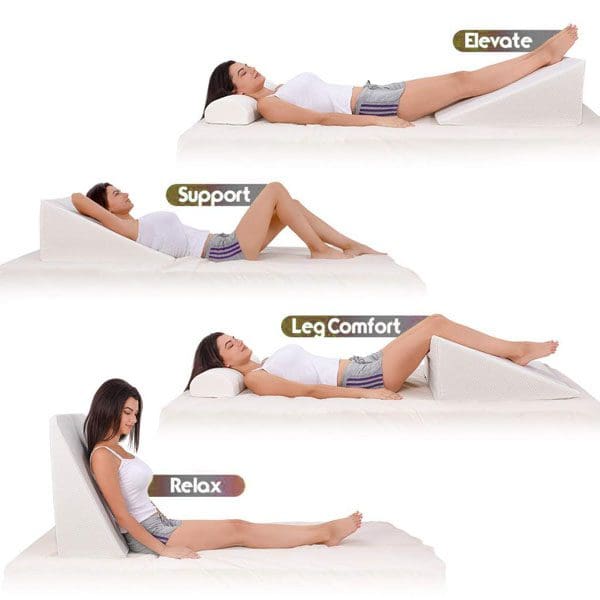
Make sure the bed/sleeping equipment is set up correctly. For example, most pillows do not provide the proper amount of neck support. This can cause neck soreness even if sleeping in the recommended side and back positions. If getting up with neck pain or headaches a cervical pillow can bring relief. A cervical pillow is designed to support the natural curves of the neck while sleeping and places the neck in the proper position. Cervical pillows are designed for side and back sleepers, but make it difficult to sleep on your stomach, which is an added perk to using them.
Using the proper mattress is equally important. The type of mattress being slept on can be a significant contributor to back and neck pain. Individuals that use a medium-firm mattress have less back pain compared to individuals that use too firm or too soft mattresses. Research has shown that mattresses should be replaced every 10 years. Mattresses that are 10 years old and beyond are shown to be a possible cause of back pain while you sleep.
Getting Up and Out of Bed In A Way That Doesn’t Cause Pain
Getting up and out of bed properly will help as well. Most individuals sit up, twist their back to get into a standing position and use the back to stand. This is like lifting with the back and not the legs, which will cause back pain and a possible spinal injury like a herniated disc.
The recommended way to get up and out of bed after waking is to roll onto the side and use the arm to push up and off from the side-lying position.
From this position, scoot to the very edge of the bed and get up using the legs, and not the back.
Implementing these suggestions into your routine can be a great way to decrease pain while sleeping and increase getting up without experiencing stiffness, soreness, and feeling refreshed.
The Body’s Composition
Muscle Mass and Workout Recovery
Looking at muscle mass and the intake of certain nutrients into the evening can be beneficial. Protein intake is essential in muscle formation and muscle recovery after working out or engaged in physical activity. Research has shown that a little protein before sleep helps stimulate muscle protein synthesis.
In a study, ingested proteins were shown to cause a rise in circulating amino acid levels, increased whole-body protein rates, and improved net protein balance. Following exercise, the muscles need to be able to recover properly and protein intake is essential. To achieve weight management goals, an individual must achieve a healthy amount of Lean Body Mass. Lean Body Mass is based on Skeletal Muscle Mass, and protein intake is essential.
Dr. Alex Jimenez�s Blog Post Disclaimer
The scope of our information is limited to chiropractic, musculoskeletal, physical medicines, wellness, and sensitive health issues and/or functional medicine articles, topics, and discussions. We use functional health & wellness protocols to treat and support care for injuries or disorders of the musculoskeletal system. Our posts, topics, subjects, and insights cover clinical matters, issues, and topics that relate and support directly or indirectly our clinical scope of practice.*
Our office has made a reasonable attempt to provide supportive citations and has identified the relevant research study or studies supporting our posts. We also make copies of supporting research studies available to the board and or the public upon request. We understand that we cover matters that require an additional explanation as to how it may assist in a particular care plan or treatment protocol; therefore, to further discuss the subject matter above, please feel free to ask Dr. Alex Jimenez or contact us at 915-850-0900. The provider(s) Licensed in Texas& New Mexico*
References
Improving Sleep: Special Health Report. Boston, MA: Harvard Medical School; 2015.
Bolash R, Drerup M. How to Beat Insomnia When You Have Chronic Pain. Cleveland Clinic Web site. https://health.clevelandclinic.org/2015/12/managing-insomnia-for-those-with-chronic-pain/. Published December 18, 2015. Accessed April 18, 2017.
What is Sleep? American Sleep Association Web site. https://www.sleepassociation.org/patients-general-public/what-is-sleep/. Accessed April 18, 2017.
IFM's Find A Practitioner tool is the largest referral network in Functional Medicine, created to help patients locate Functional Medicine practitioners anywhere in the world. IFM Certified Practitioners are listed first in the search results, given their extensive education in Functional Medicine