Nutrition and Integrative Care for Mobility and Injury Recovery at El Paso Back Clinic®
In El Paso, TX, maintaining mobility and flexibility is essential for an active lifestyle, whether you’re recovering from an injury or managing chronic pain. At El Paso Back Clinic®, led by Dr. Alexander Jimenez, DC, APRN, FNP-BC, a well-balanced diet and targeted supplementation are combined with chiropractic care to support joint health, reduce inflammation, and enhance muscle and bone function. Nutrients like omega-3 fatty acids, collagen, and vitamins D and K, alongside supplements such as glucosamine, chondroitin, and turmeric, are key to improving movement and promoting healing. Dr. Jimenez’s integrative approach, incorporating massage therapy, acupuncture, and functional medicine, helps patients recover from motor vehicle accidents, work injuries, sports injuries, and chronic conditions, ensuring natural healing and long-term wellness.
Nutrition for Joint Health and Recovery
A nutrient-dense diet is critical for supporting joint health and aiding recovery, especially for El Pasoans dealing with injuries from accidents or physical strain. Omega-3 fatty acids, found in foods like salmon, chia seeds, and walnuts, reduce inflammation, helping to alleviate joint pain and improve flexibility (StretchIt App, 2023). This is particularly important for those recovering from motor vehicle accidents or sports injuries, where inflammation can prolong discomfort.
Collagen, a primary component of cartilage and tendons, strengthens joints and supports repair. Consuming collagen-rich foods like bone broth or taking supplements can aid recovery from injuries common in El Paso’s active community (Nature’s Best, 2023). Vitamins D and K are vital for bone health, providing stability to joints. Vitamin D, sourced from fortified dairy or El Paso’s sunny environment, enhances calcium absorption, while vitamin K, found in leafy greens like spinach, supports bone mineralization (BetterYou, 2023).
Protein is essential for muscle repair, acting as a protective layer for joints during movement. Foods like eggs, lean meats, and lentils provide amino acids to rebuild muscle tissue, crucial for those healing from work or sports injuries (Nature’s Best, 2023). Hydration is also key, as water lubricates joint cartilage, reducing wear and supporting smooth motion (Spinal Rehab and Chiro Center, 2023).
Supplements can amplify the benefits of a healthy diet, particularly for those recovering from injuries or managing chronic pain. Glucosamine and chondroitin support cartilage health, with glucosamine aiding cartilage production and chondroitin helping joints retain water, improving mobility (VoltaGel, 2023). At El Paso Back Clinic®, Dr. Jimenez often recommends these for patients with joint wear from auto accidents or repetitive work tasks.
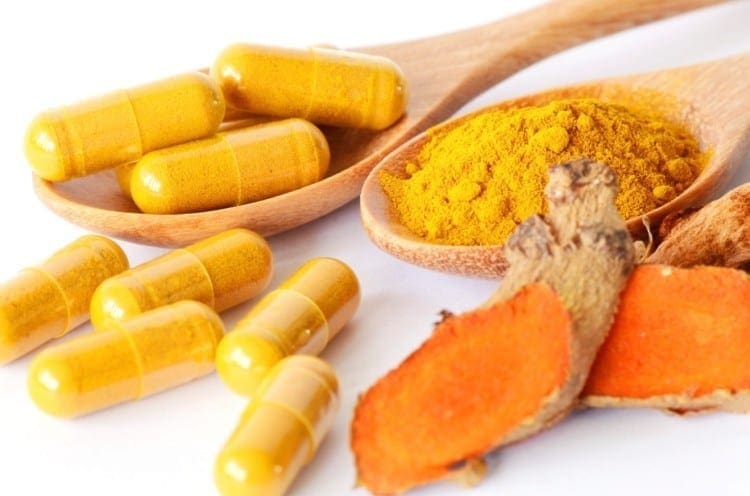
Turmeric, with its active compound curcumin, is a potent anti-inflammatory supplement that reduces joint pain, aiding recovery for El Paso’s active residents (ZoharyogaFlex, 2023). Magnesium supports muscle relaxation and flexibility, helping prevent stiffness after injuries (BetterYou, 2023). Collagen supplements strengthen connective tissues, speeding up recovery from sprains or strains, common in sports or workplace injuries (NutritionX, 2023).
Patients are advised to consult Dr. Jimenez or a healthcare professional before starting supplements, especially if they have existing conditions or take medications (MVSU, 2023).
At El Paso Back Clinic®, Dr. Alexander Jimenez, a chiropractor and nurse practitioner, specializes in treating injuries from motor vehicle accidents, work incidents, sports mishaps, and chronic conditions like arthritis or back pain. His dual-scope approach combines chiropractic adjustments with medical evaluations, using advanced diagnostics like X-rays and MRIs to identify issues such as herniated discs or nerve compression (Jimenez, 2023a). This ensures precise, personalized treatment plans for conditions causing pain, numbness, or reduced mobility.
Dr. Jimenez’s ability to provide detailed medical and legal documentation is a key asset for personal injury cases, supporting insurance claims or legal proceedings in El Paso’s vibrant community (Jimenez, 2023b). His focus on addressing the root causes of pain, such as spinal misalignments or soft tissue damage, promotes lasting recovery and improved quality of life.
Integrative Therapies for Comprehensive Rehabilitation
El Paso Back Clinic® offers a holistic approach to recovery, combining chiropractic care, massage therapy, acupuncture, and nutritional guidance. Chiropractic adjustments correct spinal and joint misalignments, relieving pressure and restoring mobility for conditions like whiplash or lower back pain (Jimenez, 2023a). Massage therapy reduces muscle tension and improves blood flow, aiding recovery from soft tissue injuries common in auto accidents or sports (Jimenez, 2023c).
Acupuncture targets pain and inflammation with precise needle placements, making it effective for chronic pain or post-injury recovery (Jimenez, 2023d). Nutritional guidance, including anti-inflammatory diets and supplements like omega-3s or collagen, supports joint and muscle repair, addressing underlying causes and preventing complications like chronic pain or joint degeneration (El Paso Back Clinic, 2023).
This integrative approach promotes natural healing, helping El Paso patients recover from a wide range of injuries while minimizing long-term issues.
At El Paso Back Clinic®, Dr. Jimenez and his team provide personalized care plans that integrate nutrition, chiropractic care, and integrative therapies to address pain and promote wellness. Whether recovering from a car accident, work injury, or sports trauma, the clinic’s holistic approach ensures optimal outcomes. Nutritional strategies, such as incorporating omega-3-rich foods or collagen supplements, support joint health and recovery (El Paso Back Clinic, 2023).
The clinic’s commitment to El Paso’s community is evident in its mission to help patients live pain-free, active lives. Always consult a healthcare professional before making dietary changes or starting supplements to ensure they align with your specific health needs (MVSU, 2023).
At El Paso Back Clinic®, Dr. Alexander Jimenez combines nutrition, supplementation, and integrative therapies to support mobility, flexibility, and injury recovery. A diet rich in omega-3s, collagen, and vitamins D and K, paired with supplements like glucosamine and turmeric, enhances joint health and reduces inflammation. Dr. Jimenez’s expertise in chiropractic care, massage therapy, acupuncture, and functional nutrition provides a comprehensive approach to healing injuries from auto accidents, work, or sports, while preventing long-term complications. The clinic helps El Pasoans live vibrant, pain-free lives. Consult a healthcare professional before starting new dietary or supplement regimens to ensure they suit your needs.
Turmeric may help reduce inflammation from an auto accident. Understand its potential benefits for your health.
Introduction
Motor vehicle accidents (MVAs) are a leading cause of injury worldwide, affecting millions of people each year. These accidents often result in musculoskeletal injuries, such as whiplash, back strains, and fractures, which can lead to significant inflammation and pain. Understanding the clinical reasons behind these injuries is essential for effective treatment and recovery. This guide examines the science of inflammation and pain associated with MVAs, the role of natural supplements like turmeric in managing these symptoms, and the expertise of Dr. Alexander Jimenez, a distinguished practitioner in El Paso, Texas, who specializes in treating personal injury cases. Written for a high school reading level, this post includes a touch of dark humor to make it engaging, but concludes with a serious note to emphasize the importance of proper care.
Section 1: The Clinical Rationale for Inflammation and Pain in MVAs
When you’re in a car accident, the sudden jolt can wreak havoc on your body. Imagine your neck snapping back like a rubber band—ouch! This is what happens in whiplash, one of the most common injuries from MVAs. Whiplash occurs when your head is forcefully jerked forward and backward, straining the muscles and ligaments in your neck. This rapid movement can cause tiny tears in these tissues, leading to inflammation and pain.
A study published in the International Journal of Environmental Research and Public Health (2020) explains that whiplash from MVAs causes a traumatic whipping motion of the head and neck, resulting in higher peak acceleration at the head than in the neck or lower spine (McConnell et al., 1993). This motion often leads to musculoligamentous sprain or strain, with injuries to cervical spine ligaments causing joint laxity and instability (Ivancic et al., 2008; Tominaga et al., 2006). The excessive strain on ligaments, particularly the facet capsule, can contribute to chronic neck pain (Siegmund et al., 2009). Ligamentous laxity, identified through videofluoroscopy (VF), is common in patients with chronic post-whiplash pain but rare in uninjured people (Barnsley et al., 1994).
Injury Type
Description
Common Symptoms
Whiplash
Rapid head movement causes neck strain
Pain, stiffness, headaches
Ligamentous Injury
Damage to cervical spine ligaments
Joint instability, chronic pain
These findings indicate that biomechanical forces in MVAs can cause significant damage, leading to inflammation that, if left unmanaged, can become a long-term issue. It’s like your body’s alarm system getting stuck on “high alert,” causing ongoing discomfort.
Ivancic, P. C., Ito, S., Tominaga, Y., Rubin, W., Coe, M. P., Ndu, A., … & Panjabi, M. M. (2008). Whiplash causes increased laxity of cervical capsular ligament. Clinical Biomechanics, 23(2), 159-165. https://doi.org/10.1016/j.clinbiomech.2007.09.003
McConnell, W. E., Howard, R. P., Guzman, H. M., Bomar, J. B., Raddin, J. H., Benedict, J. V., … & Hatsell, C. P. (1993). Analysis of human test subject kinematic responses to low velocity rear end impacts. SAE Technical Paper Series, 930889. https://doi.org/10.4271/930889
Siegmund, G. P., Winkelstein, B. A., Ivancic, P. C., Svensson, M. Y., & Vasavada, A. (2009). The anatomy and biomechanics of acute and chronic whiplash injury. Traffic Injury Prevention, 10(2), 101-112. https://doi.org/10.1080/15389580802593259
Tominaga, Y., Ndu, A. B., Coe, M. P., Valenson, A. J., Ivancic, P. C., Ito, S., … & Panjabi, M. M. (2006). Neck ligament strength is decreased following whiplash trauma. BMC Musculoskeletal Disorders, 7(1), 1-8. https://doi.org/10.1186/1471-2474-7-103
Section 2: Common Musculoskeletal Injuries from MVAs
MVAs can cause a variety of musculoskeletal injuries, which affect the muscles, ligaments, tendons, and bones that help you move. These injuries can range from minor annoyances to serious conditions that require extensive treatment. Here’s a rundown of the most common ones:
Whiplash: As mentioned, this neck injury is like your head playing a high-speed game of ping-pong, leaving you with pain, stiffness, and sometimes headaches that make you feel like your brain’s throwing a tantrum.
Back Injuries: The force of a crash can damage your spine, causing herniated discs, fractures, or soft tissue injuries. It’s like your back saying, “I didn’t sign up for this rollercoaster!”
Fractures: Bones in your arms, legs, ribs, or pelvis can break, causing severe pain and making you feel like a human jigsaw puzzle.
Sprains and Strains: Ligaments (sprains) and muscles (strains) can stretch or tear, leading to swelling and pain. Think of it as your body’s rubber bands snapping under pressure.
Dislocations: Joints can pop out of place, causing deformity and pain that makes you wonder if your shoulder is auditioning for a horror movie.
These injuries often lead to inflammation, which is your body’s way of saying, “We’ve got a problem here!” However, if inflammation persists, it can develop into a chronic issue, making recovery a prolonged and challenging process.
Injury
Affected Area
Potential Complications
Whiplash
Neck
Chronic pain, headaches
Back Injuries
Spine
Herniated discs, mobility issues
Fractures
Bones
Immobility, surgical needs
Sprains/Strains
Ligaments/Muscles
Swelling, limited movement
Dislocations
Joints
Deformity, chronic instability
References
Allen, B., Jr., Ferguson, R., Lehmann, T. R., & O’Brien, R. P. (1982). A mechanistic classification of closed, indirect fractures and dislocations of the lower cervical spine. Spine, 7(1), 1-27. https://doi.org/10.1097/00007632-198200710-00001
Bowley, D. M., & Boffard, K. D. (2002). Patterns of injury in motor vehicle accidents. World Journal of Surgery, 26(7), 801-805. https://doi.org/10.1007/s00268-002-4058-2
Section 3: The Role of Inflammation in Musculoskeletal Injuries
Inflammation is like your body’s fire alarm—it goes off when something’s wrong, like an injury from an MVA. It’s a natural response to protect and heal damaged tissues, but sometimes it overstays its welcome, causing chronic pain and other issues.
When you get injured, your body releases chemicals called cytokines and prostaglandins. These cause blood vessels to dilate, allowing more blood and immune cells to reach the injury site. This leads to the classic signs of inflammation: redness, heat, swelling, pain, and loss of function. It’s like your body’s throwing a party to fix the damage, but sometimes the party gets out of hand.
In MVAs, inflammation varies by injury:
Whiplash: Inflammation in the neck’s ligaments and joints causes pain and stiffness, making it hard to turn your head without feeling like a rusty robot.
Fractures: Inflammation helps heal broken bones but can cause significant swelling and pain, like your body’s overzealous repair crew working overtime.
Soft Tissue Injuries: Sprains and strains lead to localized swelling, making movement feel like wading through molasses.
If inflammation doesn’t calm down, it can lead to chronic conditions like fibromyalgia or chronic fatigue syndrome, which are like unwanted houseguests that refuse to leave. Managing inflammation is crucial to recovery, utilizing methods such as rest, physical therapy, medications, and natural supplements like turmeric.
Section 4: Turmeric and Its Beneficial Properties for Injury Treatment
Turmeric, that bright yellow spice in your curry, is more than just a flavor booster—it’s a powerhouse in traditional medicine. Used for centuries in India and China, turmeric contains curcumin, a compound with anti-inflammatory and antioxidant properties. Think of curcumin as a superhero that fights inflammation and protects your cells from damage.
Curcumin works by blocking enzymes like cyclooxygenase-2 (COX-2), which fuel inflammation. It also neutralizes free radicals, those pesky molecules that can worsen tissue damage. For MVA injuries, curcumin may help reduce swelling and pain, making recovery a bit less miserable. A study in BMJ Open Sport & Exercise Medicine found that curcumin can reduce muscle damage and inflammation after exercise-induced injuries, which are similar to those related to MVA (Davis et al., 2017).
Dr. Alexander Jimenez, a leading chiropractor in El Paso, has praised the benefits of turmeric. In an X post, he highlighted how curcumin supports joint health and reduces inflammation, making it a valuable addition to treatment plans for musculoskeletal injuries (Jimenez, 2023). He also recommends Meriva Curcumin Phytosome, a more bioavailable form of curcumin, to maximize its effects (Jimenez, 2018).
But here’s the catch: turmeric in your food might not pack enough curcumin to make a big difference. Supplements often have higher concentrations, but they can interact with medications, such as blood thinners, or cause side effects like stomach upset. Plus, applying hot turmeric paste, as some do in traditional remedies, can lead to burns—talk about adding insult to injury! Always consult a doctor before incorporating turmeric into your diet.
Turmeric Benefit
Mechanism
Potential Side Effects
Anti-inflammatory
Inhibits COX-2, LOX
Stomach upset, interactions
Antioxidant
Neutralizes free radicals
Possible liver issues
Joint Support
Reduces swelling
Allergic reactions
References
Davis, J. M., Murphy, E. A., Carmichael, M. D., & Davis, B. (2007). Quercetin increases brain and muscle mitochondrial biogenesis and exercise tolerance. American Journal of Physiology-Regulatory, Integrative and Comparative Physiology, 296(4), R1071-R1077. https://doi.org/10.1152/ajpregu.00376.2008
Hewlings, S. J., & Kalman, D. S. (2017). Curcumin: A review of its effects on human health. Foods, 6(10), 92. https://doi.org/10.3390/foods6100092
Section 5: Personal Injury Cases and Dr. Alexander Jimenez’s Expertise
In El Paso, Texas, MVAs are a common cause of personal injury cases, leaving victims with physical pain, emotional stress, and financial burdens. Whether it’s a fender-bender or a major crash, the aftermath can feel like a bad plot twist in your life’s story. Fortunately, experts like Dr. Alexander Jimenez are here to help.
Dr. Jimenez, with over 25 years of experience, is a board-certified chiropractor and functional medicine practitioner in El Paso. He specializes in treating motor vehicle accident (MVA) injuries, utilizing advanced tools such as videofluoroscopy and digital motion X-ray to pinpoint damage. These diagnostics are like giving your injuries a high-definition close-up, revealing issues such as ligament laxity or joint instability that might not be visible on standard X-rays.
His treatment plans incorporate chiropractic adjustments, physical therapy, nutritional counseling, and lifestyle modifications to facilitate patient recovery. Dr. Jimenez also acts as a bridge between medical care and legal documentation, ensuring that injury details are accurately recorded for personal injury claims. This is crucial in El Paso, where personal injury cases often involve complex legal processes.
Patients praise Dr. Jimenez for his holistic approach. One patient noted, “Alex treats you like a friend, providing exceptional care” (Jimenez, 2025). His clinic, Injury Medical Clinic PA, focuses on restoring mobility, health, and quality of life, making him a trusted ally for MVA victims.
Motor vehicle accidents can turn your life upside down, leaving you with injuries that cause inflammation and pain. Understanding the science behind injuries such as whiplash or back strains is crucial for finding effective treatments. Turmeric, with its anti-inflammatory curcumin, offers a natural way to manage symptoms, but it’s not a magic bullet—consult a doctor before trying it. In El Paso, Dr. Alexander Jimenez stands out as a beacon of hope, utilizing advanced diagnostics and holistic care to aid MVA victims in their recovery.
While we’ve sprinkled some humor throughout (because who doesn’t need a chuckle when life feels like a crash course?), this topic is serious. If you’ve been involved in a motor vehicle accident (MVA), seek medical attention immediately and consider consulting a specialist, such as Dr. Jimenez, for personalized care.
Disclaimer
This guide is provided for informational purposes only and should not be considered medical advice. Always consult a qualified healthcare professional before starting any new treatment or supplement regimen.
Can individuals dealing with joint pain incorporate turmeric as part of their treatment to reduce inflammation and restore joint health?
Introduction
Many people realize that when the body ages, so do the bones, joints, and spinal discs. This causes musculoskeletal issues to develop and lead to joint pain. Many environmental factors, like improper posture, injuries, accidents, and heavy-loaded objects, are pain-like issues that can affect an individual’s health and well-being. This is because joint pain is associated with these environmental factors, which cause pain and inflammatory effects that can impact their well-being. Additionally, many people will try to find ways to reduce the inflammatory effects caused by joint pain, and one of them is found in their kitchen pantry, which is known as turmeric. Today’s article focuses on the connection between the joints and inflammation, what is turmeric, and its beneficial properties for the joints. We talk with certified associated medical providers who inform our patients about how adding turmeric to their daily routine can reduce the inflammatory effects on the joints. While asking associated medical providers intricate questions, we advise patients to incorporate turmeric in their meals and find therapeutic ways to reduce joint pain in their upper and lower extremities. Dr. Alex Jimenez, D.C., includes this information as an academic service. Disclaimer.
Joint Pain & Inflammation Connection
Do you feel localized or referred pain in your joints that causes you to rest for an extended period? Do general morning aches and pains get better throughout the day? Or do you notice that you are losing your grip occasionally? Many of these scenarios are correlated with joint pain. The joints are part of the musculoskeletal system, and their primary job is to provide movement to the upper and lower extremities without pain. However, when the human body ages, the joints also gradually age. When the joints start to lose their cartilage, environmental factors can cause pain-like symptoms like inflammation to affect the joints, thus causing pain, stiffness, and inflammation. Additionally, it can also lead to joint disorders in the body. While inflammation helps heal the affected area in the body, it is beneficial for the natural healing process; however, when inflammation is chronic, it can do more harm than good.
This is because the immune cells are involved in neuroimmune interplay, which plays a key role in generating and maintaining pain in diseases with an inflammatory component. (Vasconcelos et al., 2022) Additionally, when environmental factors start to affect the joints, the inflammatory effects can cause peripheral nerve damage, and that can cause structural damage to the joints, leading to altered gait and abnormal loading patterns through movement. (McDougall & Reid, 2022) When individuals experience inflammatory effects that affect their joints, many will try to find ways to reduce the pain-like effects in their joints.
Fighting Inflammation Naturally-Video
What Is Turmeric?
Many individuals dealing with pain and inflammation in their joints will seek out therapeutic options to restore joint health. Many people can incorporate anti-inflammatory supplements and treatments to reduce joint inflammation. Turmeric is one of the anti-inflammatory supplements found in India and Southern Asia; anti-inflammatory components can help treat a wide variety of conditions and general health and wellness. (“Turmeric,” 2012) Turmeric is also a functional food due to its health-promoting properties that can help decrease inflammatory cytokines and reduce joint pain, which can help improve joint mobility. (Kepinska-Pacelik & Biel, 2023)
Turmeric’s Beneficial Properties For The Joints
Now, when it comes to the beneficial properties of turmeric for joint pain, many people can take turmeric in supplement form and, over time, will begin to notice less pain in their joints. This is because the main purpose of incorporating turmeric as part of a therapeutic routine is to relieve pain, delay joint degeneration progression, and restore joint function. (Zeng et al., 2021) Additionally, turmeric can help control inflammation and improve joint health since it can have a positive effect or equivalency of anti-inflammatory medication for individuals wanting to reduce joint pain’s life effects. (Panknin et al., 2023) When people want to think about their well-being and joint health, taking turmeric supplements or incorporating them in dishes can be a stepping stone to improving joint function. At the same time, incorporating strength training exercises into the surrounding muscles can help with joint improvement, and non-surgical treatments like chiropractic care can help reduce the inflammatory effects of degenerating the joints. This, in turn, can help people live pain-free lives, giving them a sense of control over their well-being.
References
Kepinska-Pacelik, J., & Biel, W. (2023). Turmeric and Curcumin-Health-Promoting Properties in Humans versus Dogs. Int J Mol Sci, 24(19). https://doi.org/10.3390/ijms241914561
McDougall, J. J., & Reid, A. R. (2022). Joint Damage and Neuropathic Pain in Rats Treated With Lysophosphatidic Acid. Front Immunol, 13, 811402. https://doi.org/10.3389/fimmu.2022.811402
Panknin, T. M., Howe, C. L., Hauer, M., Bucchireddigari, B., Rossi, A. M., & Funk, J. L. (2023). Curcumin Supplementation and Human Disease: A Scoping Review of Clinical Trials. Int J Mol Sci, 24(5). https://doi.org/10.3390/ijms24054476
Vasconcelos, D. P., Jabangwe, C., Lamghari, M., & Alves, C. J. (2022). The Neuroimmune Interplay in Joint Pain: The Role of Macrophages. Front Immunol, 13, 812962. https://doi.org/10.3389/fimmu.2022.812962
Zeng, L., Yu, G., Hao, W., Yang, K., & Chen, H. (2021). The efficacy and safety of Curcuma longa extract and curcumin supplements on osteoarthritis: a systematic review and meta-analysis. Biosci Rep, 41(6). https://doi.org/10.1042/BSR20210817
How often do you feel unclear thoughts or concentration and brain fog? How often do you experience pain, discomfort, and/or inflammation? How often do you feel mental and physical fatigue after eating meals? Inflammation is an essential immune response, however, chronic inflammation, especially in the brain and the joints, can cause a variety of health issues. Fortunately, there are many natural remedies that can help reduce inflammation, including turmeric or curcumin. �
Turmeric, sometimes known as Indian saffron or the golden spice, is a tall plant that grows in Central America and Asia. The turmeric that we commonly see on shelves and in spice cabinets is made of the ground roots of the plant. Moreover, the bright yellow color of processed turmeric has inspired many cultures to use it as a dye. Ground turmeric is also the main ingredient in curry powder. Capsules, powders, teas, and extracts are several ways that turmeric is available commercially. �
Curcumin is the active ingredient found in turmeric and it has many powerful biological properties. Ayurvedic medicine, a traditional Indian system of treatment, recommends utilizing turmeric for a variety of health issues, including chronic pain and inflammation. Western medicine has started to evaluate the use of turmeric as a pain reliever. �In the following article, we will discuss the health benefits and risks of turmeric as well as how these can affect overall health and wellness. �
Health Benefits of Turmeric
According to the Arthritis Foundation, research studies in which turmeric has been utilized helped reduce chronic inflammation in the clinical trial participants. The anti-inflammatory properties of turmeric, or curcumin, may help reduce arthritis joint pain and discomfort. Together with other supplements, such as an Nrf2 activator, research studies have shown that these can reduce inflammatory cytokines by dampening NF-?B activity and down-regulating COX, LOX, iNOS, matrix metalloproteiases, INF-a, and interleukines-1, 2, 6, 8, 12 as well as chemokines. The Arthritis Foundation suggests taking capsules of 400 to 600 milligrams (mg) of turmeric or curcumin up to three times per day for chronic pain and inflammation. �
Many researchers and healthcare professionals believe that turmeric may not only be efficient at reducing inflammation but it may also be safe and effective as a chronic pain reliever. As previously mentioned, the spice is reputed to help relieve arthritis as well as fibromyalgia symptoms. Research tudies seem to support the utilization of turmeric for pain relief, with one source noting that it seemed to work as well as ibuprofen (Advil) in people with arthritis. Although dosing recommendations seem to vary, those who participated in the research study took 800 mg of turmeric in capsules, each day. �
Turmeric has also recently been getting a lot of attention because of its antioxidant abilities. The antioxidant effects of turmeric appear to be so powerful that it may even help stop or prevent your liver from being damaged by toxins. This could be good news for people who take strong medicines for diabetes or any other health issues that may damage their liver through long-term utilization. Curcumin has also shown great promise as a type of cancer treatment. Research studies suggest that curcumin can have protective effects against pancreatic cancer, prostate cancer, and multiple myeloma. �
Turmeric is utilized in curry powder is because it helps add a delicious element to foods. However, turmeric can also play a fundamental role in the digestive process of that food. Because of its antioxidant and anti-inflammatory properties, turmeric can help promote healthy digestion. It’s utilized in ayurvedic medicine as a digestive system healing agent. Today, Western medicine has started to evaluate how turmeric, or curcumin, can help with gut inflammation as well as gut permeability, two measures of your digestive efficiency. Turmeric is even being explored as a possible treatment approach for irritable bowel syndrome (IBS). Turmeric can have many health benefits but curcumin supplements may also have several health risks. �
Health Risks of Turmeric
The same healing agents in turmeric that support healthy digestion can unfortunately also cause irritation when consumed in large amounts. Several research study participants looking at the utilization of turmeric as a type of cancer treatment had to drop out of the clinical trial because their digestive system was so negatively affected by the spice. Turmeric stimulates the stomach to produce more gastric acid. Although this can help with digestion, it can negatively affect digestion for others. �
Turmeric’s purifying properties may also make you bleed more easily. It’s not completely understood why this happens. However, people who take blood-thinning medicines, such as warfarin (Coumadin) should avoid consuming large doses of turmeric or curcumin.�
Researchers and healthcare professionals hypothesize that turmeric’s other benefits, including its capability to lower blood pressure and cholesterol, may have something to do with how turmeric affects your blood. Furthermore, researchers and healthcare professionals believe that the way curcumin is extracted from turmeric can be the cause of this health issue. Approximately 95 percent of curcumin in the U.S. is extracted by carcinogenic solvents. �
You may have also heard that eating foods seasoned with curry can stimulate labor. Although there’s little evidence to back up this claim, research studies suggest that turmeric can help ease symptoms of PMS. But perhaps, there may be some truth behind the old wives’ tale. Because of its blood-thinning effects alone, however, pregnant women are recommended to avoid taking turmeric supplements. Adding small amounts of turmeric as a spice to food or meals shouldn’t be a problem. �
The Takeaway of Turmeric
It appears that there are many health benefits to including turmeric as a part of your regular diet. The golden spice supports a healthy immune system, helps relieve chronic pain, and can even help promote healthy digestion, among other health benefits. However, because of some of its health risks and side effects, turmeric or curcumin may not be worth taking for several people. It’s essential to utilize caution when deciding whether turmeric is something you may want to try. As with any alternative treatment option, talk with your doctor before you utilize turmeric to treat any health issue. If you want to buy a turmeric or curcumin supplement, then there is an excellent selection online with thousands of great customer reviews. �
Turmeric, or curcumin, is a powerful, natural remedy which has been demonstrated to have many health benefits, especially for chronic pain and inflammation, among others. However, too much of the powerful, golden spice can also have several health risks and side effects. It’s fundamental to talk to a healthcare professional to discuss if turmeric or curcumin is a good treatment option. Turmeric, or curcumin, can be utilized for a variety of health issues, including arthritis and fibromyalgia. Make sure to talk to a doctor before using turmeric or curcumin supplements. – Dr. Alex Jimenez D.C., C.C.S.T. Insight
Neurotransmitter Assessment Form
The following Neurotransmitter Assessment Form can be filled out and presented to Dr. Alex Jimenez. Symptoms listed on this form are not intended to be utilized as a diagnosis of any type of disease, condition, or any other type of health issue. �
How often do you feel unclear thoughts or concentration and brain fog? How often do you experience pain, discomfort, and/or inflammation? How often do you feel mental and physical fatigue after eating meals? Inflammation is an essential immune response, however, chronic inflammation, especially in the brain and the joints, can cause a variety of health issues. Fortunately, there are many natural remedies that can help reduce inflammation, including turmeric or curcumin. �
The scope of our information is limited to chiropractic, musculoskeletal and nervous health issues or functional medicine articles, topics, and discussions. We use functional health protocols to treat injuries or disorders of the musculoskeletal system. To further discuss the subject matter above, please feel free to ask Dr. Alex Jimenez or contact us at 915-850-0900 . �
Curated by Dr. Alex Jimenez �
Additional Topic Discussion: Chronic Pain
Sudden pain is a natural response of the nervous system which helps to demonstrate possible injury. By way of instance, pain signals travel from an injured region through the nerves and spinal cord to the brain. Pain is generally less severe as the injury heals, however, chronic pain is different than the average type of pain. With chronic pain, the human body will continue sending pain signals to the brain, regardless if the injury has healed. Chronic pain can last for several weeks to even several years. Chronic pain can tremendously affect a patient’s mobility and it can reduce flexibility, strength, and endurance.
Neural Zoomer Plus for Neurological Disease
Dr. Alex Jimenez utilizes a series of tests to help evaluate neurological diseases. The Neural ZoomerTM Plus is an array of neurological autoantibodies which offers specific antibody-to-antigen recognition. The Vibrant Neural ZoomerTM Plus is designed to assess an individual�s reactivity to 48 neurological antigens with connections to a variety of neurologically related diseases. The Vibrant Neural ZoomerTM Plus aims to reduce neurological conditions by empowering patients and physicians with a vital resource for early risk detection and an enhanced focus on personalized primary prevention. �
Food Sensitivity for the IgG & IgA Immune Response
Dr. Alex Jimenez utilizes a series of tests to help evaluate health issues associated with food sensitivities. The Food Sensitivity ZoomerTM is an array of 180 commonly consumed food antigens that offers very specific antibody-to-antigen recognition. This panel measures an individual�s IgG and IgA sensitivity to food antigens. Being able to test IgA antibodies provides additional information to foods that may be causing mucosal damage. Additionally, this test is ideal for patients who might be suffering from delayed reactions to certain foods. Utilizing an antibody-based food sensitivity test can help prioritize the necessary foods to eliminate and create a customized diet plan around the patient�s specific needs. �
Formulas for Methylation Support
XYMOGEN�s Exclusive Professional Formulas are available through select licensed health care professionals. The internet sale and discounting of XYMOGEN formulas are strictly prohibited.
Proudly,�Dr. Alexander Jimenez makes XYMOGEN formulas available only to patients under our care.
Please call our office in order for us to assign a doctor consultation for immediate access.
If you are a patient of Injury Medical & Chiropractic�Clinic, you may inquire about XYMOGEN by calling 915-850-0900.
�
For your convenience and review of the XYMOGEN products please review the following link. *XYMOGEN-Catalog-Download �
* All of the above XYMOGEN policies remain strictly in force.
How often do you get fatigued after meals? How often do you have difficulty falling into deep, restful sleep? How often do you feel more susceptible to pain? Chronic brain inflammation can cause numerous symptoms which are commonly associated with a wide variety of neurological diseases. Fortunately, researchers and healthcare professionals have found a natural remedy that can help improve chronic brain inflammation and it can provide many more health benefits: turmeric. �
For centuries, researchers and healthcare professionals alike have been studying the many health benefits of turmeric. In recent decades, however, research studies are attempting to verify the claims of our ancestors by testing turmeric in numerous clinical trials. Curcumin has been shown to have a wide variety of healing properties and practical uses. However, can turmeric improve chronic brain inflammation? In this article, we will discuss the benefits of turmeric for brain health. �
Turmeric and Brain Health
Turmeric, or curcumin, supplements have shown tremendous potential towards the safe and effective treatment of a variety of health issues. Research studies show that turmeric can help relieve arthritis and joint pain, lower blood pressure, and even enhance skincare. Turmeric may also ultimately help improve allergy symptoms and it may also help promote weight loss. �
New evidence from several research studies also suggests that turmeric may provide considerable health benefits for overall brain health, including the prevention of neurological diseases. Curcumin contains neuroprotective properties that can help preserve mental acuity. Therefore, turmeric may have the ability to boost memory function, reduce brain fog, and enhance overall cognition. Before we evaluate the research studies, we will discuss memory and brain fog in a bit more detail. �
Understanding Memory and Brain Fog
The lack of mental clarity is commonly associated with the inability to focus, poor levels of concentration, and memory problems. Best known as brain fog, or mental fatigue, this is a collection of symptoms related to reduced brain function rather than a single health issue.�The brain is an extremely complex organ. The extent with which turmeric can help depends on the cause of your brain fog, which we will discuss shortly. First, let�s review several core functions of the human brain. �
The brain acquires knowledge by using the senses as well as by experiences and thinking in what we know as cognition. Cognition ultimately includes memory, problem-solving, and decision making, among other brain functions.�
The brain is also capable of storing and recalling information. Memory is the collection of this data saved over time by neural connections in the brain. Information in the brain is made up of short-term memory and long-term memory.
The brain also other functions that work together with memory. The way we learn mainly includes how we acquire knowledge as well as how this information is remembered in the future. Learning can include changing these skills.
Brain plasticity, also known as neuroplasticity, is the way a person’s brain will change throughout their life. This helps make synapses stronger and/or weaker and it can ultimately help improve a person’s learning and memory capabilities.�
Turmeric and Brain Health: Benefits of Curcumin
One research study evaluated the effects of turmeric, or curcumin, on cognition and mood in a group of healthy, elderly individuals. The clinical trial included 60 subjects ranging between the ages of 60 and 85 years old, which consumed a 400 mg dose of curcumin. The research study was a double-blinded, placebo-controlled, and randomized clinical trial. �
One hour post-administration, researchers found considerable performance improvements in working memory tasks and sustained attention span compared to the placebo group. After four additional weeks of treatment, the turmeric, or curcumin, group experienced reduced psychological stress-induced fatigue, enhanced mood, and a better sense of calmness. �
Finally, the research study showed improvements in overall alertness and contentedness. Turmeric ultimately appears that it can also help enhance memory, focus, and concentration as well as cognition in elderly populations, among others. �
There are several mechanisms of action that turmeric takes on the human body to help prevent cognitive impairment. Turmeric reduces chronic low-grade systemic inflammation, enhances antioxidant activity, and reduces oxidative stress. �
By fighting free radicals in the human body, turmeric has also shown the potential to preserve neuronal integrity, which can inhibit the progression of cognitive decline. Furthermore, these processes demonstrate an innate ability to slow down brain aging and reduce brain fog symptomology caused by aging and disease, decreasing the risk or neurological diseases. �
Turmeric may also improve DHA, or docosahexaenoic acid, synthesis. DHA is the fatty acid most closely associated with brain health, brain development, and neuroprotection. If you have a DHA deficiency, you leave yourself at risk of developing several cognitive disorders, including anxiety, memory problems, inability to focus, etc. Researchers have found that turmeric increases multiple enzymes responsible for the synthesis of DHA from its precursor, alpha-lipoic acid, or ALA. �
According to research studies, another way in which curcumin can help improve brain health is by reducing the neurotoxicity caused by fluoride. It�s well-known that fluoride may have adverse effects on mental health and other core biological functions. Researchers performed a clinical trial testing curcumin�s neuroprotective health benefits on a group of mice. �
The results of the research study showed that fluoride increased lipid peroxidation, or LPO, a major cause of damage to cell membranes. In addition, fluoride also increased the number of neurodegenerative cells present in the hippocampus. With 30 days of curcumin administration from the research study, there was a considerable decrease in neurodegeneration and LPO. �
A second animal research study utilized curcumin to evaluate its effects on cognition and neurogenesis in a group of aged rats. Neurogenesis refers to the process of developing new neurons in the brain. Following the 12-week treatment period, researchers in the research study were ultimately able to demonstrate increased cognition and neurogenesis in the rats. �
The treated group also experienced enhanced spatial and non-spatial memory. These results suggest that turmeric may affect neuronal development, neurotransmission, synaptic plasticity, and signal transduction, among other brain functions. �
Additionally, another fundamental protein for cognition is the brain-derived neurotrophic factor, or BDNF, which promotes the growth and maturation of brain cells or, neurons. According to research studies, turmeric has shown that it can considerably help improve BDNF levels in people with premenstrual syndrome or PMS, diabetes, and obesity. �
The last research study we will look at further supports the hypothesis of utilizing turmeric to improve memory and reduce brain fog. A group of chronically stressed rats were given turmeric throughout a 20-day treatment period. �
Following turmeric administration, there was a notable reversal of impaired hippocampal neurogenesis, followed by increases in serotonin receptors and BDNF. The results of the research study ultimately suggest that turmeric, or curcumin, may overcome stress-induced abnormalities in the brain that can inhibit cognitive function, among other brain functions. �
Turmeric, or curcumin, is a powerful, natural remedy which has been demonstrated to have many health benefits, especially for brain health. Regarded as an antioxidant with anti-cancer, antidepressant, and anti-aging properties, turmeric can do much more than improve memory and brain fog. According to many research studies, turmeric or curcumin can help reduce brain inflammation or neuroinflammation by blocking the production of proinflammatory cytokines. – Dr. Alex Jimenez D.C., C.C.S.T. Insight
Neurotransmitter Assessment Form
The following Neurotransmitter Assessment Form can be filled out and presented to Dr. Alex Jimenez. Symptoms listed on this form are not intended to be utilized as a diagnosis of any type of disease, condition, or any other type of health issue. �
In honor of Governor Abbott’s proclamation, October is Chiropractic Health Month. Learn more about the proposal. �
How often do you get fatigued after meals? How often do you have difficulty falling into deep, restful sleep? How often do you feel more susceptible to pain? Chronic brain inflammation can cause numerous symptoms which are commonly associated with a wide variety of neurological diseases. Fortunately, researchers and healthcare professionals have found a natural remedy that can help improve chronic brain inflammation and it can provide many more health benefits: turmeric. �
For centuries, researchers and healthcare professionals alike have been studying the many health benefits of turmeric. In recent decades, however, research studies are attempting to verify the claims of our ancestors by testing turmeric in numerous clinical trials. Curcumin has been shown to have a wide variety of healing properties and practical uses. However, can turmeric improve chronic brain inflammation? In this article, we will discuss the benefits of turmeric for brain health. �
The scope of our information is limited to chiropractic, musculoskeletal and nervous health issues or functional medicine articles, topics, and discussions. We use functional health protocols to treat injuries or disorders of the musculoskeletal system. To further discuss the subject matter above, please feel free to ask Dr. Alex Jimenez or contact us at 915-850-0900 . �
Curated by Dr. Alex Jimenez �
Additional Topic Discussion: Chronic Pain
Sudden pain is a natural response of the nervous system which helps to demonstrate possible injury. By way of instance, pain signals travel from an injured region through the nerves and spinal cord to the brain. Pain is generally less severe as the injury heals, however, chronic pain is different than the average type of pain. With chronic pain, the human body will continue sending pain signals to the brain, regardless if the injury has healed. Chronic pain can last for several weeks to even several years. Chronic pain can tremendously affect a patient’s mobility and it can reduce flexibility, strength, and endurance.
Neural Zoomer Plus for Neurological Disease
Dr. Alex Jimenez utilizes a series of tests to help evaluate neurological diseases. The Neural ZoomerTM Plus is an array of neurological autoantibodies which offers specific antibody-to-antigen recognition. The Vibrant Neural ZoomerTM Plus is designed to assess an individual�s reactivity to 48 neurological antigens with connections to a variety of neurologically related diseases. The Vibrant Neural ZoomerTM Plus aims to reduce neurological conditions by empowering patients and physicians with a vital resource for early risk detection and an enhanced focus on personalized primary prevention. �
Formulas for Methylation Support
XYMOGEN�s Exclusive Professional Formulas are available through select licensed health care professionals. The internet sale and discounting of XYMOGEN formulas are strictly prohibited.
Proudly,�Dr. Alexander Jimenez makes XYMOGEN formulas available only to patients under our care.
Please call our office in order for us to assign a doctor consultation for immediate access.
If you are a patient of Injury Medical & Chiropractic�Clinic, you may inquire about XYMOGEN by calling 915-850-0900.
�
For your convenience and review of the XYMOGEN products please review the following link. *XYMOGEN-Catalog-Download
* All of the above XYMOGEN policies remain strictly in force.
How often do you feel agitated, easily upset, and nervous between meals? How often do you depend on coffee to keep yourself going?How often do you have difficulty concentrating before eating? Inflammation is an essential reaction of the human body. It’s triggered by the immune system to protect us from injury, infection, and/or illness. However, what happens if there is too much inflammation in the human body? And, what happens if there is too much inflammation in the brain?
Neuroinflammation can cause a variety of health issues, such as anxiety, stress, depression, brain fog, fatigue, and even lethargy, among other well-known symptoms. Fortunately, there is one natural remedy that can help tremendously reduce inflammation and improve brain function. According to research studies, curcumin can help combat neuroinflammation. The purpose of the article below is to discuss the anti-inflammatory effects of curcumin in microglia, brain health, and wellness.
Anti-inflammatory Effects of Curcumin in Microglial Cells
Abstract
Lipoteichoic acid (LTA) induces neuroinflammatory molecules, contributing to the pathogenesis of neurodegenerative diseases. Therefore, suppression of neuroinflammatory molecules could be developed as a therapeutic method. Although previous data supports an immune-modulating effect of curcumin, the underlying signaling pathways are largely unidentified. Here, we investigated curcumin�s anti-neuroinflammatory properties in LTA-stimulated BV-2 microglial cells. Inflammatory cytokine tumor necrosis factor-? [TNF-?, prostaglandin E2 (PGE2), and Nitric Oxide (NO] secretion in LTA-induced microglial cells were inhibited by curcumin. Curcumin also inhibited LTA-induced inducible NO synthases (iNOS) and cyclooxygenase-2 (COX-2) expression. Subsequently, our mechanistic studies revealed that curcumin inhibited LTA-induced phosphorylation of mitogen-activated protein kinase (MAPK) including ERK, p38, Akt, and translocation of NF-?B. Furthermore, curcumin induced hemeoxygenase (HO)-1HO-1 and nuclear factor erythroid 2-related factor 2 (Nrf-2) expression in microglial cells. Inhibition of HO-1 reversed the inhibition effect of HO-1 on inflammatory mediators released in LTA-stimulated microglial cells. Taken together, our results suggest that curcumin could be a potential therapeutic agent for the treatment of neurodegenerative disorders via suppressing neuroinflammatory responses. � Keywords:curcumin, neuroinflammation, TLR2, HO-1, microglial cells
Introduction
Chronic neuroinflammation plays an important role in various neurodegenerative diseases, including AD, Parkinson�s disease (PD), Huntington�s disease (HD), stroke, amyotrophic lateral sclerosis (ALS), and multiple sclerosis (MS) (Spangenberg and Green, 2017). Neuroinflammation is interceded by the activation of microglia, the prime effector cells and resident immune cells of the CNS (Nakagawa and Chiba, 2015). Microglial cells can be activated in response to neuronal death or neuronal damage induced by neuroinflammatory responses or by extracellular toxins, such as bacteria and pathogens (Larochelle et al., 2015). In neuroinflammation, activated microglia releases various kinds of cytokines, chemokines, reactive oxygen species, and reactive nitrogen species for the development and maintenance of inflammatory responses (Moss and Bates, 2001). Excessive production of these inflammatory mediators could cause neuronal damage and death. Accumulated evidence suggests that control of microglial activation could attenuate the severity of neurodegenerative disease (Perry et al., 2010). Therefore, the development of anti-neuro-inflammatory agents for the inhibition of microglial activation could be beneficial for the treatment of neurodegenerative diseases.
Microglia express pattern recognition receptors (PRR) that can bind to pattern-associated molecular patterns (PAMPs) and damage-associated molecular patterns (DAMPs) such as lipopolysaccharide (LPS) and lipoteichoic acid (LTA), respectively (Jack et al., 2005). TLRs, a major class of PRRs, play a crucial role in host defense by inducing innate immune responses. Increasingly, studies have indicated that TLR2 agonist LTA is involved in the pathogenesis of CNS infectious diseases and can induce neuronal damage (Neher et al., 2011). Inhibition of TLR2 activation attenuates microglial cell activation and amyloid ? accumulation in the brain (McDonald et al., 2016; Hossain et al., 2017). Signal transduction via TLR2 is mediated by different adaptor proteins, including MyD88, which promotes downstream signaling via MAPK and NF-?B activation leading to the expression of inflammatory mediators (Larochelle et al., 2015).
Inflammatory and oxidative molecules are very potent activators of Keap-Nrf2 (NF-E2-related factor 2), which induces the expression of Phase II detoxification enzymes to adapt to the oxidative stress condition (Rojo et al., 2010). Usually, Nrf2 acts in an inactive form. Upon stimulation, Nrf2 separates from Keap1 and translocates into the nucleus, where it binds to the antioxidant response element (ARE) to activate the transcription of antioxidant genes for cytoprotection (Ma, 2013; Cho et al., 2015). One of the Nrf2-regulated genes is heme oxygenase-1 (HO-1), which has an ARE sequence in its promoter region. Recently, HO-1 has been reported to be a predominant factor in controlling oxidative stress and inflammatory responses in neurodegenerative diseases (Schipper et al., 2009). HO-1 is the first inducible rate-limiting enzyme in the degradation of heme into by-products. HO-1 may provide neuroprotection or neurotoxic effect because of the balance between the beneficial and toxic effects of heme and heme products (Mancuso et al., 2010). One by-product of HO-1, Bilirubin, has been demonstrated to protect neurons from oxidative stress in vivo and in vitro. Bilirubin can be oxidized to biliverdin by scavenging peroxyl radicals (Chen, 2014). It has been suggested that HO-1, biliverdin, and CO have anti-inflammatory properties (Jazwa and Cuadrado, 2010). Another study has suggested that mice lacking HO-1 were vulnerable to pro-inflammatory stimuli and developed chronic inflammation due to reduced iron levels (Chora et al., 2007). Furthermore, a recent study suggested that the up-regulation of the Nrf2 and HO-1 pathways significantly inhibited the inflammatory reaction in activated microglia (Kim et al., 2016). Nrf2 inhibited microglial hyperactivation by suppressing p38 MAPK and the NF-?B signaling pathway (Kim B.W. et al., 2013). Knockdown of Nrf2 in mice was shown to be hypersensitive to neuroinflammation, as indicated by an increase in the inflammatory markers iNOS, IL-6, and TNF-? (Rojo et al., 2010). Consequently, Nrf2 and HO-1 have been considered as important therapeutic targets for neurodegenerative diseases (Koh et al., 2011; Zhang et al., 2014).
Curcumin, the main curcuminoid isolated from Curcuma longa L. (turmeric) has been used for centuries in Southeast Asia both as a medicinal remedy and as food (Kunnumakkara et al., 2017). Curcumin, demethoxycurcumin, bisdemethoxycurcumin, ar-turmerone, ?-turmerone, and ?-turmerone are the major bioactive compounds found in C. longa. In modern pharmacological studies, C. longa constituents, particularly curcumin, have shown promising pharmacological activities due to its anti-neuroinflammatory, neuroprotective, chemopreventive, immunomodulatory, and potentially chemotherapeutic effects (Garcia-Alloza et al., 2007; Zhou et al., 2017). A previous study showed that curcumin inhibited LPS-induced inflammatory responses in RAW264.7 macrophages, suggesting a potential role of curcumin in anti-Gram-negative bacterial infection (Zhou et al., 2017) and both in vivo and in vitro research have shown that curcumin exhibits anti-inflammatory effects (Garcia-Alloza et al., 2007; Prakobwong et al., 2011; Parada et al., 2015; Li et al., 2016). Furthermore, curcumin has also been reported to promote the development of the M2 microglial phenotype in an HO-1-dependent manner and reduce iNOS induction, protecting microglial cells against oxidative stress (Parada et al., 2015). In the present study, we investigated whether curcumin could affect LTA-induced microglial activation. The TLR2 ligand LTA is a major constituent of the cell wall of Gram-positive bacteria. We show that curcumin exhibits anti-inflammatory and antioxidant effects in LTA-stimulated BV2 microglia through activation of HO-1/Nrf2/ARE cytoprotective mechanisms.
Materials and Methods
Materials
Curcumin and other reagents were purchased from Sigma (C7727, >80%, St. Louis, MO, United States). Protoporphyrin IX (SnPP) and antibodies directed against HO-1 (sc-390991) – Nrf2 (sc-722), TATA-binding protein (TBP; sc-74595), ?-tubulin (sc-134237), and ?-actin (sc-130065) – were purchased from Santa Cruz Biotechnology, Inc., (Dallas, TX, United States). Antibodies directed against iNOS (13120) – phosphorylated (p)-MAPK (9910s), MAPK (9926), protein kinase B (Akt; 4685), p-Akt (13038), and an NF-?B pathway kit (9936) – were purchased from Cell Signaling Technology, Inc., (Danvers, MA, United States). LTA was obtained from InvivoGen (tlrl-pslta,Toulouse, France). Additionally, JNK inhibitor (JNK inhibitor II; 420119), Akt inhibitor (wortmannin; 12-338), ERK inhibitor (PD98059, 513000), and p38 inhibitor (SB230580, 559395) were purchased from EMD Millipore (Billerica, MA, United States). The cell culture medium, DMEM, and fetal bovine serum (FBS) were purchased from Gibco BRL (now Invitrogen Corporation, Carlsbad, CA, United States).
Cell Culture
Mouse BV-2 microglial cells were purchased from ATCC. Cells were cultured in DMEM supplemented with 10% heat-inactivated FBS and 0.1% penicillin-streptomycin (BioSource International, Camarillo, CA, United States) at 37�C in a humidified atmosphere of 5% CO2 and 95% air.
Cell Viability Assay
The cytotoxicity of curcumin was assessed using a microculture [3-(4,5-Dimethylthiazol-2-yl)-2,5-diphenyltetrazolium bromide] (MTT)-based colorimetric assay. Cells were incubated in 24-well plates at a density of 5 � 105 cells per well. The MTT solution (5 ml of 5 mg/ml) was added to each well (final concentration 62.5 mg/ml). After incubation for 3 h at 37�C in 5% CO2, the supernatant was removed and the formazan crystals produced in viable cells were solubilized with 150 ml of dimethylsulfoxide (DMSO). The absorbance of each well was then read at 570 nm using a microplate reader (Wallac 1420; PerkinElmer, Inc., Boston, MA, United States).
Measurement of Nitrite Concentration
NO synthesis in cell cultures was measured by the Griess method with microplate. To measure nitrite, 100-?l aliquots were removed from the conditioned medium and incubated with an equal volume of the Griess reagent [1% sulfanilamide/0.1%N-(1-naphthyl)-ethylenediaminedihydrochloride/2.5% H3PO4] at room temperature for 10 min. The nitrite concentration was determined by measuring the absorbance at 540 nm with a Vmax 96-well microplate spectrophotometer (Molecular Devices, Menlo Park, CA, United States). Sodium nitrite was used as a standard.
Measurement of TNF-? and PGE2 Concentration
The cells were incubated first with various concentrations of curcumin for 1 h and then with LTA for 16 h. Following 24 h incubation, TNF-? and PGE2 levels were quantified in the culture media using an enzyme-linked immunosorbent assay (ELISA) kit (R&D Systems, Minneapolis, MN, United States) according to the manufacturer�s instructions.
Preparation of Nuclear Extract
BV-2 microglial cells were washed three times with cold PBS and collected in 3000 ?l PBS using centrifugation at 800 �g for 5 min (4�C). The cell pellets were suspended in buffer A [10 mM HEPES-KOH (pH 7.9); 1.5 mM MgCl2; 10 mM KCl; 0.5 mM dithiothreitol (DTT); 0.2 mM protease inhibitor (PI)] and incubated for 5 min on ice. Buffer B [10 mM HEPES-KOH (pH 7.9); 1.5 mM MgCl2; 420 mM NaCl; 0.2 mM EDTA; glycerol 25% v/v; 0.1 mM DTT; 0.2 mM PI] was added to the cell extract and was incubated on ice for 5 min prior to centrifugation at 11,000 �g for 1 min at 4�C. Nuclear proteins were extracted with the addition of complete lysis buffer B [10 mM HEPES-KOH (pH 7.9); 1.5 mM MgCl2; 10 mM KCl; 0.5 mM DTT; 0.2 mM PI; 25% (w/v) glycerin; 420 mM NaCl; 0.2 mM EDTA] for 30 min at 4�C with occasional vortexing. Following centrifugation at 11,000 �g for 5 min at 4�C, the supernatants were collected and stored at -70�C.
Western Blot Analysis
BV-2 cells were harvested in an ice-cold lysis buffer (1% Triton X-100; 1% deoxycholate; 0.1% sodium dodecyl sulfate). The protein content of the cell lysates was subsequently determined using Bradford reagent (Bio-Rad Protein Assay Kit I5000001; Bio-Rad Laboratories, Inc., Hercules, CA, United States). Total proteins in each sample (50 ?g) were separated by 7.5% SDS-PAGE and transferred to polyvinylidene difluoride membranes. Following blocking of the non-specific binding sites with 5% non-fat milk at room temperature for 30 min, the membranes were incubated with primary antibodies directed against iNOS (1:500), p-Akt (1:1,000), p-MAPK (1:1,000), MAPK (1:1,000), p-p65, p65 (1:500), p-I?B?, I?B? (1:1,000), HO-1 (1:1,000), Nrf2 (1:1,000), TBP (1:3,000), ? (1:1,000), HO-1 (1:1.0), and actin (1:3,000) for 16 h at 4�C. This was followed by incubation with horseradish peroxidase-conjugated anti-rabbit (sc-2768; 1:5,000) or anti-mouse (sc-2371; 1:5,000) secondary antibodies (Santa Cruz Biotechnology, Inc.) at room temperature for 1 h. Tubulin was used as the loading control for each lane. The proteins were visualized using an enhanced chemiluminescence detection kit (GE Healthcare, Chicago, IL, United States). Following washing with PBS with Tween-20, the protein bands were visualized using the Gel Docsed as the loading control for each lane. The proteins were visualized using a Quant 350 analyzer (GE Healthcare).
Real-Time RT-PCR
Total RNA was isolated from cells using an RNA spin miniRNA isolation kit (GE Healthcare, Uppsala, Sweden) according to the manufacturer�s instructions. cDNA was synthesized from 1 ?g of total RNA using Maxime RT PreMix (Takara, Gyeonggi-do, Japan) and anchored oligo-dT15-primers. Real-time PCR was performed using a Chromo4TM instrument (Bio-Rad) and SYBR Green Master Mix (Applied Biosystems, Foster City, CA, United States). Relative amounts of target mRNA were determined using the comparative threshold (Ct) method by normalizing target mRNA Ct values to those for ?-actin (Ct). Prime sequences used in the study were shown in Table ?1.
Statistical Analysis
Data are expressed as the mean (standard deviation, SD). Each experiment was repeated at least three times. Statistical analysis was performed using the Statistical Package for GraphPad Prism software (version 16.0) to determine significant differences. We used either Student�s t-test or one-way analysis of variance (ANOVA) followed by Dunn�s post hoc tests for analyses. P-values < 0.05 were considered statistically significant.
Results
Curcumin Did Not Affect Cell Viability
Cell viability experiments were carried out to determine whether concentrations of curcumin used in this study affected the viability of BV2 microglia. Figure ?1 shows that curcumin at the concentration range of 5�20 ?M, together with or without 5 ?g/ml LTA, did not produce cytotoxicity in BV2 microglia. Therefore, we used these concentrations of curcumin for further study.
Curcumin Prevented the Production of Neuroinflammatory Molecules in LTA-Activated BV2 Microglia
To investigate the effects of curcumin on the secretion of inflammatory cytokines, BV2 cells were treated with LTA in the presence and absence of curcumin for 24 h. Curcumin was not removed before LTA addition. Release of NO, PGE2, and TNF-? were significantly and dose-dependently reduced by curcumin (Figures 2A�C). Furthermore, LTA increased the mRNA expression of iNOS and COX-2. Incubation with curcumin suppressed the mRNA expression of COX-2 and iNOS in BV2 microglial cells stimulated by LTA in a concentration-dependent manner (Figures 2D, E).
Curcumin Suppressed LTA-Induced Activation of NF-?B in BV-2 Microglial Cells
The genes encoding inflammatory protein expression in response to microglial activation were under the transcription control of NF-?B. Therefore, we examined the effect of curcumin on the activation of NF-?B in LTA-stimulated microglial cells. The results showed that LTA induced a characteristic increase in the phosphorylation of I?B?. Following pre-treatment with curcumin, levels of p-I?B? were significantly reduced in a concentration-dependent manner (Figure ?3 and Supplementary Figure S1). Consistently, the nuclear translocation of the NF-?B p65 subunit induced by LTA was also attenuated by pre-treatment with curcumin. Taken together, curcumin likely attenuates the expression of neuroinflammatory molecules by suppressing the nuclear translocation and activation of NF-?B. Quantification with statistical analysis was provided as supporting data.
Curcumin Inhibited LTA-Induced Activation of p38, and ERK MAPK in BV-2 Microglial Cells
Apart from NF-?B, MAPKs are also upstream modulators of neuroinflammatory molecules in microglial cells. Previous studies showed that curcumin antagonized LPS-induced MAPKs phosphorylation in microphage (Yang et al., 2008; Kunnumakkara et al., 2017). To investigate whether curcumin inhibits neuroinflammation through regulating MAPKs, we examined its effects on LTA-induced MAPK phosphorylation. BV-2 microglial cells were pre-treated with different concentrations of curcumin for 3 h and were then stimulated with LTA for 1 h. As shown in Figure ?4A and Supplementary Figure S2, curcumin inhibited LTA-induced ERK, p38, and Akt phosphorylation. However, up to 20 ?M curcumin did not affect LTA-induced JNK phosphorylation. MAPKs pathway has been reported to mediate the production of cytokines, chemokine, and other neuroinflammatory molecules. Therefore, we next investigated the role of ERK, p38, JNK, and Akt in BV2 cells� neuroinflammatory molecule production using the ERK, p38, JNK, and Akt inhibitors. However, only the p38 inhibitor SB203580 significantly decreased LTA-induced release of NO and mRNA expression levels of iNOS (Figures 4B, C). Although phosphorylation of JNK was not inhibited by curcumin, the JNK inhibitor II significantly inhibited LTA-induced NO release (Figure ?4B). The results suggest that MAPKs� signaling pathways are involved in curcumin�s anti-neuroinflammatory effects in LTA-stimulated microglial. Quantification with statistical analysis is provided as supporting data.
Inhibition of HO-1 Signaling Abolished Curcumin�s Inhibitory Effect on Neuroinflammatory Responses
HO-1 acts as an anti-inflammatory and antioxidant modulator in microglia (Schipper et al., 2009). Western blot and RT-PCR analyses showed that curcumin upregulated HO-1 expression at the protein and mRNA levels, as shown in Figures 5A�D and Supplementary Figure S3. The expression of HO-1 mRNA and protein was maximally increased in BV-2 microglial cells treated with 20?M curcumin for 4 h and 8 h respectively. Furthermore, curcumin increased Nrf2 nuclear translocation within 1 h and prolonged its nuclear translocation state to 2 h (Figures 5E, F and Supplementary Figure S3). Next, we investigated whether curcumin-induced HO-1 mediated an anti-neuroinflammatory response in LTA-stimulated BV-2 microglial cells. We treated cells with the HO-1 inhibitor SnPP. We then evaluated curcumin�s effect on LTA-induced NO and TNF-? release. Treatment with SnPP significantly suppressed curcumin-mediated inhibition of NO and TNF-a release (Figures 5G, H). Taken together, these results reveal that curcumin-dependent HO-1 and Nrf-2 signal activation plays a crucial role in downregulating neuroinflammatory responses. Quantification with statistical analysis is provided as supporting data.
Discussion
Microglia, the major resident macrophages of the CNS, has been reported to be the main effector cells in mediating neuroinflammation and selective neuronal death (Perry et al., 2010). Microglial cells increase the production of neuroinflammatory molecules after exposure to activators such as LPS and LTA via their surface receptors, TLR4 and TLR2, respectively (Perry and Holmes, 2014; Hossain et al., 2017). Increased expression and activation of TLR2 is associated with the progression of neurodegenerative diseases, such as PD and dementia (Dzamko et al., 2017). For example, activation of TLR2 could upregulate ?-synuclein in PD brains and play important roles in the pathogenesis of PD brains (Roodveldt et al., 2013). In addition, Kim C. et al. (2013) also showed that neurodegeneration was attenuated by either knockout or knockdown of TLR2 in rodent PD models. Thus, controlling TLR2-mediated microglia activation and neurotoxicity has been suggested as an important therapeutic approach to treating neurodegenerative diseases. A potential agent in this process could be curcumin, which has been shown to exert neuro-protective and anti-inflammatory effects in various experiment models (Parada et al., 2015; Li et al., 2016). Curcumin is a highly lipophilic natural compound. A previous study has well demonstrated that curcumin is able to cross the blood�brain barrier and that it is mainly concentrated in the hippocampus in the brain (Tsai et al., 2011). Some studies reported that curcumin inhibited HIV-1 gp120-induced neuronal damage and provided anti-neuroinflammatory effects in LPS-induced microglia (Gong et al., 2012). This protective effect of curcumin seems to be dependent on its anti-inflammatory actions. Curcumin could protect neurons against microglia-mediated neurotoxicity while becoming inefficient under microglia-depleted conditions (Park et al., 2001; Yang et al., 2008; Parada et al., 2015). Similar studies in peripheral cells also showed the anti-inflammatory effects of curcumin. Using RAW 264.7 murine macrophages, studies have shown that curcumin inhibited PGE2, NO, and TNF-? release following LPS stimulation (Pae et al., 2008). However, the effects of curcumin on TLR2-induced neuroinflammation in microglial cells are not fully understood.
Regulation of the signaling pathways in activated microglia is important in maintaining CNS homeostasis because deregulated neuroinflammatory responses can result in the death of adjacent neurons through the release of inflammatory molecules, such as cytokines, chemokines, NO, and ROS (Perry and Holmes, 2014; Spangenberg and Green, 2017). For example, excessive NO synthesis under endotoxins results in the formation of reactive nitrogen species and neuronal cell death (Perry et al., 2010). PGE2 has also been shown to contribute to neuronal death through activation of the MAPK/ERK pathway in microglia (Xia et al., 2015). In this present study, we showed that curcumin inhibited the secretion of inflammatory mediators TNF-?, NO, and PGE2, and expression of iNOS and COX-2 in BV2 microglia stimulated with LTA. We further showed that curcumin attenuated these effects of LTA without altering cell survival, suggesting that curcumin is safe and could be considered as a potential therapeutic agent in neuroinflammation.
NF-?B is the main transcription factor which plays critical roles in regulating redox homeostasis. NF-?B is considered the master regulator of microglial inflammatory responses to neuronal injury (Acharyya et al., 2007). Recent studies showed that NF-?B activation controlled the expression of inflammatory molecules, such as NO, PGE2, and TNF-?, and IL-1b production (Acharyya et al., 2007). Therefore, modulation of NF-?B activation is considered a critical way to control microglial activation. The activation of the NF-?B signaling pathway is mediated by the I?B protein. The phosphorylation of I?B results in NF-?B dissociation, which leads to the induction of inflammatory mediators. In this study, it was shown that curcumin produced dual inhibition of phosphorylation and degradation of I?B?, as well as nuclear translocation of p65, suggesting that this agent could stabilize NF-?B in the microglial cytoplasm following stimulation with LTA in BV-2 microglial cells.
In mammalian cells, MAPKs signaling pathways, including ERK, JNK, and p38, contribute to the production of a wide variety of neuroinflammatory mediators (Chantong et al., 2014). In this present study, pre-treatment with curcumin decreased the phosphorylation of p38 and ERK. Furthermore, the p38 inhibitor SB203580 significantly reduced the secretion of NO and the mRNA expression of the key pro-inflammatory gene, iNOS. These results suggested that curcumin initiated the anti-neuroinflammatory effects in LTA-stimulated BV-2 microglial cells, partially through inhibition of p38 MAPK activation. The PI3K/Akt-dependent signaling pathway promotes inflammatory responses in microglia. The involvement of the Akt pathway has been shown in the expression of inflammatory mediators in microglia through the activation of NF-?B in microglia (Lo et al., 2015). Curcumin suppressed the phosphorylated Akt, the downstream target of PI3K. However, the PI3K inhibitor wortmannin did not show any inhibitory effect on the secretion of NO or the mRNA expression of iNOS. Taken together, these data suggest that the anti-neuroinflammatory effect of curcumin occurs mainly through inhibiting the NF-?B and MAPKs signaling.
We also identified the intracellular pathway that negatively regulates the inflammatory-molecule expression in microglial cells. Nrf2 is a redox-sensitive transcription factor that regulates microglial inflammatory responses to brain infections. The effect of Nrf2 has been described in different in vivo models where knockdown of Nrf2 in mice enhanced vulnerability to asthma or emphysema (Ma, 2013). Moreover, the TLR2/TLR4 agonist promoted inflammatory responses in Nrf2 KO mice compared to WT mice (Kong et al., 2011). In the current study, we showed that curcumin increased the expression of Nrf2 and its downstream protein HO-1. HO-1 is a key signaling molecule implicated in the regulation of inflammatory and oxidative responses. The HO-1 gene has an ARE sequence in its promoter region, which is a binding site for the transcription factor Nrf2. Several studies have proposed that NF-?B interrupts the Nrf-2-ARE signaling pathway because many compounds that induced HO-1 and Nrf2 signaling incidentally repressed NF-?B activation (Li et al., 2016). HO-1 expression was essential for the microglial specific cytoprotective effect (Parada et al., 2015). Several studies have also shown an inverse correlation between HO-1 and inflammatory mediator secretion (Chora et al., 2007; Parada et al., 2015). In agreement, we observed that curcumin alone induced the expression of HO-1 in microglial cells. Furthermore, the HO-1 inhibitor abrogated curcumin anti-inflammatory effect in BV-2 microglial cells.
Conclusion
This study demonstrated that curcumin had anti-inflammatory activity in LTA-stimulated microglial cells that may through inhibiting NF-?B and p38 MAPK activation, and may induce the expression of Nrf2 and HO-1 (Figure ?6). Furthermore, curcumin does not have cytotoxic effects in BV-2 microglial cells at its anti-inflammatory dose. Curcumin may have therapeutic potential for some neuroinflammation-associated disorders caused by Gram-positive bacteria.
�
Curcumin, or turmeric, is a powerful anti-inflammatory which has been demonstrated to have many health benefits. Regarded as an antioxidant with anti-cancer, antidepressant, and anti-aging properties, curcumin can do much more than heal wounds and enhance memory. According to research studies, curcumin or turmeric can help reduce neuroinflammation or brain inflammation. This powerful anti-inflammatory can block the production of proinflammatory cytokines and promote overall well-being. – Dr. Alex Jimenez D.C., C.C.S.T. Insight
Neurotransmitter Assessment Form
[wp-embedder-pack width=”100%” height=”1050px” download=”all” download-text=”” attachment_id=”72741″ /]
The following Neurotransmitter Assessment Form can be filled out and presented to Dr. Alex Jimenez. Symptoms listed on this form are not intended to be utilized as a diagnosis of any type of disease, condition, or any other type of health issue.
In honor of Governor Abbott’s proclamation, October is Chiropractic Health Month. Learn more about the proposal.
How often do you feel agitated, easily upset, and nervous between meals? How often do you depend on coffee to keep yourself going?How often do you have difficulty concentrating before eating? Inflammation is an important response of the human body. It’s activated by the immune system to guard us against injury, infection, and/or illness. However, what happens if there is too much inflammation in the human body? And, what happens if there is too much inflammation in the brain?�
Brain inflammation can cause a variety of health issues, such as anxiety, stress, depression, brain fog, fatigue, and even lethargy, among other common symptoms. Fortunately, there is one natural remedy that can help greatly reduce neuroinflammation and improve brain function. According to research studies, curcumin can combat brain inflammation. The purpose of the article above was to discuss the anti-inflammatory effects of curcumin in microglia and brain well-being
The following article has been referenced from the National Center for Biotechnology Information (NCBI). The scope of our information is limited to chiropractic, musculoskeletal and nervous health issues or functional medicine articles, topics, and discussions. We use functional health protocols to treat injuries or disorders of the musculoskeletal system. To further discuss the subject matter above, please feel free to ask Dr. Alex Jimenez or contact us at 915-850-0900 .
Curated by Dr. Alex Jimenez
Additional Topic Discussion: Chronic Pain
Sudden pain is a natural response of the nervous system which helps to demonstrate possible injury. By way of instance, pain signals travel from an injured region through the nerves and spinal cord to the brain. Pain is generally less severe as the injury heals, however, chronic pain is different than the average type of pain. With chronic pain, the human body will continue sending pain signals to the brain, regardless if the injury has healed. Chronic pain can last for several weeks to even several years. Chronic pain can tremendously affect a patient’s mobility and it can reduce flexibility, strength, and endurance.
Neural Zoomer Plus for Neurological Disease
Dr. Alex Jimenez utilizes a series of tests to help evaluate neurological diseases. The Neural ZoomerTM Plus is an array of neurological autoantibodies which offers specific antibody-to-antigen recognition. The Vibrant Neural ZoomerTM Plus is designed to assess an individual�s reactivity to 48 neurological antigens with connections to a variety of neurologically related diseases. The Vibrant Neural ZoomerTM Plus aims to reduce neurological conditions by empowering patients and physicians with a vital resource for early risk detection and an enhanced focus on personalized primary prevention.
Formulas for Methylation Support
XYMOGEN�s Exclusive Professional Formulas are available through select licensed health care professionals. The internet sale and discounting of XYMOGEN formulas are strictly prohibited.
Proudly,�Dr. Alexander Jimenez makes XYMOGEN formulas available only to patients under our care.
Please call our office in order for us to assign a doctor consultation for immediate access.
If you are a patient of Injury Medical & Chiropractic�Clinic, you may inquire about XYMOGEN by calling 915-850-0900.
For your convenience and review of the XYMOGEN products please review the following link. *XYMOGEN-Catalog-Download* All of the above XYMOGEN policies remain strictly in force.
How important is nutrition for our brain health? In the current work force, we are continuously stressed, often forced to finish tasks faster in order to meet ever so demanding deadlines. In addition, we are expected to maintain our optimal mental health, as this can be an essential�part towards delivering quality work. When our mental health is being affected by our hectic lifestyles, however, several practices which can help you start thinking more clearly can include sleeping properly, controlling stress, and even taking nutritional supplements for your brain health.
One nutritional supplement which has been widely recognized for its ability to boost brain health is curcumin, the active ingredient found in turmeric. Well-known for its antioxidant properties and its capacity to control inflammation in the human body, this powerful herb can also promote good mood and cognition. Another specific group which has reported significant benefits with the increased use of curcumin, is the elderly population. Below, we will discuss how curcumin can help boost brain health as well as demonstrate additional benefits this golden gem can have on our overall health and wellness.
Curcumin: a Golden Gem for Brain Health
In accordance with the Journal of Pharmacology, curcumin is made-up of a variety of substances which can encourage biological mechanisms that counteract age-related cognitive decline, dementia, or mood disorders. One randomized, double-blind, placebo-controlled trial analyzed the acute, of approximately 1 and 3 hours following a single dose, chronic, of approximately 4 weeks, and acute-on-chronic, of approximately 1 and 3 hours after one dose subsequently after chronic treatment, consequences of a curcumin formulation on cognitive function, mood, and blood biomarkers in 60 healthy adults ranging from the 60 to 85 years of age. After about one hour of application, the curcumin had considerably enhanced the participant’s functionality on attention and working memory tasks, in comparison with the placebo. Working memory and mood, which included general fatigue, change in calmness, contentedness and fatigue triggered by emotional strain were fundamentally improved following chronic therapy.
Curcumin boosts BDNF (brain-derived neurotrophic factor), the brain hormone which helps boost the development of new neurons that are in charge of improving memory and learning as well as supplying a substantial option for countering the aging brain. Additionally, this powerful ingredient increases blood circulation to the brain, also providing a much better attention span for greater work productivity.
Appreciating its anxiolytic effects can be one of the greatest benefits of carrying curcumin. According to the Journal of Clinical Psychopharmacology, a randomized double-blinded and double-blind trial with 60 subjects experiencing stress-related symptoms, including exhaustion, were to get routine curcumin nutritional supplements, and placebo for 30 days. The results indicated a greater quality of life, and diminished stress and fatigue for those receiving regular curcumin intakes. This progressive compound is believed to be able to help alleviate depression by altering the release of dopamine and serotonin, two powerful hormones which help keep the human mind and body at ease. Curcumin also promotes the optima health and wellness of inflammation pathways from the brain, which ultimately will help improve energy, mood, and production levels.
Curcumin may additionally promote cognition via its powerful antioxidant action which improves the bioavailability of DHA, the potent omega-3 fatty acid demonstrated to boost brain health. A research study in the American Journal of Geriatric Psychiatry revealed that curcumin really does protect the brain from neurodegeneration. The evaluation and analysis included 40 participants ranging from the ages of 51 to 84 years of age. Each individual subject consumed 90mg of curcumin twice per day or placebo for 18 weeks. The results indicated enhanced long-term healing, visual memory, and focus. With its tremendous medicinal properties, curcumin can also support neuroplasticity, which empowers the brain to change and fortify itself even through the natural degeneration with aging.
Curcumin can also promote anti-seizure action. With its antioxidant properties, this golden gem can help slow down reactive astrocyte expression, which helps cells survive within the mind. According to the Neuropharmacology Laboratory, Department of Pharmacology, the antioxidant properties of curcumin helped alleviate migraines, cognitive impairment, and cognitive stress in rats. A dental pre-treatment of curcumin was given to male rats which were additionally treated together with Pentylenetrazole, or PZT, every other day. The study demonstrated that curcumin enhanced the seizure score and indicated a diminished amount of myoclonic jerks. Furthermore, the outcome measures of the research study demonstrated that curcumin restructures seizures, oxidative stress, and brain function. Moreover, it helps protect memory function which may also be jeopardized by seizure activity.
Using its capability to strengthen fatty acids in the mind, curcumin helps athletes achieve better physical performance by boosting critical thinking, improving problem solving, and developing improved choices. The neuroprotective properties in curcumin also help regenerate tissues. In reality, based on Stem Cell Research and Therapy, a research study was conducted between the effects of curcumin on endogenous stem cells which were impartial. The study demonstrated that curcumin played an essential role in the healing of cells from combating the activation of microglia cells. Scientists in the Institute of Neuroscience and Medicine in Julich, Germany, observed the effects of impartial stem cell generation. During a 72-hour period, the evaluation and analysis demonstrated and indicated that the turmeric curcumin improved cellular generation by up to 80 percent. This shows how powerful curcumin could be for successful brain health function.
Dr. Alex Jimenez’s Insight
Nutrition is a fundamental factor in overall health and wellness. In today’s stressful world, however, it can often become difficult to eat a proper meal, let alone making sure we are taking in all the necessary nutrients we require on a regular basis. That, plus the added pressure of the workforce can have detrimental effects on our brain health. Dietary supplements, such as curcumin, have been demonstrated to have tremendous benefits on brain health. Although we may not always have the “free time” to sit down and have a properly balanced meal, taking nutritional supplements like curcumin, among others, can help improve the human body’s general well-being.
While many research studies have found that natural remedies and botanicals, such as dietary supplements apart from vitamins and minerals, continue to be the most common complementary health approach in the United States today, more and more alternative treatment options, such as chiropractic care, have started to incorporate these into their practices. As a matter of fact, a majority of chiropractors give nutritional advice, as well as recommendations for other lifestyle recommendations, as a general part of their treatment plan. Because chiropractic care is based on the notion of naturally treating the human body as a whole, enhancing it’s own healing properties without the use of drugs and/or medications as well as other invasive procedures, this healthcare profession relies on offering the necessary health maintenance components for optimal health and wellness. These components can include nutrition, water, rest, exercise, and clean air. Many chiropractors also offer curcumin supplements to help promote recovery.
This exceptional nutritional supplement, curcumin, helps improve mental clarity, improve cognition, improve endurance, and supplies anxiolytic benefits. Whether it’s more work fabricating, or a much better disposition, curcumin is a hidden golden gem for health.�The scope of our information is limited to chiropractic as well as to spinal injuries and conditions. To discuss the subject matter, please feel free to ask Dr. Jimenez or contact us at�915-850-0900�.
Curated by Dr. Alex Jimenez
Additional Topics: Back Pain
Back pain is one of the most prevalent causes for disability and missed days at work worldwide. As a matter of fact, back pain has been attributed as the second most common reason for doctor office visits, outnumbered only by upper-respiratory infections. Approximately 80 percent of the population will experience some type of back pain at least once throughout their life. The spine is a complex structure made up of bones, joints, ligaments and muscles, among other soft tissues. Because of this, injuries and/or aggravated conditions, such as herniated discs, can eventually lead to symptoms of back pain. Sports injuries or automobile accident injuries are often the most frequent cause of back pain, however, sometimes the simplest of movements can have painful results. Fortunately, alternative treatment options, such as chiropractic care, can help ease back pain through the use of spinal adjustments and manual manipulations, ultimately improving pain relief.
IFM's Find A Practitioner tool is the largest referral network in Functional Medicine, created to help patients locate Functional Medicine practitioners anywhere in the world. IFM Certified Practitioners are listed first in the search results, given their extensive education in Functional Medicine




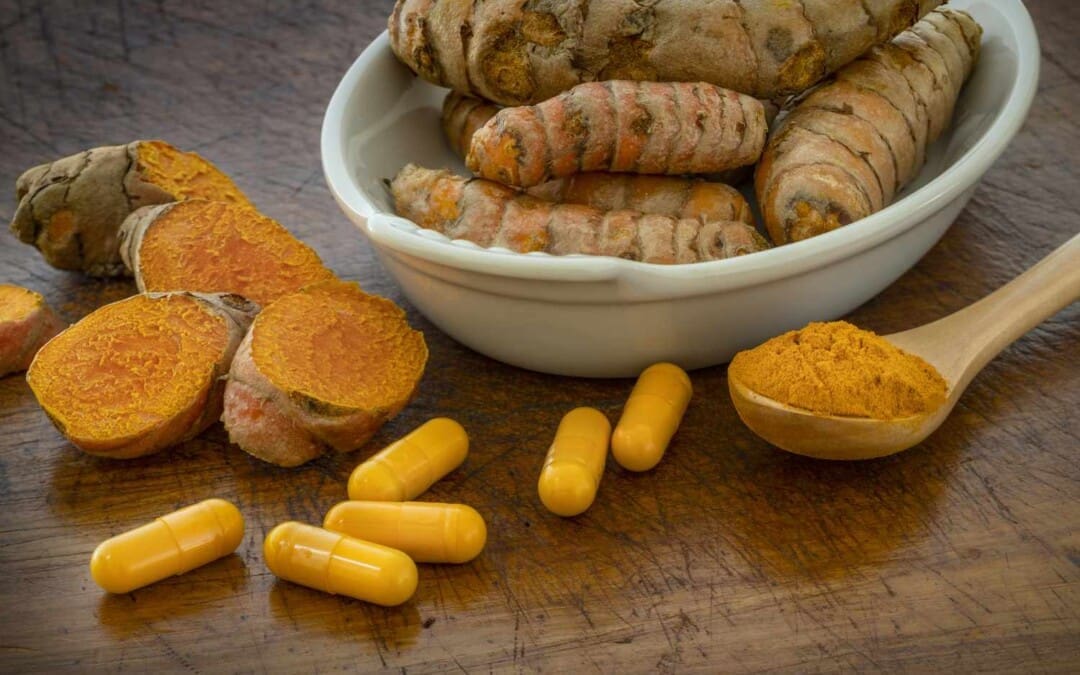
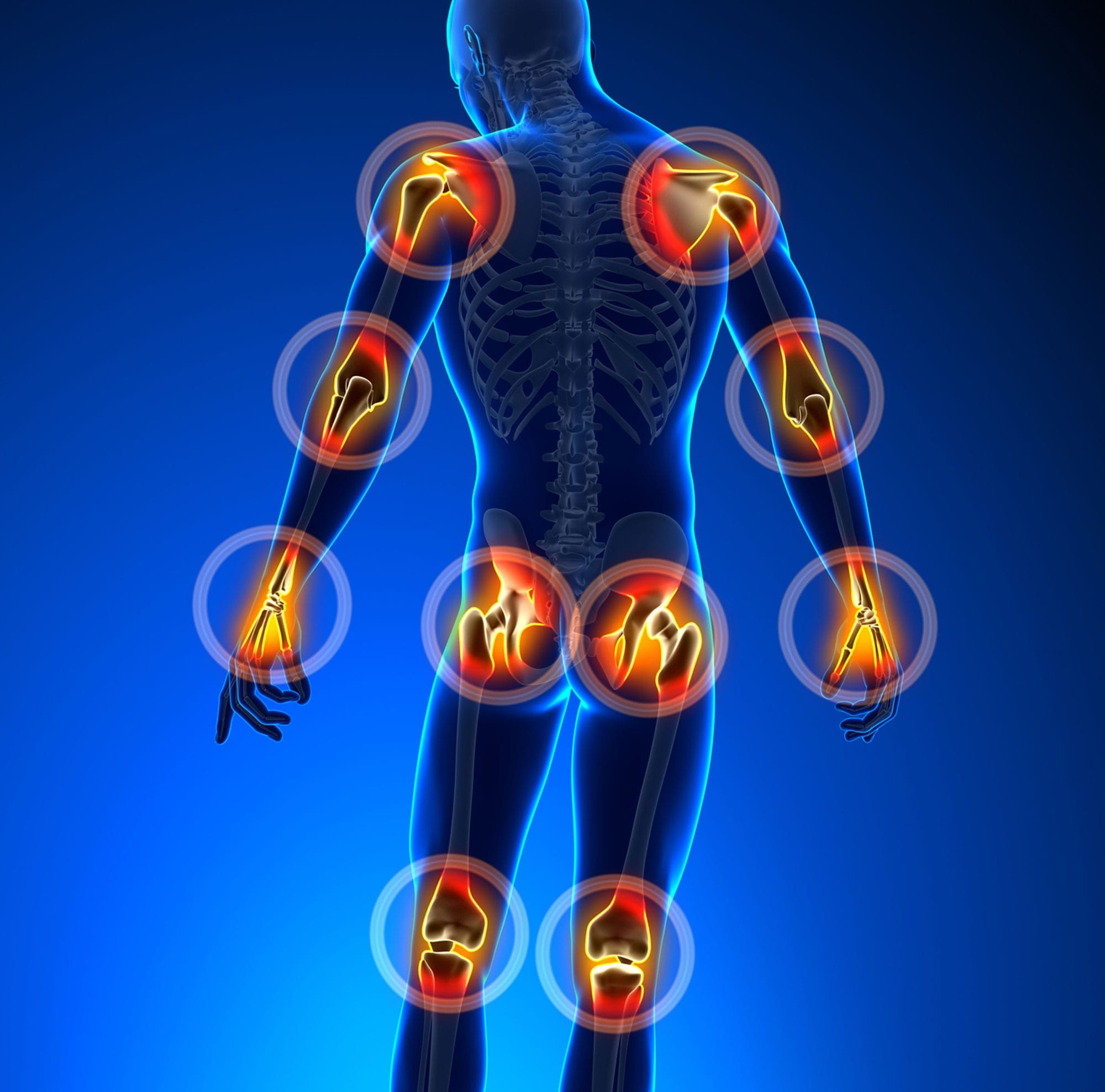
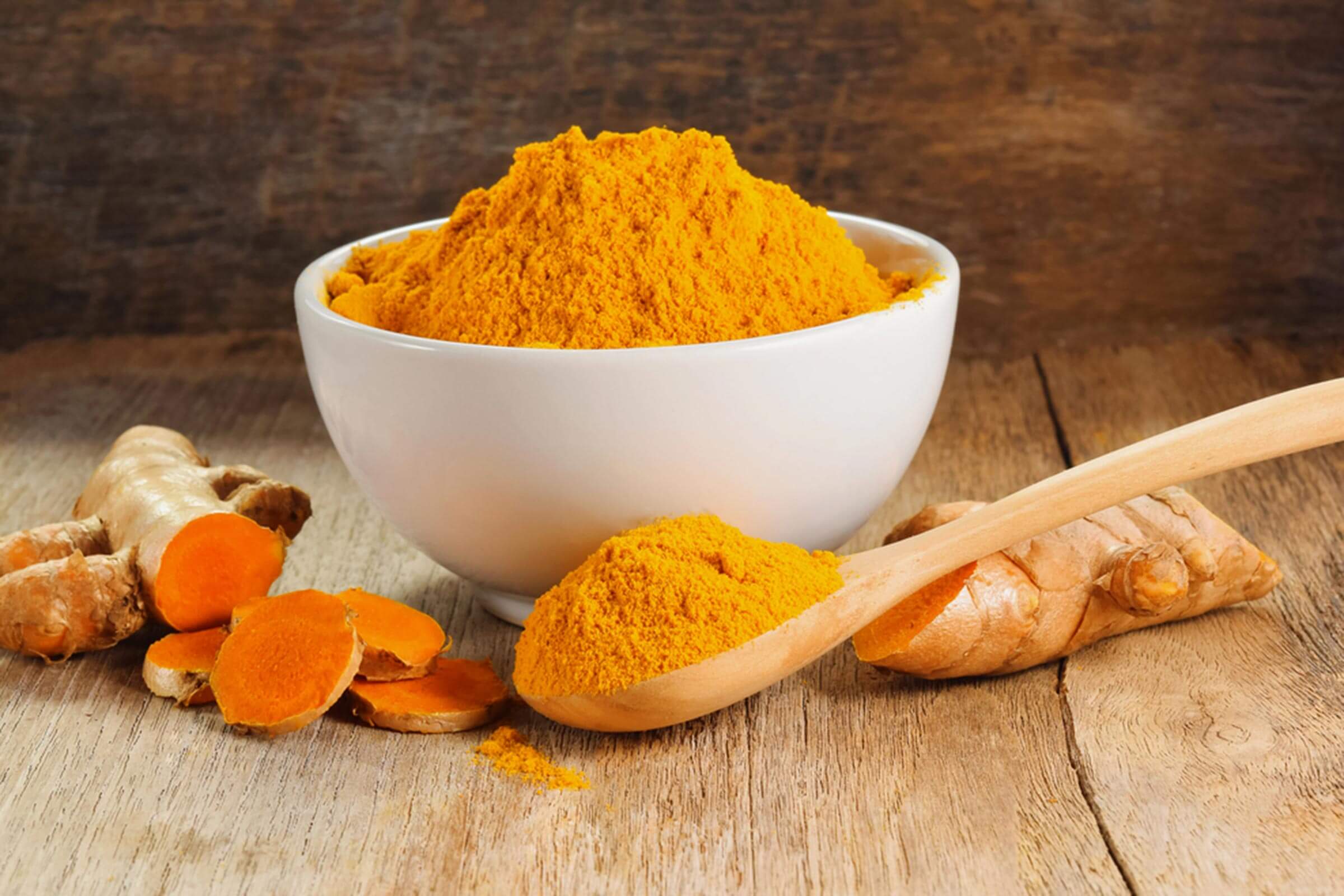
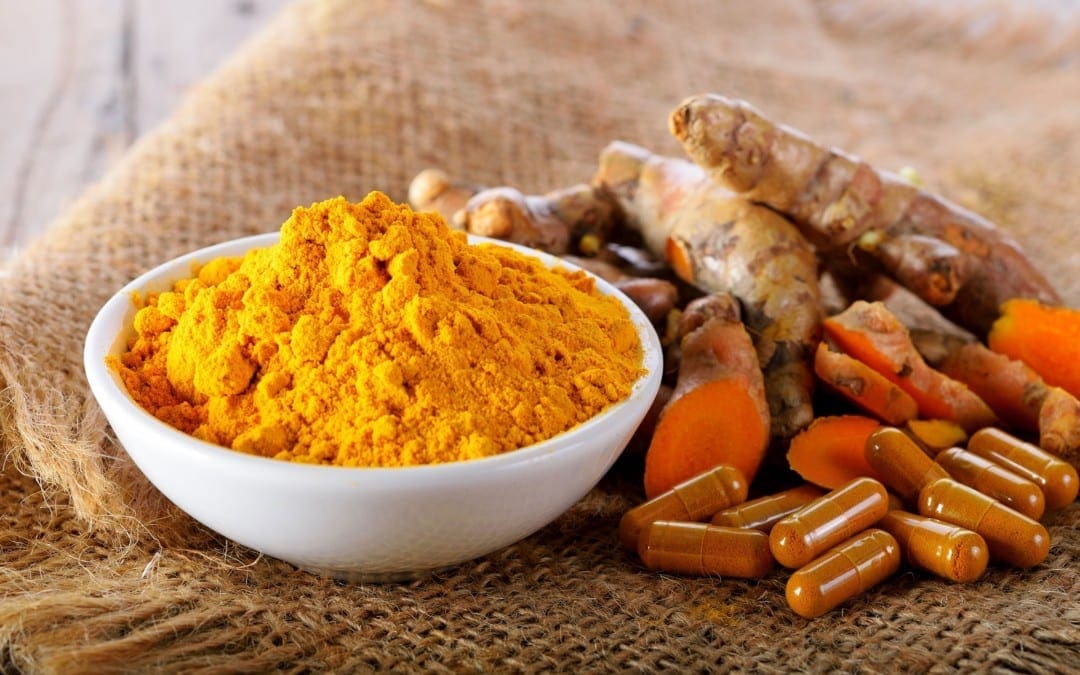

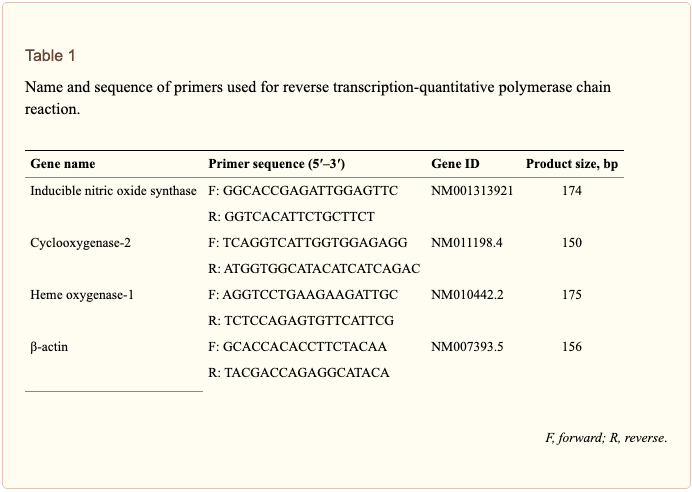
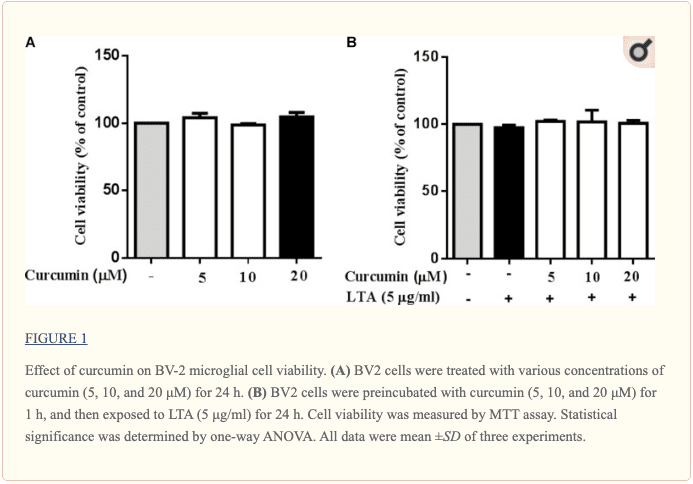
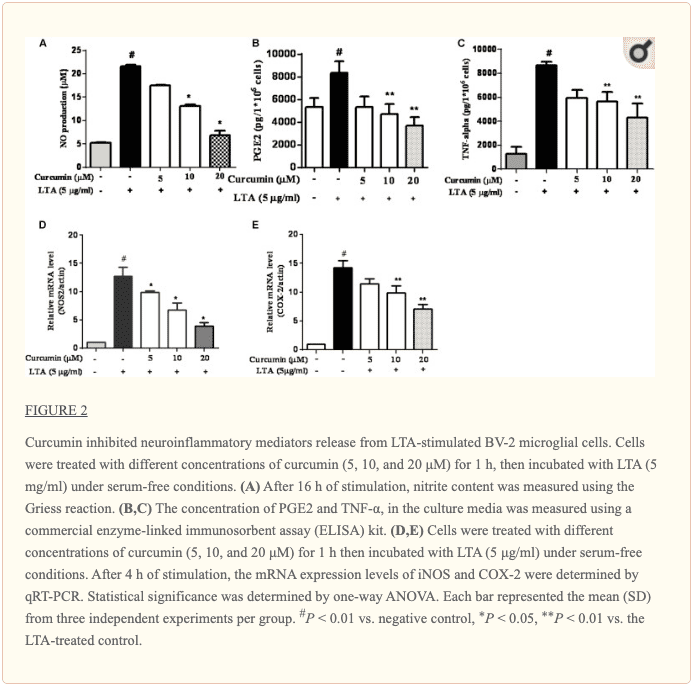
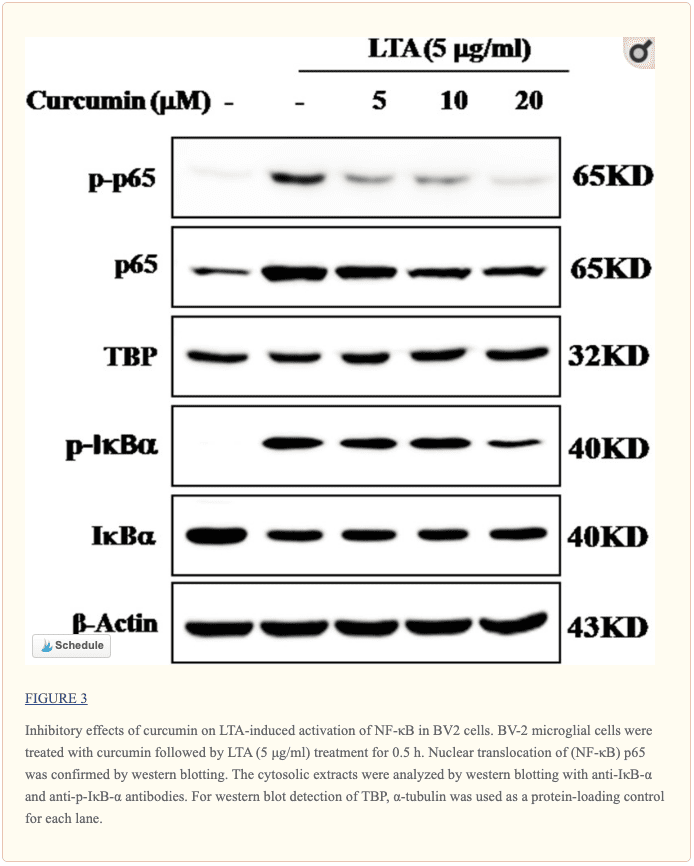
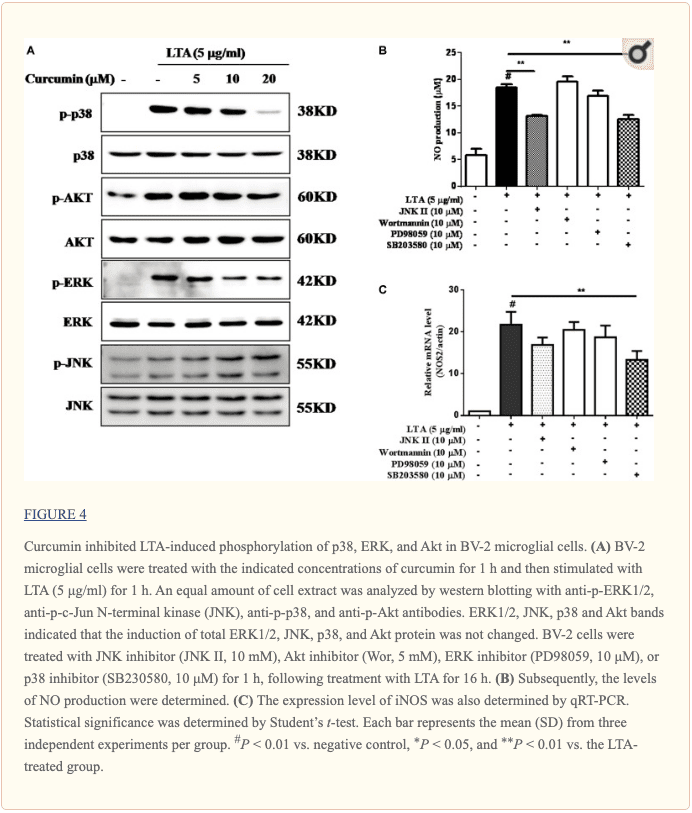
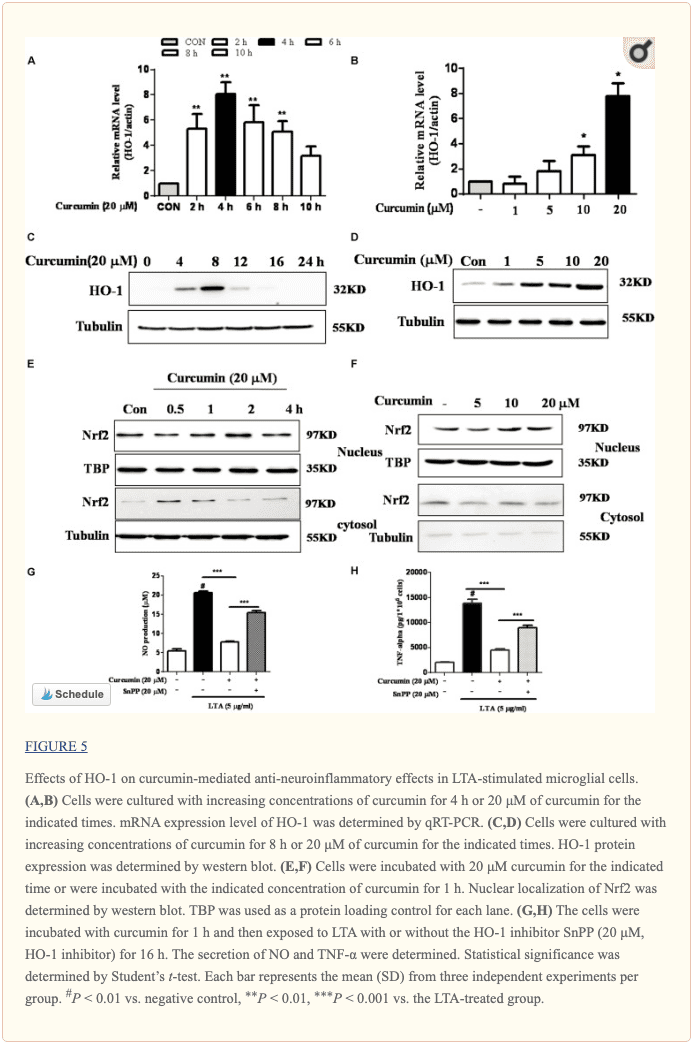
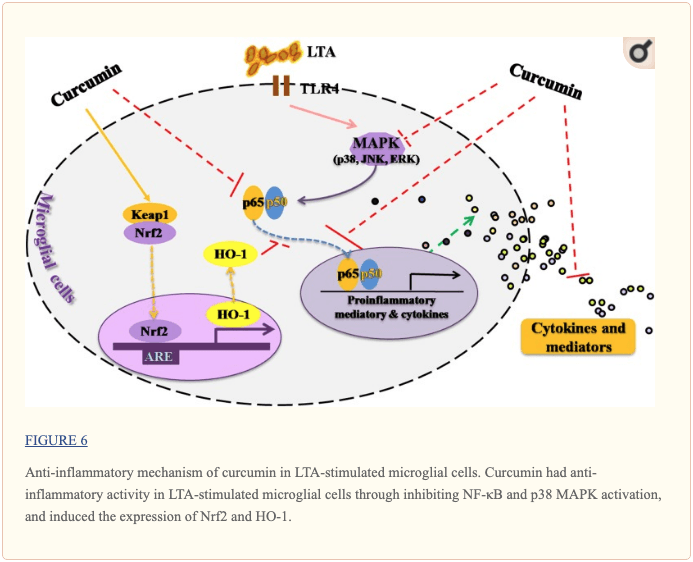 �
�