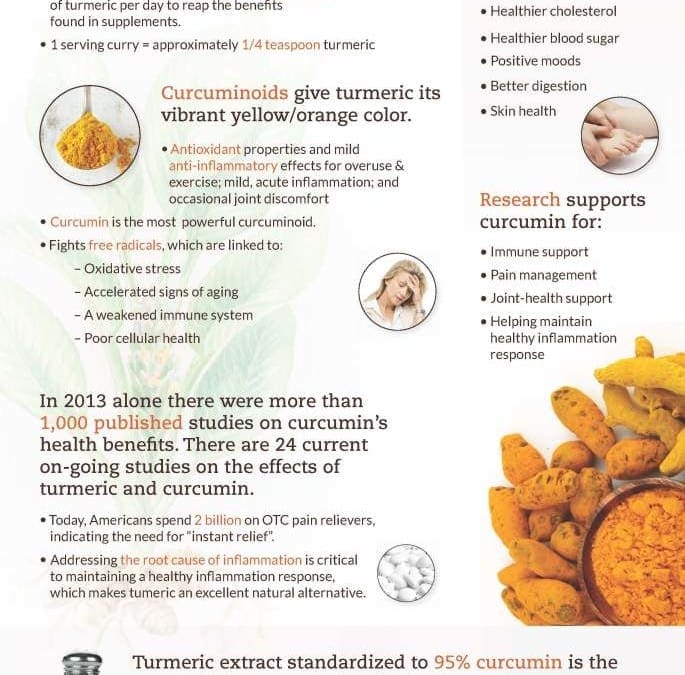
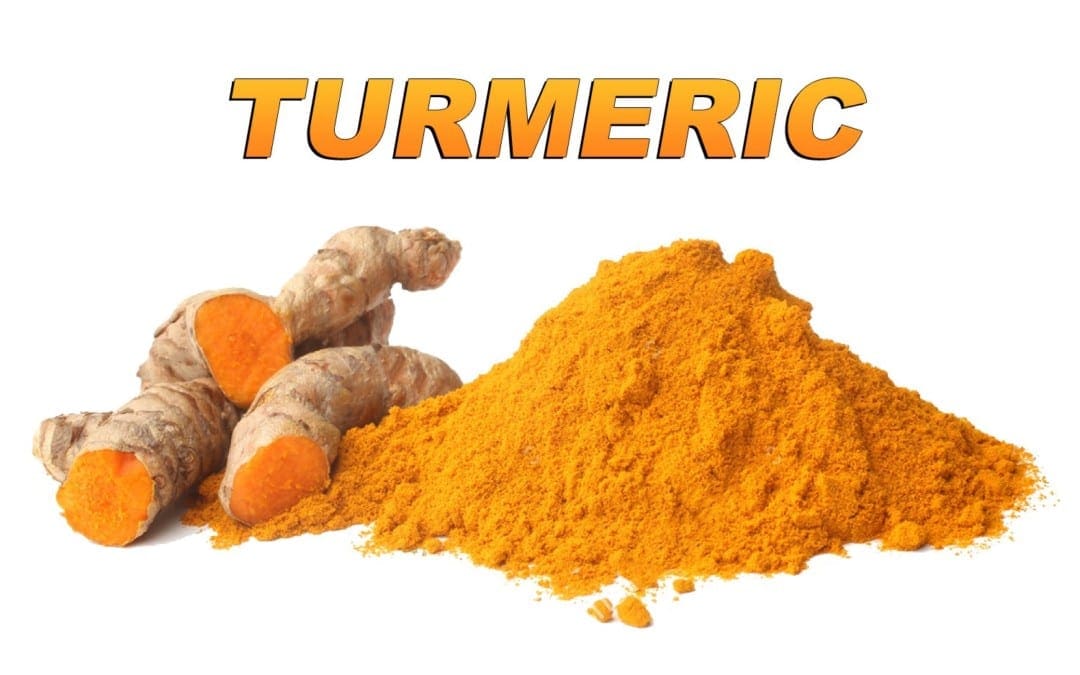
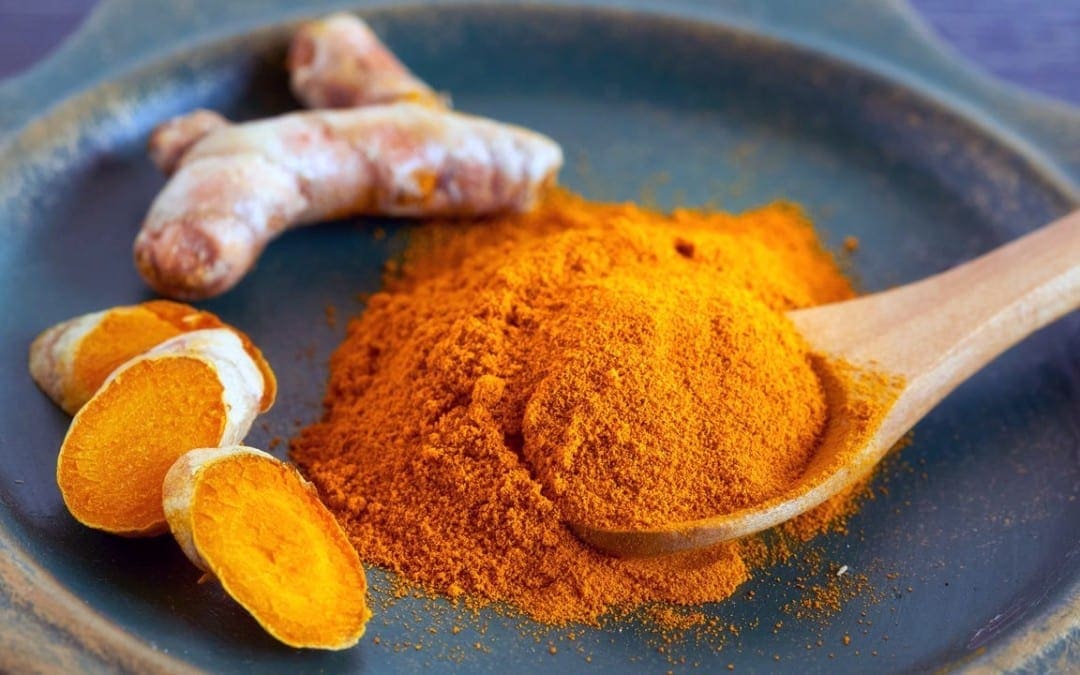
Curcumin is the main active ingredient found in turmeric, a bright yellow aromatic powder obtained from the rhizome of a plant in the ginger family commonly utilized for flavoring and coloring in a variety of Asian cuisines, as well as a very strong antioxidant which additionally has powerful anti-inflammatory effects. While turmeric has been consumed for generations due to its medicinal properties, it’s curcumin content is actually not that high. Therefore, if you want to experience its full benefits, it may be best to take a supplement that contains significant amounts of curcumin, or better yet, a supplement specially formulated to bring out the benefits of this naturally occurring chemical compound.
Curcumin is ultimately found in turmeric, the key ingredient in curry, and as a powerful antioxidant that offers numerous health benefits, curcumin helps support joint health and cardiovascular function, and it helps maintain a normal inflammatory reaction in the human body. Individuals throughout Asia have benefited from the healthful effects of curcumin for centuries.�Whether taken as a nutritional supplement or from meals, however, curcumin is usually poorly absorbed into the bloodstream.
Fortunately, global experts in botanical extract technologies have uncovered the key to curcumin absorption: phytosome technology. Meriva curcumin phytosome is an exceptional curcumin extract that’s significantly better absorbed than other curcumin extracts. Curcumin nutrients which have previously been remarkable in “test tube” experiments are extremely poorly absorbed when taken orally by people. The product Curcumin Phytosome comprising Meriva� unites curcumin with another bioactive nutrient, thereby dramatically improving its absorption and releasing its overall health and wellness potential.�Meriva is a unique, patented, time-release curcumin product.
Meriva Product Overview
Phytosomes are plant extracts bound to phosphatidylcholine, or PC, an important component of individual cells. The human body can create PC, or phosphatidylcholine, but it can even be obtained from food and/or supplements. When taken orally, PC is very well absorbed.�PC is a significant building block for membranes, the most metabolically dynamic zones of our cells. PC most likely transfers the curcumins in the bloodstream until they arrive in cell membranes. Researchers found a way to attach a curcumin extract to PC for superior absorption, leading to Meriva.�Curcumin phytosome is a curcumin molecule bonded to a molecule of PC. Unlike curcumin alone, PC is excellently absorbed orally.
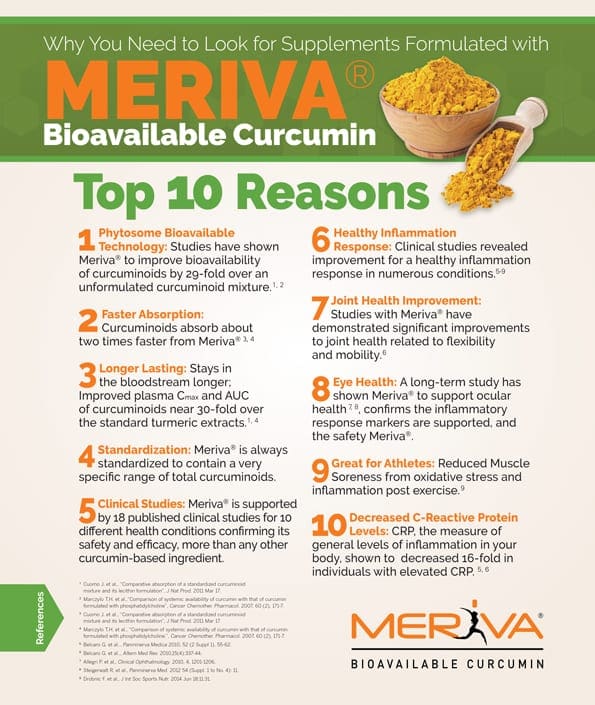
When consumers utilize Meriva curcumin phytosome, the body absorbs the PC as well as the attached curcumin, leading to more curcumin reaching the cells which can benefit more from it. After the curcumin phytosomes are accepted as a dietary supplement, PC protects its connected curcumin and economically transports it across the intestinal lining and into the circulating blood. Curcumins at phytosomes are over 29 times better absorbed than curcumin alone. PC itself has proven benefits for the liver, intestines, and lungs, and its existence in the Meriva curcumin phytosome amplifies the benefits available from the curcumin alone.
Dr. Alex Jimenez’s Insight
Turmeric contains four major curcuminoids: curcumin, demethoxycurcumin, bisdemethoxycurcumin and cyclocurcumin. These chemical compounds have been demonstrated to have tremendous benefits, which is why turmeric has been a fundamental addition in Asian cooking. However, curcumin, as well as all the other curcuminoids, are poorly absorbed by the human body when taken orally. Researchers developed Meriva curcumin phytosome, a curcumin compound which is bonded to the molecule phosphatidylcholine, or PC, which promotes the proper absorption of curcumin. Meriva curcumin phytosome can provide a variety of health benefits, including vision and eye health, joint health and even prostrate benefits, among other medicinal properties.
Meriva Curcumin Phytosome Research
Curcumin phytosome with Meriva� is a powerful antioxidant which protects cells and tissues by fighting free radicals. It’s also known to support healthy joint function, eye health and small vessel circulatory health. The curcumin is extracted from turmeric and provides a curcumin complex including, curcumin, bisdemethoxy curcumin and demethoxy curcumin. Meriva� curcumin phytosome is made utilizing the patented Phytosome� technology that enhances the absorption of those curcumins. Comprehensive research over the previous quarter of a century suggests that curcumin helps counter toxins, in addition to influencing cell survival through other means.
Although curcumins are poorly absorbed, Phytosome� technology helps improve bioavailability. The technology evolves every curcumin molecule with one or more atoms of the nutrient phosphatidylcholine, or PC, to create molecular complexes called phytosomes. Curcumin molecules at the Meriva� phytosome complexes are more stable against breakdown and combine far better into water in order for them to be better absorbed when taken orally. The PC molecules in the phytosomes serve as a “delivery vehicle” or even “chaperone”, which not only chemically protects the curcumin molecules but also markedly increases their absorption. A human absorption research discovered that the curcumins were absorbed when taken as Meriva� curcumin phytosomes, in comparison to their basic molecular forms.
The numerous beneficial effects attributed to turmeric root are linked to the antioxidant properties of the curcumins it contains. This antioxidant activity can neutralize free radicals which threaten the integrity of mobile structures. Free radicals may lead to “oxidative stress,” a process that can activate cell damage. In addition, oxidative stress is considered to play a role in the development of a variety of diseases. Because curcumins are poorly absorbed when taken orally, this can tremendously restrict their biological actions. The Phytosome� technology used with Meriva� curcumin phytosome creates phytosome complexes which are proven to be absorbed better.
A 2007 study published in the journal, Cancer Chemotherapy and Pharmacology, revealed Meriva’s exceptional bioavailability in contrast to ordinary curcumin. Liver levels of curcumin were also higher with Meriva supplementation. A recent human research study also demonstrated that Meriva curcumin phytosome has 29-times higher bioavailability. Meriva supplementation also resulted in higher plasma concentrations of curcumin from a much smaller dose compared to ordinary curcumin. In a recent eight-month human trial, Meriva was shown to encourage a healthy inflammatory reaction. People experienced improvements in clinical and biochemical end-points associated with joint health.
Several studies have shown curcumin’s hepatoprotective effects, causing researchers to suggest its use in protecting the liver from exogenous insults due to environmental toxins. Curcumin also has the capacity to increase both the circulation and solubility of bile. Curcumin’s hepatoprotective effects are due in part to lead free-radical scavenging; however, curcumin also enhances the body’s natural antioxidant system, which raises glutathione levels, thus aiding in hepatic detoxification and inhibiting nitrosamine formation. Furthermore, research studies have demonstrated several other health benefits of Meriva curcumin phytosome, including its support in joint health, eye health, vision and circulation, as well as several prostrate benefits, among others.
Supports Joint Health – Two Clinical Trials
In two double-blind trials with subjects having knee problems, Meriva, taken at about 1,000 mg/day, enhanced treadmill walk space by 345 percent after eight months. It improved joint pain, stiffness, swelling and joint work. Intakes of over-the-counter medications fell 63 percent and their adverse effects dropped by 67 percent. The subjects’ medical prices fell 45 percent after 8 months. C-Reactive Protein, or CRP, levels were reduced into a more healthy variety. After eight months, the Karnofsky Scale of well-being moved into “able to perform ordinary activity.”
Supports Eye Health, Vision, Circulation – Three Clinical Trials
One frequent eye problem is a really persistent redness that keeps coming back even when it is cleared. At a clinical trial, 106 patients obtained Meriva, taken at about 1,200 mg/day, for a single year. There were 86 percent fewer returns of this reddening, and in 82 percent of these patients, approximately 87 from 106, it didn’t return at all. In another study, Meriva, taken at about 1,000 mg/day, improved retinal blood circulation, retinal swelling, and eyesight. In only four weeks, visual sharpness improved from an initial average of 20/122-155 to 20/32-78. Meriva also improved circulation elsewhere in the body. In areas with foot blood circulation issues, it substantially reduced immunity, increased oxygen consumption, and enhanced nerve control over the capillary networks. The subjects’ Karnofsky Score of well-being improved, from “normal activity, with effort” into “normal activity.”
Breakthrough Prostate Benefits with Meriva
In a clinical trial on middle-aged men with prostate troubles, Meriva, taken at 1,000 mg/day, significantly enhanced: sense of incomplete bladder emptying, urination frequency, flow stop/start, feeble stream, straining and getting up at night, urinary block, and PSA levels. Quality of life and sexual activity were also considerably improved. The Meriva curcumin phytosome breakthrough guarantees that curcumins are effectively delivered to human cells, in functional mix with PC, or phosphatidylcholine. Multiple effective clinical trials have established curcumin phytosome comprising of Meriva� as the “gold standard” one of curcumin supplements.
In conclusion,�Meriva curcumin phytosome is bound to phosphatidylcholine, or PC, for increased absorption and bioavailability, ultimately protecting DNA against damage by free radicals and reactive oxygen species, among providing a variety of other health benefits. With its enhanced absorption through an improved curcumin absorb delivery system, Meriva curcumin phytosome is clinically documented to promote joint health, eye health, vision and circulation, and even has prostrate benefits. The scope of our information is limited to chiropractic as well as to spinal injuries and conditions. To discuss the subject matter, please feel free to ask Dr. Jimenez or contact us at�915-850-0900�.
Curated by Dr. Alex Jimenez
Additional Topics: Back Pain
Back pain is one of the most prevalent causes for disability and missed days at work worldwide. As a matter of fact, back pain has been attributed as the second most common reason for doctor office visits, outnumbered only by upper-respiratory infections. Approximately 80 percent of the population will experience some type of back pain at least once throughout their life. The spine is a complex structure made up of bones, joints, ligaments and muscles, among other soft tissues. Because of this, injuries and/or aggravated conditions, such as herniated discs, can eventually lead to symptoms of back pain. Sports injuries or automobile accident injuries are often the most frequent cause of back pain, however, sometimes the simplest of movements can have painful results. Fortunately, alternative treatment options, such as chiropractic care, can help ease back pain through the use of spinal adjustments and manual manipulations, ultimately improving pain relief.
Turmeric: Let us ease your mind a bit. As with any dietary supplement, there are right ways to take turmeric root that could best benefit your health. We review things to keep in mind to limit any potential side effects.�
Potential Benefits Of Turmeric Root�
The compound that gives turmeric root its signature bright yellow hue is also the compound that packs the potential health benefits punch: curcumin. Curcumin � and therefore turmeric root � is believed to provide some pretty attractive health benefits, including support of joint and muscle comfort, promotion of healthy aging of the brain, support of a healthy digestive tract, and maintenance of healthy cholesterol levels already in the normal range.
But that doesn�t mean that taking 10 turmeric root supplement capsules at once would give you 10 times the potential benefit. Quite the opposite. There are right � and wrong � ways to consume the supplement in an effort to reduce possible side effects.
Avoiding Turmeric Root Side Effects
According to�MentalHealthDaily.com, if you�re supplementing with turmeric root, especially at high doses, it is possible that you may encounter some unwanted side effects at one point or another. The two most common side effects associated are diarrhea and nausea. High on the list of possible side effects are also:
Thinning of the blood. Some research shows that curcumin may have anticoagulant effects which can slow blood clotting. If you�re already taking a blood thinner, speak to your doctor about your desire to add a turmeric root supplement, and discontinue use at least two weeks before any surgery.
Some estimates indicate that one in four turmeric root users will notice an increase in bloating and passing gas. To reduce the likelihood of experiencing this particular side effect, consider a dose less than 6 grams per day, and avoid taking your supplement on an empty stomach.
Low blood sugar. Especially in those with health concerns related to blood glucose, turmeric root supplements may yield this unwanted effect. Some experts believe that the curcumin may even act to amplify pre-existing blood sugar issues.
Less common side effects may also include facial flushing, fever, headaches, skin rash and even low testosterone.
But as with any supplement or medication, remember that the severity and number of side effects you experience is likely subject to a variety of causes and factors. Keep in mind that some individuals may not experience any side effects at all.
Recommendations And Dosages
As with all medications and supplements, we encourage you to consult with your healthcare professional before adding a turmeric root supplement to your regimen. He or she can personalize dosing recommendations for you based on your desired outcomes and other factors � like other medications and supplements you are taking. That said,�WebMD.com�offers a few general guidelines for using turmeric and avoiding possible side effects:
This root is likely safe when applied to the skin appropriately for up to eight months.
It should only be considered as a mouthwash for short-term use.
For high cholesterol levels: 1.4 grams of turmeric extract in two divided doses each day for three months has been used for those 15 years or older.
Let�s Get Technical
While there are still many studies to be done and results to be reported, BCM-95 � a highly-absorbent form of curcumin, which is the active ingredient in turmeric root � has been�clinically proven�to help temporarily relieve minor pain. When used at a dosage of 2 grams per day, volunteers participated in the study without any mild adverse reactions. To try BCM-95 out for yourself, we recommend�CuraMed�and other daily supplements from�Terry Naturally. And as always, we�re proud to provide you with free shipping anywhere in the U.S.
Turmeric is native to India and Southeast Asia. In India, turmeric has been used in Ayurvedic medicines due to its therapeutic properties,�as a disinfectant and treatment for laryngitis, bronchitis, and diabetes. Turmeric is derived from the rhizomes (underground stems) of the plant Curcuma longa, a member of the ginger family.
Curcumin is the most active constituent of turmeric, making up between 2-6%�of this spice. It�has powerful antioxidant and anti-inflammatory properties.
The major constituents of turmeric includes:
Essential oils such as cineole, termerone and cymene
Curcuminoids such as curcumin and desmethoxycurcumin
Important body minerals such as potassium, manganese, copper, iron, zinc and magnesium
Vitamins B3, B6, C, E and K
Soluble and insoluble dietary fiber
Turmeric is used�for inflammatory disorders, including arthritis, tendonitis, and autoimmune conditions. Take 400-600mg of turmeric extract 3�times per day or as directed on the product label. Look for products standardized for 95% curcuminoids. Neither curcumin nor turmeric taken orally is well absorbed unless taken with black pepper or piperine. When shopping for supplements, make sure that the one you choose contains black pepper extract or piperine. Be patient when taking turmeric supplements, the full benefits may not be apparent for eight weeks.
Some health benefits of�turmeric:
Chronic Inflammation�and Pain
In 2009, a study was published in the Journal of Alternative and Complimentary Medicine, which compared the pain relieving effects of curcumin (the active ingredient in turmeric) and ibuprofen. It was found that the curcumin provided equally effective or better results as the ibuprofen. In�2006, a study showed turmeric was more effective at preventing joint inflammation and�reducing joint inflammation than NSAIDS.
Rheumatoid Arthritis
Due to its high anti-inflammatory properties, turmeric is highly effective at helping people manage rheumatoid arthritis (RA). A recent study out of Japan evaluated its relationship with interleukin (IL)-6, the inflammatory cytokine known to be involved in the RA process, and discovered that curcumin �significantly reduced� these inflammatory markers. This suggests that regular turmeric use could be a potent strategy to prevent the onset of RA from developing.� In�2010 a clinical trial found that a turmeric supplement called Meriva (standardized to 75 percent curcumin combined with phosphatidylcholine) provided long-term improvement in pain and function in 100 patients with knee OA.
Depression
Researchers from the Government Medical College (Bhavnagar, Gujarat, India) published the results of the first study this past April to evaluate curcumin�s ability to�manage depression�in a controlled setting. Taking 60 volunteers diagnosed with major depressive disorder (MDD) and diving the group to determine how patients treated by curcumin compared against fluoxetine (Prozac) and a combination of the two, researchers�discovered that that the principal curcuminoid in turmeric is not only as effective as Prozac in managing depression but that it doesn�t carry with it all the dangerous side effects found with�anti-depressive drugs. According to the paper, �This study provides�first clinical evidence�that curcumin may be used as an effective and safe modality for treatment in patients with MDD.�
Diabetes
Turmeric is�shown to lower blood glucose levels and reverse insulin resistance. For instance, an article published in Biochemistry and Biophysical Research Communications�shared�a study out of Auburn University that discovered curcumin suppresses glucose production in the liver. Fascinatingly, researchers proved that it�s actually 400 times more potent than Metformin (a common diabetes drug) in activating AMPK and its downstream target acetyl-CoA carboxylase (ACC). Turmeric acted�as an anti-diabetic and antioxidant in diabetes, especially�type 1 diabetes, improved metabolic function and reduced the risk of plaque buildup in the arteries of type 2 diabetes patients.
Cancer
Recent studies show�turmeric is a powerful adversary to cancer. Curcumin shows a marked ability to inhibit cancer cell growth, boost antioxidant levels and the immune system, and kill cancer cells. It seems to work on improving mitochondrial function at a cellular level, and it improves metabolism. Even against drug-resistant strains of leukemia, curcumin caused cell death of cancer cells.
Skin and Aging
Turmeric has many healing properties for skin. It�s a natural anti-inflammatory so it reduces redness or other skin irritations. It�s antibacterial, so it�s great for blemishes, acne and skin balance. Turmeric is wonderful at improving the texture of the skin because it is an exfoliant but also rich in antioxidants. It�s a wonderful natural treatment inside and out!
Brain Health and Memory
By taking turmeric, you can improve the oxygen intake of the brain, which helps in all of the brain�s functions and processes. Turmeric is extremely healing for the brain and for increasing memory function. Not surprisingly, when your brain functions at its best, then you increase the uptake�of hormones, such as seratonin and melatonin. So, by healing the basic functioning of the brain, you can also heal other mental illnesses.
Cholesterol
According to a study published in the Journal Atherosclerosis on 2004, it was noted that turmeric extract can be used to help reduce the susceptibility of LDL cholesterol to oxidation, an all important step in the development of heart disease and atherosclerosis. In an experiment, controlled dosages of turmeric were fed to hypercholesterolemia rabbits and the effects on LDL oxidation analyzed. The experiment found that turmeric efficiently extracts and reduces the levels of cholesterol in the blood along with the prevalence of atherosclerosis with time.
In 2005, a study published in the Medical Science Monitor titled the International Medical Journal of Experimental and Clinical Research investigated the antioxidant and hypolipidemic benefits of curcumin in rats. The researchers induced hypercholesterolemia in the rats by feeding them with a high-cholesterol rich diet for 7 days. They then later added 0.5% curcumin to the animals� diet. The study results showed; reduced serum total cholesterol by 21%, reduced serum LDL cholesterol by 42.5%, and increased serum HDL cholesterol by 50%. The researchers concluded that curcumin in turmeric is the phytochemical responsible for the reduction of cholesterol levels. Additionally, they noted that curcumin reduced the levels of lip by interfering with the metabolism, absorption and excretion of cholesterol rather than by antioxidant mechanisms. An earlier study published in the Journal of Nutrition in 1970 had reached similar conclusions. The researchers determined that the cholesterol-lowering effect by curcumin was as a result of increased fecal excretion of bile acids and cholesterol.
A study published in 2006 on the Journal of Nutritional Biochemistry sought to study the effects of curcumin on human liver cell line. The researchers showed that the effect of curcumin on cholesterol metabolism extends deep to the genetic levels. By treating human liver cells with curcumin, the researchers were able to show that turmeric phytochemical raised the LD-receptor mRNA seven times. This shows that curcumin raises the up-take of cholesterol by the liver and thus helps with its removal from the plasma. Therefore, by increasing the population of LDL receptors in the liver, curcumin hastens the break-down of LDL cholesterol.
Things to keep in mind
Avoid consuming�turmeric if you have gallstones or bile duct dysfunction. Consult your doctor if you are pregnant or taking medication. Piperine can slow the elimination of some prescription drugs including phenytoin (Dilantin), propranolol (Inderal), and theophylline. Some evidence also suggests that curcumin can interfere with certain chemotherapy drugs used to treat breast cancer, so if you�re being treated for this disease, be sure to discuss the advisability of taking curcumin with your physician.�Turmeric may interfere with anti-coagulants like aspirin, clopidogrel and warfarin. It also can affect medications such as nonsteroidal anti-inflammatory drugs (NSAIDs).
Doctor of Chiropractic, Dr. Alexander Jimenez takes a closer look at turmeric and its benefits.
Is the herb turmeric actually the new wonder drug? Or can it be just that recent scientific studies have demonstrated North Americans that there really may be something to the claims. This relative of ginger has been touted as a cure for everything from osteoarthritis to ringworm to depression. A study has linked it to delayed onset of type 2 diabetes and, other information suggests it may help patients with cancer.
How Turmeric Relieved My Back Pain
My first introduction for this wonder spice was in the whispering of a fellow customer at physical therapy�a lovely dancer recovering from knee surgery. While she was hobbling around on crutches, she never stopped grinning. Make that laughing and smiling. I wondered what her secret was. I mean come on�I have chronic back pain resulting from degenerative disc disease, and the favorable mind-set tactic had attempted, but that wasn�t always easy.
One morning during our daily exercises we began to speak. She told me turmeric was her go to drugs for inflammation. At the time, I discounted it and distinctly remember thinking��Yeah, right How could something as easy as a spice that may be easily added to any diet be powerful enough to remove pain and stiffness?
Months passed. Physical therapy became a distant memory. The stiffness in my own back diminished but still lingered. I was too young to feel this damn old! The exact instant of action is uncertain to me now but somewhere along the way I woke up stiff yet again, along with thinking of turmeric came dashing over me. A light bulb have been turned on that wasn�t burning out. �Why not?� I presumed. What do I have to reduce?
Turning To Turmeric
I started with nutritional supplements and added one 450 mg capsule (about a teaspoon full) from Nature’s Bounty to my day-to-day yogurt. I dumped it in and just broke it open. I liked it so much I began adding the spice to my food�sprinkling it liberally on my salads, yogurt, mashed potatoes, soup…you name it. And sure enough, my back was even less stiff than before.
Please note, it may possibly not be helpful or safe to others while turmeric has worked wonders for me. Much like the ramifications of over the counter and prescription anti inflammatory medications, turmeric may thin the blood. In the event you take nonsteroidal anti-inflammatory medication such as ibuprofen, adding turmeric to your own diet may not be advisable.
I began looking more deeply into my remedy as I used myself as a guinea pig for testing. I had been utterly fascinated by the wide-ranging research behind this wonder drug. Turmeric has been used in India and over years for over 2,500 4,000 years in Ayurvedic medicine!
One of my favorite recipes is Butter Chicken and Rice (Recipe below). Not only does the recipe call for turmeric in the butter as well as on the chicken, however you can sprinkle it on your own rice, also. I’ve even discovered that substituting turmeric for salt provided new chances to add the spice to my food with a lot less sodium!
Turmeric�s Active Ingredient
Curcumin is the active substance that provides turmeric its distinctive golden color. Combined with the vibrant, shining color it provides, in my experience, the medicinal properties are equally as lovely. Turmeric’s anti-inflammatory potentially Alzheimer’s Disease, Crohn’s disease, and effects imply it can benefit patients with arthritis.
Head, my health and my body rejoice and have already been glad to the superpower spice ever since. Approach and my energy level are among the most noticeable changes. When you’re able to move and exercise more, a confident approach is much more easy to adopt. When you get the key to alleviating it, your life changes, as anyone who has endured quietly with chronic pain can tell you. Without pain, you become alive. I discuss this story hoping turmeric will help to release other long-time sufferers from their prisons. Stay tuned for turmeric upgrades in my personal blog.
Fragrant�Indian Butter Chicken Recipe
As a miracle spice, turmeric is touted since early time. The crucial compound, curcumin, gives turmeric it�s vibrant, golden colour and well-being boosting super powers and is being used to take care of many anti-inflammatory ailments. Try this recipe that uses turmeric for a delicious, wholesome dinner!
2 Tbsp butter
1-1/2 cups chopped onion
2 teaspoon minced garlic
1 Tablespoon grated gingerroot
1-1/2 teaspoon chili powder
3/4 teaspoon turmeric, ground cinnamon, ground coriander cumin and
1 can diced tomatoes, drained
1-1/2 cups reduced sodium chicken broth
1 Tbsp brown sugar
1/4 teaspoon salt and freshly ground pepper
1 whole cooked rotisserie chicken, skin removed and meat cut up
1/3 cup light sour cream
1 Tbsp minced cilantro
Hot cooked basmati (optional)
Melt butter in a deep 10-inch skillet over medium heat. Add garlic and onions. Cook slowly, stirring often, until onions are soft. About 5 minutes. Add turmeric, coriander, ginger root, chili powder, cinnamon, and cumin. Cook 1 more minute.
Add brown sugar, chicken broth, tomatoes, salt and pepper. Reduce heat to low. Cover and simmer for 10 minutes, stirring occasionally.
Add cut up chicken and sour cream. Simmer, uncovered, for 5 minutes. Remove from heat and stir in cilantro. Serve over hot basmati rice, if desired. Sprinkle a little turmeric directly on the rice also for much more health benefits.
Lots of people report feeling improvement in their condition and/or general well being taking dietary, vitamin, mineral, as well as /or herbal nutritional supplements. In most cases, an appropriate diet and also a “multiple vitamin” will provide the necessary health supplements for many people. Just before taking additional dietary, vitamin, mineral, and/or herbal supplements it is strongly recommended that patients consult with their private doctor to discuss their specific supplement requirements.
The ability of turmeric to fight cancer has been extensively researched. In fact, over 1,500 published studies show that curcumin, turmeric�s active ingredient, is an effective treatment for over 100 different types of cancer.
The fact that mainstream medicine hasn�t embraced turmeric as a non-toxic cancer therapy is nothing short of outrageous. But a new study, in which curcumin outperformed conventional chemotherapy drugs, may finally bring turmeric the recognition it deserves.
Turmeric Gains Popularity From Growing Awareness Of Chemotherapy & Side Effects
Chemotherapy targets cancer cells as foreign invaders to be eliminated � an approach that ignores the root causes of the disease, and doesn�t help to create an �anticancer� environment in the body. Toxic chemotherapy drugs � which kill healthy cells and cause debilitating side effects � are not very effective against cancer stem cells, the �mother cells� that regulate the growth of tumors.
In fact, the result of these toxic drugs is to make the body even more susceptible to the cancer stem cells � spurring them to create even more treatment-resistant cells.
However, chemotherapy does succeed in killing significant amounts of cancer cells, and this is not to say it should never be used. But, the opinion of many integrative healthcare professionals is that it should be used as a last resort, not a first line of defense � especially when safer, non-toxic options are available.
Curcumin Makes Chemotherapy Safer & More Effective
In a 2015 study published in Cancer Letters, curcumin was tested in conjunction with the chemotherapy drugs 5-fluoroucil and oxaliplatin against colorectal cancer. Adding curcumin to the regimen improved the efficacy of the drugs � the curcumin inhibited cancer cell growth and even increased apoptosis, or cancer cell suicide.
Even more impressive, the curcumin appeared to help the chemo drugs specifically target cancer stem cells, reinforcing the drugs� cancer-fighting abilities while lessening the side effects � including the neuropathies that can be caused by oxaliplatin. Side effects from curcumin � on the other hand � were minimal, involving mild gastrointestinal upset and dry mouth. Researchers concluded that curcumin is a �safe and tolerable adjunct� treatment.
But this wasn�t even the most significant result of the study.
In a small subset of patients, curcumin alone was found to be more effective in reducing overall cancer cells and cancer stem cells than the pair of chemo drugs alone. In other words, curcumin went head-to-head with chemo drugs and outperformed them � a truly astonishing result.
Researchers credited curcumin�s multiple methods of action with its success. Curcumin not only directly killed cancer cells, but also induced apoptosis, inhibited the growth of new cancer cells on a genetic level, and prevented blood supply from reaching new tumors.
All this, while promoting health with beneficial anti-inflammatory, antioxidant and hormone-balancing properties.
Extensive Studies Attest To Curcumin�s Ability To Fight Many Types Of Cancer
As the researchers noted, clinical trials of curcumin in an oncology setting have targeted many types of cancer, including colorectal, pancreatic, breast and blood cancers.
In one study, colorectal cancer patients who were given 1,080 mgs of curcumin daily showed an increase in the amount of dying cancer cells, a reduction of inflammation, improved body weight, and higher gene expression indicating suppression of cancer.
In another study published in Nutrition Research, curcumin-supplemented lab animals showed a 40 percent decrease in the development of colon tumors. These results are supported by an animal model of colon cancer in which curcumin improved survival rate and colon health by completely eliminating cancerous tumors.
In yet another study, patients with pancreatic cancer who were given 8,000 mgs of curcumin a day showed increased survival time along with significant reductions in tumor size � in one case, up to 73 percent.
And, finally, in a study involving prostate cancer, curcumin was shown to cut in half the growth rate of prostate-specific androgen, a marker of tumor progression.
Turmeric Is Still Unapproved & Unacknowledged By Conventional Medicine
In spite of its proven results, turmeric is not approved by the FDA for cancer treatment � and does not enjoy mainstream acceptance in the conventional medical community. The reason, many say, is financial � with hundreds of millions of dollars invested in clinical trials, and massive profits to be made, big pharma doesn�t have much incentive to develop a treatment from a common kitchen spice.
In fact, the industry lobbies to make treatment of cancer by alternative means a criminal offense.
Having said that, we naturally suggest you talk to a trusted medical professional before using turmeric � for any reason � and, don�t stop taking prescribed medication unless advised by your physician.
It should be noted that in the past, turmeric�s therapeutic potential has been limited by its poor bioavailability � the fact that the body doesn�t absorb or use it effectively. But, the development of liposomalized turmeric extract has changed all that, increasing the bioavailability 10 to 20-fold and allowing the curcumin to begin its health-promoting and cancer-fighting work.
Hopefully, the research � presented in this article � will shine a light on the amazing healing potential of turmeric. We encourage every caring physician to do their own research � for the sake of their patients.
Editor�s note: I, personally, use a wonderful liposomal form of turmeric � which you can purchase here and, yes, your purchase does support our operations � at no extra cost to you.
Turmeric is quickly becoming an “it” superfood. You’ve probably seen the ingredient�all over�Pinterest and Instagram in the form of�golden-hued lattes, soups, and vegan ice cream. It�was even called a “rising star” by Google Food Trends,�since�searches for turmeric jumped�a whopping�56% between November and January.�And as a nutritionist, I’m thrilled, since this healthy food trend is both delicious and backed by research.
Turmeric, a root in the same family as ginger, has�long been used as an anti-inflammatory compound in Chinese and Indian medicine. Its�active ingredient, a yellow compound called curcumin, has been found to have�antioxidant,�antiviral,�and anticancer�properties in lab and animal studies. And although more clinical trials about the benefits�of curcumin for�humans are needed, it’s�been linked to lower total cholesterol levels�and improved liver function�after�liver disease or damage.
I eat turmeric almost every day, and advise my clients do the same�with a few caveats. First, I do not advocate taking turmeric supplements, unless they�ve been prescribed (and will be monitored) by a physician, especially for pregnant women. I also caution my clients against going overboard with turmeric root or powder. Too much has been linked to unwanted side effects, including reflux, low blood sugar, increased bleeding risk, reduced iron absorption, and worsened gallbladder problems.
To reap turmeric’s benefits, here are some simple meal and snack ideas to help you get a healthy amount of the root in your diet.
Turmeric paste is a mixture of ground turmeric, extra virgin coconut oil, cinnamon, and black pepper. It’s used in golden milk lattes�those orange-yellow drinks you’ve probably seen on Instagram�which are�made by�dissolving the paste�into warm almond or coconut milk along with a little organic honey and fresh grated ginger. And while black pepper may seem like an odd ingredient, it actually helps boost turmeric’s absorption from the digestive system into the bloodstream.
Sip On Turmeric Tea
Add a pinch of ground turmeric to warm water along with lemon to start you day. (Note: I�m serious about a pinch�it�s pungent, so too much can be tough to swallow.) Alternatively, you can purchase turmeric tea bags, which can be steeped alone or with other types of tea, such as green, white, black, or oolong.
For a tasty and unique kick of flavor, add a bit of ground turmeric to your morning smoothie. Or opt for fresh, peeled turmeric root, which you�ll find in the produce section, likely near the ginger. A little nub no bigger than the size of your pinky nail�is all you need.
Make It A Seasoning Staple
I love to keep ground turmeric handy to season nearly anything savory, including scrambled eggs, saut�ed veggies, soups, stir frys, and pulses (especially oven roasted chickpeas). You can also fold a little turmeric into nut butter or hummus, whisk it into homemade vinaigrette, or stir it into oatmeal along with coconut milk, maple syrup, cinnamon, and nuts or sesame seeds. The options are endless! In most dishes, I�ll start with an eighth of a teaspoon and add more to taste, making�sure the turmeric won�t overpower other flavors.
To make homemade vegan turmeric �ice cream,� whip turmeric paste with one cup coconut milk or coconut cream, half of a ripe banana, a few pitted dates, maple syrup, and a little extra fresh ginger. Pour into BPA free pop molds, freeze, and enjoy.
Cynthia Sass�is a nutritionist and registered dietitian with master�s degrees in both nutrition science and public health. Frequently seen on�national TV, she�s Health�s contributing nutrition editor, and privately counsels�clients�in New York, Los Angeles, and long distance. Cynthia is currently the sports nutrition consultant to the New York Yankees, previously consulted for three other professional sports teams, and is board certified as a specialist in sports dietetics. Sass is a three-time New York Times best-selling author, and her newest book is Slim Down Now: Shed Pounds and Inches with Real Food, Real Fast. Connect with her on�Facebook,�Twitter�and�Pinterest.
IFM's Find A Practitioner tool is the largest referral network in Functional Medicine, created to help patients locate Functional Medicine practitioners anywhere in the world. IFM Certified Practitioners are listed first in the search results, given their extensive education in Functional Medicine




 Recommendations And Dosages