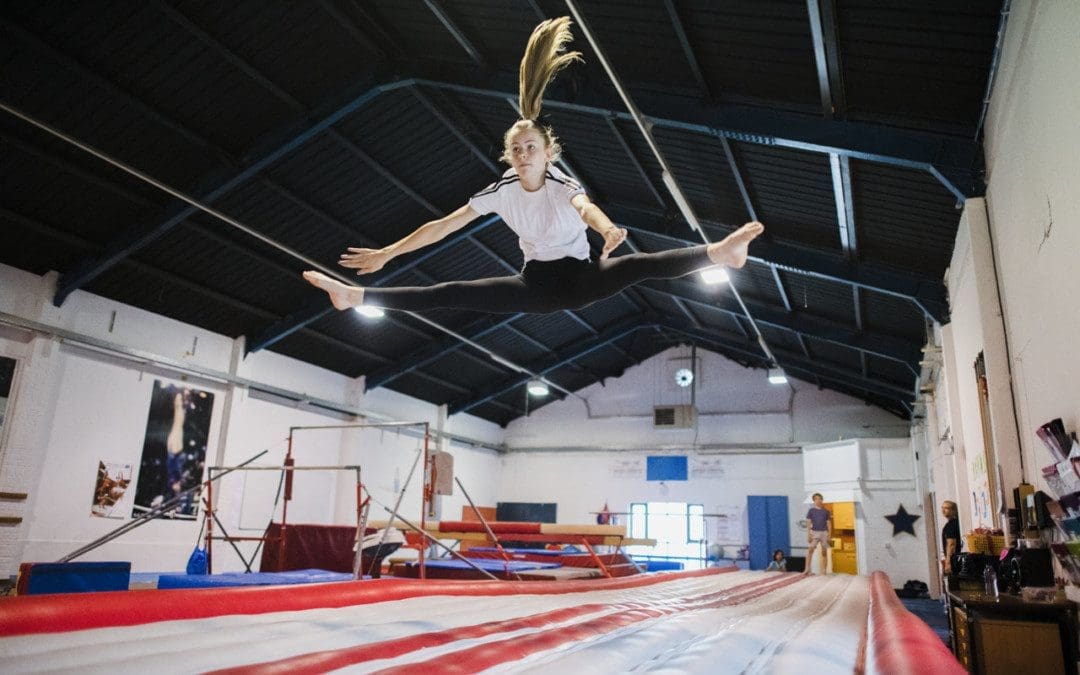
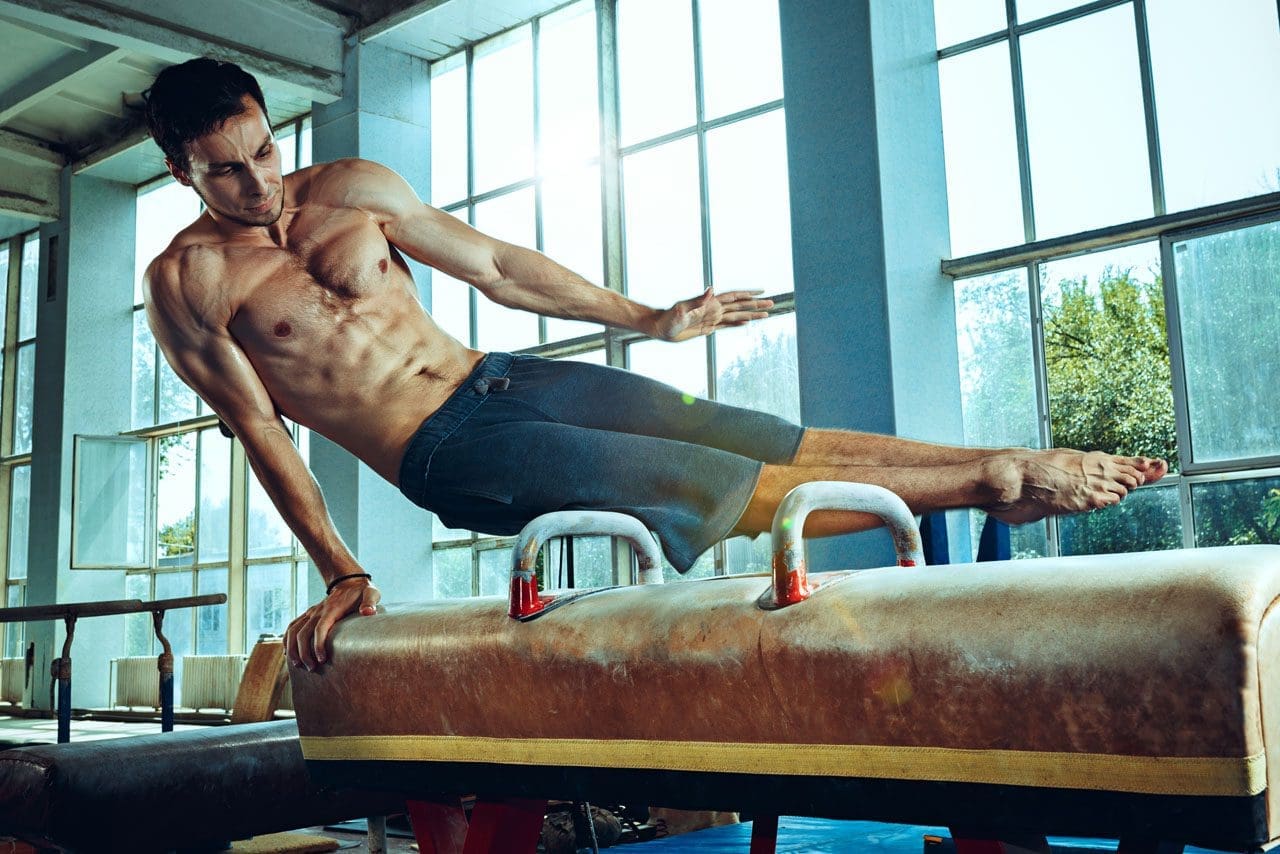
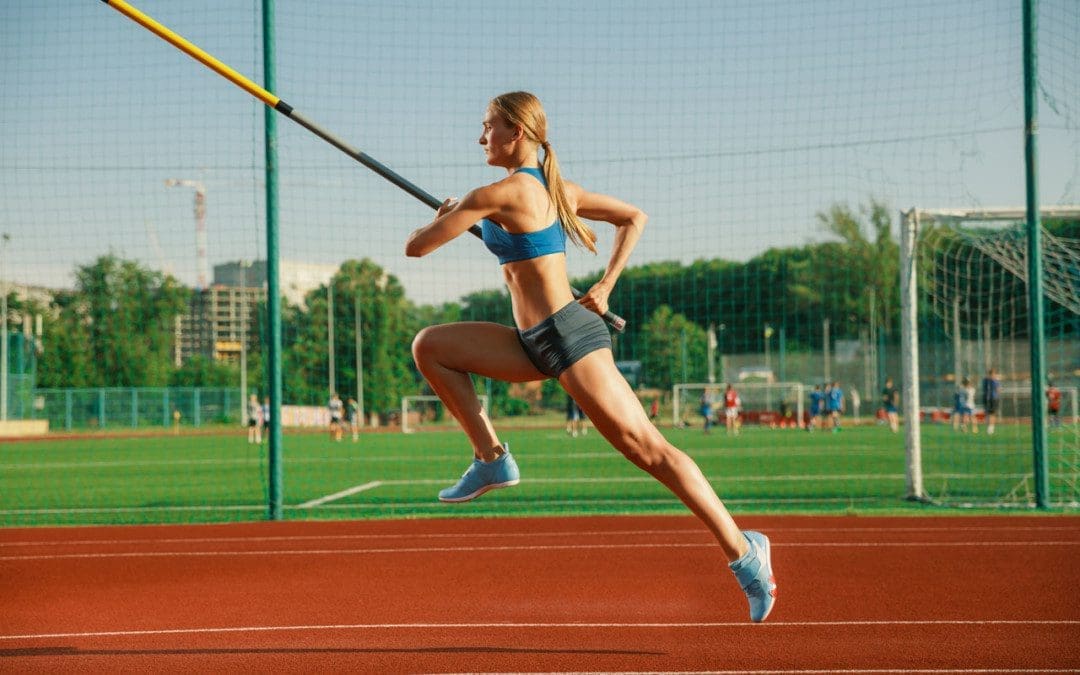
Gymnastics is a demanding and challenging sport. Gymnasts train to be powerful and graceful. Today’s moves have become increasingly technical acrobatic moves with a much higher degree of risk and difficulty. All the stretching, bending, twisting, jumping, flipping, etc., increases the risk of neuromusculoskeletal injuries. Gymnastics injuries are inevitable. Bruises, cuts, and scrapes are common, as are overuse strains and sprains, but severe and traumatic injuries can occur. Injury Medical Chiropractic and Functional Medicine Team can treat and rehabilitate injuries and help to strengthen and prevent injuries. The therapy team will thoroughly evaluate the individual to determine the injury/s severity, identify any weaknesses or limitations, and develop a personalized plan for optimal recovery, stability, and strength.
Gymnastic Injuries
One of the main reasons injuries are more prevalent is because today’s athletes start earlier, spend more time practicing, perform more complex skill sets, and have higher levels of competition. Gymnasts learn to perfect a skill and then train to make their bodies look elegant while executing the routine. These moves require precision, timing, and hours of practice.
Injury Types
Sports injuries are classified as:
Chronic Overuse injuries: These cumulative aches and pains occur over time.
They can be treated with chiropractic and physical therapy and prevented with targeted training and recovery.
Acute Traumatic injuries: These are typically accidents that happen suddenly without warning.
These require immediate first aid.
Most Common Injuries
Gymnasts are taught how to fall and land to lessen the impact on the spine, head, neck, knees, ankles, and wrists.
Back
Common back injuries include muscle strains and spondylolysis.
Bruises and Contusions
Tumbling, twisting, and flipping can result in various bruises and contusions.
Muscle Soreness
This is the sort of muscle soreness experienced 12 to 48 hours after a workout or competition.
Proper rest is necessary for the body to recover fully.
Overtraining Syndrome
Overtraining syndrome happens when individuals train beyond the body’s ability to recover.
Strength and/or flexibility imbalances – one side is stronger.
Chiropractic Care
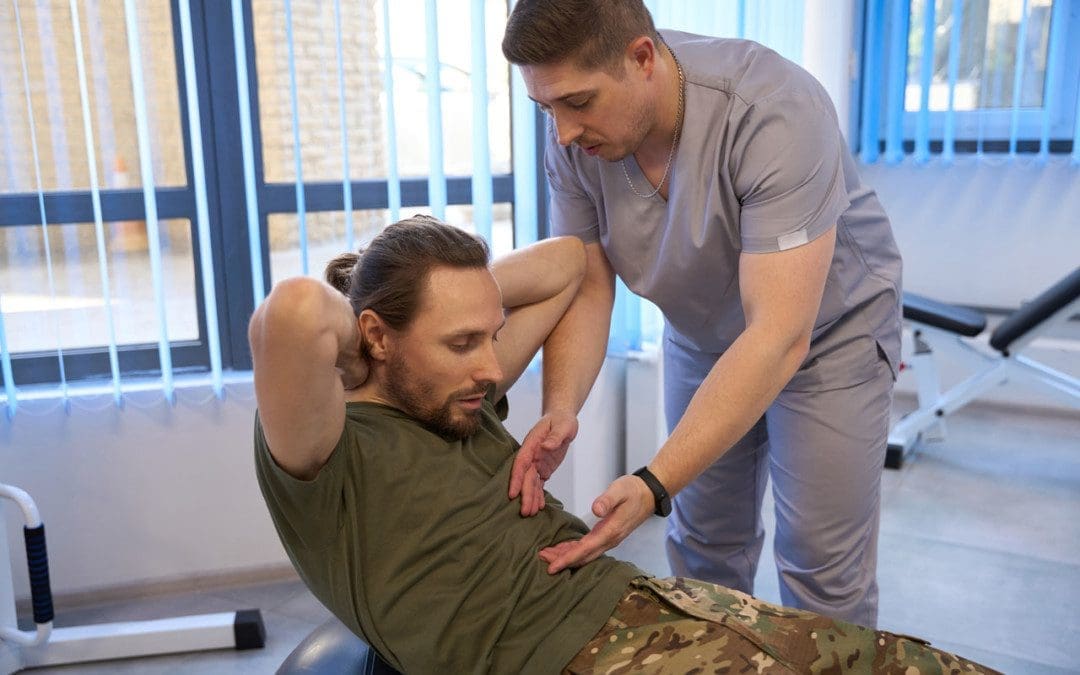
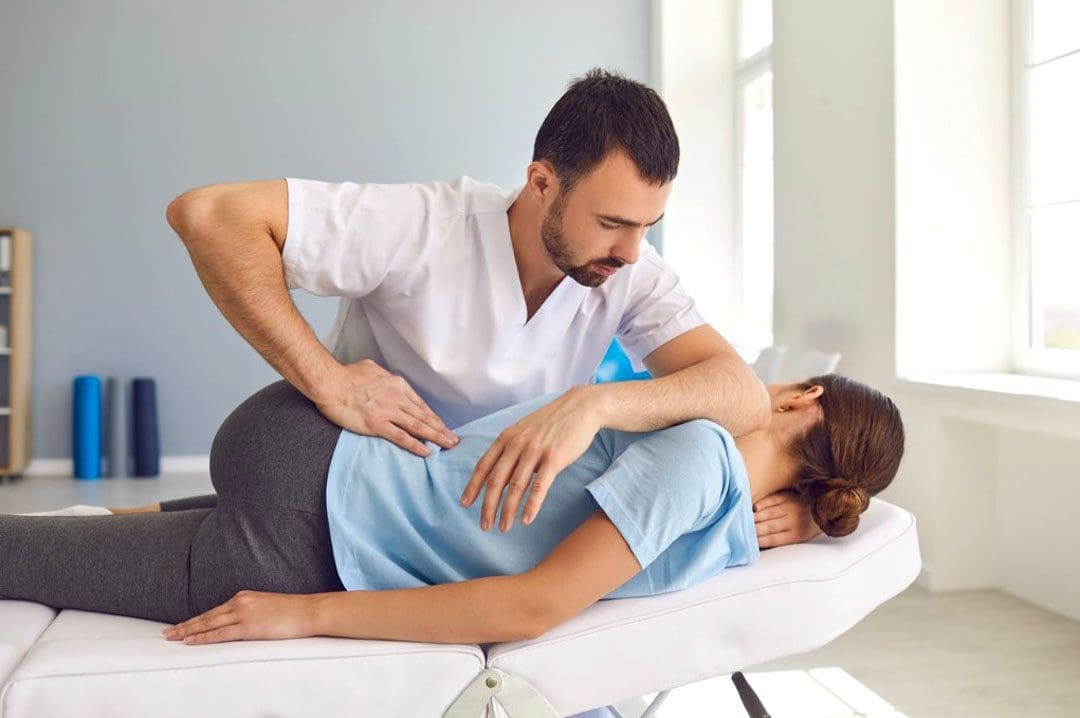
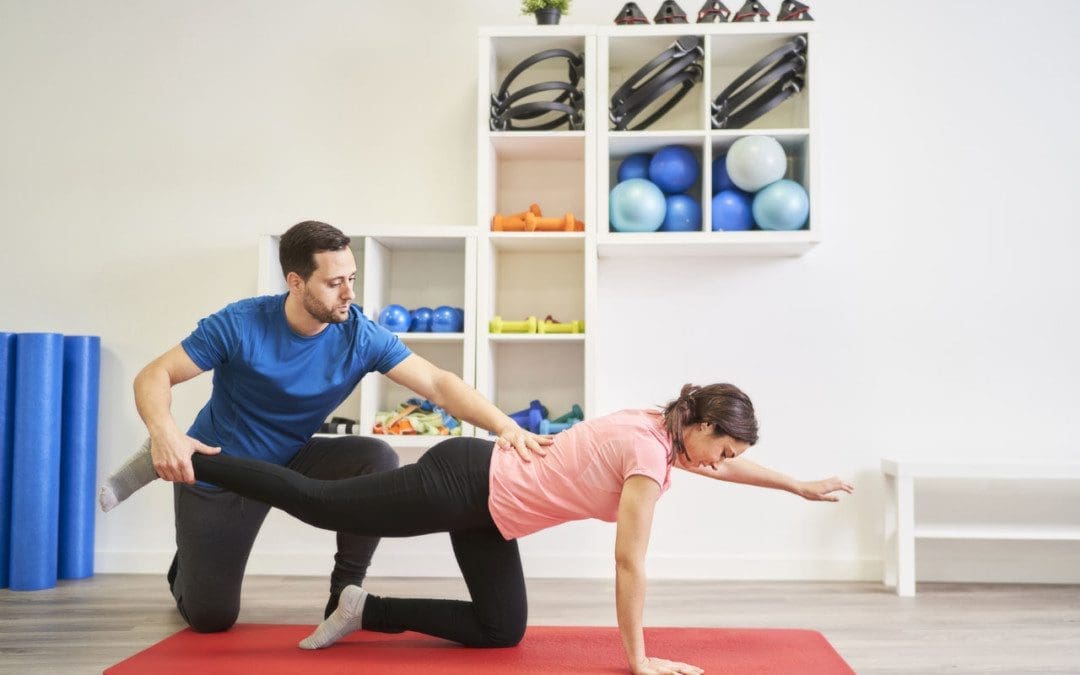
Our therapists will start with an evaluation and a biomechanical assessment to identify all the factors contributing to the injury. This will consist of a thorough medical history to understand overall health status, training schedule, and the physical demands on the body. The chiropractor will develop a comprehensive program that includes manual and tool-assisted pain relief techniques, mobilization work, MET, core strengthening, targeted exercises, and injury prevention strategies.
Facet Syndrome Chiropractic Treatment
References
Armstrong, Ross, and Nicola Relph. “Screening Tools as a Predictor of Injury in Gymnastics: Systematic Literature Review.” Sports medicine – open vol. 7,1 73. 11 Oct. 2021, doi:10.1186/s40798-021-00361-3
Farì, Giacomo, et al. “Musculoskeletal Pain in Gymnasts: A Retrospective Analysis on a Cohort of Professional Athletes.” International journal of environmental research and public health vol. 18,10 5460. 20 May. 2021, doi:10.3390/ijerph18105460
Kreher, Jeffrey B, and Jennifer B Schwartz. “Overtraining syndrome: a practical guide.” Sports Health vol. 4,2 (2012): 128-38. doi:10.1177/1941738111434406
Meeusen, R, and J Borms. “Gymnastic injuries.” Sports medicine (Auckland, N.Z.) vol. 13,5 (1992): 337-56. doi:10.2165/00007256-199213050-00004
Sweeney, Emily A et al. “Returning to Sport After Gymnastics Injuries.” Current sports medicine reports vol. 17,11 (2018): 376-390. doi:10.1249/JSR.0000000000000533
Westermann, Robert W et al. “Evaluation of Men’s and Women’s Gymnastics Injuries: A 10-Year Observational Study.” Sports Health vol. 7,2 (2015): 161-5. doi:10.1177/1941738114559705
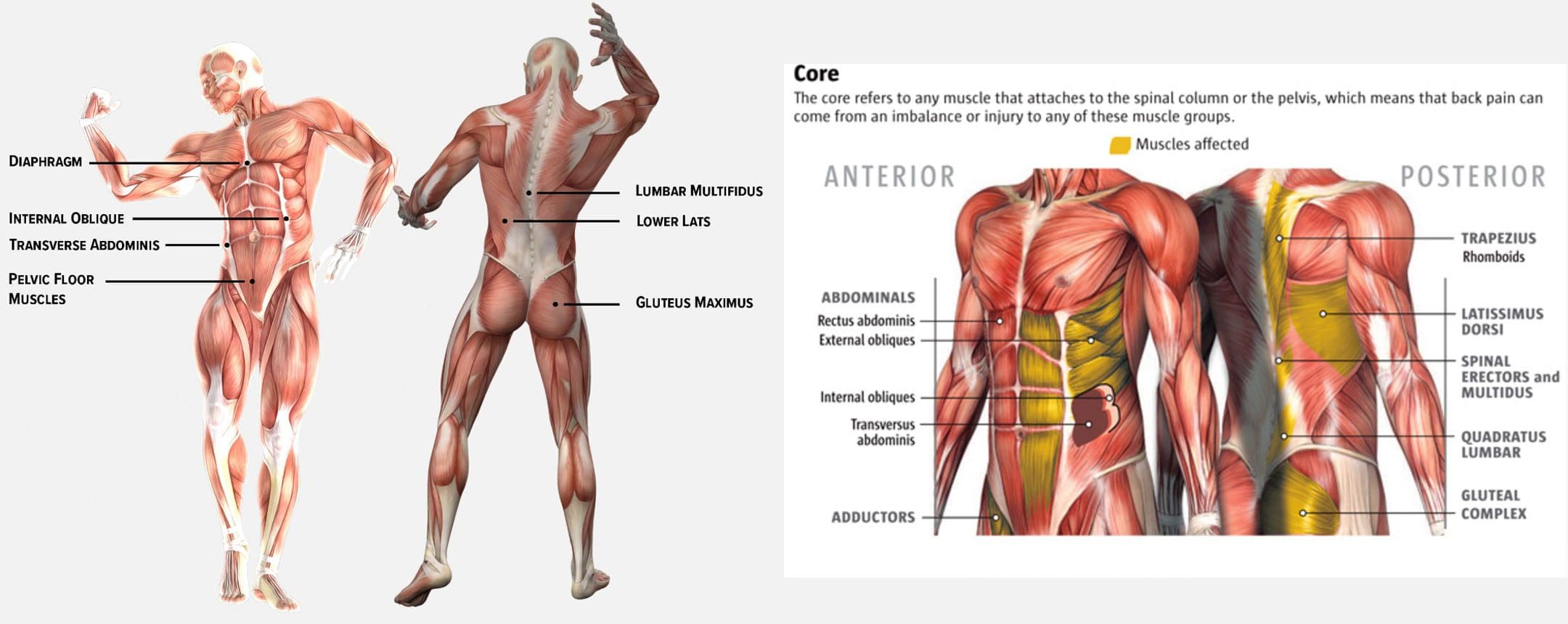
The body’s core muscles are used for stability, balance, lifting, pushing, pulling, and movement. Engaging the core muscles means bracing and tightening the abdominal muscles, which include the latissimus dorsi/lats, paraspinal muscles, gluteus maximus/glutes, and trapezius/traps. When engaged, the trunk muscles help maintain spinal stability, support the spine and pelvis in sitting and resting positions and during dynamic movements, and help prevent injury.
Engaging The Core
To know how to engage the core, individuals need to understand what the core is. The most important muscles for engaging the core include: These muscles are involved every time the body inhales and exhales, in posture control, and when using the bathroom, they start and stop the process.
Rectus Abdominis
The rectus abdominis muscle is responsible for the six-pack.
It’s a long, flat muscle that extends from the pubic bone to the sixth and seventh ribs.
The rectus abdominis is primarily responsible for bending the spine.
External Obliques
These are the muscles on either side of the rectus abdominis.
The external obliques allow the torso to twist, bend sideways, flex the spine, and compress the abdomen.
Internal Obliques
The internal obliques lie below the external obliques.
They work with the external obliques in the same functions.
Transverse Abdominis
This is the deepest layer of muscle in the abdomen.
It completely wraps around the torso and extends from the ribs to the pelvis.
The transverse abdominis are not responsible for spine or hip movement but for stabilizing the spine, compressing the organs, and supporting the abdominal wall.
Latissimus Dorsi
Commonly known as the lats, these muscles run along both sides of the spine from just below the shoulder blades to the pelvis.
The lats help stabilize the back, especially when extending the shoulders.
They also contribute to body ability when twisting from side to side.
Erector Spinae
The erector spinae muscles are on each side of the spine and extend down the back.
These muscles are responsible for extending and rotating the back and side-to-side movement.
These are considered postural muscles and are almost always working.
What Not To Do
Individuals learn from mistakes, which might make learning how to engage the core easier by understanding what not to do. Common examples of failing to or not engaging the core correctly.
The back slumps when sitting down – the upper body lacks strength and stability.
When bending, the stomach sticks out more.
Swaying or leaning far to one side when walking – lack of lower body strength causes balance and stability problems.
The lower abdomen and back present with discomfort and pain symptoms.
Training
Engaging the core decreases the chance of sustaining an injury at home, work, or exercising and can help with chronic back pain. It creates a stable musculature around the spine that keeps the vertebrae from over-flexing, over-extending, and bending too far to one side. Engaging the core muscles can mean different things, depending on what is trying to be achieved.
For example, if doing bending work, the muscles needed, and the order in which they contract differs from when trying to maintain balance while standing on one leg.
The muscles engaged will differ in their movement depending on whether an individual is:
Trying to move the spine or stabilize it.
Pushing or pulling weight.
Standing, sitting, or lying down.
For a strong and functional core, the objective is to be able to engage the core in any situation. Engaging the core can be challenging, but with training and practice, the body becomes stronger. Practice engaging the core throughout daily activities that include.
Bracing the core while standing, sitting at a workstation or desk, and walking.
Day-to-day activities, like reaching for something from a high shelf, grocery shopping, and taking the stairs.
Injury Medical Chiropractic and Functional Medicine Clinic can create a personalized program to address musculoskeletal issues, core training, targeted exercise, stretching, nutrition, massage, and adjustments to get the body to optimal health and maintain health.
The Non-Surgical Solution
References
Eickmeyer, Sarah M. “Anatomy and Physiology of the Pelvic Floor.” Physical Medicine and rehabilitation clinics of North America vol. 28,3 (2017): 455-460. doi:10.1016/j.pmr.2017.03.003
Lawson, Samantha, and Ashley Sacks. “Pelvic Floor Physical Therapy and Women’s Health Promotion.” Journal of Midwifery & Women’s Health vol. 63,4 (2018): 410-417. doi:10.1111/jmwh.12736
Seaman, Austin P et al. “Building a Center for Abdominal Core Health: The Importance of a Holistic Multidisciplinary Approach.” Journal of gastrointestinal surgery: official journal of the Society for Surgery of the Alimentary Tract vol. 26,3 (2022): 693-701. doi:10.1007/s11605-021-05241-5
Vining, Robert, et al. “Effects of Chiropractic Care on Strength, Balance, and Endurance in Active-Duty U.S. Military Personnel with Low Back Pain: A Randomized Controlled Trial.” Journal of Alternative and complementary medicine (New York, N.Y.) vol. 26,7 (2020): 592-601. doi:10.1089/acm.2020.0107
Weis, Carol Ann, et al. “Chiropractic Care for Adults With Pregnancy-Related Low Back, Pelvic Girdle Pain, or Combination Pain: A Systematic Review.” Journal of Manipulative and physiological therapeutics vol. 43,7 (2020): 714-731. doi:10.1016/j.jmpt.2020.05.005
Zachovajeviene, B et al. “Effect of the diaphragm and abdominal muscle training on pelvic floor strength and endurance: results of a prospective randomized trial.” Scientific Reports vol. 9,1 19192. 16 Dec. 2019, doi:10.1038/s41598-019-55724-4
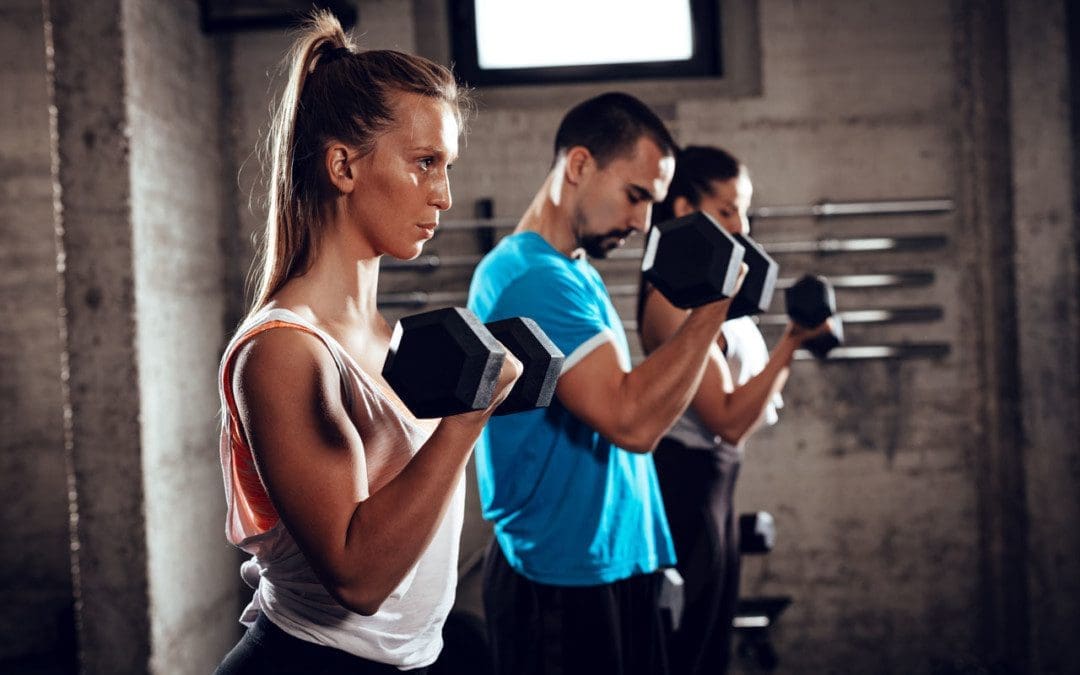
The biceps curl is an exercise to build strength in the upper arm. Curls are a common exercise used in upper-body strength training. Specifically, the curl works the muscles in the front of the upper arm. It’s recommended for achieving strength and definition and provides core and stability challenges. Injury Medical Chiropractic and Functional Medicine Clinic can educate individuals on fitness, strength training, nutrition, and injury prevention.
Bicep Curls
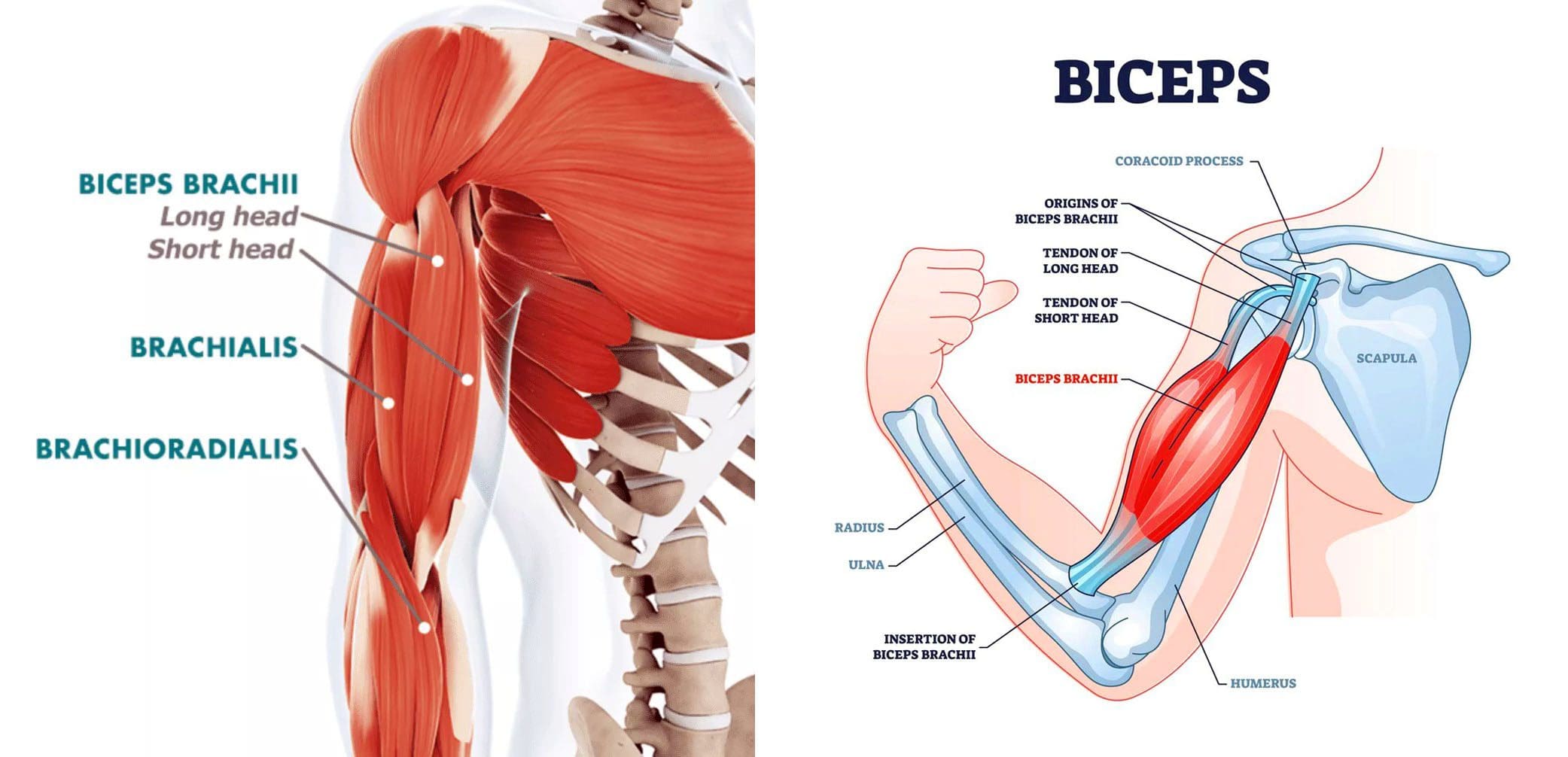
Located at the upper arm, the biceps comprise a short and long head that operates as a single muscle.
The bicep heads begin at different places around the shoulder/scapula region,
They have a common insertion point on the elbow tendon.
Together allow the bending of the arm at the elbow joint to curl and pull weight.
Curls work the muscles at the front of the upper arm and the lower arm. The brachialis and brachioradialis.
Dumbbells
Different equipment and grips can be used, including dumbbell weights, kettlebells, barbells, resistance bands, or cable machines. Select equipment with enough weight that can be lifted ten times using proper form, ensuring the last three repetitions are challenging to the point of being unable to raise another. From there, use this same weight to perform eight repetitions or slightly lower the weight and perform ten repetitions.
Begin by standing with the feet about hip-width apart.
Keep the abdominal/core muscles engaged.
Hold one dumbbell in each hand.
Relax the arms down at the sides with palms facing forward.
Keep the upper arms stable and shoulders relaxed.
Bend at the elbow and lift the weights so the dumbbells approach the shoulders.
Raise the dumbbells to eye or forehead level for a full range of motion.
Tension will be felt in the muscles in the front of the upper arm.
Keep movements smooth and controlled.
The elbows should stay tucked in close to the body.
Be careful to keep the wrist straight and rigid.
Flexing the wrist while bending the elbow won’t target the biceps effectively and can result in a wrist or elbow injury.
Exhale while lifting.
Lower the weights to the starting position.
For most, one set of 12 to 15 repetitions is adequate.
Train to failure performing the desired reps, staying within 3 to 5 repetitions of total failure.
When able, slightly increase weight and/or reps over time to increase muscle and strength.
Both biceps can be worked out by alternating arms.
Get the most out of the workout by avoiding these errors.
Rushing Through
Focus on proper form and avoid rushing through the workout.
Lift the weights with a smooth motion.
Take as much time to lower the weight as when lifting it.
Lowering the weight slowly can help build more muscle, making the most of the workout.
Improper Elbow Position
The position of the elbows should remain close to the side of the body.
Only the lower arm should move until the end of the movement when the elbows rise. This is a complete range of motion.
If the elbows move away from the torso or swing behind the body, there is probably too much weight.
Avoid Swinging the Weights
Focus on maintaining a tall, upright spine and a tight core.
The shoulders or torso should not swing the weights up when doing the curl.
It can feel like swinging, twisting, or heaving movements.
Don’t let the hips hinge, or the lower body assist the movement.
Keep the elbows at the sides until they naturally rise at the end of the motion.
Keep the shoulders relaxed
Make sure the shoulders don’t move forward to initiate the movement.
Use lighter weights or reduce the number of repetitions if this happens.
Safety
This exercise is generally recommended for most individuals. However, getting clearance from a primary caregiver before beginning any exercise routine is recommended.
Individuals with an arm injury or who experience pain during the motion should not perform the exercise without a doctor’s approval.
Don’t try to lift weights that are too heavy.
After a few lifts, expect to feel fatigued and a burning sensation in the biceps and forearm muscles.
This is the desired effect to get the muscles strong and growing.
Do not force extra repetitions once proper form cannot be achieved.
These muscles are in constant use when picking things up.
Consistently performing the biceps curl will help build strength in the upper arm.
Individuals learn to use their arm muscles correctly and with the core muscles.
Unlocking Athletic Potential with Chiropractic
References
Coratella, Giuseppe, et al. “Biceps Brachii and Brachioradialis Excitation in Biceps Curl Exercise: Different Handgrips, Different Synergy.” Sports (Basel, Switzerland) vol. 11,3 64. 9 Mar. 2023, doi:10.3390/sports11030064
Coratella, Giuseppe, et al. “Bilateral Biceps Curl Shows Distinct Biceps Brachii and Anterior Deltoid Excitation Comparing Straight vs. EZ Barbell Coupled with Arms Flexion/No-Flexion.” Journal of functional morphology and Kinesiology vol. 8,1 13. 19 Jan. 2023, doi:10.3390/jfmk8010013
Marchetti, Paulo H et al. “Seated row and biceps curl exercises present similar acute responses on muscle thickness, arm circumference, and peak force for elbow flexors after a resistance training session in recreationally-trained subjects.” The Journal of sports medicine and physical fitness vol. 60,11 (2020): 1415-1422. doi:10.23736/S0022-4707.20.10996-4
Sato, Shigeru, et al. “Elbow Joint Angles in Elbow Flexor Unilateral Resistance Exercise Training Determine Its Effects on Muscle Strength and Thickness of Trained and Non-trained Arms.” Frontiers in physiology vol. 12 734509. 16 Sep. 2021, doi:10.3389/fphys.2021.734509
Schoenfeld, Brad Jon, et al. “Differential effects of attentional focus strategies during long-term resistance training.” European Journal of sports science vol. 18,5 (2018): 705-712. doi:10.1080/17461391.2018.1447020
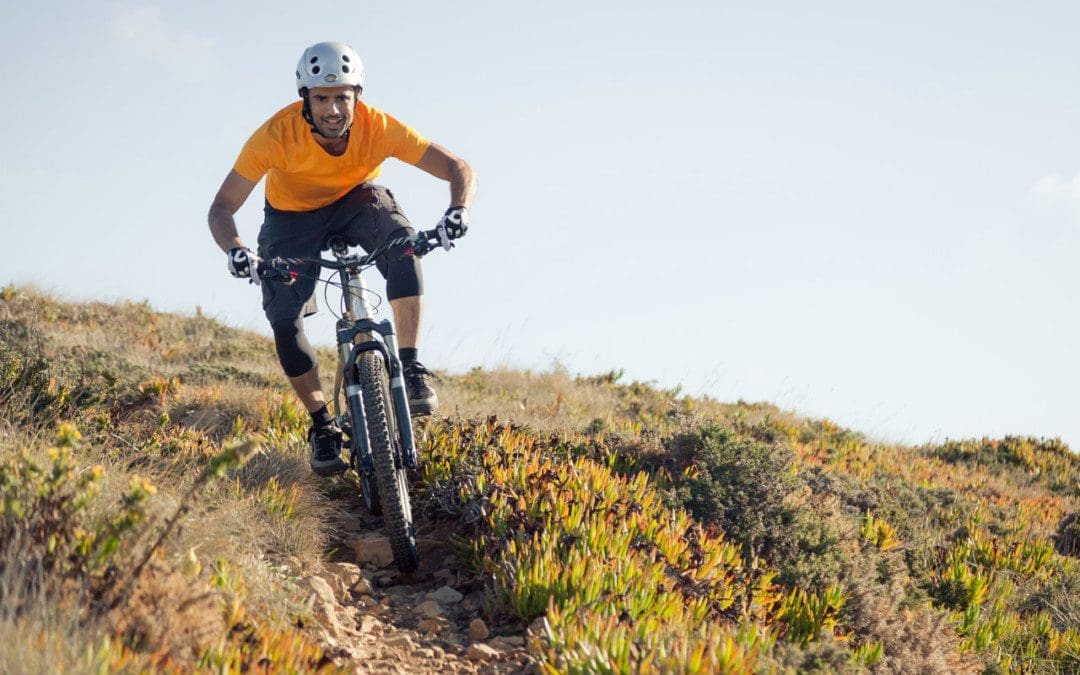
Mountain and trail biking is a fun way to exercise. Mountain biking requires total body/core strength, explosive power, balance, endurance, and agility to maneuver the bike, build speed, and absorb the rough bumps and terrain. But it also means that certain muscles get overused, causing overcompensation in the body that can lead to musculoskeletal problems and conditions. Strength, cardiovascular, and cross-fit can benefit mountain biking training for improved performance, safer and more confident riding, and injury prevention.
Mountain Biking Training
A few of the benefits of training are:
Increasing bone density.
Improving joint health.
Correcting imbalances and unhealthy posture.
Weight loss.
Aging muscle loss prevention.
Maintaining body posture centered on the bike requires core strength to perform the movements when moving the body backward and forwards, side to side, and pushing up and down when different obstacles pop up. The exercises’ objective is to work various body parts simultaneously and diagonally, like the movements used on the bike.
General Overview of Mountain Biking Training
Build strength – Target the quads, hamstrings, and abdominal muscles to power pedaling strokes.
Increase endurance – Avoid getting fatigued early because of weakened legs and aerobic performance.
Improve mountain bike skills – Ride faster and more efficiently by improving bike handling and technical skills.
Example Training Week
The terrain determines the intensity, but the same basic principles apply to mountain biking training as other endurance sports. Here’s a training example for a beginner that can be adjusted to the rider’s needs:
Monday
Stretching and training the muscles to relax prevent becoming stiff or cramping up during rides.
Cornering is a critical skill that should never stop being practiced and improved.
Cornering Drills
Pick a corner on a local trail and ride through it until mastered.
Focus on riding smoothly through the corner, and speed will generate.
As confidence builds in the corners, do the same on the opposite side.
Straighten Out
Ride to the furthest outside edge when approaching the turn.
Initiate the turn just before the sharpest point of the corner.
Stick to the furthest outside point of the corner when riding out of the corner.
Brake Before The Corner
Braking in the corner can cause the tires to slide out of control, causing a slip-and-fall accident.
Look through the turn as the bike follows where the eyes look.
Don’t stare at the front wheel, which could lead to a falling or flipping accident.
Eventually, riders can handle this technique, but it’s too advanced for beginners.
Smooth Ride
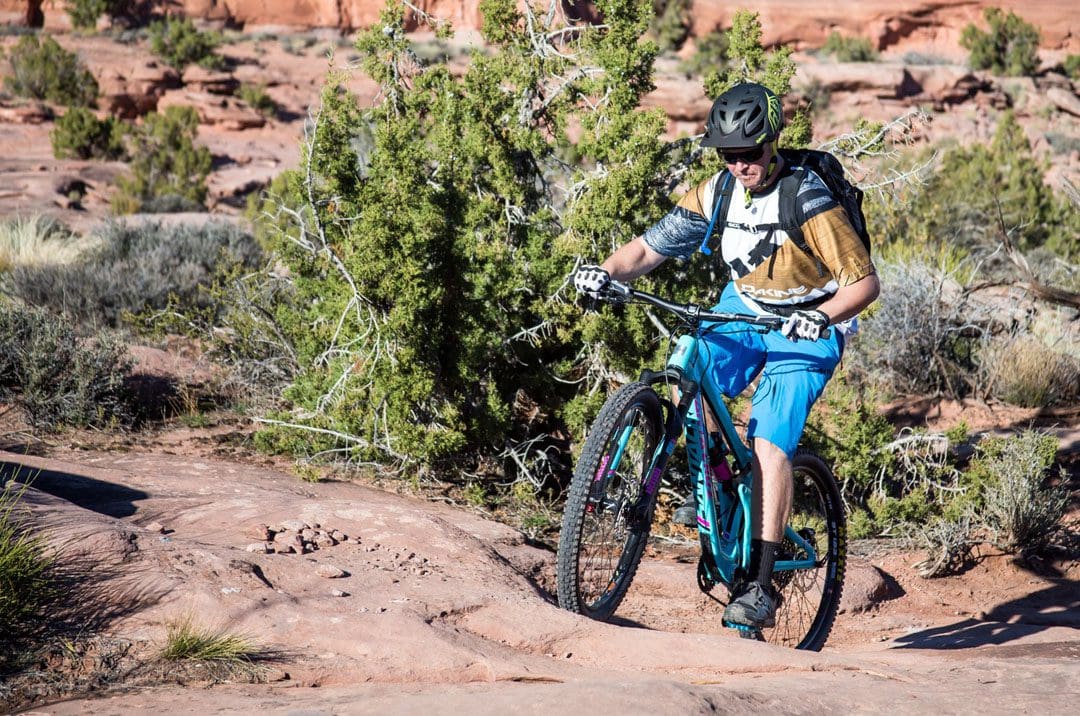
Beginners can be amazed at how much terrain bikes can ride over and through. Modern mountain bike suspension and tire systems can handle it. However, using the correct technique is essential to get through or around the obstacles and avoid crashes.
Stay aware of the surroundings.
Keep the body loose when approaching obstacles.
Decide how to overcome the obstacle – ride over, pop/raise the wheels, jump, or ride around.
Maintain confidence.
When riding over the obstacle, maintain an even balance on the pedals and keep the buttocks slightly off the saddle.
Keep arms and legs loose and let the body absorb the shock of the obstacle.
Trust the suspension and tires.
Ensure enough speed is generated to go over it and that it won’t stop the bike and cause a fall.
Some rough trail areas can require added strength to hold the bike steady.
Braking
There is no need to squeeze the brake handles with extreme force.
Extreme braking, especially the front, will likely lead to a flip or crash.
The brakes are made to stop with minimal force.
Beginners are recommended to learn to use a light touch when braking.
Improvement will follow with each riding session.
Foundation
References
Arriel, Rhaí André, et al. “Current Perspectives of Cross-Country Mountain Biking: Physiological and Mechanical Aspects, Evolution of Bikes, Accidents, and Injuries.” International journal of environmental research and public health vol. 19,19 12552. 1 Oct. 2022, doi:10.3390/ijerph191912552
Inoue, Allan, et al. “Effects of Sprint versus High-Intensity Aerobic Interval Training on Cross-Country Mountain Biking Performance: A Randomized Controlled Trial.” PloS one vol. 11,1 e0145298. 20 Jan. 2016, doi:10.1371/journal.pone.0145298
Kronisch, Robert L, and Ronald P Pfeiffer. “Mountain biking injuries: an update.” Sports medicine (Auckland, N.Z.) vol. 32,8 (2002): 523-37. doi:10.2165/00007256-200232080-00004
Muyor, J M, and M Zabala. “Road Cycling and Mountain Biking Produce Adaptations on the Spine and Hamstring Extensibility.” International Journal of sports medicine vol. 37,1 (2016): 43-9. doi:10.1055/s-0035-1555861
Ranchordas, Mayur K. “Nutrition for adventure racing.” Sports medicine (Auckland, N.Z.) vol. 42,11 (2012): 915-27. doi:10.1007/BF03262303
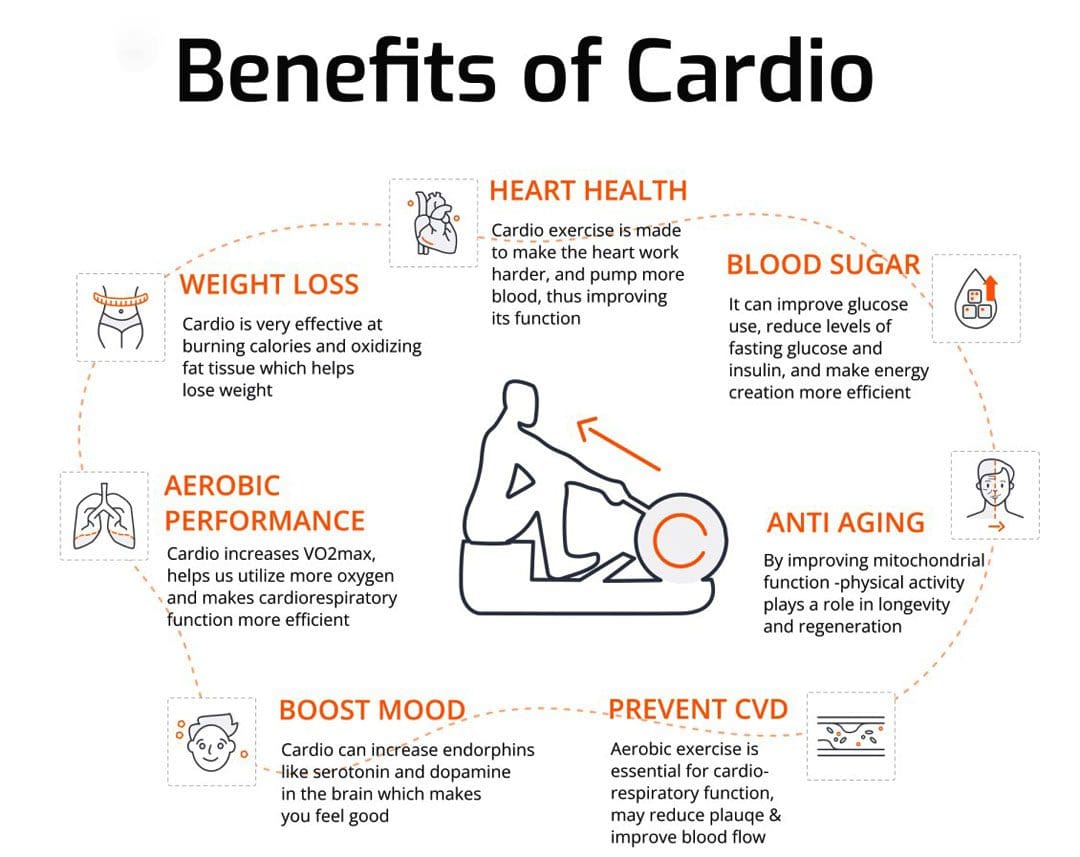
Aerobic Exercise Health: The body adapts differently to different types of exercise. Aerobic, cardio, and endurance all refer to activities stimulating heart and breathing rates to provide the muscles with oxygenated blood. The oxygen is delivered by blood pumped from the heart through the arteries and returns to the heart through the veins. This explains all the heavy breathing during workouts. Aerobic exercise increases energy production in the muscle cells and blood delivery in the cardiovascular system.
Aerobic Exercise Health
The Heart
All the muscles get to rest on and off when in use. The heart is a unique muscle that pumps blood through the body that never gets time off. This is why it is important to strengthen the heart. With aerobic exercise, the heart’s chamber/left ventricle gets larger, producing more blood per pump to the rest of the body. This improves cardiac output for the blood pumped by the heart per minute. When the heart is stronger, pumping more blood per beat means it doesn’t have to beat as rapidly. A lower resting heart rate is associated with a reduced risk of cardiovascular disease and promotes long and healthy life.
Vascular
Each time the heart beats, blood pumps from the left ventricle into the aorta and flows into a branching vessel network. Every artery in the body provides resistance to the circulation that the heart pushes against. The resistance provided can vary, depending on overall health and health conditions.
Aerobic exercise training reduces the workload by reducing arterial stiffness.
Aerobic exercise increases heart rate, pushing more blood through the arteries.
The inner wall of the arteries recognizes the increased blood flow causing the arteries to widen.
With regular training, the arteries acclimate and become more effective at expanding with each rush of blood.
No aerobic activity can cause the arteries to stiffen, causing circulation problems.
Aerobic exercise impacts the vascular system by promoting capillary growth.
Capillaries are microscopic vessels where oxygen diffuses from red blood cells to the muscle and other cells.
The body stimulates a molecule called vascular endothelial growth factor to grow additional capillaries to regulate energy demand more efficiently.
Older individuals benefit from aerobic activity similarly to young individuals.
Metabolic
Along with cardiovascular benefits, aerobic exercise increases the muscles’ energy production. The energy is produced in muscle cells primarily through an oxidative energy system. Oxidative energy production takes place within cells called mitochondria. Once blood delivers oxygen to the muscle cells, it can be used to produce energy that powers the muscles.
Aerobic exercise training improves the muscle cells’ ability to burn fat by generating more mitochondria and enhancing functionality.
Following each training session, the body burns more fat than usual.
Aerobic training can increase resting metabolic rate, resulting in more calories burned.
It can increase post-exercise oxygen consumption/EPOC, resulting in increased calorie burn after training in addition to calories burned during exercise.
Muscle
The muscles adapt from aerobic training. Muscles are made up of various fiber types.
Aerobic exercise training primarily influences type 1 fibers, known as slow-twitch fibers.
The name comes from the proteins responsible for their contractions.
Relative to type 2a fibers/fast-twitch, type 1 fibers contract more slowly but have an increased capacity to contract over and over for longer.
Aerobic training results in hypertrophy of type 1 muscle fibers by adding more slow-twitch proteins.
Strengthening the heart and making arteries more flexible directly impacts health and physical function. Aerobic exercise strengthens and trains the heart to circulate blood efficiently. Injury Medical Chiropractic and Functional Medicine Clinic can develop a personalized health plan for your needs.
Aerobic Exercise Health: Dance Workout
References
Arbab-Zadeh, Armin, et al. “Cardiac remodeling in response to 1 year of intensive endurance training.” Circulation vol. 130,24 (2014): 2152-61. doi:10.1161/CIRCULATIONAHA.114.010775
Gavin, Timothy P et al. “No difference in the skeletal muscle angiogenic response to aerobic exercise training between young and aged men.” The Journal of physiology vol. 585, Pt 1 (2007): 231-9. doi:10.1113/Physiol.2007.143198
Hellsten, Ylva, and Michael Nyberg. “Cardiovascular Adaptations to Exercise Training.” Comprehensive Physiology vol. 6,1 1-32. 15 Dec. 2015, doi:10.1002/cphy.c140080
Nauman, Javaid, et al. “Temporal changes in resting heart rate and deaths from ischemic heart disease.” JAMA vol. 306,23 (2011): 2579-87. doi:10.1001/jama.2011.1826
Popel, A S. “Theory of oxygen transport to tissue.” Critical reviews in biomedical engineering vol. 17,3 (1989): 257-321.
Seals, Douglas R et al. “Aerobic exercise training and vascular function with aging in healthy men and women.” The Journal of physiology vol. 597,19 (2019): 4901-4914. doi:10.1113/JP277764
Any form of physical sports activity puts the body at risk for injury. Chiropractic care can prevent injury for all athletes, weekend warriors, and fitness enthusiasts. Regular massaging, stretching, adjusting, and decompressing enhances strength and stability, maintaining the body’s readiness for physical activity. A chiropractor assists in sports injury prevention through analysis of the body’s musculoskeletal system addressing any abnormalities from the natural frame and adjusts the body back into proper alignment. Injury Medical Chiropractic and Functional Medicine Clinic provides various sports injury prevention therapies and treatment plans personalized to the athlete’s needs and requirements.
Sports Injury Prevention
Individuals involved in sports activities push themselves through rigorous training and play sessions to new levels. Pushing the body will cause musculoskeletal wear and tear despite meticulous care and training. Chiropractic addresses potential injuries by proactively correcting the problematic areas within the musculoskeletal system to improve body functionality. It ensures that all system structures, spine, joints, muscles, tendons, and nerves are working correctly and at their healthiest, most natural state.
Performance
When muscles are restricted from moving how they are designed to, other areas over-compensate and over-stretch to make the movement possible, increasing the risk of injury as they overwork. This is how the vicious cycle starts. Regular professional chiropractic:
Regularly assesses the alignment of the body.
Keeps the muscles, tendons, and ligaments loose.
Spots any imbalances and weaknesses.
Treats and strengthens the imbalances and deficiencies.
Advises on maintaining alignment.
Treatment Schedule
Consecutive treatments are recommended to allow the musculoskeletal system to adapt to regular treatments. This allows the therapists to get used to how the body looks, feels, and is aligned. The chiropractic team gets used to the body’s strengths and weaknesses and learns the areas that need attention during each treatment. Initial treatment could be every week or two, allowing the chiropractor to spot any discrepancies in movement patterns and giving the body a chance to acclimate to the therapy. Then regular treatment every four to five weeks depending on the sport, training, games, recovery schedule, etc., helps maintain a relaxed, balanced, and symmetrically aligned body.
Pre-Workouts
References
Hemenway, David, et al. “Injury prevention and control research and training in accredited schools of public health: a CDC/ASPH assessment.” Public health reports (Washington, D.C.: 1974) vol. 121,3 (2006): 349-51. doi:10.1177/003335490612100321
Nguyen, Jie C et al. “Sports and the Growing Musculoskeletal System: Sports Imaging Series.” Radiology vol. 284,1 (2017): 25-42. doi:10.1148/radiol.2017161175
Van Mechelen, W et al. “Incidence, severity, etiology and prevention of sports injuries. A review of concepts.” Sports medicine (Auckland, N.Z.) vol. 14,2 (1992): 82-99. doi:10.2165/00007256-199214020-00002
Weerapong, Pornratshanee et al. “The mechanisms of massage and effects on performance, muscle recovery, and injury prevention.” Sports medicine (Auckland, N.Z.) vol. 35,3 (2005): 235-56. doi:10.2165/00007256-200535030-00004
Wojtys, Edward M. “Sports Injury Prevention.” Sports health vol. 9,2 (2017): 106-107. doi:10.1177/1941738117692555
Woods, Krista et al. “Warm-up and stretching in the prevention of muscular injury.” Sports medicine (Auckland, N.Z.) vol. 37,12 (2007): 1089-99. doi:10.2165/00007256-200737120-00006
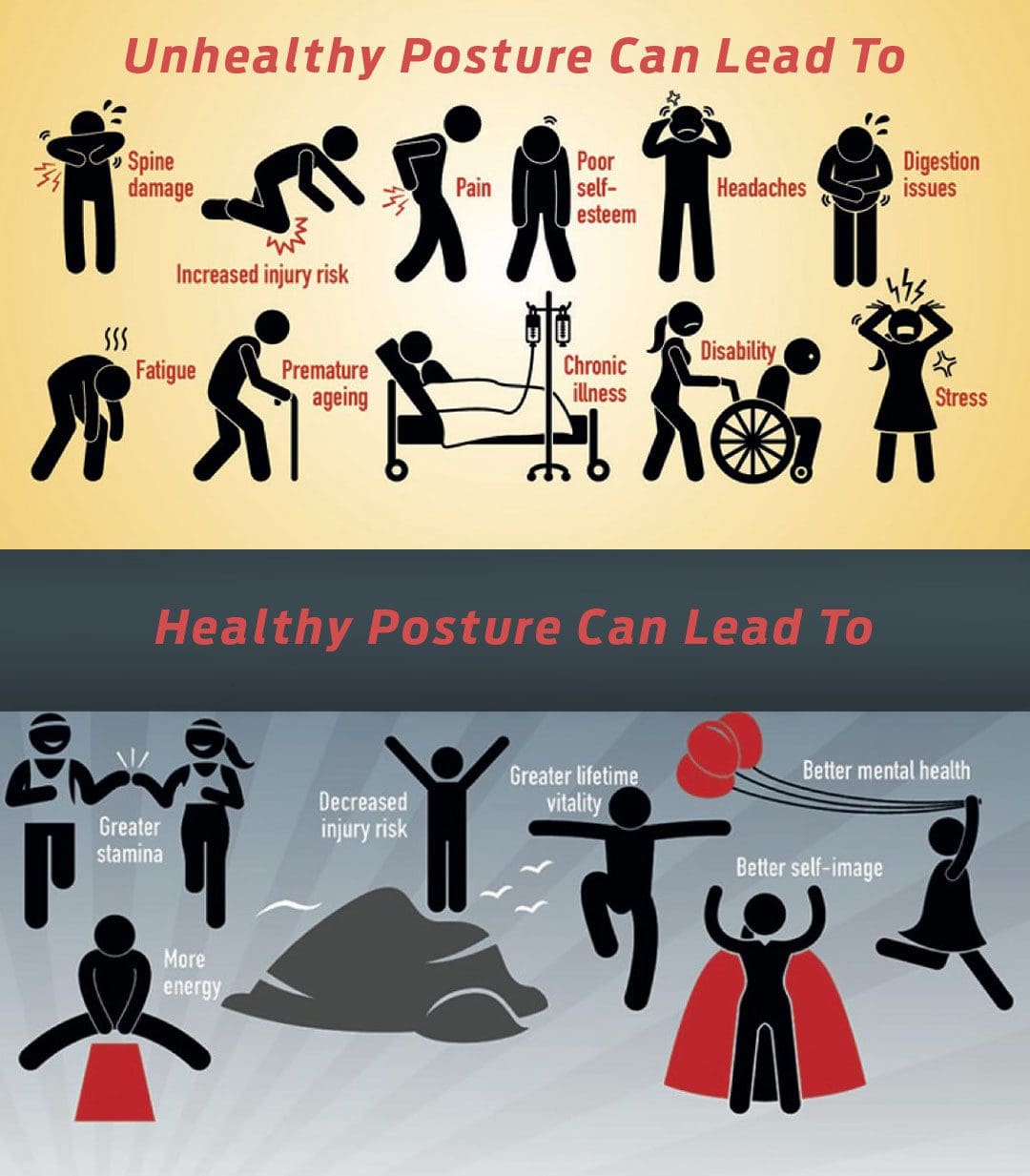
Postural dysfunction happens when unhealthy postures are practiced and maintained for prolonged periods. This can occur in any sitting, standing, or lying down position and is a major factor in musculoskeletal injuries. Injuries related to poor posture are normally caused by overuse that builds up over time. When the body starts to go out of alignment, the muscles must work harder to compensate, which further strains the body. This stress can lead to soft tissue injury and excess joint wear and tear. These injuries start as minor aches and pains in the short term. However, if left untreated, they can lead to chronic conditions. Injury Medical Chiropractic and Functional Medicine Clinic can rehabilitate the body to optimal function and provide postural training.
Postural Dysfunction
Posture is how the skeleton and muscles hold the body in a healthy position while standing or sitting, affecting breathing, muscle growth, and mobility. Practicing healthy posture means:
The bones are properly aligned.
The muscles, joints, and ligaments function correctly.
The organs, like the stomach, kidneys, and GI tract, are in the right position and can work efficiently.
The nervous system can operate at its full potential.
This allows the body to have:
More energy.
More room for the lungs to expand.
Experience less stress.
Alleviate muscle fatigue.
Achieve physical fitness.
Imbalance Causes
Unhealthy body positioning causes imbalances in muscle strength that pull the body out of alignment. This leads to muscles becoming tight/shortened and others becoming weak/lengthened, and it can also cause internal organ problems. For example, individuals that slump excessively cause the abdomen to compress, crowding the stomach and intestines, which leads to digestive issues. Postural dysfunction can be caused by the following:
Stress and strain from day-to-day activities.
Job responsibilities that involve sitting/standing for long periods and/or repetitive tasks like bending, lifting, reaching, twisting, etc.
Unhealthy driving position.
Non-supportive footwear.
Joint stiffness usually of the neck, upper and lower back, and hips.
Sedentary habits.
Lack of physical activity and exercise.
Muscle tightness.
Muscle weakness.
Weakened core stability.
Inadequate or failed post-surgical recovery.
Effects
Decreased blood circulation resulting in fatigue.
Overuse Injuries.
Breathing difficulties.
Balance issues.
Knee pain.
Joint misalignment.
Increased strain on the spine.
Compression of discs and joints.
Neck pain.
Lower back pain.
Less space for nerves to move due to compression.
Nerve problems.
Piriformis syndrome.
Shoulder impingement.
Chiropractic Rehabilitation
Chiropractic treatment for postural dysfunction provides adjustments, massage and decompression therapy, targeted stretching and exercises, retraining movement patterns, and nutritional and health coaching. Personalized treatment plans can include the following:
Targeted stretches and exercises to maintain posture correction.
Fix Posture
References
Korakakis, Vasileios, et al. “Physiotherapist perceptions of optimal sitting and standing posture.” Musculoskeletal science & practice vol. 39 (2019): 24-31. doi:10.1016/j.msksp.2018.11.004
Lee, Yongwoo, and Ki Bum Jung. “Effect of Physiotherapy to Correct Rounded Shoulder Posture in 30 Patients During the COVID-19 Pandemic in South Korea Using a Telerehabilitation Exercise Program to Improve Posture, Physical Function, and Reduced Pain, with Evaluation of Patient Satisfaction.” Medical science monitor: international medical journal of experimental and clinical research vol. 28 e938926. 27 Dec. 2022, doi:10.12659/MSM.938926
Shih, Hsu-Sheng, et al. “Effects of Kinesio taping and exercise on forward head posture.” Journal of back and musculoskeletal rehabilitation vol. 30,4 (2017): 725-733. doi:10.3233/BMR-150346
Snodgrass, Suzanne J et al. “Relationship between Posture and Non-Contact Lower Limb Injury in Young Male Amateur Football Players: A Prospective Cohort Study.” International journal of environmental research and public health vol. 18,12 6424. 14 Jun. 2021, doi:10.3390/ijerph18126424
Zhao, Mingming, et al. “Driver posture monitoring in highly automated vehicles using pressure measurement.” Traffic injury prevention vol. 22,4 (2021): 278-283. doi:10.1080/15389588.2021.1892087
IFM's Find A Practitioner tool is the largest referral network in Functional Medicine, created to help patients locate Functional Medicine practitioners anywhere in the world. IFM Certified Practitioners are listed first in the search results, given their extensive education in Functional Medicine