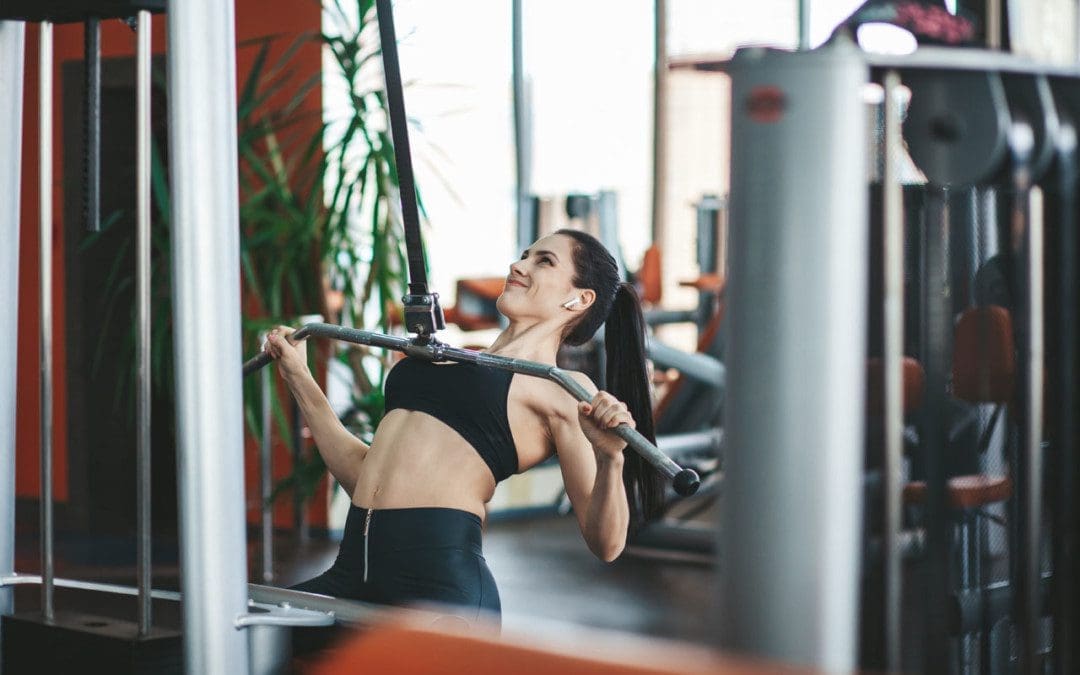
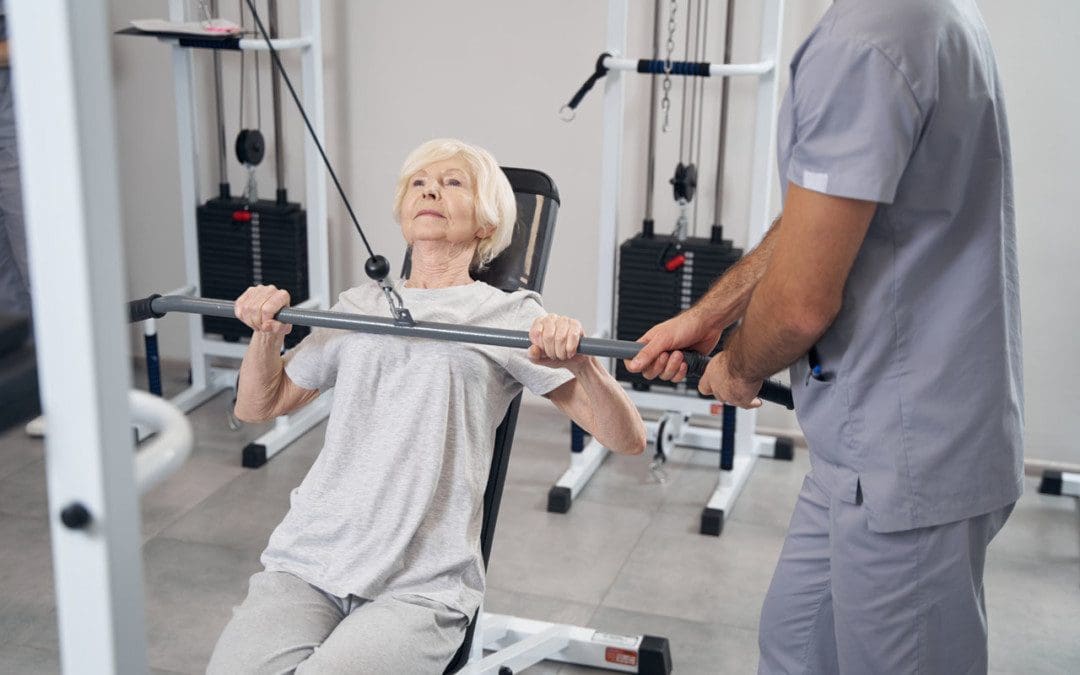
Individuals can become overly passionate about exercising. However, constantly training the body without taking enough time to rest and recover can impact athletes and fitness enthusiasts physically and mentally and lead to overtraining syndrome. Excessive training can cause decreases in athletic physical performance that can be long-lasting, sometimes taking several weeks or months to recover. Individuals who don’t learn to manage overtraining can have injuries and more frequent illnesses and infections. And the psychological effects can also lead to negative mood changes. Learn the signs and how to cut back to prevent injury and/or burnout.
Overtraining Syndrome
Athletes and fitness lovers often exercise longer and harder than average to reach peak performance. Even individuals just getting started with exercise can push their limits as they try to figure out what works for them. This means taking into consideration the following:
The mental side of training.
How to get and stay motivated.
How to set up a safe and effective program with balanced cardio and strength training.
How to avoid skipping workouts when things get in the way.
Exercising too much is a mistake many beginners make, putting themselves at risk for injury.
Overtraining syndrome is when the body goes through and feels:
Extreme fatigue.
Physical performance problems.
Mood changes.
Sleep disturbances.
Other issues due to working out or training too much and/or too hard without giving the body enough time to rest.
Overtraining is common among athletes who train beyond their body’s ability to recover, usually when preparing for a competition or event. Conditioning for athletes and enthusiasts requires a balance between work and recovery.
Signs and Symptoms
There are several signs to look for, with the more common symptoms being:
Mild muscle or joint soreness, general aches, and pains.
Decreased training capacity, intensity, or performance.
Lack of energy, constantly tired, and/or drained.
Brain fog.
Insomnia.
Decreased appetite or weight loss.
Loss of enthusiasm for the sport or exercise.
Irregular heart rate or heart rhythm.
Increased injuries.
Increased headaches.
Feeling depressed, anxious, or irritable.
Sexual dysfunction or decreased sex drive.
Lower immunity with an increase in colds and sore throats.
Prevent Overtraining
Predicting whether there is a risk of overtraining can be tricky because every person responds differently to various training routines.
Individuals have to vary their training throughout and schedule adequate time for rest.
Individuals who believe they may be training too hard should try the following strategies to prevent overtraining syndrome.
Take Note of Mental and Mood Changes
Methods exist to test for overtraining objectively.
One is taking note of psychological signs and symptoms associated with changes in an individual’s mental state can be an indicator.
Decreased positive feelings for exercise, physical activities, and sports.
Increased negative emotions, like depression, anger, fatigue, and irritability, can appear after a few days of intense training.
If these feelings and emotions begin to present, it is time to rest or dial the intensity down.
Training Log
A training log that notes how the body feels daily.
It can help individuals notice downward trends and decreased enthusiasm.
This can help individuals learn to listen to their body’s signals and rest when necessary.
Monitor Heart Rate
Another option is to track changes in heart rate over time.
Monitor heart rate at rest and specific exercise intensities while training, and record it.
If the heart rate increases at rest or a given intensity, this could be a risk indicator, especially if symptoms develop.
Track resting heart rate each morning.
Individuals can manually take a pulse for 60 seconds immediately after waking up.
Individuals can also use a heart rate monitor or fitness band.
Any marked increase from the norm may indicate that the body has not fully recovered.
Treatment
Rest and Recovery
Reduce or stop the exercise and allow the mind and body a few rest days.
Research on overtraining shows that complete rest is the primary treatment.
Take Extra Rest Days
Starting anything new will usually make the body sore.
Be prepared for the aches and take extra rest days when needed.
The body won’t have the same energy levels from day to day or even from week to week.
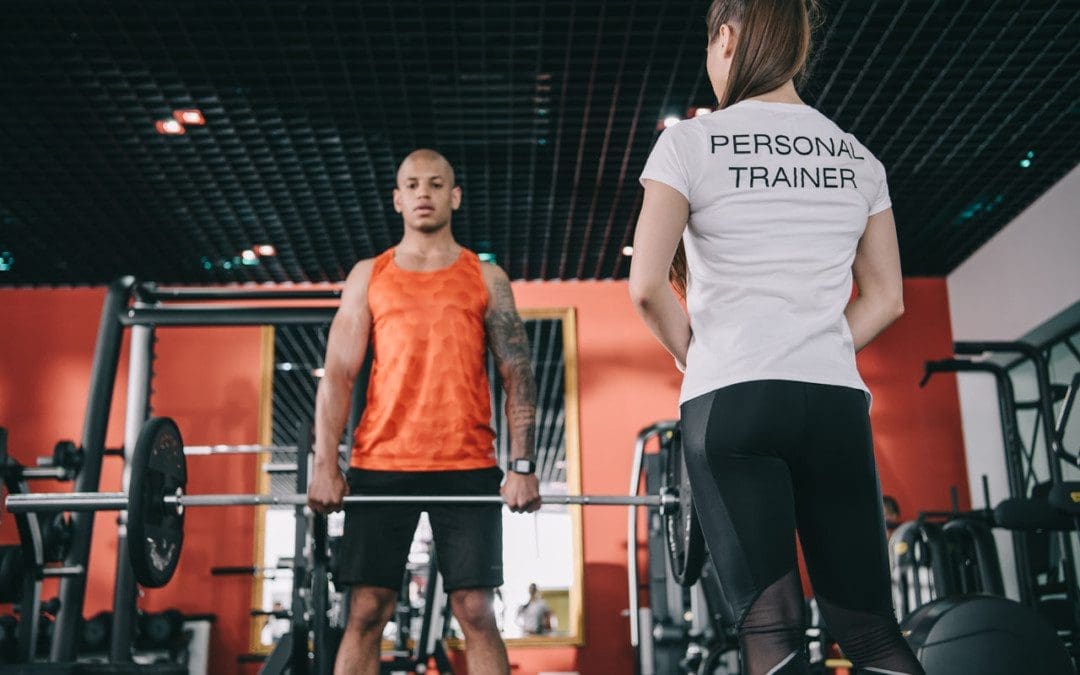
Consult A Trainer
Not sure where to start or how to approach working out safely.
This is the time to meet with a professional who can look at physical and medical history, fitness level, and goals.
They can develop a customized program to meet specific needs.
Nutrition and Hydration
Maintain optimal body hydration with plenty of H2O/water and rehydrating drinks, vegetables, and fruits.
Staying properly hydrated is key to both recovery and prevention.
Getting enough protein and carbohydrates supports muscle recovery.
Carbs are important for endurance, and protein is important for muscular strength and power.
Sports Chiropractic Massage
Research shows that sports massage benefits muscle recovery and can improve delayed onset muscle soreness/DOMS.
Massage keeps muscles loose and flexible and increases blood circulation for expedited recovery.
Relaxation Techniques
Stress-reduction techniques such as deep breathing and progressive muscle relaxation exercises can improve rest and recovery.
Total recovery from overtraining syndrome can take a few weeks or longer, depending on the individual’s health status and how long the excessive training has gone on. A physician can refer individuals to a physical therapist or sports chiropractor, who can develop a personalized recovery plan to get the body back to top form.
Military Training and Chiropractic
References
Bell, G W. “Aquatic sports massage therapy.” Clinics in sports medicine vol. 18,2 (1999): 427-35, ix. doi:10.1016/s0278-5919(05)70156-3
Carrard, Justin, et al. “Diagnosing Overtraining Syndrome: A Scoping Review.” Sports Health vol. 14,5 (2022): 665-673. doi:10.1177/19417381211044739
Davis, Holly Louisa, et al. “Effect of sports massage on performance and recovery: a systematic review and meta-analysis.” BMJ open sport & exercise medicine vol. 6,1 e000614. 7 May. 2020, doi:10.1136/bmjsem-2019-000614
Grandou, Clementine, et al. “Symptoms of Overtraining in Resistance Exercise: International Cross-Sectional Survey.” International Journal of sports physiology and Performance vol. 16,1 (2021): 80-89. doi:10.1123/ijspp.2019-0825
Meeusen, Romain, et al. “Brain neurotransmitters in fatigue and overtraining.” Applied physiology, nutrition, and metabolism = Physiologie applique, nutrition et metabolisme vol. 32,5 (2007): 857-64. doi:10.1139/H07-080
Peluso, Marco Aurélio Monteiro, and Laura Helena Silveira Guerra de Andrade. “Physical activity and mental health: the association between exercise and mood.” Clinics (Sao Paulo, Brazil) vol. 60,1 (2005): 61-70. doi:10.1590/s1807-59322005000100012
Weerapong, Pornratshanee, et al. “The mechanisms of massage and effects on performance, muscle recovery, and injury prevention.” Sports medicine (Auckland, N.Z.) vol. 35,3 (2005): 235-56. doi:10.2165/00007256-200535030-00004
Olympic athletes are so fit they make everything look easy. It is one of the most amazing examples of athletic prowess to behold. Attempting these feats of athleticism could lead to injury without proper training and conditioning. However, you can draw inspiration from these incredible skills and commitment to reach your fitness goals. Individuals can emulate the Olympic athlete’s discipline to get the most out of physical activity and workouts.
Olympic Athlete Discipline
This is not about the literal workout routines these athletes engage in but the mental state and discipline that keeps them motivated, especially when things get tough. This can help individuals get the most out of every workout. When momentum or motivation starts to dwindle, look to Olympic athletes and then apply that discipline to recharge motivation and achieve the goal.
Learn to Train Daily
Many can succumb to weekend warrior syndrome. After sitting on the couch after a long day of work all week, individuals try to make up for the inactivity by overexerting themselves with hours of exercise on the weekend. This is a perfect setup for injury.
Instead, train, work out, exercise, and move around daily. Professional athletes know they won’t get the top results in one shot.
They approach it in incremental steps for a solid foundation and understanding of the final and optimal result.
Daily physical activity and exercise maintain body conditioning, strength, and overall fitness.
And makes the body more efficient at burning fat.
Maintain Goal Focus
Olympic athletes have specific goals in their training. There has to be when competing against the best athletes in the world and winning.
Individual health and fitness goals may be smaller, but they are just as important and should be treated as such for motivation to exercise each day.
Keep goals simple, specific, and reachable/doable when setting them.
SMART goals are Specific, Measurable, Achievable, Realistic, and Time-based.
Use daily reminders of what the goal is and strategies to achieve it.
Utilize Specific Training
Olympic athletes must have incredible endurance, strength, and skill sets to complete their event.
They must incorporate specific training drills, exercises, stretches, nutrition, etc., to improve and advance.
Whatever the goal, make sure the training is appropriate.
If trying to build muscle, focus on heavy strength training and consuming quality calories.
If the goal is to lose weight, break down the goal into achievable steps to get there, like.
What type of workouts are needed?
Consulting a nutritionist for recommendations.
Fuel the Body for Top Performance
Individuals can be concerned about food and whether it contains too much fat or calories.
Olympic athletes worry about getting the right nutrients and calories to fuel their bodies for competition.
Use a similar approach and ask what is the best thing I should eat right now for the workout and…
What foods will maintain optimal body health?
Listen to The Body and Rest
Olympic athletes have to learn to maintain the balance of maintaining top performance and not getting burnt out.
This is when they know to listen to their bodies, extend recovery days, or take a mini-vacation.
Overtraining can lead to injury, frustration, discouragement, and loss of motivation.
Whatever the activity, make sure proper form is followed.
For example, distance runners hold their heads high, have relaxed faces and upper bodies, have a natural arm swing, and do not overstride.
Apply the same form principles to stretches and exercises.
Stronger Body = Better Life
References
Casa, Douglas J et al. “Fluid Needs for Training, Competition, and Recovery in Track-and-Field Athletes.” International Journal of sports nutrition and exercise metabolism vol. 29,2 (2019): 175-180. doi:10.1123/ijsnem.2018-0374
Bailey RR. Goal Setting and Action Planning for Health Behavior Change. Am J Lifestyle Med. 2019;13(6):615-618. doi:10.1177/1559827617729634
Hackett, Daniel, et al. “Olympic weightlifting training improves vertical jump height in sportspeople: a systematic review with meta-analysis.” British Journal of sports medicine vol. 50,14 (2016): 865-72. doi:10.1136/bjsports-2015-094951
Huebner, Marianne, et al. “The Masters’ athlete in Olympic weightlifting: Training, lifestyle, health challenges, and gender differences.” PloS one vol. 15,12 e0243652. 4 Dec. 2020, doi:10.1371/journal.pone.0243652
Swift DL, Johannsen NM, Lavie CJ, Earnest CP, Church TS. The Role of Exercise and Physical Activity in Weight Loss and Maintenance. Prog Cardiovasc Dis. 2014;56(4):441-447. doi:10.1016/j.pcad.2013.09.012
For individuals starting an exercise program and professional athletes, training must be well-spent to develop fitness and specific sports skills. It is important to remember basic athletic training concepts to ensure you are making the most of the workouts. Working one-on-one with a sports medicine doctor, chiropractor, physical therapist, or personal trainer can help individuals achieve fitness goals.
Athletic Training Checklist
Abilities and Interests
Individuals need to enjoy the training to stick with the program long enough to see results.
Rather than picking a generic program or doing what everyone else is doing, adjust workout time and intensity to fit your lifestyle, current fitness level, and ability to push when needed.
Choose a workout routine that meets your personal goals.
Working with a trainer is highly recommended if you don’t know where to begin.
For more advanced individuals, a personal trainer is a great way to fine-tune a fitness plan.
Keep It Simple
Athletic training involves consistency and focus.
Simplify the training by alternating hard, easy, long, and short workouts and sports skills practice.
Remember to enjoy the workouts and listen to your body.
Be Mindful of Overtraining
The body does not get stronger by constantly training.
The body needs to rest and be allowed to recover to develop.
Fitness is built by alternating workouts with recovery.
The best way to avoid overtraining is to listen to your body.
If your heart rate remains elevated after sleeping, or the legs feel heavy, and if motivation fades, more rest may be needed.
For individuals who train year-round, taking a week off every three months is recommended, and it is also the time to change the training routine.
Variation
Vary the workouts and intensity to enjoy a well-rounded routine that can help avoid burnout or plateauing.
Alternate training intensity and workout time.
Even training programs you enjoy can gradually lose physical efficiency if not changed.
To improve, variation is needed to challenge the body in different ways.
Workouts should be modified every month.
Cross-training is another great way to vary a routine and improve fitness.
Training Flexibility
Training consistency is what matters.
Don’t worry if you have to miss a day.
Continue with the training plan.
Realistic Goals
Finding a balance when setting goals between what you want to achieve and what you can do.
Be honest about fitness levels and potential.
If you are new to a sport or fitness routine, take it slow until you know what your body can accomplish to decrease the risk of injury.
Patience
It takes time and consistency to build up fitness and performance.
Avoid falling into the mindset that more is better.
This can result in injuries and loss of motivation.
Consistency
Even when starting with short workouts, doing them regularly is important.
Avoid falling victim to working out hard only on weekends and doing nothing during the week.
Injuries are much more common when exercise is inconsistent.
Nutrition
Sports nutrition and hydration go are vital to improving your ability to exercise and train.
Individuals on a regular exercise routine should reassess their nutrition plan.
Proper Equipment
Sports injury prevention begins by using the right equipment.
Whatever sport or exercise routine, ensure the equipment and footwear work and fit properly.
Pads, helmets, and mouthguards are made to help protect athletes and should be utilized.
Becoming An Olympic Athlete
References
American Dietetic Association, Dietitians of Canada, American College of Sports Medicine, Rodriguez NR, DiMarco NM, Langley S. American College of Sports Medicine Position Stand: Nutrition and Athletic Performance. Medicine & Science in Sports & Exercise. 2009;41(3):709-731. doi:10.1249/mss.0b013e31890eb86.
Beaupre, Justin, et al. “Athletic Training and Population Health Science.” Journal of athletic training vol. 57,2 (2022): 136-139. doi:10.4085/314-19
Garber CE, Blissmer B, Deschenes MR, et al. Quantity and Quality of Exercise for Developing and Maintaining Cardiorespiratory, Musculoskeletal, and Neuromotor Fitness in Apparently Healthy Adults. Medicine & Science in Sports & Exercise. 2011;43(7):1334-1359. doi:10.1249/mss.0b013e318213fefb.
Halson, Shona L, and Laura E Juliff. “Sleep, sport, and the brain.” Progress in brain research vol. 234 (2017): 13-31. doi:10.1016/bs.pbr.2017.06.006
Jeukendrup, Asker E. “Periodized Nutrition for Athletes.” Sports medicine (Auckland, N.Z.) vol. 47, Suppl 1 (2017): 51-63. doi:10.1007/s40279-017-0694-2
Mujika, Iñigo. “Quantification of Training and Competition Loads in Endurance Sports: Methods and Applications.” International Journal of sports physiology and Performance vol. 12, Suppl 2 (2017): S29-S217. doi:10.1123/ijspp.2016-0403
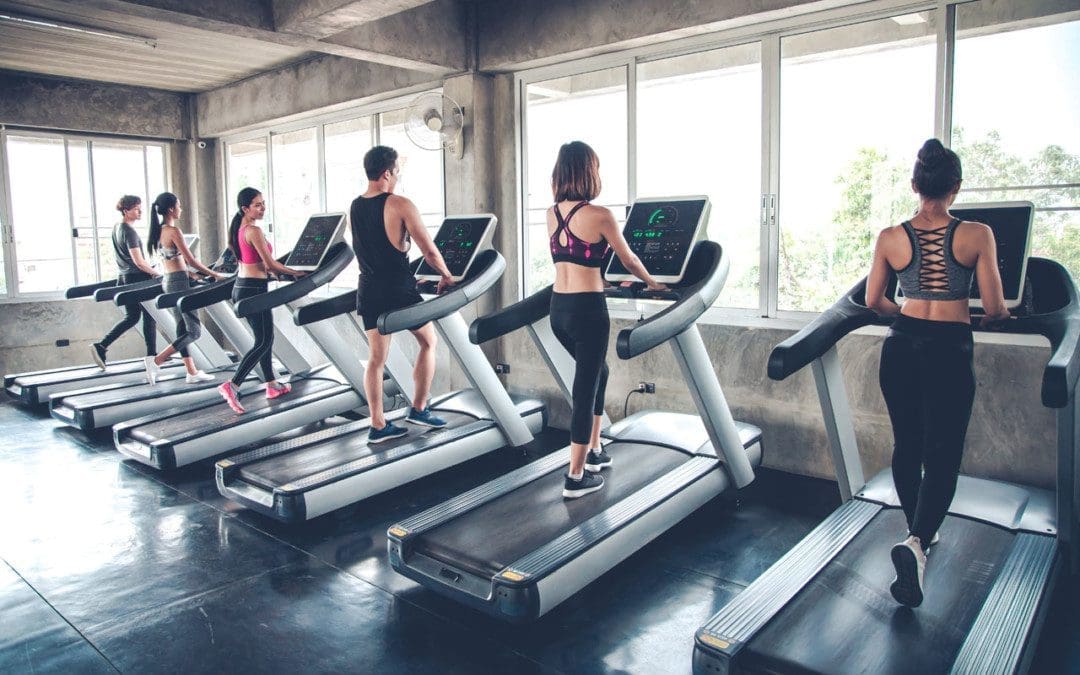
Working out on a treadmill is a great way to get cardiovascular exercise when unable to go outside or to change things up. However, it’s not just about getting on the machine and walking or running. Like anything, proper form and posture are important in preventing injuries. This allows the individual to walk smoother and faster, burn more calories, and get the full benefits. Individuals with a medical condition that impacts posture or makes it difficult to walk on a treadmill should speak to a healthcare provider for recommendations to ensure they can work out without aggravating the condition or putting themselves at risk. There is an option of working with a physical or occupational therapist to address any concerns individuals may have about using a treadmill.
Treadmill Walking Exercise Errors
Safety
A common error is getting on a treadmill with the belt already running. This may seem unnecessary, but many accidents happen when individuals just jump on. To avoid injuries, it is recommended to follow these safety tips.
Make sure the machine is off.
Know where the emergency stop switch is.
Stand next to the base/running deck.
Clip the safety key to your body to stop the treadmill if you slip or stumble.
Start the treadmill and set it to slow speed.
Look at the speed and carefully get onto the moving tread.
Gradually increase the speed once comfortably on board.
Wrong Shoes
A healthy step is to strike with the heel in front with the forward foot slightly off the surface. The foot then rolls from heel to toe; by the time the toe is on the ground, the individual is halfway into the next step, and the forward foot is now the rear foot and ready for the toes to push off to take the next step.
This sequence is only possible with flexible shoes.
Wearing stiff shoes may not allow for the roll-through.
Stiff shoes force the foot to slap down.
The body and walking stride become a flat-footed stomp.
Take a few minutes during a walking session to think about what the feet are doing.
Ensure they strike with the heel, roll through the step, and the rear foot provides an adequate push-off.
If you cannot do this in your present shoes, then it’s time to look at other flexible walking/running shoes.
Holding The Handrails
The handrails provide stability, but natural walking posture or natural movement involves a healthy stride and arm motion.
Constantly holding onto the handrails doesn’t allow for this motion.
Walking or running at a slower pace is recommended without using the handrails.
Individuals will get a better workout at a slower pace than they would at a faster rate holding on to the rails.
Individuals with a disability or balance issues may need the handrails and should consult a trainer or physical therapist for healthy workout recommendations.
Leaning Forward
Proper walking posture means the body is upright, not leaning forward or backward.
Before stepping onto the treadmill, check and readjust your posture.
Proper arm motion allows the body to go faster and burn more calories.
The swinging motion can help shoulder and neck problems developed from unhealthy postures.
The legs only move as fast as the arms do.
To speed up the legs, speed up the arms.
Going Too Fast
Go only as fast as the body can go while maintaining proper walking posture and form.
If overstriding, leaning forward, or hunching shoulders begin to present, slow down until a comfortable/maintainable speed that allows the body to walk correctly is found.
If the workout doesn’t feel like it’s helping
Individuals with a bad walking form at high speeds may consider adding running intervals.
Running will create quick bursts of higher heart rate and change form.
Running Intervals
Warm up at a slow speed for 3 to 5 minutes.
Increase walking speed to a fast pace that can maintain proper walking form.
Start a jog and increase the speed to match the jogging pace.
Jog for 1 to 3 minutes.
Return to the fast walking pace for 3 to 5 minutes.
Jog for 1 to 3 minutes.
Repeat until the end of the workout.
Finish with 3 to 5 minutes at an easy walking pace to cool down.
Challenge Yourself
When the body has fully adapted to a workout, it’s time to challenge the body to achieve greater fitness and stay motivated. This is where workout variation intensity, duration, frequency, and/or mode come into play.
Intensity
Add intensity by increasing the incline or the speed.
Duration
Increase the time spent on the treadmill.
If spending 30 minutes for several weeks, increase to 45 minutes for at least one weekly session.
After a couple of weeks, increase to 60 minutes.
Frequency
Once the body is used to treadmill walking, try to incorporate a session every day or every other day.
Walk at a brisk pace for 30 to 60 minutes, going for a total of 150 to 300 minutes per week.
Type of Exercise
Try jogging or running.
Alternate using the exercise bike, rowing machine, or stair climber.
Add weight training, circuit training, or anything enjoyable that gets the body moving in different ways.
Set goals and get into the habit of using the treadmill regularly to reap all the benefits. Avoid common treadmill errors, stay safe, and make the most out of walking and running workouts.
Move Better, Live Better
References
Centers for Disease Control and Prevention. Benefits of Physical Activity.
Donlin, Margo C et al. “Adaptive treadmill walking encourages persistent propulsion.” Gait & Posture vol. 93 (2022): 246-251. doi:10.1016/j.gaitpost.2022.02.017
Donlin, Margo C et al. “User-driven treadmill walking promotes healthy step width after stroke.” Gait & Posture vol. 86 (2021): 256-259. doi:10.1016/j.gaitpost.2021.03.031
Hashiba, M. “Transient change in standing posture after linear treadmill locomotion.” The Japanese Journal of Physiology vol. 48,6 (1998): 499-504. doi:10.2170/jjphysiol.48.499
Liang, Junjie et al. “The effect of anti-gravity treadmill training for knee osteoarthritis rehabilitation on joint pain, gait, and EMG: Case report.” Medicine vol. 98,18 (2019): e15386. doi:10.1097/MD.0000000000015386
MacEwen, Brittany T et al. “A systematic review of standing and treadmill desks in the workplace.” Preventive medicine vol. 70 (2015): 50-8. doi:10.1016/j.ypmed.2014.11.011
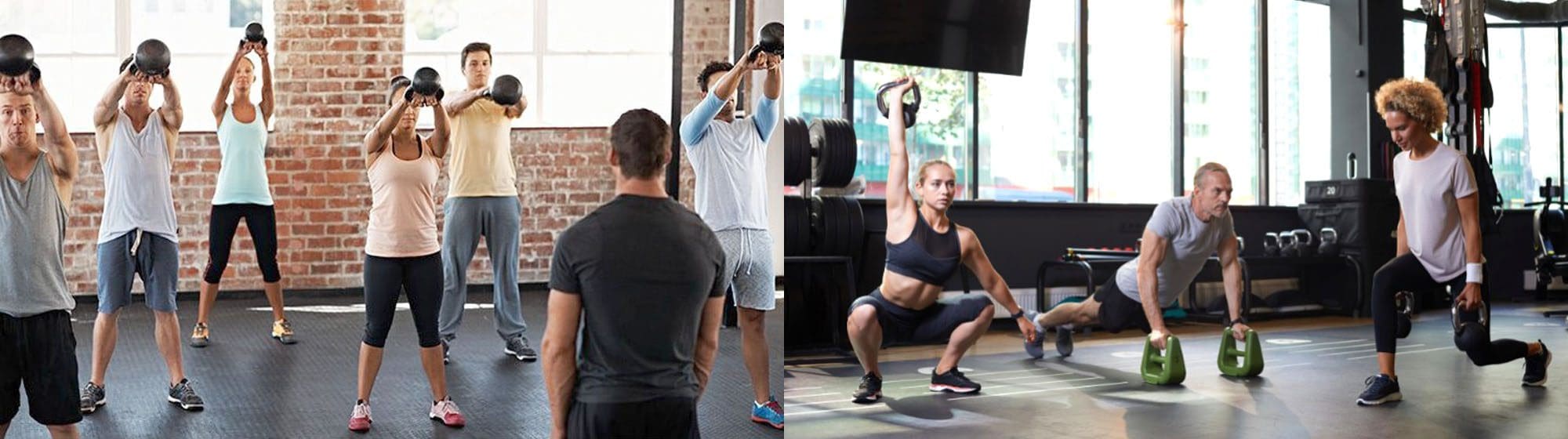
Power is the combination of strength and speed over time. Strength is how much force an individual can exert. Powerishow fast an individual can exert force. Strength training for power, aka power training, is being able to exert a certain amount of force in a given time. Power can be built with weight training. However, power strength training is not just for weightlifters. Many athletes like football, basketball, and volleyball players, sprinters, dancers, and wrestlers build strength to increase power, improve explosiveness, increase their vertical leap/jump, and give their bodies a break from heavy weight training.
Power Strength Training
Building strength is one factor, but becoming powerful requires another element in training. Biologically, individuals train the muscles to elongate and contract fast so the body can perform a certain set of movements.
Benefits
The benefits of power strength training.
Promotes Active Body Rest
Power training gives the mind and body a break from heavy training.
Provides the tendons, joints, and central nervous system a rest.
Offers a fun and healthy change with jumping, throwing, swinging, etc.
A study found individuals with knee osteoarthritis that participated in high-intensity strength training, compared with low-intensity, had a reduction in knee pain symptoms.
Improves Vertical Jump
Vertical jump or leap is how high an individual can jump and is a common parameter for assessing athletic ability.
It is an integral part of movement training programs to improve sports performance.
Research has shown that power strength and jump training can improve jump height.
Training Program
Before starting any exercise program, it is recommended to talk with a doctor. Key components to focus on when training for power.
Going above this frequency can be intense on the body and central nervous system.
Limiting sessions to a few times a week gives the body time to recover.
Equipment
Because power training involves a combination of increasing force and speed, using the right equipment that allows both is important. However, there are ways to improve without equipment.
For practicing jumps, increase the force by increasing the distance using a taller box.
For practicing push-ups on the floor, increase the force by pushing with more power so the hands come off the ground.
To improve power by increasing speed, exercises can be performed faster or with decreased rest between sets.
Weight
The weight depends on an individual’s one-rep max or the heaviest weight that can be lifted in a single repetition.
This is essentially an individual’s record for whatever type of weightlifting is being done.
Power training movement options: Plyometrics, Ballistic, or Dynamic.
Plyometrics includes activities like squats or jump lunges, common with football and basketball players.
Ballistic training includes activities like a back squat for football or soccer players.
Dynamic training works for sports-specific training motions like golf swinging or tennis serving.
Nutrition
Whether cardio or strength training, adequate caloric intake is important regardless of workout type, this means having a healthy balance of the three macronutrients: carbohydrates, fat, and protein.
Carbohydrates could be the most important, as research has shown that high-intensity exercise like power training improves when eating carbohydrates before, during, and after the workout.
Fat is necessary, and a daily intake below 20% of calorie intake can decrease the absorption of various essential nutrients.
It is recommended to consume 1.2-1.7 grams of protein per kilogram of individual body weight.
As with any exercise, training takes time, and it’s important to gradually progress only when the body is prepared. Incorporating the elements of a healthy lifestyle includes a balanced, nutrient-rich diet and proper sleep and rest days. This will help get the most benefits and prevent injuries.
Improving Athletic Performance Through Chiropractic
References
Balachandran, Anoop T et al. “Comparison of Power Training vs. Traditional Strength Training on Physical Function in Older Adults: A Systematic Review and Meta-analysis.” JAMA Network Open vol. 5,5 e2211623. 2 May. 2022, doi:10.1001/jamanetworkopen.2022.11623
Maestroni, Luca, et al. “Strength and Power Training in Rehabilitation: Underpinning Principles and Practical Strategies to Return Athletes to High Performance.” Sports medicine (Auckland, N.Z.) vol. 50,2 (2020): 239-252. doi:10.1007/s40279-019-01195-6
Marián, Vanderka, et al. “Improved Maximum Strength, Vertical Jump and Sprint Performance after 8 Weeks of Jump Squat Training with Individualized Loads.” Journal of sports science & Medicine vol. 15,3 492-500. 5 Aug. 2016
Peebles, Alexander T et al. “Landing biomechanics deficits in anterior cruciate ligament reconstruction patients can be assessed in a non-laboratory setting.” Journal of orthopedic research: official publication of the Orthopaedic Research Society vol. 40,1 (2022): 150-158. doi:10.1002/jor.25039
Suchomel, Timothy J et al. “The Importance of Muscular Strength: Training Considerations.” Sports medicine (Auckland, N.Z.) vol. 48,4 (2018): 765-785. doi:10.1007/s40279-018-0862-z
Wesley, Caroline A et al. “Lower Extremity Landing Biomechanics in Both Sexes After a Functional Exercise Protocol.” Journal of athletic training vol. 50,9 (2015): 914-20. doi:10.4085/1062-6050-50.8.03
Westcott, Wayne L. “Resistance training is medicine: effects of strength training on health.” Current sports medicine reports vol. 11,4 (2012): 209-16. doi:10.1249/JSR.0b013e31825dabb8
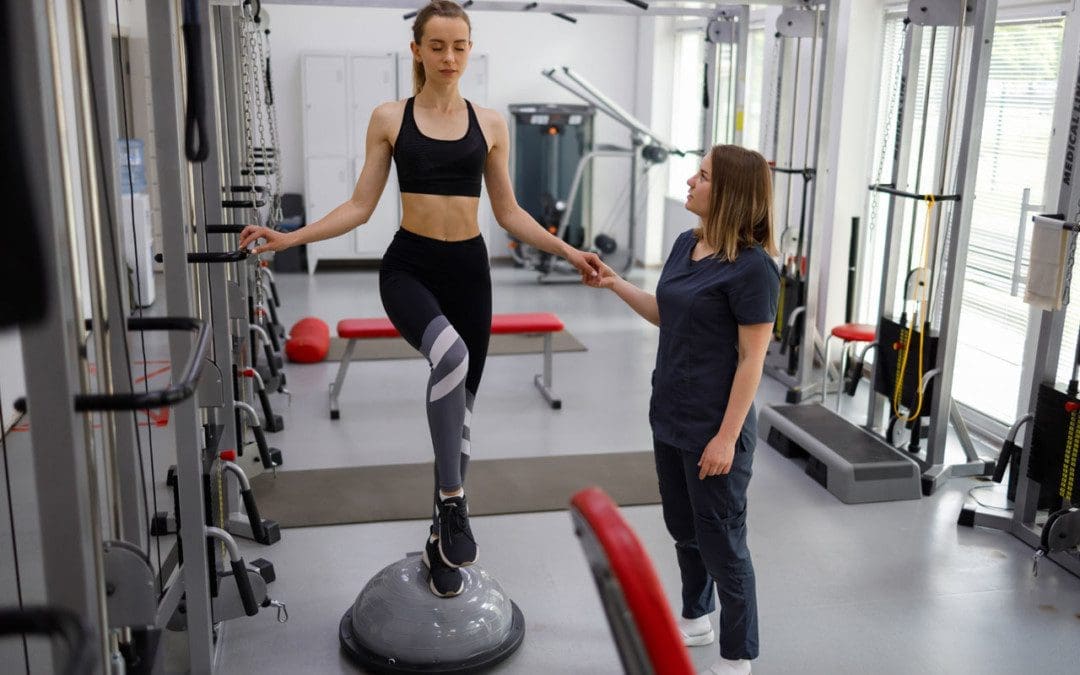
Body balance is essential for walking, tying shoelaces, picking up objects, etc. Balance is an acquired skill that the body develops in response to different activities and surroundings. Everyone can benefit from improving and maintaining their balance muscles regardless of age. Balance exercises condition and strengthen the core muscles. Balance training helps improve posture and stability; athletes find it provides increased agility and added power; seniors utilize it to prevent injuries and maintain mobility, and fitness enthusiasts use it to improve workouts. Injury Medical Chiropractic and Functional Medicine Clinic provide whole-body realignment, rehabilitation, postural and balance training, and nutritional advice.
Balance Exercises
Being able to move around efficiently requires healthy postural alignment and balance. The systems responsible for balance can be affected by the following:
Gradual changes brought on by aging.
Back problems.
Foot problems.
Injury.
Side effects from medications.
Arthritis.
Stroke.
Parkinson’s disease.
Multiple sclerosis.
However, it was found that all responded well to exercises designed to improve balance.
Definition
Balance is the ability to control the body in space and distribute weight evenly to maintain uprightness. There are two types.
Dynamic Balance
The ability to remain stable while performing movements or actions that require displacing or moving the body.
Individuals use this type of balance each time the body takes a step in any direction.
Dynamic balance is required when the body is in motion, like walking.
A healthy dynamic balance is essential for the body’s ability to react to sudden changes.
Static Balance
The ability to maintain a stationary position during movements like bending, twisting, reaching, and swaying around the axis of the body.
Both types are essential and can be improved with targeted exercises.
Benefits
Everyone can benefit from balance exercises and can help at different stages of life and fitness levels.
General Public
Balance training:
Teaches the body to use the core for stabilization.
Creates muscular balance.
Improves neuromuscular coordination and communication between the brain and muscles.
Individuals can start incorporating balance exercises into everyday routines. A few ways to do this include:
When picking up an object, reach over to pick them up on one leg, with the other lifting straight into the air behind to engage the abs.
Sit on a stability ball at work, school, or when watching TV.
Stand on one foot while engaged in static balance activities like washing dishes, brushing teeth, etc., and alternate the feet.
Athletes
Proprioceptive training is used with athletes for rehabilitation and prevention of injuries. Proprioception is the sense of body position.
Practicing balance exercises increases the sense of control and awareness of the muscles and joints and how they function when in motion.
Balance training increases power because the individual learns to use their center of gravity more efficiently.
A stronger and more active core helps to increase jump height, throwing, swinging, shifting, and running.
Seniors
Seniors can use balance exercise programs to improve stability for falling prevention and injuries.
Exercises
Below are basic instructions for the following balance exercises:
Tree Pose
Tree pose can be done on the floor, a mat, or Bosu. It strengthens the ankles, improves balance, and engages the core.
Stand with feet together, spine tall and straight, and arms outstretched.
If using a BOSU, use either the ball or the flat side.
Gradually lift the left foot to the side of the calf and balance on the right foot.
Gradually lift arms overhead to make the branches.
Hold for 30 seconds, then switch to the other leg.
Single Leg Deadlift
This exercise strengthens the hamstrings and glutes, works on balance, and activates the abdominal wall. It can be done with or without weights like dumbells.
Stand on the floor with feet together.
Place most of the weight onto the right foot.
Stare at a focal point in front and on the floor
Slowly lower the torso to the ground while lifting the left leg behind.
Keep the spine neutral and reach the hands toward the floor.
Stop when the back is parallel to the floor.
Don’t tighten or stiffen the right knee but keep it moveable.
Squeeze the hamstrings, glutes, and abs while slowly returning to an upright position.
Lie on your back and extend your arms and legs toward the ceiling.
Pull the abdominals in toward the midline.
Lower the right leg and extend the left arm back.
Return to the starting position and repeat with the opposite arm and leg.
Keep switching sides until the set is complete.
The Chiropractic Approach
References
Bruijn, Sjoerd M, and Jaap H van Dieën. “Control of human gait stability through foot placement.” Journal of the Royal Society, Interface vol. 15,143 (2018): 20170816. doi:10.1098/rsif.2017.0816
Dunsky, Ayelet, et al. “Balance Performance Is Task Specific in Older Adults.” BioMed research international vol. 2017 (2017): 6987017. doi:10.1155/2017/6987017
Feldman, Anatol G. “The Relationship Between Postural and Movement Stability.” Advances in experimental medicine and biology vol. 957 (2016): 105-120. doi:10.1007/978-3-319-47313-0_6
Hlaing, Su Su et al. “Effects of core stabilization exercise and strengthening exercise on proprioception, balance, muscle thickness and pain-related outcomes in patients with subacute nonspecific low back pain: a randomized controlled trial.” BMC musculoskeletal disorders vol. 22,1 998. 30 Nov. 2021, doi:10.1186/s12891-021-04858-6
Kim, Beomryong, and Jongeun Yim. “Core Stability and Hip Exercises Improve Physical Function and Activity in Patients with Nonspecific Low Back Pain: A Randomized Controlled Trial.” The Tohoku Journal of experimental medicine vol. 251,3 (2020): 193-206. doi:10.1620/tjem.251.193
Prado, Erick Tadeu et al. “Hatha yoga on body balance.” International Journal of Yoga vol. 7,2 (2014): 133-7. doi:10.4103/0973-6131.133893
Thomas, Ewan, et al. “Physical activity programs for balance and fall prevention in elderly: A systematic review.” Medicine vol. 98,27 (2019): e16218. doi:10.1097/MD.0000000000016218
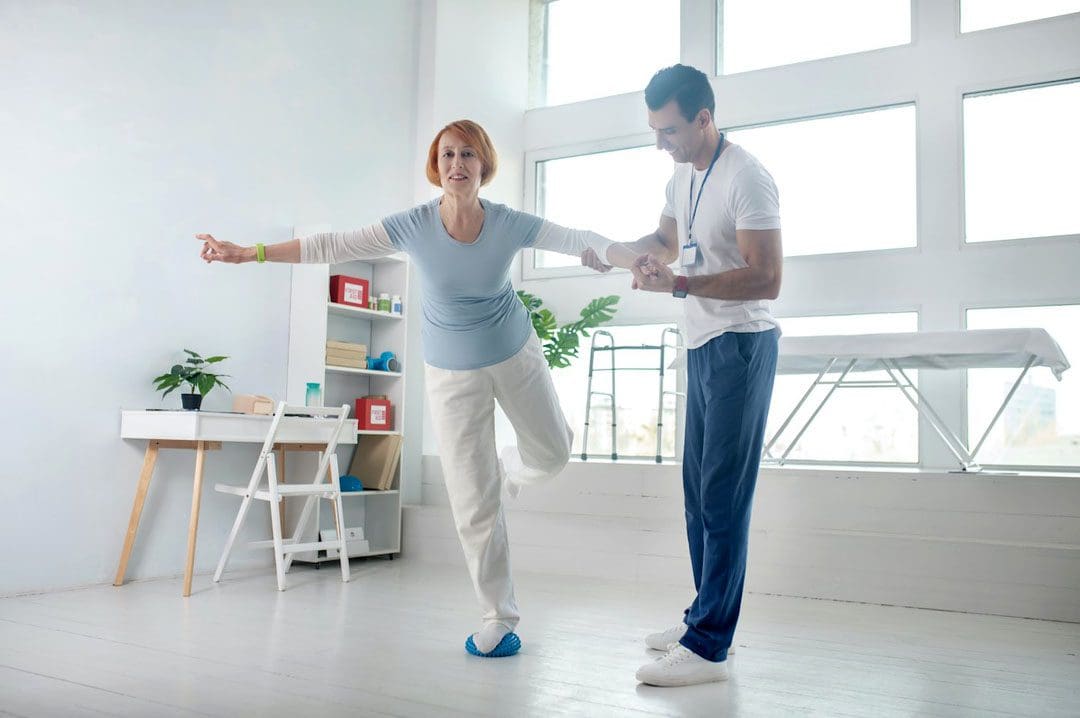
Healthy aging has been linked to a lifestyle consisting of proper nutrition and exercise. However, even with a healthy lifestyle, the body undergoes changes that include conditions, disease, and compromises in physical performance. Because of the effects of aging on muscle and joint tissue, cardiovascular fitness, and other physical parameters, older athletes need to take consideration, but this doesn’t mean slowing down. Injury Medical Chiropractic and Functional Medicine Clinic can develop a training and treatment plan to build and maintain musculoskeletal system health, flexibility, and optimal function.
Older Athletes
Research has shown that the physical and mental declines that go with aging can be reduced with fitness and nutrition programs and that it is not too late to start improving fitness, no matter what age. Systemic changes that happen to an aging body include:
Nervous System
Imbalances happen more easily and more often.
Sensation changes.
Musculoskeletal System
Bone Strength Decreases.
Muscle Strength Decreases.
Flexibility issues occur more frequently.
Respiratory System
Decreased Vital or Breathing Capacity of Lungs – The maximum amount of air that can be exhaled after a full inhalation.
Cardiovascular System
Maximum Heart Rate slows down.
A slower return to resting heart rate after and during physical activity and exercise.
Maintaining Endurance
Common aging fitness declines include:
Changes in body composition.
Increased body fat.
Decreased muscle mass.
Loss of height – can be brought on by osteoporosis.
Diminished cardiorespiratory capacity.
Muscle atrophy.
Research has found that when seniors start to exercise, their health improves quickly. It’s estimated that the physical declines associated with aging are not necessarily inevitable but can also happen by losing fitness/deconditioning effects from reduced exercise levels, frequency, and/or intensity. Despite the losses, older athletes are often able to compete and excel in endurance activities because they tend to have higher proportions of slow twitch fibers.
Memory and Fitness
Evidence suggests that seniors who exercise reduce the physical effects of aging and prevent their brain/memory from advanced degeneration.
Physical fitness has been linked with reduced memory decline in middle-aged adults.
Training Options
Training methods to maintain athletic performance.
Hill Running or Interval Training
This type of training can improve fitness and condition the aerobic and anaerobic systems.
Weight Training
Weight training maintains muscle tone, fast twitch muscle fibers, and strength.
Supplements may help improve performance during repetitive, intense exercise sessions.
Nutrition
Aging causes the joints to become less flexible, resulting in a range of motion loss leading to limitations and compromised physical abilities. Proper nutrition in older athletes can protect the joints and prevent advanced degeneration. The following nutrients are recommended:
Omega-3’s – nuts, seeds, and fatty fish provide anti-inflammatory effects.
Vitamin C for collagen production.
Sulfur amino acids – certain vegetables, meat, poultry, fish, and dairy products improve joint cartilage health.
Bioflavonoids – all fruit and vegetables provide anti-inflammatory effects and improved circulation.
Antioxidants – selenium and vitamin E protect against free radicals that multiply with age.
Supplements may also be helpful but check with a doctor before beginning a program.
Move Better, Live Better
References
Gillis, Angela, and Brenda MacDonald. “Deconditioning in the hospitalized elderly.” The Canadian nurse vol. 101,6 (2005): 16-20.
Lexell, J. “Human aging, muscle mass, and fiber type composition.” The Journal of Gerontology. Series A, Biological Sciences and medical sciences vol. 50 Spec No (1995): 11-6. doi:10.1093/gerona/50a.special_issue.11
Marriott, Catherine F S, et al. “High-Intensity Interval Training in Older Adults: a Scoping Review.” Sports medicine – open vol. 7,1 49. 19 Jul. 2021, doi:10.1186/s40798-021-00344-4
Rogers, Michael E et al. “Balance training for the older athlete.” International Journal of sports physical therapy vol. 8,4 (2013): 517-30.
Tayrose, Gregory A et al. “The Master’s Athlete: A Review of Current Exercise and Treatment Recommendations.” Sports Health vol. 7,3 (2015): 270-6. doi:10.1177/1941738114548999
Townsend, Danyelle M et al. “Sulfur-containing amino acids and human disease.” Biomedicine & pharmacotherapy = Biomedicine & pharmacotherapy vol. 58,1 (2004): 47-55. doi:10.1016/j.biopha.2003.11.005
Van Roie, Evelien, et al. “An age-adapted plyometric exercise program improves dynamic strength, jump performance and functional capacity in older men either similarly or more than traditional resistance training.” PloS one vol. 15,8 e0237921. 25 Aug. 2020, doi:10.1371/journal.pone.0237921
Wu, Tingting, and Yanan Zhao. “Associations between functional fitness and walking speed in older adults.” Geriatric nursing (New York, N.Y.) vol. 42,2 (2021): 540-543. doi:10.1016/j.gerinurse.2020.10.003
IFM's Find A Practitioner tool is the largest referral network in Functional Medicine, created to help patients locate Functional Medicine practitioners anywhere in the world. IFM Certified Practitioners are listed first in the search results, given their extensive education in Functional Medicine