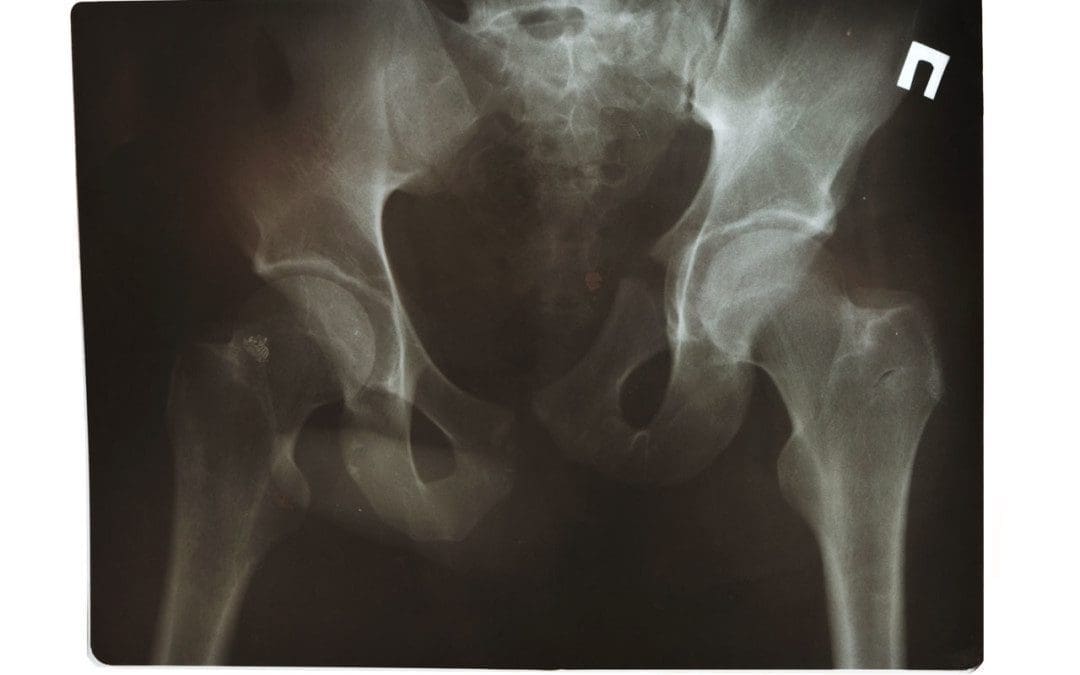
For older individuals, experiencing frequent low back pain could turn out to be a sacral fracture. They tend to occur in individuals over the age of 60 often because there has been a degree of bone loss. Sacral fractures tend not to be the first thing doctors think of when low back pain symptoms are presenting. They are often not picked up on X-rays and are either not diagnosed early enough to take steps or not diagnosed at all. However, they are common.
Sacrum
The sacrum is shaped like a triangle and comprises five segments fused into one large bone. It sits at the base of the spine, between the two halves of the pelvis, connecting the spine to the lower half of the body. It stabilizes the body when walking, sitting, or standing. The nerves in the lower spine control the bowels bladder and provide sensation to the region.
The two dimples that can be seen on individuals’ backs are where the sacrum joins the hipbones or the sacroiliac joint.
The point where the low back joins the sacrum can develop discomfort, soreness, and pain.
This area experiences stress from bending, twisting, reaching, lifting, carrying during physical activities or sitting for long periods.
Sacral Fracture
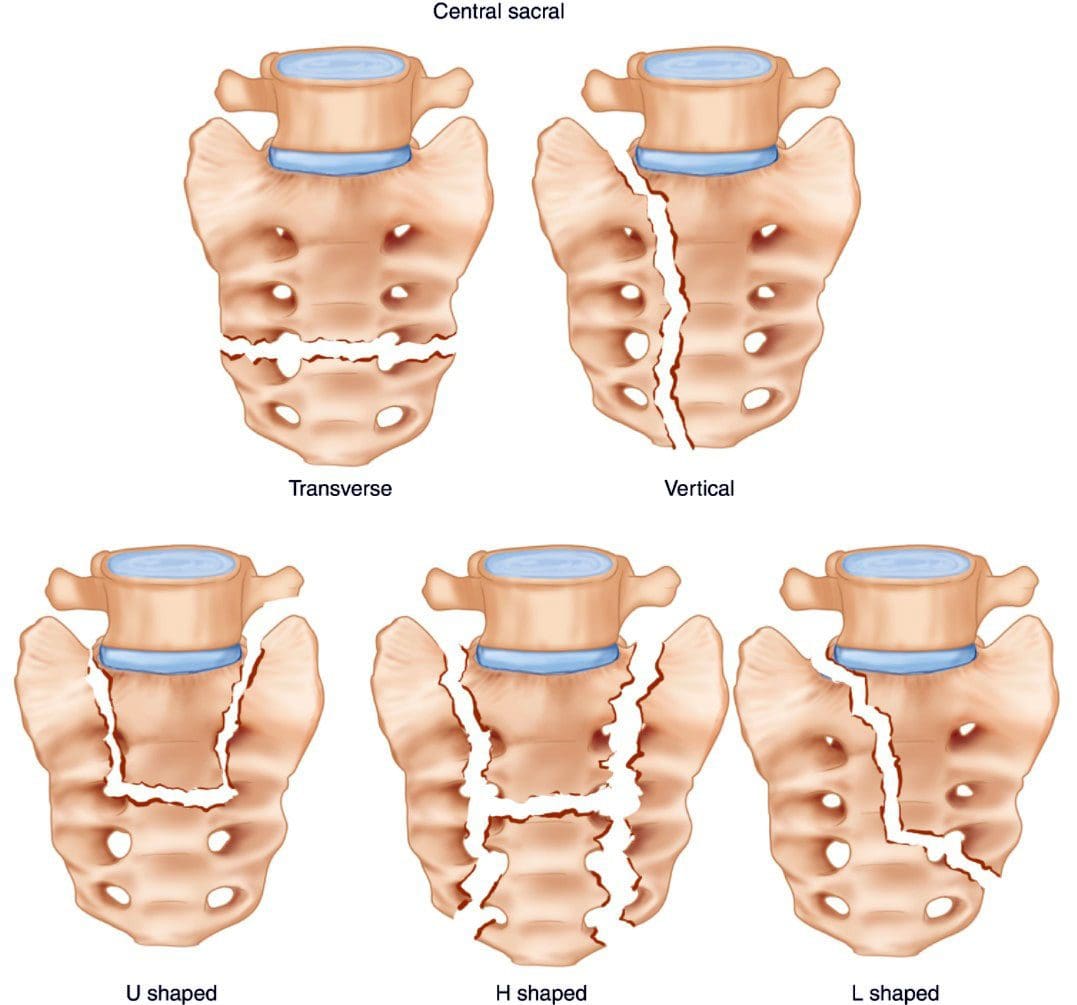
Most sacral fractures result from trauma, like slips, falls, and automobile accidents. Stress fractures that happen without a specific injury are also called insufficiency fractures.
Types of Sacral Fractures
Low-energy fractures usually happen to older individuals with weak bones due to osteoporosis.
An individual trips on something, lands hard on their butt, lifts a heavy object awkwardly, or over-exerts themselves from some physical activity.
Then persistent back or buttock pain begins to present.
The pain is often centered in the lower back, the hips, and butt.
It is more than just back achiness.
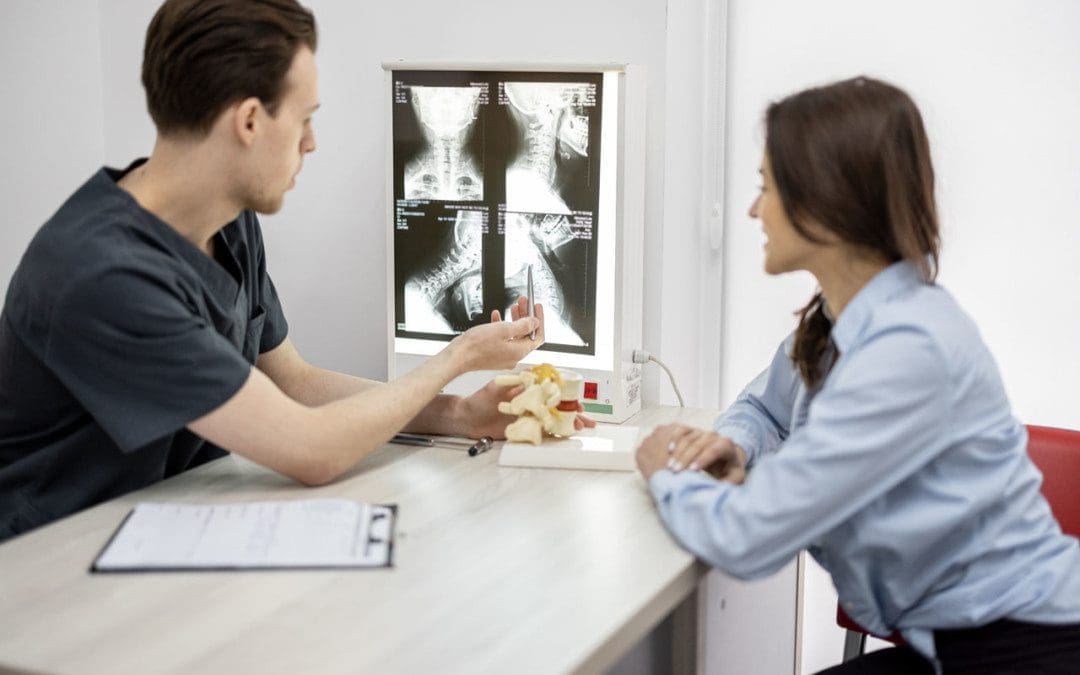
The individual goes to the doctor, and X-rays are ordered.
A lot of the time, these fractures are missed on X-rays.
The doctor may diagnose a sprain, but the pain symptoms do not improve.
Sometimes there is no apparent cause for the pain.
It can be misdiagnosed as a lower back compression fracture or urinary tract infection.
High-energy fractures are due to trauma and are more common among the young.
The individual sustains injuries from an auto accident, has fallen from a significant height, or suffers a sports injury.
It results in severe pain.
A woman who has just had a baby and gone through some bone loss because of the pregnancy can experience a sacral stress fracture.
For individuals that have been to a doctor and had an X-ray that reveals no fracture, and there is no improvement after 5 to 7 days, it is recommended to schedule another appointment and ask for a CAT scan or MRI, which is highly effective at finding a sacral fracture.
Treatment
Treatment consists of resting the bone but still being safely active in most cases.
Medication is prescribed for pain relief.
Many individuals have been found to do well with anti-inflammatory medications, topical medications, and lidocaine patches.
Older individuals may be recommended to use a walker during the treatment/healing process.
Depending on the severity, crutches may be recommended.
Engaging in regular exercise is not recommended, but too much bed rest is also not recommended.
Too much rest may not allow the injury to heal correctly, worsen the injury, and/or cause new injuries.
Chiropractic and physical therapy are not recommended to let the sacrum naturally heal.
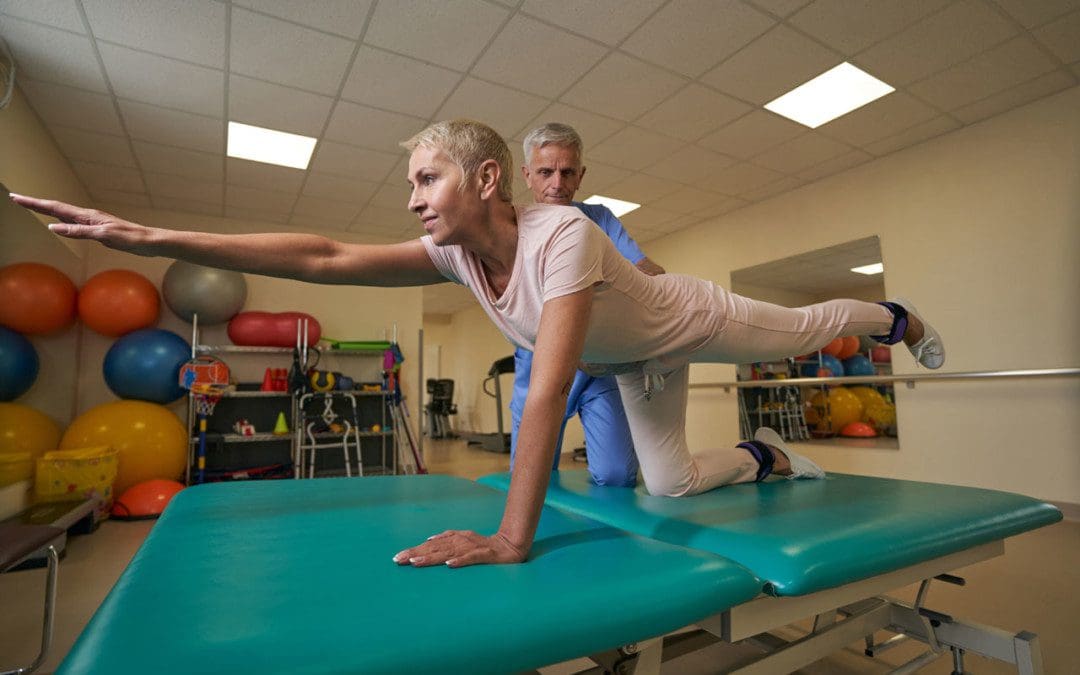
After the pain subsides, chiropractic and physical therapy can be implemented to maintain agility and flexibility and strengthen the pelvic and core muscles.
In some cases, if the bone does not heal correctly or some other issue, sacroplasty could be recommended. This is a minimally invasive procedure that injects bone cement into the fracture. It offers quick and long-lasting pain relief with a low percentage of complications. It is considered low risk and can be done by an interventional radiologist or spine surgeon.
Prevention
To minimize the risk of a sacral fracture, it is highly recommended to maintain bone strength. This consists of:
Try to keep moving with different exercise stretches, or take a lap around the building.
References
Gibbs, Wende Nocton, and Amish Doshi. “Sacral Fractures and Sacroplasty.” Neuroimaging clinics of North America vol. 29,4 (2019): 515-527. doi:10.1016/j.nic.2019.07.003
Holmes, Michael W R, et al. “Evaluating Abdominal and Lower-Back Muscle Activity While Performing Core Exercises on a Stability Ball and a Dynamic Office Chair.” Human factors vol. 57,7 (2015): 1149-61. doi:10.1177/0018720815593184
Santolini, Emmanuele et al. “Sacral fractures: issues, challenges, solutions.” EFORT open reviews vol. 5,5 299-311. 5 May. 2020, doi:10.1302/2058-5241.5.190064
Post spine surgery physical therapy or PT is the next phase after a discectomy, laminectomy, fusion, etc., to gain optimal mobility and ease the transition for a full recovery. A chiropractor and physical therapist team will help with proper muscle training and activation, pain and inflammation relief, postural training, exercises, stretches, and educate the individual on an anti-inflammatory diet. Physical therapy post spine surgery reduces:
Scar tissue
Inflammation
Muscle weakness
Muscle tightness
Joint stiffness
The therapy also identifies and treats any issues that caused or contributed to the spinal damage/injury. A study found physical therapy to improve postoperative ambulation, pain, disability, and decreased surgical complications.
Post Spine Surgery Physical Therapy Goals
Physical therapy goals are to return the individual to full function before chronic pain or injury. These include:
Decrease pain and stress around the surgical site.
Loosen and stretch the muscles surrounding the surgical site.
Strengthen the back and neck muscles.
Stabilize the back and neck muscles.
Learn to move around safely.
Prepare for everyday physical activities like standing up or sitting down, lifting, and carrying objects.
Improve posture.
The therapy team will develop a customized treatment/rehabilitation plan as well as post-surgical recovery at home to help the individual and family to understand what to expect, including psychological factors like not wanting to perform the exercises or stretches to avoid pain, frustration, anger, depression, and wanting to give up. However, individuals can maximize the benefits to ensure an optimal outcome before surgery by pre-conditioning identifying structural and functional issues contributing to the injury.
Physical Therapy Involves
Therapy can be done at home, in a hospital or rehab setting, or at a chiropractic/physical therapy clinic. Therapists use:
A physical therapy session can last 45 minutes to an hour. It’s essential to discuss hopes and expectations post-surgery and after the therapy has finished. The therapists will explain the healing process, the treatment progression, and any questions a patient may have. Understanding the treatment process will help the individual want to engage in the treatment plan. The therapist team will also interface with the surgeon to prevent adverse outcomes.
Optimal Health
The physical therapy team will help the individual feel better with each session and stay motivated. Having a solid relationship with the therapy team makes it easier to share goals, worries, and challenges that the team can adapt to as progress is made. To gain the most from the therapy:
Try working with a therapist that the surgeon recommends can be helpful as they already have a working relationship.
Keep communication open between the surgeon and team.
Adhere to any precautions and restrictions set by the surgeon and therapy team.
Maintain recommended exercises at home between sessions.
Ease into activity and avoid overexertion.
Post spine surgery physical therapy helps accelerate the healing process and serves to help individuals regain their quality of life.
Body Composition
Power Of Protein
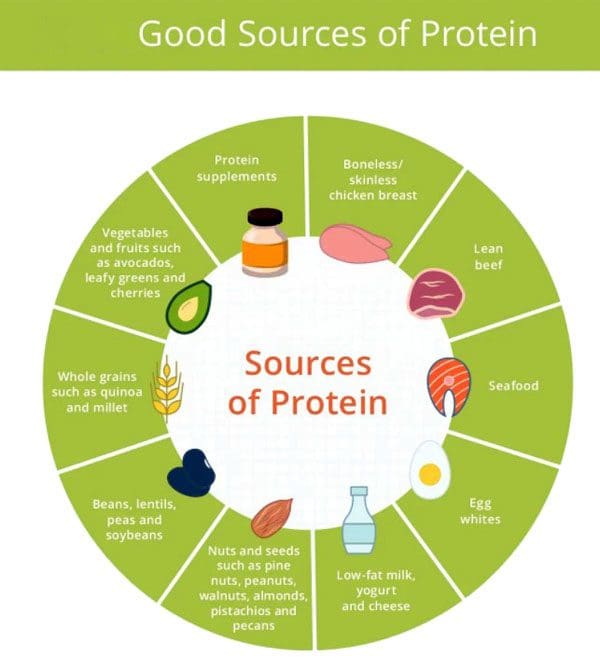
Protein is an essential component of muscle development, bone density, muscle mass, and lean tissue when building a healthy body. Protein is necessary for all the body’s physiological functions.
References
Adogwa, Owoicho et al. “Assessing the effectiveness of routine use of postoperative in-patient physical therapy services.” Journal of spine surgery (Hong Kong) vol. 3,2 (2017): 149-154. doi:10.21037/jss.2017.04.03
Atlas, S J, and R A Deyo. “Evaluating and managing acute low back pain in the primary care setting.” Journal of general internal medicine vol. 16,2 (2001): 120-31. doi:10.1111/j.1525-1497.2001.91141.x
Gellhorn, Alfred Campbell et al. “Management patterns in acute low back pain: the role of physical therapy.” Spine vol. 37,9 (2012): 775-82. doi:10.1097/BRS.0b013e3181d79a09
Jack, Kirsten et al. “Barriers to treatment adherence in physiotherapy outpatient clinics: a systematic review.” Manual therapy vol. 15,3 (2010): 220-8. doi:10.1016/j.math.2009.12.004
Lindbäck, Yvonne et al. “PREPARE: Pre-surgery physiotherapy for patients with degenerative lumbar spine disorder: a randomized controlled trial protocol.” BMC musculoskeletal disorders vol. 17 270. 11 Jul. 2016, doi:10.1186/s12891-016-1126-4
Flexibility and range of motion are essential elements for an individual’s overall health, physical fitness, and quality of life. Healthy flexibility helps the body:
Maintain a physically active lifestyle.
Maintain strength.
Improve endurance.
Prevent injury.
Flexibility and Range of Motion
Joint stiffness and pain can make it challenging to engage in everyday activities and maintain mobile, physical, emotional, and internal health. To keep the body flexible and moving, individuals need to use their entire body and range of movement. Becoming sedentary affects the body’s flexibility, leading to slowed/blocked blood circulation, nerve energy signal disruption, and sickness. To improve flexibility and range of motion, it is recommended to include:
Stretching the body
Regular exercise and physical activity
Yoga
Healthy diet
Healthy weight
Proper sleep
For individuals with stiffened muscles and joints, chiropractic medicine can increase the body’s flexibility, improving the range of motion in the joints. Chiropractic optimizes the function of the joints, improving mobility with less pain. When living with arthritis, chiropractic is an excellent therapy to decrease pain and activate the body’s natural healing abilities. Chiropractic adjustments align the spine and improve nervous system function.
Nerve Pressure
Nerve pressure can cause pain or tingling sensations that can become difficult to manage. A shifted misaligned spine can compress nerve endings, causing pain that presents with or without movement. Getting the body in motion and moving around is essential to treat stiffness and joint pain. The objective of chiropractic is to align the spine and body and relieve pressure on the nerves helping the body gain back its flexibility and range of motion. Once the body is adjusted, the nerve endings are no longer irritated, relieving the pain. Chiropractic uses various techniques to deal with areas of compression, including stretching, percussive massage, low-laser therapy, ultrasound, and strengthening exercises.
Chiropractic adjustments relieve pain and improve mobility.
Strengthening exercises to keep the spine in proper alignment.
Exercising keeps the adjustments in place.
A careful assessment of the condition will determine the cause of stiffness and joint immobility. Chiropractic can treat the joints, bones, and muscles to improve flexibility manage muscle spasms and soft tissue tenderness to alleviate symptoms restoring and improving range of motion. Chiropractic adjustments are combined with therapeutically designed stretches and exercises to perform at home, along with an anti-inflammation diet and supplements.
Body Composition
Zinc
Zinc is an essential nutrient that provides overall immune function. It is a powerful antioxidant that helps prevent and reduce oxidative stress and inflammation responses. Various bodily chemical reactions require Zinc. Zinc is necessary for muscle protein synthesisand hormone regulation. Zinc deficiency is common in older individuals and has been connected with degenerative diseases that include:
Green, S et al. “Physiotherapy interventions for shoulder pain.” The Cochrane database of systematic reviews vol. 2003,2 (2003): CD004258. doi:10.1002/14651858.CD004258
Hartvigsen, Jan et al. “What low back pain is and why we need to pay attention.” Lancet (London, England) vol. 391,10137 (2018): 2356-2367. doi:10.1016/S0140-6736(18)30480-X
Kavuncu, Vural, and Deniz Evcik. “Physiotherapy in rheumatoid arthritis.” MedGenMed: Medscape general medicine vol. 6,2 3. 17 May. 2004
Page, Carolyn J et al. “Physiotherapy management of knee osteoarthritis.” International journal of rheumatic diseases vol. 14,2 (2011): 145-51. doi:10.1111/j.1756-185X.2011.01612.x
Wessels, Inga et al. “Zinc as a Gatekeeper of Immune Function.” Nutrients vol. 9,12 1286. 25 Nov. 2017, doi:10.3390/nu9121286
Athletes or weekend warriors hate to be sidelined from an injury or physical limitation. This is where chiropractic medicine and physical therapy for athletes can strengthen the body for improved performance and injury prevention. Sports chiropractors and physical therapists are trained and certified professionals that have extensive knowledge of the musculoskeletal system, maintaining and rehabilitating the body. This includes:
Exercise science
Physiological factors
Nutrition
Sports psychology
Treatment techniques include:
Massage
Electrotherapy
Muscle strengthening
Water therapy
Core stability training
Sports medicine professionals include medical doctors, sports chiropractors, physical therapists, athletic trainers, and massage therapists. They are trained in:
Assessment and diagnosis
Treatment
Rehabilitation
Management
Referral
Health coaching
Injury prevention
Chiropractic physical therapists restore function and mobility, manage or alleviate pain, and return individuals to their lifestyle and athletes to their sport. They understand training demands and advise on injury prevention, relieving pain, and optimizing performance.
Performance Treatment
Chiropractors and physical therapists provide:
Pre and post-surgery consultation
Pre and post-surgery treatment
Pre and post-surgery exercise programs and rehabilitation therapy
A chiropractic physical therapist will go through a series of examination routines to test and assess the body’s functionality and mobility, looking for areas of pain and weakness.
Personalized Treatment Plan
The analysis data helps to develop a customized treatment plan that looks at:
Weaknesses
Painful areas
Physical and positional demands of their specific sport.
Alleviate Pain
This is done through:
Therapeutic exercises
Manual techniques
Instrument-assisted manipulations with:
Percussive massagers
Ultrasound
Taping
Electrical stimulation
To relieve pain, restore muscle, and joint function.
Improve mobility
Stretching and strengthening exercises restore mobility.
Avoid Surgery and/or Expedite Recovery After Surgery
Effective physical therapy can eliminate the need for surgery, hasten recovery, and reduce healthcare costs.
Expedite rehabilitation and recovery post-surgery.
Prevention Techniques
Chiropractic physical therapy provides tools and exercises to maintain:
Strength
Balance
Fitness
To prevent new injuries or injury recurrence.
A customized chiropractic physical therapy program can help individuals return to a high level of performance from a team of professional chiropractors physical therapists. Individuals learn activities and lifestyle changes that will help prevent further injury and improve health and wellbeing.
Body Composition
Skipping Rest Days
Not listening to the body and taking time to recover can have serious consequences. When the body is not allowed to rest, recovery inflammation is not given the time to heal. This can lead to injuries, a weakened immune system, and the potential for muscle mass loss. During periods of intense stress, like an intense workout, the body’s immune system does not fully function. This means the body is compromised when fighting germs and viruses and constantly taking medications. This is why prioritizing rest is necessary. Another side effect of skipping rest days is burnout. Burnout is the feeling that anything is better than working out. It typically happens when individuals forget or choose not to take time off and rest for life outside of fitness.
References
Cullen, Michael-Flynn L et al. “Passive Recovery Strategies after Exercise: A Narrative Literature Review of the Current Evidence.” Current sports medicine reports vol. 20,7 (2021): 351-358. doi:10.1249/JSR.0000000000000859
Levy, Emily, and Thomas Chu. “Intermittent Fasting and Its Effects on Athletic Performance: A Review.” Current sports medicine reports vol. 18,7 (2019): 266-269. doi:10.1249/JSR.0000000000000614
Reinke, Simon et al. “The influence of recovery and training phases on body composition, peripheral vascular function and immune system of professional soccer players.” PloS one vol. 4,3 (2009): e4910. doi:10.1371/journal.pone.0004910
Resnik, Linda, and Janet K Freburger. “Health Services Research: Physical Therapy Has Arrived!.” Physical therapy vol. 95,12 (2015): 1605-7. doi:10.2522/ptj.2015.95.12.1605
Suchomel, Timothy J et al. “The Importance of Muscular Strength: Training Considerations.” Sports medicine (Auckland, N.Z.) vol. 48,4 (2018): 765-785. doi:10.1007/s40279-018-0862-z
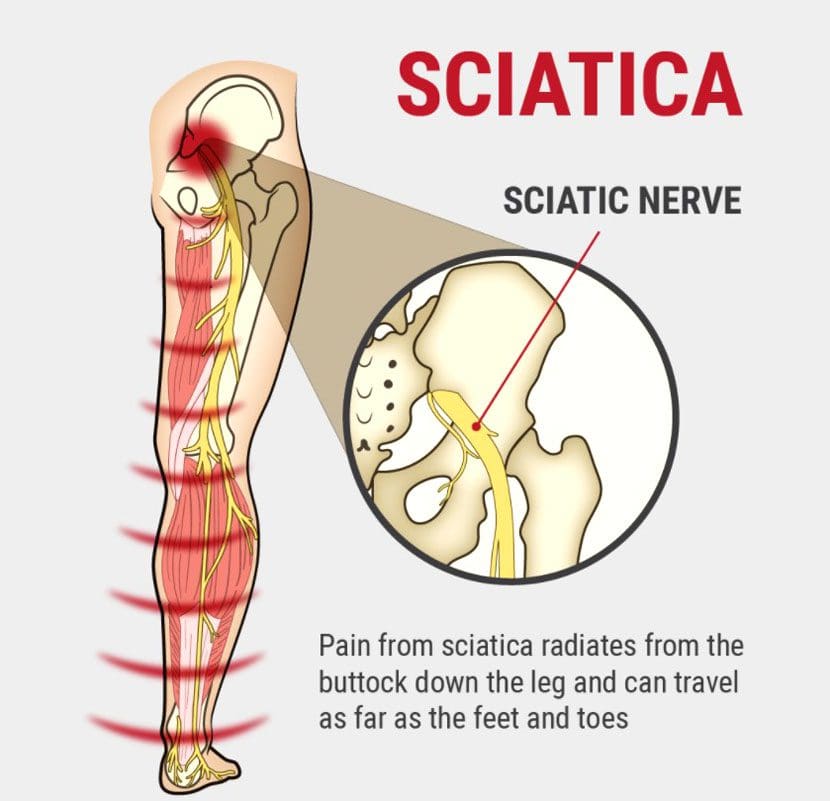
Sciatic nerve injury happens from trauma to the nerve and can cause numbness, tingling, loss of muscle power, and pain. The traumatic experience can be a muscle spasm that pulls and/or pinches the sciatic nerve, force/pressure impact injury, over-stretching injury, or a laceration/cutting injury. A slipped disk, or herniated disk, is the most common cause of irritation on the sciatic nerve. A slipped disk occurs when one becomes slightly dislodged, pushing out from the spine. This places pressure/compression on the sciatic nerve.
Trauma to the lower back, buttocks, or leg from an automobile accident, sports injury, work injury.
Medical treatment causes:
Direct surgical trauma.
Total hip replacement surgery can cause nerve compression and stretch during the procedure, causing damage to the sciatic nerve resulting in dysfunction.
Injection injuries via intramuscular injection in the gluteal region. This is a situation where there is a loss of movement and or lack of sensation at the affected lower extremity with or without pain.
Injection palsy can begin suddenly or hours following damage to the sciatic nerve.
A misplaced intramuscular injection at the gluteal region is the most common cause of injury. It is attributed to frequent injections or poor techniques resulting from inadequately trained or unqualified staff.
Complaints of radiating pain in the leg, which follows a sensory nerve pattern.
Pain radiates below the knee, into the foot.
Complaints of low back pain, which is often less severe than leg pain.
Report of electrical, burning, numbing sensations.
Diagnosis
A detailed subjective and objective physical examination is necessary to figure out the severity of the sciatic nerve injury. Diagnostic studies include:
Chiropractic and physical therapy exercises and stretches improve nerve regeneration after nerve damage.
Electrical Muscle Stimulation
TENS and Electroacupuncture have been shown to help enhance nerve regrowth.
Bio-laser stimulation can help with nerve nutrition and regeneration.
Joint or Soft Tissue mobilization
Helps to retain muscle, nerve, and soft tissue flexibility and prevent deformity.
Balance Training
Coordination, strength, and flexibility exercises help to restore balance.
Splinting
In the early stages after a sciatic nerve injury, bracing may be needed to prevent deformity and new injury or re-injury risks.
Ankle Foot Orthosis – AFO can help prevent foot drop, muscle damage, and falls risk.
Body Composition
Optimize Diet for Fat Loss
Individuals that want to lose fat need to create a calorie deficit. Individuals need to consistently eat less than they need for Total Daily Energy Expenditure – TDEE. The safest way to handle a caloric reduction is to reduce calorie intake in small doses like 200-300 calories, for example. After a week or two, perform a body composition analysis. If Fat Mass numbers begin to drop or not, adjust calorie needs accordingly. Restricting calories is the most common way, a deficit can also be created by increasing calorie needs through exercise.
References
Kline, D G et al. “Management and results of sciatic nerve injuries: a 24-year experience.” Journal of neurosurgery vol. 89,1 (1998): 13-23. doi:10.3171/jns.1998.89.1.0013
Schmalzried, TP et al. “Update on nerve palsy associated with total hip replacement.” Clinical Orthopedics and related research,344 (1997): 188-206.
Shim, Ho Yong et al. “Sciatic nerve injury caused by a stretching exercise in a trained dancer.” Annals of rehabilitation medicine vol. 37,6 (2013): 886-90. doi:10.5535/arm.2013.37.6.886
Suszyński, Krzysztof et al. “Physiotherapeutic techniques used in the management of patients with peripheral nerve injuries.” Neural regeneration research vol. 10,11 (2015): 1770-2. doi:10.4103/1673-5374.170299
The thoracic spine, also known as the upper or middle back, is designed for stability to anchor the rib cage and protect the organs in the chest. It is highly resistant to injury and pain. However, when thoracic back pain does present, it is usually from long-term posture problems or an injury. Thoracic back pain is less common than lower back and neck pain, but it does affect up to 20% of the population, particularly women. Treatment options include chiropractic for quick and long-term pain relief.
Thoracic Back Pain and Soreness
The thoracic area is vital for various functions related to:
Upper back pain usually feels like a sharp, burning pain localized to one spot or a general achiness that can flare up and spread out to the shoulder, neck, and arms.
Types of Upper Back Pain
These include:
Myofascial pain
Spine degeneration
Joint dysfunction
Nerve dysfunction
General spinal misalignments
Depending on what specific tissues are affected, pain can occur with breathing or arm use. It is recommended to have a healthcare professional perform an examination and get an accurate diagnosis. A chiropractor understands the delicate balance and functions that the thoracic spine provides and can develop a proper treatment plan.
Chiropractic
Treatment options will depend on the symptoms, underlying dysfunctions, and individual preferences. Recommendations for treatment often include:
Spine adjustments to improve alignment and nerve integrity.
Posture training to maintain spinal alignment.
Therapeutic massage.
Exercise training to restore muscular balance.
Non-invasive pain-relieving techniques.
Health coaching.
Body Composition
Plant-Based Diets for Weight Loss
Individuals who follow vegan, vegetarian, and semivegetarian diets have reported and shown they are less likely to be overweight or obese. This can indicate that reducing intake of meat and animal products is beneficial for weight loss. Studies have found that individuals who follow a vegan diet may lose more weight than individuals on a more conventional weight loss diet, even with similar calories consumed, and often have significant improvements in blood sugar and inflammation markers.
Plant-Based Protein and Muscle Gain
Some plant-based proteins are just as effective as animal protein at promoting muscle gain. A study found that supplementing rice protein following resistance training had similar benefits to whey protein supplementation. Both groups had:
Briggs AM, Smith AJ, Straker LM, Bragge P. Thoracic spine pain in the general population: prevalence, incidence and associated factors in children, adolescents and adults. A systematic review. BMC Musculoskelet Disord. 2009;10:77.
Cichoń, Dorota et al. “Efficacy of Physiotherapy in Reducing Back Pain and Improve Joint Mobility in Older Women.” Ortopedia, traumatologia, rehabilitacja vol. 21,1 (2019): 45-55. doi:10.5604/01.3001.0013.1115
Fouquet N, Bodin J, Descatha A, et al. Prevalence of thoracic spine pain in a surveillance network. Occup Med (Lond). 2015;65(2):122-5.
Jäger, Ralf et al. “Comparison of rice and whey protein isolate digestion rate and amino acid absorption.” Journal of the International Society of Sports Nutrition vol. 10,Suppl 1 P12. 6 Dec. 2013, doi:10.1186/1550-2783-10-S1-P12
Joy, Jordan M et al. “The effects of 8 weeks of whey or rice protein supplementation on body composition and exercise performance.” Nutrition journal vol. 12 86. 20 Jun. 2013, doi:10.1186/1475-2891-12-86
Medawar, Evelyn et al. “The effects of plant-based diets on the body and the brain: a systematic review.” Translational psychiatry vol. 9,1 226. 12 Sep. 2019, doi:10.1038/s41398-019-0552-0
Newby, PK et al. “Risk of overweight and obesity among semivegetarian, lactovegetarian, and vegan women.” The American journal of clinical nutrition vol. 81,6 (2005): 1267-74. doi:10.1093/ajcn/81.6.1267
Pope, Malcolm H et al. “Spine ergonomics.” Annual review of biomedical engineering vol. 4 (2002): 49-68. doi:10.1146/annurev.bioeng.4.092101.122107
A nerve injury is often caused by a sudden traumatic event, like a slip and fall, personal or work injury, an automobile accident, or a sports injury. Overall stresses of the body from poor posture and being overweight can also lead to nerve pain over time, known as cumulative trauma. Where ligaments and bones are not aligned correctly, nerve pain and damage can occur. When nerve pain presents, there is pressure being placed on that nerve/s. Nerve pain symptoms include burning, tingling, or numbness-type sensations in the tissues controlled by that nerve. Orthopedic and neurologic testing will determine what specific nerve is affected. Chiropractic adjustments realign the spine and relieve the pressure on the nerve, thus eliminating the pain and correcting the problem.
Nerve Injury
Too much pressure from surrounding tissues compresses and irritates the nerve and interrupts its ability to function correctly. Pinched nerves are most vulnerable at points in the body where they pass through narrow spaces and have little to no soft tissue protection. Symptoms include:
Pins and Needles Sensation
Numbness
Pain
Weakness
A pinched nerve can decrease the range of motion and cause muscle spasms. If left untreated, a nerve injury can leave an individual with chronic pain and lead to permanent nerve damage.
Tingling and Numbness
Tingling and numbness are unusual or unpleasant physical sensations, most commonly experienced in the arms, hands, fingers, legs, feet, and toes. Tingling and numbness come in two forms:
To determine the appropriate course of treatment, a doctor of chiropractic must diagnose the cause of the nerve injury. Depending on the nature or severity of the sensation, the examination will include:
Muscle tests
Range-of-motion tests
Neurological tests
Orthopedic tests
The chiropractor will palpate the effective areas and order imaging tests like X-rays if necessary. If further testing is needed to diagnose the source of the nerve injury, the doctor may order an MRI or CT scan. Once the underlying condition is diagnosed, a chiropractor will develop a treatment plan to eliminate irritation, correct misalignments causing pressure, and restore proper nerve function. Treatment plans vary from case to case but can include:
Therapeutic Massage
Body adjustments
Spinal manipulation
Heat and Ice
The objective is to relieve/release the pressure on the nerves. Chiropractic adjustments help reposition the muscles and nerves. Deep-tissue massage helps to release tension and eliminate toxins that worsen the sensations. Treatment improves circulation and relieves pressure on the neural pathways necessary to restore normal neural signaling between the body and the brain.
Body Composition
Why The Brain Needs Sugar
The brain needs half of all the body’s energy supply because of its complex nerve cell system. The brain requires glucose for brain cell energy. Because neurons can’t store energy, they need a continuous fuel supply to function correctly from the bloodstream. The ability to think, learn and recall information is closely associated with glucose levels. When blood glucose levels are low, the ability to think is inhibited as the production of chemical messengers/neurotransmitters, are reduced, disrupting communication between the neurons. Natural sugar can boost brain health because it requires glucose for functioning. Sugar is released slowly into the bloodstream when taken naturally from sources like apples and bananas, keeping the energy levels steady, without craving more sugar.
References
Ameh, Victor, and Steve Crane. “Nerve injury following shoulder dislocation: the emergency physician’s perspective.” European journal of emergency medicine: official journal of the European Society for Emergency Medicine vol. 13,4 (2006): 233-5. doi:10.1097/01.mej.0000206190.62201.ad
Nichols, J S, and K O Lillehei. “Nerve injury associated with acute vascular trauma.” The Surgical clinics of North America vol. 68,4 (1988): 837-52. doi:10.1016/s0039-6109(16)44589-5
Ruggiero, S L. “Trigeminal nerve injury and repair.” The New York state dental journal vol. 62,8 (1996): 36-40.
Welch, J A. “Peripheral nerve injury.” Seminars in veterinary medicine and surgery (small animal) vol. 11,4 (1996): 273-84. doi:10.1016/s1096-2867(96)80020-x
WOODHALL, B. “Peripheral nerve injury.” The Surgical clinics of North America (1954): 1147-65. doi:10.1016/s0039-6109(16)34299-2
IFM's Find A Practitioner tool is the largest referral network in Functional Medicine, created to help patients locate Functional Medicine practitioners anywhere in the world. IFM Certified Practitioners are listed first in the search results, given their extensive education in Functional Medicine