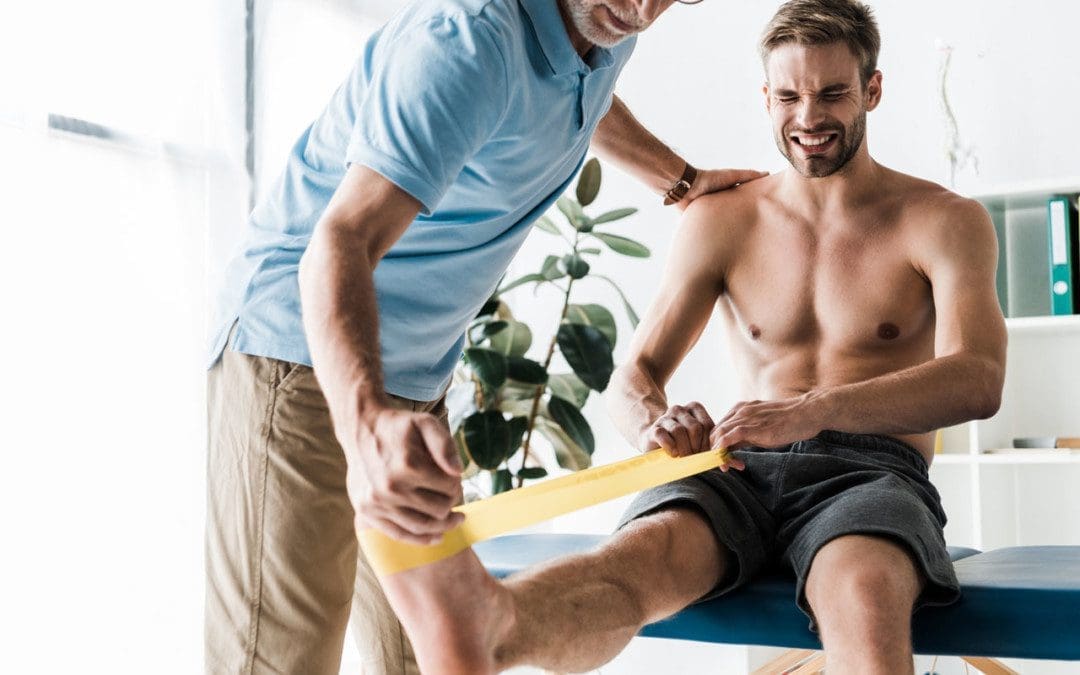
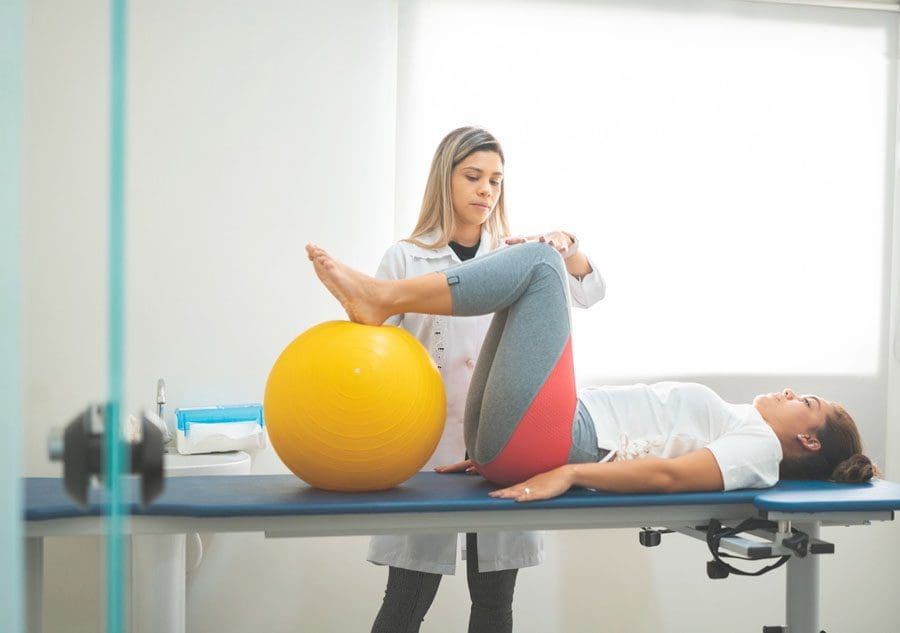
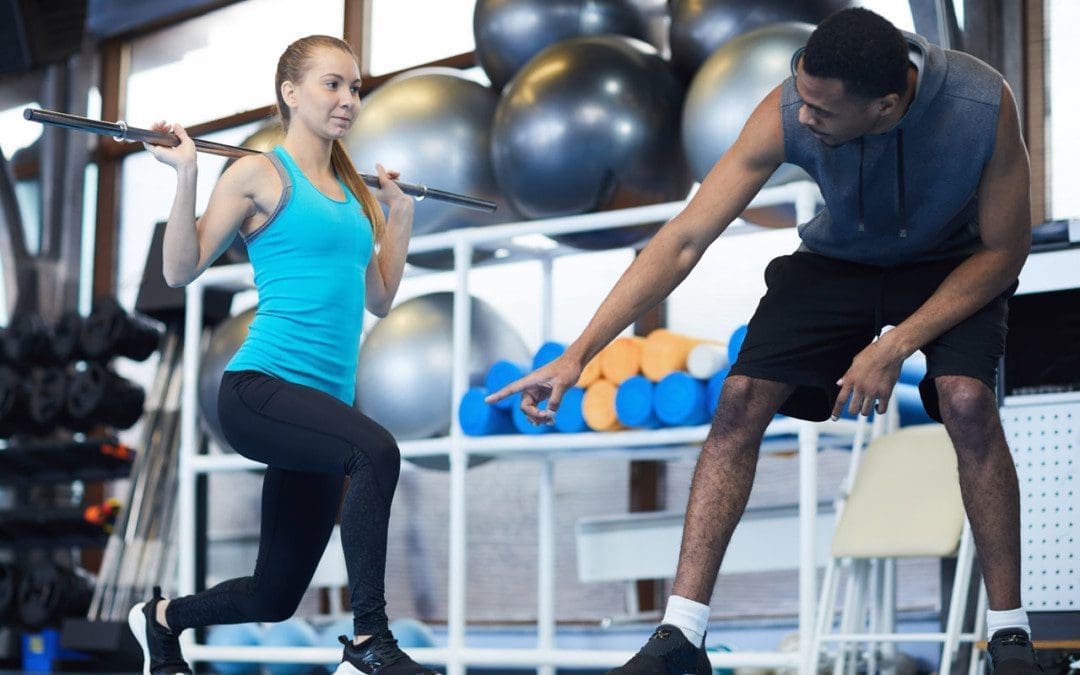
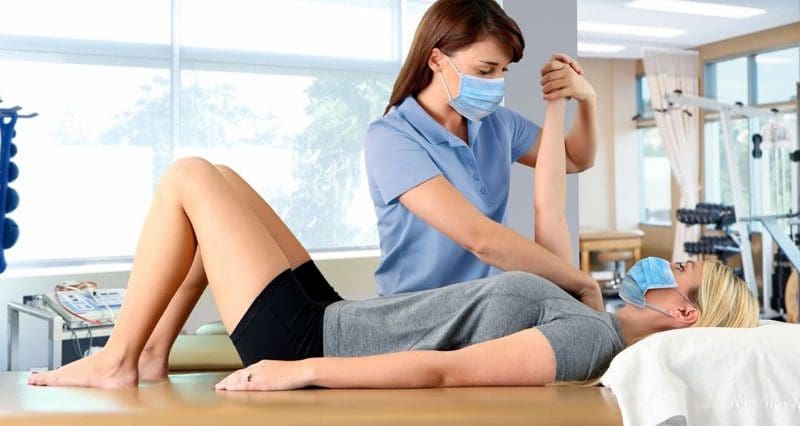
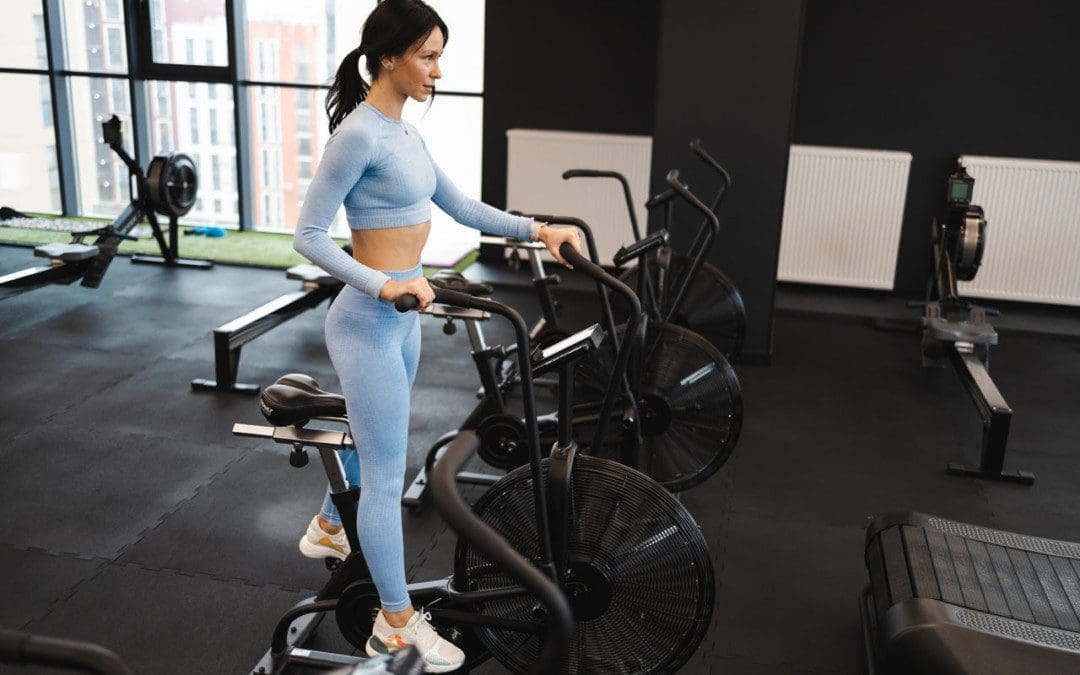
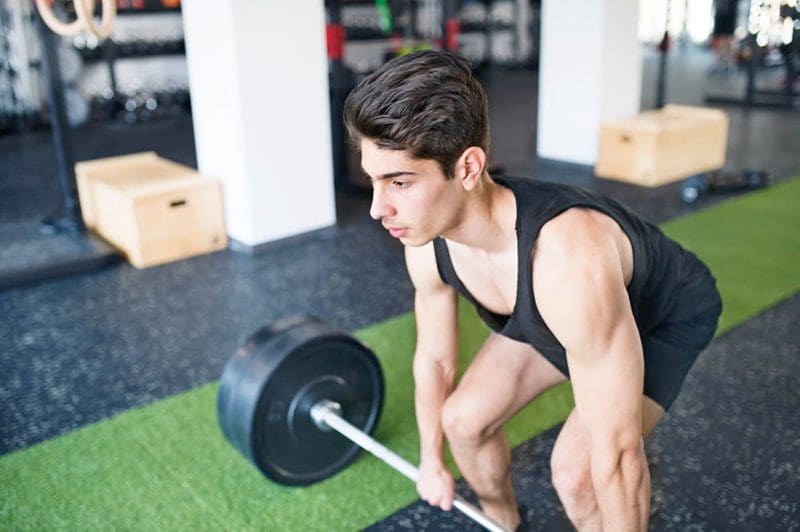
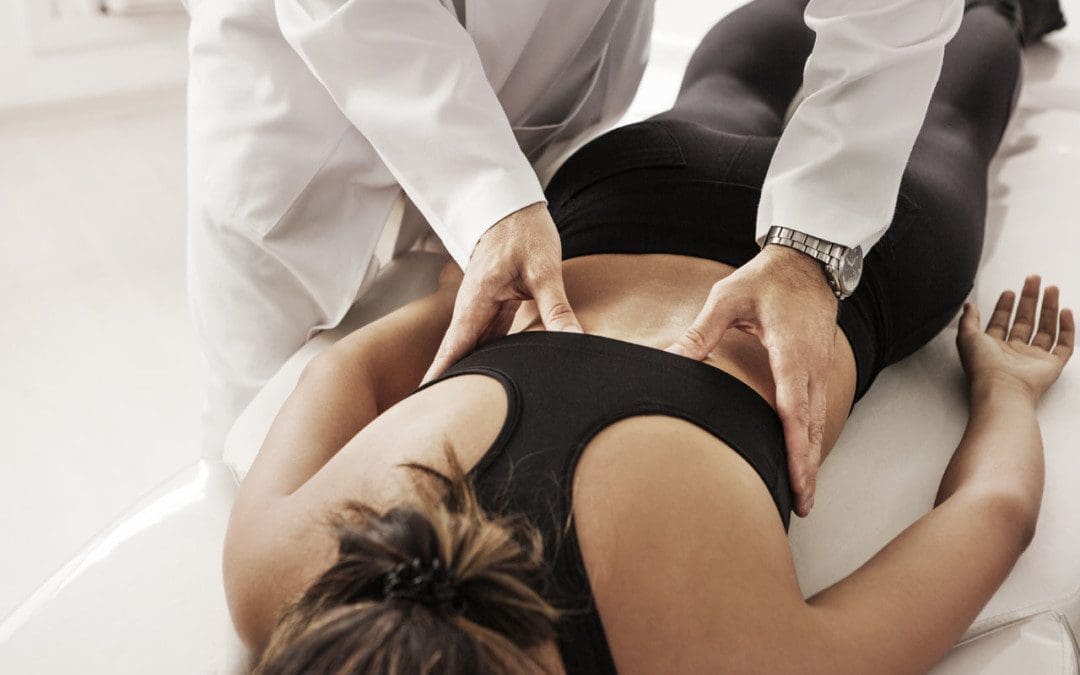
Sports chiropractic athletes: A sports chiropractor is a specialist that works with athletes to improve their performance. These doctors specialize in assessing and treating sports injuries. Treatment also prevents future damage/injury by providing a customized rehabilitation, strengthening, flexibility, and mobility program, that includes:
Exercise prescription
Ergonomic recommendations
Health coaching/counseling
Therapeutic sports massage
Sports chiropractic deals with preventing, diagnosing, and treating sports-athletic-based injuries to muscles, tendons, ligaments, and joints. Sports chiropractors have extensive training in evaluating muscular-skeletal problems related to sports participation overuse. Diagnosis is acquired through:
Chiropractors are masters of the human body and trained to use advanced diagnostics tools. A sports chiropractor evaluates individuals from all levels of sports and fitness, including:
Athletes – professional or recreational
Weekend warriors
Military personnel
The objective is to identify musculoskeletal problems related to sporting activity or overuse, alleviate pain, rehabilitate, and strengthen to prevent future injury. They can diagnose and treat sports-related injuries from common overuse injuries like:
Hip pain from frequently running on pavement.
Shoulder pain from damage caused by continued overhead throwing or hitting.
Low back and leg issues from twisting, bending, jumping, and reaching.
Balance
Athletes need a healthy balance of endurance, strength, and structure. Through biomechanics training, sports chiropractic restores the body’s natural balance and proper function. The goal is to get the athlete re-engaged and protected against further injury and play without any problems or limitations. Sports chiropractic athletes can return in a short amount of time from injuries that include:
Torn ACLs
MCL Sprain
Ankle Sprain
Achilles Tendonitis
Rotator cuff tears
Quadriceps Strains
Hamstrings Strains
Shin Splints
Sports Hernia
Neck Pain
Back Pain
Spondylolisthesis
Prevention Regimen
They can recommend prevention programs to prevent potential problems before an athlete gets hurt. A chiropractor will detect developing muscle imbalances before they turn into a chronic condition that can lead to damage to the rest of the body. Additional therapies include:
Massage
Hot/cold treatments
Ultrasound therapy
Low-level laser therapy
Adjustments, stretching, core training, therapeutic sports massage, health coaching, and nutritional counseling will strengthen the body, allowing for performing physical activities and sports at optimum levels.
Body Composition
Sports Performance
Working with sports chiropractic athletes means achieving a balance of lean mass to maintain sports performance and reduce the risk of injury. Athletes, doctors, and trainers monitor gains over time to maximize performance and watch for signs of potential injury. A method of monitoring for potential injury is the ECW/TBW Analysis. When training and engaging in sports, the body is under physical stress. The proper amount of rest and recovery are needed to allow muscles to recover and regrow. Inflammation is reflected in the ECW/TBW by monitoring changes over time. A steady increase can indicate a sign of overtraining or improper recovery. Monitoring this progression can alert doctors and trainers that an athlete needs a less intense workout or longer recovery to reduce the potential for overtraining injury.
References
Corcoran, Kelsey L et al. “Association Between Chiropractic Use and Opioid Receipt Among Patients with Spinal Pain: A Systematic Review and Meta-analysis.” Pain medicine (Malden, Mass.) vol. 21,2 (2020): e139-e145. doi:10.1093/pm/pnz219
Naqvi U, Sherman Al. Muscle Strength Grading. [Updated 2021 Sep 2]. In: StatPearls [Internet]. Treasure Island (F.L.): StatPearls Publishing; 2022 Jan-. Available from: https://www.ncbi.nlm.nih.gov/books/NBK436008/
Nelson, Luke et al. “A descriptive study of sports chiropractors with an International Chiropractic Sports Science Practitioner qualification: a cross-sectional survey.” Chiropractic & manual therapies vol. 29,1 51. 13 Dec. 2021, doi:10.1186/s12998-021-00405-1
Williams, Sean et al. “Kinesio taping in treatment and prevention of sports injuries: a meta-analysis of the evidence for its effectiveness.” Sports medicine (Auckland, N.Z.) vol. 42,2 (2012): 153-64. doi:10.2165/11594960-000000000-00000
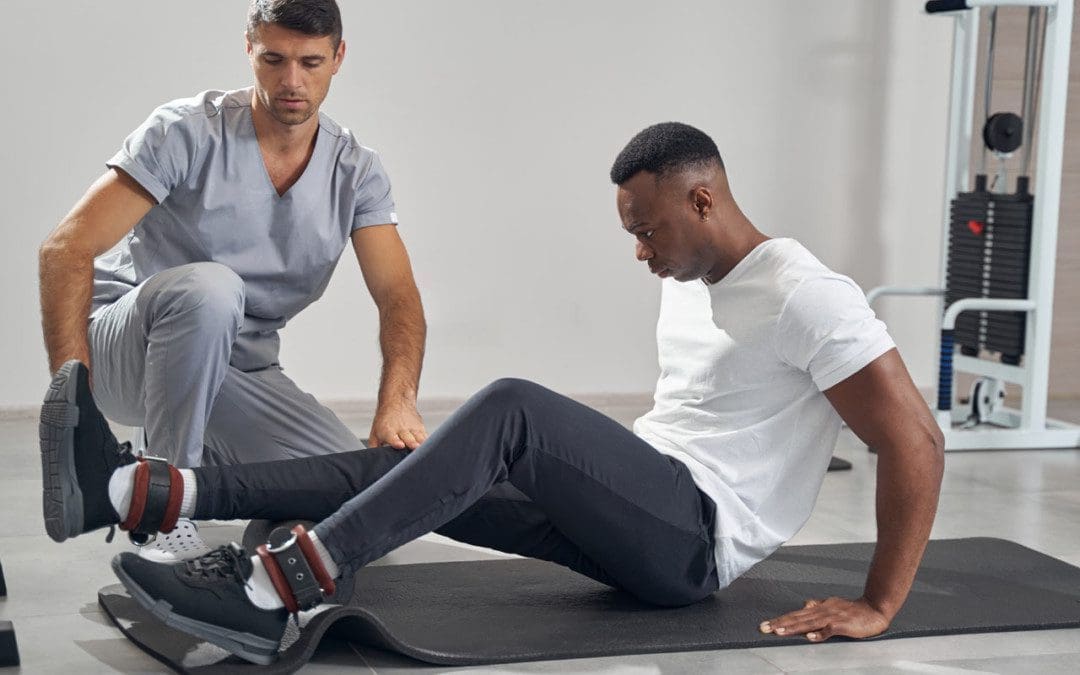
Athletes or weekend warriors hate to be sidelined from an injury or physical limitation. This is where chiropractic medicine and physical therapy for athletes can strengthen the body for improved performance and injury prevention. Sports chiropractors and physical therapists are trained and certified professionals that have extensive knowledge of the musculoskeletal system, maintaining and rehabilitating the body. This includes:
Exercise science
Physiological factors
Nutrition
Sports psychology
Treatment techniques include:
Massage
Electrotherapy
Muscle strengthening
Water therapy
Core stability training
Sports medicine professionals include medical doctors, sports chiropractors, physical therapists, athletic trainers, and massage therapists. They are trained in:
Assessment and diagnosis
Treatment
Rehabilitation
Management
Referral
Health coaching
Injury prevention
Chiropractic physical therapists restore function and mobility, manage or alleviate pain, and return individuals to their lifestyle and athletes to their sport. They understand training demands and advise on injury prevention, relieving pain, and optimizing performance.
Performance Treatment
Chiropractors and physical therapists provide:
Pre and post-surgery consultation
Pre and post-surgery treatment
Pre and post-surgery exercise programs and rehabilitation therapy
A chiropractic physical therapist will go through a series of examination routines to test and assess the body’s functionality and mobility, looking for areas of pain and weakness.
Personalized Treatment Plan
The analysis data helps to develop a customized treatment plan that looks at:
Weaknesses
Painful areas
Physical and positional demands of their specific sport.
Alleviate Pain
This is done through:
Therapeutic exercises
Manual techniques
Instrument-assisted manipulations with:
Percussive massagers
Ultrasound
Taping
Electrical stimulation
To relieve pain, restore muscle, and joint function.
Improve mobility
Stretching and strengthening exercises restore mobility.
Avoid Surgery and/or Expedite Recovery After Surgery
Effective physical therapy can eliminate the need for surgery, hasten recovery, and reduce healthcare costs.
Expedite rehabilitation and recovery post-surgery.
Prevention Techniques
Chiropractic physical therapy provides tools and exercises to maintain:
Strength
Balance
Fitness
To prevent new injuries or injury recurrence.
A customized chiropractic physical therapy program can help individuals return to a high level of performance from a team of professional chiropractors physical therapists. Individuals learn activities and lifestyle changes that will help prevent further injury and improve health and wellbeing.
Body Composition
Skipping Rest Days
Not listening to the body and taking time to recover can have serious consequences. When the body is not allowed to rest, recovery inflammation is not given the time to heal. This can lead to injuries, a weakened immune system, and the potential for muscle mass loss. During periods of intense stress, like an intense workout, the body’s immune system does not fully function. This means the body is compromised when fighting germs and viruses and constantly taking medications. This is why prioritizing rest is necessary. Another side effect of skipping rest days is burnout. Burnout is the feeling that anything is better than working out. It typically happens when individuals forget or choose not to take time off and rest for life outside of fitness.
References
Cullen, Michael-Flynn L et al. “Passive Recovery Strategies after Exercise: A Narrative Literature Review of the Current Evidence.” Current sports medicine reports vol. 20,7 (2021): 351-358. doi:10.1249/JSR.0000000000000859
Levy, Emily, and Thomas Chu. “Intermittent Fasting and Its Effects on Athletic Performance: A Review.” Current sports medicine reports vol. 18,7 (2019): 266-269. doi:10.1249/JSR.0000000000000614
Reinke, Simon et al. “The influence of recovery and training phases on body composition, peripheral vascular function and immune system of professional soccer players.” PloS one vol. 4,3 (2009): e4910. doi:10.1371/journal.pone.0004910
Resnik, Linda, and Janet K Freburger. “Health Services Research: Physical Therapy Has Arrived!.” Physical therapy vol. 95,12 (2015): 1605-7. doi:10.2522/ptj.2015.95.12.1605
Suchomel, Timothy J et al. “The Importance of Muscular Strength: Training Considerations.” Sports medicine (Auckland, N.Z.) vol. 48,4 (2018): 765-785. doi:10.1007/s40279-018-0862-z
Chiropractic can enhance the effectiveness of an exercise program. Chiropractic works on the neuromusculoskeletal system, which comprises the nervous, muscular, and skeletal systems. It produces an indirect effect on the immune system, involving the body’s processes resulting from exercise and muscle development. Most individuals are familiar with the benefits of regular exercise and physical activity. Regular physical activity and exercise:
Increases circulation
Improves strength
Increases immune system function
Produces brain-boosting endorphins and chemicals
Improves mood
Increase muscle mass
Contributes to enhanced flexibility and mobility
Exercise-boosting practices can multiply the effectiveness of a workout program. Exercise-enhancing methods that are well known include:
Incorporating rest days
Staying hydrated
Consistent and high-quality sleep
Utilizing supplements that enhance the body’s ability to produce and sustain muscle.
A chiropractor can develop a personalized treatment plan to support and enhance an individual’s workout/exercise program. This plan can include specific interventions to improve alignment or maintain muscle relaxation and prescribed stretches and movements to decrease the strain from an exercise regimen.
Nervous System
Chiropractic helps to balance the nervous system. Treatment allows pressure to be removed from compressed, bruised, and severed nerves. Chiropractic decreases and eliminates pain originating from inflamed muscles, joints, and tissues. When it comes to exercising, nerve pain usually originates from vigorous movement. Swelling and inflammation in the body can cause nerves to become inflamed or compressed. Misalignment in the spinal structure and joints can occur during strenuous exercise, particularly when weight resistance is involved. It can also constrict/pinch nerves, contributing to sciatic pain, which originates in the lower back and spreads down the gluteal muscles and back of the legs. Chiropractic can help:
Reduce pain and discomfort
Improve physical responsiveness
Decrease inflammation
Improve immune function
Muscular System
The muscular system is interconnected with the nervous and skeletal systems. Manual chiropractic manipulation helps to:
Reduce pain in inflamed muscles that have been utilized during exercise
Release tense and strained muscles
Remove muscular knots
Accelerate muscle repair
Improve exercise performance
Skeletal System
The skeletal system is the foundation for all physical movements and activities. It plays a role in physical activity/exercise, recovery, and the development of strength and musculature. During exercise routines, the joints can become misaligned, especially with weight-bearing or lifting activities. Chiropractic for the skeletal system can:
Rebalance the system
Realign bones and joints
Decrease muscular strain
Improve posture and form
Reduce and eliminate pain in the knees, wrists, and shoulders
Increase the body’s capacity for taking on additional weight healthfully
Keep The Chiropractor Informed
To receive enhanced exercise and performance-related benefits from chiropractic care, individuals must keep their chiropractor informed of goals and style of physical activity. The more the chiropractor knows about the types of exercises, the more they will provide a customized treatment plan for an individual’s specific needs. Any injury or strain experienced during an exercise session or a specific part of the body seems to be recovering at a slower rate than the rest of the body, inform the chiropractor. They can survey posture, stance, determine imbalances, and discover other body areas that may be over-straining to compensate.
Time Sessions Appropriately
Depending on the type of physical activity and exercises, individuals may be advised to seek care on rest days or the same days of the workout. Discuss with the chiropractor what days of the week are best for treatment and before or after workouts.
Health Goals
Movement and exercise practices are unique and vary with each individual. Individuals have different goals for their regimens that range from:
Increasing flexibility and agility
Building strength, endurance, and muscle mass.
Identify health goals and share them with the chiropractor. Depending on the purpose of the exercise routine, treatment may vary to support and enhance specific objectives.
Body Composition
Improve Insulin Sensitivity
When consuming carbohydrates, it is broken down into sugar. The body needs a certain amount of sugar to function. However, cellular damage occurs if the levels become too high for too long, like in diabetes. Insulin’s role is to guide excess sugar – glucose into the safety of the cells. However, more individuals are experiencing high blood insulin levels, called hyperinsulinemia. It’s dangerous to let glucose levels remain elevated, which is why more insulin is produced to bring the blood sugar down. After a time, constant hyperinsulinemia results in a condition called insulin resistance, where the cells become resistant to the effects of insulin and less effective.
Insulin Sensitivity and Weight Loss
A high insulin level in the blood can trigger weight gain and make it difficult to shed excess fat. Research shows that high insulin:
Erion, Karel A, and Barbara E Corkey. “Hyperinsulinemia: a Cause of Obesity?.” Current obesity reports vol. 6,2 (2017): 178-186. doi:10.1007/s13679-017-0261-z
Hawk, Cheryl et al. “Best Practices for Chiropractic Management of Patients with Chronic Musculoskeletal Pain: A Clinical Practice Guideline.” Journal of alternative and complementary medicine (New York, N.Y.) vol. 26,10 (2020): 884-901. doi:10.1089/acm.2020.0181
Hoogvliet, Peter et al. “Does the effectiveness of exercise therapy and mobilization techniques offer guidance for the treatment of lateral and medial epicondylitis? A systematic review.” British journal of sports medicine vol. 47,17 (2013): 1112-9. doi:10.1136/bjsports-2012-091990
Peluso, Marco Aurélio Monteiro, and Laura Helena Silveira Guerra de Andrade. “Physical activity and mental health: the association between exercise and mood.” Clinics (Sao Paulo, Brazil) vol. 60,1 (2005): 61-70. doi:10.1590/s1807-59322005000100012
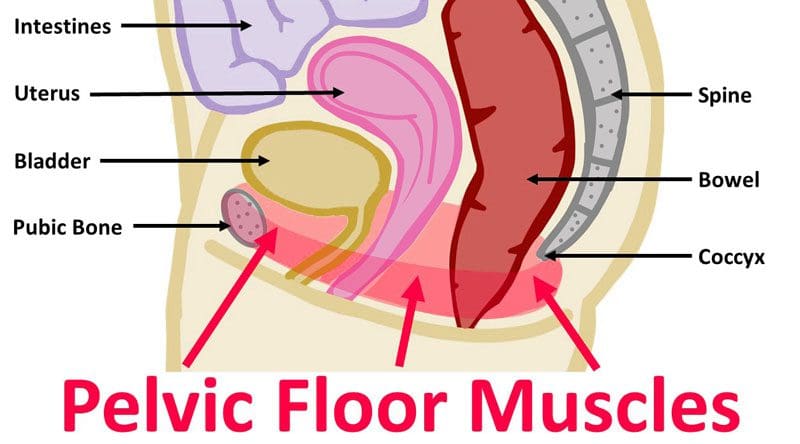
The pelvic floor is essentially the spine, and when pain presents, it can be mistaken for back pain. However, these two conditions are frequently linked. The National Institutes of Health- NIH reported that a quarter of women are impacted by pelvic floor disorders and up to 16% of men. The pelvic floor is made up of muscles. If the muscles begin to spasm, they can spread pain upwards and even downwards. This is where the misdiagnosis of lower back pain comes in.
The Pelvic Floor
The pelvic floor is comprised of muscles and connective tissue, known as fascia. The muscles and fascia intertwine, creating a support system for the pelvic organs. The pelvic floor muscles act as a spring system that supports the organs. When downward pressure is applied, and the spring system is working correctly, they push back up to support the muscles. These muscles create the base known as the core. The core muscles support the abdomen, diaphragm, and back muscles, supporting the spine. This is why back, pelvic pain is prevalent as these muscles are interconnected.
Pelvic Floor Dysfunction and Back Pain
If there is pelvic floor dysfunction, there is an inability to control the muscles. There can be too much or insufficient tension, resulting in urinary incontinence or inability to complete bowel movements. It can also be mistaken for back pain or contributes to pelvic and low back pain. The core muscles support the torso and promote stabilization during movement. If they are not working correctly, the torso and pelvis become unstable. The SI – sacroiliac joints linked with the pelvis and the lower spine can begin to present with posterior pelvic and back pain.
Symptoms
Dysfunction can present in several ways, including:
Vaginal dryness by a lack of estrogen during menopause.
Tight inner thigh muscles.
Back pain itself can cause dysfunction.
Women make up the majority of cases that result from:
Pregnancy
Childbirth
Endometriosis – a condition in which uterine tissue grows outside the uterus.
Men can also develop problems. As a man’s body ages, prostate problems can cause urinary leakage and frequency problems. It can develop from activities like bicycling. The seat can compress the pudendal nerve, causing pain and dysfunction.
Retraining the Muscles
The dysfunction can be helped by reactivating and strengthening the pelvic and core muscles. Training the pelvic floor and the core muscles will help boost support for the spine and alleviate discomfort and pain. First, it is recommended to get a physical evaluation by a chiropractor or physical therapist to determine if the pelvic floor muscles are too tight or weak. The objective is to improve the strength of the pelvic floor muscles or relax them if they are too tight. A chiropractor and physical therapist can work on the muscles, educate on stretches, exercises, nutrition, and offer additional help and support.
Body Composition
Muscle Adaptation
The point of resistance training is to get the muscles to function more effectively. It begins with the contractile proteins that control muscle shortening and lengthening. Resistance exercise can cause some of the proteins to get pulled apart. The stress the muscles experience is the stimulus for the muscles to rebuild bigger, stronger, or more powerful. After resistance exercise, the muscle synthesizes proteins helped by nutritional stimuli and protein consumption. Satellite cellsalso activate to help build up the broken-down muscle. Resistance exercise causes activation.
National Institutes of Health. (September 2008) “Roughly One-Quarter of U.S. Women Affected by Pelvic Floor Disorders” https://www.nih.gov/news-events/news-releases/roughly-one-quarter-us-women-affected-pelvic-floor-disorders
Smith, Christopher P. “Male chronic pelvic pain: An update.” Indian journal of urology: IJU: journal of the Urological Society of India vol. 32,1 (2016): 34-9. doi:10.4103/0970-1591.173105
World Health Organization. (2013) “Low back pain” https://www.who.int/medicines/areas/priority_medicines/Ch6_24LBP.pdf
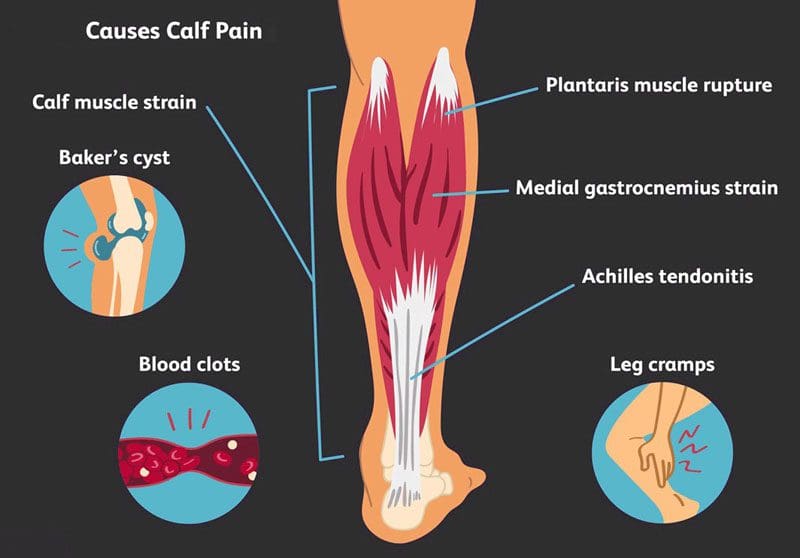
Calf pain is common in individuals who spend a lot of time on their feet, whether standing at work, school, or training athletes. The calf muscle/s take on a tremendous amount of load throughout the day. Climbing stairs, jogging, running, and hiking increase strain on the muscles. In most cases, calf pain results from an overuse injury of the calf muscles. Improper footwear can also contribute to issues around the foot and ankle that include:
Tightness
Loss of strength of the foot
Decreased mobility
Short or tight calves can lead to dysfunctional movement, cramping symptoms, chronic pain, and stiffness. A combination of chiropractic active release treatment and physical therapy can help quickly eliminate calf pain.
Anatomy
The calves are comprised of two muscles, the gastrocnemius, and soleus.
The gastroc originates just above the knee.
The soleus is below the knee.
They both insert on the back of the ankle as they join to form the Achilles tendon. The gastrocnemius is the power muscle used for explosive movements like jumping. The soleus muscle is predominately a slow-twitch muscle. This means it is very active during extended activities, like standing, walking, exercising, and running. When dealing with calf and ankle issues, other muscles can also contribute. These include:
The posterior tibialis lies deep in the inner portion of the calf and plays a role in foot and ankle function.
Most commonly, calf pain is caused by the overuse of the calf muscles. This is often the result of the consistent pounding of the feet and lower legs from standing, walking, and working. Over time, the repetitive pounding can cause tiny tears in the muscles of the lower legs and calves. If detected, early rest and recovery are recommended to allow the muscles to relax, loosen, and heal. However, repeated use can lead to more severe injury without proper treatment, like compartment syndrome. Certain types of calf pain can signify a medical emergency that requires immediate treatment.
Compartment Syndrome
A tough and fibrous covering surrounds the calf called the fascia. During physical activity or exercise, blood flows into these muscles, causing them to increase in size. If the fascia cannot stretch enough when these muscles enlarge, pain and tightness can develop. This is known as chronic posterior compartment syndrome. The discomfort typically goes away when the activity stops but is likely to return without proper treatment.
Calf Overuse Injury
Soreness, tightness, and pain are usually felt along the back or inside of the lower leg. The calf muscles are generally not painful to touch but maybe tender when deep pressure is applied. Calf pain and tightness often come with extended physical activity, exercise and disappear once the activity is stopped. If the injury becomes chronic, calf stiffness can present even when not active, along with numbness and/or tingling in the lower leg or foot.
Treatment
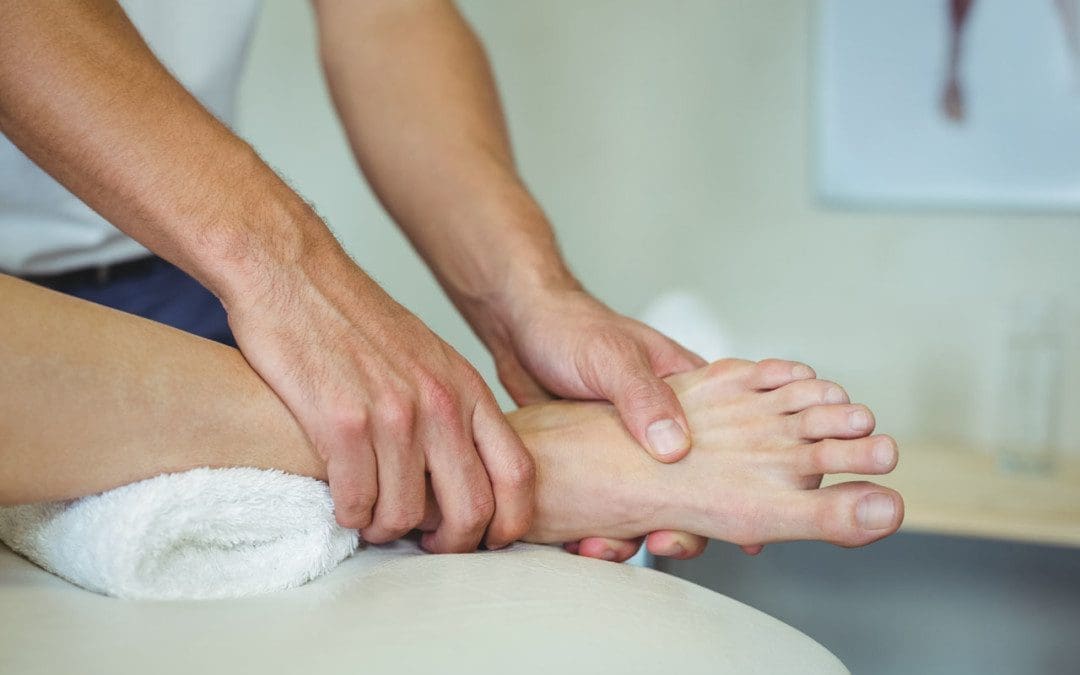
It is recommended not to ignore any discomfort, pain, and stiffness in the calves. Continued overuse can lead to scar tissue formation and chronic pain potential without proper care. Active Release – ART, and chiropractic effectively treat this type of injury. ART breaks up scar tissue, returning normal function to the calf muscles. And chiropractic loosens up stiff joints in the hips, ankles, and feet that may be contributing to wear and tear on the calves. Together they can quickly and eliminate calf pain. Part of a treatment plan includes:
Aerobic exercise substantially impacts the body’s muscles’ energy production system and cardiovascular adaptation. The blood delivers oxygen to the muscle cells to produce energy that powers all the exercise being done. Aerobic exercise primarily relies on oxidative energy production, which takes place within the cells called mitochondria. Aerobic exercise also breaks down fat molecules for energy, which can only happen within mitochondria.
Aerobic exercise training improves the muscle cells’ ability to burn fat by generating more mitochondria and enhancing their functionality. Specifically, the body burns more fat than usual in the hours following each training session.
With more precise quality and quantity of fat-burning machinery, aerobic training can increase the resting metabolic rate, resulting in more calories burned.
High-intensity aerobic exercise also increases the excess post-exercise oxygen consumption – EPOC, resulting in increased calorie burn in addition to what was burned during the exercising.
References
Alfredson, H et al. “Heavy-load eccentric calf muscle training for the treatment of chronic Achilles tendinosis.” The American journal of sports medicine vol. 26,3 (1998): 360-6. doi:10.1177/03635465980260030301
Bright, Jacob Michael et al. “Ultrasound Diagnosis of Calf Injuries.” Sports health vol. 9,4 (2017): 352-355. doi:10.1177/1941738117696019
Campbell, John T. “Posterior calf injury.” Foot and ankle clinics vol. 14,4 (2009): 761-71. doi:10.1016/j.fcl.2009.07.005
Green, Brady, and Tania Pizzari. “Calf muscle strain injuries in sport: a systematic review of risk factors for injury.” British journal of sports medicine vol. 51,16 (2017): 1189-1194. doi:10.1136/bjsports-2016-097177
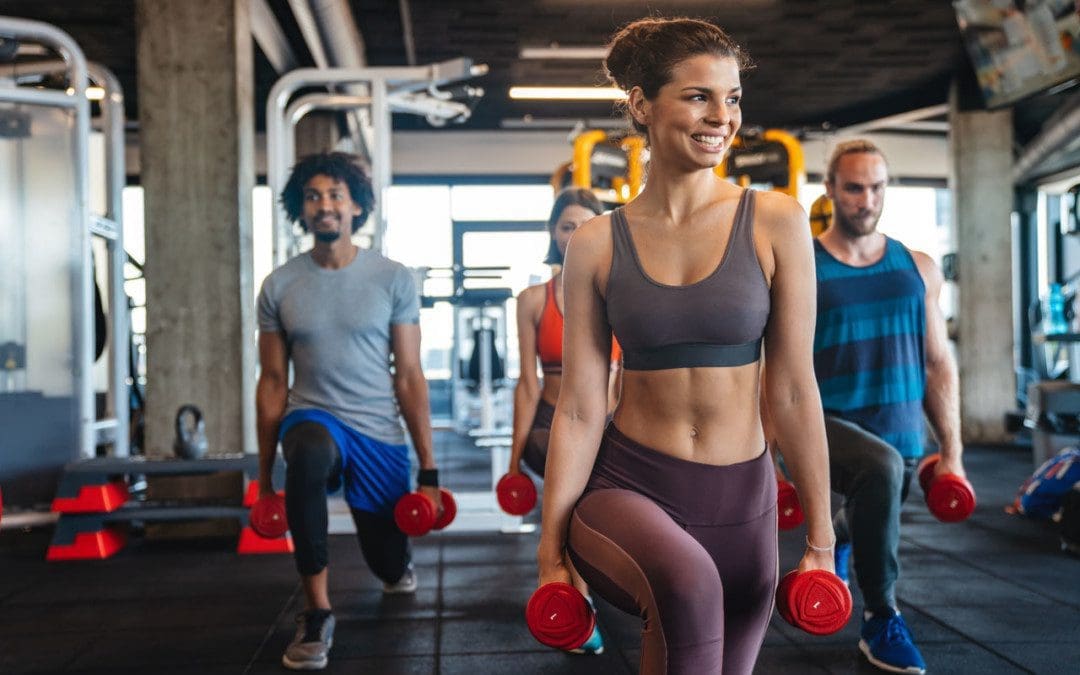
Many individuals are trying to get fit and stay active through physical activity and exercise. Getting back to a previous fitness routine is an achievable and realistic goal. Fitness means having the energy and strength to perform physical activity and the body feeling as good as possible. Getting fit improves total health. But it does not require training like an athlete. Just walking for a half-hour every day can help individuals reach an adequate fitness level that helps them feel better and increase energy levels.
Benefits of Getting Fit
Getting the body fit and in shape:
Increases endurance
Increases muscle strength
Delivers oxygen and nutrients to tissues
Improves cardiovascular health
Helps release toxins
Improves overall energy levels
Improves sleep
Handle stress better
Being fit allows the body to work harder without as much work, the mind is better focused, the body burns more calories, even when at rest, and proper weight is maintained. Fitness reduces the risk of falls, heart attack, diabetes, high blood pressure, and certain cancers.
How Much Physical Activity Is Needed?
Experts say the goal should be one, or a combination, of these:
Moderate aerobic activity, like brisk walking, for at least 2½ hours a week.
It is up to the individual how many days to exercise, but it is best to be active at least three days a week.
Activity is recommended at least 10 minutes at a time. For example, an individual could:
Take a 10-minute walk three times a day, five days a week.
Take a half-hour walk three days a week.
On the other four days, take a 15-minute walk.
Take a 45-minute walk every other day.
Vigorous exercise is recommended at least three days a week for at least 10 minutes at a time. This activity makes the body breathe harder and increases heart rate. More vigorous activities, like running, could be included for at least one hour a week. This can be spread out 75 minutes, whichever way is more convenient for the individual. For example, an individual could:
Run for 25 minutes 3 times a week.
Run for 15 minutes 5 times a week.
Children as young as preschool age need activity as well. Encourage children ages 6 to 17 to engage in moderate to vigorous exercise for at least 1 hour every day.
Types of Physical Activity
Aerobic fitness
This makes the body breathe faster and makes the heart work harder.
Activities include walking, running, cycling, and swimming.
It is also known as cardio or cardiovascular training.
Muscle fitness
Muscle strength means building stronger muscles and increasing the length of time they can be used.
Activities like weight lifting, push-ups, squats, and resistance bands can improve muscular fitness.
Flexibility
Flexibility is the ability to move the joints and muscles through their full range of motion.
Moderate physical activity is safe for most individuals, but it’s recommended to talk to a doctor before engaging in physical activity/exercise. To help get started:
Make physical activity part of everyday
Make a regular habit of using stairs, not elevators, and walking, bicycling to do errands near home.
Start walking
Walking is a great fitness activity that most individuals can do.
Make it a habit to take a daily walk with family, friends, coworkers, or pets.
Find a workout partner
Working out with a partner can make exercising more enjoyable.
Find fun activities that you can stick with
Vary activities, so they don’t become boring and monotonous.
Use a calorie-burning application to determine how many calories are burned during exercise and daily activities.
Body Composition
Damaged Collagen
There are several reasons the body’s collagen production can slow down or become less efficient. The quality of the collagen made can decrease as well. Environmental factors can be avoided to protect collagen production; however, damage from disease and natural processes is inevitable. Aging is the most common cause of decreased natural collagen. As the body ages, collagen production and quality decrease. This leads to thinner, more fragile skin and achy joints. Certain chronic diseases like lupus and rheumatoid arthritis cause collagen deficiency, leading to issues that include:
UV exposure can accelerate the average rate of collagen damage that comes with aging.
UV exposure damage can also play a role in certain skin cancers.
Excessive sugar and fat intake increases inflammation and decreases protein synthesis.
References
American College of Sports Medicine, et al. (2009). Position stand: Exercise and physical activity for older adults. Medicine and Science in Sports and Exercise, 41(7): 1510–1530.
Anspaugh DJ, et al. (2011). Building muscular strength and endurance. Wellness: Concepts and Applications, 8th ed., pp. 111–137. New York: McGraw-Hill.
Centers for Disease Control and Prevention (2004). Strength training among adults aged 65 or older. MMWR, 53(2): 25–28.
U.S. Department of Health and Human Services (2008). 2008 Physical Activity Guidelines for Americans (ODPHP Publication No. U0036). Washington, DC: U.S. Government Printing Office. Available online: http://www.health.gov/paguidelines/guidelines/default.aspx.
Williams MA, et al. (2007). Resistance exercise in individuals with and without cardiovascular disease: 2007 update: A scientific statement from the American Heart Association Council on Clinical Cardiology and Council on Nutrition, Physical Activity, and Metabolism. Circulation, 116(5): 572–584.
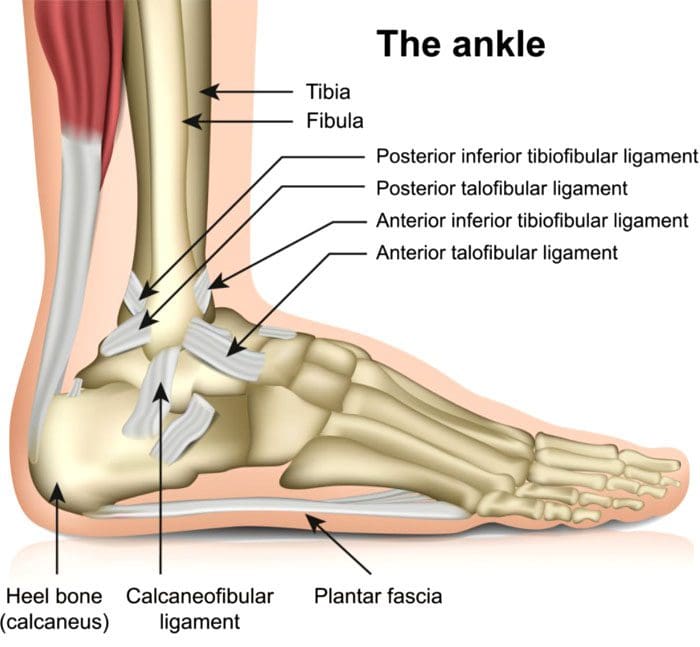
The ankles provide an essential role in total body function. They work as a complex system within the feet to carry the body’s weight and support movement. Any imbalance can cause ankle instability that can cause other areas of the body to go out of balance. This is most often caused by an injury, like an ankle sprain. If not properly addressed, it can lead to chronic instability and long-term health issues throughout the musculoskeletal system. Chiropractic treatment can rehabilitate ankle injuries, strengthen the muscles to prevent instability.
Ankle Instability
The entire body is an extensive, complicated, and interconnected system. Every part influences the next as individuals go about their everyday routines. Imbalances can occur in the spine, hips, legs, and knees, leading to limping, ankle pain, or injury. The most common causes of ankle instability include:
Poor foot or ankle mechanics
Knee or hip imbalances
Ankle sprains
Muscle strain
Tendonitis
Arthritis
Fractures
Chronic inflammation from illness or injury.
Finding The Imbalances
Understanding where the imbalances are and systematically addressing them is the recommended course of action. If an ankle injury is present, local symptoms and dysfunction need to be addressed. However, it is important to assess other body areas to ensure any other dysfunctions are also addressed. This prevents unnecessary re-injury, aggravation, and other problems.
Chiropractic
One or more treatment options will be utilized for proper recovery when dealing with ankle instability.
Joint adjustments of the lower body and spine to support nerve and blood circulation.
Chiropractic is recommended for determining any body imbalances that need to be addressed with high-quality research-based care and can expedite the recovery process.
Body Composition
Compression Garments and Socks
These were only used to treat individuals with circulatory problems but are now available to the public. Recovery is about giving the body a chance to relax, recuperate, and recover from swelling, with the objective to resume physical activity. Compression garments come in shirts, pants, sleeves, and socks. The garments and socks are used for quicker recovery time, improved circulation and oxygen delivery to the muscles, and to reduce lactic acid build-up.
References
Anguish, Ben, and Michelle A Sandrey. “Two 4-Week Balance-Training Programs for Chronic Ankle Instability.” Journal of athletic training vol. 53,7 (2018): 662-671. doi:10.4085/1062-6050-555-16
Czajka, Cory M et al. “Ankle sprains and instability.” The Medical clinics of North America vol. 98,2 (2014): 313-29. doi:10.1016/j.mcna.2013.11.003
Gribble, Phillip A. “Evaluating and Differentiating Ankle Instability.” Journal of athletic training vol. 54,6 (2019): 617-627. doi:10.4085/1062-6050-484-17
Lubbe, Danella et al. “Manipulative therapy and rehabilitation for recurrent ankle sprain with functional instability: a short-term, assessor-blind, parallel-group randomized trial.” Journal of manipulative and physiological therapeutics vol. 38,1 (2015): 22-34. doi:10.1016/j.jmpt.2014.10.001
IFM's Find A Practitioner tool is the largest referral network in Functional Medicine, created to help patients locate Functional Medicine practitioners anywhere in the world. IFM Certified Practitioners are listed first in the search results, given their extensive education in Functional Medicine