Understanding Chiropractic Spinal Adjustments: Techniques, Benefits, and Integrated Care
Chiropractic spinal adjustments, also known as spinal manipulations or reductions, offer a natural way to address back pain, improve mobility, and support overall health. These procedures focus on aligning the spine to reduce discomfort and enhance body function without surgery or heavy reliance on medications. Many people seek chiropractic care for issues like chronic back pain, neck strain, or injury recovery. This article explores what happens during an adjustment, its effects on the body, common techniques, and how team-based care can boost results.
What Is a Chiropractic Spinal Adjustment?
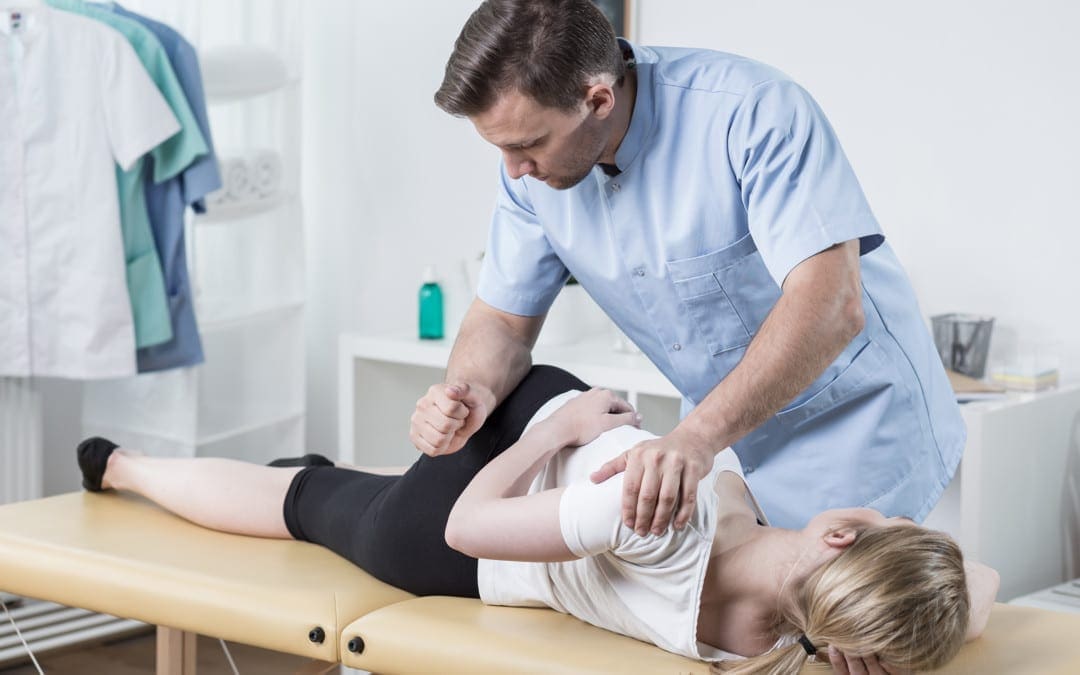
A chiropractic spinal adjustment involves a trained practitioner using their hands or a tool to apply a quick, controlled force to misaligned parts of the spine. This helps restore proper alignment and movement to the joints. The goal is to ease pain, improve joint function, and reduce pressure on the nerves and surrounding muscles (Cleveland Clinic, n.d.). It’s a non-surgical method that stretches the joint, often releasing gas bubbles like nitrogen, oxygen, and carbon dioxide, which create that familiar cracking sound—similar to when you crack your knuckles (Chiro One, n.d.).
Adjustments target areas of restriction, called subluxations, where vertebrae are out of place or not moving well. By correcting these, the procedure can improve nervous system function, leading to reduced irritation and better overall health (NCCIH, n.d.). Patients often feel an increase in range of motion right away, along with looser muscles.
Key Aspects of a Chiropractic Adjustment
Here are some main features of this treatment:
Procedure: The chiropractor first checks the spine for problem spots. Then, they use a sudden but precise push to fix the joint (Revive Chiropractic DSM, n.d.).
Sensations: You might hear a pop or crack, but it’s just gas escaping the joint fluid, not bones breaking (Cleveland Clinic, n.d.).
Physical Effects: The thrust stretches tight joints, relaxes tense muscles, and frees trapped gases, reducing built-up pressure (Physicians Group LLC, n.d.).
Benefits: It restores normal joint motion, supports nerve health, and reduces pain from nerve compression (Spine Health, n.d.).
What It Feels Like: Most find it painless, though some notice mild soreness afterward, like after a workout. Many report quick relief and easier movement (Complete Care, n.d.).
These elements make adjustments a popular choice for managing pain without invasive options.
Techniques Used in Chiropractic Adjustments
Chiropractors use different methods based on the patient’s needs. Common ones include:
Manual Adjustment: This is a high-velocity, low-amplitude (HVLA) thrust done by hand. It’s direct and aims to realign the spine quickly (Towson Chiro, n.d.).
Instrument-Assisted: Tools provide gentle taps to the spine, ideal for those who prefer less force (Visit Chiro First, n.d.).
Spinal Decompression: Using a specialized table, the spine is stretched to create space between the vertebrae, helping with issues such as herniated discs (Get Adjusted Columbia, n.d.).
These techniques can be tailored to conditions such as whiplash or back injuries sustained in accidents (Utah Therapeutic Massage, n.d.).
What Happens During a Chiropractic Spinal Adjustment
A typical session starts with an assessment. The chiropractor reviews your health history, performs a physical exam, and may use X-rays to identify subluxations (Dubuque Chiropractic, n.d.). Once identified, the adjustment begins.
The practitioner positions you on a table and applies a fast, targeted thrust to the specific joint. This might cause cavitation—the popping sound from gas release in the joint fluid (Starkwood Chiropractic, n.d.). Right after, muscles relax, nerve irritation drops, and joint motion improves (Personal Injury Doctor Group, 2024).
Sessions often include additional therapies such as soft-tissue work, trigger-point release, or stretches to support the adjustment (Boca Chiropractic SW, n.d.). The whole process is quick and focused on comfort.
Benefits of Chiropractic Spinal Adjustments
Regular adjustments offer several advantages:
Pain Relief: They reduce mechanical stress on the spine and ease nerve compression, helping with back, neck, and headache pain (Chiro One, n.d.).
Improved Function: By fixing alignment, they enhance posture and spinal health, preventing future issues (Boca Chiropractic SW, n.d.).
Nervous System Support: Adjustments promote improved nerve signaling, supporting overall bodily function (Physicians Group LLC, n.d.).
Faster Recovery: For injuries like car accidents, this approach speeds healing by addressing root causes (Dallas Accident and Injury Rehab, n.d.).
Studies show these benefits lead to higher patient satisfaction when combined with other care (My Chiro, n.d.).
Incorporating an Interdisciplinary Team for Better Results
Bringing in a team of experts—like advanced practice registered nurses (APRNs), family nurse practitioners (FNP-BC), certified functional medicine providers (CFMP and IFMCP), advanced translational nutrigenomics specialists (ATN), and certified chiropractic spinal trauma experts (CCST)—makes treatment more effective. This approach combines structural fixes with medical and nutritional support to provide holistic care (Health Coach Clinic, n.d.).
For complex cases, such as auto injuries or chronic pain, this team provides comprehensive plans. It focuses on root causes rather than just symptoms, leading to lasting improvements (LinkedIn, n.d.).
How Each Role Contributes
APRN/FNP-BC: These nurses offer medical checks, diagnose issues, and manage meds if needed. They educate patients and integrate chiropractic with traditional medicine to improve pain control (Nursing World, n.d.; Goodwin University, n.d.).
CFMP/IFMCP: They dig into metabolic and nutritional roots of problems, using functional medicine to heal the musculoskeletal system faster (LinkedIn, n.d.).
ATN: By studying genetics and nutrition, they create custom diets and supplements to cut inflammation and aid repair (Jimenez, n.d.).
CCST: Experts in spinal trauma handle tough injuries like whiplash or disc herniations with advanced techniques (Spine Stop, n.d.).
This teamwork enhances outcomes, especially in recovery from accidents or ongoing conditions (Dallas Accident and Injury Rehab, n.d.).
Clinical Observations from Dr. Alexander Jimenez, DC, APRN, FNP-BC
Dr. Alexander Jimenez, with his dual roles in chiropractic and nursing, observes that adjustments restore function in conditions such as sciatica and herniated discs by reducing nerve compression without surgery (Jimenez, n.d.). He notes that patients often experience rapid pain relief and improved mobility after sessions, especially when combined with functional nutrition.
In trauma cases, such as car accidents, Jimenez highlights how spinal decompression and shockwave therapy speed recovery by addressing inflammation and nerve damage (LinkedIn, n.d.). His integrated approach, blending chiropractic with nutrigenomics, helps address root causes such as gut issues that affect spinal health. Patients report reduced symptoms in fibromyalgia and neuropathies through personalized plans that include team input from therapists and nutritionists.
Jimenez emphasizes holistic care for all ages, using assessments to uncover environmental factors. His observations show that interdisciplinary teams lead to sustained health, with testimonials praising relief from chronic pain and improved vitality (Jimenez, n.d.).
Conclusion
Chiropractic spinal adjustments provide a safe, effective way to manage pain and improve spinal health. By understanding the process, techniques, and benefits, you can see why many choose this path. Adding an interdisciplinary team takes it further by offering comprehensive care for better long-term results. If you’re dealing with back issues or injuries, consider consulting a qualified chiropractor.
Chiropractic care and spinal manipulation offer a natural solution for back pain. Explore its effectiveness and benefits today.
Chiropractic Care for Back Pain Relief: A Holistic Approach to Healing
Back pain is a pervasive issue that affects millions globally, disrupting daily routines, work, and overall quality of life. From a nagging ache in the lower back to sharp, radiating pain down the leg, back pain can range from mildly bothersome to severely debilitating. Fortunately, nonsurgical treatments such as chiropractic care, spinal manipulation, targeted exercises, and integrative therapies like massage and acupuncture provide effective solutions for managing and alleviating back pain. This comprehensive guide explores the clinical rationale for chiropractic care and spinal manipulation, the factors contributing to back pain, and how a patient-centered, integrative approach can promote natural healing and prevent long-term complications. Drawing on scientific research and clinical expertise, this article offers actionable insights to help you understand and address back pain effectively.
The Global Impact of Back Pain
Back pain is one of the leading causes of disability worldwide, affecting approximately 11% of the global population (Gevers-Montoro et al., 2021). It ranks as the fourth leading cause of years lost to disability, posing significant personal, social, and economic challenges (Gevers-Montoro et al., 2021). For many individuals, back pain is not a one-time occurrence but a recurrent condition marked by periods of relief and flare-ups (Von Korff et al., 1996). Studies show that 66% to 75% of patients experience at least mild pain one month after seeking treatment, with about one in three reporting moderate to severe pain after a year (Von Korff et al., 1996).
Most back pain cases are classified as non-specific, meaning no single structural or pathological cause can be pinpointed (Gevers-Montoro et al., 2021). This complexity makes diagnosis and treatment challenging, as the pain often stems from a combination of musculoskeletal, lifestyle, and psychological factors. Chronic low back pain, defined as pain lasting beyond three months, can significantly impair mobility and daily activities, underscoring the need for effective, non-invasive interventions (Petrozzi et al., 2020).
Why Addressing Back Pain Matters
Back pain affects people across all age groups, though its prevalence increases with age, with fewer individuals over 65 experiencing it compared to younger adults (Borenstein, 2001). It can result from acute injuries, such as improper lifting, or chronic issues like poor posture or sedentary habits. Beyond physical discomfort, back pain can lead to emotional distress, reduced productivity, and increased healthcare costs. Understanding its causes and effective treatments is essential for managing symptoms and preventing long-term disability.
Factors Contributing to Back Pain
Back pain arises from a complex interplay of physical, lifestyle, psychological, and environmental factors. Below are the primary contributors to back pain, supported by research and clinical insights.
1. Musculoskeletal Factors
Muscle Imbalances and Weakness: Weak or imbalanced core and paraspinal muscles can compromise spinal stability, increasing the risk of pain and injury (Alrwaily et al., 2019). For instance, weak core muscles may fail to support the spine during movement, placing excessive stress on vertebrae and discs.
Herniated Discs: A herniated disc occurs when the soft inner material of an intervertebral disc protrudes, potentially compressing nerves and causing localized or radiating pain (sciatica) (Borenstein, 2001).
Spinal Misalignments: Misalignments or subluxations in the spine can disrupt normal biomechanics, leading to pain and restricted movement (Personal Injury Doctor Group, 2017).
Degenerative Conditions: Conditions such as spinal stenosis or osteoarthritis can narrow the spinal canal or degrade joint cartilage, resulting in pain and stiffness (Borenstein, 2001).
2. Lifestyle Factors
Sedentary behavior, particularly prolonged sitting with poor posture, weakens back muscles and increases spinal pressure, contributing to pain (Lis et al., 2015).
Physical Inactivity: A lack of regular exercise reduces muscle strength and flexibility, thereby heightening the risk of back pain (Alrwaily et al., 2019).
Obesity: Excess weight places additional strain on the spine, particularly the lower back, exacerbating pain (Borenstein, 2001).
Improper Lifting Techniques: Lifting heavy objects incorrectly can strain back muscles or cause acute injuries like sprains or disc herniations (Von Korff et al., 1996).
3. Psychological and Social Factors
Stress and Anxiety: Psychological stress can cause muscle tension, particularly in the back and neck, worsening pain (Pinheiro et al., 2016).
Fear-Avoidance Beliefs: Fear of pain or reinjury can lead to reduced activity, which may exacerbate symptoms and contribute to chronicity (Alrwaily et al., 2019).
Work-Related Factors: Jobs involving repetitive motions, heavy lifting, or prolonged sitting increase the risk of back pain. Lower work ability is also a predictor of worse outcomes in chronic low back pain (Petrozzi et al., 2020).
4. Medical and Genetic Factors
Previous Injuries: A history of back injuries can predispose individuals to recurrent pain or chronic conditions (Von Korff et al., 1996).
Genetic Predispositions: Genetic variations related to disc degeneration may increase susceptibility to back pain (Borenstein, 2001).
Comorbid Conditions: Conditions like depression or fibromyalgia can amplify pain perception and complicate recovery (Pinheiro et al., 2016).
5. Environmental and Occupational Factors
Poor Ergonomics: Inadequate workstation setups, such as non-ergonomic chairs or desks, can contribute to back strain (Lis et al., 2015).
High Physical Demands: Occupations involving heavy lifting, bending, or twisting elevate the risk of back pain and injury (Petrozzi et al., 2020).
Understanding these factors is crucial for developing personalized treatment plans that address the underlying causes of back pain. Chiropractic care, combined with spinal manipulation and integrative therapies, targets many of these contributors to promote healing and prevent recurrence.
Lower Back Pain Relief- Video
The Clinical Rationale for Chiropractic Care and Spinal Manipulation
Chiropractic care focuses on diagnosing and treating musculoskeletal disorders, particularly those affecting the spine, through manual techniques like spinal manipulation. Spinal manipulative therapy (SMT) involves applying controlled force to specific joints to restore mobility, reduce pain, and improve function. Below, we explore the clinical rationale for why chiropractic care and spinal manipulation are effective for back pain, supported by scientific evidence and clinical expertise.
How Spinal Manipulation Works
Spinal manipulation, often referred to as a chiropractic adjustment, involves high-velocity, low-amplitude thrusts or gentler mobilization techniques to realign the spine, reduce joint restrictions, and alleviate pain. According to the Personal Injury Doctor Group (2017), spinal manipulation restores proper alignment and motion to the spine, which can:
Reduce Nerve Irritation: Misaligned vertebrae or subluxations can compress or irritate spinal nerves, causing pain or radiating symptoms like sciatica. Manipulation relieves this pressure, reducing pain signals (Personal Injury Doctor Group, 2017).
Improve Joint Mobility: Restricted spinal joints can limit movement and cause stiffness. SMT restores range of motion, enhancing flexibility and function (Gevers-Montoro et al., 2021).
Decrease Muscle Tension: Manipulation can relax tight muscles and reduce spasms, which are common in back pain patients (Personal Injury Doctor Group, 2017).
Enhance Blood Flow: Improved circulation to the affected area supports tissue healing and reduces inflammation (Gevers-Montoro et al., 2021).
Scientific Evidence Supporting Chiropractic Care
Research supports the effectiveness of chiropractic care and spinal manipulation for managing back pain, particularly non-specific and chronic low back pain:
Effectiveness Compared to Other Treatments: A 2021 review found that spinal manipulative therapy is as effective as other recommended therapies, such as physical therapy or standard medical care, for managing non-specific and chronic primary spine pain (Gevers-Montoro et al., 2021). This positions chiropractic care as a viable first-line treatment for low back pain.
Clinical Practice Guidelines: Most clinical guidelines recommend SMT in combination with exercise for neck pain and as a frontline intervention for low back pain (Gevers-Montoro et al., 2021), reflecting its acceptance in evidence-based practice.
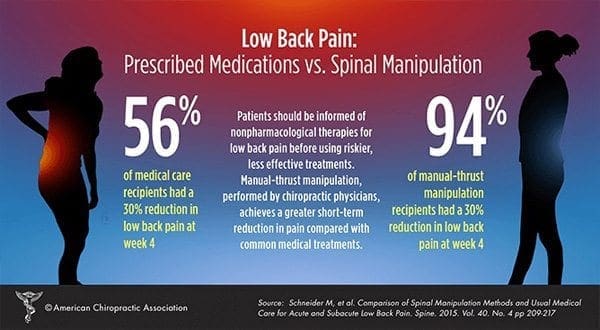
Short-Term Benefits: Patients with acute low back pain often experience significant improvement within the first four weeks of treatment, with chiropractic care contributing to reduced pain and improved function (Von Korff et al., 1996).
Prognostic Factors: Patients with lower work ability or recent consultations with medical specialists may have worse outcomes, indicating the need for tailored chiropractic interventions to address these risk factors (Petrozzi et al., 2020).
Clinical Insights for Holistic Care
Chiropractic care goes beyond symptom relief to address the underlying causes of back pain. A holistic approach includes:
Personalized Treatment Plans: Each patient’s condition is unique, requiring individualized assessments to identify specific musculoskeletal imbalances or lifestyle factors contributing to pain.
Integrative Care: Combining spinal manipulation with targeted exercises, nutritional guidance, and stress management enhances outcomes and promotes long-term wellness.
Patient Education: Clear communication empowers patients to understand their condition and actively participate in their recovery, reducing fear-avoidant behaviors and promoting adherence to treatment.
This approach aligns with research indicating that multimodal treatments, including SMT, exercise, and education, are effective for managing chronic low back pain (Petrozzi et al., 2020; Gevers-Montoro et al., 2021).
Mechanisms of Pain Relief
The clinical effectiveness of spinal manipulation can be attributed to several physiological mechanisms:
Neurophysiological Effects: SMT may modulate pain perception by influencing the central nervous system, reducing pain sensitivity, and altering pain processing pathways (Gevers-Montoro et al., 2021).
Biomechanical Corrections: By restoring proper spinal alignment, SMT reduces stress on surrounding muscles, ligaments, and discs, alleviating pain and improving function (Personal Injury Doctor Group, 2017).
Inflammation Reduction: Manipulation may decrease inflammatory markers in the affected area, promoting tissue healing (Gevers-Montoro et al., 2021).
Muscle Activation: SMT can enhance neuromuscular function, improving muscle coordination and strength, which supports spinal stability (Alrwaily et al., 2019).
These mechanisms collectively address the musculoskeletal and neurological components of back pain, making chiropractic care a comprehensive treatment option.
Nonsurgical Treatments for Back Pain
In addition to chiropractic care and spinal manipulation, other nonsurgical treatments can complement back pain management, promoting the body’s natural healing processes and preventing long-term issues.
1. Targeted Exercises
Stabilization Exercises: Exercises targeting the core and paraspinal muscles, such as abdominal, side support, and quadruped exercises, strengthen the spine’s supporting structures, reducing pain and preventing recurrence (Alrwaily et al., 2019).
Aerobic Exercise: Regular aerobic activities like walking or swimming are as effective as more complex exercise programs for chronic low back pain, improving fitness and reducing pain (Borenstein, 2001).
Stretching and Flexibility: Stretching exercises improve flexibility, reduce muscle tension, and enhance range of motion, complementing chiropractic adjustments.
2. Massage Therapy
Massage therapy, often integrated into chiropractic care, reduces muscle tension, improves circulation, and promotes relaxation. It is particularly effective when combined with SMT as part of a multimodal approach (Petrozzi et al., 2020).
Clinical evidence suggests that massage can alleviate pain and improve function in patients with chronic low back pain, especially when paired with other therapies.
3. Acupuncture
Acupuncture involves inserting thin needles into specific points to stimulate the body’s natural healing processes and reduce pain. It is thought to modulate pain signals and promote endorphin release (Borenstein, 2001).
While evidence for acupuncture’s efficacy is mixed, it can be a valuable complementary therapy for some patients, particularly those with chronic pain (Borenstein, 2001).
4. Integrative Medicine
Integrative medicine combines conventional and complementary approaches to address the whole person. Nutritional guidance, such as anti-inflammatory diets rich in omega-3 fatty acids and antioxidants, can reduce inflammation, while mindfulness practices can mitigate stress-related muscle tension (Pinheiro et al., 2016).
This holistic approach supports recovery by addressing lifestyle factors that contribute to back pain.
5. Patient Education and Communication
Educating patients about their condition, treatment options, and self-care strategies is critical for long-term success. Clear communication helps patients adhere to exercise regimens and lifestyle changes.
Addressing fear-avoidance beliefs through education can reduce the risk of chronicity and improve outcomes (Alrwaily et al., 2019).
Specialized Care for Motor Vehicle Accident (MVA) Injuries
Motor vehicle accidents (MVAs) can cause a range of musculoskeletal injuries, from whiplash-associated disorders (WAD) to spinal misalignments and soft tissue damage. Chiropractic care plays a crucial role in MVA recovery by:
Addressing Whiplash: Whiplash, a common MVA injury, involves rapid neck movement that can strain muscles and ligaments. Chiropractic adjustments and soft tissue therapies help restore alignment and reduce pain.
Rehabilitating Spinal Injuries: SMT corrects misalignments caused by the force of a collision, while targeted exercises strengthen supporting muscles.
Integrating Massage Therapy: Massage therapy complements chiropractic care by reducing muscle tension and promoting relaxation in MVA patients.
A comprehensive rehabilitation plan, including durable medical equipment like braces or supports, can enhance recovery and prevent long-term complications.
Nutrition for Recovery
Nutrition plays a crucial role in the healing of musculoskeletal injuries. A diet focused on reducing inflammation and supporting tissue repair can enhance chiropractic outcomes. Key recommendations include:
Anti-Inflammatory Foods: Foods rich in omega-3 fatty acids (such as salmon and walnuts), antioxidants (like berries and leafy greens), and anti-inflammatory spices (like turmeric) can help reduce inflammation and support healing.
Adequate Protein: Protein is essential for muscle repair and recovery, particularly after injuries like those sustained in MVAs.
Hydration: Proper hydration supports tissue health and reduces muscle stiffness.
Preventing Long-Term Problems
Preventing chronic back pain and long-term disability requires a proactive, multifaceted approach. Chiropractic care and nonsurgical treatments contribute by:
Promoting Natural Healing: Techniques like SMT and targeted exercises enhance the body’s ability to heal without invasive procedures or medications (Gevers-Montoro et al., 2021).
Addressing Root Causes: Correcting musculoskeletal imbalances, improving posture, and addressing lifestyle factors reduce the likelihood of recurrence (Personal Injury Doctor Group, 2017).
Empowering Patients: Education and clear communication enable patients to take control of their health, reducing their reliance on passive treatments and promoting self-management.
Tailoring Treatment to Risk Factors: Identifying patients with risk factors like low work ability or recent specialist consultations allows for customized interventions to improve prognosis (Petrozzi et al., 2020).
Challenges and Future Directions
While chiropractic care and spinal manipulation are effective for many patients, challenges remain:
Limited Evidence on Efficacy: The efficacy of SMT compared to placebo or no treatment is uncertain due to low-quality evidence, highlighting the need for further research (Gevers-Montoro et al., 2021).
Individual Variability: Not all patients respond equally to chiropractic care, and factors like psychological distress or comorbidities can influence outcomes (Pinheiro et al., 2016).
Access to Care: Ensuring access to qualified chiropractors and integrative care options is essential for widespread adoption of these treatments.
Future research should focus on identifying predictors of treatment success, optimizing multimodal approaches, and clarifying the specific effects of SMT to validate its role in back pain management (Gevers-Montoro et al., 2021).
Conclusion
Back pain is a complex condition with physical, lifestyle, and psychological contributors; however, nonsurgical treatments such as chiropractic care, spinal manipulation, targeted exercises, and integrative therapies offer effective solutions. Chiropractic care addresses the musculoskeletal and neurological components of back pain through spinal manipulation, which reduces nerve irritation, improves joint mobility, and promotes natural healing. Complementary approaches, such as massage, acupuncture, and nutrition, enhance outcomes, while patient education fosters long-term wellness. By addressing the root causes of back pain and tailoring treatments to individual needs, chiropractic care provides a holistic, patient-centered path to recovery.
References
Alrwaily, M., Timko, M., Schneider, M., Stevans, J., Bise, C., Hariharan, K., & Delitto, A. (2019). Stabilization exercises combined with neuromuscular electrical stimulation for patients with chronic low back pain: A randomized controlled trial. Brazilian Journal of Physical Therapy, 23(6), 506–515. https://doi.org/10.1016/j.bjpt.2018.10.003
Borenstein, D. G. (2001). Epidemiology, etiology, diagnostic evaluation, and treatment of low back pain. Current Opinion in Rheumatology, 13(2), 128–134. https://doi.org/10.1097/00002281-200103000-00006
Gevers-Montoro, C., Provencher, B., Descarreaux, M., Ortega de Mues, A., & Piché, M. (2021). Clinical effectiveness and efficacy of chiropractic spinal manipulation for spine pain. Frontiers in Pain Research, 2, 765921. https://doi.org/10.3389/fpain.2021.765921
Lis, A. M., Black, K. M., Korn, H., & Nordin, M. (2015). Association between sitting and occupational LBP. European Spine Journal, 26(2), 49–54. https://pubmed.ncbi.nlm.nih.gov/16736200/
Petrozzi, M. J., Rubinstein, S. M., Ferreira, P. H., Leaver, A., & Mackey, M. G. (2020). Predictors of low back disability in chiropractic and physical therapy settings. Chiropractic & Manual Therapies, 28(1), 41. https://doi.org/10.1186/s12998-020-00328-3
Pinheiro, M. B., Ferreira, M. L., Refshauge, K., Maher, C. G., Ordoñana, J. R., Andrade, T. B., … Ferreira, P. H. (2016). Symptoms of depression as a prognostic factor for low back pain: A systematic review. The Spine Journal, 16(1), 105–116. https://pubmed.ncbi.nlm.nih.gov/26523965/
Exploring Integrative Chiropractic Care: Benefits, Techniques, and More
Introduction
Integrative chiropractic care is gaining popularity as people seek natural ways to address health issues beyond back and neck pain. This approach combines traditional chiropractic adjustments with other therapies to promote overall wellness. Many wonder about its effectiveness, safety, costs, and how to choose the right provider, especially in a city like El Paso, Texas. This article answers common questions about integrative chiropractic care, with insights from Dr. Alexander Jimenez, a chiropractor and nurse practitioner in El Paso, whose clinical expertise highlights how this care can treat various conditions, injuries, and promote long-term health.
What Is Integrative Chiropractic Care?
Integrative chiropractic care goes beyond traditional spinal adjustments. It focuses on the whole person, combining chiropractic techniques with therapies like massage, acupuncture, and exercise to improve health. According to Integrative Chiropractic Center, this approach emphasizes natural healing and healthy living, addressing the root causes of health issues rather than just symptoms (Integrative Chiropractic Center, n.d.). Dr. Alexander Jimenez, DC, APRN, FNP-BC, a leading practitioner in El Paso, uses this holistic method to treat injuries and chronic conditions, tailoring care to each patient’s needs (Jimenez, n.d.).
Is Integrative Chiropractic Effective for More Than Just Back and Neck Pain?
Yes, integrative chiropractic care can help with more than just back and neck pain. It’s effective for conditions like migraines, dizziness, allergies, and chronic pain. Research shows that up to 75% of migraine sufferers experience neck stiffness or pain, which chiropractic care can address through spinal adjustments and soft tissue therapies (Healthgrades, 2025). A 2019 study found that spinal manipulation reduced migraine frequency and intensity, making it a promising option for headache relief (Healthgrades, 2025).
For dizziness, chiropractic care can improve balance by addressing spinal misalignments that affect the nervous system. While evidence for allergies is less clear, some patients report relief due to improved immune function from reduced stress on the body (Mile High Spine, n.d.). Dr. Jimenez’s clinic in El Paso has successfully treated patients with chronic pain from work, sports, personal, or motor vehicle accident (MVA) injuries, using a combination of chiropractic adjustments and targeted therapies to address underlying issues (Jimenez, n.d.).
What Techniques Are Used in Integrative Chiropractic Care?
Integrative chiropractors use a variety of techniques to promote healing. Common methods include:
Spinal Manipulation: Adjusting the spine to improve alignment and nerve function.
Soft Tissue Therapies: Techniques like myofascial release to relax tight muscles.
Massage Therapy: Relieves muscle tension and improves circulation.
Acupuncture: Stimulates specific points to reduce pain and promote healing.
Targeted Exercise: Strengthens muscles and improves mobility.
Lifestyle Advice: Guidance on posture, nutrition, and stress management.
Dr. Jimenez incorporates these techniques, tailoring them to each patient. For example, he uses the Diversified Technique for spinal adjustments and combines it with therapies like massage to treat injuries from sports or MVAs (Jimenez, n.d.). These methods work together to address both symptoms and their causes, promoting natural healing (Pivotal Chiropractic, n.d.).
Can Integrative Chiropractic Help with Chronic or Severe Pain?
Integrative chiropractic care is effective for chronic and severe pain, especially when caused by musculoskeletal issues. A 2019 case study of a 23-year-old woman with chronic migraines and neck pain showed significant improvement after chiropractic care using Diversified and Thompson Techniques (Vertebral Subluxation Research, 2019). Dr. Jimenez’s approach involves dual-scope diagnosis, combining his expertise as a chiropractor and nurse practitioner to assess injuries thoroughly. He uses sophisticated imaging, like X-rays or MRIs, to identify the root causes of pain, ensuring targeted treatment (Jimenez, n.d.).
For chronic pain from work or sports injuries, integrative care combines adjustments with exercise and massage to reduce inflammation and restore function. This approach helps prevent long-term consequences by addressing misalignments and promoting healing (DE Integrative Healthcare, n.d.).
Is Integrative Chiropractic Safe for Specific Populations?
Integrative chiropractic care is generally safe for most people, including children, pregnant women, and older adults, when performed by a licensed chiropractor. More research is necessary, but a case study suggests that chiropractic care is a safe and effective treatment option for migraines during pregnancy (Medical News Today, n.d.). For older adults, chiropractic adjustments can improve balance and reduce dizziness by addressing spinal stiffness (ScienceDirect, n.d.).
Dr. Jimenez ensures safety by conducting thorough assessments, including diagnostic imaging, to customize treatments. Patients with conditions like osteoporosis or recent surgeries may need gentler techniques, and Dr. Jimenez’s dual training as a nurse practitioner allows him to evaluate these risks carefully (Integrative Services, n.d.).
Can Integrative Chiropractic Help with Conditions Like Migraines, Dizziness, or Allergies?
As mentioned, integrative chiropractic care can help with migraines by reducing neck tension and improving spinal alignment. A 2019 meta-analysis found that spinal manipulation decreased migraine days and pain intensity (Healthgrades, 2025). Dizziness, often linked to neck issues or poor balance, can improve with adjustments that enhance nervous system function (ScienceDirect, n.d.).
For allergies, the evidence is less conclusive; however, some patients report benefits from reduced stress and an improved immune response. Dr. Jimenez’s clinic employs a comprehensive approach, combining adjustments, acupuncture, and lifestyle modifications to address these conditions, with a focus on overall well-being (Jimenez, n.d.).
How Much Does Integrative Chiropractic Care Cost?
Costs for integrative chiropractic care vary depending on location, treatment type, and session frequency. In El Paso, a single session may range from $50 to $150, with initial visits costing more due to assessments and imaging (DE Integrative Healthcare, n.d.). Packages or memberships can reduce costs for ongoing care. Dr. Jimenez’s clinic offers transparent pricing, and patients can inquire about costs during their first visit (Jimenez, n.d.).
Does Integrative Chiropractic Accept Insurance?
Many chiropractic clinics, including Dr. Jimenez’s, accept insurance; however, coverage varies depending on the specific plan. Some insurance providers cover chiropractic care for specific conditions like back pain or injuries, but coverage for integrative therapies like acupuncture may be limited. Patients should verify with their insurance provider and the clinic to confirm coverage. Dr. Jimenez’s office assists with insurance claims and provides options for those without coverage (Integrative Services, n.d.).
What Should Be Expected on the First Visit?
During your initial visit to an integrative chiropractor, you can anticipate a thorough evaluation. This includes:
Health History Review: Discussing Past Injuries, Conditions, and Symptoms.
Physical Exam: Assessing posture, spine, and range of motion.
Diagnostic Assessments: X-rays or other imaging to identify issues.
Treatment Plan Discussion: Outlining therapies and goals.
Dr. Jimenez uses sophisticated imaging and his dual expertise to create personalized plans. The first visit may include an adjustment or other therapies, depending on the assessment (Jimenez, n.d.). Expect the visit to last 30–60 minutes (Pivotal Chiropractic, n.d.).
Is Treatment Ongoing?
Integrative chiropractic care is often ongoing, especially for chronic conditions or injury recovery. Initial treatment may involve multiple sessions per week, transitioning to maintenance care (e.g., monthly visits) as symptoms improve. Dr. Jimenez designs long-term plans to prevent re-injury and promote health, incorporating exercise and lifestyle changes (DE Integrative Healthcare, n.d.).
How Do I Choose the Right Integrative Chiropractor in El Paso?
Choosing the right chiropractor in El Paso involves several steps:
Check Credentials: Ensure the chiropractor is licensed and has relevant training. Dr. Jimenez, for example, is a Doctor of Chiropractic and a Family Nurse Practitioner (Jimenez, n.d.).
Ask for Referrals: Consult your primary care doctor or friends for recommendations (Healthgrades, n.d.).
Research Experience: Look for expertise in your condition, like migraines or sports injuries.
Read Reviews: Check platforms like Healthgrades for patient feedback.
Ask About Techniques: Confirm the chiropractor uses integrative methods like acupuncture or massage.
Verify Insurance: Ensure the clinic accepts your insurance or offers affordable options.
Schedule a Consultation: Meet the chiropractor to discuss your needs and comfort level.
Evaluate Communication: Choose someone who listens and explains clearly.
Dr. Jimenez stands out in El Paso due to his dual credentials and focus on integrative care, making him a strong choice for complex cases (LinkedIn, n.d.).
Dr. Alexander Jimenez’s Expertise and Approach
Dr. Alexander Jimenez, DC, APRN, FNP-BC, brings a unique perspective to integrative chiropractic care in El Paso. His dual training as a chiropractor and nurse practitioner enables him to bridge the gap between medical and chiropractic approaches. His clinic specializes in treating injuries from work, sports, personal incidents, and MVAs, using a comprehensive process:
Clinical Correlation: Dr. Jimenez connects patient symptoms to specific injuries, ensuring accurate diagnosis.
Dual-Scope Diagnosis: Combining chiropractic and medical assessments for a complete picture.
Treatment Procedures: Using adjustments, acupuncture, massage, and exercise to address injuries.
Diagnostic Assessments: Employing sophisticated imaging like X-rays and MRIs to pinpoint issues.
Legal Documentation: Providing detailed reports for MVA or work injury cases, supporting insurance claims, or legal proceedings.
His clinic emphasizes natural healing, addressing injury causes to prevent chronic issues. For example, a sports injury might involve spinal adjustments to restore alignment, massage to reduce muscle tension, and exercises to strengthen the area, ensuring long-term recovery (Jimenez, n.d.).
How Integrative Chiropractic Assists with Injuries
Integrative chiropractic care is highly effective for work, sports, personal, and MVA injuries. Dr. Jimenez’s clinic uses a multi-faceted approach:
Chiropractic Adjustments: Correct spinal misalignments to reduce pain and improve function.
Targeted Exercise: Strengthens muscles to support recovery and prevent re-injury.
Massage Therapy: Reduces inflammation and promotes relaxation.
Acupuncture: Alleviates pain and enhances healing.
Integrative Medicine: Incorporates nutrition and lifestyle changes to support overall health.
This approach not only treats injuries but also prevents long-term consequences like chronic pain or reduced mobility. For MVA cases, Dr. Jimenez provides thorough documentation for insurance or legal needs, ensuring patients receive proper support (Jimenez, n.d.).
Conclusion
Integrative chiropractic care offers a holistic approach to health, addressing conditions like migraines, dizziness, allergies, and chronic pain beyond traditional back and neck issues. Techniques like spinal manipulation, massage, acupuncture, and exercise promote natural healing. Dr. Alexander Jimenez’s clinic in El Paso exemplifies this approach, using dual-scope diagnosis and sophisticated imaging to treat injuries effectively. By understanding costs, insurance options, and what to expect, patients can make informed decisions about their healthcare. Choosing the right chiropractor involves researching credentials, experience, and patient reviews, with Dr. Jimenez being a trusted option in El Paso.
Low back pain is a common issue worldwide that can cause individuals to miss work and require emergency care. This type of pain occurs in the lumbar region of the spine, which supports the upper body and is surrounded by muscles, ligaments, and tissues. If left untreated, it can cause disability. Fortunately, treatments available can reduce pain and alleviate other symptoms. This article will explain how low back pain occurs, how it relates to disorders, and how spinal manipulation and decompression treatment can help. We utilize and incorporate valuable information about our patients to certified medical providers using non-surgical therapies like spinal decompression to alleviate pain-like symptoms associated with the low back and reduce its correlating musculoskeletal disorders. We encourage referring patients to associated medical providers based on their findings while supporting that education is a remarkable tool to ask our providers essential questions at the patient’s request. Dr. Jimenez, D.C., comprises this information as an educational service. Disclaimer
How Does Low Back Pain Occur?
Do you frequently experience discomfort or pain in your lower back? Does it bother you when you bend down or lift heavy objects? Or are you dealing with radiating pain similar to sciatic nerve pain? These are all common symptoms associated with low back pain. Research studies have revealed that low back pain can stem from various potential sources, including anatomical, neurological, and psychological factors, making identifying the pain’s root cause complex. Additionally, research studies have revealed that low back pain can vary among many individuals and are complex, depending on how severe the symptoms affect the body. Low back pain can occur when the spinal discs in the lumbar regions of the spine become compressed due to unwanted pressure or axial overload or when the surrounding muscles are overused or underused.
Disorders Correlating With Low Back Pain
Low back pain is a complex musculoskeletal disorder caused by various factors. Research studies have revealed two types of low back pain: specific and non-specific. Non-specific low back pain is usually caused by overuse of muscles or wear and tear on the spinal vertebrae and joints. On the other hand, specific low back pain is caused by a relationship between environmental factors and the pain itself, such as compressed neural structures, joint inflammation, or spinal instability. Studies also suggest low back pain can affect an individual’s health and daily activities. Low back pain can also cause referred pain, meaning it can be felt in a different area of the body, affecting vital organs or muscles. For example, sciatic nerve pain is often associated with low back pain.
The Path To Healing- Video
Have you been experiencing aches and pain in your lumbar spine? Does it hurt when you twist or bend over or lift something heavy? These pains are often related to low back pain, which can also be connected to other chronic conditions that affect the body. Low back pain is a common and complex issue affecting the body’s upper and lower parts. The lumbar region of the body is responsible for stabilizing the upper body’s weight, and the surrounding muscles, ligaments, and tissues protect the spinal cord. When the body experiences unwanted pressure or pathological factors, it can lead to low back pain and its associated symptoms. Unfortunately, back pain can significantly impact daily life, causing people to miss work or be unable to participate in regular activities. However, treatments available can reduce the effects of low back pain and its associated symptoms. The video above demonstrates how chiropractic care and spinal decompression can help alleviate low back pain, restore stability and mobility to the lumbar region, and improve a person’s quality of life.
How Spinal Manipulation & Decompression Treatment Relieves Low Back Pain
Many treatments available can help individuals struggling with low back pain. According to “The Ultimate Spinal Decompression” by Dr. Eric Kaplan, D.C., FIAMA, and Dr. Perry Bard, D.C., chiropractic care is one such treatment that can be effective. This type of care uses spinal manipulation to alleviate the effects of low back pain. Chiropractic care can offer relief by gently re-aligning the spine and reducing subluxation. Studies have shown that this treatment, known as decompression treatment, can reduce stress on posterior muscles, improving pain intensity and functionality. Additionally, decompression treatment can further help by stretching the lumbar spine and rehydrating discs. Both of these treatments are non-invasive, gentle, and non-surgical and can increase mobility and stability in the lumbar spine while reducing pain.
Conclusion
Low back pain can significantly affect a person’s ability to move around and maintain balance. It’s a common issue that can lead to disability and extended periods away from work, depending on its intensity. The causes can arise from various factors, including environmental factors and unwanted pressure. However, non-surgical, gentle, and non-invasive treatments can help alleviate the symptoms of low back pain. These treatments can realign the lumbar spine and stretch the affected muscles, relieving pain. By utilizing these treatments, individuals can become more mindful of their back health and prevent future injuries.
A primary headache is characterized as head pain caused by a headache disorder itself. The three types of primary headache disorders include, migraine, tension-type headaches and cluster headaches. Head pain is a painful and debilitating symptom that can also occur as a result of another underlying cause. A secondary headache is characterized as head pain which occurs due to an injury and/or condition. A spinal misalignment, or subluxation, along the cervical spine, or neck, is commonly associated with a variety of headache symptoms.
Cervicogenic headache is a secondary headache caused by an injury and/or condition affecting the surrounding structures of the cervical spine, or neck. Many healthcare professionals will recommend the use of drugs/medications to help improve headache, however, several alternative treatment options can be safely and effectively used to treat secondary headaches. The purpose of the following article is to demonstrate the impact of upper cervical and upper thoracic manipulation versus mobilization and exercise in patients with cervicogenic headache.
Upper Cervical and Upper Thoracic Manipulation Versus Mobilization and Exercise in Patients with Cervicogenic Headache: a Multi-Center Randomized Clinical Trial
Abstract
Background: Although commonly utilized interventions, no studies have directly compared the effectiveness of cervical and thoracic manipulation to mobilization and exercise in individuals with cervicogenic headache (CH). The purpose of this study was to compare the effects of manipulation to mobilization and exercise in individuals with CH.
Methods: One hundred and ten participants (n?=?110) with CH were randomized to receive both cervical and thoracic manipulation (n?=?58) or mobilization and exercise (n?=?52). The primary outcome was headache intensity as measured by the Numeric Pain Rating Scale (NPRS). Secondary outcomes included headache frequency, headache duration, disability as measured by the Neck Disability Index (NDI), medication intake, and the Global Rating of Change (GRC). The treatment period was 4 weeks with follow-up assessment at 1 week, 4 weeks, and 3 months after initial treatment session. The primary aim was examined with a 2-way mixed-model analysis of variance (ANOVA), with treatment group (manipulation versus mobilization and exercise) as the between subjects variable and time (baseline, 1 week, 4 weeks and 3 months) as the within subjects variable.
Results: The 2X4 ANOVA demonstrated that individuals with CH who received both cervical and thoracic manipulation experienced significantly greater reductions in headache intensity (p?<?0.001) and disability (p?<?0.001) than those who received mobilization and exercise at a 3-month follow-up. Individuals in the upper cervical and upper thoracic manipulation group also experienced less frequent headaches and shorter duration of headaches at each follow-up period (p?<?0.001 for all). Additionally, patient perceived improvement was significantly greater at 1 and 4-week follow-up periods in favor of the manipulation group (p?<?0.001).
Conclusions: Six to eight sessions of upper cervical and upper thoracic manipulation were shown to be more effective than mobilization and exercise in patients with CH, and the effects were maintained at 3 months.
Trial registration: NCT01580280 April 16, 2012.
Keywords:Cervicogenic headache, Spinal manipulation, Mobilization, High velocity low amplitude thrust
Dr. Alex Jimenez’s Insight
In comparison to primary headache, such as migraine, cluster headache and tension-type headache, secondary headache is characterized as head pain caused by another illness or physical issue. In the case of cervicogenic headache, the cause of head pain is due to an injury and/or condition along the cervical spine and its surrounding structures, including the vertebrae, intervertebral discs and soft tissues. In addition, many healthcare professionals believe that primary headache can be associated with health issues in the cervical spine, or neck. Cervicogenic headache treatment should target the source of the symptoms and it can vary depending on the patient. Chiropractic care utilizes spinal adjustments and manual manipulations to carefully restore the original structure and function of the spine, helping to reduce stress and pressure in order to improve cervicogenic headache symptoms, among other type of headache. Chiropractic care can also be utilized to help treat primary headaches, such as migraines.
Background
The International Classification of Headache Disorders defines cervicogenic headache (CH) as, �headache caused by a disorder of the cervical spine and its component bony, disc, and/or soft tissue elements, usually but not invariably accompanied by neck pain.� [1] (p.760) The prevalence of CH has been reported to be between 0.4 and 20 % of the headache population [2, 3], and as high as 53 % in patients with headache after whiplash injury [4]. The dominant features of CH usually include: unilaterality of head pain without side-shift, elicitation of pain with external pressure over the ipsilateral upper neck, limited cervical range of motion, and the triggering of attacks by various awkward or sustained neck movements [4, 5].
Individuals with CH are frequently treated with spinal manipulative therapy including both mobilization and manipulation [6]. Spinal mobilization consists of slow, rhythmical, oscillating techniques whereas manipulation consists of high-velocity low-amplitude thrust techniques. [7] In a recent systematic review, Bronfort and colleagues reported that spinal manipulative therapy (both mobilization and manipulation) were effective in the management of adults with CH [8]. However, they did not report if manipulation resulted in superior outcomes compared to mobilization for the management of this population.
Several studies have investigated the effect of spinal manipulation in the management of CH [9�13]. Haas et al. [10] investigated the effectiveness of cervical manipulation in subjects with CH. Jull et al. [11] demonstrated treatment efficacy for manipulative therapy and/or exercise in the management of CH. However the manipulative therapy group included manipulation and mobilization therefore it cannot be determined if the beneficial effect was a result of the manipulation, mobilization or the combination.
A few studies have examined the benefits of manipulation versus mobilization for the management of mechanical neck pain with or without exercise [14�16]. However, no studies have directly compared the effects of manipulation versus mobilization and exercise in patients with CH. Considering the purported risks of manipulation [17], it is essential to determine if manipulation results in improved outcomes compared to mobilization for the management of patients with CH. Therefore, the purpose of this randomized clinical trial was to compare the effects of manipulation versus mobilization and exercise in patients with CH. We hypothesized that patients receiving manipulation over a 4-week treatment period would experience greater reductions in headache intensity, headache frequency, headache duration, disability, and medication intake at a 3-month follow-up than patients receiving cervical and thoracic mobilization combined with exercise.
Methods
Participants
In this multi-center randomized clinical trial, consecutive patients with CH presenting to 1 of 8 outpatient physical therapy clinics from a variety of geographical locations (Arizona, Georgia, New York, Ohio, Pennsylvania, South Carolina) were recruited over a 29-month period (from April 2012 to August 2014). For patients to be eligible, they had to present with a diagnosis of CH according to the revised diagnostic criteria [5] developed by the Cervicogenic Headache International Study Group (CHISG) [5, 18, 19]. CH was classified according to the �major criteria� (not including confirmatory evidence by diagnostic anesthetic blockades) and �head pain characteristics� of the CHISG. Therefore, in order to be included in the study, patients had to exhibit all of the following criteria: (1) unilaterality of the head pain without sideshift, starting in the upper posterior neck or occipital region, eventually spreading to the oculofrontotemporal area on the symptomatic side, (2) pain triggered by neck movement and/or sustained awkward positions, (3) reduced range of motion in the cervical spine [20] (i.e., less than or equal to 32 � of right or left passive rotation on the Flexion-Rotation Test [21�23], (4) pain elicited by external pressure over at least one of the upper cervical joints (C0-3), and (5) moderate to severe, non-throbbing and non-lancinating pain. In addition, participants had to have a headache frequency of at least 1 per week for a minimum of 3 months, a minimum headache intensity pain score of two points (0�10 on the NPRS scale), a minimum disability score of 20 % or greater (i.e., 10 points or greater on the 0�50 NDI scale), and be between 18 and 65 years of age.
Patients were excluded if they exhibited other primary headaches (i.e., migraine, TTH), suffered from bilateral headaches, or exhibited any red flags (i.e., tumor, fracture, metabolic diseases, rheumatoid arthritis, osteoporosis, resting blood pressure greater than 140/90 mmHg, prolonged history of steroid use, etc.), presented with two or more positive neurologic signs consistent with nerve root compression (muscle weakness involving a major muscle group of the upper extremity, diminished upper extremity deep tendon reflex, or diminished or absent sensation to pinprick in any upper extremity dermatome), presented with a diagnosis of cervical spinal stenosis, exhibited bilateral upper extremity symptoms, had evidence of central nervous system involvement (hyperreflexia, sensory disturbances in the hand, intrinsic muscle wasting of the hands, unsteadiness during walking, nystagmus, loss of visual acuity, impaired sensation of the face, altered taste, the presence of pathological reflexes), had a history of whiplash injury within the previous 6 weeks, had prior surgery to the head or neck, had received treatment for head or neck pain from any practitioner within the previous month, had received physical therapy or chiropractic treatment for head or neck pain within the previous 3 months, or had pending legal action regarding their head or neck pain.
The most recent literature suggests that pre-manipulative cervical artery testing is unable to identify those individuals at risk of vascular complications from cervical manipulation [24, 25], and any symptoms detected during pre-manipulative testing may be unrelated to changes in blood flow in the vertebral artery [26, 27]. Hence, pre-manipulative cervical artery testing was not performed in this study; however, screening questions for cervical artery disease had to be negative [24, 28, 29]. This study was approved by the Institutional Review Board at Long Island University, Brooklyn, NY. The study was registered at www.clinicaltrials.gov with trial identifier NCT01580280. All patients were informed that they would receive either manipulation or mobilization and exercise and then provided informed consent before their enrollment in the study.
Treating Therapists
Twelve physical therapists (mean age 36.6 years, SD 5.62) participated in the delivery of treatment for patients in this study. They had an average of 10.3 (SD 5.66, range 3�20 years) years of clinical experience, and all had completed a 60 h post-graduate certification program that included practical training in manual techniques including the use of cervical and thoracic manipulation. To ensure all examination, outcome assessments, and treatment procedures were standardized, all participating physical therapists were required to study a manual of standard operating procedures and participate in a 4 h training session with the principal investigator.
Examination Procedures
All patients provided demographic information, completed the Neck Pain Medical Screening Questionnaire, and completed a number of self-report measures, followed by a standardized history and physical examination at baseline. Self-report measures included headache intensity as measured by the NPRS (0�10), the NDI (0�50), headache frequency (number of days with headache in the last week), headache duration (total hours of headache in the last week), and medication intake (number of times the patient had taken narcotic or over-the-counter pain medication in the past week).
The standardized physical examination was not limited to, but included measurements of C1-2 (atlanto-axial joint) passive right and left rotation ROM using the Flexion-Rotation Test (FRT). The inter-rater reliability for the FRT has been found to be excellent (ICC: 0.93; 95 % CI: 0.87, 0.96) [30].
Outcome Measures
The primary outcome measure used in this study was the patient�s headache intensity as measured by the NPRS. Patients were asked to indicate the average intensity of headache pain over the past week using an 11-point scale ranging from 0 (�no pain�) to 10 (�worst pain imaginable�) at baseline, 1-week, 1-month, and 3-months following the initial treatment session [31]. The NPRS is a reliable and valid instrument to assess pain intensity [32�34]. Although no data exists in patients with CH, the MCID for the NPRS has been shown to be 1.3 in patients with mechanical neck pain [32] and 1.74 in patients with a variety of chronic pain conditions [34]. Therefore, we chose to only include patients with an NPRS score of 2 points (20 %) or greater.
Secondary outcome measures included the NDI, the Global Rating of Change (GRC), headache frequency, headache duration, and medication intake. The NDI is the most widely used instrument for assessing self-rated disability in patients with neck pain [35�37]. The NDI is a self-report questionnaire with 10-items rated from 0 (no disability) to five (complete disability) [38]. The numeric responses for each item are summed for a total score ranging between 0 and 50; however, some evaluators have chosen to multiply the raw score by two, and then report the NDI on a 0�100 % scale [36, 39]. Higher scores represent increased levels of disability. The NDI has been found to possess excellent test-retest reliability, strong construct validity, strong internal consistency and good responsiveness in assessing disability in patients with mechanical neck pain [36], cervical radiculopathy [33, 40], whiplash associated disorder [38, 41, 42], and mixed non-specific neck pain [43, 44]. Although no studies have examined the psychometric properties of the NDI in patients with CH, we chose to only include patients with an NDI score of ten points (20 %) or greater, because this cut-off score captures the MCID for the NDI, which has been reported to approximate four, eight, and nine points (0�50) in patients with mixed non-specific neck pain [44], mechanical neck pain [45], and cervical radiculopathy [33], respectively. Headache frequency was measured as the number of days with headache in the last week, ranging from 0 to 7 days. Headache duration was measured as the total hours of headache in the last week, with six possible ranges: (1) 0�5 h, (2) 6�10 h, (3) 11�15 h, (4) 16�20 h, (5) 21�25 h, or (6) 26 or more hours. Medication intake was measured as the number of times the patient had taken prescription or over-the-counter analgesic or anti-inflammatory medication in the past week for their headaches, with five options: (1) not at all, (2) once a week, (3) once every couple of days, (4) once or twice a day, or (5) three or more times a day.
Patients returned for 1-week, 4-weeks, and 3-months follow-ups where the aforementioned outcome measures were again collected. In addition, at the 1-week, 4-weeks and 3-months follow-ups, patients completed a 15-point GRC question based on a scale described by Jaeschke et al. [46] to rate their own perception of improved function. The scale ranges from -7 (a very great deal worse) to zero (about the same) to +7 (a very great deal better). Intermittent descriptors of worsening or improving are assigned values from -1 to -6 and +1 to +6, respectively. The MCID for the GRC has not been specifically reported but scores of +4 and +5 have typically been indicative of moderate changes in patient status [46]. However, it should be noted that recently Schmitt and Abbott reported that the GRC might not correlate with changes in function in a population with hip and ankle injuries [47]. All outcome measures were collected by an assessor blind to group assignment.
On the initial visit patients completed all outcome measures then received the first treatment session. Patients completed 6�8 treatment sessions of either manipulation or mobilization combined with exercise over 4 weeks. Additionally, subjects were asked if they had experienced any �major� adverse events [48, 49] (stroke or permanent neurological deficits) at each follow-up period.
Randomization
Following the baseline examination, patients were randomly assigned to receive either manipulation or mobilization and exercise. Concealed allocation was performed by using a computer-generated randomized table of numbers created by an individual not involved with recruiting patients prior to the beginning of the study. Individual, sequentially numbered index cards with the random assignment were prepared for each of 8 data collection sites. The index cards were folded and placed in sealed opaque envelopes. Blinded to the baseline examination, the treating therapist opened the envelope and proceeded with treatment according to the group assignment. Patients were instructed not to discuss the particular treatment procedure received with the examining therapist. The examining therapist remained blind to the patient�s treatment group assignment at all times; however, based on the nature of the interventions it was not possible to blind patients or treating therapists.
Manipulation Group
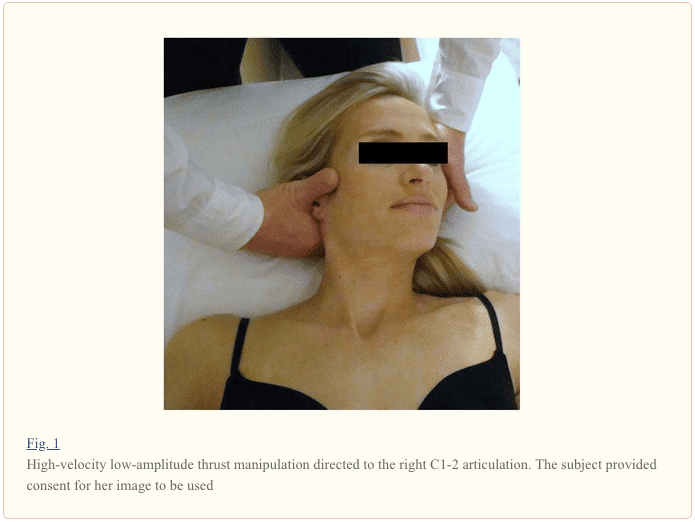
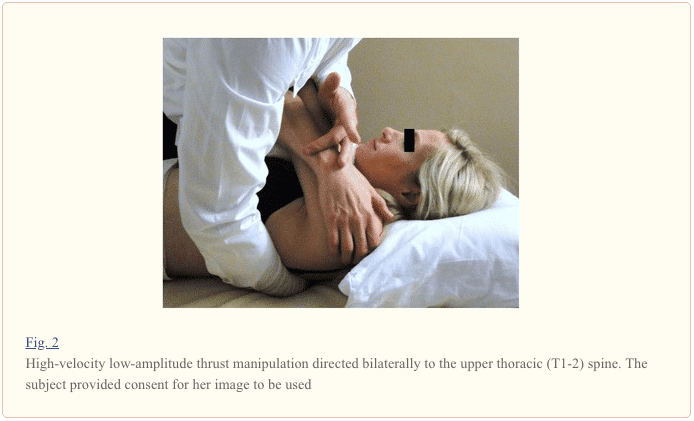
Manipulations targeting the right and left C1-2 articulations and bilateral T1-2 articulations were performed on at least one of the 6�8 treatment sessions (Figs. 1 and ?and2).2). On other treatment sessions, therapists either repeated the C1-2 and/or T1-2 manipulations or targeted other spinal articulations (i.e., C0-1, C2-3, C3-7, T2-9, ribs 1�9) using manipulation. The selection of the spinal segments to target was left to the discretion of the treating therapist and it was based on the combination of patient reports and manual examination. For both the upper cervical and upper thoracic manipulations, if no popping or cracking sound was heard on the first attempt, the therapist repositioned the patient and performed a second manipulation. A maximum of 2 attempts were performed on each patient similar to other studies [14, 50�53]. The clinicians were instructed that the manipulations are likely to be accompanied by multiple audible popping sounds [54�58]. Patients were encouraged to maintain usual activity within the limits of pain; however, mobilization and the prescription of exercises, or any use of other modalities, were not provided to this group.
The manipulation targeting C1-2 was performed with the patient in supine. For this technique, the patient�s left posterior arch of the atlas was contacted with the lateral aspect of the proximal phalanx of the therapist�s left second finger using a �cradle hold�. To localize the forces to the left C1-2 articulation, the patient was positioned using extension, a posterior-anterior (PA) shift, ipsilateral side-bend and contralateral side-shift. While maintaining this position, the therapist performed a single high-velocity, low-amplitude thrust manipulation to the left atlanto-axial joint using right rotation in an arc toward the underside eye and translation toward the table (Fig. 1). This was repeated using the same procedure but directed to the right C1-2 articulation.
The manipulation targeting T1-2 was performed with the patient in supine. For this technique, the patient held her/his arms and forearms across the chest with the elbows aligned in a superoinferior direction. The therapist contacted the transverse processes of the lower vertebrae of the target motion segment with the thenar eminence and middle phalanx of the third digit. The upper lever was localized to the target motion segment by adding rotation away and side-bend towards the therapist while the underside hand used pronation and radial deviation to achieve rotation toward and side-bend away moments, respectively. The space inferior to the xiphoid process and costochondral margin of the therapist was used as the contact point against the patient�s elbows to deliver a manipulation in an anterior to posterior direction targeting T1-2 bilaterally (Fig. 2).
Mobilization and Exercise Group
Mobilizations targeting the right and left C1-2 articulations and bilateral T1-2 articulations were performed on at least one of the 6�8 treatment sessions. On other treatment sessions, therapists either repeated the C1-2 and/or T1-2 mobilizations or targeted other spinal articulations (i.e., C0-1, C2/3, C3-7, T2-9, ribs 1�9) using mobilization. The selection of the spinal segments to target was left to the discretion of the treating therapist and it was based on the combination of patient reports and manual examination. However, in order to avoid a �contact� or �attention effect� when compared with the manipulation group, therapists were instructed to mobilize one cervical segment (i.e., right and left) and one thoracic segment or rib articulation on each treatment session.
The mobilization targeting the C1-2 articulation was performed in prone. For this technique, the therapist performed one 30 s bout of left-sided unilateral grade IV PA mobilizations to the C1-2 motion segment as described by Maitland [7]. This same procedure was repeated for one 30 s bout to the right atlanto-axial joint. In addition, and on at least one session, mobilization directed to the upper thoracic (T1-2) spine with the patient prone was performed. For this technique, the therapist performed one 30 s bout of central grade IV PA mobilizations to the T1-2 motion segment as described by Maitland [7]. Therefore, we used 180 (i.e., three 30 s bouts at approximately 2 Hz) end-range oscillations in total on each subject for the mobilization treatment. Notably, there is no high quality evidence to date to suggest that longer durations of mobilization result in greater pain reduction than shorter durations or dosages of mobilization [59, 60].
Cranio-cervical flexion exercises [11, 61�63] were performed with the patient in supine, with the knees bent and the position of the head standardized by placing the craniocervical and cervical spines in a mid-position, such that a line between the subject�s forehead and chin was horizontal, and a horizontal line from the tragus of the ear bisected the neck longitudinally. An air-filled pressure biofeedback unit (Chattanooga Group, Inc., Hixson, TN) was placed suboccipitally behind the patient�s neck and preinflated to a baseline of 20 mmHg [63]. For the staged exercises, patients were required to perform the craniocervical flexion action (�a nod of the head, similar to indicating yes�) [63] and attempt to visually target pressures of 22, 24, 26, 28, and 30 mmHg from a resting baseline of 20 mmHg and to hold the position steady for 10 s [61, 62]. The action of nodding was performed in a gentle and slow manner. A 10 s rest was allowed between trials. If the pressure deviated below the target pressure, the pressure was not held steady, substitution with the superficial flexors (sternocleidomastoid or anterior scalene) occurred, or neck retraction was noticed before the completion of the 10 s isometric hold, it was regarded as a failure [63]. The last successful target pressure was used to determine each patient�s exercise level wherein 3 sets of 10 repetitions with a 10 s isometric hold were performed. In addition to mobilizations and cranio-cervical flexion exercises, patients were required to perform 10 min of progressive resistance exercises (i.e., using Therabands� or free weights) to the muscles of the shoulder girdle during each treatment session, within their own tolerance, and specifically focusing on the lower trapezius and serratus anterior [11].
Sample Size
The sample size and power calculations were performed using online software from the MGH Biostatistics Center (Boston, MA). The calculations were based on detecting a 2-point (or 20 %) difference in the NPRS (headache intensity) at the 3 months follow-up, assuming a standard deviation of three points, a 2-tailed test, and an alpha level equal to 0.05. This generated a sample size of 49 patients per group. Allowing for a conservative dropout rate of 10 %, we planned to recruit at least 108 patients into the study. This sample size yielded greater than 90 % power to detect a statistically significant change in the NPRS scores.
Data Analysis
Descriptive statistics, including frequency counts for categorical variables and measures of central tendency and dispersion for continuous variables were calculated to summarize the data. The effects of treatment on headache intensity and disability were each examined with a 2-by-4 mixed-model analysis of variance (ANOVA), with treatment group (manipulation versus mobilization and exercise) as the between-subjects variable and time (baseline, 1 week, 4 weeks, and 3 months follow-up) as the within-subjects variable. Separate ANOVAs were performed with the NPRS (headache intensity) and NDI (disability) as the dependent variable. For each ANOVA, the hypothesis of interest was the 2-way interaction (group by time).
An independent t-test was used to determine the between group differences for the percentage change from baseline to 3-month follow-up in both headache intensity and disability. Separate Mann�Whitney U tests were performed with the headache frequency, GRC, headache duration and medication intake as the dependent variable. We performed Little�s Missing Completely at Random (MCAR) test [64] to determine if missing data points associated with dropouts were missing at random or missing for systematic reasons. Intention-to-treat analysis was performed by using Expectation-Maximization whereby missing data are computed using regression equations. Planned pairwise comparisons were performed examining the difference between baseline and follow-up periods between-groups using the Bonferroni correction at an alpha level of .05.
We dichotomized patients as responders at the 3-month follow-up using a cut score of 2 points improvement for headache intensity as measured by the NPRS. Numbers needed to treat (NNT) and 95 % confidence intervals (CI) were also calculated at the 3 months follow-up period using each of these definitions for a successful outcome. Data analysis was performed using SPSS 21.0.
Results
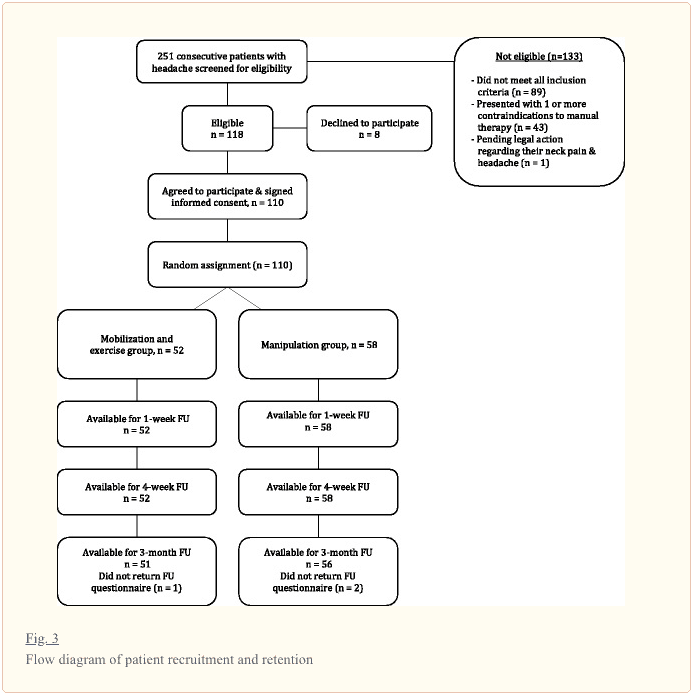
Two hundred and fifty-one patients with a primary complaint of headaches were screened for possible eligibility. The reasons for ineligibility can be found in Fig. 3, the flow diagram of patient recruitment and retention. Of the 251 patients screened, 110 patients, with a mean age of 35.16 years (SD 11.48) and a mean duration of symptoms of 4.56 years (SD 6.27), satisfied the eligibility criteria, agreed to participate, and were randomized into manipulation (n?=?58) and mobilization and exercise (n?=?52) groups. Baseline variables for each group can be found in Table 1. Twelve therapists from 8 outpatient physical therapy clinics each treated 25, 23, 20, 14, 13, 7, 6 or 2 patients, respectively; furthermore, each of the 12 therapists treated approximately an equal proportion of patients in each group. There was no significant difference (p?=?0.227) between the mean number of completed treatment sessions for the manipulation group (7.17, SD 0.96) and the mobilization and exercise group (6.90, SD 1.35). In addition, the mean number of treatment sessions that targeted the C1-2 articulation was 6.41 (SD 1.63) for the manipulation group and 6.52 (SD 2.01) for the mobilization and exercise group, and this was not significantly different (p?=?0.762). One hundred seven of the 110 patients completed all outcome measures through 3 months (97 % follow-up). Little�s Missing Completely at Random (MCAR) test was not statistically significant (p?=?0.281); therefore, we used the Expectation-Maximization imputation technique to replace missing values with predicted values for the missing 3-month outcomes.
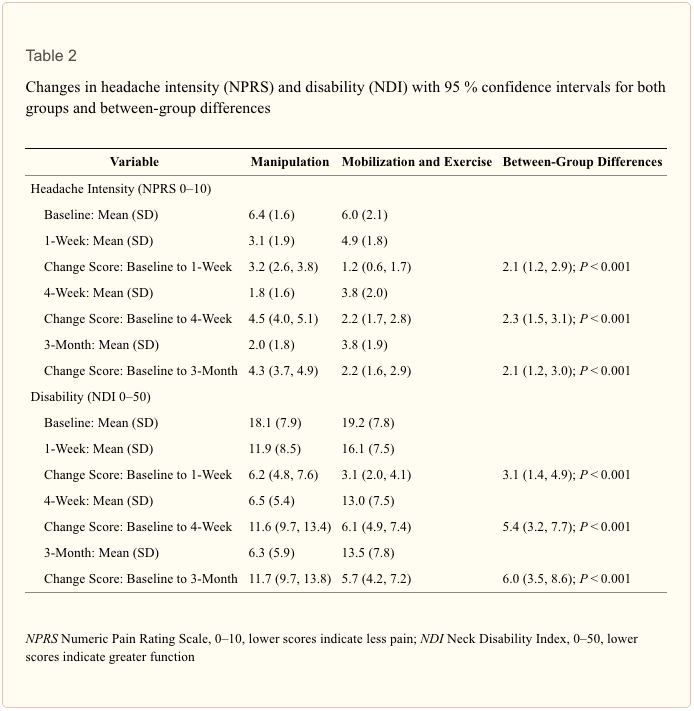
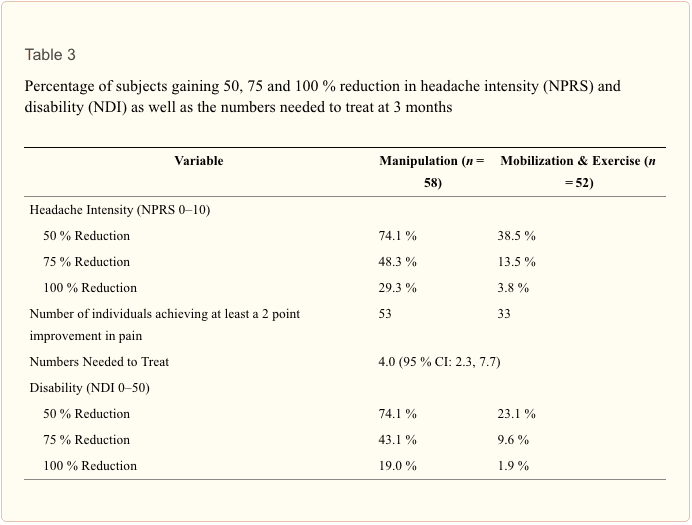
The overall group by time interaction for the primary outcome of headache intensity was statistically significant for the NPRS (F(3,106)?=?11.196; p?<?0.001; partial eta squared?=?0.24). Between-group differences revealed that the manipulation group experienced statistically significant greater improvement in the NPRS at both the 1-week (2.1, 95 % CI: 1.2, 2.9), 4-week (2.3, 95 % CI: 1.5, 3.1) and 3-month (2.1, 95 % CI: 1.2, 3.0) follow-up periods (Table 2). In addition, an independent samples t-test revealed the between-group difference in percentage change in headache intensity (36.58 %, 95 % CI: 22.52, 50.64) from baseline to 3-month follow-up was statistically significant (t(108)?=?5.156; p?<?0.001) in favor of manipulation. See Table 3 for the percentage of subjects gaining 50, 75, and 100 % reduction in headache intensity at 3 months.
For secondary outcomes a significant group by time interaction existed for the NDI (F(3,106)?=?8.57; p?<?0.001; partial eta squared?=?0.20). At each follow-up period the manipulation group had superior outcomes in disability reduction as compared to the mobilization and exercise group. An independent samples t- test revealed the between-group mean percentage change in disability (35.56 %, 95 % CI: 24.95, 46.17) from baseline to 3 months follow-up was statistically significant (t(108)?=?6.646, p?<?0.001); indicating the manipulation group experienced a significantly greater percentage in disability reduction (Table 3).
Mann�Whitney U tests revealed that patients in the upper cervical and upper thoracic manipulation group experienced less frequent headaches at 1 week (p?<?0.001; median 2.0 versus 3.0), 4 weeks (p?<?0.001; median 1.0 versus 3.0) and 3 months (p?<?0.001; median 1.0 versus 2.5) than patients in the mobilization and exercise group. Headache duration was significantly lower at 1 week (p?=?0.005; median 2.0 versus 3.0, 4 weeks (p?<?0.001; median 1.0 versus 2.0) and 3 months (p?<?0.001; median 1.0 versus 2.0) in the manipulation group. Additionally, patient perceived improvement as measured by the GRC was significantly greater at 1 week (p?<?0.001, 4.0 versus 1.0), 4 weeks (p?<?0.001, 6.0 versus 3.0) and 3 months (p?<?0.001, 6.0 versus 3.0) than patients in the mobilization and exercise group. At 3 months, patients receiving upper cervical and upper thoracic manipulation experienced significantly (p?<?0.001) greater reductions in medication intake as compared to the mobilization and exercise group. Based on the cutoff score of 2 points on the NPRS, the NNT was 4.0 (95 % CI: 2.3, 7.7) in favor of the manipulation group at 3-month follow-up.
We did not collect any data on the occurrence of �minor� adverse events [48, 49] (transient neurological symptoms, increased stiffness, radiating pain, fatigue or other); however, no �major� adverse events [48, 49] (stroke or permanent neurological deficits) were reported for either group.
Discussion
Statement of Principal Findings
To our knowledge, this study is the first randomized clinical trial to directly compare the effectiveness of both cervical and thoracic manipulation to mobilization and exercise in patients with CH. The results suggest 6�8 sessions of manipulation over 4 weeks, directed mainly to both the upper cervical (C1-2) and upper thoracic (T1-2) spines, resulted in greater improvements in headache intensity, disability, headache frequency, headache duration, and medication intake than mobilization combined with exercises. The point estimates for between-group changes in headache intensity (2.1 points) and disability (6.0 points or 12.0 %) exceeded the reported MCIDs for both measures. Although the MCID for the NDI in patients with CH has not yet been investigated, it should however be noted that the lower bound estimate of the 95 % CI for disability (3.5 points) was slightly below (or approximated in two cases) the MCID that has been found to be 3.5 [65], 5 [66], and 7.5 [45] points in patients with mechanical neck pain, 8.5 [33] points in patients with cervical radiculopathy, and 3.5 [44] points in patients with mixed, non-specific neck pain. However, it should be recognized that both groups made clinical improvement. In addition, the NNT suggests for every four patients treated with manipulation, rather than mobilization, one additional patient achieves clinically important pain reduction at 3 months follow-up.
Strengths and Weaknesses of the Study
The inclusion of 12 treating physical therapists from 8 private clinics in 6 different geographical states enhances the overall generalizability of our findings. Although significant differences were recognized up to 3 months, it is not known if these benefits would have been sustained at long-term. In addition, we used high-velocity, low-amplitude manipulation techniques that employed bidirectional thrusts into rotation and translation simultaneously and Maitland based grade IV PA mobilization techniques; thus, we cannot be certain that these results are generalizable to other kinds of manual therapy techniques. Some might argue that the comparison group might have not received adequate intervention. We sought to balance internal and external validity so standardized treatment for both groups and provided a very explicit description of the techniques used which will also allow for replication. Furthermore, we did not measure minor adverse events and only asked about two potential major adverse events. Another limitation is that we included multiple secondary outcomes. Therapist preferences as to which technique they thought would be superior was not collected and potentially could impact the results.
Strengths and Weaknesses in Relation to Other Studies: Important Differences in Results
Jull et al. [11] demonstrated treatment efficacy for manipulative therapy and exercise in the management of CH; however, this treatment package included both mobilization and manipulation. The current study may provide evidence that the management of patients with CH should include some form of manipulation despite the fact it is often suggested that cervical manipulation should be avoided because of the risk of serious adverse events [67, 68]. Furthermore, it has been shown that individuals receiving spinal manipulation for neck pain and headaches are no more likely to experience a vertebrobasilar stroke than if they received treatment by their medical physician [69]. Additionally, after reviewing 134 case reports, Puentedura et al. concluded that with appropriate selection of patients by careful screening of red flags and contraindications, the majority of adverse events associated with cervical manipulation could have been prevented [70].
Meaning of the Study: Possible Explanations and Implications for Clinicians and Policymakers
Based on the results of the current study clinicians should consider incorporating spinal manipulation for individuals with CH. A recent systematic review found both mobilization and manipulation to be effective for the management of patients with CH but was unable to determine which technique was superior [8]. Additionally, clinical guidelines reported that manipulation, mobilization and exercise were all effective for the management of patients with CH; however, the guideline made no suggestions regarding the superiority of either technique. [71] The current results may assist authors of future systematic reviews and clinical guidelines in providing more specific recommendations about the use of spinal manipulation in this population.
Unanswered Questions and Future Research
The underlying mechanisms as to why manipulation may have resulted in greater improvements remains to be elucidated. It has been suggested that high-velocity displacement of vertebrae with impulse durations of less than 200 ms may alter afferent discharge rates [72] by stimulating mechanoreceptors and proprioceptors, thereby changing alpha motorneuron excitability levels and subsequent muscle activity [72�74]. Manipulation might also stimulate receptors in the deep paraspinal musculature, and mobilization might be more likely to facilitate receptors in the superficial muscles [75]. Biomechanical [76, 77], spinal or segmental [78, 79] and central descending inhibitory pain pathway [80�83] models are plausible explanations for the hypoalgesic effects observed following manipulation. Recently, the biomechanical effects of manipulation have been under scientific scrutiny [84], and it is plausible that the clinical benefits found in our study are associated with a neurophysiological response involving temporal sensory summation at the dorsal horn of the spinal cord [78]; however, this proposed model is currently supported only on findings from transient, experimentally induced pain in healthy subjects [85, 86], not patients with CH. Future studies should examine different manual therapy techniques with varying dosages and include a 1-year follow-up. Furthermore, future studies examining the neurophysiological effects of both manipulation and mobilization will be important for determining why there may or may not be a difference in clinical effects between these two treatments.
Conclusion
The results of the current study demonstrated that patients with CH who received cervical and thoracic manipulation experienced significantly greater reductions in headache intensity, disability, headache frequency, headache duration, and medication intake as compared to the group that received mobilization and exercise; furthermore, the effects were maintained at 3 months follow-up. Future studies should examine the effectiveness of different types and dosages of manipulation and include a long-term follow-up.
Acknowledgements
None of the authors received any funding for this study. The authors wish to thank all the participants of the study.
Footnotes
Competing interests: Dr. James Dunning is the President of the American Academy of Manipulative Therapy (AAMT). AAMT provides postgraduate training programs in spinal manipulation, spinal mobilization, dry needling, extremity manipulation, extremity mobilization, instrument-assisted soft-tissue mobilization and therapeutic exercise to licensed physical therapists, osteopaths and medical doctors. Drs. James Dunning, Raymond Butts, Thomas Perreault, and Firas Mourad are senior instructors for AAMT. The other authors declare that they have no competing interests.
Authors� contributions: JRD participated in the conception, design, data acquisition, statistical analyses and drafting of the manuscript. RB and IY participated in the design, data collection, statistical analyses and revision of the manuscript. FM participated in the design, statistical analyses, data interpretation and revision of the manuscript. MH participated in the conception, design and revision of the manuscript. CF and JC were involved in the statistical analyses, interpretation of data, and critical revision of the manuscript for important intellectual content. TS, JD, DB, and TH were involved in data collection and revision of the manuscript. All authors read and approved the final manuscript.
In conclusion,�head pain caused by secondary headache due to a health issue along the surrounding structures of the cervical spine, or neck, can cause painful and debilitating symptoms which can affect the patient’s quality of life. Spinal manipulation and mobilization can be safely and effectively utilized to help improve cervicogenic headache symptoms. Information referenced from the National Center for Biotechnology Information (NCBI). The scope of our information is limited to chiropractic as well as to spinal injuries and conditions. To discuss the subject matter, please feel free to ask Dr. Jimenez or contact us at 915-850-0900 .
Curated by Dr. Alex Jimenez
Additional Topics: Back Pain
According to statistics, approximately 80% of people will experience symptoms of back pain at least once throughout their lifetimes. Back pain is a common complaint which can result due to a variety of injuries and/or conditions. Often times, the natural degeneration of the spine with age can cause back pain. Herniated discs occur when the soft, gel-like center of an intervertebral disc pushes through a tear in its surrounding, outer ring of cartilage, compressing and irritating the nerve roots. Disc herniations most commonly occur along the lower back, or lumbar spine, but they may also occur along the cervical spine, or neck. The impingement of the nerves found in the low back due to injury and/or an aggravated condition can lead to symptoms of sciatica.
1.�The International Classifcation of Headache Disorders: 3rd Edition. Cephalalgia. 2013;33(9):629-808.[PubMed]
2.�Anthony M. Cervicogenic headache: prevalence and response to local steroid therapy.�Clin Exp Rheumatol.�2000;18(2 Suppl 19):S59�64.�[PubMed]
3.�Nilsson N. The prevalence of cervicogenic headache in a random population sample of 20-59 year olds.�Spine (Phila Pa 1976)�1995;20(17):1884�8. doi: 10.1097/00007632-199509000-00008.�[PubMed][Cross Ref]
4.�Bogduk N, Govind J. Cervicogenic headache: an assessment of the evidence on clinical diagnosis, invasive tests, and treatment.�Lancet Neurol.�2009;8(10):959�68. doi: 10.1016/S1474-4422(09)70209-1.[PubMed]�[Cross Ref]
5.�Sjaastad O, Fredriksen TA, Pfaffenrath V. Cervicogenic headache: diagnostic criteria. The Cervicogenic Headache International Study Group.�Headache.�1998;38(6):442�5. doi: 10.1046/j.1526-4610.1998.3806442.x.�[PubMed]�[Cross Ref]
6.�Fernandez-de-Las-Penas C, Alonso-Blanco C, Cuadrado ML, Pareja JA. Spinal manipulative therapy in the management of cervicogenic headache.�Headache.�2005;45(9):1260�3. doi: 10.1111/j.1526-4610.2005.00253_1.x.�[PubMed]�[Cross Ref]
8.�Bronfort G, Haas M, Evans R, Leininger B, Triano J. Effectiveness of manual therapies: the UK evidence report.�Chiropr Osteopat.�2010;18:3. doi: 10.1186/1746-1340-18-3.�[PMC free article]�[PubMed][Cross Ref]
9.�Haas M, Groupp E, Aickin M, Fairweather A, Ganger B, Attwood M, et al. Dose response for chiropractic care of chronic cervicogenic headache and associated neck pain: a randomized pilot study.�J Manipulative Physiol Ther.�2004;27(9):547�53. doi: 10.1016/j.jmpt.2004.10.007.�[PubMed]�[Cross Ref]
10.�Haas M, Spegman A, Peterson D, Aickin M, Vavrek D. Dose response and efficacy of spinal manipulation for chronic cervicogenic headache: a pilot randomized controlled trial.�Spine J.�2010;10(2):117�28. doi: 10.1016/j.spinee.2009.09.002.�[PMC free article]�[PubMed]�[Cross Ref]
11.�Jull G, Trott P, Potter H, Zito G, Niere K, Shirley D, et al. A randomized controlled trial of exercise and manipulative therapy for cervicogenic headache.�Spine (Phila Pa 1976)�2002;27(17):1835�43. doi: 10.1097/00007632-200209010-00004.�[PubMed]�[Cross Ref]
12.�Nilsson N. A randomized controlled trial of the effect of spinal manipulation in the treatment of cervicogenic headache.�J Manipulative Physiol Ther.�1995;18(7):435�40.�[PubMed]
13.�Nilsson N, Christensen HW, Hartvigsen J. The effect of spinal manipulation in the treatment of cervicogenic headache.�J Manipulative Physiol Ther.�1997;20(5):326�30.�[PubMed]
14.�Dunning JR, Cleland JA, Waldrop MA, Arnot CF, Young IA, Turner M, et al. Upper cervical and upper thoracic thrust manipulation versus nonthrust mobilization in patients with mechanical neck pain: a multicenter randomized clinical trial.�J Orthop Sports Phys Ther.�2012;42(1):5�18. doi: 10.2519/jospt.2012.3894.�[PubMed]�[Cross Ref]
15.�Hurwitz EL, Morgenstern H, Harber P, Kominski GF, Yu F, Adams AH. A randomized trial of chiropractic manipulation and mobilization for patients with neck pain: clinical outcomes from the UCLA neck-pain study.�Am J Public Health.�2002;92(10):1634�41. doi: 10.2105/AJPH.92.10.1634.[PMC free article]�[PubMed]�[Cross Ref]
16.�Leaver AM, Maher CG, Herbert RD, Latimer J, McAuley JH, Jull G, et al. A randomized controlled trial comparing manipulation with mobilization for recent onset neck pain.�Arch Phys Med Rehabil.�2010;91(9):1313�8. doi: 10.1016/j.apmr.2010.06.006.�[PubMed]�[Cross Ref]
17.�Wand BM, Heine PJ, O’Connell NE. Should we abandon cervical spine manipulation for mechanical neck pain? Yes.�BMJ.�2012;344:e3679. doi: 10.1136/bmj.e3679.�[PubMed]�[Cross Ref]
18.�Sjaastad O, Fredriksen TA. Cervicogenic headache: criteria, classification and epidemiology.�Clin Exp Rheumatol.�2000;18(2 Suppl 19):S3�6.�[PubMed]
19.�Vincent MB, Luna RA. Cervicogenic headache: a comparison with migraine and tension-type headache.�Cephalalgia.�1999;19(Suppl 25):11�6. doi: 10.1177/0333102499019S2503.�[PubMed][Cross Ref]
20.�Zwart JA. Neck mobility in different headache disorders.�Headache.�1997;37(1):6�11. doi: 10.1046/j.1526-4610.1997.3701006.x.�[PubMed]�[Cross Ref]
21.�Hall T, Robinson K. The flexion-rotation test and active cervical mobility–a comparative measurement study in cervicogenic headache.�Man Ther.�2004;9(4):197�202. doi: 10.1016/j.math.2004.04.004.[PubMed]�[Cross Ref]
22.�Hall TM, Briffa K, Hopper D, Robinson KW. The relationship between cervicogenic headache and impairment determined by the flexion-rotation test.�J Manipulative Physiol Ther.�2010;33(9):666�71. doi: 10.1016/j.jmpt.2010.09.002.�[PubMed]�[Cross Ref]
23.�Ogince M, Hall T, Robinson K, Blackmore AM. The diagnostic validity of the cervical flexion-rotation test in C1/2-related cervicogenic headache.�Man Ther.�2007;12(3):256�62. doi: 10.1016/j.math.2006.06.016.�[PubMed]�[Cross Ref]
24.�Hutting N, Verhagen AP, Vijverman V, Keesenberg MD, Dixon G, Scholten-Peeters GG. Diagnostic accuracy of premanipulative vertebrobasilar insufficiency tests: a systematic review.�Man Ther.�2013;18(3):177�82. doi: 10.1016/j.math.2012.09.009.�[PubMed]�[Cross Ref]
25.�Kerry R, Taylor AJ, Mitchell J, McCarthy C. Cervical arterial dysfunction and manual therapy: a critical literature review to inform professional practice.�Man Ther.�2008;13(4):278�88. doi: 10.1016/j.math.2007.10.006.�[PubMed]�[Cross Ref]
26.�Thomas LC, Rivett DA, Bateman G, Stanwell P, Levi CR. Effect of selected manual therapy interventions for mechanical neck pain on vertebral and internal carotid arterial blood flow and cerebral inflow.�Phys Ther.�2013;93(11):1563�74. doi: 10.2522/ptj.20120477.�[PubMed]�[Cross Ref]
27.�Quesnele JJ, Triano JJ, Noseworthy MD, Wells GD. Changes in vertebral artery blood flow following various head positions and cervical spine manipulation.�J Manipulative Physiol Ther.�2014;37(1):22�31. doi: 10.1016/j.jmpt.2013.07.008.�[PubMed]�[Cross Ref]
28.�Taylor AJ, Kerry R. The ‘vertebral artery test’.�Man Ther.�2005;10(4):297. doi: 10.1016/j.math.2005.02.005.�[PubMed]�[Cross Ref]
29.�Kerry R, Taylor AJ, Mitchell J, McCarthy C, Brew J. Manual therapy and cervical arterial dysfunction, directions for the future: a clinical perspective.�J Man Manip Ther.�2008;16(1):39�48. doi: 10.1179/106698108790818620.�[PMC free article]�[PubMed]�[Cross Ref]
30.�Hall TM, Robinson KW, Fujinawa O, Akasaka K, Pyne EA. Intertester reliability and diagnostic validity of the cervical flexion-rotation test.�J Manipulative Physiol Ther.�2008;31(4):293�300. doi: 10.1016/j.jmpt.2008.03.012.�[PubMed]�[Cross Ref]
31.�Jensen MP, Karoly P, Braver S. The measurement of clinical pain intensity: a comparison of six methods.�Pain.�1986;27(1):117�26. doi: 10.1016/0304-3959(86)90228-9.�[PubMed]�[Cross Ref]
32.�Cleland JA, Childs JD, Whitman JM. Psychometric properties of the Neck Disability Index and numeric pain rating scale in patients with mechanical neck pain.�Arch Phys Med Rehabil.�2008;89(1):69�74. doi: 10.1016/j.apmr.2007.08.126.�[PubMed]�[Cross Ref]
33.�Young IA, Cleland JA, Michener LA, Brown C. Reliability, construct validity, and responsiveness of the Neck Disability Index, patient-specific functional scale, and numeric pain rating scale in patients with cervical radiculopathy.�Am J Phys Med Rehabil.�2010;89(10):831�9. doi: 10.1097/PHM.0b013e3181ec98e6.�[PubMed]�[Cross Ref]
34.�Farrar JT, Young JP, Jr, LaMoreaux L, Werth JL, Poole RM. Clinical importance of changes in chronic pain intensity measured on an 11-point numerical pain rating scale.�Pain.�2001;94(2):149�58. doi: 10.1016/S0304-3959(01)00349-9.�[PubMed]�[Cross Ref]
35.�Vernon H. The Neck Disability Index: state-of-the-art, 1991-2008.�J Manipulative Physiol Ther.�2008;31(7):491�502. doi: 10.1016/j.jmpt.2008.08.006.�[PubMed]�[Cross Ref]
36.�MacDermid JC, Walton DM, Avery S, Blanchard A, Etruw E, McAlpine C, et al. Measurement properties of the Neck Disability Index: a systematic review.�J Orthop Sports Phys Ther.�2009;39(5):400�17. doi: 10.2519/jospt.2009.2930.�[PubMed]�[Cross Ref]
37.�Pietrobon R, Coeytaux RR, Carey TS, Richardson WJ, DeVellis RF. Standard scales for measurement of functional outcome for cervical pain or dysfunction: a systematic review.�Spine (Phila Pa 1976)�2002;27(5):515�22. doi: 10.1097/00007632-200203010-00012.�[PubMed]�[Cross Ref]
38.�Vernon H, Mior S. The Neck Disability Index: a study of reliability and validity.�J Manipulative Physiol Ther.�1991;14(7):409�15.�[PubMed]
39.�Vernon H. The psychometric properties of the Neck Disability Index.�Arch Phys Med Rehabil.�2008;89(7):1414�5. doi: 10.1016/j.apmr.2008.05.003.�[PubMed]�[Cross Ref]
40.�Cleland JA, Fritz JM, Whitman JM, Palmer JA. The reliability and construct validity of the Neck Disability Index and patient specific functional scale in patients with cervical radiculopathy.�Spine (Phila Pa 1976)�2006;31(5):598�602. doi: 10.1097/01.brs.0000201241.90914.22.�[PubMed]�[Cross Ref]
41.�Hoving JL, O’Leary EF, Niere KR, Green S, Buchbinder R. Validity of the neck disability index, Northwick Park neck pain questionnaire, and problem elicitation technique for measuring disability associated with whiplash-associated disorders.�Pain.�2003;102(3):273�81. doi: 10.1016/S0304-3959(02)00406-2.�[PubMed]�[Cross Ref]
42.�Miettinen T, Leino E, Airaksinen O, Lindgren KA. The possibility to use simple validated questionnaires to predict long-term health problems after whiplash injury.�Spine (Phila Pa 1976)�2004;29(3):E47�51. doi: 10.1097/01.BRS.0000106496.23202.60.�[PubMed]�[Cross Ref]
43.�McCarthy MJ, Grevitt MP, Silcocks P, Hobbs G. The reliability of the Vernon and Mior neck disability index, and its validity compared with the short form-36 health survey questionnaire.�Eur Spine J.�2007;16(12):2111�7. doi: 10.1007/s00586-007-0503-y.�[PMC free article]�[PubMed]�[Cross Ref]
44.�Pool JJ, Ostelo RW, Hoving JL, Bouter LM, de Vet HC. Minimal clinically important change of the Neck Disability Index and the Numerical Rating Scale for patients with neck pain.�Spine (Phila Pa 1976)�2007;32(26):3047�51. doi: 10.1097/BRS.0b013e31815cf75b.�[PubMed]�[Cross Ref]
45.�Young BA, Walker MJ, Strunce JB, Boyles RE, Whitman JM, Childs JD. Responsiveness of the Neck Disability Index in patients with mechanical neck disorders.�Spine J.�2009;9(10):802�8. doi: 10.1016/j.spinee.2009.06.002.�[PubMed]�[Cross Ref]
46.�Jaeschke R, Singer J, Guyatt GH. Measurement of health status. Ascertaining the minimal clinically important difference.�Control Clin Trials.�1989;10(4):407�15. doi: 10.1016/0197-2456(89)90005-6.[PubMed]�[Cross Ref]
47.�Schmitt J, Abbott JH. Global ratings of change do not accurately reflect functional change over time in clinical practice.�J Orthop Sports Phys Ther.�2015;45(2):106�11. doi: 10.2519/jospt.2015.5247.�[PubMed][Cross Ref]
48.�Carlesso L, Macdermid JC, Santaguida L. Standardization of adverse event terminology and reporting in orthopaedic physical therapy – applications to the cervical spine.�J Orthop Sports Phys Ther.�2010;40:455�63. doi: 10.2519/jospt.2010.3229.�[PubMed]�[Cross Ref]
49.�Carlesso LC, Gross AR, Santaguida PL, Burnie S, Voth S, Sadi J. Adverse events associated with the use of cervical manipulation and mobilization for the treatment of neck pain in adults: a systematic review.�Man Ther.�2010;15(5):434�44. doi: 10.1016/j.math.2010.02.006.�[PubMed]�[Cross Ref]
50.�Cleland JA, Glynn P, Whitman JM, Eberhart SL, MacDonald C, Childs JD. Short-term effects of thrust versus nonthrust mobilization/manipulation directed at the thoracic spine in patients with neck pain: a randomized clinical trial.�Phys Ther.�2007;87(4):431�40. doi: 10.2522/ptj.20060217.�[PubMed][Cross Ref]
51.�Gonzalez-Iglesias J, Fernandez-de-las-Penas C, Cleland JA, Alburquerque-Sendin F, Palomeque-del-Cerro L, Mendez-Sanchez R. Inclusion of thoracic spine thrust manipulation into an electro-therapy/thermal program for the management of patients with acute mechanical neck pain: a randomized clinical trial.�Man Ther.�2009;14(3):306�13. doi: 10.1016/j.math.2008.04.006.�[PubMed]�[Cross Ref]
52.�Gonzalez-Iglesias J, Fernandez-de-las-Penas C, Cleland JA, Gutierrez-Vega MR. Thoracic spine manipulation for the management of patients with neck pain: a randomized clinical trial.�J Orthop Sports Phys Ther.�2009;39(1):20�7. doi: 10.2519/jospt.2009.2914.�[PubMed]�[Cross Ref]
53.�Lau HM, Wing Chiu TT, Lam TH. The effectiveness of thoracic manipulation on patients with chronic mechanical neck pain – a randomized controlled trial.�Man Ther.�2011;16(2):141�7. doi: 10.1016/j.math.2010.08.003.�[PubMed]�[Cross Ref]
54.�Beffa R, Mathews R. Does the adjustment cavitate the targeted joint? An investigation into the location of cavitation sounds.�J Manipulative Physiol Ther.�2004;27(2):e2. doi: 10.1016/j.jmpt.2003.12.014.[PubMed]�[Cross Ref]
55.�Dunning J, Mourad F, Barbero M, Leoni D, Cescon C, Butts R. Bilateral and multiple cavitation sounds during upper cervical thrust manipulation.�BMC Musculoskelet Disord.�2013;14:24. doi: 10.1186/1471-2474-14-24.�[PMC free article]�[PubMed]�[Cross Ref]
56.�Reggars JW. The manipulative crack. Frequency analysis.�Australas Chiropr Osteopathy.�1996;5(2):39�44.�[PMC free article]�[PubMed]
57.�Ross JK, Bereznick DE, McGill SM. Determining cavitation location during lumbar and thoracic spinal manipulation: is spinal manipulation accurate and specific?�Spine (Phila Pa 1976)�2004;29(13):1452�7. doi: 10.1097/01.BRS.0000129024.95630.57.�[PubMed]�[Cross Ref]
58.�Evans DW, Lucas N. What is ‘manipulation’? A reappraisal.�Man Ther.�2010;15(3):286�91. doi: 10.1016/j.math.2009.12.009.�[PubMed]�[Cross Ref]
59.�Gross A, Miller J, D’Sylva J, Burnie SJ, Goldsmith CH, Graham N, et al. Manipulation or mobilisation for neck pain: a cochrane review.�Man Ther.�2010;15(4):315�33. doi: 10.1016/j.math.2010.04.002.[PubMed]�[Cross Ref]
60.�Moss P, Sluka K, Wright A. The initial effects of knee joint mobilization on osteoarthritic hyperalgesia.�Man Ther.�2007;12(2):109�18. doi: 10.1016/j.math.2006.02.009.�[PubMed]�[Cross Ref]
61.�Falla D, Bilenkij G, Jull G. Patients with chronic neck pain demonstrate altered patterns of muscle activation during performance of a functional upper limb task.�Spine (Phila Pa 1976)�2004;29(13):1436�40. doi: 10.1097/01.BRS.0000128759.02487.BF.�[PubMed]�[Cross Ref]
62.�Falla D, Jull G, Dall’Alba P, Rainoldi A, Merletti R. An electromyographic analysis of the deep cervical flexor muscles in performance of craniocervical flexion.�Phys Ther.�2003;83(10):899�906.�[PubMed]
63.�Jull G. Deep cervical flexor muscle dysfunction in whiplash.�Journal of Musculoskeletal Pain.�2000;8:143�54. doi: 10.1300/J094v08n01_12.�[Cross Ref]
64.�Rubin LH, Witkiewitz K, Andre JS, Reilly S. Methods for handling missing data in the behavioral neurosciences: Don’t throw the baby Rat out with the bath water.�J Undergrad Neurosci Educ.�2007;5(2):A71�7.�[PMC free article]�[PubMed]
65.�Jorritsma W, Dijkstra PU, de Vries GE, Geertzen JH, Reneman MF. Detecting relevant changes and responsiveness of neck pain and disability scale and Neck Disability Index.�Eur Spine J.�2012;21(12):2550�7. doi: 10.1007/s00586-012-2407-8.�[PMC free article]�[PubMed]�[Cross Ref]
66.�Stratford PW, Riddle DL, Binkley JM, Spadoni G, Westaway MD, Padfield B. Using the Neck Disability Index to make decisions concerning individual patients.�Physiother Can.�1999;51:107�12.
67.�Ernst E. Manipulation of the cervical spine: a systematic review of case reports of serious adverse events, 1995-2001.�Med J Aust.�2002;176(8):376�80.�[PubMed]
68.�Oppenheim JS, Spitzer DE, Segal DH. Nonvascular complications following spinal manipulation.�Spine J.�2005;5(6):660�6. doi: 10.1016/j.spinee.2005.08.006.�[PubMed]�[Cross Ref]
69.�Cassidy JD, Boyle E, Cote P, He Y, Hogg-Johnson S, Silver FL, et al. Risk of vertebrobasilar stroke and chiropractic care: results of a population-based case-control and case-crossover study.�Spine (Phila Pa 1976)�2008;33(4 Suppl):S176�83. doi: 10.1097/BRS.0b013e3181644600.�[PubMed]�[Cross Ref]
70.�Puentedura EJ, March J, Anders J, Perez A, Landers MR, Wallmann HW, et al. Safety of cervical spine manipulation: are adverse events preventable and are manipulations being performed appropriately? A review of 134 case reports.�J Man Manip Ther.�2012;20(2):66�74. doi: 10.1179/2042618611Y.0000000022.[PMC free article]�[PubMed]�[Cross Ref]
71.�Childs JD, Cleland JA, Elliott JM, Teyhen DS, Wainner RS, Whitman JM, et al. Neck pain: clinical practice guidelines linked to the international classification of functioning, disability, and health from the orthopedic section of the American Physical Therapy Association.�J Orthop Sports Phys Ther.�2008;38(9):A1�A34. doi: 10.2519/jospt.2008.0303.�[PubMed]�[Cross Ref]
72.�Pickar JG, Kang YM. Paraspinal muscle spindle responses to the duration of a spinal manipulation under force control.�J Manipulative Physiol Ther.�2006;29(1):22�31. doi: 10.1016/j.jmpt.2005.11.014.[PubMed]�[Cross Ref]
73.�Herzog W, Scheele D, Conway PJ. Electromyographic responses of back and limb muscles associated with spinal manipulative therapy.�Spine (Phila Pa 1976)�1999;24(2):146�52. doi: 10.1097/00007632-199901150-00012.�[PubMed]�[Cross Ref]
74.�Indahl A, Kaigle AM, Reikeras O, Holm SH. Interaction between the porcine lumbar intervertebral disc, zygapophysial joints, and paraspinal muscles.�Spine (Phila Pa 1976)�1997;22(24):2834�40. doi: 10.1097/00007632-199712150-00006.�[PubMed]�[Cross Ref]
75.�Bolton PS, Budgell BS. Spinal manipulation and spinal mobilization influence different axial sensory beds.�Med Hypotheses.�2006;66(2):258�62. doi: 10.1016/j.mehy.2005.08.054.�[PubMed]�[Cross Ref]
76.�Cassidy JD, Lopes AA, Yong-Hing K. The immediate effect of manipulation versus mobilization on pain and range of motion in the cervical spine: a randomized controlled trial.�J Manipulative Physiol Ther.�1992;15(9):570�5.�[PubMed]
77.�Martinez-Segura R, Fernandez-de-las-Penas C, Ruiz-Saez M, Lopez-Jimenez C, Rodriguez-Blanco C. Immediate effects on neck pain and active range of motion after a single cervical high-velocity low-amplitude manipulation in subjects presenting with mechanical neck pain: a randomized controlled trial.�J Manipulative Physiol Ther.�2006;29(7):511�7. doi: 10.1016/j.jmpt.2006.06.022.�[PubMed]�[Cross Ref]
78.�Bialosky JE, Bishop MD, Price DD, Robinson ME, George SZ. The mechanisms of manual therapy in the treatment of musculoskeletal pain: a comprehensive model.�Man Ther.�2009;14(5):531�8. doi: 10.1016/j.math.2008.09.001.�[PMC free article]�[PubMed]�[Cross Ref]
79.�Dunning J, Rushton A. The effects of cervical high-velocity low-amplitude thrust manipulation on resting electromyographic activity of the biceps brachii muscle.�Man Ther.�2009;14(5):508�13. doi: 10.1016/j.math.2008.09.003.�[PubMed]�[Cross Ref]
80.�Haavik-Taylor H, Murphy B. Cervical spine manipulation alters sensorimotor integration: a somatosensory evoked potential study.�Clin Neurophysiol.�2007;118(2):391�402. doi: 10.1016/j.clinph.2006.09.014.�[PubMed]�[Cross Ref]
81.�Millan M. Descending control of pain.�Prog Neurobiology.�2002;66:355�74. doi: 10.1016/S0301-0082(02)00009-6.�[PubMed]�[Cross Ref]
82.�Skyba D, Radhakrishnan R, Rohlwing J, Wright A, Sluka K. Joint manipulation reduces hyperalgesia by activation of monoamine receptors but not opioid or GABA receptors in the spinal cord.�Pain.�2003;106:159�68. doi: 10.1016/S0304-3959(03)00320-8.�[PMC free article]�[PubMed]�[Cross Ref]
83.�Zusman M. Forebrain-mediated sensitization of central pain pathways: “non-specific” pain and a new image for manual therapy.�Man Ther.�2002;7:80�8. doi: 10.1054/math.2002.0442.�[PubMed]�[Cross Ref]
84.�Bialosky JE, George SZ, Bishop MD. How spinal manipulative therapy works: why ask why?�J Orthop Sports Phys Ther.�2008;38(6):293�5. doi: 10.2519/jospt.2008.0118.�[PubMed]�[Cross Ref]
85.�Bishop MD, Beneciuk JM, George SZ. Immediate reduction in temporal sensory summation after thoracic spinal manipulation.�Spine J.�2011;11(5):440�6. doi: 10.1016/j.spinee.2011.03.001.[PMC free article]�[PubMed]�[Cross Ref]
86.�George SZ, Bishop MD, Bialosky JE, Zeppieri G, Jr, Robinson ME. Immediate effects of spinal manipulation on thermal pain sensitivity: an experimental study.�BMC Musculoskelet Disord.�2006;7:68. doi: 10.1186/1471-2474-7-68.�[PMC free article]�[PubMed]�[Cross Ref]
There are well over 100 types of adjustment techniques used by chiropractors throughout the world. Typically, chiropractors will concentrate on and use 8 to 10 distinct approaches in their practice.
What are the most common chiropractic adjustment techniques?
The goal of most chiropractic techniques is to revive or to enhance joint function, together with all the aims of reducing pain and resolving swelling. Some procedures use some force, such as spinal manipulation, while others are somewhat more gentle, such as spinal mobilization.
The original chiropractic adjustment approach is usually referred to as spinal manipulation, and might also be called the diversified technique or the high-velocity, low-amplitude (HVLA) thrust. New chiropractic adjustment approaches typically evolve as a variation from an existing technique and are often named after the chiropractor who developed it.
Chiropractic Manipulation Approaches
Chiropractors adapt therapy plans to satisfy the particular needs of each individual. Typically, chiropractic treatment plans involve some forceful and less forceful spinal adjustment techniques during exactly the same trip or over the course of therapy, approximately 6 to 10 visits for a typical individual.
The most often used chiropractic technique, spinal manipulation, is the traditional high-velocity low-amplitude (HVLA) thrust. The manipulation frequently results in an audible “pop,” as chiropractors use their hands to apply a controlled sudden force to a joint while the body is placed in a particular way.
Spinal Mobilization (Low-Force or moderate Techniques)
Some conditions (for example, osteoporosis), pathology, the patient’s size, patient comfort, or individual preference, may demand a milder approach generally referred to as spinal mobilization. Additionally, mild mobilization techniques which don’t involve twisting of even a thrust or the body are preferred by some patients or clinicians.
Along with manipulation, many chiropractors will use adjunctive therapy, such as ice or heat or physical therapy modalities (for instance, electrical stimulation, ultrasound, etc.), as part of an overall treatment program. Patients need to discuss their symptoms and tastes with their healthcare professional to determine the best treatment plan.
Chiropractors are not the only health care providers who use spinal manipulation for back pain treatment. Many osteopathic physicians will provide a variety of types of adjustments, like spinal mobilization and spinal manipulation . Other kinds such as physicians or physical therapists, will be trained in supplying these techniques as well.
The goal of spinal mobilization is the same as HVLA spinal manipulation, to reestablish or to enhance joint work. But, unlike HVLA, spinal manipulation motion, usually into a firm endpoint of movement, is used to mobilize the joint.
Chiropractors may choose spinal mobilization for certain individuals for a variety of reasons, for example:
Patient preference: specific patients prefer spinal mobilization over spinal manipulation
Patients with sensitive nervous systems can benefit from gentle chiropractic Methods to keep the entire body from overreacting and causing reactive muscle spasms
Patients with a few conditions can be redeemed for spinal manipulation, such as maybe patients with advanced osteoporosis, bone pathology, some forms of deformity, and certain Kinds of inflammatory arthritis
Chiropractors can choose spinal mobilization for patients when they are in the acute phase of their illness and in severe pain
Obesity can make the positioning of the individual and the manipulation procedures difficult for both the supplier in addition to the patient, which might favor a low force technique.
Spinal Mobilization Methods
There’s a vast array of spinal mobilization approaches and techniques. Several of the more common gentle spinal mobilization methods include:
Activator method: The Activator is a handheld, spring-loaded, manual tool which offers a low-force urge. With the patient lying face down the nurse evaluates leg length, performs muscle testing, also adjusts the spine or extremity joints using the Activator tool.
Cox Flexion-distraction: This technique involves a gentle adjustment that is designed to adjust vertebrae by employing a gentle stretch to the lower spine, typically at a set of repetitive slow movements similar to a rocking motion.
Toggle Drop: Using crossed hands one on top of the other, the nurse presses down quickly and firmly on a particular area of the spine while a section of this fall table falls, using gravity to use the adjustment. The table has different sections that dropped and can be increased in accordance with the localization of the spinal adjustment.
McKenzie Technique: This strategy uses a patient favorite position to facilitate pain loss.
Release work: Applying gentle pressure using the fingertips, the chiropractor divides the misaligned vertebrae with the objective of restoring them back to their natural positions.
Sacro-Occipital Strategy (SOT): This method involves placing wedges or cubes under the pelvis, allowing gravity – with a few inclusion low induce assistance by the supplier – to realign the anus.
As well as the aforementioned, other kinds of mobilization are commonly used, such as massage therapy, Applied Kinesiology, Receptor-Tonus Technique, Cranio-sacral, NUCCA , and a lot more.
The scope of our information is limited to chiropractic and spinal injuries and conditions. To discuss options on the subject matter, please feel free to ask Dr. Jimenez or contact us at 915-850-0900 .�
By Dr. Alex Jimenez
Additional Topics: Wellness
Overall health and wellness are essential towards maintaining the proper mental and physical balance in the body. From eating a balanced nutrition as well as exercising and participating in physical activities, to sleeping a healthy amount of time on a regular basis, following the best health and wellness tips can ultimately help maintain overall well-being. Eating plenty of fruits and vegetables can go a long way towards helping people become healthy.
Chiropractic received a boost from some major national sources in recent months. Here�s a recap.
1. American College of Physicians issues new guideline for low-back pain treatment
The American College of Physicians (ACP) published a new low-back pain treatment guideline recommending first using non-invasive, non-drug treatments, including spinal manipulation, before resorting to drug therapies. The guideline was published Feb. 14, 2017 in the Annals of Internal Medicine. For more information, see the American Chiropractic Association news release on the guideline.
On May 1, 2017, the New York Times published an editorial by Aaron E. Carroll, M.D., that mentions the new guideline in a generally positive light. The article appeared in a major, mainstream publication read by millions of people. �Spinal manipulation�along with other less traditional therapies like heat, meditation and acupuncture�seems to be as effective as many other more medical therapies we prescribe, and as safe, if not safer,� he wrote.
Talking points on new ACP guideline:
The chiropractic profession has advocated for decades that conservative care choices such as chiropractic be the first line of treatment for low-back pain. Now, with this new guideline, the medical profession is recognizing the benefits of conservative care for this common problem.
Thanks to this guideline, it�s possible more medical doctors will choose to refer their patients with low-back pain to chiropractors.
The ACP guideline was adopted by the American Chiropractic Association, which also adopted the Clinical Compass guidelines on chiropractic for LBP at its HOD meeting in March.
2. Article�and editorial on spinal manipulation published in JAMA
The April 11, 2017, issue of the Journal of the American Medical Association(JAMA) featured the article �Association of Spinal Manipulative Therapy With Clinical Benefit and Harm for Acute Low Back Pain.� This systematic review and meta-analysis found that of the 26 eligible RCTs identified, 15 RCTS (1,711 patients) provided moderate-quality evidence that SMT has a statistically significant association with improvements in pain. Twelve RCTs (1,381 patients) produced moderate-quality evidence that SMT has a statistically significant association with improvements in function. One of the RCTs included in this analysis, �Adding chiropractic manipulative therapy to standard medical care for patients with acute low back pain: results of a pragmatic randomized comparative effectiveness study,� was led by investigators at the Palmer Center for Chiropractic Research.
Additionally, an editorial by Richard A. Deyo, M.D., M.P.H., titled �The Role of Spinal Manipulation in the Treatment of Low Back Pain,� was published in the April 11 issue of JAMA. �If manipulation is at least as effective and as safe as conventional care, it may be an appropriate choice for some patients with uncomplicated acute low back pain,� Dr. Deyo wrote. �This is an area in which a well-informed patient�s decisions should count as much as a practitioner�s preference.�
A National Public Radio story on April 11 quoted Dr. Paul Shekelle, an internist with the West Los Angeles Veterans Affairs Medical Center and one of the study authors, as saying the JAMA study found patients undergoing spinal manipulation experienced a decline of one point in their pain rating. He added that the study also found spinal manipulation modestly improved function.
3. Article�and editorial on spinal manipulation published in JAMA
An article published April 4 in STAT News, a medical journal, discussed the ACP guideline and how it�s bolstering the cause of non-pharmaceutical pain control methods like chiropractic and acupuncture. Another article published May 10 in STAT News covered proposed FDA recommendations that physicians learn more about chiropractic, acupuncture and other drug-free pain treatments as therapies to help patients avoid prescription opioids.
4.�Article posted May 19 on Psychology Today website about new research on chiropractors helping people with low-back pain
This article, �The Evolving Evidence on Chiropractors for Low Back Pain,� covered the ACP guideline and its recommendation for conservative care first, as well as the Annals of Internal Medicine systematic review that found evidence spinal manipulation helps to reduce pain for people with chronic low-back pain. It concluded by saying, �On the whole, the evidence suggests that seeing a chiropractor can reduce pain levels and increase function for people with chronic low back pain.�
IFM's Find A Practitioner tool is the largest referral network in Functional Medicine, created to help patients locate Functional Medicine practitioners anywhere in the world. IFM Certified Practitioners are listed first in the search results, given their extensive education in Functional Medicine