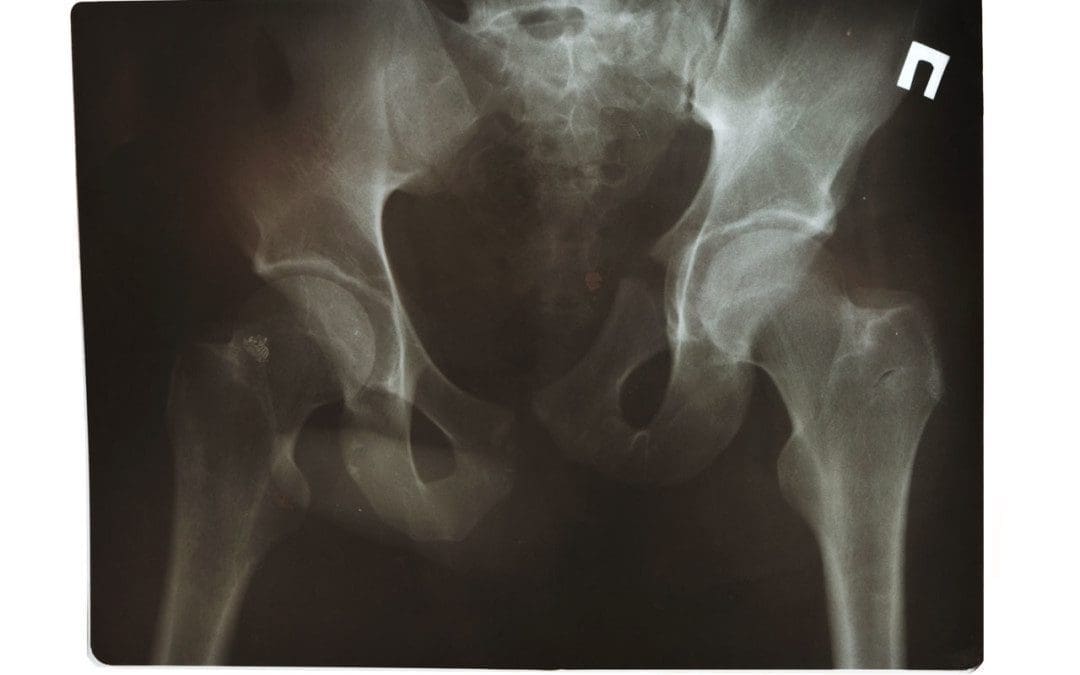
For older individuals, experiencing frequent low back pain could turn out to be a sacral fracture. They tend to occur in individuals over the age of 60 often because there has been a degree of bone loss. Sacral fractures tend not to be the first thing doctors think of when low back pain symptoms are presenting. They are often not picked up on X-rays and are either not diagnosed early enough to take steps or not diagnosed at all. However, they are common.
Sacrum
The sacrum is shaped like a triangle and comprises five segments fused into one large bone. It sits at the base of the spine, between the two halves of the pelvis, connecting the spine to the lower half of the body. It stabilizes the body when walking, sitting, or standing. The nerves in the lower spine control the bowels bladder and provide sensation to the region.
The two dimples that can be seen on individuals’ backs are where the sacrum joins the hipbones or the sacroiliac joint.
The point where the low back joins the sacrum can develop discomfort, soreness, and pain.
This area experiences stress from bending, twisting, reaching, lifting, carrying during physical activities or sitting for long periods.
Sacral Fracture
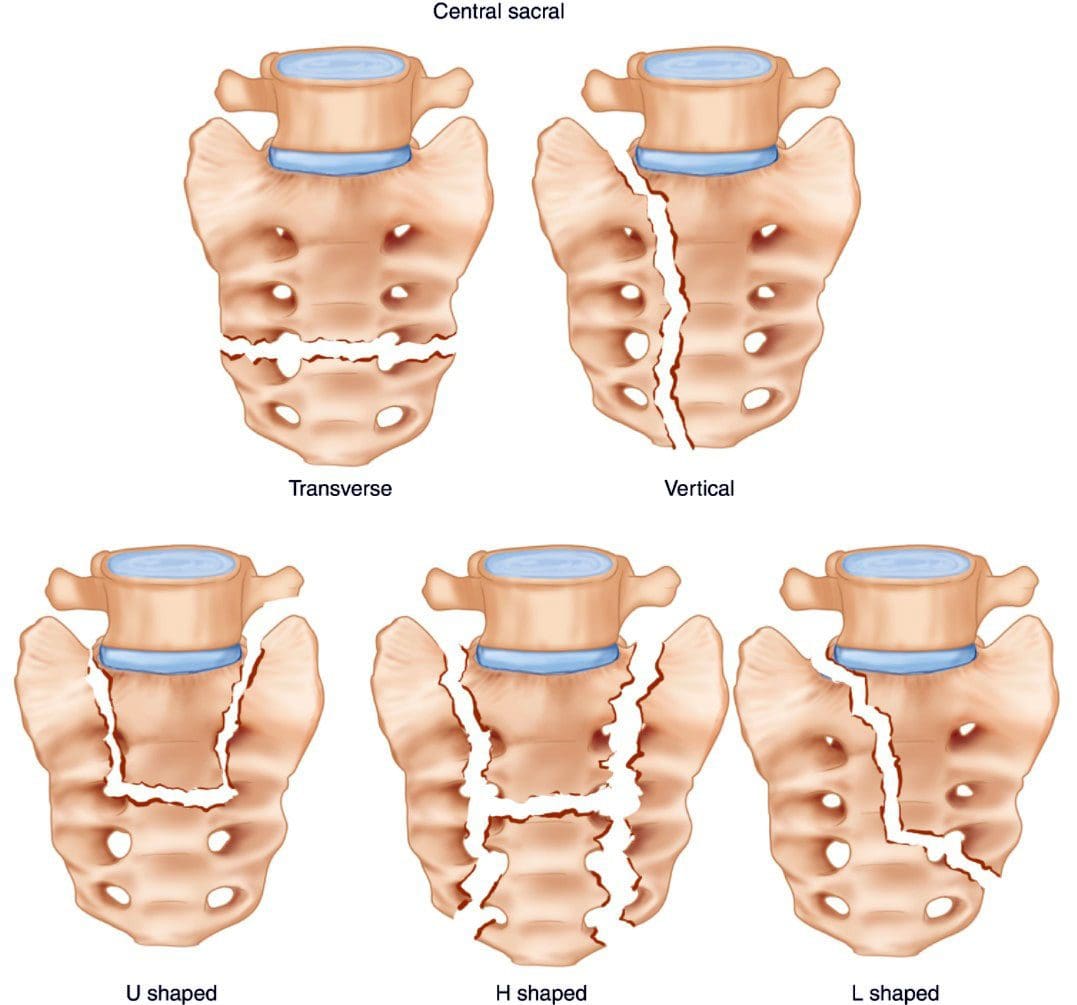
Most sacral fractures result from trauma, like slips, falls, and automobile accidents. Stress fractures that happen without a specific injury are also called insufficiency fractures.
Types of Sacral Fractures
Low-energy fractures usually happen to older individuals with weak bones due to osteoporosis.
An individual trips on something, lands hard on their butt, lifts a heavy object awkwardly, or over-exerts themselves from some physical activity.
Then persistent back or buttock pain begins to present.
The pain is often centered in the lower back, the hips, and butt.
It is more than just back achiness.
The individual goes to the doctor, and X-rays are ordered.
A lot of the time, these fractures are missed on X-rays.
The doctor may diagnose a sprain, but the pain symptoms do not improve.
Sometimes there is no apparent cause for the pain.
It can be misdiagnosed as a lower back compression fracture or urinary tract infection.
High-energy fractures are due to trauma and are more common among the young.
The individual sustains injuries from an auto accident, has fallen from a significant height, or suffers a sports injury.
It results in severe pain.
A woman who has just had a baby and gone through some bone loss because of the pregnancy can experience a sacral stress fracture.
For individuals that have been to a doctor and had an X-ray that reveals no fracture, and there is no improvement after 5 to 7 days, it is recommended to schedule another appointment and ask for a CAT scan or MRI, which is highly effective at finding a sacral fracture.
Treatment
Treatment consists of resting the bone but still being safely active in most cases.
Medication is prescribed for pain relief.
Many individuals have been found to do well with anti-inflammatory medications, topical medications, and lidocaine patches.
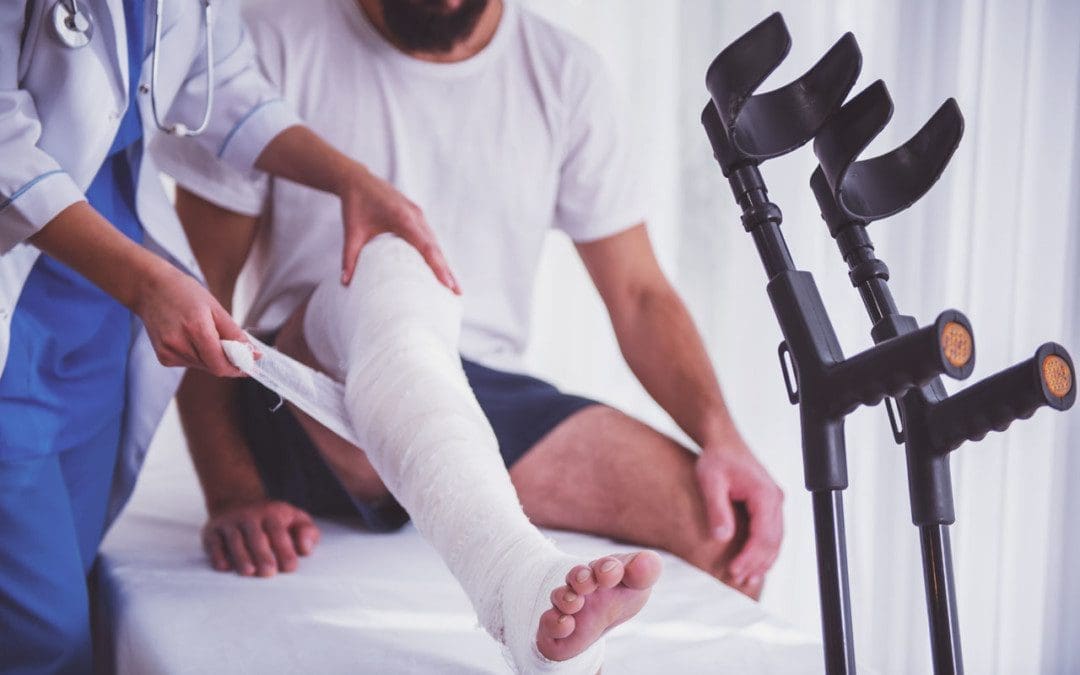
Older individuals may be recommended to use a walker during the treatment/healing process.
Depending on the severity, crutches may be recommended.
Engaging in regular exercise is not recommended, but too much bed rest is also not recommended.
Too much rest may not allow the injury to heal correctly, worsen the injury, and/or cause new injuries.
Chiropractic and physical therapy are not recommended to let the sacrum naturally heal.
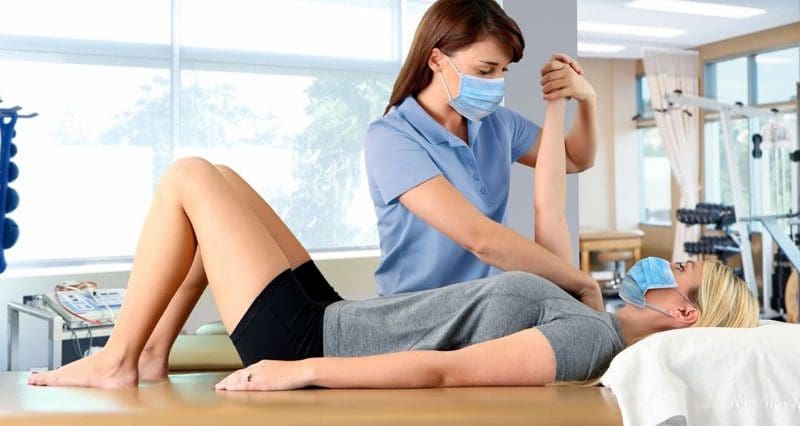
After the pain subsides, chiropractic and physical therapy can be implemented to maintain agility and flexibility and strengthen the pelvic and core muscles.
In some cases, if the bone does not heal correctly or some other issue, sacroplasty could be recommended. This is a minimally invasive procedure that injects bone cement into the fracture. It offers quick and long-lasting pain relief with a low percentage of complications. It is considered low risk and can be done by an interventional radiologist or spine surgeon.
Prevention
To minimize the risk of a sacral fracture, it is highly recommended to maintain bone strength. This consists of:
Try to keep moving with different exercise stretches, or take a lap around the building.
References
Gibbs, Wende Nocton, and Amish Doshi. “Sacral Fractures and Sacroplasty.” Neuroimaging clinics of North America vol. 29,4 (2019): 515-527. doi:10.1016/j.nic.2019.07.003
Holmes, Michael W R, et al. “Evaluating Abdominal and Lower-Back Muscle Activity While Performing Core Exercises on a Stability Ball and a Dynamic Office Chair.” Human factors vol. 57,7 (2015): 1149-61. doi:10.1177/0018720815593184
Santolini, Emmanuele et al. “Sacral fractures: issues, challenges, solutions.” EFORT open reviews vol. 5,5 299-311. 5 May. 2020, doi:10.1302/2058-5241.5.190064
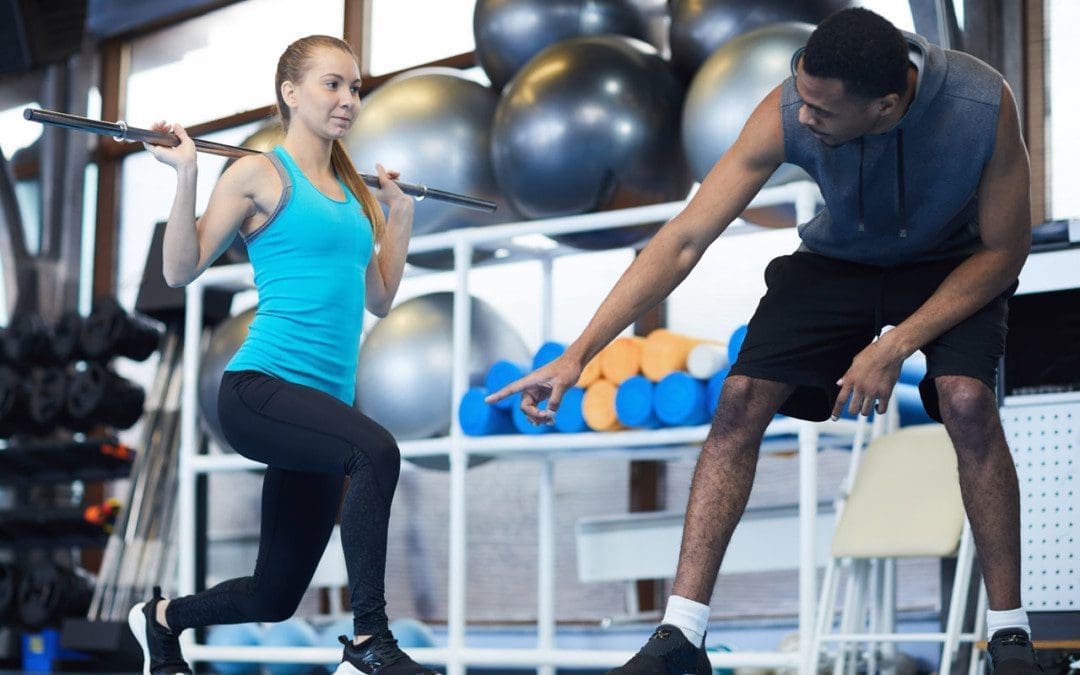
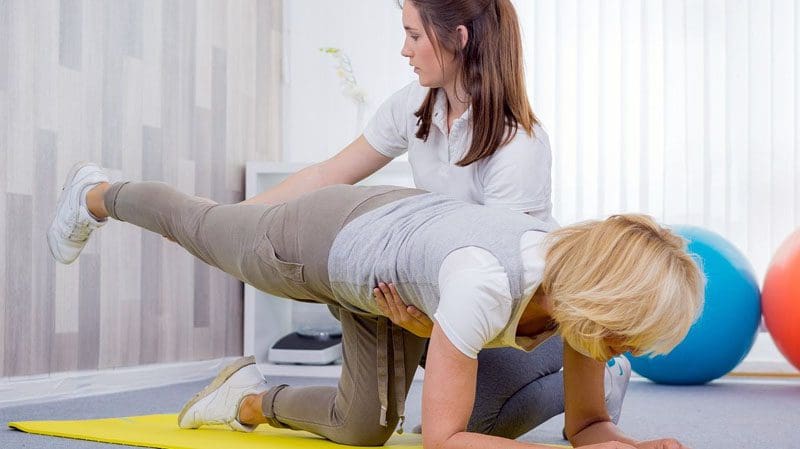
Athletes or weekend warriors hate to be sidelined from an injury or physical limitation. This is where chiropractic medicine and physical therapy for athletes can strengthen the body for improved performance and injury prevention. Sports chiropractors and physical therapists are trained and certified professionals that have extensive knowledge of the musculoskeletal system, maintaining and rehabilitating the body. This includes:
Exercise science
Physiological factors
Nutrition
Sports psychology
Treatment techniques include:
Massage
Electrotherapy
Muscle strengthening
Water therapy
Core stability training
Sports medicine professionals include medical doctors, sports chiropractors, physical therapists, athletic trainers, and massage therapists. They are trained in:
Assessment and diagnosis
Treatment
Rehabilitation
Management
Referral
Health coaching
Injury prevention
Chiropractic physical therapists restore function and mobility, manage or alleviate pain, and return individuals to their lifestyle and athletes to their sport. They understand training demands and advise on injury prevention, relieving pain, and optimizing performance.
Performance Treatment
Chiropractors and physical therapists provide:
Pre and post-surgery consultation
Pre and post-surgery treatment
Pre and post-surgery exercise programs and rehabilitation therapy
A chiropractic physical therapist will go through a series of examination routines to test and assess the body’s functionality and mobility, looking for areas of pain and weakness.
Personalized Treatment Plan
The analysis data helps to develop a customized treatment plan that looks at:
Weaknesses
Painful areas
Physical and positional demands of their specific sport.
Alleviate Pain
This is done through:
Therapeutic exercises
Manual techniques
Instrument-assisted manipulations with:
Percussive massagers
Ultrasound
Taping
Electrical stimulation
To relieve pain, restore muscle, and joint function.
Improve mobility
Stretching and strengthening exercises restore mobility.
Avoid Surgery and/or Expedite Recovery After Surgery
Effective physical therapy can eliminate the need for surgery, hasten recovery, and reduce healthcare costs.
Expedite rehabilitation and recovery post-surgery.
Prevention Techniques
Chiropractic physical therapy provides tools and exercises to maintain:
Strength
Balance
Fitness
To prevent new injuries or injury recurrence.
A customized chiropractic physical therapy program can help individuals return to a high level of performance from a team of professional chiropractors physical therapists. Individuals learn activities and lifestyle changes that will help prevent further injury and improve health and wellbeing.
Body Composition
Skipping Rest Days
Not listening to the body and taking time to recover can have serious consequences. When the body is not allowed to rest, recovery inflammation is not given the time to heal. This can lead to injuries, a weakened immune system, and the potential for muscle mass loss. During periods of intense stress, like an intense workout, the body’s immune system does not fully function. This means the body is compromised when fighting germs and viruses and constantly taking medications. This is why prioritizing rest is necessary. Another side effect of skipping rest days is burnout. Burnout is the feeling that anything is better than working out. It typically happens when individuals forget or choose not to take time off and rest for life outside of fitness.
References
Cullen, Michael-Flynn L et al. “Passive Recovery Strategies after Exercise: A Narrative Literature Review of the Current Evidence.” Current sports medicine reports vol. 20,7 (2021): 351-358. doi:10.1249/JSR.0000000000000859
Levy, Emily, and Thomas Chu. “Intermittent Fasting and Its Effects on Athletic Performance: A Review.” Current sports medicine reports vol. 18,7 (2019): 266-269. doi:10.1249/JSR.0000000000000614
Reinke, Simon et al. “The influence of recovery and training phases on body composition, peripheral vascular function and immune system of professional soccer players.” PloS one vol. 4,3 (2009): e4910. doi:10.1371/journal.pone.0004910
Resnik, Linda, and Janet K Freburger. “Health Services Research: Physical Therapy Has Arrived!.” Physical therapy vol. 95,12 (2015): 1605-7. doi:10.2522/ptj.2015.95.12.1605
Suchomel, Timothy J et al. “The Importance of Muscular Strength: Training Considerations.” Sports medicine (Auckland, N.Z.) vol. 48,4 (2018): 765-785. doi:10.1007/s40279-018-0862-z
Orthopedic massage is part of injury rehabilitation that focuses on the muscles and soft tissues surrounding the joints and ligaments. Pain could be caused post-surgery, an acute injury, or overuse/repetitive motion injury from work or sports. The objective is to:
Decrease pain
Release tension
Restore balance
Increase mobility and flexibility
Preparing the body to return to everyday routines and activities.
Whatever the cause of the muscle damage or injury, an orthopedic massage will lengthen and soften the muscles and ligaments, allowing for a better range of motion of the affected joints.
Orthopedic Massage
All massage techniques can improve joint movement and function. Orthopedic massage is specifically designed to return the joints to their normal position function and alleviate pain with movement.
Swedish massage focuses on overall relaxation.
Deep tissue massage reduces deep muscle pain and strain.
Orthopedic massage therapists have an extensive understanding of anatomy, soft tissues, and misalignment of the musculoskeletal system that can cause pain and injury. It is similar to sports massage targeting damaged areas for recovery and rehabilitation from conditions and injuries. Sports massage helps the individual strengthen and retrain the damaged areas back to optimal performance and prevent injury. Orthopedic massage utilizes:
Massage benefits many symptoms and conditions. It has been shown to help with:
Sprains
Pulled muscles
Torn ligaments
Carpal-tunnel syndrome
Frozen shoulder
Tennis elbow
Tendinitis
Sciatica
Bulging discs
Post-surgery
Techniques
A therapist will look at the range of motion, flexibility, and rotation of the tissues. This will help determine what muscle groups and tendons are involved and which techniques to use. Massage therapists use an assortment of approaches to loosen muscles and tendons. These include:
Active Engagement
This is used to reach deep, hard-to-reach muscles by applying pressure and massaging lengthwise in a perpendicular motion.
It is beneficial for whiplash and/or back pain.
Positional Release
This is a gentle treatment for inflamed muscles and tissues highly sensitive to other techniques.
Soft tissues are manipulated into comfortable positions and held in place for a specific time.
This lengthens and softens tissues to bring pain relief.
Nerve Mobilization
Also known as neural mobilization, this method addresses strained nerves and pain sources.
Muscle Energy Release
The therapist provides resistance while the individual voluntarily contracts muscles.
Effective with low back pain.
Trigger Point Therapy
Pressure intervals are held on trigger areas to release lactic acid and promote circulation.
Myofascial Release
Gentle pressure is applied to stretch fascia tissues.
Body Composition
Brittle Bones
The reason bones become weaker is that bone tissue is living tissue that constantly forms new bone material and absorbs the old bone material. As the body ages, the rate at which bone is reabsorbed becomes faster than newly formed bone material. One reason for rapid bone loss is lack of exercise and physical activity. The Mayo Clinic has stated that individuals that spend a great deal of time sitting, whether at home or work, have an increased risk of osteoporosis than more active individuals. Sitting too much with little to no activity can lead to weakened bones. Just like the muscles, bones get stronger when they are in use. Walking, running, jumping, and getting the body moving along with using some resistance, can increase the strength and durability of the bones.
References
Kim, Seung-Kook et al. “Clinical outcomes and cost-effectiveness of massage chair therapy versus basic physiotherapy in lower back pain patients: A randomized controlled trial.” Medicine vol. 99,12 (2020): e19514. doi:10.1097/MD.0000000000019514
Klein, Ifat et al. “Lymphatic treatments after orthopedic surgery or injury: A systematic review.” Journal of bodywork and movement therapies vol. 24,4 (2020): 109-117. doi:10.1016/j.jbmt.2020.06.034
Loew, Laurianne M et al. “Deep, transverse friction massage for treating lateral elbow or lateral knee tendinitis.” The Cochrane database of systematic reviews vol. 2014,11 CD003528. 8 Nov. 2014, doi:10.1002/14651858.CD003528.pub2
Majewski-Schrage, Tricia, and Kelli Snyder. “The Effectiveness of Manual Lymphatic Drainage in Patients With Orthopedic Injuries.” Journal of sport rehabilitation vol. 25,1 (2016): 91-7. doi:10.1123/jsr.2014-0222
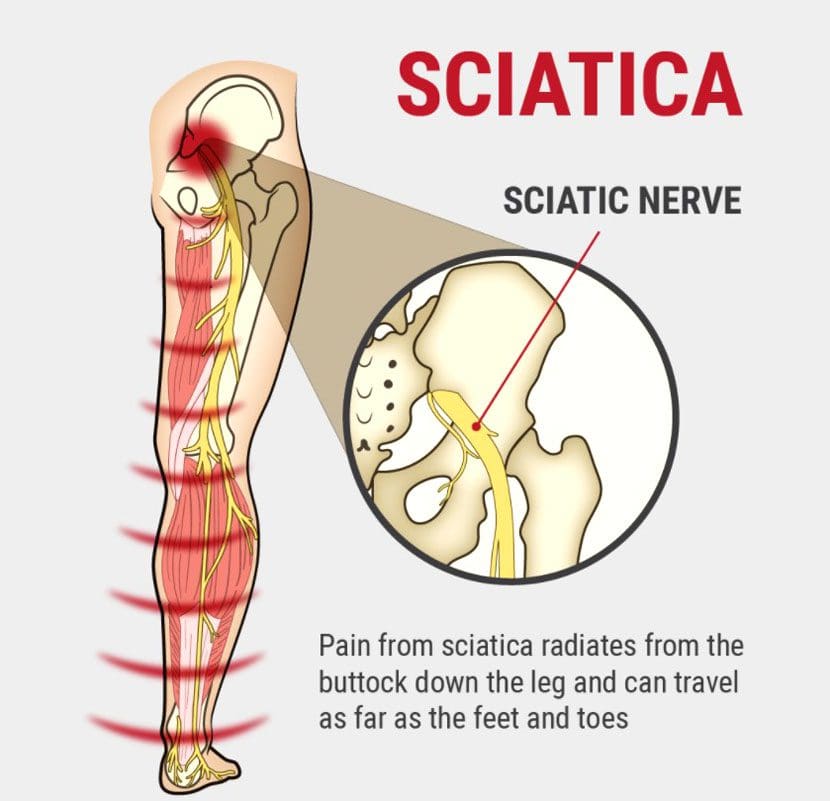
Sciatic nerve injury happens from trauma to the nerve and can cause numbness, tingling, loss of muscle power, and pain. The traumatic experience can be a muscle spasm that pulls and/or pinches the sciatic nerve, force/pressure impact injury, over-stretching injury, or a laceration/cutting injury. A slipped disk, or herniated disk, is the most common cause of irritation on the sciatic nerve. A slipped disk occurs when one becomes slightly dislodged, pushing out from the spine. This places pressure/compression on the sciatic nerve.
Trauma to the lower back, buttocks, or leg from an automobile accident, sports injury, work injury.
Medical treatment causes:
Direct surgical trauma.
Total hip replacement surgery can cause nerve compression and stretch during the procedure, causing damage to the sciatic nerve resulting in dysfunction.
Injection injuries via intramuscular injection in the gluteal region. This is a situation where there is a loss of movement and or lack of sensation at the affected lower extremity with or without pain.
Injection palsy can begin suddenly or hours following damage to the sciatic nerve.
A misplaced intramuscular injection at the gluteal region is the most common cause of injury. It is attributed to frequent injections or poor techniques resulting from inadequately trained or unqualified staff.
Complaints of radiating pain in the leg, which follows a sensory nerve pattern.
Pain radiates below the knee, into the foot.
Complaints of low back pain, which is often less severe than leg pain.
Report of electrical, burning, numbing sensations.
Diagnosis
A detailed subjective and objective physical examination is necessary to figure out the severity of the sciatic nerve injury. Diagnostic studies include:
Chiropractic and physical therapy exercises and stretches improve nerve regeneration after nerve damage.
Electrical Muscle Stimulation
TENS and Electroacupuncture have been shown to help enhance nerve regrowth.
Bio-laser stimulation can help with nerve nutrition and regeneration.
Joint or Soft Tissue mobilization
Helps to retain muscle, nerve, and soft tissue flexibility and prevent deformity.
Balance Training
Coordination, strength, and flexibility exercises help to restore balance.
Splinting
In the early stages after a sciatic nerve injury, bracing may be needed to prevent deformity and new injury or re-injury risks.
Ankle Foot Orthosis – AFO can help prevent foot drop, muscle damage, and falls risk.
Body Composition
Optimize Diet for Fat Loss
Individuals that want to lose fat need to create a calorie deficit. Individuals need to consistently eat less than they need for Total Daily Energy Expenditure – TDEE. The safest way to handle a caloric reduction is to reduce calorie intake in small doses like 200-300 calories, for example. After a week or two, perform a body composition analysis. If Fat Mass numbers begin to drop or not, adjust calorie needs accordingly. Restricting calories is the most common way, a deficit can also be created by increasing calorie needs through exercise.
References
Kline, D G et al. “Management and results of sciatic nerve injuries: a 24-year experience.” Journal of neurosurgery vol. 89,1 (1998): 13-23. doi:10.3171/jns.1998.89.1.0013
Schmalzried, TP et al. “Update on nerve palsy associated with total hip replacement.” Clinical Orthopedics and related research,344 (1997): 188-206.
Shim, Ho Yong et al. “Sciatic nerve injury caused by a stretching exercise in a trained dancer.” Annals of rehabilitation medicine vol. 37,6 (2013): 886-90. doi:10.5535/arm.2013.37.6.886
Suszyński, Krzysztof et al. “Physiotherapeutic techniques used in the management of patients with peripheral nerve injuries.” Neural regeneration research vol. 10,11 (2015): 1770-2. doi:10.4103/1673-5374.170299
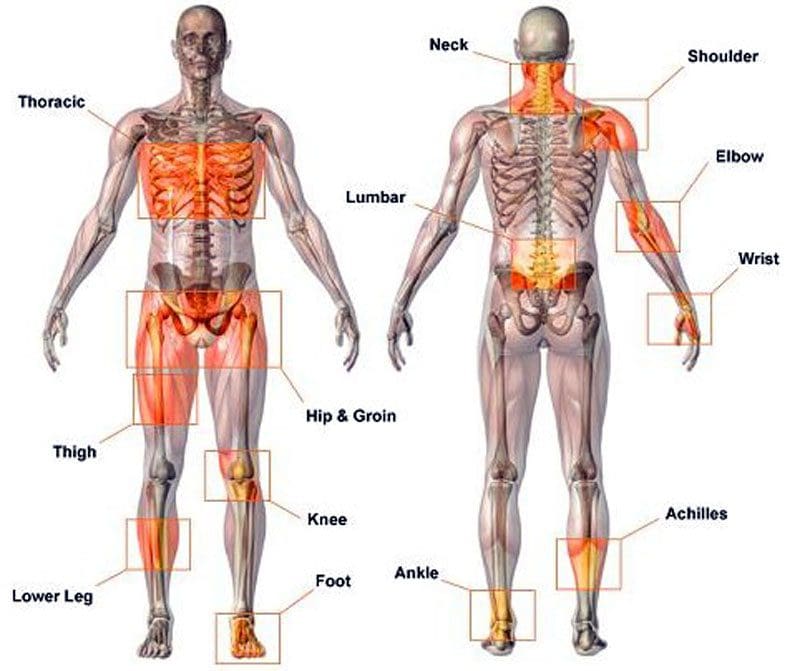
Musculoskeletal Disorders, or MSDs, are injuries, conditions, and disorders that affect the body’s musculoskeletal system. It includes the muscles, tendons, ligaments, nerves, discs, blood vessels, bones, and joints. MSDs are common, and the risk of developing them increases with age. The severity of an MSD can vary. They cause discomfort, recurrent pain, stiffness, swelling, and aching that interfere with everyday activities. Early diagnosis and treatment can alleviate symptoms and improve long-term health. Common disorders include:
The term musculoskeletal disorder is used as it accurately describes the injury or condition. Other terms used are repetitive motion injury, repetitive stress injury, and overuse injury. When individuals are exposed to MSD risk factors, they begin to fatigue. This can start a musculoskeletal imbalance. With time, fatigue completely overtakes recovery/healing, and the musculoskeletal imbalance continues, a musculoskeletal disorder develops. The risk factors are broken into two categories: work-related/ergonomic risk factors and individual-related risk factors.
Ergonomic Factors:
Force
Repetition
Posture
High Task Repetition
Many work tasks and cycles are repetitive and are typically controlled by hourly or daily production targets and work processes.
High task repetition combined with other risks factors like high force and/or awkward postures can contribute to the formation of MSD.
A job is considered highly repetitive if the cycle time is 30 seconds or less.
Forceful Exertions
Many job tasks require high force loads on the body.
Muscle effort increases in response to high force requirements. This increases associated fatigue.
Repetitive or Sustained Awkward Postures
Awkward postures place excessive force on joints, overload the muscles and tendons around affected joints.
The joints of the body are most efficient when they operate close to the mid-range motion of the joint.
The risk of MSD is increased when the joints are worked outside of this mid-range repetitively for sustained periods without a proper amount of recovery time.
Individual Factors
Unhealthy work practices
Lack of physical activity/fitness
Unhealthy habits
Poor diet
Unhealthy Work Practices
Individuals that engage in poor work practices, body mechanics, and lifting techniques are introducing unnecessary risk factors.
These poor practices create unnecessary stress on the body that increases fatigue and decreases the body’s ability to recover properly.
Poor Health Habits
Individuals who smoke, drink excessively, are obese, or exhibit numerous other poor health habits put themselves at risk for musculoskeletal disorders and other chronic diseases.
Insufficient Rest and Recovery
Individuals that do not get adequate rest and recovery put themselves at higher risk.
MSDs develop when fatigue outruns the individual’s recovery system, causing a musculoskeletal imbalance.
Poor Diet, Fitness, and Hydration
Individuals who eat unhealthily are dehydrated, at a poor level of physical fitness, and do not take care of their bodies are putting themselves at a higher risk of developing musculoskeletal and chronic health problems.
Causes
The causes of musculoskeletal disorders are varied. Muscle tissue can be damaged with the wear and tear of daily work, school, and physical activities. Trauma to the body can come from:
Postural strain
Repetitive movements
Overuse
Prolonged immobilization
Jerking movements
Sprains
Dislocations
Falling injuries
Auto accident injuries
Fractures
Direct trauma to the muscle/s
Poor body mechanics can cause spinal alignment problems and muscle shortening, causing other muscles to be strained, causing problems and pain.
Treatment Rehabilitation
A doctor will recommend a treatment plan based on the diagnosis and severity of the symptoms. They may recommend moderate exercise and over-the-counter medications like ibuprofen or acetaminophen to address occasional discomfort or pain. They often recommend chiropractic and physical therapy rehabilitation to learn how to manage pain and discomfort, maintain strength, range of motion, and adjust everyday activities. Different types of manual therapy, or mobilization, can treat body alignment problems. A doctor may prescribe medications like nonsteroidal anti-inflammatories NSAIDs to reduce inflammation and pain for more severe symptoms. For individuals with musculoskeletal disorders like fibromyalgia, medications to increase the body’s level of serotonin and norepinephrine may be prescribed in low doses to modulate sleep, pain, and immune system function.
Body Composition
Types of Pain
Pain can be grouped into three categories:
Early Warning Pain
This is most recognizable after having just touched a pan, and the hand jerks away before realizing how hot the pan is, also known as the withdrawal reflex.
This is a protective mechanism that helps avoid danger and is vital for survival.
Inflammatory Pain
This type of pain happens after an injury or surgery while the body is healing and recovering.
Inflammation prevents the body from performing movements to prevent and avoid re-injury.
Pathological Pain
This type of pain can happen after the body has healed, but the nervous system has been damaged.
This is often the case with individuals who sustain an injury and inform doctors that the injured area is never the same.
If the rehabilitation does not correctly heal the nervous system, protective pain measures can generate a false alarm causing pain signals to fire off.
References
Asada, Fuminari, and Kenichiro Takano. Nihon eiseigaku zasshi. Japanese journal of hygiene vol. 71,2 (2016): 111-8. doi:10.1265/jjh.71.111
da Costa, Bruno R, and Edgar Ramos Vieira. “Risk factors for work-related musculoskeletal disorders: A systematic review of recent longitudinal studies.” American journal of industrial medicine vol. 53,3 (2010): 285-323. doi:10.1002/ajim.20750
Malińska, Marzena. “Dolegliwości układu mięśniowo-szkieletowego u operatorów komputerowych” [Musculoskeletal disorders among computer operators]. Medycyna pracy vol. 70,4 (2019): 511-521. doi:10.13075/mp.5893.00810
Musculoskeletal system diseases. (n.d.). dmu.edu/medterms/musculoskeletal-system/musculoskeletal-system-diseases/
Roquelaure, Yves et al. “Troubles musculo-squelettiques liés au travail” [Work-related musculoskeletal disorders]. La Revue du praticien vol. 68,1 (2018): 84-90.
Villa-Forte A. (n.d.). Diagnosis of musculoskeletal disorders. merckmanuals.com/home/bone,-joint,-and-muscle-disorders/diagnosis-of-musculoskeletal-disorders/introduction
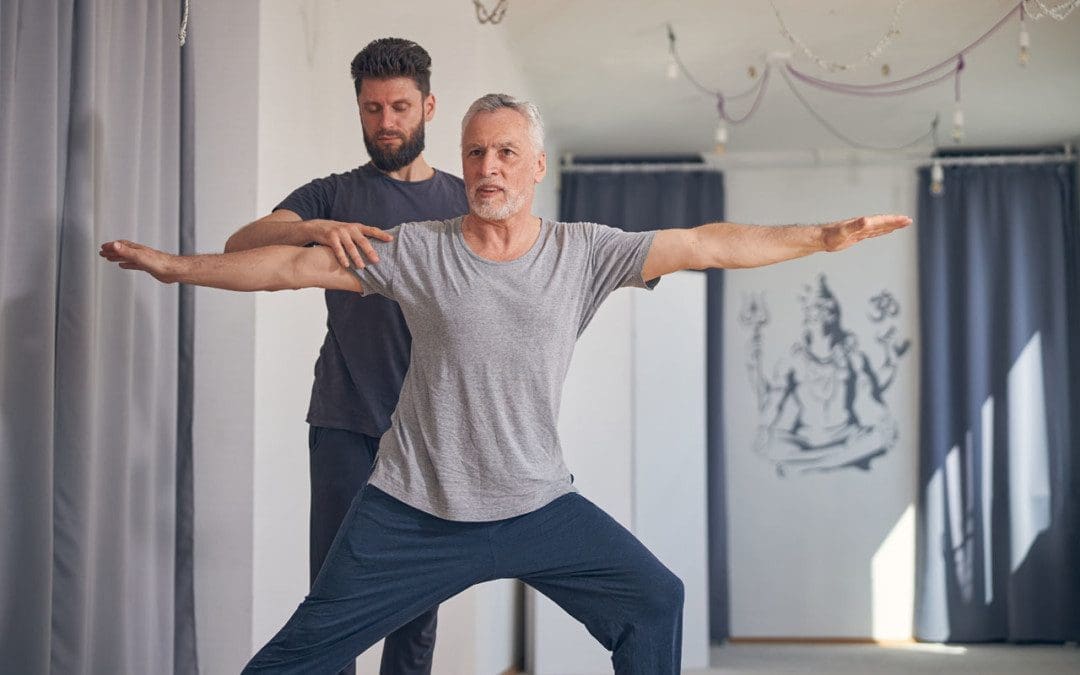
Recovery and rehabilitation after spinal fusion surgery take time. Gentle yoga poses can help expedite recovery from spinal fusion surgery and are recommended in a rehabilitation program. The spine is the body’s central support structure that allows the body to stand upright, bend, and stay balanced. However, an individual may need to have vertebrae fused to repair painful back problems. Spinal fusion is a surgical procedure that permanently connects/fuses two or more vertebrae into a single bone. The procedure is done to help:
Correct a deformity
Improve stability
Reduce pain
At the beginning of the recovery process, the doctor may recommend light physical activity like walking. As the spine continues to heal, moderate exercise is essential for optimal recovery. Doctors are recommending gentle yoga to increase mobility, flexibility and regain strength.
Gentle Yoga and Spine Surgery Recovery
Yoga has become a way to stretch the body, exercise, promote physical and mental well-being. There are different styles of yoga, ranging from gentle stretching to advanced poses. Yoga focuses on stretching, coordination, and balance. When stretching the body, the range of motion is improved. Yoga also helps improve balance and increases strength to reduce the risk of falls and injuries. Gentle yoga after spinal fusion benefits include:
Pain relief
Stress reduction
Improved mental health
Increased flexibility and strength
Improved balance
Increase in energy levels
Gentle yoga after surgery focuses on an improved range of motion/coordination of the arms and legs with the torso. This allows the spine to safely flex, not become stiff, and avoid strain, leading to fuller activity.
When To Begin Yoga After Spinal Fusion?
A reduced range of motion and loss of muscle mass is expected in the weeks and months following surgery. The healthcare/rehabilitation team will address this through exercise and physical therapy once the doctor clears the individual to begin rehabilitation training. The doctor will use some form of diagnostic imaging to determine if the vertebrae have fully fused before giving the ok for exercise. Most individuals can begin light physical activity four to six weeks after the procedure. If the fusion surgery was fused in only one place, individuals could start gentle yoga poses within two to three months. For a multi-level fusion surgery, individuals may need to wait four to six months after the procedure before they can safely begin.
Yoga Recovery Program
It’s essential to take it slow and steady when first beginning yoga after spinal fusion. As the body continues to heal, gradually add more challenging poses and stretches to the routine. This is a graduated recovery program separated into stages to help the individual build back strength and flexibility. In the first stages of recovery, gentle poses that have minimal effects on the spine are recommended. These include:
It’s crucial to listen to the body as a guide when moving through the poses, no matter what stage of recovery. The fusion needs time to heal and stabilize, so any poses that involve twisting movements and flexing should be avoided. Seek advice if there is confusion about how or whether or not to proceed. It is recommended to work with an experienced yoga teacher after spinal fusion. A knowledgeable instructor can guide with the poses, inform which poses to avoid and make modifications to get the most out of the gentle poses.
Body Composition
How Heat Affects Basal Metabolic Rate
Gender, height, and age influence Basal Metabolic Rate. These are factors individuals cannot control or change. However, individuals can increase the calories the body burns by regulating body temperature. Both the internal and external temperatures influence metabolic rate. The chemical reactions that contribute to metabolism happen more quickly if the temperature is higher, as the body works harder to restore normal temperature balance. For example, when a fever is present, the Basal Metabolic Rate will jump up to a much higher rate than usual to increase the speed of cellular metabolic reactions to combat the fever and get the body back to a healthy state. When it comes to external temperature, it’s only prolonged exposure to heat that raises the Basal Metabolic Rate.
References
American Academy of Orthopedic Surgeons. (June 2018). “Spinal Fusion.” https://orthoinfo.aaos.org/en/treatment/spinal-fusion/
Gillooly, James F, and Andrew P Allen. “Changes in body temperature influence the scaling of VO2max and aerobic scope in mammals.” Biology letters vol. 3,1 (2007): 99-102. doi:10.1098/rsbl.2006.0576
National Center for Complementary and Integrative Health. (February 2020) “Yoga for Health: What the Science Says.” https://www.nccih.nih.gov/health/providers/digest/yoga-for-health-science
National Center for Complementary and Integrative Health. (April 2021) “Yoga: What You Need to Know.” https://www.nccih.nih.gov/health/yoga-what-you-need-to-know
Tractor-trailer semi-trucks are a vital part of our transportation/supply system. However, weather, drivers that are not careful and/or well-trained can cause dangerous and sometimes fatal accidents. One type of accident resulting from truck driver negligence is the jackknife accident. Jackknife accidents are extremely catastrophic because they can involve numerous vehicles. Almost all of them involve life-altering or fatal injuries. Here’s what to know about these violent truck crashes.
Jackknife Collision
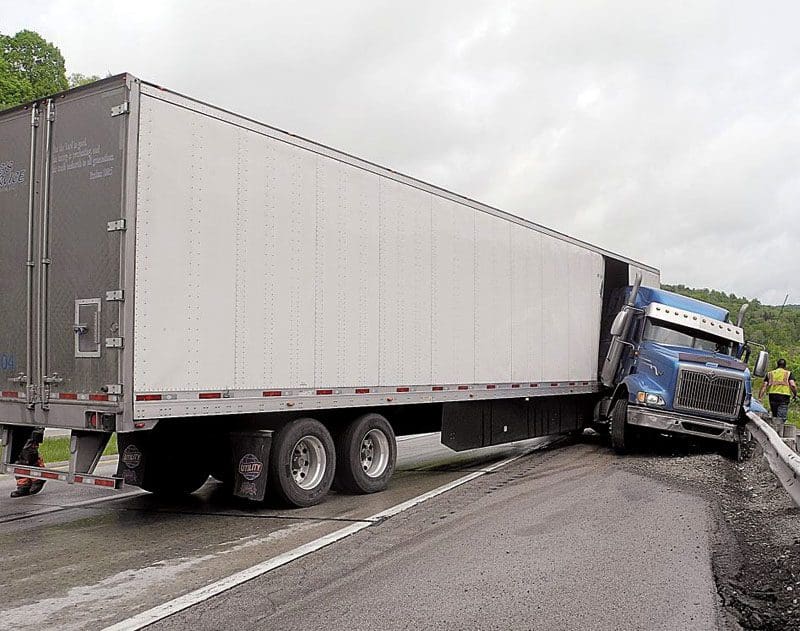
A jackknife occurs when the trailer of semi-truck swings to one side at a 90-degree angle and uncontrollably overtakes other lanes of traffic.The term comes from the look of the tractor-trailer after the crash resembling a jackknife or the letter L. When a jackknife wreck happens, the trailer and cab can hit and crush other vehicles in its path. It can also block numerous lanes leading to additional collisions. Jackknife crashes can also be considered rollover crashes when the truck slides and rolls over onto its side, although not all rollovers end in a jackknife.
Causes
Jackknife collisions are often either the cause of driver negligence or inclement weather, other distracted drivers, truck maintenance, or a combination. These include the following:
Excessive Speed
If a truck driver is speeding, the trailer can slide sideways and jackknife when forced to stop too quickly.
The average tractor-trailer weighs about 80,000 pounds.
The average length of a trailer is between 70 – 80 feet.
Tractor-trailer trucks need 40% more time to brake.
Weather Conditions
If drivers do not take it slow enough, bad weather or road conditions can also cause a jackknife.
Ice, snow, rain, loose gravel, or loose asphalt can cause trailers to bounce and slide.
Hazardous road conditions, as accumulated oil can cause slipperiness.
Improper Following Distance
Truck drivers that do not provide an adequate following distance to allow for a safe stopping distance can cause the trailer to slide sideways and jackknife when having to slam on the brakes.
Drivers who do not exercise caution as they enter and properly maneuver down hills or curves can end up shifting out of position and possibly topple over.
Driver Operator Fatigue
Many tractor-trailer accidents/crashes happen when drivers have logged too many hours without proper rest.
When the body is tired, response time suffers.
If a driver is groggy, they lack the cognizance to maneuver out of a dangerous situation.
Inexperienced or Untrained Operators
Driving a truck is a demanding job that requires several skill sets and experience.
Truck companies try to lower costs by using inexperienced drivers that don’t have the training or experience for long hauls or driving on busy/dangerous highways and interstates.
Load Balance
Safe truck driving ensures the trailer’s cargo is loaded correctly and the weight is equally distributed.
When the load is unbalanced, it can shift, causing the trailer to tilt or tip.
Unbalanced loads are a common factor in rollover crashes.
Lack of Maintenance
Drivers or companies that ignore:
Routine maintenance
Alignment checks
Brake pad replacement
All can lead to accidents and crashes.
Research shows that jackknife crashes can cause widespread damage, as they usually spread across multiple lanes of traffic. Because of this, there is the danger of secondary crashes or vehicles not initially involved in the crash, running into the tractor, trailer, or scattered wreckage and debris.
18 Wheeler Accident Chiropractic Treatment
Analysis An Effective Tool In Physical Therapy Rehabilitation
Body composition is essential for understanding an individual’s physiological makeup and guiding a personalized treatment plan to target specific areas. InBody is non-invasive and convenient, making it ideal for rehabilitation practices. The InBody test provides comprehensive results that can educate and engage individuals in tracking their progress throughout their physical therapy. In less than 60 seconds, the InBody Test provides easy-to-understand, accurate, and objective measurements. Chiropractors and physical therapists use the InBody for:
Monitoring changes to determine the efficacy of exercise programs.
Guiding recommendations to ensure long-term success.
References
Girotto, Edmarlon et al. “Working conditions, and sleepiness while driving among truck drivers.” Traffic injury prevention vol. 20,5 (2019): 504-509. doi:10.1080/15389588.2019.1609670
Gray, Garry. “A bird’s eye view of driving safety culture: Truck drivers’ perceptions of unsafe driving behaviors near their trucks.” Work (Reading, Mass.) vol. 64,2 (2019): 187-194. doi:10.3233/WOR-192985
Smith, Joyce A et al. “Spine and spinal cord injury in motor vehicle crashes a function of change in velocity and energy dissipation on impact with respect to the direction of the crash.” The Journal of trauma vol. 59,1 (2005): 117-31. doi:10.1097/01.ta.0000171534.75347.52
Stavrinos, Despina et al. “Commercial Truck Driver Health and Safety: Exploring Distracted Driving Performance and Self-Reported Driving Skill.” Workplace health & safety vol. 64,8 (2016): 369-76. doi:10.1177/2165079915620202
Stein, H S, and I S Jones. “Crash involvement of large trucks by configuration: a case-control study.” American Journal of public health vol. 78,5 (1988): 491-8. doi:10.2105/ajph.78.5.491
IFM's Find A Practitioner tool is the largest referral network in Functional Medicine, created to help patients locate Functional Medicine practitioners anywhere in the world. IFM Certified Practitioners are listed first in the search results, given their extensive education in Functional Medicine