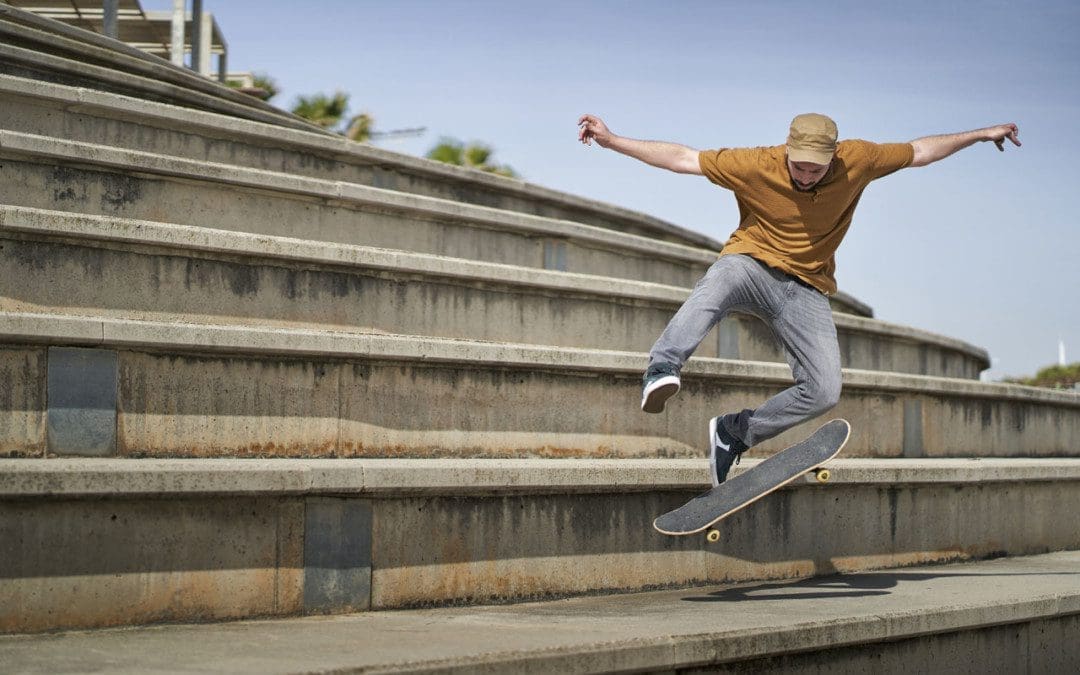
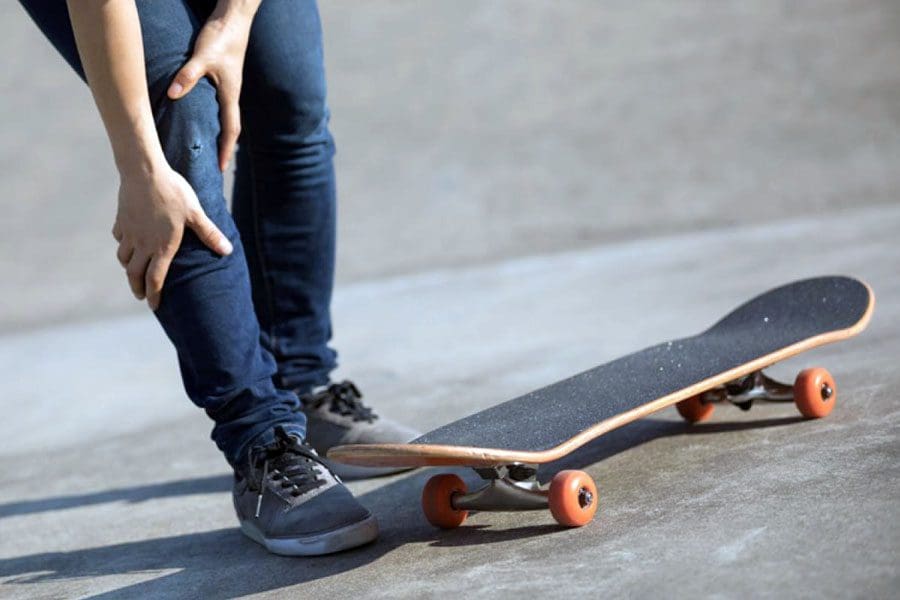
Skateboarding is a popular activity among children, teenagers, and young adults. It is recreational, competitive, fun, and exciting but, like any sport, carries a risk of injury. There are around 70,000 skateboarding injuries requiring a visit to the emergency room every year. The most common injuries involve the shins, ankles, forearms, wrists, elbows, face, and skull, with many left untreated that worsen as they heal improperly, leading to further damages and complications. Chiropractic can treat the injuries, rehabilitate the muscles and joints, and strengthen the body to get the skater back on their board.
Skateboarding Injuries
Skateboarding injuries can range from scrapes, cuts, and bruises to sprains, strains, broken bones, and concussions.
Shin injuries often happen during flip/twist tricks where the board or axle hits the shin causing bruising and swelling.
Shoulder, wrist, and hand injuries are common when skaters lose their balance and fall with outstretched arms.
Ankle injuries include rolls/sprains, as well as dislocations and fractures.
Dislocations usually happen to the shoulders, wrists, and fingers.
Facial injuries include teeth knocked out, broken nose, or jaw are typically caused by fast forward hard falls.
Severe injuries include concussions and head injuries.
Injury causes
Skateboarding injuries typically occur from:
Skating on irregular surfaces locks up wheels and affects balance, causing falls.
Losing balance or losing control of the board and falling hard/slamming into the pavement.
Inexperience, slow reaction times, and less coordination lead to falls and slams.
Skating into another skater, a person walking or cycling, a car, or a road hazard.
Trying an advanced trick/maneuver too soon and beyond their skill level.
Help prevent further injuries and long-term effects.
Chiropractic Skateboarding Injury Treatment
References
Forsman, L, and A Eriksson. “Skateboarding injuries of today.” British journal of sports medicine vol. 35,5 (2001): 325-8. doi:10.1136/bjsm.35.5.325
Hunter, Jamie. “The epidemiology of injury in skateboarding.” Medicine and sport science vol. 58 (2012): 142-57. doi:10.1159/000338722
Partiali, Benjamin, et al. “Injuries to the Head and Face From Skateboarding: A 10-Year Analysis From National Electronic Injury Surveillance System Hospitals.” Journal of oral and maxillofacial surgery: official journal of the American Association of Oral and Maxillofacial Surgeons vol. 78,9 (2020): 1590-1594. doi:10.1016/j.joms.2020.04.039
Shuman, Kristin M, and Michael C Meyers. “Skateboarding injuries: An updated review.” The Physician and sportsmedicine vol. 43,3 (2015): 317-23. doi:10.1080/00913847.2015.1050953
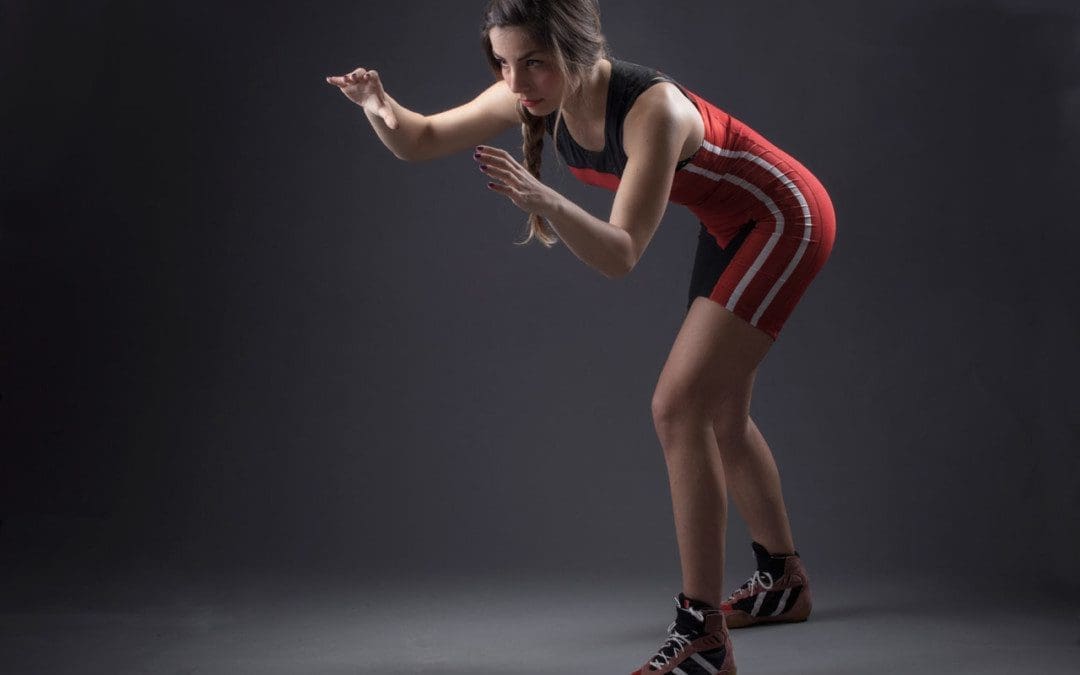
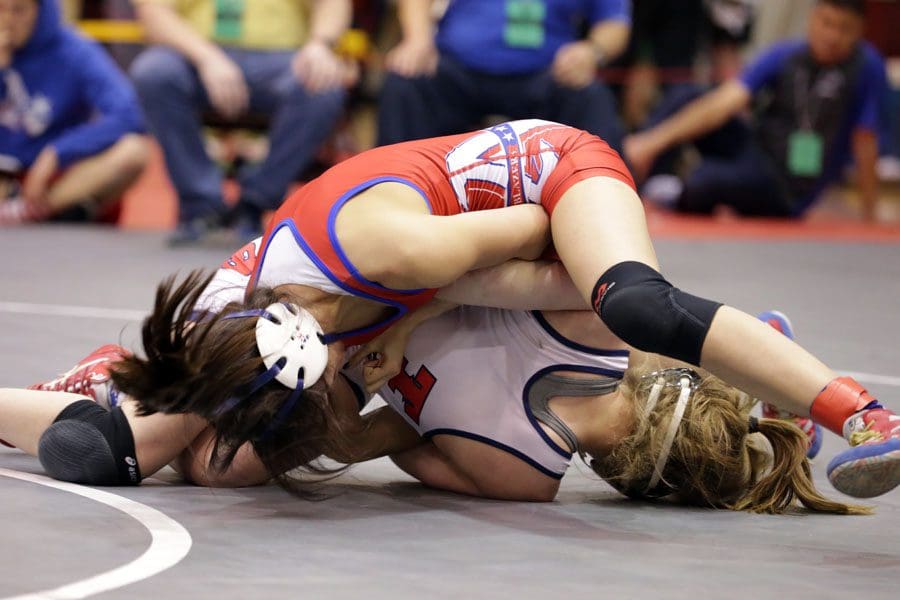
Wrestling is a sport that requires speed, strength, and endurance that involves intense physical contact, pushing and pulling the muscles, tendons, ligaments, and joints to their limits. Wrestlers’ are constantly contorting their bodies. Pushing the body to its limits increases the risk of developing wrestling injuries that include:
The most common injuries usually occur from forceful contact or twisting forces. And if a wrestler has been injured, there is an increase for re-injury. Wrestling tournaments typically take place over days, often with back-to-back matches, which significantly fatigues the body and increases injury risk. The most common wrestling injuries include:
Muscle strains of the lower extremities and/or the back.
Chronic problems can result from hours in the forward stance posture and repetitive motions.
Dislocations and sprains of the elbow or shoulder from take-downs.
Cauliflower ear – is a condition that can cause ear deformity and develops from friction or blunt trauma to the ears.
Skin infections occur from constant contact, sweating, bleeding, and rolling on the mats. Infections include herpes gladitorium, impetigo, folliculitis, abscesses, and tinea/ringworm.
Concussions are usually caused by hard falls/slams or violent collisions with the other wrestler.
Injuries can cause wrestlers to alter/change their technique, exacerbating the existing damage and potentially creating new injuries.
Chiropractic Rehabilitation and Strengthening
There can be a variety of pain generators/causes when it comes to wrestling injuries. Joints and muscles can get overstretched, muscles can spasm, and nerves can become compressed and/or irritated. For example, a neck muscle spasm could be caused by nerve irritation from a shifted vertebrae. To determine the specific cause or causes of the injury/pain, a detailed chiropractic examination will be performed that includes:
Range of motion testing
Ligament tests
Muscle palpation
Gait testing
Injuries often relate to the proper weight, neuromuscular control, core strength, proper technique, hygiene, and hydration management. Successful treatment depends on identifying the root cause of the wrestling injury. Chiropractic restores proper alignment through massage, specific manual adjustments, decompression, and traction therapies. Adjustments can include the back, neck, shoulder, hips, elbows, knees, and feet. Once correct body alignment is achieved, rehabilitative exercises and stretches are implemented to correct and strengthen muscle function. We work with a network of regional medical doctors specializing in referral situations and strive to return the athlete to their sport as soon as possible.
Wrestling Match
References
Boden, Barry P, and Christopher G Jarvis. “Spinal injuries in sports.” Neurologic clinics vol. 26,1 (2008): 63-78; viii. doi:10.1016/j.ncl.2007.12.005
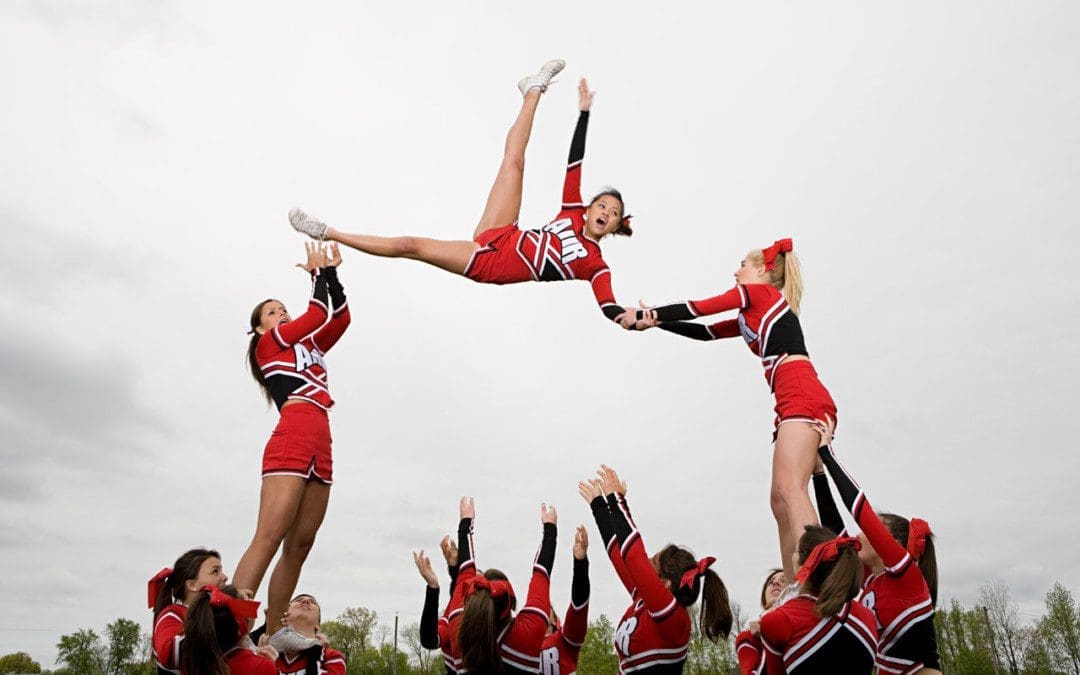
Cheerleading and the physically intensive gymnastics and acrobatics put participants’ body’s/musculoskeletal systems at an increased risk of injury. A wrong move or falling at the wrong angle can cause permanent damage. Cheerleaders must follow a balanced diet and maintain physical fitness, strength, endurance, and flexibility to be successful cheerleaders. Cheerleading conditioning builds the musculature and spinal strength to decrease the risk and prevent injury.
Cheerleading Conditioning
Cheerleaders must have a solid musculoskeletal system to ensure their safety and the safety of their squads. Workouts include cardio, strength training, and flexibility exercises.
Warming Up
Before any workout, the muscles need to be warmed up.
Spend five minutes jumping rope, running in place, jogging on a treadmill, or doing any mild activity to raise the heart rate.
Try tree pose by standing on the right foot, and the left leg bent on the right knee.
The left thigh should be parallel to the ground.
Raise arms overhead and make a V motion keeping the abdominal muscles pulled in tight.
Balance for up to one minute.
Switch to the other foot.
Once balance is mastered on the ground, try balancing on a cushion to add instability.
Repeat three to five times on each foot.
Common Injuries
Common injuries include:
Hand and finger injuries.
Ligament sprains in the knees and ankles.
Muscle strains in the hip, low back, and legs.
Overuse injuries
Cheerleading is becoming a year-round sport.
Starting with tryouts during spring.
Teams may hold or go to organized summer cheerleading camps to learn new skills, improve skill sets, and create routines for competition.
Continuous training and competitions increase the chance of overuse injuries.
The wrists, elbows, knees, and ankles can be injured by repetitive stress.
More severe injuries are:
The repetitive tumbling places significant pressure on the spine and can cause stress fractures.
Dislocation of the shoulder or elbow.
Injury Causes
Lack of arm and shoulder, foot, and ankle strength.
Little to no core and abdominal strength.
Flexibility problems.
Improper conditioning.
Unhealthy diet.
Performing skills that are advanced for the cheerleader’s current level.
Chiropractic Enhancement
Chiropractic care can treat injuries and strengthen the body’s musculoskeletal system to prevent injuries. Chiropractic’s goal is optimal body performance by redistributing blood circulation, nerve energy flow, correct muscle positioning, and skeletal alignment. Many cheerleading teams are incorporating chiropractic. Injury Medical Chiropractic and Functional Medicine Clinic also specializes in sports medicine rehabilitation, strength training, nutrition, and health coaching.
Cheerleading Strength Training Workout
References
Boden, Barry P, and Christopher G Jarvis. “Spinal injuries in sports.” Neurologic clinics vol. 26,1 (2008): 63-78; viii. doi:10.1016/j.ncl.2007.12.005
Miners, Andrew L. “Chiropractic treatment and the enhancement of sport performance: a narrative literature review.” The Journal of the Canadian Chiropractic Association vol. 54,4 (2010): 210-21.
Mueller, Frederick O. “Cheerleading injuries and safety.” Journal of athletic training vol. 44,6 (2009): 565-6. doi:10.4085/1062-6050-44.6.565
Pang, Yanbin, et al. “Premature exhaustion of mesenchymal stromal cells from myelodysplastic syndrome patients.” American journal of translational research vol. 9,7 3462-3468. 15 Jul. 2017
Wan, Jing-Jing, et al. “Muscle fatigue: general understanding and treatment.” Experimental & molecular medicine vol. 49,10 e384. 6 Oct. 2017, doi:10.1038/emm.2017.194
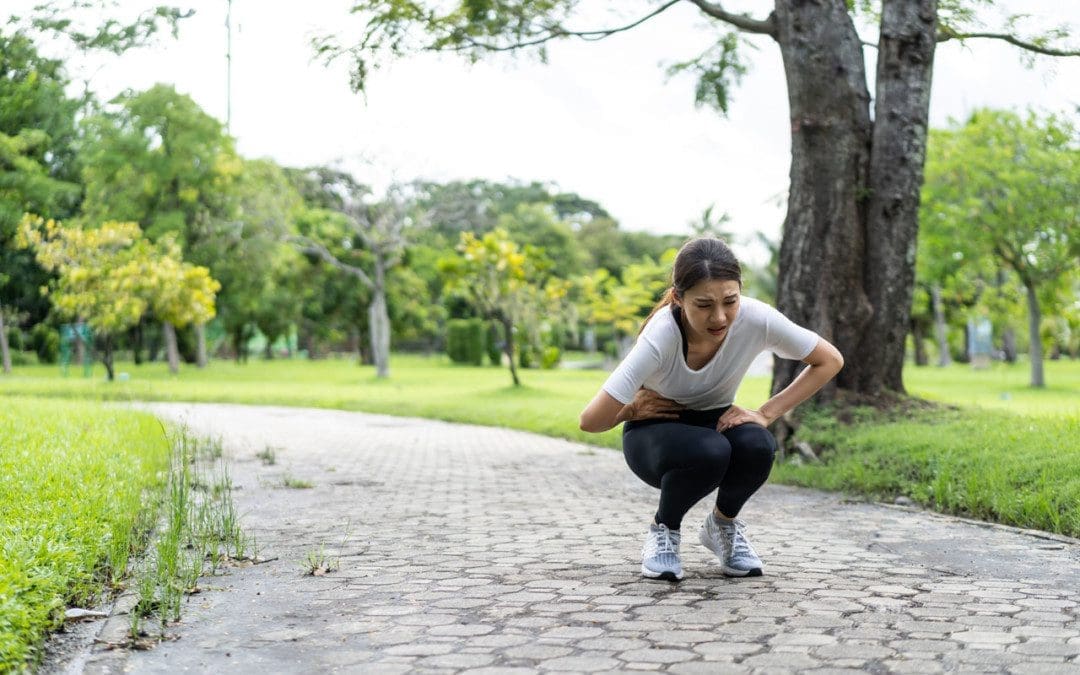
Children, teens, and adults participate in organized and recreational sports activities for fun, exercise, and social benefits. Individuals and parents are used to scrapes, bumps, bruises, sprains, and strains. However, internal abdominal injuries from the body colliding with another player or object are less common but dangerous. Abdominal injuries make up less than 4 percent of sports injuries but can be severe when they occur. These injuries are common in sports like wrestling, gymnastics, soccer, basketball, football, skiing, snowboarding, BMX freestyle, motocross, skateboarding, ice/field hockey, and lacrosse. Early symptoms are not always obvious or apparent and can be mild or seem to go in a different direction away from the abdominal region, which is why it is essential to know what to look for.
Internal Abdominal Injuries Athletes
There are about 3oo 000 abdominal sports-related injuries. Kids and young athletes risk injuring their abdominal organs because their abdominal wall is thinner and still in development. However, internal abdominal injuries to the stomach, small and large intestine, spleen, liver, and kidneys can and do happen in adults.
Injury Types
Sports-related internal abdominal injuries are considered rare, but studies suggest they are increasing. The most common sites include:
Liver
This causes pain in the upper right side of the abdomen.
The right lobe is the one that gets injured more often because it is bigger and presses against the ribcage.
A torn liver can cause severe bleeding.
Shock can develop from the bleeding, causing heart palpitations, rapid breathing, shortness of breath, and a pale, grey, and/or sweaty appearance.
The liver and spleen are the most commonly injured organs in sports. They are filled with blood and can get bruised, or ruptured, and can cause severe bleeding when torn or cut. Bleeding in the abdomen can irritate the diaphragm, which can cause pain in the shoulder. Sometimes shoulder pain is the only symptom making it difficult to diagnose and because bleeding can take time to develop, the symptoms might not present for several hours.
Spleen
This causes pain in the upper left side of the abdomen.
The spleen filters around 10% of the body’s blood supply every minute.
A torn spleen can cause rapid and life-threatening internal bleeding.
Kidneys
The kidneys can be injured by a blow/hit to the back or flank that causes bruising or laceration.
This injury can cause flank/side pain, blood in the urine, nausea, and/or vomiting.
Abdominals
A single organ or multiple organs can be injured.
This can be the pancreas, diaphragm, stomach, gallbladder, bladder, or intestines.
Bruising discoloration or bruising, particularly around the belly and flanks.
This can cause abdominal pain with movement that does not get better that could be accompanied by fever, nausea, or vomiting.
Running into an object, another player, or falling hard can cause bruising, laceration, or create a tear/opening of a bowel wall. Symptoms can be delayed days to weeks after the injury when inflammation or infection develops.
Recognizing Internal Injuries
Signs and symptoms to look for include:
Abdominal pain
Bruising around the abdominal area.
Tenderness over the injured area.
Rigid abdomen.
Left-arm and shoulder pain.
Right-sided abdominal pain and right shoulder pain.
Blood in the urine.
Cold, sweaty skin.
Nausea and vomiting.
Rapid heartbeat.
Low blood pressure.
Loss of consciousness.
Treatment
Chiropractic focuses on whole-body health and can help with abdominal injuries. The nervous and digestive systems are interconnected, meaning that damage could lead to viscerosomatic reflexeseven if not directly injured. If internal damage or bleeding has occurred, individuals will be referred to a specialist, surgeon, or another emergency medical professional. If internal damage is ruled out, a chiropractic treatment plan that includes adjustments, massage therapy, manual and mechanical decompression, exercises, stretches, and health coaching will help with tissue injuries and problems that are causing gastrointestinal distress.
Spinal Non-Surgical Decompression
References
Arumugam, Suresh, et al. “Frequency, causes and pattern of abdominal trauma: A 4-year descriptive analysis.” Journal of emergencies, trauma, and shock vol. 8,4 (2015): 193-8. doi:10.4103/0974-2700.166590
Barrett, Cassie, and Danny Smith. “Recognition and management of abdominal injuries at athletic events.” International journal of sports physical therapy vol. 7,4 (2012): 448-51.
Kucera, K. L., Currie, D. W., Wasserman, E. B., Kerr, Z. Y., Thomas, L. C., Paul, S., & Comstock, R. D. (2019). Incidence of Sport-Related Internal Organ Injuries Due to Direct-Contact Mechanisms Among High School and Collegiate Athletes Across 3 National Surveillance Systems. Journal of athletic training, 54(2), 152–164. https://doi.org/10.4085/1062-6050-271-17
Slentz, Cris A et al. “Effects of aerobic vs. resistance training on visceral and liver fat stores, liver enzymes, and insulin resistance by HOMA in overweight adults from STRRIDE AT/RT.” American journal of physiology. Endocrinology and metabolism vol. 301,5 (2011): E1033-9. doi:10.1152/ajpendo.00291.2011
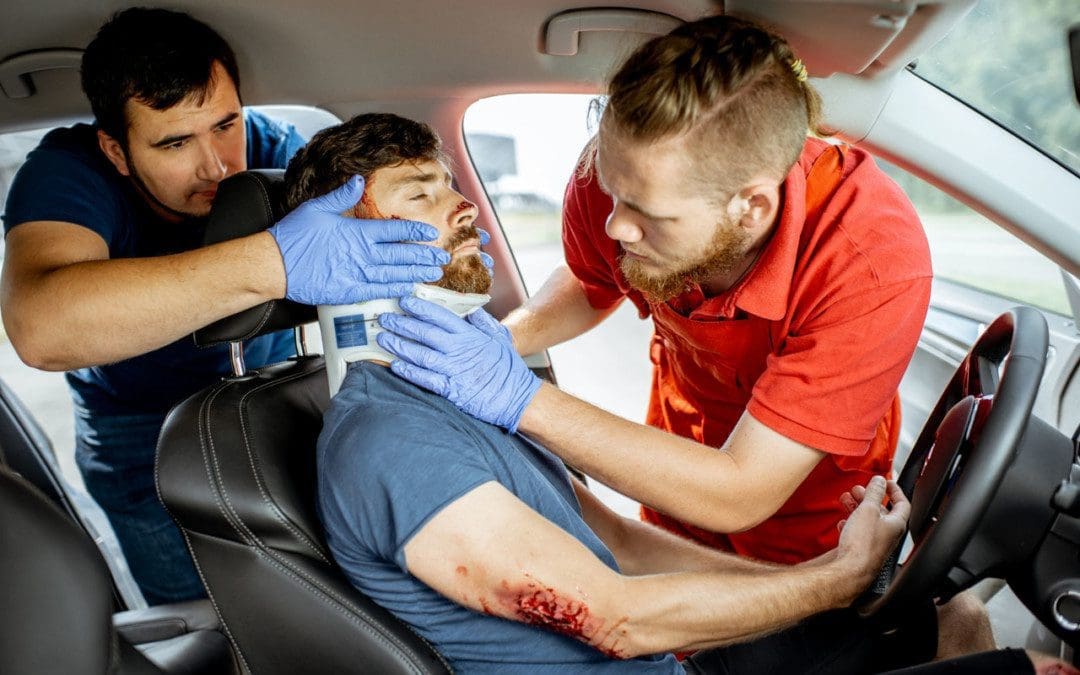
When the body goes through intense trauma like a car, truck, crash, or accident, the trauma can slip, bulge, herniate, or rupture the spinal fluid-filled discs that can extrude from the disc space, causing the nucleus pulposusto tear through the annulus fibrosus and compress the nerve roots causing pain. Depending on the severity and force of the crash or accident, a herniated disc can cause the vertebrae to push into the spinal canal, where it can compress, irritate, and/or injure the spinal cord, which can lead to other health issues. Nerve impingement from a herniated disc can also cause numbness and tingling in the hands, arms, legs, and feet. A chiropractic spine disc herniation decompression treatment plan can heal the herniation, realign the spine, stretch the muscles and joints, and rehabilitate the body back to top form.
Spine Disc Herniation
Symptoms of Herniation
Signs and symptoms depend on the spinal area and whether the disc is rubbing or compressing a nerve. Pain is often described as a sharp or burning sensation. A herniated disc usually affects one side of the body.
Pain Presents When Sitting Down – sitting causes a significant strain on the lower spinal discs. When sitting, the pain experienced can worsen.
Arm or leg pain – Depending on the herniated disc, pain can spread to other surrounding areas.
For a lower herniation, this could be the buttock, thigh, calf, and foot.
For a herniated disc in the neck region, pain can be felt in the shoulder and arm.
Pain can present in the arm or leg when coughing, sneezing, or moving into certain positions.
Numbness or tingling – presents from the compressed nerves and spreads as the average blood/energy flow is disrupted.
Muscle Weakness – the affected nerves that support the spinal muscles can lose normal strength causing awkward postures and fatigue.
A herniated disc can be present without symptoms – individuals won’t know unless spinal imaging is ordered.
Sciatica Sensations – the damaged nerve roots affect the ability to function correctly and can cause burning pain, numbness, weakness, and tingling along the front and/or back of the thigh, leg, and/or foot. This can result from direct compression or chemical irritation from a leaked out herniated disc that causes inflammation around the nerve root area.
Chiropractic Injury Care
When a disc herniates, it inhibits the body from communicating and healing itself. To activate proper communication from the brain to the rest of the body, chiropractors perform spine disc herniation decompression which clears the neural system and opens the lines of communication.
Spine Disc Herniation Decompression
Nonsurgical spinal decompression gently stretches the spine to relieve pressure and heal the herniated disc. It is a safe procedure considered a natural alternative compared to surgery or pharmaceutical approaches. Spinal decompression therapy:
It is safe for all ages
It is non-invasive
Sessions take between 30 to 45 minutes, depending on the individual and the injury that could require multiple sessions.
Offers a quicker recovery time
It is performed on a computer-controlled table customized to the individual’s specific needs and injuries.
A treatment plan can expedite the recovery process, rehabilitate and strengthen the whole body, and help avoid minimally invasive spine surgery.
Neurosurgeon DRX9000
References
Atlas, Steven J et al. “The impact of disability compensation on long-term treatment outcomes of patients with sciatica due to a lumbar disc herniation.” Spine vol. 31,26 (2006): 3061-9. doi:10.1097/01.brs.0000250325.87083.8d
Dydyk AM, Ngnitewe Massa R, Mesfin FB. Disc Herniation. [Updated 2022 Jan 18]. In: StatPearls [Internet]. Treasure Island (FL): StatPearls Publishing; 2022 Jan-. Available from: https://www.ncbi.nlm.nih.gov/books/NBK441822/
Gane, Elise M et al. “The Impact of Musculoskeletal Injuries Sustained in Road Traffic Crashes on Work-Related Outcomes: A Systematic Review.” International journal of environmental research and public health vol. 18,21 11504. 1 Nov. 2021, doi:10.3390/ijerph182111504
Scuderi, Gaetano J et al. “Symptomatic cervical disc herniation following a motor vehicle collision: return to work comparative study of workers’ compensation versus personal injury insurance status.” The spine journal: official journal of the North American Spine Society vol. 5,6 (2005): 639-44; discussion 644. doi:10.1016/j.spinee.2005.04.007
Food is more than just energy. Diets have a profound effect on everything in an individual’s life. Some foods can help the body heal or interfere with the recovery/healing process from injury/s and/or conditions that include sciatica. Making changes to a diet plays a significant factor in the recovery/rehabilitation phase, and adding certain foods will improve and expedite the healing process. A fully functional sciatic nerve nutrition diet plan must be personalized to each individual’s needs.
Sciatic Nerve Nutrition
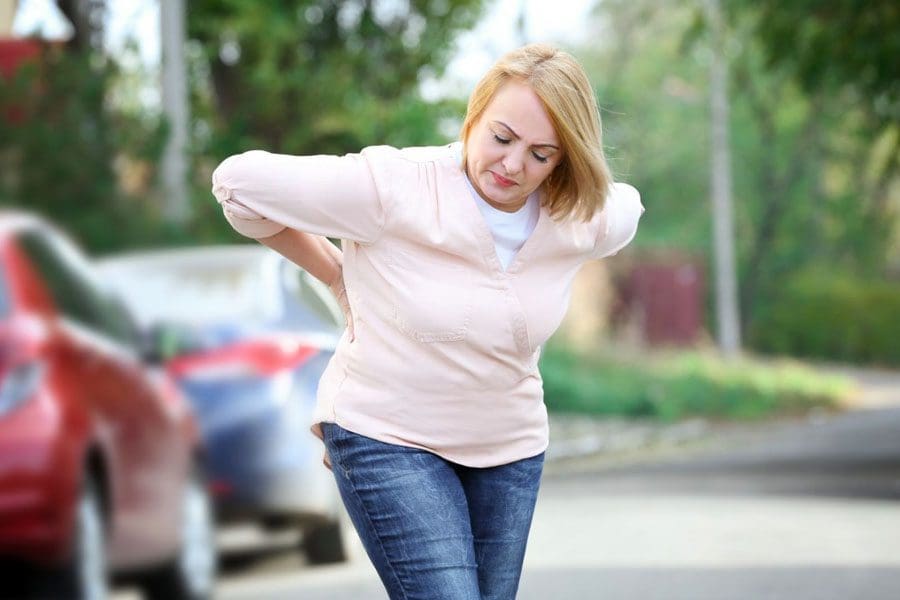
Sciatica can cause numbness, tingling, electrical shock-type pain, or a combination in the back, hip, outer side of the leg, and the foot. Clinical nutrition is a powerful tool when combating sciatica. Enzymes in certain foods can help reduce the inflammation associated with sciatica. A high percentage of individuals dealing with sciatica can enhance pain relief by adjusting their diets. Quick recommendations include:
Oily fish like salmon and halibut are rich in omega-three fatty acids that decrease inflammation in the body and the sciatic nerve.
Fresh pineapples and berries are anti-inflammatories that aid in healing and increase immune system function.
2-3 cups of green tea contain antioxidants that help control peripheral sensations and help manage pain.
Turmeric, ginger, and garlic contain anti-inflammatory agents that relieve swelling by reducing levels of inflammation-stimulating enzymes.
B-Vitamins are essential to maintain normal nerve function and can be found in green peas, spinach, navy beans, nuts, and bananas.
Magnesium-rich foods can ensure the body is not deficient and help control muscle spasms.
Sciatica can also be triggered by a poor diet that causes constipation that can place pressure on the nerve. Therefore it is recommended to incorporate fiber-rich foods that include plenty of fruits and vegetables to prevent constipation.
Foods That Make Sciatica Worse
Inflammatory foods to avoid:
Sugar and high-fructose corn syrup.
Trans fats include margarine and any hydrogenated/solidified or partially hydrogenated oils.
Refined vegetable oils – These are vegetable, nut, or seed oils that have been highly processed. Cut down on french fries, chips, or other foods fried in these oils.
Refined carbohydrates – Carbohydrates that have fiber removed increase the growth of inflammatory gut bacteria. These include white flour, refined corn products, white rice, and various commercial cereals and sugars.
Excessive alcohol – Moderate amounts of alcohol can provide health benefits, but higher amounts increase inflammation.
Processed meats – are often processed at high temperatures, creating chemicals/substances associated with inflammation.
Avoid Surgery
References
Davis D, Maini K, Vasudevan A. Sciatica. [Updated 2022 Feb 4]. In: StatPearls [Internet]. Treasure Island (FL): StatPearls Publishing; 2022 Jan-. Available from: https://www.ncbi.nlm.nih.gov/books/NBK507908/
Garfin, SR et al. “Spinal nerve root compression.” Spine vol. 20,16 (1995): 1810-20. doi:10.1097/00007632-199508150-00012
Kumar, M. Epidemiology, pathophysiology and symptomatic treatment of sciatica: A review. nt. J. Pharm. Bio. Arch. 2011, 2.
Safari, Mir Bahram, et al. “Efficacy of a Short-Term Low-Calorie Diet in Overweight and Obese Patients with Chronic Sciatica: A Randomized Controlled Trial.” Journal of alternative and complementary medicine (New York, N.Y.) vol. 26,6 (2020): 508-514. doi:10.1089/acm.2019.0360
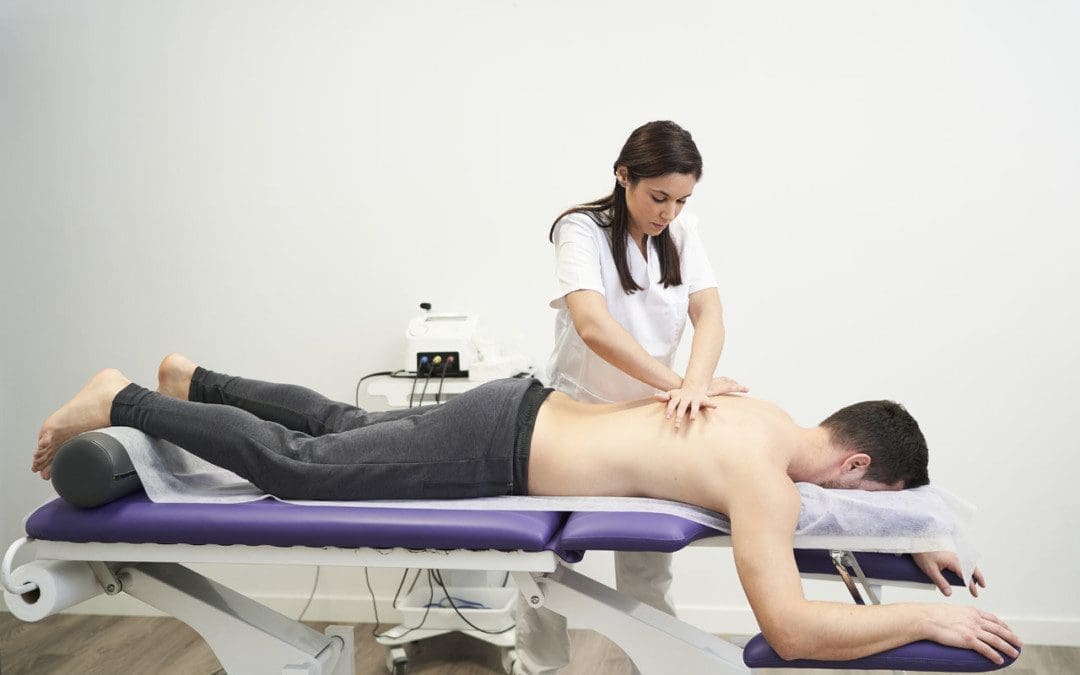
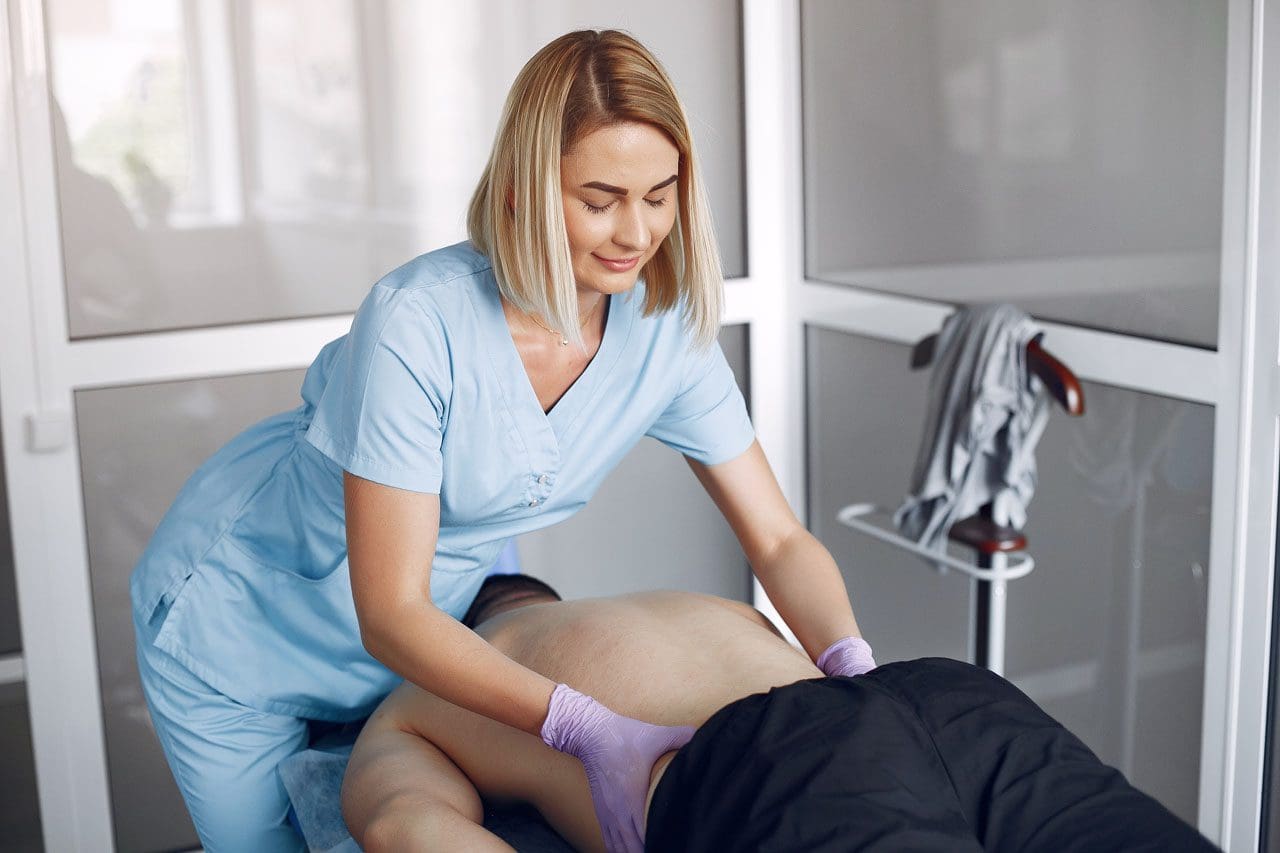
Massage is the manipulation of the body’s muscles and tissues using controlled force, gentle and slow kneading, and assisted instrumentation. Decompression Massage Centertailors treatment plans to the individual’s health needs to help expedite recovery. A medical decompression massage can:
Bring pain relief
Relieve stress
Relieve muscle aches and tension
Release knotted or cramped muscles
Improve sleep
Improve mental/emotional state
Accelerate injury rehabilitation
Strengthen the musculoskeletal system
Release toxins
Boost the immune system
Trained professionals perform massage therapy in a clinical or hospital setting to find and focus on problem areas. The therapeutic massage involves focused work on the body’s:
Soft tissues
Muscles
Tendons
Ligaments
Discomfort and Pain Relief
A massage therapist works on several medical issues that are either chronic or acute, which include:
Overuse/Repetitive stress injuries.
Neck pain
Whiplash.
Migraines.
Tension headaches, cluster headaches, and sinus headaches.
Shoulder pain.
Back pain.
Radiating pain.
Strains and sprains.
Tendonitis.
Post-surgical scar tissue rehabilitation with a doctor’s clearance.
Decompression Massage
A therapeutic decompression massage is more profound, with individuals experiencing more tenderness as the therapist works through the tissue using various techniques and instruments that could incorporate:
A decompression massage could be recommended as an extended part of a treatment plan. Spot work focuses on areas of concern for a shorter period while enhancing the decompression treatment. Focused massage techniques will:
Alleviate pain
Increase range of motion
Restore movement and function
Assist in healing faster
Spinal DRX9000
References
Demirel, Aynur, et al. “Regression of lumbar disc herniation by physiotherapy. Does non-surgical spinal decompression therapy make a difference? A double-blind, randomized controlled trial.” Journal of back and musculoskeletal rehabilitation vol. 30,5 (2017): 1015-1022. doi:10.3233/BMR-169581
Keller, Glenda. “The effects of massage therapy after decompression and fusion surgery of the lumbar spine: a case study.” International journal of therapeutic massage & bodywork vol. 5,4 (2012): 3-8. doi:10.3822/ijtmb.v5i4.189
Menard, Martha Brown. “Immediate Effect of Therapeutic Massage on Pain Sensation and Unpleasantness: A Consecutive Case Series.” Global advances in health and medicine vol. 4,5 (2015): 56-60. doi:10.7453/gahmj.2015.059
Zainuddin, Zainal, et al. “Effects of massage on delayed-onset muscle soreness, swelling, and recovery of muscle function.” Journal of athletic training vol. 40,3 (2005): 174-80.
IFM's Find A Practitioner tool is the largest referral network in Functional Medicine, created to help patients locate Functional Medicine practitioners anywhere in the world. IFM Certified Practitioners are listed first in the search results, given their extensive education in Functional Medicine