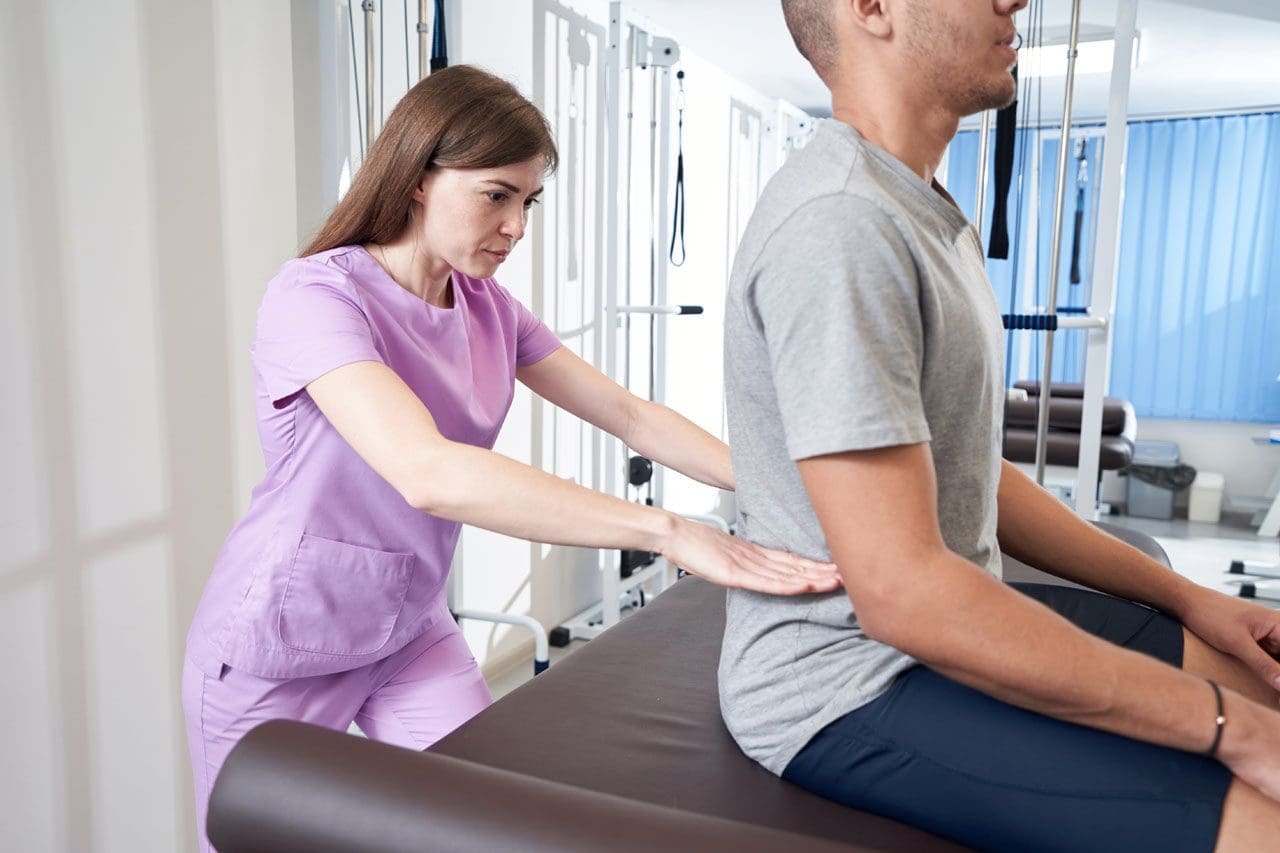
How Motor Vehicle Accidents Impact Mobility and Flexibility: A Comprehensive Guide
Introduction to Motor Vehicle Accidents and Their Impact
Motor vehicle accidents (MVAs) are a leading cause of injuries that can significantly affect a person’s ability to move freely and comfortably. Whether it’s a minor fender-bender or a severe collision, these accidents often result in physical injuries that limit mobility and flexibility, as well as emotional challenges that impact overall well-being. According to the National Center for Biotechnology Information, traffic accidents are the primary cause of spinal cord injuries in the United States, underscoring their serious consequences. This post examines the types of injuries caused by motor vehicle accidents (MVAs), their impact on daily life, and the crucial role of treatment and rehabilitation, offering special insights from Dr. Alexander Jimenez, a renowned chiropractor and nurse practitioner in El Paso, Texas, who specializes in treating victims of MVAs.
MVAs can lead to a range of injuries, from soft tissue damage like whiplash to severe spine and joint issues. These injuries often cause pain, stiffness, and reduced range of motion, making everyday tasks challenging. Beyond physical harm, victims may experience emotional distress, such as anxiety or post-traumatic stress disorder (PTSD), which can further hinder recovery. Understanding these impacts is crucial for seeking timely medical care and legal support, especially in personal injury cases where accurate documentation is essential.
References
National Center for Biotechnology Information. (n.d.). Spinal Cord Injury.
Common Injuries from MVAs That Affect Mobility and Flexibility
MVAs can cause various injuries that impair mobility and flexibility. Below, we discuss three main categories: soft tissue injuries, spine injuries, and joint injuries, each with significant effects on movement and function.
Soft Tissue Injuries: Whiplash and Beyond
Whiplash is one of the most common injuries resulting from MVAs, affecting nearly 2 million Americans each year (Metairie Spine and Rehab). A sudden jerk of the head forward and backward strains the neck’s muscles and ligaments, causing whiplash. Symptoms include neck pain, stiffness, and a reduced range of motion, which can make it difficult to turn the head or perform tasks like driving or working at a computer. Other soft tissue injuries, such as sprains or strains, can cause swelling and pain, further limiting movement (Wall Family Chiropractic).
Spine Injuries: Herniated Discs and Spinal Cord Damage
Spine injuries are among the most severe outcomes of MVAs. Damage to the soft tissue between vertebrae, known as herniated discs, can result in pain, numbness, and weakness in the limbs, thereby limiting mobility. More severe cases, such as spinal cord damage, may lead to partial or complete paralysis, drastically altering a person’s ability to move. The National Center for Biotechnology Information notes that traffic accidents are the leading cause of spinal cord injuries in the U.S., highlighting their prevalence. These injuries often result in chronic pain and significant mobility loss (Cox & Cox Filo).
References
National Center for Biotechnology Information. (n.d.). Spinal Cord Injury.
Joint Injuries: Osteoarthritis and Long-Term Effects
Joint injuries, such as those to the knees, shoulders, or hips, are common in MVAs and can lead to long-term complications like osteoarthritis. This condition causes chronic pain and stiffness, which limits movement and affects daily activities. Research suggests that joint damage from MVAs may require ongoing medical treatment and rehabilitation to manage symptoms and prevent further deterioration (Kitchel Law).
How These Injuries Affect Daily Activities and Quality of Life
The injuries caused by motor vehicle accidents (MVAs) can profoundly impact a person’s ability to perform daily tasks and maintain a high quality of life. Physical limitations, such as difficulty walking, lifting, or bending, can make routine activities like household chores, work, or hobbies challenging. For example, whiplash-related neck stiffness may hinder driving or desk work, while a herniated disc could prevent lifting heavy objects (Simply PT).
Emotionally, MVA victims may experience frustration, depression, or anxiety due to their reduced independence and persistent pain. Indirect trauma, such as PTSD or adjustment disorder, affects over 30% of crash survivors, leading to symptoms like flashbacks, avoidance of driving, or emotional numbness (Michigan Auto Law). These psychological effects can exacerbate physical challenges, creating a cycle of pain and disability that lowers overall well-being.
Impact Area
Physical Effects
Emotional Effects
Daily Activities
Limited mobility, difficulty with tasks like lifting or walking
Frustration, reduced independence
Work
Inability to perform job duties, reduced productivity
Anxiety about job security
Social Life
Restricted participation in hobbies or social events
Isolation and depression due to limited engagement
The Role of Physical Therapy and Rehabilitation in Recovery
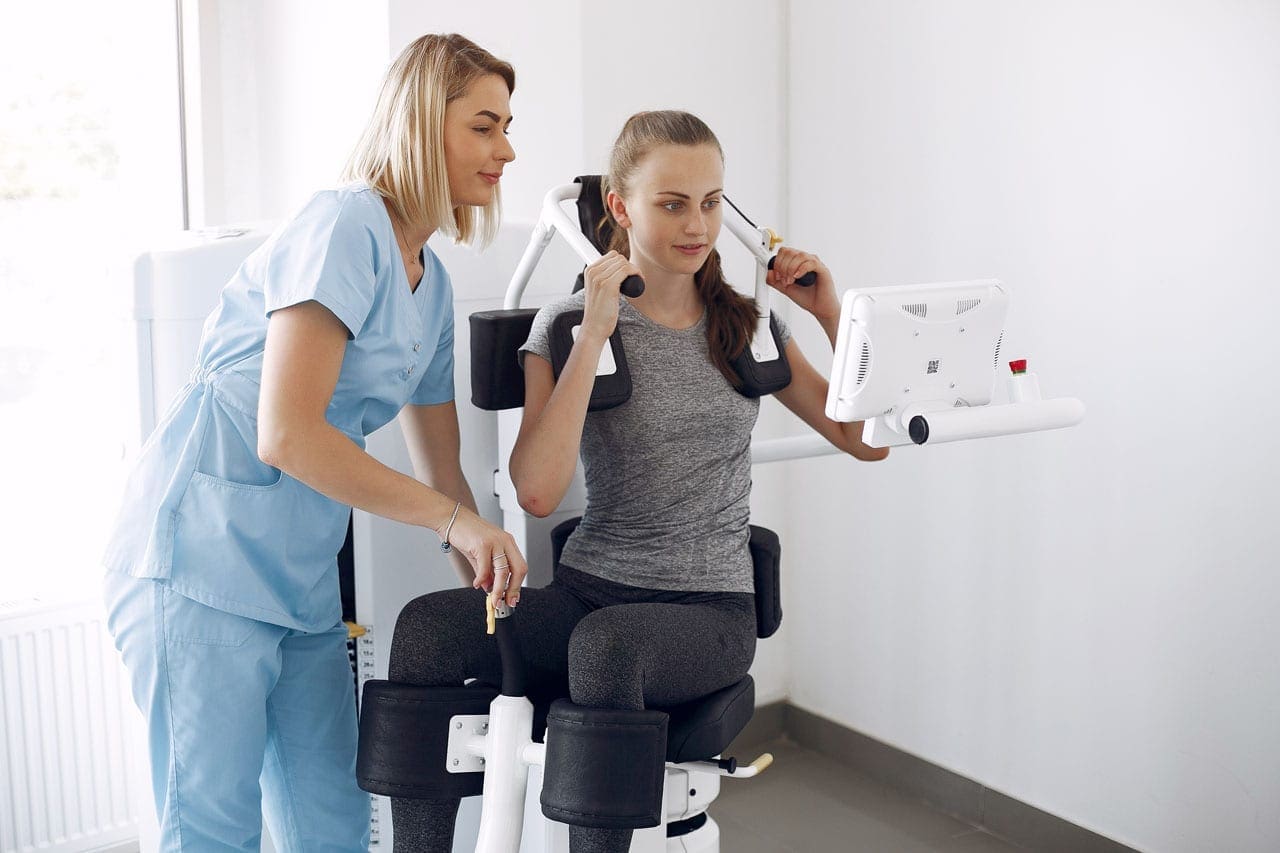
Physical therapy and rehabilitation are crucial for regaining mobility and flexibility after a motor vehicle accident (MVA). Physical therapists utilize targeted exercises, manual therapy, and education to alleviate pain and enhance function. For instance, therapeutic exercises can help strengthen muscles weakened by whiplash, while manual therapy can improve joint mobility. (Sage Hill Physio).
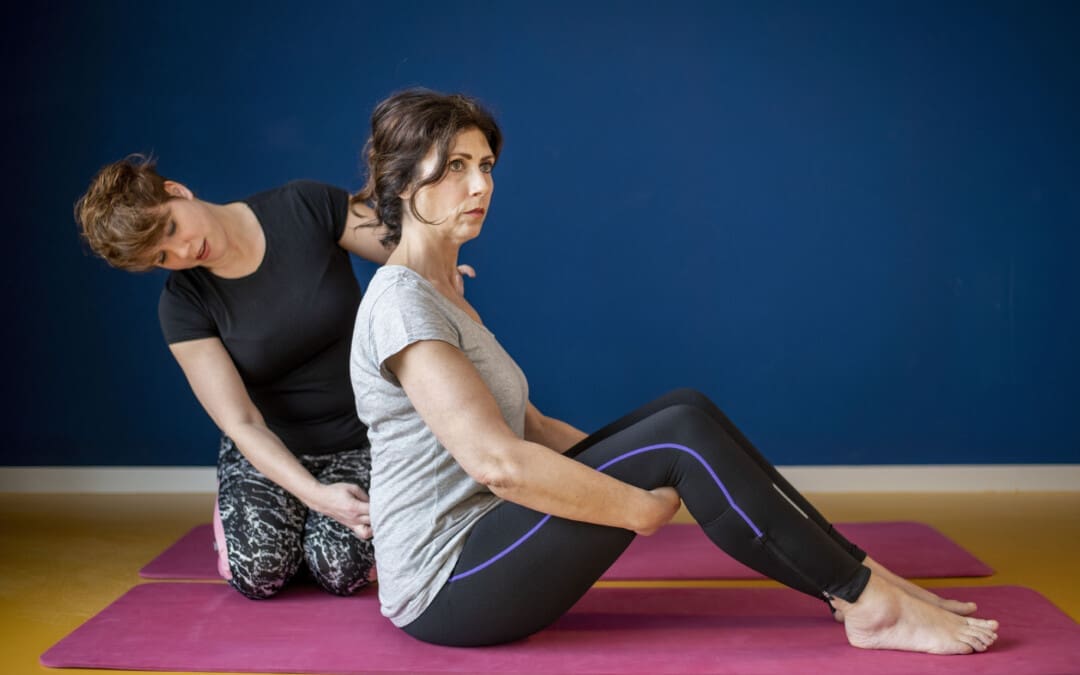
Chiropractic care, often combined with physical therapy, focuses on spinal alignment and musculoskeletal health. Spinal adjustments and soft tissue therapy can alleviate pain and restore normal movement patterns. Studies, such as those published in the Journal of Chiropractic Medicine, suggest that combining these approaches leads to better outcomes in terms of mobility and pain reduction. (Wall Family Chiropractic).
Treatment Type
Techniques
Benefits
Physical Therapy
Manual therapy, therapeutic exercises, and education
Insights from Dr. Alexander Jimenez: Clinical Observations and Treatment Approaches
Dr. Alexander Jimenez, DC, APRN, FNP-BC, is a leading expert in treating motor vehicle accident (MVA)-related injuries in El Paso, Texas. At the El Paso Back Clinic, he specializes in personal injury and auto accident care, addressing conditions like whiplash, ligamentous injuries, and sciatica. His approach integrates chiropractic adjustments, physical therapy, and functional medicine to promote natural recovery without the need for unnecessary surgeries or medications (Dr. Alex Jimenez).
Dr. Jimenez utilizes advanced diagnostic tools, including X-rays, MRIs, and CT scans, to accurately assess the extent of injuries. These tools allow him to develop tailored treatment plans that address each patient’s unique needs. His comprehensive evaluations, which include posture assessments and neurological exams, ensure precise diagnoses. This precision is critical not only for effective treatment but also for providing detailed medical documentation required in personal injury cases, where he collaborates with legal teams to support claims (El Paso Back Clinic).
Personal Injury Cases in El Paso: Dr. Jimenez’s Expertise
In El Paso, Dr. Jimenez has established a reputation for treating a wide range of injuries related to motor vehicle accidents (MVAs), from soft tissue damage to complex musculoskeletal conditions. His clinic handles cases involving whiplash, compression injuries, thoracic outlet syndrome, and delayed symptoms from auto accidents. By working with a multidisciplinary team, including chiropractors, nutritionists, and nurse practitioners, he provides comprehensive care that addresses both physical and functional recovery (El Paso Back Clinic).
Dr. Jimenez’s ability to provide detailed medical records and testify in court makes him a valuable asset in personal injury cases. His documentation supports claims for compensation by clearly linking injuries to the accident, ensuring victims receive the support they need for recovery and financial relief.
The Importance of Advanced Imaging and Diagnostic Assessments
Advanced imaging and diagnostic assessments are crucial for both treating motor vehicle accident (MVA) injuries and supporting legal claims. Tools like X-rays, MRIs, and CT scans provide detailed views of internal damage, such as fractures, herniated discs, or soft tissue injuries. Dr. Jimenez collaborates with top diagnostic imaging clinics to ensure accurate diagnoses, which inform his treatment plans and enhance patient outcomes (El Paso Back Clinic).
In personal injury cases, these diagnostics are equally important for legal documentation. Precise medical records, supported by imaging results, strengthen claims for compensation by demonstrating the extent of injuries and their impact on the victim’s life. Dr. Jimenez’s expertise in correlating clinical findings with diagnostic results bridges the gap between medical treatment and legal requirements, benefiting his patients both in recovery and in court.
Addressing Indirect Trauma: Psychological Impacts of MVAs
Beyond physical injuries, MVAs can cause indirect trauma, such as emotional and psychological distress. Conditions like PTSD and adjustment disorders can cause symptoms such as flashbacks, avoidance behaviors, and anxiety, affecting over 30% of crash survivors. These issues can significantly impair daily functioning and quality of life, often requiring professional mental health support alongside physical treatment (Michigan Auto Law).
While Dr. Jimenez’s primary focus is on physical injuries, his holistic approach, which includes functional medicine, may address overall well-being, and he may refer patients to mental health specialists when needed. Recognizing and treating these psychological impacts is essential for comprehensive recovery.
Motor vehicle accidents can have a profound impact on mobility and flexibility, causing injuries like whiplash, herniated discs, and joint damage that limit movement and disrupt daily life. These physical challenges, combined with emotional distress like PTSD, can significantly reduce quality of life. However, with timely intervention through physical therapy, chiropractic care, and advanced diagnostics, recovery is possible. Dr. Jimenez’s expertise in El Paso exemplifies how comprehensive care, supported by precise diagnostics, can restore mobility and support legal claims in personal injury cases. BBy addressing both the physical and psychological impacts, victims can work toward achieving a full recovery and improved well-being.
What are the advantages of having a team of nurse practitioners and chiropractors help maintain the health of your spine after a car accident?
Benefits of Chiropractic and Nurse Practitioners for Motor Vehicle Collisions
One of the main causes of spinal injuries, such as whiplash, herniated discs, and soft tissue injury, which can cause severe pain and impair movement, is motor vehicle collisions (MVCs). For both short-term symptoms and long-term rehabilitation, these injuries frequently necessitate a multimodal therapy strategy. While nurse practitioners, as advanced practice registered nurses, conduct medical evaluations, write prescriptions, and oversee overall health management, chiropractors focus on musculoskeletal care, including spine adjustments and manual therapies. These professionals’ collaboration aims to provide a comprehensive, patient-centered strategy for spine health following MVC. (Kent, R., et al., 2023)
For those recuperating from auto accident injuries, a chiropractic and nurse practitioner team can offer thorough spinal health care with an emphasis on pain management and increased mobility.
A chiropractic and nurse practitioner team can offer a comprehensive approach to spinal health after a car accident by addressing pain, improving mobility, and facilitating faster recovery.
Chiropractors focus on spinal alignment and joint mobility.
Nurse practitioners provide broader medical oversight and patient education.
The team approach can lead to more effective and personalized care for individuals recovering from car accident injuries. (Riva, J. J., et al., 2010)
Key advantages of this collaborative approach
A chiropractor and nurse practitioner (NP) therapy team can combine their skills to provide comprehensive care for spine health following a motor vehicle collision (MVC) and address acute and long-term requirements.
Care that is multidisciplinary and holistic
Collaboration between chiropractors and NPs to address structural and systemic issues enhances treatment outcomes, particularly for spine injuries related to motor vehicle collisions (MVC), as well as for chronic headaches and neck discomfort. (Riva, J. J., et al., 2010)
Plans for Treatment That Are Unique to You
Chiropractors and NPs create personalized patient treatment plans, focusing on their specific injuries and overall health, including pre-existing conditions and medication needs. This approach enhances outcomes by tailoring care to the patient’s unique circumstances.
Managing Pain Without Relying Too Much on Drugs
By using non-invasive methods to alleviate pain, chiropractic therapy may help reduce the use of opioids. NPs can prescribe short-term pain relief and monitor side effects, ensuring safe use and reducing dependency risks. Natural pain management combined with medical supervision lessens dependence and side effects. (Prater, C., Tepe, M., & Battaglia, P. 2020)
Quicker Recuperation and Rehabilitation
As demonstrated in the treatment of auto accidents, chiropractic adjustments can lessen muscle spasms and restore joint function. By referring patients to physical therapy and tracking their progress, NPs can hasten recovery and reduce the likelihood of developing persistent back pain. This integrated therapy not only reduces chronic back pain and other long-term problems, but it also accelerates healing.
Help with Insurance and the Law
Chiropractic and medical providers must carefully record injuries and treatments for insurance claims or legal cases after an MVC to ensure just reimbursement and coverage for care.
Why It Works After MVC
Following a motor vehicle collision (MVC), a chiropractor and nurse practitioner team offers a patient-centered approach to spine health. This team enhances recovery, lowers chronic risks, and improves patient outcomes by fusing NP’s medical management with chiropractic knowledge. This method ensures rapid alleviation and long-term health, especially helpful for complex spine injuries due to MVC.
Injury, Chiropractic, and Functional Medicine Clinic
Dr. Jimenez, a nurse practitioner, uses medical knowledge and chiropractic care to treat various conditions. The clinic provides tailored care programs incorporating functional medicine, acupuncture, electroacupuncture, and sports medicine. The clinic focuses on strength, agility, and flexibility for treating chronic pain syndromes and injuries. Patients of all ages and abilities benefit from comprehensive care plans and in-person and virtual health coaching, ensuring tailored treatment and wellness outcomes.
Personal Injury Rehabilitation
References
Kent, R., Cormier, J., McMurry, T. L., Johan Ivarsson, B., Funk, J., Hartka, T., & Sochor, M. (2023). Spinal injury rates and specific causation in motor vehicle collisions. Accident; analysis and prevention, 186, 107047. https://doi.org/10.1016/j.aap.2023.107047
Riva, J. J., Muller, G. D., Hornich, A. A., Mior, S. A., Gupta, A., & Burnie, S. J. (2010). Chiropractors and collaborative care: An overview illustrated with a case report. The Journal of the Canadian Chiropractic Association, 54(3), 147–154.
Prater, C., Tepe, M., & Battaglia, P. (2020). Integrating a Multidisciplinary Pain Team and Chiropractic Care in a Community Health Center: An Observational Study of Managing Chronic Spinal Pain. Journal of primary care & community health, 11, 2150132720953680. https://doi.org/10.1177/2150132720953680
Can older people who exercise regularly lessen their risk of dementia and enhance their overall health?
Exercise and the Prevention of Dementia
Dementia, a term used to cover several conditions that impact memory and cognition, is currently the seventh leading cause of mortality worldwide. (World Health Organization, 2025) More than 10 million new cases of dementia are found around the world each year. (J.H. Yoon et al., 2023) Research investigating the relationship between exercise and insulin in the brain suggests that regular exercise may improve brain function and decrease the prevalence of dementia. Scientists have discovered that variables, such as.
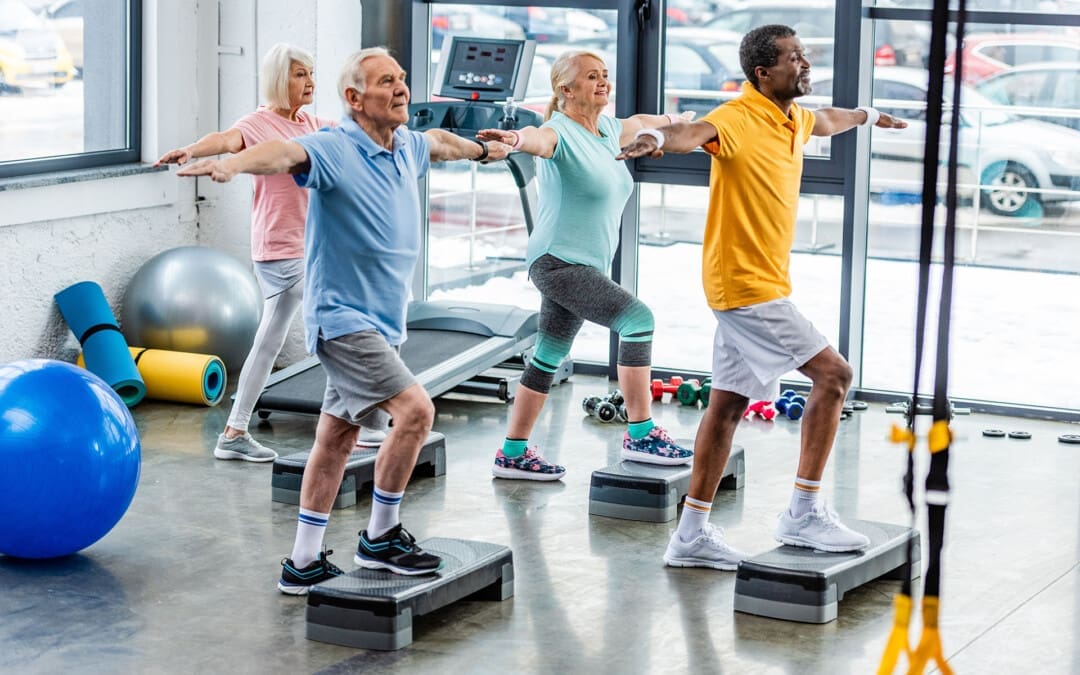
Muscles must be exercised and mobilized. People who do not engage in physical activity have rigid muscles, which impede the effectiveness of insulin. The body’s sensitivity to insulin is improved by the contraction and relaxation of the muscles during movement. Dementia can be prevented by understanding how to decrease the body’s insulin resistance.
Physical Activity and Lower Risk
Over two weeks, researchers examined 21 older adults with prediabetes and found that exercise enhances cognitive performance by aiding the brain in insulin regulation. They conducted twelve supervised training sessions of moderate to extreme intensity. (Malin S. K. et al., 2025)
The results indicated that brain-derived extracellular vesicles containing insulin-related proteins had significantly increased.
These microscopic messengers are essential for brain maintenance and aid in neuronal communication.
Three serine/threonine-specific protein kinases known as AKT (protein kinase B, or PKB) are essential for several cellular functions, such as cell growth, survival, metabolism, and cell cycle control.
The protein affects the development and health of neuronal cells and is thought to play a significant role in insulin signaling.
The notion that exercise might help prevent dementia by potentially enhancing insulin signaling is important since poor insulin response can result in dementia.
Even while further research is needed, these findings prove that physical activity could be a cost-effective and easily accessible way to improve long-term brain health. To better understand how insulin affects brain activity, researchers will use MRIs and an insulin spray in the study’s next phase. To learn more about the effects of the insulin spray, they will compare the blood flow in the brain before and after it is administered.
Insulin and Exercise Are Essential for Brain Health
Insulin is a hormone that the pancreas makes. It controls blood sugar levels. But it’s just as vital for the health of the brain. Insulin binds to many receptors in the brain, which makes synaptic connections stronger and makes it easier for neurons to talk to each other. Both of these things help with memory and learning. (Gray, S. M., Meijer, R. I., & Barrett, E. J. 2014)
Type 2 diabetes, which impairs insulin transmission, increases the risk of cognitive impairment. (Yoon J.H. et al., 2023) Research has demonstrated that insulin resistance exacerbates tau tangles and amyloid-beta plaques, which are two critical characteristics of Alzheimer’s disease. (Hong, S., Han, K., & Park, C. Y. 2021) Increasing insulin sensitivity may slow down or even stop these changes in the brain. Working out, especially aerobic exercise, is good for the brain. According to earlier research, exercise can help people maintain or enhance their memory and brain function. (Rosenberg A. et al., 2020) Other ways to increase brain health include:
Maintaining social interaction
Challenging the mind
Getting a good night’s sleep
Controlling stress
A nutritious diet
Maintaining an active lifestyle
Controlling diabetes
Controlling blood pressure
To achieve the greatest possible effect, dementia prevention in the future will likely involve integrating lifestyle modifications, such as exercise, with medications. In individuals with diabetes or prediabetes, the risk of dementia is significantly reduced, and frequent exercise can assist in the preservation of optimal brain function.
Chiropractic and Functional Medicine Clinic
As a family nurse practitioner, Dr. Jimenez uses the latest medical expertise and chiropractic therapy to address many problems. Our clinic uses functional medicine, acupuncture, electro-acupuncture, and sports medicine to create individualized care plans that improve movement, encourage long-term health, and speed up the body’s natural healing process. We focus on strength, agility, and flexibility to help our patients thrive, regardless of age or health problems. At El Paso’s Chiropractic Rehabilitation Clinic & Integrated Medicine Center, we want to help people with chronic pain syndromes and injuries. We focus on improving flexibility, mobility, and agility through programs suitable for people of all ages and abilities. We ensure that each patient gets personalized care and reaches their health objectives through detailed care plans and health coaching in person and online.
Is Movement Essential to Recovery?
References
World Health Organization. (2025). “Dementia.” World Health Organization. from https://www.who.int/news-room/fact sheets/detail/dementia#:~:text=Alzheimer%20disease%20is%20the%20most,60%E2%80%9370%25%20of%20cases.
Yoon, J. H., Hwang, J., Son, S. U., Choi, J., You, S. W., Park, H., Cha, S. Y., & Maeng, S. (2023). How Can Insulin Resistance Cause Alzheimer’s Disease?. International Journal of Molecular Sciences, 24(4), 3506. https://doi.org/10.3390/ijms24043506
Malin, S. K., Battillo, D. J., Beeri, M. S., Mustapic, M., Delgado-Peraza, F., & Kapogiannis, D. (2025). Two weeks of exercise alters neuronal extracellular vesicle insulin signaling proteins and pro-BDNF in older adults with prediabetes. Aging cell, 24(1), e14369. https://doi.org/10.1111/acel.14369
Gray, S. M., Meijer, R. I., & Barrett, E. J. (2014). Insulin regulates brain function, but how does it get there?. Diabetes, 63(12), 3992–3997. https://doi.org/10.2337/db14-0340
Hong, S., Han, K., & Park, C. Y. (2021). The insulin resistance by triglyceride glucose index and risk for dementia: population-based study. Alzheimer’s research & therapy, 13(1), 9. https://doi.org/10.1186/s13195-020-00758-4
Rosenberg, A., Mangialasche, F., Ngandu, T., Solomon, A., & Kivipelto, M. (2020). Multidomain Interventions to Prevent Cognitive Impairment, Alzheimer’s Disease, and Dementia: From FINGER to World-Wide FINGERS. The Journal of Prevention of Alzheimer’s disease, 7(1), 29–36. https://doi.org/10.14283/jpad.2019.41
For individuals dealing with or experiencing muscle pain and stiffness, how long does it take to loosen tight muscles?
Length Of Time to Loosen Tight Muscles
Tight muscles are often caused by overuse or strain, combined with muscle soreness, a common symptom of tight muscles. The soreness peaks around the third day and begins to subside, typically resolving within a few days. But if tightness persists or is accompanied by other symptoms like numbness, inability to move, or swelling, it’s important to consult a medical provider. (Spine Medicine and Surgery of Long Island, 2024) However, it can take much longer for individuals who have never stretched and have had tight muscles for years, depending on the severity, injury history, and underlying causes.
Factors Influencing Timeline
Consistent stretching can take anywhere from a few weeks to a few months to noticeably loosen tight muscles and improve flexibility. The specific time frame depends on factors like the severity of the tightness, underlying causes, and individual consistency with stretching. (Peterson Physical Therapy, 2024)
Severity of Tightness
Muscle knots and significant limitations in range of motion may take longer to resolve than minor stiffness.
Underlying Causes
If tightness is due to a specific injury or condition, addressing that cause is important for lasting and maintaining improvements. (Healthline, 2023)
Individual Factors
Genetics, age, and overall health can influence how quickly muscles adapt to stretching.
Consistency
Regular stretching, ideally daily or several times a week, is essential for feeling progress. (Mayo Clinic, 2023)
Stretching Routine
The length of time can vary based on the starting flexibility level and the specific stretching routine. (Mayo Clinic, 2023) It typically takes several weeks of consistent stretching, at least 3-4 times a week, to notice flexibility improvements. Longer-term changes, beyond the initial feeling of being looser, usually take 8 to 12 weeks.
Longer holds (1-2 minutes) can provide deeper benefits.
Long-term Gains
For substantial and sustained improvements, stretching consistently for several months is recommended. (Mayo Clinic, 2023)
Initial Changes
Individuals may notice small improvements in the first few weeks, especially starting from a more inflexible position.
Influencing Factors and Results
Individual genetics, current flexibility level, and the specific exercises can affect how quickly improvements are seen and felt. (Peterson Physical Therapy, 2024)
What To Expect
Improvements
Within a few weeks, individuals might notice a decrease in the sensation of tightness or increased ease in reaching a stretch. (Peterson Physical Therapy, 2024)
Longer-Term Changes
Significant muscle length and flexibility improvements may take several weeks to months of consistent effort.
Consider professional guidance for specific concerns or limitations. Consult a physical therapist or healthcare provider for personalized recommendations.
The length of time to see results means consistency and patience are important.
Injury Medical Chiropractic and Functional Medicine Clinic
As a Family Practice Nurse Practitioner, Dr. Jimenez combines advanced medical expertise with chiropractic care to address various conditions. Our clinic integrates Functional Medicine, Acupuncture, Electro-Acupuncture, and Sports Medicine to create customized care plans that promote natural healing, mobility, and long-term wellness. By focusing on flexibility, agility, and strength, we empower patients to thrive, regardless of age or health challenges. At El Paso’s Chiropractic Rehabilitation Clinic & Integrated Medicine Center, we passionately focus on treating patients after injuries and chronic pain syndromes. We focus on improving your ability through flexibility, mobility, and agility programs tailored for all age groups and disabilities. We use in-person and virtual health coaching and comprehensive care plans to ensure every patient’s personalized care and wellness outcomes.
Understanding Long-Lasting Injuries
References
Spine Medicine and Surgery of Long Island. (2024). How Long Do Muscle Knots Last? Spine Medicine and Surgery of Long Island. https://www.spinemedli.com/how-long-do-muscle-knots-last/#:~:text=The%20duration%20of%20a%20muscle,chronic%20pain%20if%20left%20untreated.
Peterson Physical Therapy. (2024). How Long Does It Take to Improve Flexibility? https://petersenpt.com/how-long-does-it-take-to-improve-flexibility#:~:text=Over%20the%20years%2C%20I’ve,takes%20to%20become%20more%20flexible.
Healthline. (2023). Everything You Need to Know About Muscle Stiffness. https://www.healthline.com/health/muscle-stiffness
Mayo Clinic. (2023). Stretching: Focus On Flexibility. https://www.mayoclinic.org/healthy-lifestyle/fitness/in-depth/stretching/art-20047931#:~:text=Stretch%20in%20a%20smooth%20movement,hold%20for%20around%2060%20seconds.
Harvard Health Publishing. (2022). Everyday Stretching. https://www.health.harvard.edu/everyday-stretching#:~:text=A%20daily%20regimen%20will%20deliver,or%20three%20times%20a%20week.
Can understanding the mechanics of the throwing motion help to understand why it may cause shoulder pain, the symptoms of a shoulder problem, the diagnosis, and the treatment options available?
Throwing a Ball and Shoulder Pain
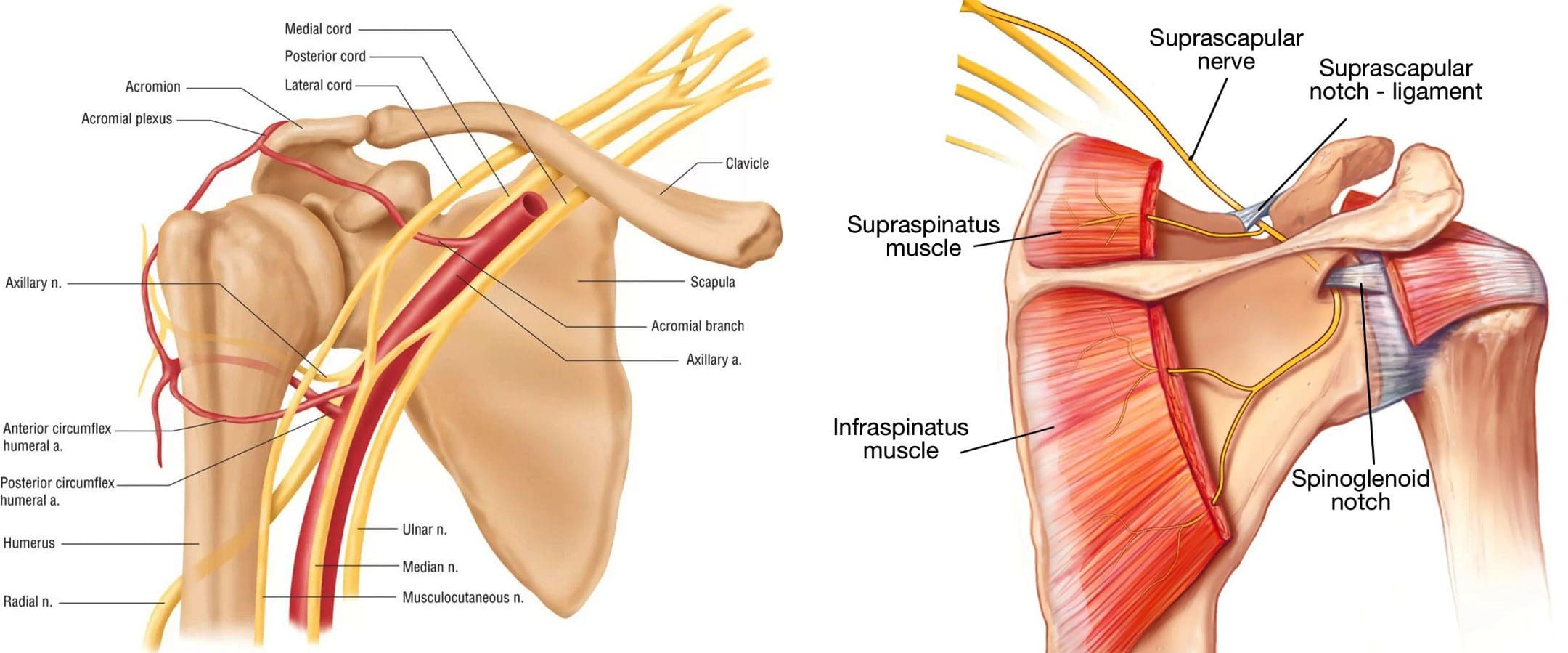
The throwing motion is a complex shoulder movement that requires the mechanics of muscles, tendons, joints, ligaments, and bones. They all must move in a synchronized and stable pattern to move the shoulder joint. When these mechanics are interrupted or altered, inflammation can result in pain symptoms. (Wardell M., Creighton D., & Kovalcik C., 2022)
The labrum stabilizes the ball in the socket of the shoulder.
The shoulder blade rotation coordinates with the arm to ensure mobility. (Itoigawa Y. et al., 2023)
The throwing motion generates high torque and acceleration forces acting on the shoulder joint and the surrounding muscles, ligaments, and tendons.
Causes of Pain
Pain when throwing can come from the:
Shoulder blade
Shoulder joint – cartilage and labrum
Rotator cuff muscles and tendons
Nerves that control the muscles’ function
The shoulder blade is attached to the upper back by ligaments, muscles, and tendons. The various muscles and tendons that control the movement of the shoulder blade impact movements. Abnormalities of any area can lead to shoulder dysfunction and pain when throwing. (Wardell M., Creighton D., & Kovalcik C., 2022) The most common is the tightness of the posterior shoulder capsule, causing a loss of normal internal rotation of the shoulder. If this is causing pain, individuals may notice that they can’t reach up as high on the side with the painful shoulder when reaching behind their back.
Symptoms
Whether an athlete or playing catch in the backyard, shoulder function abnormalities can cause significant pain. Some symptoms include.
Aching Pain
Often deep in the shoulder or extending down the upper arm.
Dead Arm
Lack of strength in the throwing motion.
Pain at Night
Pain can awaken you from sleep.
Diagnosis
Finding a healthcare provider familiar with sports injuries can be helpful. They can best determine if a structural abnormality needs to be addressed. (American Academy of Orthopaedic Surgeons, 2021)
Treatment
Most can improve with nonsurgical treatments. The earliest phase of treatment is resting the joint and reducing inflammation. Treatments can include:
Ice
Anti-inflammatory medications
Cortisone injection
Once the inflammation has subsided, the source of the discomfort can be addressed.
Physical Therapy
Therapy can include:
A structured shoulder stretching and strengthening program will help.
The physical therapist will focus on scapular mobility when managing shoulder joint problems.
Stretching to improve internal rotation or any other lost motion can help allow a more normal throwing motion.
Strength exercises are often aimed at the rotator cuff, as these muscles initiate proper shoulder movements and stabilize the shoulder joint.
Maintaining flexibility and strength of the periscapular muscles (muscles that attach to the scapula bone) is important to ensure that the scapular movements are coordinated with the throwing motion.
If improvements are not made within three months of therapy, or individuals can’t return to competitive sports within six months. In that case, the individual may need to return to their healthcare provider or see an orthopedic specialist who may recommend surgery. (American Academy of Orthopaedic Surgeons, 2024)
Injury Medical Chiropractic and Functional Medicine Clinic
As a Family Practice Nurse Practitioner, Dr. Jimenez combines advanced medical expertise with chiropractic care to address various conditions.
Wellness & Nutrition: Personalized plans to optimize health and prevent disease.
Chronic Pain Management: Non-invasive solutions for fibromyalgia, sciatica, and low back pain.
Personal Injury & Auto Accident Care: Tailored rehabilitation for whiplash, soft tissue injuries, and more.
Sports Injuries & Orthopedic Care: Treatment for sprains, strains, and complex injuries.
Functional Medicine: Root-cause analysis for chronic disorders, incorporating nutrition, lifestyle, and environmental factors.
Neuromusculoskeletal Health: Care for neck pain, migraines, herniated discs, and scoliosis.
Our clinic integrates Functional Medicine, Acupuncture, Electro-Acupuncture, and Sports Medicine to create customized care plans that promote natural healing, mobility, and long-term wellness. By focusing on flexibility, agility, and strength, we empower patients to thrive, regardless of age or health challenges.
At El Paso’s Chiropractic Rehabilitation Clinic & Integrated Medicine Center, we passionately focus on treating patients after frustrating injuries and chronic pain syndromes. We focus on improving your ability through flexibility, mobility, and agility programs tailored for all age groups and disabilities. We use in-person and virtual health coaching and comprehensive care plans to ensure every patient’s personalized care and wellness outcomes.
Lumbar Spine Injuries in Sports: Chiropractic Healing
References
Wardell, M., Creighton, D., & Kovalcik, C. (2022). Glenohumeral Instability and Arm Pain in Overhead Throwing Athletes: A Correlational Study. International journal of sports physical therapy, 17(7), 1351–1357. https://doi.org/10.26603/001c.39800
Itoigawa, Y., Koga, A., Morikawa, D., Kubota, A., Uehara, H., Maruyama, Y., Takazawa, Y., & Ishijima, M. (2023). Posterior shoulder stiffness was associated with shoulder pain during throwing in college baseball players: assessment of shear wave elastography. European journal of orthopaedic surgery & traumatology: orthopedie traumatologie, 33(4), 1237–1244. https://doi.org/10.1007/s00590-022-03286-z
American Academy of Orthopaedic Surgeons. (2021). Shoulder Injuries in the Throwing Athlete. https://orthoinfo.aaos.org/en/diseases–conditions/shoulder-injuries-in-the-throwing-athlete/
American Academy of Orthopaedic Surgeons. (2024). Shoulder Impingement/Rotator Cuff Tendinitis. https://orthoinfo.aaos.org/en/diseases–conditions/shoulder-impingementrotator-cuff-tendinitis
Can postural assessments help identify problems with how a person stands or sits, which can lead to various musculoskeletal issues?
Postural Assessment
Proper posture is an exercise in which the muscles support the skeleton in a comfortable, stable, and efficient alignment. Healthy posture is present when the body is still and when moving. However, numerous factors can affect and hinder posture. These include daily wear and tear, injury, illness, or a condition. A posture assessment is a process that identifies posture issues and their root causes, often using visual and palpation techniques, and can help determine appropriate treatment or exercises. (Science Direct, 2007)
Visual Assessment
Observing the body’s alignment and symmetry from different angles (anterior, posterior, and lateral views).
Consider their daily activities, work environment, and any previous injuries. (Du, S. H. et al., 2023)
Wall Test
The patient stands against a wall with their feet shoulder-width apart and heels about 6 inches from the baseboard.
If they have good posture, their ears will be vertically aligned with their shoulders, and their head will be no more than three finger widths from the wall. (Physiopedia, 2025)
Professionals Who Can Perform a Posture Assessment
Physiotherapists
Professionals trained in assessing and treating musculoskeletal problems.
Chiropractors
Professionals who focus on the spine and nervous system.
Fitness Professionals
Personal trainers or other fitness professionals can use posture assessments to help clients improve their posture and movement.
Ergonomists
Professionals who specialize in designing workspaces and environments to promote good posture and reduce strain.
Injury Medical Chiropractic & Functional Medicine Clinic
Talk to a healthcare provider to learn what interventions would help the most. Injury Medical Chiropractic and Functional Medicine Clinic works with primary healthcare providers and specialists to develop an optimal health and wellness solution. We focus on what works for you to relieve pain, restore function, and prevent injury. Regarding musculoskeletal pain, specialists like chiropractors, acupuncturists, and massage therapists can help mitigate the pain through spinal adjustments that help the body realign itself. They can also work with other medical professionals to integrate a treatment plan to resolve musculoskeletal issues.
Singla, D., & Veqar, Z. (2014). Methods of postural assessment used for sports persons. Journal of clinical and diagnostic research: JCDR, 8(4), LE01–LE4. https://doi.org/10.7860/JCDR/2014/6836.4266
Du, S. H., Zhang, Y. H., Yang, Q. H., Wang, Y. C., Fang, Y., & Wang, X. Q. (2023). Spinal posture assessment and low back pain. EFORT open reviews, 8(9), 708–718. https://doi.org/10.1530/EOR-23-0025
Can understanding antinutrients and the importance of a balanced diet help individuals get the most out of their foods?
Antinutrients
Antinutrients are compounds in some plant foods that can reduce the body’s ability to absorb and use certain nutrients. (Petroski W., & Minich D. M. 2020) The purpose of these compounds is to protect the plants from infections and insects, which benefits the plant. It can also lower the human body’s ability to absorb nutrients properly. They are found in many grains, legumes, seeds, nuts, fruits, and vegetables. Plant-based foods high in antinutrients have beneficial nutrients, such as antioxidants, fiber, and other vitamins and minerals, and have been associated with a lower risk of chronic disease. The antinutrients may prevent the digestion and absorption of some minerals and have other negative effects that include:
Altered gut function
Increased inflammation
Endocrine disruption
Increased risk of calcium kidney stones
Common Types
Some of the main antinutrients of concern include phytates, lectins, oxalates, tannins, and phytoestrogens.
Phytates (phytic acid)
They are found in grains, legumes, nuts, and seeds.
They are found in various plant foods, including fruits, vegetables, nuts, and grains. (Mitchell T. et al., 2019)
Oxalates bind to certain minerals, such as calcium-forming calcium oxalate.
Tannins
They are found in many plant foods, such as legumes, cereal grains, nuts, cacao, leafy and green vegetables, coffee, and tea. (Ojo M. A. 2022)
Tannins are antioxidant-phenolic compounds that can reduce the absorption of some minerals and proteins in the body.
Phytoestrogens
They are found in various plant foods, such as fruits, vegetables, legumes, nuts, and seeds.
These estrogen-like compounds have many health benefits but may also act as endocrine disruptors (interfering with hormones). (Petroski W., & Minich D. M. 2020)
Effects on the Body
Antinutrient compounds typically bind to minerals or other nutrients, which inhibits digestion and absorption. For example,
How these foods containing antinutrient compounds are prepared and consumed can influence their impact on the body and the quantity consumed.
Advantages and Disadvantages
Plant foods have long been associated with improved health and a decreased risk of some chronic diseases, such as heart disease, diabetes, cancer, stroke, and others. (Craig W. J. et al., 2021) For most, the effects of antinutrients are not of major concern after processing and cooking. The benefits and drawbacks of consuming foods high in antinutrients include: (Petroski W., & Minich D. M. 2020)
Benefits
Some antinutrients act as antioxidants.
Some have cancer-fighting abilities.
Some may increase immune system function.
They are often sources of dietary fiber and other beneficial nutrients.
Drawbacks
It may be difficult for some individuals to digest.
Phytoestrogens may behave like endocrine disruptors.
High amounts of oxalates can contribute to kidney stones.
Cooking methods to minimize antinutrient content, like boiling, steaming
Autoclaving – a cooking process that uses high pressure and heat to cook and sterilize food.
Peeling the skins of fruits and nuts is effective for reducing tannins.
Combining foods to enhance nutrient absorption.
For example, pairing high-oxalate foods with high-calcium foods.
Combining different cooking and processing methods can completely degrade and reduce many antinutrient compounds. The exception is phytoestrogens, where boiling, steaming, and fermentation can increase antinutrients. (Petroski W. & Minich D. M., 2020)
Injury Medical Chiropractic & Functional Medicine Clinic
Individuals concerned about antinutrients in their diet and who want individualized advice on how to get the most out of the food they eat should consider consulting with a registered dietitian nutritionist or another healthcare professional. Injury Medical Chiropractic and Functional Medicine Clinic works with primary healthcare providers and specialists to develop an optimal health and wellness solution.
Smart Choices, Better Health
References
Petroski, W., & Minich, D. M. (2020). Is There Such a Thing as “Anti-Nutrients”? A Narrative Review of Perceived Problematic Plant Compounds. Nutrients, 12(10), 2929. https://doi.org/10.3390/nu12102929
Gupta, R. K., Gangoliya, S. S., & Singh, N. K. (2015). Reduction of phytic acid and enhancement of bioavailable micronutrients in food grains. Journal of food science and technology, 52(2), 676–684. https://doi.org/10.1007/s13197-013-0978-y
Adamcová, A., Laursen, K. H., & Ballin, N. Z. (2021). Lectin Activity in Commonly Consumed Plant-Based Foods: Calling for Method Harmonization and Risk Assessment. Foods (Basel, Switzerland), 10(11), 2796. https://doi.org/10.3390/foods10112796
Mitchell, T., Kumar, P., Reddy, T., Wood, K. D., Knight, J., Assimos, D. G., & Holmes, R. P. (2019). Dietary oxalate and kidney stone formation. American journal of physiology. Renal physiology, 316(3), F409–F413. https://doi.org/10.1152/ajprenal.00373.2018
Ojo, M. A. (2022). Tannins in Foods: Nutritional Implications and Processing Effects of Hydrothermal Techniques on Underutilized Hard-to-Cook Legume Seeds-A Review. Preventive nutrition and food science, 27(1), 14–19. https://doi.org/10.3746/pnf.2022.27.1.14
Craig, W. J., Mangels, A. R., Fresán, U., Marsh, K., Miles, F. L., Saunders, A. V., Haddad, E. H., Heskey, C. E., Johnston, P., Larson-Meyer, E., & Orlich, M. (2021). The Safe and Effective Use of Plant-Based Diets with Guidelines for Health Professionals. Nutrients, 13(11), 4144. https://doi.org/10.3390/nu13114144
Harvard T.H. Chan School of Public Health. (2022). Are anti-nutrients harmful? https://nutritionsource.hsph.harvard.edu/anti-nutrients/
U.S. Department of Agriculture. (2020). Dietary Guidelines for Americans, 2020-2025. Retrieved from https://www.dietaryguidelines.gov/sites/default/files/2021-03/Dietary_Guidelines_for_Americans-2020-2025.pdf
National Institutes of Health Office of Dietary Supplements. (2024). Iron. Retrieved from https://ods.od.nih.gov/factsheets/Iron-HealthProfessional/
IFM's Find A Practitioner tool is the largest referral network in Functional Medicine, created to help patients locate Functional Medicine practitioners anywhere in the world. IFM Certified Practitioners are listed first in the search results, given their extensive education in Functional Medicine