Is It Your Low Back—or Your SI Joint? Why Pain Near the Belt Line Can Be Hard to Pinpoint
Abstract
Pain on one side near the belt line often feels like a classic low-back problem, but it can come from the lumbar spine, the sacroiliac region, the hip joint, or an irritated muscle. This article explains how a careful history, movement testing, and targeted examination separate those possibilities without labeling every one-sided complaint as sacroiliac dysfunction. It also explains when imaging helps and how rehabilitation restores everyday function for programmers, Amazon associates, data center technicians, runners, drivers, and other adults.
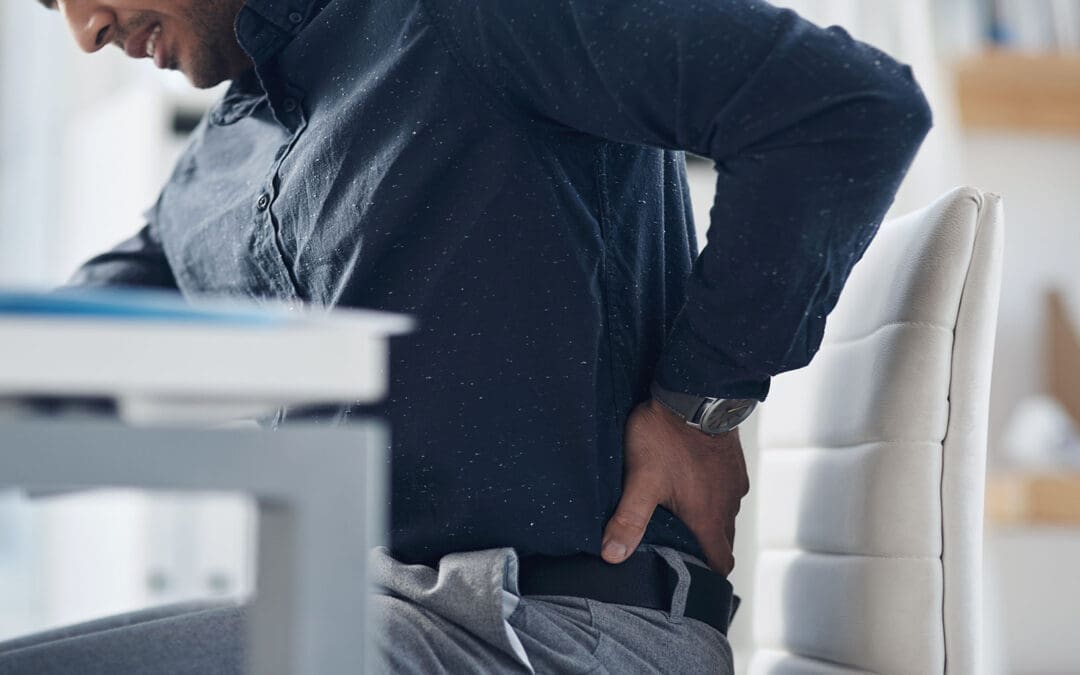
A programmer finishes a long coding block, stands, and feels a sharp catch just below the belt on one side. An Amazon associate steps off a ladder after a high reach and notices the same spot lighting up. A data center technician crouches beside a server rack, twists to connect a cable, and the pain returns on the drive home. A runner finishes a longer weekend loop and feels it the next morning near the belt line. A driver climbs out after a multi-hour haul, and the area stiffens before the first step. None of these people has classic sciatica shooting down the leg. The pain stays local or drifts into the buttock. The question is the same: is it the low back, the sacroiliac joint, the hip, or something else?
Why the Belt-Line Area Is Hard to Pinpoint
The area just above and below the belt line is a busy intersection. The lower lumbar joints, sacroiliac joints, hip joints, and surrounding muscles sit close together. Their referral patterns overlap. A problem in one place can feel like a problem in another area. That overlap is why one-sided pain near the belt line is difficult to pinpoint and why a single label—especially “SI dysfunction”—does not fit every case.
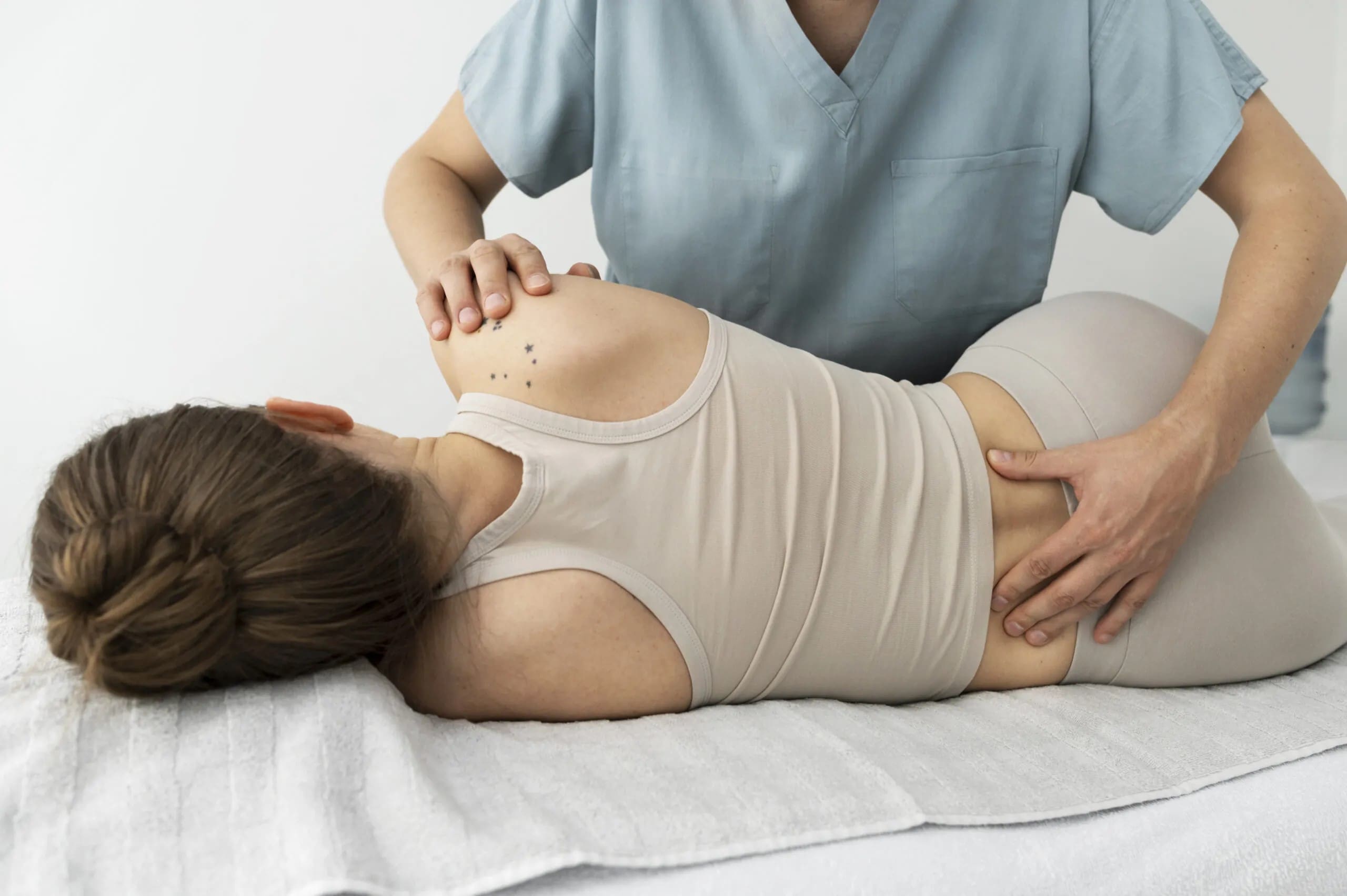
The sacroiliac joint connects the sacrum and the ilium. It has very little motion compared with the lumbar spine or the hip. Strong ligaments hold it. When the joint or its supporting tissues become irritated, pain is often felt in the buttock, just below the belt, or along the posterior pelvis. It may also refer to the upper thigh or groin. The same areas can be caused by a lumbar disc or facet joint, hip joint irritation, or muscle overload in the gluteals or deep hip rotators. Distinguishing them requires more than location alone.
Comparing the Common Sources
Lumbar spine pain often changes when you bend forward or arch backward. It may feel more central or switch sides. When a nerve root is involved, symptoms follow a clearer path down the leg, may include numbness or tingling in a specific skin area, and can show weakness on testing. A positive straight-leg raise that reproduces the leg pain raises the possibility of nerve irritation. Many people with pure lumbar pain do not have those nerve findings.
Sacroiliac-region pain is frequently one-sided and sits below the belt line. Patients often point with one finger to the area just beside the dimple of the lower back—the posterior superior iliac spine region. Activities that load one side tend to aggravate it:
standing on one leg
climbing stairs
getting out of a car
sitting for long periods and then standing
Prolonged sitting can also bother it, which is common for programmers and drivers. Not every person with these features has a primary sacroiliac problem. The pattern is a clue, not a diagnosis.
Hip-related pain can refer to the buttock or the front of the thigh. It is more likely when hip motion is limited, especially internal rotation or flexion, or when specific hip tests provoke the familiar pain in the groin. Runners and people who spend hours standing on concrete sometimes develop hip stiffness that can radiate to the low back or sacroiliac region.
Muscle irritation—particularly in the gluteus medius, gluteus maximus, or piriformis—can create tender spots and pain that mimic either a joint issue or a mild nerve pattern. These muscles work hard during single-leg stance, scanning motions, and directional changes on a warehouse floor.
What a Careful Examination Looks For
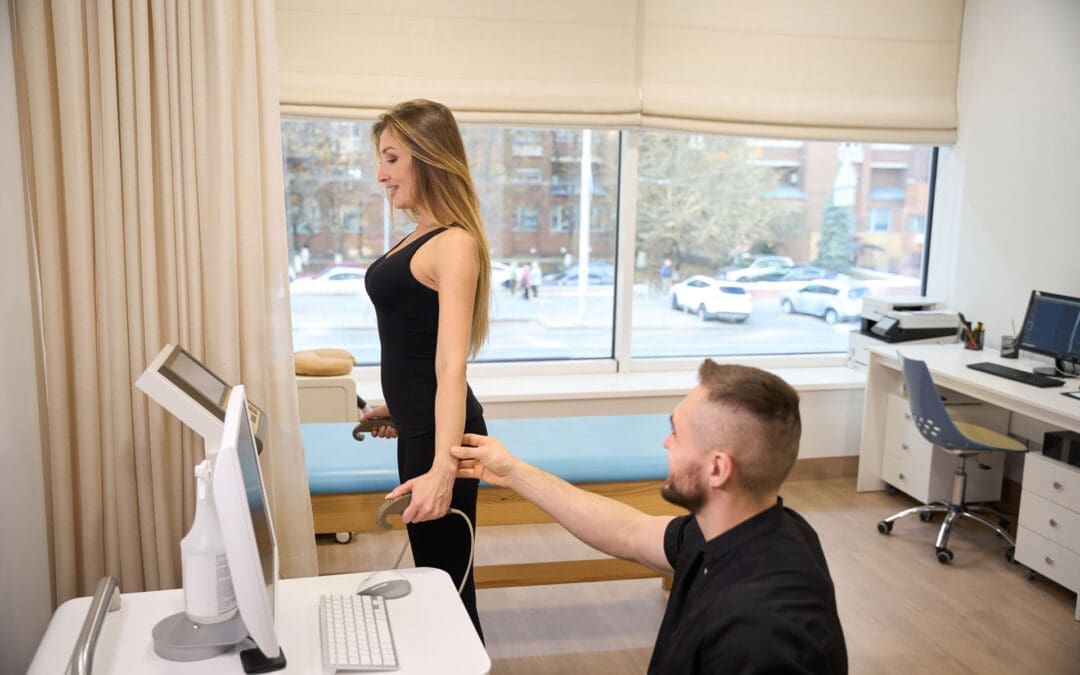
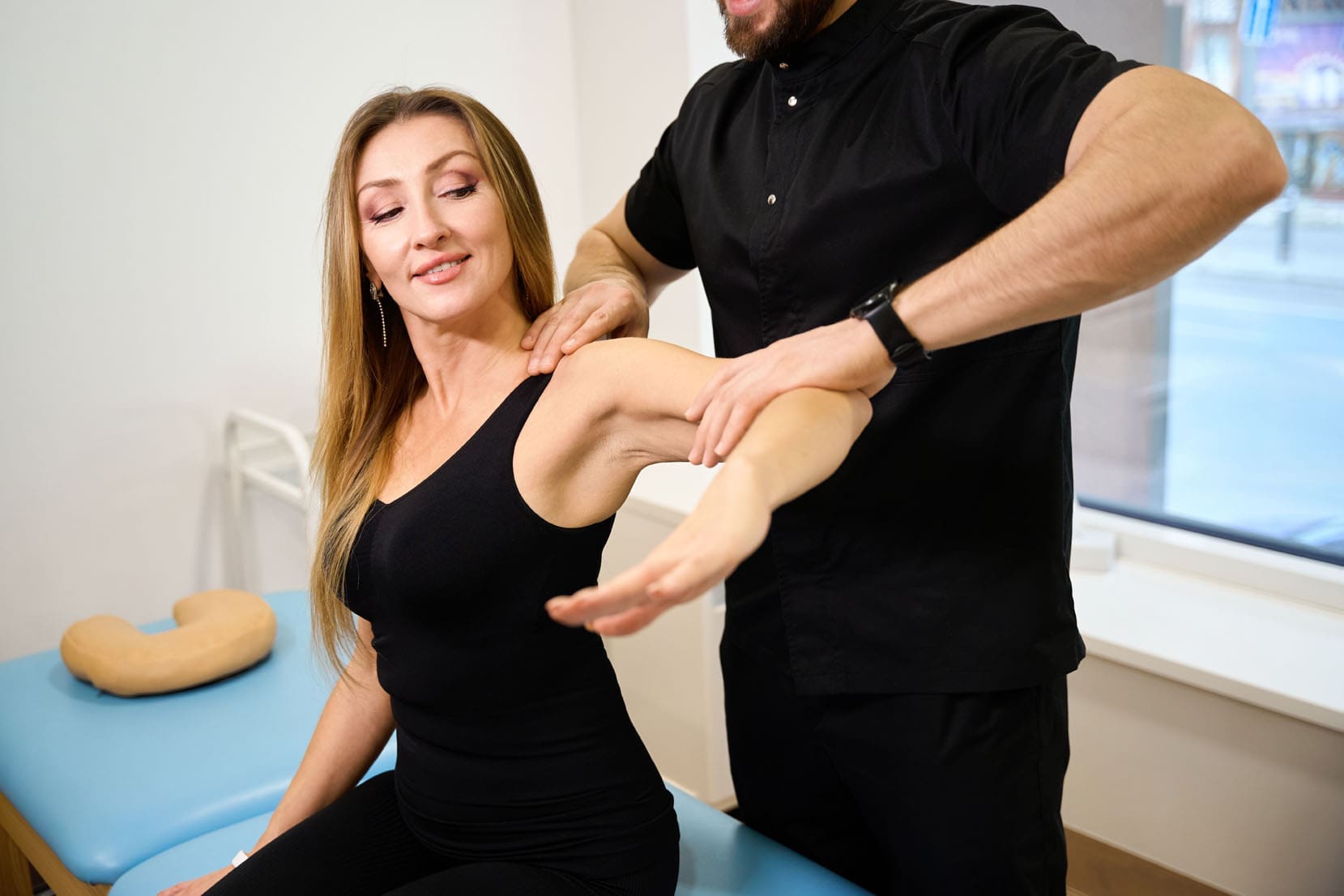
A careful examination starts with the story. When did it begin? Did a specific twist, lift, run, or long sit start it? What makes it better or worse? Does it change with position or time of day? Observation follows: how the person stands, walks, and moves from sitting to standing. Lumbar range of motion is checked. Hip mobility and strength are tested. Watch gait for a limp or a drop of the opposite hip when standing on one leg. These findings narrow the possibilities before any special test is performed.
Provocation testing adds another layer. One commonly used set is the cluster described by Laslett and colleagues. It includes distraction, compression, thigh thrust, sacral thrust, and Gaenslen’s tests. When three or more of these tests reproduce the person’s familiar pain, the likelihood that the sacroiliac region is contributing rises (Laslett et al., 2005). Earlier work suggested high sensitivity and specificity for this combination. Later analyses have tempered expectations: the tests help, but they do not deliver certainty by themselves. Negative tests are often more useful for lowering the chance that the sacroiliac joint is the main source. When needed, the most precise confirmation remains an image-guided injection that temporarily relieves the pain. In everyday practice, the goal is not to force a label. The goal is to identify what is limiting function and address it (Cohen et al., 2013).
Hip Mobility, Gait, and Rehabilitation
Hip mobility and gait matter for almost every person in this group. Programmers and analysts who sit for long blocks often develop tight hip flexors and under-used gluteal muscles. Amazon associates and data-center technicians repeatedly load one leg while reaching or scanning. Runners accumulate high step counts. Drivers sit, then suddenly stand and twist to exit the vehicle. Rehabilitation therefore focuses on restoring usable motion and control rather than chasing a single joint name.
Practical steps include:
brief position changes during long sits or stands
hip and lumbar mobility work where testing shows restriction
progressive strengthening of the gluteals and trunk muscles that stabilize the pelvis
single-leg balance and controlled step-downs for stairs, ladders, and uneven floors
For many people, these changes reduce the catch near the belt line within a few weeks. Chiropractic care can address related spinal and pelvic mechanics when joint motion is restricted. The emphasis stays on function: being able to sit through a coding session, finish a shift, complete a run, or get out of the car without the sharp reminder.
When Imaging Is Useful
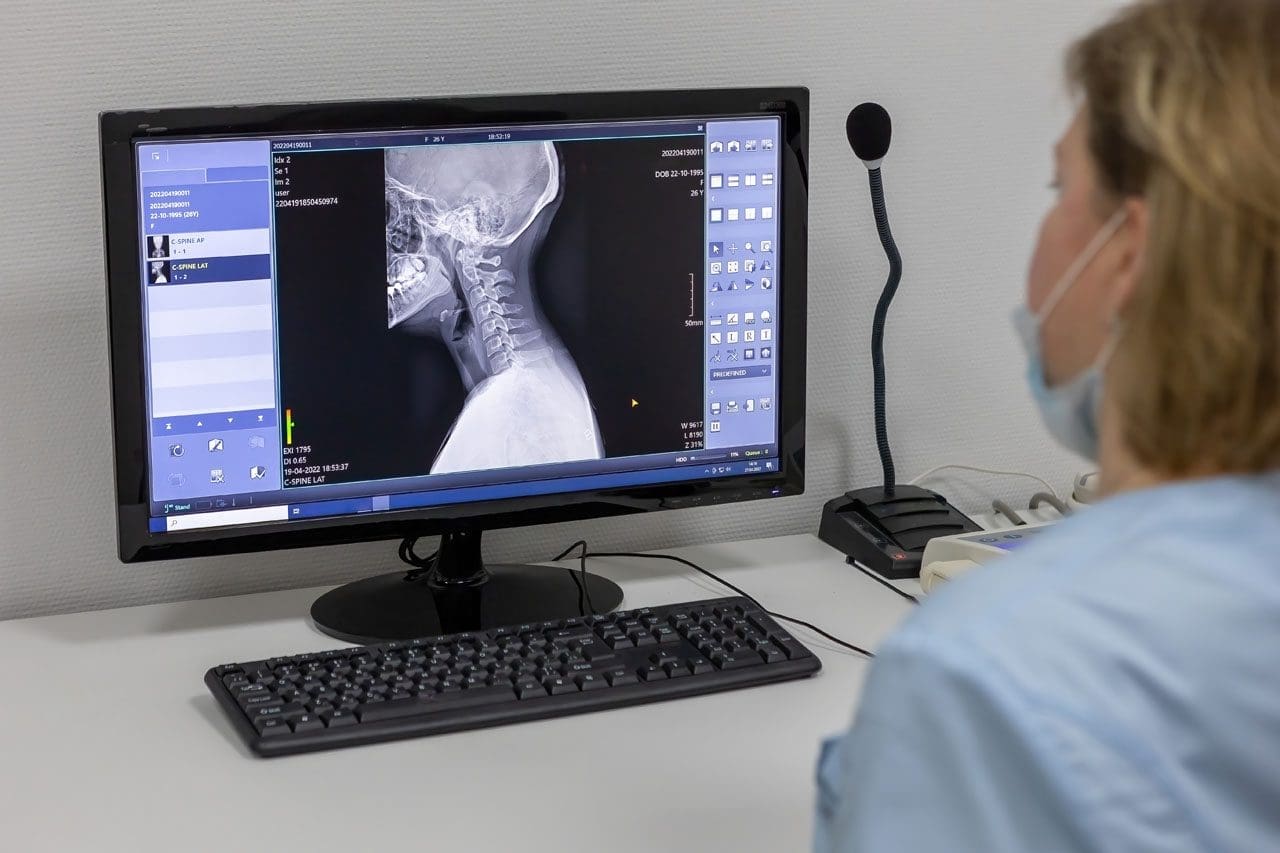
Imaging is useful when red flags appear—recent significant trauma, unexplained weight loss, night pain that wakes a person, progressive weakness, or changes in bowel or bladder control. It also helps rule out other conditions, such as a lumbar disc herniation with nerve compression, a hip joint problem, a sacral fracture, or an inflammatory arthritis affecting the sacroiliac joints. Plain radiographs of the lumbar spine and pelvis are often the first step. Consider magnetic resonance imaging when neurological signs persist or when the history suggests something beyond ordinary mechanical pain. Imaging does not reliably prove that the sacroiliac joint itself is the pain generator in the absence of clear inflammatory or structural findings. A normal study does not exclude mechanical irritation, and an abnormal study does not automatically explain the symptoms (American Academy of Family Physicians, 2022).
Working Together for Your Best Outcome
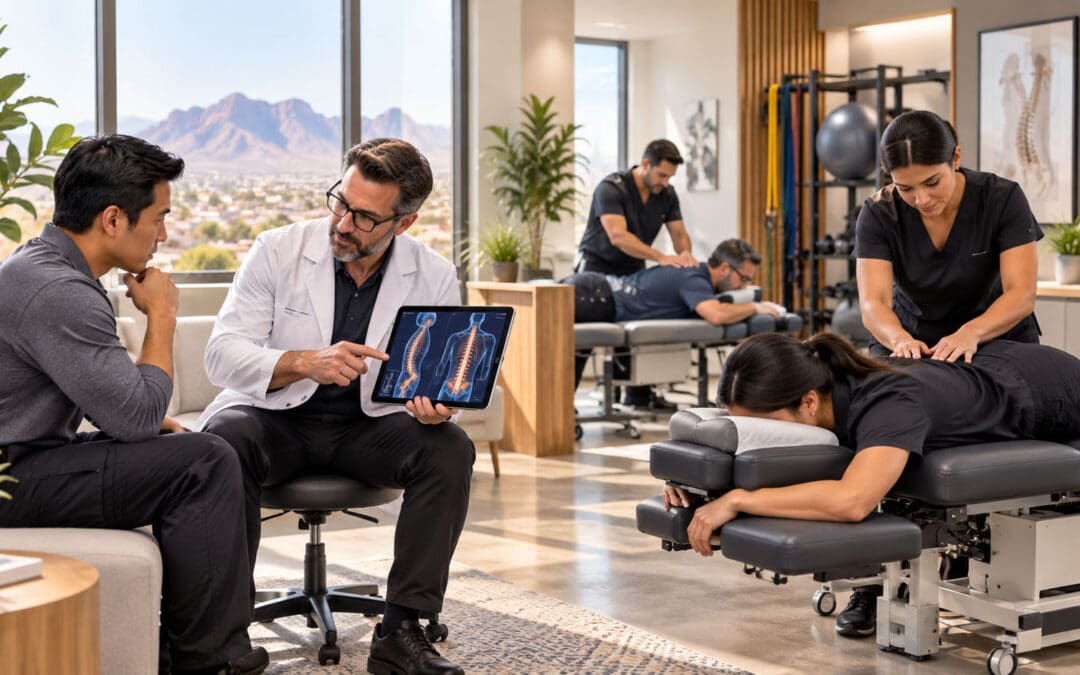
Collaborative care at Injury Medical Clinic PA brings these pieces together. Dr. Alex Jimenez, DC, APRN, FNP-BC, CFMP, IFMCP, combines chiropractic structural work with the ability to order and interpret advanced testing under collaborative oversight with Dr. Maria Guadalupe Cardenas, MD. The focus remains on what serves the patient: reducing pain, restoring mobility, and supporting recovery without unnecessary procedures. The team prioritizes non-invasive options such as targeted exercise, manual care, and activity modification to avoid the risks of surgery or heavy medication when they are not required. Patients remain the decision-makers. Education about the findings, the options, and the expected timeline lets each person choose a plan that fits work, family, and activity demands. Many group insurance plans cover this coordinated approach, providing you with access to both the mechanical and medical sides of the evaluation.
If one-sided pain near the belt line is limiting your shift, run, commute, or time at the desk, a structured examination can identify the contributors and point you to practical next steps. The same team that evaluates the lumbar spine, the sacroiliac region, the hip, and the surrounding muscles can also coordinate any needed imaging or further medical review. Call 915-850-0900 or visit the clinic at Mission Plaza in El Paso to schedule.
In this educational post, I will take you on a journey through the cutting-edge landscape of regenerative and integrative medicine for treating common musculoskeletal conditions. Drawing on the latest evidence-based research and my clinical experience, we will explore which injuries respond best to advanced orthobiologic therapies such as Platelet-Rich Plasma (PRP) and microfragmented adipose tissue. We will explore a systematic, algorithm-based approach for patient selection, focusing on conditions such as partial rotator cuff tears, tendinopathies like tennis elbow, and mild-to-moderate osteoarthritis. Furthermore, I will introduce a groundbreaking study that uses machine learning to identify key biomarkers—such as uric acid and lipoprotein(a)—that predict patients’ treatment response. Finally, I will explain how our unique multidisciplinary practice in El Paso, Texas, integrates advanced medical oversight with chiropractic care, physical therapy, and functional medicine to create a comprehensive and personalized healing environment for our patients.
A New Era of Collaboration in Patient Care
I am thrilled to announce a significant enhancement to our patient care model here at Injury Medical Clinic. We are honored to welcome Dr. Maria Guadalupe Cardenas, MD, to our team as our Medical Director and Collaborative Physician. Dr. Cardenas is a highly respected, board-certified Internist with over four decades of clinical experience (NPI #1164426749, Texas MD License #J2933).
This collaboration represents a powerful fusion of expertise. Our clinic has always been at the forefront of providing exceptional chiropractic care, physical therapy, and rehabilitation, particularly for those suffering from personal injuries. With Dr. Cardenas providing medical oversight, we can now offer an even more robust and integrated treatment paradigm. This multidisciplinary setup allows us to manage complex cases by combining my expertise in chiropractic, functional, and regenerative medicine with her profound knowledge of internal medicine. This ensures that every aspect of a patient’s health—from musculoskeletal alignment and function to underlying systemic factors—is addressed, creating a truly holistic path to recovery.
The Foundation of Our Approach: Evidence-Based Integrative Care
When I established my practice in El Paso, TX, this environment ingrained in me the necessity of grounding every clinical decision in solid, evidence-based research. We developed a structured protocol to identify which conditions were most appropriate for orthobiologic treatments. This required a deep dive into the scientific literature to ensure we were offering therapies with proven efficacy.
This commitment to evidence is the cornerstone of our practice in El Paso. We specialize in treatments that bridge the gap between conservative care and invasive surgery. Our focus is on harnessing the body’s innate healing capabilities, supported by advanced diagnostics and targeted interventions.
Identifying the Right Conditions for Orthobiologic Therapies
Through rigorous review of studies and extensive clinical experience, we have identified a specific cohort of conditions that respond well to integrative and regenerative treatments. It is crucial to be precise in our diagnosis and patient selection to achieve the best possible outcomes.
Here are some of the primary conditions we treat:
Shoulder: Low-grade, partial-thickness rotator cuff tears and mild-to-moderate glenohumeral arthritis. For arthritis, it is vital to consider the Walsh classification (e.g., A1, A2, B1) to ensure that the joint architecture is stable and that the “golf ball” (humeral head) isn’t falling off the “tee” (glenoid).
Elbow: Lateral epicondylitis (tennis elbow) and medial epicondylitis (golfer’s elbow), as well as proximal partial tears of the ulnar collateral ligament (UCL).
Hand/Wrist: Mild-to-moderate carpometacarpal (CMC) arthritis. A landmark study from my professor at the Mayo Clinic validated the use of biologics for this condition.
Hip: Femoroacetabular Impingement (FAI) of grade two or less, where the labrum is not shredded, and there are no large pincer or cam deformities. We also achieve great results with gluteus medius and hamstring tendinopathy, especially focal mid-portion tears.
Foot/Ankle: Plantar fasciitis.
Knee: Classically, mild-to-moderate knee osteoarthritis and very small meniscal tears.
Interestingly, recent literature has shown promise in the use of PRP post-operatively. Some forward-thinking surgeons now refer patients for a PRP injection between 0 and 6 weeks after a rotator cuff repair to potentially enhance healing.
A Deeper Look at Tendinopathy: Diagnosis and Treatment Strategy
Let’s examine a common case: tennis elbow, or a partial-thickness tear of the common extensor tendon. Using musculoskeletal ultrasound, we can visualize the injury with incredible detail. I look at the tendon in both long-axis and short-axis views to measure the tear’s precise length and width.
A key to my treatment success has been the technique of tenotomy with fenestration. This involves using a needle to meticulously break up the scarred, degenerative tissue throughout the entire length and width of the tear. Many practitioners might inject only into one spot, but I have found that ensuring the biologic agent is delivered throughout the full extent of the damaged area significantly improves results. We are essentially creating micro-trauma to stimulate a new, robust healing cascade and delivering the growth factors right where they are needed most. The study by Gosens et al. (2011) provides strong support for using PRP to treat chronic tennis elbow, and it is a paper I often share with my colleagues to explain the rationale for this approach.
Consider the case of a 31-year-old weightlifter with patellar tendinopathy. His ultrasound revealed a complex picture: early-stage arthritis with a knee effusion (fluid), a large partial-thickness tear of the patellar tendon, heterogeneous echogenicity changes (indicating tendinosis), and even a large calcium deposit. The critical question becomes: what is the primary pain generator? Is it the joint cartilage, the degenerated tendon, or the calcification?
After a thorough discussion about the risks and benefits, and correlating his physical exam findings with the imaging, I decided to treat the tendon tear with PRP. My decision was influenced by research, such as the work of Jason Dragoo, who demonstrated the efficacy of leukocyte-rich PRP for tendinopathy. For a tear of this significant size, PRP provides a powerful concentration of growth factors to orchestrate cellular repair and tissue regeneration. In these challenging cases, pinpointing the source of pain is paramount.
The Nuances of Treating Rotator Cuff Tears
Rotator cuff tears present another layer of complexity. An MRI might show a partial-thickness tear (less than 50% of the tendon’s thickness) and also an interstitial tear (a split within the tendon fibers), along with surrounding edema (fluid). My approach is often to treat both. I will perform a guided injection into the subacromial bursa to reduce inflammation and another directly into the interstitial tear itself.
Using ultrasound guidance is non-negotiable. I can watch the needle in real-time as it passes through the deltoid muscle and subacromial bursa to precisely target the tear on the superficial facet of the greater tuberosity. I use a small amount of fluid to hydrodissect the tissue planes, which confirms I am in the correct location and helps distribute the biologic throughout the length of the tear.
It’s important to clarify terminology. A partial-thickness tear involves only a portion of the tendon’s depth. A full-thickness tear goes all the way through, but this can be a partial-width tear (affecting only part of the tendon’s footprint) or a full-thickness, full-width tear (a complete rupture). Orthobiologics are most effective for partial-thickness and full-thickness, partial-width tears, not complete ruptures, which typically require surgery.
Choosing the Right Tool: PRP vs. Adipose Tissue
When a patient presents with a more severe injury, we must consider more robust therapies. This is where my treatment algorithm helps guide the decision-making process.
For low-grade partial-thickness tears (less than 50%): I will consider PRP, sometimes augmented with dextrose prolotherapy (P2G), to stimulate a healing response.
For high-grade partial-thickness tears (greater than 50%): I will consider using microfragmented adipose tissue.
Why adipose? Adipose tissue is not just fat; it is a rich source of mesenchymal stem cells (MSCs) and other perivascular cells that create a biological scaffold. This scaffold provides a structural framework and a sustained-release reservoir of signaling molecules that guide tissue repair over a longer period. This is particularly beneficial in larger defects where a simple injection of PRP might not be sufficient to bridge the gap. For moderate-to-severe arthritis (Kellgren-Lawrence grade 3-4), I also lean towards adipose tissue or bone marrow aspirate concentrate (BMAC) for their more potent anti-inflammatory and regenerative capabilities.
For patients with neuralgia or nerve entrapment, I have found that hydrodissection—using fluid to carefully separate the nerve from surrounding fibrotic tissue—can provide significant relief by freeing the nerve and reducing compression.
An Algorithmic Approach to Treating Knee Osteoarthritis
To standardize care and optimize outcomes, I have developed a treatment algorithm for patients with knee osteoarthritis (OA). This systematic process ensures we address all contributing factors:
Assess Systemic Health: First, I investigate for underlying systemic diseases (like autoimmune conditions) or factors that impair healing. We must address the whole person, not just the knee.
Evaluate Functional Markers: Next, I consider a functional medicine workup. What are their hormone levels? Is there evidence of gut dysbiosis or microbiome imbalance? These factors create the systemic environment in which the knee must heal.
Grade the Arthritis: Using X-rays and MRIs, I determine the severity. Is it grade 3 or 4 arthritis? Is there significant subchondral bone edema (a sign of stress and inflammation in the bone beneath the cartilage)?
Select the Treatment:
If the patient has mild-to-moderate OA (grade 1-2) without the above complicating factors, PRP is my first-line orthobiologic treatment.
If they have severe OA (grade 3-4) or significant bone edema, I will discuss microfragmented adipose tissue or BMAC.
Monitor and Adjust: Healing is a process. PRP typically causes increased soreness for about three days, with functional improvements beginning around weeks three to six. By twelve weeks, we should have a clear indication if we are on the right track. If the patient has achieved at least 60% improvement, we continue with our supportive care plan. If not, we re-evaluate and adjust the strategy.
The Future is Now: Machine Learning and Personalized Medicine
A groundbreaking study published in April 2026 in BMC Musculoskeletal Disorders is already changing how I think about patient selection. Researchers in China used a machine learning algorithm to predict clinical response to PRP for knee osteoarthritis. They analyzed a vast dataset including patient demographics, BMI, lab markers, and pain scores.
The algorithm aimed to identify the factors that were most predictive of a high response rate (defined as increasing the success rate from 65% to 85%). The results were fascinating. While we often focus on the “special recipe” of the PRP itself, the study found that three biomarkers were most important in predicting success:
Osmotic Pressure (Joint Swelling): This was self-explanatory. My clinical experience confirms that patients with recurrent, large effusions do not respond as well. The inflammatory environment dilutes the biologic and impedes healing.
Lipoprotein(a) [Lp(a)]: A marker for cardiovascular risk, elevated Lp(a) is also strongly associated with inflammation.
Uric Acid: Commonly known for its role in gout, high uric acid is a powerful pro-inflammatory marker.
This study reinforces the critical link between systemic metabolic health and local musculoskeletal healing. It’s making me consider routinely checking uric acid and Lp(a) levels in my patients. Perhaps by addressing these metabolic imbalances first—through diet, lifestyle, and targeted supplementation, a core principle of functional medicine—we can turn potential non-responders into high-responders. It highlights the importance of our integrative model, in which chiropractic adjustments and physical therapy optimize biomechanics, while functional and internal medicine address the underlying biochemistry.
This is the future of medicine: personalized, predictive, and integrative. By combining advanced orthobiologics, sophisticated diagnostics, and a deep understanding of the body as an interconnected system, we can offer our patients in El Paso a truly transformative level of care.
References
Gosens, T., Peerbooms, J. C., van Laar, W., & den Oudsten, B. L. (2011). Ongoing positive effect of platelet-rich plasma versus corticosteroid injection in lateral epicondylitis: a double-blind randomized controlled trial with 2-year follow-up. The American Journal of Sports Medicine, 39(6), 1200–1208. https://doi.org/10.1177/0363546510397173
Gut Health for Faster Recovery—El Paso Back Clinic
Why your gut matters when you’re healing
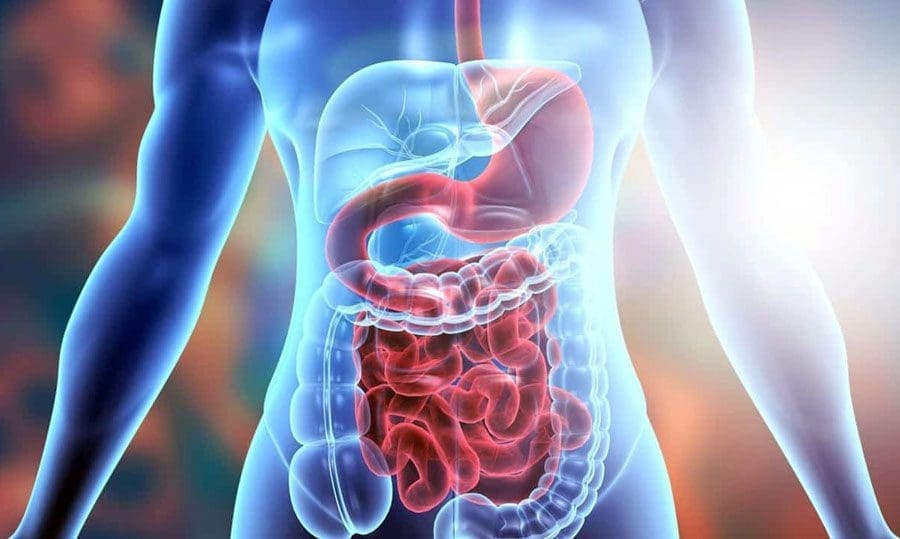
After a back or neck injury—from daily strain, sports, work, or a car crash—pain and limited mobility can dominate your life. But there’s a powerful helper inside you: the gut microbiome. These trillions of microbes influence digestion, inflammation, immunity, energy, and even sleep. When they fall out of balance (called dysbiosis), bloating, irregular stools, fatigue, and higher inflammation can slow your rehab progress. The positive news is that simple daily steps can reset the balance and support your recovery. (Cleveland Clinic, 2023/2022). (Cleveland Clinic)
At El Paso Back Clinic, we often combine spine-focused care—such as chiropractic adjustments when appropriate, therapeutic exercise, soft-tissue work, and, if indicated, imaging—with practical gut-support strategies, helping patients recover more comfortably and steadily. (Dr. Alex Jimenez, El Paso clinic pages). (El Paso, TX Doctor Of Chiropractic)
Dysbiosis in plain language
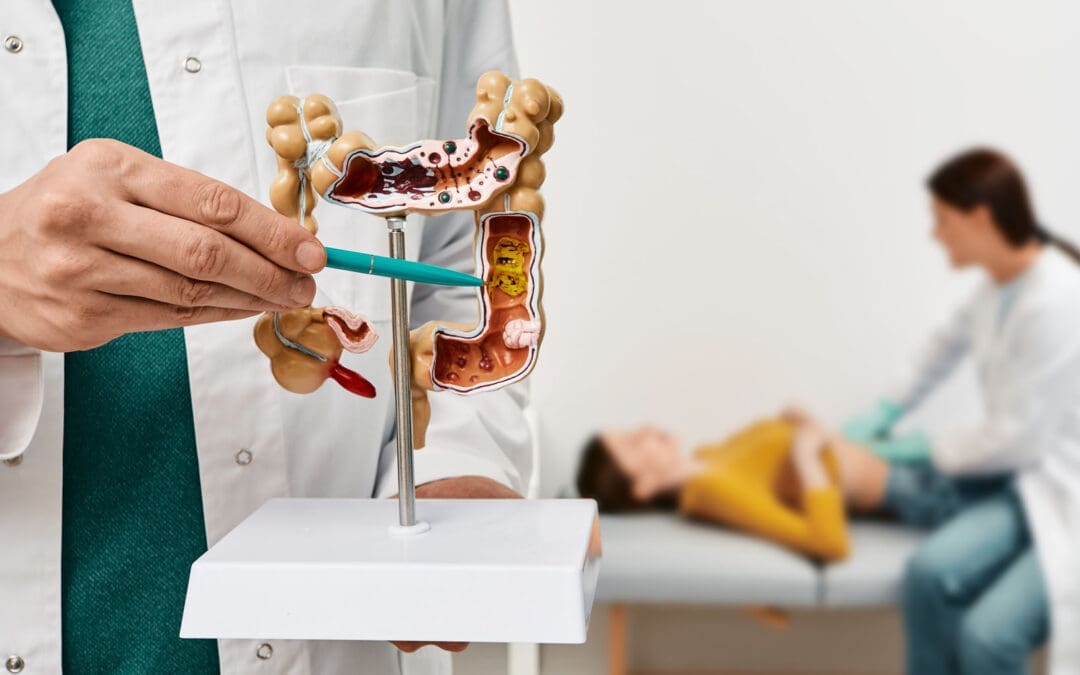
Dysbiosis means your gut community is out of balance—too many “unhelpful” species, not enough beneficial ones, or less diversity overall. Diets high in refined sugars and ultra-processed foods, repeated courses of antibiotics, stress, poor sleep, and alcohol/environmental toxins are common triggers. (Cleveland Clinic, 2024; Better Health Channel, 2023; USDA ARS, 2025). (Cleveland Clinic)
Ultra-processed foods tend to be low in fiber and high in additives; over time, they’re linked with inflammation and a less favorable gut environment—exactly what you don’t want while healing. (Cleveland Clinic Newsroom, 2023). (Cleveland Clinic)
How “unhealthy” bacteria gain ground
Unwanted bacteria flourish when conditions favor them. Three everyday drivers:
Low fiber, high ultra-processed intake. Beneficial microbes feed on plant fibers and resistant starches from beans, whole grains, vegetables, and fruit. Starve them, and opportunistic species take over. (Wilson et al., 2020; Singh et al., 2017). (PMC)
Antibiotics and antimicrobials. Essential when needed, but they can also reduce helpful species; rebuilding with fiber-rich foods (and sometimes probiotics) helps restore balance. (Cleveland Clinic, 2024). (Cleveland Clinic)
Stress and poor sleep. Both alter motility and immune signaling via the brain–gut axis, nudging the microbiome toward dysbiosis. (Better Health Channel, 2023). (Better Health Channel)
SIBO: a special case to know about
Small Intestinal Bacterial Overgrowth (SIBO) happens when excess bacteria build up in the small intestine, which normally has low counts. Symptoms can include bloating, abdominal discomfort, diarrhea, early fullness, weight loss, or malnutrition. (Mayo Clinic, 2024). (Mayo Clinic)
Treatment often pairs targeted antibiotics with nutrition and root-cause fixes (e.g., motility support or addressing structural issues). Without tackling the cause, SIBO can recur. (Mayo Clinic, 2024). (Mayo Clinic)
If you notice persistent bloating, pain, or weight loss, ask your clinician about evaluation and a phased plan that treats the cause, then carefully re-expands fibers and fermented foods.
How better gut habits speed musculoskeletal recovery
Lower, steadier inflammation: A fiber-rich, plant-forward pattern boosts short-chain fatty acids (SCFAs) like butyrate that help protect the gut lining and may dampen systemic inflammation tied to pain. (Singh et al., 2017). (PMC)
Energy and participation: Balanced digestion supports energy, sleep, and mood—key drivers of successful physical therapy and home exercise. (Cleveland Clinic, 2022). (Cleveland Clinic)
Medication tolerance: If you need antibiotics or other meds, a microbiome-friendly plan can reduce GI side effects. (Cleveland Clinic, 2024). (Cleveland Clinic)
The El Paso Back Clinic approach (dual-scope care)
Our team—led by Alexander Jimenez, DC, APRN, FNP-BC—blends chiropractic care with nurse-practitioner medical evaluation. When appropriate, we use X-ray/MRI to clarify the diagnosis, and we coordinate conservative therapies with nutrition and lifestyle coaching. For injury cases, we also provide the documentation insurers and attorneys require. (El Paso, TX Doctor Of Chiropractic)
Common elements of a plan:
Dual-scope assessment: History, neuro/orthopedic testing, and imaging when indicated to pinpoint pain drivers (joint, nerve, soft tissue). (El Paso, TX Doctor Of Chiropractic)
Conservative therapies: Chiropractic adjustments (as indicated), therapeutic exercise, massage/soft-tissue work; acupuncture may be added to modulate pain and stress. (El Paso, TX Doctor Of Chiropractic)
Gut-support basics: Plant variety, fiber targets, and live-culture foods; stress and sleep tools that calm the gut–brain axis. (Cleveland Clinic Magazine; Penn State Health). (Cleveland Clinic)
Medical-legal readiness: Structured notes, imaging reports, and measurable outcomes for personal-injury and MVA cases. (El Paso, TX Doctor Of Chiropractic)
Clinical observation: Patients with back/neck pain who improve sleep and add one fermented food daily—while increasing beans/whole grains and veggies—often report less bloating and steadier energy within weeks, which helps them stay consistent with rehab.
A 4–6 week “gut-reset” that fits rehab
1) Make plants the base (daily)
Aim for colorful vegetables and fruits, beans/lentils 4–5 days/week, and whole grains (oats, barley, brown rice, quinoa). These choices feed beneficial microbes and boost SCFAs. (Wilson et al., 2020). (PMC)
2) Add one fermented food most days
Yogurt or kefir with live active cultures, kimchi, sauerkraut, or kombucha. Not all fermented foods have live microbes after processing—check the label. (Healthline; Cleveland Clinic Magazine). (Healthline)
3) Tame ultra-processed foods
Swap sugary drinks for water/unsweetened tea; favor whole-grain staples; keep packaged snacks as occasional treats. (Cleveland Clinic, 2023). (Cleveland Clinic)
4) Support sleep and stress
Target 7–9 hours with a consistent wind-down; try 5 minutes of slow breathing before bed; walk 20–30 minutes most days, and add two short strength sessions weekly. (Better Health Channel, 2023). (Better Health Channel)
5) Medications—coordinate with your clinician
Don’t stop prescribed meds on your own. If antibiotics are necessary, ask whether a food-first strategy and a short-term probiotic make sense for you. (Cleveland Clinic, 2024). (Cleveland Clinic)
6) Hygiene matters
Wash hands, rinse produce, and avoid kitchen cross-contamination to reduce exposure to harmful bacteria. (Better Health Channel, 2023). (Better Health Channel)
Two-week starter plan (easy, budget-minded)
Breakfast: Oats + kefir or yogurt + berries + nuts.
Dinner: Slow-cooker chili or lentil curry; salad with olive oil; baked potato (cool leftovers for resistant starch).
Snacks: Fruit + nut butter; carrots + hummus; plain popcorn; small kefir smoothie.
Small, steady changes add up; focus on what you can repeat during busy treatment weeks. (Penn State Health, 2018). (Penn State)
When to seek medical care now
Unintended weight loss, blood in stool, fever, severe or night-time symptoms, or a history of GI surgery.
Talk with your clinician about evaluation, including possible SIBO testing when appropriate. (Mayo Clinic, 2024). (Mayo Clinic)
Local help in El Paso
If you’re recovering from a back or neck injury and want a plan that connects spine care, gut health, and documentation for injury cases, our team can help you build a sustainable routine while we treat the root musculoskeletal drivers. (El Paso Back Clinic/Dr. Jimenez). (El Paso, TX Doctor Of Chiropractic)
El Paso Back Clinic®: Conquering Iliac Crest Pain Syndrome
At El Paso Back Clinic® in El Paso, TX, we focus on treating iliac crest pain syndrome, which is a condition that causes long-lasting lower back pain often related to injuries of the iliolumbar ligament or problems with the sacroiliac (SI) joint ( Led by Dr. Alexander Jimenez, DC, APRN, FNP-BC, our team combines chiropractic care with integrative therapies like massage, acupuncture, and targeted exercises to provide holistic, patient-centered solutions for injuries from sports, work, personal incidents, or motor vehicle accidents (MVAs).
This syndrome arises from overuse, trauma, or weak core muscles, leading to strain on the ligaments connecting the lumbar spine to the pelvis (Medical News Today, 2023). Muscle spasms, especially in the quadratus lumborum, can make the pain worse by causing instability or pulling on the iliac crest. At El Paso Back Clinic®, we use advanced diagnostics and personalized treatment plans to relieve pain, restore function, and promote long-term wellness, helping patients reclaim their quality of life.
El Paso Back Clinic® employs a comprehensive approach to iliac crest pain syndrome, integrating chiropractic care with therapies like massage, acupuncture, and targeted exercises to address the condition holistically. Our methods target the structural, muscular, and inflammatory aspects of the condition, promoting natural healing and preventing chronic issues (NCCIH, 2023).
Chiropractic adjustments form the cornerstone of our treatment, realigning the spine and pelvis to reduce pressure on the iliac crest and SI joint. These precise techniques improve joint mobility and alleviate pain, often providing immediate relief (Miami Chiropractors, 2023a). Our skilled team, including acupuncturists and therapists, enhances this technique with massage therapy to relieve muscle spasms in the lower back, such as in the quadratus lumborum, improving circulation and relaxing tight tissues (Binns Family Chiropractic, 2023).
Acupuncture targets inflammation and stimulates natural pain-relief mechanisms, particularly effective for SI joint-related pain (Healthline, 2023). We also prescribe targeted exercises, such as core strengthening and hip stretches, to stabilize the pelvis and prevent further ligament strain (WebMD, 2023). Nutrition counseling, a key part of our functional medicine approach, supports recovery with anti-inflammatory diets, reducing swelling and enhancing overall health (Spinal Backrack, 2023). This integrative strategy ensures all facets of iliac crest pain syndrome are addressed for lasting relief.
Dr. Alexander Jimenez’s Expertise in Injury Recovery
Dr. Alexander Jimenez, a chiropractor and nurse practitioner with over 25 years of experience, leads El Paso Back Clinic® with a dual-scope approach to treating iliac crest pain syndrome. His expertise in managing injuries from MVAs, sports, work, or personal incidents makes him a trusted provider in El Paso (Jimenez, 2023a). By integrating chiropractic techniques with medical diagnostics, Dr. Jimenez creates tailored treatment plans that address each patient’s unique needs.
Using advanced imaging techniques like X-rays or MRIs, Dr. Jimenez finds the main reasons for pain, such as injuries to the iliolumbar ligament, problems with the SI joint, or herniated discs that cause muscle spasms. His thorough assessments guide treatments like spinal adjustments to realign the pelvis or exercises to strengthen supporting muscles. For instance, a patient with a sports injury might receive adjustments to correct SI joint misalignment, paired with rehabilitation to restore stability.
Dr. Jimenez also excels at handling the legal aspects of personal injury cases, providing detailed clinical reports that link injuries to symptoms, aiding in insurance claims or legal proceedings (Jimenez, 2023c). This comprehensive approach ensures patients receive both effective medical care and the support needed to navigate complex legal processes, making recovery seamless and efficient.
El Paso Back Clinic® offers a robust rehabilitation program for iliac crest pain syndrome, designed to promote natural healing and prevent long-term complications. Our approach integrates chiropractic care, physical therapy, and complementary therapies to address injuries from MVAs, sports, or workplace incidents, ensuring patients achieve optimal health (El Paso Back Clinic, 2023).
Rehabilitation begins with a detailed assessment using advanced imaging to identify issues like iliolumbar ligament injuries or SI joint dysfunction (Physio-Pedia, 2023b). Chiropractic adjustments correct misalignments, reducing strain on the iliac crest and improving mobility (Gonstead Chiropractic Center, 2023). Physical therapy includes exercises to strengthen core and back muscles, stabilize the pelvis, and prevent further injury (WebMD, 2023).
Massage therapy and acupuncture enhance recovery by relieving muscle tension and reducing inflammation, while nutrition counseling supports overall health with anti-inflammatory diets (Healthline, 2023; NCCIH, 2023). This holistic approach tackles the structural, muscular, and inflammatory aspects of iliac crest pain syndrome, reducing the risk of chronic issues like arthritis (Dr. Justin Dean, 2023). Our team collaborates with other healthcare providers to ensure treatments complement conventional care, creating a seamless recovery plan tailored to each patient.
Iliac crest pain syndrome causes chronic low back pain, often originating from the iliac crest, the curved top edge of the pelvis. This condition is commonly triggered by injury to the iliolumbar ligament, which links the lumbar spine to the pelvis, or dysfunction in the SI joint (Physio-Pedia, 2023b). Causes include overuse from activities like running or lifting, trauma from accidents, or weak core and back muscles that fail to support the pelvis (Medical News Today, 2023).
Muscle spasms, particularly in the quadratus lumborum, exacerbate the pain by creating instability or straining ligaments around the iliac crest (Physio-Pedia, 2023a). Symptoms include a dull ache or sharp pain along the iliac crest, tenderness when pressed, and discomfort that may spread to the hips or abdomen (Aesthetics and Medical Lasers, 2023). At El Paso Back Clinic®, our advanced diagnostics, including X-rays and MRIs, pinpoint the cause, allowing us to create targeted treatment plans that address these issues effectively.
Conclusion: Your Path to Wellness with El Paso Back Clinic®
Iliac crest pain syndrome can be debilitating, but El Paso Back Clinic® in El Paso, TX, offers a comprehensive solution through integrative care. Led by Dr. Alexander Jimenez, our team combines chiropractic adjustments, massage, acupuncture, and targeted exercises to address the root causes of pain, whether from sports injuries, work accidents, or MVAs (El Paso Back Clinic, 2023). Our holistic approach promotes natural healing, enhances mobility, and prevents long-term complications, helping you return to optimal health. Contact us at 915-850-0900 to begin your recovery journey today.
Introduction to Innovative Technologies in Chiropractic Care
Chiropractic care has long been a trusted method for improving spinal health and overall well-being. In recent years, this field has embraced cutting-edge technologies to enhance posture assessment and treatment, making it more effective than ever. From 3D scanning to virtual reality (VR), these innovations are transforming how chiropractors diagnose and treat patients. This blog explores how these advancements are revolutionizing chiropractic care, focusing on their role in improving posture and supporting recovery. Whether you’re dealing with chronic pain or seeking to optimize your health, understanding these technologies can help you make informed decisions about your care.
The Rise of Technology in Posture Assessment
One of the most exciting developments in chiropractic care is the use of advanced tools for posture assessment. Traditional methods relied on manual checks and basic tools like grids, but today’s technology offers a more precise approach. 3D camera systems and body scanning technologies allow chiropractors to capture detailed images of a patient’s posture from multiple angles (Posturecare, n.d.-a). This provides a comprehensive view of spinal alignment and muscle imbalances, which is crucial for accurate diagnosis.
For instance, 3D scanning technology, as highlighted by Visbody (n.d.), uses sophisticated software to detect abnormalities with exceptional precision. These scans create a detailed 3D posture analysis report, helping chiropractors identify issues that might be missed with older methods. Similarly, apps like PostureAI use artificial intelligence to analyze posture in real-time, offering personalized feedback through smartphones (Apple, n.d.). This technology empowers patients to monitor their progress and make adjustments daily.
Surface electromyography (EMG) scans are another breakthrough, measuring muscle activity to track postural health (InsightCLA, n.d.). Research shows that consistent monitoring with EMG can improve patient engagement and provide valuable data for treatment plans. These tools are not just about diagnosis—they also educate patients, showing them visual proof of their improvements, which can motivate continued care.
Beyond assessment, innovative technologies are enhancing treatment outcomes in chiropractic care. Virtual reality (VR) is one such tool, immersing patients in environments that teach correct posture and relaxation techniques (Nobility Chiropractic, n.d.). This not only makes therapy more engaging but also accelerates healing by encouraging active participation. For example, VR can simulate proper movement patterns, helping patients practice at home.
Laser therapy and the VibraCussor are other advancements gaining traction. Laser therapy uses light to stimulate healing at the cellular level, reducing inflammation and pain (Fastercapital, n.d.-b). The VibraCussor, a handheld device, delivers precise vibrations to relax muscles and improve circulation, offering a non-invasive treatment option. These technologies complement traditional adjustments, providing a holistic approach to recovery.
Chiropractic BioPhysics (CBP) is another technique leveraging technology to correct spinal alignment. By using mirror image exercises and traction, CBP targets specific posture issues, adjusting treatment plans based on patient progress (Square One Health, n.d.). This evidence-based method ensures treatments are tailored to individual needs, improving long-term results. Modern clinics are also integrating therapeutic ultrasound and instrument-assisted soft tissue mobilization to address muscle and joint issues more effectively (Vida Chiropractic Hixson, n.d.).
The Role of Wearable Devices and Posture Correctors
Wearable technology is changing the game by allowing continuous monitoring of posture and movement. Devices like smartwatches and posture sensors track daily habits, providing data that chiropractors use to refine treatment plans (UnityCW, n.d.). These gadgets alert users to slouching or poor alignment, encouraging better habits over time. Studies suggest that consistent use can lead to significant posture improvements, especially for those with sedentary lifestyles.
Posture correctors, such as harnesses or braces, are also popular tools. They work by gently pulling the shoulders back and supporting the spine, training muscles to strengthen and align properly (Chiropractor in Oviedo, n.d.). While effective for mild issues, they are most successful when combined with chiropractic adjustments and exercises. However, experts caution that these devices should be used under professional guidance to avoid over-reliance or discomfort.
Dr. Alexander Jimenez, a chiropractor and nurse practitioner in El Paso, emphasizes the value of these tools in his practice. He integrates wearable data with advanced imaging to create personalized recovery plans for patients with work or sports injuries (Jimenez, n.d.-a). His approach highlights how technology can bridge the gap between assessment and treatment, ensuring comprehensive care.
Dr. Alexander Jimenez’s Approach to Chiropractic Care
Dr. Alexander Jimenez, based in El Paso, Texas, brings a unique perspective to chiropractic care with his dual roles as a chiropractor and nurse practitioner. Specializing in treating individuals with work, sports, personal, and motor vehicle injuries, he combines clinical expertise with advanced technology (Jimenez, n.d.-b). His practice focuses on dual-scope diagnosis, using diagnostic assessments and imaging like X-rays and MRIs to pinpoint the root causes of injuries.
Dr. Jimenez’s clinical observations reveal a strong correlation between patient injuries and tailored treatment protocols. He uses advanced imaging to assess spinal misalignments and muscle damage, ensuring accurate diagnoses (Jimenez, n.d.-c). This approach allows him to develop customized plans that address both immediate pain and long-term health. His skills extend to handling legal paperwork for personal injury cases, making him a valuable ally for patients navigating insurance claims.
By integrating chiropractic care, massage therapy, acupuncture, and integrative medicine, Dr. Jimenez promotes natural healing and prevents complications (Jimenez, n.d.-d). His holistic methods target the root causes of injuries, improving overall wellness. For example, massage therapy relieves muscle tension, while acupuncture enhances circulation, both supporting spinal adjustments. This comprehensive approach helps patients recover to optimal levels, whether they’re athletes or office workers.
Comprehensive Rehabilitation with Integrative Techniques
Chiropractic care alone is powerful, but when combined with massage therapy, acupuncture, and integrative medicine, it offers a full-spectrum approach to rehabilitation. Chiropractic adjustments realign the spine, addressing the structural causes of pain (Noel Relief Centers, n.d.). Massage therapy then works to relax tight muscles, improving flexibility and reducing stiffness. Acupuncture, by stimulating specific points, boosts blood flow and aids natural healing, particularly for chronic conditions.
Integrative medicine takes this further by considering lifestyle factors like nutrition and stress management, which impact recovery (Alterna Health Solutions, n.d.). This multi-faceted strategy is especially effective for a wide range of injuries, from whiplash to sports strains. It prevents long-term issues by addressing inflammation and muscle imbalances early on. Dr. Jimenez’s practice exemplifies this, using these techniques to help patients regain strength and mobility after accidents or repetitive strain (Jimenez, n.d.-e).
While these technologies and methods are promising, they are tools that enhance a chiropractor’s expertise, not replace it. Consulting a healthcare professional is essential to ensure the right treatment for your needs.
Looking ahead, the integration of technology in chiropractic care is set to grow. Virtual reality will likely expand, offering immersive rehab programs that make therapy enjoyable (ACA Today, n.d.). AI-driven tools, like those in the PostureAI app, could provide even more precise diagnostics, adapting to patient data in real-time (Apple, n.d.). Wearable devices will continue to evolve, offering deeper insights into movement patterns and health metrics.
These advancements promise faster recoveries and better outcomes, but they rely on skilled practitioners to interpret and apply them. Dr. Jimenez’s work shows how combining technology with hands-on care can address complex injuries effectively (Jimenez, n.d.-f). As research continues, new techniques will emerge, solidifying chiropractic care’s role in modern healthcare.
Chiropractic care is evolving rapidly with innovative technologies that enhance posture assessment and treatment. From 3D scans and VR to wearable devices and integrative techniques, these tools offer precise, personalized care. Dr. Alexander Jimenez’s approach in El Paso demonstrates how combining advanced diagnostics with holistic methods can address a variety of injuries and improve overall health. While technology is a game-changer, it works best alongside a qualified chiropractor’s expertise. If you’re considering chiropractic care, consult a professional to find the best path to recovery and wellness.
Recovering from Motor Vehicle Accident Injuries with El Paso Back Clinic’s Expertise and Durable Medical Equipment
Motor vehicle accidents (MVAs) can result in a wide range of musculoskeletal injuries, from minor sprains to severe spinal damage, significantly affecting mobility, independence, and quality of life. Effective recovery requires a comprehensive approach, combining specialized medical devices, known as Durable Medical Equipment (DME), with expert care from professionals at El Paso Back Clinic. This blog post explores MVA-related musculoskeletal injuries, the essential role of DME in rehabilitation, and the clinic’s integrative approach, led by Dr. Alexander Jimenez, blending advanced diagnostics, chiropractic care, and functional medicine. This article aims to inform and empower accident victims.
Understanding Musculoskeletal Injuries from Motor Vehicle Accidents
Motor vehicle accidents are a major cause of musculoskeletal injuries, impacting muscles, bones, joints, ligaments, and tendons. The severity of these injuries depends on the collision’s force, body position during impact, and individual health. Common injuries include:
Whiplash: A neck injury caused by rapid head movement, often in rear-end collisions, leading to pain, stiffness, and headaches.
Back and Spinal Injuries: Including herniated discs, vertebral fractures, or misalignments (subluxations), causing chronic pain and reduced mobility.
Soft Tissue Injuries: Sprains, strains, or tears in muscles, tendons, or ligaments, resulting in swelling and limited movement.
Joint Injuries: Damage to shoulders, knees, or hips, causing pain and restricted range of motion.
Nerve Damage: Nerve compression or irritation, leading to tingling, numbness, or radiating pain, as seen in sciatica.
The sudden forces in MVAs, even at low speeds, can disrupt the body’s alignment and function. Research shows that 40.2% of MVA patients require ongoing treatment for persistent pain, with headaches and low back pain extending treatment duration (Dies & Strapp, 1992). Without timely intervention, these injuries can lead to chronic pain, disability, and reduced quality of life.
The Importance of Early Treatment
Seeking care within 72 hours of an accident is critical to prevent long-term complications. Symptoms like pain or stiffness may appear hours or days later, making early intervention essential. El Paso Back Clinic’s integrative approach, combined with DME, addresses injuries promptly, reducing inflammation, restoring function, and preventing chronic issues.
References
Dies, S., & Strapp, J. W. (1992). Chiropractic treatment of patients in motor vehicle accidents: A statistical analysis. PMC. https://pmc.ncbi.nlm.nih.gov
El Paso Back Clinic. (2025). Injury Medical & Chiropractic Clinic. https://elpasobackclinic.com/
The Role of Durable Medical Equipment (DME) in Recovery
Durable Medical Equipment (DME) refers to reusable devices designed to aid recovery, improve mobility, and enhance quality of life for those with injuries. Prescribed by El Paso Back Clinic’s professionals, DME supports rehabilitation after MVAs, helping patients manage pain, support injured areas, and engage in physical therapy safely.
Types of DME for MVA Recovery
Mobility Aids
Examples: Canes, walkers, crutches, wheelchairs, and four-wheel-drive wheelchairs.
Purpose: These devices assist patients with limited mobility, reducing fall risks and further injury. For example, a walker supports leg or back injury recovery, while a wheelchair aids severe spinal injury patients (Family Health Associates, n.d.).
Impact: Mobility aids restore independence, enabling tasks like navigating the home or bathroom.
Orthotic Devices and Braces
Examples: Cervical collars, back braces, knee braces, and ankle supports.
Purpose: Braces stabilize injured areas, promote alignment, and reduce strain. A back brace supports the spine post-herniated disc, while a cervical collar manages whiplash by limiting neck movement (PhysioRoom, n.d.).
Impact: These devices alleviate pain, prevent further damage, and promote proper healing.
Exercise and Rehabilitation Equipment
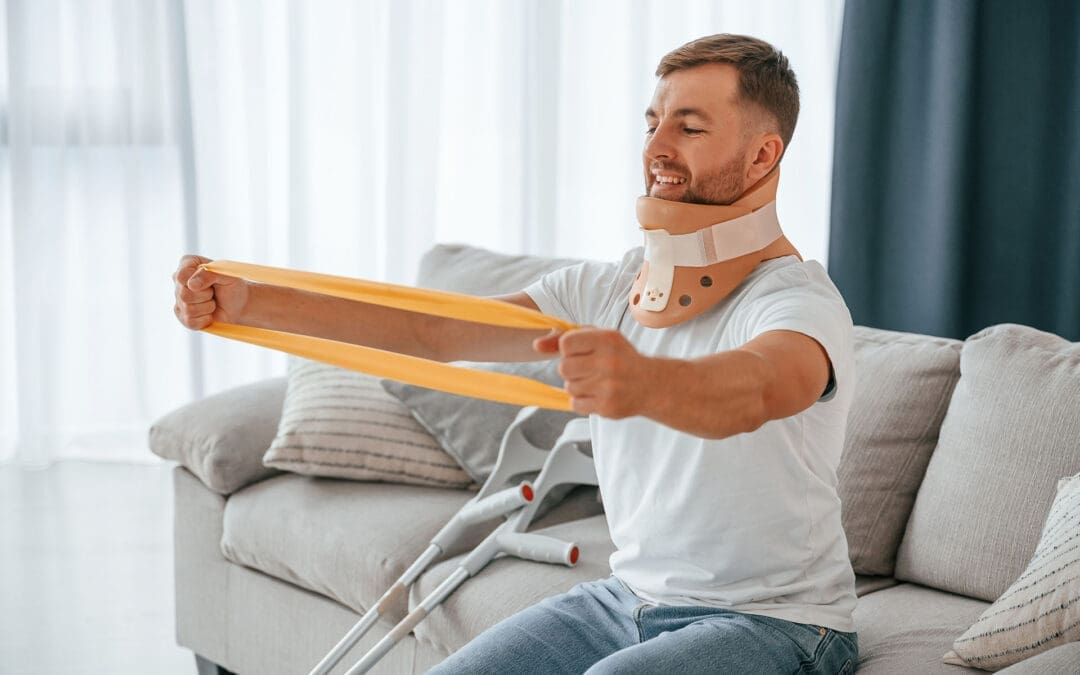
Examples: Resistance bands, balance boards, Pilates reformers, and exercise balls.
Purpose: These tools enhance physical therapy by improving strength, flexibility, and coordination. Pilates reformers provide low-impact resistance to strengthen core muscles and support spinal alignment, reducing reinjury risk (Pilates Reformers Plus, n.d.).
Impact: Rehabilitation equipment rebuilds strength and mobility, crucial for returning to daily activities.
Assistive Devices for Daily Living
Examples: Grab bars, shower chairs, elevated toilet seats, and ramps.
Purpose: These devices make daily tasks safer for those with limited mobility. Grab bars prevent bathroom falls, and ramps facilitate wheelchair access (Crossbay Physical Therapy, n.d.).
Examples: Cervical traction units and spinal decompression tables.
Purpose: These devices relieve spinal pressure, reducing pain from herniated discs or nerve compression. They complement chiropractic adjustments at El Paso Back Clinic (El Paso Back Clinic, 2025).
Impact: Traction devices accelerate recovery by reducing inflammation and improving alignment.
Importance of Proper DME Selection
Choosing the right DME is vital for effective recovery. El Paso Back Clinic’s team, led by Dr. Jimenez, assesses injuries, mobility needs, and lifestyle to prescribe appropriate devices. For example, a spinal injury patient may need a custom-fitted back brace and walker, while a whiplash patient might benefit from a cervical collar and resistance bands. Improper equipment can worsen injuries or delay healing, emphasizing the need for expert guidance (Penn Spine and Ortho, n.d.). In personal injury cases, DME documentation supports insurance claims and legal settlements by proving injury extent and treatment necessity (Power Liens, 2024).
Impact on Recovery and Quality of Life
DME enhances recovery by:
Reducing Pain: Braces and traction devices alleviate pressure on injured areas.
Restoring Function: Mobility aids and rehabilitation equipment rebuild strength and movement.
Promoting Independence: Assistive devices enable patients to manage daily tasks.
Improving Quality of Life: DME facilitates safe movement, supporting return to work and hobbies.
For example, a spinal injury patient may progress from a wheelchair to a walker with therapy, eventually regaining mobility using exercise equipment, boosting confidence and well-being.
El Paso Back Clinic, led by Dr. Alexander Jimenez, DC, APRN, FNP-BC, offers over 25 years of experience treating MVA injuries. Dr. Jimenez’s dual licensure as a chiropractor and board-certified family nurse practitioner enables a unique integrative approach, combining chiropractic care, functional medicine, and advanced diagnostics to promote healing and long-term wellness.
Dual-Scope Diagnosis and Treatment
Dr. Jimenez’s dual licensure facilitates a comprehensive approach:
Chiropractic Assessments: Evaluating spinal alignment, joint function, and soft tissue damage through manual exams and movement screens.
Medical Evaluations: Assessing systemic factors like inflammation, hormonal imbalances, or nutritional deficiencies impacting recovery.
Advanced Diagnostics: Using X-rays, MRIs, CT scans, and electromyography (EMG) to identify injuries like disc herniations or nerve compression (El Paso Back Clinic, 2025).
This dual-scope method addresses the root causes of injuries. For example, a patient with back pain may have a spinal misalignment and systemic inflammation, which can be treated with adjustments and functional lab testing to identify nutritional or hormonal issues.
Role of Advanced Imaging
El Paso Back Clinic employs advanced imaging for precise diagnosis:
X-rays: Detect fractures or misalignments.
MRIs/CT Scans: Identify soft tissue injuries or nerve compression.
EMG: Assess nerve function for symptoms like tingling.
Functional Lab Testing: Evaluate metabolic or hormonal factors affecting healing.
These tools provide objective evidence for treatment and legal documentation, ensuring targeted interventions and reducing chronic pain risks (El Paso Back Clinic, 2025).
Chiropractic and Integrative Medicine
The clinic’s integrative approach includes:
Spinal Adjustments: Correcting misalignments to relieve nerve pressure and pain.
Soft Tissue Therapy: Massage or myofascial release to reduce tension and improve circulation.
Rehabilitation Exercises: Utilizing DME, such as resistance bands or Pilates reformers, to strengthen muscles.
Nutritional Guidance: Reducing inflammation through diet and supplements.
Acupuncture: Relieving pain and improving blood flow.
This holistic method treats symptoms and prevents complications. For example, a whiplash patient may receive adjustments, a cervical collar, nutritional advice, and acupuncture to accelerate healing. El Paso Back Clinic is the city’s largest mobility, flexibility, and agility center, integrating chiropractors, nurse practitioners, nutritionists, and physical therapists for measurable outcomes (El Paso Back Clinic, 2025).
Legal Documentation in Personal Injury Cases
Dr. Jimenez’s dual licensure is invaluable in personal injury cases. As a nurse practitioner, he provides detailed medical reports, prescribes DME, and coordinates diagnostics, while his chiropractic expertise ensures accurate musculoskeletal injury documentation. These reports, including imaging results and treatment plans, support insurance claims and legal settlements by proving injury extent and treatment necessity. The clinic’s detailed intake process correlates injuries with the MVA event, strengthening legal cases (Personal Injury Doctor Group, 2017).
El Paso Back Clinic’s integrative care and DME maximize recovery:
Whiplash Example: A patient receives a cervical collar, spinal adjustments, acupuncture, and resistance band exercises to reduce pain and restore neck mobility.
Spinal Injury Example: A back brace and decompression table relieve spinal pressure, while adjustments and Pilates reformer exercises build strength. Nutritional guidance addresses inflammation.
This tailored approach ensures faster recovery, greater independence, and improved quality of life, supported by the clinic’s expertise and advanced diagnostics.
Musculoskeletal injuries from MVAs can disrupt lives, but recovery is achievable with expert care and the right tools. Durable Medical Equipment, such as mobility aids and braces, supports rehabilitation, reduces pain, and enhances independence. El Paso Back Clinic, led by Dr. Alexander Jimenez, offers an integrative approach, combining chiropractic care, functional medicine, and advanced diagnostics to address injury root causes. If you’ve been in an MVA, consult El Paso Back Clinic to explore how DME and integrative care can support your healing journey.
Chiropractic Care for Motor Vehicle Accident Injuries: A Holistic Approach
Introduction
Motor vehicle accidents (MVAs) are a significant public health concern, with the National Highway Traffic Safety Administration reporting over three million injuries annually in the U.S. (Novus Spine Center, 2025). These accidents often result in injuries like whiplash, back pain, and nerve damage, which can have delayed symptoms and long-term consequences if untreated. While traditional medical approaches may focus on symptom relief, an integrated medicine approach—combining chiropractic care with nurse practitioner services, naturopathy, rehabilitation, nutrition counseling, and acupuncture—offers a holistic solution. Clinics like those in El Paso, Texas, provide comprehensive care that addresses the root causes of injuries, promoting pain relief, mobility restoration, and overall well-being. This article explores how such integrated chiropractic care can help individuals recover from MVA injuries, emphasizing the importance of early intervention and ongoing care.
Types of Injuries from Motor Vehicle Accidents
MVAs can cause a variety of injuries due to the sudden and forceful impact. Understanding these injuries is essential for effective treatment and preventing long-term complications. Below are the primary types of injuries associated with MVAs:
Musculoskeletal Injuries: These include sprains and strains of muscles and tendons, with whiplash being a prevalent example. Whiplash occurs when the head is rapidly jerked forward and backward, causing neck pain, stiffness, headaches, and restricted movement (Cedar Park Chiropractic & Acupuncture, n.d.).
Ligamentous Injuries: Ligaments, which connect bones, can be torn or stretched, leading to joint instability and chronic pain. These injuries often require advanced imaging, such as MRIs, for accurate diagnosis (Meridian Healthcare, n.d.).
Back and Neck Pain: MVAs are a significant contributor to back and neck pain, which can affect work, sleep, and overall quality of life. The World Health Organization notes that musculoskeletal conditions are a leading cause of disability globally (World Health Organization, 2020).
Nerve Injuries: Sudden movements can compress or irritate nerves, causing numbness, tingling, or weakness. For example, sciatica, characterized by pain radiating along the sciatic nerve, can be triggered by spinal pressure from an MVA (Mayo Clinic, 2021).
Many MVA injuries have delayed symptoms, appearing days or weeks later due to adrenaline-masking pain (Tradition Family Chiropractic, 2025). Early evaluation at clinics offering integrated chiropractic care is crucial for preventing chronic conditions.
Injury Type
Description
Common Symptoms
Musculoskeletal
Sprains and strains, e.g., whiplash from rapid head movement
Neck pain, stiffness, headaches
Ligamentous
Torn or stretched ligaments causing joint instability
Role of Chiropractic Care in Treating MVA Injuries
Chiropractic care is a cornerstone of MVA recovery, focusing on the musculoskeletal system, particularly the spine, to restore function and reduce pain without invasive procedures or medications. In an integrated medicine setting, chiropractic care works synergistically with therapies like acupuncture and nutritional counseling to enhance healing and address all aspects of health.
At clinics like El Paso Back Clinic, chiropractors employ techniques tailored to each patient’s injuries, including:
Spinal Adjustments: Gentle forces to correct spinal misalignments, relieving nerve pressure and reducing pain (American Chiropractic Association, 2021).
Soft Tissue Therapies: Massage, myofascial release, and trigger point therapy to reduce inflammation and improve circulation in damaged muscles and ligaments (International Association of Myotherapy, 2020).
Rehabilitation Exercises: Customized programs to strengthen muscles, enhance flexibility, and prevent re-injury (Physical Therapy & Rehabilitation Journal, 2019).
Research supports these benefits. A study in the Journal of Manipulative and Physiological Therapeutics found that chiropractic care significantly reduced pain and improved function in patients with whiplash-associated disorders (Blanchfield et al., 2019). Another study reported that 85% of MVA patients saw significant improvement within three months of chiropractic care (Tradition Family Chiropractic, 2025). By integrating chiropractic care with other therapies, healthcare providers can offer a holistic approach that maximizes recovery outcomes.
Blanchfield, B. P., et al. (2019). Chiropractic management of whiplash-associated disorders: A systematic review. Journal of Chiropractic Medicine, 18(2), 105-115. https://doi.org/10.1016/j.jcm.2019.01.003
Integrative medicine combines conventional and alternative therapies to provide holistic care, addressing both physical and emotional aspects of MVA recovery. Nurse practitioners (NPs) play a pivotal role in this model, offering advanced diagnostic and coordination skills to create comprehensive treatment plans.
At clinics like El Paso Back Clinic, NPs contribute through:
Diagnostic Assessments: Conducting physical exams and ordering tests like X-rays or MRIs to confirm injuries such as herniated discs or nerve damage (American Association of Nurse Practitioners, 2021).
Pain Management: Providing non-opioid options like transcutaneous electrical nerve stimulation (TENS) therapy and educating patients on lifestyle changes (Journal of Pain Research, 2020).
Care Coordination: Referring patients to specialists, such as neurologists or orthopedists, for complex cases, ensuring seamless treatment (Nurse Practitioner Journal, 2018).
Complementary therapies enhance this approach:
Acupuncture: Reduces pain and promotes relaxation, aiding recovery from soft tissue injuries (Metro Health NYC, 2023).
Nutritional Counseling: Supports tissue repair and reduces inflammation through evidence-based dietary plans (El Paso Back Clinic, n.d.).
Naturopathy: Addresses underlying health issues to optimize healing (Johnson et al., 2020).
A study published in the Journal of Alternative and Complementary Medicine found that integrative care improved pain levels and quality of life for patients with MVA compared to standard care alone (Johnson et al., 2020). Clinics offering these services under one roof provide seamless, personalized care, enhancing recovery outcomes.
Integrative Approach
Description
Benefits
Acupuncture
Uses needles to stimulate points, reducing pain and stress
Pain relief, improved relaxation
Nutritional Counseling
Personalized dietary plans to reduce inflammation and support healing
Enhanced tissue repair, reduced inflammation
Naturopathy
Addresses underlying health issues to optimize recovery
Johnson, A., et al. (2020). Integrative medicine for chronic pain: A systematic review. Journal of Alternative and Complementary Medicine, 26(5), 381-390. https://doi.org/10.1089/acm.2019.0456
Ongoing care is critical for MVA patients to ensure complete recovery and prevent long-term complications. In an integrated medicine setting, regular chiropractic adjustments, acupuncture, and nutritional support work together to maintain progress and support overall health.
Key benefits include:
Detecting Hidden Injuries: Regular evaluations can identify micro-tears or other subtle injuries, preventing chronic pain (Chiropractor in Oviedo, n.d.).
Preventing Long-Term Complications: Maintaining spinal alignment and muscle balance reduces the risk of conditions like degenerative disc disease (Metrowest Spine Clinic, n.d.).
Supporting Overall Wellness: Integrated care enhances nervous system function, reduces stress, and boosts immunity, contributing to holistic health (Tradition Family Chiropractic, 2025).
Research indicates that 85% of MVA patients see significant improvement within six weeks of integrated care, with recovery times varying by injury:
Whiplash: 2-3 months (92% improvement)
Back strain: 6-8 weeks (88% improvement)
Neck pain: 4-6 weeks (85% improvement)
Joint issues: 3-4 months (79% improvement)
(Tradition Family Chiropractic, 2025)
Prompt care within 72 hours is critical for optimal outcomes (Tradition Family Chiropractic, 2025).
Chiropractors and Nurse Practitioners in Personal Injury Cases
Chiropractors and NPs play a dual role in MVA recovery, providing medical treatment and legal support. Their expertise is crucial for navigating insurance claims and personal injury cases.
At clinics like El Paso Back Clinic, professionals provide:
Detailed Documentation: Reports linking injuries to the accident, essential for insurance claims and legal proceedings (Lorfing Law, n.d.).
Accurate Court Paperwork: Ensuring compliance with insurance requirements (El Paso Back Clinic, n.d.).
Collaboration with Attorneys: Offering expert testimony and medical evidence to strengthen cases, maximizing compensation for medical expenses and pain (Dominguez Injury Centers, n.d.).
In Texas, Personal Injury Protection (PIP) insurance covers up to $2,500 in medical expenses, including chiropractic care, but requires treatment to be initiated within 14 days (Lorfing Law, n.d.).
Legal Aspect
Details
Documentation
Detailed reports linking injuries to the accident
Court Paperwork
Accurate records for insurance claims and legal proceedings
Attorney Collaboration
Expert testimony and medical evidence to support personal injury cases
Texas PIP Requirements
Treatment within 14 days to access up to $2,500 in medical coverage
Research supports the effectiveness of integrated medicine for MVA injuries:
A Journal of Chiropractic Medicine study found significant improvements in pain and disability for patients with whiplash who received chiropractic care (Blanchfield et al., 2019).
The Journal of Manipulative and Physiological Therapeutics reported that chiropractic treatment reduced the need for surgery and medications in MVA patients (Haldeman et al., 2015).
A study cited by Complete Spine Solutions reported 100% treatment satisfaction among 190 whiplash patients who received chiropractic care (Complete Spine Solutions, n.d.).
A study published in The Journal of Alternative and Complementary Medicine found that integrative care improved pain and quality of life for patients with MVA (Johnson et al., 2020).
These findings highlight the efficacy of integrated approaches, combining chiropractic care with complementary therapies, for MVA recovery.
References
Blanchfield, B. P., et al. (2019). Chiropractic management of whiplash-associated disorders: A systematic review. Journal of Chiropractic Medicine, 18(2), 105-115. https://doi.org/10.1016/j.jcm.2019.01.003
Haldeman, S., et al. (2015). The role of spinal manipulative therapy in the treatment of low back pain. Journal of Manipulative and Physiological Therapeutics, 38(9), 644-651. https://doi.org/10.1016/j.jmpt.2015.10.002
Johnson, A., et al. (2020). Integrative medicine for chronic pain: A systematic review. Journal of Alternative and Complementary Medicine, 26(5), 381-390. https://doi.org/10.1089/acm.2019.0456
Conclusion
An integrated medicine approach, combining chiropractic care with nurse practitioner services, naturopathy, rehabilitation, nutrition counseling, and acupuncture, offers a comprehensive solution for recovering from motor vehicle accident injuries. This approach addresses musculoskeletal, ligamentous, and nerve injuries, providing pain relief, restoring mobility, and preventing long-term complications. For MVA patients, seeking care from clinics like El Paso Back Clinic within the first 72 hours can maximize recovery and support insurance claims, ensuring both medical and financial recovery.
Blanchfield, B. P., et al. (2019). Chiropractic management of whiplash-associated disorders: A systematic review. Journal of Chiropractic Medicine, 18(2), 105-115. https://doi.org/10.1016/j.jcm.2019.01.003
Haldeman, S., et al. (2015). The role of spinal manipulative therapy in the treatment of low back pain. Journal of Manipulative and Physiological Therapeutics, 38(9), 644-651. https://doi.org/10.1016/j.jmpt.2015.10.002
Johnson, A., et al. (2020). Integrative medicine for chronic pain: A systematic review. Journal of Alternative and Complementary Medicine, 26(5), 381-390. https://doi.org/10.1089/acm.2019.0456
IFM's Find A Practitioner tool is the largest referral network in Functional Medicine, created to help patients locate Functional Medicine practitioners anywhere in the world. IFM Certified Practitioners are listed first in the search results, given their extensive education in Functional Medicine