For individuals looking to improve heart health, can consuming prunes help support cardiovascular health?
Prunes and Heart Health
Prunes, or dried plums, are fiber-rich fruits that are more nutrient-dense than fresh plums and help digestion and bowel movement. (Ellen Lever et al., 2019) New research suggests they could offer more than digestion and constipation relief, according to new studies presented at the American Society for Nutrition. Eating prunes daily can improve cholesterol levels and reduce oxidative stress and inflammation.
Eating five to 10 prunes a day may support heart health.
Heart health benefits of regular consumption were seen in men.
In older women, regularly eating prunes had no negative effect on total cholesterol, blood sugar, and insulin levels.
Another study found that eating 50–100 grams or five to ten prunes daily was associated with reduced heart disease risks. (Mee Young Hong et al., 2021)
The reductions in cholesterol and inflammation markers were because of improvements in antioxidant levels.
The conclusion was that prunes can support cardiovascular health.
Prunes and Fresh Plums
Although studies have suggested that prunes can support heart health, that doesn’t mean fresh plums or prune juice can offer the same benefits. However, there are not many studies on the benefits of fresh plums or prune juice, but it is possible that they would. However, further research is needed. Fresh plums that have been dried in hot air improve the nutritional value and shelf life of the fruit, which could be the reason the dried version retains more nutrients. (Harjeet Singh Brar et al., 2020)
Individuals may have to eat more plums to acquire the same benefits.
Eating 5–10 prunes seems to be easier than trying to equal the same amount, or more, of fresh plums.
But either option is recommended instead of prune juice as whole fruits have more fiber, make the body feel fuller, and are lower in calories.
Benefits For Young Individuals
Most of the research has been conducted on postmenopausal women and men over 55, but younger individuals can also benefit from eating prunes. A diet that is rich in fruits and vegetables is considered healthy, so adding prunes to one’s diet will add to health benefits. For individuals who don’t like prunes, fruits like apples and berries are also recommended for heart health. However, fruits only make up one part of the diet, and it is important to focus on a balanced diet with vegetables, legumes, and heart-healthy oils. Prunes contain a lot of fiber, so individuals are recommended to add them slowly into their daily routine, as adding too much at once can lead to cramping, bloating, and/or constipation.
Conquering Congestive Heart Failure
References
Lever, E., Scott, S. M., Louis, P., Emery, P. W., & Whelan, K. (2019). The effect of prunes on stool output, gut transit time and gastrointestinal microbiota: A randomised controlled trial. Clinical nutrition (Edinburgh, Scotland), 38(1), 165–173. https://doi.org/10.1016/j.clnu.2018.01.003
Hong, M. Y., Kern, M., Nakamichi-Lee, M., Abbaspour, N., Ahouraei Far, A., & Hooshmand, S. (2021). Dried Plum Consumption Improves Total Cholesterol and Antioxidant Capacity and Reduces Inflammation in Healthy Postmenopausal Women. Journal of medicinal food, 24(11), 1161–1168. https://doi.org/10.1089/jmf.2020.0142
Harjeet Singh Brar, Prabhjot Kaur, Jayasankar Subramanian, Gopu R. Nair & Ashutosh Singh (2020) Effect of Chemical Pretreatment on Drying Kinetics and Physio-chemical Characteristics of Yellow European Plums, International Journal of Fruit Science, 20:sup2, S252-S279, DOI: 10.1080/15538362.2020.1717403
For individuals into sports, fitness enthusiasts, and those that engage in physical activities, musculoskeletal injuries are common. Can using ice tape help during the initial or acute phase of injury decrease inflammation and swelling to expedite recovery and return to activities sooner?
Ice Tape
After a musculoskeletal injury, individuals are recommended to follow the R.I.C.E. method to help reduce swelling and inflammation. R.I.C.E. is the acronym for Rest, Ice, Compression, and Elevation. (Michigan Medicine. University of Michigan. 2023) The cold helps to decrease pain, lower tissue temperature, and decrease swelling around the site of the injury. By controlling the inflammation with ice and compression early after injury, individuals can maintain the appropriate range of motion and mobility around the injured body part. (Jon E. Block. 2010) There are different ways to apply ice to an injury.
Store-bought ice bags and cold packs.
Soaking the injured body part in a cold whirlpool or tub.
Making reusable ice packs.
A compression bandage can be used together with the ice.
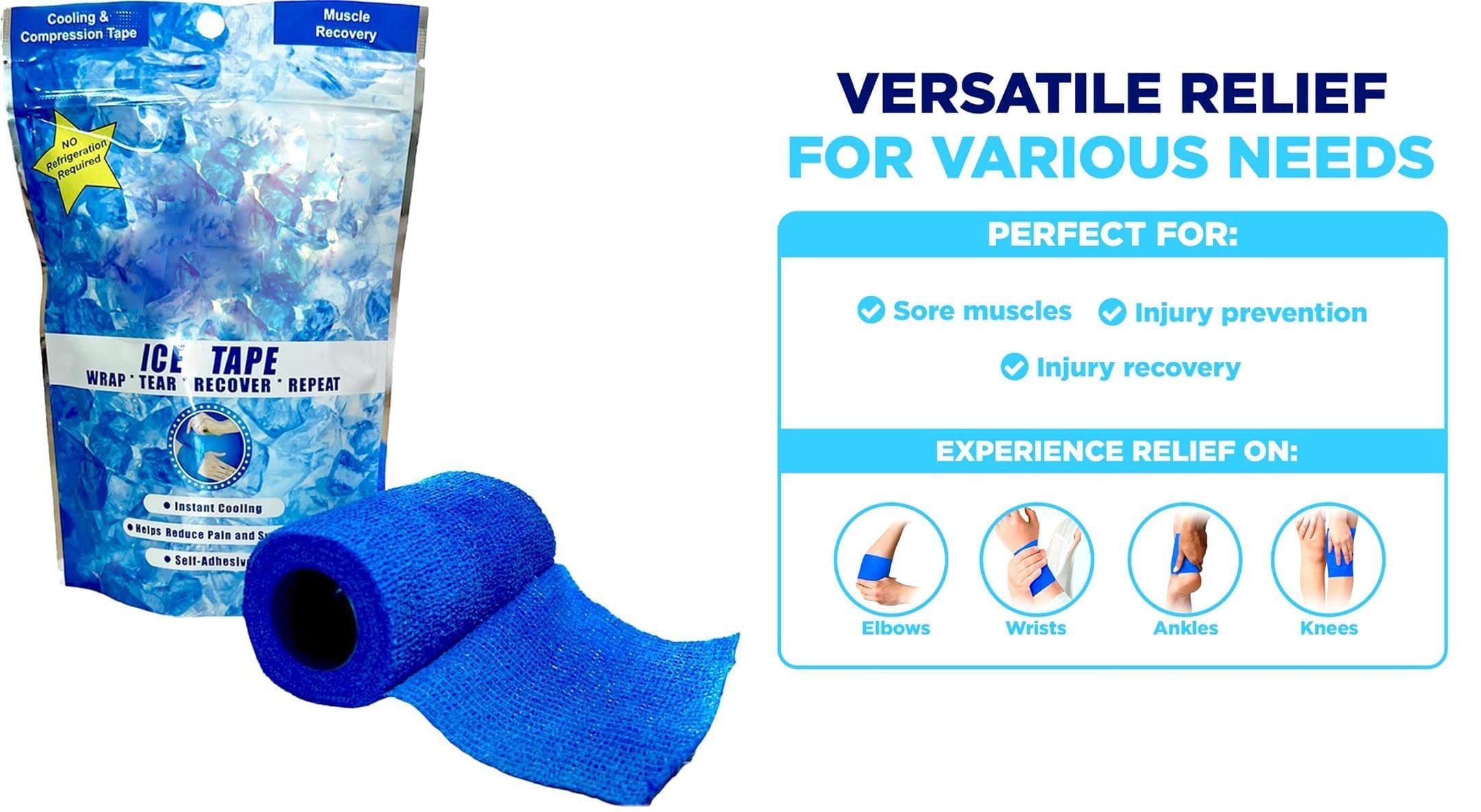
Ice Tape is a compression bandage that provides cold therapy all at once. After an injury, applying it can help decrease the pain and swelling during the acute inflammatory phase of healing. (Matthew J. Kraeutler et al., 2015)
How The Tape Works
The tape is a flexible bandage that is infused with therapeutic cooling gel. When applied to an injured body part and exposed to air, the gel activates, generating a cold sensation around the area. The therapeutic medicinal effect can last five to six hours. Combined with a flexible bandage, it provides ice therapy and compression. The ice tape can be used straight out of the package but can also be stored in the refrigerator to increase the cold effect. Depending on the maker’s instructions, the tape should not be stored in the freezer as this can make it too hard to wrap around the injured area.
Advantages
The benefits include the following:
Easy to Use
The product is easy to use.
Take out the tape, and start wrapping it around the injured body part.
Fasteners Not Required
The wrap sticks to itself, so the tape stays in place without using clips or fasteners.
Easy to Cut
The standard roll is 48 inches long by 2 inches wide.
Most injuries require enough to wrap around the injured area.
Scissors cut the exact amount needed, and store the rest in the resealable bag.
Reusable
After 15 to 20 minutes of application, the product can be easily removed, rolled up, stored in the bag, and used again.
The tape can be used multiple times.
The tape begins to lose its cooling quality after several uses.
Portable
The tape does not need to be placed in a cooler when traveling.
It is easily portable and perfect for a quick ice and compression application immediately after an injury.
It can decrease pain and inflammation and kept at the workplace.
Disadvantages
A few disadvantages include the following:
Chemical Odor
The gel on the flexible wrap can have a medicine odor.
It is not quite as powerful smelling as pain creams, but the chemical odor could bother some individuals.
Might Not Be Cold Enough
The tape works for immediate pain relief and inflammation, but it may not get cold enough for the user when applied right from the package at room temperature.
However, it can be placed in a refrigerator to increase the coldness and may provide a more therapeutic cooling effect, especially for those dealing with tendinitis or bursitis.
Stickiness Could Be Distracting
The tape could be a bit sticky for some.
This sticky factor can be a minor annoyance.
However, it just feels sticky when being applied.
A couple of flecks of the gel may get left behind when removed.
The ice tape can also stick to clothing.
For individuals looking for a quick, on-the-go cooling therapy for injured or aching body parts, ice tape may be an option. It could be good to have on hand to provide cooling compression if a minor injury occurs while participating in athletics or physical activities and relief for overuse or repetitive strain injuries.
Block J. E. (2010). Cold and compression in the management of musculoskeletal injuries and orthopedic operative procedures: a narrative review. Open access journal of sports medicine, 1, 105–113. https://doi.org/10.2147/oajsm.s11102
Kraeutler, M. J., Reynolds, K. A., Long, C., & McCarty, E. C. (2015). Compressive cryotherapy versus ice-a prospective, randomized study on postoperative pain in patients undergoing arthroscopic rotator cuff repair or subacromial decompression. Journal of shoulder and elbow surgery, 24(6), 854–859. https://doi.org/10.1016/j.jse.2015.02.004
Maintaining a healthy and well-balanced nutritional plan is recommended for overall health. When the body is nourished healthily, it will perform optimally. Stress is part of daily life, and certain foods can enhance the body’s ability to handle stress, help target physical and emotional states, and protect the brain. The Injury Medical Chiropractic and Functional Medicine Clinic Team can provide therapeutic massage to increase circulation, and relax the mind and body, adjustments to restore any misalignments, and nutritional support and health coaching for total wellness.
Foods For Stress
Anxiety is a widespread condition affecting millions of individuals. Trying to lower stress levels includes self-care, sleep management, physical activity, and incorporating foods to reduce cortisol levels, the primary hormone responsible for stress.
Cortisol
Cortisol has a variety of functions that include:
Manages how the body uses carbohydrates, fats, and proteins.
Sleep cycle regulation.
Blood pressure regulation.
Increases blood sugar.
Decreases inflammation.
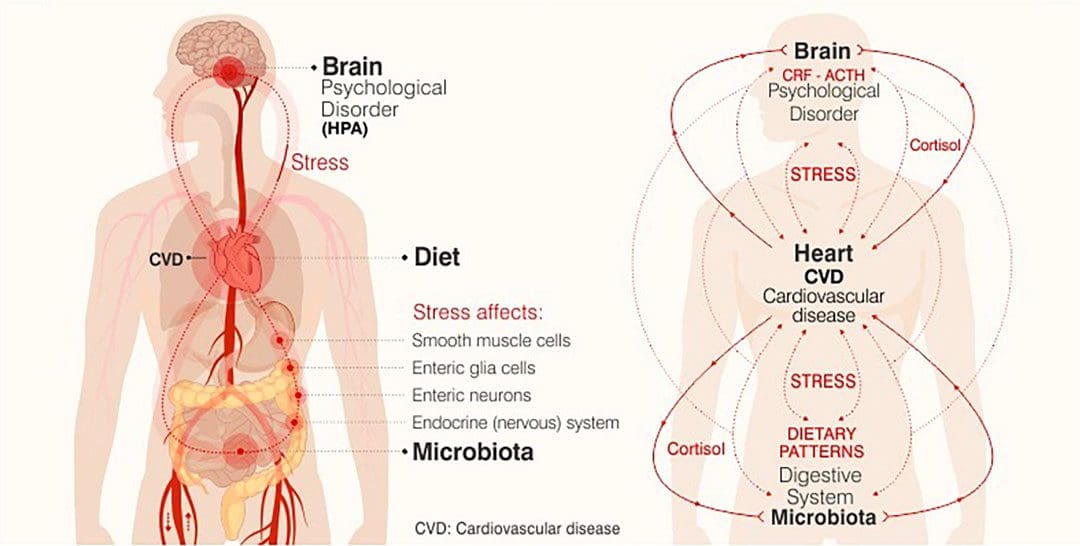
Cortisol is sometimes known as the stress hormone because the adrenal gland releases it when experiencing stress or when the body is under physical stress/inflammation. It is the key to managing the fight-or-flight instinct and is healthy for a short period as a protective mechanism providing the energy needed to respond to short-term stress. However, the long-term release of cortisol generates tension in the body, leading to chronic inflammation and raised blood pressure. Learning how to manage stress is necessary for lowering cortisol levels.
Symptoms
Symptoms vary and are different for everybody.
Physical
Exhaustion.
Sleep problems.
Headaches.
Muscle tension.
Jaw clenching.
Aches and pains.
Chronic illness from a weakened immune system.
Stomach or digestive problems.
High blood pressure.
Chest pain or a feeling like the heart is racing.
Dizziness.
Shaking.
Emotional and mental
Irritability and or anxiousness.
Sadness.
Depression.
Panic attacks.
Foods
The objective is to reduce inflammation, thus reducing cortisol levels. Recommended foods for stress include foods high in magnesium, vitamin B, Omega-3 fatty acids, protein, and foods that benefit the gut. Here are a few.
Magnesium
Magnesium is highly beneficial in reducing inflammation, metabolizing cortisol, and relaxing the mind and body.
Dark chocolate.
Bananas.
Broccoli.
Spinach.
Avocados.
Pumpkin seeds.
Vitamin B
Vitamin B12 can help with the metabolism of cortisol.
The key to lowering stress is a whole-body approach that includes exercise, proper sleep, and managing chronic diseases like diabetes, hypertension, and obesity, all of which can put the body in a prolonged state of inflammation. Incorporating these foods into a nutritional plan can help relieve stress naturally.
Impact of Stress
References
Aucoin, Monique, and Sukriti Bhardwaj. “Generalized Anxiety Disorder and Hypoglycemia Symptoms Improved with Diet Modification.” Case reports in psychiatry vol. 2016 (2016): 7165425. doi:10.1155/2016/7165425
Errisuriz, Vanessa L et al. “Perceived stress and dietary choices: The moderating role of stress management.” Eating behaviors vol. 22 (2016): 211-216. doi:10.1016/j.eatbeh.2016.06.008
Norwitz, Nicholas G, and Uma Naidoo. “Nutrition as Metabolic Treatment for Anxiety.” Frontiers in psychiatry vol. 12 598119. 12 Feb. 2021, doi:10.3389/fpsyt.2021.598119
Serafini, Mauro, and Ilaria Peluso. “Functional Foods for Health: The Interrelated Antioxidant and Anti-Inflammatory Role of Fruits, Vegetables, Herbs, Spices and Cocoa in Humans.” Current pharmaceutical design vol. 22,44 (2016): 6701-6715. doi:10.2174/1381612823666161123094235
Zellner, Debra A et al. “Food selection changes under stress.” Physiology & behavior vol. 87,4 (2006): 789-93. doi:10.1016/j.physbeh.2006.01.014
Power walking is a fast-paced walking activity quicker than a typical walking pace. It is an exercise technique emphasizing speed and arm motion to increase health benefits. It’s not as high impact as jogging but significantly increases heart rate. Adding power walking to an overall health regimen can improve cardiovascular, joint, muscle, and overall wellness.
Power Walking
Power walking is considered from 3 mph to 5 mph and focuses on speed and arm motion to increase heart rate.
Because it requires more steps per minute, the heart rate will increase more than from a regular walk.
This makes for a more intense cardiovascular workout that burns more calories.
Benefits
Power walking is a great way to improve fitness, heart and joint health, and mental well-being. It has been shown to decrease diabetes risk and lower high blood pressure and some cancers. Other benefits include:
Improves Life Span
The National Institutes of Health recognize the benefits of walking, including a reduced risk of all-cause mortality.
This zone improves cardiovascular health, lowering resting heart rate and strengthening the heart.
Lowers Risk of Health Conditions
Lowers the risk of several conditions like heart disease, dementia, and type 2 diabetes.
Improves sleep quality, reduces sleep disorders’ risks, increases brain function, and supports bone health.
Strengthens Muscles and Bones
It releases pressure from the joints and the muscles and increases the body’s overall range of motion.
Quality of Life
It improves the quality of life as the body becomes more fit.
Reduces risk of illnesses.
Mental abilities and performance improve with increased circulation.
Attention, concentration, and motivation improve.
Technique Overview
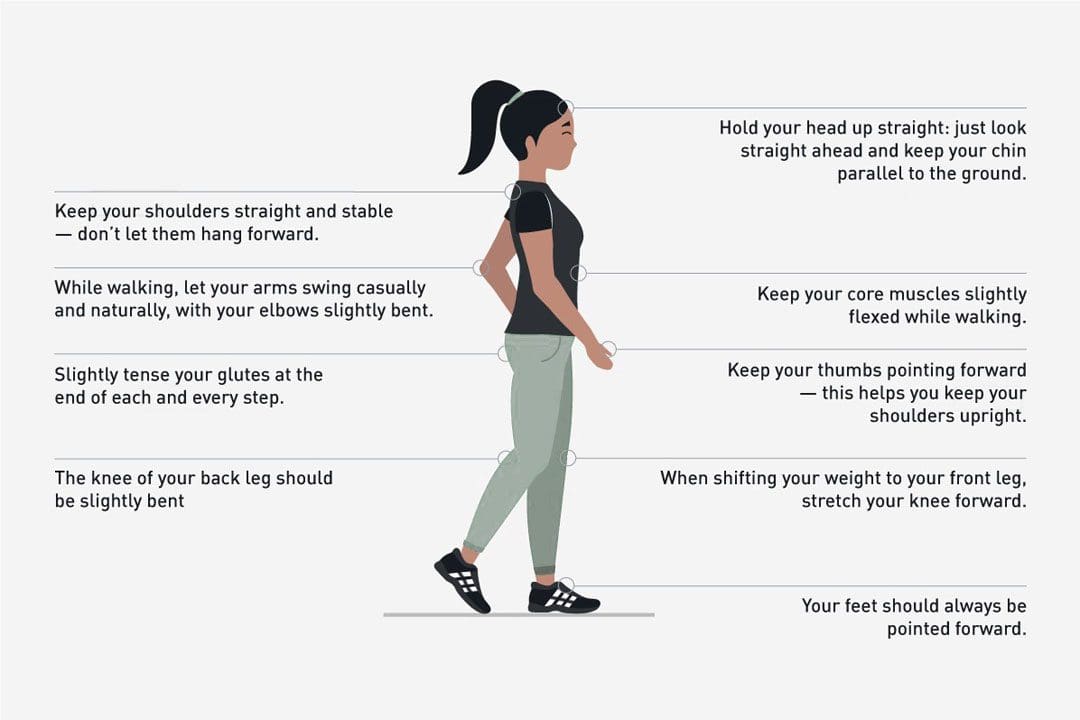
Optimal power walking technique will maximize benefits and prevent injuries. Some recommended guidelines to follow:
Posture Awareness
The right posture will help the body maintain speed and will help protect/prevent injury.
Eyes forward, shoulders back, and head upright.
Pull your belly button in toward the spine to engage the core muscles.
If you start to slump forward, take a moment to correct your body position.
If you start holding tension in the shoulders and neck, take a moment to relax and release them.
Gently Swing Arms
Arms bent at around 90 degrees.
Move the arms up and back so the opposite arm and leg advance together.
If the right foot is stepping forward, the left arm should also go forward.
Adding arm motion increases speed.
Focus on controlling the range of motion.
The hand should not rise higher than the collarbone and should not cross the body’s center.
Walking Pattern
With every step, land on the heel and roll the foot toward the toes.
Concentrate on moving the hips forward and not side to side.
Movement
Use short strides and try for a quick pace.
Studies have shown that taking more steps per minute can positively impact insulin levels, body mass index, and waist circumference.
Gradually work up to longer distances and increased speed.
Chiropractic
Chiropractic care can improve exercise experience, athletic performance, and sports performance. A few benefits include the following:
Increased limberness of the joints, ligaments, and tendons.
Increased elasticity and flexibility of the muscles.
Nervous system support improving response time, speed, and endurance.
Physical activity, no matter what intensity, is vital for health. If you are considering beginning an exercise program, talk to your doctor about developing a training program.
How To Walk Faster
References
Dunlop DD, et al. (2019). One hour a week: Moving to prevent disability in adults with lower extremity joint symptoms. DOI: 10.1016/j.amepre.2018.12.017
Mayo Clinic Staff. (2019). Walking: Trim your waistline, and improve your health. mayoclinic.org/healthy-lifestyle/fitness/in-depth/walking/art-20046261
Sharma, Ashish, et al. “Exercise for mental health.” Primary care companion to the Journal of clinical psychiatry vol. 8,2 (2006): 106. doi:10.4088/pcc.v08n0208a
Tudor-Locke, Catrine, et al. “Step-Based Physical Activity Metrics and Cardiometabolic Risk: NHANES 2005-2006.” Medicine and science in sports and exercise vol. 49,2 (2017): 283-291. doi:10.1249/MSS.0000000000001100
The body’s musculoskeletal system consists of bones, cartilage, ligaments, tendons, and connective tissues. These parts get pushed to the extreme with everyday wear and tear, job, school, house chores, and tasks. All the flexing and contracting cause tightness, strain, and soreness that can contribute to negative muscle behavior that holds the muscles in an unhealthy position and in a semi-flexed or tightened state. An example is an unhealthy posture that becomes the norm for an individual. A percussive massage can release tightness, maintain flexibility, relieve discomfort, alleviate stress, and improve circulation.
Percussive Massage Therapy
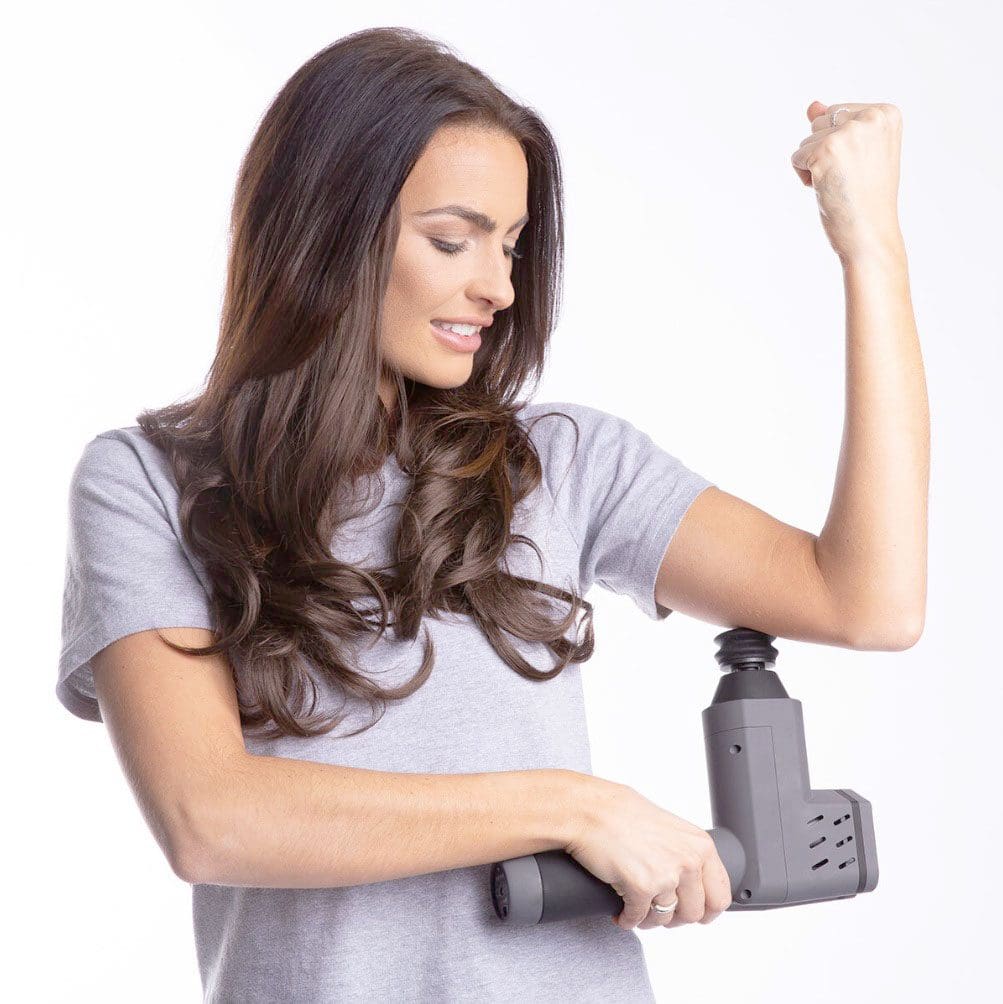
A percussive/percussion massage is a form of physical therapy that utilizes vibration through repeated pressure bursts to massage muscles. Percussive therapy offers more control over targeted muscle groups than foam rollers and other static massagers. The treatment involves using an electric massage device to relieve muscle tension. Different massage heads for various therapeutic purposes move rapidly and forcefully, applying pressure directly to the soft tissues while the vibrations help release and loosen the areas.
How The Massage Works
Fascia, which wraps around the muscles and joints, can become tight and inflamed, causing soreness and pain.
Research shows that tight fascia can limit mobility and proper range of motion.
When a muscle group is stiff and limits the range of motion of a specific part of the body, the rest of the muscles and body will overcompensate. This increases the risk of serious injury.
Percussive therapy loosens the tissues and increases blood circulation.
Once the stiffness and soreness are relieved, continued percussive therapy can prevent tightness from reforming, improve the range of motion, and speed up muscle recovery.
Massage guns can penetrate up to an inch into the soft tissue, stimulating the muscles and helping release tension.
Benefits
Improved mobility
Percussive massage distributes the thickened fascia fluid to relieve pressure and tightness.
Repeated pressure at high speed thins the fluids, making the fascia more workable so the muscles can move easily and efficiently.
Reduced Soreness
Lactic acid builds up in the muscles after working, physical activity, and exercise.
This build-up causes soreness and pain.
The percussion forces muscle fibers to release the lactic acid, reducing the soreness.
Decreased DOMS/Delayed Onset Muscle Soreness
It’s common to experience pain and soreness 24 to 72 hours after unfamiliar physical activity, such as a new job, exercise routine, or rehabilitation after injury or surgery.
This is known as delayed onset muscle soreness or DOMS, which results from tiny muscle fiber tears.
Percussive therapy increases skin temperature, blood flow, and hormonal responses to reduce inflammation and pain.
Increases Relaxation
After work, school, physical activities, and working out, a percussive massage session can help the body wind down and relax.
A percussive massage will help the muscles release and relax when the body is exhausted or overwhelmed.
How To Use A Percussive Massager
Before starting a new medical treatment, including percussion therapy, talk to your doctor, physical therapist, or chiropractor.
Ensure you know the difference between normal muscle soreness and pain from an injury.
Don’t use a massager on an injured muscle or body part, as the aggressive motion could aggravate the injury.
Avoid using the device on bones or joints.
Never use a massage gun directly on the neck; perform the massage on the shoulders and upper back.
Start with the lowest intensity level.
The low and medium settings should provide plenty of power for most users.
As you become more comfortable with the device, you’ll understand how your body reacts then you can try out the higher settings.
A percussive massager should be used in short bursts on small, targeted areas.
It is recommended to perform treatments for only a few minutes.
Seeing the muscles turning reddish during the massage signals that blood is flowing and it’s time to move on to another area.
If the massage gun makes the skin sore or sensitive, make tiny circles instead of holding the massager in one spot.
Combined with chiropractic and professional massage, percussive therapy can help individuals maintain a relaxed musculoskeletal system.
Best Massage Guns
References
Cafarelli, E et al. “Vibratory massage and short-term recovery from muscular fatigue.” International journal of sports medicine vol. 11,6 (1990): 474-8. doi:10.1055/s-2007-1024840
Cerciello, Simone, et al. “Clinical applications of vibration therapy in orthopedic practice.” Muscles, ligaments and tendons journal vol. 6,1 147-56. 19 May. 2016, doi:10.11138/mltj/2016.6.1.147
Cheatham, Scott W et al. “Mechanical Percussion Devices: A Survey of Practice Patterns Among Healthcare Professionals.” International journal of sports physical therapy vol. 16,3 766-777. 2 Jun. 2021, doi:10.26603/001c.23530
García-Sillero, Manuel et al. “Acute Effects of a Percussive Massage Treatment on Movement Velocity during Resistance Training.” International journal of environmental research and public health vol. 18,15 7726. 21 Jul. 2021, doi:10.3390/ijerph18157726
Jack Martin, “A critical evaluation of percussion muscle gun therapy as a rehabilitation tool focusing on lower limb mobility.” A literature review. Department of Health and Wellbeing. The University of Winchester. https://osf.io/preprints/sportrxiv/j9ya8/
Imtiyaz, Shagufta et al. “To Compare the Effect of Vibration Therapy and Massage in Prevention of Delayed Onset Muscle Soreness (DOMS).” Journal of clinical and diagnostic research: JCDR vol. 8,1 (2014): 133-6. doi:10.7860/JCDR/2014/7294.3971
Konrad, Andreas et al. “The Acute Effects of a Percussive Massage Treatment with a Hypervolt Device on Plantar Flexor Muscles’ Range of Motion and Performance.” Journal of sports science & medicine vol. 19,4 690-694. 19 Nov. 2020
The thoracic upper back or middle back is designed for stability to anchor the rib cage and protect the organs within the chest. Compared to the neck and lower back, the upper back is highly resistant to injury and pain. When thoracic upper back pain does present, it is usually brought on from long-term poor posture or an injury that overwhelms the sturdiness. It is less common than lower back and neck pain, but it does affect around 20% of the population and primarily women. It can occur for a variety of reasons, and chiropractic treatment can bring long-term relief.
The delicate balance and function can create potential issues and imbalances, causing soreness, strain, and pain. Underlying causes for thoracic upper back pain include:
Direct impact on the area.
Injury from a fall, sports, or automobile accident.
Unhealthy posturing/positions that place added strain on the spine, causing misalignment.
Repetitive motions and overuse like pulling, pushing, reaching, and twisting.
Repetitive/Improper shoulder mechanics can lead to muscle imbalance and poor movement.
Chiropractic can realign the spine and body if experiencing any of the following:
Symptoms that keep returning even with the use of medication.
Home remedies do not bring adequate relief.
Unable to prevent symptoms from presenting.
Chronic pain.
Injury Medical Chiropractic and Functional Medicine Clinic will develop a personalized/customized treatment plan specific to the individual’s needs. Treatment will include:
Spinal adjustments to improve alignment and nerve integrity.
Therapeutic massage.
Posture training to increase spinal alignment.
Exercise training to restore muscular balance.
Health coaching.
Anti-Inflammatory Diet.
Body Composition
Sitting For Prolonged Periods
Weakened Muscles
Metabolism is linked with body composition, meaning that increased muscle increases metabolism helping to burn more calories.
When sitting, the gluteal muscles, abdominal muscles, and legs become inactive.
Sitting for extended periods day after day can cause these muscles to degenerate.
Consistent muscle loss from the lower body can hurt the body’s functional strength and, with age, increase the risk of injury.
Any muscle loss, especially from the lower body, and is the largest muscle group, can lead to consistent fat gain.
Circulation Slows Down
Sitting for too long also slows down blood flow to the brain and the legs, causing them to become sluggish.
Sitting without standing can increase the risk of developing blood clots.
Blood clots can break off and cause blockages throughout the body.
One study showed a significant reduction in the vascular flow after sitting for just three hours.
But individuals who took breaks and got up to walk around for two minutes every hour showed improved circulation.
References
Beddhu, Srinivasan et al. “Light-intensity physical activities and mortality in the United States general population and CKD subpopulation.” Clinical journal of the American Society of Nephrology: CJASN vol. 10,7 (2015): 1145-53. doi:10.2215/CJN.08410814
Briggs AM, Smith AJ, Straker LM, Bragge P. Thoracic spine pain in the general population: Prevalence, incidence and associated factors in children, adolescents and adults. A systematic review. BMC Musculoskelet Disord. 2009;10:77.
Fouquet N, Bodin J, Descatha A, et al. Prevalence of thoracic spine pain in a surveillance network. Occup Med (Lond). 2015;65(2):122-5.
McManus, Ali M et al. “Impact of prolonged sitting on vascular function in young girls.” Experimental physiology vol. 100,11 (2015): 1379-87. doi:10.1113/EP085355
Walking for a healthy back. This simple form of exercise can:
Trim the waistline.
Elevate mood.
Reduce the risk of chronic disease.
Improve back health.
Chiropractors recommend walking because of the ease of the workout and the health benefits it provides. It is a simple, low-impact exercise that can significantly improve the body’s overall health in a short amount of time. It improves back health by:
Strengthening the muscles that support the spine.
Improves posture.
Facilitates strong circulation.
Improves bone strength.
Walking For A Healthy Back
Strengthens Muscles
Walking engages all of the muscles which keep the body upright, including the core, leg, and back muscles. Muscle strength increases, providing optimal support of the spine.
Optimize Bone Health
Bone is living tissue like the muscles, and exercise stimulates bone the same way as muscle, gradually increasing strength.
Studies have found that walking improves bone density and reduces bone loss.
Poor posture is one of the most common reasons why individuals have back pain.
Poor posture affects mobility and places a significant amount of strain on the back.
Walking a few times each week engages and strengthens the back muscles keeping the body straight.
Reduces Weight
Many individuals have lower back pain that is caused by excess weight.
The added weight causes the front of the body to shift forward, placing additional strain on the lower back.
Walking reduces the load on the lower back.
Improves Flexibility and Range of Motion
Combined with stretching, walking improves flexibility and range of motion, making it easier to perform everyday activities reducing the risk of back injuries.
Improves Circulation to the Spinal structures
Walking improves blood circulation, delivers nutrients to the soft tissues, and removes toxins.
Added Benefits include:
Stress relief.
Better sleep.
Improved skin tone.
Lower risk of diabetes.
Reduced risk of depression.
Improved cardiovascular health that lowers the risk of:
High blood pressure.
Heart disease.
Stroke.
Before Exercising
Before beginning an exercise program, it’s essential to consult a doctor or chiropractor for individuals that have not exercised for a while or are dealing with underlying condition/s. They will educate and recommend how much exercise is appropriate given their current fitness level and overall health. To maximize the benefits of walking and prevent injuries:
Use High-Quality Tennis or Walking Shoes
Walking is much more enjoyable and safer when the body is comfortable.
Improving comfort levels is by using a pair of high-quality walking shoes or trainers.
They will provide proper support, cushioning, and adequate traction.
Maintain Proper Posture
Stay aware of body position when walking. A few key points to keep in mind:
Place the heel down first.
Then roll through each part of the foot, ending on the point of the toes.
Keep the shoulders back and head up.
Lift from the hips to reduce the impact on the lower joints.
Keep a slight bend in the arms and smoothly swing them back and forth.
Turn Walking Into a Healthy Habit
In the beginning, aim for at least 5 to 7 walks each week that last 25 minutes.
Speed does not matter as the objective is to get out and walk.
Once walking starts turning into a healthy habit with improvements in health, then start walking faster and longer.
Interval Walking
Interval walking involves short periods of high-intensity walking followed by alonger period of slow walking.
This increases cardiovascular fitness and muscle strength.
Begin with a 1-minute interval of fast walking.
This is followed by 2 minutes of slower walking.
Take On Easy Obstacles
Makes the walks more challenging by walking up or down a hill.
They will help strengthen the arms, shoulders, and upper back.
Body Composition
Building Lean Body Mass
Lean Body Mass is the body’s total weight minus the fat. This includes all the weight of the muscles, organs, and total body water. The best way to develop muscle and Lean Body Mass is to adopt a resistance training program. As stronger muscles are developed, the size and amount of the muscle cells increases. The muscles then require more intracellular water, which allows them to function at optimal levels. As the muscles grow and take in more water, Lean Body Mass increases.
References
Morris, J N, and A E Hardman. “Walking to health.” Sports medicine (Auckland, N.Z.) vol. 23,5 (1997): 306-32. doi:10.2165/00007256-199723050-00004
Nauman, Javaid et al. “Walking in the Fast Lane: High-Intensity Walking for Improved Fitness and Health Outcomes.” Mayo Clinic proceedings vol. 94,12 (2019): 2378-2380. doi:10.1016/j.mayocp.2019.10.020
Vanti, Carla et al. “The effectiveness of walking versus exercise on pain and function in chronic low back pain: a systematic review and meta-analysis of randomized trials.” Disability and rehabilitation vol. 41,6 (2019): 622-632. doi:10.1080/09638288.2017.1410730
IFM's Find A Practitioner tool is the largest referral network in Functional Medicine, created to help patients locate Functional Medicine practitioners anywhere in the world. IFM Certified Practitioners are listed first in the search results, given their extensive education in Functional Medicine






 Power Walking