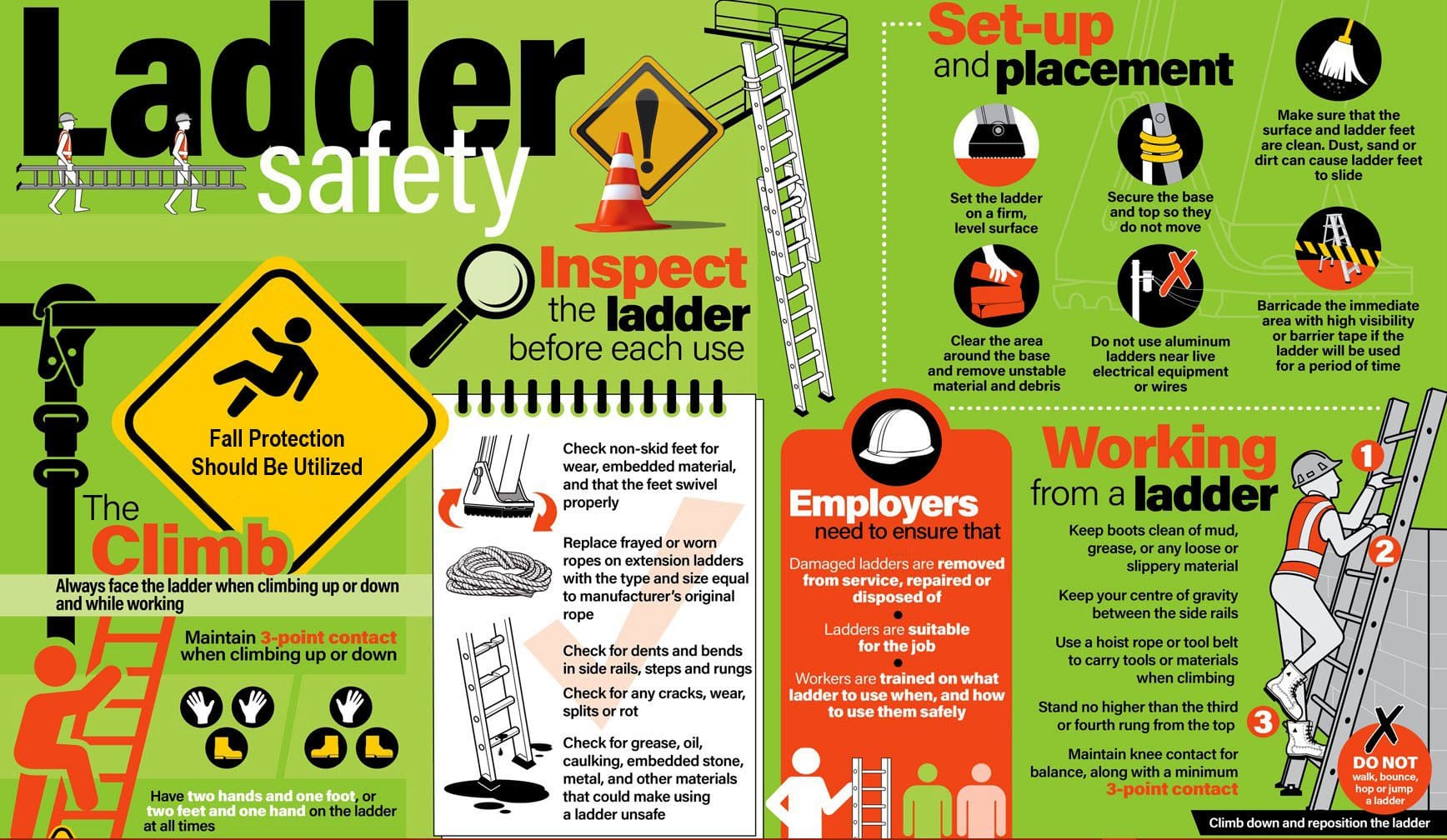
The ladder is one of the most utilized tools. Most individuals have a ladder or two in their homes or at work and never consider the dangers. Falling off a ladder can lead to serious injuries like muscle tears, broken bones, damage to the spinal cord, skull fractures, or traumatic brain injury. The objective is to educate homeowners and workers on being more alert, increasing awareness, and reinforcing safety protocols.
Ladder Falls and Injuries
According to the Centers for Disease Control and Prevention, ladder falls account for more than 500,000 injuries and 300 deaths annually. Even professionals with experience in safety can make simple mistakes like carrying too heavy a load or not spotting signs of wearing or a defect that leads to injury.
Causes
Causes can arise from defects or user mistakes. These include:
A Defective Ladder
Old worn-out
Damaged or broken
Loose or cracking rungs
Ladders folding during use
Using the improper type of ladder for the job or task
Incorrect Ladder Use
Carrying dangerous objects or heavy loads
Stretching or reaching too far out
Failing to secure the ladder properly
Recklessness or horseplay
Injuries
Common falls can cause injuries severe enough to require professional medical care. Around one in five falls, on average, cause serious injuries that include.
Muscle sprains and/or tears
Neck and back injuries
Herniated discs
Hip injuries and fractures
Broken bones
Spinal cord injuries
Skull fractures
Traumatic brain injuries
Any of these injuries could cause permanent disabilities or chronic conditions.
Chiropractic Care
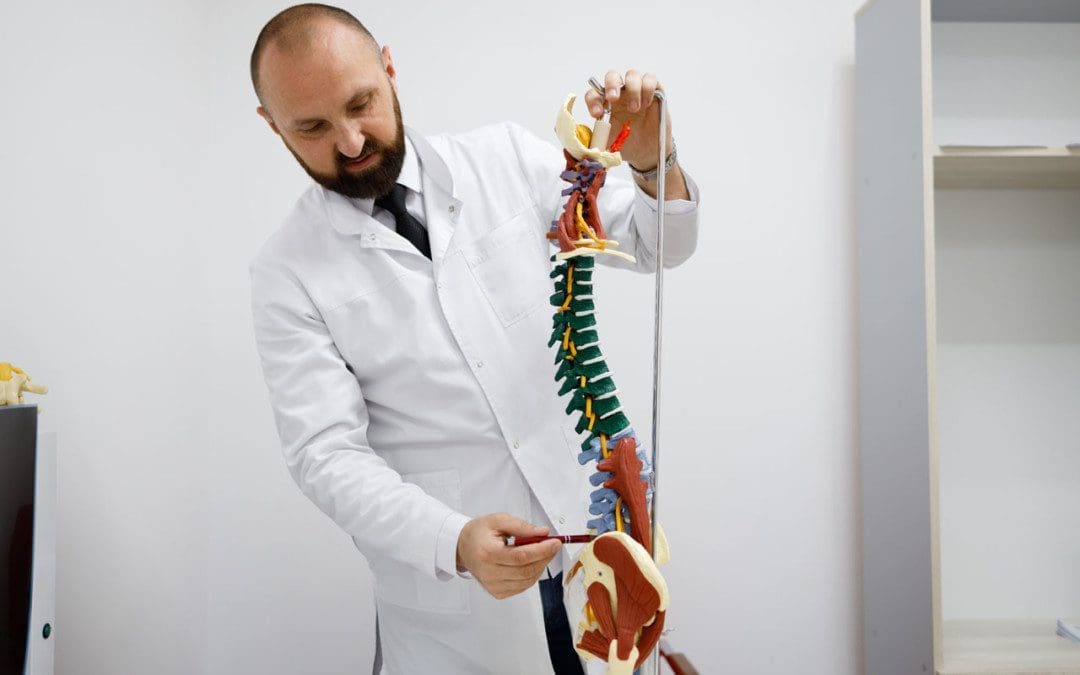
A fall can damage joints, muscles, bones, and ligaments without realizing there is a problem or injury. The back and spine are most likely to be affected. When landing flat on your back, the joints that connect the spinal column can slip, causing inflammation and joint swelling. To prevent chronic pain and alleviate acute pain, seeking medical attention and chiropractic care as soon as possible is recommended. After confirming the spine is not fractured or broken, a chiropractor can bring relief and restore mobility and function. Injury Medical Chiropractic and Functional Medicine Clinic are committed to helping individuals rehabilitate and recover from injuries. We develop a personalized plan to maximize the potential of recovering and returning to daily activities as soon as possible.
Safer In Seconds
References
Cabilan, C J et al. “Impact of ladder-related falls on the emergency department and recommendations for ladder safety.” Emergency medicine Australasia: EMA vol. 30,1 (2018): 95-102. doi:10.1111/1742-6723.12854
Hicks, Cameron, et al. “Ladder Use in Older People: Type, Frequency, Tasks, and Predictors of Risk Behaviours.” International journal of environmental research and public health vol. 18,18 9799. 17 Sep. 2021, doi:10.3390/ijerph18189799
“Ladder falls.” Health news (Waltham, Mass.) vol. 4,2 (1998): 7.
Muir, L, and S Kanwar. “Ladder injuries.” Injury vol. 24,7 (1993): 485-7. doi:10.1016/0020-1383(93)90156-z
Partridge, R A et al. “Causes and patterns of injury from ladder falls.” Academic emergency medicine: official journal of the Society for Academic Emergency Medicine vol. 5,1 (1998): 31-4. doi:10.1111/j.1553-2712.1998.tb02571.x
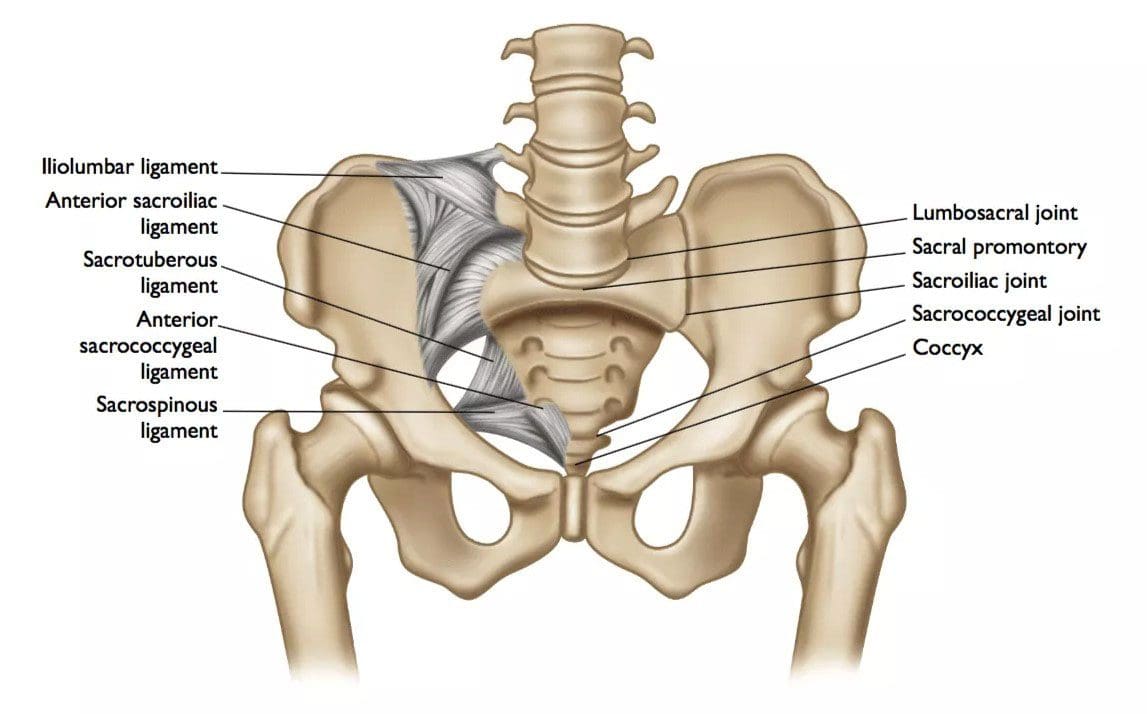
The function of the SI joints is to allow torsional or twisting movements when moving the legs that act as levers. Without the sacroiliac joints and the pubic symphysis at the front of the pelvis, which allow these precision movements, the pelvis would be at higher risk of a fracture. The sacroiliac joints transmit body weight and all the physical forces down through the sacrum to the hips and legs. Individuals, especially athletes with pain in the lower back, hip, groin, or leg, could be experiencing SIJ/sacroiliac joint dysfunction. A physician or surgeon could recommend sacroiliac joint surgery for severe SI joint dysfunction and pain that has not resolved with conservative treatment.
Sacroiliac Joint Surgery
There are two sacroiliac joints. They connect the large iliac bones that make up the sides of the pelvis and the sacrum or triangle-shaped vertebrae between the iliac bones at the base of the spine. Pain in this area can come from sacroiliitis or inflammation of an SI joint, and referred pain may present. A doctor will consider causes such as:
There is a pathology of sacroiliac joint dysfunction in athletes. Sports that require repetitive and/or asymmetric loading that includes:
Kicking
Swinging
Throwing
Single-leg stance
Any athlete can develop sacroiliac joint dysfunction, but the highest prevalence activities include:
Soccer
Football
Basketball
Gymnastics
Golfing
Powerlifting
Cross-country skiing
Step aerobics
Stair stepper machines
Elliptical machines
Fusion Surgery
Surgery is not for patients with less than six months of confirmed localized pain or impairment with other causes ruled out. Surgery is the last option for SI joint pain unless it is an emergency. Doctors and surgeons will recommend non-invasive treatment methods before recommending surgery. Surgery recommendations come when the pain has become intolerable, and the individual can no longer move or operate.
Sacroiliac joint fusion is a minimally invasive procedure involving a small incision less than two inches long.
Under image guidance, titanium implants are inserted across the sacroiliac joint to provide stability.
Holes in the hardware allow for adding bone or for the bone to grow naturally across or onto the area to maintain stability.
This surgery can be either outpatient or overnight, depending on surgeon preference and the type of support available.
Surgery Recovery Time
For most individuals, recovery time is around three weeks on crutches.
Pain management depends on whether screws or bolts are involved; bolts tend to be more uncomfortable.
Post-op pain dissipates in a few days or a couple of weeks.
Fusion itself takes six or more months to complete.
Conservative Treatment Options
Conservative treatment modalities to reduce the inflammation can include:
Chiropractic
Physical therapy
Nonsurgical spinal decompression
Medications
Injections
Rest
Staying off your feet for a few days can help decrease pressure on the SI joint.
Using an ice or heating pad on the lower back and/or buttocks.
Massaging the surrounding muscles may help if the apparent cause is an injury.
A doctor could suggest using a cane, walker, or crutches under medical supervision.
Medications
Medications include anti-inflammatories such as ibuprofen, naproxen, or prescription alternatives.
Acetaminophen helps with pain but not inflammation.
Corticosteroids
Steroids are the most powerful anti-inflammatory.
A common nonsurgical treatment is cortisol steroids, injected under X-ray guidance.
Injections go directly to the source.
Oral steroids spread throughout the body but can cause undesirable side effects.
Chiropractic and Physical Therapy
Depending on the severity of the condition, chiropractic and physical therapy may be able to strengthen the muscles around the area and realign the joint.
A chiropractor will level the pelvis through sacroiliac joint manipulation and mobilization.
It works by applying compression around the hip and across the joint.
Back, Hip, and Radiating Pain
References
Brolinson, P Gunnar, et al. “Sacroiliac joint dysfunction in athletes.” Current sports medicine reports vol. 2,1 (2003): 47-56. doi:10.1249/00149619-200302000-00009
Heil, Jessica. “Load-Induced Changes of Inter-Limb Asymmetries in Dynamic Postural Control in Healthy Subjects.” Frontiers in human neuroscience vol. 16 824730. 11 Mar. 2022, doi:10.3389/fnhum.2022.824730
International Journal of Spine Surgery. (2020*) “International Society for the Advancement of Spine Surgery Policy 2020 Update—Minimally Invasive Surgical Sacroiliac Joint Fusion (for Chronic Sacroiliac joint Pain): Coverage Indications, Limitations, and Medical Necessity.” https://doi.org/10.14444/7156
Peebles, Rebecca DO1; Jonas, Christopher E. DO, FAAFP2. Sacroiliac Joint Dysfunction in the Athlete: Diagnosis and Management. Current Sports Medicine Reports: 9/10 2017 – Volume 16 – Issue 5 – p 336-342
doi: 10.1249/JSR.0000000000000410
Workout recovery is as important as working out. Pushing muscle past its normal levels creates tiny tears in the muscle tissue. It is the repairing process that generates muscle growth. Muscles that aren’t allowed to recover will not grow or gain muscle mass, and muscle strength could be reduced, making working out a struggle and hindering health goal progress. The body needs time to repair the muscles to reduce the risk of injury. Allowing enough time for recovery reduces overuse-related muscle breakdown and injuries. Muscle recovery supplements can expedite the healing process.
Muscle Recovery Supplements
Reasons for taking supplements include their ability to heal damaged muscles faster, aid in injury recovery, reduce muscle soreness, reduce muscle fatigue, and provide the muscle cells with energy during recovery.
Some studies have found that taking a creatine supplement may aid muscle recovery and greater muscle strength during recovery.
Citrulline Malate
Citrulline is a non-essential amino acid found in watermelon that converts into nitric oxide.
Nitric oxide helps open blood vessels and improve blood circulation.
This allows oxygen and nutrients to reach the muscle faster, speeding the recovery process.
Citrulline also improves the bioavailability of L-arginine, another amino acid that aids protein synthesis.
Magnesium
Magnesium assists with muscle recovery by helping the muscles relax.
When the body doesn’t have enough magnesium, there is a greater chance of muscle cramps.
Magnesium helps support healthy muscle contraction.
Tart Cherry Juice Extract
This extract works by reducing inflammation in the muscle.
Inflammation is normal, but too much can increase muscle soreness and the risk of injury.
One study found that cherry juice helps minimize post-exercise muscle pain.
Supplement Plan
After selecting a supplement plan that is the most beneficial for the individual, the next step is to devise a schedule for taking them.
When using a muscle recovery supplement can either be a pre-workout supplement or a post-workout supplement.
The recommended time to take a specific supplement is based on the type.
Individuals should talk with their doctor and a nutritionist before starting any new supplement regimen.
This helps ensure the supplements are safe and minimize negative side effects given health and medical conditions.
Nutrition In Recovery
References
Cooke, M.B., Rybalka, E., Williams, A.D. et al. Creatine supplementation enhances muscle force recovery after eccentrically-induced muscle damage in healthy individuals. J Int Soc Sports Nutr 6, 13 (2009). https://doi.org/10.1186/1550-2783-6-13
DiNicolantonio, James J et al. “Subclinical magnesium deficiency: a principal driver of cardiovascular disease and a public health crisis.” Open heart vol. 5,1 e000668. 13 Jan. 2018, doi:10.1136/openhrt-2017-000668
Gough, Lewis A et al. “A critical review of citrulline malate supplementation and exercise performance.” European journal of applied physiology vol. 121,12 (2021): 3283-3295. doi:10.1007/s00421-021-04774-6
Kuehl, Kerry S et al. “Efficacy of tart cherry juice in reducing muscle pain during running: a randomized controlled trial.” Journal of the International Society of Sports Nutrition vol. 7 17. 7 May. 2010, doi:10.1186/1550-2783-7-17
Vitale, Kenneth C et al. “Tart Cherry Juice in Athletes: A Literature Review and Commentary.” Current sports medicine reports vol. 16,4 (2017): 230-239. doi:10.1249/JSR.0000000000000385
Weinert, Dan J. “Nutrition and muscle protein synthesis: a descriptive review.” The Journal of the Canadian Chiropractic Association vol. 53,3 (2009): 186-93.
Wolfe, Robert R. “Branched-chain amino acids and muscle protein synthesis in humans: myth or reality?.” Journal of the International Society of Sports Nutrition vol. 14 30. 22 Aug. 2017, doi:10.1186/s12970-017-0184-9
Zhang, Shihai, et al. “Novel metabolic and physiological functions of branched-chain amino acids: a review.” Journal of animal science and biotechnology vol. 8 10. 23 Jan. 2017, doi:10.1186/s40104-016-0139-z
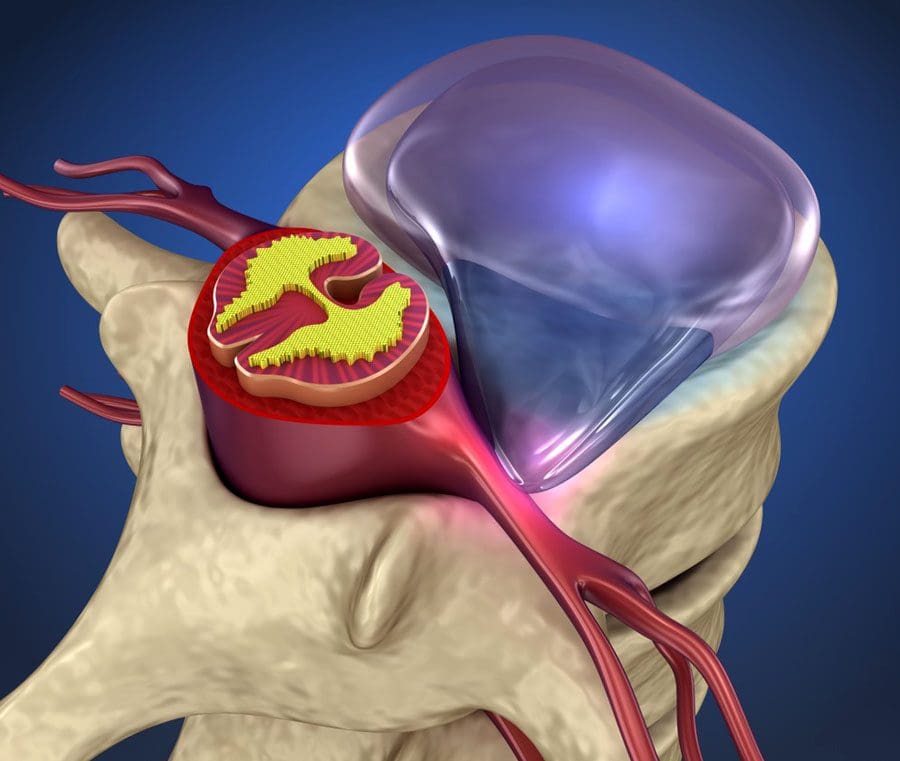
Herniated disc injuries and the time it takes to heal depend on the injury’s cause, the severity, and where it occurred along the spine. Symptoms can last a few days to months. Chiropractic treatment, massage therapy, and decompression realign the spine and return the disc to its correct position. Still, the herniated disc signs it is returning to normal can take time as the rest of the spine and body adjust to the realignment.
Herniated Disc Signs It Is Returning To Normal
Most cases take a few weeks with healing time depending on health conditions, physical activity level, and age. However, in severe cases, a herniated disc can take up to several months to fully heal, but discomfort symptoms usually resolve sooner.
Expectations From a Healing Disc
Resting the spine and taking it easy after the injury is recommended.
Too much rest is not recommended as it can cause muscle stiffness.
While the herniated disc is healing, a primary doctor may prescribe anti-inflammatories or muscle relaxants to help ease discomfort.
A chiropractor and/or physical therapist can teach exercises and stretches to relieve pressure on nerves, loosen tight muscles, and improve circulation.
Signs The Herniated Disc Is Healing
Most herniated discs cause significant pain in the back and neck from the nervous system, causing some of the muscles of the low back or neck to spasm to protect the area from further damage.
Usually, the muscle spasms relax within the first days of the injury.
After spinal decompression, neurological symptoms like the sharp, shooting pain down a nerve in the arm or leg are the first symptoms to go away.
Then muscle weakness along the path of the nerve goes away.
Numbness in the extremities can linger around longer.
Length of Time
The wear and tear of adult spinal discs, combined with unhealthy posture habits, job occupation, previous injuries, etc., decrease blood circulation.
This is why it can take some time to heal completely, as the entire blood supply needs to reset to optimal circulation.
Nerve compression causing aches and pain sensations down the nerves can also take time.
Regular Activity
Returning to regular activities depends on the individual’s case and condition. It is essential not to overdo things that can cause excessive loading of the spine before the disc has fully healed, which increases the risk of re-herniation and other injuries.
Inactivity can slow the healing process and cause inflammation.
Patients are encouraged to return to activities that generate gentle motion to stimulate the stabilizing muscles to function properly and increase blood circulation to the injured area.
Individuals are recommended to:
Learn posture improvement when walking, sitting, standing, and sleeping.
Adjust sleep patterns.
Incorporate anti-inflammatory nutrition during the healing process.
This provides a mechanical and biological environment that eventually becomes a personalized exercise physical therapy program.
DOC Spinal Decompression
References
Díez Ulloa, Máximo Alberto. “Role of Microangiogenensis in Disc Herniation Healing.” Journal of investigative surgery: the official journal of the Academy of Surgical Research vol. 34,6 (2021): 685. doi:10.1080/08941939.2019.1682725
Factors that influence recovery: Mayo Clinic. February 8, 2022. “Herniated disk.” https://www.mayoclinic.org/diseases-conditions/herniated-disk/symptoms-causes/syc-20354095
Factors that influence recovery: NHS. March 22, 2021. “Slipped Disc.” https://www.nhs.uk/conditions/slipped-disc/
How to speed up healing time: American Academy of Orthopaedic Surgeons. January 2022. “Herniated Disk in the Lower Back” https://orthoinfo.aaos.org/en/diseases–conditions/herniated-disk-in-the-lower-back/
Keramat, Keramat Ullah, and Aisling Gaughran. “Safe physiotherapy interventions in large cervical disc herniations.” BMJ case reports vol. 2012 bcr2012006864. 18 Aug. 2012, doi:10.1136/bcr-2012-006864
Stoll, T et al. “Physiotherapie bei lumbaler Diskushernie” [Physiotherapy in lumbar disc herniation ]. Therapeutische Umschau. Revue therapeutique vol. 58,8 (2001): 487-92. doi:10.1024/0040-5930.58.8.487
Swartz, Karin R, and Gregory R Trost. “Recurrent lumbar disc herniation.” Neurosurgical focus vol. 15,3 E10. 15 Sep. 2003, doi:10.3171/foc.2003.15.3.10
Long-distance running, also known as endurance running, is a great way to improve fitness and relieve stress. Health experts say long-distance runners’ benefits include strong cardiovascular health, low cholesterol, healthy blood pressure levels, and improved metabolism. However, it is not easy and requires specific training, but it is not impossible even for beginners. Here is a beginner long-distance running training guide that goes over the fundamental areas needed to develop.
Long Distance Running Training
Running is a great form of cardio that offers several health benefits that, includes:
Weight loss
Stronger muscles
Stronger bones
Improved cardiovascular functionality
One of the main prerequisites is building up the body’s ability to handle the exercise. To reach the full potential as a distance runner, key areas that need developing include:
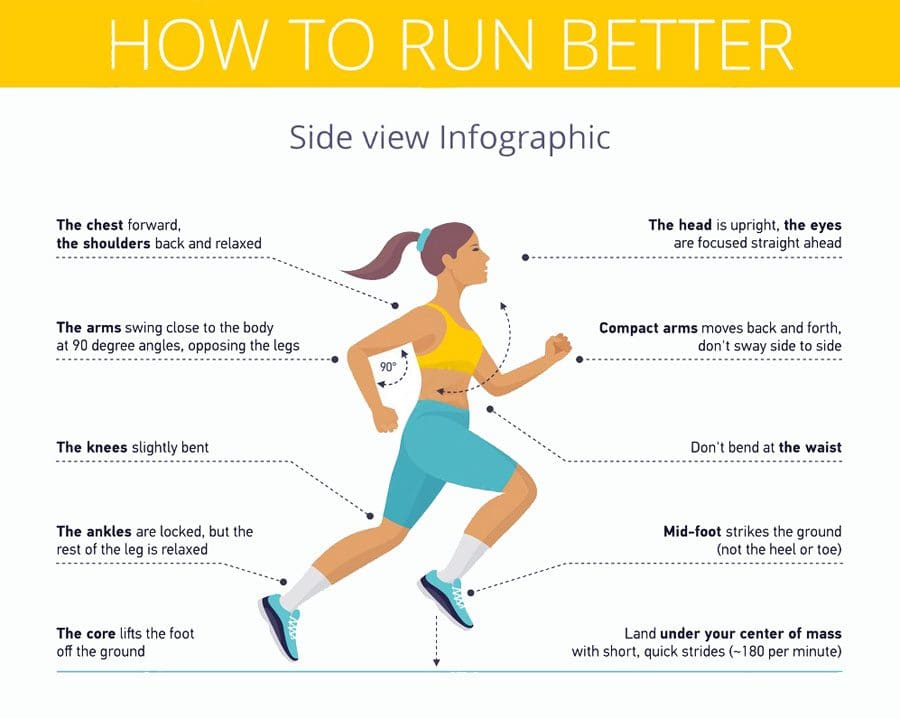
Running technique is essential for gaining the most speed and endurance. Using the correct form, the body is not expending unnecessary energy. The proper running form includes:
Maintaining an upright spine with the head, shoulders, and hips aligned.
Focus on maintaining a steady breathing rhythm.
Follow through on strides.
Do not cut the movements short.
Find your natural stride, which could be leading with the heel or running toe to heel.
Consult an experienced running coach or exercise physiologist for assistance in finding your running form.
Long-Term Goal
The body adapts to the stress of training slowly and over time.
Physiological adaptations cannot be rushed; however, the training program can be optimized to individual needs.
The minimum time before seeing an improvement from training is around six weeks.
Gradual Increase
Training load is a combination of distance, intensity, and the number of runs each week.
The body can only develop with moderate increases over a short time.
Increasing the load too much and too fast leads to injury, illness, and exhaustion.
Limiting distance, intensity, or frequency changes is recommended no more than once a week.
Recovery
Training provides the stimulus to improved fitness, but the body needs recovery time to grow and adapt.
Often beginners want to train hard every day, trying to cover all the elements at once.
This common mistake slows progress and can cause various injuries, fatigue, and loss of motivation.
Rest days are essential to allow the body to recover, develop, adapt, and continue to progress healthily.
The classic training program alternates a hard training day with an easy day or a rest day.
Two consecutive hard training days can be done as long as they are followed by two full recovery days.
Beginner Tips
References
Berryman, Nicolas, et al. “Strength Training for Middle- and Long-Distance Performance: A Meta-Analysis.” International journal of sports physiology and performance vol. 13,1 (2018): 57-63. doi:10.1123/ijspp.2017-0032
Blagrove, Richard C et al. “Effects of Strength Training on the Physiological Determinants of Middle- and Long-Distance Running Performance: A Systematic Review.” Sports medicine (Auckland, N.Z.) vol. 48,5 (2018): 1117-1149. doi:10.1007/s40279-017-0835-7
Kenneally, Mark, et al. “The Effect of Periodization and Training Intensity Distribution on Middle- and Long-Distance Running Performance: A Systematic Review.” International journal of sports physiology and performance vol. 13,9 (2018): 1114-1121. doi:10.1123/ijspp.2017-0327
Tschopp, M, and F Brunner. “Erkrankungen und Überlastungsschäden an der unteren Extremität bei Langstreckenläufern” [Diseases and overuse injuries of the lower extremities in long distance runners]. Zeitschrift fur Rheumatologie vol. 76,5 (2017): 443-450. doi:10.1007/s00393-017-0276-6
van Poppel, Dennis, et al. “Risk factors for overuse injuries in short- and long-distance running: A systematic review.” Journal of sport and health science vol. 10,1 (2021): 14-28. doi:10.1016/j.jshs.2020.06.006
Training means engaging in activity for fitness purposes or improving performance skills. Sports training is a process of preparation aimed at strengthening and maintaining high performance in sports activities. It is used by scientists and experts in sports science, biomechanics, exercise physiology, sports psychology, and fields like yoga and kinesiology. Regardless of fitness level, physical training, or exercise program, general sports training principles include:
Progression
Periodization/Regularity
Overload
Variety
Recovery
Balance
Specificity
Designed to improve fitness and performance, it includes strength training, conditioning, cardiovascular training, corrective and restorative exercises, mental and psychological training, and nutritional/health coaching.
Sports Training Principles
Progression
To improve fitness levels, an individual needs to increase the intensity and duration of their training routine gradually. Gradual and systematic increases in training stress maintain tissue overload and continue the body’s training adaptation. Training variables must be increased to induce further transformation. These include:
The rate of progression is important as progressing too fast can result in injury, while going too slow can delay improvement goals.
Periodization and Regularity
Maintaining a consistent exercise regimen is important, with training occurring at regular intervals.
Training three-five times each week is recommended.
Ensure adequate sleep to train at optimal levels.
A proper nutrition plan to operate at high capacity during training.
Varying training variables like activity, rest, frequency, intensity, and duration help maintain optimal stimulus and address goal adjustments to avoid overtraining, injury, and burnout.
Overload
Overloading occurs when the training exercise is more than an individual’s body can take. Challenging an individual’s current fitness and performance levels generates improvements. For example, soccer players alternate between sprinting, jogging, and backpedaling during games. They do 40-50-minute jogging sessions daily to maintain stamina and endurance.
This means pushing the body, so the heart works at a high percentage of its maximum capacity.
Determining the proper intensity level depends on various factors, including age, weight, and overall fitness level.
Excessive overload and/or inadequate rest can result in overtraining, injury, and decreased performance levels.
Variety
Becoming bored with physical training can happen very easily when performing the same routine.
Mixing things up by breaking up the routine and doing other activities is important.
This prevents boredom and can increase motivation to help achieve maximum results.
Recovery
Rest periods between physical training are essential for repairing muscle damage and removing metabolic waste.
The recommended recovery time is between 24 and 48 hours after training.
Alternating more difficult training exercises with easier exercises or alternating muscle groups so as not to work out the same muscles can also achieve recovery.
Not allowing the body to recover properly can lead to muscle fatigue, increasing the risk of injuries.
Balance
When developing a physical training program, it’s important to ensure the whole body is being worked out equally to achieve a balanced fitness level.
Balance routines for the upper and lower body.
Components of a balanced exercise plan include Strength, Cardio, and Flexibility training.
For example:
One day of aerobic exercises for cardio.
One day of rest.
One day of resistance training for strength.
Stretching at the beginning and the end of workouts to relax muscles and maintain flexibility.
Specificity
The principle of specificity recommends that individuals gear their training toward specific goals.
Specific training consists of exercises to develop specific strength, specific muscle groups, and specific motor abilities required for a sport.
Incorporating specific motions and sports tasks generates neuromuscular and metabolic adaptations and muscle memory.
Chiropractic Therapy
Sports chiropractors work closely with massage therapists, performance coaches, athletic trainers, and medical doctors with a diverse treatment approach that is applied based on the needs of the individual. Chiropractic will:
Improve performance.
Reduce the risk of injury.
Alleviate muscle stress.
Expedite injury healing.
Maintain body alignment.
Sports Chiropractor Rehabilitation
References
Kasper, Korey. “Sports Training Principles.” Current sports medicine reports vol. 18,4 (2019): 95-96. doi:10.1249/JSR.0000000000000576
Maestroni, Luca, et al. “Strength and Power Training in Rehabilitation: Underpinning Principles and Practical Strategies to Return Athletes to High Performance.” Sports medicine (Auckland, N.Z.) vol. 50,2 (2020): 239-252. doi:10.1007/s40279-019-01195-6
Ralston, Grant W et al. “Weekly Training Frequency Effects on Strength Gain: A Meta-Analysis.” Sports medicine – open vol. 4,1 36. 3 Aug. 2018, doi:10.1186/s40798-018-0149-9
Schleip, Robert, and Divo Gitta Müller. “Training principles for fascial connective tissues: scientific foundation and suggested practical applications.” Journal of bodywork and movement therapies vol. 17,1 (2013): 103-15. doi:10.1016/j.jbmt.2012.06.007
Van Proeyen, Karen, et al. “Beneficial metabolic adaptations due to endurance exercise training in the fasted state.” Journal of applied physiology (Bethesda, Md.: 1985) vol. 110,1 (2011): 236-45. doi:10.1152/japplphysiol.00907.2010
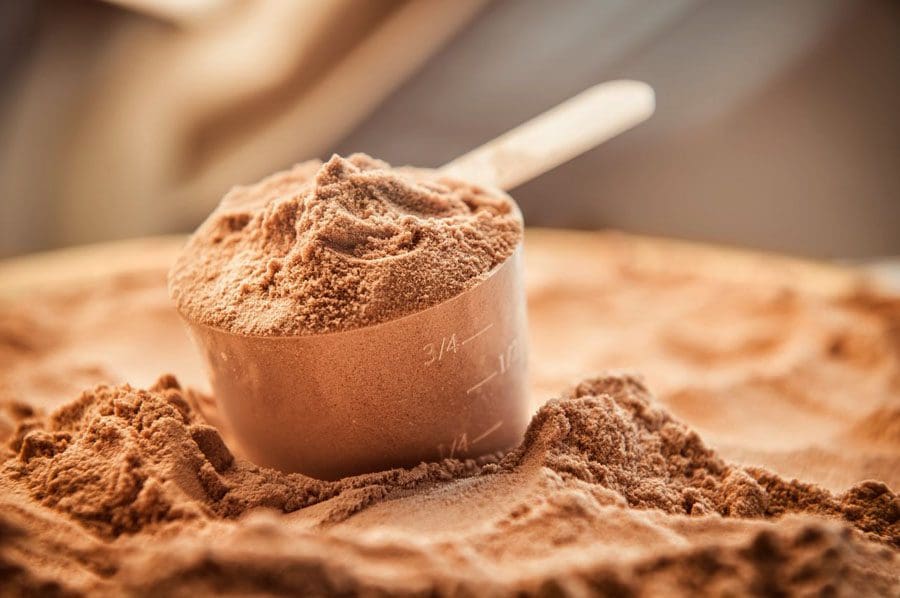
The body needs protein which is essential in building muscle, repairing tissue, producing enzymes and hormones and is a source of energy. Whey is a complete protein source that provides all the essential amino acids, vitamins, minerals, and other nutrients that increase anabolism, also known as muscle growth. It is used for various reasons. Some individuals want to build muscle mass and gain strength, while others want to lose weight and achieve improved results from working out. Even individuals who don’t exercise can benefit from the supplement as it supports immune function, helps reduce blood pressure, and improves insulin response.
Whey Protein
Whey protein is made from the liquid produced during the cheese-making process.
Milk comprises two forms of protein: casein (80%) and whey (20%).
It contains less than 0.5 g of fat and only 5 mg of cholesterol per serving.
Pure whey does not contain any gluten.
It is referred to as the most nutritious protein available.
It’s easy to digest.
Incorporating whey into a healthy diet can help lower the risk of diabetes.
Types
There are three primary types of whey protein in supplements.
Hydrolysate is a form that has already gone through partial hydrolysis, a process so the body can absorb protein.
It is considered pre-digested, so it gets absorbed quicker.
Concentration is the most popular and least expensive option that retains the most nutrients. However, some individuals can tolerate isolate and hydrolysate a lot better and are ideal for those trying to cut down on carbs and fats.
Benefits
Increased Strength and Muscle
Helps to increase protein consumption.
Most brands contain 80 to 90 percent without added carbs or fats.
Helps to build muscle and increase strength after physical activity/exercise recovery.
Can Help Burn Fat
A study found a group of adults that supplemented their diet with whey protein experienced a decrease in body fat and weight.
Combining whey protein and resistance training, participants found their weight and fat loss were even higher.
Can Help Stabilize Blood Sugar
Consuming whey protein with a high glycemic index before a meal can help stimulate insulin production while preventing spikes in blood sugar levels.
The protein naturally reduces blood sugar levels after meals when consumed before the meal.
Improves Heart Health
It can help reduce blood pressure and arterial stiffness.
It has been linked to improving individual lipid profiles.
Promotes heart health by building muscle and helping with weight loss.
Increased Immunity
It can help encourage glutathione synthesis, which increases immune system function.
It is also rich in vitamins and minerals that promote immune function.
It helps the body recover from oxidative stress and inflammation.
Improves Energy Levels
It helps to increase glycogen, a source of energy during exercise or other physical activities.
It also increases leptin which helps balance the body’s energy levels.
Whey is easily digested, which can be quickly converted to energy.
Factors to Consider When Choosing
Flavor
The flavor is crucial because nobody wants to drink a daily protein shake they cannot enjoy.
Options like chocolate and vanilla are usually safe.
If experimenting, get a small container to start.
Mixability
Not all supplements mix properly or thoroughly.
Find a brand that dissolves quickly and has little clumping.
Container Size
Most protein supplements are available in 1 lb, 2 lb, 5 lb, or 10 lb containers.
Larger sizes are more cost-effective.
One 5 lb package is cheaper than buying five 1 lb containers.
Everything You Need To Know
References
Ebaid, Hossam et al. “Whey protein enhances normal inflammatory responses during cutaneous wound healing in diabetic rats.” Lipids in health and disease vol. 10 235. 14 Dec. 2011, doi:10.1186/1476-511X-10-235
Hashemilar, Mazyar, et al. “Effect of Whey Protein Supplementation on Inflammatory and Antioxidant Markers, and Clinical Prognosis in Acute Ischemic Stroke (TNS Trial): A Randomized, Double-Blind, Controlled, Clinical Trial.” Advanced pharmaceutical bulletin vol. 10,1 (2020): 135-140. doi:10.15171/apb.2020.018
Kim, Jooyoung, et al. “Effect of timing of whey protein supplement on muscle damage markers after eccentric exercise.” Journal of exercise rehabilitation vol. 13,4 436-440. 29 Aug. 2017, doi:10.12965/jer.1735034.517
Marshall K. Therapeutic applications of whey protein. Alternative Medicine Review. 2004;9(2):136-156.
Pradhan, Geetali, et al. “Ghrelin: much more than a hunger hormone.” Current opinion in clinical nutrition and metabolic care vol. 16,6 (2013): 619-24. doi:10.1097/MCO.0b013e328365b9be
Volek, Jeff S et al. “Whey protein supplementation during resistance training augments lean body mass.” Journal of the American College of Nutrition vol. 32,2 (2013): 122-35. doi:10.1080/07315724.2013.793580
IFM's Find A Practitioner tool is the largest referral network in Functional Medicine, created to help patients locate Functional Medicine practitioners anywhere in the world. IFM Certified Practitioners are listed first in the search results, given their extensive education in Functional Medicine


 Sacroiliac Joint Surgery