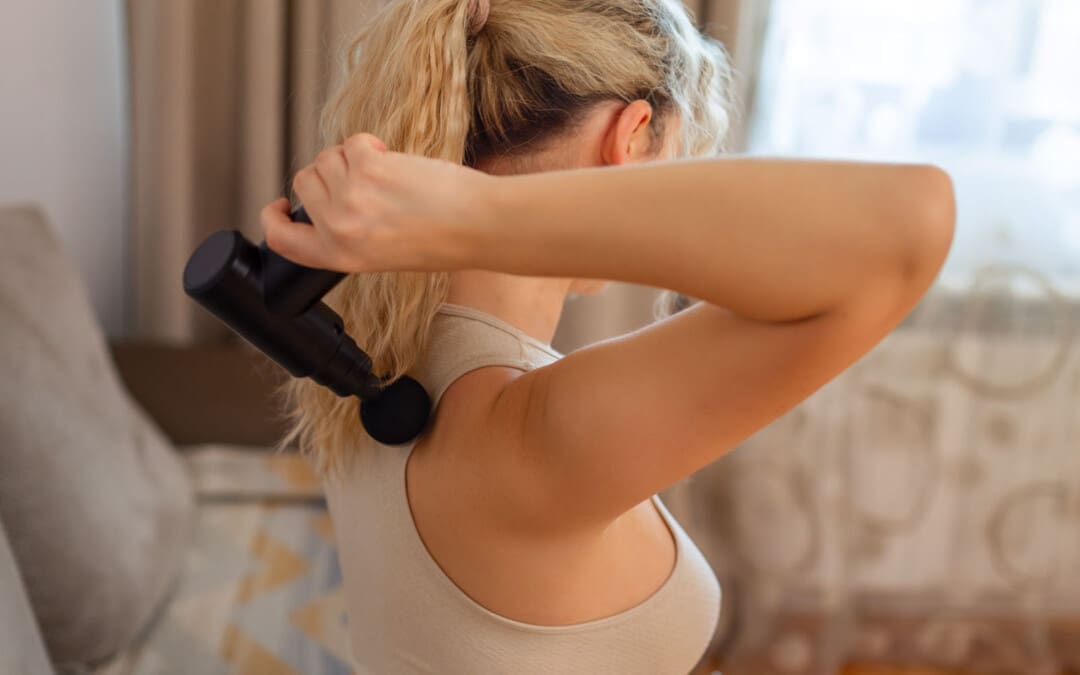
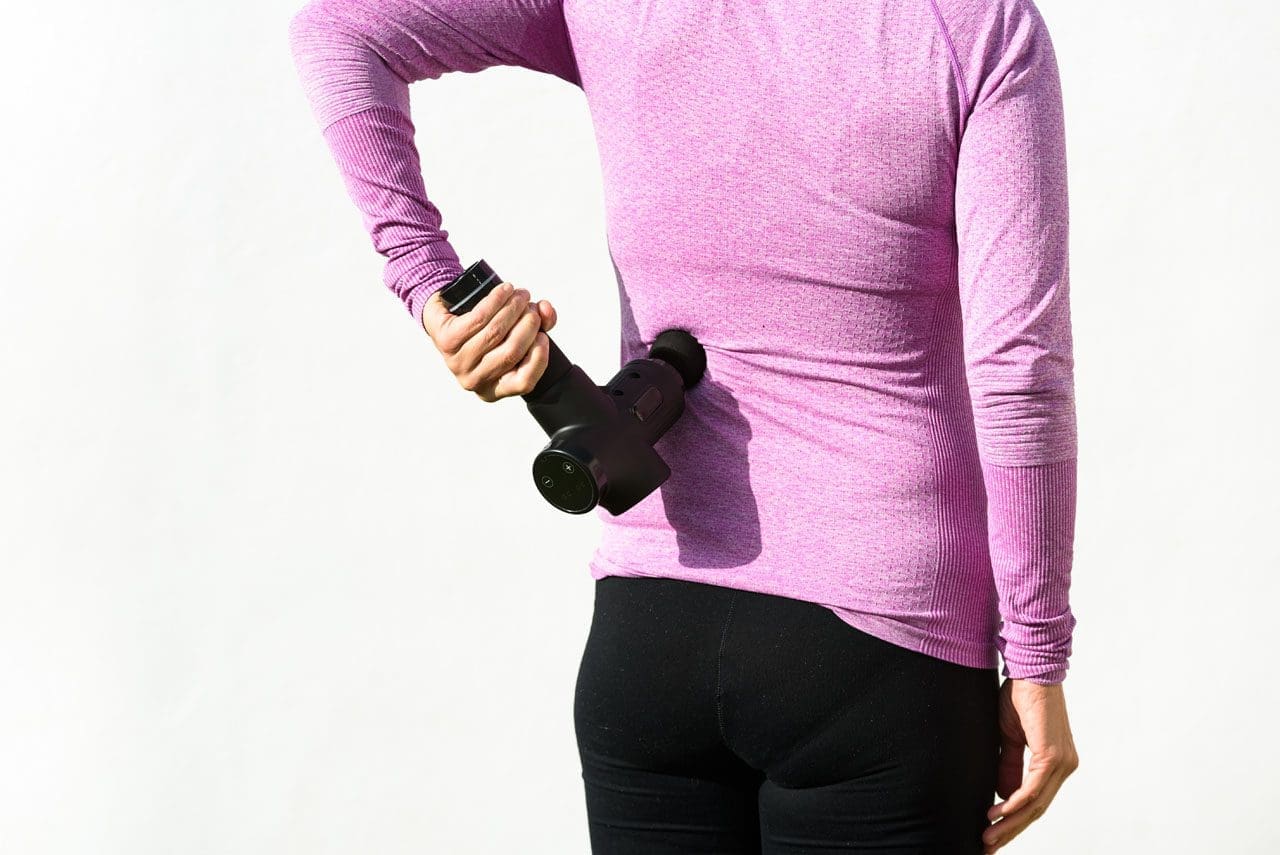
Therapeutic massage guns are great for athletes and fitness enthusiasts. Can daily massage gun use be incorporated into a daily routine?
Daily Massage Gun Use
Athletes or individuals participating in recreational sports and exercise may want to consider adding a massage gun to their daily routine. Massage guns create short, repeated bursts of pressure on certain areas of the body. Most massage guns have multiple settings to allow for different preferences and levels of intensity. They can help by warming up the muscles and during recovery. While the benefits are still being researched, daily massage gun therapy can improve the quality of physical activity, exercise, and life.
Benefits
Because massage guns work by softly and repeatedly stimulating or massaging the muscles, they are gentle enough to use daily as long as they are used correctly. They offer several benefits, including increasing physical ability and reducing recovery time. One study found that consistently using a massage gun increased the quality of life in fibromyalgia patients, indicating potential beyond exercise and sports. (Kraft, K., Kanter, S., and Janik, H. 2013) Some of the benefits include:
Decrease Muscle Soreness
Delayed-onset muscle Soreness/DOMS is a feeling of soreness experienced after a workout or intense manual labor. An example is waking up and feeling sore from work or exercising the previous day (National Academy of Sports Medicine, 2024). A study compared the effectiveness of vibration and massage therapy on DOMS. Both were found to be equally effective in preventing delayed onset muscle soreness. (Imtiyaz, S., Veqar, Z., and Shareef, M. Y. 2014)
Help Prevent Muscle Fatigue
Muscle fatigue occurs when the muscles are overworked and cannot function. Reduced muscle performance can lead to shorter workouts and injuries. A study on non-athletic males found that massage therapy helped prevent or reduce muscle fatigue. Researchers also found that different massage gun settings prevented or prolonged the onset of muscle fatigue. (Otadi, K. et al., 2019)
Increase Range of Motion
Range of motion/ROM describes the flexibility of a muscle or joint in the body. When engaging in physical activity or exercise, it is vital to know and consider the range of motion of the joints to ensure proper form and decrease the risk of injury. One study found that massage therapy can improve joint performance by increasing an individual’s range of motion. (Lyu, B. J. et al., 2020) The performance of the joints depends in part on the muscles that expand and contract to move it. Another research study found that a five-minute massage on certain muscle groups improved muscle performance and range of motion. (Konrad, A. et al., 2020)
Increase Muscle Strength and Endurance
Muscle strength and endurance are key components of a healthy musculoskeletal system and are essential to avoid straining or overworking muscles. Muscle strength describes the immediate performance of a muscle or muscle group, and muscle endurance describes how long performance can be sustained. (Lyu, B. J. et al., 2020) Massage therapy has been shown to improve muscle strength and endurance by helping increase immediate performance and the number of repetitions an individual can endure. (García-Sillero, M. et al., 2021)
Improve Agility
Agility is the ability to accelerate, decelerate, stabilize, and quickly change directions while maintaining proper posture. (National Academy of Sports Medicine, 2024) It is a skill that needs to be developed. One study found that engaging in massage therapy before a workout could improve agility. (Lyu, B. J. et al., 2020)
Daily Use
A massage gun is safe to use daily as long as it is used properly. Using a massage device correctly will improve effectiveness and prevent discomfort or injury. Recommended daily usage of a massage gun includes:
Set the massage gun to the lowest setting.
Use a light touch.
Adjust the speed to comfort level, ensuring there is no pain.
Focus the massage gun on an area for 10 to 30 seconds.
Hover it across the muscle or tendon to allow the vibrations to do their job.
Do this over the desired areas as part of a warm-up and cool-down.
Safety
While massage guns are useful for warmups and workout recovery, they should be used cautiously. Individuals should use massage guns over muscles and not on bony or sensitive areas. Individuals should avoid massaging around vital organs and/or inflamed body areas as these areas could cause a jarring or uncomfortable sensation and lead to injury. If the massage gun is causing bruising, sensitivity, or discomfort, stop using it and allow the body to recover before trying again. If pain persists, talk to a healthcare provider or a physical therapist. They can determine what is causing issues, whether a massage gun is being used correctly, and whether it is an appropriate self-care treatment for the individual. There are situations where using a massage gun is not advised. Individuals should talk to a healthcare provider before using the device if they have any of the following:
Have a musculoskeletal condition like osteoporosis or arthritis.
Take blood thinners.
Have anemia.
Have other blood-related conditions.
Are older than 65.
Take several medications.
Have a broken bone or a fracture.
Have varicose veins or a history of deep vein thrombosis.
Using a massage gun can help improve performance and reduce recovery time and can be incorporated into a daily routine.
Injury Medical Chiropractic and Functional Medicine Clinic
Injury Medical Chiropractic and Functional Medicine Clinic treats patients’ injuries and chronic pain syndromes. We focus on improving ability through flexibility, mobility, and agility programs tailored to the individual. We use in-person and virtual health coaching and comprehensive care plans to ensure every patient’s care and wellness outcomes. Our providers use an integrated approach to create customized care plans that include Functional Medicine, Acupuncture, Electro-Acupuncture, and Sports Medicine principles. Our goal is to relieve pain naturally by restoring health and function to the body. Patients who need other treatment will be referred to a clinic or physician best suited for them. Dr. Jimenez has teamed up with the top surgeons, clinical specialists, medical researchers, and premier rehabilitation providers to provide our community with the best clinical treatments.
Enhance Your Lifestyle With Chiropractic!
References
Kraft, K., Kanter, S., & Janik, H. (2013). Safety and effectiveness of vibration massage by deep oscillations: a prospective observational study. Evidence-based complementary and alternative medicine : eCAM, 2013, 679248. https://doi.org/10.1155/2013/679248
National Academy of Sports Medicine. Kaminski, J. (2024). Muscle soreness & DOMS. NASM. https://blog.nasm.org/doms-muscle-sorenes
Imtiyaz, S., Veqar, Z., & Shareef, M. Y. (2014). To Compare the Effect of Vibration Therapy and Massage in Prevention of Delayed Onset Muscle Soreness (DOMS). Journal of clinical and diagnostic research : JCDR, 8(1), 133–136. https://doi.org/10.7860/JCDR/2014/7294.3971
Otadi, K., Ghasemi, M., Jalaie, S., Bagheri, H., Azizian, M., Emamdoost, S., Sarafraz, H., & Sepahvand, M. (2019). A prophylactic effect of local vibration on quadriceps muscle fatigue in non-athletic males: a randomized controlled trial study. Journal of physical therapy science, 31(3), 223–226. https://doi.org/10.1589/jpts.31.223
Lyu, B. J., Lee, C. L., Chang, W. D., & Chang, N. J. (2020). Effects of Vibration Rolling with and without Dynamic Muscle Contraction on Ankle Range of Motion, Proprioception, Muscle Strength and Agility in Young Adults: A Crossover Study. International journal of environmental research and public health, 17(1), 354. https://doi.org/10.3390/ijerph17010354
Konrad, A., Glashüttner, C., Reiner, M. M., Bernsteiner, D., & Tilp, M. (2020). The Acute Effects of a Percussive Massage Treatment with a Hypervolt Device on Plantar Flexor Muscles’ Range of Motion and Performance. Journal of sports science & medicine, 19(4), 690–694.
García-Sillero, M., Jurado-Castro, J. M., Benítez-Porres, J., & Vargas-Molina, S. (2021). Acute Effects of a Percussive Massage Treatment on Movement Velocity during Resistance Training. International journal of environmental research and public health, 18(15), 7726. https://doi.org/10.3390/ijerph18157726
National Academy of Sports Medicine. Miller, K. (2024). Speed, agility, and quickess: SAQ. NASM. https://blog.nasm.org/sports-performance/speed-agility-quickness-saq
What are the healing times of common sports injuries for athletes and individuals who engage in recreational sports activities?
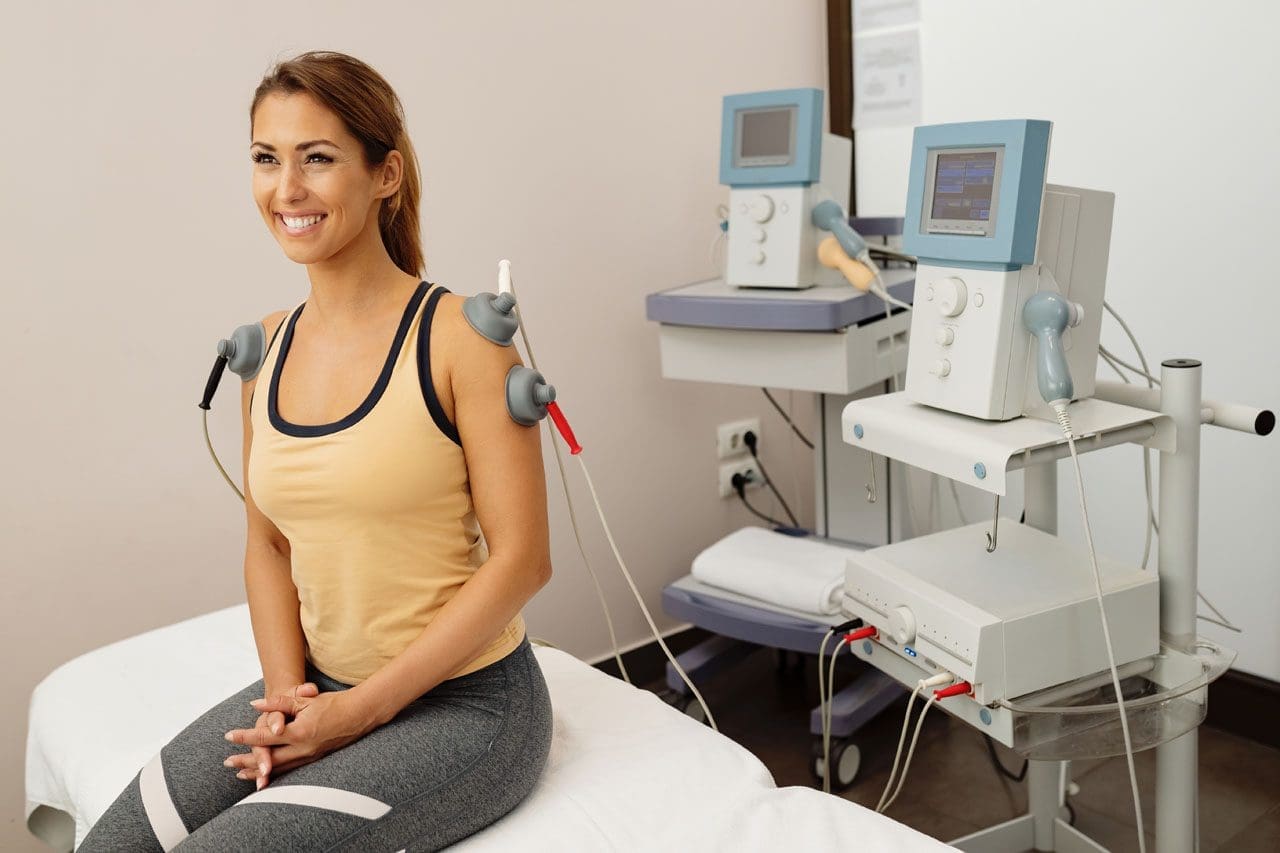
A young, happy sportswoman is getting tens-electrotherapy treatments at a medical clinic.
Healing Times for Sports Injuries
Healing time from sports injuries depends on various factors, such as the location and extent of the injury and the health of the skin, joints, tendons, muscles, and bones. It is also important to take the time to recuperate or not rush back into physical sports activities before the bones or tissues have fully healed. To prevent re-injury, ensure the doctor clears health before returning to sports or strenuous physical activity.
According to CDC research, an average of 8.6 million sports and recreation-related injuries occur annually. (Sheu, Y., Chen, L. H., and Hedegaard, H. 2016) However, most sports injuries are superficial or caused by low-grade strains or sprains; at least 20% of injuries result from bone fractures or more serious injuries. Bone fractures take longer than sprains or strains, and complete tendon or muscle ruptures can take months before one can fully return to activities. Individuals in decent physical shape with no underlying illness or impairment, here is what they can expect when recovering from the following sports injuries:
Bone Fractures
In sports, the highest rate of bone fractures occurs with football and contact sports. Most are centered around the lower extremities but can involve the neck and shoulder blades, arms, and ribs.
Simple Fractures
Depends on the individual’s age, health, type, and location.
Generally, takes at least six weeks to heal.
Compound Fractures
In this case, a bone is broken in several places.
It may require surgery to stabilize the bone.
Healing time can take up to eight months.
Fractured Clavicle/Collarbone
It may require the immobilization of the shoulder and upper arm.
It can take five to ten weeks to heal fully.
Fractured fingers or toes can heal in three to five weeks.
Fractured Ribs
Part of the treatment plan includes breathing exercises.
Painkillers may be needed short term.
Usually, it takes around six weeks to heal.
Neck Fractures
It may involve any one of the seven neck vertebrae.
A neck brace or a halo device that is screwed into the skull for stability may be used.
A sprain is the stretching or tearing of ligaments or the tough bands of fibrous tissue that connect two bones at a joint.
A strain is the overstretching or tearing of muscles or tendons.
Sprained Ankles
It can heal in five days if there are no complications.
Severe sprains involving torn or ruptured tendons can take three to six weeks to heal.
Calf Strains
Classified as grade 1 – a mild strain can heal in two weeks.
A grade 3 – severe strain may require three months or more to heal completely.
The use of calf suppression sleeves can expedite the recovery of strains and sprains in the lower leg.
Acute Neck Strain
A tackle, impact, fall, quick shifting, or whipping motion can cause a whiplash injury.
Healing time can take a couple of weeks to six weeks.
Other Injuries
ACL Tears
Involving the anterior cruciate ligament.
Usually, it requires months of recuperation and rehabilitation, depending on several factors, including the type of sports activity.
Full recovery from surgery takes six to 12 months.
Without surgery, there is no specific timeline for rehabilitation.
Achilles Tendon Ruptures
It is a serious injury.
These occur when the tendon is either partially or completely torn.
Individuals will more than likely require surgery.
Recovery time is four to six months.
Cuts and Lacerations
Depends on the depth and location of the injury.
It can take anywhere from a week to a month to heal.
If there are no accompanying injuries, stitches can be removed within two to three weeks.
If a deep cut requires stitches, more time is necessary.
Mild Contusions/Bruises
Are caused by a trauma to the skin, causing blood vessels to break.
In most cases, a contusion will take five to seven days to heal.
Shoulder Separations
When treated properly, it usually takes around two weeks of rest and recovery before the patient returns to activity.
Multidisciplinary Treatment
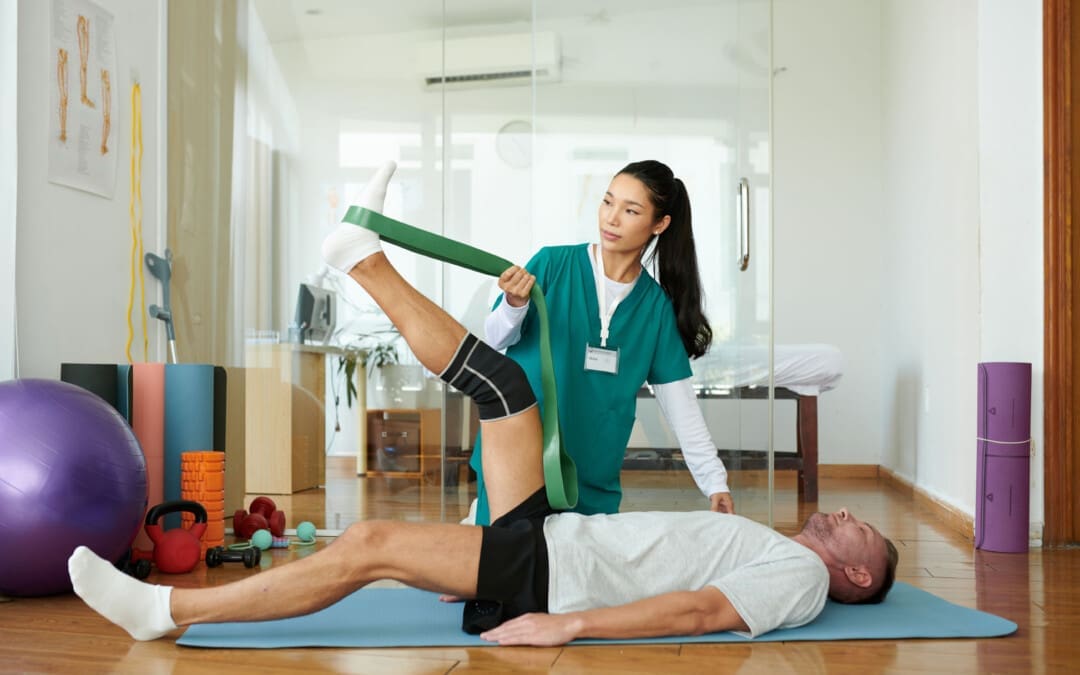
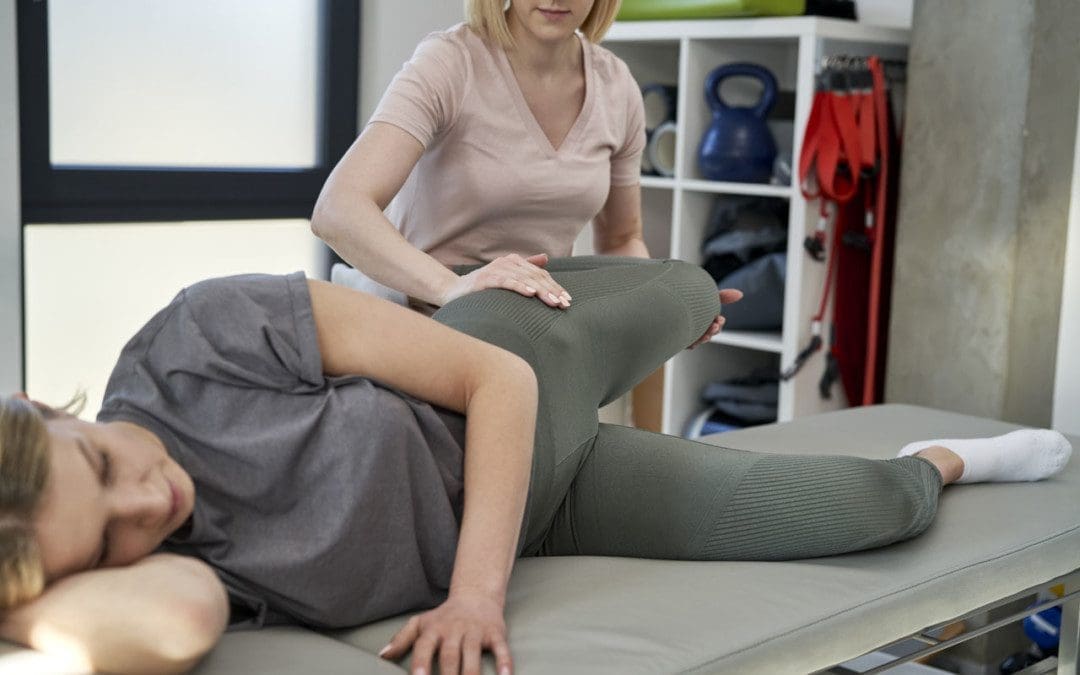
After the initial inflammation and swelling have subsided, a doctor will recommend a treatment plan that usually involves physical therapy, self-performed physical rehabilitation, or supervision by a physical therapist or team. Fortunately, athletes and individuals who regularly exercise tend to have a faster healing time because they are in top physical shape, and their cardiovascular system provides a stronger blood supply that speeds up the healing process. At El Paso’s Chiropractic Rehabilitation Clinic & Integrated Medicine Center, we passionately focus on treating patients’ injuries and chronic pain syndromes. We focus on improving ability through flexibility, mobility, and agility programs tailored to the individual. We use in-person and virtual health coaching and comprehensive care plans to ensure every patient’s personalized care and wellness outcomes.
Our providers use an integrated approach to create personalized care plans that include Functional Medicine, Acupuncture, Electro-Acupuncture, and Sports Medicine principles. Our goal is to relieve pain naturally by restoring health and function to the body.
If the chiropractor feels the individual needs other treatment, they will be referred to a clinic or physician best suited for them. Dr. Jimenez has teamed up with the top surgeons, clinical specialists, medical researchers, and premier rehabilitation providers to provide the top clinical treatments for our community. Providing highly noninvasive protocols is our priority, and our personalized patient-based clinical insight is what we provide.
Lumbar Spine Injuries in Sports: Chiropractic Healing
References
Sheu, Y., Chen, L. H., & Hedegaard, H. (2016). Sports- and Recreation-related Injury Episodes in the United States, 2011-2014. National health statistics reports, (99), 1–12.
Chiropractors are neuromusculoskeletal system specialists that rehabilitate injuries, retrain healthy body posture, massage and relax the muscles to detoxify and rejuvenate tissue health, and realign the spine to restore the nervous system to optimal function. It is a form of complementary medicine that focuses on the relationship between the body’s neuromusculoskeletal structures, addressing injuries, conditions, and ailments that cause the systems to malfunction and restoring them into harmony.
Chiropractors are licensed healthcare professionals who use various forms – hands, special instruments, or combination – of pressure to manipulate the body to relieve pain and discomfort symptoms from various injuries and conditions and improve overall health. Chiropractic is often used in conjunction with traditional medical care to treat health conditions that affect nerves, muscles, and bones. Chiropractic clinics often have a team of specialists that work and counsel patients on:
Developing healthy movement habits.
Diet and nutrition adjustments like an anti-inflammatory diet to reduce inflammation flare-ups.
Exercise and stretches to maintain chiropractic adjustments, retrain and strengthen the body.
Modifications to home, school, and work behaviors to prevent worsening injuries or causing new injuries.
Conditions Treated
Chiropractic therapeutic medicine treats any kind of muscle, bone, or joint pain or dysfunction and conditions affecting the nervous and musculoskeletal systems. The most common reasons for seeing a chiropractor include:
Musculoskeletal pain anywhere in the body – the head and jaws, shoulders, elbows and wrists, hips, pelvis, and the knees and ankles.
Trigger points.
Compressed, injured, and/or damaged nerves.
Neck pain.
Headaches.
Lower back pain.
Herniated discs.
Sciatica.
Joint pain and dysfunction.
Arthritis.
Rehabilitation after vehicle, work, and sports accidents and collisions.
Effective Treatment
Chiropractic therapeutic adjustments are the most common alternative treatment option in the United States and are considered an effective treatment option for all ages, including both children and adults.
It’s important to inform a primary care physician about any pain being experienced, whether recent or chronic that lasts more than three months.
Individuals should receive a screening before chiropractic treatment to ensure that their injury or condition will benefit from chiropractic adjustments.
If chiropractic care is not appropriate for the injury or condition, the chiropractor will refer the individual to another healthcare specialist.
Many individuals feel almost immediate relief from symptoms after a treatment session as well as soreness for 24 hours.
The goal of chiropractic is to restore health over the long term, rather than to relieve symptoms short term.
Benefits
Increased Blood and Nerve Circulation.
Improved Blood Pressure.
Range of Motion Improved.
Improved Balance.
Increased Sleep.
Reduced Headaches.
Increased Energy.
Improved Digestion.
Improved Immune Function.
Enhanced Physical/Athletic Performance.
Allergy Symptoms Reduced.
Improved Asthma Management.
Healthier Pregnancy.
Scapular Winging
References
Hadler, N M. “Chiropractic.” Rheumatic diseases clinics of North America vol. 26,1 (2000): 97-102, ix. doi:10.1016/s0889-857x(05)70123-x
Lefebvre R, Peterson D, Haas M. Evidence-Based Practice and Chiropractic Care. (https://www.ncbi.nlm.nih.gov/pmc/articles/PMC3716373/) J Evid Based Complementary Altern Med. 2012;18(1):75-79. Accessed 4/25/2022.
Margach, Russell W. “Chiropractic Functional Neurology: An Introduction.” Integrative medicine (Encinitas, Calif.) vol. 16,2 (2017): 44-45.
Moore, Craig, et al. “The management of common recurrent headaches by chiropractors: a descriptive analysis of a nationally representative survey.” BMC neurology vol. 18,1 171. 17 Oct. 2018, doi:10.1186/s12883-018-1173-6
Nahin, Richard L et al. “Insurance Coverage for Complementary Health Approaches Among Adult Users: United States, 2002 and 2012.” NCHS data brief ,235 (2016): 1-8.
U.S. Department of Health and Human Services. Chiropractic: In Depth. (https://www.nccih.nih.gov/health/chiropractic-in-depth) Accessed 4/25/2022.
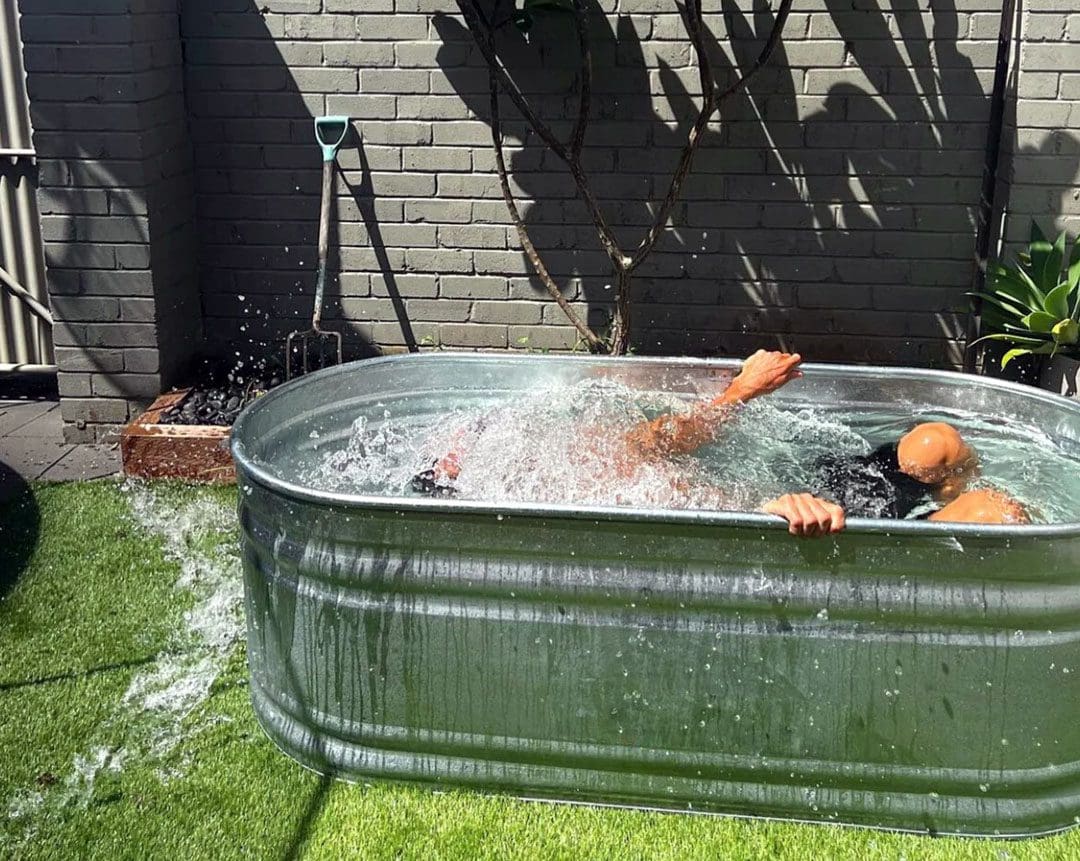
Athletes regularly take an ice-water bath after training or playing. It is known as cold water immersion/cryotherapy. It is used to relieve and reduce muscle soreness and pain after intense training or competition. From runners to professional tennis and football players, taking an ice bath is a common recovery practice. Many athletes utilize ice baths to help with faster recovery, prevent injury, and cool down the body. Here we provide some research on cold-water immersion therapy.
Ice Water Bath
Cold Immersion After Exercise or Physical Activity
Exercise causes microtrauma/tiny tears in the muscle fibers. The microscopic damage stimulates muscle cell activity to repair the damage and strengthen the muscles/hypertrophy. However, hypertrophy is linked with delayed onset muscle soreness and pain/DOMS, between 24 and 72 hours after physical activity. An ice water bath works by:
Constricting the blood vessels.
Flushes out waste products (lactic acid), out of the muscle tissues.
Reduces inflammation, swelling, and tissue breakdown.
Then, applying heat or warming up the water increases and speeds up blood circulation, improving the healing process.
There is no current ideal time and temperature for cold immersion, but most athletes and trainers who use the therapy recommend a water temperature between 54 to 59 degrees Fahrenheit and immersion of five to 10 minutes, and depending on the soreness, sometimes up to 20 minutes.
Pros and Cons
The effects of ice baths and cold water immersion on exercise recovery and muscle soreness.
Relieves Inflammation but Can Slow Down Muscle Growth
A study determined that cold water immersion can disrupt training adaptations.
Research suggests that icing muscles right after maximum exercise decreases inflammation, but can slow down muscle fiber growth, and delay muscle regeneration.
Athletes trying to increase muscle size and strength may need to adjust the therapy sessions.
Reduce Muscle Soreness
A review concluded there was some evidence that ice water immersion reduced delayed onset muscle soreness when compared to resting and rehabilitation or no medical treatment.
The most effects were seen in running athletes.
There was no substantial evidence to conclude whether it improved fatigue or recovery.
The studies did not have a standard for adverse effects or follow-up with the participants regularly.
There was no difference in muscle soreness between cold water immersion, active recovery, compression, or stretching.
Pain Relief
Cold water immersion after a physical activity offers temporary pain relief but can help with a faster recovery.
A study of jiu-jitsu athletes found that following a workout with cold water immersion could lead to decreased muscle aches and help reduce lactate levels.
Alternating cold water and warm water baths (contrast water therapy), may help athletes feel better and offer temporary pain relief.
Active Recovery Alternative
More research is needed before a firm conclusion can be reached on ice-water bath therapy. However, active recovery is a recommended alternative for athletes looking to recover faster.
A study suggested that ice baths were equally effective, but not more effective, as active recovery for reducing inflammation.
Cold water immersion is no greater than active recovery upon local and systemic inflammatory cellular stress.
Research determined that active recovery is still the most widely used, and currently the best way to recover after intense exercise or physical activity.
Low-impact workouts and stretches are still considered the most beneficial cool-down methods.
Cold Water Therapy
Ice Bath
Individuals can use their tub at home to perform cold water therapy.
Individuals may want to purchase a large bag of ice, but the cold water from the faucet will work.
Fill the tub with cold water, and if desired, pour in some ice.
Let the water and ice sit to get the cold temperature.
Measure the temperature if necessary before getting in.
Submerge the lower half of the body and adjust the temperature based on feel by adding more water, ice, or warm water if freezing.
It’s like icing with an ice pack, but the whole body swelling reduces and relaxes the muscles.
Don’t overdo it – one review found the best routine was 11 to 15 minutes of immersion at a temperature between 52 and 60 degrees Fahrenheit.
Cold Shower
A few minutes in a cold shower is another way to perform the therapy.
Individuals can get in a cold shower or start with warm water and slowly transition to cold.
This is the easiest and most time-efficient method of cold water therapy.
Safety
Consult with your doctor or a health care practitioner before practicing cold water therapy.
Exposure to cold water can affect blood pressure, circulation, and heart rate.
Cold water immersion can cause cardiac stress and can result in a heart attack.
Be mindful that exposure to cold temperatures can result in hypothermia.
Get out of the cold water if you experience numbness, tingling, discomfort, and/or pain.
Optimizing Wellness
References
Allan, R, and C Mawhinney. “Is the ice bath finally melting? Cold water immersion is no greater than active recovery upon local and systemic inflammatory cellular stress in humans.” The Journal of Physiology vol. 595,6 (2017): 1857-1858. doi:10.1113/JP273796
Altarriba-Bartes, Albert, et al. “The use of recovery strategies by Spanish first division soccer teams: a cross-sectional survey.” The Physician and sports medicine vol. 49,3 (2021): 297-307. doi:10.1080/00913847.2020.1819150
Bieuzen, François, et al. “Contrast water therapy and exercise-induced muscle damage: a systematic review and meta-analysis.” PloS one vol. 8,4 e62356. 23 Apr. 2013, doi:10.1371/journal.pone.0062356
Fonseca, Líllian Beatriz et al. “Use of Cold-Water Immersion to Reduce Muscle Damage and Delayed-Onset Muscle Soreness and Preserve Muscle Power in Jiu-Jitsu Athletes.” Journal of athletic training vol. 51,7 (2016): 540-9. doi:10.4085/1062-6050-51.9.01
Forcina, Laura, et al. “Mechanisms Regulating Muscle Regeneration: Insights into the Interrelated and Time-Dependent Phases of Tissue Healing.” Cells vol. 9,5 1297. 22 May. 2020, doi:10.3390/cells9051297
Shadgan, Babak, et al. “Contrast Baths, Intramuscular Hemodynamics, and Oxygenation as Monitored by Near-Infrared Spectroscopy.” Journal of athletic training vol. 53,8 (2018): 782-787. doi:10.4085/1062-6050-127-17
Sutkowy, Paweł, et al. “Postexercise impact of ice-cold water bath on the oxidant-antioxidant balance in healthy men.” BioMed research international vol. 2015 (2015): 706141. doi:10.1155/2015/706141
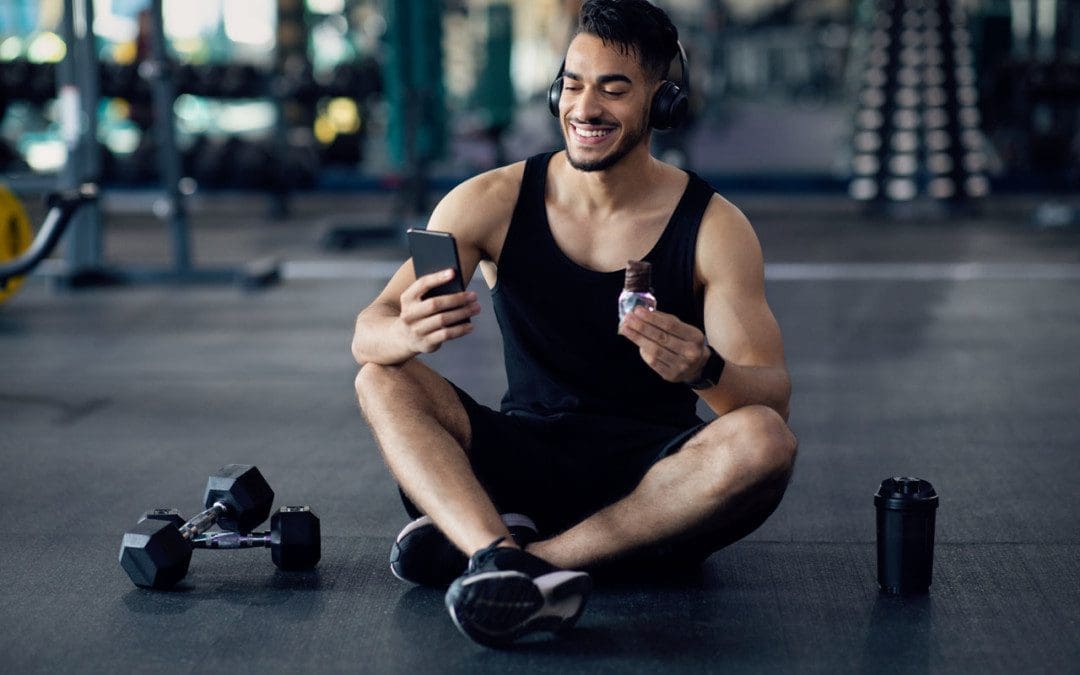
Providing the body with adequate hydration and nutrition at the right time can maximize performance abilities, endurance, and muscle repair and restoration. Eating the right foods at the right time will fuel the body to support intense exercises. That means plenty of energy for cardiovascular and strength training. The optimal combination of pre-workout nutrition depends on the type of workout and how long it takes for the body to absorb the nutrients to get moving. Injury Medical Chiropractic and Functional Medicine Clinic can develop a fitness and nutritional plan customized to the individual’s needs and health goals.
Pre-Workout Nutrition
The three main macronutrients are carbohydrates, proteins, and fats when preparing pre-workout meals and snacks. Ratios are based on the specific needs of the workout. For example, going for a one-mile jog or a light aerobics class requires different amounts for different purposes. The longer and more intense the exercise, the more food is needed. Individuals may only need to modify or adjust their eating habits slightly for light workouts. Their roles vary:
Carbohydrates
Fats
Proteins
Each has a different role in supplying fuel for powering through physical activity.
Carbohydrates
Carbs are an important fuel for exercise.
Carbs can be found in grains, fruits, vegetables, and dairy products.
These are the easiest energy foods for the body to turn into glucose.
Glucose is stored in the muscles as glycogen.
Without enough carbohydrates, the body will be depleted of energy and become exhausted.
Proteins
This macronutrient is found in poultry, eggs, fish, and nuts.
Takes longer for the body to digest.
Protein helps the body feel full.
The body uses various nutrients to repair and build muscles.
Getting protein throughout the day can help with recovery after a workout.
Fats
The body burns fat for longer low to moderate-intensity workouts, such as a long run or bicycle ride.
However, fat takes more effort and time for the body to digest.
So, eating healthy fats is not the best right before exercise.
Pre-Workout Nutrition Guidelines
The exact mix of foods/nutrients ideal for the workout depends on when the individual can eat in relation to the time of the activity and intensity of the exercise.
Two to Four Hours Before Exercising
Have a meal containing a mix of carbohydrates, fats, and protein.
Oatmeal with fruit and nuts, a turkey sandwich with vegetables and some fruit, or a chicken and rice bowl with vegetables and avocado.
One to Two Hours Before Exercising
A light meal or snack.
Cereal with low-fat milk, peanut butter with crackers, or a fruit smoothie.
Avoid foods high in fiber and fat because they take longer to digest and can lead to digestion/stomach issues during exercise.
Before Morning Exercise
Going to the gym or out for a run first thing in the morning, something small, like a banana or granola bar.
For individuals that can’t eat early, don’t force yourself.
Have an extra portion at dinner or a snack before bed to have enough fuel for the morning.
During Workout
Have easy-to-digest carbs if the exercise session lasts more than an hour.
A banana or pretzels.
Sports drink during the workout contains electrolytes and minerals like sodium, magnesium, and potassium that assist in regulating functions like muscle contractions lost as the body sweats.
Hydration
Liquids are lost when the body sweats. Sipping water before, during, and after the workout is important.
Even a small dip in hydration levels can lower exercise performance and lessen mental sharpness.
Drinking two to three cups of water two to three hours before exercise is recommended.
During the workout, you should get at least a half to a full cup of water every 15 to 20 minutes.
After the workout, replenish hydration levels with two to three more cups.
Pre-Workouts
References
Jensen, Jørgen, et al. “The role of skeletal muscle glycogen breakdown for regulation of insulin sensitivity by exercise.” Frontiers in physiology vol. 2 112. 30 Dec. 2011, doi:10.3389/Phys.2011.00112
Jeukendrup, Asker. “A step towards personalized sports nutrition: carbohydrate intake during exercise.” Sports medicine (Auckland, N.Z.) vol. 44 Suppl 1, Suppl 1 (2014): S25-33. doi:10.1007/s40279-014-0148-z
Lowery, Lonnie M. “Dietary fat and sports nutrition: a primer.” Journal of sports science & Medicine vol. 3,3 106-17. 1 Sep. 2004
Ormsbee, Michael J et al. “Pre-exercise nutrition: the role of macronutrients, modified starches, and supplements on metabolism and endurance performance.” Nutrients vol. 6,5 1782-808. 29 Apr. 2014, doi:10.3390/nu6051782
Rothschild, Jeffrey A et al. “What Should I Eat Before Exercise? Pre-Exercise Nutrition and the Response to Endurance Exercise: Current Prospective and Future Directions.” Nutrients vol. 12,11 3473. 12 Nov. 2020, doi:10.3390/nu12113473
Shirreffs, Susan M. “The importance of good hydration for work and exercise performance.” Nutrition Reviews vol. 63,6 Pt 2 (2005): S14-21. doi:10.1111/j.1753-4887.2005.tb00149.x
Healthy sleep is vital for having enough energy, thinking clearly, and managing everyday stresses confidently. Chronic unhealthy sleep patterns and/or insomnia can lead to and contribute to various health issues. This includes daytime fatigue, irritability, difficulty concentrating, delayed reaction time, constantly getting sick, and memory problems. Sleeping health problems can get worse with every night of poor rest. Injury Medical Chiropractic and Functional Medicine Clinic provide treatment, training, and tools to realign and relax the body and restore healthy sleep.
Sleeping Health Problems
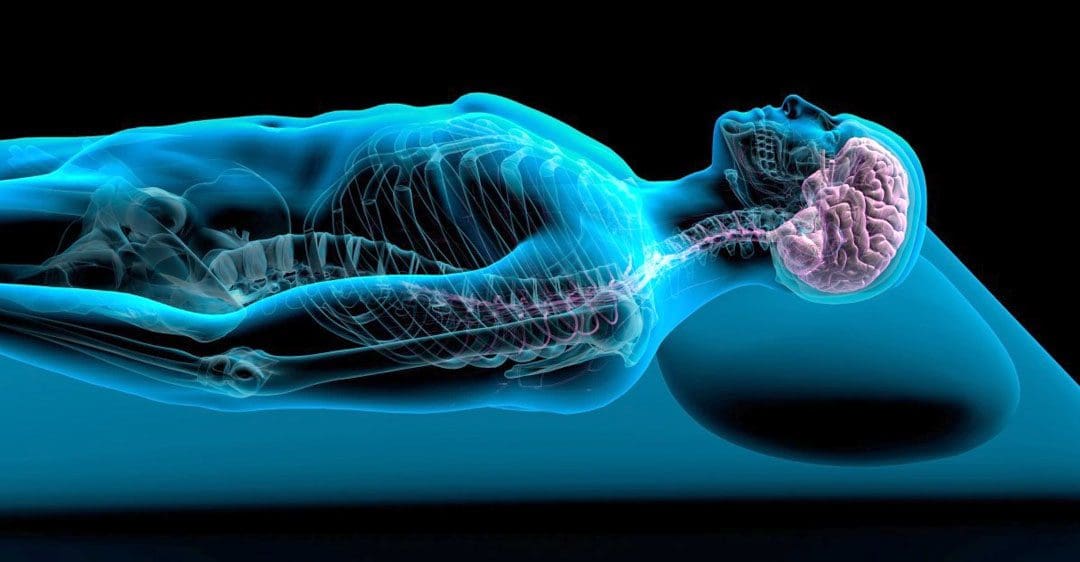
Lack of sleep disrupts and slows down nerve impulses and transmissions throughout the body. This can lead to health problems that can include:
Excessive fatigue
Brain fog
Slow responses
Physical performance problems
Inability to remember
Low sex drive
Chronic illness
Over time the risk of developing a serious medical condition increases and can include:
Anxiety
Depression
High blood pressure
Diabetes
Weakened immune system
Stroke
Heart attack
Seizures
Staying On
There is some research that insomnia is associated with hyperarousal or the state of staying on. It often starts with a stressful event that sets off the body’s systems, causing the inability to relax completely. Body discomfort and pain symptoms can also present when the mind and body can’t relax. The entire body can tighten/stiffen, causing aches, soreness, and pain. Continuation of sleeping health problems of the cycle leads to more stress.
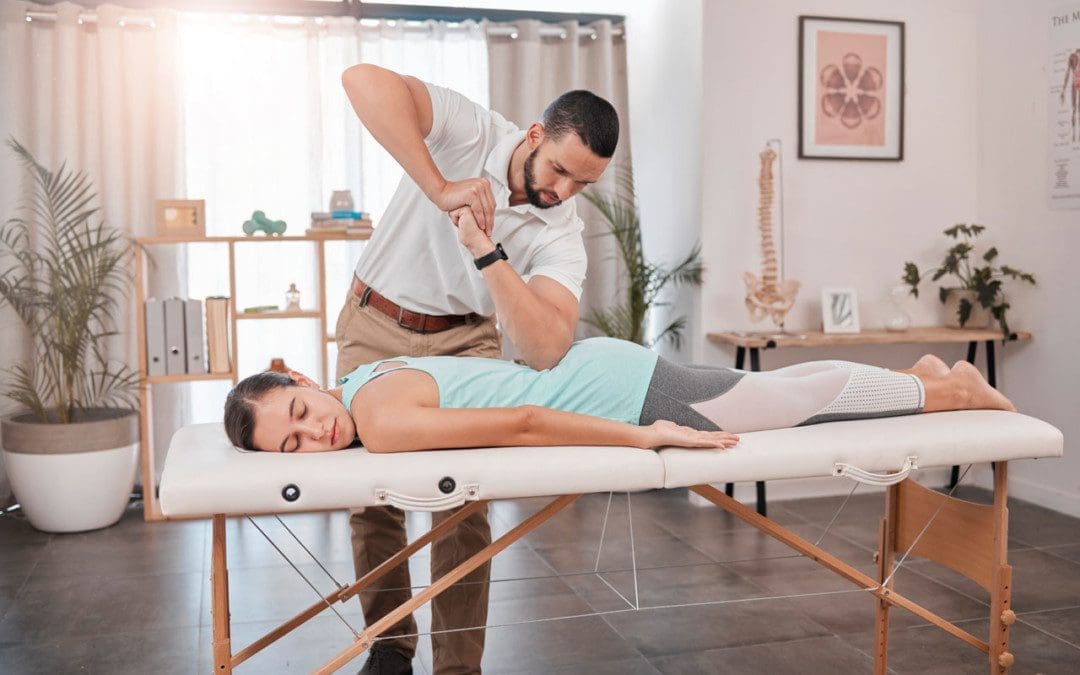
Chiropractic care, massage, and decompression therapy can help break the cycle. Breaking the process is necessary to help the body recover and rehabilitate properly. Treatment retrains the body to relax; stretching and pulling the muscles increases blood circulation, as well as advanced and improved brain signals telling the body to relax. A chiropractor will evaluate the individuals sleeping patterns and recommend various solutions. The benefits for individuals with sleep issues include:
Alleviates muscle tension.
Stimulates nerve circulation and blood flow.
Relaxes the whole body.
Enhances central nervous system function.
Relieves pain and discomfort.
A chiropractor will also provide the following:
Sleeping position recommendations.
Postural stretches and exercises.
Recommendations on supportive mattresses.
Ergonomics for work, home, and bed.
Chiropractic’s Evolution
References
Hale, Deborah, and Katherine Marshall. “Sleep and Sleep Hygiene.” Home healthcare now vol. 37,4 (2019): 227. doi:10.1097/NHH.0000000000000803
What Are Sleep Deprivation and Deficiency?https://www.nhlbi.nih.gov/health/sleepdeprivation#:~:text=Sleep%20deficiency%20is%20linked%20to,adults%2C%20teens%2C%20and%20children.
What Makes You Sleep? https://www.nhlbi.nih.gov/health/sleep-deprivation/body-clock
How Sleep Affects Your Health https://www.nhlbi.nih.gov/health/sleep-deprivation/health-effects
Riemann, Dieter. “Sleep hygiene, insomnia, and mental health.” Journal of sleep research vol. 27,1 (2018): 3. doi:10.1111/jsr.12661
When exercising, it is very important to warm each muscle group to prevent injuries from occurring when working out. Stretching the arms, legs, and back can loosen up stiff muscles and increase blood flow to allow each muscle fiber to warm up and allow maximum power when each set is performed. One of the best ways to reduce muscle fatigue or stiffness before working out is to foam roll each muscle group for at least 1-2 minutes max to provide optimal functionality. Foam rolling allows the muscles to warm up before an extensive workout session. Still, it can also offer many benefits when combined with other therapies to reduce pain-like symptoms like trigger point pain from causing further injuries from reoccurring in the body. Today’s article focuses on the benefits of foam rolling, how it reduces trigger point pain, and how it is combined with chiropractic care to achieve optimal health and wellness. We refer patients to certified providers incorporating techniques and therapies for individuals dealing with trigger point pain affecting different body areas. By locating where the trigger points are coming from, many pain specialists utilize a treatment plan to reduce the effects that trigger points are causing on the body while suggesting different tools, like using a foam roller to reduce pain in the other muscle groups. We encourage and appreciate each patient by referring them to associated medical providers based on their diagnosis when it is appropriate. We understand that education is a terrific way when asking our providers intricated questions at the patient’s request and understanding. Dr. Jimenez, D.C., only utilizes this information as an educational service. Disclaimer
The Benefits Of Foam Rolling
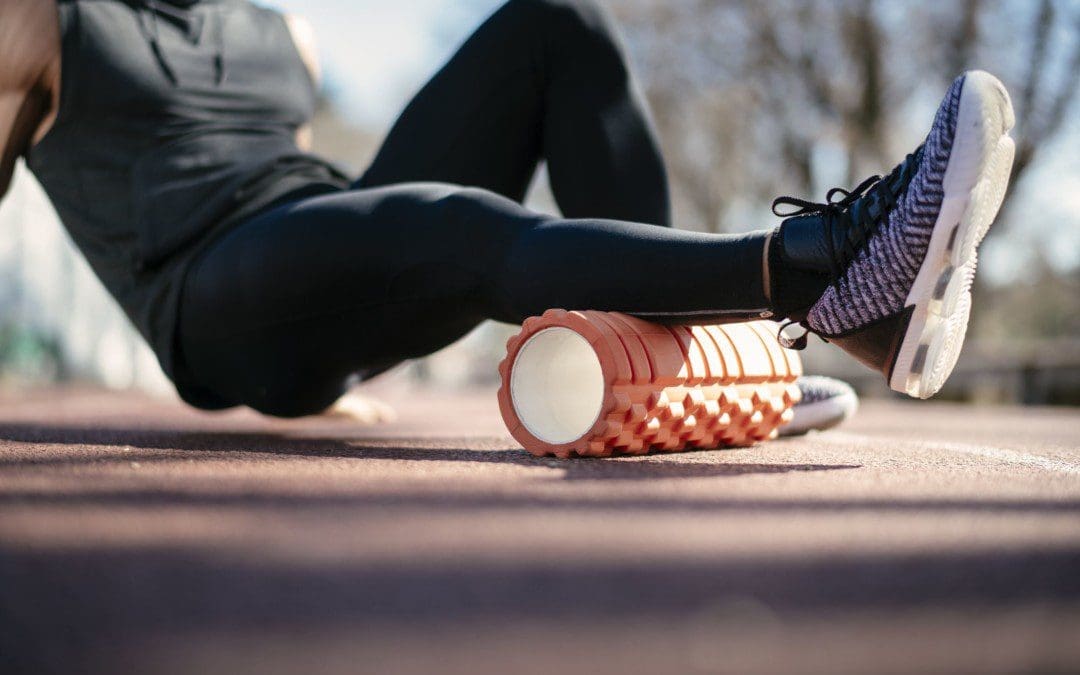
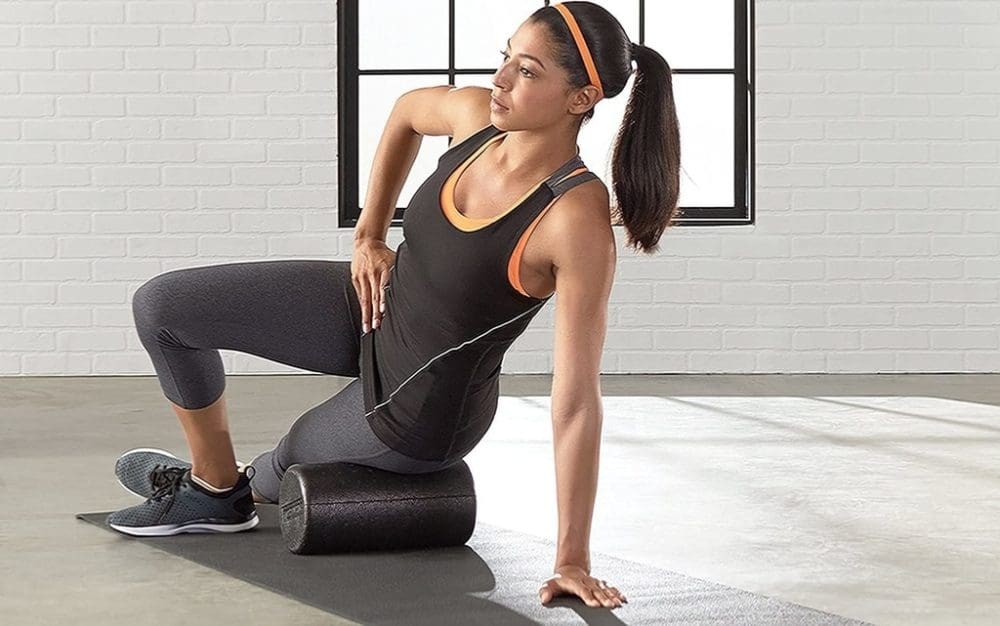
Have you been dealing with pain-like symptoms in different parts of your body? Do you feel stiffness in your muscles? Or have you been feeling exhausted throughout the entire day? Many people often feel stressed, overworked, and exhausted after a long day and need to find different ways to relieve stress. Whether going to the gym to work out or yoga class, many people should warm up for about 5-10 minutes to work out each muscle group to reduce muscle fatigue and stiffness. One of the tools that people should utilize is using a foam roller. Studies reveal that foam rolling before working out can improve muscle performance and flexibility and, at the same time, alleviate muscle fatigue and soreness.
Incorporating foam rolling as part of your warm-up can prevent issues like trigger point pain from causing more problems in the affected muscle group and causing more harm. Foam rolling has been known as a self-myofascial release (SMR) tool for many athletic people to relieve delay-onset muscle soreness (DOMS) and can help the recovery process for muscular performance. Studies show that when athletes have DOMS, their muscles are tender and stiff that which causes restricted movement. By foam rolling, each sore muscle group can get rolled out on a dense foam roll from the person’s body weight to apply pressure on the soft tissue. When performed correctly, the body’s range of motion will increase, and soft tissue restriction is prevented.
Foam Rolling To Reduce Trigger Point Pain
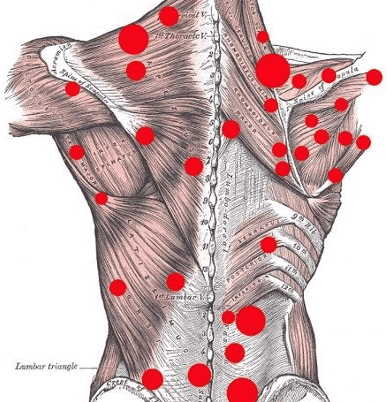
When the body has been overworked, the muscle fibers will start to overstretch and cause various issues in different body parts. When this happens, tiny, hard nodules form over time and cause referred pain to other body locations in each muscle group. This is known as myofascial pain syndrome or trigger points. Studies reveal that trigger point pain is when the affected muscles are either acute or chronic and cause pain in the surrounding connective tissues. Dr. Travell, M.D.’s book, “Myofascial Pain and Dysfunction,” mentioned that myofascial pain could cause somato-visceral dysfunction in the body as the affected muscles and nerves are correlated with the corresponding vital organs. This means that if someone is dealing with back pain, it could be an issue with their gut system. Now how does foam rolling help prevent trigger point pain? As mentioned earlier, foam rolling each muscle group can alleviate muscle soreness and improve blood circulation. Studies reveal that foam rolling on the muscle group affected by trigger point pain can increase blood flow to the affected muscle and reduce fascial inflammation in the body.
What Foam Rolling Does To The Body- Video
Have you been dealing with muscle soreness? Do you feel like you are constantly bending over or shuffling your feet? Or have you been experiencing constant aches and pains when stretching? If you have been dealing with these musculoskeletal issues, why not incorporate foam rolling as part of your routine? Many individuals have some pain that is affecting their muscles that is causing them pain. Regarding reducing pain, incorporating foam rolling on the affected muscles can increase blood flow to the muscle and reduce any symptoms associated with chronic conditions. Studies reveal that the combination of foam rolling and stretching before working out can provide these amazing benefits, which include the following:
Ease muscle pain
Increase range of motion
Reduce cellulite
Relieve back pain
Relive trigger points in muscles
The video above gives an excellent explanation of what foam rolling does to the body and why it provides relief to those different muscle groups. When people merge foam rolling with other treatments, it can benefit their health and wellness.
Foam Rolling & Chiropractic Care
As stated earlier, other various treatments can combine foam rolling to promote a healthy body. One of the treatments is chiropractic care. Chiropractic care incorporates mechanical and manual manipulation of the spine, especially in subluxation or spinal misalignment. When the spine is misaligned, it can cause muscle strain and mobility issues that can affect the body over time. So how does foam rolling play a part in chiropractic care? Well, a chiropractor or doctor of chiropractic can develop a plan to help manage the pain while treating the condition affecting the body. Since foam rolling is utilized in a warm-up session in association with physical therapy, many individuals who work with a personal trainer can incorporate foam rolling as part of their warm-up to loosen up stiff muscles and go to regular chiropractic treatments to improve muscle strength, mobility, and flexibility.
Conclusion
There are many beneficial properties that foam rolling can provide to the body. Foam rolling can allow blood circulation to the muscles while reducing muscle fatigue and soreness. Incorporating foam rolling as part of a daily warm-up can also prevent trigger points from forming in the muscle groups and can work out the tight knots that the muscle has occurred. At the same time, treatments like chiropractic care and physical therapy can combine foam rolling to promote health and wellness in the body and prevent muscle pain.
References
Konrad A, Nakamura M, Bernsteiner D, Tilp M. The Accumulated Effects of Foam Rolling Combined with Stretching on Range of Motion and Physical Performance: A Systematic Review and Meta-Analysis. J Sports Sci Med. 2021 Jul 1;20(3):535-545. doi: 10.52082/jssm.2021.535. PMID: 34267594; PMCID: PMC8256518.
Pagaduan, Jeffrey Cayaban, et al. “Chronic Effects of Foam Rolling on Flexibility and Performance: A Systematic Review of Randomized Controlled Trials.” International Journal of Environmental Research and Public Health, U.S. National Library of Medicine, 4 Apr. 2022, https://www.ncbi.nlm.nih.gov/pmc/articles/PMC8998857/.
Pearcey, Gregory E P, et al. “Foam Rolling for Delayed-Onset Muscle Soreness and Recovery of Dynamic Performance Measures.” Journal of Athletic Training, U.S. National Library of Medicine, Jan. 2015, https://www.ncbi.nlm.nih.gov/pmc/articles/PMC4299735/.
Shah, Jay P, et al. “Myofascial Trigger Points Then and Now: A Historical and Scientific Perspective.” PM & R : the Journal of Injury, Function, and Rehabilitation, U.S. National Library of Medicine, July 2015, https://www.ncbi.nlm.nih.gov/pmc/articles/PMC4508225/.
Travell, J. G., et al. Myofascial Pain and Dysfunction: The Trigger Point Manual: Vol. 2:the Lower Extremities. Williams & Wilkins, 1999.
Wiewelhove, Thimo, et al. “A Meta-Analysis of the Effects of Foam Rolling on Performance and Recovery.” Frontiers in Physiology, U.S. National Library of Medicine, 9 Apr. 2019, https://www.ncbi.nlm.nih.gov/pmc/articles/PMC6465761/.
IFM's Find A Practitioner tool is the largest referral network in Functional Medicine, created to help patients locate Functional Medicine practitioners anywhere in the world. IFM Certified Practitioners are listed first in the search results, given their extensive education in Functional Medicine