Understanding Nerve Conditions of the Spine: Causes, Symptoms, and Treatments
The spine is a critical part of the body, serving as a highway for nerves that transmit signals between the brain and the rest of the body. When something goes wrong with these nerves—whether they’re compressed, irritated, or damaged—it can lead to a range of uncomfortable symptoms like pain, numbness, tingling, or weakness. These issues, known as nerve-related spine conditions, can affect the back, arms, or legs and stem from various causes, including injuries, degenerative conditions, or infections. In this article, we’ll explore these conditions, their symptoms, causes, and how they’re diagnosed and treated, with a special focus on integrative approaches like those used by Dr. Alexander Jimenez, a chiropractor and nurse practitioner in El Paso, Texas. We’ll also look at how chiropractic care, targeted exercises, massage therapy, acupuncture, and integrative medicine can promote healing and prevent long-term problems.
What Are Nerve-Related Spine Conditions?
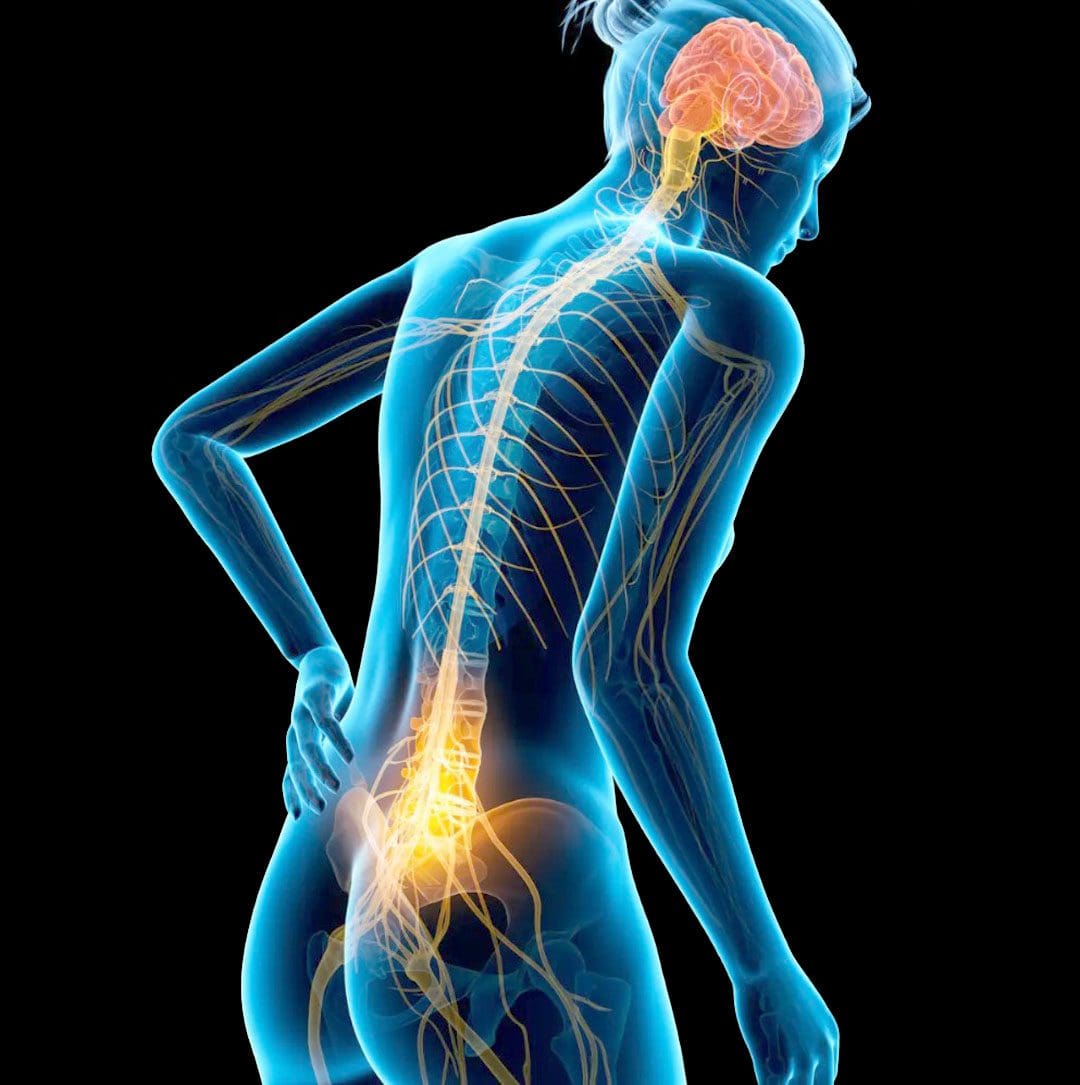
Nerve-related spine conditions happen when the spinal nerves or spinal cord are compressed, irritated, or damaged. The spine is made up of bones called vertebrae, which protect the spinal cord—a bundle of nerves that carries messages to and from the brain. Between the vertebrae are intervertebral discs, which act as cushions, and small openings called foramina, where nerve roots exit the spinal cord to connect to other parts of the body. When these nerves or the spinal cord itself are affected, it can disrupt the signals, leading to symptoms like pain, numbness, tingling, or weakness (Mayo Clinic Health System, n.d.).
Some of the most common nerve-related spine conditions include:
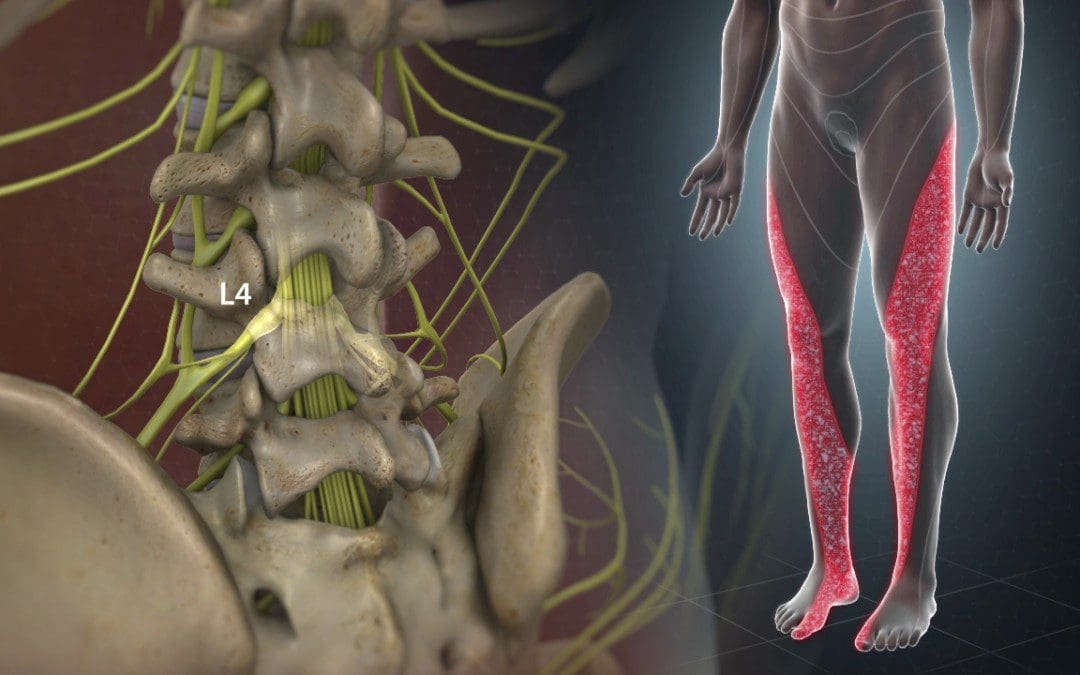
Radiculopathy: Often referred to as a “pinched nerve,” this condition occurs when a nerve root is compressed or irritated as it exits the spine. It can cause pain, numbness, or weakness that radiates along the nerve’s path. For example, lumbar radiculopathy can lead to sciatica, a condition characterized by pain that shoots from the lower back down the leg (Cleveland Clinic, n.d.).
Spinal stenosis refers to the narrowing of the spinal canal, which puts pressure on the spinal cord or nerve roots. It’s often caused by aging or degenerative changes and can lead to symptoms like back pain, numbness, or difficulty walking (HSS Education, n.d.).
Herniated or Bulging Discs: Discs can bulge or herniate (when the inner gel-like material pushes out), pressing on nearby nerves. This can cause pain, tingling, or weakness in the arms or legs, depending on where the disc is located (Penn Medicine, n.d.).
Degenerative Conditions: Conditions like arthritis or bone spurs can narrow the spaces where nerves travel, causing compression and symptoms like pain or stiffness (Health Central, n.d.).
Trauma or Injury: Accidents, such as car crashes or falls, can damage the spine and compress nerves, leading to immediate or delayed symptoms (Verywell Health, n.d.).
Infections or Structural Abnormalities: Infections, tumors, or abnormal spine alignment (like scoliosis) can also press on nerves, causing similar symptoms (MSD Manuals, n.d.).
These conditions can range from mild annoyances to serious issues requiring immediate medical attention, especially if they cause severe symptoms like loss of bladder or bowel control, which may indicate cauda equina syndrome, a medical emergency (Verywell Health, n.d.).
Symptoms of Nerve-Related Spine Conditions
The symptoms of nerve-related spine conditions depend on where the nerve compression or damage occurs and the severity of the condition. Common symptoms include:
Pain: This can be sharp, burning, or aching and may stay in one spot (like the neck or lower back) or radiate to other areas, such as the arms, buttocks, or legs. For example, sciatica often causes burning pain that travels from the lower back to the legs (Penn Medicine, n.d.).
Numbness or Tingling: These sensations, often described as “pins and needles,” can occur in the hands, arms, feet, or legs, depending on the affected nerve (Cleveland Clinic, n.d.).
Weakness: Muscle weakness in the arms, hands, or legs can make it hard to lift objects, walk, or maintain balance. In severe cases, it can cause issues like foot drop, where a person struggles to lift their foot while walking (Johns Hopkins Medicine, n.d.).
Loss of Coordination: Compression of the spinal cord (myelopathy) can affect fine motor skills, making tasks like buttoning a shirt or writing difficult (Verywell Health, n.d.).
Balance Issues: Spinal stenosis or myelopathy can cause trouble walking or maintaining balance, sometimes described as feeling like “walking through mud” (Spine-health, n.d.).
Loss of Bladder or Bowel Control: This is a rare but serious symptom that requires immediate medical attention, as it may signal cauda equina syndrome (HSS Education, n.d.).
Symptoms can develop suddenly, like after an injury, or gradually, as with degenerative conditions like arthritis. If you experience severe or worsening symptoms, especially loss of bladder or bowel control, seek medical care right away.
Causes of Nerve-Related Spine Conditions
Nerve-related spine conditions can have many causes, ranging from natural aging to sudden injuries. Here are some of the main culprits:
Degenerative Changes: As people age, the spine can undergo wear and tear. Osteoarthritis can cause bone spurs, and degenerative disc disease can lead to bulging or herniated discs, both of which can press on nerves (Mayo Clinic Health System, n.d.).
Herniated or Bulging Discs: When a disc’s inner material bulges or herniates, it can push against nearby nerves, causing pain or numbness. This is a common cause of radiculopathy, including sciatica (Penn Medicine, n.d.).
Spinal Stenosis: The spinal canal can narrow due to thickened ligaments, bone spurs, or other changes, putting pressure on the spinal cord or nerve roots (Cleveland Clinic, n.d.).
Trauma: Car accidents, sports injuries, or falls can fracture vertebrae, dislocate joints, or cause swelling that compresses nerves, leading to severe consequences. For example, a car crash can lead to whiplash, which may cause nerve damage in the neck (Solomon Law, n.d.).
Infections: Spinal infections, like abscesses, can press on the spinal cord or nerves, causing pain and neurological symptoms (MSD Manuals, n.d.).
Structural Abnormalities: Conditions like scoliosis (abnormal spine curvature) or tumors can compress nerves, leading to symptoms like pain or weakness (Johns Hopkins Medicine, n.d.).
Inflammatory or Autoimmune Conditions: Diseases like rheumatoid arthritis can cause inflammation that compresses nerves, contributing to symptoms (OrthoTOC, n.d.).
Each cause can lead to different symptoms and requires specific diagnostic and treatment approaches to address the root issue.
Diagnosing Nerve-Related Spine Conditions
Diagnosing nerve-related spine conditions starts with a doctor asking about your symptoms and medical history, followed by a physical exam to check for numbness, weakness, reflexes, and posture. Depending on the findings, additional tests may be needed to pinpoint the cause (Penn Medicine, n.d.). Common diagnostic tools include:
Imaging tests, such as X-rays, CT scans, or MRIs, can reveal the spine’s structure, including bones, discs, and nerves, to identify compression or damage (Spine Info, n.d.).
Nerve Conduction Studies (NCS) and Electromyography (EMG): These tests assess the function of nerves and muscles, and can help confirm nerve damage (Spine Info, n.d.).
Myelogram: A special X-ray or CT scan with contrast dye can highlight pressure on the spinal cord or nerves (Spine Info, n.d.).
Dr. Alexander Jimenez, a chiropractor and nurse practitioner in El Paso, Texas, uses a dual-scope approach to diagnosis, combining his expertise in chiropractic care and advanced nursing. His clinic utilizes advanced neuromusculoskeletal imaging techniques, such as MRIs and CT scans, to obtain a clear picture of the spine’s condition. Dr. Jimenez correlates patient injuries—whether from work, sports, car accidents, or personal incidents—with clinical findings to create a precise diagnosis. This approach ensures that the treatment plan targets the specific cause of the nerve issue, whether it’s a herniated disc, spinal stenosis, or trauma-related damage (Jimenez, n.d.).
Treatment Options for Nerve-Related Spine Conditions
Treatment for nerve-related spine conditions depends on the cause, severity, and symptoms. Most doctors start with conservative (non-surgical) treatments, moving to surgery only if needed. Here’s an overview of common treatments:
Non-Surgical Treatments
Medications: Over-the-counter pain relievers, such as ibuprofen, or prescription medications, like gabapentin, can help manage pain and inflammation (Spine Info, n.d.).
Physical Therapy: Targeted exercises can strengthen muscles, improve posture, and reduce pressure on nerves. Physical therapy is often effective for radiculopathy and spinal stenosis (Cleveland Clinic, n.d.).
Epidural Steroid Injections: These deliver anti-inflammatory medication directly to the affected nerve root, reducing pain and swelling (Penn Medicine, n.d.).
Chiropractic Care: Adjustments and manipulations can realign the spine, relieving pressure on nerves. Dr. Jimenez’s clinic utilizes chiropractic techniques to treat conditions such as sciatica and herniated discs, with a focus on restoring spinal alignment (Jimenez, n.d.).
Massage Therapy: This can relax tight muscles, improve blood flow, and reduce nerve irritation, especially for conditions caused by muscle tension or spasms (Inova, n.d.).
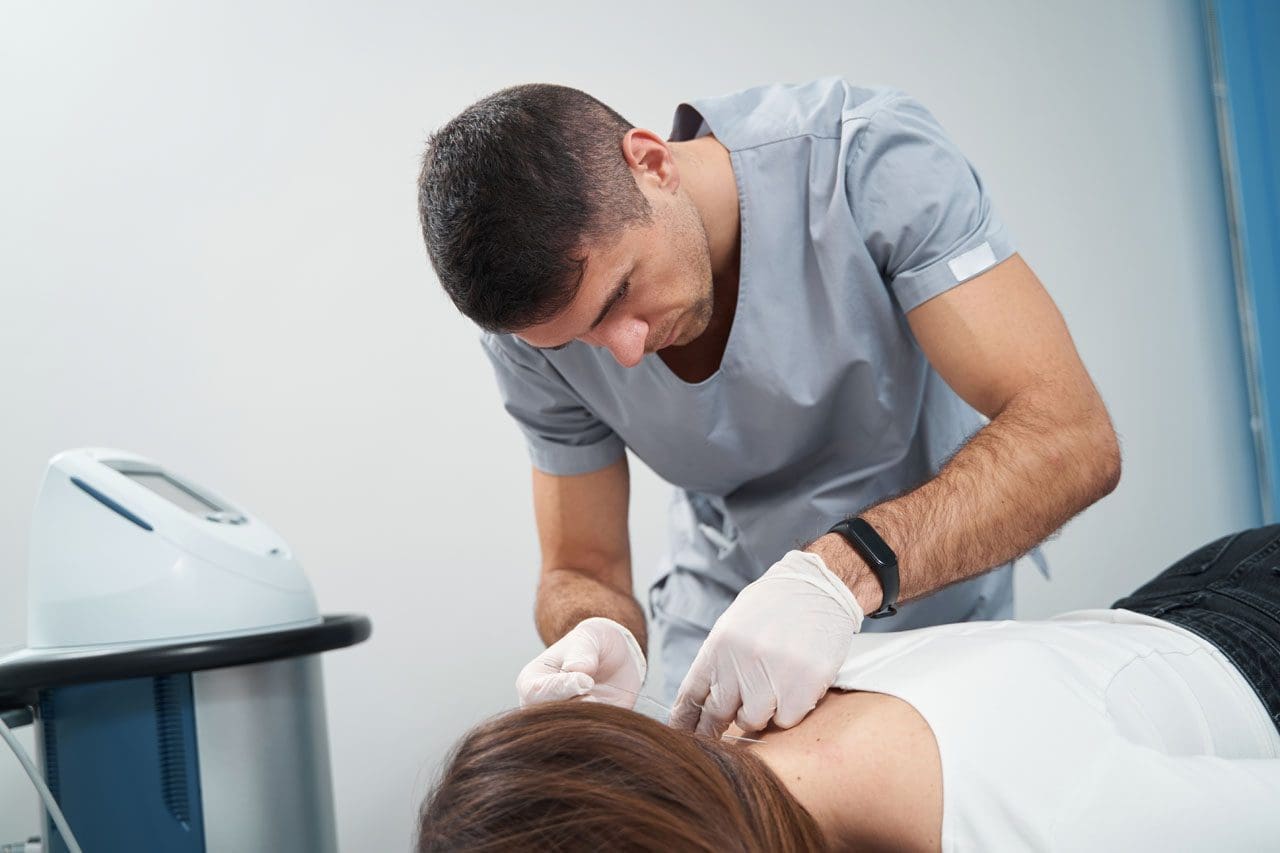
Acupuncture: By stimulating specific points, acupuncture can reduce pain and promote natural healing, often used alongside other treatments (Total Spine Ortho, n.d.).
Activity Modification: Avoiding activities that worsen symptoms, like heavy lifting, can help the spine heal (Penn Medicine, n.d.).
Surgical Treatments
If conservative treatments are not effective, surgery may be necessary. Common procedures include:
Laminectomy: Removes part of a vertebra to create more space for nerves, often used for spinal stenosis (Spine Info, n.d.).
Microdiscectomy: Removes part of a herniated disc that’s pressing on a nerve, commonly used for radiculopathy (Spine Info, n.d.).
Spinal Fusion: Fuses vertebrae together to stabilize the spine, used for severe degenerative conditions or trauma (Inova, n.d.).
Dr. Jimenez’s clinic takes an integrative approach, combining chiropractic care with targeted exercises, massage therapy, and acupuncture to treat nerve-related spine conditions. For example, a patient with sciatica resulting from a herniated disc may receive spinal adjustments to realign the spine, exercises to strengthen core muscles, and acupuncture to alleviate pain. This holistic approach addresses the root cause while promoting long-term healing and preventing future problems (Jimenez, n.d.).
Dr. Alexander Jimenez’s Integrative Approach in El Paso
Dr. Alexander Jimenez, a chiropractor and nurse practitioner in El Paso, Texas, has extensive experience treating nerve-related spine conditions caused by work, sports, personal, or motor vehicle accident injuries. His clinic uses a dual-scope approach, blending chiropractic expertise with advanced medical knowledge to provide comprehensive care. Here’s how his clinic handles these cases:
Treating Different Types of Injuries
Work Injuries: Repetitive motions or heavy lifting at work can lead to conditions like herniated discs or radiculopathy. Dr. Jimenez uses spinal adjustments, targeted exercises, and ergonomic advice to relieve nerve compression and prevent recurrence (Jimenez, n.d.).
Sports Injuries: Athletes may suffer nerve compression from trauma or overuse. The clinic employs chiropractic care, physical therapy, and massage to restore function and reduce pain, helping athletes return to their activities (Jimenez, n.d.).
Personal Injuries: Falls or other accidents can cause nerve damage. Dr. Jimenez’s team uses advanced imaging to assess the injury and creates personalized treatment plans, often including acupuncture and exercise (Jimenez, n.d.).
Motor Vehicle Accident (MVA) Injuries: Car crashes can cause whiplash or other trauma that compresses nerves. The clinic provides detailed diagnostic assessments, including MRIs, to identify nerve damage and offers treatments like spinal adjustments and massage to promote healing (Solomon Law, n.d.; Jimenez, n.d.).
Medical Care and Legal Documentation
Dr. Jimenez’s clinic is skilled in handling the medical and legal aspects of injury cases, especially for MVAs. They provide thorough documentation of injuries, diagnoses, and treatments, which is critical for insurance claims or legal cases. For example, if a patient has radiculopathy from a car accident, the clinic documents the injury’s impact on their daily life, the diagnostic findings (like MRI results), and the treatment plan. This detailed paperwork supports patients in legal proceedings while ensuring they receive proper medical care (Jimenez, n.d.).
Integrative Medicine for Healing and Prevention
Dr. Jimenez’s approach emphasizes integrative medicine, combining chiropractic care with other therapies to address the cause of nerve issues and enhance overall health. For instance:
Chiropractic Adjustments: Realign the spine to relieve nerve pressure, effective for conditions like sciatica or herniated discs.
Targeted Exercises: Strengthen muscles around the spine to improve stability and prevent future injuries.
Massage Therapy: Reduces muscle tension and improves circulation, aiding in nerve healing.
Acupuncture: Stimulates natural pain relief and promotes recovery, especially for chronic pain.
Lifestyle Changes: Advice on posture, ergonomics, and nutrition helps prevent long-term problems (Jimenez, n.d.).
This integrative approach not only treats the immediate symptoms but also focuses on long-term health, reducing the risk of chronic pain or recurring issues.
How Integrative Medicine Promotes Healing
Integrative medicine, as practiced by Dr. Jimenez, combines conventional medical treatments with complementary therapies to address the whole person, not just the symptoms. For nerve-related spine conditions, this approach offers several benefits:
Natural Healing: Chiropractic care and acupuncture stimulate the body’s natural healing processes, reducing reliance on medications (Total Spine Ortho, n.d.).
Pain Reduction: Therapies such as massage and acupuncture can help reduce pain levels, thereby improving quality of life (Inova, n.d.).
Improved Function: Exercises and adjustments restore mobility and strength, helping patients return to normal activities (Cleveland Clinic, n.d.).
Prevention: By addressing underlying causes, like poor posture or weak muscles, integrative medicine reduces the risk of future nerve problems (Jimenez, n.d.).
For example, a patient with spinal stenosis might receive adjustments to improve spinal alignment, exercises to strengthen their core, and massage to relax tight muscles. Over time, these treatments can reduce nerve compression, improve mobility, and prevent the condition from worsening.
Preventing Long-Term Problems
Preventing long-term nerve-related spine issues involves addressing the root causes and maintaining spinal health. Here are some strategies:
Maintain Good Posture: Proper posture reduces strain on the spine and nerves (Mayo Clinic Health System, n.d.).
Stay Active: Regular exercise, especially core-strengthening workouts, supports the spine and prevents injuries (Cleveland Clinic, n.d.).
Utilize ergonomics: Adjust workstations or lifting techniques to prevent repetitive strain (Jimenez, n.d.).
Manage Weight: Excess weight can put pressure on the spine, worsening nerve conditions (Health Central, n.d.).
Seek Early Treatment: Addressing symptoms early with chiropractic care or physical therapy can prevent conditions like radiculopathy from becoming chronic (Spine Info, n.d.).
Dr. Jimenez’s clinic emphasizes these preventive measures, educating patients on lifestyle changes to keep their spines healthy and reduce the risk of future nerve issues.
Conclusion
Nerve-related spine conditions, like radiculopathy, spinal stenosis, and herniated discs, can cause significant discomfort and disrupt daily life. These conditions stem from various causes, including degenerative changes, trauma, infections, or structural issues, and lead to symptoms like pain, numbness, tingling, and weakness. Through proper diagnosis using imaging and clinical assessments, doctors can pinpoint the cause and recommend treatments, ranging from medications and physical therapy to surgery in severe cases. Integrative approaches, like those used by Dr. Alexander Jimenez in El Paso, combine chiropractic care, targeted exercises, massage therapy, and acupuncture to treat injuries from work, sports, or accidents while promoting natural healing. By addressing the root cause and focusing on prevention, these methods can help patients recover and avoid long-term problems. If you’re experiencing symptoms of a nerve-related spine condition, consult a healthcare provider to explore your treatment options and start your journey to recovery.
Nerve Damage from Motor Vehicle Accidents: A Comprehensive Guide to Recovery with Chiropractic Care, Nurse Practitioners, Acupuncture, and Integrative Medicine
Motor vehicle accidents (MVAs) can leave lasting physical and emotional scars, often resulting in complex injuries like nerve damage, musculoskeletal issues, and chronic pain. Among the most significant consequences are nerve injuries, including radiculopathy, peripheral nerve damage, and spinal cord injuries, which can cause debilitating symptoms such as pain, numbness, and weakness. These injuries, along with musculoskeletal and ligamentous damage, frequently lead to back and neck pain that disrupts daily life. Fortunately, integrative approaches combining chiropractic care, nurse practitioner expertise, acupuncture, and functional medicine offer holistic solutions to address these issues, promote healing, and restore overall health.
This blog post examines the types of nerve damage resulting from MVAs, their effects on the body, and how integrative treatments can aid in recovery
. We’ll also highlight the expertise of Dr. Alexander Jimenez, DC, APRN, FNP-BC, a leading chiropractor and nurse practitioner in El Paso, Texas, whose dual licensure and innovative approach make him uniquely qualified to treat MVA victims. Written at a high school reading level, this guide aims to empower readers with clear, actionable information to navigate recovery.
Understanding Nerve Damage from Motor Vehicle Accidents
What Is Nerve Damage?
Nerves are like the body’s electrical wiring, carrying signals between the brain, spinal cord, and other parts of the body. When these nerves become damaged, it can cause problems such as pain, numbness, or weakness. Motor vehicle accidents often cause nerve injuries because of the sudden, forceful impact on the body. These injuries can affect various parts of the nervous system, resulting in different symptoms depending on the type and severity of the damage (Mayo Clinic, 2023a).
Types of Nerve Damage from MVAs
Peripheral Nerve Injuries
Peripheral nerves are those outside the brain and spinal cord, like the nerves in your arms, legs, and hands. These are the most common nerve injuries from car accidents because they’re vulnerable to trauma. For example, a sudden jolt can stretch, compress, or sever these nerves, leading to symptoms like:
Tingling or numbness in the limbs
Burning or shooting pain
Weakness or difficulty moving (Hoffmann Personal Injury, n.d.)
Common peripheral nerve injuries include damage to the brachial plexus, a network of nerves controlling the arm, shoulder, and hand. A crash can stretch or tear these nerves, causing pain or loss of function (Mayo Clinic, 2023b).
Radiculopathy
Radiculopathy happens when a nerve root near the spine gets compressed or irritated, often due to a herniated disc or whiplash from an MVA. This can cause sharp, piercing pain that radiates from the spine to other areas, like the arms or legs. For example, sciatica is a type of radiculopathy where the sciatic nerve is compressed, causing pain that radiates from the lower back down to the leg (Sally Morin Law, n.d.).
Spinal Cord Injuries
Spinal cord injuries are the most severe, as they can lead to partial or complete paralysis. The spinal cord, protected by the spine, carries signals to and from the brain. A crash can fracture vertebrae or dislocate the spine, damaging the cord and causing loss of sensation or movement below the injury site (McGowan Hood, 2025).
Pinched Nerves
A pinched nerve occurs when surrounding tissues, like bones or muscles, press on a nerve. This is common in MVAs due to whiplash or spinal misalignments, leading to pain, tingling, or weakness in areas like the neck or lower back (BWGLaw, n.d.).
How MVAs Cause Nerve Damage
Car accidents create sudden, violent forces that can harm nerves in several ways:
Impact Trauma: A collision can crush or stretch nerves, especially in the arms, legs, or neck.
Whiplash: The rapid back-and-forth motion of the neck in a crash can pinch nerves or damage the cervical spine, leading to radiculopathy or peripheral nerve issues (Mayo Clinic, 2023a).
Fractures or Dislocations: Broken bones or misaligned vertebrae can press on or sever nerves, causing severe damage.
Soft Tissue Injuries: Swelling or inflammation from muscle or ligament damage can compress nerves, leading to pain or numbness (Marks & Harrison, n.d.).
Symptoms of Nerve Damage
Nerve damage symptoms vary depending on the injury’s location and severity. Common signs include:
Sharp, shooting, or burning pain
Numbness or tingling (like pins and needles)
Muscle weakness or paralysis
Sensitivity to touch
Loss of reflexes or coordination (Baltimore Peripheral Nerve Pain, n.d.)
If you experience these symptoms after an accident, consult a healthcare provider immediately. Early diagnosis and treatment can prevent long-term complications.
Musculoskeletal and Ligamentous Injuries from MVAs
What Are Musculoskeletal and Ligamentous Injuries?
Musculoskeletal injuries affect the muscles, bones, joints, and connective tissues like ligaments and tendons. Ligaments are tough bands that connect bones, while tendons attach muscles to bones. MVAs often cause these tissues to stretch, tear, or break due to the force of the crash.
Common Musculoskeletal and Ligamentous Injuries
Whiplash
Whiplash is a neck injury caused by the head jerking forward and back, straining muscles and ligaments in the neck. It’s one of the most common MVA injuries, leading to neck pain, stiffness, and sometimes nerve damage (Mayo Clinic, 2023a).
Sprains and Strains
Sprains involve stretched or torn ligaments, while strains affect muscles or tendons. These injuries often occur in the back, neck, or shoulders during a crash, causing pain and limited movement.
Fractures
Broken bones are common in high-impact crashes, especially in the arms, legs, or spine. Fractures can also press on nerves, worsening nerve damage (Eckell Sparks, 2024).
Herniated Discs
The spine’s discs act like cushions between vertebrae. A crash can cause these discs to bulge or rupture, pressing on nearby nerves and causing radiculopathy or sciatica (Jimenez, 2025a).
Impact on Back and Neck Pain
Musculoskeletal and ligamentous injuries often lead to chronic back and neck pain. For example:
Neck Pain: Whiplash or sprains can cause persistent soreness, stiffness, or radiating pain due to nerve irritation.
Back Pain: Herniated discs or strained muscles in the lower back can cause sharp or aching pain, especially when sitting or moving (El Paso Back Clinic, n.d.).
These injuries can limit mobility, disrupt sleep, and affect mental health, making comprehensive treatment essential.
Chiropractic care focuses on the spine and musculoskeletal system, utilizing hands-on techniques to enhance alignment, alleviate pain, and promote healing. Chiropractors are trained to treat injuries from MVAs, especially those affecting the spine and nerves (Mayo Clinic, 2024).
How Chiropractic Care Helps MVA Injuries
Spinal Adjustments
Chiropractors use precise movements to realign the spine, relieving pressure on nerves and reducing pain. A 2020 study found that spinal manipulative therapy significantly reduces pain and disability in patients with chronic low back pain (Rubinstein et al., 2020, as cited in Jimenez, 2025b).
Spinal Decompression
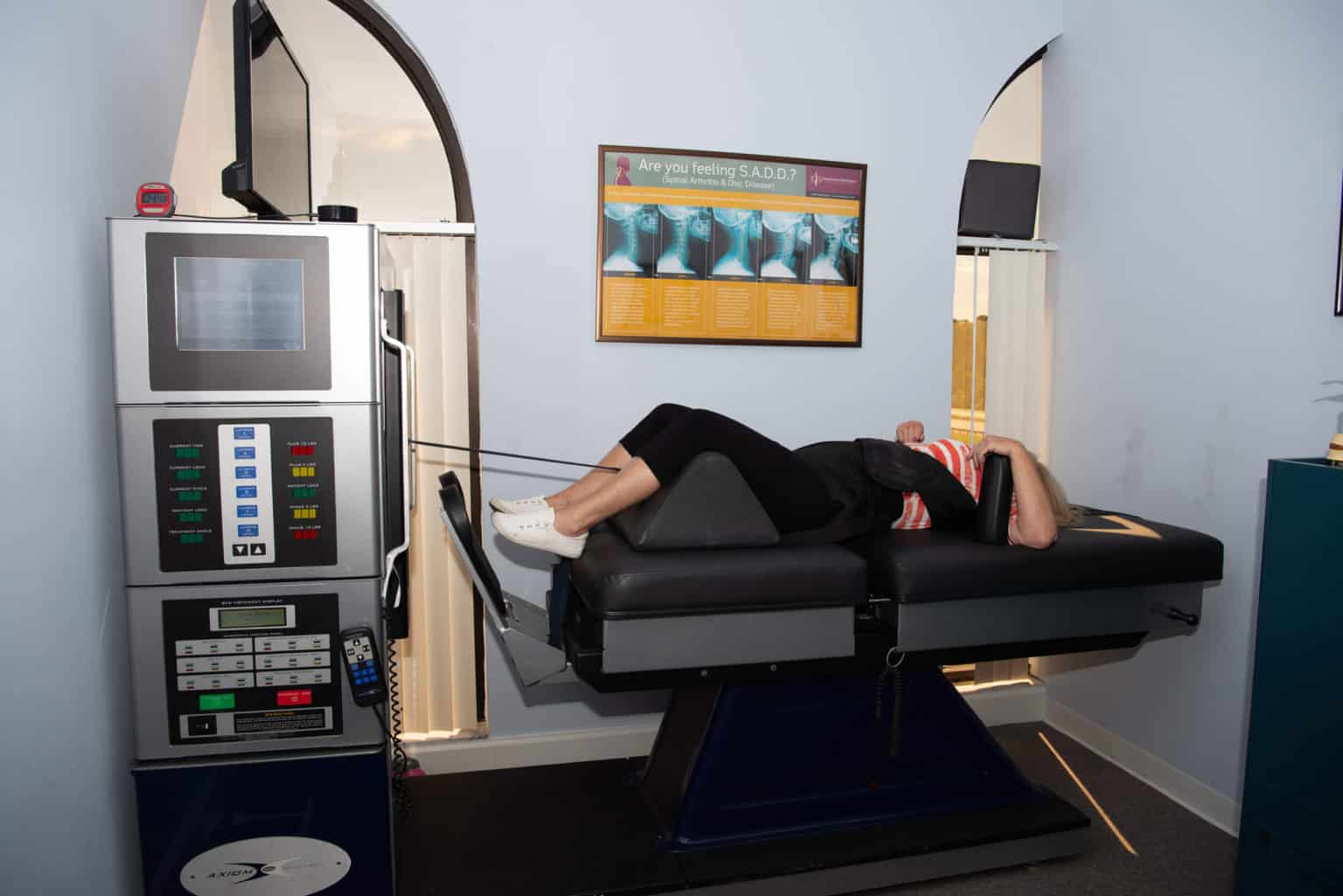
This non-surgical technique gently stretches the spine to relieve pressure on discs and nerves, helping to alleviate conditions such as herniated discs or sciatica (Jimenez, 2025b).
Soft Tissue Therapy
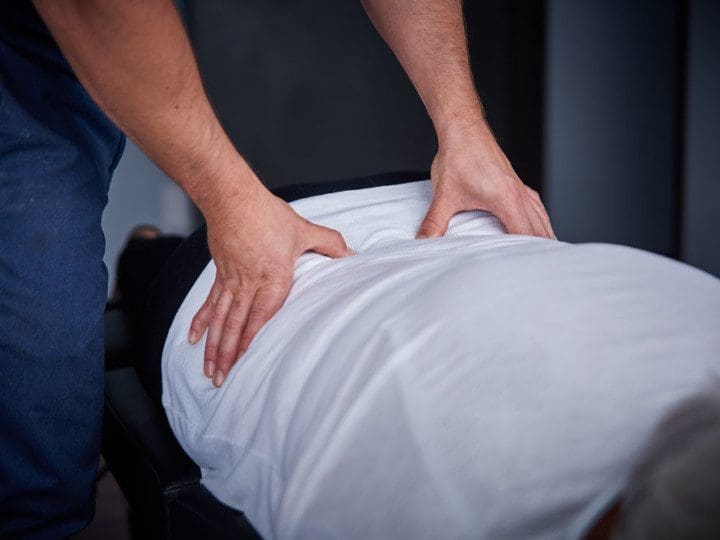
Chiropractors use massage or myofascial release to relax tight muscles and reduce inflammation, improving mobility and easing pain.
Nurse practitioners (NPs) are advanced practice nurses with extensive medical training, allowing them to diagnose and treat a wide range of conditions. In MVA care, NPs provide comprehensive assessments and coordinate treatment plans, often working alongside chiropractors (ChiroMed, 2023).
How NPs Help MVA Victims
Diagnostic Expertise
NPs perform thorough evaluations, ordering tests like MRIs or CT scans to identify nerve damage, fractures, or soft tissue injuries. Their medical training helps pinpoint the underlying causes of pain (Jimenez, 2025c).
Holistic Care
NPs address both physical and systemic issues, such as inflammation or metabolic imbalances, using evidence-based treatments, including medications and lifestyle changes.
Coordination of Care
NPs collaborate with chiropractors, acupuncturists, and other specialists to create personalized recovery plans, ensuring all aspects of health are addressed.
Why NPs Are Essential
NPs bridge the gap between medical and alternative therapies, offering a balanced approach that enhances recovery. Their ability to prescribe treatments and provide patient education empowers individuals to take charge of their healing (Jimenez, 2025c).
References
ChiroMed. (2023). Integrated medicine holistic healthcare in El Paso, TX. Retrieved from https://chiromed.com/
Jimenez, A. (2025c). Board certified nurse practitioner (FNP-BC) Dr. Alex Jimenez. Retrieved from https://dralexjimenez.com/
Acupuncture for MVA Recovery
What Is Acupuncture?
Acupuncture is a traditional Chinese medicine practice that involves inserting thin needles into specific points on the body to balance the flow of energy, or “qi.” It’s widely used to relieve pain and promote healing (ChiroMed, 2023).
How Acupuncture Helps MVA Injuries
Pain Relief
Acupuncture stimulates the release of endorphins, the body’s natural painkillers, thereby reducing discomfort associated with nerve damage or musculoskeletal injuries.
Reduced Inflammation
By improving blood flow, acupuncture helps reduce swelling around injured tissues, easing pressure on nerves.
Nerve Healing
Acupuncture may support nerve regeneration by enhancing circulation and reducing stress on the nervous system.
Stress and Anxiety Relief
MVAs can cause emotional trauma. Acupuncture promotes relaxation, helping patients manage stress and improve their sleep quality.
Benefits of Acupuncture
Non-Invasive: No surgery or drugs required.
Complementary: Works well with chiropractic care and medical treatments.
Customizable: Tailored to individual symptoms and needs (ChiroMed, 2023).
References
ChiroMed. (2023). Integrated medicine holistic healthcare in El Paso, TX. Retrieved from https://chiromed.com/
Integrative Medicine: A Holistic Approach
What Is Integrative Medicine?
Integrative medicine combines conventional medical treatments with complementary therapies, such as chiropractic care, acupuncture, and nutrition. It focuses on treating the whole person—body, mind, and spirit—to achieve optimal health (Jimenez, 2025d).
How Integrative Medicine Helps MVA Recovery
Functional Medicine
Functional medicine identifies the root causes of symptoms, such as inflammation or hormonal imbalances, using advanced diagnostics, including blood tests. Dr. Jimenez uses tools like the Neural Zoomer Plus to assess neurological health (Jimenez, 2019).
Nutrition and Wellness
Personalized diet plans help reduce inflammation, support tissue repair, and boost energy levels. NPs and nutritionists guide patients on anti-inflammatory foods and supplements.
Lifestyle Interventions
Stress management, exercise, and sleep optimization improve mental and physical resilience, aiding recovery.
Collaborative Care
Integrative medicine brings together chiropractors, NPs, acupuncturists, and other specialists to create comprehensive treatment plans.
Benefits of Integrative Medicine
Addresses Root Causes: Treats underlying issues, not just symptoms.
Promotes Long-Term Health: Focuses on prevention and wellness.
Patient-Centered: Tailored to individual needs and goals (Jimenez, 2025d).
References
Jimenez, A. (2019). Functional medicine – Neurological health. Retrieved from https://elpasobackclinic.com/
Jimenez, A. (2025d). Dr. Alex Jimenez chiropractor and injury recovery. Retrieved from https://dralexjimenez.com/
Dr. Alexander Jimenez: A Leader in MVA Care
Who Is Dr. Alex Jimenez?
Dr. Alexander Jimenez, DC, APRN, FNP-BC, is a board-certified chiropractor and family nurse practitioner based in El Paso, Texas. With over 25 years of experience, he leads Injury Medical & Chiropractic Clinic, specializing in MVA injuries. His dual licensure allows him to integrate chiropractic techniques with advanced medical diagnostics, offering a unique approach to healing (Jimenez, 2025e).
Clinical Justification for Treatment
Dr. Jimenez emphasizes the importance of enhanced imaging (e.g., MRI, CT scans) and dual-scope procedures (combining chiropractic and medical assessments) to accurately diagnose MVA injuries. These tools help identify nerve damage, herniated discs, or ligament tears that may not appear on standard X-rays. His diagnostic evaluations, including neurological tests and functional assessments, ensure precise treatment plans that address both symptoms and underlying causes (Jimenez, 2025f).
Unique Qualities for Personal Injury Cases
Dr. Jimenez’s dual expertise makes him exceptionally qualified to handle personal injury cases:
Medical and Chiropractic Knowledge: As a chiropractor, he restores spinal alignment and musculoskeletal function. As an NP, he manages systemic conditions and prescribes evidence-based treatments.
Legal Documentation: Dr. Jimenez provides detailed medical records and expert testimony, crucial for personal injury claims. His reports align with legal standards, ensuring accurate representation of injuries (Jimenez, 2025e).
Holistic Approach: He combines spinal adjustments, decompression, acupuncture, and functional medicine to promote comprehensive recovery, reducing the need for invasive procedures.
Community Impact
Dr. Jimenez is committed to expanding access to integrative care in El Paso through workshops, online resources, and outreach programs, such as the “Tell A Veteran” Project, which informs veterans about chiropractic treatment options (Jimenez, 2025g).
Motor vehicle accidents can cause devastating nerve damage, musculoskeletal injuries, and chronic pain, but recovery is possible with the right care. Chiropractic care, nurse practitioner expertise, acupuncture, and integrative medicine provide holistic solutions that address both symptoms and their underlying causes. Dr. Alexander Jimenez stands out as a leader in this field, combining advanced diagnostics, dual licensure, and a patient-centered approach to help MVA victims heal and thrive. By seeking comprehensive care and accurately documenting injuries, you can reclaim your health and quality of life.
For more information or to schedule an appointment with Dr. Jimenez, visit www.dralexjimenez.com or call (915) 850-0900.
Jimenez, A. (2025a). Comprehensive guide to ligamentous injuries and sciatica from motor vehicle accidents. Retrieved from https://ceb.elpasobackclinic.com/
Can spinal decompression treatments be incorporated for individuals with lumbosacral pain and improve posture?
Introduction
Many individuals only realize they have poor posture once they perform a movement that causes pain in the lumbosacral region of their body. Have you or your loved ones experienced muscle aches or strains after relaxing in a weird position? Or do you begin to notice that you are hunched over when walking from one location to another? Many of these scenarios correspond to how we present ourselves with our posture. Our posture helps support the upper body’s weight while stabilizing the lower body through the spine and ensuring that our body is in an upright position when we are in motion. However, as we age, so do our bodies and spine, which then causes us to be in a hunched position, causing our posture to degenerate. This causes lumbosacral pain to develop along the body’s lower extremities, leading to overlapping risk profiles that cause mobility issues, poor posture, and disability if not treated right away. When this happens, the surrounding muscles, ligaments, and tissues around the lumbar spine will begin to develop pain-like symptoms and can make a person’s life miserable. Luckily there are various techniques and treatments to improve poor posture and reduce lumbosacral pain affecting many individuals. Today’s article looks at how lumbosacral pain affects a person’s posture and how spinal decompression and MET therapy can reduce lumbosacral pain and restore good posture. Additionally, we work hand-in-hand with certified medical providers who incorporate our patient’s information to treat and minimize lumbosacral pain associated with poor posture. We also inform them that spinal decompression combined with MET therapy can help with lumbosacral pain while improving good posture back to the body. We encourage our patients to ask profound questions while seeking education from our associated medical providers about their pain-like issues. Dr. Alex Jimenez, D.C., incorporates this information as an educational service. Disclaimer
Lumbosacral Pain Affects Posture
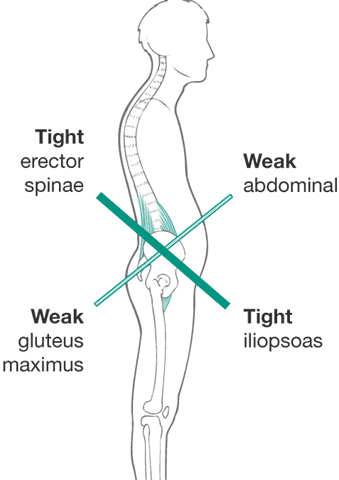
Have you noticed you are constantly slouching or being in a hunched position, only to feel muscle aches and strains in your lumbar-sacral region? Do you feel symptoms of tingling and numbness in your hips and buttock region after sitting down excessively? Or do you feel referred pain in one location and have to shift your weight to compensate for the pain? These pain-like symptoms and scenarios correspond to lumbosacral pain affecting your posture. The lumbosacral spine region has a natural curve that functions as a shock absorber to mitigate the body’s mechanical weight and stress when in motion. (Adams & Hutton, 1985) At the same time, it is susceptible to being constantly injured as the spinal disc is being compressed and can be herniated or damaged over time, manifesting into lumbosacral pain. So how does lumbosacral pain associate with poor posture? When individuals are dealing with low back problems associated with lumbosacral pain, the spinal disc in the lumbosacral region starts to have balancing issues when in motion. (Huang, Jaw, & Young, 2022) When people are dealing with difficulties balancing their gait cycle, it can cause their walking performance and postural control to be dysfunctional and cause the body to be misaligned, thus causing musculoskeletal issues to arise and affecting the lower body and its extremities. The surrounding muscles surrounding the lumbosacral region will begin to experience stiffness in the trunk region, which can cause musculoskeletal changes to the surrounding muscles when individuals start to be in an upright position. (Creze et al., 2019) When poor posture affects the trunk muscles, the surrounding accessory muscles start acting to compensate for the pain. To that point, lumbosacral pain associated with poor posture could lead to abdominal, low back, hip, and pelvic pain. However, many individuals can find various therapies and relieving techniques to improve posture, strengthen the surrounding muscles, and reduce pain-like symptoms.
Building A Stronger Body- Video
Many individuals can seek out various non-invasive therapies to alleviate the issue when it comes to improving posture and reducing lumbosacral pain. These therapies are cost-effective and personalized to the person’s pain. Treatments like chiropractic care and decompression can help restore good posture while realigning the body out of subluxation and help stretch the affected muscles. Coincidentally, non-surgical therapies can be combined with other treatments like physical therapy to strengthen the trunk muscles surrounding the lumbosacral region, thus reducing the load on the lumbosacral spine. (Callaghan, Gunning, & McGill, 1998) When people focus on their health and well-being, non-surgical therapies can provide a positive and safe experience with a team that can help reduce the pain the person has been dealing with their entire lives. The video above explains how these treatments work together to help you build a stronger body while revitalizing your energy and enhancing your health and wellness.
Spinal Decompression Reducing Lumbosacral Pain
When it comes to reducing lumbosacral pain associated with poor posture, many individuals can incorporate non-surgical treatments like spinal decompression and combine them with a personalized treatment plan to reduce the pain-like symptoms. What spinal decompression does to lumbosacral pain is that it helps mitigate intra-disc pressure while increasing disc space within the lumbosacral spinal region. (Amjad et al., 2022) Spinal decompression can help improve leg mobility and stretch out the affected muscles to kick-start the body’s natural healing process. Spinal decompression can even combine with physical therapy to help strengthen the lumbosacral region’s abdominal muscles and enable many individuals with poor posture to be mindful of how they present themselves.(Mielenz et al., 1997)
MET Therapy & Spinal Decompression Restoring Posture
When pain specialists like chiropractors and massage therapists incorporate spinal decompression treatment to reduce lumbosacral pain, they also utilize various techniques to strengthen the lumbosacral muscles to restore proper posture to the body. Many pain specialists use MET (muscle energy techniques) therapy to maintain while stretching the muscles and fascia in the affected areas. MET therapy combined with spinal decompression can help improve muscle shortness in the lumbar fascial tissue, improve posture, and even increase the lumbar and pelvic range of motion. (Tamartash & Bahrpeyma, 2022) These two non-surgical treatments can help many people by addressing their posture and movement dysfunction while strengthening their core stabilized muscles to reduce pain. (Norris & Matthews, 2008) Many individuals who want to regain their health and wellness can make small changes in their routine to improve their posture and be more mindful of their bodies to reduce the chances of lumbosacral pain returning.
Amjad, F., Mohseni-Bandpei, M. A., Gilani, S. A., Ahmad, A., & Hanif, A. (2022). Effects of non-surgical decompression therapy in addition to routine physical therapy on pain, range of motion, endurance, functional disability and quality of life versus routine physical therapy alone in patients with lumbar radiculopathy; a randomized controlled trial. BMC Musculoskelet Disord, 23(1), 255. https://doi.org/10.1186/s12891-022-05196-x
Callaghan, J. P., Gunning, J. L., & McGill, S. M. (1998). The relationship between lumbar spine load and muscle activity during extensor exercises. Phys Ther, 78(1), 8-18. https://doi.org/10.1093/ptj/78.1.8
Creze, M., Bedretdinova, D., Soubeyrand, M., Rocher, L., Gennisson, J. L., Gagey, O., Maitre, X., & Bellin, M. F. (2019). Posture-related stiffness mapping of paraspinal muscles. J Anat, 234(6), 787-799. https://doi.org/10.1111/joa.12978
Huang, C. C., Jaw, F. S., & Young, Y. H. (2022). Radiological and functional assessment in patients with lumbar spinal stenosis. BMC Musculoskelet Disord, 23(1), 137. https://doi.org/10.1186/s12891-022-05053-x
Mielenz, T. J., Carey, T. S., Dyrek, D. A., Harris, B. A., Garrett, J. M., & Darter, J. D. (1997). Physical therapy utilization by patients with acute low back pain. Phys Ther, 77(10), 1040-1051. https://doi.org/10.1093/ptj/77.10.1040
Norris, C., & Matthews, M. (2008). The role of an integrated back stability program in patients with chronic low back pain. Complement Ther Clin Pract, 14(4), 255-263. https://doi.org/10.1016/j.ctcp.2008.06.001
Tamartash, H., & Bahrpeyma, F. (2022). Evaluation of Lumbar Myofascial Release Effects on Lumbar Flexion Angle and Pelvic Inclination Angle in Patients with Non-Specific Low Back Pain. Int J Ther Massage Bodywork, 15(1), 15-22. https://doi.org/10.3822/ijtmb.v15i1.709
Are treatments more successful when patients know key terms that describe their back pain and associated conditions?
Nerve Pain Types
When individuals need to better understand their spine diagnosis, being able to distinguish between key terms can make a significant difference in understanding the development of a personalized treatment plan. Terms that describe back pain and various associated conditions can include:
Sciatica
Radiating and Referred pain
Radiculopathy
Radiculitis
Neuropathy
Neuritis
Causes of Back Pain
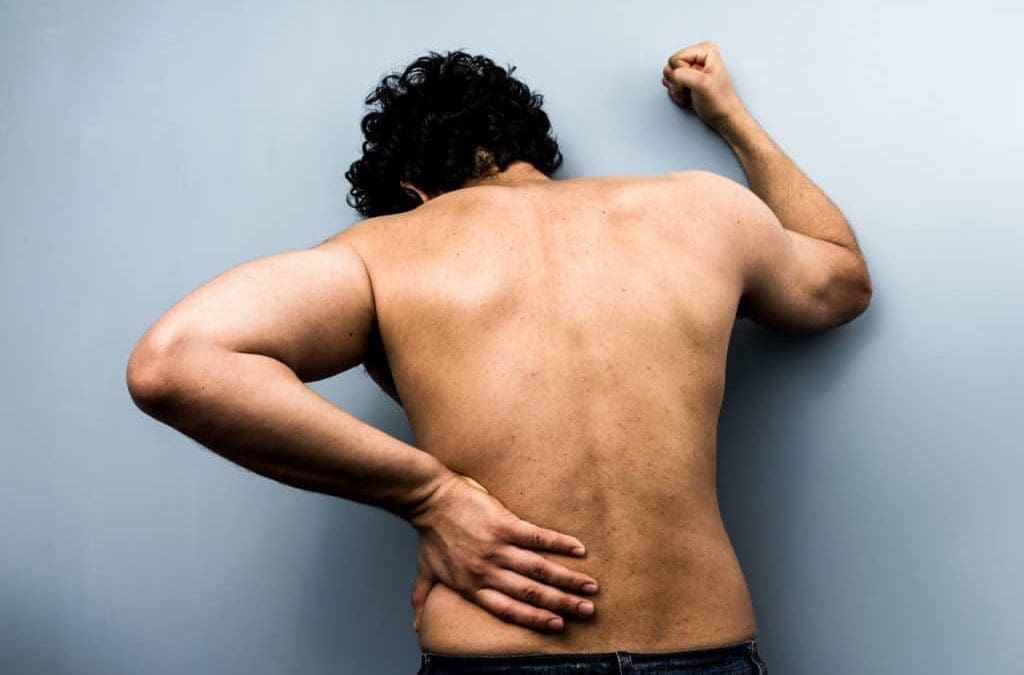
Back pain symptoms are most commonly caused by the continued practice of unhealthy/poor posture and overcompensated and weakened muscles. Even for individuals that exercise regularly, the movement choices that are made throughout the day can disrupt the way the muscles, tendons, ligaments, and fascia function to maintain proper body alignment.
Injuries to, and conditions of, the structures of the spinal column like the bones, discs, and nerves, are generally more serious than posture problems and soft tissue-related pain.
Depending on the diagnosis, structural problems can cause symptoms related to nerve compression, irritation, and/or inflammation. (Michigan Medicine, 2022)
Spine and Nervous System
The peripheral nerves extend out to the extremities with sensation and movement capabilities.
Nerve roots exit the spinal canal which is part of the peripheral nervous system.
The branching of nerves from the spinal cord and exit out of the foramina occurs at every level of the spine.
Terms
There are different medical terms when getting a spine diagnosis or going through the treatment process.
Radiculopathy
Radiculopathy is an umbrella term, describing any disease process that affects a spinal nerve root and is something that’s happening to the body.
When a healthcare provider informs you that your pain is due to radiculopathy, a number of more specific diagnoses, clinical signs, and symptoms may be included as part of the description.
Common causes of radiculopathy include herniated disc/s and spinal stenosis.
Less common causes can include a synovial cyst or tumor that presses on the nerve root. (Johns Hopkins Medicine, 2023)
Radiculopathy can occur in the neck, low back, or in the thoracic area.
Often, radiculopathy is brought on by some form of compression of the nerve root.
For example, extruded material from a herniated disc can land on a nerve root, causing pressure to build.
This can cause symptoms associated with radiculopathy, including numbness, weakness, pain, or electrical sensations. (Johns Hopkins Medicine, 2023)
Even though there’s a spinal nerve root on either side of the spinal column, injury, trauma, or issues stemming from degeneration affect the nerves in an asymmetric fashion. Degenerative changes, known as normal wear and tear, typically occur in this fashion. Using the previous herniated disc example, the material that leaks from the disc structure tends to travel in one direction. When this is the case, the symptoms tend to be experienced on the side where the nerve root makes contact with the disc material, but not the other side. (American Association of Neurological Surgeons, 2023)
Radiculitis
Radiculitis is a form of radiculopathy but it is about inflammation and not compression. (Johns Hopkins Medicine, 2023)
Radicu– refers to the spinal nerve root.
The suffix – itis refers to inflammation.
The word refers to a spinal nerve root that is inflamed and/or irritated rather than compressed.
In disc herniations, it is the gel substance that contains various chemicals that is inflammatory.
When the gel substance makes contact with nerve roots, an inflammatory response is triggered. (Rothman SM, Winkelstein BA 2007)
Radiating or Referred Pain
Radiating pain follows the path of one of the peripheral nerves that transmit sensory information like heat, cold, pins and needles, and pain.
Referred pain is experienced in a different area of the body that is away from the pain source which tends to be an organ. (Murray GM., 2009)
It can be brought on by myofascial trigger points or visceral activity.
An example of referred pain is symptoms in the jaw or arm when an individual is having a heart attack. (Murray GM., 2009)
Radicular
The terms radicular pain and radiculopathy tend to get confused.
Radicular pain is a symptom of radiculopathy.
Radicular pain radiates from the spinal nerve root to either part or all the way down the limb/extremity.
However, radicular pain does not represent the complete symptoms of radiculopathy.
Radiculopathy symptoms also include numbness, weakness, or electrical sensations like pins and needles, burning, or shock that travels down the extremity. (Johns Hopkins Medicine, 2023)
Neuropathy
Neuropathy is another umbrella term that refers to any dysfunction or disease that affects the nerves.
It’s usually classified according to the cause, like diabetic neuropathy, or the location.
Neuropathy can occur anywhere in the body – including the peripheral nerves, the autonomic nerves/organ nerves, or nerves that are located inside the skull and innervate the eyes, ears, nose, etc.
Peripheral nerves are the long, thin strands that supply sensation, feeling, and movement impulses to all areas of the body located outside the central nervous system.
Piriformis syndrome is where a tight buttock/piriformis muscle constricts the sciatic nerve, which runs underneath. (Cass SP. 2015)
Chiropractic
Chiropractic adjustments, non-surgical decompression, MET, and various massage therapies can relieve symptoms, release stuck or trapped nerves and restore function. Through the treatments, the chiropractor and therapists will explain what is happening and why they are using a specific technique. Knowing a little about how the neuromusculoskeletal system operates can help the healthcare provider and the patient in developing and adjusting effective treatment strategies.
Sciatica During Pregnancy
References
Michigan Medicine. Upper and Middle Back Pain.
American Academy of Neurological Surgeons. Anatomy of the Spine and Peripheral Nervous System.
Johns Hopkins Medicine. Health Conditions. Radiculopathy.
American Association of Neurological Surgeons. Herniated Disc.
American Academy of Orthopaedic Surgeons. OrthoInfo. Cervical Radiculopathy (Pinched Nerve).
Rothman, S. M., & Winkelstein, B. A. (2007). Chemical and mechanical nerve root insults induce differential behavioral sensitivity and glial activation that are enhanced in combination. Brain Research, 1181, 30–43. https://doi.org/10.1016/j.brainres.2007.08.064
Murray G. M. (2009). Guest Editorial: referred pain. Journal of applied oral science: Revista FOB, 17(6), i. https://doi.org/10.1590/s1678-77572009000600001
American Academy of Orthopaedic Surgeons. OrthoInfo. Carpal Tunnel Syndrome.
Bostelmann, R., Zella, S., Steiger, H. J., & Petridis, A. K. (2016). Could Spinal Canal Compression be a Cause of Polyneuropathy? Clinics and practice, 6(1), 816. https://doi.org/10.4081/cp.2016.816
Cleveland Clinic. Mononeuropathy.
American Association of Neurological Surgeons. Glossary of Neurosurgical Terminology.
National Institutes of Health. U.S. National Library of Medicine. Medline Plus. Peripheral Nerve Disorders.
Cleveland Clinic. Spinal Stenosis.
Cass S. P. (2015). Piriformis syndrome: a cause of non-discogenic sciatica. Current sports medicine reports 14(1), 41–44. https://doi.org/10.1249/JSR.0000000000000110
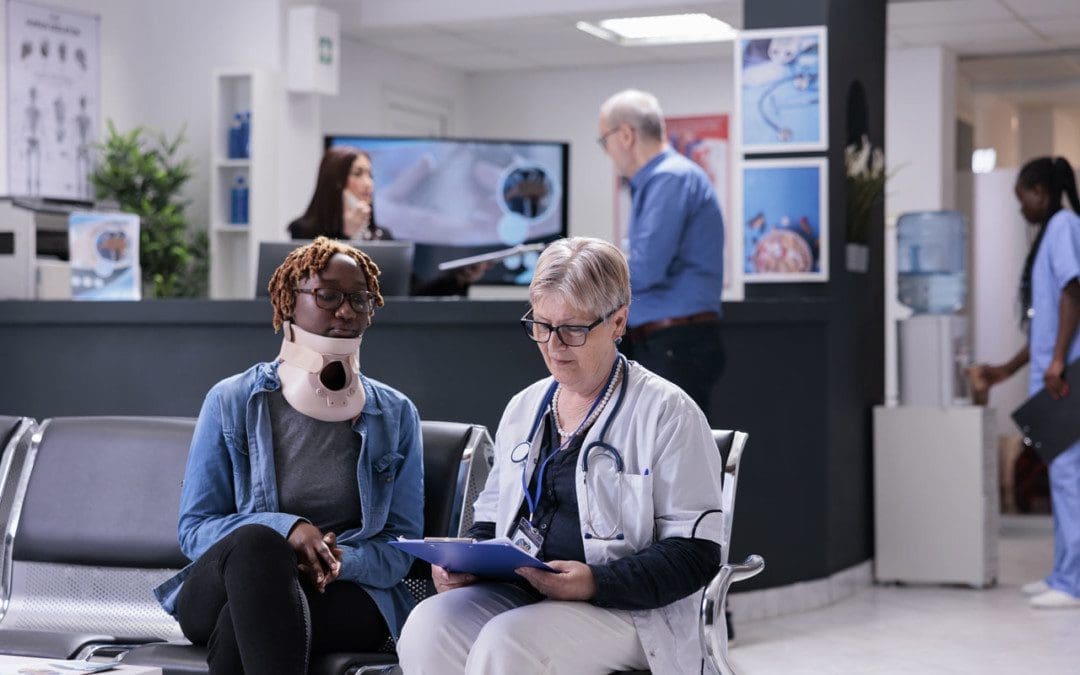
Neck injuries and whiplash symptoms can be minor and go away within a few days. However, whiplash symptoms can manifest days later and become varied and chronic, ranging from severe pain to cognitive problems. These are collectively called whiplash-associated disorders because of the varied complexity of the symptoms. A common condition is a whiplash nerve injury. These injuries can be severe and require chiropractic treatment.
Whiplash Nerve Injury
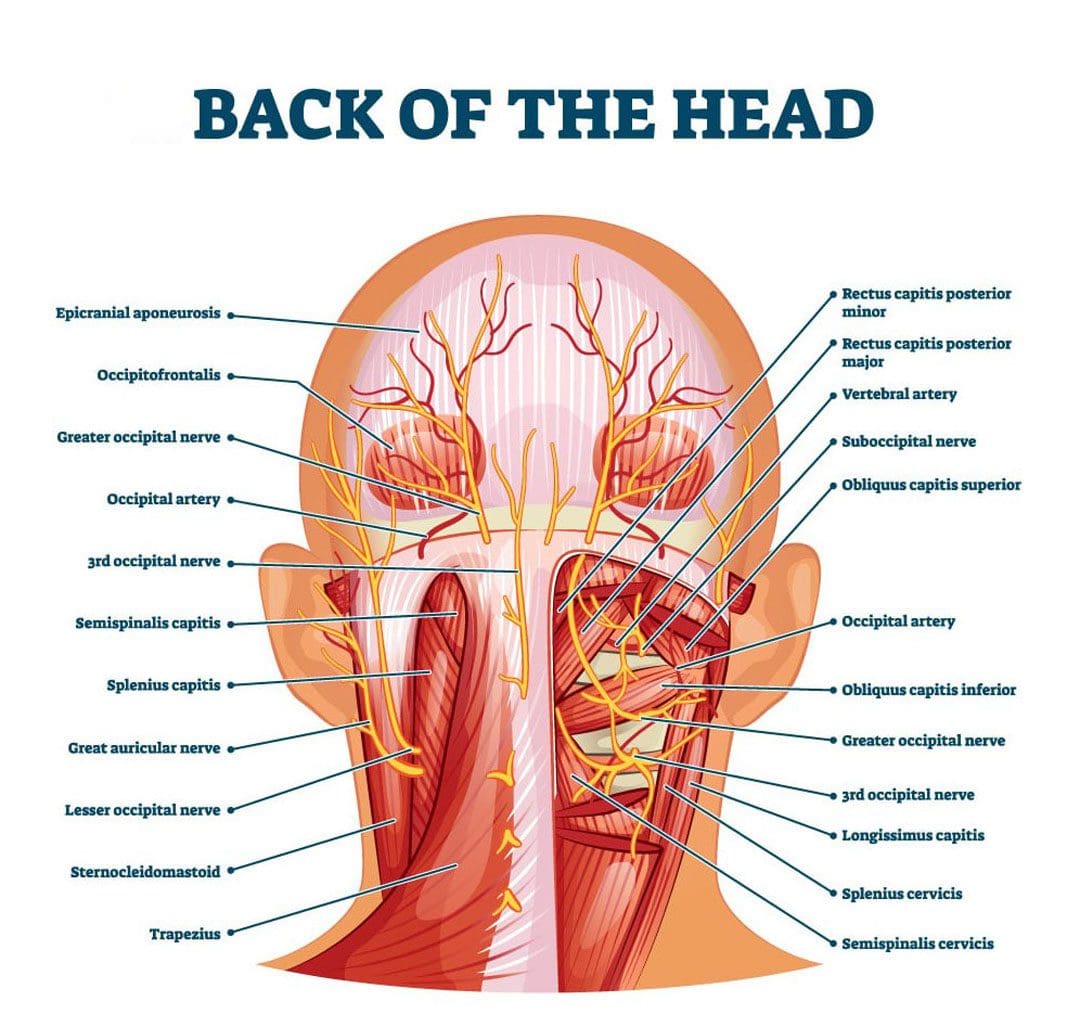
Surrounding muscles, tissues, bones, or tendons can cause a whiplash nerve injury. The neck’s spinal nerve roots become compressed or inflamed, leading to cervical radiculopathy symptoms of tingling, weakness, and numbness that can radiate down the shoulder, arm, hand, and fingers. Typically, cervical radiculopathy is only felt on one side of the body, but in rare cases, it can be felt on both sides if more than one nerve root is affected.
Neurological Cervical Radiculopathy
Neurological problems can become severe and can reduce the ability to perform many routine tasks, such as gripping or lifting objects, writing, typing, or getting dressed.
Cervical radiculopathy involves one or more of the following neurological deficiencies.
Sensory – Feelings of numbness or reduced sensation. There can also be tingling and electrical sensations.
Motor – Weakness or reduced coordination in one or more muscles.
Reflex – Changes in the body’s automatic reflex responses. An example is a diminished ability or reduced hammer reflex exam.
Symptoms
Because every case is different, symptoms vary depending on the location and severity. Symptoms can flare up with certain activities, like looking down at a phone. The symptoms then go away when the neck is upright. For others, symptoms can become chronic and do not resolve when the neck is resting and supported. Common symptoms include:
Fatigue
Decreased energy levels could be related to sleep problems, depression, stress, pain, concussion, or nerve damage.
Memory and/or concentration problems
Cognitive symptoms could involve difficulty with memory or thinking.
Symptoms can start shortly after the injury or not appear until hours or days later.
Cognitive problems could be from a brain injury or related to various types of stress.
Headaches
This could be neck muscles tightening or a nerve or joint becoming compressed or irritated.
Dizziness
Dizziness could be from neck instability, a concussion/mild traumatic brain injury, and nerve damage.
Vision problems
Blurry vision or other visual deficits could result from any number of causes, including concussion or nerve damage.
Vision problems could also contribute to dizziness.
Ringing in the ears
Also called tinnitus, this can be ringing or buzzing in one or both ears and can range from intermittent and minor to constant and severe.
Whiplash complications such as injury to the brain region that controls hearing, nerve or vascular damage, jaw injury, or stress can lead to tinnitus.
Chiropractic Care
The appropriate chiropractic treatment is unique to each whiplash nerve injury and is directed at the primary dysfunctions detected during the initial examination. A personalized treatment plan addresses factors in an individual’s work, home, and recreational activities. Treatment includes:
Massage manual and percussive for nerve and muscle relaxation
Goldsmith R, Wright C, Bell S, Rushton A. Cold hyperalgesia as a prognostic factor in whiplash-associated disorders: A systematic review. Man Ther. 2012; 17: 402-10.
McAnany SJ, Rhee JM, Baird EO, et al. Observed patterns of cervical radiculopathy: how often do they differ from a standard “Netter diagram” distribution? Spine J. 2018. pii: S1529-9430(18)31090-8.
Murphy DR. History and physical examination. In: Murphy DR, ed. Conservative Management of Cervical Spine Syndromes. New York: McGraw-Hill, 2000:387-419.
Shaw, Lynn, et al. “A systematic review of chiropractic management of adults with Whiplash-Associated Disorders: recommendations for advancing evidence-based practice and research.” Work (Reading, Mass.) vol. 35,3 (2010): 369-94. doi:10.3233/WOR-2010-0996
Travell JG, Simons DG. Myofascial Pain and Dysfunction: The Trigger Point Manual. Vol. 1, 2nd ed. Baltimore, MD: Williams and Wilkens, 1999.
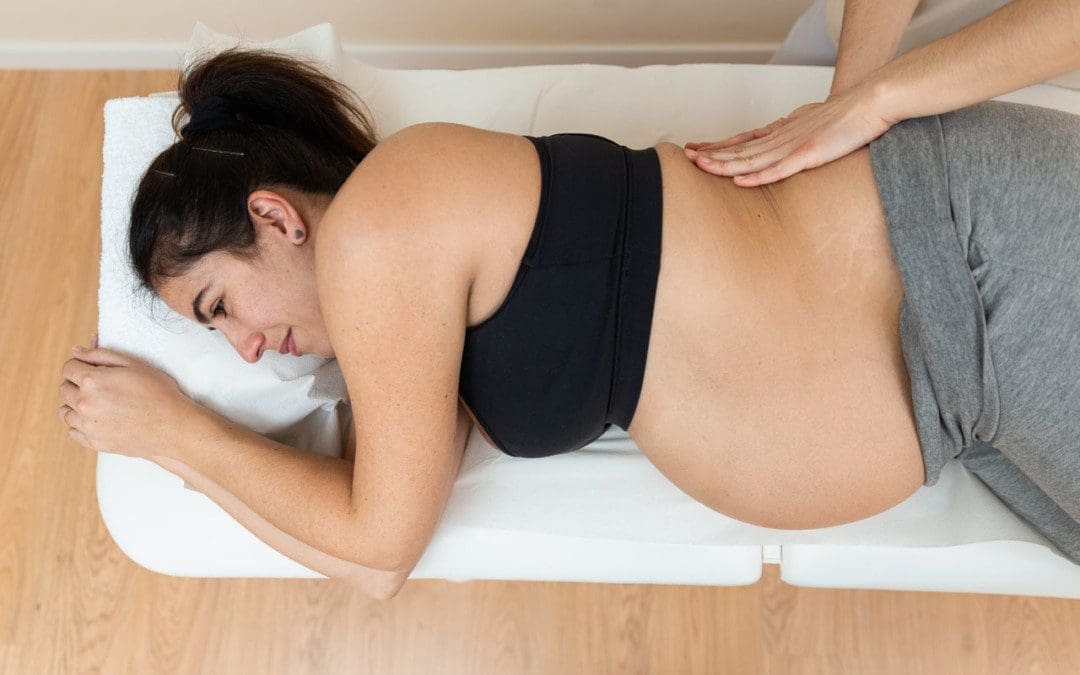
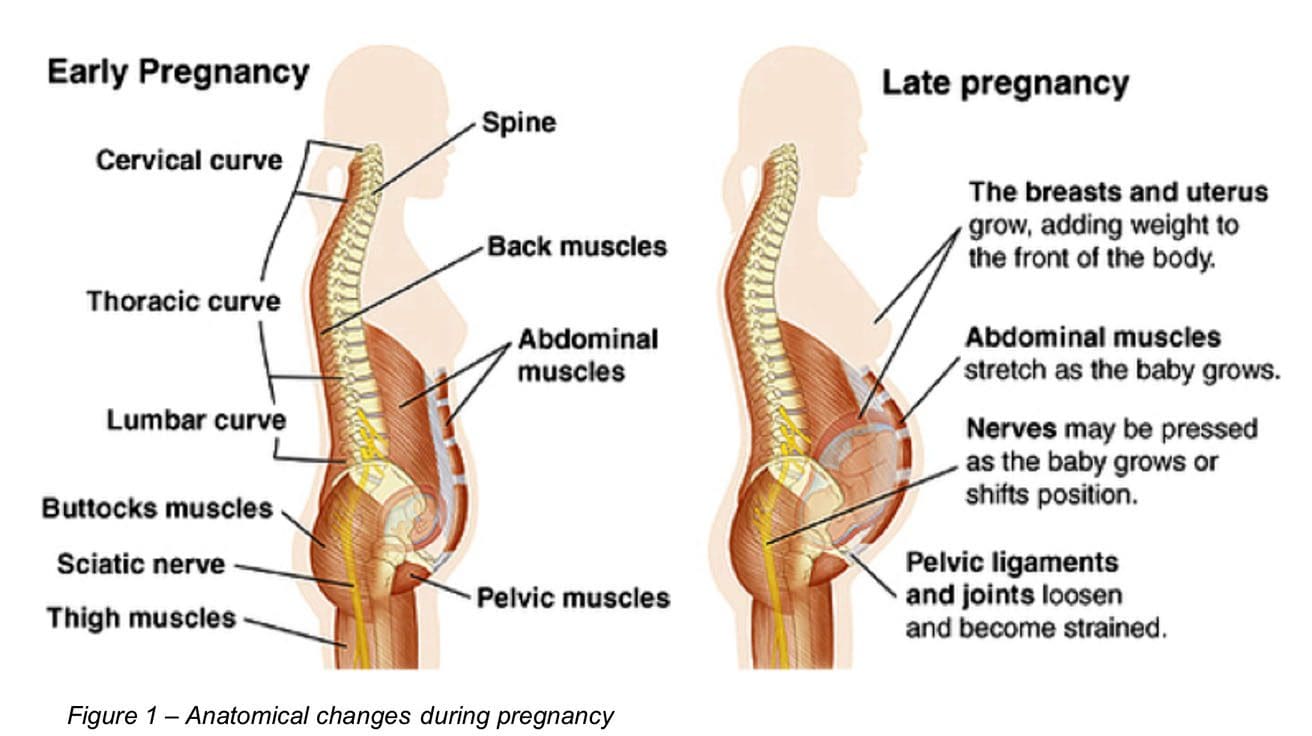
The body experiences physical changes during pregnancy. As the baby grows, the body has to adjust, which can cause unfamiliar aches and pains. A common issue for pregnant women is sciatica symptoms or lumbar radiculopathy, which radiates discomfort sensations that travel down the lower spine, down the back of the thigh, and into the foot. Chiropractic care and massage therapy can realign the spine and hips, therapeutically massage circulation through the body, relieve symptoms, and restore function.
Pregnancy Sciatica
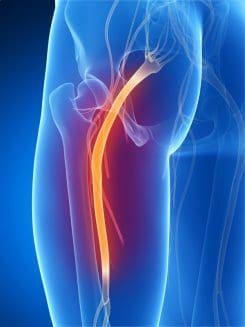
The sciatic nerve is the largest in the body and the main nerve in the legs. In most cases, sciatica happens when this nerve gets compressed by bulging, slipped, or ruptured spinal discs, arthritis, or spinal stenosis.
Symptoms
Aches and pains that result from sciatica range from mild to severe sensations. Symptoms include:
Pain that travels from the pelvis down the back of the leg.
A burning sensation in the low back and buttocks.
Jolting pain that feels like an electric shock.
Numbness, muscle weakness, or tingling in one leg or foot.
Tingling sensation in one part of the body and pain in another.
Pain that worsens when coughing, sneezing or sitting for long periods.
Causes
Sciatica during pregnancy can be caused by:
Weight gain is going to pull the spine and muscles down.
Increased fluid retention can place added pressure on the nerve as it passes through the pelvis.
The expanding uterus can press down on the nerve in the lower part of the spine.
The growing belly and breasts shift the center of gravity forward and stretch the lordotic curve causing the muscles in the:
Buttocks and pelvis to tighten up and compress the sciatic nerve.
The baby’s head can rest directly on the nerve when settling into the proper birth position in the third trimester.
A herniated or slipped disc caused by the extra pressure of the growing uterus can be the cause, although this is less common.
Pregnancy also causes the body to release a hormone called relaxin, designed to relax the ligaments and prepare the pelvis for childbirth.
Loose ligaments can cause spinal compression and affect the sciatic nerve.
Sciatica will most likely occur during the third trimester when mother and baby are bulking up, but it can develop earlier, although this is less common. Most women experience symptoms on one side, though it can affect both legs. The condition can be constant or intermittent, depending on the amount of pressure placed on the nerve, and can remain for a few months after giving birth when the excess weight and fluid are gone.
Treatment Techniques
Simple home remedies and treatment to help ease the symptoms. These include:
Sleep on Your Side
Rest on the side of the body that does not present symptoms when lying down.
Prenatal massage can reduce stress, improve blood circulation, and regulate hormones.
Chiropractic and Physical Therapy
Chiropractic is non-invasive and drug-free, making it a safe and gentle option for mom and baby.
A professional chiropractor can evaluate the condition.
Identify and remove interferences in the nervous system from the source.
Realign the bones.
Provide a personalized treatment plan to alleviate symptoms and stretches and strength-building exercises.
Sciatica In Pregnancy
References
American Pregnancy Association: “Prenatal Massage Therapy.
American Pregnancy Association: “Sciatic Nerve Pain During Pregnancy: Causes and Treatment.”
FRIEDMANN, E. “Narrowing of the spinal canal due to thickened lamina a cause of low-back pain and sciatica.” Clinical orthopedics vol. 21 (1961): 190-7.
Goldsmith, Laura T, and Gerson Weiss. “Relaxin in human pregnancy.” Annals of the New York Academy of Sciences vol. 1160 (2009): 130-5. doi:10.1111/j.1749-6632.2008.03800.x
KULOWSKI, J. “Unusual causes of low back pain and sciatica during pregnancy.” American journal of obstetrics and gynecology vol. 84 (1962): 627-30. doi:10.1016/0002-9378(62)90156-4
Trager, Robert J et al. “Ischial osteochondroma as an unusual source of pregnancy-related sciatic pain: a case report.” Chiropractic & manual therapies vol. 30,1 45. 17 Oct. 2022, doi:10.1186/s12998-022-00451-3
Inside the body are countless nerves that intertwine with each other and are all spread out. These nerves are functioned to give motor and sensory function to the body that allows a person to feel, sense, touch, and move. As part of the peripheral system in the body, these nerves are connected to the spinal cord and spine as they branch out in the spinal columns and send signals to and forth to the brain. When the body suffers from an accident or an injury, the nerves send the pain signals to the brain allowing the immune system to go to the affected area and start healing the injury. Sometimes the body suffers from natural wear and tear and that causes pain to the nerves, making the body lose the sensory and motor functions that the nerves provide. This causes radiculopathy in the body and there are treatments that allow relief to reduce the effects of radiculopathy. Today’s article post will discuss the sciatic nerve and radiculopathy, its symptoms, and how decompression therapy can help individuals that are suffering from sciatic radiculopathy. Referring patients to qualified and skilled providers who specialize in spinal decompression therapy. We guide our patients by referring to our associated medical providers based on their examination when it’s appropriate. We find that education is essential for asking insightful questions to our providers. Dr. Alex Jimenez DC provides this information as an educational service only. Disclaimer
Can my insurance cover it? Yes, it may. If you are uncertain, here is the link to all the insurance providers we cover. If you have any questions or concerns, please call Dr. Jimenez at 915-850-0900.
The Sciatic Nerve & Radiculopathy
Have you been experiencing pain traveling down to the lower extremities of your body? Does the pain feel hot to the touch? Is the pain a sharp, stabbing pain or a burning, searing pain in the sciatic nerve? If you have encountered these symptoms, these symptoms might be due to radiculopathy along the sciatic nerve. The sciatic nerve is part of the peripheral nervous system; its primary sensory and motor functions ensure that the legs move and stand in the body. When the body goes through natural aging, wear and tear, accidents and injuries, it can cause radicular pain along the spine while compressing the nerve roots, including the sciatic nerve. Research studies have shown that radicular pain along the sciatic nerve root can cause deficits in the lower extremities’ motor and sensory function. This radicular pain can cause many problems and conditions when not treated right away.
Research studies have defined radiculopathy as one of the reasons that many people have been suffering from low back pain. Radicular pain is located along the spine in the cervical, thoracic, and lumbar areas. When these areas are affected, it can severely damage the underlying nerve roots, thus causing the lower extremities to lose all sensory and motor functions. Additional information has found that sciatica is a type of radiculopathy that pinch the sciatic nerve causing sharp, radiating pain that travels from the lower back down to the legs. Depending on how severe the radicular pain is, it can affect the sciatic nerve over time and develop into sciatica.
The Symptoms
When the sciatic nerve is pinched and irritated, it can send radiating pain down the legs and transmit signals to the brain. These pain signals can disrupt the brain signals and cause the immune system to constantly send inflammatory cytokines to the affected areas along the legs, lower back, and buttocks regions. Some of the common symptoms that occur when a person is dealing with sciatic radicular pain or sciatica will experience:
Feeling muscle weakness alongside the lower back, legs, and feet? Does the pain range from mild to a burning sensation after physical activity? How about feeling discomfort or relief after shifting positions while relaxing? If you have experienced these symptoms, you might be experiencing sciatic radiculopathy, and non-surgical decompression treatment is the answer you are seeking. Suppose you want to learn more about decompression treatments and how they can benefit you in providing relief from sciatic radiculopathy? The video above introduces the Chatanooga traction machine that allows the person suffering from sciatic radiculopathy to feel relief. This traction machine is part of non-surgical decompression therapy. It enables the spine to be gently pulled slowly to allow the compressed spinal discs to release their hold on the irritated sciatic nerve. After the pressure has been removed from the pinched sciatic nerve, the affected leg, low back, and buttock muscles will begin to relax, and the pain signals to the brain will start to diminish. Incorporating spinal decompression as part of your wellness treatment is beneficial. This link will explainhow decompression offers optimal comfort for many people who suffer from sciatica or other sciatic radicular pain.
How Decompression Therapy Can Help With Sciatic Radiculopathy
When radiating pain is shooting down to the leg and feet, many individuals try to find relief for sciatic radiculopathy. Some people will incorporate heat and ice compressed pads to be placed in the affected areas. At the same time, others use electromagnetic pulses along their legs to relax the muscles trapping the sciatic nerve roots. One of the treatments that many people have incorporated into their wellness treatments is decompression therapy. Research studies have learned that when the gluteal muscles entrap the sciatic nerve, it can become irritated or pinched, causing radiating pain down the legs. Decompression can help release the trapped sciatic nerve from the gluteal muscles and reduce the pain. Another reason that decompression therapy can help with sciatic radiculopathy is because it can help dampen the effects that the inflammatory cytokines have caused along the lower region of the body. Additional research studies have found that decompression surgery has provided less soft tissue and muscle damage, reduced pain symptoms along the legs, decreased the risk of re-herniation occurring, and faster recovery. Many individuals will experience less leg pain and low back pain from occurring when they add decompression into their wellness treatment.
Conclusion
The sciatic nerve can succumb to radicular pain like herniated discs or gluteal muscles trap the sciatic nerve making it irritated or aggravated. When this happens, the sciatic nerve causes motor and sensory dysfunction in the legs and radiating, throbbing pain to the side. Treatments like decompression therapy can help alleviate sciatic radiculopathy by releasing the compressed disc or muscle off the sciatic nerve and dampening the painful effects it causes. Decompression therapy is a beautiful addition to any wellness treatment for individuals trying to regain their health and wellness.
References
Aljawadi, Ahmed, et al. “Sciatica Presentations and Predictors of Poor Outcomes Following Surgical Decompression of Herniated Lumbar Discs: A Review Article.” Cureus, Cureus, 21 Nov. 2020, https://www.ncbi.nlm.nih.gov/pmc/articles/PMC7681772/.
Dydyk, Alexander M, et al. “Radicular Back Pain.” In: StatPearls [Internet]. Treasure Island (FL), StatPearls Publishing, 2 Nov. 2021, https://www.ncbi.nlm.nih.gov/books/NBK546593/.
Feinberg, Joseph, and Shikha Sethi. “Sciatic Neuropathy: Case Report and Discussion of the Literature on Postoperative Sciatic Neuropathy and Sciatic Nerve Tumors.” HSS Journal : the Musculoskeletal Journal of Hospital for Special Surgery, Springer-Verlag, Sept. 2006, https://www.ncbi.nlm.nih.gov/pmc/articles/PMC2488172/.
Medical Professionals, Cleveland Clinic. “Radiculopathy: Symptoms, Causes & Treatment.” Cleveland Clinic, 16 Mar. 2022, https://my.clevelandclinic.org/health/diseases/22564-radiculopathy.
Park, Myung-Sik, et al. “Clinical Results of Endoscopic Sciatic Nerve Decompression for Deep Gluteal Syndrome: Mean 2-Year Follow-Up.” BMC Musculoskeletal Disorders, BioMed Central, 20 May 2016, https://www.ncbi.nlm.nih.gov/pmc/articles/PMC4875686/.
IFM's Find A Practitioner tool is the largest referral network in Functional Medicine, created to help patients locate Functional Medicine practitioners anywhere in the world. IFM Certified Practitioners are listed first in the search results, given their extensive education in Functional Medicine



 Whiplash Nerve Injury