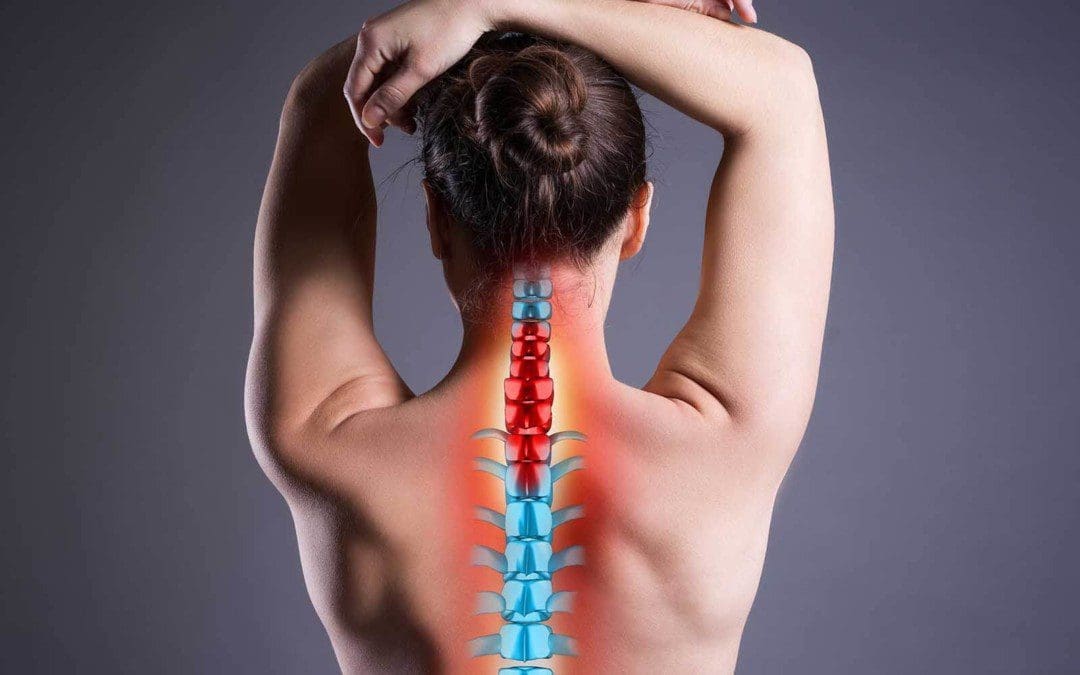
The spine is an S-shaped curve located in the back that makes sure that the body is standing upright, twisting, turning, bending, and moving from one place to another without any pain or problems. The spine is also protected by ligaments, the spinal cord, soft tissues from the musculoskeletal system, and spinal discs that ensure it doesn’t get injured. When a person gets injured from pulling a back muscle or is in an accident, the spine suffers the most as they are suffering from a variety of back pains that can hinder their quality of life and become miserable. There are many treatments for back pain that can provide relief to individuals suffering from back issues. In this article, we will be looking at the different types of radiculopathies that can affect the spine and how spinal decompression can help treat radiculopathy. By referring patients to qualified and skilled providers specializing in spinal decompression therapy. To that end, and when appropriate, we advise our patients to refer to our associated medical providers based on their examination. We find that education is the key to asking valuable questions to our providers. Dr. Alex Jimenez DC provides this information as an educational service only. Disclaimer
Can my insurance cover it? Yes, it may. If you are uncertain, here is the link to all the insurance providers we cover. If you have any questions, please call Dr. Jimenez at 915-850-0900.
What Is Radiculopathy?
Since low back pain is common for many individuals, it can affect them in some way or form as the pain can range from a dull, mild ache to a severe sharp pain that can hinder a person. The variety of back pains can also vary from strains, ruptured discs, and pinched nerves, to name a few. One of the back pain conditions is radiculopathy, and research studies have shown that it is often described as a range of symptoms produced by a pinched nerve root in the spinal column. Radiculopathy can occur in different areas along the spine. The most common ones are in the lumbar and cervical spine. Other studies have also demonstrated that radicular back pain is one of the most common reasons many individuals have low back pain and can cause the person to be in pain and lose sensation and motor function depending on how severe the nerves are compressed in the spine.
Lumbar Radiculopathy
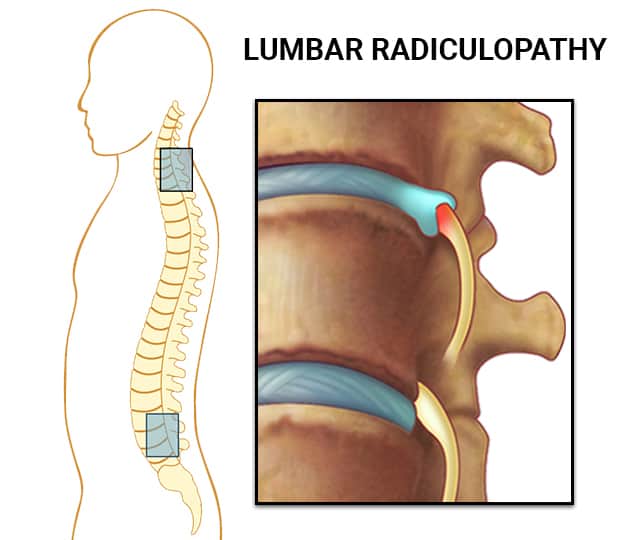
Radicular back pain is most often the painful secondary condition to compression or inflammation of the spinal cord. When it comes to lumbar radiculopathy, research studies have stated that the pain is being radiated on the lower half of the body, causing it to travel down from the back of the leg to the calf and the foot, hitting the sciatic nerve, thus developing sciatica. When this happens, many individuals will begin to feel worse from the leg pain than the low back pain since the sciatic nerve is inflamed and sending sharp, shooting pain along the leg, causing a person to be miserable.
Other research studies have shown that lumbar radiculopathy can cause by lumbar disc herniation and degeneration of the spinal vertebra. Some of the symptoms of lumbar radiculopathy usually depend on how severe the damaged nerve signals are and what degenerative conditions are happening to the spine. Some of the conditions include:
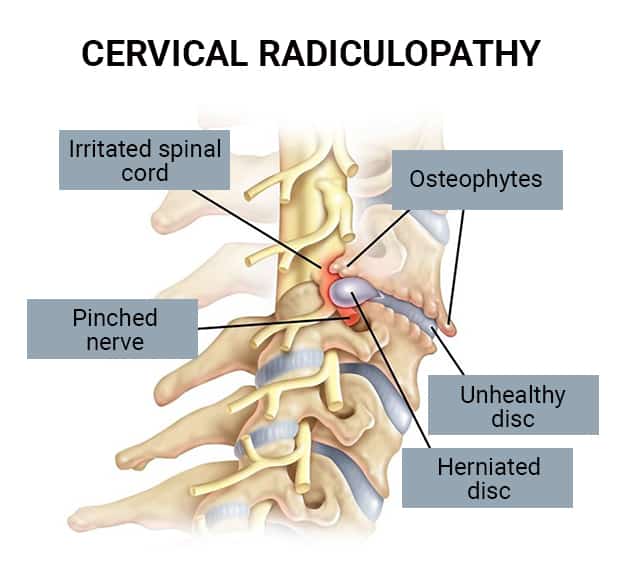
Research studies have stated that cervical radiculopathy is described when the nerve root from the cervical spine has become inflamed or damaged. Since the nerve roots are branched out from the spinal cord and help supply many motor functions to the neck, shoulders, arms, hands, and fingers, nerve damage to the cervical spine can cause immense pain. This can cause neurological deficits that can result from changes in neurological function in the body.
Other research studies have shown that when individuals are suffering from cervical radiculopathy, it is due to either the nerve root being compressed or inflamed that can cause a variety of symptoms that can affect the quality of life of a person. Some of the signs that are caused by cervical radiculopathy include:
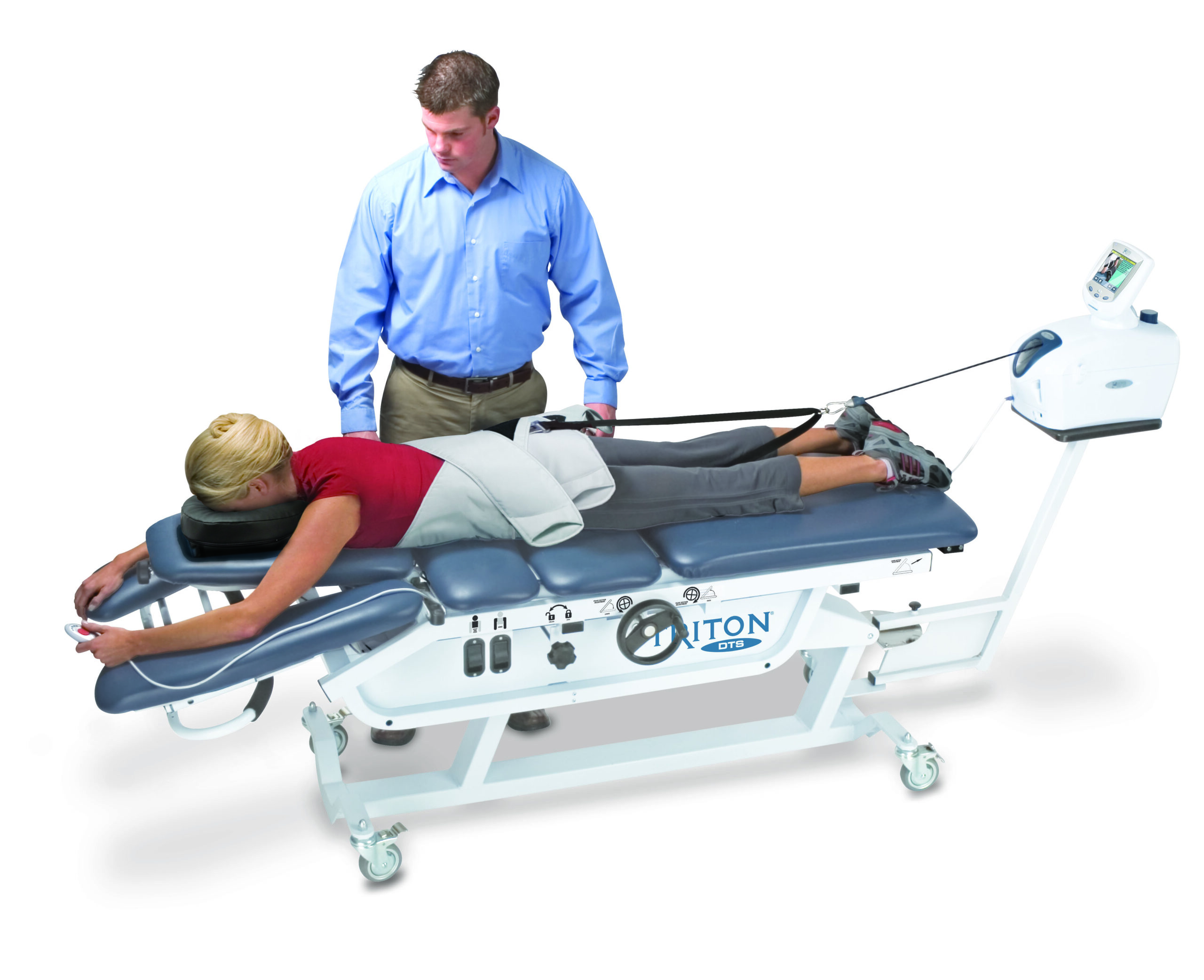
The video above explains how the DRX9000 is used on lower back pain individuals. The DRX9000 is often used for spinal decompression therapy as it gently stretches the spine and helps relieve unwanted back pain that the individual is suffering from. The DRX9000 is a traction machine that will help elongate the spine as it helps decompress the compressed and irritated spinal discs. The spinal disc will feel negative traction pull, and the necessary beneficial nutrients and oxygen rehydrating those discs and reabsorb the herniation back into the spine. Many individuals that utilize spinal decompression with the combination of physical therapy as part of their wellness journey will begin to get their quality of life back. If you want to learn more about spinal decompression therapy, this link will explain the benefits of spinal decompression and how it can alleviate low back pain symptoms.
How Spinal Decompression Treats Radiculopathies
Research studies have shown that when spinal decompression is combined with a routine physical therapy can help improve the pain caused by radiculopathy while also providing a lumbar range of motion, back muscle endurance, and bringing the quality of life back to many individuals. Since spinal decompression is when a person is lying on a traction table, fully strapped and gently pulled, that will allow relief to their spine. Other studies have shown that when lumbar traction is applied to individuals that are suffering from radiculopathies will feel a decreased pressure by vertebral separation to reduce the pinched nerve. Individuals who utilize spinal decompression for at least six weeks of treatment recommended by their primary physicians will begin to feel less pain in their back and feel better throughout the day.
Conclusion
All in all, radiculopathy is often described as a range of symptoms that can occur in different parts of the spine. Both lumbar and cervical radiculopathy have the exact causes as it involves a pinched nerve root that is compressed and inflamed, causing pain symptoms from the neck to the foot. With spinal decompression and physical therapy, many individuals will begin to feel instant relief as their spine is being gently stretched and the beneficial nutrients are reabsorbed back into the spine. Afterward, many individuals will be able to get back their quality of life pain-free.
References
Alexander, Christopher E, and Matthew Varacallo. “Lumbosacral Radiculopathy – Statpearls – NCBI Bookshelf.” StatPearls [Internet]. Treasure Island (FL), StatPearls Publishing, 12 Feb. 2022, https://www.ncbi.nlm.nih.gov/books/NBK430837/.
Amjad, Fareeha, et al. “Effects of Non-Surgical Decompression Therapy in Addition to Routine Physical Therapy on Pain, Range of Motion, Endurance, Functional Disability and Quality of Life versus Routine Physical Therapy Alone in Patients with Lumbar Radiculopathy; a Randomized Controlled Trial – BMC Musculoskeletal Disorders.” BioMed Central, BioMed Central, 16 Mar. 2022, https://bmcmusculoskeletdisord.biomedcentral.com/articles/10.1186/s12891-022-05196-x.
Dydyk, Alexander M, et al. “Radicular Back Pain – Statpearls – NCBI Bookshelf.” StatPearls [Internet]. Treasure Island (FL), StatPearls Publishing, 2 Nov. 2021, https://www.ncbi.nlm.nih.gov/books/NBK546593/.
Kang, Kyung-Chung, et al. “Cervical Radiculopathy Focus on Characteristics and Differential Diagnosis.” Asian Spine Journal, Korean Society of Spine Surgery, Dec. 2020, https://www.ncbi.nlm.nih.gov/pmc/articles/PMC7788378/.
Khan, Rehan Ramzan, et al. “Effectiveness of Mechanical Traction in Supine versus Prone Lying Position for Lumbosacral Radiculopathy.” Pakistan Journal of Medical Sciences, Professional Medical Publications, 2021, https://www.ncbi.nlm.nih.gov/pmc/articles/PMC8377889/.
Medical Professionals, John Hopkins. “Radiculopathy.” Johns Hopkins Medicine, 2022, https://www.hopkinsmedicine.org/health/conditions-and-diseases/radiculopathy.
Individuals experiencing radiculopathy in and around the neck notice it immediately often driving them to the medicine cabinet. This condition presents with:
Acute pain
Numbness
Muscle spasms
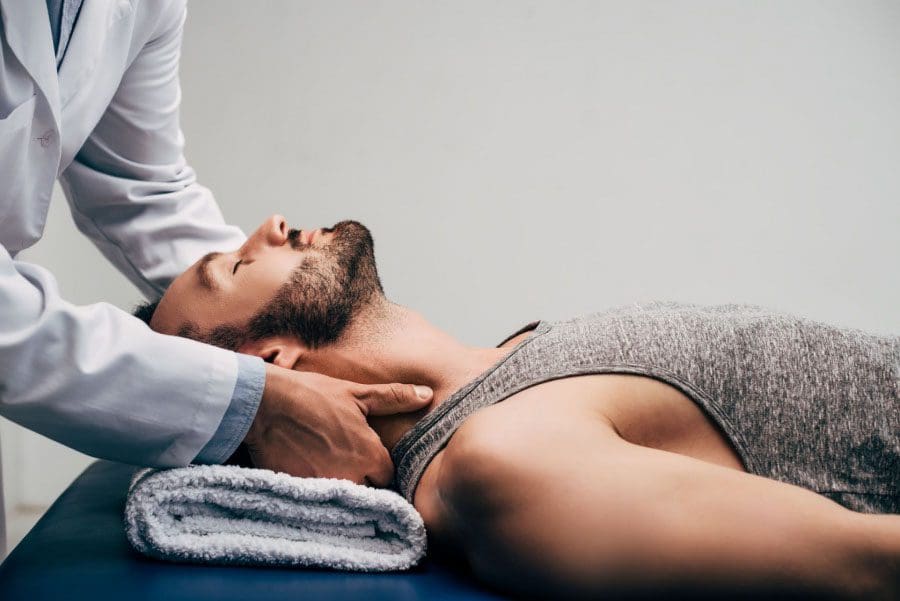
However, medication will only help relieve the pain temporarily but it won’t alleviate what is causing the radiculopathy. This is because pain medication/s can exacerbate the condition by blocking the pain signals with the root nerve issue never being resolved. Chiropractic is a complete solution that specifically mobilizes the cervical joints where nerve impingement is happening. The objective is to help individuals understand the underlying cause of the acute pain induced by radiculopathy and provide long-term pain relief through cervical joint mobilization.
Radiculopathy Pain
To determine what cervical nerve bundles are being affected by a subluxation or vertebral compression a chiropractor needs to isolate the pain. This is accomplished through a description of symptoms, radiological imaging to provide visual confirmation, and an examination of the affected area. Isolating the pain allows the chiropractor to determine the extent of misalignment and how much the nerve is being compressed. This will help in the development of a customized treatment plan. A chiropractor will be able to see and feel the degree of pressure being placed on the nerve or bundle of nerves.
Mobilizing The Cervical Joints
Chiropractors approach this directly based on the individual and the severity of the case. The most common joint mobilizations include:
Low-impact adjusting will shift the misaligned vertebrae back into place
Adjustments to the opposite non-painful area will help counterbalance stress in the spine
Radiculopathy improvement consists of:
The cervical spine is stabilized through bracing and posture supports
Isometric exercises will recondition the neck, shoulders, and upper back
Range of motion exercises will prevent any subtle compression/s
Corrective restoration of the cervical spine’s curve
The spine returns to normal during cervical joint mobilization and alleviates radiculopathy immediately and long term.
Proper chiropractic care will correct the affected nerve bundle, and stabilize the cervical spine to prevent/resist:
Compression
Translation
Subluxation
Other shifts that can occur
Chiropractic Mobilization Long Term Relief
A pinched nerve should not be treated with over-the-counter medications for long-term health. Corrective chiropractic mobilization is a recommended course of action for alleviating this and other musculoskeletal conditions. Chiropractic understands the nature and severity of radiculopathy as well as developing the proper customized treatment plan that will bring optimal results.
Body Composition
DASH Diet Example
Breakfast
3/4 cup bran flakes cereal with 1 banana and 1 cup low-fat milk
1 slice whole-wheat bread with 1 tsp. unsalted butter
1 orange
1 cup coffee
Lunch
Sandwich 2 slices of whole-wheat bread
3 oz. grilled thin chicken breast
2 slices low-fat cheese
1 tbsp. mustard
Salad
1/2 cup chopped/diced cucumbers
1/2 cup chopped/diced tomatoes
1 tablespoon sunflower seeds
1 teaspoon low-calorie non-cream dressing
1/2 cup fruit cocktail with no sugar
Snack
1/3 cup unsalted almonds
Dinner
3 oz. lean beef with 2 tbsp. fat-free, low sodium gravy
The information herein is not intended to replace a one-on-one relationship with a qualified health care professional, licensed physician, and is not medical advice. We encourage you to make your own health care decisions based on your research and partnership with a qualified health care professional. Our information scope is limited to chiropractic, musculoskeletal, physical medicines, wellness, sensitive health issues, functional medicine articles, topics, and discussions. We provide and present clinical collaboration with specialists from a wide array of disciplines. Each specialist is governed by their professional scope of practice and their jurisdiction of licensure. We use functional health & wellness protocols to treat and support care for the musculoskeletal system’s injuries or disorders. Our videos, posts, topics, subjects, and insights cover clinical matters, issues, and topics that relate to and support, directly or indirectly, our clinical scope of practice.* Our office has made a reasonable attempt to provide supportive citations and has identified the relevant research study or studies supporting our posts. We provide copies of supporting research studies available to regulatory boards and the public upon request. We understand that we cover matters that require an additional explanation of how it may assist in a particular care plan or treatment protocol; therefore, to further discuss the subject matter above, please feel free to ask Dr. Alex Jimenez or contact us at 915-850-0900.
Dr. Alex Jimenez DC, MSACP, CCST, IFMCP*, CIFM*, CTG*
email: [email protected]
phone: 915-850-0900
Licensed in Texas & New Mexico
Evid Based Complement Alternat Med. 2015. Complementary and Alternative Medicine for the Management of Cervical Radiculopathy: An Overview of Systematic Reviews. Available at: https://www.ncbi.nlm.nih.gov/pmc/articles/PMC4541004/
Weakness, pain, and numbness can find their root in the spine. It is known as radiculopathy. If left untreated, health problems will only continue to get worse, with the potential to become a chronic condition. When it comes to degenerative pain conditions they usually start small. There is occasional discomfort that gradually develops into pain, then weakness and numbness.
Usually, by the time an individual seeks help, the original condition has devolved into radiating pain. This is why it is important to address the issue right away.Chiropractic works with individuals to help them understand the degenerative nature of pain and how to address and prevent it. Early intervention will prevent minor discomfort from turning into debilitating, chronic pain.
Radiculopathy
Radiating pain root cause is a compressed or inflamed nerve. It happens at the site of compression and spreads outward growing larger with time. It can be a catalyst for different pain conditions and syndromes like sciaticaor complex regional pain syndrome. There are a variety of terms for nerve pain, they are typically a form of radiculopathy.
Stages
The pain can spiral as fast as the underlying condition/s that is causing it. A compressed nerve that generates pain but does not become worse in severity is usually because the compression stays the same. Conversely, minimal discomfort brought on from shifted vertebrae can rapidly progress into weakness, numbness, and reduced mobility as a nerve is continually and severely getting compressed. Radiculopathy pain usually follows a pattern. Understanding the signs and symptoms will help determine to what extent the condition has progressed, and how it can develop into a worsening nerve injury:
Discomfort is the first stage. Subluxation, rotation, or a spinal shift is what is occurring, with the nerve not yet affected.
The pain signals that come from nerve compression along with the severity can help determine the cause of the condition.
Weakness usually follows pain. The nerve that is affected begins to take on permanent damage and cannot function properly.
Numbness follows the weakness reaching the most severe level. Mobility is limited along with a high increase for permanent nerve pain.
Being aware of these radiculopathy symptoms will help an individual stay ahead of nerve injury. Acting on discomfort can prevent progression into pain, addressing pain can stave off weakness, and acting upon weakness may prevent permanent nerve damage. The sooner an individual seeks help for any type of pain, the better chance they have to prevent degeneration.
Long-Term Prevention
It is crucial to consult with a chiropractor at the first sign of discomfort in the spine or if there is radiating/spreading back pain. A chiropractor will be able to provide decisive treatment that will bring relief and prevent the pain from worsening. The pain, weakness, and numbness can be avoided, along with long-term damage to the nerves.
Sciatica Pain Therapy
Dr. Alex Jimenez�s Blog Post Disclaimer
The scope of our information is limited to chiropractic, musculoskeletal, physical medicines, wellness, and sensitive health issues and/or functional medicine articles, topics, and discussions. We use functional health & wellness protocols to treat and support care for injuries or disorders of the musculoskeletal system. Our posts, topics, subjects, and insights cover clinical matters, issues, and topics that relate and support directly or indirectly our clinical scope of practice.*
Our office has made a reasonable attempt to provide supportive citations and has identified the relevant research study or studies supporting our posts. We also make copies of supporting research studies available to the board and or the public upon request. We understand that we cover matters that require an additional explanation as to how it may assist in a particular care plan or treatment protocol; therefore, to further discuss the subject matter above, please feel free to ask Dr. Alex Jimenez or contact us at 915-850-0900. The provider(s) Licensed in Texas& New Mexico*
References
Stochkendahl, Mette Jensen et al. �National Clinical Guidelines for non-surgical treatment of patients with recent-onset low back pain or lumbar radiculopathy.� The European spine journal: official publication of the European Spine Society, the European Spinal Deformity Society, and the European Section of the Cervical Spine Research Society�vol. 27,1 (2018): 60-75. doi:10.1007/s00586-017-5099-2
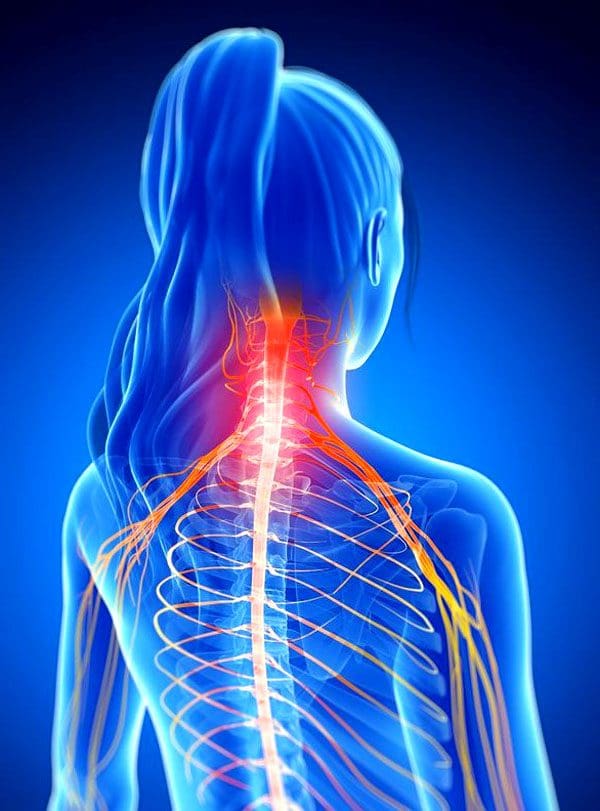
Cervical radiculopathy happens when a pinched nerve in the neck (cervical spine) causes pain.
Radicular pain can extend beyond the neck and radiate down:
The shoulders
Arms
Fingers
This type of nerve compression also causes:
Weakness
Numbness
Tingling
Reflex problems
The neck consists of 8 pairs of nerves that control several motor (strength) and sensory (feel) functions.
The cervical nerve roots at the top send movement and feeling signals to the head and neck, and the nerves at the bottom enable motor and sensory function to the arms and hands.
If one or more of the spinal nerves in the neck gets pinched, it can disturb its ability to function correctly.
This results in radiating pain in the neck and other areas of the body.
This condition can affect anyone but usually affects middle-aged adults.
Men also tend to develop cervical radiculopathy more than women.
Causes
The natural aging process on the spine is what usually causes cervical radiculopathy.
The spine goes through the aging process just like the rest of the body and even more as it is the basis of our structure.
This process can lead to several degenerative spinal disorders, that include:
Cervical spondylosis (osteoarthritis)
Spinal stenosis
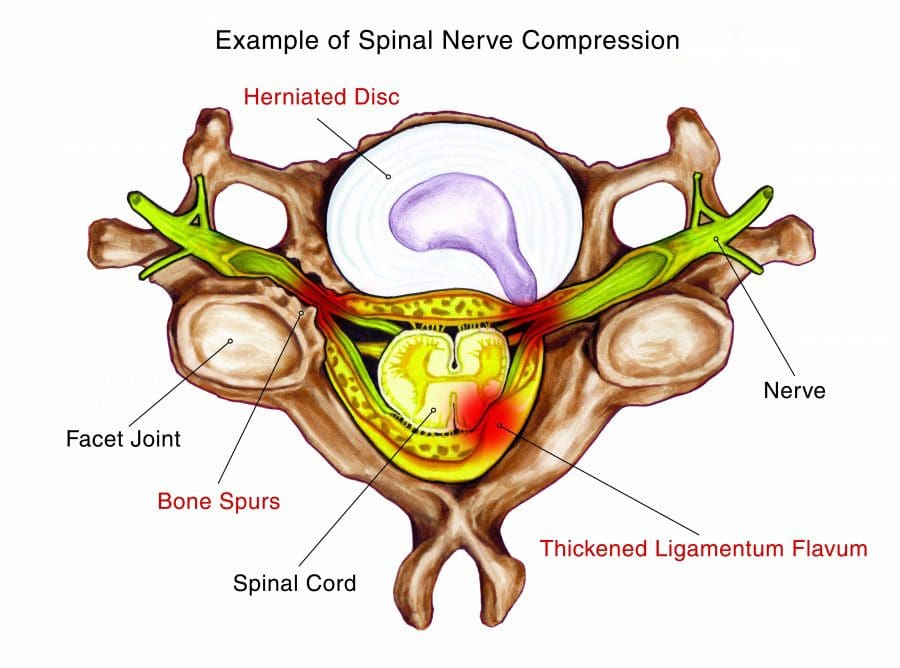
Herniated discs
When nerve passageways begin to narrow, intervertebral discs begin to protrude,� and bone spurs, caused by these disorders can put pressure on the nerves in the neck.
The condition can also be caused by a traumatic injury to the neck like whiplash or sports injury.
Rarely is it caused by an infection or spinal tumor.
Symptoms
The primary symptom is pain radiating from the neck down to the:
Shoulders
Arms
Hands
Fingers
The above is an example of sensory function, which is related to feeling.
In addition to sensory symptoms, radiculopathy can also cause motor dysfunction.
Motor dysfunction relates to muscles and movement.
Reflex changes in the neck and upper body and weakness are examples of motor dysfunction.
Diagnosis
A spine specialist/chiropractor has several tools to diagnose cervical radiculopathy.
First and foremost your medical history will be reviewed and then will be:
Asked to describe symptoms
A physical exam will be conducted�to recreate the pain in a controlled manner in the:
Neck
Shoulder
Arms
Example: Spurling�s maneuver, which gently rotates the head, while applying gentle pressure.
Once the information from the medical history and physical exam are done,��imaging tests such as an MRI�may be ordered so they can pinpoint the location of the nerve compression.
MRI scans show the soft tissues in the spine, including the nerves.
The doctor may request a pair of diagnostic tests called electromyogram (EMG) and nerve conduction exam if there are significant upper nerve arm and neck pain.
These tests help understand if there is nerve damage, the cause of the damage and if the symptoms are related to the nerve damage.
EMG and nerve conduction tests are usually performed together to help in the diagnosis.
Emergency Symptoms
Once the spine specialist confirms the diagnosis, they will develop a treatment plan to relieve the nerve compression or prevent it from getting worse.
Most cases are taken care of with non-surgical treatment, however, if the following occurs you should contact your doctor:
Neck pain does not improve with treatment in the time your doctor expects.
Pain worsens regardless of treatment
Or you develop new:
Numbness
Weakness in the
Neck
Arms
Upper body
Develop fever
If you experience symptoms in the lower body like:
Weakness in the leg
Difficulty walking
Lack of bowel/bladder function, then seek medical attention immediately.
These symptoms may indicate cervical myelopathy, a more severe condition.
Cervical myelopathy is the compression of the spinal cord.
When the spinal cord gets compressed, it can generate widespread spine issues and usually requires surgery.
Treatment Cervical Radiculopathy
Like most types of spine pain, a doctor will recommend trying one or more conservative treatments first.
Conservative treatments are nonsurgical means.
It�s important to understand that just because a treatment is considered conservative does not mean it is ineffective.
In fact, it�s quite the opposite. Most people with nerve compression in their neck respond well to conservative therapies.
Though research on the efficacy of conservative treatments for cervical radiculopathy has produced mixed results, findings show that these therapies help eliminate pain and other nerve-related symptoms (like numbness and muscle weakness) in 40-80% of people.
The following are the most common conservative treatments:
Over-the-counter medications, like acetaminophen (Tylenol) or nonsteroidal anti-inflammatory medications(ibuprofen, Motrin)
Prescription medications, like steroids (prednisone), neuropathic agents (gabapentin, pregabalin), and muscle relaxants (baclofen, cyclobenzaprine)
Cervical spinal traction, that can be performed during physical therapy
Avoiding strenuous activity, but don’t avoid all activity, as too much rest can exacerbate the injury and extend the recovery time
These conservative treatments can go on for 6 to 8 weeks. If there is no improvement or it gets worse, then a doctor may want to step you up to the next level.
This may include steroid injections.
Spinal Injections
Cervical epidural steroid injections are considered a second-line treatment for radiculopathy that is not responding to conservative therapy. These injections send a dose of anti-inflammatory medicine into a specific nerve root�s that can relieve pain.
The number of injections differs from patient to patient. A doctor will make recommendations based on the condition and response to the first injection.
If the first injection reduces the pain and symptoms, a second or third injection might not be necessary unless symptoms recur.
If more than one is needed, they are given 3 weeks between each injection.
Injections can help manage pain and inflammation, but cannot strengthen or improve the flexibility of the cervical muscles.
Because of this, a doctor may prescribe physical therapy, chiropractic or an exercise program to condition the neck muscles.
Surgery Considered
When surgery is needed it is considered a last resort option. This is not a guaranteed solution and there are risks and complications.
Different types of surgical approaches are available. These procedures can be performed minimally invasively in a hospital setting or an outpatient surgery center.
Discussing options with a doctor and whether you are a candidate for minimally invasive surgery or not, along with other types of surgery e.g. artificial disc, is a discussion that is different for everybody, as some patients have existing medical conditions that can increase risks and complications.
Anterior cervical discectomy and fusion (ACDF)
This approach is the most widely used surgical approach.
The surgeon makes an incision through the front of the neck and removes the damaged intervertebral disc, fills the empty space with spacers to restore the height and attaches spinal instrumentation (plate, screws) for stabilization.
A bone graft is then packed into and around the body spacers for bone ingrowth and healing.
Posterior cervical foraminotomy
Here, the surgeon accesses one or more levels of the cervical spine with an incision in the back of the neck.
Foraminotomy decompresses the nerve root by removing whatever is compressing the nerve like a bone or soft tissue.
The procedure opens/widens the neural foramen or the nerve passageway where the nerve exits the spinal canal.
Cervical artificial disc replacement (C-ADR)
Here an artificial disc device is implanted in the empty disc space.
C-ADR is like a shock absorber and enables healthy movement the way that an actual disc does.
Conclusion
A compressed nerve in your neck can lead to radiating pain. This pain can make it almost unbearable to do simple tasks, even moving the neck from side to side or just opening a jar. Conservative treatment like chiropractic and exercise can ease the pain of this condition and restore function. Fortunately, surgery is rarely necessary.
El Paso, TX Neck Pain Chiropractic Treatment
Alfonso J. Ramirez now retired, found follow-up treatment with Dr. Alex Jimenez for his neck pain. Mr. Ramirez experienced chronic pain and headaches, but after receiving chiropractic care, he found relief from his symptoms. Ever since that time, Alfonso Ramirez has continued to maintain the alignment of his backbone with Dr. Jimenez. Mr. Ramirez is grateful for the chiropractic care he’s received for his neck pain and for his knee and shoulder pain. Alfonso J. Ramirez recommends Dr. Alex Jimenez as the non-invasive pick for neck pain.
NCBI Resources
Approximately two-thirds of the population being affected by neck pain at any time throughout their lives. Pain that originates in the cervical spine, or upper spine, can be caused by numerous other spinal health issues. Joint disruption in the neck can generate a variety of other common symptoms, which include headaches, head pain, and migraines. Neck pain affects about 5 percent of the global population, according to statistics.
The spine consists of 33 bones, best known as vertebrae, which shield the spinal cord from experiencing injury or trauma. The bones of the spine permit an individual to remain upright, bend, and twist. The vertebrae are held in place by a collection of muscles, tendons, and ligaments. Nerves also extend from the spine to the upper and lower extremities, such as the arms and legs. The spine curves in an S-shape, which is essential for spinal health. These curves are accountable for equilibrium, shock absorption, and a range of movements.� Each section of the backbone has a specific name and function. They are the: �
Cervical spine or neck
Thoracic spine or middle back
Lumbar spine or lower back
Sacrum, which links the backbone to the hips
Coccyx or tail bone
Each vertebra is cushioned from each other with an intervertebral disk. This shields the vertebrae from rubbing over each other. When trauma or injuries occur, these intervertebral discs can become damaged and cause the compression or impingement of a nerve. Depending on which nerve is compressed, an individual can experience a variety of painful symptoms, including sciatica or sciatic nerve pain. Individuals can develop radiculopathy as a result of an injury, or it may occur seemingly without a cause. People within 30 to 50 years old are most likely to experience radiculopathy. �
Causes and Risk Factors
� �
Radiculopathy can ultimately develop due to a variety of injuries and/or aggravated conditions, including: �
Herniated discs, or when a disc protrudes, irritating the nerve root
Sciatica
Degenerative disc disease
Bone spurs
Tumors in the spine
Osteoarthritis or spinal arthritis
Spinal stenosis, or the narrowing of the spinal canal
Compression fractures
Spondylolisthesis, or when a vertebra slides over the vertebra beneath it
Scoliosis brought on by an abnormal curve in the backbone
Diabetes, caused by altered nerve blood flow
Cauda equine syndrome, or a condition where nerve root compression affects the pelvic organs and lower extremities
� �
Additional risk factors for developing radiculopathy include: � �
Aging
Being overweight or obese
Poor posture
Improper lifting methods and techniques
Repetitive movements
A family history of degenerative bone health issues
Signs and Symptoms
Since the nerve roots extending from the spinal cord travel throughout various areas of the human body, many individuals will experience different symptoms depending on the location where the nerve compression or impingement occurs. We will discuss the different symptoms an individual may experience depending on where the irritation occurs along the spine. �
Cervical Radiculopathy
Cervical radiculopathy develops when a nerve in the neck, or cervical spine, becomes compressed or impinged due to an injury and/or aggravated underlying condition. The symptoms associated with cervical radiculopathy include: �
Pain in the neck, shoulder, upper back, or arm
Weakness or numbness is generally experienced on a single side of the human body
Thoracic Radiculopathy
Individuals may commonly experience painful symptoms in their chest and torso when nerve compression or impingement occurs in the thoracic spine or middle back region of the spine. Thoracic radiculopathy may be frequently misdiagnosed as shingles, heart, abdominal, or gallbladder problems. The symptoms associated with thoracic radiculopathy include: �
Burning or shooting pain in the ribs, side, or abdomen
Tingling sensations and numbness
Lumbar Radiculopathy
Individuals may experience painful symptoms in the low back, hips, and legs when nerve compression or impingement occurs in the lumbar spine or low back region of the spine. Lumbar radiculopathy is also commonly referred to as sciatica or sciatic nerve pain. Sciatica symptoms include pain, tingling sensations, and numbness along the length of the sciatic nerve. Occasionally, the nerve roots in charge of controlling the bowel and bladder may become irritated, resulting in bowel or bladder incontinence as well as loss of control. Other generalized symptoms associated with lumbar radiculopathy include: �
Sharp pain extending from the low back to the foot
Sharp pain with sitting or coughing
Weakness or numbness in the lower extremities
Tingling sensations and numbness in the lower extremities
Hypersensitivity, or sensitivity and reflex alterations
Sharp pain radiating into the upper extremities
Intense pain and discomfort with movements of the head and/or neck
Diagnosis
Together with a physical evaluation and review of symptoms, healthcare professionals may diagnose radiculopathy utilizing: � �
Radiologic imaging with X-ray, MRI, and CT scans
Electrical impulse testing, referred to as electromyography or EMG, to examine and test nerve function
Treatment
Normally, any type of radiculopathy can ultimately be treated without the need for surgical interventions or surgery. Based on the severity of the radiculopathy, healthcare professionals may recommend a variety of treatment approaches, including: �
Non-steroidal drugs and/or medications, such as ibuprofen, aspirin, or naproxen
Oral corticosteroids or injectable steroids
Narcotic pain medicines
Physical therapy and chiropractic care
A soft cervical collar
Ice and heat therapy applications
In a variety of instances, healthcare professionals may recommend surgery to help treat the source of the nerve root compression or impingement. Several surgical interventions include repair of a herniated disc, widening of the spinal canal, eliminating a bone spur, or fusing the bones. Because each patient's case is unique, healthcare professionals will discuss surgical recommendations in detail before following-up with the procedures. The options for surgery will depend on the cause of the radiculopathy and the overall health of the individual as well as other essential factors. �
Prevention
Several strategies may ultimately help prevent and protect against nerve compression or impingement. These include: �
Maintaining good posture, even if driving
Proper lifting methods and techniques
Participating in exercises or physical activities like weight-bearing exercises
Developing core strength
Maintaining a healthy weight
Taking frequent breaks and incorporating stretching
Avoiding tilting the head to hold the phone to the shoulder
Differential Diagnosis of Hip Pain and Discomfort
� �
Radiculopathy is characterized as the compression or impingement of a nerve root in the spine. The irritation of this well-known health issue can cause a wide variety of uncomfortable and painful symptoms, including pain and discomfort, tingling sensations, weakness, and numbness. Lumbar radiculopathy can also sometimes be referred to as sciatica. Sciatica is characterized as a collection of symptoms, similar to those previously described, due to the compression or impingement of the sciatic nerve in the low back. Proper diagnosis is essential for treatment. - Dr. Alex Jimenez D.C., C.C.S.T. Insight
Fibromyalgia Magazine
The purpose of the article was to discuss radiculopathy and sciatica. Radiculopathy is often associated with common symptoms, including pain, tingling sensations, and numbness, similar to sciatica. The scope of our information is limited to chiropractic, musculoskeletal and nervous health issues as well as functional medicine articles, topics, and discussions. To further discuss the subject matter above, please feel free to ask Dr. Alex Jimenez or contact us at 915-850-0900 . �
Curated by Dr. Alex Jimenez �
Additional Topic Discussion: Severe Sciatica
Back pain�is one of the most prevalent causes of disability and missed days at work worldwide. Back pain attributes to the second most common reason for doctor office visits, outnumbered only by upper-respiratory infections. Approximately 80 percent of the population will experience back pain at least once throughout their life. Your spine is a complex structure made up of bones, joints, ligaments, and muscles, among other soft tissues. Injuries and/or aggravated conditions, such as�herniated discs, can eventually lead to symptoms of sciatica, or sciatic nerve pain. Sports injuries or automobile accident injuries are often the most frequent cause of painful symptoms, however, sometimes the simplest of movements can have these results. Fortunately, alternative treatment options, such as chiropractic care, can help ease sciatic nerve pain, or sciatica, through the utilization of spinal adjustments and manual manipulations, ultimately improving pain relief. �
�
�
Formulas for Methylation Support
XYMOGEN�s Exclusive Professional Formulas are available through select licensed health care professionals. The internet sale and discounting of XYMOGEN formulas are strictly prohibited.
Proudly,�Dr. Alexander Jimenez makes XYMOGEN formulas available only to patients under our care.
Please call our office in order for us to assign a doctor consultation for immediate access.
If you are a patient of Injury Medical & Chiropractic�Clinic, you may inquire about XYMOGEN by calling 915-850-0900.
�
For your convenience and review of the XYMOGEN products please review the following link.*XYMOGEN-Catalog-Download �
* All of the above XYMOGEN policies remain strictly in force. �
Low back pain affects millions of people each year and is the number one cause of disability worldwide. In the US, it is estimated that 31 million people experience pain in their lower back. It is prevalent and can be debilitating. As patients search for relief, they soon find that not all lumbar pain is created equal. There are many causes and treatments vary widely depending on the issue. Radiculopathy is a condition that can contribute to lower back pain, but chiropractic care can help patients better manage it.
What is Lumbar Radiculopathy?
Radiculopathy is associated with some of the most significant causes of chronic or acute low back pain. However, it is important to note that the condition itself does not cause the pain. Instead, elements of radiculopathy, such as disc herniation, nerve root impingement, and facet arthropathy are actually what causes the pain.
Radiculopathy is a condition of the spine that occurs when a nerve is compressed, causing pain, weakness, tingling, or numbness along the nerve�s course. In the lower back, that course is in the leg. While it is most common in the lower back, radiculopathy can occur in the cervical or thoracic regions of the spine as well.
Symptoms of Lumbar Radiculopathy
The symptoms of lumbar radiculopathy include pain, tingling, and numbness in the legs. Some patients experience extreme, painful sensitivity to light touch.
The nerves in the lumbar region of the spine supply sensations to the buttocks and legs as well as control muscles. So, when a nerve is compressed in the lumbar spine, those are the areas that are affected. The condition is often called a �pinched nerve� or sciatica because of the way that the pain radiates through the buttock and into the leg.
Causes of Radiculopathy
Irritation or compression of certain nerves are what causes radiculopathy, but it is worth looking at the causes of this irritation or compression to see the deeper cause of radiculopathy. These may include mechanical nerve compression due to:
Degeneration or trauma can cause inflammation in the spinal nerves which can lead to pain.
Who is at Risk for Radiculopathy?
Certain people are more prone to radiculopathy based on the activities they engage in and their genetics. Patients who regularly participate in contact sports, heavy labor�or any activity that puts a repetitive or excessive load on the back are more likely to have the condition. Patients who have a family history of spine disorders, including radiculopathy, are also more at risk of developing it.
Chiropractic for Lumbar Radiculopathy
A review published in the Journal of Chiropractic Medicine examined 162 patients with radiculopathy who were treated with chiropractic care. Of those patients, more than 85% not only experienced pain relief, but their conditions were resolved. This was done over 9 treatment sessions. Most of the patients saw an�improvement of their symptoms within 4 days of their first treatment.
There are a number of treatments for lumbar radiculopathy, including pain medication, epidural steroid injection, and surgery. However, chiropractic care is non-invasive and does not have the unpleasant, sometimes harmful of many pain medications. It is safe and effective, treating the entire body instead of just the part that hurts.
When treating lumbar radiculopathy, the chiropractor may use several techniques such as spinal adjustments as well as stabilization exercise and neuromobilization. They will also work with the patient to determine if there are engaging in any activities that increase their risk factor for the condition. In some cases, the chiropractor may recommend certain lifestyle and dietary changes to increase whole body wellness and a stronger, healthier spine.
I’m definitely able to do day-to-day stuff a lot easier. It’s just like a much happier life with less pain. Just doing anything like working out or any type of activity that a person would take for granted if you don’t have pain, it’s different when you have pain, and so to get pain relief is amazing.
Gale Grijalva
Head and neck injuries are health issues commonly caused by�automobile accidents. Due to the force of the impact, a�moderate fender bender can sometimes even jerk a victim enough to make them hit their head inside the vehicle. The brain�can be very susceptible to suffering damage�after an auto accident, leading to neurological issues which can have lasting effects.
Nerve damage is a prevalent consequence after a car crash, and it can�cause debilitating symptoms, such as pain, headaches, and mental health issues, among others, ultimately making it difficult for anyone to go about their everyday activities.�When it comes to nerve damage, the most common types of automobile accident injuries include:
Whiplash, an intense jerking motion of the head and neck which can cause the nerves to stretch or be pinched;
Blunt-force trauma, hitting your head, arms, or legs on a hard surface inside or outside the vehicle, compressing the nerves; and
Lacerations, deep cuts into the skin sustained during an automobile accident that can sever the nerves in the affected region.
Several signs and symptoms can help indicate when nerves are damaged. These include�pain; partial or full paralysis of limbs and appendages like fingers and/or toes; muscular fatigue; twitching or uncontrolled movements of muscles; a prickling sensation; tingling or numbness on the skin or in limbs; or increased sensitivity to cold and hot temperatures on the surface. Below, we will discuss the effects of nerve damage after an auto accident.
Neuropathy After Auto Injuries
Neuropathy, or nerve damage, may be brought on by sports injuries, work-related injuries, automobile accident injuries, or repetitive motion injuries. These scenarios may cause the nerves to be completely or partially compressed, stretched or even severed. Dislocated or broken, fractured, bones may also place an unnecessary quantity of pressure on the nerves, where slipped intervertebral discs can compress the nerve fibers.
Neuropathy,�a term used to describe nerve damage, usually involves�the peripheral nerves instead of the central nervous system, or the brain and spinal cord. This health issue may not only develop due to the causes�explained above,�but nerve damage can also occur for many other reasons. The most prevalent nerves to be affected by neuropathy include the motor nerves, the autonomic nerves, and the sensory nerves.
The motor nerves enable movement and power;
The autonomic nerves control the systems of the body; and
The sensory nerves control feeling.
Diagnosing neuropathy to determine the best treatment options can help a victim regain a healthy lifestyle. The healthcare professional will begin their evaluation by reviewing the patient’s medical history, including general health, signs and symptoms, any other�type of neuropathy in the family, current or recent prescriptions used, any exposure to poisons or toxins, alcohol consumption, and sexual history.
They will then diagnose the cause of the neuropathy by checking the skin, taking their pulse in different places, examining for feeling, such as analyzing vibration sensations with a tuning fork and evaluating tendon reflexes. The healthcare professional may determine your precise treatment options once the source of the neuropathy is narrowed down. The proper treatment approach can help manage the symptoms.
Radiculopathy After Auto Injuries
Radiculopathy is the medical term used to describe compression or irritation of a nerve in the spine. It is not a specific condition, but instead, a description of a general health issue in which or more nerves are affected, causing symptoms. Radiculopathy may cause pain, tingling sensations, numbness, or fatigue. This condition can occur in any portion of the spine, although it may be more common in some areas than others.
It is most common in the lower back (lumbar radiculopathy);
And in the neck (cervical radiculopathy);
It is�less common in the middle portion of the spine (thoracic radiculopathy), but it’s still tremendously debilitating.
Cervical radiculopathy is pain and other symptoms resulting from any condition which affects the nerves in the cervical, thoracic, or lumbar spine. Degeneration of the cervical region of the spine may lead to a myriad of conditions that might result in problems. These are usually divided between problems that come from health issues originating from pinched or irritated nerves as well as other underlying problems in the neck.
Lumbar radiculopathy causes pain which occurs in the lower back. Damage or injuries to the lumbar spine and compression or impingement of the nerve roots can cause pain, tingling sensations, and numbness. Automobile accident injuries can result in very significant pathologies including damage to the intervertebral discs, muscles, tendons, and ligaments as well as to the nerves traveling down the length of the spine.
Like neuropathy, a diagnosis for radiculopathy begins with a review of a patient’s medical history and a physical evaluation by the healthcare professional. The doctor might be able to determine the source of the symptoms by evaluating the patient’s muscle strength, sensation, and reflexes. These tests often comprise of a CT scan, an MRI or X-rays. The exam may also include an electromyogram or a nerve conduction study which analyzes the current threshold of sensibility in patients.
Millions of people are involved in automobile accidents every year, many of which result in long-term injuries and disability. Chiropractic care is one of the most frequently considered forms of treatment after an auto accident. Through the use of spinal adjustments and manual manipulations, a doctor of chiropractic can help restore normal function to the nervous system in order to allow the body to naturally heal itself.
Dr. Alex Jimenez D.C., C.C.S.T.
Treatment After Auto Injuries
The force that’s often placed on the�neck and the spine during an auto accident can cause nerve damage.�If you experience any signs and symptoms after being involved in a car crash, it’s essential to seek immediate medical attention from a healthcare professional, such as a chiropractor, to receive the proper diagnosis and treatment. Chiropractic care is a popular treatment for automobile accident injuries.
Chiropractic care is an alternative treatment approach which focuses on the diagnosis, treatment, and prevention of a variety of injuries and/or conditions associated with the musculoskeletal and nervous system. Through the use of spinal adjustments and manual manipulations, a chiropractor can carefully correct any spinal misalignments�which may be placing unnecessary amounts of stress on the nerves.�
By naturally restoring the original integrity of the spine, chiropractic care has become one of the most common treatments for a variety of injuries and conditions, including nerve damage associated with automobile accident injuries. The scope of our information is limited to chiropractic as well as to spinal injuries and conditions. To discuss the subject matter, please feel free to ask Dr. Jimenez or contact us at�915-850-0900�.
Curated by Dr. Alex Jimenez
Additional Topics: Central Sensitization After Auto Injuries
Central sensitization is a health issue affecting the nervous system which is commonly associated with the development of chronic pain. With central sensitization, the nervous system experiences a “wind-up” process that causes it to become regulated in a constant state of high reactivity. This constant, or persistent, state of high reactivity lowers the threshold for what should be causing pain in the human body, ultimately maintaining pain even after the initial injury has healed. Central sensitization is identified by two main characteristics, both of which involve a heightened sensitivity to pain and the sensation of touch, known as allodynia and hyperalgesia.
IFM's Find A Practitioner tool is the largest referral network in Functional Medicine, created to help patients locate Functional Medicine practitioners anywhere in the world. IFM Certified Practitioners are listed first in the search results, given their extensive education in Functional Medicine





 �