It didn’t happen at work, school, or exercise, and there haven’t been any trips and/or falls, but you can’t pinpoint what is causing foot and ankle discomfort and sensations. However, the cause could be originating in the lumbar spinal region. Sciatica is a set of symptoms that refer to pain, numbness, and tingling radiating down the leg from the lower back, affecting the legs, hips, buttocks, and feet. Injury Medical Chiropractic and Functional Medicine Clinic can release the compressed nerve, massage circulation back into the nerve, and restore mobility and function.
Sciatica Foot and Ankle
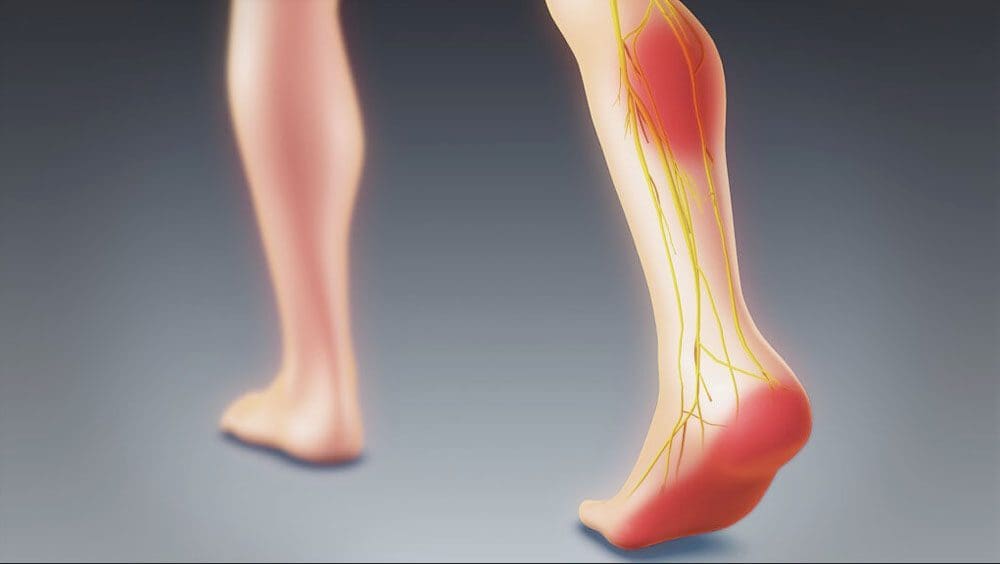
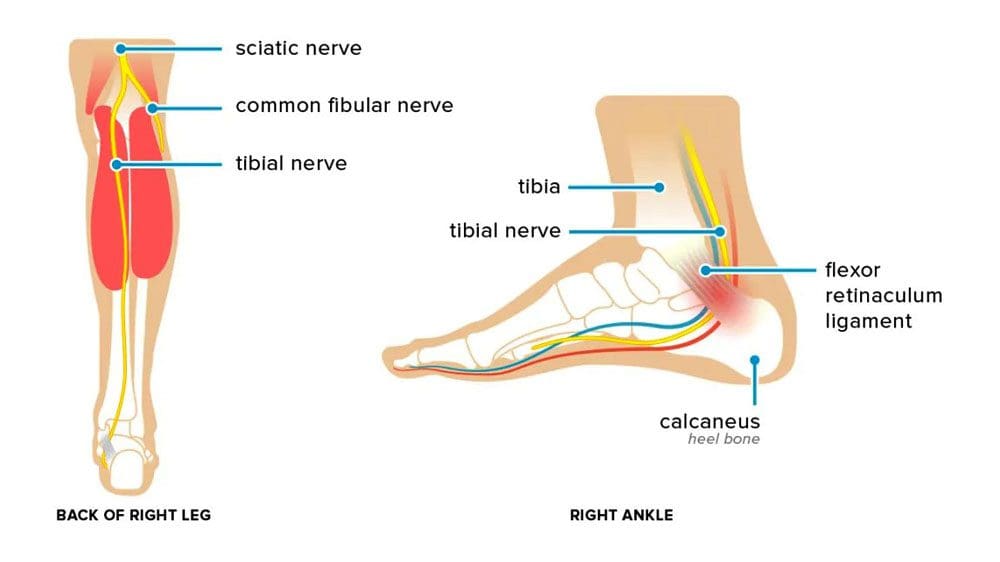
Sciatic nerve sensations can run down the back of the leg down into the foot.
Compression or irritation to any nerve roots can present with symptoms in the hip, thigh, calf, and foot.
Sciatica foot and ankle symptoms can accompany numbness and muscle weakness.
Sciatic nerve irritation mostly causes symptoms on the outside of the foot but can spread to other areas.
Nerve Roots
One or more of the lower spine’s sciatic nerve roots are being compressed or pinched. The foot symptoms location depends on which nerve root is affected.
If the S1 root is affected, symptoms will radiate to the sole and side of the foot.
If L5 is affected, symptoms will radiate to the top of the foot and the big toe.
If the L4 root is affected, symptoms can radiate to the medial or inside the ankle area.
Chiropractic Care and Relief
Foot Massage
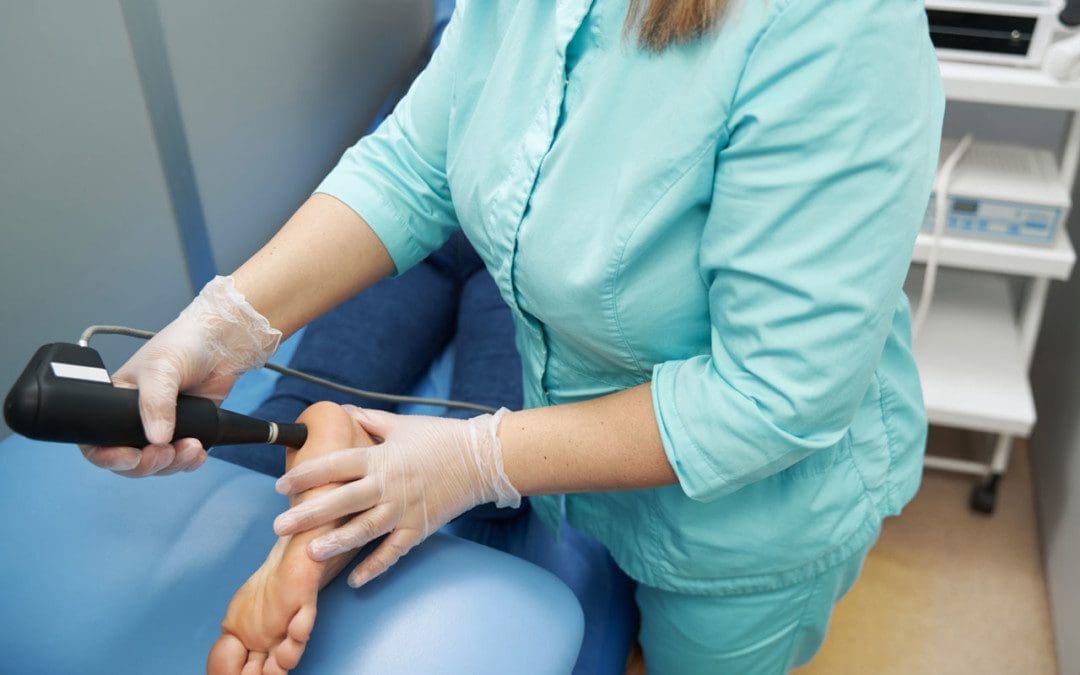
A foot massage can be helpful.
A massage therapist finds points around the ankles that are tender.
Tenderness indicates a lymphatic blockage or muscle tension that needs to be worked out.
They will apply varying pressures to massage the muscles and get the circulation flowing.
The therapist will loosen the tarsal and metatarsal bones to loosen the muscles and nerves.
Moving the bones resupplies the joints, forces out inflammatory metabolic waste, opens the space for the nerves, and allows improved lymphatic drainage and blood flow to expedite healing.
A chiropractor will perform and train the individual on targeted stretches to the Achilles tendon and plantar fascia.
They will stretch, release, and open the ankle and sciatic nerve.
Injections
A cortisone injection where the nerve is affected can help in certain cases.
Injections of a corticosteroid, an anti-inflammatory medicine, can offer relief for up to three months and are given under local anesthesia.
The medicine reduces the inflammation and swelling around the nerve roots.
Foot Orthotics
Custom foot orthotics can help support a postural foot or ankle problem.
Overpronation is when the ankles collapse inward, which creates an imbalance of leg lengths that affects the hips, pelvis, and spine.
Orthotics can help provide symptom relief.
Nutrition
Part of a treatment plan will include an anti-inflammatory and antioxidant nutritional plan.
A professional nutritionist will make recommendations based on the individual’s case.
Magnesium-rich foods are generally recommended for sciatica as this nutrient aids the body in releasing muscle contractions.
99 percent of the body’s magnesium is stored in the bones, muscles, and soft tissues, with only 1 percent concentrated in the blood.
Foods rich in magnesium include:
Avocado
Bananas
Apricots
Dried pumpkin seeds
Dairy
Dark chocolate
Dried figs
Black beans
Brown rice
Fish
Spinach
Swiss chard
Yogurt
Benefits of Custom Foot Orthotics
References
Davis, David, et al. “Sciatica.” StatPearls, StatPearls Publishing, 6 May 2022.
Ge, Phillip S et al. “Iatrogenic pseudoaneurysm of the superior gluteal artery presenting as pelvic mass with foot drop and sciatica: case report and review of the literature.” Vascular and endovascular surgery vol. 44,1 (2010): 64-8. doi:10.1177/1538574409351990
Hughes, Michael S et al. “Post-traumatic catamenial sciatica.” Orthopedics vol. 31,4 (2008): 400. doi:10.3928/01477447-20080401-15
Mayo Clinic. “Sciatica.” https://www.mayoclinic.org/diseases-conditions/sciatica/symptoms-causes/syc-20377435?p=1
National Institutes of Health. “Sciatica.” https://medlineplus.gov/sciatica.html
Pan, Hung-Chuan, et al. “Magnesium supplement promotes sciatic nerve regeneration and down-regulates inflammatory response.” Magnesium research vol. 24,2 (2011): 54-70. doi:10.1684/mrh.2011.0280
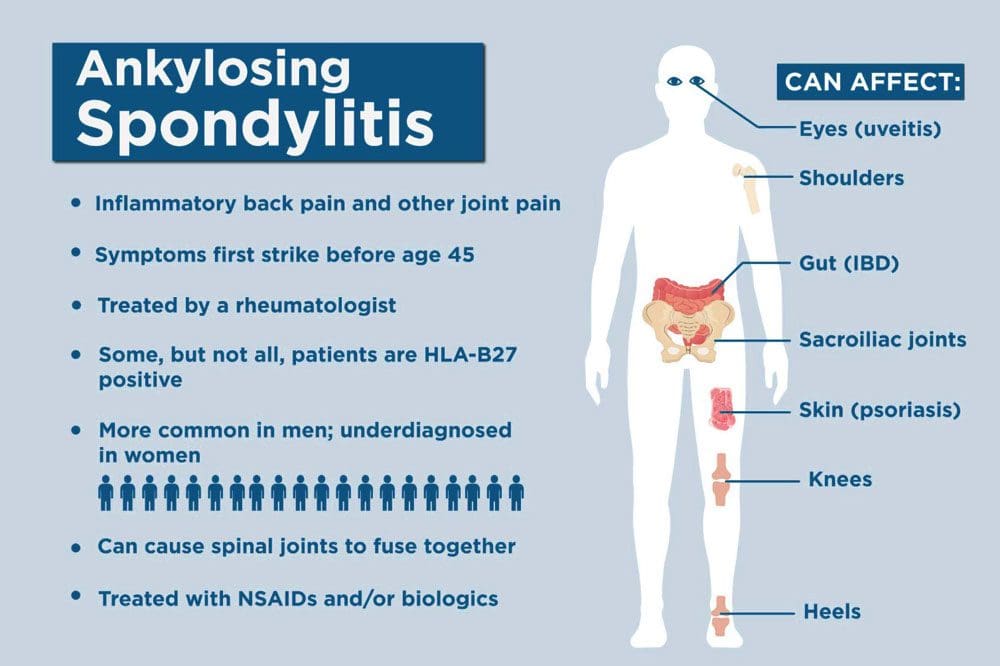
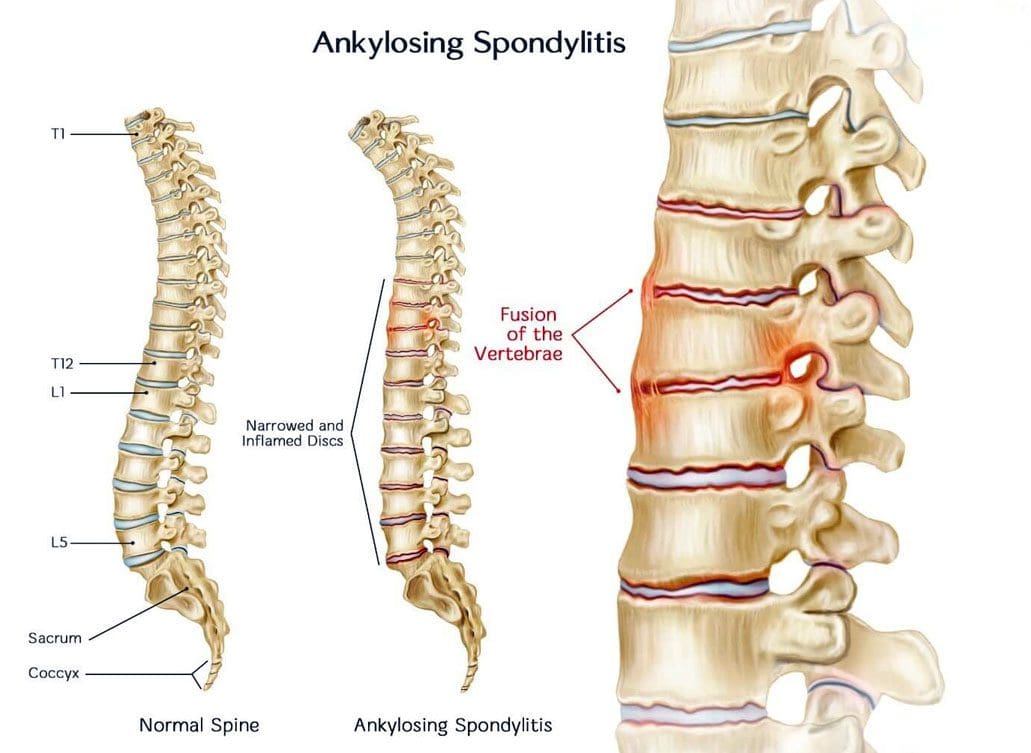
Ankylosing spondylitis is an inflammatory condition that causes pain and stiffness in the spine’s joints. Over time, it can progress to fusing the bones of the spine/vertebrae, limiting the spine’s mobility and leading to discomfort symptoms. The condition is more common in men but also affects women. There is not a known, singular cause, but individuals with a particular gene, HLA-B27, have an increased risk of developing the condition. However, the gene itself does not mean an individual has ankylosing spondylitis; genetics and other outside and environmental factors also play a role. DMARDs, or Disease-Modifying Antirheumatic Drugs, suppress inflammation. An emerging DMARD treatment uses biologics that further target and suppresses specific inflammatory compounds.
Biologics
Unlike regular medications, which are synthesized, biologics are made from and inside living sources.
They are grown in cultures or harvested from blood.
Biologics are complex and expensive.
Biologics provide some of the most powerful treatments for many conditions.
Two biologics commonly used to treat ankylosing spondylitis are:
TNF – tumor necrosis factor, TNF inhibitors are a biological medication that targets and suppresses TNF, which is involved in inflammatory processes throughout the body.
Blocking or suppressing TNF decreases inflammation and can delay the progression of ankylosing spondylitis.
It could be administered through an injection or infusion to provide the medication.
Side Effects
Side effects associated with this medication, along with other conditions, include:
IL – interleukin – IL-17 is a protein involved in inflammatory processes and conditions.
IL-17 inhibitors suppress inflammation which are newer medications that have been shown to benefit those with ankylosing spondylitis.
Doctors often administer IL-17 inhibitors through an injection.
Side Effects
Minor side effects include:
Headaches
Runny nose
Irritation at the injection site.
More serious side effects include:
Certain cancers
Severe infections
High blood pressure
Other Treatments
Treatment goals for ankylosing spondylitis include:
Slowing the disorder’s progression.
Decreasing inflammation.
Reducing pain.
Improving or maintaining joint and spinal range of motion.
Biologics are not the first-line treatment for ankylosing spondylitis.
Providers usually first treat an initial diagnosis with anti-inflammatory medications, like NSAIDs, to decrease inflammation and slow the condition’s progression.
Chiropractic care and physical therapy are recommended to maintain and/or improve posture, muscle strength, and endurance.
Recommended lifestyle and nutritional modifications.
Posture training stretches and exercises.
Optimal movement strategies to safely and confidently complete everyday tasks.
Biologic Medications
Biologics for ankylosing spondylitis may or may not be suitable. These medications are meant to help relieve the inflammation associated with the condition and slow the disorder’s progression. Your healthcare team will work with you to determine the right treatment option/s and explain the benefits, risks, and types of treatment. They will monitor the condition, track progress, and adjust the plan accordingly.
Assessing Hormone Therapy
References
Ankylosing spondylitis. (n.d.) National Institute of Arthritis and Musculoskeletal and Skin Diseases. U.S. Department of Health and Human Services. Available at: https://www.niams.nih.gov/health-topics/ankylosing-spondylitis#:~:text=Ankylosing%20spondylitis%20is%20a%20type,the%20spine%20can%20cause%20stiffness (Accessed: October 12, 2022).
Chen C, Zhang X, Xiao L, Zhang X, Ma X. Comparative Effectiveness of Biologic Therapy Regimens for Ankylosing Spondylitis: A Systematic Review and a Network Meta-Analysis. Medicine (Baltimore). 2016 Mar;95(11):e3060. doi: 10.1097/MD.0000000000003060. PMID: 26986130; PMCID: PMC4839911.
Gerriets V, Goyal A, Khaddour K. Tumor Necrosis Factor Inhibitors. [Updated 2022 July 4]. In: StatPearls [Internet]. Treasure Island (FL): StatPearls Publishing; 2022 Jan-. Available from: https://www.ncbi.nlm.nih.gov/books/NBK482425/
Lindström, U., Olofsson, T., Wedrén, S. et al. Biological treatment of ankylosing spondylitis: a nationwide study of treatment trajectories on a patient level in clinical practice. Arthritis Res Ther 21, 128 (2019). https://doi.org/10.1186/s13075-019-1908-9
Yin, Y., Wang, M., Liu, M. et al. Efficacy and safety of IL-17 inhibitors for the treatment of ankylosing spondylitis: a systematic review and meta-analysis. Arthritis Res Ther 22, 111 (2020). https://doi.org/10.1186/s13075-020-02208-w
Spondyloarthritis is a group of inflammatory, immune-mediated diseases that cause chronic low back pain, inflammation, irritating aches, and pains. The conditions mostly affect the spine but can affect joints in the arms, legs, hips, skin, eyes, and intestines. Spondylitis types can significantly affect daily function, physical activity and compromise bone health.
Spondylitis Types
The main types include:
Ankylosing spondylitis
Psoriatic arthritis
Enteropathic arthritis
Reactive arthritis
Juvenile spondylitis
Undifferentiated spondylitis
Axial Spondylitis vs. Peripheral Spondylitis Types
Axial means relating to the body’s central region, as in the trunk and head.
Axial spondyloarthritis is arthritis and inflammation in the hips and spine.
The condition starts before age 45.
The pain typically starts in the low back but can begin in the neck or other regions.
Characterized by back pain, usually in the lower back and/or buttocks.
Morning back stiffness lasting 30 minutes or longer.
Sacroiliac joint inflammation can also present.
The back pain gradually progresses.
Lasts longer than three months.
Improves with physical movement, not with rest.
Peripheral spondyloarthritis is arthritis and inflammatory pain in the peripheral joints and tendons and does not include the spine.
Individuals can have peripheral and axial spondylitis symptoms simultaneously.
Diagnosis depends on whether symptoms are primarily peripheral or axial.
Spondylitis and Spondylosis
Spondylosis and spondylitis are similar in they cause pain and inflammation in the back and hips. The difference is in each condition’s triggers.
Spondylitis is a disease in which the body’s immune system degrades joints, causes inflammation, overproduces bone formation, and causes bone fusion.
Spondylosis is a category of arthritis that presents as the spine ages from normal wear and tear.
It happens during the degeneration of the spine’s discs and joints.
It also presents when bone spurs develop on the spine’s vertebrae.
Ankylosing Spondylitis
Ankylosing spondylitis is the most common form of arthritis affecting the spine, other joints, and body regions. The condition causes spinal joint inflammation causing extreme discomfort and chronic pain. In some cases, the inflammation progresses to ankylosis, where spine sections fuse and become immobile. Other body areas that can trigger inflammation include:
The ribs
Heels
Shoulders
Hips
Small joints of the feet and hands.
Ankylosing spondylitis symptoms vary from person to person. Common early symptoms include:
There is general discomfort, appetite loss, and mild fever early in the condition.
Persistent stiffness and pain in the buttocks and low back, gradually progressing over a couple of weeks or months.
The pain and stiffness can travel into the neck and spine within months or years.
The pain is usually spread out and dull.
The stiffness and pain are worse in the morning and night and improve with light exercise or a warm shower.
The pain typically becomes chronic, lasts for a minimum of 3 months, and can be felt on both sides.
Tenderness and pain in the hips, thighs, shoulder blades, heels, and ribs may also occur.
Treatment approaches include applications of ice and heat to reduce swelling, increase circulation, and decrease joint pain, posture exercises, stretches, physical therapy, and medication.
Psoriatic Arthritis
Psoriatic arthritis causes swelling, pain, and inflammation in the small joints of the hands and feet; however, the joints of the knees, ankles, and wrists can also be affected. Psoriasis is a rash that causes scaly skin patches.
Individuals can develop dactylitis when a finger or toe swells between the surrounding joints.
Spinal stiffness and pain can present.
Typically the ends of the finger joints are most affected and experience pain and inflammation.
Medications frequently utilized to treat ankylosing spondylitis can be used.
Exercise helps preserve the range of motion and maintain strength.
Isometric exercises work muscles without joint motion reducing the risk of further injury to inflamed joints.
Occupational and physical therapy can significantly assist in optimizing arthritic joint function.
Enteropathic Spondylitis
Enteropathic Arthritis is chronic inflammatory arthritis linked to inflammatory bowel disease. The most recognized are Crohn’s and ulcerative colitis.
The peripheral limb joints and sometimes the whole spine are the most prevalent body areas afflicted with enteropathic spondylitis.
The main symptom is intestine inflammation, including bowel and joint pain and/or inflammatory back pain.
Other symptoms can include weight loss, blood in the stool, abdominal pain, and/or chronic diarrhea.
Managing enteropathic arthritis typically means managing the underlying bowel disease.
Juvenile Spondyloarthritis
Juvenile spondyloarthritis is a group of childhood rheumatic diseases that cause arthritis before age 16 and can continue through adulthood. Juvenile spondyloarthritis encompasses:
Enteropathic arthritis
Enthesitis-related arthritis
Undifferentiated spondyloarthritis
Psoriatic arthritis
Reactive arthritis
Juvenile ankylosing spondylitis
Juvenile spondyloarthritis causes inflammation and pain in joints in the lower body, like the ankles, hips, knees, and pelvis. Other body areas that could be affected include:
The bowels
Eyes
Skin
Spine
Lethargy and fatigue can also present. The symptoms can be unpredictable and episodic, appearing and disappearing without a specific cause. The condition cycles between flare-ups and remission. Common treatment approaches include:
Medication
Exercise
Posture training
Physical therapy, medication
Ice and heat to decrease joint pain and relax muscles.
In severe cases, surgery could be recommended.
Reactive Arthritis or Reiter’s Syndrome
Reactive arthritis is arthritis that causes pain and inflammation in the mucous membranes, bladder, skin, joints, eyes, and genitals.
Reactive arthritis is believed to be a reaction to an infection, usually in the gastrointestinal or urinary tract.
Reactive arthritis does not affect the sacroiliac joints and spine in most cases.
Reactive arthritis is typically treated with nonsteroidal anti-inflammatory medications, steroids, and rheumatoid arthritis medications.
A physician could prescribe antibiotics if a bacterial infection brought on reactive arthritis.
Undifferentiated Spondyloarthritis
Undifferentiated spondyloarthritis is where the signs and symptoms of spondylitis don’t meet the criteria for a specific rheumatoid disorder. Individuals diagnosed with undifferentiated spondyloarthritis will have one or more of the symptoms that include:
Fatigue
Back inflammation
Back pain
Buttock pain that alternates or presents on both sides.
Swollen toes or fingers
Heel pain
Arthritis in the small joints.
Arthritis in the large limb joints.
Enthesitis or inflammation where the ligament or tendon connects to the bone.
Eye inflammation
Individuals can also present symptoms of other spondylitis types, like psoriatic or ankylosing.
Treatment approaches include:
Exercise
Physical therapy
Posture training
Ice and heat to decrease joint pain and loosen up muscles.
Spondylitis Types Diagnosis of Spondyloarthritis
References
Carron, Philippe, et al. “Peripheral spondyloarthritis: a neglected entity-state of the art.” RMD open vol. 6,1 (2020): e001136. doi:10.1136/rmdopen-2019-001136
Gill, Tejpal, et al. “The intestinal microbiome in spondyloarthritis.” Current opinion in rheumatology vol. 27,4 (2015): 319-25. doi:10.1097/BOR.0000000000000187
Rosenbaum, James T. “The eye in spondyloarthritis✰.” Seminars in arthritis and rheumatism vol. 49,3S (2019): S29-S31. doi:10.1016/j.semarthrit.2019.09.014
Seo, Mi Ryoung et al. “Delayed diagnosis is linked to worse outcomes and unfavorable treatment responses in patients with axial spondyloarthritis.” Clinical rheumatology vol. 34,8 (2015): 1397-405. doi:10.1007/s10067-014-2768-y
Sharip, Aigul, and Jeannette Kunz. “Understanding the Pathogenesis of Spondyloarthritis.” Biomolecules vol. 10,10 1461. 20 Oct. 2020, doi:10.3390/biom10101461
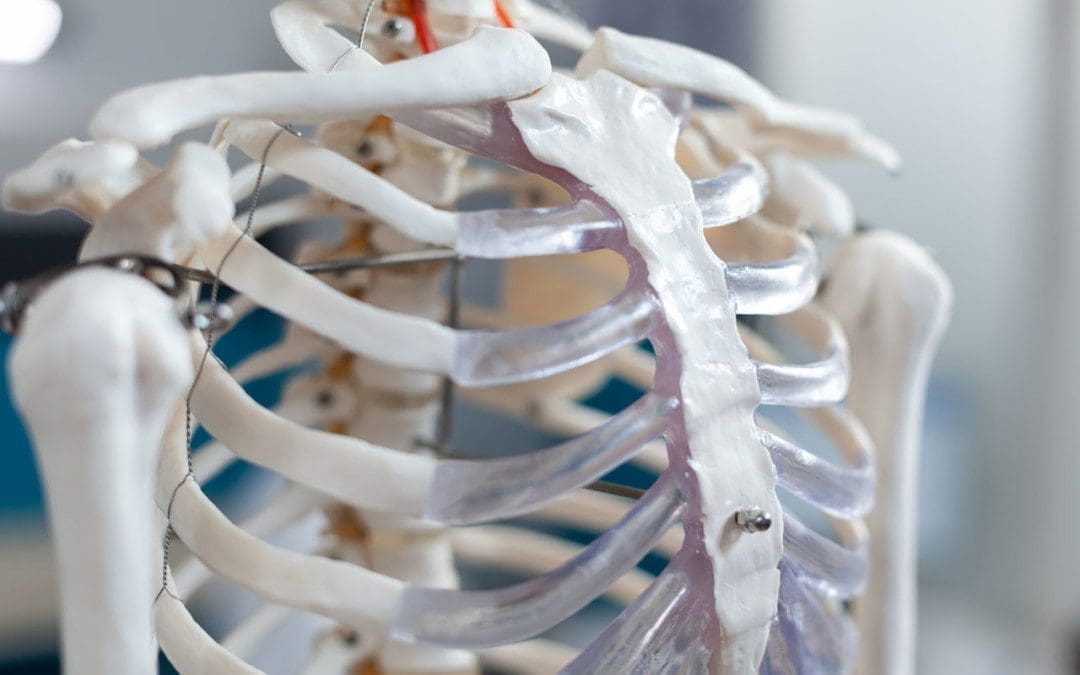
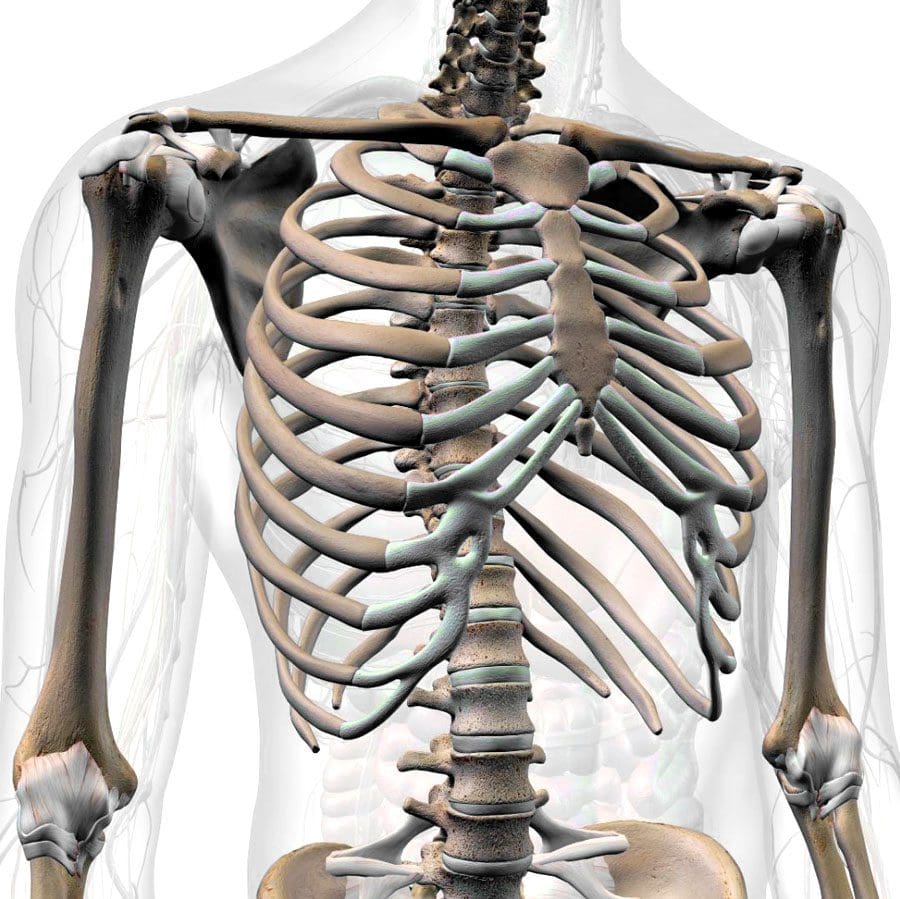
The ribs are designed to protect the lungs and heart and assist breathing. Twenty-four ribs start at the shoulders in the thoracic spine region and run down the mid-back covering the front, back, and side of the chest. Almost all ribs are attached in two places, including the spine in the back and the sternum in the front of the chest, by cartilage joints. Trauma, poor posture, intense coughing, sneezing, and heaving are a few factors that can cause mechanical rib dysfunction or rib misalignment.
Rib dysfunction and misalignment are typically caused by unhealthy postures like slumped back and rounded shoulders, weakened posterior muscles, and repetitive stress from work, sports, and intense physical activity. Any ribs can become misaligned, causing dysfunction and stress on the body. A chiropractor can adjust and reset the rib as they do for misaligned and compressed spinal joints.
Rib Cage Design
The ribcage is flexible and expands when inhaling. Each rib is attached to the spine by three joints in the back and the breastbone in the front. Breathing is an involuntary reflex that is impossible to avoid movement in these joints. The joints are small but allow flexing, so the ribs rise and fall with each breath. These rib joints can become inflamed from rib misalignment causing movement problems that can restrict breathing.
Rib Misalignment
Rib misalignment symptoms can include:
Difficulty breathing.
Difficulty when trying to sit up.
Dull, achy, deep pain next to the spine or under the shoulder blade.
Unexplained back pain.
Pain when moving or walking.
Painful sneezing and/or coughing.
Tenderness and pain in the front of the chest.
The formation of a lump over the affected rib.
Swelling and/or bruising in the region.
Numbness in nearby or surrounding ribs.
Radiating pain from the back to the front and vice versa.
Improvement when pressure is applied to the affected rib.
Rib Dysfunction
Up to 50% of emergency room visits for chest pain symptoms result from non-cardiac factors, with the majority being rib misalignment and the muscles and joints around the rib cage becoming irritated/inflamed.
Causes
There can be several reasons for a misaligned rib. The more common causes include:
Unhealthy Postures
Unhealthy postures stress the body that can place pressure on the posterior portion of the ribcage.
With time, the ribs can start to shift out of alignment.
Physical Activity, Exercise, and Sports
Working out intensely can cause the ribs to shift out of position.
Weight lifting improperly can cause the body to shift along with the muscles involved not being strong enough to handle the added weight and movement, causing rib misalignment.
Pregnancy
As a woman’s body changes, the weight shifts to the front.
This can create a downward pull on the rib cage, increasing misalignment risk.
Intense Coughing or Sneezing
Excessive or severe coughing, associated with asthma, bronchitis, or pneumonia, can significantly strain the ribcage.
Coughing from a common cold can generate stress to cause a rib to dislocate.
Sneezing hard can also cause a rib to shift out of place.
Illnesses associated with constant coughing and sneezing can increase an individual’s susceptibility to rib misalignment because of the weakened state of the muscles.
Intense Vomiting
Vomiting intensely or heaving can cause the condition.
Vomiting does not necessarily involve the lungs, but the convulsive action can cause a rib shift/pop out.
Chiropractic Treatment
Chiropractic can diagnose and treat rib misalignment/dysfunction by using various stretching or massage techniques to loosen the area, making the muscles more flexible, then applying firm pressure to realign the rib back. The treatment plan will include specific stretches, postural exercises, diet, and other recommendations to prevent rib problems.
Spinal Decompression In 90 Seconds
References
Flodine TE, Thomas M. Osteopathic Manipulative Treatment: Inhaled Rib Dysfunction. [Updated 2021 Aug 15]. In: StatPearls [Internet]. Treasure Island (FL): StatPearls Publishing; 2022 Jan-. Available from: https://www.ncbi.nlm.nih.gov/books/NBK560751/
Jawed, Muzamil. and Bruno Bordoni. “Osteopathic Manipulative Treatment: Muscle Energy Procedure – Exhaled Ribs.” StatPearls, StatPearls Publishing, 19 February 2022.
Individuals talk about how they don’t sleep much because they have so much to do and can operate/function on only 5 or 6 hours of sleep and are surprised when they develop serious health problems and mental health issues. However, inadequate sleep is a big deal. Depriving the body and mind of proper sleep leads to all kinds of health problems that include:
Chiropractors focus on whole-body health, are specialists in the musculoskeletal system, and take a multifaceted approach to treat fatigue and inadequate sleep. They can help with sleep problems and other health factors by bringing the body back into alignment/balance, improving circulation, nerve energy flow, and nervous system function. This includes chiropractic adjustments and therapeutic massage.
Spinal Adjustments
Misalignment of the cervical spine could be contributing to issues breathing and getting into a deep sleep.
Spinal realignment can help with better sleep.
Posture Analysis and Sleep Positions
Posture is a significant part of optimal health, especially when breathing correctly.
A chiropractor can analyze and correct any posture misalignments.
They can also advise how best to sleep, so the airway does not become obstructed during the night.
Health Factors
A recommendation for fatigue and inadequate sleep is to lose weight if overweight or obese.
A trained nutritionist or health coach can help develop healthy eating and lifestyle habits.
Less Stress and Plenty of Sleep
The combination of spinal adjustments and therapeutic massage can generate significant benefits to help keep the body healthy. Chiropractic adjustments have been found to release stress-reducing hormones like oxytocinand neurotensin. And therapeutic massage has been shown to improve inadequate sleep patterns, as well as:
Jamison, Jennifer R. “Insomnia: does chiropractic help?.” Journal of manipulative and physiological therapeutics vol. 28,3 (2005): 179-86. doi:10.1016/j.jmpt.2005.02.013
Jehan, Shazia et al. “Obstructive Sleep Apnea and Obesity: Implications for Public Health.” Sleep medicine and disorders: international journal vol. 1,4 (2017): 00019.
Kashani, Fahimeh, and Parisa Kashani. “The effect of massage therapy on the quality of sleep in breast cancer patients.” Iranian journal of nursing and midwifery research vol. 19,2 (2014): 113-8.
Kingston, Jana et al. “A review of the literature on chiropractic and insomnia.” Journal of chiropractic medicine vol. 9,3 (2010): 121-6. doi:10.1016/j.jcm.2010.03.003
There are different possible causes of abdominal pain and digestive problems. Sometimes a bulging disc is the cause. A bulging disc that is causing abdominal pain is rare but possible. When this happens, it’s usually a herniated disc in the upper back, known as the thoracic spine. When the disc bulges to the side, it can cause abdominal pain. One study found that half of the patients presenting with herniated discs also suffered from digestive problems, including irritable bowel syndrome.
Thoracic Disc Herniation
The thoracic spine is the region between the base of the neck and the low back. This section is surrounded and stabilized by the ribcage, reducing the risk of disc herniation. Most herniated disc/s occur in the low back or the neck because those areas with a lot of movement are less stable than the thoracic spine. But they do happen and can contribute and/or cause abdominal pain. This is usually accompanied by pain in the mid-back and the chest. Because this is rare, physicians don’t immediately think that a herniation is causing abdominal pain. This can lead to unnecessary and expensive tests to find the problem.
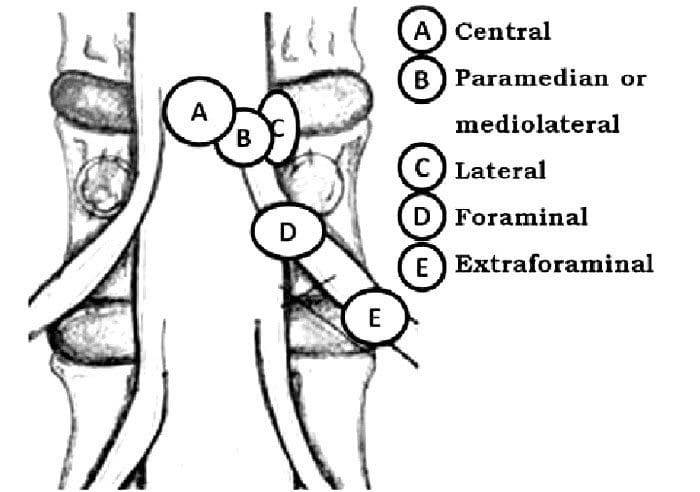
Lateral Disc Herniation
This is not the most common type of disc herniation. The type of herniation that causes pain in the abdomen is known as lateral disc herniation. This is when the disc bulges laterally/sideways. What happens is it can compress and irritate the nerve root. This is what can cause pain in the abdomen. Types of disc herniations include:
Causes
Most thoracic herniations are caused by trauma to the upper back. This can come from a:
Fall
Auto accident
Sports injury
They can also be caused by degenerative disc disease. If this happens, the discs can become calcified, which could require surgery.
Movements like reaching up to get something or twisting motions like putting on a seatbelt can cause the pain to worsen. Most thoracic herniations happen in young individuals brought on by trauma to the area. Women tend to be affected more by thoracic disc herniation that causes abdominal pain.
Herniated Disc and Bloating
Bloating often comes with digestive problems. A herniated discs can also cause bloating along with abdominal and back pain. However, they are not always related because bloating, and other digestive issues can cause back and abdominal pain. Bloating and pain typically go away after a bowel movement. But it is important to see a medical professional if the problem lasts more than a few days.
Gas and a Herniated Disc
In certain cases, a herniated disc can cause gas. This is rare, but evidence suggests that nerve compression in the spine can affect the digestive system. If back pain, abdominal pain, and digestive issues are presenting, seeking out treatment is recommended.
Treatment
Chiropractors specialize in spinal care. The approach is to balance the entire body and heal the underlying issues. The nervous system travels through the spinal column. If injured or damaged, it can cause all kinds of issues. This includes abdominal pain and digestive problems. A chiropractor will:
Bring pain relief
Realign the spine
Balance the body
Recommend exercises and stretches
Offer nutritional recommendations
Recommend sleeping positions to prevent pain at night
They are different techniques to treat disc herniations. These include:
Full-body diagnosis
Detailed medical history
MRI, CT, or X-Rays
Laser therapy
Ultrasound
Ice and heat
Electrical stimulation
Massage
Physical therapy
Body Composition
Binge Eating
A common and powerful trigger of binge eating is restrictive dieting. This type of diet is a common weight-loss method for short-term goals. This is because a highly controlled program of calorie intake makes it easier to prevent overeating. The problem is that this type of restriction is not sustainable. Most individuals can avoid certain foods for only so long. However, this is not the only reason for binge eating. Many individuals use food as an emotional suppressor. They overeat during:
Levels of high stress
Boredom
Bouts of sadness
Exhaustion/excessively tired
The brain and body are conditioned to crave certain and usually addictive foods. When individuals want to get their minds off of something, cravings can activate and become overpowering. Although it is not an addiction to alcohol or drugs, food addiction is still an addiction. Working through addictive behavior toward any substance will improve the quality of life. Overcoming food addiction promotes physical health benefits and improved mental health. Recognizing addictive behaviors when it comes to food is the first step.
References
Al-Khawaja, Darweesh O et al. “Surgical treatment of far lateral lumbar disc herniation: a safe and simple approach.” Journal of spine surgery (Hong Kong) vol. 2,1 (2016): 21-4. doi:10.21037/jss.2016.01.05
Lara, F J Pérez et al. “Thoracic disk herniation, a not infrequent cause of chronic abdominal pain.” International surgery vol. 97,1 (2012): 27-33. doi:10.9738/CC98.1
Papadakos, Nikolaos et al. “Thoracic disc prolapse presenting with abdominal pain: case report and review of the literature.” Annals of the Royal College of Surgeons of England vol. 91,5 (2009): W4-6. doi:10.1308/147870809X401038
Polivy, J et al. “Food restriction and binge eating: a study of former prisoners of war.” Journal of abnormal psychology vol. 103,2 (1994): 409-11. doi:10.1037//0021-843x.103.2.409
The feet are the foundation of the body. The feet carry the body's entire weight allowing for movement with ease. The feet are a complex structure that consists of:
Bones
Joints
Muscles
Ligaments
Tendons
Nerve endings
Because of this, the feet are a high-impact area taking the everyday forces that come from:
Balancing
Walking
Running
Stopping
Twisting
Shifting positions
Tiptoe reaching
Common Symptoms
Symptoms commonly caused by foot issues include:
Soreness
Stiffness
Leg pain
Muscle Weakness
Poor balance
Flat feet, fallen arches, injuries, bone spurs, and other issues can cause problems with the rest of the body. The most common are:
Back Problems
When foot issues are present it's common to change walking postures to avoid pain and discomfort. Individuals often do not realize they are doing it until the awkward postures begin to present with pain and discomfort. Overcompensation combined with unhealthy walking patterns can cause back pain. This is because the spine is becoming misaligned. Balance of the body is crucial. When something shifts the proper balance, the whole spine can shift out of alignment. This is especially true for individuals with flat feet. Flat feet can cause the ankle/s to lose alignment. This leads to problems up the body, from the knees to the hips to the spine and neck.
Joint Pain
Imbalances cause the feet and spine to not absorb shocks from everyday activity properly. This means the rest of the body, especially the joints, have an added job of absorbing the shock/impact. As time goes on the stress and shock can lead to severe ankle, knee, hip discomfort/pain, and malfunctions.
Posture Imbalance
These misalignments cause imbalance and posture problems. When the feet have lost the proper anchoring and alignment, overall posture and balance become affected. This increases the risk for dangerous slip and fall accidents that can exacerbate or cause new injuries.Posture problems are usually the result of the body trying to redistribute weight to reduce the pain and because it works then becomes a bad habit.
Referred and Radiating Pain
The muscles, tendons, and ligaments of the feet connect to the rest of the body. Any pain/issues like calf pain or weakness in the feet can begin to present in the lower leg since that is where the soft tissue is most closely connected.
Foot Problems/Issues
The most common foot problems podiatrists see that lead to the aforementioned ailments.
Flat Feet
Flat feet also known as fallen arches. This is a condition where the feet lack or have lost the arch when standing. This can be quite uncomfortable and creates weight distribution problems. It can be a genetic condition but is also be the result of wearing shoes without arch support for a prolonged time.
Corns and Bunions
Corns are round circles of thick skin on the toes, or on the soles of the feet. The body forms them naturally to prevent blisters, but they could be the result of poorly fitting shoes. Typically they are not painful when they form, but can become irritated over time. Bunions are bumps on the side of the big toe that can cause a bending inward toward the other toes, creating a painful angle. This can cause severe irritation and inflammation in the bump and toes. These can be genetic or caused by structural problems. But they can be caused by tight-fitting shoes or excess pressure on the feet for prolonged periods.
Hammertoe
Hammertoe, also known as mallet toe, is a condition that makes one or more of the toes pointing down rather than straight. Walking can cause pain, and movement of the toe can reduce or stop completely. This is caused by arthritis or an injury, it can be genetic, or the result of poor footwear.
Plantar Fasciitis
This condition causes pain that goes from the bottom of the heel to the middle of the foot. It is caused by inflammation of the plantar fascia ligament also located in this area. There is a wide range of pain levels that can range from dull to stabbing. It is often caused by poor footwear with no arch support that has been worn for long periods when walking, standing, and running. Weight gain is another cause, as the added weight could be too much for the foot to manage, causing strain.
Shoes
Individuals that wear high heels, shoes that are the wrong size, or other uncomfortable footwear consistently will more likely develop the aforementioned issues. Shoes with proper support are essential to optimal foot and body health because they evenly distribute the weight of the body lessening the impact from everyday activities.
Foot Orthotics
Another recommended option for alleviating foot issues is custom foot orthotic inserts. These can be fit into any shoe, and are customized to an individual's feet. They’re affordable, and allow individuals to wear their shoes without pain.
Chiropractic & Physical Therapy
Chiropractic and physical therapy can help alleviate the pain that is resultant from foot problems. Seeing a podiatrist can treat the root cause of the condition, but the rest of the body could need chiropractic readjusting from the misalignment/s.
Custom Orthotics
Heat-related illnesses
Heat-related illnesses vary in their severity, but even light symptoms need immediate action to correct the problem before it does become severe.
Heat cramps
When exercising in the heat painful cramps can present. The affected muscle/s might feel hard, spasm, or generate sharp pain. The body temperature could still be within normal limits.
Heat syncope
Syncope is a loss of consciousness, that is usually recognized as exercise-related collapse. However, before this happens, there may be a feeling of lightheadedness or fainting. This happens when temperatures are high and the individual has been standing or exercising for a long time. The same can occur when standing up quickly after sitting for a long time.
Heat exhaustion
Heat exhaustion happens when the body temperature exceeds normal limits and rises as high as 104. This can cause nausea, weakness, cold, fainting, headaches, and vomiting. The body continues to sweat, but the skin may feel cold and clammy.
Heatstroke and Sunstroke
Heat exhaustion untreated leads to heatstroke or sunstroke. The body's core temperature is greater than 104 degrees and in a life-threatening emergency. The skin is no longer capable of sweating and can feel dry or moist. Individuals can become confused, irritable, and experience heart arrhythmias. Immediate medical emergency treatment is necessary to stop brain damage, organ failure, and death.
Disclaimer
The information herein is not intended to replace a one-on-one relationship with a qualified health care professional, licensed physician, and is not medical advice. We encourage you to make your own health care decisions based on your research and partnership with a qualified health care professional. Our information scope is limited to chiropractic, musculoskeletal, physical medicines, wellness, sensitive health issues, functional medicine articles, topics, and discussions. We provide and present clinical collaboration with specialists from a wide array of disciplines. Each specialist is governed by their professional scope of practice and their jurisdiction of licensure. We use functional health & wellness protocols to treat and support care for the musculoskeletal system’s injuries or disorders. Our videos, posts, topics, subjects, and insights cover clinical matters, issues, and topics that relate to and support, directly or indirectly, our clinical scope of practice.* Our office has made a reasonable attempt to provide supportive citations and has identified the relevant research study or studies supporting our posts. We provide copies of supporting research studies available to regulatory boards and the public upon request. We understand that we cover matters that require an additional explanation of how it may assist in a particular care plan or treatment protocol; therefore, to further discuss the subject matter above, please feel free to ask Dr. Alex Jimenez or contact us at 915-850-0900.
Dr. Alex Jimenez DC, MSACP, CCST, IFMCP, CIFM, CTG*
email: [email protected]
phone: 915-850-0900
Licensed in Texas & New Mexico
IFM's Find A Practitioner tool is the largest referral network in Functional Medicine, created to help patients locate Functional Medicine practitioners anywhere in the world. IFM Certified Practitioners are listed first in the search results, given their extensive education in Functional Medicine