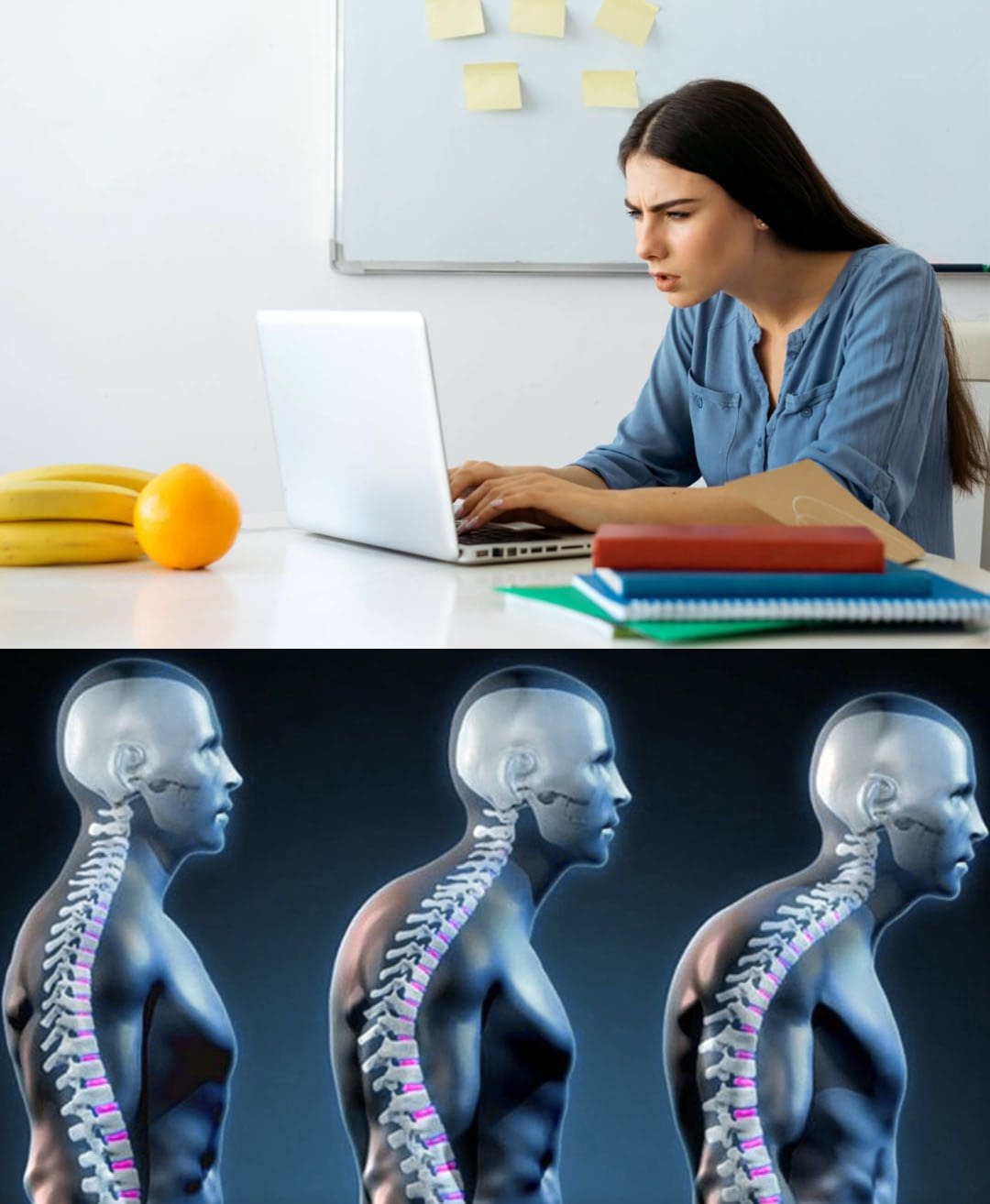
Shoulder and neck discomfort, pain, and headaches could be caused by vision problems and eye strain that require corrective glasses, contact lenses, or an updated prescription. Spending long periods of activity involving eye usage, like driving, reading/writing reports, studying plans, instructions, reviewing charts, orders, etc., on mobile devices and computer screens fatigues the eyes. Individuals with tired eyes try to reduce eye strain by tilting their head or neck and hunching forward, which results in an unhealthy posture. And for individuals that need glasses squinting and straining the eyes also leads to unhealthy postures, directly contributing to neck and shoulder pain and headaches. Injury Medical Chiropractic and Functional Medicine Clinic can repair and heal musculoskeletal injuries and refer patients to the proper specialist, in this case, an eye care professional.
Vision Problems
Like any muscle, the eyes can be overworked, causing unconscious tensing of the neck, upper back, and shoulder muscles, leading to muscle tension in the back of the skull. The tense muscles can cause blood flow and circulation restriction. Individuals compensate by tilting the head towards one shoulder, craning the neck, or leaning/hunching. This can help for a little while but does not relieve muscle soreness, headaches, or migraines, as well as the throbbing around the temples or the fact that it will keep happening. Individuals learn to live with the pain and push through it. This is unhealthy and can lead to serious, chronic musculoskeletal conditions that can cascade into other health problems. For individuals, the symptoms they are experiencing are common in conditions they may have been previously or currently diagnosed with, including:
Neck Strain
The risk of neck strain or injury comes with the overuse of the neck muscles and tendons.
This results in neck pain, tenderness, and a decreased range of motion.
With vision problems, individuals have additional stress on their neck muscles as they tilt their heads to relieve the discomfort.
Neck Muscle Spasms
When the muscles in the neck involuntarily tighten, it can cause sharp or sudden pain; this is referred to as a muscle spasm.
Individuals can experience muscle spasms for minutes, hours, or even days.
Constantly tilting the head to one side to realign vision can cause overuse and strain on the neck muscles, resulting in muscle spasms.
Torticollis/Wry Neck
With torticollis, individuals will likely have a head tilt and experience neck muscle tenderness, stiffness, and pain.
Chiropractic Treatment
Chiropractors are experts in relieving discomfort symptoms and restoring the neuromusculoskeletal system to optimal function. They help reduce inflammation and muscle spasms through heat, cold, stretches and exercises, and electrical stimulation to expedite healing. They also retrain individuals on posture training eliminating the need to tilt the head and being more aware of body positioning.
As primary care doctors, chiropractors can refer their patients to specialists.
Chiropractors work with a wide range of medical professionals, depending on the needs of their patients.
When neck and shoulder discomfort and headaches become chronic and do not heal or improve, they could be vision problems.
By treating the vision misalignment, pressure can be relieved in the neck and shoulders, reducing and eliminating spasms.
Beyond Medicine
References
Bryans, Roland, et al. “Evidence-based guidelines for the chiropractic treatment of adults with headache.” Journal of manipulative and physiological therapeutics vol. 34,5 (2011): 274-89. doi:10.1016/j.jmpt.2011.04.008
Gowrisankaran, Sowjanya, and James E Sheedy. “Computer vision syndrome: A review.” Work (Reading, Mass.) vol. 52,2 (2015): 303-14. doi:10.3233/WOR-152162
Kaur, Kirandeep, et al. “Digital Eye Strain- A Comprehensive Review.” Ophthalmology and therapy vol. 11,5 (2022): 1655-1680. doi:10.1007/s40123-022-00540-9
Lodin, Camilla, et al. “Eye- and neck/shoulder-discomfort during visually demanding experimental near work.” Work (Reading, Mass.) vol. 41 Suppl 1 (2012): 3388-92. doi:10.3233/WOR-2012-0613-3388
Richter, Hans O. “Neck pain brought into focus.” Work (Reading, Mass.) vol. 47,3 (2014): 413-8. doi:10.3233/WOR-131776
Zetterberg, Camilla et al. “Neck/shoulder discomfort due to visually demanding experimental near work is influenced by previous neck pain, task duration, astigmatism, internal eye discomfort, and accommodation.” PloS one vol. 12,8 e0182439. 23 Aug. 2017, doi:10.1371/journal.pone.0182439
Injuries after a motorcycle crash include contusions, skin abrasions, soft tissue injuries to tendons, ligaments, and muscles, sprains, strains and tears, facial and jaw fractures, traumatic brain injury, broken bones, misalignment, neck and back injuries, and biker’s arm. The Injury Medical Chiropractic and Functional Medicine Team can develop a comprehensive view of the sustained injuries to create a personalized treatment plan to reduce inflammation, increase flexibility, correct misalignments, rehabilitate the body, relax, stretch, and strengthen the musculoskeletal system, and restore mobility and function.
Motorcycle Crash Injuries
Motorcycle crash injuries are not easy to recover from. Acute soft tissue injuries caused by sudden trauma are common, as well as herniated discs, pelvis, and spinal misalignments that can have a cascading effect on the rest of the body.
Pelvic Misalignment
The pelvis comprises the pubic joint in the front and two sacroiliac joints in the back.
The sacroiliac joints work to connect the pelvis to the spine.
The pelvis also connects various muscles, including the pelvic floor and hip.
When the hip sustains a crash/collision impact or the impact causes the individual to fall on their hip, the hip or pelvis can become misaligned. Pelvic misalignment is one of the leading causes of severe back problems and pain. To realign the pelvis, a chiropractor will develop a physical therapy program that will include the following:
Therapeutic massage to relax the muscles and increase blood circulation.
Directed stretching of tight and overactive muscles.
Strengthening or reactivating weak and inhibited muscles.
Exercises to train proper pelvis positioning awareness.
Neck Injuries
In addition to whiplash, spinal misalignment to the vertebrae in the neck can occur. A chiropractor can help restore the range of motion. The treatment team will develop a therapy program in addition to chiropractic. The primary focus is to improve the flexibility and strength of the neck. The common types of physical therapy include:
Massage.
Neck stretches.
Back strengthening.
Core strengthening.
Leg and Foot Injuries
Extremity injuries frequently occur, particularly to the feet and legs, and include:
Sprains.
Strains.
Muscle tears.
Road Rash.
Bone fractures.
The therapy team will build a treatment plan that works through each system up the foot, knee, and hip. This plan will help heal soft tissue injuries by applying techniques like massage therapy and at-home exercises.
Rider’s Arm
Motorcyclists may extend their hands out to protect themselves from the impact when falling. This position can lead to injuries that affect the shoulders, arms, wrists, and hands. The physical therapy team can help heal soft tissue injuries and increase mobility using mobilization. Chiropractic can restrengthen damaged shoulder muscles, support torn ligaments, and treat tissue damage.
This hands-on technique involves easing a joint or muscle through normal movement patterns to release and relax stiffness and increase mobility.
Manual adjustments, deep tissue massage, exercise, and hot/cold therapy help restore health and mobility and expedite recovery.
Injury Rehabilitation
References
Dischinger, Patricia C et al. “Injury patterns and severity among hospitalized motorcyclists: a comparison of younger and older riders.” Annual proceedings. Association for the Advancement of Automotive Medicine vol. 50 (2006): 237-49.
Mirza, M A, and K E Korber. “Isolated rupture of the anterior tibialis tendon associated with a fracture of the tibial shaft: a case report.” Orthopedics vol. 7,8 (1984): 1329-32. doi:10.3928/0147-7447-19840801-16
Petit, Logan, et al. “A review of common motorcycle collision mechanisms of injury.” EFORT open reviews vol. 5,9 544-548. 30 Sep. 2020, doi:10.1302/2058-5241.5.190090
Sander, A L et al. “Mediokarpale Instabilitäten der Handwurzel” [Mediocarpal instability of the wrist]. Der Unfallchirurg vol. 121,5 (2018): 365-372. doi:10.1007/s00113-018-0476-9
Tyler, Timothy F et al. “Rehabilitation of soft tissue injuries of the hip and pelvis.” International journal of sports physical therapy vol. 9,6 (2014): 785-97.
Vera Ching, Claudia, et al. “Traumatic tracheal injury after a motorcycle accident.” BMJ case reports vol. 13,9 e238895. 14 Sep. 2020, doi:10.1136/bcr-2020-238895
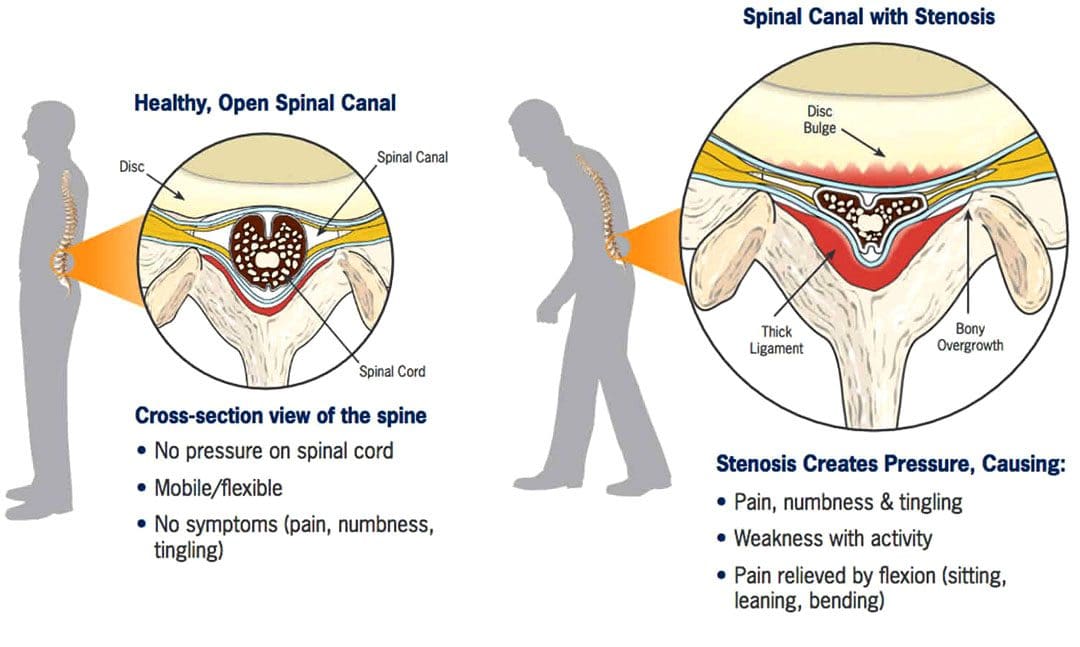
Spinal Stenosis Walking Issues:Stenosis means a narrowing. Spinal stenosis can happen in any spine region, but the neck and lower back are the most common locations. The spinal canal becomes narrower and can cause the nerves to become compressed, pinched, and irritated and can extend from the lumbar spine through the hips, buttocks, legs, and feet. Individuals with lumbar spinal stenosis may have difficulty walking caused by sensations of discomfort like numbness, electrical shocks, and pain, requiring the need to lean forward to relieve pressure and symptoms. Additionally, symptoms are likely to worsen the longer the walk. Chiropractic treatment can treat spinal stenosis because it corrects and re-aligns the spine, thus reducing pressure on the spinal cord, joints, and nerve roots.
Spinal Stenosis Walking Issues
The spine is made up of interlocking vertebrae. The regions are cervical, thoracic, lumbar, and sacral bones with a foramen opening. These openings form the protective tunnel/spinal canal surrounding the spinal cord. The spinal cord is a group of nerves that run through the tunnel. The narrowing suffocates the nerves supplying the lower extremities that can influence walking activity.
Symptoms
There may be no symptoms with early lumbar spinal stenosis. Most individuals develop symptoms gradually and may begin to notice them while walking or standing. These can include:
Lower back pressure sensations when standing upright or walking.
Leg numbness, tingling, weakness, burning, and/or cramping.
Muscle weakness.
Persistent pain in the back, hips, buttocks, or legs while walking.
Difficulty lifting the top part of the foot – known as drop foot.
Loss of sensation in the feet.
A weak foot that drops/slaps down when walking.
Loss of sexual ability.
In more serious cases, severe numbness, bladder problems, and inability to stand.
Individuals begin to lean forward when symptoms start, bringing relief by reducing the pressure on the nerves. However, constantly leaning forward leads to other posture and health problems.
Diagnosis
A doctor or chiropractor will ask questions about symptoms and medical history and perform a complete physical examination to diagnose lumbar spinal stenosis. During the physical examination, a healthcare provider will look for signs, such as loss of sensation, weakness, and abnormal reflexes.
Tests:
X-rays of the lumbar spine may show bone growths called spurs that push on spinal nerves and/or narrowing of the spinal canal.
Imaging tests – A CT or MRI scan can provide a detailed look at the spinal canal and nerve structures.
Other studies include – bone scans, myelogram, which is a CT scan that uses a color dye, and EMG, which is an electrical test of muscle activity.
Chiropractic Treatment
Chiropractic care combined with physical therapy is a tried-and-true treatment for spinal stenosis. A chiropractic treatment plan can include targeted and passive exercise programs. Targeted exercises involve strengthening the core and back muscles. Passive treatments include hot and cold therapy, massage, decompression, and electrical stimulation. The objective of chiropractic therapy is to:
Strengthen muscles in the core and legs
Correct posture and body mechanics.
Improve mobility.
Maintain ability to perform day-to-day activities.
Recommend stretches.
Educate on how to keep the spine and back muscles safe.
Train on using devices like a back brace, cane, or walker properly.
Advise about shoe inserts and splints.
Suggest work and home environment modifications, such as ergonomics and cushions.
Chiropractic Relief
References
Conway, Justin, et al. “Walking assessment in people with lumbar spinal stenosis: capacity, performance, and self-report measures.” The spine journal: official North American Spine Society journal vol. 11,9 (2011): 816-23. doi:10.1016/j.spinee.2010.10.019
Lurie, Jon, and Christy Tomkins-Lane. “Management of lumbar spinal stenosis.” BMJ (Clinical research ed.) vol. 352 h6234. 4 Jan. 2016, doi:10.1136/bmj.h6234
Macedo, Luciana Gazzi, et al. “Physical therapy interventions for degenerative lumbar spinal stenosis: a systematic review.” Physical therapy vol. 93,12 (2013): 1646-60. doi:10.2522/ptj.20120379
Tomkins-Lane, Christy C et al. “Predictors of walking performance and walking capacity in people with lumbar spinal stenosis, low back pain, and asymptomatic controls.” Archives of physical medicine and rehabilitation vol. 93,4 (2012): 647-53. doi:10.1016/j.apmr.2011.09.023
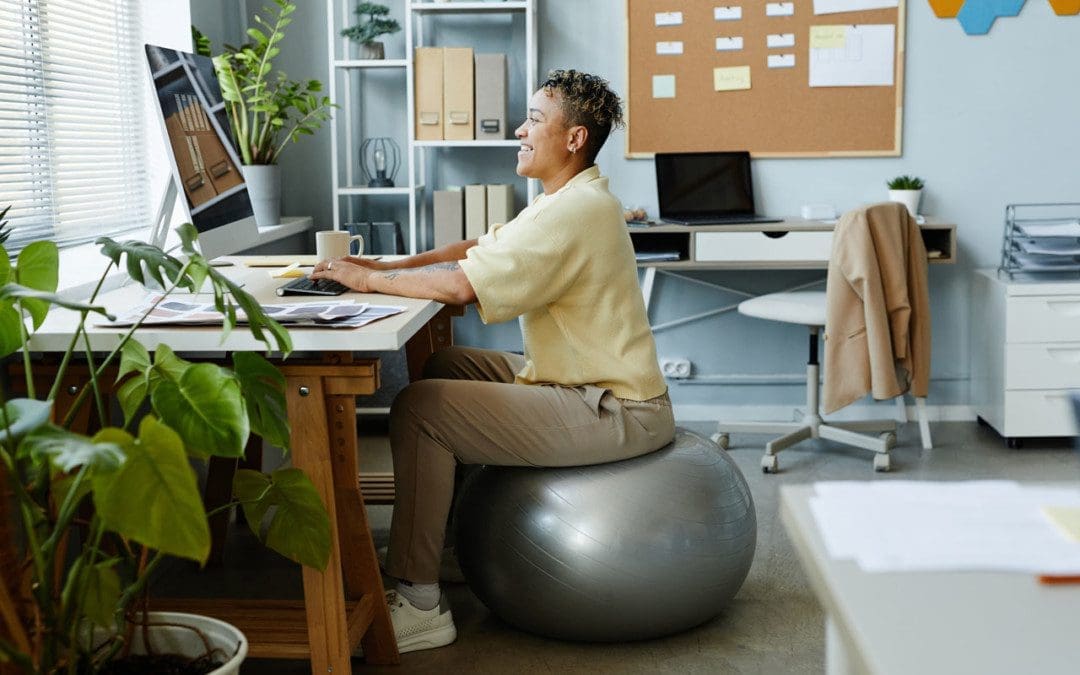
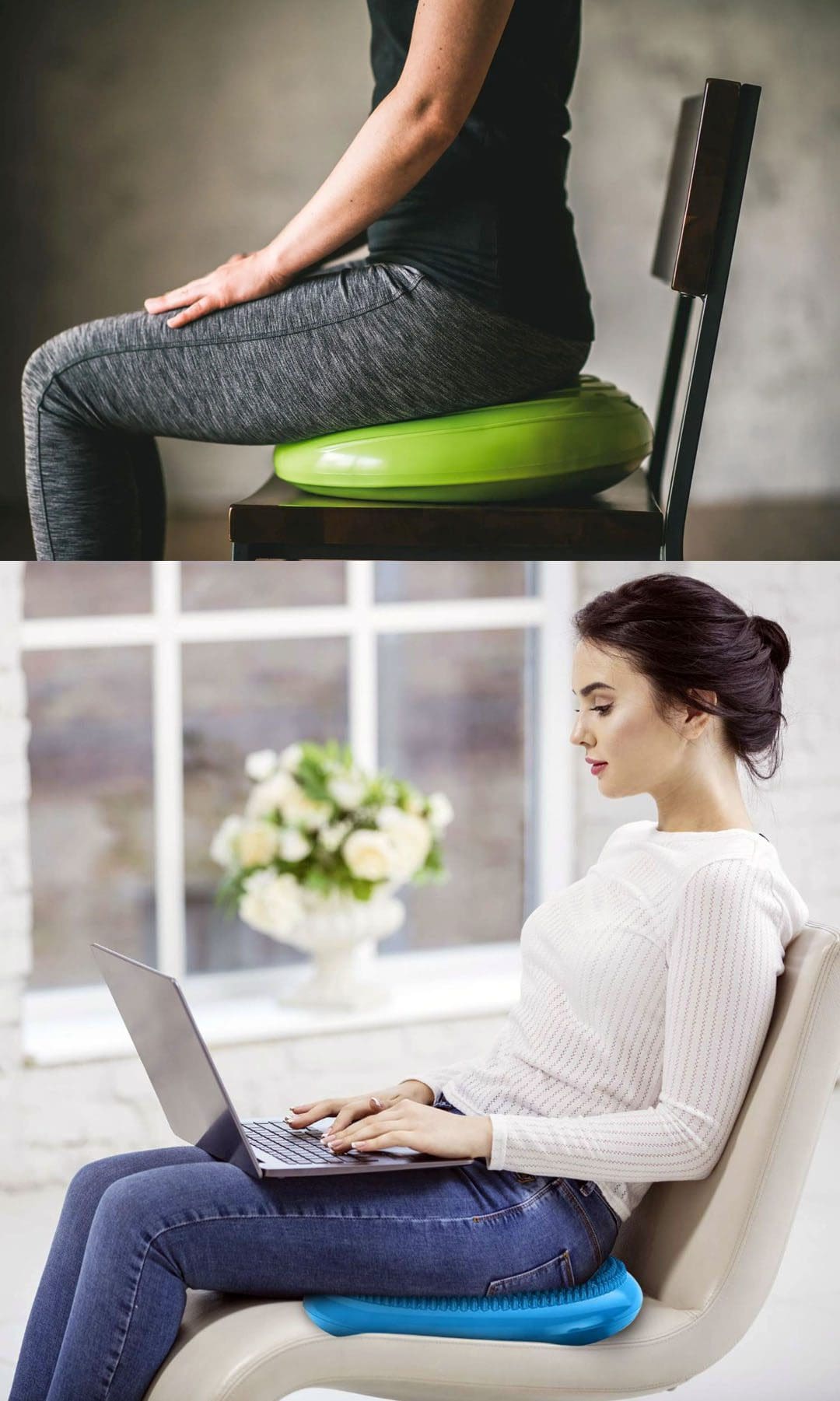
Wobble cushions are small round inflatable support pillows made of a flexible material that can be used to stand and sit on. The cushion creates instability, hence wobble, to engage the lower back, hips, and core muscles. They promote core stability, strengthen muscle tone, and improve balance and body posture. A flexible body helps in injury prevention. At Injury Medical Chiropractic and Functional Medicine Clinic, we utilize innovative techniques and therapies to reduce stress, assist in healing musculoskeletal damage from injuries, disease, or conditions, and keep the spine and whole body healthy.
Wobble Cushions
A common reason for back aches and pains is sitting for long periods. Individuals unintentionally slouch or hunch over as they go through their day, causing strain to the back muscles, gluteal muscles, core muscles, hips, and spine. This causes the lower half of the body to weaken and causes the top muscles to take up the slack to support the torso and lower body.
Muscle Spasms
Muscle spasms can be the acute type that is forceful and involuntary, and chronic sustained stiffness, tightness, cramping, and pain. Lower back discomfort and/or sciatica symptoms vary depending on the cause, location, and severity of the strain or injury. Signs could be dull, burning, or sharp at a single point or over a broad region that could spread into one or both legs. Types of low back discomfort:
Acute symptoms last less than three months. Most individuals with acute episodes will have at least one recurrence.
Recurrent means the acute symptoms return.
Chronic symptoms last longer than three months.
Cushion Benefits
Encouraging active sitting improves posture allowing individuals to sit and stay focused for longer as their body awareness improves, reducing hunching, slumping, slouching, and fidgeting. Other wobble cushion benefits include:
Decreased muscle stress and strain on the joints and ligaments, which improves proprioceptive sense or body awareness.
Increases blood circulation and oxygenation throughout the body.
Helps rehydrate the discs and circulate spinal fluid. Spinal discs do not have a direct blood supply; therefore, movement is required to pump and circulate healthy fluids.
Allows more flexibility in the spine, hips, and core muscles.
Improves overall posture.
The purpose of wobble cushions is not to provide comfort. They are supposed to be uncomfortable and unstable to make the individual sit up straight. The cushion can be placed on a chair or the floor to effectively practice balancing without putting pressure on the back, knees, or feet. They can also be used for practicing standing balance. Various factors to consider when looking for a cushion include:
Stability
Comfort
Resilience
Alignment
All play a role in determining the best option.
Discussing options with a doctor or chiropractor is recommended to ensure that the cushion meets your needs and preferences.
Spinal Hygiene
References
Alrwaily, Muhammad, et al. “Stabilization exercises combined with neuromuscular electrical stimulation for patients with chronic low back pain: a randomized controlled trial.” Brazilian journal of physical therapy vol. 23,6 (2019): 506-515. doi:10.1016/j.bjpt.2018.10.003
Haksever, Bunyamin et al. “The Dynamic Innovative Balance System Improves Balance Ability: A Single-Blind, Randomized Controlled Study.” International journal of sports physical therapy vol. 16,4 1025-1032. 1 Aug. 2021, doi:10.26603/001c.25756
Honert, Eric C, and Karl E Zelik. “Foot and shoe responsible for the majority of soft tissue work in the early stance of walking.” Human movement science vol. 64 (2019): 191-202. doi:10.1016/j.humov.2019.01.008
Ostelo, Raymond Wjg. “Physiotherapy management of sciatica.” Journal of physiotherapy vol. 66,2 (2020): 83-88. doi:10.1016/j.jphys.2020.03.005
Shahvarpour, A et al. “Active-passive biodynamics of the human trunk when seated on a wobble chair.” Journal of biomechanics vol. 49,6 (2016): 939-945. doi:10.1016/j.jbiomech.2016.01.042
Flexibility is the ability of a joint or joints to move through an unrestricted, range of motion. To maintain joint health, the cartilage and structures within the joint need a constant supply of blood, nutrients, and synovial fluid to move through a full range of motion. The range of motion is influenced by the mobility of the soft tissues that surround the joint. These soft tissues include muscles, ligaments, tendons, joint capsules, and skin. Factors affecting the loss of normal joint flexibility include injury, inactivity, or little to no stretching. Although flexibility varies for everybody, minimum ranges are necessary for maintaining total body health. Injury Medical Chiropractic and Functional Medicine Clinic can create a personalized stretching program to restore joint flexibility.
The effect can be particularly noticeable in weight-bearing joints like the hips and knees.
If the joints become weak, the risk of injury increases.
Inflexible muscles tire more quickly, causing opposing muscle groups to work harder.
Muscle fatigue can lead to muscular injuries and the inability to protect the joints from more severe injuries.
Decreased flexibility can also lead to added stress on structures and tissues in a different body area from the source of the inflexibility.
An example is tendonitis in the knee can be related to calf tightness.
Stretching Routine Benefits
Research has shown that stretching can help improve flexibility and, as a result, the range of motion of the joints. Benefits include:
Improved performance in physical activities.
Improved ability with daily activities.
Decreased risk of injuries.
Increase circulation.
Improved muscle function.
Testing
Flexibility can be measured with functional tests. These tests measure the joint’s range within common movement patterns. Using these tests, areas of inflexibility can be identified and addressed. The tests look at the following:
Neuromuscular coordination.
How the muscles return to a normal resting state.
Blood circulation and recirculation.
Typical assessment areas include the lower back, hips, hamstrings, knees, and feet.
Stretching the Body
Developing a regular stretching routine to be incorporated into a training program is recommended. A stretching routine should cover all the major muscle groups of the body as well as any specific muscle groups. Implementing a physical therapy stretching program can help individuals stay motivated, as gaining flexibility takes time. It can take several weeks of consistent, regular stretching for improvement.
Stretching with a physical therapist will target the largest areas of inflexibility.
Stretching sessions can be 20 minutes or more.
Once these areas have been addressed, the therapist will move on to more specific areas.
The therapist will train the individual how to stretch at home.
The therapist will provide specific guidelines that should be followed for stretching at home:
Stretching when muscles are cold could lead to a strain or pull.
Warming up before stretching is recommended as it increases the blood flow and temperature of the muscles, ligaments, and tendons, improving the elasticity and functioning of the tissues.
Begin each stretch slowly and gently.
Maintain the stretch position for 30 seconds, and gradually increase to 1-2 minutes.
There should be pulling or tightness but not pain.
Static stretching should gradually go through the full range of motion until the resistance is felt.
Stretch to the point of tightness and then just beyond.
Gradually release the stretch.
Repeat daily.
A stretching therapy program keeps the body loose and effectively increases the mobility of all soft tissues.
Full Body Stretching
References
Behm DG. Does stretching affect performance? In: The Science and Physiology of Flexibility and Stretching. Kindle edition. Routledge; 2019.
Berg, K. Stretching fundamentals. In: Prescriptive Stretching. 2nd ed. Kindle edition. Human Kinetics; 2020.
Ghasemi, Cobra, et al. “The effect of soft tissue manipulation and rest on knee extensor muscles fatigue: Do torque parameters and induced perception following muscle fatigue have enough reliability?.” Journal of family medicine and primary care vol. 9,2 950-956. 28 Feb. 2020, doi:10.4103/jfmpc.jfmpc_838_19
Gordon BT, et al., eds. Flexibility assessments and exercise programming for apparently healthy participants. In: ACSM’s Resources for the Exercise Physiologist. 3rd ed. Kindle Edition. Wolters Kluwer; 2022.
Hui, Alexander Y et al. “A systems biology approach to synovial joint lubrication in health, injury, and disease.” Wiley interdisciplinary reviews. Systems biology and medicine vol. 4,1 (2012): 15-37. doi:10.1002/wsbm.157
Lindstedt, Stan L. “Skeletal muscle tissue in movement and health: positives and negatives.” The Journal of experimental biology vol. 219, Pt 2 (2016): 183-8. doi:10.1242/jeb.124297
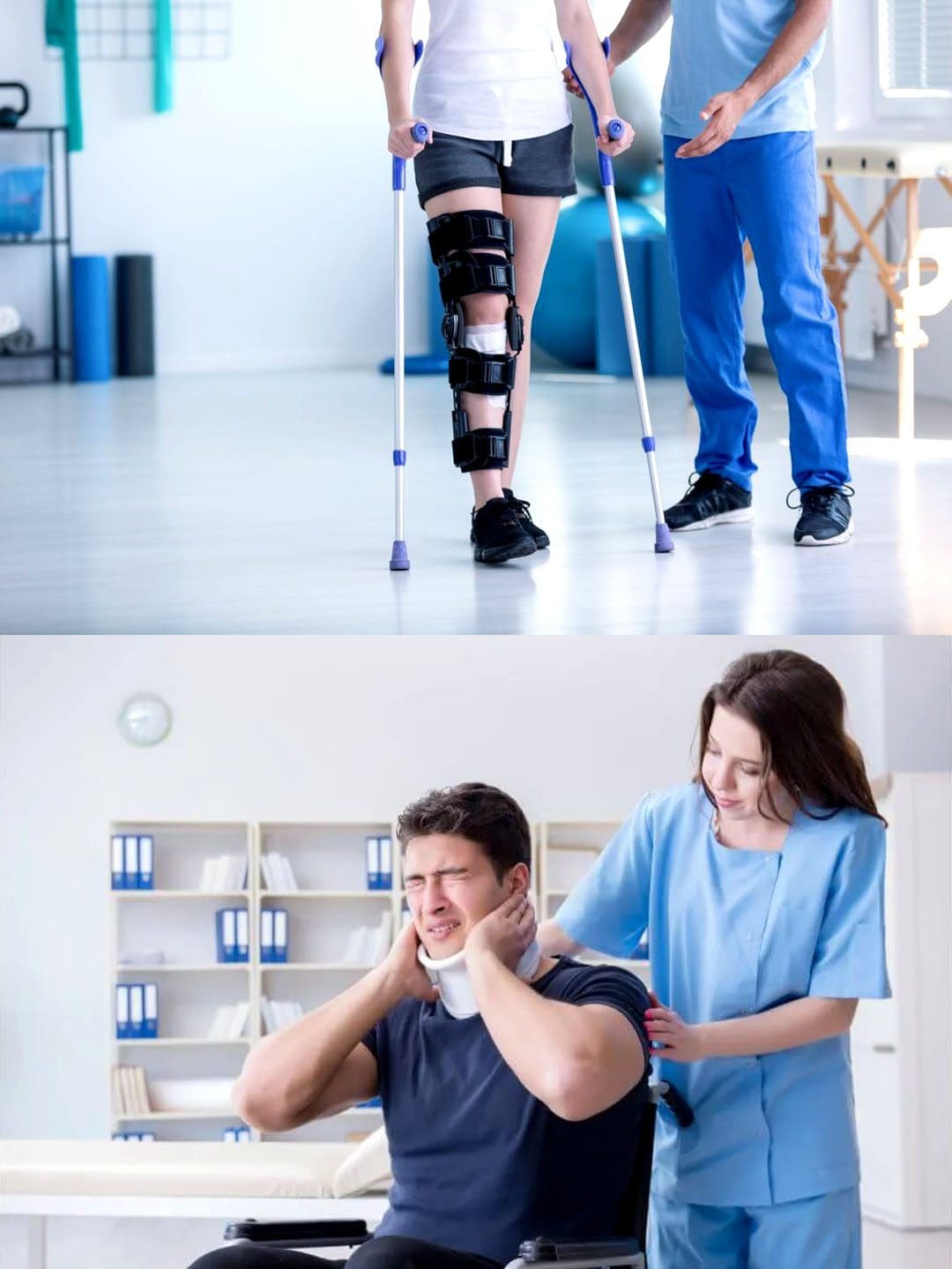
The legs are important for standing and motion. Various problems can affect any part, including the bones, tendons, joints, blood vessels, and connective tissues of the entire leg, foot, ankle, knee, or hip. Common problems include unbalanced/unevenness, muscle sprains and strains, joint dislocations, nerve compression, and fractures. These issues can benefit from chiropractic leg adjustments to relieve the symptoms, realign the body, restore mobility, strengthen the muscles, and prevent further complications.
Leg Adjustments
The legs are composed of two major sections: upper and lower. The ball-and-socket hip joint connects the upper portion, with only one bone comprising the upper leg, the femur, the largest bone in the body. The lower leg goes from the knee to the ankle and is composed of two bones, the fibula, and the tibia.
The tibia makes up the knee together with the base of the femur.
The fibula starts from the knee joint and is connected to the tibia.
Muscles
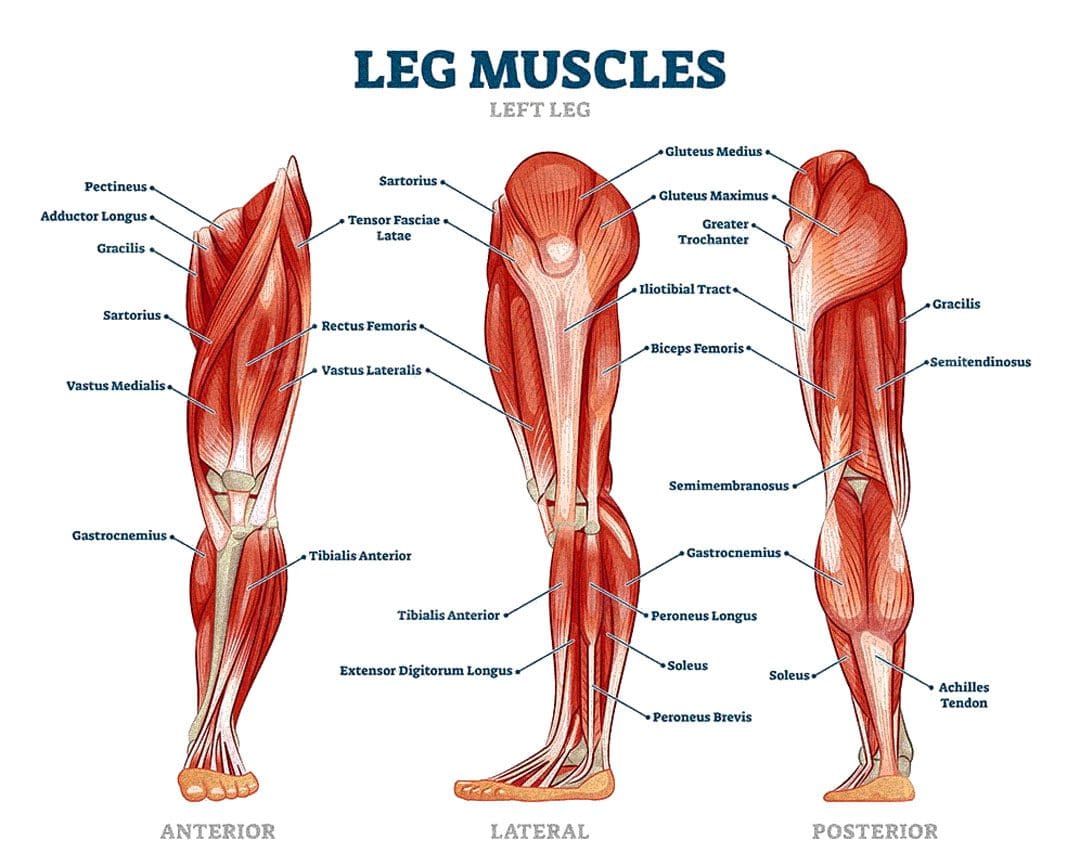
The leg muscles support standing and sitting, carry the body’s weight, and provide movement. Several muscles in the upper and lower legs work together to enable walking, running, jumping, flexing, and pointing the toes.
Upper Leg
The upper leg muscles support the body’s weight and movement. Their jobs include:
Anterior muscles: These muscles stabilize the body and help with balance. They also allow:
Bending and extension of the knees.
Flexion of the thigh at the hip joints.
Rotation of the legs at the hips.
Medial muscles assist in hip adduction – moving the leg toward the body’s center. They also allow flexion, extension, and rotation of the thigh.
Posterior muscles help move the leg from front to back and rotate at the hip socket.
Lower Leg
Anterior muscles are in the front/anterior part of the lower leg and help lift and lower the foot and toe extension.
Lateral muscles run outside the lower leg and stabilize the foot when walking or running. They also allow side-to-side movement.
Posterior muscles: These muscles are in the back of the lower leg. Some are superficial (close to the skin surface), and some sit deeper inside the leg. They help:
Flex and point the toes.
Jump, run and push off.
Lock and unlock the knee.
Maintain a healthy posture by stabilizing the legs.
Stand up straight by supporting the arch of the feet.
Causes
There are different causes of leg discomfort symptoms. Age, work, physical activity, sports, and misalignments can all cause leg issues to develop.
Musculoskeletal
Musculoskeletal system injuries, conditions, and disorders are related to the bones, muscles, tendons, and ligaments. This includes bruising, tendonitis, muscle strain, overuse, and fractures can all lead to musculoskeletal issues.
Neurological
Neurological symptoms are related to a problem with the nerves and the nervous system. Damaged and pinched nerves can contribute to leg issues.
Vascular
If there are blood vessel issues, it can also lead to leg symptoms. Depending on the cause, leg symptoms can vary from moderate to severe and may be non-stop or come and go.
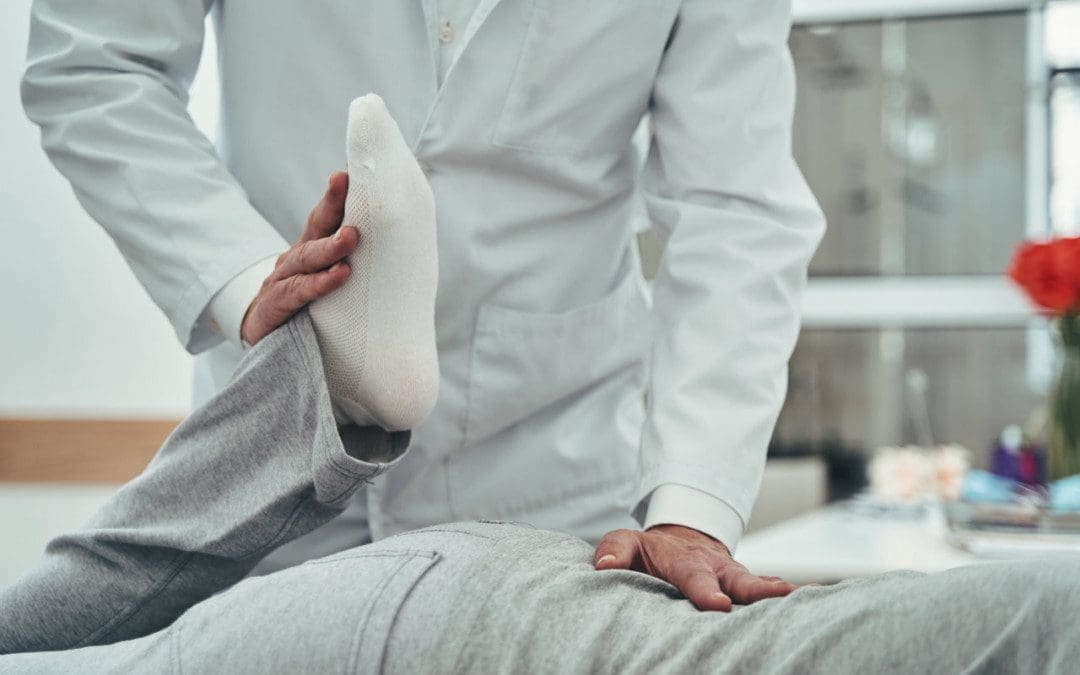
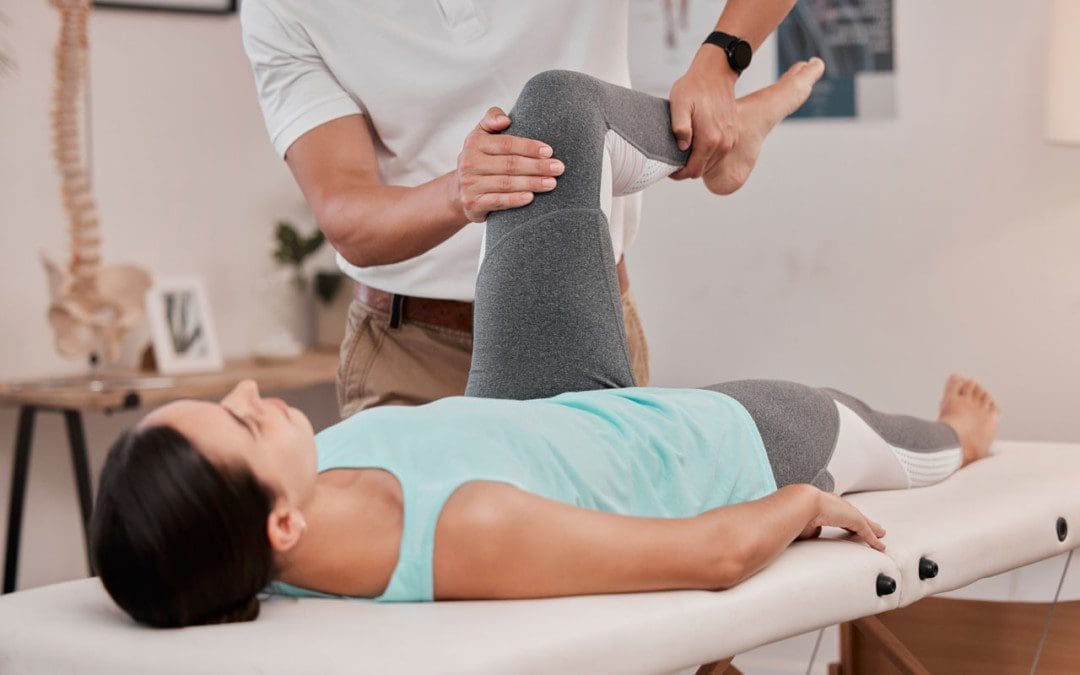
Chiropractic care is a proven way of reducing swelling and discomfort throughout the body. Chiropractic leg adjustments help release restrictions and misalignments. This results in increased mobility of the joints, decreased inflammation, and improved function. A chiropractic adjustment on the leg is known as a long-axis distraction adjustment. This adjustment is designed to open the affected joint in the direction the chiropractor pulls. They can adjust their contact to open the femur from the acetabulum of the pelvis, the knee joint, the ankle joints, and the low back. This encourages proper joint space and motion in the affected areas, promoting healthy movement and space and allowing more nutrient flow and pressure removal from the surrounding nerves to help with symptom relief.
Hip Long Axis Distraction
References
Binstead JT, Munjal A, Varacallo M. Anatomy, Bony Pelvis, and Lower Limb, Calf. (https://www.ncbi.nlm.nih.gov/books/NBK459362/) [Updated 2020 Aug 22]. In: StatPearls [Internet]. Treasure Island (FL): StatPearls Publishing; 2021 Jan-. Accessed 12/29/2021.
Eid K, Tafas E, Mylonas K, Angelopoulos P, Tsepis E, Fousekis K. Treatment of the trunk and lower extremities with Ergon® IASTM technique can increase hamstrings flexibility in amateur athletes: A randomized control study. Phys Ther Sport. 2017;28:e12. doi:10.1016/J.PTSP.2017.08.038
Jeno SH, Schindler GS. Anatomy, Bony Pelvis, and Lower Limb, Thigh Adductor Magnus Muscles. (https://www.ncbi.nlm.nih.gov/books/NBK534842/) [Updated 2020 Aug 10]. In: StatPearls [Internet]. Treasure Island (FL): StatPearls Publishing; 2021 Jan-. Accessed 12/29/2021.
McGee S. Stance and gait. In: McGee S. Evidence-Based Physical Diagnosis. 3rd ed. Philadelphia, PA: Elsevier Saunders; 2012:chap 6.
Ransom AL, Sinkler MA, Nallamothu SV. Anatomy, Bony Pelvis, and Lower Limb, Femoral Muscles. (https://www.ncbi.nlm.nih.gov/books/NBK500008/) [Updated 2020 Oct 30]. In: StatPearls [Internet]. Treasure Island (FL): StatPearls Publishing; 2021 Jan-. Accessed 12/29/2021.
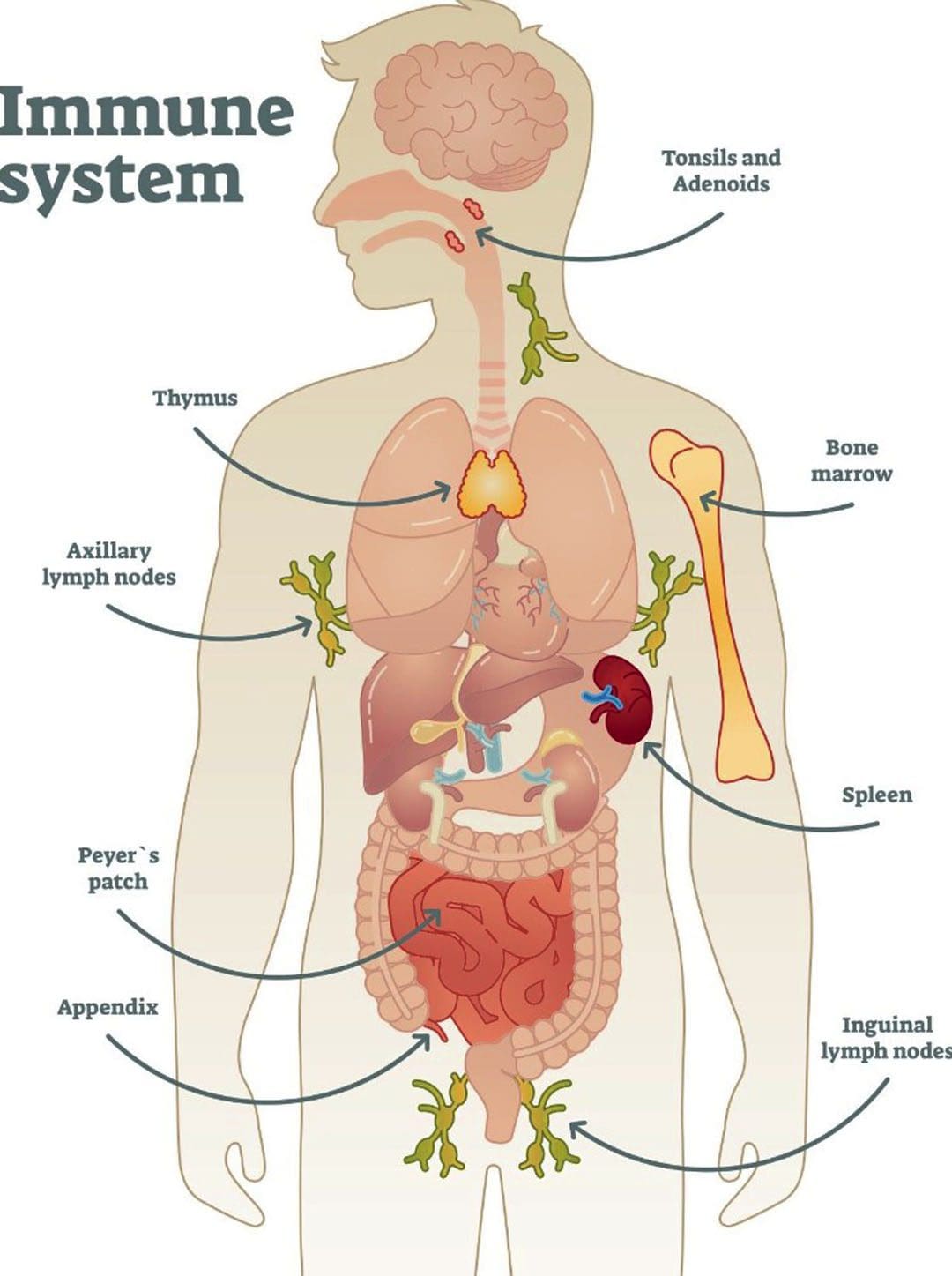
There are various reasons for getting sick, but stress is one of the most common. Stress from family, work, school, traveling, etc., wreaks havoc on the body and mind. Working odd or different hours and staying up late disrupts routines and schedules and can generate significant stress. Trying to keep on top of everything and still trying to manage the usual responsibilities and duties can result in a weakened immune system that contributes to persistent illnesses. Chiropractic care combined with functional medicine can strengthen the immune system and restore optimal function.
Weakened Immune System
The immune system is a network of organs, white blood cells, proteins/antibodies, and chemicals. It protects the body from bacteria, viruses, parasites, and fungi that cause infection, illness, and disease. It’s normal for healthy adults to get sick a few times a year, but constantly being sick signals a weakened immune system. Individuals with weak immune systems also experience digestion issues. This could be constipation or frequent diarrhea. Approximately 70% of the immune system is in the gastrointestinal tract, where the healthy/beneficial bacteria and microorganisms live. If the amount of healthy bacteria is low, it is harder to protect the body from viruses, chronic inflammation, or autoimmune disorders.
Properly Working
When the immune system works properly, it can tell which cells are the body’s and which substances are foreign and don’t belong there.
It activates, mobilizes, and destroys the outside germs.
After exposure, the immune system stores the germs’ identities to develop antibodies to protect the body.
Depleted Immunity
Chronic stress wears down and prematurely ages the immune system. When the body must constantly adapt to changes from stress, it makes the immune system less responsive.
Depleted immunity is when the cells that should be ready to activate and fight viruses and bacteria are low in numbers.
Ongoing stress, over time, can make the body more vulnerable to illnesses, from colds and flu to chronic diseases like diabetes and heart disease.
High-stress levels can cause depression and anxiety, leading to higher levels of inflammation.
Chiropractic Restoration
Chiropractic care can help strengthen the body’s natural ability to heal and recover from illness by realigning the spine, improving circulation, and releasing toxins. Chiropractic works on the central nervous system, which comprises the spine and brain. As proper function and communication are restored, the central and peripheral nervous systems work together to help control the body’s ability to perceive and handle internal and external stress. Injury Medical Chiropractic and Functional Medicine Clinic treatment include:
Massage therapy
Spinal realignment
Decompression therapy
Health Coaching
Nutritional assistance
Stress Impact
References
Childs, Caroline E et al. “Diet, and Immune Function.” Nutrients vol. 11,8 1933. Aug 16, 2019, doi:10.3390/nu11081933
InformedHealth.org [Internet]. Cologne, Germany: Institute for Quality and Efficiency in Health Care (IQWiG); 2006-. How does the immune system work? [Updated 2020 Apr 23]. Available from: https://www.ncbi.nlm.nih.gov/books/NBK279364/
Nicholson, Lindsay B. “The immune system.” Essays in biochemistry vol. 60,3 (2016): 275-301. doi:10.1042/EBC20160017
Segerstrom, Suzanne C, and Gregory E Miller. “Psychological stress and the human immune system: a meta-analytic study of 30 years of inquiry.” Psychological bulletin vol. 130,4 (2004): 601-30. doi:10.1037/0033-2909.130.4.601
IFM's Find A Practitioner tool is the largest referral network in Functional Medicine, created to help patients locate Functional Medicine practitioners anywhere in the world. IFM Certified Practitioners are listed first in the search results, given their extensive education in Functional Medicine





 Leg Adjustments

 Weakened Immune System









