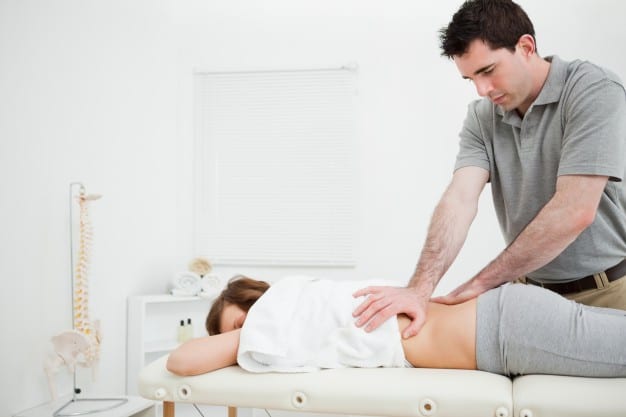
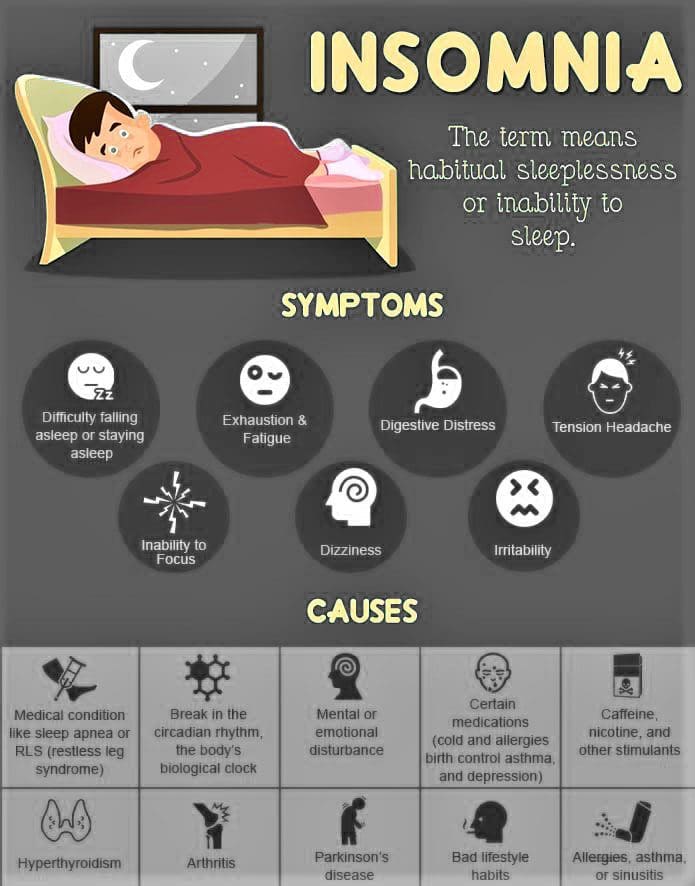
Combat insomnia with chiropractic care. Struggling to get a full night's sleep, wide awake at three in the morning trying to fall back to sleep before the alarm goes off. Everyone suffers from occasional sleepless nights, but when insomnia occurs regularly it can lead to other issues like:
Daytime fatigue and/or sleepiness
Irritability
Depression
Anxiety
Gastrointestinal symptoms
Low motivation and energy
Poor concentration
Inability to stay focused
Lack of coordination can lead to errors and accidents
Research shows that around 50 percent of the population are experiencing some type of sleep problem. Adults require a little more than eight hours of sleep every night. However, very few individuals are able to manage that with busy/hectic lives. Job, children, and other obligations require many to be up and on the move and getting to bed much later than if following the body's natural biological rhythm. A disruption to the body's circadian rhythm, which governs hormone production, body temperature, and sleep, can lead to insomnia.
Combat Insomnia
The body needs adequate, restful healthy sleep to perform its best. Insomnia can cause mental fuzziness and interfere with how the body performs its regular activities. It also increases the risk of:
Depression
Headaches
Accidents
Stress, anxiety, regular caffeine, and alcohol use are some of the greatest contributors to insomnia. Learning how to combat stress effectively is highly recommended to increase the chances of getting a healthy night�s sleep, along with making small lifestyle adjustments could be the difference in getting back to normal sleep.
Sleep Suggestions
Some light regular exercise before dinner time can help put the body in a restful state by bedtime. But do not exercise close to bedtime, as this can amp up the body creating restlessness.
Get out into the sun as often as possible to stimulate melatonin release, which will help reset the circadian rhythm.
Reduce stress through yoga, meditation, and Tai Chi, whichever works and are great ways to help teach the mind and body to relax.
Caffeine and smoking keep the body stimulated. Try to avoid them from mid-afternoon onward.
Keep alcohol consumption to a minimum.
Have a small snack of protein with a complex carbohydrate just before bed, like some peanut butter on a whole-grain cracker. This will keep the blood sugar from dropping too low, causing the body to wake up.
Maintain a regular sleeping and waking schedule.
Turn off the television or any type of electronic device screen an hour before bed, as it stimulates the brain, causing sleep difficulties.
Keep the bedroom dark, quiet, and cool.
If lying awake for more than about 20 minutes, get up and sit in another dark/dimly lit room until sleepiness begins to come on.
Creating healthy sleep habits, along with discussing treatment options with a chiropractor, can help combat insomnia and bring sound sleep.
InBody Composition
Lack of Sleep Stops Muscle Growth
Lack of sleep has a significant effect on catabolic hormones, and specifically, a hormone called cortisol. Cortisol is a hormone that is released as a stress response. It helps break down tissue including muscle tissue, which gives the body energy that it needs to deal with whatever stressful situation the body is dealing with.
Research has shown that during restricted sleep and complete sleep deprivation, cortisol levels become elevated the following evening by up to 45%, potentially accelerating the development of metabolic and cognitive impairment. Cortisol has a muscle-reducing effect, and increased levels from a lack of sleep can threaten muscle development. The overall effect of not sleeping enough can seriously hamper efforts to gain muscle and increase Lean Body Mass.
Dr. Alex Jimenez�s Blog Post Disclaimer
The scope of our information is limited to chiropractic, musculoskeletal, physical medicines, wellness, and sensitive health issues and/or functional medicine articles, topics, and discussions. We use functional health & wellness protocols to treat and support care for injuries or disorders of the musculoskeletal system. Our posts, topics, subjects, and insights cover clinical matters, issues, and topics that relate and support directly or indirectly our clinical scope of practice.*
Our office has made a reasonable attempt to provide supportive citations and has identified the relevant research study or studies supporting our posts. We also make copies of supporting research studies available to the board and or the public upon request. We understand that we cover matters that require an additional explanation as to how it may assist in a particular care plan or treatment protocol; therefore, to further discuss the subject matter above, please feel free to ask Dr. Alex Jimenez or contact us at 915-850-0900. The provider(s) Licensed in Texas& New Mexico*
References
Bolash R, Drerup M. How to Beat Insomnia When You Have Chronic Pain. Cleveland Clinic Web site. https://health.clevelandclinic.org/2015/12/managing-insomnia-for-those-with-chronic-pain/. Published December 18, 2015. Accessed April 18, 2017.
Improving Sleep: Special Health Report. Boston, MA: Harvard Medical School; 2015.
What is Sleep? American Sleep Association Web site. https://www.sleepassociation.org/patients-general-public/what-is-sleep/. Accessed April 18, 2017.
Inflammatory spinal arthritis can cause significant joint pain and severely damage sleep quality. Any of the following conditions can cause individuals to experience sleep problems:
Spondylosis (osteoarthritis)
Rheumatoid arthritis
Ankylosing spondylosis
Juvenile idiopathic arthritis
Dr. Jimenez from Injury Medical Chiropractic and Functional Medicine Clinic gives insight into how inflammatory spinal arthritis can disrupt healthy sleep, along with some tips to help individuals with joint pain restore healthy sleep.
Inflammatory Spinal Arthritis and Sleep
First, it is not just the joint pain of arthritis that is causing sleep problems. Research is discovering that more factors could be at play. A study in the journal SLEEP examined how individuals with chronic pain, including osteoarthritis slept. What was revealed was a strong connection between chronic pain and insomnia.
Insomnia can lead to added joint pain because poor sleep can trigger inflammatory pathways that worsen arthritis pain. Plus a poor night of sleep can heighten an individual's perception of pain the next day. Arthritis pain does not just impact the sleep of adults, but young individuals with juvenile idiopathic arthritis can also struggle with getting healthy sleep. Sleep, pain levels, and mood are strongly related.
Sleep Tips
Achieving quality sleep and a well-rested body can be done. Things to consider to help secure a healthy sleep.
Medication interference/side effects
Corticosteroids could be part of the sleep problem, as corticosteroid treatment has been linked to insomnia. If struggling to fall asleep, talk with a doctor about altering any prescribed medication regimen before sleep like taking aspirin or a nonsteroidal anti-inflammatory NSAID medication in its place.
Adjust sleep position to joint pain
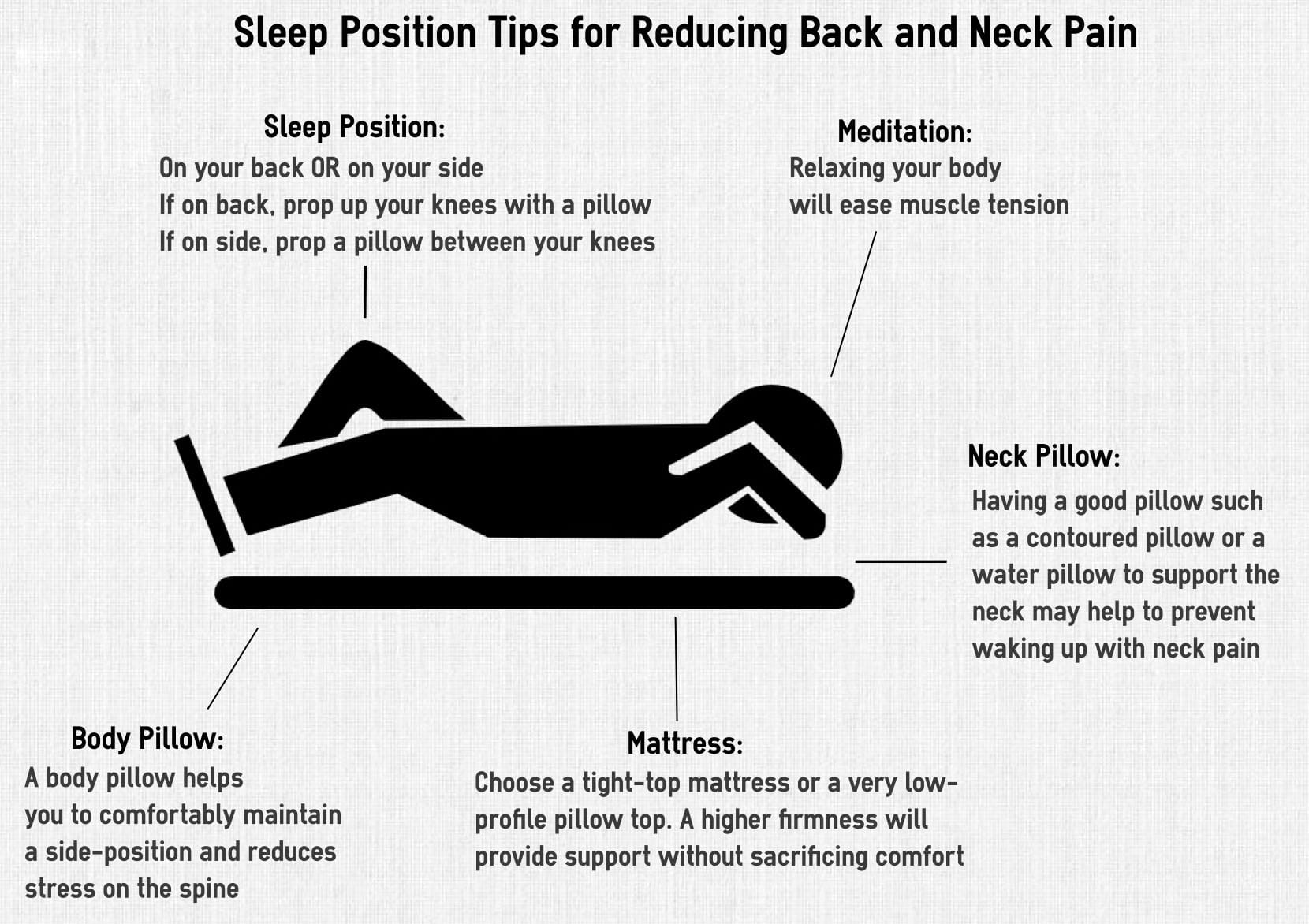
If the neck is sore/aching rest the head on a flat pillow so the cervical spine is in a neutral position. For low back joint pain, individuals might find relief by sleeping on their back or side with the knees and hips flexed at a 90-degree angle. For hip joint stiffness, sleeping on the side with a pillow between the legs is recommended.
A firm mattress and support pillow
A firm mattress will support the body and help reduce pain. The right pillow/s are also important for healthy sleep. A lumbar and cervical pillow can help cushion tender areas.
Readjust chores
Joint pain first thing in the morning needs time to adjust. For morning physical chores try to reschedule for later on in the day or if possible the night before. This could be fixing lunches, picking out clothes, preparing breakfast, or packing the work case, tools, etc. The extra time will reduce morning stress and allow the body to gently adjust.
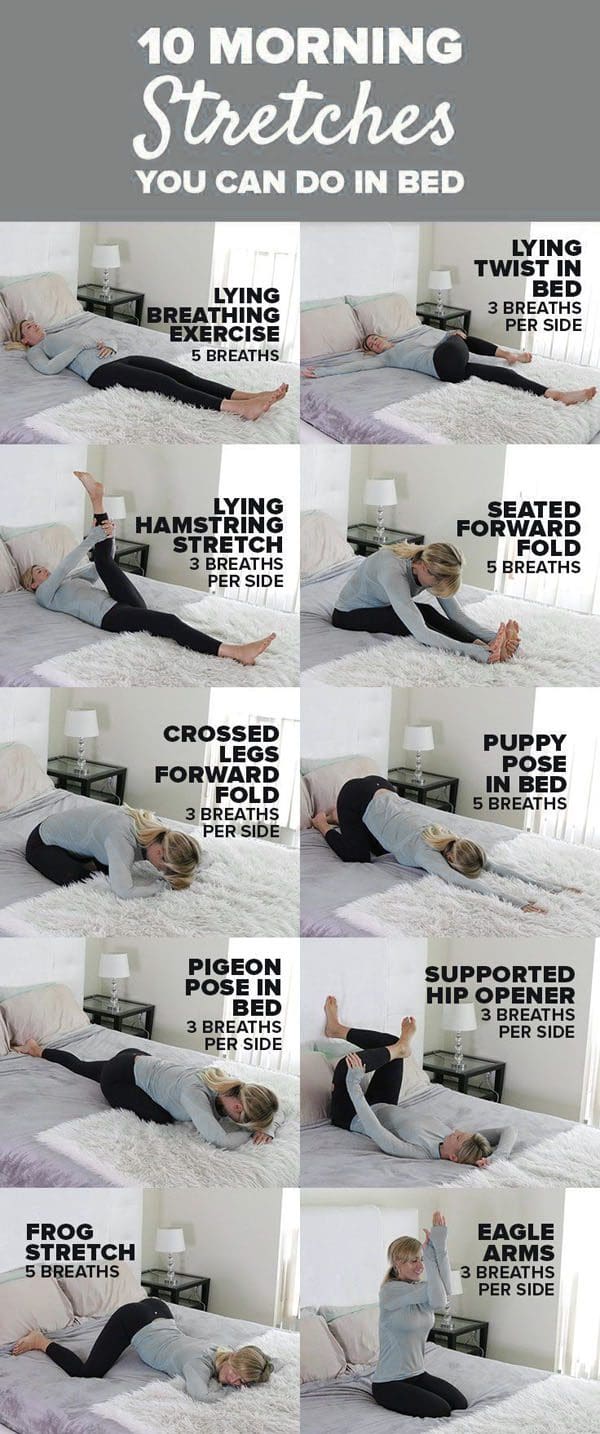
Wake up and stretch
With joint pain in the morning, some gentle stretching can help. Doing some stretches before even getting out of bed will help minimize pain and allow the body to gradually prepare for movement. Follow the stretch session up with a hot shower to loosen stiff joints.
Increase Sleep Quality
Sleep problems can affect anyone even those that don't have inflammatory spinal arthritis/joint pain. There could be other issues causing sleep problems unrelated to joint pain. If still not getting quality sleep, talk to a rheumatologist about available options.
Body Composition
Osteoarthritis and Exercise
Obesity is a significant risk factor in the development of osteoarthritis. This is not only from the effects of extra weight on the body's joints but also as a result of the pro-inflammatory effects of adipose tissue. The hips and knees are the weight-bearing joints. Excessive adipose tissue on the midsection and legs have been shown to negatively impact these weight-bearing joints.
Promoting Lean Body Mass and encouraging weight loss can potentially lower the risk of osteoarthritis and improve the quality of life. Gentle exercise is regarded as safe for individuals with osteoarthritis and is a key component to improve body composition, reduce body fat mass, improve lean body mass and maintain a healthy weight. Improving body composition and utilizing exercise in weight management can have a direct and positive effect on joint health.
Dr. Alex Jimenez�s Blog Post Disclaimer
The scope of our information is limited to chiropractic, musculoskeletal, physical medicines, wellness, and sensitive health issues and/or functional medicine articles, topics, and discussions. We use functional health & wellness protocols to treat and support care for injuries or disorders of the musculoskeletal system. Our posts, topics, subjects, and insights cover clinical matters, issues, and topics that relate and support directly or indirectly our clinical scope of practice.*
Our office has made a reasonable attempt to provide supportive citations and has identified the relevant research study or studies supporting our posts. We also make copies of supporting research studies available to the board and or the public upon request. We understand that we cover matters that require an additional explanation as to how it may assist in a particular care plan or treatment protocol; therefore, to further discuss the subject matter above, please feel free to ask Dr. Alex Jimenez or contact us at 915-850-0900. The provider(s) Licensed in Texas& New Mexico*
References
Myers W. 9 Ways to Rise and Shine With Osteoarthritis. Everyday Health.�http://www.everydayhealth.com/osteoarthritis/ways-to-rise-and-shine-with-osteoarthritis.aspx. Last updated September 25, 2014. Accessed April 18, 2017.
Watson S. Why Osteoarthritis Could Disrupt Your Sleep�and Your Partner�s. Arthritis Foundation. http://www.arthritis.org/living-with-arthritis/comorbidities/sleep-insomnia/osteoarthritis-and-sleep.php. Accessed April 18, 2017.
As you teach healthy ergonomics, remember these neutral posture guidelines apply to children but can also benefit adults.�The main focus is to always work in a neutral posture. Following these guidelines will ensure your child uses a computer in a comfortable and ergonomically correct fashion.
Neutral Posture
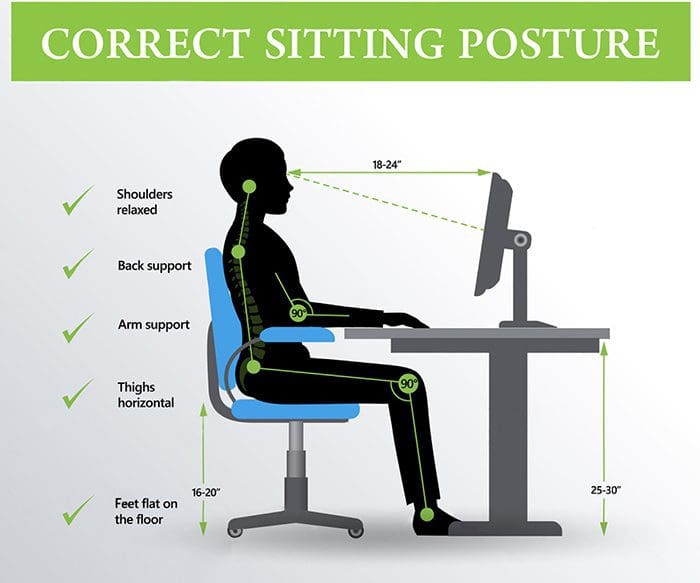
Healthy upper body posture means the shoulders are back, relaxed and not slumped/slumping forward over the keyboard.
The back/spine should be at a 90� degree angle supported by a chair with proper back support.
The knees�should not compress the chair seat. If they do adjust the seat to go back enough for the knees to be free.
The knees should be at a 90� degree angle behind the knees and should be open.
Don’t sit with legs and feet tucked under the chair.
The feet should be firmly flat on a stable surface ensuring proper support on the floor or a footrest.
The head should stay balanced and not tilted back or too far forward.
The upper arms should be close to the body and relaxed.
The elbows should be at a 90� degree angle and the forearm horizontal.
The wrist should remain in a neutral position.
Let your child use the computer for a little while then adjust their posture and the workstation if needed, so they are working in the most neutral posture. Find ways to help them remind themselves of their posture and to take frequent breaks to stretch out and move around.
Create/Organize a Normal Workstation
The work area should be a space that is easily accessible by a child while they can sit comfortably/properly without having to bend awkwardly or overly twist to reach for something.
Keep the items that are used the most�while working at the computer within arms reach.
If your child needs to type and use a text document or book for reference, make sure there is a document holder/stand that is next or as near to the screen as possible so that they don’t have to turn or twist their head over and over or in a strenuous fashion. You want them to use their eyes with minimal head movement other than to look away for an eye break, a quick neck stretch and repositioning to stay comfortable.
Check the Screen Position
The computer screen should be positioned to be able to comfortably view the screen without having to tilt their neck backward or forwards.
Too high, the child’s neck will tilt back, and too low means it will be bent forward.
Adjust the height and angle to avoid these incorrect postures.
Workstation Equipment
Ergonomic furniture and equipment can help create a comfortable and adjustable workstation for your child as they grow.
An ergonomic chair with height adjustment, adjustable/comfortable seat and proper lumbar back support.
Make sure they work on a stable and sturdy desk with a flat work surface so that your child works in a neutral posture.
An ergonomically tilted keyboard system or a height-adjustable keyboard and mouse platform can help keep the forearms and wrists in a neutral posture.
The fit of the keyboard and mouse should be comfortable in your child’s hands.
If they have small hands, then consider a smaller keyboard and mouse if necessary.
Screen Glare
Check the computer screen for glare areas/bright spots. This could affect the eyes and cause the child to start moving their head/neck around too much and in the wrong way that would create a crick or strain.
Adjust/reposition the screen to get the correct angle for the proper posture or adjust the room’s lighting.
Proper lighting is a must for reading and protecting the eyes.
Make sure they take frequent eye breaks and look away at something other than a screen like a piece of furniture or out a window and that is farther away to readjust the eyes.
Computer Time Management
Posture problems associated with computer use vary on the length of time that your child uses the computer, takes rest breaks and does other tasks/chores to keep them moving/stretching out and not staying seated or in one position for too long.
Regulating computer time use is important and can be done just watching the clock and saying when is when or use an app to set the time on and off. These apps give screen alerts and tell when to take a break and provide simple stretching exercises.
As part of our Acute Injury Treatment & Rehabilitation Practice, we are presently offering detailed�Institute For Functional Medicine��Collaborative Assessment Programs focused on Integrative Treatment Protocols. We completely evaluate personal history, current nutrition, activity behaviors, environmental exposures to toxic elements, psychological and emotional factors, in tandem with your genetics.
Our purpose with these high-level assessments is to understand the root cause of chronic disorders and to treat the person holistically.� Integrative Personalized Medicine is the future of healthcare and we are very proud to bring it to all our patients.� Our online�Functional Medicine Health Assessment Questionnaire has given insights into our patients’ present Functional Health.
Correct your Bad Posture with *FOOT ORTHOTICS* | El Paso, Tx
NCBI Resources
Because we spend so much time�in a chair we need to have the right one that will protect our spines.�Think of the�chair as a piece of�work�equipment to optimize productivity.�Ergonomics utilized to the fullest means less back pain and better focus.
Sitting is wonderful, however, sitting for too long is considered worse than smoking. Sitting for too long could be considered a disease. Today’s society is about technology. However, this technology involves a great deal of inactivity and sitting for a long time. This behavior has been linked to chronic disease and on a variety of health issues not to mention the havoc, it inflicts on your spine.
Unfortunately, many work environments encourage their employees to sit for hours and hours without any kind of movement except for using the bathroom. Something has to change because as someone said, “if you don’t take the time to focus on yourself and your health, you will be forced to take the time to focus on your illness.”
The Sedentary Work Lifestyle
Being in front of a computer all day may be part of the job, however, the goal is to bring in more activity into the day. This can be accomplished by maintaining proper posture through exercise, stretching and if need be to invest in a sit-stand desk.
Understanding why you should avoid long bouts of time sitting, means you need to know the research about what the medical community is dubbing the sitting disease.
Health Hazards of Sitting Too Long
Up to 80% of people sit for six or more hours every day, according to a study from the National Health and Nutrition Examination Surveys. Whether at work, plopped down in front of the TV,� or the daily commute doesn’t matter, the point is that people are spending long hours sitting down and the impact of inactivity is not good.
Individuals that sit for prolonged periods have a greater risk of dying from all causes. This is because a sedentary lifestyle has been shown to increase the risk for:
Cardiovascular disease
Cancers (breast, colon, colorectal, endometrial, and epithelial ovarian)
Type 2 diabetes in adults
These results came from 47 studies that focused on the health effects of being sedentary. These included the types of activity people engage in, from leisure activities to strong physical activity. Those who did not exercise had the greatest risk of health problems with being sedentary. Adding only two minutes of light exercise for every hour spent sitting lowers the risk of presenting health issues/conditions by one-third, according to the Clinical Journal of the American Society of Nephrology study.
The Way Sitting Hurts the Back and Neck
Spending the majority of the day every day in a seated position will eventually take its toll leaving your spine sore, stiff, and in pain. Too much sitting puts stress on the muscles and discs of the back and neck.
What happens from all the sitting is tightness in the hip flexors like the iliopsoas muscle forms, along with pressure and restricted blood flow in the muscles of the gluteus maximus. This muscle supports a good amount of the weight placed on the spine.
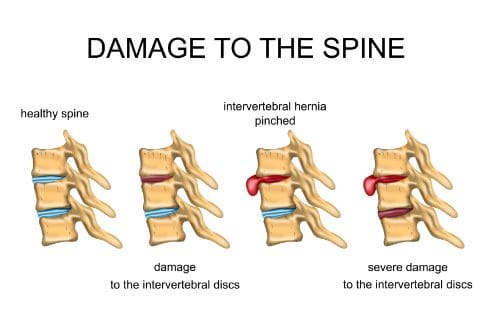
The longer individuals continue to repeat unhealthy sitting behavior, the higher the risk their posture begins to fall into slouching, into incorrect posture and possibly into spinal conditions and diseases. Slouching over time causes the ligaments to stretch beyond their healthy limit, combined with poor posture strains the spinal discs that can lead to herniation, bulging and complete loss of the intervertebral discs.
This results in added strain to the outer annulus of the disc and increases disc bulging and disc pressure.
When sitting, it’s usually at a computer/working on tasks at a desk that results in the head being in a constant forward position, with rounded shoulders that results in what is known as poor posture syndrome. Staying in the office chair or any chair too long leads to an isolated episode of back or neck pain/soreness. What’s happening is that the normal wear and tear of the spinal discs is sped up from the unhealthy weight and pressure being placed on the spine. This results in back pain that becomes a regular daily thing instead of an occasional problem.
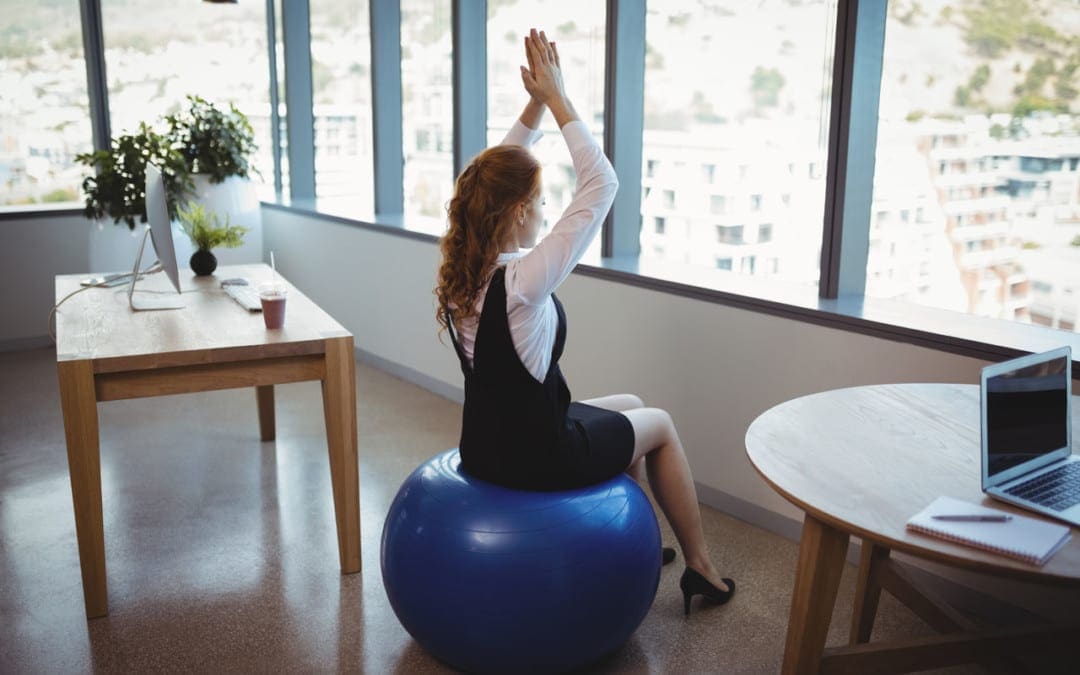
Ergonomic chairs, sit-stand desks, fitness/stability balls and utilizing proper posture/exercises are tools to help mitigate the damage of sitting all day.
This includes stretching the muscles like the:
Pectorals
Scalene muscles in the neck
Hip flexors
Strengthening the muscles that are not used is very important. Muscles like the abdominals, glutes, back extensors and scapular muscles will bring back the spine�s normal balance, improving posture and getting relief from pain. Varying posture is another great way to exercise different muscles and ligaments by occasionally standing and moving around for a few minutes every half-hour. This keeps joints, muscles, tendons, and ligaments loose and pain-free.
Work Health
We�ve all been there working, typing feeling the positive flow and then you see two hours have passed and you haven�t gotten up from your chair at all.
Experts recommend activity every 20-30 minutes, with 20 minutes of standing per hour. Desk technology has arrived and wants to keep employees healthy. Sit-stand desks are proving to be highly beneficial to companies throughout the country. These desks allow you to transition from sitting to standing while your desk stays the same.
Standing at work has shown to boost productivity all the while allowing you to readjust posture, lose weight by burning 30% more calories and keeps your spine healthy.
Stand Up
Even without a sit-stand desk, there are still ways of combating sitting disease and protecting your spine. Consider:
Doing some work standing up at a high table or counter.
Walk laps during discussions so you and your co-workers get some movement.
Take stand-and-stretch breaks every 30 minutes, set a timer if you have to.
Walk to a coworkers office to tell them in person instead of emailing/texting.
Park your car a little bit further from the office to work your steps.
After lunch walk around or do some stand-up work as this will help with digestion.
This will reduce your sitting throughout the day. Remember that changing posture is good for your back and neck, but don�t take it to the other extreme and stop sitting. It’s all about mixing it up. Sitting, standing, and moving around throughout the day is the best way to keep your spine/body-safe, and in optimal health at work and home.
Low Back Pain Relief! | El Paso, Tx
NCBI Resources
This may sound melodramatic, but it�s true. As we talked about above, sitting for prolonged periods of time puts you at greater risk of diseases that may end up killing you.�A study�published in the Archives of Internal Medicine, �found people who sat for over 11 hours a day had a 40% greater risk of dying within three years from any cause than people who sat less than 4 hours a day.�
Experiencing foot pain, there’s no doubt you checked out your foot to make sure it’s not injured or hurting from�improper fitting shoes, corns, plantar fasciitis, etc. This may seem counterintuitive, but you may want to check the condition of the�lumbar spine (lower back)?� Most foot problems are caused from issues with the foot itself, but you might be surprised to find that pressure on the sciatic nerve can cause intense foot pain.
Sciatic Nerve Pain
The sciatic nerve is the largest nerve in the body and consists of five nerves that come together at the lower spine and then extend all the way down the back of the legs into the toes. If the lumbar spine is compressed, it presses on the sciatic nerve, thus causing radiating pain down the leg and sometimes all the way into the big toe. Foot pain without leg pain is often due to an issue located within the foot. However, it is possible that the foot pain could be the only symptom of sciatica.
Sciatica can be caused by lumbar spine disc herniation, lumbar spinal stenosis, and spondylolisthesis. There are various types of sciatica, which present differently according to which spinal disc is affected. If the L5 disc is compressed, Foot Drop can occur. This refers to the heavy, weak feeling that makes flexing the foot almost impossible. Foot Drop usually results in pain radiating down along the outside of the leg, crossing over the foot and into the big toe. If the S1 nerve root is affected, the pain is likely on the sole of the foot. An accurate diagnosis is first priority in order to address the pain correctly and properly.
What To Do About The Foot Pain
Addressing the root of the problem is most important. Nearly three million people a year suffer from sciatic pain along with other dysfunctions. An experienced chiropractor or physician will demonstrate exercises to help lengthen and stretch the spine. This along with massage, acupuncture, and medication are all helpful in the management of sciatic pain. The foot pain will be addressed by a doctor or chiropractor who will to tell which treatment is most effective for the situation.
Treatment for foot pain varies depending on the condition/injury. Treatment can go from rest and ice to physical therapy, chiropractic and in severe cases surgery. Reflexology can provide relief, as well as, stretching exercises. Over the counter pain medication is often used. If the pain is too intense that it prevents sleep, a physician may prescribe non-addictive pain medication. Wear shoes with good arch supports, and if pain persists, see a podiatrist for special orthotic shoe inserts. Insurance often covers orthotics.
Further Considerations
Don�t forget that most pain in the body is caused from inflammation and can be helped with anti-inflammatory diet and lifestyle stressors. Concentrate on eating whole, unprocessed foods. Stay away from sugar, alcohol, artificial sweeteners, and white flour. Make sure to drink enough water every day, and get eight hours of sleep. This is one of the most effective ways to address inflammation. Bring the body back into balance.
Chiropractic care for spinal disc problems is steadily increasing in popularity. As more and more research proves the effectiveness for chiropractic for these types of problems, doctors and therapists are incorporating it into treatment plans for their patients.
Spinal disc problems can be debilitating, causing significant pain and severely limiting mobility. Degenerative disc disease is one of the most common spinal problems, causing back pain that, like other spinal conditions, can extend into the hip and leg or even the arm and hand.
It is caused by degeneration or thinning of the spinal joints or discs which can disrupt the mechanics of the spine and contribute to bulging discs that press on spinal nerves. Traditional treatment of this condition usually consists of strong pain medication and sometimes surgery.
Patients who are dealing with pain from discs that are bulging or ruptured as well as herniated, or slipped discs, do respond well to chiropractic care. Where surgery has long been a primary medical answer to pain relief for these spinal conditions, chiropractic treatments offer a nonsurgical alternative that has been shown to be very effective.
Most spinal or disc problems are marked by a specific set of symptoms including neck and back pain, stiffness, arm pain, leg pain, and tenderness in the spinal muscles or the spine itself. Other more serious symptoms can present at the onset of the condition or over a period of time. These symptoms indicate a dangerous problem that could even be life threatening; they include:
Back pain accompanied by fever
Loss of control of bladder or bowel
Severe weakness that inhibits the ability to use arms, legs, walk, etc.
Loss of sensation in both arms and/or both buttocks
Inability to defecate or urinate
More serious or life threatening symptoms may require medical intervention, but most spinal conditions can be helped or even corrected with chiropractic care.
Through the careful, precise manipulation of the spine, a chiropractor can make adjustments to the body that help relieve the pain and pressure. This treatment can halt the debilitating progression of certain spinal problems while relieving pain and increasing mobility.
Spinal problems are usually diagnosed by a combination of complete physical examination and a thorough patient history. During the examination the patient�s musculoskeletal and nervous systems are carefully assessed. A doctor of chiropractic will examine the patient by moving the patient into different positions using their legs, arms, and back while applying pressure to the joints. Other diagnostic tools include x-rays and magnetic resonance imaging (MRI).
The preferable course of treatment for spinal problems is more conservative in nature. The earlier the problem can be diagnosed and treatment can begin, the better. There are several different treatments that a doctor of chiropractic may do to control and treat the pain. Modalities such as heat and ice applied to the affected area have been proven effective in controlling injury related pain in the lower back.
Movement is also crucial to healing and the sooner the patient gets back on their feet, the better. For most injuries or back problems, those problems are exacerbated when the patient stays in bed or coddles their back instead of walking and moving. It can result in long term back problems.
Spinal manipulation by a doctor of chiropractic has been proven to be an effective, safe treatment for disc problems and associated pain. In some cases therapeutic exercise may be added to the treatment and this too has been shown to be very effective.
In most cases, chiropractic care is sufficient and surgery of the spine or injections are unnecessary to manage the problems. In fact, these more invasive therapies often create more problems than they cure. Chiropractic care should be the first course of action for spine related pain, injury, or problems. So if you or a loved one are suffering from spinal disc problems, make sure you give us a call. We�re here to help!
Spinal Disc Problems: Chiropractic Treatment Can Help
IFM's Find A Practitioner tool is the largest referral network in Functional Medicine, created to help patients locate Functional Medicine practitioners anywhere in the world. IFM Certified Practitioners are listed first in the search results, given their extensive education in Functional Medicine











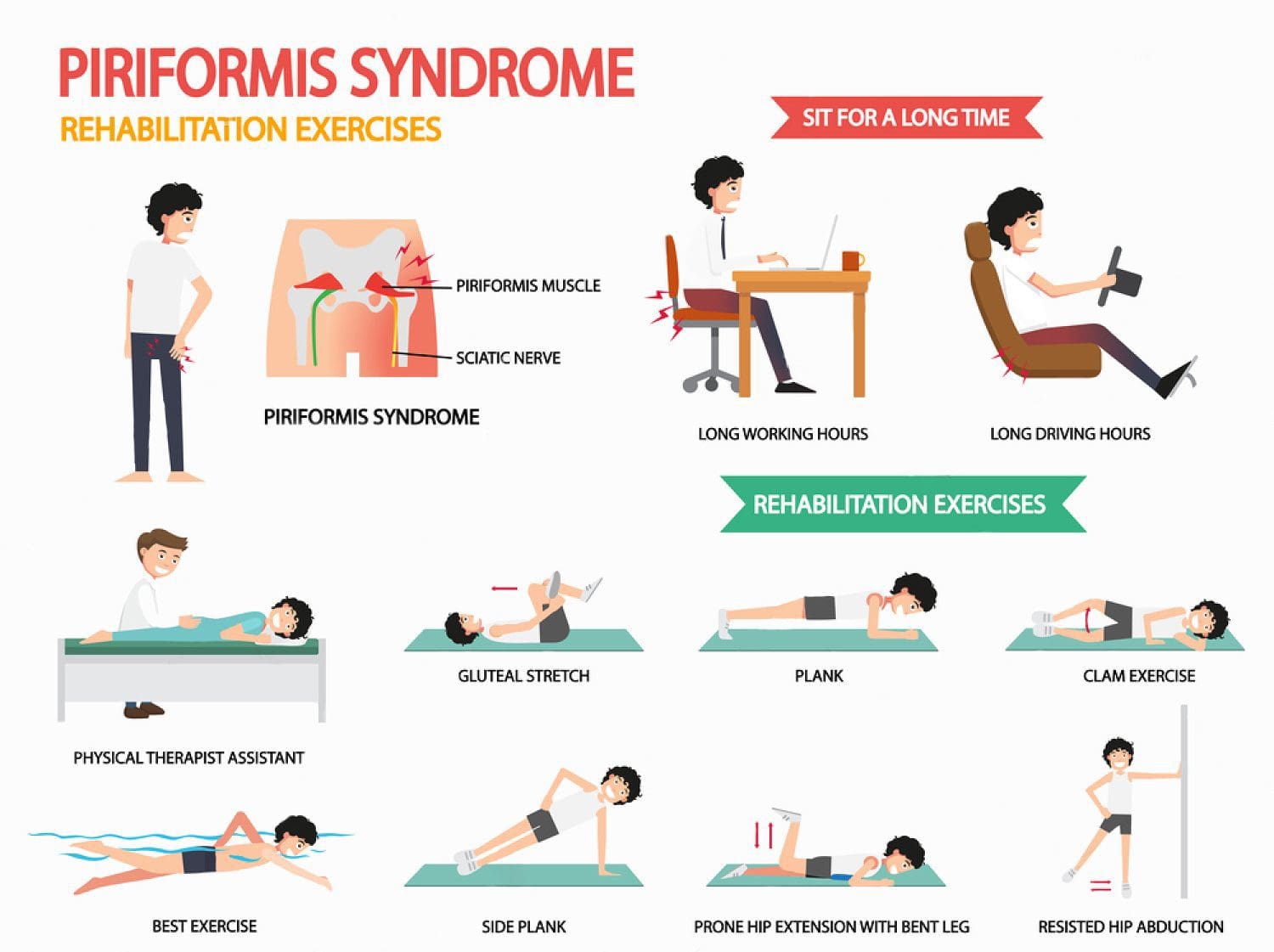
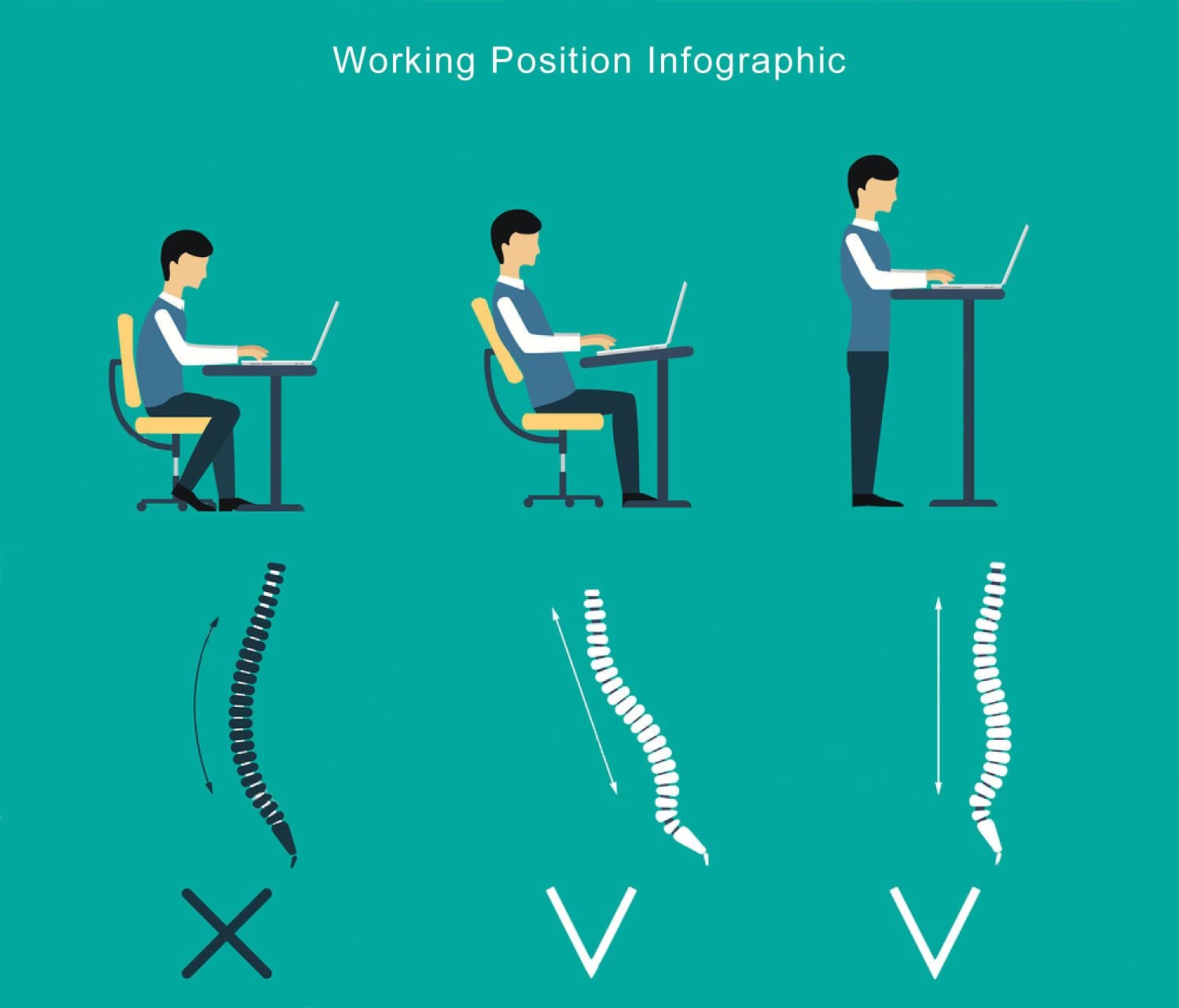

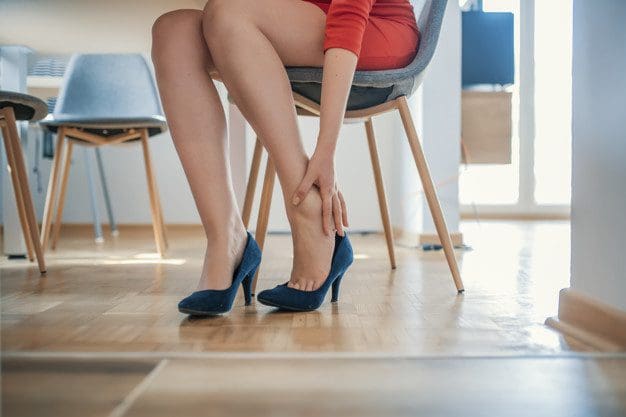 Sciatic Nerve Pain
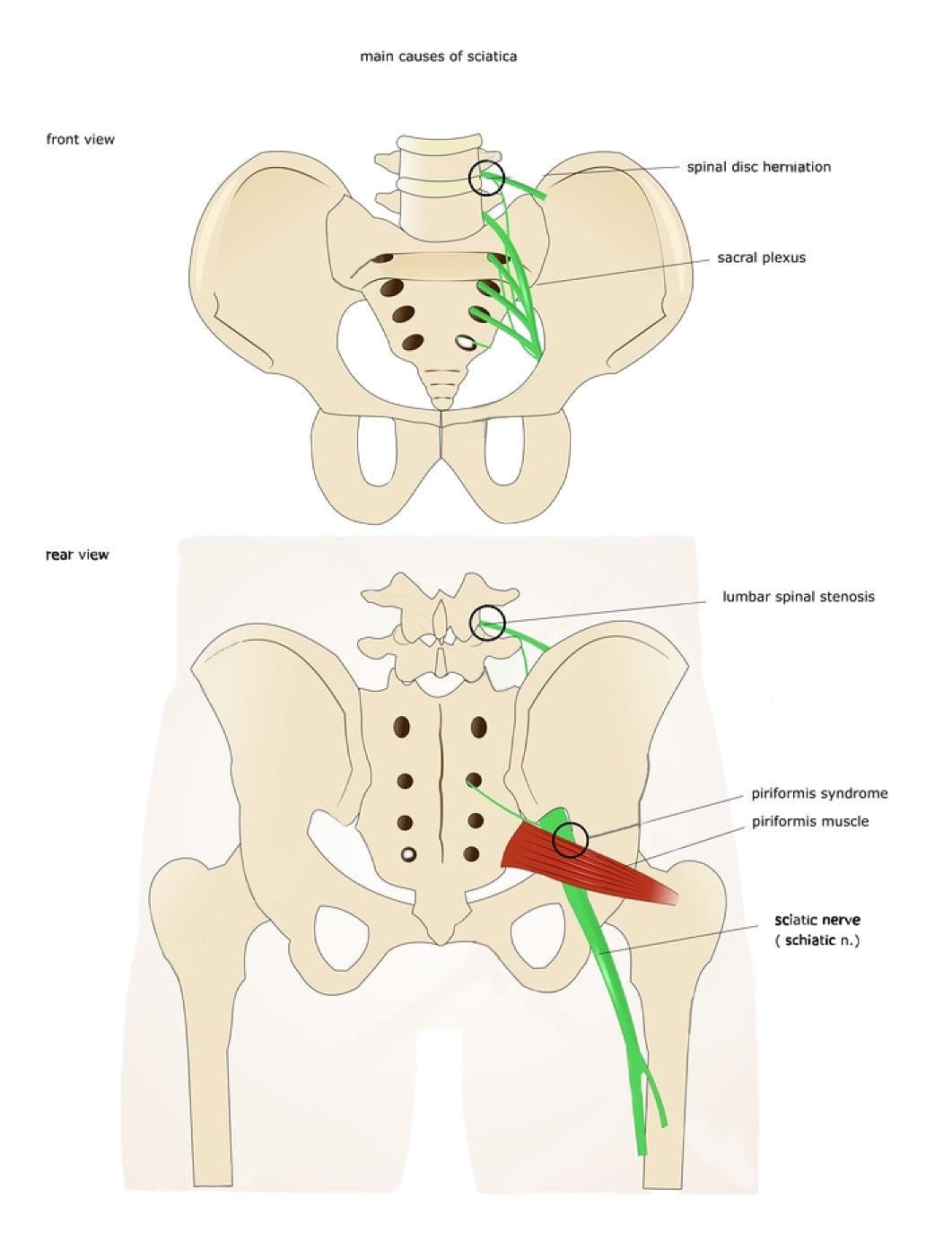
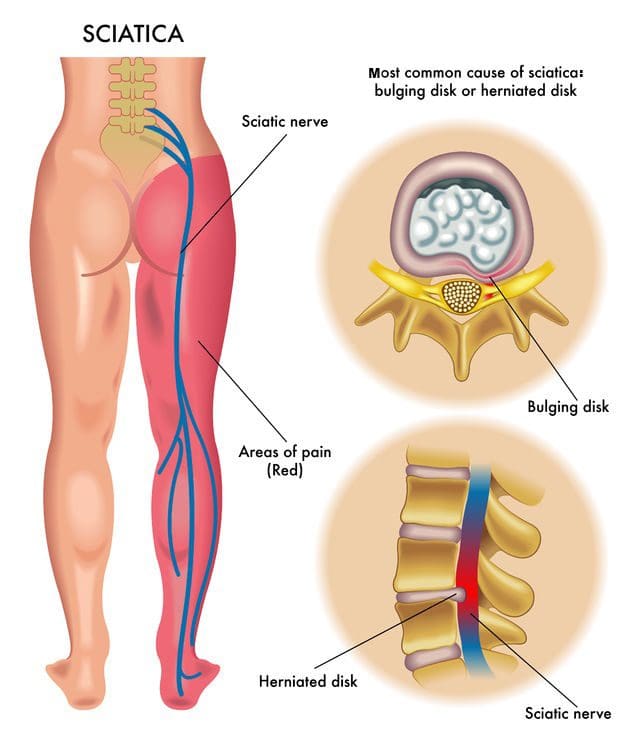 The sciatic nerve is the largest nerve in the body and consists of five nerves that come together at the lower spine and then extend all the way down the back of the legs into the toes. If the lumbar spine is compressed, it presses on the sciatic nerve, thus causing radiating pain down the leg and sometimes all the way into the big toe. Foot pain without leg pain is often due to an issue located within the foot. However, it is possible that the foot pain could be the only symptom of sciatica.