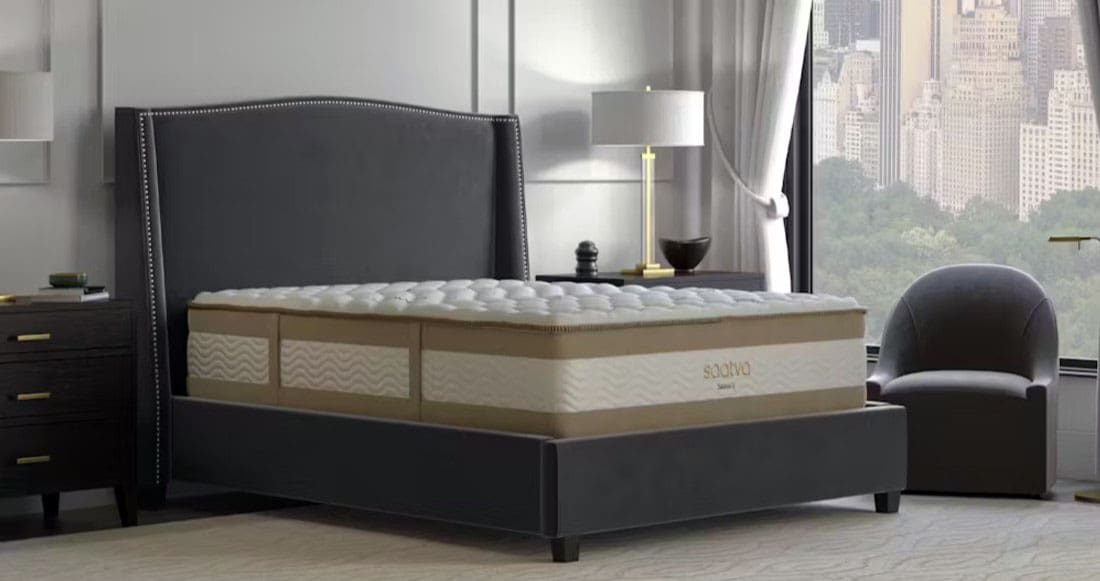
Getting a good night’s sleep can be difficult for individuals suffering from arthritis. Can finding a mattress that fits an individual’s needs help relieve aches and pains and provide restful sleep?
Mattress For Arthritis
Quality sleep can be difficult for those managing arthritis. Joint pain, stiffness, and tenderness can make falling and staying asleep feel impossible. A mattress for arthritis should be firm, provide comfortable support, and relieve joint pressure. (Sleep Foundation, 2024)
How Mattresses Affect Arthritis?
Not adequate support or cushioning can exacerbate arthritis pain and stiffness.
Individuals not sleeping well at night can experience significant physical and mental fatigue, increase the risk of injury, and perceive a higher level of pain.
Zoned mattresses provide targeted pressure relief to areas of arthritis pain, like the neck and lower back.
Mattresses that don’t support the body are more likely to disrupt sleep and exacerbate nighttime and daytime pain symptoms.
The body needs time to recover and repair during sleep, so the right mattress for arthritis will allow sound rest throughout the night.
A joint-supporting mattress can alleviate pain and stiffness.
What to Look For Mattress Types
Mattresses fall into three basic categories.
Foam or Latex
These mattresses are often recommended for individuals with chronic pain because they conform to the body and alleviate pressure points without being too firm that they aggravate existing injuries or inflammation.
Not all foam is the same; some mattresses are too soft to support someone with arthritis.
Latex is a more reliable material for support and durability, but it’s also more expensive than memory foam.
Innerspring
Innerspring mattresses are often long-lasting and provide firm support.
However, they are not recommended for individuals with arthritis because they can be hard on joints and pressure points.
The innerspring system doesn’t mold or conform to the body, so getting and staying comfortable can be difficult, if not impossible.
They’re not as heat-retaining as foam mattresses so that hot sleepers may prefer them.
Hybrid
A hybrid mattress typically consists of individually wrapped springs topped with one or more layers of memory foam.
Hybrid mattresses are often recommended for arthritis patients because they meet the expert-recommended balance between support and cushioning.
Firmness Levels
Mattress firmness is rated on a scale of 1 to 10, with firmer mattresses scoring higher, often 6 or 7 and above. However, no one firmness rating works for all individuals with arthritis. Finding the right firmness for arthritis symptoms is highly individualized. For some, a super firm sleep surface can aggravate symptoms. In determining what firmness number is needed, consider weight. For example, a person weighing 400 pounds will have a different experience on a soft mattress than a person weighing 150 pounds. Typically, larger bodies need a firmer mattress to avoid sinking too far into the mattress’s core. Petite individuals may be perfectly supported on a mattress rated 5 or 6 for firmness, but taller or heavier individuals should look for a mattress rated seven or eight.
Support and Pressure Relief
Individuals will want to look for a mattress that targets specific areas for relieving aches and pains, such as the shoulders, hips, and lower back. Foam helps relieve pressure points in the body without feeling too soft, which is helpful when managing joint pain. There is debate over whether latex or memory foam is better for relieving sensitive pressure points. A Journal of Chiropractic Medicine study suggests that latex foam may outperform traditional memory foam as it reduces body pressure and evenly distributes weight along pressure points. (Low F. Z. et al., 2017)
Motion Transfer
Motion transfer refers to a mattress’s ability to isolate body movement. It’s helpful to consider how much you and your partner are affected by each other’s movement throughout the night. This may not be necessary for individuals who don’t sleep with a partner. So, if you or a partner disrupt sleep throughout the night, a mattress with better motion absorption is recommended.
Sleep Position Can Affect Arthritis and Joint Pain
Mattress manufacturers often design mattresses to accommodate back, side, or stomach sleepers, as different sleeping positions usually require different types of support. One study suggests that sleeping-related pain can be reduced in those with lower back pain when they choose the right sleeping surface for their preferred sleep position. (Jacobson B. H. et al., 2010) Therefore, purchasing a mattress for the preferred position is important.
Durability
A mattress’s expected lifespan depends on the materials it’s made from. A mattress that immediately loses some of its features and benefits won’t last very long. This is why it is recommended to know how long the trial period is for the mattress and keep track of its performance. Count on at least six to seven years, but latex and hybrid mattresses can last longer.
Trial Period
Considering the trial period on the mattress is important when buying online. Determining if it’s right for your body can take a little while as it takes a while to break in a new mattress, so look for a longer trial period to see and feel if it is the right choice. (Mattress Firm, 2023) Most online mattress retailers offer at least a 100-day trial period, while some offer 365 days to send it back. However long the trial period, looking into the terms and conditions of any return policy is recommended. A company can say you can return it if it doesn’t meet expectations; however, restrictions or exclusions may apply to your purchase.
Injury Medical Chiropractic and Functional Medicine Clinic
Injury Medical Chiropractic and Functional Medicine Clinic works with primary healthcare providers and specialists to develop an optimal health and wellness solution. We focus on what works for you to relieve pain, restore function, prevent injury, and help mitigate the pain through spinal adjustments that help the body realign itself. They can also work with other medical professionals to integrate a treatment plan to resolve musculoskeletal issues.
Fighting Inflammation Naturally
References
Sleep Foundation. Noyed D. (2024). How to Choose a Mattress. https://www.sleepfoundation.org/mattress-information/how-to-choose-a-mattress
Low, F. Z., Chua, M. C., Lim, P. Y., & Yeow, C. H. (2017). Effects of Mattress Material on Body Pressure Profiles in Different Sleeping Postures. Journal of Chiropractic Medicine, 16(1), 1–9. https://doi.org/10.1016/j.jcm.2016.09.002
Jacobson, B. H., Boolani, A., Dunklee, G., Shepardson, A., & Acharya, H. (2010). Effect of prescribed sleep surfaces on back pain and sleep quality in patients diagnosed with low back and shoulder pain. Applied ergonomics, 42(1), 91–97. https://doi.org/10.1016/j.apergo.2010.05.004
Mattress Firm. (2023). Breaking In a New Mattress: Tips for a Comfortable Night’s Sleep. Mattress Firm Blog. https://www.mattressfirm.com/blog/sleep-tips/break-in-a-new-mattress
Can incorporating acupressure provide effective relief and benefits for individuals looking to try natural treatments for common health ailments?
Acupressure
Acupressure is a type of complementary medicine that is rising in popularity due to its simplicity and accessibility. It can assist in treating various diseases and conditions. (Piyush Mehta et al., 2016) Anyone can learn it, and no special equipment is required. It is an effective and safe therapeutic option with no known side effects. (Youngmi Cho et al., 2021) It is a cost-effective intervention similar to acupuncture. (Lukas Israel et al., 2021)
What Is It?
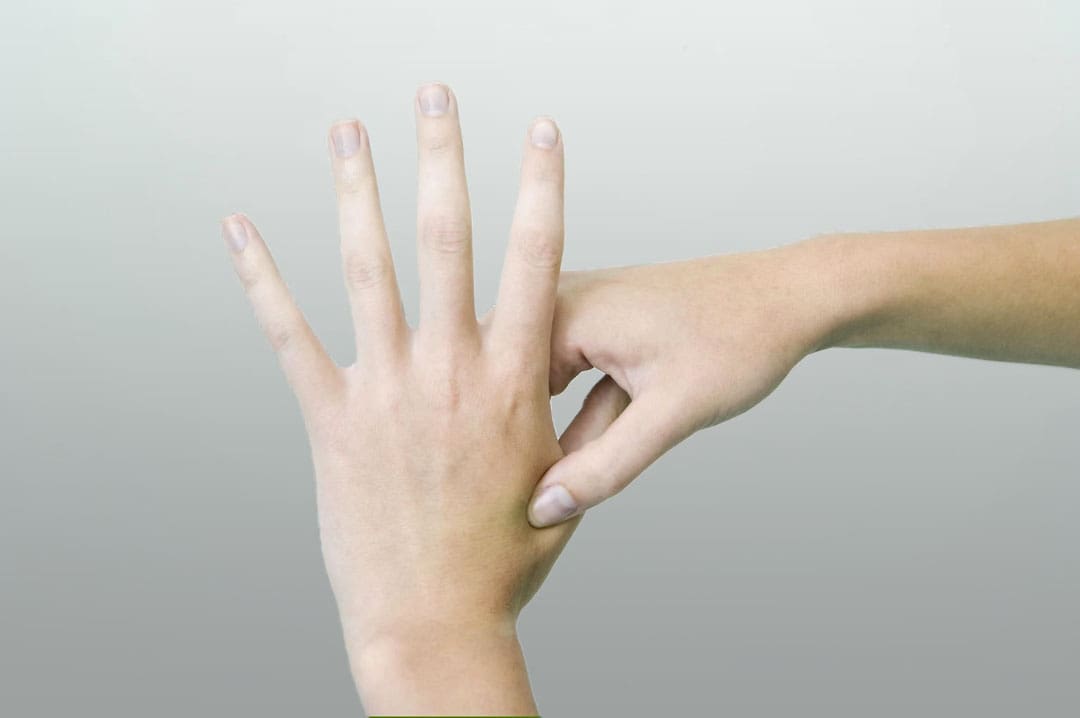
The concept of acupressure activates acupoints or pressure points across meridians or channels connected to various organs to balance energy and promote health. Practitioners believe that the quality or state of a person’s energy determines their health. (Piyush Mehta et al., 2016) Acupressure is the stimulation of acupoints using either the fingers or a tool. Massage techniques like Amma, Shiatsu, Tui Na, and Thai massage incorporate acupressure in their treatments and follow the same energy channels as acupuncture.
The Way It Works
Acupressure works similarly to acupuncture. The Gate Control Theory theorizes that pleasure impulses reach the brain four times faster than pain impulses. Continuous pleasurable impulses close the neural gates and block slower messages, like pain. According to this theory, acupressure improves the pain perception threshold. (Piyush Mehta et al., 2016) Stimulating acupoints activates functional responses, like releasing hormones. These hormones serve various functions, physical, like regulating organ function, and mental, like regulating emotions, and releasing them can help improve health and well-being. (Piyush Mehta et al., 2016)
Acupressure is a simple and effective intervention that can be self or professionally administered.
Acupoints are activated in the elbows, fingers, feet, knuckles, palms, or thumbs.
Though acupressure doesn’t require specialized tools, they are available for convenience.
Some practitioners used Bian stones to activate acupoints.
Acupressure is often used alongside modern medicine, as it treats common or coexisting symptoms, such as anxiety or stress. Some of the conditions for which acupressure may be effective include.
Stress and Fatigue Reduction
Stress and fatigue are common but often arise alongside other ailments or conditions if persistent or severe, anxiety and fatigue can significantly affect quality of life by reducing an individual’s ability to participate in daily activities. In a study looking at shift work nurses who experience stress and fatigue from the intensity of their work, acupressure significantly reduced their symptoms. (Youngmi Cho et al., 2021) In studies with breast cancer survivors, acupressure was also used to decrease fatigue levels and was shown to be an effective and low-cost option for managing persistent fatigue alongside standard care for breast cancer. (Suzanna Maria Zick et al., 2018) (Suzanna M Zick et al., 2016)
Can Help With Anxiety and Depression
Depression and anxiety can be part of a disorder or exist on their own. Acupressure may help alleviate some of the anxiety and depression that arise as part of a condition or ailment. In the shift work nurses study, acupressure helped decrease anxiety levels. (Youngmi Cho et al., 2021) In other studies, acupressure reduced anxiety scores and improved depressive symptoms in individuals with mild to moderate symptoms. (Elizabeth Monson et al., 2019) (Jingxia Lin et al., 2022) (Suzanna Maria Zick et al., 2018)
Pain Reduction
Individuals experience physical pain for a variety of reasons. Pain can come from temporary sports injuries, work, sudden awkward movements, and/or chronic illness. Acupressure can effectively reduce pain as a complementary therapy. (Elizabeth Monson et al., 2019) In a study, athletes who had a musculoskeletal sports injury reported decreased pain intensity after three minutes of acupressure therapy. (Aleksandra K Mącznik et al., 2017) In another study, breast cancer survivors showed significant improvements with acupressure. (Suzanna Maria Zick et al., 2018)
Nausea Relief
Nausea and vomiting are conditions that are common for those who are pregnant or undergoing chemotherapy. It also can be a medication side effect or arise with migraine or indigestion. There is evidence that acupressure may be effective in alleviating symptoms. Some researchers believe a particular type of acupressure known as auricular acupressure is the most effective for treating chemotherapy-induced nausea and vomiting alongside standard treatment. (Jing-Yu Tan et al., 2022) However, further research is needed to determine whether this is a viable, ongoing option for treating nausea and vomiting. (Heather Greenlee et al., 2017)
Sleep Better
Acupressure can be an effective and low-cost option for managing breast cancer symptoms. One study found relaxing acupressure techniques improved sleep quality and quality of life in breast cancer survivors. Additionally, researchers note that relaxing acupressure is more effective for improving sleep and quality of life than stimulating acupressure. (Suzanna M Zick et al., 2016)
Allergy Reduction
Allergic rhinitis is inflammation caused by an allergic reaction. Previous trials have found that acupressure could improve overall health by reducing seasonal allergic rhinitis symptoms and the need for allergy medication. (Lukas Israel et al., 2021) Researchers also noted that individuals are likely to adhere to self-applied acupressure therapy as a form of self-massage. (Lukas Israel et al., 2021)
Always consult a healthcare provider before starting acupressure treatments, especially if you have any pre-existing health conditions. At Injury Medical Chiropractic and Functional Medicine Clinic, we treat injuries and chronic pain syndromes by developing personalized treatment plans and specialized clinical services focused on injuries and the complete recovery process. Flexibility, mobility, and agility programs are tailored for all age groups and disabilities. If other treatment is needed, individuals will be referred to a clinic or physician best suited to their injury, condition, and/or ailment.
Enhance Performance with Functional Foot Orthotics
References
Mehta, P., Dhapte, V., Kadam, S., & Dhapte, V. (2016). Contemporary acupressure therapy: Adroit cure for painless recovery of therapeutic ailments. Journal of traditional and complementary medicine, 7(2), 251–263. https://doi.org/10.1016/j.jtcme.2016.06.004
Cho, Y., Joo, J. M., Kim, S., & Sok, S. (2021). Effects of Meridian Acupressure on Stress, Fatigue, Anxiety, and Self-Efficacy of Shiftwork Nurses in South Korea. International journal of environmental research and public health, 18(8), 4199. https://doi.org/10.3390/ijerph18084199
Israel, L., Rotter, G., Förster-Ruhrmann, U., Hummelsberger, J., Nögel, R., Michalsen, A., Tissen-Diabaté, T., Binting, S., Reinhold, T., Ortiz, M., & Brinkhaus, B. (2021). Acupressure in patients with seasonal allergic rhinitis: a randomized controlled exploratory trial. Chinese medicine, 16(1), 137. https://doi.org/10.1186/s13020-021-00536-w
Zick, S. M., Sen, A., Hassett, A. L., Schrepf, A., Wyatt, G. K., Murphy, S. L., Arnedt, J. T., & Harris, R. E. (2018). Impact of Self-Acupressure on Co-Occurring Symptoms in Cancer Survivors. JNCI cancer spectrum, 2(4), pky064. https://doi.org/10.1093/jncics/pky064
Zick, S. M., Sen, A., Wyatt, G. K., Murphy, S. L., Arnedt, J. T., & Harris, R. E. (2016). Investigation of 2 Types of Self-administered Acupressure for Persistent Cancer-Related Fatigue in Breast Cancer Survivors: A Randomized Clinical Trial. JAMA oncology, 2(11), 1470–1476. https://doi.org/10.1001/jamaoncol.2016.1867
Monson, E., Arney, D., Benham, B., Bird, R., Elias, E., Linden, K., McCord, K., Miller, C., Miller, T., Ritter, L., & Waggy, D. (2019). Beyond Pills: Acupressure Impact on Self-Rated Pain and Anxiety Scores. Journal of alternative and complementary medicine (New York, N.Y.), 25(5), 517–521. https://doi.org/10.1089/acm.2018.0422
Lin, J., Chen, T., He, J., Chung, R. C., Ma, H., & Tsang, H. (2022). Impacts of acupressure treatment on depression: A systematic review and meta-analysis. World journal of psychiatry, 12(1), 169–186. https://doi.org/10.5498/wjp.v12.i1.169
Mącznik, A. K., Schneiders, A. G., Athens, J., & Sullivan, S. J. (2017). Does Acupressure Hit the Mark? A Three-Arm Randomized Placebo-Controlled Trial of Acupressure for Pain and Anxiety Relief in Athletes With Acute Musculoskeletal Sports Injuries. Clinical journal of sport medicine : official journal of the Canadian Academy of Sport Medicine, 27(4), 338–343. https://doi.org/10.1097/JSM.0000000000000378
Tan, J. Y., Molassiotis, A., Suen, L. K. P., Liu, J., Wang, T., & Huang, H. R. (2022). Effects of auricular acupressure on chemotherapy-induced nausea and vomiting in breast cancer patients: a preliminary randomized controlled trial. BMC complementary medicine and therapies, 22(1), 87. https://doi.org/10.1186/s12906-022-03543-y
Greenlee, H., DuPont-Reyes, M. J., Balneaves, L. G., Carlson, L. E., Cohen, M. R., Deng, G., Johnson, J. A., Mumber, M., Seely, D., Zick, S. M., Boyce, L. M., & Tripathy, D. (2017). Clinical practice guidelines on the evidence-based use of integrative therapies during and after breast cancer treatment. CA: a cancer journal for clinicians, 67(3), 194–232. https://doi.org/10.3322/caac.21397
Ho, K. K., Kwok, A. W., Chau, W. W., Xia, S. M., Wang, Y. L., & Cheng, J. C. (2021). A randomized controlled trial on the effect of focal thermal therapy at acupressure points treating osteoarthritis of the knee. Journal of orthopaedic surgery and research, 16(1), 282. https://doi.org/10.1186/s13018-021-02398-2
For individuals experiencing eye problems, can acupuncture treatment help and benefit overall eye health?
Acupuncture For Eye Health
Acupuncture is an alternative medical practice that involves inserting thin needles at specific points on the body. The objective is to restore balance and health by restoring and balancing energy circulation through pathways throughout the body. These pathways, known as meridians, are separate from nerve and blood pathways.
Studies have shown that the insertion of needles manipulates accumulations of certain neurotransmitters by nearby nerves and may be what causes beneficial health effects. (Heming Zhu 2014)
Scientists are not sure exactly how acupuncture works, but it has been shown to provide pain relief and alleviation of cancer treatment nausea. (Weidong Lu, David S. Rosenthal 2013)
Studies have shown that acupuncture can help treat eye conditions like dry eye syndrome. (Tae-Hun Kim et al., 2012)
Eye Problems
For some individuals, a body imbalance can be caused by eye problems or disease. With acupuncture, imbalance-causing symptoms are addressed. Acupuncture promotes the circulation of energy and blood around the eyes.
Acupuncture has been used as an alternative treatment for chronic dry eye syndrome. (Tae-Hun Kim et al., 2012)
Studies have shown acupuncture helps reduce the eye surface’s temperature to reduce the evaporation of tears.
The procedure is also sometimes used to treat glaucoma.
Glaucoma is an optic nerve disease usually caused by above-normal eye pressure levels.
Another study showed successful reduced allergic and inflammatory eye disease symptoms. (Justine R. Smith et al., 2004)
Eye Acupoints
The following acupoints are for eye health.
Jingming
Jingming – UB-1 is located in the inner corner of the eye.
This point is thought to increase energy and blood and to help with problems such as blurry vision, cataracts, glaucoma, night blindness, and conjunctivitis. (Tilo Blechschmidt et al., 2017)
Zanzhu
The Zanzhu point – UB-2 is in the crease at the inner end of the eyebrow.
This acupoint is used when individuals complain of headaches, blurred vision, pain, tearing, redness, twitching, and glaucoma. (Gerhard Litscher 2012)
Yuyao
Yuyao is in the middle of the eyebrow, above the pupil.
This point is used for treating eye strain, eyelid twitching, ptosis, or when the upper eyelid droops over, cloudiness of the cornea, redness, and swelling. (Xiao-yan Tao et al., 2008)
Sizhukong
The Sizhukog – SJ 23 area is in the hollow area outside the eyebrow.
It is thought to be a point where acupuncture can help with eye and facial pain, including headaches, redness, pain, blurred vision, toothache, and facial paralysis. (Hongjie Ma et al., 2018)
Tongzilia
The Tongzilia – GB 1 is located on the outside corner of the eye.
The point helps brighten the eyes.
Acupuncture also helps treat headaches, redness, eye pain, light sensitivity, dry eyes, cataracts, and conjunctivitis. (GladGirl 2013)
Early studies with acupuncture have shown promise for improving eye health. Individuals considering acupuncture are recommended to consult their primary healthcare provider to see if it can be an option for those who have not found a resolution by traditional means.
Neck Injuries
References
Zhu H. (2014). Acupoints Initiate the Healing Process. Medical acupuncture, 26(5), 264–270. https://doi.org/10.1089/acu.2014.1057
Lu, W., & Rosenthal, D. S. (2013). Acupuncture for cancer pain and related symptoms. Current pain and headache reports, 17(3), 321. https://doi.org/10.1007/s11916-013-0321-3
Kim, T. H., Kang, J. W., Kim, K. H., Kang, K. W., Shin, M. S., Jung, S. Y., Kim, A. R., Jung, H. J., Choi, J. B., Hong, K. E., Lee, S. D., & Choi, S. M. (2012). Acupuncture for the treatment of dry eye: a multicenter randomised controlled trial with active comparison intervention (artificial teardrops). PloS one, 7(5), e36638. https://doi.org/10.1371/journal.pone.0036638
Law, S. K., & Li, T. (2013). Acupuncture for glaucoma. The Cochrane database of systematic reviews, 5(5), CD006030. https://doi.org/10.1002/14651858.CD006030.pub3
Smith, J. R., Spurrier, N. J., Martin, J. T., & Rosenbaum, J. T. (2004). Prevalent use of complementary and alternative medicine by patients with inflammatory eye disease. Ocular immunology and inflammation, 12(3), 203–214. https://doi.org/10.1080/092739490500200
Blechschmidt, T., Krumsiek, M., & Todorova, M. G. (2017). The Effect of Acupuncture on Visual Function in Patients with Congenital and Acquired Nystagmus. Medicines (Basel, Switzerland), 4(2), 33. https://doi.org/10.3390/medicines4020033
Litscher G. (2012). Integrative laser medicine and high-tech acupuncture at the medical university of graz, austria, europe. Evidence-based complementary and alternative medicine : eCAM, 2012, 103109. https://doi.org/10.1155/2012/103109
Tao, X. Y., Sun, C. X., Yang, J. L., Mao, M., Liao, C. C., Meng, J. G., Fan, W. B., Zhang, Y. F., Ren, X. R., & Yu, H. F. (2008). Zhongguo zhen jiu = Chinese acupuncture & moxibustion, 28(3), 191–193.
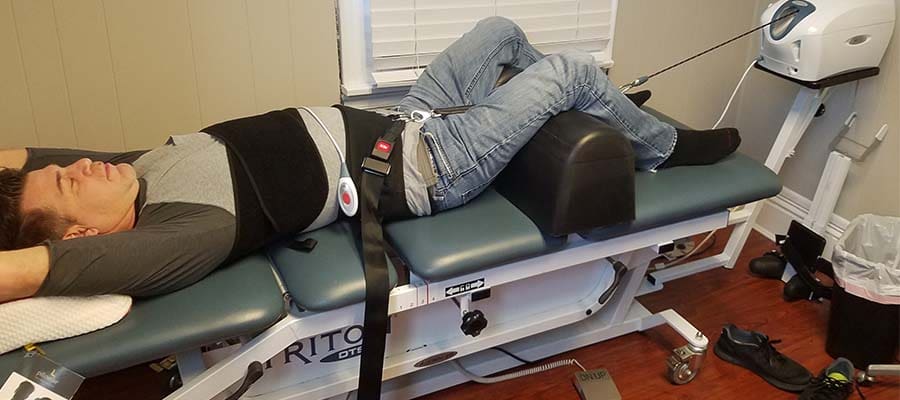
Can individuals incorporate decompression to reduce spinal disc pressure on their lower backs to restore their quality of life?
Introduction
The spine has a wonderful relationship with the human body as it is part of the musculoskeletal system. The spine has many components allow the body to be mobile and help stabilize the different muscle groups around the upper and lower portions. When the body is in motion, the spine starts to compress the spinal discs between the spinal column, which helps reduce the vertical axial load. Many people with highly demanding jobs will often use repetitive motions that cause the spinal disc to be constantly compressed. When the spinal disc starts to be continuously compressed, it can eventually crack over time from the immense pressure. It can aggravate the surrounding nerves that can cause referred pain-like symptoms in the upper and lower extremities. To that point, it can lead to a life of disability if it is not treated right away. Luckily, numerous treatments can help reduce the immense pressure from the spinal discs and reduce the pain-like symptoms from the upper and lower extremities. Today’s article looks at how spinal pressure affects the lower back and how decompression can help reduce spinal pressure on the lower back. We speak with certified medical providers who incorporate our patients’ information to provide various solutions to relieve spinal pressure on the spine. We also inform patients how treatments like decompression can reduce vertical axial pressure on the lower back. We encourage our patients to ask intricated and educational questions to our associated medical providers about the pain-like symptoms they are experiencing correlating with spinal pressure affecting their lower back. Dr. Alex Jimenez, D.C., utilizes this information as an academic service. Disclaimer.
How Does Spinal Pressure Affect The Lower Back?
Have you felt any muscle aches or stiffness in your lower back after bending down to pick up an object? What about feeling excruciating pain in your lower back that is radiating to your neck or your legs? Or do you feel pain in one location of your back that is not going away after rest? When many individuals are in pain, and home remedies are not providing the relief they deserve, they could be dealing with spinal pressure that is affecting their back. When people start to do repetitive motions to their bodies, the spinal disc will begin to crack and shrink depending on the environmental factor the pain is associated with.
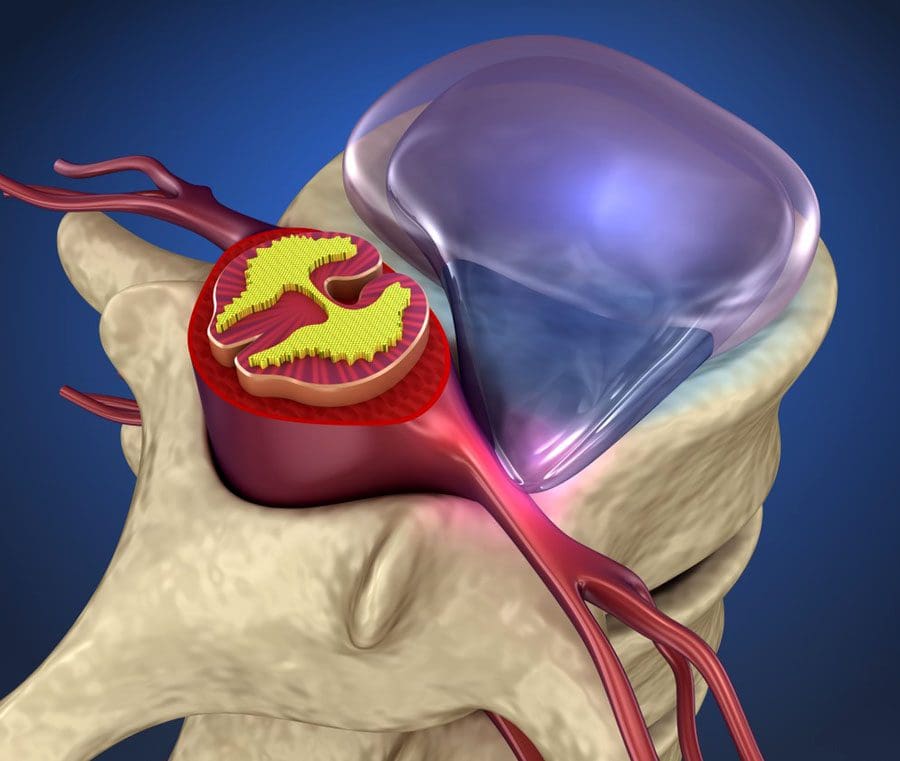
Regarding spinal pressure in the lower back, the disc is thicker and the most susceptible to injury. When it comes to spinal pressure related to disc herniation, it can lead to many individuals dealing with lower back pain and can affect their quality of life. One of the symptoms of disc herniation that are correlated with spinal pressure is that the displacement of the spinal disc can cause pain and disability in the spine as a result of a traumatic injury or degenerative changes due to the natural aging process. (Chu et al., 2023) When working, individuals put constant pressure on their spines, which can speed up the development of lower back pain.
Additionally, when there is immense spinal pressure on the spine, many pain-like issues that individuals don’t normally have will begin to pop up. This is due to a focal displacement of the intervertebral disc material that is beyond the normal limit of the spine and compresses one or more nerve roots, which can cause musculoskeletal issues to arise. (Trager et al., 2022) This, in turn, causes radiating extremity pain on the upper and lower body portions, sensory disturbances, muscle weakness, and even diminished muscle stretch reflexes as pain-like symptoms in the lower back. At the same time, when individuals are experiencing low back pain associated with spinal pressure, their truck muscles have an abnormal tilt when sitting, standing, and walking. (Wang et al., 2022) When this happens, it can cause them to develop poor posture, and when they are in an upright position, they will feel pain in their lower backs due to weak truck muscles. However, there are ways to relieve spinal pressure from aggravating the nerve roots affecting the lower back.
The Non-Surgical Approach To Wellness-Video
When looking for the right treatment, many individuals want to look for something that is cost-effective and relieves their pain. Non-surgical treatments are cost-effective and utilize various techniques to help reduce musculoskeletal pain through mechanical and manual motions to strengthen weakened muscles, relieve spinal pressure off the disc, and help realign the body to promote healing properties. The video above shows how non-surgical treatments like chiropractic care can help many individuals get their foot on the right on their health and wellness journey. At the same time, spinal decompression is another form of non-surgical treatment as it incorporates gentle traction on the spine to reduce intervertebral pressure during active and passive traction. (Andersson et al., 1983) When the spine is gently pulled, the herniated disc starts to return to its original position back to the spine, which then allows the fluids and nutrients to return to the disc and rehydrate them.
Decompression Reducing Spinal Pressure On Lower Back
So, how does spinal decompression help reduce disc pressure off the spine when dealing with low back pain? As stated earlier, spinal decompression incorporates gentle traction on the spine to be gently pulled to stretch weak surrounding muscles in the lower back. This causes an inverse relationship as the pressure within the nucleus pulposus of the herniated disc can help improve posture for many individuals with low back pain. (Ramos & Martin, 1994) Similarly, when many people incorporate decompression and chiropractic, the pain intensity is significantly reduced in all body parts, and many individuals will begin to feel the relief they deserve. (Ljunggren et al., 1984) When many individuals listen to their bodies and get the treatment they deserve, they will start to notice how decompression can help restore their bodies and positively improve their health.
References
Andersson, G. B., Schultz, A. B., & Nachemson, A. L. (1983). Intervertebral disc pressures during traction. Scand J Rehabil Med Suppl, 9, 88-91. https://www.ncbi.nlm.nih.gov/pubmed/6585945
Chu, E. C., Lin, A., Huang, K. H. K., Cheung, G., & Lee, W. T. (2023). A Severe Disc Herniation Mimics Spinal Tumor. Cureus, 15(3), e36545. https://doi.org/10.7759/cureus.36545
Ljunggren, A. E., Weber, H., & Larsen, S. (1984). Autotraction versus manual traction in patients with prolapsed lumbar intervertebral discs. Scand J Rehabil Med, 16(3), 117-124. https://www.ncbi.nlm.nih.gov/pubmed/6494835
Ramos, G., & Martin, W. (1994). Effects of vertebral axial decompression on intradiscal pressure. J Neurosurg, 81(3), 350-353. https://doi.org/10.3171/jns.1994.81.3.0350
Trager, R. J., Daniels, C. J., Perez, J. A., Casselberry, R. M., & Dusek, J. A. (2022). Association between chiropractic spinal manipulation and lumbar discectomy in adults with lumbar disc herniation and radiculopathy: retrospective cohort study using United States’ data. BMJ Open, 12(12), e068262. https://doi.org/10.1136/bmjopen-2022-068262
Postural orthostatic tachycardia syndrome is a medical condition that causes lightheadedness and palpitations after standing. Can lifestyle adjustments and multidisciplinary strategies help reduce and manage symptoms?
Postural Orthostatic Tachycardia Syndrome – POTS
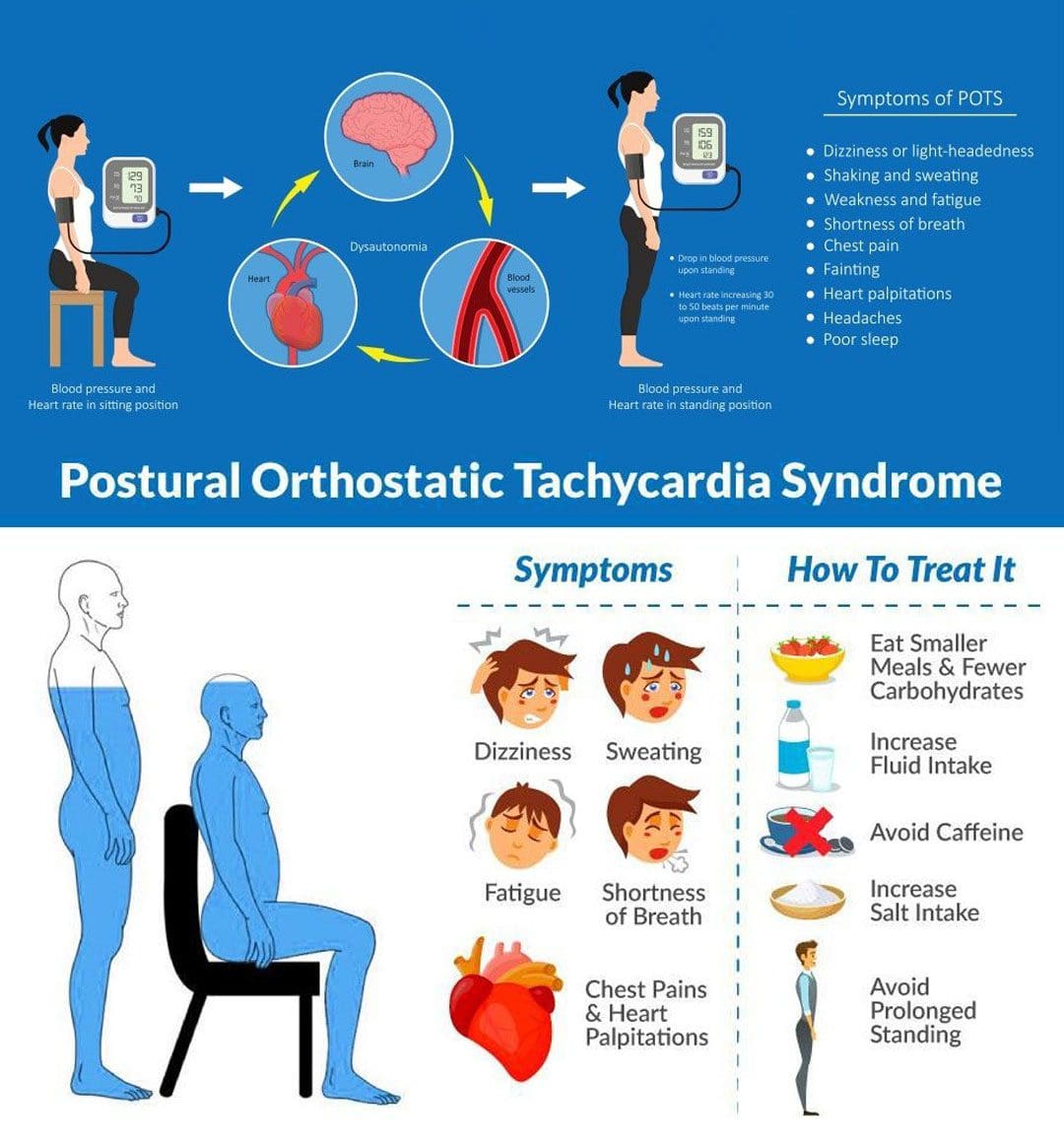
Postural orthostatic tachycardia syndrome, or POTS, is a condition that varies in severity from relatively mild to incapacitating. With POTS:
The heart rate increases dramatically with body position.
This condition often affects young individuals.
Most individuals with postural orthostatic tachycardia syndrome are women between the ages of 13 and 50.
Some individuals have a family history of POTS; some individuals report POTS began after an illness or stressor, and others report it began gradually.
It usually resolves over time.
Treatment can be beneficial.
Diagnosis is based on assessing blood pressure and pulse/heart rate.
Symptoms
Postural orthostatic tachycardia syndrome can affect young individuals who are otherwise healthy and can begin suddenly. It usually happens between the ages of 15 and 50, and women are more likely to develop it than men. Individuals can experience various symptoms within a few minutes of standing up from a lying or seated position. The symptoms can occur regularly and daily. The most common symptoms include: (National Institutes of Health. National Center for Advancing Translational Sciences. Genetic and Rare Diseases Information Center. 2023)
Anxiety
Lightheadedness
A feeling like you’re about to pass out.
Palpitations – sensing rapid or irregular heart rate.
Dizziness
Headaches
Blurred vision
Legs turn to reddish-purple.
Weakness
Tremors
Fatigue
Sleep problems
Trouble concentrating/brain fog.
Individuals may also experience recurrent episodes of fainting, usually without any trigger/s other than standing up.
Individuals can experience any combination of these symptoms.
Sometimes, individuals cannot handle sports or exercise and may feel light-headed and dizzy in response to mild or moderate physical activity, which can be described as exercise intolerance.
Associated Effects
Postural orthostatic tachycardia syndrome can be associated with other dysautonomia or nervous system syndromes, like neurocardiogenic syncope.
Individuals are often co-diagnosed with other conditions like:
Chronic fatigue syndrome
Ehlers-Danlos syndrome
Fibromyalgia
Migraines
Other autoimmune conditions.
Bowel conditions.
Causes
Usually, standing up causes blood to rush from the torso to the legs. The sudden change means less blood is available for the heart to pump. To compensate, the autonomic nervous system sends signals to the blood vessels to constrict to push more blood to the heart and maintain blood pressure and a normal heart rate. Most individuals do not experience significant changes in blood pressure or pulse when standing up. Sometimes, the body is unable to perform this function correctly.
If blood pressure drops from standing and causes symptoms like lightheadness, it is known as orthostatic hypotension.
If the blood pressure remains normal, but the heart rate gets faster, it is POTS.
The exact factors that cause postural orthostatic tachycardia syndrome are different in individuals but are related to changes in:
The autonomic nervous system, adrenal hormone levels, total blood volume, and poor exercise tolerance. (Robert S. Sheldon et al., 2015)
Autonomic Nervous System
The autonomic nervous system controls blood pressure and heart rate, which are the areas of the nervous system that manage internal bodily functions like digestion, respiration, and heart rate. It is normal for blood pressure to drop slightly and the heart rate to speed up a little when standing. With POTS, these changes are more pronounced.
POTS is considered a type of dysautonomia, which is diminished regulation of the autonomic nervous system.
Several other syndromes are also thought to be related to dysautonomia, like fibromyalgia, irritable bowel syndrome, and chronic fatigue syndrome.
It isn’t clear why the syndrome or any of the other types of dysautonomia develop, but there seems to be a familial predisposition.
Sometimes the first episode of POTS manifests after a health event like:
Pregnancy
Acute infectious illness, for example, a severe case of influenza.
An episode of trauma or concussion.
Major surgery
Diagnosis
A diagnostic evaluation will include a medical history, a physical examination, and diagnostic tests.
The healthcare provider will take blood pressure and pulse at least twice. Once while lying down and once while standing.
Blood pressure measurements and pulse rate lying down, sitting, and standing are orthostatic vitals.
Typically, standing up increases the heart rate by 10 beats per minute or less.
With POTS, heart rate increases by 30 beats per minute while blood pressure remains unchanged. (Dysautonomia International. 2019)
The heart rate stays elevated for over a few seconds upon standing/usually 10 minutes or more.
Symptoms happen frequently.
Lasts more than a few days.
Positional pulse changes are not the only diagnostic consideration for postural orthostatic tachycardia syndrome, as individuals can experience this change with other conditions.
During this test, blood pressure and pulse are measured several times when lying on a table and when the table is moved to an upright position.
Differential Diagnosis
There are various causes of dysautonomia, syncope, and orthostatic hypotension.
Throughout the evaluation, the healthcare provider may look at other conditions, like dehydration, deconditioning from prolonged bed rest, and diabetic neuropathy.
Medications like diuretics or blood pressure medication can cause similar effects.
Treatment
Several approaches are used in managing POTS, and individuals may require a multidisciplinary approach. The healthcare provider will advise regularly checking blood pressure and pulse at home to discuss the results when going in for medical checkups.
Fluids and Diet
Drinking non-caffeinated fluids can keep the body hydrated.
A healthcare provider can calculate the right amount of fluids that are needed each day.
Overnight dehydration is common, so it is especially important to drink fluids first thing in the morning, preferably before getting out of bed and standing.
Exercise and physical therapy can help the body learn to adjust to an upright position.
Because it can be challenging to exercise when dealing with POTS, a targeted exercise program under supervision may be required.
An exercise program may begin with swimming or using rowing machines, which do not require upright posture. (Dysautonomia International. 2019)
After a month or two, walking, running, or cycling may be added.
Studies have shown that individuals with POTS, on average, have smaller cardiac chambers than individuals who don’t have the condition.
Regular aerobic exercise has been shown to increase cardiac chamber size, slow heart rate, and improve symptoms. (Qi Fu, Benjamin D. Levine. 2018)
Individuals must continue an exercise program for the long term to keep symptoms from returning.
Medication
Prescription medications to manage POTS include midodrine, beta-blockers, pyridostigmine – Mestinon, and fludrocortisone. (Dysautonomia International. 2019)
Ivabradine, used for the heart condition of sinus tachycardia, has also been used effectively in some individuals.
Conservative Interventions
Other ways to help prevent symptoms include:
Sleeping in the head-up position by elevating the head of the bed off the ground 4 to 6 inches utilizing an adjustable bed, blocks of wood, or risers.
This increases the blood volume in circulation.
Performing countermeasure maneuvers like squatting, squeezing a ball, or crossing the legs. (Qi Fu, Benjamin D. Levine. 2018)
Wearing compression stockings to prevent too much blood from flowing into the legs when standing can help avoid orthostatic hypotension. (Dysautonomia International. 2019)
Conquering Congestive Heart Failure
References
National Institutes of Health. National Center for Advancing Translational Sciences. Genetic and Rare Diseases Information Center (GARD). (2023). Postural orthostatic tachycardia syndrome.
Sheldon, R. S., Grubb, B. P., 2nd, Olshansky, B., Shen, W. K., Calkins, H., Brignole, M., Raj, S. R., Krahn, A. D., Morillo, C. A., Stewart, J. M., Sutton, R., Sandroni, P., Friday, K. J., Hachul, D. T., Cohen, M. I., Lau, D. H., Mayuga, K. A., Moak, J. P., Sandhu, R. K., & Kanjwal, K. (2015). 2015 heart rhythm society expert consensus statement on the diagnosis and treatment of postural tachycardia syndrome, inappropriate sinus tachycardia, and vasovagal syncope. Heart rhythm, 12(6), e41–e63. https://doi.org/10.1016/j.hrthm.2015.03.029
For individuals affected by headaches that occur 15 or more days a month for more than three months, can knowing the signs and symptoms help healthcare providers help treat and prevent chronic tension headaches?
Chronic Tension Headaches
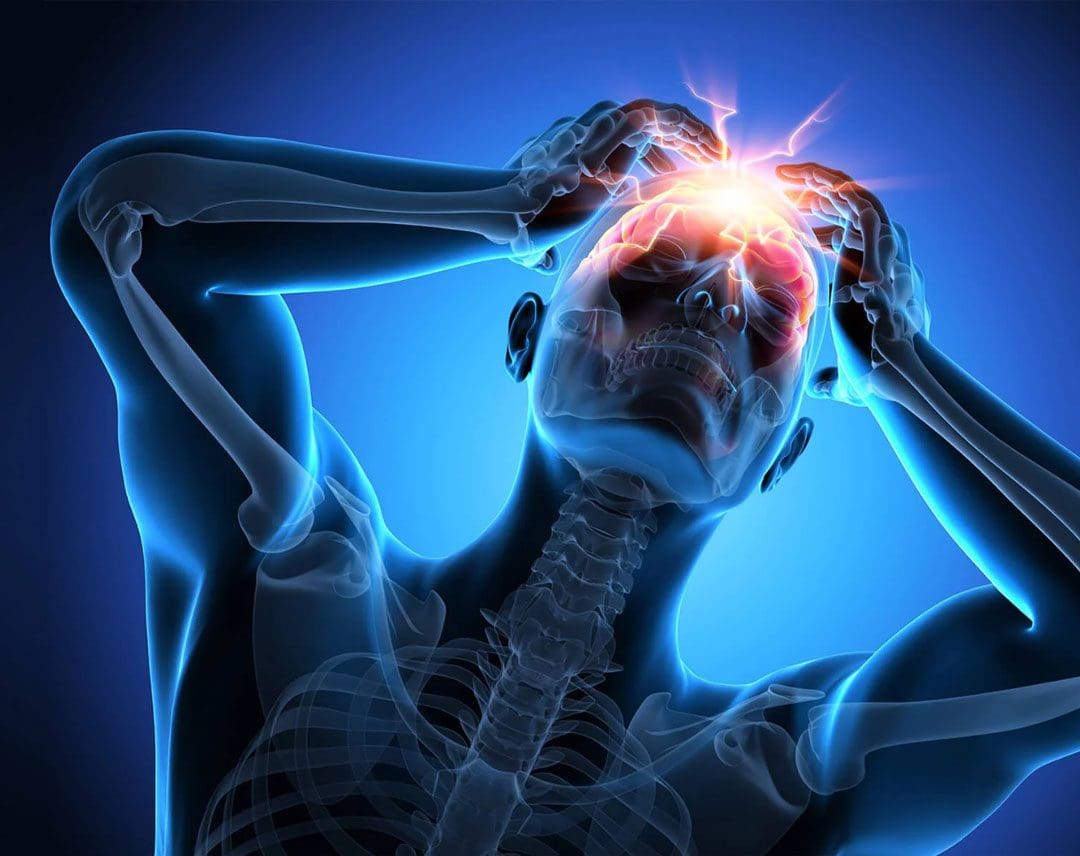
Most individuals have experienced a tension-type headache. The pain is usually described as a dull tightening or pressure on both sides of the head, like having a tightening band around the head. Some individuals experience these headaches frequently, a condition known as chronic tension headaches. Chronic tension headaches are uncommon but can be debilitating, as they can interfere with a healthy quality of life and daily living.
Tension headaches are typically caused by stress, anxiety, dehydration, fasting, or lack of sleep and usually resolve with over-the-counter medications. (Cleveland Clinic. 2023)
This is a primary headache disorder that affects around 3% of the population.
Chronic tension headaches can occur daily and negatively impact the quality of life and daily functioning. (Cleveland Clinic. 2023)
Symptoms
Tension headaches can be referred to as stress headaches or muscle contraction headaches.
They can present with dull, aching pain and include tightness or pressure across the forehead, sides, or back of the head. (Cleveland Clinic. 2023)
Additionally, some individuals experience tenderness on the scalp, neck, and shoulders.
Chronic tension headaches materialize 15 or more days a month on average for more than three months.
The headache can last for several hours or be continuous for several days.
Causes
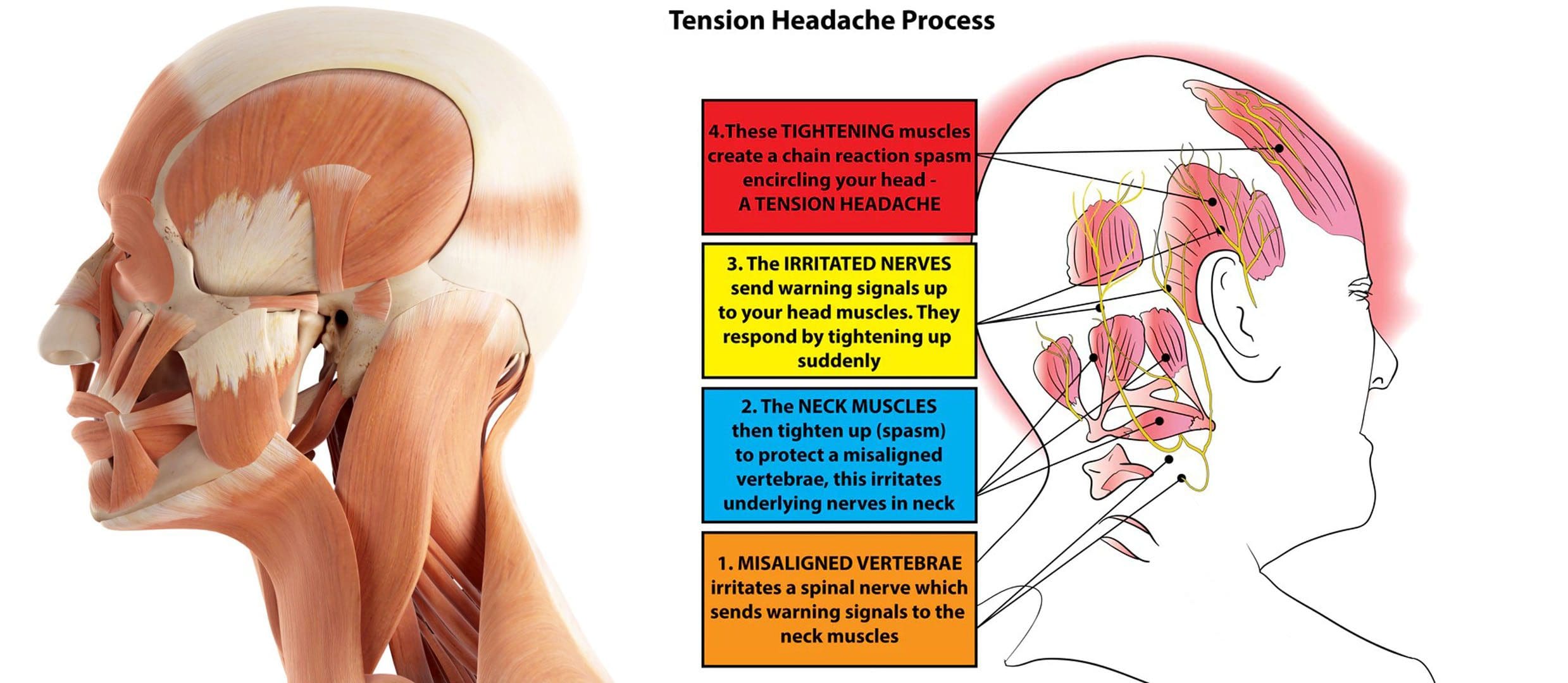
Tension headaches are typically caused by tight muscles in the shoulders, neck, jaw, and scalp.
Teeth grinding/bruxism and jaw clenching can also contribute to the condition.
Headaches can be brought on by stress, depression, or anxiety and are more common in individuals who:
Individuals experiencing headaches that interfere with daily life or need to take medication more than twice a week are recommended to consult a healthcare provider. Before the appointment, it can be helpful to keep a headache diary:
Record the days
Times
Description of the pain, intensity, and other symptoms.
Some questions the healthcare provider may ask include:
Is the pain pulsating, sharp, or stabbing, or is it constant and dull?
Where is the pain most intense?
Is it all over the head, on one side, on the forehead, or behind the eyes?
Do the headaches interfere with sleep?
Is working or doing tasks difficult or impossible?
A healthcare provider will likely be able to diagnose the condition based on symptoms alone. However, if the headache pattern is unique or different, the provider may order imaging tests, like MRI or CT scans, to rule out other diagnoses. Chronic tension headaches can be confused with other chronic daily headache disorders like chronic migraine, hemicrania continua, temporomandibular joint dysfunction/TMJ, or cluster headaches. (Fayyaz Ahmed. 2012)
Treatment
Pharmacological therapy for chronic tension headaches usually involves preventive medication.
Amitriptyline is one medication that has been found to be beneficial in chronic tension headache prevention.
According to a meta-analysis of 22 published studies in the Journal of General Internal Medicine, these medications are superior to placebo in reducing headache frequency, with an average of 4.8 fewer headache days per month.
Additional preventive medications may include other antidepressants like:
Remeron – mirtazapine.
Anti-seizure medications – like Neurontin – gabapentin, or Topamax – topiramate.
A healthcare provider may also prescribe medication to treat headache episodes, which include:
Prescription non-steroidal anti-inflammatory drugs or NSAIDs, including acetaminophen, naproxen, indomethacin, or ketorolac.
Opiates
Muscle relaxants
Benzodiazepines – Valium
Non-Medication Treatment
Behavioral therapies are sometimes used on their own or in combination with medication to prevent and manage chronic tension headaches. Examples include:
Acupuncture
An alternative therapy that involves using needles to stimulate specific points on the body believed to connect with certain pathways/meridians that carry vital energy/chi throughout the body.
Biofeedback
In Electromyography – EMG biofeedback, electrodes are placed on the scalp, neck, and upper body to detect muscle contraction.
The process can be costly and time-consuming, and there is little evidence to support its effectiveness.
Physical Therapy
A physical therapist can work out stiff and tight muscles.
Train individuals on stretches and targeted exercises for loosening tight head and neck muscles.
Cognitive Behavioral Therapy/CBT
Involves learning how to identify headache triggers and cope in a less stressful and more adaptive way.
Headache specialists often recommend CBT in addition to medication when developing a treatment plan. (Katrin Probyn et al., 2017)
Teeth-grinding and jaw-clenching training/treatment can help when they are contributors.
Regular exercise, as well as practicing healthy sleep hygiene, can be beneficial in prevention.
Supplements
Some individuals with chronic tension headaches may find relief using supplements. The American Academy of Neurology and the American Headache Society report the following supplements can be effective: (National Center for Complementary and Integrative Health. 2021)
Butterbur
Feverfew
Magnesium
Riboflavin
If the headaches come on suddenly, cause waking up from sleep, or last for days, it’s important to consult a healthcare provider to rule out any underlying causes and develop a personalized treatment plan.
Ahmed F. (2012). Headache disorders: differentiating and managing the common subtypes. British journal of pain, 6(3), 124–132. https://doi.org/10.1177/2049463712459691
Jackson, J. L., Mancuso, J. M., Nickoloff, S., Bernstein, R., & Kay, C. (2017). Tricyclic and Tetracyclic Antidepressants for the Prevention of Frequent Episodic or Chronic Tension-Type Headache in Adults: A Systematic Review and Meta-Analysis. Journal of general internal medicine, 32(12), 1351–1358. https://doi.org/10.1007/s11606-017-4121-z
Probyn, K., Bowers, H., Mistry, D., Caldwell, F., Underwood, M., Patel, S., Sandhu, H. K., Matharu, M., Pincus, T., & CHESS team. (2017). Non-pharmacological self-management for people living with migraine or tension-type headache: a systematic review including analysis of intervention components. BMJ open, 7(8), e016670. https://doi.org/10.1136/bmjopen-2017-016670
Individuals experiencing headaches on top of the head could be caused by different factors. Can recognizing what triggers pain or pressure help prevent this type of headache, and healthcare providers develop effective treatment plans?
Headache On Top of The Head
Various factors could cause a headache on top of the head; common causes include:
Stress
Sleep problems
Eye strain
Caffeine withdrawal
Dental problems
Hormonal changes
Alcohol consumption
Causes
Many causes have to do with underlying issues happening in other parts of the body.
Stress
Stress is a common cause of headaches, including one on top of the head.
Researchers don’t know exactly how stress causes headaches, but they think it causes tightening of the muscles in the back of the head or neck, which
pulls the tissues down, resulting in pain or pressure in the scalp and/or forehead area.
These are also called tension headaches.
Headaches caused by stress generally feel like dull pressure rather than throbbing pain.
Sleep Problems
Not getting enough sleep can induce a headache on top of the head.
When the mind and body do not get proper sleep, it can interfere with body functions like temperature, hunger, and sleep-wake cycles, which can lead to headaches.
It is common to feel more stressed when sleep-deprived, which can cause or compound a headache and other symptoms.
Eye Strain
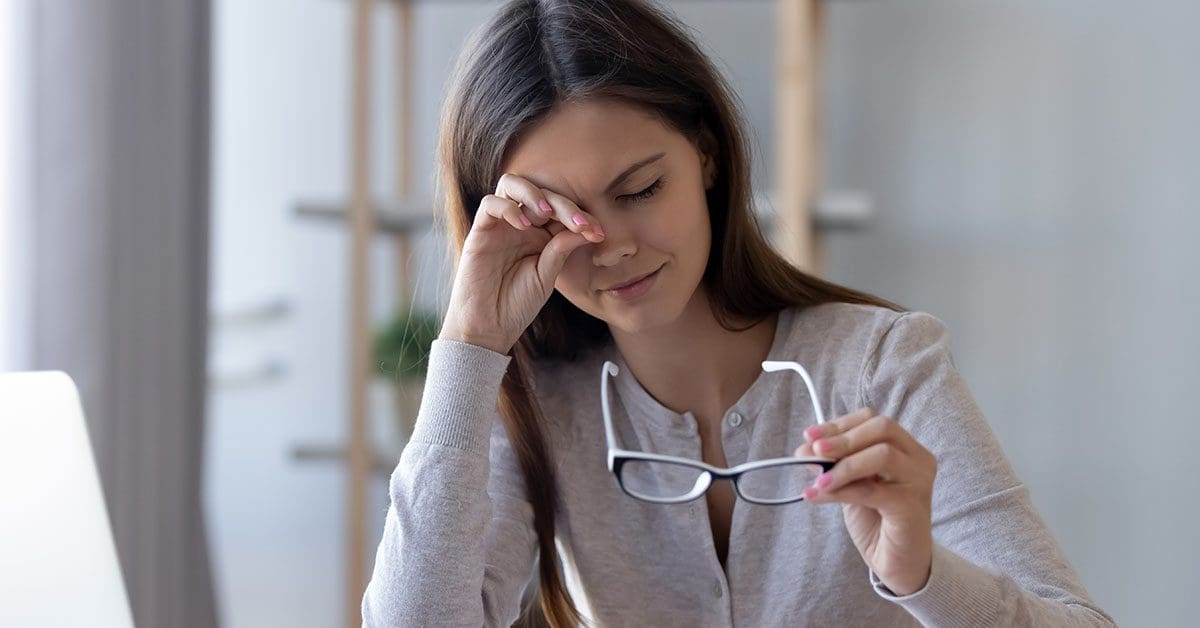
You may develop a headache on the top of your head after you’ve been reading, watching, or otherwise focusing on something for a while.
Over time, your eye muscles tire and have to work harder, causing them to contract.
These spasms can lead to headaches. Squinting can make the muscle contractions even worse.
Caffeine Withdrawl
Individuals may feel pain on the top of their heads if they skip their regular coffee.
Regular caffeine consumption can lead to dependency and withdrawal symptoms, which include headaches when intake is reduced or stopped.
This type of headache can be moderate to severe and can feel worse with activity.
Teeth issues like cracks, cavities, or impaction can irritate the trigeminal nerve, setting off head pain.
Teeth grinding can also lead to headaches.
Hormonal Changes
Individuals who have a low level of thyroid hormone may experience headaches.
This could be from having too little thyroid or a symptom of the condition.
Like stress-induced headaches, this type is generally dull and not throbbing.
Some women may feel pain on the top of their heads before menstruation triggered by estrogen levels dropping.
Alcohol
Some individuals develop a headache on the top of their head or elsewhere within a few hours after drinking alcohol.
This is known as a cocktail headache.
Alcohol-induced headaches usually resolve within 72 hours.
The mechanism behind this headache is not fully researched, but it’s been thought that the widening of blood vessels in the brain/vasodilation when consuming alcohol may trigger head pain.
This type of headache is different than a hangover headache that comes from overconsumption and is based on dehydration and the toxic effects of alcohol. (J G Wiese, M. G. Shlipak, W. S. Browner. 2000)
Rare Causes
Top-of-the-head pain can also result from more serious and rare causes:
Brain Tumor
Headaches are one of the most common symptoms of brain tumors.
A headache on the top of the head depends on the location and size of the tumor. (MedlinePlus. 2021)
Brain Aneurysm
This is a weak or thin area in a brain artery that bulges and fills with blood, which can cause a life-threatening rupture.
A medical professional will be able to help identify the type of headache being experienced, offer treatment options, and advise on how to manage triggers.
Wiese, J. G., Shlipak, M. G., & Browner, W. S. (2000). The alcohol hangover. Annals of internal medicine, 132(11), 897–902. https://doi.org/10.7326/0003-4819-132-11-200006060-00008
IFM's Find A Practitioner tool is the largest referral network in Functional Medicine, created to help patients locate Functional Medicine practitioners anywhere in the world. IFM Certified Practitioners are listed first in the search results, given their extensive education in Functional Medicine