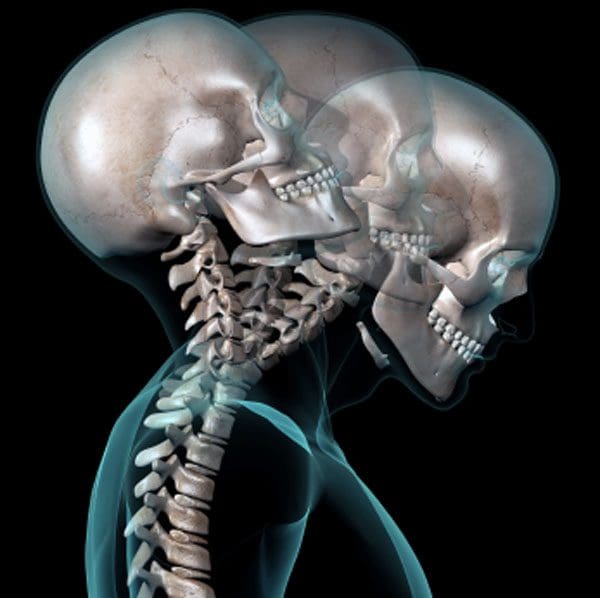
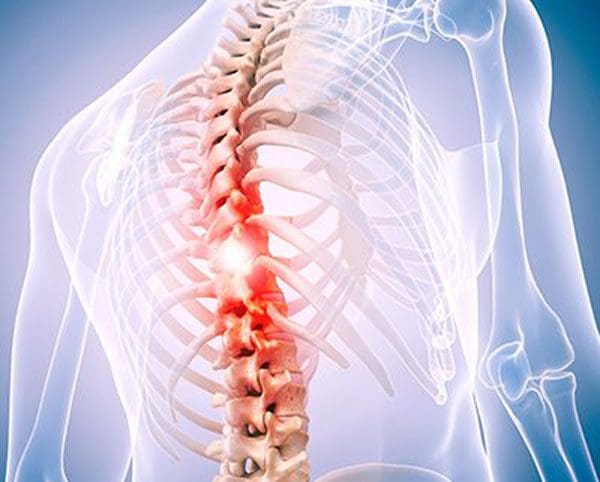
For individuals getting up with pain and stiffness in the back, neck, shoulders practically every morning becomes frustrating and depressing. For most, the pain wears off throughout the day but having to deal with it at the start of the day. Dr. Jimenez of Injury Medical Chiropractic and Functional Medicine Clinic offers some suggestions for pain reduction and prevention.
The body spends around a third of each night sleeping because it is a vital part of life. Sleeping means it is time to relax and prepare for the next day. For many, sleeping can be uncomfortable and can be a cause of back and neck pain when getting up. There are steps an individual can take to ensure that correct sleep is achieved while preventing neck and back pain.
Sleep Position Is Important
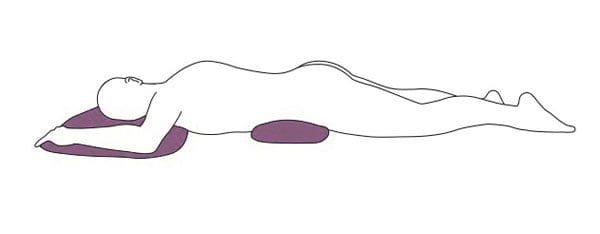
Sleeping in a position that maintains the natural curves of the spine is essential. It is recommended not to sleep on the stomach, as this places the spine in an unnatural position and allows the pelvis and lower back to sink into the mattress with no support. This position can also cause neck pain and headaches when getting up. If this is a position that can’t be changed from years of practice, place a pillow under the stomach and or pelvis to keep the lower back and pelvis straight.
Sleeping on the side or back is highly recommended.
Side sleepers should also place a pillow between the knees.
Back sleepers should place a pillow underneath the knees.
Placing a pillow between and underneath the knees gives the spine proper support to maintain the natural curves.
Check How The Bed Is Set Up
Make sure the bed/sleeping equipment is set up correctly. For example, most pillows do not provide the proper amount of neck support. This can cause neck soreness even if sleeping in the recommended side and back positions. If getting up with neck pain or headaches a cervical pillow can bring relief. A cervical pillow is designed to support the natural curves of the neck while sleeping and places the neck in the proper position. Cervical pillows are designed for side and back sleepers, but make it difficult to sleep on your stomach, which is an added perk to using them.
Using the proper mattress is equally important. The type of mattress being slept on can be a significant contributor to back and neck pain. Individuals that use a medium-firm mattress have less back pain compared to individuals that use too firm or too soft mattresses. Research has shown that mattresses should be replaced every 10 years. Mattresses that are 10 years old and beyond are shown to be a possible cause of back pain while you sleep.
Getting Up and Out of Bed In A Way That Doesn’t Cause Pain
Getting up and out of bed properly will help as well. Most individuals sit up, twist their back to get into a standing position and use the back to stand. This is like lifting with the back and not the legs, which will cause back pain and a possible spinal injury like a herniated disc.
The recommended way to get up and out of bed after waking is to roll onto the side and use the arm to push up and off from the side-lying position.
From this position, scoot to the very edge of the bed and get up using the legs, and not the back.
Implementing these suggestions into your routine can be a great way to decrease pain while sleeping and increase getting up without experiencing stiffness, soreness, and feeling refreshed.
The Body’s Composition
Muscle Mass and Workout Recovery
Looking at muscle mass and the intake of certain nutrients into the evening can be beneficial. Protein intake is essential in muscle formation and muscle recovery after working out or engaged in physical activity. Research has shown that a little protein before sleep helps stimulate muscle protein synthesis.
In a study, ingested proteins were shown to cause a rise in circulating amino acid levels, increased whole-body protein rates, and improved net protein balance. Following exercise, the muscles need to be able to recover properly and protein intake is essential. To achieve weight management goals, an individual must achieve a healthy amount of Lean Body Mass. Lean Body Mass is based on Skeletal Muscle Mass, and protein intake is essential.
Dr. Alex Jimenez�s Blog Post Disclaimer
The scope of our information is limited to chiropractic, musculoskeletal, physical medicines, wellness, and sensitive health issues and/or functional medicine articles, topics, and discussions. We use functional health & wellness protocols to treat and support care for injuries or disorders of the musculoskeletal system. Our posts, topics, subjects, and insights cover clinical matters, issues, and topics that relate and support directly or indirectly our clinical scope of practice.*
Our office has made a reasonable attempt to provide supportive citations and has identified the relevant research study or studies supporting our posts. We also make copies of supporting research studies available to the board and or the public upon request. We understand that we cover matters that require an additional explanation as to how it may assist in a particular care plan or treatment protocol; therefore, to further discuss the subject matter above, please feel free to ask Dr. Alex Jimenez or contact us at 915-850-0900. The provider(s) Licensed in Texas& New Mexico*
References
Improving Sleep: Special Health Report. Boston, MA: Harvard Medical School; 2015.
Bolash R, Drerup M. How to Beat Insomnia When You Have Chronic Pain. Cleveland Clinic Web site. https://health.clevelandclinic.org/2015/12/managing-insomnia-for-those-with-chronic-pain/. Published December 18, 2015. Accessed April 18, 2017.
What is Sleep? American Sleep Association Web site. https://www.sleepassociation.org/patients-general-public/what-is-sleep/. Accessed April 18, 2017.
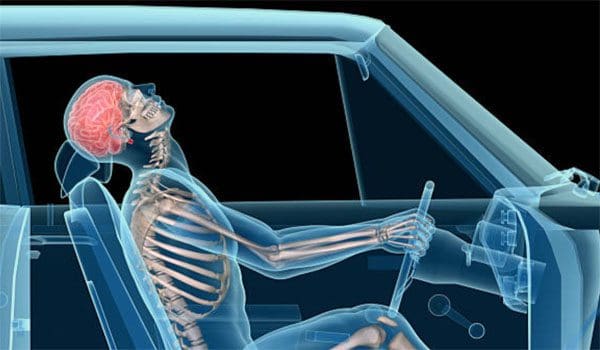
Whiplash is one of the most devastating cervical/neck spinal injuries. Rapid acceleration and deceleration can be so powerful that it bruises, tears the muscles, ligaments, soft tissue, and herniates the neck’s discs. Chiropractic relief can take care of initial and late-onset symptoms. As symptoms develop, they typically take the form of radiculopathy pain. Depending on the severity of the whiplash the types of symptoms that can occur include:
Swelling of the face
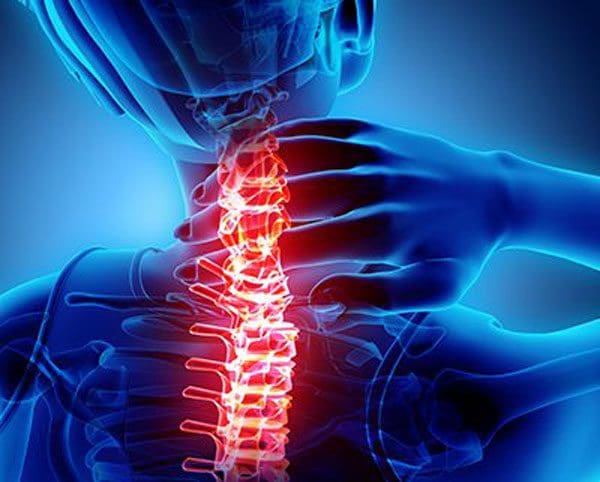
Neck pain
Shoulder and arms aching and pain
Hands can swell and ache
Loss of mobility
Numbness or complete loss of feeling
Symptoms can get worse indicating progressive nerve damage
If left untreated the individual can face long-term, chronic spine problems. Injury Medical Chiropractic Relief focuses on treating the whiplash, radiculopathy, and herniated discs at the source. After assessing the symptoms and the severity we can develop the most optimal treatment plan for the individual.
Radiculopathy
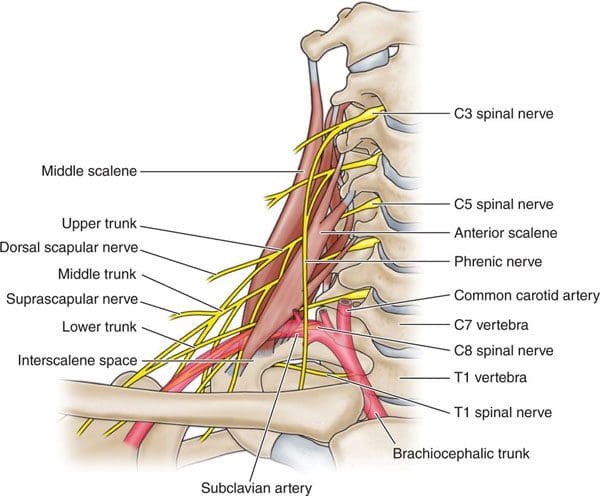
Radiculopathy is the result of a pinched nerve. This sends pain signals throughout the entire length of the nerve. With the neck’s nerve bundles, this means the pain travels as far as the face and hands. Tracing the extent of the radiculopathy informs the chiropractor as to which specific vertebrae have been affected. For example, if the nerve bundle in C7, which is the lowest neck vertebrae gets pinched, it can present in the arms. Another example, if chronic and persistent headaches or cheek pain are presenting, then C3-C4 will be the focus. The key is to look past the site of the pain and find its point of origin. Tracing referred pain quickly will allow the chiropractor to get a handle on the symptoms, even after the accident.
Herniated discs
A major factor in radiculopathy is a herniated disc. Displaced discs are how nerve compression and signal disruption begins. Until the disc/s are realigned, corrected, and reset, the affected nerves will continue to suffer.
The Connection
Make mention of any vehicle accidents throughout life. This can help the chiropractor immensely in diagnosis. A severe case of whiplash can occur even if the airbag does not deploy. The rocking motion of the cervical spine is strong, meaning whiplash can happen at collisions as slow as 5 miles per hour. Whether a minor car accident, a roller coaster ride, or sports, the condition frequently presents long after the accident.
Chiropractic Relief and Realignment
A chiropractor must put together the clues of a condition to hypothesize the cause. If experiencing pain symptomatic with recent neck trauma, it is essential to get checked. Injury Medical Chiropractic Clinic will address the condition before symptoms progress to a chronic condition.
Body Composition
The Function of Skeletal Muscle
Skeletal muscle is one of three major types of muscles in the body. The others are smooth and cardiac muscle. These muscles are attached to the bone by tendons. Skeletal muscles consist of nerves and blood vessels along with connective tissue to operate properly. These muscles consist of cells that come together and form bundles of skeletal muscle fibers.
Strength training stimulates the muscle fibers and combined with proper nutrition causes the muscles to grow. Muscles contract and shorten pulling on the bone and joints. This is what causes body movement. The nervous system sends signals to the nerves in the muscle and trigger contractions. Besides movement, skeletal muscle helps maintain posture, generate body heat, and stabilizes the bones and joints.
Dr. Alex Jimenez�s Blog Post Disclaimer
The scope of our information is limited to chiropractic, musculoskeletal, physical medicines, wellness, and sensitive health issues and/or functional medicine articles, topics, and discussions. We use functional health & wellness protocols to treat and support care for injuries or disorders of the musculoskeletal system. Our posts, topics, subjects, and insights cover clinical matters, issues, and topics that relate and support directly or indirectly our clinical scope of practice.*
Our office has made a reasonable attempt to provide supportive citations and has identified the relevant research study or studies supporting our posts. We also make copies of supporting research studies available to the board and or the public upon request. We understand that we cover matters that require an additional explanation as to how it may assist in a particular care plan or treatment protocol; therefore, to further discuss the subject matter above, please feel free to ask Dr. Alex Jimenez or contact us at 915-850-0900. The provider(s) Licensed in Texas& New Mexico*
References
Rodriquez, Arthur A et al. �Whiplash: pathophysiology, diagnosis, treatment, and prognosis.��Muscle & nerve�vol. 29,6 (2004): 768-81. doi:10.1002/mus.20060
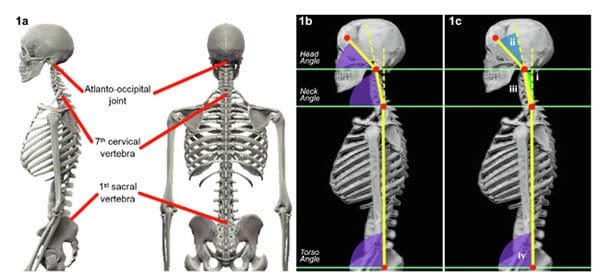
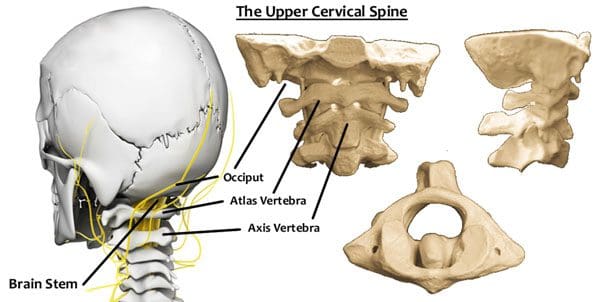
The Atlas vertebra is named for the mythological figure who held the world on their back/neck. The vertebrae are located at the top of the spine, where the cranium and spine connect. More than just a foundation for support, the vertebrae could be the most important vertebrae of the body. It consists of a complex bundle of nerves, vertebral arteries, and is the point where the entire weight of the cranium makes contact.
The myth requires Atlas to be careful while holding the world carefully and confidently at all times, otherwise it will come crashing down. The key is being able to balance it perfectly. The vertebra has the same job to hold the head up properly and maintain posture. If not problems with balance and alignment will begin to develop, and affect the entire spine.
The Atlas Vertebra
Balance
The Atlas vertebrae’s role in maintaining balance is based on its ability to adjust to the weight of the head. The actual vertebra is wider than the other cervical vertebrae. This creates a center of gravity that is reinforced through proper posture. It distributes the weight of the head (10-12lb) evenly to centralize the weight and is supported by the natural curvature of the spine.
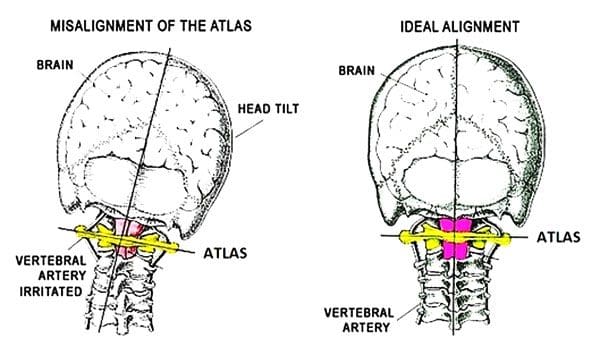
If the center of gravity shifts, the Atlas vertebra will tilt in that direction as well. This creates instability in the cervical spine and can increase the amount of weight the spine is taking and trying to redistribute. This creates spinal issues and leads to everything from poor posture, overcompensation that leads to injury.
Shifting Causes
Disruption to the vertebra and its ability to balance can come from a variety of causes and can occur as a result of chronic and acute conditions. Some include:
Auto accidents, sports, work injuries can cause cervical soft tissue damage
Dislocation of cervical vertebrae below the Atlas results in instability
Poor posture/s make individuals overcompensate to one side of the body straining muscles, ligaments, tendons causing pain and other issues
Herniated, bulging, and slipped discs
Unbalanced effects
Spinal issues range from simple neck pain and soreness to full-on chronic pain. Because the Atlas can alter the balance of the entire spine, combined with cranium support, issues can be localized and referred creating further complications. Addressing the root problems requires a comprehensive chiropractic approach. Chiropractic will assess the position of the spine and determine the degree to which Atlas has shifted out of place. An adjustment treatment plan makes it possible to undo the widespread damage.
Body Composition
Muscle Loss
Individuals do not realize that muscle loss occurs throughout their lifetime. This is because muscles, like other tissues in the body, must go through cell turnover and protein synthesis. This means that the body is constantly breaking down protein in the muscles and rebuilding them.
Skeletal muscle can be developed with proper nutrition and includes consuming a proper amount of protein to provide the necessary amino acids and from physical activity. The reverse is also true, if an individual becomes less physically active and/or their diet no longer supports the development of increased muscle tissue, the body enters a catabolic/tissue-reducing state known as muscle atrophy.
Dr. Alex Jimenez�s Blog Post Disclaimer
The scope of our information is limited to chiropractic, musculoskeletal, physical medicines, wellness, and sensitive health issues and/or functional medicine articles, topics, and discussions. We use functional health & wellness protocols to treat and support care for injuries or disorders of the musculoskeletal system. Our posts, topics, subjects, and insights cover clinical matters, issues, and topics that relate and support directly or indirectly our clinical scope of practice.*
Our office has made a reasonable attempt to provide supportive citations and has identified the relevant research study or studies supporting our posts. We also make copies of supporting research studies available to the board and or the public upon request. We understand that we cover matters that require an additional explanation as to how it may assist in a particular care plan or treatment protocol; therefore, to further discuss the subject matter above, please feel free to ask Dr. Alex Jimenez or contact us at 915-850-0900. The provider(s) Licensed in Texas& New Mexico*
References
Woodfield, H Charles 3rd et al. �Craniocervical chiropractic procedures – a pr�cis of upper cervical chiropractic.��The Journal of the Canadian Chiropractic Association�vol. 59,2 (2015): 173-92.
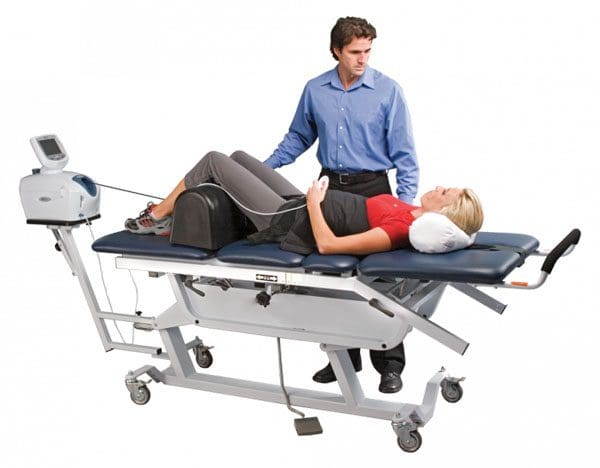
Spinal traction, both mechanical and manual are treatment options that are based on the application of force to the axis of the spinal column. A region of the spinal column is pulled in opposite directions to stabilize or change the position of herniated, slipped, bulging, discs, and/or nerve injury/damage to the spine. Traction treatment is crucial to spinal adjustments, especially with disc or nerve compression.
It allows the chiropractor to alleviate any stress that could lead to disc problems like herniation, rupture, or displacement. However, traction is a general term. The concepts can apply to all forms of traction, but the application itself can be drastically different in terms of static positioning and inverse force.
Mechanical vs. Manual Cervical Traction
Mechanical force is typically applied through a series of weights or a fixation device and requires the patient to stay in bed or is placed in a halo vest. The techniques and methodologies can vary, but the objectives/results are the same.
The utilization is developed on a case-by-case basis and the chiropractor’s diagnosis/recommendations. Many chiropractors implement both mechanical and manual traction approaches. Choosing the right traction plan comes from a thorough examination, medical history, and understanding of each method’s strengths.
Traction approach
The difference between mechanical and manual traction is simple. Mechanical traction is directed by the use of machines, weights, and pulleys, while manual traction is performed by a professional chiropractor. With mechanical traction, an individual’s head is cradled into a sling, then positioned at the optimal position for the adjustment. The sling is counterweighted to hold the head/neck in that position, leveraging mechanical pressure and affecting change.
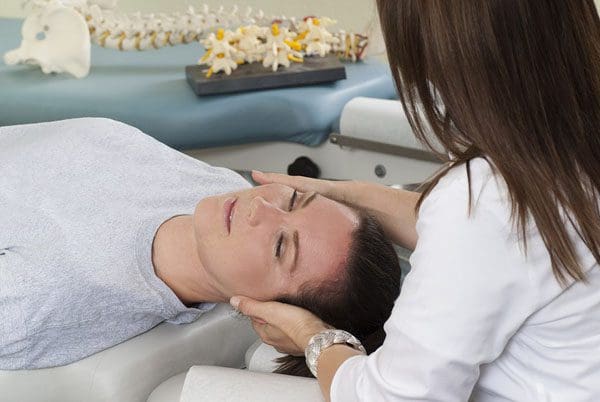
Manual traction has the individual lie down on a table, with the chiropractor pulling the head away from the neck to decompress the cervical spine. The adjustment/s can be a continuous pull, or a series of low-force pulls in different directions. Again these depend on the individual’s condition and nature of the adjustment.
Techniques and methodologies
Mechanical and manual traction can have similar results, but both offer different benefits based on the individual. Mechanical traction is a hands-free technique for decompression that allows chiropractors to focus on the patient’s needs when working on complex cases. This method is more applicable for severe cases, where the traction could last for 20-30 minutes.
Mechanical traction is helpful when teaching healthy posturing. Manual traction benefits come from the control that a chiropractor has over the technique. With the manual pulling, the chiropractor can increase or decrease the countering force. A hands-on approach enables chiropractors to feel the spinal adjustments, and understand the effects of the traction.
The proper form of traction
The overall ability of traction to decompress the spine makes it a valuable approach to treat various conditions. The exact nature of the condition determines whether mechanical or manual traction will be used along with the recommendation/treatment plan of the chiropractor. Injury Medical Chiropractic Clinic is committed to implementing the best approach for spinal correction for every patient. Mechanical and manual traction are just two adjustment modalities.
Body Composition Health
Resistance Training For Everyone
Even if not an athlete resistance training is important for functional fitness. Functional strength training attempts to emulate the physiological demands of real day-to-day activities. Traditional strength training focuses on specific muscle groups during the exercise, while functional training focuses on whole muscle groups to train the body for daily responsibilities.
Individuals might believe they are too old for resistance training. But research shows the benefits of improving an individual’s functional fitness level, specifically for older adults. Functional training resistance exercises and bodyweight movements can help the body become stronger, more flexible, more agile, and better equipped to handle day-to-day responsibilities. Plus, it can help with injury prevention.
Reference
Afzal, Rabia et al. �Comparison between Manual Traction, Manual Opening technique, and Combination in Patients with cervical radiculopathy: Randomized Control Trial.� JPMA. The Journal of the Pakistan Medical Association�vol. 69,9 (2019): 1237-1241.
Individuals with neck and back pain should consider adding a few pain-relieving therapeutic tools to the holiday wish list. Spine specialists/experts have some tools for their patients and others who are dealing with back and neck pain. Looking at various points, these therapeutic tools offer the gift of helping to reduce neck and back pain, when unable to see a chiropractor or physical therapist.
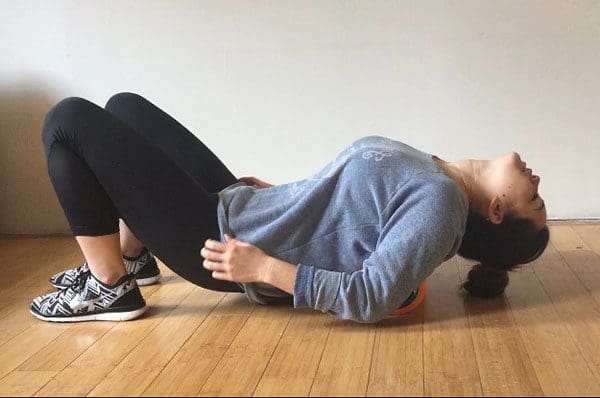
Foam Rollers
Foam rolling is effective for different types of aches and pains, especially backaches. Foam rolling benefits include:
Releasing muscle knots and tension
Reduces inflammation
Decreases pain
Improves range of motion
Returns flexibility
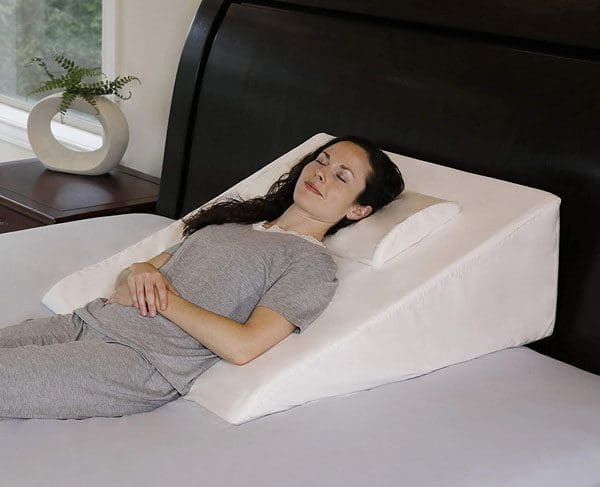
Wedge Pillow
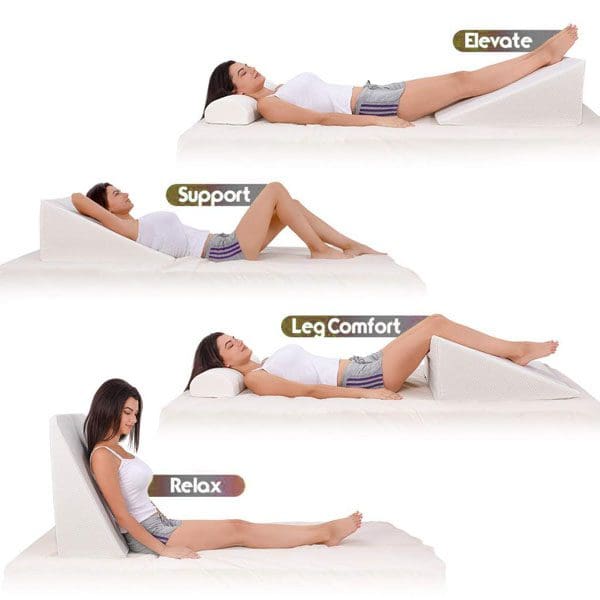
A wedge pillow for the back is a necessity. A wedge pillow removes the stress from the spine and neck when lying down. Flipped around will take the tension off the legs also bringing back pain relief.
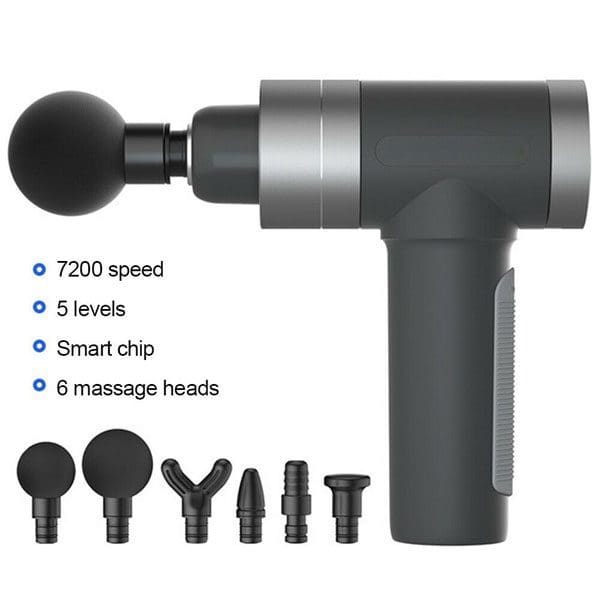
Deep Percussive Massager
Percussive massagers can provide a deep massage to various areas of the body especially the lower back. There are a variety of brands available with different levels of technology. However, careful use of these instruments must be exercised. This is because the massage can be intense and can exacerbate or cause further injury, and individuals can develop a tolerance making the massage no longer effective.
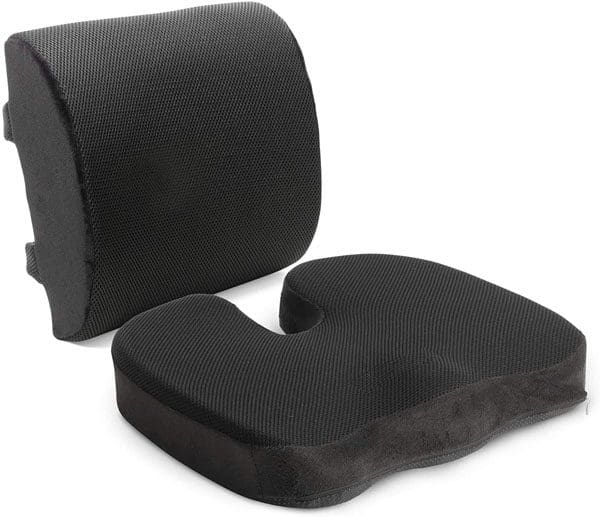
Seat Cushion
If sitting at a desk throughout the day or working from home a proper seat cushion is mandatory. Many individuals who sit the majority of their day utilize a combination cushion that includes the seat cushion with lower back support. Individual cushions are great because they can be moved easily and adjusted to fit where needed. Therapeutic seat cushions come with various features available, here are a few to keep in mind. Memory foam and air cells offer the most pressure relief. If there is tailbone pain, focus on a seat cushion with the tailbone cut out for extra relief. An office chair with these features should also be considered.
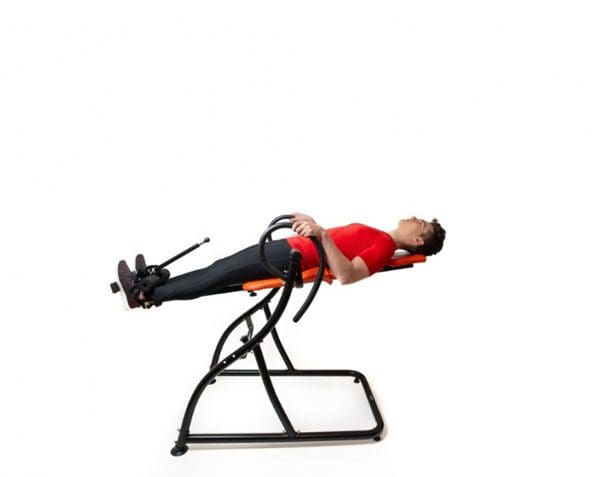
Inversion Table
Inversion tables are available at reasonable prices, starting around $100. Used correctly this therapeutic tool can successfully help relieve back pain. Inversion tables and cervical traction provide decompression and postural alignment for the spine helping with pain relief. These devices offer gentle decompression through the angle used. Wider angles or full inversion provides more decompression on the back. Individual spinal needs should be discussed with a chiropractor, physical therapist, or physician before using this therapeutic tool.
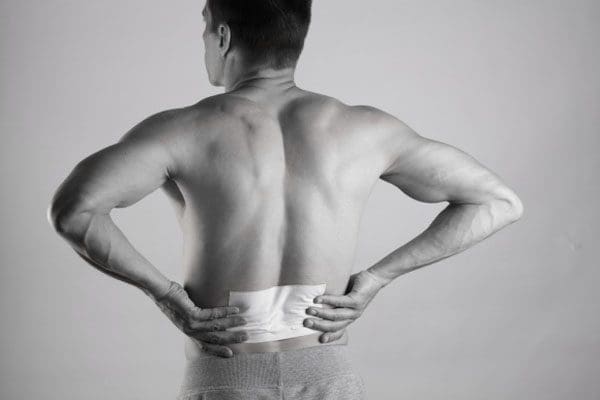
Pain Patches and Topical Agents
Pain-relieving patches like Lidocaine, IcyHot, and Salonpas patches are widely recommended for tight and sore areas of the body.
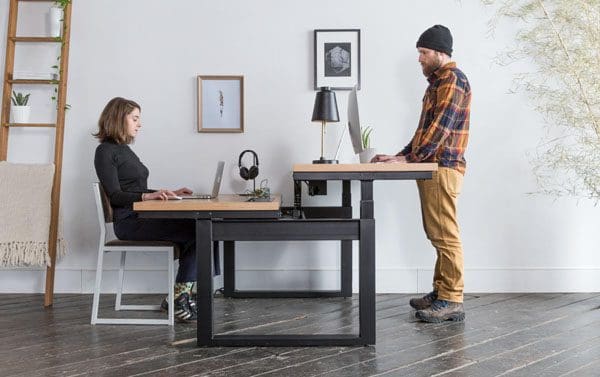
Sitting Standing Desk
A sitting and standing desk can be highly beneficial to back pain. In addition to burning off bonus calories throughout the day, Changing positions and postures throughout the day are recommended. This is to keep the muscles, ligaments, tendons moving, and not in a static position for too long. Changing every 20 to 30 minutes is the recommended time. Sitting and standing desks can provide positional changes that will help with posture, core stability, and circulation. This will help reduce and alleviate pain in the low back, neck, and shoulders. However, the desk needs to be stable and adjusted to the proper height.
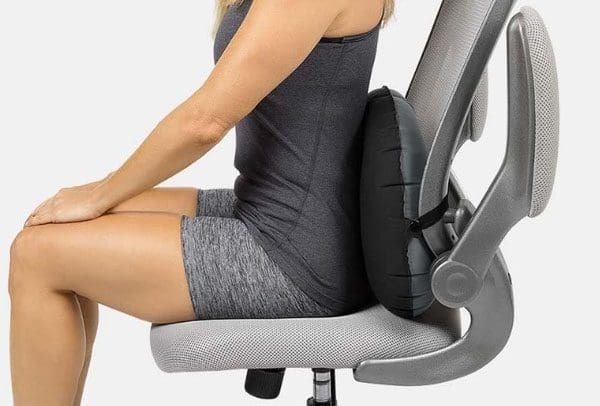
Lower Back Sitting Support
These therapeutic tools help reinforce the low back region when seated. Most of us start to slouch forward with the head and shoulders hunched forward after some time at the computer. This strains the whole body, specifically the low back. Lower back supports can help maintain proper alignment of the spine when seated.
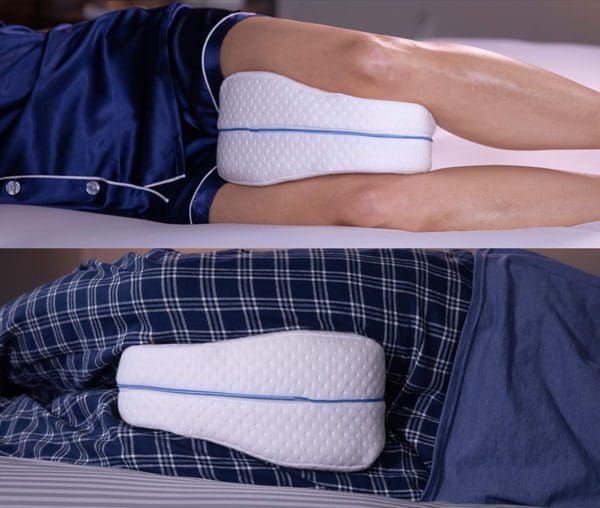
Knee, Thigh, Pelvis Pillow
These pillows have different names but are used in the same way. This is a pillow that can be placed between the legs while sleeping takes the pressure off the pelvis and spine. These types of pillows are great for individuals that sleep on their side. This is because the top leg often shifts down, leading to increased stress on the hips and low back. These pillows help keep the legs aligned during sleep relieving pressure on the low back.
How To Self-Care for Back Pain Books
There are a variety of books that offer tips, and therapies for self-care. These products are not a cure-all. They are intended to help in combination with proper treatment, especially for certain spinal conditions. If pain is limiting daily function, consult a chiropractor, physical therapist, or physician about using the above therapeutic tools.
Doctor of Chiropractic Near Me
Dr. Alex Jimenez�s Blog Post Disclaimer
The scope of our information is limited to chiropractic, musculoskeletal, physical medicines, wellness, and sensitive health issues and/or functional medicine articles, topics, and discussions. We use functional health & wellness protocols to treat and support care for injuries or disorders of the musculoskeletal system. Our posts, topics, subjects, and insights cover clinical matters, issues, and topics that relate and support directly or indirectly our clinical scope of practice.*
Our office has made a reasonable attempt to provide supportive citations and has identified the relevant research study or studies supporting our posts. We also make copies of supporting research studies available to the board and or the public upon request. We understand that we cover matters that require an additional explanation as to how it may assist in a particular care plan or treatment protocol; therefore, to further discuss the subject matter above, please feel free to ask Dr. Alex Jimenez or contact us at 915-850-0900. The provider(s) Licensed in Texas& New Mexico*
References
Furlan, Andrea D et al. �Massage for low-back pain.��The Cochrane database of systematic reviews,9 CD001929. 1 Sep. 2015, doi:10.1002/14651858.CD001929.pub3
An examination of the cervical/neck region of the spine through chiropractic will help determine a thyroid diagnosis for individuals complaining of chronic fatigue. A thyroid dysfunction means going deeper into the body�s physiology and a thorough examination of the spine. Checking for subluxations in the cervical spine will reveal possible nerve blockage and any other contributing factors to a thyroid condition. Thyroid conditions tend to get overlooked because the symptoms are general. They range from:
Fatigue
Moodiness
Muscle pain
Brain fog
These are cornerstones of a thyroid condition. Under-active thyroid and/or thyroid cancer can have an impact on everyday life regardless of the severity. However, these symptoms can signify numerous other conditions.
The Cervical Spine
The nerves connected to the thyroid gland can be traced down the spine to the last neck/cervical vertebrae, which is C7. A chiropractor will examine this region when individuals complain of fatigue, brain fog, or moodiness. Subluxation, translation, or disc deterioration at C7 could mean that the nerve signals and blood circulation to the thyroid are limited, interrupted, or completely blocked.
Linking cervical spine dysfunction to thyroid dysfunction
Spinal subluxations are not the full cause of thyroid dysfunction. A single vertebra might not show signs of movement, which means a chiropractor could have to look further into the spine. A chiropractic examination will search for problems that correlate with thyroid issues. For example, individuals with a cervical dysfunction could experience general nerve issues in this area. It could be a contributor to nerve signals not being delivered to the thyroid gland. Diagnosis of a root condition that has secondary effects on the gland is another way to qualify a thyroid condition.
Medical History
Questions that will be asked by a chiropractor during an exam could consist of:
Is there a family history of hyper/hypothyroidism?
Is the individual under intense stress from work, home, etc?
Are there other symptoms that could be associated with thyroid dysfunction?
All details are necessary for connecting nerve interruption to thyroid conditions then factoring how spinal manipulation could alleviate symptoms.
Cervical Misalignment Treatment
Combining the evidence of:
Subluxations
Blocked nerves
Cervical spine dysfunction
Any further symptoms/details will help form a complete picture of a thyroid condition. If that condition is being tested or treated by a general physician, it may still benefit from a chiropractic adjustment. Physicians could recommend diet and medication to bring the thyroid back to proper function, and chiropractic can help improve the nerve function of the gland. This includes:
Re-opening pinched pathways
Restored blood flow to the region
Helping nerve signals fire transmit properly
We advocate for an incremental, customized approach to restore cervical spine curvature and optimal nerve health. We have worked with a variety of individuals experiencing chronic fatigue, mental fog, and moodiness, and have helped link these symptoms to thyroid dysfunction. If it seems that there is constant confusion or disorganized thought patterns, schedule an appointment with us today to learn more about our chiropractic approach.
Neck Pain Chiropractic Care
��
Dr. Alex Jimenez�s Blog Post Disclaimer
The scope of our information is limited to chiropractic, musculoskeletal, physical medicines, wellness, and sensitive health issues and/or functional medicine articles, topics, and discussions. We use functional health & wellness protocols to treat and support care for injuries or disorders of the musculoskeletal system. Our posts, topics, subjects, and insights cover clinical matters, issues, and topics that relate and support directly or indirectly our clinical scope of practice.*
Our office has made a reasonable attempt to provide supportive citations and has identified the relevant research study or studies supporting our posts. We also make copies of supporting research studies available to the board and or the public upon request. We understand that we cover matters that require an additional explanation as to how it may assist in a particular care plan or treatment protocol; therefore, to further discuss the subject matter above, please feel free to ask Dr. Alex Jimenez or contact us at 915-850-0900. The provider(s) Licensed in Texas& New Mexico*
References
Arick, Christopher T. �Chiropractic Management of a Patient With Chronic Fatigue: A Case Report.��Journal of chiropractic medicine�vol. 15,4 (2016): 314-320. doi:10.1016/j.jcm.2016.08.006
Remote working and learning have changed the way we operate, but too much sitting and no physical activity is the perfect set up for back pain. Here are a few tips for spine friendly remote working and learning. Spine-health is just as important working or learning remotely, if not more so because it is easy to fall into bad posture habits that will affect the spine. Poor home working/learning habits can cause upper and lower back pain that could become chronic.
Individuals become too comfortable making the home working environment a damaging experience on spinal health. For chiropractors, the pandemic brought an influx of individuals of all ages with upper, middle, and lower back pain. This was caused by poor posture when video conferencing on the couch, slouching at the table and sitting for way too long, and never getting up and moving around.
Children tend to present with pain and aches on the side of the spine versus pain directly centered. This is from side slouching, often when staring at the computer monitor. Adults, especially over 40 complained of pain and stiffness in the upper and lower back. Herniated discs, degenerative disc disease, and sciatica risks increase as bad habits continue and do not improve. However, this can all be helped with a little exercise, work/school space optimization, and forming healthy work and schooling from home habits.
Stretching Out
When working/schooling remotely, there�s a tendency to be more sedentary. Individuals need to learn to take time to stretch out and keep the body limber. It is easy to use breaks to scroll through social media or binge on movies, videos, etc. This can still be accomplished, but stretch out and move around while taking breaks. An exercise program of stretching daily during the workday and endurance training twice a week will help reduce back pain and increase flexion. Results vary for everyone and the type of stretching exercises they are performing.
Core Exercises
Core exercises are a perfect way to work out muscle stress and back pain resulting from poor posture. Slumped over a computer can place significant stress on the trapezius muscle causing the muscle to knot up and tighten. The trapezius muscle is crucial to neck and shoulder movement and helps stabilize the shoulder blades.
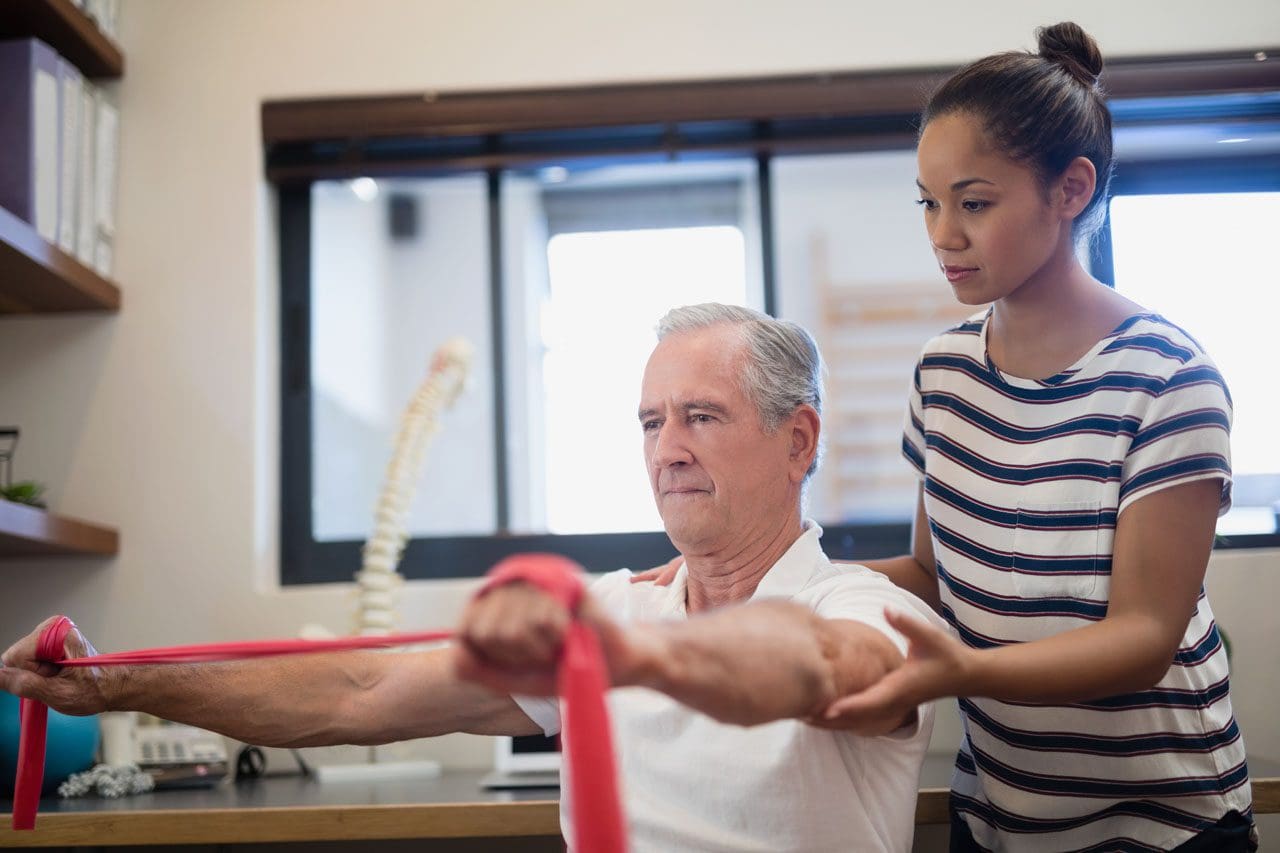
Trapezius stretch with band
Holding an elastic band between the hands, place the band at the back of the skull.
Slowly tilt the head back to its full range of motion as the resistance is felt.
Return the head back to the neutral position maintaining alignment with the spine.
Choose 2 items of equal weight such as 2 books, 2 quarts of water, or 2 hand weights, and hold one item in each hand.
Position keeping hands near your sides
Slowly raise up and shrug your shoulders for several seconds
Gently release shoulder shrug and bring back arms to neutral
Repeat for 10 reps
Posture
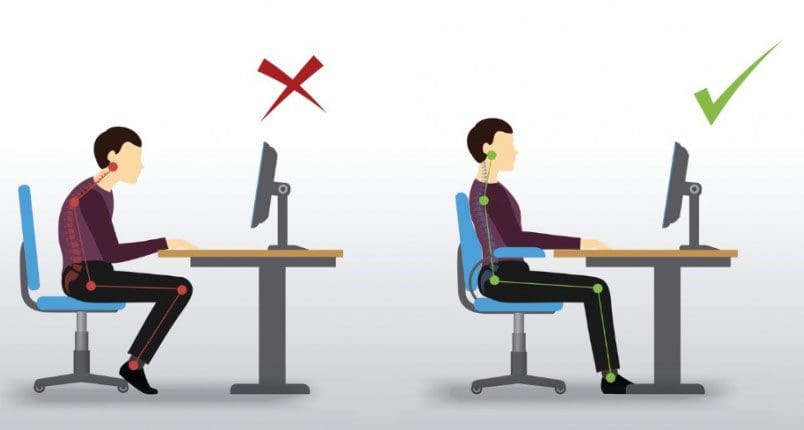
Proper posture is a learned process that requires practice. Using a mirror to check posture can help maintain proper posture while seated when working/schooling. Self-assessing posture correctly is important and viewing oneself in a mirror is an easy way to figure out what adjustments are needed. Questions to ask oneself while self-assessing include:
Is the head far too forward?
Is there slouching?
Are the shoulders curling/rounding around the body?
Posture tips when seated:
Keep the feet flat on the floor or on a footrest
If in the habit of crossing ankles and knees change position often
Position the back against the chair. If the spine does not align with the chair use a cushion or backrest
Position knees at hip height or a little lower
Maintain some space between the back of the knees and the chair�s edge
Look straight ahead but make sure the neck is comfortable
Position forearms parallel to the floor
Maintain relaxed shoulders
Adjust the Light
When lighting is not optimal there can be a tendency to strain forward in various positions. This can cause excessive stress and inflammation to the upper spine area. Natural ambient lighting is recommended. In general, the lighting set-up should be adjusted to easily see the screen without causing glare or any type of discomfort to the eyes.
Take a Walk
A daily routine that will support spine health is to take walk breaks every half hour for a few minutes. If every half hour is not doable then take a 5 or 10-minute break to walk around and stretch every hour. It is important not to remain seated for too long. Remember the body was meant to move and be active.
Optimization Work Station
Using ergonomic office furniture for home use can help prevent the development of unhealthy posture along with the development of further musculoskeletal issues. Laptops are great for their portability and ability to work-from-anywhere. However, actually placing them on your lap and working on them for too long will cause back and neck strain. It is difficult to position the keyboard and screen for maintaining a proper line of sight and hand position.
The most spine-healthy way to work on a laptop is to position the screen at eye level with the keyboard level with slightly extended hands. A recommended long-term solution is using a screen and keyboard that can be adjusted. One type of computer set up is an iPad positioned at eye-level with a stand and a wireless external keyboard/mouse on a table or desk.
A lot of money does not have to be spent on the setup. Books or boxes laying around the house can be used to prop up the screen to the proper height. The goal is when working/schooling remotely is to ensure the body is not hunched over, bent, or straining forward and to maintain proper posture with optimal spinal alignment.
There are unique spinal health challenges when working/learning remotely. However, they can be avoided with a little planning and small adjustments.Taking time to stretch, do a little exercise, walk around the house, have adequate lighting, and making some ergonomic desk, chair, and computer changes that will help maintain a healthy spine.
Back Pain Rehabilitation
Dr. Alex Jimenez�s Blog Post Disclaimer
The scope of our information is limited to chiropractic, musculoskeletal, physical medicines, wellness, and sensitive health issues and/or functional medicine articles, topics, and discussions. We use functional health & wellness protocols to treat and support care for injuries or disorders of the musculoskeletal system. Our posts, topics, subjects, and insights cover clinical matters, issues, and topics that relate and support directly or indirectly our clinical scope of practice.*
Our office has made a reasonable attempt to provide supportive citations and has identified the relevant research study or studies supporting our posts. We also make copies of supporting research studies available to the board and or the public upon request. We understand that we cover matters that require an additional explanation as to how it may assist in a particular care plan or treatment protocol; therefore, to further discuss the subject matter above, please feel free to ask Dr. Alex Jimenez or contact us at 915-850-0900. The provider(s) Licensed in Texas& New Mexico*
References
Moretti A, Menna F, Aulicino M, Paoletta M, Liguori S, Iolascon G. Characterization of Home Working Population during COVID-19 Emergency: A Cross-Sectional Analysis.�Int J Environ Res Public Health. 2020;17(17):6284. Published 2020 Aug 28. doi:10.3390/ijerph17176284
IFM's Find A Practitioner tool is the largest referral network in Functional Medicine, created to help patients locate Functional Medicine practitioners anywhere in the world. IFM Certified Practitioners are listed first in the search results, given their extensive education in Functional Medicine