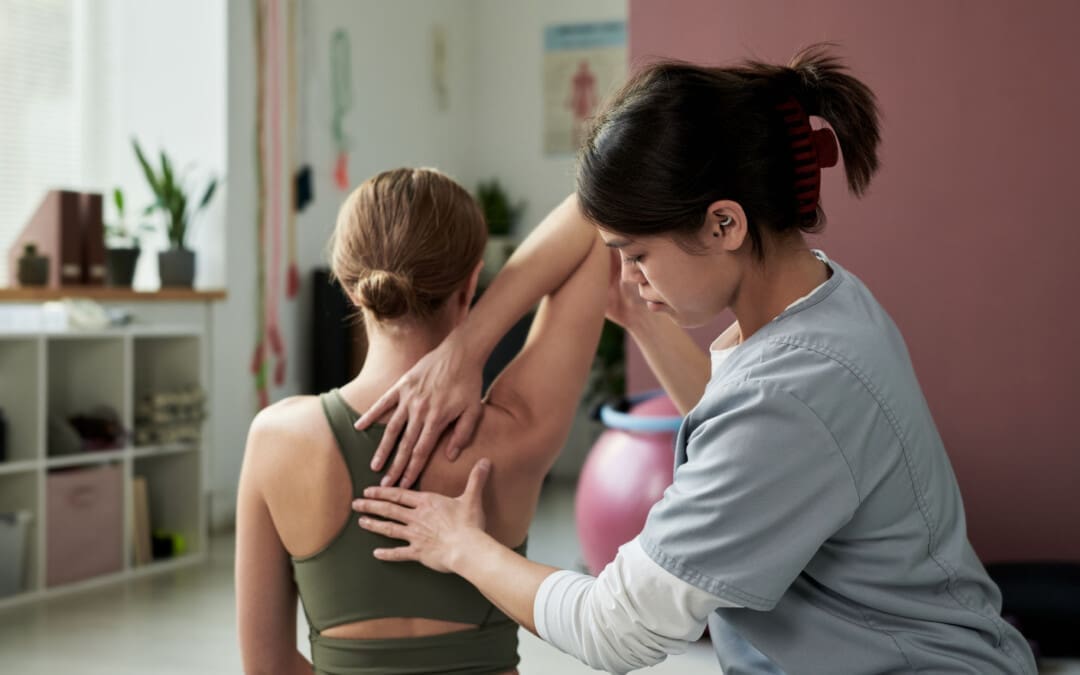
Can individuals managing facet arthropathy treat the condition with over-the-counter pain relievers, prescription muscle relaxers, exercise, and chiropractic spinal manipulation?
Facet Arthropathy
Facet arthropathy, or facet osteoarthritis, is arthritis that affects the facet joints in the spine. It causes pain and stiffness due to cartilage degeneration within these joints, often resulting from wear and tear associated with aging. Essentially, it occurs when the small joints in the back of the spine become arthritic and rub against each other painfully.
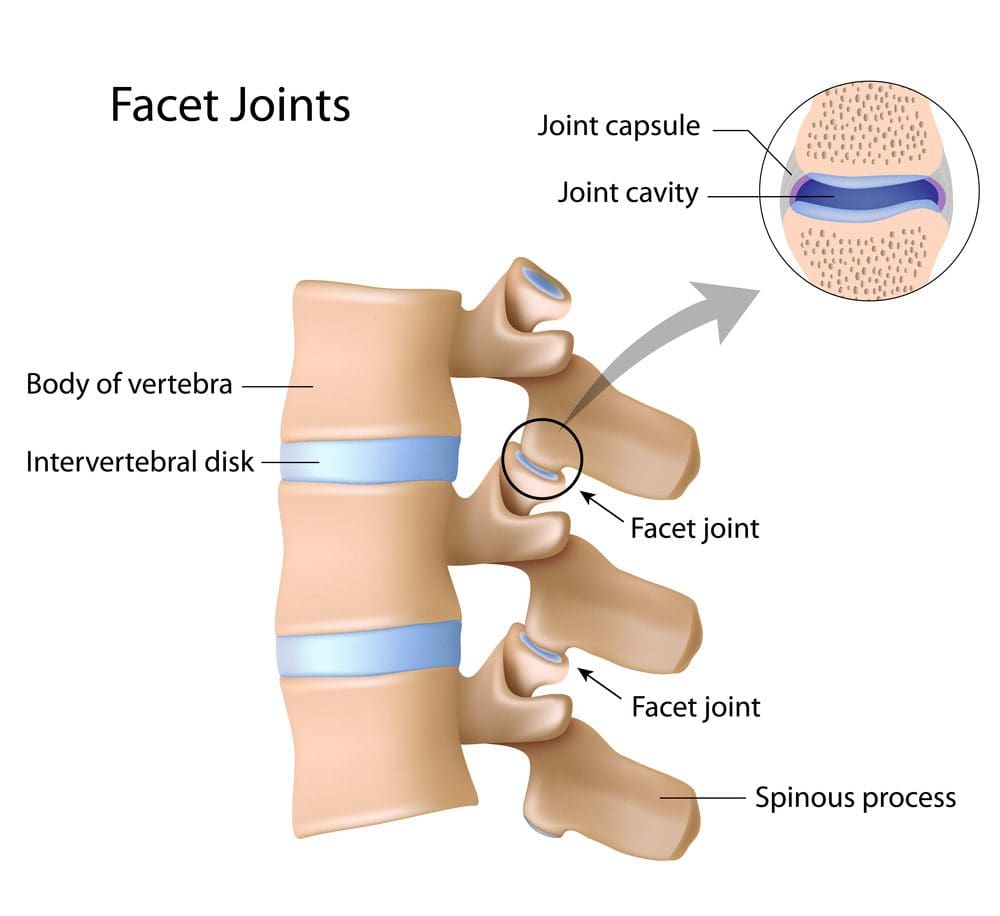
It affects the bony protrusions, called facet joints, that connect the spine’s bones.
Symptoms include neck and back pain that can worsen with standing, bending, or twisting.
Facet arthropathy is diagnosed using X-rays and other imaging studies.
Severe cases may require surgery.
Facet Joints
Twenty-four vertebrae form the spine, with two facet joints between each. Facet joints are small joints located at the back of each vertebra in the spine. They allow movement and stability, help maintain the alignment of the spinal bones/vertebrae, and limit excessive motion. The joints and the cushioning intervertebral disc form a three-joint complex between each vertebra.
The three-joint complex allows the spine to move, including bending, rotating, and extending.
Synovial fluid lubricates the joints so they can move.
The intervertebral disc provides flexibility and dissipates compressive loads.
The facet joints stabilize the spine by constraining rotation and bending.
Symptoms
Arthropathy refers to any disease affecting a joint, including arthritis. Osteoarthritis, also known as arthrosis, is a specific type of arthropathy. It is a non-inflammatory, degenerative arthritis. Pain is the main symptom that is typically worse in the morning when awakening, and in the evening, the pain can also get worse when twisting or bending backward. The symptoms can vary based on the part of the affected spine. Low back pain is the most common, a condition referred to as lumbar facet arthropathy because it affects the lumbar spine of the lower back. (Perolat R. et al., 2018) Common Symptoms include:
Muscle spasms or cramps.
Pain that may come in periodic flare-ups
Pain that worsens with standing or inactivity.
Dull pain on both sides of the spine.
Aching pain on both sides of the spine.
Pain in the lower back, buttocks, shoulders, or back of the skull
Radiating pain to the buttocks and legs.
Pain that improves with sitting, leaning forward, or changing positions.
Pins-and-needles sensations in the hands or feet.
Clicking sounds when moving the spine.
Catching sensations when moving the spine.
Muscle weakness.
Causes
Facet arthropathy causes progressive damage to the spine. Spinal osteoarthritis, aka spondylosis, is the most common cause, but it can also occur with a severe form of spinal arthritis known as ankylosing spondylitis. It is primarily due to age-related wear and tear, but injuries or repetitive stress on the spine can also cause it. Arthritis in the facet joints can develop due to:
Aging-related wear and tear
Disc problems
A previous back injury
Torn ligaments
Spinal fractures
Deterioration of facet joints can also cause bony overgrowths called osteophytes or bone spurs, which can cause radiating pain and restrict the spine’s range of motion.
Degeneration
The facet joints and intervertebral discs degenerate due to age-related wear and tear.
The cartilage in the facet joints can dry out, crack, and wear down.
The joint capsule and synovial membrane can inflame or tear, affecting synovial fluid production.
The loss of cartilage can lead to hypermobility, and the joint can stiffen over time.
Diagnosis
Imaging studies are important to the diagnosis. Several types confirm the diagnosis and also characterize the nature and severity of the condition:
X-rays provide a plain, black-and-white image of the spinal column.
CT scan composites multiple X-rays to create a three-dimensional image of the spinal column.
MRI uses magnetic and radio waves to generate images of soft tissues like ligaments and cartilage.
To confirm the diagnosis, a diagnostic block, which is a small amount of local anesthetic, is injected into a facet joint. The needle placement is directed either with an ultrasound or a CT scan. Facet arthroplasty is confirmed if the injection provides immediate relief (American Academy of Orthopaedic Surgeons, 2022). The healthcare provider will want to exclude other possible causes as part of the differential diagnosis. Conditions that mimic facet arthropathy include:
Herniated disc
Psoriatic arthritis
Reactive arthritis
Spinal gout
Spinal compression fracture
Treatment
The treatment varies depending on the location and severity of the condition. Generally, conservative treatments are used before more invasive procedures are considered.
Lifestyle Changes
Initially, a healthcare provider may recommend rest and avoiding aggravating movements, including any activity that involves bending or twisting.
Activities that take the weight off the facet joint, such as sitting, leaning forward, or changing positions, may help ease the pain.
Patients may also be advised to adjust their sleep positions to take the pressure off facet joints.
Options included curling up on your side or lying on your back with the knees supported with pillows.
Medications
If a diagnostic block is used, a patient may not need medications immediately. However, as the anesthetic starts to wear off, the patient may be prescribed over-the-counter or prescription pain relievers based on the severity of the pain. These can include:
Analgesics like Tylenol
Nonsteroidal anti-inflammatory drugs like Advil or Aleve
Muscle relaxants like Lloresal for acute back pain
Antidepressants like Cymbalta for chronic back pain
Physical Therapy
Physical therapy is a major part of the treatment of lower back pain. The treatment plan will include personalized exercises to strengthen the core muscles and avoid stress on the spine. Examples include:
Knee-to-chest stretches, hugging your knees for 30 to 60 seconds.
Walking 10 to 20 minutes per day.
Aquatic therapy to alleviate pressure on the spine.
Surgery
If conservative measures don’t work or provide sufficient relief, a healthcare provider may recommend specialist procedures or surgeries that include:
Lumbar intra-articular injections deliver an anesthetic or corticosteroid into the spine for longer-lasting pain relief.
Sinuvertebral nerve ablation destroys spinal nerves with a strong electrical current.
Extracorporeal shockwave therapy ESWT delivers low- or high-energy electrical pulses to help ease pain.
Spinal fusion surgery involves fusing two or more vertebrae to eliminate movement and pain in the facet joints.
Facet rhizotomy is a surgical procedure used to sever one of the nerves supplying the facet joint.
Stem cell regeneration is an experimental procedure in which stem cells are harvested and injected into damaged joints to restore function.
Injury Medical Chiropractic and Functional Medicine Clinic
Injury Medical Chiropractic and Functional Medicine Clinic works with primary healthcare providers and specialists to build optimal health and wellness solutions. We focus on what works for you to relieve pain, restore function, prevent injury, and help mitigate issues through adjustments that help the body realign itself. They can also work with other medical professionals to integrate a treatment plan to resolve musculoskeletal problems.
Facet Syndrome Pain Treatment
References
Perolat, R., Kastler, A., Nicot, B., Pellat, J. M., Tahon, F., Attye, A., Heck, O., Boubagra, K., Grand, S., & Krainik, A. (2018). Facet joint syndrome: from diagnosis to interventional management. Insights into imaging, 9(5), 773–789. https://doi.org/10.1007/s13244-018-0638-x
American Academy of Orthopaedic Surgeons. (2022). Spinal injections. https://orthoinfo.aaos.org/en/treatment/spinal-injections/
Should individuals wanting to engage in the exercise start with a warm-up and end with a cooldown to prepare the muscles for optimal performance and post-workout recovery?
Warming Up, Cooling Down
Warming up 5 to 10 minutes before exercise is beneficial for pumping blood to the muscles and preparing them for a run. Dynamic or active stretching and light aerobic activity are a few ways to warm up. This could be active stretching, such as walking lunges, brisk walking, or riding a stationary bike for a few minutes before running. However, individuals should avoid static stretches before running, as they can increase the risk of injury. The minimum length of time for an effective cooldown session is five minutes. Depending on the intensity of the workout, individuals may choose to extend that to 10 minutes.
Steps for a Running Warmup
Do five to 10 minutes of light aerobic exercise to loosen up muscles.
Walk briskly, march, jog slowly, or cycle on a stationary bike.
Don’t rush.
Perform dynamic stretches and movements during the warmup, including walking lunges, jumping jacks, or toe touches.
Begin the run with a slow jog and gradually increase speed.
Slow down if you run out of breath.
This is part of knowing how fast you should run; starting too fast is a common mistake.
Pay attention to posture and form.
Ensure you are using the best technique before speeding up.
Warm Up Benefits
When warming up, the blood vessels dilate. The increased blood flow primes the muscles with oxygen and prepares them to perform at their best. Blood flow also increases the temperature in the muscles for enhanced flexibility. Allowing the heart rate to increase gradually is beneficial, instead of going full max heart output by jumping full speed into the running. (The American Heart Association, 2024)
Properly Cooling Down
At the end of the run:
Cool down by walking or slowly jogging for five to 10 minutes.
Breathing and heart rate should gradually return to normal.
Drink water or an electrolyte-infused drink to rehydrate the body.
Benefits of a Cooldown
The cool-down keeps blood flowing throughout the body at a consistent level. Stopping immediately can cause light-headedness because heart rate and blood pressure can drop rapidly. Winding down slowly allows heart rate and blood pressure to fall gradually. The cooldown is also a good mental transition from the intensity and accomplishing the workout.
Before or After Stretching
Stretching evidence shows it doesn’t have the benefits once thought. Static stretching before, during, or after exercise has not been shown to prevent injury or delayed onset muscle soreness. (Herbert R. D., de Noronha M., & Kamper S. J. 2011) Stretching cold muscles is not recommended. However, there is some evidence that dynamic or active stretching after a warmup can benefit performance. Active stretching is done with exercises that take the muscles through their full range of motion and mimic the actions that will be done during the workout. (Van Hooren B., & Peake J. M. 2018)
Stretching After Running
Standard stretching includes the hamstring stretch, quad stretch, calf stretch, low lunge stretch, IT band stretch, butterfly stretch, hip and backstretch, arms and abs stretch, and triceps stretch. Tips for proper stretching:
Don’t Bounce
Avoid bouncing, as this mimics pulling a rubber band back and forth. You want the muscle to stay stretched.
Hold the stretch for 15 to 30 seconds.
Don’t Stretch Through Pain
Don’t stretch beyond the point where tightness is felt in the muscle.
Do not push through muscle resistance.
Never stretch to the point of pain.
Stretch Whole Body
Don’t just stretch the areas with tightness and/or soreness.
Stretch the whole body equally to prevent injury.
Don’t Hold Your Breath
Take deep breaths during the stretch.
Stay relaxed and breathe in and out slowly.
If starting a new fitness routine, consult your healthcare provider to determine the optimal running warmups and stretching exercises.
Injury Medical Chiropractic and Functional Medicine Clinic
Injury Medical Chiropractic and Functional Medicine Clinic works with primary healthcare providers and specialists to build optimal health and wellness solutions. We focus on what works for you to relieve pain, restore function, prevent injury, and help mitigate issues through adjustments that help the body realign itself. They can also work with other medical professionals to integrate a treatment plan to resolve musculoskeletal problems.
The Science of Motion
References
The American Heart Association. (2024). Warm up, cool down. https://www.heart.org/en/healthy-living/fitness/fitness-basics/warm-up-cool-down
Herbert, R. D., de Noronha, M., & Kamper, S. J. (2011). Stretching to prevent or reduce muscle soreness after exercise. The Cochrane database of systematic reviews, (7), CD004577. https://doi.org/10.1002/14651858.CD004577.pub3
Van Hooren, B., & Peake, J. M. (2018). Do We Need a Cool-Down After Exercise? A Narrative Review of the Psychophysiological Effects and the Effects on Performance, Injuries and the Long-Term Adaptive Response. Sports medicine (Auckland, N.Z.), 48(7), 1575–1595. https://doi.org/10.1007/s40279-018-0916-2
Can acupuncture be an effective treatment for anxiety and panic disorders in addition to other treatments, like therapy and/or medication?
Acupuncture For Anxiety and Panic Disorders
Considered one of the most popular types of alternative medicine, acupuncture has grown in popularity as a way to treat a variety of mental health conditions, including depression, post-traumatic stress disorder (PTSD), and other anxiety disorders. With the growth in popularity, more research has been focused on treatment for panic and anxiety symptoms. (Pilkington K. 2010)
Acupuncture can enhance personal wellness.
Acupuncture is generally safe and has few side effects.
It can help reduce physical and mental symptoms like tension, pain, and rapid heart rate.
Other alternative medicine practices include yoga, therapeutic massage, herbal medicines, and aromatherapy.
Traditional Chinese Medicine
Acupuncture is a healing technique originating from traditional Chinese medicine (TCM). The practice is based on the concept that medical conditions and mental health disorders are caused by an imbalance in the energy and circulation of the body’s vital life energy, known as chi or qi (National Institute for Complementary and Integrative Health, 2022). When the body and mind function properly, energy flows optimally through the channels/meridians at certain points throughout the body. Like tight or spasming muscles, energy or circulation becomes congested in different meridian pathways, leading to disease or disorders. The goal of acupuncture is to restore the health and balance of these channels.
How It Works
During acupuncture treatment sessions, small needles are placed along specific body areas, known as acupuncture points. These areas are thought to be where energy blockage occurs. The needles, which come in various thicknesses and lengths, stimulate and open blocked energy channels. Experts have conceptualized acupuncture from a neuroscience perspective, where nerves, muscles, and connective tissues are stimulated, and neurochemicals are released.
Acupuncture can help regulate the nervous system.
It can stimulate the body’s feel-good hormones and reduce stress hormones.
It can help deactivate the analytical brain, which is responsible for anxiety and worries.
Clinical trials examining acupuncture for anxiety and panic disorders have shown some positive results. (Pilkington K. 2010) Acupuncturists and medical professionals are still not clear exactly why it may help with anxiety, but some research has noted that acupuncture appears to have a calming effect. More research studies are needed to prove the effectiveness of acupuncture for anxiety disorders. (Kim Y. K. 2019)
Getting Treated
What it can help with:
Agoraphobia
Generalized anxiety disorder (GAD)
Panic disorder
Phobias
Selective mutism
Separation anxiety disorder
Social anxiety disorder
If you are interested in treating your anxiety and panic symptoms through acupuncture, the first step is to consult your main healthcare provider. Professional acupuncture practitioners are on websites, including the National Certification Commission for Acupuncture and Oriental Medicine and the American Academy of Medical Acupuncture. The use of acupuncture continues to rise, making it more readily available. Since it has been evaluated for effectiveness and is available through many hospitals, some insurance policies may cover some acupuncture treatments.
Injury Medical Chiropractic and Functional Medicine Clinic
Acupuncture can help relieve symptoms of anxiety, stress, pain, discomfort, tightness, and poor circulation. Injury Medical Chiropractic and Functional Medicine Clinic can help individuals recover and build optimal health and wellness solutions with primary healthcare providers and specialists. We focus on what works for you to relieve pain, restore function, prevent injury, and help mitigate issues through adjustments that help the body realign itself. They can also work with other medical professionals to integrate a treatment plan to resolve musculoskeletal problems.
Discovering The Benefits of Chiropractic Care
References
Pilkington K. (2010). Anxiety, depression, and acupuncture: A review of the clinical research. Autonomic neuroscience : basic & clinical, 157(1-2), 91–95. https://doi.org/10.1016/j.autneu.2010.04.002
National Institute for Complementary and Integrative Health. (2022). Acupuncture: Effectiveness and Safety. Retrieved from https://www.nccih.nih.gov/health/acupuncture-effectiveness-and-safety
Kim Y. K. (2019). Panic Disorder: Current Research and Management Approaches. Psychiatry investigation, 16(1), 1–3. https://doi.org/10.30773/pi.2019.01.08
Can knowing about wrist sprains—their types, symptoms, causes, and diagnoses—help develop an effective treatment program?
Wrist Sprain
Wrist sprains are injuries that affect ligaments that attach bone to bone. They occur after a fall from work overuse, house tasks, during sports activities, or with other direct trauma. Symptoms of a wrist sprain include:
Pain
Swelling
Bruising
Decreased range of motion
Weakness
Tingling
The injury affects the ligaments and soft tissue structures connecting bone to bone. Mild wrist sprains typically heal within a few weeks; most heal without complications in six to 12 weeks. (National Health Service, 2020) However, severe injuries can require surgery, physical therapy, and months to recover fully.
This joint is between the radius and three small bones in the base of the hand.
The scaphoid
The triquetrum
The lunate
Ulnocarpal
This joint is between the ulna and the articular disc and cushions it from the carpal bones, the lunate, and the triquetrum.
Wrist sprains can affect any of these joints but more commonly affect the ligament between the scaphoid and lunate bone or the triangular fibrocartilage complex/TFCC on the pinky side of the wrist.
Sports include skateboarding, gymnastics, basketball, snowboarding, hockey, and contact sports.
Diagnosis
A healthcare provider will diagnose a wrist sprain based on symptoms and injury causes. X-rays are the first imaging to rule out fractures. Other tests can include:
Magnetic resonance imaging – MRI
Computed tomography – CT scan
Arthrogram -X-rays with contrast dye
Treatment
Nonsteroidal anti-inflammatory drugs, such as Aleve, Advil, Motrin, and aspirin, can treat pain and inflammation. The severity of the wrist sprain determines whether additional treatment is needed. Sprains should initially be treated with the RICE protocol (American Academy of Orthopaedic Surgeons, 2024)
Rest
Minimize using the injured wrist for at least two days.
Wear a splint for support.
Avoid sudden movements.
Avoid placing too much pressure on the wrist.
Ice
Cold packs are recommended several times daily for 20 minutes to decrease pain and swelling.
Compression
Wrap the wrist with an elastic bandage or Kinesio tape to help reduce swelling.
Elevation
To decrease swelling, use pillows to elevate the wrist as much as possible above the level of your heart.
Grade 1 sprains usually heal with basic care within a week or two.
Individuals may need the brace for a week or more.
A healthcare provider may also recommend stretching exercises to overcome stiffness and regain mobility. (American Academy of Orthopaedic Surgeons, 2024) Physical therapy, occupational therapy, or treatment by a certified hand therapist can also reduce pain and improve range of motion and strength.
Treatment for grade 3 sprains often requires surgery. Grade 3 sprains, including avulsion fractures, often require a six-week cast for bones to heal. In some cases, the bones might also need a screw or temporary wires to hold them in the proper position. (Vannabouathong, C. et al., 2018) Severe wrist sprains may also require surgery to repair the injured ligament. If the original ligament cannot be repaired, a piece of the tendon can be used to reconstruct it. (American Society for Surgery of the Hand, 2020)
Healing Time
Mild to moderate sprains usually recover within a few weeks without long-term complications. (American Society for Surgery of the Hand, 2018) The prognosis for severe wrist sprains improves with early diagnosis and treatment. After surgery, ligaments usually heal within eight to 12 weeks but can take six to 12 months for function to return to normal. (American Academy of Orthopaedic Surgeons, 2024)
Injury Medical Chiropractic and Functional Medicine Clinic
Injury Medical Chiropractic and Functional Medicine Clinic works with primary healthcare providers and specialists to build optimal health and wellness solutions. We focus on what works for you to relieve pain, restore function, prevent injury, and help mitigate issues through adjustments that help the body realign itself. They can also work with other medical professionals to integrate a treatment plan to resolve musculoskeletal problems.
The Path to Healing Personal Injury
References
National Health Service. (2020). Advice after spraining your wrist. https://www.ruh.nhs.uk/patients/patient_information/ORT_057_Advice_after_a_wrist_sprain.pdf
American Academy of Orthopaedic Surgeons. (2024). Wrist sprains. https://orthoinfo.aaos.org/en/diseases–conditions/wrist-sprains
Mass General Brigham. (2025). Wrist sprains. https://www.massgeneralbrigham.org/en/patient-care/services-and-specialties/sports-medicine/conditions/hand-arm/wrist-sprain
American Society for Surgery of the Hand. (2017). Anatomy 101: Wrist joints. https://www.assh.org/handcare/blog/anatomy-101-wrist-joints
National Library of Medicine. (2021). Wrist injuries and disorders. Retrieved from https://medlineplus.gov/wristinjuriesanddisorders.html
American Society for Surgery of the Hand. (2018). Sprained wrist. https://www.assh.org/handcare/condition/sprained-wrist
Vannabouathong, C., Ayeni, O. R., & Bhandari, M. (2018). A Narrative Review on Avulsion Fractures of the Upper and Lower Limbs. Clinical medicine insights. Arthritis and musculoskeletal disorders, 11, 1179544118809050. https://doi.org/10.1177/1179544118809050
American Society for Surgery of the Hand. (2020). Scapholunate torn ligament. https://www.assh.org/handcare/condition/scapholunate-torn-ligament
For individuals who are looking to lower blood pressure, can walking help?
Walking To Lower Blood Pressure
A walking regimen is an accessible workout that can be done almost anywhere at no cost, effectively lowering blood pressure and improving overall health. Studies show that individuals who use walking as a workout for three months have improved systolic blood pressure, which is the top number that measures the pressure in the arteries as the heart beats. (McMullan S., Nguyen C., & Smith D. K. 2022)
How It Works
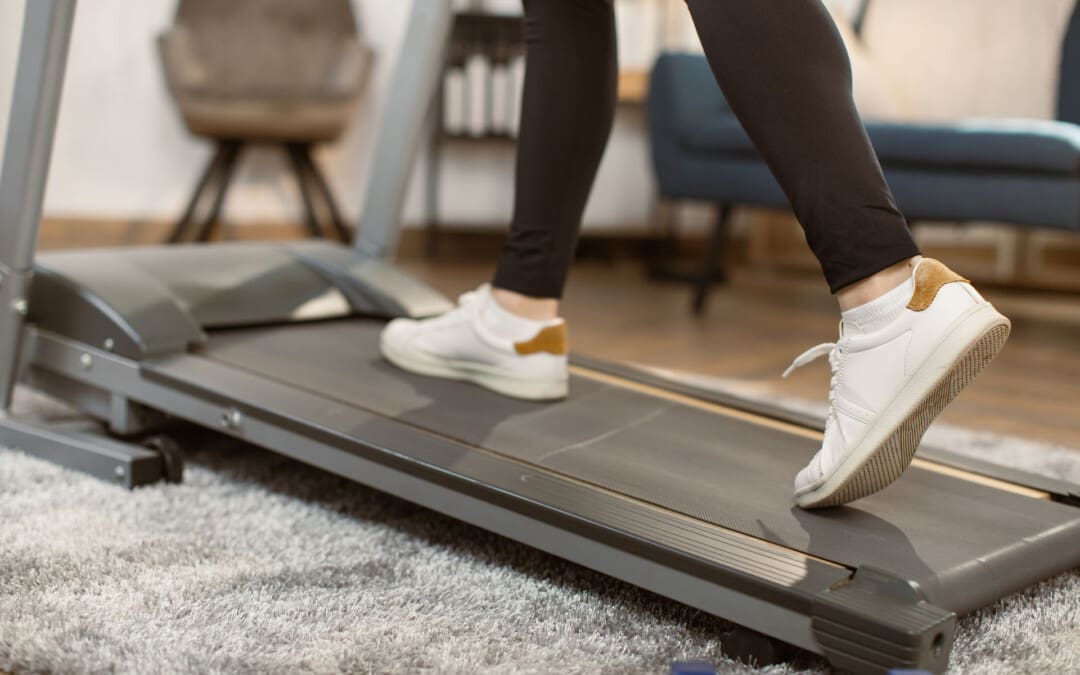
Walking is an excellent way to get active. It can be done almost anywhere, including on a treadmill, outdoors, or around the house. Exercising lowers blood pressure by strengthening the heart, leading to the heart pumping blood more effectively when it is stronger. This causes less resistance to the blood vessels, which lowers overall blood pressure. (Hegde S. M., & Solomon S. D. 2015) The benefits of walking include: (American Heart Association, 2024)
Weight loss and management
Lowers stress
Improves mental health by reducing anxiety.
Improves sleep quality
Improves cognition
Strengthens the heart
Promotes bone health and reduces the risk of osteoporosis.
Knowing When to Take A Blood Pressure Reading
Various factors can affect blood pressure readings and can include:
Nervousness
Eating a meal
Drinking caffeine
Exercise can affect blood pressure readings.
Knowing how and when to take a blood pressure reading after walking can help prevent false elevated numbers. According to the CDC, individuals should wait at least 30 minutes after exercise before taking a reading (Centers for Disease Control and Prevention, 2024). Exercise and walking have been shown to cause an immediate reduction in systolic blood pressure. This is known as post-exercise hypotension and is normal. The reduction lasts around 24 hours after exercising and is more noticeable in those with high blood pressure. Consistent exercise and walking will cause a longer, more sustained blood pressure reduction. (Hegde S. M., & Solomon S. D. 2015)
It is recommended not to talk while the blood pressure is being taken.
Apply the blood pressure cuff snugly around the arm.
Place your arm on a table, level with your heart.
Sit in a chair, keep your feet flat on the floor, and do not cross your legs or lean back on the chair.
It is recommended not to eat or drink 30 minutes before and to have an empty bladder.
Pace and Intensity
A study found that walking three to five times weekly for 20 to 40 minutes at a moderate pace for three months can lower systolic blood pressure. However, various groups determined BP rates differently by measuring heart rate, VO2 max/the maximum volume of oxygen you can use simultaneously, and walking speed. (McMullan S., Nguyen C., & Smith D. K. 2022)
Increasing Workout Intensity
Individuals with hypertension who walk may want to increase workout intensity to challenge themselves for added fitness. This can include:
Walk faster
Use intervals – walk as fast as you can for a minute or two at a time.
Add inclines
Use ankle or wrist weights or a weighted vest.
Walking with someone to challenge each other to push a little harder.
Try other places to walk.
Always talk to a healthcare provider if you are starting a walking workout for the first time, want to increase walking intensity, and take medications prescribed by a healthcare provider.
Hypertensive Crisis
A hypertensive crisis is when a person’s blood pressure is extremely high, can cause life-threatening conditions like stroke, and is a medical emergency. It is a blood pressure of 180/120 mm Hg or higher. (American Heart Association, 2024) If you get a blood pressure reading of 180/120 mm Hg or higher at home, wait five minutes and take another reading. If the blood pressure is still high, immediately contact a healthcare provider. (American Heart Association, 2024) If the individual is experiencing the below symptoms, call 911 (American Heart Association, 2024)
Chest pain
Shortness of breath
Vision changes
Difficulty speaking
Weakness
Numbness
Back pain
Injury Medical Chiropractic and Functional Medicine Clinic
Injury Medical Chiropractic and Functional Medicine Clinic works with primary healthcare providers and specialists to build optimal health and wellness solutions. We focus on what works for you to relieve pain, restore function, prevent injury, and help mitigate issues through adjustments that help the body realign itself. They can also work with other medical professionals to integrate a treatment plan to resolve musculoskeletal problems.
Hypertension Explained
References
McMullan, S., Nguyen, C., & Smith, D. K. (2022). Can Walking Lower Blood Pressure in Patients With Hypertension?. American family physician, 105(1), 22–23.
Hegde, S. M., & Solomon, S. D. (2015). Influence of Physical Activity on Hypertension and Cardiac Structure and Function. Current hypertension reports, 17(10), 77. https://doi.org/10.1007/s11906-015-0588-3
American Heart Association. (2024). Getting active to control high blood pressure. https://www.heart.org/en/health-topics/high-blood-pressure/changes-you-can-make-to-manage-high-blood-pressure/getting-active-to-control-high-blood-pressure
Centers for Disease Control and Prevention. (2024). Measure your blood pressure. Retrieved from https://www.cdc.gov/high-blood-pressure/measure/
American Heart Association. (2024). Understanding blood pressure readings. https://www.heart.org/en/health-topics/high-blood-pressure/understanding-blood-pressure-readings
American Heart Association. Association, A. H. (2024). When to call 911 about high blood pressure. https://www.heart.org/en/health-topics/high-blood-pressure/understanding-blood-pressure-readings/hypertensive-crisis-when-you-should-call-911-for-high-blood-pressure
For individuals wanting to try acupuncture for various health conditions but aren’t sure?
Is Acupuncture Painful?
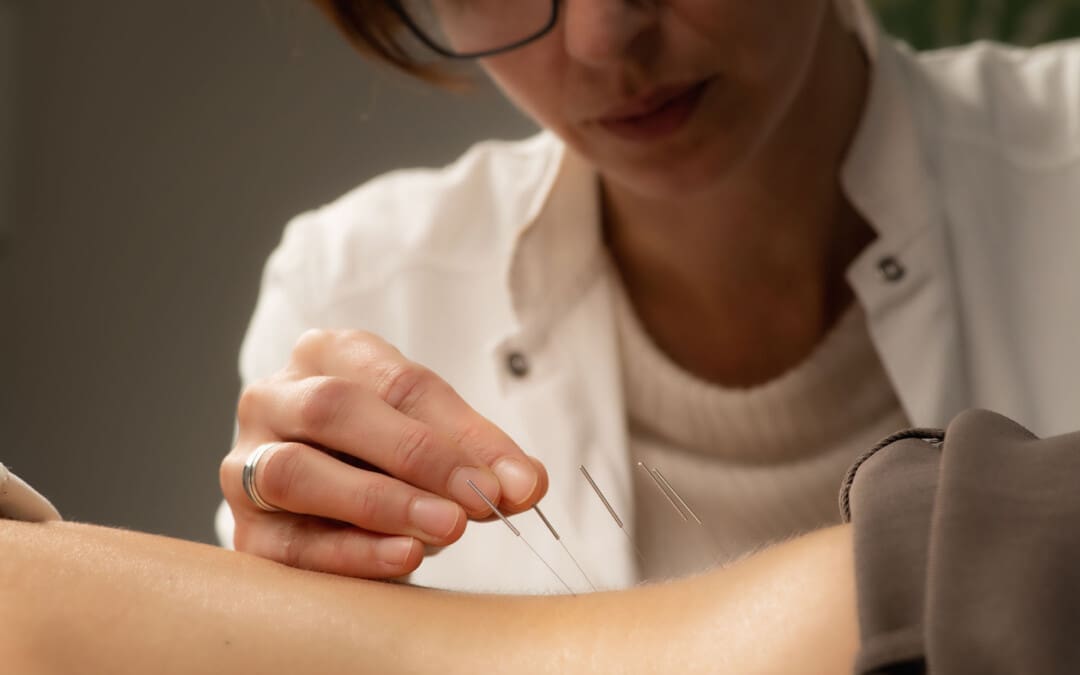
Acupuncture is a procedure where extremely fine needles are inserted into pressure points in the body. A traditional Chinese medicine technique used to alleviate pain and enhance physical and emotional well-being. (Harvard Health, 2023) It can be beneficial for anyone dealing with persistent painful conditions, such as back pain, sciatica, arthritis-related discomfort, headaches, and post-surgery pain. It’s also a supportive option for individuals experiencing hot flashes and generalized inflammation, making it a versatile choice for holistic health. People undergoing acupuncture experience minimal pain, usually mild pressure or soreness during or after. However, choosing an experienced practitioner and communicating with them during the treatment is the best way to avoid increased pain.
When Performed Correctly, It Should Not Hurt
Many fear that acupuncture will be painful. However, this is not the case because the procedure uses extremely fine needles. One study of pediatric patients found that 87% reported minimal to no pain while having the treatment (Gold J. I. et al., 2023). Improper needle placement is one of the most common reasons that patients experience pain during or after treatment (Johns Hopkins Medicine, 2025). This is why it is important to be treated by a licensed practitioner who is well-versed in treating specific conditions.
Soreness After Treatment
It is relatively uncommon to experience pain after receiving acupuncture. About 10% of individuals experience minor soreness after the treatment (Kelly R. B. & Willis J. 2019). The soreness is typically felt in the areas where the needles were inserted.
Situations When Pain Can Present
A small group of those who undergo acupuncture may experience some pain. It is most frequently seen in the following: (Harvard Health, 2023)
The acupuncturist is inexperienced and inserts the needle incorrectly or not in the right area.
The needles are inserted more deeply than normal or with too much pressure.
The patient has a lower pain threshold and/or is more sensitive to needles.
The practitioner uses higher gauge/thicker needles.
It is important for individuals who have not had acupuncture before to discuss the procedure and any concerns with their provider beforehand. The acupuncturist may be able to perform a trial needle insertion to provide a preview of the treatment. During the initial session, they may use fewer needles or target a smaller area. Constantly communicate with the acupuncturist during the treatment. This allows them to adjust the needles causing soreness or discontinue the procedure if there is increased pain.
Acupuncture Process
Modern medicine explains acupuncture’s benefits. When the needles are inserted, they stimulate the release of endorphins, opioids, immune system cells, and neurohormones. These chemicals help reduce and relieve pain and modify how the body perceives it. They may also impact blood pressure, body temperature, and central nervous system function. (Harvard Health, 2023)
Pressure Points: Is Acupuncture Painful On Certain Body Parts?
Acupuncture can cause some increased soreness in certain body areas. This is especially true when needles are inserted into less muscle or fat regions. For example, hand or foot acupuncture can occasionally cause increased pain (Kaiser Permanente, 2021). Thin individuals with less soft tissue may also experience a stinging sensation as needles are inserted. Communication with the provider is the key to making the acupuncture sessions as comfortable as possible.
During A Session
The first acupuncture session may consist of the following:
The practitioner goes over medical history and current symptoms.
The practitioner examines the body and may also examine the tongue to assess for any present imbalances.
The patient will lie or sit on a table.
Sterilized needles are inserted into the affected areas one at a time.
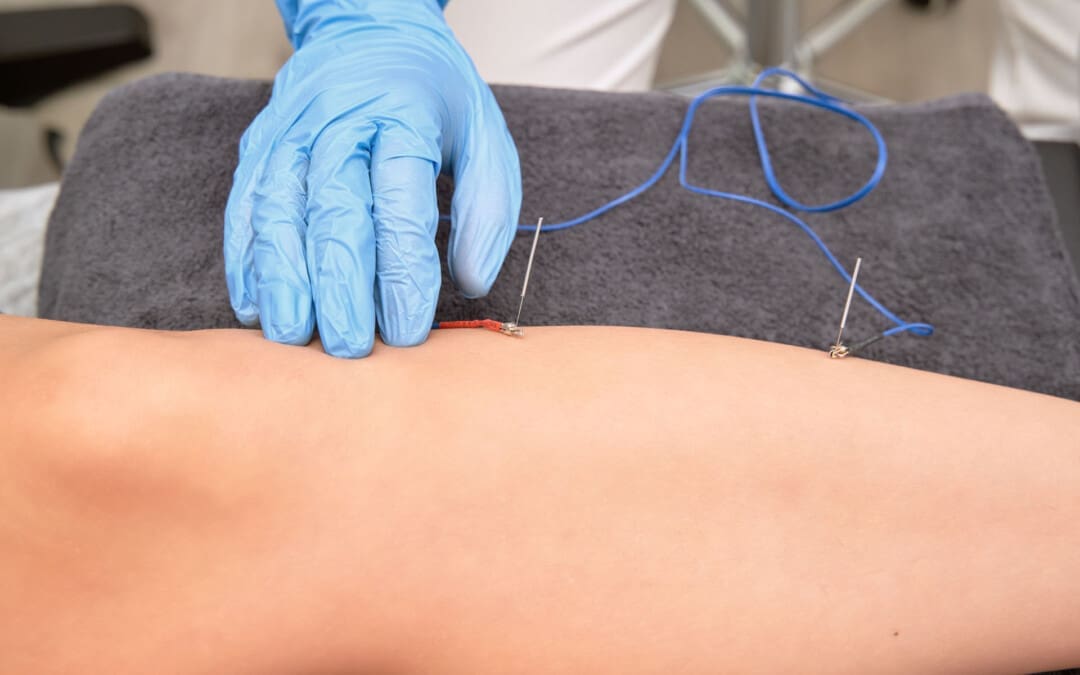
In some situations, heat or electrical stimulation may also be used to enhance its effects. (Johns Hopkins Medicine, 2025)
Most cases of soreness after treatment will resolve in one to three days. During this time, here are a few recommendations to alleviate any soreness symptoms:
Apply ice to the areas of soreness.
Gently stretch the sore areas.
Increase fluid intake.
Soak in a warm bath with Epsom salts or magnesium oil.
Perform light aerobic exercise.
Take over-the-counter anti-inflammatory medication if recommended by a physician. (University of Georgia, N.D.)
Find a Licensed Acupuncturist
Most states have an online directory of licensed acupuncturists that can help find a local provider. Some national acupuncture associations also maintain lists of members who are board-certified. For example, this directory searches for certified acupuncturists through the National Certification Commission for Acupuncture and Oriental Medicine. (National Certification Commission for Acupuncture and Oriental Medicine, 2024)
Injury Medical Chiropractic and Functional Medicine Clinic
Therefore, acupuncture is not painful and can help relieve symptoms such as anxiety, stress, pain, discomfort, tightness, and poor circulation. Injury Medical Chiropractic and Functional Medicine Clinic can help individuals recover and build optimal health and wellness solutions with primary healthcare providers and specialists. We focus on what works for you to relieve pain, restore function, prevent injury, and help mitigate issues through adjustments that help the body realign itself. They can also work with other medical professionals to integrate a treatment plan to resolve musculoskeletal problems.
Beyond Adjustments: Chiropractic and Integrative Healthcare
References
Harvard Health Publishing. (2023). Acupuncture. https://www.health.harvard.edu/a_to_z/acupuncture-a-to-z
Gold, J. I., Kobylecka, M., Ngo, N. H., Lin, C. T., & Hurray, C. N. (2023). Does Acupuncture Hurt? A Retrospective Study on Pain and Satisfaction during Pediatric Acupuncture. Children (Basel, Switzerland), 10(11), 1774. https://doi.org/10.3390/children10111774
Kelly, R. B., & Willis, J. (2019). Acupuncture for Pain. American family physician, 100(2), 89–96.
Kaiser Permanente. (2021). Acupuncture 101: here’s what you can expect. https://healthy.kaiserpermanente.org/health-wellness/healtharticle.acupuncture-101
University of Georgia. (N.D.). Dry needling. https://healthcenter.uga.edu/healthtopics/dryneedling/
National Certification Commission for Acupuncture and Oriental Medicine. (2024). Directory: Feel Confident About Finding a Qualified Practitioner. https://directory.nccaom.org/#
For individuals looking to improve their gut and overall health, can drinking chamomile manzanilla tea help?
Chamomile Manzanilla Tea
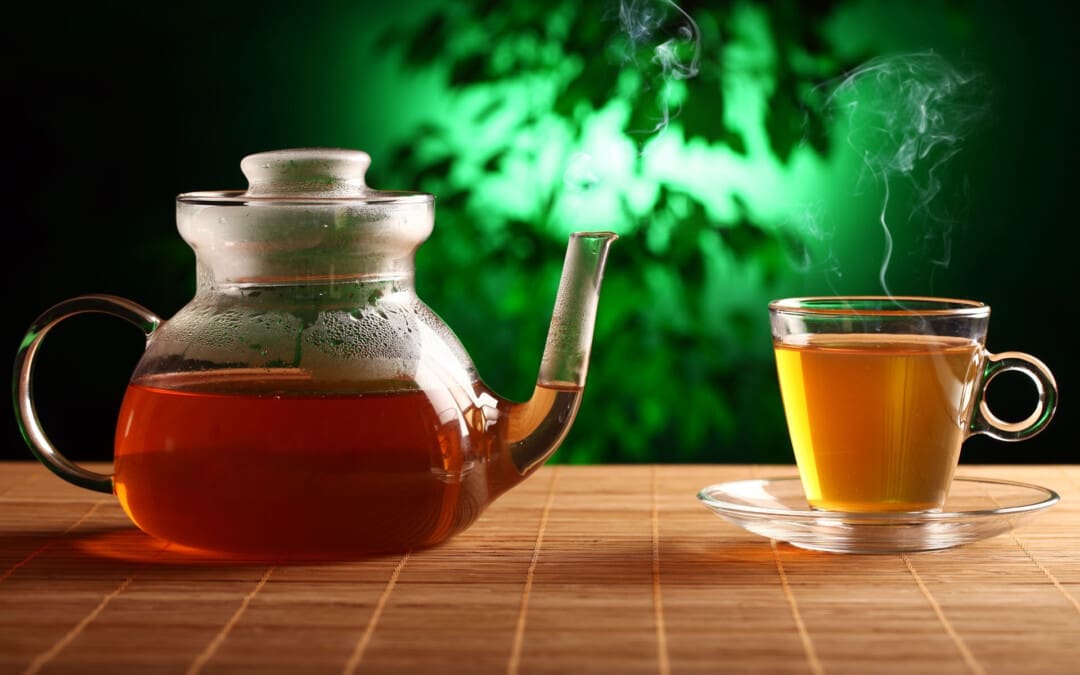
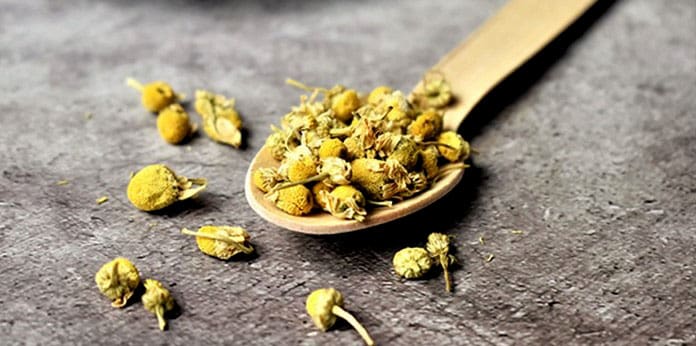
Chamomile (Manzanilla is Spanish for chamomile) is a herb that belongs to the Asteraceae family. Chamomile tea is made from the dried flowers of the chamomile plant steeped in hot water and is used as a natural remedy for various health issues. The tea can calm upset stomach, relieve anxiety, improve sleep, and reduce muscle spasms or flatulence. (Srivastava J. K., Shankar E., & Gupta S. 2010) It is caffeine-free and often drunk before bed because it can calm the brain and help with sleep. It also contains natural plant compounds that promote antioxidant activity, which may help reduce the risk of certain diseases. The nutrients it contains, vitamins A and B, magnesium, manganese, potassium, calcium, iron, copper, and zinc, can help manage diabetes, menstrual pain, and sleep problems.
Types
There are two kinds of chamomile: German, also known as wild or Hungarian chamomile and Roman chamomile. Each type is believed to provide various benefits.
German Chamomile
This type is believed to provide help with a wide range of conditions, including travel sickness, flatulence, diarrhea, ADHD, stomach upset, restlessness, and insomnia.
It is sometimes also used in cosmetics and soaps.
Roman Chamomile
This type may relieve heartburn, loss of appetite, menstrual discomfort, and other conditions.
Roman chamomile is also used as a fragrance in perfumes and tobacco products.
The tea can be made with either type. However, many medical sources that report the health benefits of manzanilla tea focus on German chamomile. (Srivastava J. K., Shankar E., & Gupta S. 2010)
Preparation
Chamomile Manzanilla tea is sold in tea bags and loose-leaf varieties. It is prepared like most traditional teas.
Place a tea bag or infuser containing about one tablespoon of loose tea leaves in a teacup. Or place loose tea leaves at the bottom of a cup.
Heat water to 194-205 F.
Bring water to a boil and let it sit for a minute to reduce the temperature slightly.
Pour water over the tea bag, infuser, or tea leaves.
Let the tea leaves steep for as long as desired, up to four or five minutes.
Remove the tea bag or infuser or strain loose leaves from the cup before drinking.
Optional: add a small amount of milk, honey, or sugar to sweeten the drink.
Benefits
Chamomile tea is believed to have calming properties, and individuals consume the beverage in times of stress to reduce anxiety or before bed to induce sleep. (Srivastava J. K., Shankar E., & Gupta S. 2010)
A study in the Journal of Advanced Nursing found that drinking chamomile tea helped postpartum women alleviate depression and sleep better. (Chang S. M. & Chen C. H. 2016)
Other reports say that chamomile helps to relieve gastrointestinal conditions such as upset stomach, gas, and diarrhea. However, the National Institutes of Health National Center for Complementary and Integrative Health explains that insufficient research has been conducted to ensure these health benefits are certain. (National Center for Complementary and Integrative Health, 2024)
Side Effects
Individuals allergic to ragweed, chrysanthemums, marigolds, or daisies may experience an allergic reaction to chamomile manzanilla tea. They should also avoid drinking the tea if they are on warfarin or any blood thinners or if they are taking a sedative. Chamomile may increase the risk of side effects if taking cyclosporine or cytochrome P450 substrate meds. (Colombo D., Lunardon L., & Bellia G. 2014) If unsure if drinking chamomile manzanilla tea may interfere with medication, speak to a healthcare provider.
Injury Medical Chiropractic and Functional Medicine Clinic
Injury Medical Chiropractic and Functional Medicine Clinic providers use an integrated approach to create customized care plans for each patient and restore health and function to the body through nutrition and wellness, chiropractic adjustments, functional medicine, acupuncture, Electroacupuncture, and sports medicine protocols. If the individual needs other treatment, Dr. Jimenez has teamed up with top surgeons, clinical specialists, medical researchers, nutritionists, and health coaches to provide the most effective clinical treatments.
From Inflammation to Healing
References
Srivastava, J. K., Shankar, E., & Gupta, S. (2010). Chamomile: A herbal medicine of the past with bright future. Molecular medicine reports, 3(6), 895–901. https://doi.org/10.3892/mmr.2010.377
Chang, S. M., & Chen, C. H. (2016). Effects of an intervention with drinking chamomile tea on sleep quality and depression in sleep disturbed postnatal women: a randomized controlled trial. Journal of advanced nursing, 72(2), 306–315. https://doi.org/10.1111/jan.12836
National Center for Complementary and Integrative Health. (2024). Chamomile. Retrieved from https://www.nccih.nih.gov/health/chamomile
Colombo, D., Lunardon, L., & Bellia, G. (2014). Cyclosporine and herbal supplement interactions. Journal of toxicology, 2014, 145325. https://doi.org/10.1155/2014/145325
IFM's Find A Practitioner tool is the largest referral network in Functional Medicine, created to help patients locate Functional Medicine practitioners anywhere in the world. IFM Certified Practitioners are listed first in the search results, given their extensive education in Functional Medicine