Can individuals with arthritis incorporate various natural remedies to reduce joint pain in their extremities and restore mobility?
Introduction
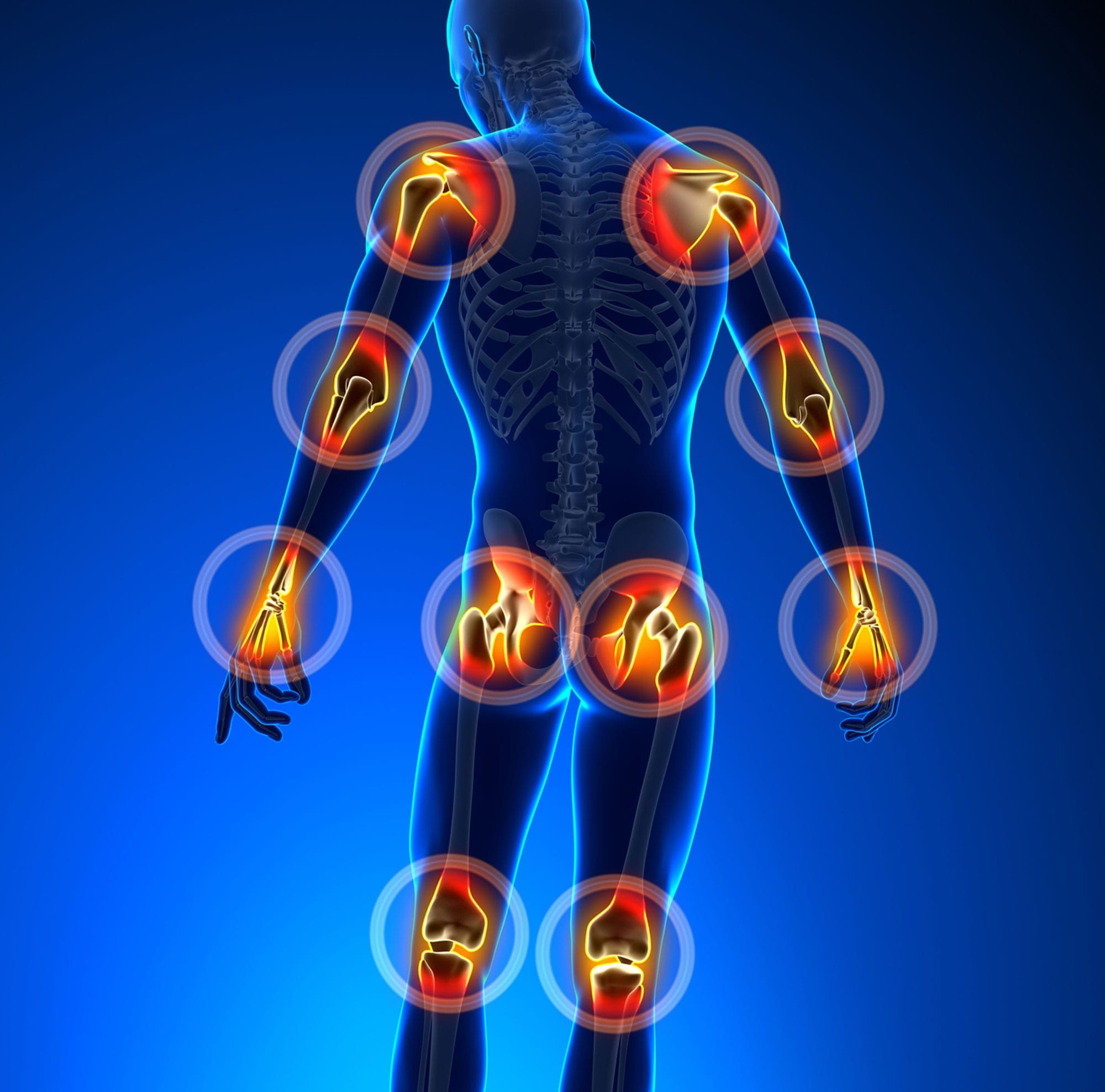
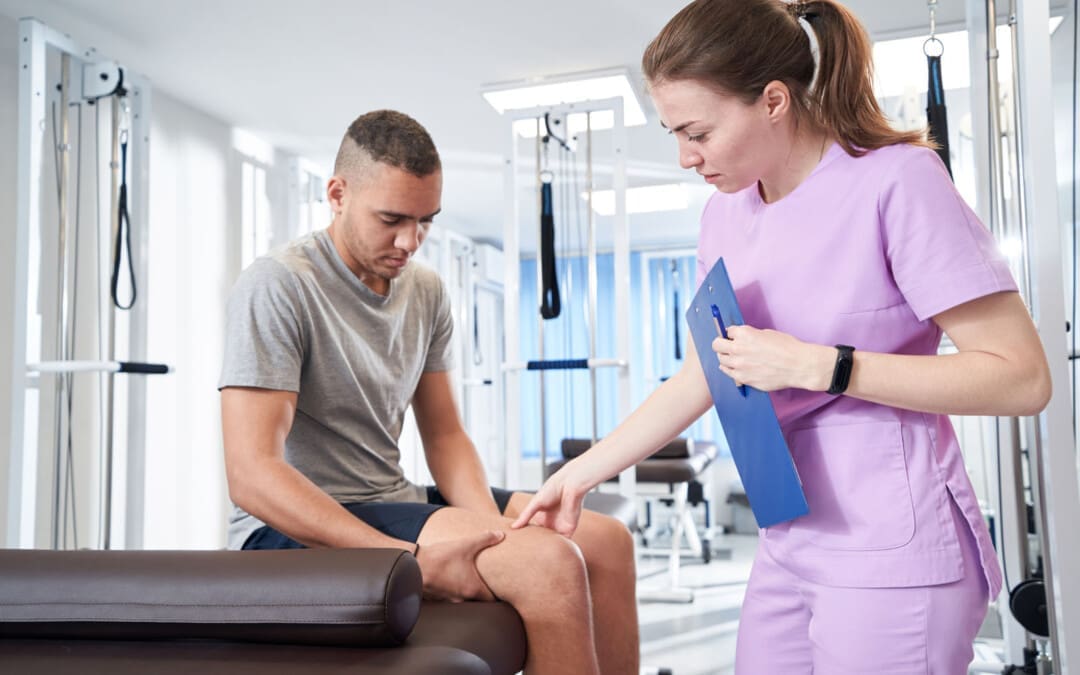
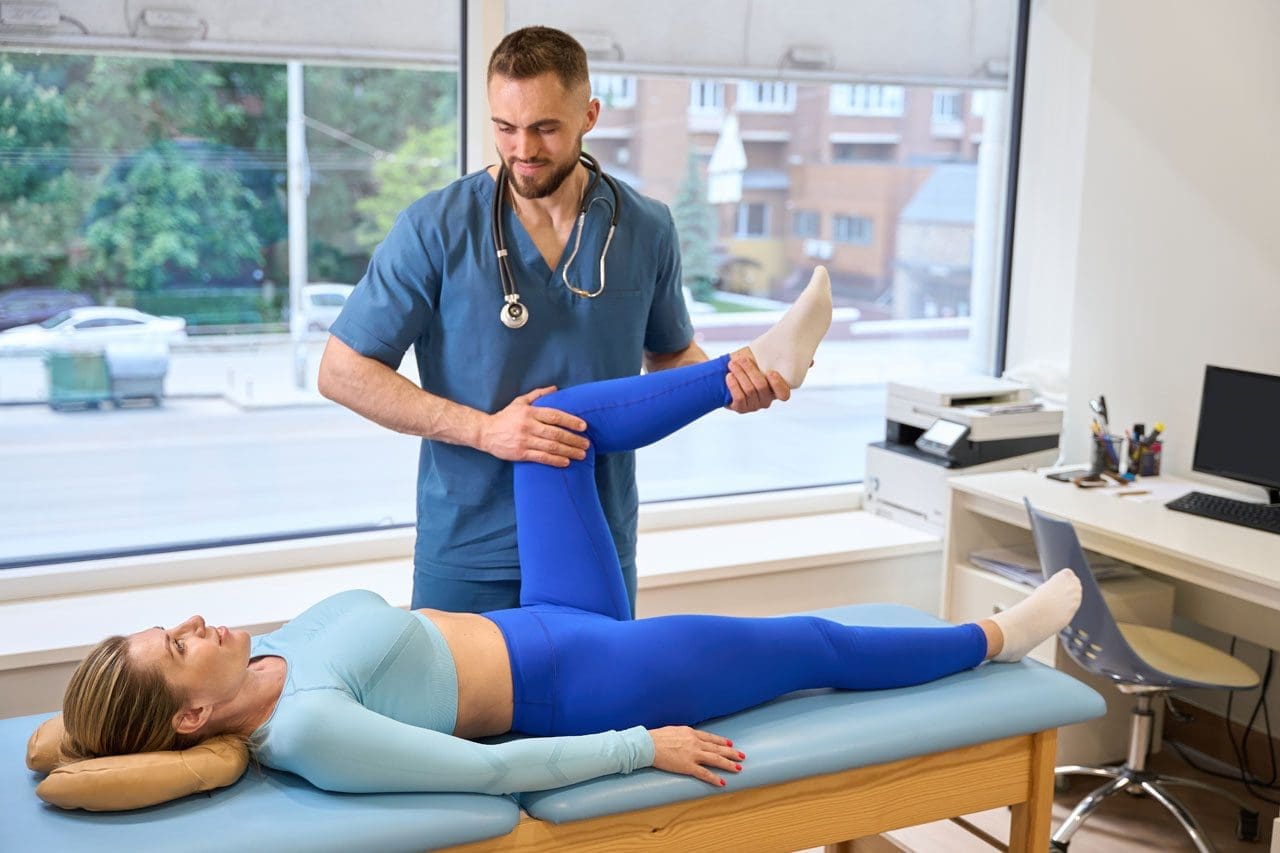
Regarding the body, joints allow the upper and lower extremities to be mobile. This allows the host to move, bend, flex, and rotate without feelings of pain and discomfort. However, as many people age, so do the body and joints, as wear and tear can cause limited movement and stiffen the body. When this happens, it can lead to inflammatory effects and joint disorders. When the joints develop limited mobility and have overlapping risk profiles, it can come in the form of arthritis. When it comes to arthritis can come into two forms: osteo and rheumatoid, and both forms can cause two different inflammatory effects on the joints, causing pain and discomfort to the individual. Luckily, there are natural ways to manage the overlapping pain profiles caused by arthritis. In today’s article, we will look at the difference between the two forms of arthritis and how various natural remedies can help reduce pain-like symptoms caused by arthritis. We associate with certified medical providers who inform our patients of how arthritis can affect the joints and cause pain-like symptoms to their extremities. While asking important questions to our associated medical providers, we advise patients to incorporate various natural remedies to reduce pain-like symptoms related to arthritis and restore joint health. Dr. Alex Jimenez, D.C., envisions this information as an academic service. Disclaimer.
Osteoarthritis Vs. Rheumatoid Arthritis
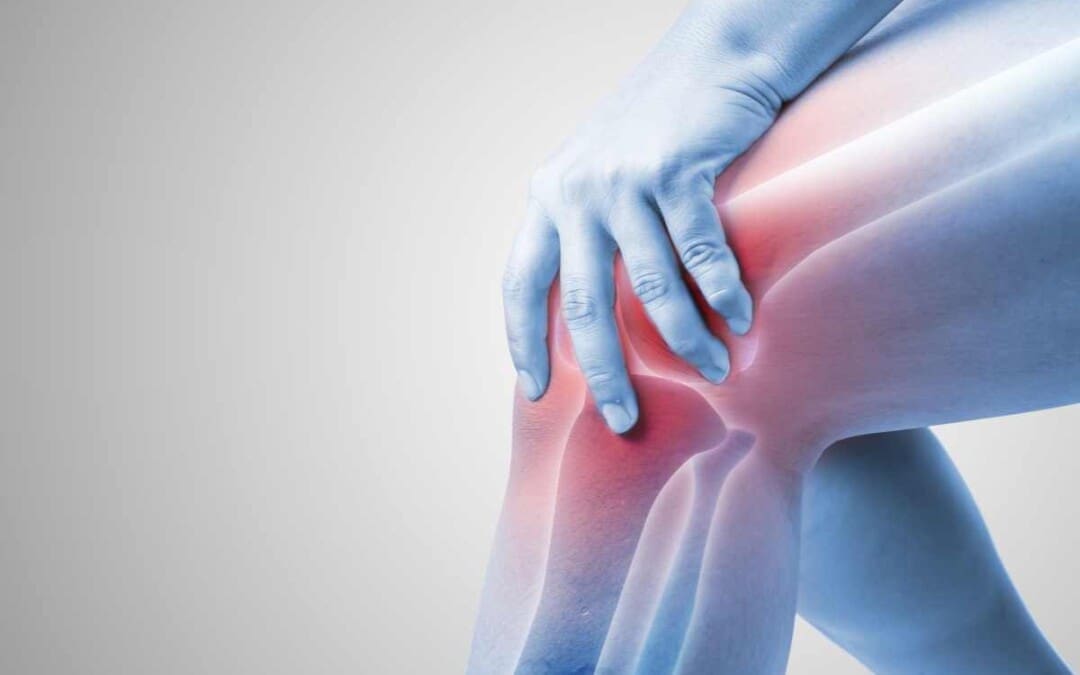
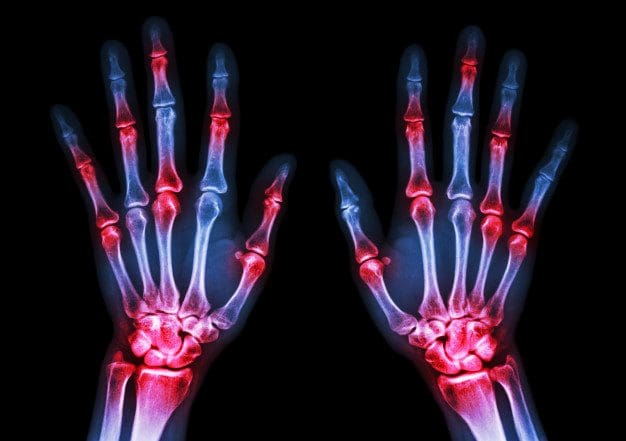
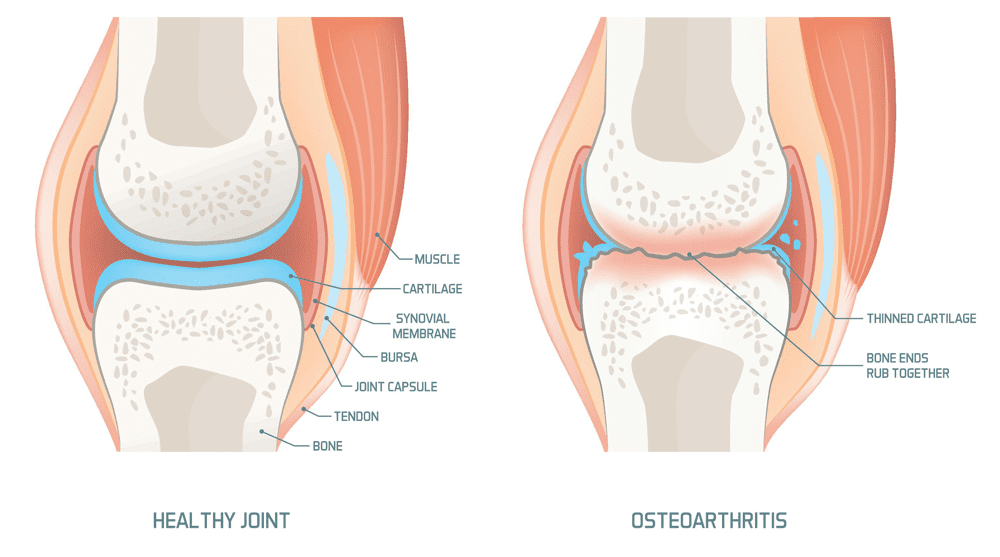
How often do you experience pain in your upper and lower extremities in the cold and feel better with the heat? Do you experience your fingers locking up constantly, making it difficult to grasp objects? Or do you notice swelling or redness in your joints, causing a decreased range of motion? When it comes to the joints dealing with these pain-like issues, it could be due to inflammation, causing the surrounding muscles, tissues, and tendons to become swollen. When it is not being treated, it can lead to the development of arthritis. Arthritis can come in two forms: osteoarthritis and rheumatoid arthritis. These two forms can affect the joints differently, confusing many individuals. Rheumatoid arthritis is a common autoimmune joint disease that causes hyperplasia of the joint tissue and synovial inflammation, which causes cortical bone loss and marginal bone erosion. (Liu et al., 2021) Osteoarthritis can develop when the cartilage between the bones wears down, and it causes the pain associated with inflammation that sensitizes the joint capsule. (Knights et al., 2023) At the same time, osteoarthritis is a well-known degenerative joint disease that is the main cause of disability in a person’s daily living. It has a multifactorial etiology affecting the joint structures. (Yunus et al., 2020) When dealing with either of these forms of arthritis, many people have found natural remedies to help manage the symptoms and reduce the pain.
Unlock The Secrets of Inflammation- Video
Natural Remedies For Arthritis
When it comes to reducing pain-like symptoms that are caused by arthritis and managing their associated symptoms, many people start to make small changes in their daily routine. Many people start changing their eating habits by incorporating anti-inflammatory and antioxidant foods to reduce inflammatory cytokines and help reduce the progression of arthritis. (Gioia et al., 2020) At the same time, changing dietary habits are a small part of creating healthy habits. Therapeutic exercises and braces for the joints can also help reduce the pain and progression of arthritis. (Siddiq et al., 2024) When people commit to a healthy diet full of antioxidants and anti-inflammatory properties and exercise, it can help reduce not only arthritis but also the co-morbidities associated with arthritis, like chronic musculoskeletal pain. (Sakamoto et al., 2023)
Turmeric & Magnesium
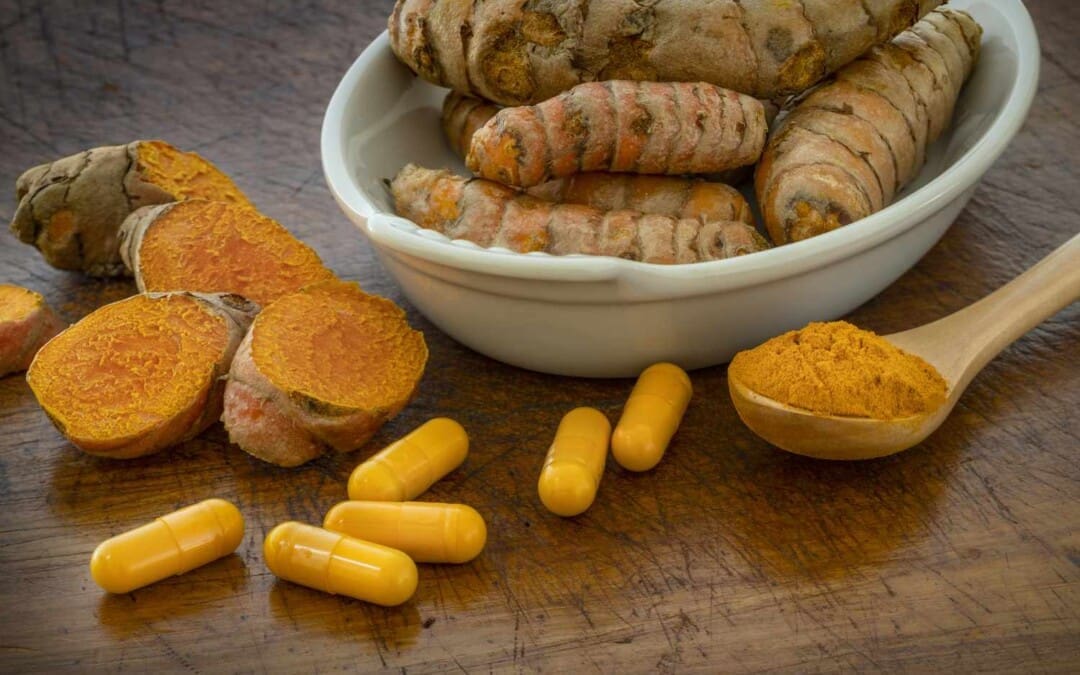
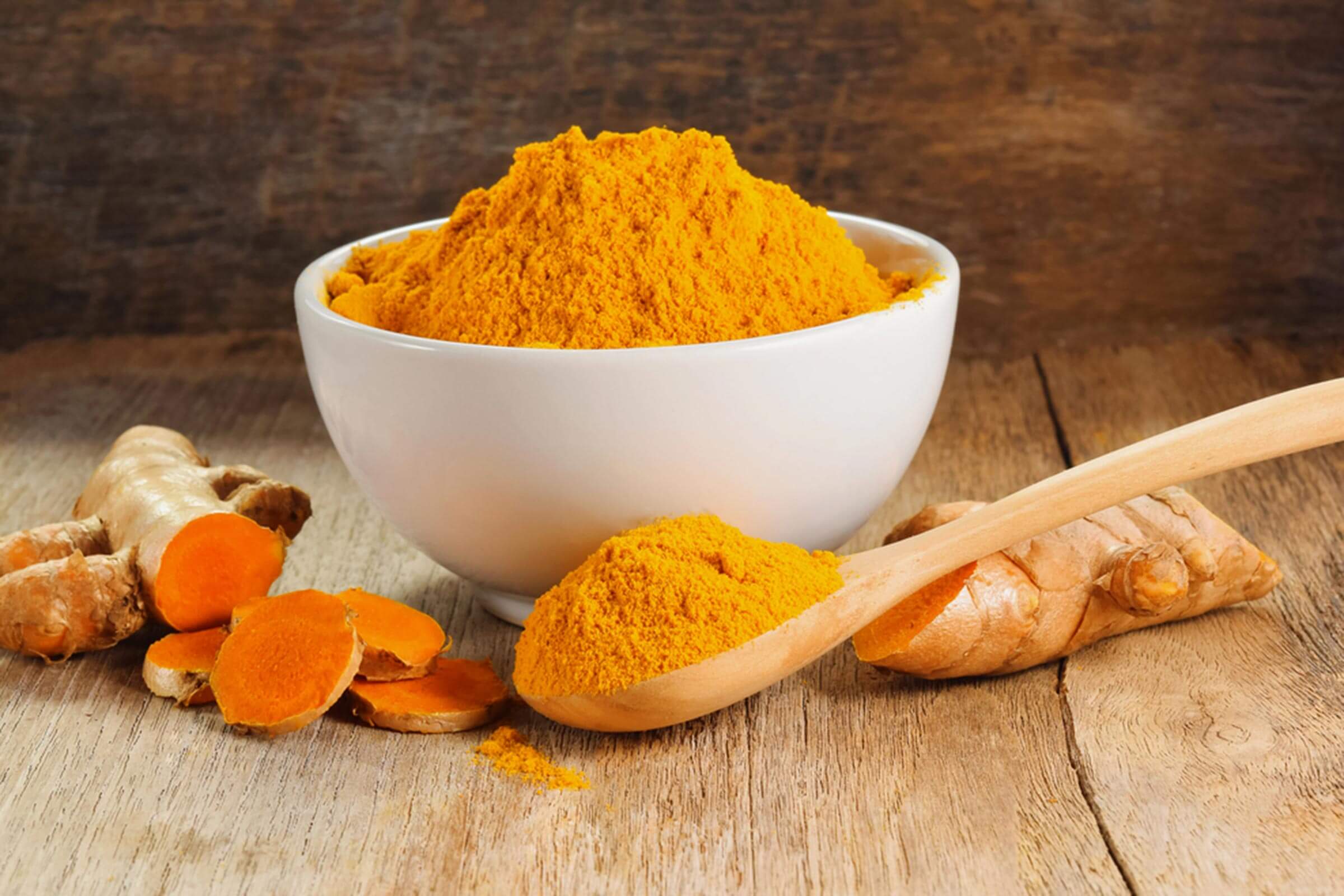
Another natural remedy that many people can incorporate to reduce arthritis affecting their joints is taking turmeric and magnesium supplements. Turmeric is part of the curcumin plant, a powerful antioxidant that can help reduce pain affecting the joints by decreasing the inflammatory status of arthritis. (Calderon-Perez et al., 2021) This is because turmeric and curcumin are natural oxygen scavengers and active nitrogen providers that effectively treat pain from arthritic joints. (Zeng et al., 2021) At the same time, magnesium supplements can help relieve pain and arthritic joints by achieving a holistic analgesic effect on the individual. (Zhu et al., 2024) By incorporating these supplements as part of a holistic treatment plan for individuals with arthritis in their joints, they can manage their symptoms and reduce pain.
References
Calderon-Perez, L., Llaurado, E., Companys, J., Pla-Paga, L., Boque, N., Puiggros, F., Valls, R. M., Pedret, A., Llabres, J. M., Arola, L., & Sola, R. (2021). Acute Effects of Turmeric Extracts on Knee Joint Pain: A Pilot, Randomized Controlled Trial. J Med Food, 24(4), 436-440. https://doi.org/10.1089/jmf.2020.0074
Gioia, C., Lucchino, B., Tarsitano, M. G., Iannuccelli, C., & Di Franco, M. (2020). Dietary Habits and Nutrition in Rheumatoid Arthritis: Can Diet Influence Disease Development and Clinical Manifestations? Nutrients, 12(5). https://doi.org/10.3390/nu12051456
Knights, A. J., Redding, S. J., & Maerz, T. (2023). Inflammation in osteoarthritis: the latest progress and ongoing challenges. Curr Opin Rheumatol, 35(2), 128-134. https://doi.org/10.1097/BOR.0000000000000923
Liu, Y. Q., Liu, Y., Chen, Z. Y., Li, H., & Xiao, T. (2021). Rheumatoid arthritis and osteoporosis: a bi-directional Mendelian randomization study. Aging (Albany NY), 13(10), 14109-14130. https://doi.org/10.18632/aging.203029
Sakamoto, J., Miyahara, S., Motokawa, S., Takahashi, A., Sasaki, R., Honda, Y., & Okita, M. (2023). Regular walking exercise prior to knee osteoarthritis reduces joint pain in an animal model. PLOS ONE, 18(8), e0289765. https://doi.org/10.1371/journal.pone.0289765
Siddiq, M. A. B., Oo, W. M., & Hunter, D. J. (2024). New therapeutic strategies in osteoarthritis. Joint Bone Spine, 91(6), 105739. https://doi.org/10.1016/j.jbspin.2024.105739
Yunus, M. H. M., Nordin, A., & Kamal, H. (2020). Pathophysiological Perspective of Osteoarthritis. Medicina (Kaunas, Lithuania), 56(11). https://doi.org/10.3390/medicina56110614
Zeng, L., Yu, G., Hao, W., Yang, K., & Chen, H. (2021). The efficacy and safety of Curcuma longa extract and curcumin supplements on osteoarthritis: a systematic review and meta-analysis. Biosci Rep, 41(6). https://doi.org/10.1042/BSR20210817
Zhu, Y., Shen, S., Cui, L., Wu, L., & Zhang, B. (2024). Magnesium sulphate and sodium bicarbonate as additives for periarticular local infiltration analgesia improve pain management after unicompartmental knee arthroplasty: a prospective, double-blind, randomized controlled trial. J Orthop Surg Res, 19(1), 764. https://doi.org/10.1186/s13018-024-05233-6
For individuals trying to retrain their body movements for back health improvement, what is the spinal area that helps the body twist, bend, and stand upright?
Lumbosacral Joint L5-S1
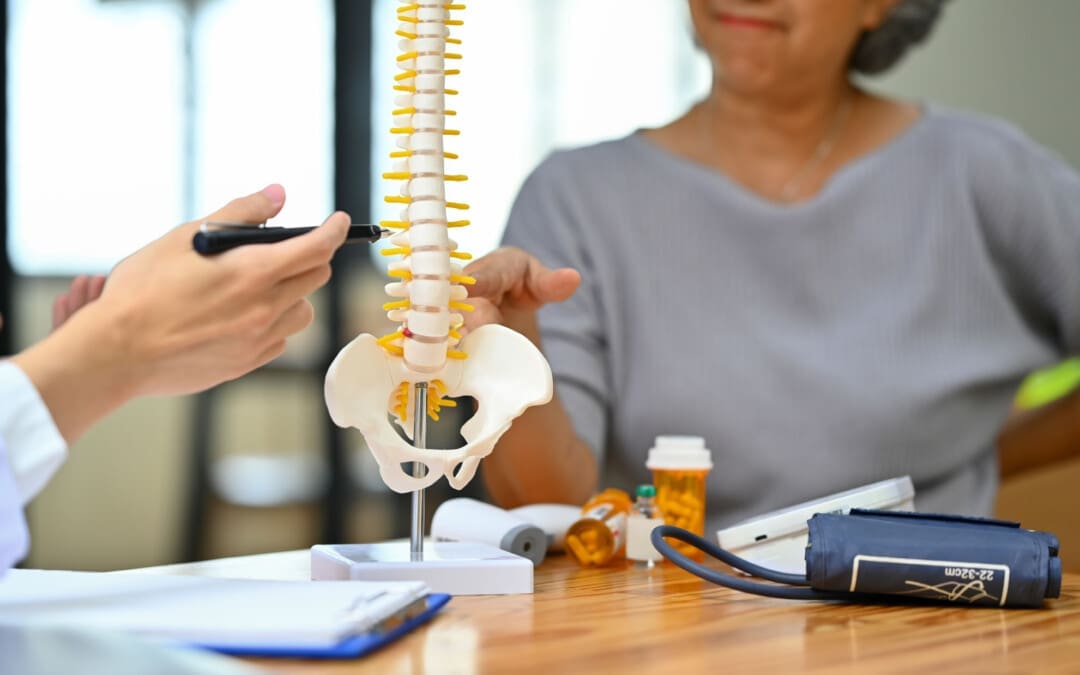
The L5-S1, also called the lumbosacral joint, is a term used to describe a part of the spine. It is where the lumbar spine ends and the sacral spine begins, and it connects these bones. The lumbosacral joint is also susceptible to misalignment and injury, such as disc herniation or a spinal disorder called spondylolisthesis.
The spinal column is the structure that allows the body to stand upright and helps you twist, bend, and alter trunk and neck position. Typically, 24 movable bones in the spine connect to the sacrum and the coccyx, or the tailbone. The sacrum and the coccyx each have multiple bones that fuse over time. L5-S1 consists of the last bone in the lumbar spine, called L5, and the triangle-shaped bone under it, known as the sacrum. S1 is at the top of the sacrum and comprises five fused bones.
Risk of Injury
Each area of the spine has a curve that goes in opposite directions. The places where the spinal curve directions change are junctional levels. The risk of injuries may be higher at junctional levels because the body weight shifts direction as the curves shift. The L5-S1 junction is located between the lumbar curve and the sacral curve. The lumbar curve sweeps forward, and the sacral curve goes backward.
The lumbosacral joint L5-S1 junction is highly vulnerable to misalignment, wear and tear, and injury. This is because the top of the sacrum is positioned at an angle for most individuals. Aging and injury increase the vulnerability of the L5-S1 junction even more. Pain coming from L5-S1 is usually treated with:
Heat and/or ice
Over-the-counter anti-inflammatory medications
Prescription pain medications
Muscle relaxers
Physical therapy
Chiropractic adjustments
Epidural steroid injections
If these therapies do not help, surgery may be recommended. L5-S1 is one of the two most common sites for back surgery.
Conditions
Disc herniation at L5-S1 is a common injury and cause of sciatica, which can cause pain and other issues (MedlinePlus, 2024). The L5-S1 junction is often the site of a condition known as spondylolisthesis.
Disc Herniation
Discs separate the vertebrae, cushioning the spinal column and allowing movement between vertebrae. A disc herniation means the disc slips out of place. (MedlinePlus, 2022) A disc herniation at L5-S1 is a common cause of sciatica. Symptoms of sciatica include:
Burning
Numbness
Pain or tingling that radiates from the buttock down the leg to the knee or foot.
Disc herniation can also cause chronic back pain and stiffness and trigger painful muscle spasms. Bowel problems are also possible with disc issues at L5-S1. Research links irritable bowel syndrome to herniated discs in the lower back. (Bertilson BC, Heidermakr A, Stockhaus M. 2015) Additional studies found disc problems at L5-S1 can lead to difficulty with sphincter control. (Akca N. et al., 2014) Initial treatments for disc herniation include rest and pain relievers to reduce inflammation and swelling, then physical therapy. Most recover with conservative interventions, and those who don’t may require a steroid injection or surgery. (MedlinePlus, 2022)
Spondylolisthesis
Spondylolisthesis occurs when a vertebra slips forward relative to the bone below it. The most common form of this condition is degenerative spondylolisthesis, which generally begins when the spine wears down with age. Isthmic spondylolisthesis is another common variation and starts as a tiny fracture in the pars interarticularis, a bone that connects the adjoining parts of the facet joint. (American Academy of Orthopaedic Surgeons, 2020) These fractures often occur before age 15, but symptoms do not develop until adulthood. Degeneration of the spine in later adulthood can further worsen the condition.
The angle of the sacrum can also contribute to spondylolisthesis. This is because the S1 tips down in the front and up in the back rather than being horizontal. Individuals with a greater tilt are usually at a higher risk of spondylolisthesis. (Gong S. et al., 2019) However, individuals with spondylolisthesis may not have any symptoms. Those who do may experience: (American Academy of Orthopaedic Surgeons, 2020)
Back stiffness
Standing difficulties
Walking difficulties
Lower back pain
Hamstring tightness
Spondylolisthesis is typically treated with non-surgical interventions that can include:
Pain medications
Heat and/or ice application
Physical therapy
Epidural steroid injections
Usually, non-surgical care is tried for at least six months. If pain and symptoms persist, surgery may be an option. Spinal fusion surgery can be effective but requires a long recovery time and can have additional risks.
Injury Medical Chiropractic and Functional Medicine Clinic
Injury Medical Chiropractic and Functional Medicine Clinic works with primary healthcare providers and specialists to develop an optimal health and wellness solution. We focus on what works for you to relieve pain, restore function, and prevent injury. Regarding musculoskeletal pain, specialists like chiropractors, acupuncturists, and massage therapists can help mitigate the pain through spinal adjustments that help the body realign itself. They can also work with other medical professionals to integrate a treatment plan to resolve musculoskeletal issues.
Chiropractic Healing After Trauma
References
MedlinePlus. (2024). Sciatica. Retrieved from https://medlineplus.gov/sciatica.html
MedlinePlus. (2022). Herniated disk. Retrieved from https://medlineplus.gov/ency/article/000442.htm
American Association of Neurological Surgeons. (2024). Herniate disc. https://www.aans.org/patients/conditions-treatments/herniated-disc/
Bertilson, B. C., Heidermark, A., & Stockhaus, M. (2015). Irritable Bowel Syndrome–a Neurological Spine Problem. Journal of Advances in Medicine and Medical Research, 4(24), 4154–4168. https://doi.org/10.9734/BJMMR/2014/9746
Akca, N., Ozdemir, B., Kanat, A., Batcik, O. E., Yazar, U., & Zorba, O. U. (2014). Describing a new syndrome in L5-S1 disc herniation: Sexual and sphincter dysfunction without pain and muscle weakness. Journal of craniovertebral junction & spine, 5(4), 146–150. https://doi.org/10.4103/0974-8237.147076
American Academy of Orthopaedic Surgeons. (2020). Spondylolysis and spondylolisthesis. https://orthoinfo.aaos.org/en/diseases–conditions/spondylolysis-and-spondylolisthesis/
Gong, S., Hou, Q., Chu, Y., Huang, X., Yang, W., & Wang, Z. (2019). Anatomical factors and pathological parts of isthmic fissure and degenerative lumbar spondylolisthesis.
Can individuals dealing with joint pain incorporate turmeric as part of their treatment to reduce inflammation and restore joint health?
Introduction
Many people realize that when the body ages, so do the bones, joints, and spinal discs. This causes musculoskeletal issues to develop and lead to joint pain. Many environmental factors, like improper posture, injuries, accidents, and heavy-loaded objects, are pain-like issues that can affect an individual’s health and well-being. This is because joint pain is associated with these environmental factors, which cause pain and inflammatory effects that can impact their well-being. Additionally, many people will try to find ways to reduce the inflammatory effects caused by joint pain, and one of them is found in their kitchen pantry, which is known as turmeric. Today’s article focuses on the connection between the joints and inflammation, what is turmeric, and its beneficial properties for the joints. We talk with certified associated medical providers who inform our patients about how adding turmeric to their daily routine can reduce the inflammatory effects on the joints. While asking associated medical providers intricate questions, we advise patients to incorporate turmeric in their meals and find therapeutic ways to reduce joint pain in their upper and lower extremities. Dr. Alex Jimenez, D.C., includes this information as an academic service. Disclaimer.
Joint Pain & Inflammation Connection
Do you feel localized or referred pain in your joints that causes you to rest for an extended period? Do general morning aches and pains get better throughout the day? Or do you notice that you are losing your grip occasionally? Many of these scenarios are correlated with joint pain. The joints are part of the musculoskeletal system, and their primary job is to provide movement to the upper and lower extremities without pain. However, when the human body ages, the joints also gradually age. When the joints start to lose their cartilage, environmental factors can cause pain-like symptoms like inflammation to affect the joints, thus causing pain, stiffness, and inflammation. Additionally, it can also lead to joint disorders in the body. While inflammation helps heal the affected area in the body, it is beneficial for the natural healing process; however, when inflammation is chronic, it can do more harm than good.
This is because the immune cells are involved in neuroimmune interplay, which plays a key role in generating and maintaining pain in diseases with an inflammatory component. (Vasconcelos et al., 2022) Additionally, when environmental factors start to affect the joints, the inflammatory effects can cause peripheral nerve damage, and that can cause structural damage to the joints, leading to altered gait and abnormal loading patterns through movement. (McDougall & Reid, 2022) When individuals experience inflammatory effects that affect their joints, many will try to find ways to reduce the pain-like effects in their joints.
Fighting Inflammation Naturally-Video
What Is Turmeric?
Many individuals dealing with pain and inflammation in their joints will seek out therapeutic options to restore joint health. Many people can incorporate anti-inflammatory supplements and treatments to reduce joint inflammation. Turmeric is one of the anti-inflammatory supplements found in India and Southern Asia; anti-inflammatory components can help treat a wide variety of conditions and general health and wellness. (“Turmeric,” 2012) Turmeric is also a functional food due to its health-promoting properties that can help decrease inflammatory cytokines and reduce joint pain, which can help improve joint mobility. (Kepinska-Pacelik & Biel, 2023)
Turmeric’s Beneficial Properties For The Joints
Now, when it comes to the beneficial properties of turmeric for joint pain, many people can take turmeric in supplement form and, over time, will begin to notice less pain in their joints. This is because the main purpose of incorporating turmeric as part of a therapeutic routine is to relieve pain, delay joint degeneration progression, and restore joint function. (Zeng et al., 2021) Additionally, turmeric can help control inflammation and improve joint health since it can have a positive effect or equivalency of anti-inflammatory medication for individuals wanting to reduce joint pain’s life effects. (Panknin et al., 2023) When people want to think about their well-being and joint health, taking turmeric supplements or incorporating them in dishes can be a stepping stone to improving joint function. At the same time, incorporating strength training exercises into the surrounding muscles can help with joint improvement, and non-surgical treatments like chiropractic care can help reduce the inflammatory effects of degenerating the joints. This, in turn, can help people live pain-free lives, giving them a sense of control over their well-being.
References
Kepinska-Pacelik, J., & Biel, W. (2023). Turmeric and Curcumin-Health-Promoting Properties in Humans versus Dogs. Int J Mol Sci, 24(19). https://doi.org/10.3390/ijms241914561
McDougall, J. J., & Reid, A. R. (2022). Joint Damage and Neuropathic Pain in Rats Treated With Lysophosphatidic Acid. Front Immunol, 13, 811402. https://doi.org/10.3389/fimmu.2022.811402
Panknin, T. M., Howe, C. L., Hauer, M., Bucchireddigari, B., Rossi, A. M., & Funk, J. L. (2023). Curcumin Supplementation and Human Disease: A Scoping Review of Clinical Trials. Int J Mol Sci, 24(5). https://doi.org/10.3390/ijms24054476
Vasconcelos, D. P., Jabangwe, C., Lamghari, M., & Alves, C. J. (2022). The Neuroimmune Interplay in Joint Pain: The Role of Macrophages. Front Immunol, 13, 812962. https://doi.org/10.3389/fimmu.2022.812962
Zeng, L., Yu, G., Hao, W., Yang, K., & Chen, H. (2021). The efficacy and safety of Curcuma longa extract and curcumin supplements on osteoarthritis: a systematic review and meta-analysis. Biosci Rep, 41(6). https://doi.org/10.1042/BSR20210817
Back pain is one of the most common reasons for seeking health care. Individuals dealing with back pain but don’t know the cause may have some inflammatory joint disease or autoimmune condition. Can seeing a rheumatologist help?
Rheumatologist
Depending on what’s causing the back pain, individuals may need to see their primary doctor for a referral. Individuals are recommended to see a rheumatologist if they have back pain that doesn’t come from an injury that doesn’t go away after a few weeks, pain that comes back after treatment, or symptoms that suggest a rheumatic condition. Rheumatologists treat severe or persistent back pain and are experts in autoimmune diseases, including lupus, Sjogren’s syndrome, rheumatoid arthritis, ankylosing spondylitis, axial spondylitis, Psoriatic arthritis, and other forms of inflammatory or autoimmune arthritis.
What Do They Do?
A rheumatologist is an internist or pediatrician who has completed special training in treating conditions that are:
Inflammatory
Autoimmune
Related to painful joint disease
The doctors diagnose, treat, and manage these conditions long-term. Depending on diagnosis and care needs, they may also lead or be part of a team that includes other healthcare providers.
Symptoms
When muscles ache, pain presents, or joints hurt, and especially if there are signs of inflammation that don’t go away, seeing a healthcare provider is recommended. Symptoms of inflammation include:
Redness
Swelling
Pain
Stiffness
Loss of joint function
Usually, to see a rheumatologist, individuals need a referral from their primary care provider and may be referred when:
There is no evidence of a back injury.
At-home therapies like heat application, prescription medications, or physical therapy are unsuccessful.
There is uncertainty about what’s causing the back pain, but I suspect it’s rheumatological.
Blood tests for inflammatory markers or certain antibodies yield abnormal results.
There is a diagnosis of a rheumatic condition and recommend a specialist to manage it.
There is a family history of a rheumatic or autoimmune condition that may cause back pain.
Some types of arthritis can cause permanent, progressive joint damage.
Conditions
Conditions that can affect the spine and cause back pain and are treated by a rheumatologist include: (Johns Hopkins Medicine, 2024)
Rheumatoid arthritis (RA)
This often starts in smaller joints of the hands and feet and later moves to the neck and/or back.
It can also affect different body organs and have systemic symptoms.
Ankylosing Spondylitis (AS)
Primarily a disease of the spine, it may also impact the shoulders, hips, knees, and ankles.
Systemic symptoms, including fever and fatigue, can manifest.
Axial Spondylitis
This primarily affects the spine, chest, and pelvis.
It may also cause problems with the connective tissue, eyes, bowel, and skin.
Psoriatic Arthritis (PsA)
Pain in the lower back is common, especially in severe cases.
It can affect other joints and cause psoriasis.
Reactive Arthritis
This is a reaction to infection.
It is more common in the limbs, hands, and feet joints but can involve the spine.
Enteropathic Arthritis
This mainly affects the spine but can include other joints.
It is associated with inflammatory bowel disease.
Autoimmune diseases that don’t specifically target the spine but can also cause back pain include:
Lupus
Sjögren’s syndrome
Hashimoto’s thyroiditis
Finding a Doctor
Individuals may be fine with their primary healthcare provider’s choice regarding which rheumatologist to see. However, they may want to research other options to ensure the right rheumatologist is chosen. Things to look at include:
Search online medical directories.
Visit the websites of the doctors being considered to learn more about their training, approach, and specialties.
Check online reviews.
Check on health insurance coverage.
Ask members of the healthcare team, friends, and family for recommendations.
Contact rheumatologists’ offices to see if they are accepting new patients.
Once decided, pass along the information to the primary care doctor so they can make the referral.
Preparing For The Initial Visit
Before seeing a new rheumatologist, take a few minutes to prepare so you can make the most of the appointment. Individuals will want to have:
A list of back-related symptoms, including frequency and severity.
A list of what makes symptoms better or worse.
A copy of recent test results and records from other doctors.
Individuals can ask their provider/s to send their medical information to the rheumatologist’s office in advance.
A list of treatments that have been tried and how well they worked.
A list of all medications, over-the-counter and prescription, supplements, and herbal products taken.
A list of medication allergies.
Complete medical history and family history of potentially related diseases.
A list of any questions regarding conditions, treatment, etc.
If possible, fill out any paperwork for the new office beforehand to save time on the appointment day.
Injury Medical Chiropractic and Functional Medicine Clinic
Talking with a healthcare provider is important. Injury Medical Chiropractic and Functional Medicine Clinic works with primary healthcare providers and specialists to develop personalized treatment programs. Using an integrated approach to treating injuries and chronic pain syndromes to improve flexibility, mobility, and agility and help individuals return to normal activities. If other treatments are needed, Dr. Jimenez has teamed up with top surgeons, clinical specialists, medical researchers, and rehabilitation providers.
Quick Patient Initiation Process
References
Hospital for Special Surgery. (2023). What Is a Rheumatologist and What Conditions Do They Treat? https://www.hss.edu/conditions_what-is-a-rheumatologist.asp#when
Yale University School of Medicine. Dee, J. E. (2021). 5 reasons why a patient should see a rheumatologist. https://medicine.yale.edu/news-article/5-reasons-to-see-a-rheumatologist/
National Institute of Arthritis and Musculoskeletal and Skin Diseases. (2023). Autoimmune diseases. Retrieved from https://www.niams.nih.gov/health-topics/autoimmune-diseases
Johns Hopkins Medicine. (2024). Spinal arthritis (arthritis in the back or neck). https://www.hopkinsmedicine.org/health/conditions-and-diseases/spinal-arthritis
Can incorporating stretches and exercises help relieve pain and provide more support for individuals with knee pain?
Knee Strengthening
The knee is the largest joint connecting the shin and thigh bones. Its cartilage, muscles, ligaments, and nerves all play a role in maintaining the joint’s health and movement. Individuals of all ages can experience knee pain, but it is more common in those with labor-intensive jobs, arthritis, and athletes. A healthcare provider will prescribe targeted stretches and exercises for individuals with pain, inflammation, or a health disorder that affects the strength of their knees to relieve knee pain while strengthening the muscles around the joint. Knee stretches and exercises are great for those with sore knees and knee pain or stiffness, but they can also be used as preventative medicine.
Exercise Benefits
Doing knee-strengthening exercises can significantly improve joint health. The benefits associated with exercises include (Zeng C. Y. et al., 2021)
Avoid curving the spine to get closer to the thigh during the stretch. The key is not how far you can bend down but getting a deep stretch. Individuals not yet flexible enough to go all the way down should bend until comfortable but can still feel the stretch in their hamstrings. With practice and time, flexibility will improve. This stretch should be felt in the hamstrings.
Step Exercises
Step exercises, or step-ups, involve using a platform at least 6 inches high. To perform the exercise:
Put one foot onto the platform and use that leg to lift the other foot off the floor.
Hold the position with the foot hanging loosely for 3 to 5 seconds, then place the foot back on the floor.
Avoid locking the knees when stepping up on the platform. Locking the knees switches off the muscles that need strengthening (American Academy of Orthopaedic Surgeons, 2009). Step exercises work out various areas of the leg. Individuals should feel this exercise in the thigh, hip, and buttocks.
Post-Exercise Stretching
Post-exercise stretching is vital in physical rehabilitation and strengthening. Stretching after exercise, individuals can (Afonso J. Clemente. et al., 2021)
Relieve and reduce soreness.
Expedite recovery times.
Increase range of motion.
Strengthen the knees more quickly and effectively.
Post-exercise stretches for knee pain and weakness can include:
Quadricep Stretch
This stretch targets the quad muscles located in the thighs. To perform this stretch:
Stand with the feet planted flat on the floor, spaced the same width as the shoulders.
Bending the left knee, grab the foot with the left hand and pull the heel toward the buttocks.
Hold for 5 to 10 seconds.
Repeat on both sides.
What to Avoid
There is no need to pull the heel too far into the buttocks. The goal is to feel a deep stretch. Pushing it too far can lead to injury. (Lee J. H. et al., 2021)
Toe Touches
Toe touches will help stretch calve muscles and hamstrings. To perform this stretch:
Sit on the floor with the legs straight out in front.
Bend the body over the legs at the hips, reaching for the toes in front while maintaining a straight back.
Relax the shoulders and keep them away from the ears.
Once touching the toes, hold the stretch for 15 seconds.
What To Avoid
Individuals who cannot yet touch their toes should perform the same steps and reach only as far as is comfortably possible. Over time, flexibility will improve. (Lee J. H. et al., 2021)
Injury Medical Chiropractic Clinic
These are examples of exercises and stretches that a physical therapy and chiropractic team may prescribe. Each case is different and requires reviewing individual medical history and physical examination to determine the proper treatment program. Injury Medical Chiropractic and Functional Medicine Clinic works with primary healthcare providers and specialists to develop a personalized treatment program through an integrated approach to treating injuries and chronic pain syndromes, improving flexibility, mobility, and agility to relieve pain and help individuals return to normal activities. If other treatments are needed, Dr. Jimenez has teamed up with top surgeons, clinical specialists, medical researchers, and rehabilitation providers to provide the most effective treatments.
Knee Pain Rehabilitation
References
Zeng, C. Y., Zhang, Z. R., Tang, Z. M., & Hua, F. Z. (2021). Benefits and Mechanisms of Exercise Training for Knee Osteoarthritis. Frontiers in physiology, 12, 794062. https://doi.org/10.3389/fphys.2021.794062
American Academy of Orthopaedic Surgeons. OrthoInfo. (2009). Knee exercises. https://orthoinfo.aaos.org/en/staying-healthy/knee-exercises/
Kothawale S. and Rao K. (2018). Effectiveness of positional release technique versus active release technique on hamstrings tightness. Int J Physiother Res., 6(1), 2619-2622. https://doi.org/https://dx.doi.org/10.16965/ijpr.2017.265
Wang, H., Ji, Z., Jiang, G., Liu, W., & Jiao, X. (2016). Correlation among proprioception, muscle strength, and balance. Journal of physical therapy science, 28(12), 3468–3472. https://doi.org/10.1589/jpts.28.3468
Afonso, J., Clemente, F. M., Nakamura, F. Y., Morouço, P., Sarmento, H., Inman, R. A., & Ramirez-Campillo, R. (2021). The Effectiveness of Post-exercise Stretching in Short-Term and Delayed Recovery of Strength, Range of Motion and Delayed Onset Muscle Soreness: A Systematic Review and Meta-Analysis of Randomized Controlled Trials. Frontiers in physiology, 12, 677581. https://doi.org/10.3389/fphys.2021.677581
Lee, J. H., Jang, K. M., Kim, E., Rhim, H. C., & Kim, H. D. (2021). Effects of Static and Dynamic Stretching With Strengthening Exercises in Patients With Patellofemoral Pain Who Have Inflexible Hamstrings: A Randomized Controlled Trial. Sports health, 13(1), 49–56. https://doi.org/10.1177/1941738120932911
Can individuals with osteoarthritis can incorporate cycling to reduce joint pain and regain their joint mobility?
Introduction
The joints in the musculoskeletal system allow the individual to be mobile while allowing the extremities to do their jobs. Just like the muscles and ligaments of the body, the joints can also wear and tear through repetitive motions, leading to joint pain in the extremities. Over time, the wear and tear from the joints can lead to the potential development of osteoarthritis, which then can affect joint mobility and lead to a life of pain and misery for individuals. However, numerous ways exist to reduce osteoarthritis’s pain-like symptoms and help restore joint mobility through cycling. Today’s article looks at how osteoarthritis affects the joints, how cycling is incorporated for osteoarthritis, and how it can reduce joint pain. We discuss with certified associated medical providers who consolidate our patients’ information to assess osteoarthritis and its associated pain symptoms affecting the joints in the extremities. We also inform and guide patients while asking their associated medical provider intricate questions to integrate cycling into their personalized treatment plan to manage the pain correlated with osteoarthritis affecting their joints. Dr. Jimenez, D.C., includes this information as an academic service. Disclaimer.
Osteoarthritis Affecting Joint Mobility
Do you feel pain and stiffness every morning in your joints only for it to feel better throughout the day? Do you experience pain in your knees, hips, and hands? Or have you noticed that your range of motion has decreased drastically? Many individuals, both young and old, can be affected by these pain-like issues and could be at risk of developing osteoarthritis in their joints. Osteoarthritis is the largest and most common musculoskeletal condition that causes a disturbance of the inflammatory cytokine balance, damaging the cartilage and other intra-articular structures surrounding the joints. (Molnar et al., 2021) This is because osteoarthritis develops over time, causing the cartilage to wear away and causing the connecting bones to rub against each other. This, in turn, can affect the extremity’s joint mobility, causing symptoms of stiffness, pain, swelling, and reduced range of motion to the joints.
Additionally, osteoarthritis is multifactorial as it can cause an imbalance in the joints due to genetics, environmental, metabolic, and traumatic factors that can contribute to its development. (Noriega-Gonzalez et al., 2023) This is because repetitive motions and environmental factors can impact the body and cause overlapping risk profiles to correlate with osteoarthritis. Some overlapping risk profiles associated with osteoarthritis are pathological changes in the joint structure that cause abnormal loading on the joints, which causes joint malalignment and muscle weakness. (Nedunchezhiyan et al., 2022) This causes many people to be in constant pain and trying to find relief from joint pain associated with osteoarthritis.
Chiropractic Solutions For Osteoarthritis-Video
Cycling For Osteoarthritis
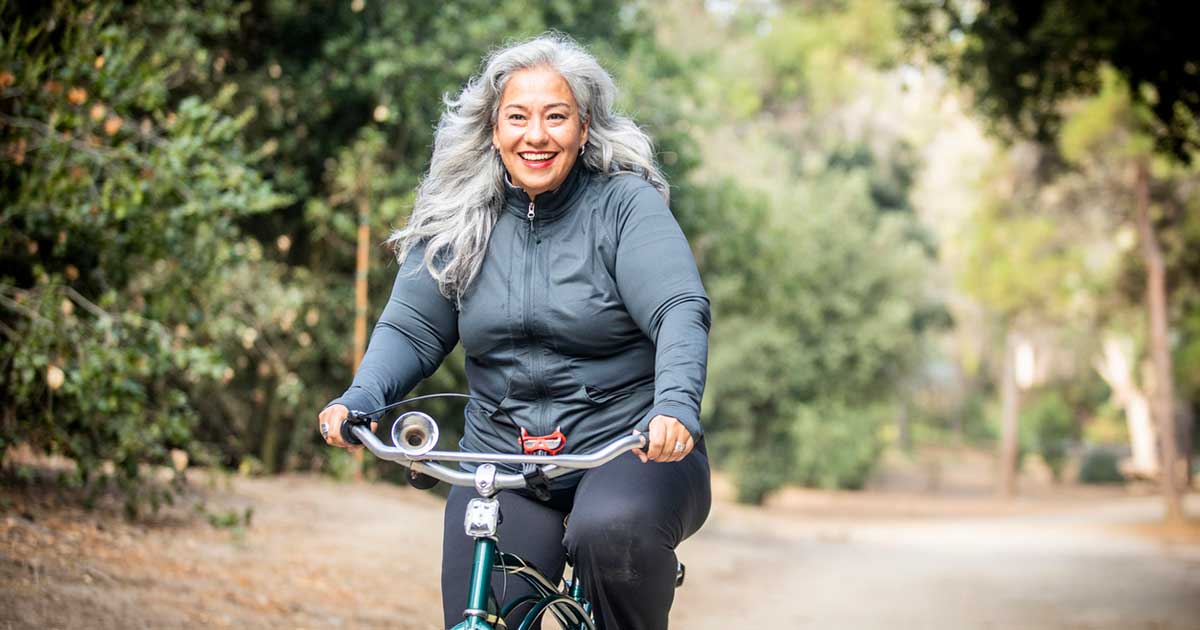
Engaging in physical activities may seem daunting when managing osteoarthritis symptoms, but it can help restore joint mobility while reducing the pain associated with osteoarthritis. One of the physical activities that has little impact and does not impact the joints is cycling. Cycling for osteoarthritis has many beneficial properties as it can:
Strengthen surrounding muscles
Retain joint mobility
Improve range of motion
Weight management
Enhancing cardiovascular health
Cycling can help the individual focus on strengthening the lower extremity muscles surrounding the joints, which can help improve pain and functionality. (Katz et al., 2021) This, in turn, helps provide better support and stability to the joints, thus reducing overload on the body while minimizing the risk of injuries. Additionally, cycling can help improve many individuals looking for a healthier change and increase bone mineral density in the joints, thus decreasing the risk of fractures. (Chavarrias et al., 2019)
Cycling Reducing Joint Pain
Cycling is a safe and effective exercise for anyone, whether they’re just starting or haven’t been active for a while. The key to optimal recovery and joint functionality is to consult a doctor. This ensures that cycling is a safe option for you, helps you choose the right bike, and provides guidance on how to start slowly, warm up and stretch, maintain proper form, and stay consistent with the cycling sessions. This professional guidance is crucial, as it allows many individuals with joint pain to achieve complete functional recovery to their joints. (Papalia et al., 2020) Cycling is an excellent way to manage osteoarthritis and its associated symptoms. For many individuals with osteoarthritis, this low-impact exercise can be a game-changer, promoting muscle strengthening, improving joint range of motion, and helping alleviate osteoarthritis symptoms.
References
Chavarrias, M., Carlos-Vivas, J., Collado-Mateo, D., & Perez-Gomez, J. (2019). Health Benefits of Indoor Cycling: A Systematic Review. Medicina (Kaunas, Lithuania), 55(8). https://doi.org/10.3390/medicina55080452
Katz, J. N., Arant, K. R., & Loeser, R. F. (2021). Diagnosis and Treatment of Hip and Knee Osteoarthritis: A Review. JAMA, 325(6), 568-578. https://doi.org/10.1001/jama.2020.22171
Molnar, V., Matisic, V., Kodvanj, I., Bjelica, R., Jelec, Z., Hudetz, D., Rod, E., Cukelj, F., Vrdoljak, T., Vidovic, D., Staresinic, M., Sabalic, S., Dobricic, B., Petrovic, T., Anticevic, D., Boric, I., Kosir, R., Zmrzljak, U. P., & Primorac, D. (2021). Cytokines and Chemokines Involved in Osteoarthritis Pathogenesis. Int J Mol Sci, 22(17). https://doi.org/10.3390/ijms22179208
Nedunchezhiyan, U., Varughese, I., Sun, A. R., Wu, X., Crawford, R., & Prasadam, I. (2022). Obesity, Inflammation, and Immune System in Osteoarthritis. Front Immunol, 13, 907750. https://doi.org/10.3389/fimmu.2022.907750
Noriega-Gonzalez, D., Caballero-Garcia, A., Roche, E., Alvarez-Mon, M., & Cordova, A. (2023). Inflammatory Process on Knee Osteoarthritis in Cyclists. J Clin Med, 12(11). https://doi.org/10.3390/jcm12113703
Papalia, R., Campi, S., Vorini, F., Zampogna, B., Vasta, S., Papalia, G., Fossati, C., Torre, G., & Denaro, V. (2020). The Role of Physical Activity and Rehabilitation Following Hip and Knee Arthroplasty in the Elderly. J Clin Med, 9(5). https://doi.org/10.3390/jcm9051401
For individuals living with chronic pain and various diseases like Parkinson’s, arthritis, and diabetes, can water aerobics be beneficial?
Water Aerobics
Water aerobics are low-impact exercises performed commonly in swimming pools. It is a great way to exercise for a full-body, low-impact workout without overworking the body’s joints and muscles. Other names used include:
Aquafitness
Aqua aerobics
Aquarobics
Many types can be tailored to individual needs, injuries, and/or conditions. The exercises have various health benefits, especially for those who cannot perform higher-impact movements.
Individuals participating in water aerobics will need a bathing suit, towel, goggles, and a swim cap to protect their eyes or hair from chlorinated water. Individuals do not need other special equipment while exercising as the water acts as extra resistance. Foam dumbbells or paddles can be used to increase resistance. Other optional equipment includes: (Plunge San Diego, 2024) (Harvard Health Publishing Harvard Medical School, 2023)
Kickboards
Wrist and ankle weights
Water-jogging belts
Swim bar
Pool Exercises
There are many types of pool exercises to help reach health and fitness goals. They include:
Water Walking
The basic act of walking in water is a great way to get a full-body workout.
Start by standing in waist-deep water with the feet planted on the bottom of the pool.
Lengthen the spine by bringing the shoulders up and back and aligning the shoulders with the hips and knees.
Once in a good starting position, walk through the water, putting pressure on the heel first and then the toes, just like walking out of the water, while swinging the arms back and forth through the water.
This exercise can be done for five to 10 minutes.
The muscles that will get the most attention are the arms, core, and the lower body.
Arm Lifts
Stand up to the shoulders in water.
With the palms facing up, draw the elbows into the torso while lifting the forearms in front of the body up to the water’s surface.
Once at the surface, rotate the palms to face down and slowly move the forearms back down to the sides.
For more resistance, this exercise can also be done using foam dumbbells.
Repeat the action 10–15 times for one to three sets.
The muscles targeted are the core and the arm muscles.
Jumping Jacks
Water resistance makes jumping jacks in the water much more difficult than on land.
To perform, start by standing in chest-level water with your feet together and your arms straight down the sides.
Once in position, begin by simultaneously swinging the legs out to the side and arms over the head before returning to the starting position.
Muscles targeted include the entire body and cardiovascular system.
Add wrist or ankle weights for more resistance and to make the exercise more challenging.
High-Knee-Lift Extensions
High-knee-lift extensions are performed while standing in water that is waist deep.
To do the exercise, engage the core and lift one leg in a bent position until it is level with the water’s surface.
Hold the position for a few seconds, then extend the leg out in front and hold again.
After the hold period, move the leg back down through the water to the starting position while keeping it straight and flexing the foot.
Repeat on both legs for two to three sets of 15 reps per leg.
Use weights on the ankles to increase resistance.
The muscles targeted include the core, glutes, and lower body.
Risks
While exercising in water, individuals may not notice how much they sweat. This can make it seem like the workout is not as hard and can lead to dehydration. Individuals should always hydrate before and after a pool workout. Individuals who cannot swim well should avoid exercises that do not require a flotation device. Sometimes pools are heated, so choosing one 90 degrees F or below is recommended so the body doesn’t get overheated while exercising.
Stop Pool Exercises Immediately
Performing pool exercises can often seem easier than they are, leading to overworking. Stop exercising immediately if you feel:
Pain in any area of the body
Shortness of breath
Nauseated
Faint
Dizzy
Pressure in the upper body or chest
Other Health Conditions That Benefit
Water aerobics is recommended for most individuals, completely healthy or with a chronic disease. Those with chronic disease have been shown to benefit from the low-impact exercise. (Faíl, L. B. et al., 2022) One study looked at individuals with various health conditions, with the results showing that the following conditions saw improvements after 12 weeks of regular water exercise (Faíl, L. B. et al., 2022)
Diabetes
Arthritis
Fibromyalgia
Bone diseases
High blood pressure
Coronary artery disease
Stroke
Multiple sclerosis (MS)
Parkinson’s disease
While the benefits of water aerobics have been studied and proven effective, individuals should be cleared by a medical professional before starting any new exercise regimen. Injury Medical Chiropractic and Functional Medicine Clinic works with primary healthcare providers and specialists to develop an optimal health and wellness solution through an integrated approach to treating injuries and chronic pain syndromes, improving flexibility, mobility, and agility programs to relieve pain and help individuals return to normal. Our providers create personalized care plans for each patient. If other treatments are needed, Dr. Jimenez has teamed up with top surgeons, clinical specialists, medical researchers, and rehabilitation providers to provide the most effective treatments.
Chiropractic and Integrative Healthcare
References
Harvard Health Publishing Harvard Medical School. (2023). Basic types of water-based exercises. HealthBeat. https://www.health.harvard.edu/healthbeat/basic-types-of-water-based-exercise
Pereira Neiva, H., Brandão Faíl, L., Izquierdo, M., Marques, M. C., & Marinho, D. A. (2018). The effect of 12 weeks of water-aerobics on health status and physical fitness: An ecological approach. PloS one, 13(5), e0198319. https://doi.org/10.1371/journal.pone.0198319
Harvard Health Publishing Harvard Medical School. (2024). Advantages of water-based exercise. HealthBeat. https://www.health.harvard.edu/healthbeat/advantages-of-water-based-exercise
Plunge San Diego. (2024). 5 must-have pieces of aquatic exercise equipment for water aerobics. Plunge San Diego. https://plungesandiego.com/what-equipment-needed-water-aerobics-shoes/
Faíl, L. B., Marinho, D. A., Marques, E. A., Costa, M. J., Santos, C. C., Marques, M. C., Izquierdo, M., & Neiva, H. P. (2022). Benefits of aquatic exercise in adults with and without chronic disease-A systematic review with meta-analysis. Scandinavian journal of medicine & science in sports, 32(3), 465–486. https://doi.org/10.1111/sms.14112
IFM's Find A Practitioner tool is the largest referral network in Functional Medicine, created to help patients locate Functional Medicine practitioners anywhere in the world. IFM Certified Practitioners are listed first in the search results, given their extensive education in Functional Medicine